National PTSD Awareness Day

National PTSD Awareness Day is a day dedicated to creating awareness regarding PTSD (Post Traumatic Stress Disorder). It is acknowledged annually on the 27th of June. The US Senate officially designated this day in 2010. In 2014 the Senate designated the whole month of June as PTSD Awareness Month.

In the US, 6.8% of adults will experience PTSD in their lifetimes with women twice as likely as men to experience it (10.4% to 5%) frequently as a result of sexual trauma. Veterans are another group highly likely to experience PTSD during their lives, with Vietnam War veterans at 30%, Gulf War veterans at 10%, and Iraq War veterans at 14%.

On this day, organisations that work with employees, consumers, and patients at risk for the condition work to get information about symptoms and treatments for it out to the public in the hopes that when more people know about the disease more people who suffer from it will get treatment. The US Department of Defence is one of the major organisations involved as June is full of days relating to the military.

You can find out more about raising PTSD awareness from the US Department of Veterans Affair’s National Centre for PTSD and PTSDUK.

Are Alterations in Alpha Synchrony Discriminatory of PTSD?

Research Paper Title

Alterations in Sleep EEG Synchrony in Combat-Exposed Veterans With PTSD.

Background

The researchers assessed whether the synchrony between brain regions, analysed using electroencephalography (EEG) signals recorded during sleep, is altered in subjects with post-traumatic stress disorder (PTSD) and whether the results are reproducible across consecutive nights and sub-populations of the study.

Methods

Seventy-eight combat-exposed veteran men with (n = 31) and without (n = 47) PTSD completed two consecutive laboratory nights of high-density EEG recordings. They computed a measure of synchrony for each EEG channel-pair across three sleep stages [rapid eye movement (REM) and non-REM stages 2 and 3] and six frequency bands.

The researchers examined the median synchrony in nine region-of-interest (ROI) pairs consisting of six bilateral brain regions (left and right frontal, central, and parietal regions) for ten frequency-band and sleep-stage combinations.

To assess reproducibility, they used the first 47 consecutive subjects (18 with PTSD) for initial discovery and the remaining 31 subjects (13 with PTSD) for replication.

Results

In the discovery analysis, five alpha-band synchrony pairs during non-REM sleep were consistently larger in PTSD subjects compared to controls (effect sizes ranging from 0.52 to 1.44) across consecutive nights: two between the left-frontal and left-parietal ROIs, one between the left-central and left-parietal ROIs, and two across central and parietal bilateral ROIs.

These trends were preserved in the replication set.

Conclusions

PTSD subjects showed increased alpha-band synchrony during non-REM sleep in the left fronto-parietal, left centro-parietal, and inter-parietal brain regions.

Importantly, these trends were reproducible across consecutive nights and sub-populations. Thus, these alterations in alpha synchrony may be discriminatory of PTSD.

Reference

Laximinarayan, S., Wang, C., Ramakrishnan, S., Oyama, T., Cashmere, J.D., Germain, A. & Reifman, J. (2020) Alterations in Sleep EEG Synchrony in Combat-Exposed Veterans With PTSD. Sleep. doi: 10.1093/sleep/zsaa006. Online ahead of print.

Do PTSD, TBI & Sleep Distrubances affect Military Performance Individually or in Combination?

Research Paper Title

Posttraumatic Stress Disorder, Traumatic Brain Injury, Sleep, and Performance in Military Personnel.

Background

Sleep disturbances, post-traumatic stress disorder, and traumatic brain injury are highly prevalent in military personnel and veterans.

These disorders can negatively impact military performance.

Although literature evaluating how post-traumatic stress disorder and traumatic brain injury directly impact military performance is limited, there is evidence supporting that these disorders negatively impact cognitive and social functioning.

What is not clear is if impaired performance results from these entities individually, or a combination of each.

Further research using standardised evaluations for the clinical disorders and metrics of military performance is required to assess the overall performance decrements related to these disorders.

Reference

Moore, B.A., Borck, M.S., Brager, A., Collen, J., LoPresti, M. & Mysliwiec, V. (2020) Posttraumatic Stress Disorder, Traumatic Brain Injury, Sleep, and Performance in Military Personnel. Sleep Medicine Clinics. 15(1), pp.87-100. doi: 10.1016/j.jsmc.2019.11.004. Epub 2020 Jan 8.

Can Internet-based Clinical Practice Guidelines aid in the Management of PTSD?

Research Paper Title

Randomized Controlled Trial of a Web-Based Intervention to Disseminate Clinical Practice Guidelines for Posttraumatic Stress Disorder: The PTSD Clinicians Exchange.

Background

Delivery of best-practice care for Post-Traumatic Stress Disorder (PTSD) is a priority for clinicians working with active duty military personnel and veterans.

The PTSD Clinicians Exchange, an Internet-based intervention, was designed to assist in disseminating clinically relevant information and resources that support delivery of key practices endorsed in the Veterans Administration (VA)-Department of Defence (DoD) Clinical Practice Guidelines (CPG) for the Management of Posttraumatic Stress.

Methods

The researchers conducted a randomised controlled trial to examine the effectiveness of the Clinicians Exchange intervention in increasing familiarity and perceived benefits of 26 CPG-related and emerging practices.

The intervention consisted of ongoing access to an Internet resource featuring best-in-class resources for practices, self-management of burnout, and biweekly e-mail reminders highlighting selected practices.

Mental health clinicians (N = 605) were recruited from three service sectors (VA, DoD, community); 32.7% of participants assigned to the Internet intervention accessed the site to view resources.

Results

Individuals who were offered the intervention increased their practice familiarity ratings significantly more than those assigned to a newsletter-only control condition, d = 0.27, p = .005.

From baseline to 12-months, mean familiarity ratings of clinicians in the intervention group increased from 3.0 to 3.4 on scale of 1 (not at all) to 5 (extremely); mean ratings for the control group were 3.2 at both assessments.

Clinicians generally viewed the CPG practices favourably, rating them as likely to benefit their clients.

Conclusions

The results suggest that Internet-based resources may aid more comprehensive efforts to disseminate CPGs, but increasing clinician engagement will be important.

Reference

Ruzek, J.I., Wilk, J., Simon, E., Marceau, L., Trachtenberg, F.L., Magnavita, A.M., Coleman, J.L., Ortigo, K., Ambrosoli, J., Zincavage, R., Clarke-Walper, K., Penix, E. & Rosen, R.C. (2020) Randomized Controlled Trial of a Web-Based Intervention to Disseminate Clinical Practice Guidelines for Posttraumatic Stress Disorder: The PTSD Clinicians Exchange. Journal of Traumatic Stress. 33(2), pp.190-196. doi: 10.1002/jts.22483. Epub 2020 Feb 26.

What is the Role of Combat Exposure & Malevolent Environments in Mental Health?

Research Paper Title

Do different types of war stressors have independent relations with mental health? Findings from the Korean Vietnam Veterans Study.

Background

South Korea had the second largest contingent of soldiers in the Vietnam War, but little is known about their adaptation, especially in later life.

Previous work in a different sample found very high rates of post-traumatic stress disorder (PTSD; 41%) among Korean Vietnam veterans (KVVs; Kang, Kim, & Lee, 2014), compared to 19-31% for American Vietnam veterans.

The researchers explored possible reasons for this high rate of PTSD, as well as anxiety and depressive symptoms, utilising both vulnerability factors (e.g., war stressors) and protective factors (optimism, unit cohesion, and homecoming experiences).

Method

The sample included 367 male KVVs surveyed by mail (M age = 72, SD = 2.66).

Using hierarchical regressions controlling for demographics, the researchers examined the relative contributions of different types of war stressors and then the protective factors.

Results

Combat exposure was significantly associated with the three types of negative psychological symptoms, but their associations became non-significant when “subjective” war stressors (malevolent environments, perceived threat, and moral injury) were added.

In the final models, malevolent environments were the strongest predictor for all three outcomes.

In addition, moral injury was independently associated with PTSD symptoms, while perceived threat was marginally associated with depressive and anxiety symptoms.

Among psychosocial factors, only optimism was negatively associated with the mental health outcomes.

Conclusions

KVVs had very high rates of combat exposure, but malevolent environments played a more important role in their mental health in later life.

These findings suggest the importance of considering adverse environmental factors in understanding PTSD in future studies.

Reference

Lee, H., Aldwin, C.M. & Kang, S. (2020) Do different types of war stressors have independent relations with mental health? Findings from the Korean Vietnam Veterans Study. Psychological Trauma: Theory, Research, Practice, and Policy. doi: 10.1037/tra0000557. [Epub ahead of print].

Is There a Link between Elevated Spindle Oscillatory Frequency in PTSD & Sleep Continuity?

Research Paper Title

Increased Oscillatory Frequency of Sleep Spindles in Combat-Exposed Veteran Men with Post-Traumatic Stress Disorder.

Background

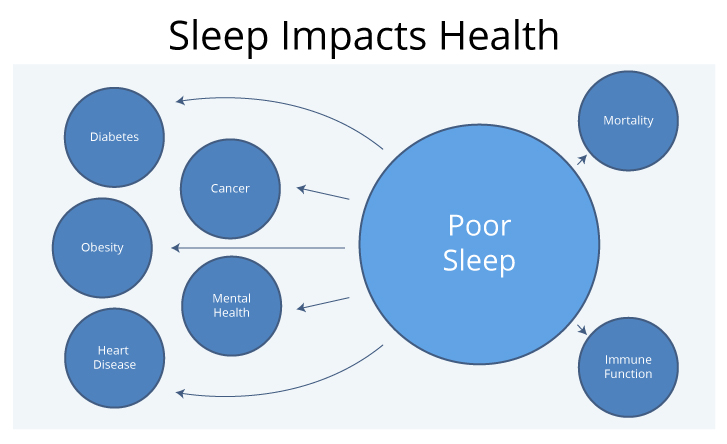
Sleep disturbances are core symptoms of post-traumatic stress disorder (PTSD), but reliable sleep markers of PTSD have yet to be identified.

Sleep spindles are important brain waves associated with sleep protection and sleep-dependent memory consolidation.

The present study tested whether sleep spindles are altered in individuals with PTSD and whether the findings are reproducible across nights and sub-samples of the study.

Methods

Seventy-eight combat-exposed veteran men with (n = 31) and without (n = 47) PTSD completed two consecutive nights of high-density EEG recordings in a laboratory.

The researchers identified slow (10-13 Hz) and fast (13-16 Hz) sleep spindles during N2 and N3 sleep stages and performed topographical analyses of spindle parameters (amplitude, duration, oscillatory frequency, and density) on both nights.

To assess reproducibility, we used the first 47 consecutive participants (18 with PTSD) for initial discovery and the remaining 31 participants (13 with PTSD) for replication assessment.

Results

In the discovery analysis, compared to non-PTSD participants, PTSD participants exhibited:

  1. Higher slow-spindle oscillatory frequency over the antero-frontal regions on both nights; and
  2. Higher fast-spindle oscillatory frequency over the centro-parietal regions on the second night.

The first finding was preserved in the replication analysis.

The researchers found no significant group differences in the amplitude, duration, or density of slow or fast spindles.

Conclusions

The elevated spindle oscillatory frequency in PTSD may indicate a deficient sensory-gating mechanism responsible for preserving sleep continuity.

The findings, if independently validated, may assist in the development of sleep-focused PTSD diagnostics and interventions.

Reference

Wang, C., Laxminarayan, S., Ramakrishnan, S., Dovzhenok, A., Cashmere, J.D., Germain, A. & Reifman, J. (2020) Increased Oscillatory Frequency of Sleep Spindles in Combat-Exposed Veteran Men with Post-Traumatic Stress Disorder. Sleep. pii: zsaa064. doi: 10.1093/sleep/zsaa064. [Epub ahead of print].

Could an Elevated Spindle Oscillatory Frequency in PTSD Indicate a Deficient Sensory-gating Mechanism is Responsible For Preserving Sleep Continuity?

Research Paper Title

Increased Oscillatory Frequency of Sleep Spindles in Combat-Exposed Veteran Men with Post-Traumatic Stress Disorder.

Background

Sleep disturbances are core symptoms of post-traumatic stress disorder (PTSD), but reliable sleep markers of PTSD have yet to be identified.

Sleep spindles are important brain waves associated with sleep protection and sleep-dependent memory consolidation.

The present study tested whether sleep spindles are altered in individuals with PTSD and whether the findings are reproducible across nights and sub-samples of the study.

Methods

Seventy-eight combat-exposed veteran men with (n = 31) and without (n = 47) PTSD completed two consecutive nights of high-density EEG recordings in a laboratory.

The researchers identified slow (10-13 Hz) and fast (13-16 Hz) sleep spindles during N2 and N3 sleep stages and performed topographical analyses of spindle parameters (amplitude, duration, oscillatory frequency, and density) on both nights.

To assess reproducibility, they used the first 47 consecutive participants (18 with PTSD) for initial discovery and the remaining 31 participants (13 with PTSD) for replication assessment.

Results

In the discovery analysis, compared to non-PTSD participants, PTSD participants exhibited 1) higher slow-spindle oscillatory frequency over the antero-frontal regions on both nights and 2) higher fast-spindle oscillatory frequency over the centro-parietal regions on the second night.

The first finding was preserved in the replication analysis.

The researchers found no significant group differences in the amplitude, duration, or density of slow or fast spindles.

Conclusions

The elevated spindle oscillatory frequency in PTSD may indicate a deficient sensory-gating mechanism responsible for preserving sleep continuity.

The findings, if independently validated, may assist in the development of sleep-focused PTSD diagnostics and interventions.

Reference

Wang, C., Laxminarayan, S., Ramakrishnan, S., Dovzhenok, A., Cashmere, J.D., Germain, A. & Reifman, J. (2020) Increased Oscillatory Frequency of Sleep Spindles in Combat-Exposed Veteran Men with Post-Traumatic Stress Disorder. Sleep. pii: zsaa064. doi: 10.1093/sleep/zsaa064. [Epub ahead of print].

Need a Mental Health Buddy?

A former gunner has set up an initiative to help veterans with mental health issues in his hometown of Barrow-in-Furness.

Tony McNally has introduced a buddy system whereby ex-Service personnel give up their time to talk to others.

Working closely with local authorities and healthcare professionals, the volunteers are on standby to provide extra support to those who find themselves in a dark place.

McNally also contacted the town’s sports teams for free tickets for veterans, with rugby league outfit Barrow Raiders the first to get on board.

“I have found that when I attend a sporting event, I forget all about my own PTSD and other worries,” he said.

McNally has set up a Facebook page – Furness and South Lakes Buddy Buddy Mental Health Group.

For more info email: fslmhg@yahoo.com.

Can a New Blood Test Help Identify Troops & Veterans with PTSD?

Medical professionals could potentially one day identify veterans with post-traumatic stress disorder (PTSD) through a quick blood test instead of complex psychological tests, thanks to new research from the
US Army and outside biometrics experts.

The study, which appeared in the journal Molecular Psychiatry, found a set of 27 blood markers which helped identify patients suffering from PTSD.

Researchers said the findings support past hypotheses that the disorder “affects not just the brain, but the entire body.”

In a statement, US Army Medical Research Systems Biology Chief Scientist Marti Jett said those markers “will continue to be refined and adapted for commercialisation” in coming years.

Researchers are hopeful blood tests can lead not only to more accurate diagnoses but also earlier ones, perhaps indicating signs of problems even before PTSD has fully manifested.

Senior study author Dr. Charles Marmar, chair of the Department of Psychiatry at the New York University School of Medicine, said a blood test could indicate signs of PTSD that veterans are unaware of or deliberately hiding out of fear surrounding the stigma of the diagnosis. It could also more quickly eliminate PTSD as a potential problem for patients with unclear medical issues.

“This is an attempt to take the field of psychiatry from the subjective to the objective,” he said. “It’s a way to start a new conversation about how to find the invisible wounds of war.”

But the study has limits. No women were among the veterans tracked for the research, and no civilians were included. Marmar said creating a simple, inexpensive blood test for widespread use to help diagnose PTSD is likely still years away. But he still lauded the findings as an important medical breakthrough for health experts looking for ways to more accurately track troops’ health.

Defence Department and Veterans Affairs researchers have estimated that as many as 25% of individuals who served in combat zones in Iraq or Afghanistan may suffer from PTSD, marked by uncontrolled anxiety, confusion or anger.

Officials have spent years trying to break down the stigma surrounding the diagnosis, which many service members fear could render them undeployable or otherwise unfit for duty because of the non-physical nature of the symptoms.

The study, the culmination of six years of work, tracked blood samples from 165 veterans, half of whom suffer from PTSD following deployments into war zones.

Scientists studied their medical histories and biochemistry, trimming down the list of potential identifying characteristics in their blood from more
than 1 million to less than 30.

In subsequent tests with other patients, the final set of blood markers showed a 77% accuracy rate in helping identify PTSD. Marmar said that is more than enough for a potential screening test, where medical professionals can follow up with more in-depth
examinations to diagnose the illness.

Past studies have hinted at blood markers as a potential indicator of PTSD, but researchers in the new study which included the Harvard John A. Paulson School of Engineering and Applied Sciences and the US Army Medical Research and Development Command said this is the first time a coherent set of measures has been developed.

Jett said that any screening tool that comes from the research would be used before and after deployments, and treatment for those issues would be provided based on military medical standards.

The full study is available on the journal’s website @ https://www.nature.com/articles/s41380-019-0496-z.

Veterans: We’re Afraid to Say Suicide

Research Paper Title

“We’re Afraid to Say Suicide”: Stigma as a Barrier to Implementing a Community-Based Suicide Prevention Program for Rural Veterans.

Background

Suicide is a significant public health concern for veterans residing in rural communities.

Although various initiatives have been implemented to prevent suicide among veterans, efforts specific to rural veterans remain limited.

Methods

To aid such efforts, the researchers examined stigma as a potential barrier to community readiness in the implementation of a community-based suicide prevention program for rural veterans.

In this qualitative study, community readiness interviews were conducted with 13 participants in a rural community.

Themes included lack of awareness regarding veteran suicide, rare discussions of veteran suicide, and suicide-related stigma within the community.

Results

Results suggest that prioritising destigmatisation may be particularly important to implementing community-based suicide prevention programming in rural communities.

Conclusions

In particular, addressing community misconceptions regarding veteran suicide, while increasing knowledge of the extent to which veteran suicide occurs locally may facilitate increased awareness and thus community readiness to prevent suicide among rural veterans.

Reference

Monteith, L.L., Smith, N.B., Holliday, R., Dorsey Holliman, B.A., LoFaro, C.T. & Mohatt, N.V. (2019) “We’re Afraid to Say Suicide”: Stigma as a Barrier to Implementing a Community-Based Suicide Prevention Program for Rural Veterans. The Journal of Nervous and Mental Disease. doi: 10.1097/NMD.0000000000001139. [Epub ahead of print].