What is the Harvard Review of Psychiatry?

Introduction

The Harvard Review of Psychiatry is a peer-reviewed medical journal covering all aspects of psychiatry.

Background

The Harvard Review of Psychiatry is the authoritative source for scholarly reviews and perspectives on a diverse range of important topics in psychiatry.

Founded by the Harvard Medical School Department of Psychiatry, the journal is peer-reviewed and not industry sponsored. It is the property of the President and Fellows of Harvard College and is affiliated with all of the Departments of Psychiatry at the Harvard teaching hospitals.

Articles encompass all major issues in contemporary psychiatry, including (but not limited to) neuroscience, psychopharmacology, psychotherapy, history of psychiatry, and ethics. In addition to scholarly reviews, perspectives articles, and columns, the journal includes a Clinical Challenge section that presents a case followed by discussion and debate from a panel of experts.

Subscription includes a CME opportunity in each issue.

What is Child and Adolescent Psychiatry?

Introduction

Child and adolescent psychiatry (or paediatric psychiatry) is a branch of psychiatry that focuses on the diagnosis, treatment, and prevention of mental disorders in children, adolescents, and their families.

It investigates the biopsychosocial factors that influence the development and course of psychiatric disorders and treatment responses to various interventions. Child and adolescent psychiatrists primarily use psychotherapy and/or medication to treat mental disorders in the paediatric population.

Brief History

When psychiatrists and paediatricians first began to recognise and discuss childhood psychiatric disorders in the 19th century, they were largely influenced by literary works of the Victorian era. Authors like the Brontë sisters, George Eliot, and Charles Dickens, introduced new ways of thinking about the child mind and the potential influence early childhood experiences could have on child development and the subsequent adult mind. When the Journal of Psychological Medicine and Mental Pathology, the first psychiatric journal in English, was published in 1848, child psychiatry didn’t exist as its own field yet. However, some of the earliest works on the possibility of nervous disorders and “insanity” in children were published in the Journal and several medical writers directly referenced works such as Jane Eyre (1847), Wuthering Heights (1847), Dombey and Son (1848), and David Copperfield (1850), to illustrate this new conceptualisation of the child mind. Until that time, it was generally accepted that children were free from nervous disorders and the “passions” that affected the adult mind.

As early as 1899, the term “child psychiatry” (in French) was used as a subtitle in Manheimer’s monograph Les Troubles Mentaux de l’Enfance. However, the Swiss psychiatrist Moritz Tramer (1882-1963) was probably the first to define the parameters of child psychiatry in terms of diagnosis, treatment, and prognosis within the discipline of medicine, in 1933. In 1934, Tramer founded the Zeitschrift für Kinderpsychiatrie (Journal of Child Psychiatry), which later became Acta Paedopsychiatria. The first academic child psychiatry department in the world was founded in 1930 by Leo Kanner (1894-1981), an Austrian émigré and medical graduate of the University of Berlin, under the direction of Adolf Meyer at the Johns Hopkins Hospital in Baltimore. Kanner was the very first physician to be identified as a child psychiatrist in the US and his textbook, Child Psychiatry (1935), is credited with introducing both the specialty and the term to the anglophone academic community. In 1936, Kanner established the first formal elective course in child psychiatry at the Johns Hopkins Hospital. In 1944 he provided the first clinical description of early infantile autism, otherwise known as Kanner Syndrome.

Maria Montessori together with It:Giuseppe Ferruccio Montesano and Clodomiro Bonfigli, two distinguished child psychiatrists, created in 1901 in Italy the “Lega Nazionale per la Protezione del Fanciullo” (National League for the Protection of Children). She gradually developed her own pedagogic method, initially based on the “intuition that the question of the ‘mentally deficient’ was more pedagogic than medical”. In 1909, Jane Addams and her female colleagues established the Juvenile Psychopathic Institute (JPI) in Chicago, later renamed as the Institute for Juvenile Research (IJR), the world’s first child guidance clinic. Neurologist William Healy, M.D., its first director, was charged with not only studying the delinquent’s biological aspects of brain functioning and IQ, but also the delinquent’s social factors, attitudes, and motivations, thus it was the birthplace of American child psychiatry.

From its establishment in February 1923, the Maudsley Hospital, a South London-based postgraduate teaching and research psychiatric hospital, contained a small children’s department. Similar overall early developments took place in many other countries during the late 1920s and 1930s. In the United States, child and adolescent psychiatry was established as a recognised medical speciality in 1953 with the founding of the American Academy of Child Psychiatry, but was not established as a legitimate, board-certifiable medical speciality until 1959.

The use of medication in the treatment of children also began in the 1930s, when Charles Bradley opened a neuropsychiatric unit and was the first to use amphetamine for brain-damaged and hyperactive children. But it was not until the 1960s that the first NIH grant to study paediatric psychopharmacology was awarded. It went to one of Kanner’s students, Leon Eisenberg, the second director of the division.

The discipline has relatively flourished since the 1980s, in large part, because of contributions made in the 1970s, even if the outcomes for patients have been disappointing at times. It was a decade during which child psychiatry witnessed a major evolution as a result of the work carried out by, Eva Frommer, Douglas Haldane, Michael Rutter, Robin Skynner and Sula Wolff, among others. The first comprehensive population survey of 9- to 11-year-olds, carried out in London and the Isle of Wight, which appeared in 1970, addressed questions that have continued to be of importance for child psychiatry; for example, rates of psychiatric disorders, the role of intellectual development and physical impairment, and specific concern for potential social influences on children’s adjustment. This work was influential, especially since the investigators demonstrated specific continuities of psychopathology over time, and the influence of social and contextual factors in children’s mental health, in their subsequent re-evaluation of the original cohort of children. These studies described the prevalence of ADHD (relatively low as compared to the US), identified the onset and prevalence of depression in mid-adolescence and the frequent co-morbidity with conduct disorder, and explored the relationship between various mental disorders and scholastic achievement.

It was paralleled similarly by work on the epidemiology of autism that was to enormously increase the number of children diagnosed with autism in future years. Although attention had been given in the 1960s and ’70s to the classification of childhood psychiatric disorders, and some issues had then been delineated, such as the distinction between neurotic and conduct disorders, the nomenclature did not parallel the growing clinical knowledge. It was claimed that this situation was altered in the late 1970s with the development of the DSM-III system of classification, although research has shown that this system of classification has problems of validity and reliability. Since then, the DSM-IV and DSM-IVR have altered some of the parsing of psychiatric disorders into “childhood” and “adult” disorders, on the basis that while many psychiatric disorders are not diagnosed until adulthood, they may present in childhood or adolescence (DSM-IV). The American Psychiatric Association’s DSM is now on its fifth edition (DSM-5).

People in the field are sometimes referred to as “neurodevelopmentalists”. As of 2005 there was debate in the field as to whether “neurodevelopmentalist” should be made a new speciality.

In terms of patient outcomes, there is evidence that, in the United Kingdom at least on the 70th anniversary of the NHS, mental health remains a medical “Cinderella” (low priority) and the more so Child and Adolescent Health services which have been through repeated reorganisations and underinvestment all of which leads to disruption and loss of adequate provision.

“Modern neuroscience, genetics, epigenetics, and public health research has presented the tantalizing possibility that it can now be said with relative certainty that much (certainly not all) is understood about why some children struggle and others soar. Although it is an oversimplification, it can now be suggested that it is possible to understand how environmental factors, both negative and positive, influence the genome or epigenome, which in turn influence the structure and function of the brain and thus human thoughts, actions, and behaviors.”

Classification of Disorders

Not an exhaustive list:

  • Developmental disorders:
    • Autism spectrum disorder.
    • Learning disorders.
  • Disorders of attention and behaviour:
    • Attention deficit hyperactivity disorder.
    • Oppositional defiant disorder.
    • Conduct disorder.
  • Psychotic disorders:
    • Childhood schizophrenia.
  • Mood disorders:
    • Major depressive disorder.
    • Bipolar disorder.
    • Persistent Depressive Disorder.
    • Disruptive Mood Dysregulation Disorder.
  • Anxiety disorders:
    • Panic disorder.
    • Phobias.
  • Eating disorders:
    • Anorexia nervosa.
    • Bulimia nervosa.
  • Gender identity disorder:
    • Gender identity disorder in children.

Disorders are often comorbid. For example, an adolescent can be diagnosed with both major depressive disorder and generalised anxiety disorder. The incidence of psychiatric comorbidities during adolescence may vary by race, ethnicity and socioeconomic status, among other variables.

Clinical Practice

Assessment

The psychiatric assessment of a child or adolescent starts with obtaining a psychiatric history by interviewing the young person and their parents or caregivers. The assessment includes a detailed exploration of the current concerns about the child’s emotional or behavioural problems, the child’s physical health and development, history of parental care (including possible abuse and neglect), family relationships and history of parental mental illness. It is regarded as desirable to obtain information from multiple sources (for example both parents, or a parent and a grandparent) as informants may give widely differing accounts of the child’s problems. Collateral information is usually obtained from the child’s school with regards to academic performance, peer relationships, and behaviour in the school environment.

Psychiatric assessment always includes a mental state examination of the child or adolescent which consists of a careful behavioural observation and a first-hand account of the young person’s subjective experiences. The assessment also includes an observation of the interactions within the family, especially the interactions between the child and his/her parents.

The assessment may be supplemented by the use of behaviour or symptom rating scales such as the Achenbach Child Behaviour Checklist or CBCL, the Behavioural Assessment System for Children or BASC, Connors Rating Scales (used for diagnosis of ADHD), Millon Adolescent Clinical Inventory or MACI, and the Strengths and Difficulties Questionnaire or SDQ. These instruments bring a degree of objectivity and consistency to the clinical assessment. More specialised psychometric testing may be carried out by a psychologist, for example using the Wechsler Intelligence Scale for Children, to detect intellectual impairment or other cognitive problems which may be contributing to the child’s difficulties.

Diagnosis and Formulation

The child and adolescent psychiatrist makes a diagnosis based on the pattern of behaviour and emotional symptoms, using a standardized set of diagnostic criteria such as the Diagnostic and Statistical Manual (DSM-IV-TR) or the International Classification of Diseases (ICD-10). While the DSM system is widely used, it may not adequately take into account social, cultural and contextual factors and it has been suggested that an individualized clinical formulation may be more useful. A case formulation is standard practice for child and adolescent psychiatrists and can be defined as a process of integrating and summarising all the relevant factors implicated in the development of the patient’s problem, including biological, psychological, social and cultural perspectives (the “biopsychosocial model”). The applicability of DSM diagnoses have also been questioned with regard to the assessment of very young children: it is argued that very young children are developing too rapidly to be adequately described by a fixed diagnosis, and furthermore that a diagnosis unhelpfully locates the problem within the child when the parent-child relationship is a more appropriate focus of assessment.

The child and adolescent psychiatrist then designs a treatment plan which considers all the components and discusses these recommendations with the child or adolescent and family.

Treatment

Treatment will usually involve one or more of the following elements: behaviour therapy, cognitive behaviour therapy (CBT), problem-solving therapies, psychodynamic therapy, parent training programmes, family therapy, and/or the use of medication. The intervention can also include consultation with paediatricians, primary care physicians or professionals from schools, juvenile courts, social agencies or other community organisations.

In a review of existing meta-analyses and disorders on the four most frequent childhood and adolescent psychiatric disorders (anxiety disorder, depression, ADHD, conduct disorder), only for ADHD was the use of medication (stimulants) considered to be the most efficacious treatment option available. For the remaining three disorders, psychotherapy is recommended as the most effective treatment of choice. A combination of psychological and pharmacological treatments is an important option in ADHD and depressive disorders. Treatments for ADHD and anxiety disorders produce higher effect-sizes than do interventions for depressive and conduct disorders.

Training

In the United States, Child and adolescent psychiatric training requires 4 years of medical school, at least 4 years of approved residency training in medicine, neurology, and general psychiatry with adults, and 2 years of additional specialised training in psychiatric work with children, adolescents, and their families in an accredited residency in child and adolescent psychiatry. Child and adolescent sub-speciality training is similar in other Western countries (such as the UK, New Zealand, and Australia), in that trainees must generally demonstrate competency in general adult psychiatry prior to commencing sub-speciality training.

Certification and Continuing Education

In the US, having completed the child and adolescent psychiatry residency, the child and adolescent psychiatrist is eligible to take the additional certification examination in the subspecialty of child and adolescent psychiatry from the American Board of Psychiatry and Neurology (ABPN) or the American Osteopathic Board of Neurology and Psychiatry (AOBNP). Although the ABPN and AOBNP examinations are not required for practice, they are a further assurance that the child and adolescent psychiatrist with these certifications can be expected to diagnose and treat all psychiatric conditions in patients of any age competently. Training requirements are listed on the web site of The American Academy of Child & Adolescent Psychiatry.

Shortage of Child and Adolescent Psychiatrists in the United States

The demand for child and adolescent psychiatrists continues to far outstrip the supply worldwide. There is also a severe maldistribution of child and adolescent psychiatrists, especially in rural and poor, urban areas where access is significantly reduced. As of 2016, there are 7991 child and adolescent psychiatrists in the United States. A report by the US Bureau of Health Professions (2000) projected a need by the year 2020 for 12,624 child and adolescent psychiatrists, but a supply of only 8,312. In its 1998 report, the Centre for Mental Health Services estimated that 9-13% of 9- to 17-year-olds had serious emotional disturbances, and 5-9% had extreme functional impairments. In 1999, however, the Surgeon General reported that “there is a dearth of child psychiatrists.” Only 20% of emotionally disturbed children and adolescents received any mental health treatment, a small percentage of which was performed by child and adolescent psychiatrists. Furthermore, the US Bureau of Health Professions projects that the demand for child and adolescent psychiatry services will increase by 100% between 1995 and 2020.

Cross-Cultural Considerations

Steady growth in migration of immigrants to higher-income regions and countries has contributed to the growth and interest in cross-cultural psychiatry. Families of immigrants whose child has a psychiatric illness must come to understand the disorder while navigating an unfamiliar health care system.

Criticisms

Subjective Diagnoses

One criticism against psychiatry is that psychiatric diagnoses lack complete “objectivity,” particularly when compared with diagnoses in other medical specialties. However, for several major psychiatric disorders interrater reliability, which shows the degree to which psychiatrists agree on the diagnosis, is generally similar to those in other medical specialties. In 2013, Allen Frances said that “psychiatric diagnosis still relies exclusively on fallible subjective judgements rather than objective biological tests.”

Traditional deficit and disease models of child psychiatry have been criticised as rooted in the medical model which conceptualises adjustment problems in terms of disease states. It is said by these critics that these normative models explicitly characterise problematic behaviour as representing a disorder within the child or young person and these commentators assert that the role of environmental influences on behaviour has become increasingly neglected, leading to a decrease in the popularity of, for example, family therapy. There are criticisms of the medical model approach from within and without the psychiatric profession: it is said to neglect the role of environmental, family, and cultural influences, to discount the psychological meaning of behaviour and symptoms, to promote a view of the “patient” as dependent and needing to be cured or cared for and therefore undermines a sense of personal responsibility for conduct and behaviour, to promote a normative conception based on adaptation to the norms of society (the ill person must adapt to society), and to be based on the shaky foundations of reliance on a classificatory system that has been shown to have problems of validity and reliability.

Prescription of Psychotropic Medications

Since the late 1990s, use of psychiatric medication has become increasingly common for children and adolescents. In 2004 the US Food and Drug Administration (FDA) issued the Black Box Warning on antidepressant prescriptions to alert patients of a research link between use of medication and apparent increased risk of suicidal thoughts, hostility, and agitation in paediatric patients. The most common diagnoses for which children receive psychiatric medication are ADHD, ODD, and conduct disorder.

Some research suggests that children and adolescents are sometimes given antipsychotic drugs as a first-line treatment for mental health problems or behavioural issues other than a psychotic disorder. In the United States, the usage of these drugs in young people has greatly increased since 2000, especially among children from low-income families. More research is needed to specifically assess the efficacy and tolerability of antipsychotic medications in paediatric populations. Because of the risk of metabolic syndrome and cardiovascular events with long-term antipsychotic use, use in paediatric populations is highly scrutinized and recommended in combination with psychotherapy and effective parent-training interventions.

Electroconvulsive Therapy

In 1947, child neuropsychiatrist Lauretta Bender published a study on 98 children aged between four and eleven years old who had been treated in the previous five years with intensive courses of electroconvulsive therapy (ECT). These children received ECT daily for a typical course of approximately twenty treatments. This formed part of an experimental trend amongst a cadre of psychiatrists to explore the therapeutic impact of intensive regimes of ECT, which is also known as either regressive ECT or annihilation therapy. In the 1950s Bender abandoned ECT as a therapeutic practice for the treatment of children. In the same decade the results of her published work on the use of ECT in children was discredited after a study showing that the condition of the children so treated had either not improved or deteriorated. Commenting on his experience as part of Bender’s therapeutic program, Ted Chabasinski said that, “It really made a mess of me … I went from being a shy kid who read a lot to a terrified kid who cried all the time.” Following his treatment, he spent ten years as an inmate of Rockland State Hospital, a psychiatric facility now known as the Rockland Psychiatric Centre.

What is Liaison Psychiatry?

Introduction

Liaison psychiatry, also known as consultative psychiatry or consultation-liaison psychiatry is the branch of psychiatry that specialises in the interface between general medicine/paediatrics and psychiatry, usually taking place in a hospital or medical setting.

The role of the consultation-liaison psychiatrist is to see patients with comorbid medical conditions at the request of the treating medical or surgical consultant or team. Consultation-liaison psychiatry has areas of overlap with other disciplines including psychosomatic medicine, health psychology and neuropsychiatry.

Brief History

The history of liaison psychiatry is partly a history of psychiatry and medicine. Galen was highly influential for over 1500 years in medicine particularly advocating the use of experimentation to advance knowledge. The polymath physician Avicenna produced many insights into medicine but only became influential in Western medicine when William Harvey’s elucidation of the circulatory system forced a re-evaluation of Galen’s work. The French philosopher René Descartes began the dualistic debate on the division between mind and body. Johann Christian August Heinroth is credited with the origination of the term psychosomatic illness. At the beginning of the 19th century Johann Christian Reil created the term psychiatry whilst the polymath Benjamin Rush wrote Diseases of the Mind. The philosopher Spinoza’s concept of conatus, Mesmer’s development of hypnosis together with Charcot’s refinement of this technique influenced Sigmund Freud whose development of psychoanalytic theory was to have a profound impact on the development of liaison psychiatry. Under the guidance of Alan Gregg, psychoanalysis impacted on hospital medicine through figures such as Franz Alexander, Stanley Cobb and Felix Deutsch.

Edward Billings first coined the term “liaison psychiatry.” The publishing of two texts A Handbook of Elementary Psychobiology and Psychiatry, by Billings, and Psychosomatic Medicine, by Edward Weiss and O. Spurgeon English, outlined the theoretical foundations for the developing field. George L. Engel is considered to have been one of the most important figures in the development of liaison psychiatry and coined the term “Biopsychosocial Model” which overcame divisions created by Cartesian Dualism and was to have wider repercussions on psychiatric practice.

United Kingdom

The Faculty of Liaison Psychiatry was established within the Royal College of Psychiatrists in 1997. The European Association for Consultation Liaison Psychiatry and Psychosomatics also produced a set of guidelines for training in Liaison Psychiatry.

A survey for NHS England in 2015 found 133 out of 179 A&E departments could not deliver the minimum core standard for 24/7 liaison psychiatry. 11 hospitals had no liaison psychiatry service, and only 35 delivered at or above the minimum standards. Collectively there was a shortage of 1,270 trained nurses and 230 trained consultants.

United States

The American Psychiatric Association formally recognised C-L psychiatry as a subspecialty in 2004, with its own sub-specialty board exam. The profession debated about the best term for this specialty, finally settling on “Psychosomatic Medicine”.

Scope

Liaison psychiatry usually provides a service to patients in a general medical hospital, either inpatients, outpatients or attenders at the Emergency Department. Referrals are made when the treating medical team has questions about a patient’s mental health, or how that patient’s mental health is affecting their care and treatment. Typical issues include:

  • Patients with medical conditions that cause/exacerbate psychiatric or behavioural problems, such as delirium.
  • Supporting the management of patients with mental disorders who have been admitted for the treatment of medical problems.
  • Assisting with assessment of the capacity of a patient to consent to treatment.
  • Patients who may report physical symptoms as a result of a mental disorder, or patients with medically unexplained physical symptoms.
  • Patients who may not have a psychiatric disorder but are experiencing distress related to their medical problems.
  • Patients who have attempted suicide or self-harm.
  • Assisting with the diagnosis, treatment and functional assessment of people with dementia, including advice on discharge planning or the need for long-term care.

The psychiatric team “liaises” with many other services, including the treating medical team, other mental health services, social services, and community services. There is increasing interest on extending liaison psychiatry to primary care, for the management of long-term medical conditions such as diabetes mellitus.

Effectiveness of Liaison Psychiatry

Consultation-liaison psychiatry helps improve patients’ coping mechanisms, treatment adherence, school/work re-integration and quality of life. An evaluation of the Rapid Assessment, Interface and Discharge (RAID) model of liaison psychiatry – employed at City Hospital, Birmingham – estimated that the service saved between 43 and 64 beds per day through reduced lengths of stay and prevention of readmission. In 2011 the Centre for Mental Health published an economic evaluation of the service, estimating savings of around £3.5 million. This was followed in 2012 by the publication of a report recommending that every NHS hospital should have a liaison psychiatry service as standard.

What is the American Academy of Psychoanalysis and Dynamic Psychiatry?

Introduction

The American Academy of Psychodynamic Psychiatry and Psychoanalysis (AAPDPP)is a scholarly society including psychiatrists interested in all aspects of psychodynamic psychiatry.

Origins

The American Academy of Psychoanalysis was founded in 1956. At that time, the American Psychoanalytic Association, which was the dominant psychoanalytic organisation in North America, set standards for training psychoanalytic candidates at psychoanalytic institutes and certified individual psychoanalysts and institutes as well. The seventy-six Charter members who founded the Academy were concerned that focus on certification associated with a rigid Freudian framework inhibited free and open discourse about basic psychoanalytic concepts. They wanted to establish a forum for open discussion and debate but not an organisation that would certify psychoanalysts or psychoanalytic institutes. The guiding philosophy of this new organisation was expressed by its first President, Janet Rioch:

“The process of communication by forum is of value to encourage honest exchange of scientific opinion and observations; to build upon and expand those basic premises which survive critical scrutiny; to have the courage to discard that which cannot be regarded as scientifically valid in light of our present knowledge.”

Psychoanalysis and Psychiatry

Since the inception of the Academy, great changes have taken place in the practice of psychoanalysis and in the application of depth psychology (from the German term Tiefenpsychologie and commonly termed “psychoanalytic psychology”) to psychiatric symptoms, syndromes and disorders. The Academy changed its name to The American Academy of Psychoanalysis and Dynamic Psychiatry and became an Affiliate organisation of the American Psychiatric Association in 1998. From originally being an organisation of medical psychoanalysts, the Academy became an organisation of psychiatrists interested in all aspects of psychodynamic psychiatry. Psychoanalysis as a treatment technique remains one of its many interests. The membership of The Academy consists of psychiatrists, psychiatric residents, and medical students. Researchers and scholars who are not psychiatrists are welcomed as Scientific Associates.

Psychodynamic Psychiatry

Psychodynamic psychiatry is a new discipline that has emerged from a fusion of psychoanalytic and extra-psychoanalytic psychology, neuroscience and academic psychiatry.

Psychodynamic treatments are based on assessment that is carried out from a developmental perspective. Particular attention is paid to the person’s present and past psychiatric illnesses, experiences of trauma, and family history. The patient’s behaviour is reported both descriptively using established psychiatric diagnostic criteria from the current edition of the Diagnostic and Statistical Manual of Mental Disorders (DSM) and from the International Classification of Diseases (ICD). The patient’s behaviour is in addition understood in terms of subjectively constructed narratives.

Psychodynamic psychiatry accepts concepts that are clinically useful and/or scientifically important but discards those that have not stood the test of time. Although it enthusiastically endorses research, it also recognises that much knowledge about normal and abnormal behaviour (however these terms are defined) is based on clinical experience. Thus, for example, the official journal of the American Academy of Psychoanalysis and Dynamic Psychiatry is entitled Psychodynamic Psychiatry and publishes clinical case discussions as well as scholarly reviews and research investigations. As time goes on, psychodynamic psychiatry as a body of knowledge will change as more is learned about the relationships between neuroscience, psychopathology, and individual feelings and behaviour.

All psychodynamic treatments are organised around a therapeutic alliance forged by both participants. They include psychoanalysis, briefer therapies and combinations of therapies including, for example, individual and group psychotherapy, family therapy and/or pharmacotherapy. Psychodynamically oriented treatments may be of any duration from a single meeting to weeks to years. They may take place anywhere the practitioner meets with a patient – not only in the outpatient setting but in inpatient psychiatric services, the emergency ward, and general hospital medical and surgical settings where consultation-liaison psychiatrists use developmental principles and alliance with the patient to render care. In other words, wherever the psychodynamically trained psychiatrist interacts with a patient, the practitioner uses a developmental approach to understand that person and help him or her get better.

Activities

All activities of the Academy foster communication and discussion of psychodynamic concepts as expressed in clinical treatment, research, psychological development and diverse other ways as well. A major priority of The Academy is to teach the principles of psychodynamic psychiatry to medical students, psychiatric residents and other mental health professionals and students. The specific activities include:

  • Annual Meeting Of The Academy The meetings take place immediately prior to the annual meeting of The American Psychiatric Association (APA) and are usually organised around a central theme for example, the meeting in 2013 was focused on the suicidal patient.
    • The meeting in 2016 was focused on play.
  • Symposia and workshops at the American Psychiatric Association and the Institute on Psychiatric Services (IPS)
  • Annual meeting in Italy co-sponsored with OPIFER (Organizzazione Psicoanalisti Italiania Federazione e Registro).
  • Past meetings in Washington DC co-sponsored with the Consortium for Psychoanalytic Research.

Publications and Out-Reach Activities

Psychodynamic Psychiatry (The Journal)

Psychodynamic Psychiatry, the official journal of The American Academy of Psychoanalysis and Dynamic Psychiatry, published by Guilford Press, was created in response to the need for the continued study and teaching of psychodynamic concepts in organised psychiatry. Psychodynamic Psychiatry is the only English-language psychiatric journal exclusively devoted to the study and discussion of these issues.

The central tenet of the journal is that psychodynamic principles are necessary for adequately understanding and treating people with psychiatric symptoms, syndromes and disorders. Its guiding framework is developmental and bio-psycho-social.

The journal publishes review articles, clinical discussions and research. Psychodynamic Psychiatry is edited by Richard C. Friedman MD. The Deputy Editors are Jennifer Downey, MD and Cesar Alfonso, MD.

From 1958 to 1972 the Academy published its proceedings in monograph form under the rubric “Science and Psychoanalysis” edited by Jules Masserman. In 1973 Silvano Arieti became the first editor of the Journal which was entitled Journal of The American Academy of Psychoanalysis. Subsequent Editors- in Chief included Morton Cantor, Jules Bemporad and Douglas Ingram. When Richard C. Friedman became Editor in Chief in 2012, the journal’s name was changed to Psychodynamic Psychiatry.

The Academy Forum

The Academy Forum is a magazine that is published twice yearly and focuses on psychoanalytic and psychodynamically oriented articles about art and culture.

The Academy Newsletter

The Academy Newsletter is published electronically 4 times a year and gives information about the organisation and its members.

Teichner Scholars Programme

The late Victor J Teichner was a former President of the AAPDPP. A grateful patient established a fund making it possible to impart the spirit of Teichner’s creative therapeutic perspective to psychiatric clinicians in training. The Victor J. Teichner Award is made annually to one psychiatric residency programme on the basis of an application to the Award Committee, composed of representatives of the AAPDPP and the AADPRT (American Association of Directors of Psychiatric Residency Training). Its focus is to promote the teaching of psychodynamic principles to psychiatrists-in-training. The Programme Awardee receives a one- to three-day visit from a Visiting Scholar chosen from a list maintained by the AAPDP. The choice of the Visiting Scholar and structure of the visit are made by the Programme. The visit must take place during the academic year beginning 01 July, after the announcement of the Awardee.

What is Forensic Psychiatry?

Introduction

Forensic psychiatry is a subspeciality of psychiatry and is related to criminology. It encompasses the interface between law and psychiatry.

According to the American Academy of Psychiatry and the Law, it is defined as “a subspecialty of psychiatry in which scientific and clinical expertise is applied in legal contexts involving civil, criminal, correctional, regulatory, or legislative matters, and in specialized clinical consultations in areas such as risk assessment or employment.”

A forensic psychiatrist provides services – such as determination of competency to stand trial – to a court of law to facilitate the adjudicative process and provide treatment, such as medications and psychotherapy, to criminals.

Court Work

Forensic psychiatrists work with courts in evaluating an individual’s competency to stand trial, defences based on mental disorders (e.g. the insanity defence), and sentencing recommendations. The two major areas of criminal evaluations in forensic psychiatry are competency to stand trial (CST) and mental state at the time of the offense (MSO).

Competency to Stand Trial

Competency to stand trial (CST) is the competency evaluation to determine that defendants have the mental capacity to understand the charges and assist their attorneys. In the United States, this is seated in the Fifth Amendment to the United States Constitution, which ensures the right to be present at one’s trial, to face one’s accusers, and to have help from an attorney. CST, sometimes referred to as adjudicative competency, serves three purposes: “preserving the dignity of the criminal process, reducing the risk of erroneous convictions, and protecting defendants’ decision-making autonomy”.

In 1960, the Supreme Court of the United States in Dusky v. United States established the standard for federal courts, ruling that “the test must be whether the defendant has sufficient present ability to consult with his attorney with a reasonable degree of rational understanding and a rational as well as factual understanding of proceedings against him.” The evaluations must assess a defendant’s ability to assist their legal counsel, meaning that they understand the legal charges against them, the implications of being a defendant, and the adversarial nature of the proceedings, including the roles played by defence counsel, prosecutors, judges, and the jury. They must be able to communicate relevant information to their attorney, and understand information provided by their attorney. Finally, they must be competent to make important decisions, such as whether or not to accept a plea agreement.

In England, Wales, Scotland, and Ireland, a similar legal concept is that of “fitness to plead”.

As an Expert Witness

Forensic psychiatrists are often called to be expert witnesses in both criminal and civil proceedings. Expert witnesses give their opinions about a specific issue. Often, the psychiatrist will have prepared a detailed report before testifying. The primary duty of the expert witness is to provide an independent opinion to the court. An expert is allowed to testify in court with respect to matters of opinion only when the matters in question are not ordinarily understandable to the finders of fact, be they judge or jury. As such, prominent leaders in the field of forensic psychiatry, from Thomas Gutheil (2009) to Robert Simon and Liza Gold (2010) and Sadoff (2011) have identified teaching as a critical dimension in the role of expert witness. The expert will be asked to form an opinion and to testify about that opinion, but in so doing will explain the basis for that opinion, which will include important concepts, approaches, and methods used in psychiatry.

Mental State Opinion

Mental state opinion (MSO) gives the court an opinion, and only an opinion, as to whether a defendant was able to understand what he/she was doing at the time of the crime. This is worded differently in many states, and has been rejected altogether in some, but in every setting, the intent to do a criminal act and the understanding of the criminal nature of the act bear on the final disposition of the case. Much of forensic psychiatry is guided by significant court rulings or laws that bear on this area which include these three standards:

  • M’Naghten rules: Excuses a defendant who, by virtue of a defect of reason or disease of the mind, does not know the nature and quality of the act, or, if he or she does, does not know that the act is indeed wrong.
  • Durham rule: Excuses a defendant whose conduct is the product of mental disorder.
  • ALI test: Excuses a defendant who, because of a mental disease or defect, lacks substantial capacity to appreciate the criminality (wrongfulness) of his or her conduct or to conform his conduct to the requirements of law.

“Not guilty by reason of insanity” (NGRI) is one potential outcome in this type of trial. Importantly, insanity is a legal and not a medical term. Often, psychiatrists may be testifying for both the defence and the prosecution.

Forensic psychiatrists are also involved in the care of prisoners, both in jails and prisons, and in the care of the mentally ill who have committed criminal acts (such as those who have been found not guilty by reason of insanity).

Risk Management

Many past offenders against other people, and suspected or potential future offenders with mental health problems or an intellectual or developmental disability, are supervised in the community by forensic psychiatric teams made up of a variety of professionals, including psychiatrists, psychologists, nurses, and care workers. These teams have dual responsibilities: to promote both the welfare of their clients and the safety of the public. The aim is not so much to predict as to prevent violence, by means of risk management.

Risk assessment and management is a growth area in the forensic field, with much Canadian academic work being done in Ontario and British Columbia. This began with the attempt to predict the likelihood of a particular kind of offense being repeated, by combining “static” indicators from personal history and offense details in actuarial instruments such as the RRASOR and Static-99, which were shown to be more accurate than unaided professional judgment. More recently, use is being made also of “dynamic” risk factors, such as attitudes, impulsivity, mental state, family and social circumstances, substance use, and the availability and acceptance of support, to make a “structured professional judgment.” The aim of this is to move away from prediction to prevention, by identifying and then managing risk factors. This may entail monitoring, treatment, rehabilitation, supervision, and victim safety planning and depends on the availability of funding and legal powers. These schemes may be based on published assessments such as the HCR-20 (which incorporates 10 Historical, 5 Clinical and 5 Risk Management factors) and the risk of sexual violence protocol from Simon Fraser University, BC.

United Kingdom

In the UK, most forensic psychiatrists work for the National Health Service, in specialist secure units caring for mentally ill offenders (as well as people whose behaviour has made them impossible to manage in other hospitals). These can be either medium secure units (of which there are many throughout the country) or high secure hospitals (also known as special hospitals), of which three are in England and one in Scotland (the State Hospital, Carstairs), the best known of which is Broadmoor Hospital. The other ‘specials’ are Ashworth hospital in Maghull, Liverpool, and Rampton hospital in Nottinghamshire. Also, a number of private-sector medium secure units sell their beds exclusively to the NHS, as not enough secure beds are available in the NHS system.

Forensic psychiatrists often also do prison inreach work, in which they go into prisons and assess and treat people suspected of having mental disorders; much of the day-to-day work of these psychiatrists comprises care of very seriously mentally ill patients, especially those suffering from schizophrenia. Some units also treat people with severe personality disorder or learning disabilities. The areas of assessment for courts are also somewhat different in Britain, because of differing mental health law. Fitness to plead and mental state at the time of the offence are indeed issues given consideration, but the mental state at the time of trial is also a major issue, and this assessment most commonly leads to the use of mental health legislation to detain people in hospitals, as opposed to their getting a prison sentence.

Learning-disabled offenders who are a continuing risk to others may be detained in learning-disability hospitals (or specialised community-based units with a similar regimen, as the hospitals have mostly been closed). This includes those who commit serious crimes of violence, including sexual violence, and fire-setting. They would be cared for by learning disability psychiatrists and registered learning disability nurses. Some psychiatrists doing this work have dual training in learning disability and forensic psychiatry or learning disability and adolescent psychiatry. Some nurses would have training in mental health, also.

Court work (medicolegal work) is generally undertaken as private work by psychiatrists (most often forensic psychiatrists), as well as forensic and clinical psychologists, who usually also work within the NHS. This work is generally funded by the Legal Services Commission (used to be called Legal Aid).

Canada

Criminal Law Framework

In Canada, certain credentialed medical practitioners may, at their discretion, make state-sanctioned investigations into and diagnosis of mental illness. Appropriate use of the DSM-IV-TR is discussed in its section entitled “Use of the DSM-IV-TR in Forensic Settings”.

Concerns have been expressed that the Canadian criminal justice system discriminates based on DSM IV diagnosis within the context of Part XX of the Criminal Code. This part sets out provisions for, among other things, court ordered attempts at “treatment” before individuals receive a trial as described in section 672.58 of the Criminal Code. Also provided for are court ordered “psychiatric assessments”. Critics have also expressed concerns that use of the DSM-IV-TR may conflict with section 2(b) of the Canadian Charter of Rights and Freedoms, which guarantees the fundamental freedom of “thought, belief, opinion, and expression”.

Confidentiality

The position of the Canadian Psychiatric Association holds, “in recent years, serious incursions have been made by governments, powerful commercial interests, law enforcement agencies, and the courts on the rights of persons to their privacy.” It goes on to state, “breaches or potential breaches of confidentiality in the context of therapy seriously jeopardize the quality of the information communicated between patient and psychiatrist and also compromise the mutual trust and confidence necessary for effective therapy to occur.”

An outline of the forensic psychiatric process as it occurs in the province of Ontario is presented in the publication The Forensic Mental Health System In Ontario: An Information Guide published by the Centre for Addiction and Mental Health in Toronto. The Guide states: “Whatever you tell a forensic psychiatrist and the other professionals assessing you is not confidential.” The Guide further states: “The forensic psychiatrist will report to the court using any available information, such as: police and hospital records, information given by your friends, family or co-workers, observations of you in the hospital.” Also according to the Guide: “You have the right to refuse to take part in some or all of the assessment. Sometimes your friends or family members will be asked for information about you. They have the right to refuse to answer questions, too.”

Of note, the emphasis in the guide is on the right to refuse participation. This may seem unusual given that a result of a verdict of “Not Criminally Responsible by reason of Mental Disorder” is often portrayed as desirable to the defence, similar to the insanity defence in the United States. A verdict of “Not Criminally Responsible” is referred to as a “defence” by the Criminal Code. However, the issue of the accused’s mental state can also be raised by the Crown or by the court itself, rather than solely by the defence counsel, differentiating it from many other legal defences.

Treatment/Assessment Conflict

In Ontario, a court-ordered inpatient forensic assessment for criminal responsibility typically involves both treatment and assessment being performed with the accused in the custody of a single multidisciplinary team over a 30- or 60-day period. Concerns have been expressed that an accused may feel compelled on ethical, medical, or legal grounds to divulge information, medical, or otherwise, to assessors in an attempt to allow for and ensure safe and appropriate treatment during that period of custody.

Some Internet references address treatment/assessment conflict as it relates to various justice systems, particularly civil litigation in other jurisdictions. The American Academy Of Psychiatry and the Law states in its ethics guidelines, “when a treatment relationship exists, such as in correctional settings, the usual physician-patient duties apply”, which may be seen as contradiction.

South Africa

In South Africa, patients are referred for observation for a period of 30 days by the courts if questions exist as to CST and MSO. Serious crimes require a panel, which may include two or more psychiatrists. Should the courts find the defendant not criminally responsible, the defendant may become a state patient and be admitted in a forensic psychiatric hospital. They are referred to receive treatment for an indefinite period, but most were back in the community after three years.

Training Standards

Some practitioners of forensic psychiatry have taken extra training in that specific area. In the United States, one-year fellowships are offered in this field to psychiatrists who have completed their general psychiatry training. Such psychiatrists may then be eligible to sit for a board certification examination in forensic psychiatry. In Britain, one is required to complete a three-year subspeciality training in forensic psychiatry, after completing one’s general psychiatry training, before receiving a Certificate of Completion of Training as a forensic psychiatrist. In some countries, general psychiatrists can practice forensic psychiatry, as well. However, other countries, such as Japan, require a specific certification from the government to do this type of work.

References

Gutheil, T.G. (2009) The Psychiatrist as Expert Witness. 2nd Ed. Washington: American Psychiatric Publishing.

Robert, S. & Gold, L. (Eds). (2010) American Psychiatric Textbook of Forensic Psychiatry. Washington: American Psychiatric Publishing.

Sadoff, R.L. (2011). Ethical Issues in Forensic Psychiatry: Minimizing Harm. New Jersey: Wiley-Blackwall.

What is Geriatric Psychiatry?

Introduction

Geriatric psychiatry, also known as geropsychiatry, psychogeriatrics or psychiatry of old age, is a subspecialty of psychiatry dealing with the study, prevention, and treatment of mental disorders in humans with old age.

As the population ages, particularly in developing countries, this field is becoming more needed. The diagnosis, treatment and management of dementia and depression are two areas of this field. Geriatric psychiatry is an official subspecialty in psychiatry with a defined curriculum of study and core competencies.

International

The International Psychogeriatric Association is an international community of scientists and healthcare geriatric professionals working for mental health in aging. International Psychogeriatrics is the official journal of the International Psychogeriatric Association.

United Kingdom

The Royal College of Psychiatrists is responsible for training and certifying psychiatrists in the United Kingdom. Within the Royal College of Psychiatrists, the Faculty of Old Age Psychiatry is responsible for training in Old Age Psychiatry. Doctors who have membership of the Royal College of Psychiatrists can undertake a three or four year training programme to become a specialist in Old Age Psychiatry. There is currently a shortage of old age psychiatrists in the United Kingdom.

United States

The American Association for Geriatric Psychiatry (AAGP) is the national organisation representing health care providers specialising in late life mental disorders. The American Journal of Geriatric Psychiatry is the official journal of the AAGP. The American Board of Psychiatry and Neurology and the American Osteopathic Board of Neurology and Psychiatry both issue a board certification in geriatric psychiatry.

After a 4-year residency in psychiatry, a psychiatrist can complete a one-year fellowship in geriatric psychiatry. Many fellowships in geriatric psychiatry exist.

Name

The geropsychiatric unit, the term for a hospital-based geriatric psychiatry programme, was introduced in 1984 by Norman White MD, when he opened New England’s first specialised programme at a community hospital in Rochester, New Hampshire. White is a pioneer in geriatric psychiatry, being among the first psychiatrists nationally to achieve board certification in the field. The prefix psycho- had been proposed for the geriatric programme, but White, knowing New Englanders’ aversion to anything psycho- lobbied successfully for the name geropsychiatric rather than psychogeriatrics.

Book: A Straight Talking Introduction to the Power Threat Meaning Framework: An Alternative to Psychiatric Diagnosis

Book Title:

A Straight Talking Introduction to the Power Threat Meaning Framework: An Alternative to Psychiatric Diagnosis (The Straight Talking Introduction Series).

Author(s): Mary Boyle and Lucy Johnstone.

Year: 2020.

Edition: First (1st).

Publisher: PCCS Books.

Type(s): Paperback and Kindle.

Synopsis:

The current mainstream way of describing psychological and emotional distress assumes it is the result of medical illnesses that need diagnosing and treating. This book summarises a powerful alternative to psychiatric diagnosis that asks not ‘What’s wrong with you?’ but ‘What’s happened to you?’ The Power Threat Meaning Framework (PTMF) was co-produced by a core group of psychologists and service users and launched in 2018, prompting considerable interest in the UK and worldwide. It argues that emotional distress, unusual experiences and many forms of troubled or troubling behaviour are understandable when viewed in the context of a person’s life and circumstances, the cultural and social norms we are expected to live up to and the degree to which we are exposed to trauma, abuse, injustice and inequality. The PTMF offers all of us the tools to create new, hopeful narratives about the reasons for our distress that are not based on psychiatric diagnosis and to find ways forward as individuals, families, social groups and whole societies.

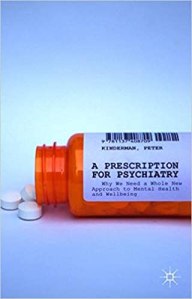
Book: A Prescription for Psychiatry: Why We Need a Whole New Approach to Mental Health and Wellbeing

Book Title:

A Prescription for Psychiatry: Why We Need a Whole New Approach to Mental Health and Wellbeing.

Author(s): Peter Kinderman.

Year: 2014.

Edition: First (1st).

Publisher: Palgrave Macmillan.

Type(s): Paperback and Kindle.

Synopsis:

A Prescription for Psychiatry lays bare the flaws and failings of traditional mental health care and offers a radical alternative. Exposing the old-fashioned biological ‘disease model’ of psychiatry as unscientific and unhelpful, it calls for a revolution in the way we plan and deliver care. Kinderman challenges the way we think about mental health problems, arguing that the origins of distress are largely social, and urges a change from a ‘disease model’ to a ‘psychosocial model’. The book persuasively argues that we should significantly reduce our use of psychiatric medication, and help should be tailored to each person’s unique needs. This is a manifesto for an entirely new approach to psychiatric care; one that truly offers care rather than coercion, therapy rather than medication, and a return to the common sense appreciation that distress is usually an understandable reaction to life’s challenges.

On This Day … 28 March

People (Births)

  • 1955 – John Alderdice, Baron Alderdice, Northern Irish psychiatrist and politician, 1st Speaker of the Northern Ireland Assembly.

John Alderdice

John Thomas Alderdice, Baron Alderdice (born 28 March 1955 is a Northern Ireland politician.

He was Speaker of the Northern Ireland Assembly 1998–2004, leader of the Alliance Party of Northern Ireland 1987-1998, and since 1996 has sat in the House of Lords as a Liberal Democrat.

John was educated at Ballymena Academy and the Queen’s University Belfast (QUB) where he studied medicine and qualified in 1978. In 1977 he married Joan Hill, with whom he has two sons and one daughter. He worked part-time as a consultant psychiatrist in psychotherapy in the NHS from 1988 until he retired from psychiatric practice in 2010. He also lectured at Queen’s University’s Faculty of Medicine between 1991 and 1999.

Alderdice claims a distant relationship to John King, a 19th-century Australian explorer and the sole survivor of the Burke and Wills expedition.

What is Biological Psychiatry?

Introduction

Biological psychiatry or biopsychiatry is an approach to psychiatry that aims to understand mental disorder in terms of the biological function of the nervous system. It is interdisciplinary in its approach and draws on sciences such as neuroscience, psychopharmacology, biochemistry, genetics, epigenetics and physiology to investigate the biological bases of behaviour and psychopathology. Biopsychiatry is the branch of medicine which deals with the study of the biological function of the nervous system in mental disorders.

There is some overlap with neurology, which focuses on disorders where gross or visible pathology of the nervous system is apparent, such as epilepsy, cerebral palsy, encephalitis, neuritis, Parkinson’s disease and multiple sclerosis. There is also some overlap with neuropsychiatry, which typically deals with behavioral disturbances in the context of apparent brain disorder. In contrast biological psychiatry describes the basic principles and then delves deeper into various disorders. It is structured to follow the organisation of the DSM-IV, psychiatry’s primary diagnostic and classification guide. The contributions of this field explore functional neuroanatomy, imaging, and neuropsychology and pharmacotherapeutic possibilities for depression, anxiety and mood disorders, substance abuse and eating disorders, schizophrenia and psychotic disorders, and cognitive and personality disorders.

Biological psychiatry and other approaches to mental illness are not mutually exclusive, but may simply attempt to deal with the phenomena at different levels of explanation. Because of the focus on the biological function of the nervous system, however, biological psychiatry has been particularly important in developing and prescribing drug-based treatments for mental disorders.

In practice, however, psychiatrists may advocate both medication and psychological therapies when treating mental illness. The therapy is more likely to be conducted by clinical psychologists, psychotherapists, occupational therapists or other mental health workers who are more specialised and trained in non-drug approaches.

The history of the field extends back to the ancient Greek physician Hippocrates, but the phrase biological psychiatry was first used in peer-reviewed scientific literature in 1953. The phrase is more commonly used in the United States than in some other countries such as the UK. However the term “biological psychiatry” is sometimes used as a phrase of disparagement in controversial dispute.

Brief History

Early 20th Century

Sigmund Freud was originally focused on the biological causes of mental illness. Freud’s professor and mentor, Ernst Wilhelm von Brücke, strongly believed that thought and behaviour were determined by purely biological factors. Freud initially accepted this and was convinced that certain drugs (particularly cocaine) functioned as antidepressants. He spent many years trying to “reduce” personality to neurology, a cause he later gave up on before developing his now well-known psychoanalytic theories.

Nearly 100 years ago, Harvey Cushing, the father of neurosurgery, noted that pituitary gland problems often cause mental health disorders. He wondered whether the depression and anxiety he observed in patients with pituitary disorders were caused by hormonal abnormalities, the physical tumour itself, or both.

Mid 20th Century

An important point in modern history of biological psychiatry was the discovery of modern antipsychotic and antidepressant drugs. Chlorpromazine (also known as Thorazine), an antipsychotic, was first synthesized in 1950. In 1952, iproniazid, a drug being trialled against tuberculosis, was serendipitously discovered to have anti-depressant effects, leading to the development of monoamine oxidase inhibitors (MAOIs) as the first class of antidepressants. In 1959 imipramine, the first tricyclic antidepressant, was developed. Research into the action of these drugs led to the first modern biological theory of mental health disorders called the catecholamine theory, later broadened to the monoamine theory, which included serotonin. These were popularly called the “chemical imbalance” theory of mental health disorders.

Late 20th Century

Starting with fluoxetine (marketed as Prozac) in 1988, a series of monoamine-based antidepressant medications belonging to the class of selective serotonin reuptake inhibitors were approved. These were no more effective than earlier antidepressants, but generally had fewer side effects. Most operate on the same principle, which is modulation of monoamines (neurotransmitters) in the neuronal synapse. Some drugs modulate a single neurotransmitter (typically serotonin). Others affect multiple neurotransmitters, called dual action or multiple action drugs. They are no more effective clinically than single action versions. That most antidepressants invoke the same biochemical method of action may explain why they are each similarly effective in rough terms. Recent research indicates antidepressants often work but are less effective than previously thought.

Problems with Catecholamine/Monoamine Hypotheses

The monoamine hypothesis was compelling, especially based on apparently successful clinical results with early antidepressant drugs, but even at the time there were discrepant findings. Only a minority of patients given the serotonin-depleting drug reserpine became depressed; in fact reserpine even acted as an antidepressant in many cases. This was inconsistent with the initial monoamine theory which said depression was caused by neurotransmitter deficiency.

Another problem was the time lag between antidepressant biological action and therapeutic benefit. Studies showed the neurotransmitter changes occurred within hours, yet therapeutic benefit took weeks.

To explain these behaviours, more recent modifications of the monoamine theory describe a synaptic adaptation process which takes place over several weeks. Yet this alone does not appear to explain all of the therapeutic effects.

Scope and Detailed Definition

Biological psychiatry is a branch of psychiatry where the focus is chiefly on researching and understanding the biological basis of major mental disorders such as unipolar and bipolar affective (mood) disorders, schizophrenia and organic mental disorders such as Alzheimer’s disease. This knowledge has been gained using imaging techniques, psychopharmacology, neuroimmunochemistry and so on. Discovering the detailed interplay between neurotransmitters and the understanding of the neurotransmitter fingerprint of psychiatric drugs such as clozapine has been a helpful result of the research.

On a research level, it includes all possible biological bases of behaviour – biochemical, genetic, physiological, neurological and anatomical. On a clinical level, it includes various therapies, such as drugs, diet, avoidance of environmental contaminants, exercise, and alleviation of the adverse effects of life stress, all of which can cause measurable biochemical changes. The biological psychiatrist views all of these as possible aetiologies of or remedies for mental health disorders.

However, the biological psychiatrist typically does not discount talk therapies. Medical psychiatric training generally includes psychotherapy and biological approaches. Accordingly, psychiatrists are usually comfortable with a dual approach: “psychotherapeutic methods […] are as indispensable as psychopharmacotherapy in a modern psychiatric clinic”.

Basis for Biological Psychiatry

Sigmund Freud developed psychotherapy in the early 1900s, and through the 1950s this technique was prominent in treating mental health disorders.

However, in the late 1950s, the first modern antipsychotic and antidepressant drugs were developed: chlorpromazine (also known as Thorazine), the first widely used antipsychotic, was synthesized in 1950, and iproniazid, one of the first antidepressants, was first synthesized in 1957. In 1959 imipramine, the first tricyclic antidepressant, was developed.

Based significantly on clinical observations of the above drug results, in 1965 the seminal paper “The catecholamine hypothesis of affective disorders” was published. It articulated the “chemical imbalance” hypothesis of mental health disorders, especially depression. It formed much of the conceptual basis for the modern era in biological psychiatry.

The hypothesis has been extensively revised since its advent in 1965. More recent research points to deeper underlying biological mechanisms as the possible basis for several mental health disorders.

Modern brain imaging techniques allow non-invasive examination of neural function in patients with mental health disorders, however this is currently experimental. With some disorders it appears the proper imaging equipment can reliably detect certain neurobiological problems associated with a specific disorder. If further studies corroborate these experimental results, future diagnosis of certain mental health disorders could be expedited using such methods.

Another source of data indicating a significant biological aspect of some mental health disorders is twin studies. Identical twins have the same nuclear DNA, so carefully constructed studies may indicate the relative importance of environmental and genetic factors on the development of a particular mental health disorder.

The results from this research and the associated hypotheses form the basis for biological psychiatry and the treatment approaches in a clinical setting.

Scope of Clinical Biological Psychiatric Treatment

Since various biological factors can affect mood and behaviour, psychiatrists often evaluate these before initiating further treatment. For example, dysfunction of the thyroid gland may mimic a major depressive episode, or hypoglycaemia (low blood sugar) may mimic psychosis.

While pharmacological treatments are used to treat many mental disorders, other non-drug biological treatments are used as well, ranging from changes in diet and exercise to transcranial magnetic stimulation and electroconvulsive therapy. Types of non-biological treatments such as cognitive therapy, behavioural therapy, and psychodynamic psychotherapy are often used in conjunction with biological therapies. Biopsychosocial models of mental illness are widely in use, and psychological and social factors play a large role in mental disorders, even those with an organic basis such as schizophrenia.

Diagnostic Process

Correct diagnosis is important for mental health disorders, otherwise the condition could worsen, resulting in a negative impact on both the patient and the healthcare system. Another problem with misdiagnosis is that a treatment for one condition might exacerbate other conditions. In other cases apparent mental health disorders could be a side effect of a serious biological problem such as concussion, brain tumour, or hormonal abnormality, which could require medical or surgical intervention.

Examples of Biologic Treatments

  • Seasonal affective disorder: light therapy, SSRIs (Like fluoxetine and paroxetine).
  • Clinical depression: SSRIs, serotonin-norepinephrine reuptake inhibitors (venlafaxine), dopamine reuptake inhibitors: (bupropion), tricyclic antidepressants, monoamine oxidase inhibitors, electroconvulsive therapy, transcranial magnetic stimulation, fish oil, St. John’s wort.
  • Bipolar disorder: lithium carbonate, antipsychotics (like olanzapine or quetiapine), anticonvulsants (like valproic acid, lamotrigine and topiramate).
  • Schizophrenia: antipsychotics such as haloperidol, clozapine, olanzapine, risperidone and quetiapine.
  • Generalized anxiety disorder: SSRIs, benzodiazepines, buspirone.
  • Obsessive-compulsive disorder: tricyclic antidepressants, SSRIs.
  • ADHD: clonidine, D-amphetamine, methamphetamine, and methylphenidate.

Latest Biological Hypotheses of Mental Health Disorders

New research indicates different biological mechanisms may underlie some mental health disorders, only indirectly related to neurotransmitters and the monoamine chemical imbalance hypothesis.

Recent research indicates a biological “final common pathway” may exist which both electroconvulsive therapy and most current antidepressant drugs have in common. These investigations show recurrent depression may be a neurodegenerative disorder, disrupting the structure and function of brain cells, destroying nerve cell connections, even killing certain brain cells, and precipitating a decline in overall cognitive function.

In this new biological psychiatry viewpoint, neuronal plasticity is a key element. Increasing evidence points to various mental health disorders as a neurophysiological problem which inhibits neuronal plasticity.

This is called the neurogenic hypothesis of depression. It promises to explain pharmacological antidepressant action, including the time lag from taking the drug to therapeutic onset, why downregulation (not just upregulation) of neurotransmitters can help depression, why stress often precipitates mood disorders, and why selective modulation of different neurotransmitters can help depression. It may also explain the neurobiological mechanism of other non-drug effects on mood, including exercise, diet and metabolism. By identifying the neurobiological “final common pathway” into which most antidepressants funnel, it may allow rational design of new medications which target only that pathway. This could yield drugs which have fewer side effects, are more effective and have quicker therapeutic onset.

There is significant evidence that oxidative stress plays a role in schizophrenia.

Criticism

A number of patients, activists, and psychiatrists dispute biological psychiatry as a scientific concept or as having a proper empirical basis, for example arguing that there are no known biomarkers for recognized psychiatric conditions. This position has been represented in academic journals such as The Journal of Mind and Behaviour and Ethical Human Psychology and Psychiatry, which publishes material specifically countering “the idea that emotional distress is due to an underlying organic disease.” Alternative theories and models instead view mental disorders as non-biomedical and might explain it in terms of, for example, emotional reactions to negative life circumstances or to acute trauma.

Fields such as social psychiatry, clinical psychology, and sociology may offer non-biomedical accounts of mental distress and disorder for certain ailments and are sometimes critical of biopsychiatry. Social critics believe biopsychiatry fails to satisfy the scientific method because they believe there is no testable biological evidence of mental disorders. Thus, these critics view biological psychiatry as a pseudoscience attempting to portray psychiatry as a biological science.

R.D. Laing argued that attributing mental disorders to biophysical factors was often flawed due to the diagnostic procedure. The “complaint” is often made by a family member, not the patient, the “history” provided by someone other than patient, and the “examination” consists of observing strange, incomprehensible behaviour. Ancillary tests (EEG, PET) are often done after diagnosis, when treatment has begun, which makes the tests non-blind and incurs possible confirmation bias. The psychiatrist Thomas Szasz commented frequently on the limitations of the medical approach to psychiatry and argued that mental illnesses are medicalised problems in living.

Silvano Arieti, while approving of the use of medication in some cases of schizophrenia, preferred intensive psychotherapy without medication if possible. He was also known for approving the use of electroconvulsive therapy on those with disorganised schizophrenia in order to make them reachable by psychotherapy. The views he expressed in Interpretation of Schizophrenia are nowadays known as the trauma model of mental disorders, an alternative to the biopsychiatric model.