How Common Is Addiction Alongside Mental Health Disorders?

Introduction

According to a range of US governmental agencies devoted to healthcare studies, addiction and mental health disorders are deeply intertwined. It is not uncommon for someone seeking treatment for substance use to also be managing symptoms of depression, anxiety, trauma, or another psychiatric condition. 

This combination is referred to as a co-occurring disorder or dual diagnosis. In Arizona specifically, the latest research from the Arizona Department of Human Services relays the following: 71 % of Arizona treatment providers reported offering dual‑diagnosis/co‑occurring services.

Understanding how common these conditions are, and how they interact, is key to getting the right help. Whether you are researching for a loved one or trying to make sense of your own experience, we provide a brief outline for you in this article.

We will review what you need to know about the prevalence, causes, and treatment of addiction alongside mental health disorders.

According to the Substance Abuse and Mental Health Services Administration, genetics  significantly influence both mental illness and substance use disorders (SUDs). Shared genetic factors – such as those affecting brain reward systems – can increase risk for both conditions.

The Overlap Between Addiction and Mental Illness

Addiction does not occur in a vacuum. Many individuals who struggle with drugs or alcohol also experience underlying mental health conditions.

According to the National Institute on Drug Abuse “About half of the people who experience a substance use disorder also experience a mental illness at some point during their lifetime, and vice versa.”

In Arizona, this rate tends to be even higher. According to SAMHSA’s 2019 Behavioural Health Barometer, Arizona reports that 4-5% of adults experienced both SUD and any mental illness. These percentages surpass the national average of 3.8%.

Why Do These Conditions Co-Occur?

There are several reasons why mental health disorders and addiction commonly appear together:

  • Self-medication: SAMHSA explains that mental health problems can lead some individuals to misuse substances “as a form of self‑medication” to alleviate distressing symptoms like anxiety or depression.
  • Shared risk factors: Genetics contribute significantly, according to the National Centre for Biotechnology Information: Epigenetic changes triggered by trauma or stress can modify gene expression in ways that increase sensitivity to both mental health issues and substance use.
  • Addiction-induced symptoms: SAMHSA states that substances “can cause people with an addiction to experience one or more symptoms of a mental health problem.” These symptoms may mirror anxiety, depression, psychosis, or mood disturbances during intoxication or withdrawal—and may persist until diagnosed and treated appropriately.

The relationship is rarely one-directional. Sometimes addiction leads to worsening mental health. Other times, unresolved trauma or an undiagnosed condition paves the way for substance use.

Common Mental Health Conditions Seen with Addiction

While co-occurring disorders can take many forms, certain psychiatric conditions are more frequently associated with substance use disorders.

Depression and Substance Use

Depression is among the most common co-occurring disorders. Nationally, SAMHSA states that depression is one of the most frequent mental–substance use co-occurring disorders, underscoring how individuals may self-medicate depressive symptoms with alcohol or sedatives, which then exacerbate depression over time.

Anxiety Disorders

Generalised anxiety disorder, panic disorder, and social phobia frequently appear alongside alcohol use, benzodiazepine misuse, or stimulant addiction. These substances can seem like a quick escape from anxiety but often reinforce the cycle of fear and dependence. 

The National Institute of Mental Health confirms that GAD and social anxiety disorder are “commonly associated with alcohol and substance misuse”.

Post-Traumatic Stress Disorder (PTSD)

PTSD is closely linked to addiction, especially among veterans, first responders, and survivors of abuse. Arizona has a large population of military personnel and veterans who may face both PTSD and addiction, requiring trauma-informed, dual diagnosis care. 

The US Air Force Medical Service materials state: withdrawal and stress can trigger PTSD symptoms (like flashbacks or hyperarousal), reinforcing substance use through emotional conditioning.

Bipolar Disorder

SAMHSA emphasizes that co-occurring SUD and bipolar symptoms create clinical ambiguity, often obscuring whether substance use or mood fluctuations came first. 

Substance use can make it harder to diagnose and treat bipolar disorder accurately. During manic episodes, individuals may take risks with drugs or alcohol. 

During depressive episodes, they may self-isolate or engage in harmful use patterns.

Schizophrenia and Psychotic Disorders

Though less common, individuals with schizophrenia or schizoaffective disorder can also struggle with substance use. According to the NCBI, NIDA and SAMHSA note that schizophrenia and other psychotic disorders, including schizoaffective disorder, are “highly prevalent” comorbid conditions with SUDs.

Specialized care is essential, particularly when symptoms of psychosis overlap with those caused by drug use (such as methamphetamine-induced psychosis, which has become more common in parts of Arizona). According to the Department of Justice,  Methamphetamine abuse is increasing in Arizona, making more persons at risk for methamphetamine-induced psychosis.

Recognising the Signs of a Co-Occurring Disorder

It can be challenging to identify a co-occurring disorder—especially because addiction can mimic or mask psychiatric symptoms. Here are some warning signs SAMHSA indicates that a dual diagnosis might be present:

  • Sudden mood swings or emotional numbness.
  • Isolation from family and friends.
  • Risky behaviour that escalates over time.
  • Trouble managing daily responsibilities.
  • Using substances to sleep, relax, or feel normal.
  • History of trauma or prior psychiatric diagnosis.

In many cases, individuals with co-occurring disorders will not fully respond to addiction treatment alone unless their mental health needs are also addressed.

The Importance of Integrated Treatment in Arizona

When both mental health and substance use disorders are present, integrated treatment is essential. This means treating both conditions at the same time, in the same setting, by the same clinical team.

Why Integrated Treatment Works

Research and clinical experience consistently show that individuals with co-occurring disorders do better when they receive:

  • A comprehensive psychiatric evaluation.
  • Medication management (when appropriate).
  • Individual and group therapy focused on dual diagnosis.
  • Psychoeducation about the interaction between mental health and addiction.
  • Trauma-informed care and relapse prevention strategies.

In Arizona, dual diagnosis treatment is offered by specialized providers who understand the unique cultural and logistical barriers residents may face—especially those in rural areas or on AHCCCS (Arizona’s Medicaid programme). For support using AHCCCS, those struggling can find an accredited facility that handles trauma and addiction treatment in Phoenix.

Access to Care in Arizona

Arizona has expanded mental health and substance use services through various public and private efforts, including:

  • AHCCCS coverage for dual diagnosis treatment at both inpatient and outpatient levels.
  • Designated behavioural health facilities offering psychiatric stabilization and addiction care under one roof.
  • Outreach efforts in underserved communities and tribal regions.

Still, waitlists and transportation issues remain barriers for some individuals, making early intervention all the more important.

Addressing Stigma Around Dual Diagnosis

Stigma remains one of the biggest obstacles to care. Some people may feel ashamed to seek help for either addiction or mental health concerns—let alone both at once. Families may misunderstand the symptoms and assume their loved one just needs “more willpower.”

The truth is that co-occurring disorders are medical conditions, not moral failings. Treatment works, and recovery is possible. In fact, when both mental health and addiction are addressed together, individuals are more likely to achieve long-term stability and improved quality of life.

What to Look for in a Dual Diagnosis Programme

If you or someone you care about in Arizona is dealing with both addiction and mental health challenges, finding the right treatment setting is key.
Look for programmes that offer:

  • Medical detox with psychiatric support.
  • A licensed mental health team (psychiatrists, therapists, counsellors).
  • Evidence-based therapies like CBT, DBT, and EMDR.
  • Support groups focused on co-occurring disorders.
  • A structured discharge and aftercare plan.

Ask whether the programme accepts your insurance, especially if you are using AHCCCS, Health Choice, or another Arizona-based plan.

When to Seek Help

You don’t need to have everything “figured out” to start. Many people begin treatment unsure of whether they have a co-occurring diagnosis – and that is okay. A quality provider will help you uncover the full picture through assessment and ongoing care.

If substance use is interfering with your ability to function, and you have noticed symptoms of anxiety, depression, trauma, or mood instability, it is time to reach out. Waiting for things to get worse only increases the risk of crisis or overdose.

Summary

No matter where you are in the process: searching for answers, feeling stuck, or finally ready to act – help is available. With the right support, healing from both addiction and mental health struggles is not only possible but deeply rewarding.

If you are exploring options for dual diagnosis care in Arizona, do not hesitate to ask questions. A conversation with the right provider can open the door to lasting change: for you or your loved one.

New Scientist Articles: Sleeping Pills & Myths and Mental Illness

Introduction

I have attached two articles from the New Scientist’s 18 January 2025 magazine discussing:

  • A news article about how sleeping pills can disrupt the brain by Grace Wade.
  • A book review (titled Myths and Mental Illness) by David Robinson of Chemically Imbalanced by author Joanna Moncrieff.

I think you will agree that both make interesting reading.

What is Activity-Dependent Plasticity?

Introduction

Activity-dependent plasticity is a form of functional and structural neuroplasticity that arises from the use of cognitive functions and personal experience. Hence, it is the biological basis for learning and the formation of new memories. Activity-dependent plasticity is a form of neuroplasticity that arises from intrinsic or endogenous activity, as opposed to forms of neuroplasticity that arise from extrinsic or exogenous factors, such as electrical brain stimulation- or drug-induced neuroplasticity. The brain’s ability to remodel itself forms the basis of the brain’s capacity to retain memories, improve motor function, and enhance comprehension and speech amongst other things. It is this trait to retain and form memories that is associated with neural plasticity and therefore many of the functions individuals perform on a daily basis. This plasticity occurs as a result of changes in gene expression which are triggered by signalling cascades that are activated by various signalling molecules (e.g. calcium, dopamine, and glutamate, among many others) during increased neuronal activity.

The brain’s ability to adapt toward active functions allows humans to specialise in specific processes based on relative use and activity. For example, a right-handed person may perform any movement poorly with their left hand but continuous practice with the non-dominant hand can cause one to become ambidextrous.

Brief History

The idea of neural plasticity was first proposed during 1890 by William James in Principles of Psychology. During the first half of the 1900s, the word ‘plasticity’ was directly and indirectly rejected throughout science. Many scientists found it hard to receive funding because nearly everyone unanimously supported the fact that the brain was fully developed at adulthood and specific regions were unable to change functions after the critical period. It was believed that each region of the brain had a set and specific function. Despite this, several pioneers pushed the idea of plasticity through means of various experiments and research. There are others that helped to the current progress of activity-dependent plasticity but the following contributed very effective results and ideas early on.

Pioneers of Activity-Dependent Plasticity

The history of activity-dependent plasticity began with Paul Bach y Rita. With conventional ideology, being that the brain development is finalized upon adulthood, Bach y Rita designed several experiments in the late 1960s and 1970s that proved that the brain is capable of changing. These included a pivotal visual substitution method for blind people provided by tactile image projection in 1969. The basis behind this experiment was to take one sense and use it to detect another: in this case use the sense of touch on the tongue to visualize the surrounding. This experiment was years ahead of its time and led to many questions and applications. A similar experiment was reported again by Bach y Rita in 1986 where vibrotactile stimulation was delivered to the index fingertips of naïve blindfolded subjects. Even though the experiment did not yield great results, it supported the study and proposed further investigations. In 1998, his design was even further developed and tested again with a 49-point electrotactile stimulus array on the tongue. He found that five sighted adult subjects recognized shapes across all sizes 79.8% of the time, a remarkable finding that has led to the incorporation of the tongue electrotactile stimulus into cosmetically acceptable and practical designs for blind people. In later years, he has published a number of other articles including “Seeing with the brain” in 2003 where Bach y Rita addresses the plasticity of the brain relative to visual learning. Here, images are enhanced and perceived by other plastic mechanisms within the realm of information passing to the brain.

Another pioneer within the field of activity-dependent plasticity is Michael Merzenich, currently a professor in neuroscience at the University of California, San Francisco. One of his contributions includes mapping out and documenting the reorganisation of cortical regions after alterations due to plasticity. While assessing the recorded changes in the primary somatosensory cortex of adult monkeys, he looked at several features of the data including how altered schedules of activity from the skin remap to cortical modelling and other factors that affect the representational remodelling of the brain. His findings within these studies have since been applied to youth development and children with language-based learning impairments. Through many studies involving adaptive training exercises on computer, he has successfully designed methods to improve their temporal processing skills. These adaptive measures include word-processing games and comprehension tests that involve multiple regions of the brain in order to answer. The results later translated into his development of the Fast ForWord programme in 1996, which aims to enhance cognitive skills of children between kindergarten and twelfth grade by focusing on developing “phonological awareness”. It has proven very successful at helping children with a variety of cognitive complications. In addition, it has led to in depth studies of specific complications such as autism and intellectual disability and the causes of them. Alongside a team of scientists, Merzenich helped to provide evidence that autism probes monochannel perception where a stronger stimulus-driven representation dominates behaviour and weaker stimuli are practically ignored in comparison.

Structure of Neurons

Neurons are the basic functional unit of the brain and process and transmit information through signals. Many different types of neurons can be identified based on their function, such as sensory neurons or motor neurons. Each responds to specific stimuli and sends respective and appropriate chemical signals to other neurons. The basic structure of a neuron is shown here on the right and consists of a nucleus that contains genetic information; the cell body, or the soma, which is equipped with dendritic branches that mostly receive the incoming inputs from other neurons; a long, thin axon that bears axon terminals which carry the output information to other neurons. The dendrites and axons are interfaced through a small connection called a synapse. This component of the neuron contains a variety of chemical messengers and proteins that allow for the transmission of information. It is the variety of proteins and effect of the signal that fundamentally lead to the plasticity feature.

Structures and Molecular Pathways Involved

Activity-dependent plasticity of one form or another has been observed in most areas of the brain. In particular, it is thought that the reorganization of sensory and motor maps involves a variety of pathways and cellular structures related to relative activity.

Many molecules have been implicated in synaptic plasticity. Notably, AMPA and NMDA receptors are key molecules in mechanisms of long and short-term potentiation between neurons. NMDA receptors can detect local activity due to activation and therefore modify signalling in the post-synaptic cell. The increased activity and coordination between pre- and post-synaptic receptors leads to more permanent changes and therefore result in plasticity. Hebb’s postulate addresses this fact by stating that synaptic terminals are strengthened by correlated activity and will therefore sprout new branches. However, terminals that experience weakened and minimal activity will eventually lose their synaptic connection and deteriorate.

A major target of all molecular signalling is the inhibitory connections made by GABAergic neurons. These receptors exist at postsynaptic sites and along with the regulation of local inhibitory synapses have been found to be very sensitive to critical period alterations. Any alteration to the receptors leads to changed concentrations of calcium in the affected cells and can ultimately influence dendritic and axonal branching. This concentration change is the result of many kinases being activated, the byproduct of which may enhance specific gene expression.

In addition, it has been identified that the Wg postsynaptic pathway, which is responsible for the coding and production of many molecules for development events, can be bidirectionally stimulated and is responsible for the downstream alteration of the postsynaptic neuron. When the Wg presynaptic pathway is activated, however, it alters cytoskeletal structure through transcription and translation.

Cell adhesion molecules (CAMs) are also important in plasticity as they help coordinate the signalling across the synapse. More specifically, integrins, which are receptors for extracellular matrix proteins and involved with CAMs, are explicitly incorporated in synapse maturation and memory formation. They play a crucial role in the feedback regulation of excitatory synaptic strength, or long-term potentiation (LTP), and help to control synaptic strength by regulating AMPA receptors, which result in quick, short synaptic currents. But, it is the metabotropic glutamate receptor 1 (mGlu1) that has been discovered to be required for activity-dependent synaptic plasticity in associative learning.

Activity-dependent plasticity is seen in the primary visual cortex, a region of the brain that processes visual stimuli and is capable of modifying the experienced stimuli based on active sensing and arousal states. It is known that synaptic communication trends between excited and depressed states relative to the light/dark cycle. By experimentation on rats, it was found that visual experience during vigilant states leads to increased responsiveness and plastic changes in the visual cortex. More so, depressed states were found to negatively alter the stimulus so the reaction was not as energetic. This experiment proves that even the visual cortex is capable of achieving activity-dependent plasticity as it is reliant on both visual exploration and the arousal state of the animal.

Role in Learning

Activity-dependent plasticity plays a very important role in learning and in the ability of understanding new things. It is responsible for helping to adapt an individual’s brain according to the relative amount of usage and functioning. In essence, it is the brain’s ability to retain and develop memories based on activity-driven changes of synaptic strength that allow stronger learning of information. It is thought to be the growing and adapting quality of dendritic spines that provide the basis for synaptic plasticity connected to learning and memory. Dendritic spines accomplish this by transforming synaptic input into neuronal output and also by helping to define the relationship between synapses.

In recent studies, a specific gene has also been identified as having a strong role in synapse growth and activity-dependent plasticity: the microRNA 132 gene (miR132). This gene is regulated by the cAMP response element-binding (CREB) protein pathway and is capable of enhancing dendritic growth when activated. The miR132 gene is another component that is responsible for the brain’s plasticity and helps to establish stronger connections between neurons.

Another plasticity-related gene involved in learning and memory is Arc/Arg3.1. The Arc gene is activity-regulated and the transcribed mRNA is localized to activated synaptic sites where the translated protein plays a role in AMPA receptor trafficking. Arc is a member of a class of proteins called immediate early genes (IEG) that are rapidly transcribed in response to synaptic input. Of the estimated 30-40 genes that comprise the total neuronal IEG response, all are prototypical activity-dependent genes and a number have been implicated in learning and memory. For example, zif268, Arc, beta-activin, tPA, Homer, and COX-2 have all been implicated in long-term potentiation (LTP), a cellular correlate of learning and memory.

Mechanisms Involved

There are a variety of mechanisms involved in activity-dependent plasticity. These include LTP, long-term depression (LTD), synaptic elimination, neurogenesis, and synaptogenesis. The mechanisms of activity-dependent plasticity result in membrane depolarisation and calcium influx, which in turn trigger cellular changes that affect synaptic connections and gene transcription. In essence, neuronal activity regulates gene expression related to dendritic branching and synapse development. Mutations in activity-dependent transcription-related genes can lead to neurological disorders. Each of the studies’ findings aims to help proper development of the brain while improving a wide variety of tasks such as speech, movement, comprehension, and memory. More so, the findings better explain the development induced by plasticity.

It is known that during postnatal life a critical step to nervous system development is synapse elimination. The changes in synaptic connections and strength are results from LTP and LTD and are strongly regulated by the release of brain-derived neurotrophic factor (BDNF), an activity-dependent synapse-development protein. In addition to BDNF, Nogo-66 receptors, and more specifically NgR1, are also involved in the development and regulation of neuronal structure. Damage to this receptor leads to pointless LTP and attenuation of LTD. Both situations imply that NgR1 is a regulator of synaptic plasticity. From experiments, it has been found that stimulation inducing LTD leads to a reduction in synaptic strength and loss of connections but, when coupled simultaneously with low-frequency stimulation, helps the restructuring of synaptic contacts. The implications of this finding include helping people with receptor damage and providing insight into the mechanism behind LTP.

Another research model of activity-dependent plasticity includes the excitatory corticostriatal pathway that is involved in information processing related to adaptive motor behaviours and displays long-lasting synaptic changes. The change in synaptic strength is responsible for motor learning and is dependent on the simultaneous activation of glutamatergic corticostriatal and dopaminergic nigrostriatal pathways. These are the same pathways affected in Parkinson’s disease, and the degeneration of synapses within this disorder may be responsible for the loss of some cognitive abilities.

Relationship to Behaviour

Intellectual Disability

Since plasticity is such a fundamental property of brain function due to its involvement in brain development, brain repair, and cognitive processes, its proper regulation is necessary for normal physiology. Mutations within any of the genes associated with activity-dependent plasticity have been found to positively correlate with various degrees of intellectual disability. The two types of intellectual disability related to plasticity depend on dysfunctional neuronal development or alterations in molecular mechanisms involved in synaptic organisation. Complications within either of these types can greatly reduce brain capability and comprehension.

Stroke Rehabilitation

On the other hand, people with such conditions have the capacity to recover some degree of their lost abilities through continued challenges and use. An example of this can be seen in Norman Doidge’s The Brain That Changes Itself. Bach y Rita’s father had a disabling stroke that left the 65-year-old man half-paralysed and unable to speak. After one year of crawling and unusual therapy tactics including playing basic children’s games and washing pots, his father’s rehabilitation was nearly complete and he went back to his role as a professor at City College in New York. This remarkable recovery from a stroke proves that even someone with abnormal behaviour and severe medical complications can recover nearly all of the normal functions by much practice and perseverance.

Recent studies have reported that a specific gene, FMR1, is highly involved in activity-dependent plasticity and fragile X syndrome (FraX) is the result of this gene’s loss of function. The FMR1 gene produces protein FMRP, which mediates activity-dependent control of synaptic structure. The loss or absence of this gene almost certainly leads to both autism and intellectual disability. Dr. Gatto has found that early introduction of the product FMRP results in nearly complete restructuring of the synapses. This method is not as effective, though, when introduced into a mature subject and only partially accommodates for the losses of FMR1. The discovery of this gene provides a possible location for intervention for young children with these abnormalities as this gene and its product act early to construct synaptic architecture.

Stress

A common issue amongst most people in the United States is high levels of stress and also disorders associated with continuous stress. Many regions of the brain are very sensitive to stress and can be damaged with extended exposure. More importantly, many of the mechanisms involved with increased memory retention, comprehension, and adaptation are thought to involve LTP and LTD, two activity-dependent plasticity mechanisms that stress can directly suppress. Several experiments have been conducted in order to discover the specific mechanisms for this suppression and also possible intervention methods. Dr. Li and several others have actually identified the TRPV1 channel as a target to facilitate LTP and suppress LTD, therefore helping to protect the feature of synaptic plasticity and retention of memory from the effects of stress.

Future Studies

The future studies and questions for activity-dependent plasticity are nearly endless because the implications of the findings will enable many treatments. Despite many gains within the field, there are a wide variety of disorders that further understanding of activity-dependent mechanisms of plasticity would help treat and perhaps cure. These include autism, different severities of intellectual disability, schizophrenia, Parkinson’s disease, stress, and stroke. In addition to a better understanding of the various disorders, neurologists should and will look at the plasticity incurred by the immune system, as it will provide great insight into diseases and also give the basis of new immune-centred therapeutics. A better perspective of the cellular mechanisms that regulate neuronal morphology is the next step to discovering new treatments for learning and memory pathological conditions.

This page is based on the copyrighted Wikipedia article < https://en.wikipedia.org/wiki/Activity-dependent_plasticity >; it is used under the Creative Commons Attribution-ShareAlike 3.0 Unported License (CC-BY-SA). You may redistribute it, verbatim or modified, providing that you comply with the terms of the CC-BY-SA.


What is ‘Omission Bias’?

Introduction

Omission bias is the phenomenon in which people prefer omission (inaction) over commission (action), and tend to judge harm as a result of commission more negatively than harm as a result of omission. It can occur due to a number of processes, including psychological inertia, the perception of transaction costs, and the perception that commissions are more causal than omissions.

In social political terms the Universal Declaration of Human Rights establishes how basic human rights are to be assessed in article 2, as “without distinction of any kind, such as race, colour, sex, language, religion, political or other opinion, national or social origin, property, birth or other status.” Criteria that are often subject to one or another form of omission bias. It is controversial as to whether omission bias is a cognitive bias or is often rational. The bias is often showcased through the trolley problem and has also been described as an explanation for the endowment effect and status quo bias.

Examples and Applications

Taoism may gnomically promote inaction:

“If you follow the Way you shall do less each day. You shall do less and less until you do nothing at all. And if you do nothing at all, there is nothing that is left undone.”

Spranca, Minsk and Baron extended the omission bias to judgements of morality of choices.

In one scenario, John, a tennis player, would be facing a tough opponent the next day in a decisive match. John knows his opponent is allergic to a food substance.

Subjects were presented with two conditions: John recommends the food containing the allergen to hurt his opponent’s performance, or the opponent himself orders the allergenic food, and John says nothing. A majority of people judged that John’s action of recommending the allergenic food as more immoral than John’s inaction of not informing the opponent of the allergenic substance.

The effect has also held in real-world athletic arenas: NBA statistics showcased that referees called 50% fewer fouls in the final moments of close games.

An additional real-world example is when parents decide not to vaccinate their children because of the potential chance of death – even when the probability the vaccination will cause death is much less likely than death from the disease prevented.

This page is based on the copyrighted Wikipedia article < https://en.wikipedia.org/wiki/Omission_bias >; it is used under the Creative Commons Attribution-ShareAlike 3.0 Unported License (CC-BY-SA). You may redistribute it, verbatim or modified, providing that you comply with the terms of the CC-BY-SA.

What is a ‘Comfort Zone’?

Introduction

A comfort zone is a familiar psychological state where people are at ease and (perceive they are) in control of their environment, experiencing low levels of anxiety and stress.

Description

  • Judith Bardwick defines the term as “a behavioral state where a person operates in an anxiety-neutral position.”
  • Brené Brown describes it as “Where our uncertainty, scarcity and vulnerability are minimized—where we believe we’ll have access to enough love, food, talent, time, admiration. Where we feel we have some control.”

Performance Management

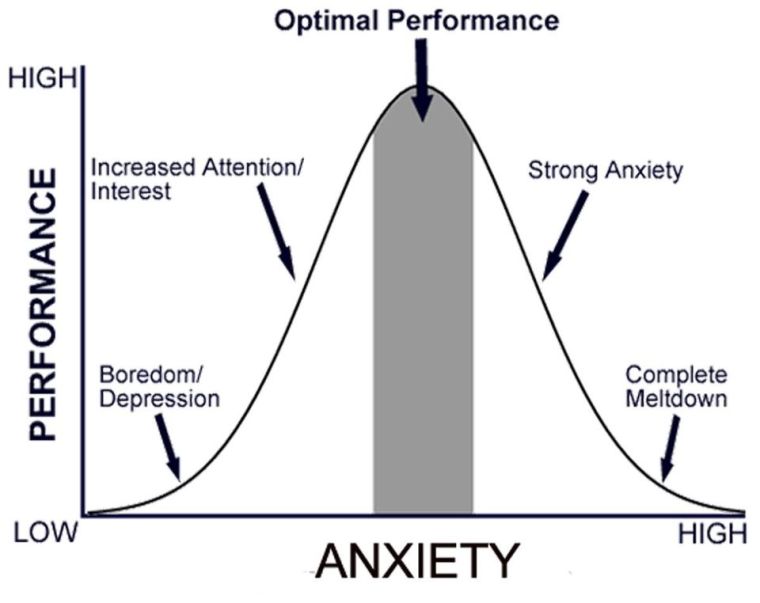
Alasdair White refers to the “optimal performance zone”, in which performance can be enhanced by some amount of stress. Beyond the optimum performance zone, lies the “danger zone” in which performance declines rapidly under the influence of greater anxiety.

However, stress in general can have an adverse effect on decision making: fewer alternatives are tried out and more familiar strategies are used, even if they are not helpful anymore.

Optimal performance management requires maximising time in the optimal performance zone. The main target should be expanding the comfort zone and optimal performance zone.

This page is based on the copyrighted Wikipedia article < https://en.wikipedia.org/wiki/Comfort_zone >; it is used under the Creative Commons Attribution-ShareAlike 3.0 Unported License (CC-BY-SA). You may redistribute it, verbatim or modified, providing that you comply with the terms of the CC-BY-SA.

An Overview of System Justification

Introduction

System justification theory is a theory within social psychology that system-justifying beliefs serve a psychologically palliative function. It proposes that people have several underlying needs, which vary from individual to individual, that can be satisfied by the defence and justification of the status quo, even when the system may be disadvantageous to certain people. People have epistemic, existential, and relational needs that are met by and manifest as ideological support for the prevailing structure of social, economic, and political norms. Need for order and stability, and thus resistance to change or alternatives, for example, can be a motivator for individuals to see the status quo as good, legitimate, and even desirable.

According to system justification theory, people desire not only to hold favourable attitudes about themselves (ego-justification) and the groups to which they belong (group-justification), but also to hold positive attitudes about the overarching social structure in which they are entwined and find themselves obligated to (system-justification). This system-justifying motive sometimes produces the phenomenon known as out-group favouritism, an acceptance of inferiority among low-status groups and a positive image of relatively higher status groups. Thus, the notion that individuals are simultaneously supporters and victims of the system-instilled norms is a central idea in system justification theory. Additionally, the passive ease of supporting the current structure, when compared to the potential price (material, social, psychological) of acting out against the status quo, leads to a shared environment in which the existing social, economic, and political arrangements tend to be preferred. Alternatives to the status quo tend to be disparaged, and inequality tends to perpetuate.

Origins

Previous social psychological theories that aimed to explain intergroup behaviour typically focused on the tendencies for people to have positive attitudes about themselves (ego-justification) and their self-relevant groups (group-justification). In other words, people are motivated to engage in behaviours that allow for them to maintain a high self-esteem and a positive image of their group. System Justification theory addressed the additional, prevalent phenomenon known as out-group favouritism, in which people defend the social systems (status quo) even when it does not benefit, and in the long-run may even cause more harm, to the individual or the group to which he or she belongs. Out-group favouritism can manifest as a dis-identification on the part of members of lower social status with their own categorical grouping (social, ethnic, economic, political) and instead further support for the existing structure. Prior social psychology theories lacked explanation for and attention given to popular instances of out-group favouritism; thus, system justification theory was developed to further explain and understand why some people tend to legitimise the prevailing social systems, despite their being against one’s interests, in a way that previous social psychological theories did not.

Theoretical Influences

While social identity theory, cognitive dissonance theory, the just-world fallacy, social dominance theory, and Marxist-feminist theories of ideologies have heavily influenced system justification theory, it has also expanded on these perspectives, infusing them with the system-justification motive and behaviours.

Cognitive Dissonance Theory

One of the most popular and well-known social psychological theories, cognitive dissonance theory explains that people have a need to maintain cognitive consistency in order to retain a positive self-image. System justification theory builds off the cognitive dissonance framework, in that it posits people will justify a social system in order to retain a positive image of that social system, due to the fact that they inherently play a role (whether passive or active) in perpetuating it.

Social Identity Theory

Jost and colleagues interpret social identity theory as suggesting that when people are presented with intergroup conflict that threatens their social group identities people will justify behaviours like stereotyping and discrimination against outgroups in order to maintain their positive group image. People with out-group favouritism will hold more positive images of other, often higher-status, groups (outgroups) than the groups they belong to (ingroups). Thus, the argument is that system justification theory builds on the foundations of social identity theory in attempting to account for the out-group favouritism observed in many disadvantaged group members that social identity theory does not.

Social Dominance Theory

This theory has widely been compared to system justification theory since they are both system-justifying theories. Social dominance theory focuses on people’s motive to maintain a positive group image by generally supporting hierarchical inequality at the group level. Individuals with a high social dominance orientation (SDO) will hold myths that tend to be hierarchy-enhancing, which justify an in-group’s place and their relation to it. Thus, in both social dominance theory and system justification theory, there are common threads of group-based opposition to equality and justification for maintaining intergroup inequalities through systemic norms.

Belief in a Just World

According to the just world fallacy, people are inclined to believe the world is generally fair, and that the outcomes of people’s behaviour are subsequently deserved. Ideologies that relate to belief in a just world have to do with maintaining a sense of personal control and a desire to understand the world as non-random. Such ideologies include the Protestant work ethic and belief in meritocracy. Essentially, belief in a just world feeds an epistemic need for predictability, order, and stability in one’s environment. System justification theory, while keeping the perspective that people are inclined to believe the world is just, extracts the underlying epistemic needs of the just world ideology and uses them as support for why people are motivated to uphold the system. In other words, preference for stability, predictability, and the perception of personal control, over random chance, motivates one to see the status quo as fair and legitimate. This can be an issue, however, due to the fact that disadvantaged people can easily internalise their low position and blame themselves for ‘shortcomings’ or lack of ‘successes’.

False Consciousness

In order to account for the phenomenon of outgroup favouritism that is a main component of system justification, theorists have derived heavily from the Marxist-feminist theories on the prevailing ideologies as tools to preserve the system. In particular, the concept of false consciousness, in which the dominant group in society believes their dominance to be destined, can help to inform why certain members of disadvantage groups sometimes engage in outgroup favouritism. Further, system justification emphasizes that those that lack means of material production (lower status) are subject to the ideas, (cultural values, legislation, and social teachings) of the dominant, controlling group.

Aspects of the Theory

Rationalisation of the Status Quo

One of the main aspects of system justification theory explains that people are motivated to justify the status quo and view it as stable and desirable. To this extent, theorists have provided specific hypothesis in which the rationalisation of the status quo can manifest. One consequence of the system-justifying motivation, is the rationalisation of desirability of likely versus less-likely events.

Since people will be inclined to make sure their preferences are congruent with the status quo, in situations of inevitability, people are more likely to endorse the status quo as a coping mechanism for dealing with unpleasant realities. In essence, people will judge events that are more likely as more desirable than events that are less likely. Anticipatory rationalization studies completed during the 2000 American presidential election demonstrate how future candidate endorsement and desirability is dependent on the likelihood of that candidate winning. When subjects of both the Republican and Democratic parties were told, for example, that it was probable that one candidate would win over the other, people of both parties tended to rationalise support for the more likely winner. System justification for seemingly inevitable and unavoidable outcomes serves as a stress or dissonance reducer and provides psychological and emotional consolation, as well as allowing the individual to feel a sense of control over external events.

Another way people rationalise the status quo is through the use of stereotypes. When people perceive threats to the predominant system, they are more inclined to cling to and back the existing structure, and one way of doing so is by means of endorsing stereotypes that rationalise inequality. If one considers oneself a member of a higher social status group (economic standing, race, gender) he or she will hold favourable stereotypes about their group and less positive ones toward lower-status outgroups. As perceived legitimacy of the system or threat to it increases, members of both disadvantaged and advantaged groups will be more motivated to utilise stereotypes as explanatory rationalisations (no matter how weak) for unequal status differences. Those that belong to disadvantaged groups will tend to associate positive characteristics (favourable stereotypes) to high-status members and lead low-status group members to minimise negative feelings about their low status. Thus, stereotype endorsement as system justification is consensual and holds a palliative function. This is true for both the ingroup and outgroup. Stereotypes also deflect blame of unfair status differences from the system and instead, attribute inequality to group traits or characteristics. Such rationalisation for inequality via stereotyping is said to be what makes political conservatives happier than liberals. In a 2012 research study on the connection of system justification beliefs and ambivalent sexism, researchers found that benevolent sexism beliefs related to higher life satisfaction through system justification. That is, both men and women may be motivated to hold benevolent sexism beliefs because such beliefs may help to promote the notion that the status quo is fair, which in turn can maintain life satisfaction.

Outgroup Favouritism

In contrast to ingroup favouritism, which holds that people have a motivation to regard the social groups that they belong in more positively than other groups, outgroup favouritism is when people tend to regard groups to which they do not belong more positively than the groups to which they are members. System justification theorists argue that this is an example or manifestation of how some people have unconsciously absorbed, processed, and attempted to cope with existing inequalities—more specifically, one’s own disadvantaged position in the social hierarchy. Because people have a tendency to justify the status quo (which usually consists of inequality among groups) and believe that it is fair and legitimate, certain people from low-status groups will accept, internalise, and hence perpetuate that inequality.

Criticisms of outgroup favouritism have suggested observations of this in disadvantaged group members are simply manifestations of more general demand characteristics or social norms that encourage low-status groups to evaluate other groups more positively. In response to this, system justification theorists introduced both implicit and explicit measures of outgroup favouritism. It was found that low-status group members still exhibited outgroup favouritism (i.e. preference for other groups) on both implicit and explicit measures, and they displayed higher instances of outgroup favouritism on implicit measures than on explicit (self-reported) measures. In contrast, people from high-status groups were found to display ingroup favouritism more on implicit measures.

Thus, it is expected that when motivation to justify the system or status quo increases and it is perceived to be more legitimate, high-status group members will also display increased ingroup favouritism, while low status group members will display increased outgroup favouritism. Researchers have also linked political conservatism with system justification, in that conservatism is associated with upholding tradition and resistance to change, which is similar to justifying the status quo (or current state of social, political, and economic norms). Along this vein, system justification theorists hold that high-status group members will engage in increased ingroup favouritism the more politically conservative they are, while low-status group members will display increased outgroup favouritism the more politically conservative they are.

Depressed Entitlement

Research on wage disparities between men and women have found that women often believe they are paid less than men because they do not deserve equal pay. This depressed entitlement was first thought as the manifestation of women internalising the low status of their gender compared to men. Subsequent research has found depressed entitlement occur across contexts in which gender was not a variable. System justification theorists have suggested that depressed entitlement is another general example of how individuals of low-status groups absorb their inferiority in order to justify the status quo. As such, system justification holds that low-status group members regardless of context will be more likely to display instances of depressed entitlement than high-status group members. This will also be seen more among low-status group members for completed work as opposed to work not yet completed.

Ego, Group, and System Justification Motives

As previously stated, people are motivated by the desire for ego-justification and group-justification to view themselves and their group positively (which can manifest through feelings of self-esteem and value). The system-justification motive is people’s desire to view the system or status quo in a favourable light as legitimate and fair. Among high-status group members, all three of these motives are congruent with one another. The need to believe the system is just and fair is easy for high-status group members because they are the groups benefiting from the system and status quo. Therefore, as the advantaged groups, holding positive regard for the self and group corresponds readily with believing the status quo is legitimate.

In particular, as system justification motives increase for high-status group members, ingroup ambivalence will decrease, levels of self-esteem will increase, and depression and neuroticism levels will decrease. For low-status groups, the ego-justification and group-justification motives come into conflict with the system-justification motive. If low-status group members have a desire to believe the status quo and prevailing system is fair and legitimate, then this would conflict with the motivation of these individuals to maintain positive self and group images. Theorists posit that this conflict of justification motives creates conflicting or mixed attitudes in low-status groups as a result of being the disadvantaged group that does not necessarily benefit from the status quo.

As system justification motives increase for low-status group members, ingroup ambivalence will increase and occur at stronger levels compared to high-status groups, levels of self-esteem will decrease, and depression and neuroticism levels will increase. Moreover, researchers suggest that when ego and group justification motives are particularly decreased, system-justification motives will increase.

Enhanced System Justification among the Disadvantaged

Based on cognitive dissonance theory that holds people have a need to reduce dissonance and maintain cognitive consistency, system justification theory explains that people are motivated to rationalise and justify instances of inequality in order to preserve and defend the legitimacy of the system. Because people have this need to believe the current prevailing system is legitimate and the way it is for a reason, when presented with instances where this might threaten that, people sometimes respond with more justifications to maintain the legitimacy of the system or status quo.

Compensatory Stereotypes

Research has found that compensatory stereotypes might lead to increased justification of the status quo. That is, stereotypes that have components that would offset the negative aspects of the stereotypes would allow people to more easily explain or justify the inequality of the prevailing system. One of the more common examples is the compensatory stereotype of “poor but happy” or “rich but miserable.” Stereotypes like these that incorporate a positive aspect to counterbalance the negative aspect would lead people to increase their justification of the status quo. Other findings suggested that these compensatory stereotypes are preferred by those with more left-leaning political ideologies, while those with more right-leaning political ideologies preferred non-complementary stereotypes that simply rationalised inequality rather than compensated for it. But that overall, conservatives were more likely to have increased system justification tendencies than liberals.

Consequences of system Justification

Consequences of people’s motivation to legitimise the status quo are wide-ranging. In needing to believe that the current or prevailing systems are fair and just, results in people justifying the existing inequalities within it. Research on system justification theory has been applied to many different social and political contexts that have found the theory has implications for general social change, social policies, and specific communities. Research has found that people with increased system justification motives are more resistant to change, and thus an implication of this would be greater difficulty to move towards policies, governments, authority figures, and hierarchies that reflect equality.

Research suggests that system justification motives reduce emotional distress in people that would otherwise result in demands for amendments to perceived injustices or inequalities. Specifically, moral outrage, guilt, and frustration are reduced when system justification motives increase. This has shown to result in less support for social policies that redistribute resources in the aim for equality.

In developing countries, in which group inequalities are most evident, researchers were interested in testing the claim of system justification theory that when inequalities are more visible, this will result in greater justification of the status quo. Researchers visited the most impoverished areas of Bolivia, and found that children (aged 10–15) who were members of low-status groups legitimised the Bolivian government as sufficiently meeting the needs of the people more so than children from high-status groups. Observing system-justification motives in low-status groups located in one of the most impoverished countries implies there will be less support for social change in a country that arguably needs it the most.

In the aftermath of Hurricane Katrina in 2005, there were different reactions to the devastation it brought to communities as well as the government’s relief efforts. Researchers who have studied these reactions, found that the slow and inefficient response of relief efforts were perceived by some to expose “governmental shortcomings, call into question the legitimacy of agency leadership, and highlight racial inequality in America.” These perceptions indirectly brought a threat to the legitimacy of the US government (i.e. the system). As a result of this system threat, researchers found that people tended to restore legitimacy to the system through utilising stereotypes and victim blaming. In particular, since the majority of the communities affected by Hurricane Katrina were generally low-income and composed mostly of minorities, some people used stereotypes to blame the victims for their misfortune and restore legitimacy to the government. Researchers explained how this could have consequences for the victims and the restoration of their homes and communities. Increased system justification, and increased victim blaming could be detrimental in providing the victims the resources needed to work towards repairing the damage caused by Hurricane Katrina.

Critiques

Social Identity Theory Debate

This debate arose from social identity theorists who countered a critique of social identity theory by system justification theorists. System justification theorists argued that the theoretical conception of system justification theory derived, in part, from limitations of social identity theory. In particular, system justification theorists have argued that social identity theory does not fully account for outgroup favouritism, and that it is more able to explain ingroup favouritism. Advocates for social identity theory have argued that this critique is more a result of lack of research on outgroup favouritism rather than a limitation of social identity theory’s theoretical framework.

More recently, social identity theorists have put forward a social identity model of system attitudes (SIMSA), which offers several explanations for system justification that refer to social identity motives rather than a separate system justification motive. In 2019, a series of position and reply articles were published by proponents of both system justification theory and SIMSA in the debate section of the British Journal of Social Psychology. In 2023, this debate continued in the European Review of Social Psychology, with (a) a target article by Rubin et al. that expanded on SIMSA, (b) a rejoinder by Jost et al. that criticised this target article, and (c) a second article by Rubin et al. that responded to Jost et al.’s criticisms.

Relation to Status Quo Bias

Another critique is that system justification theory is too similar and indistinguishable to status quo bias. Given that both deal directly with upholding and legitimising the status quo, this critique is not unfounded. But system justification theory differs from the status quo bias in that it is predominately motivational rather than cognitive. Generally, the status quo bias refers to a tendency to prefer the default or established option when making choices. In contrast, system justification posits that people need and want to see prevailing social systems as fair and just. The motivational component of system justification means that its effects are exacerbated when people are under psychological threat or when they feel their outcomes are especially dependent on the system that is being justified.

Current Research

Congruent with a broader trend toward neuroscience, current research on system justification has tested to see how this manifests in the brain. Findings by researchers have shown that people with more conservative ideologies differed in certain brain structures, which was associated with sensitivity to threat and response conflict. Specifically, those who were more conservative were “associated with greater neural sensitivity to threat and larger amygdala volume, as well as less sensitivity to response conflict and smaller anterior cingulate volume,” compared to those who were more liberal. This research is currently exploratory and has not yet determined the direction of the relations to ideology and brain structures.

Recent findings by researchers have shown that system justification motives to legitimise the status quo was found in young children. Through utilising the developmental psychological theory and data, children as early as age 5 were found to have basic understandings of their ingroup and the status of their ingroup. System justification motives were also observed in that children from low-status groups were found to display implicit outgroup favouritism. Research on system justification in young children remains a current trend.

Utopian thinking has been proposed as an effective way to overcome system justification. Thinking about an ideal society can decrease system justification and increase collective action intentions by increasing hope and abstraction.

A recent large-scale cross-cultural assessment of competing system justification hypotheses was conducted amongst 42 countries, where the researchers set out to assess the accuracy of system justification theory when compared to social identity theory and social dominance theory across cultures. They found that on average the self- and group-interest arguments of social identity and social dominance theories were more accurate across cultures.

This page is based on the copyrighted Wikipedia article < https://en.wikipedia.org/wiki/System_justification >; it is used under the Creative Commons Attribution-ShareAlike 3.0 Unported License (CC-BY-SA). You may redistribute it, verbatim or modified, providing that you comply with the terms of the CC-BY-SA.
An Overview of Status Quo Bias

Introduction

A status quo bias or default bias is a cognitive bias which results from a preference for the maintenance of one’s existing state of affairs. The current baseline (or status quo) is taken as a reference point, and any change from that baseline is perceived as a loss or gain. Corresponding to different alternatives, this current baseline or default option is perceived and evaluated by individuals as a positive.

Status quo bias should be distinguished from a rational preference for the status quo, as when the current state of affairs is objectively superior to the available alternatives, or when imperfect information is a significant problem. A large body of evidence, however, shows that status quo bias frequently affects human decision-making. Status quo bias should also be distinguished from psychological inertia, which refers to a lack of intervention in the current course of affairs.

The bias intersects with other non-rational cognitive processes such as loss aversion, in which losses comparative to gains are weighed to a greater extent. Further non-rational cognitive processes include existence bias, endowment effect, longevity, mere exposure, and regret avoidance. Experimental evidence for the detection of status quo bias is seen through the use of the reversal test. A vast amount of experimental and field examples exist. Behaviour in regard to economics, retirement plans, health, and ethical choices show evidence of the status quo bias.

Examples

Status quo experiments have been conducted over many fields with Kahneman, Thaler, and Knetsch (1991) creating experiments on the endowment effect, loss aversion and status quo bias. Experiments have also been conducted on the effect of status quo bias on contributions to retirement plans and Fevrier & Gay (2004) study on status quo bias in organ donations consent.

TypeOutline
Questionnaire1. Samuelson and Zeckhauser (1988) demonstrated status quo bias using a questionnaire in which subjects faced a series of decision problems, which were alternately framed to be with and without a pre-existing status quo position.
2. Subjects tended to remain with the status quo when such a position was offered to them.
3. Results of the experiment further show that status quo bias advantage relatively increases with the number of alternatives given within the choice set.
4. Furthermore, a weaker bias resulted from when the individual exhibited a strong discernible preference for a chosen alternative.
Hypothetical Choice Tasks1. Samuelson and Zeckhauser (1988) gave subjects a hypothetical choice task in the following “neutral” version, in which no status quo was defined: “You are a serious reader of the financial pages but until recently you have had few funds to invest.
2. That is when you inherited a large sum of money from your great-uncle.
3. You are considering different portfolios.
4. Your choices are to invest in: a moderate-risk company, a high-risk company, treasury bills, municipal bonds.”
5. Other subjects were presented with the same problem but with one of the options designated as the status quo.
6. In this case, the opening passage continued: “A significant portion of this portfolio is invested in a moderate risk company … (The tax and broker commission consequences of any changes are insignificant.)”
7. The result was that an alternative became much more popular when it was designated as the status quo.
Electric Power Consumers1. California electric power consumers were asked about their preferences regarding trade-offs between service reliability and rates.
2. The respondents fell into two groups, one with much more reliable service than the other.
3. Each group was asked to state a preference among six combinations of reliability and rates, with one of the combinations designated as the status quo.
4. A strong bias to the status quo was observed.
5. Of those in the high-reliability group, 60.2% chose the status quo, whereas a mere 5.7% chose the low-reliability option that the other group had been experiencing, despite its lower rates.
6. Similarly, of those in the low reliability group, 58.3 chose their low-reliability status quo, and only 5.8 chose the high-reliability option.
Automotive Insurance Consumers1. The US states of New Jersey and Pennsylvania inadvertently ran a real-life experiment providing evidence of status quo bias in the early 1990s.
2. As part of tort law reform programs, citizens were offered two options for their automotive insurance: an expensive option giving them full right to sue and a less expensive option with restricted rights to sue.
3. In New Jersey the cheaper insurance was the default and in Pennsylvania the expensive insurance was the default.
4. Johnson, Hershey, Meszaros and Kunreuther (1993) conducted a questionnaire to test whether consumers will stay with the default option for car insurance.
5. They found that only 20% of New Jersey drivers changed from the default option and got the more expensive option.
6. Also, only 25% of Pennsylvanian drivers changed from the default option and got the cheaper insurance.
7.Therefore, framing and status quo bias can have significant financial consequences.
General Practitioners1. Boonen, Donkers and Schut created two discrete choice experiments for Dutch residents to conclude a consumer’s preference for general practitioners and whether they would leave their current practitioner.
2. The Dutch health care system was chosen as general practitioners play the role of a gatekeeper.
3. The experiment was conducted to investigate the effect of status quo bias on a consumer’s decision to leave their current practitioner, with knowledge of other practitioners and their current relationship with their practitioner determining the role status quo bias plays.
4. Continued below.

Through the questionnaire it was shown that respondents were aware of the lack of added benefit aligned with their current general practitioner and were aware of the quality differences between potential practitioners. 35% of respondents were willing to a pay a co-payment to stay with their current general practitioner, while only 30% were willing to switch to another practitioner in exchange for a financial gain. These consumers were willing to pay a considerable amount to continue going to their current practitioner up to €17.32. For general practitioners the value assigned by the consumer to staying with their current one exceeded the total value assigned to all other attributes tested such as discounts or a certificate of quality.

Within the discrete choice experiment the respondents were offered a choice between their current practitioner and a hypothetical provider with identical attributes. The respondents were 40% more likely to choose their current practitioner than if both options were hypothetical providers, which would result in the probability being 50% for both. It was found that status quo bias had a massive impact on which general practitioner the respondents would choose. Despite consumers being offered positive financial incentives, qualitative incentives or the addition of negative financial incentives respondents were still extremely hesitant to switch from their current practitioner. The impact of status quo bias was determined as making attempts to channel consumers away from the general practitioner they are currently seeing a daunting task.

Explanations

Status quo bias has been attributed to a combination of loss aversion and the endowment effect, two ideas relevant to prospect theory. An individual weighs the potential losses of switching from the status quo more heavily than the potential gains; this is due to the prospect theory value function being steeper in the loss domain. As a result, the individual will prefer not to switch at all. In other words, we tend to oppose change unless the benefits outweigh the risks. However, the status quo bias is maintained even in the absence of gain/loss framing: for example, when subjects were asked to choose the colour of their new car, they tended towards one colour arbitrarily framed as the status quo. Loss aversion, therefore, cannot wholly explain the status quo bias, with other potential causes including regret avoidance, transaction costs and psychological commitment.

Rational Routes to Status Quo Maintenance

A status quo bias can also be a rational route if there are cognitive or informational limitations.

Informational Limitations

Decision outcomes are rarely certain, nor is the utility they may bring. Because some errors are more costly than others (Haselton & Nettle, 2006), sticking with what worked in the past is a safe option, as long as previous decisions are “good enough”.

Cognitive Limitations

Cognitive limitations of status quo bias involve the cognitive cost of choice, in which decisions are more susceptible to postponement as increased alternatives are added to the choice set. Moreover, mental effort needed to maintain status quo alternatives would often be lesser and easier, resulting in a superior choice’s benefit being outweighed by decision-making cognitive costs. Consequently, maintenance of current or previous state of affairs would be regarded as the easier alternative.

Irrational Routes

The irrational maintenance of the status quo bias links and confounds many cognitive biases.

Existence Bias

An assumption of longevity and goodness are part of the status quo bias. People treat existence as a prima facie case for goodness, aesthetic and longevity increases this preference. The status quo bias affects people’s preferences; people report preferences for what they are likely rather than unlikely to receive. People simply assume, with little reason or deliberation, the goodness of existing states.

Longevity is a corollary of the existence bias: if existence is good, longer existence should be better. This thinking resembles quasi-evolutionary notions of “survival of the fittest”, and also the augmentation principle in attribution theory.

Psychological inertia is another reason used to explain a bias towards the status quo. Another explanation is fear of regret in making a wrong decision, i.e. If we choose a partner, when we think there could be someone better out there.

Mere Exposure

Mere exposure is an explanation for the status quo bias. Existing states are encountered more frequently than non-existent states and because of this they will be perceived as more true and evaluated more preferably. One way to increase liking for something is repeated exposure over time.

Loss Aversion

Loss aversion also leads to greater regret for action than for inaction; more regret is experienced when a decision changes the status quo than when it maintains it. Together these forces provide an advantage for the status quo; people are motivated to do nothing or to maintain current or previous decisions. Change is avoided, and decision makers stick with what has been done in the past.

Changes from the status quo will typically involve both gains and losses, with the change having good overall consequences if the gains outweigh these losses. A tendency to overemphasize the avoidance of losses will thus favour retaining the status quo, resulting in a status quo bias. Even though choosing the status quo may entail forfeiting certain positive consequences, when these are represented as forfeited “gains” they are psychologically given less weight than the “losses” that would be incurred if the status quo were changed.

The loss aversion explanation for the status quo bias has been challenged by David Gal and Derek Rucker who argue that evidence for loss aversion (i.e. a tendency to avoid losses more than to pursue gains) is confounded with a tendency towards inertia (a tendency to avoid intervention more than to intervene in the course of affairs). Inertia, in this sense, is related to omission bias, except it need not be a bias but might be perfectly rational behaviour stemming from transaction costs or lack of incentive to intervene due to fuzzy preferences.

Omission Bias

Omission bias may account for some of the findings previously ascribed to status quo bias. Omission bias is diagnosed when a decision maker prefers a harmful outcome that results from an omission to a less harmful outcome that results from an action.

Overall implications of a study conducted by Ilana Ritov and Jonathan Baron, regarding status quo and omission biases, reveal that omission bias may further be diagnosed when the decision maker is unwilling to take preference from any of the available options given to them, thus enabling reduction of the number of decisions where utility comparison and weight is unavoidable.

Detection

The reversal test: when a proposal to change a certain parameter is thought to have bad overall consequences, consider a change to the same parameter in the opposite direction. If this is also thought to have bad overall consequences, then the onus is on those who reach these conclusions to explain why our position cannot be improved through changes to this parameter. If they are unable to do so, then we have reason to suspect that they suffer from status quo bias. The rationale of the reversal test is: if a continuous parameter admits of a wide range of possible values, only a tiny subset of which can be local optima, then it is prima facie implausible that the actual value of that parameter should just happen to be at one of these rare local optima.

Neural Activity

A study found that erroneous status quo rejections have a greater neural impact than erroneous status quo acceptances. This asymmetry in the genesis of regret might drive the status quo bias on subsequent decisions.

A study was done using a visual detection task in which subjects tended to favour the default when making difficult, but not easy, decisions. This bias was suboptimal in that more errors were made when the default was accepted. A selective increase in sub-thalamic nucleus (STN) activity was found when the status quo was rejected in the face of heightened decision difficulty. Analysis of effective connectivity showed that inferior frontal cortex, a region more active for difficult decisions, exerted an enhanced modulatory influence on the STN during switches away from the status quo.

Research by University College London scientists that examines the neural pathways involved in ‘status quo bias’ in the human brain and found that the more difficult the decision we face, the more likely we are not to act. The study, published in Proceedings of the National Academy of Sciences (PNAS), looked at the decision-making of participants taking part in a tennis ‘line judgement’ game while their brains were scanned using functional MRI (fMRI). The 16 study participants were asked to look at a cross between two tramlines on a screen while holding down a ‘default’ key. They then saw a ball land in the court and had to make a decision as to whether it was in or out. On each trial, the computer signalled which was the current default option – ‘in’ or ‘out’. The participants continued to hold down the key to accept the default and had to release it and change to another key to reject the default. The results showed a consistent bias towards the default, which led to errors. As the task became more difficult, the bias became even more pronounced. The fMRI scans showed that a region of the brain known as the sub-thalamic nucleus (STN) was more active in the cases when the default was rejected. Also, greater flow of information was seen from a separate region sensitive to difficulty (the prefrontal cortex) to the STN. This indicates that the STN plays a key role in overcoming status quo bias when the decision is difficult.

Behavioural Economics and the Default Position

Against this background, two behavioural economists devised an opt-out plan to help employees of a particular company build their retirement savings. In an opt-out plan, the employees are automatically enrolled unless they explicitly ask to be excluded. They found evidence for status quo bias and other associated effects. The impact of defaults on decision making due to status quo bias is not purely due to subconscious bias, as it has been found that even when disclosing the intent of the default to consumers, the effect of the default is not reduced.

An experiment conducted by Sen Geng, regarding status quo bias and decision time allocation, reveal that individuals allocate more attention to default options in comparison to alternatives. This is due to individuals who are mainly risk-averse who seek to attain greater expected utility and decreased subjective uncertainty in making their decision. Furthermore, by optimally allocating more time and asymmetric attention to default options or positions, the individual’s estimate of the default’s value is consequently more precise than estimates of alternatives. This behaviour thus reflects the individual’s asymmetric choice error, and is therefore an indication of status quo bias.

Conflict

Status-quo educational bias can be both a barrier to political progress and a threat to the state’s legitimacy and argue that the values of stability, compliance, and patriotism underpin important reasons for status quo bias that appeal not to the substantive merits of existing institutions but merely to the fact that those institutions are the status quo.

Relevant Fields

The status quo bias is seen in important real life decisions; it has been found to be prominent in data on selections of health care plans and retirement programmes.

Politics

There is a belief that preference for the status quo represents a core component of conservative ideology in societies where government power is limited and laws restricting actions of individuals exist. Conversely, in liberal societies, movements to impose restrictions on individuals or governments are met with widespread opposition by those that favour the status quo. Regardless of the type of society, the bias tends to hinder progressive movements in the absence of a reaction or backlash against the powers that be.

Ethics

Status quo bias may be responsible for much of the opposition to human enhancement in general and to genetic cognitive enhancement in particular. Some ethicists argue, however, that status quo bias may not be irrational in such cases. The rationality of status quo bias is also an important question in the ethics of disability.

Education

Education can (sometimes unintentionally) encourage children’s belief in the substantive merits of a particular existing law or political institution, where the effect does not derive from an improvement in their ability or critical thinking about that law or institution. However, this biasing effect is not automatically illegitimate or counterproductive: a balance between social inculcation and openness needs to be maintained.

Given that educational curriculums are developed by Governments and delivered by individuals with their own political thoughts and feelings, the content delivered may be inadvertently affected by bias. When Governments implement certain policies, they become the status quo and are then presented as such to children in the education system. Whether through intentional or unintentional means, when learning about a topic, educators may favour the status quo. They may simply not know the full extent of the arguments against the status quo or may not be able to present an unbiased account of each side because of their personal biases.

Health

An experiment to determine if a status-quo bias, toward current medication even when better alternatives are offered—, exists in a stated-choice study among asthma patients who take prescription combination maintenance medications. The results of this study indicate that the status quo bias may exist in stated-choice studies, especially with medications that patients must take daily such as asthma maintenance medications. Stated-choice practitioners should include a current medication in choice surveys to control for this bias.

Retirement Plans

A study in 1986 examined the effect of status quo bias on those planning their retirement savings when given the yearly choice between two investment funds. Participants were able to choose how to proportionally split their retirement savings between the two funds at the beginning of each year. After each year, they were able to amend their chose split without switching costs as their preferences changed. Even though the two funds had vastly different returns in both absolute and relative terms, the majority of participants never switched the preferences across the trial period. Status quo bias was also more evident in older participants as they preferred to stay with their original investment, rather than switching as new information came to light.

In Negotiation

Korobkin’s has studied a link between negotiation and status quo bias in 1998. In this studies shows that in negotiating contracts favour inaction that exist in situations in which a legal standard and defaults from contracts will administer absent action. This involves a biased opinion opposed to alternative solutions. Heifetz’s and Segev’s study in 2004 found support for existence of a toughness bias. It is like so-called endowment effect which affects seller’s behaviour.

Price Management

Status quo bias provides a maintenance role in the theory-practice gap in price management, and is revealed in Dominic Bergers’ research regarding status quo bias and its individual differences from a price management perspective. He identified status quo bias as a possible influencer of 22 rationality deficits identified and explained by Rullkötter (2009), and is further attributed to deficits within Simon and Fassnacht’s (2016) price management process phases. Status quo bias remained as an underlying possible cause of 16 of the 22 rationality deficits. Examples of these can be seen within the analysis phase and implementation phase of price management processes.

Bergers reveal that status quo bias within the former price management process phase potentially led to complete reliance on external information sources that existed traditionally. This bias, through a price management perspective, can be demonstrated when monitoring competitor’s pricing. In the latter phase, status quo bias potentially led to the final price being determined by decentralised staff, which is potentially perpetuated by existing system profitability within price management practices.

Mutual Fund Market

An empirical study conducted by Alexandre Kempf and Stefan Ruenzi examined the presence of status quo bias within the US equity mutual fund market, and the extent in which this depends on the number of alternatives given. Using real data obtained from the US mutual fund market, this study reveals status quo bias influences fund investors, in which a stronger correlation for positive dependence of status quo bias was found when the number of alternatives was larger, and therefore confirms Samuelson and Zeckhauser (1988) experimental results.

Economic Research

Status quo bias has a significant impact on economics research and policy creation. Anchoring and adjustment theory in economics is where people’s decision-making and outcome are affected by their initial reference point. The reference point for a consumer is usually the status quo. Status quo bias results in the default option to be better understood by consumers compared to alternatives options. This results in the status quo option providing less uncertainty and higher expected utility for risk-averse decision makers. Status quo bias is compounded by loss aversion theory where consumers see disadvantages as larger than advantages when making decision away from the reference point. Economics can also describe the effect of loss aversion graphically with a consumer’s utility function for losses having a negative and 2 times steeper curve than the utility function for gains. Therefore, they perceive the negative effect of a loss as more significant and will stay with status quo. Consumers choosing the status quo goes against rational consumer choice theory as they are not maximising their utility. Rational consumer choice theory underpins many economic decisions by defining a set of rules for consumer behaviour. Therefore, status quo bias has substantial implications in economic theory.

This page is based on the copyrighted Wikipedia article < https://en.wikipedia.org/wiki/Status_quo_bias >; it is used under the Creative Commons Attribution-ShareAlike 3.0 Unported License (CC-BY-SA). You may redistribute it, verbatim or modified, providing that you comply with the terms of the CC-BY-SA.

An Overview of Social Inertia

Introduction

In psychology and sociology, social inertia or cultural inertia is the resistance to change or the permanence of stable relationships possibly outdated in societies or social groups. Social inertia is the opposite of social change.

Refer to Psychological Inertia and Knowledge Inertia.

Overview

The idea of social inertia can be traced back to French sociologist Pierre Bourdieu. According to Bourdieu, each person occupies a position in a social space, which consists of his or her social class as well as social relationships and social networks. Through the individual’s engagement in the social space, he or she develops a set of behaviours, lifestyle and habits (which Bourdieu referred to as habitus) which often serve to maintain the status quo. Thus, people are encouraged to “accept the social world as it is, to take it for granted, rather than to rebel against it, to counterpose to it different, even antagonistic, possibles.” This can explain the continuity of the social order through time.

Sociologists have examined how economic and cultural heritage is transmitted across generations, which can lead to strong social inertia even during times of social progress. In particular, Bourdieu found in his studies of Algeria that even during times of rapid economic change, cultural and symbolic factors limited the flexibility of the society to quickly adapt to change.

Therefore, social inertia has been used to explain how dominant social classes maintain their status and privilege over time. Currently, this is a hotly debated topic in the US. While President Barack Obama reaffirmed America’s commitment to equal opportunity in his second inaugural address, Nobel laureate Joseph E. Stiglitz believes it is a myth that modern society offers equal opportunity and high social mobility through mechanisms such as formal education.

Examples

In the Culture of Honour

An example of social inertia in the culture of the US is the culture of honour which exists in parts of the South and West. In the culture of honour, violence is seen as an acceptable way of responding to insults or threats to a person’s self, family, property, or reputation. Some psychologists and historians believe that the culture of honour arose as a way of enforcing order on the frontier, when the South and West were first being settled and there was inadequate law enforcement and little social order. According to this hypothesis, herding (which is a solitary activity) should be more closely tied to the culture of honour than farming (which is a cooperative activity). However, some scholars have not found support for this. When researchers examined the relationship between agricultural practices in the rural South and the white male homicide rates in those areas, they did not find that homicide rates were higher in counties that were hilly and arid and therefore more suitable for herding vs. farming. They concluded that homicide rates did not support the herding vs. farming hypothesis for the culture of honour. Therefore, religion and poverty have been offered as alternative explanations for the origins of the culture of honour.

Even though the economic and social circumstances of the South and West have since changed, the culture of honour persists due to social inertia. It has become a social norm in southern and western culture, and these norms persist even when economies change.

In Creative Labour

In a 2013 journal article in the Journal of Sociology, sociologist Scott Brook applied the theory of social inertia to the field of creative labour. Specifically, Brook was concerned with why so many students would continue to seek degrees in creative fields (such as the arts and creative writing), even when the oversupply of labour meant that many students were unable to find employment in those fields after graduation. Even if they were able to find employment, they earned less than their peers with non-creative degrees. Scott used Bourdieu’s notion of social inertia to suggest that students who were drawn to the non-commercial nature of creative fields came from families with low socioeconomic status and whose parents had not been able to develop a career themselves. Students followed in their parents’ footsteps by choosing educational pursuits which were less likely to lead to high-earning careers, thus leading to social inertia in income across generations.

In Collaborations

Social inertia has been used as a way of studying collaborations and interactions between people. Specifically, social inertia has been defined as a measurement of how likely people are to continue collaborating with previous partners or members of the same team. An analysis of large-scale, complex networks such as the IMDb showed that two types of “extreme” collaboration behaviours appeared more than average – some people collaborate with the same partners over and over again, while others change partners frequently.

In Attitudes and Attitude Change

Psychological studies on attitudes and attitude change have found that participants are reluctant to reduce their confidence in an estimate that they have made even after they receive new information that goes against their original estimate. Researchers have hypothesized that this “inertia effect” is due to participants’ psychological commitment to their initial judgements.

In Romantic Relationships

Some psychological studies have shown that premarital cohabitation (living together before marriage) is associated with an increased risk of divorce, and this has been termed the cohabitation effect. Researchers believe that one reason for this effect is that living together increases the inertia of the relationship – i.e. the likelihood that a couple will continue to stay together vs. break up. Inertia in cohabiting couples occurs because living together imposes constraints on a relationship (a shared lease, etc.) that make relationships harder to end. Therefore, a cohabiting couple may stay together even if they are not compatible. Because living together represents an ambiguous form of commitment compared with marriage, cohabiting may not increase the levels of dedication in either partner. Partners may “slide” into marriage through cohabitation instead of making a firm decision to commit to each other, leading to problems in the marriage in the future.

However, the research on whether higher divorce rates are due to the cohabitation effect are mixed. For example, researchers have found that the relationship between cohabitation and divorce also depends on factors such as when the couple was married (for example, marriages which take place after 1996 do not show the cohabitation effect), their race/ethnicity, and their marriage plans at the time of cohabitation. Other studies have found that what has been called the cohabitation effect is entirely attributable to other factors.

In Animal Behaviour

The term social inertia was used by A.M. Guhl in 1968 to describe dominance hierarchies in animal groups. Studies of animal behaviour have found that groups of animals can form social orders or social hierarchies that are relatively fixed and stable. For example, chickens establish a social order within the group based on pecking behaviours. Even when some of the chickens were treated with an androgen to increase their aggressiveness, the established social order suppressed their exhibition of aggressive behaviours so that social order was maintained.

This same effect has been found in other birds as well as in invertebrates such as social wasps and the burying beetle N. orbicollis. Researchers theorise that this lack of change in social hierarchies even under the influence of aggression hormones is due to the effects of familiarity – animals learn their place in the social hierarchy of a group within the first few encounters with other group members. This will cause low-ranking animals treated with aggression hormones to behave aggressively towards animals from other groups but not towards dominant members of their own group.

Related Concepts

Cultural Inertia

The psychologist Michael Zarate has coined the term “cultural inertia” to refer to reactions to social change, such as those caused by immigration. Cultural inertia is defined as the desire to avoid cultural change, and also the desire for change to continue once it is already occurring. Within the cultural inertia framework, the dominant group is stable and resists cultural change, while subordinate groups desire cultural changes which incorporate their cultural traditions so that they do not have to assimilate into the dominant culture. In the context of the US and immigration, the framework suggests that white majority members resist the cultural change that occurs from immigration, while immigrant groups try to enact change in US culture.

Cultural inertia is related to social psychological theories such as the instrumental model of group conflict, acculturative fit, and system justification theory. It is a contributor to intergroup prejudice due to groups’ fear of cultural change.

This page is based on the copyrighted Wikipedia article < https://en.wikipedia.org/wiki/Social_inertia >; it is used under the Creative Commons Attribution-ShareAlike 3.0 Unported License (CC-BY-SA). You may redistribute it, verbatim or modified, providing that you comply with the terms of the CC-BY-SA.

An Overview of Knowledge Inertia

Introduction

Knowledge inertia (KI) is a concept in knowledge management. The term initially proposed by Shu-hsien Liao comprises a two dimensional model which incorporates experience inertia and learning inertia. Later, another dimension—the dimension of thinking inertia—has been added based on the theoretical exploration of the existing concepts of experience inertia and learning inertia.

One of the central problems in knowledge management related to organisational learning is to deal with “inertia”. Besides, individuals may also exhibit a natural tendency of inertia when facing problems during utilisation of knowledge. Inertia in technical jargon means inactivity or torpor. Inertia in organisational learning context may be referred to as a slowdown in organisational learning-related activities. In fact, there are many other kinds of organisational inertia: e.g., innovation inertia, workforce inertia, productivity inertia, decision inertia, emotional inertia besides others that have different meanings in their own individual contexts. Some organisation theorists have adopted the definition proposed by Liao (2002) to extend its further use in organisational learning studies.

Refer to Psychological Inertia and Social Inertia.

Definition

Knowledge inertia (KI) may be defined as a problem solving strategy using old, redundant, stagnant knowledge and past experience without recourse to new knowledge and experience. Inertia is a concept in physics that is used to explain the state of an object either remaining in stationary or uniform motion. Organisational theorists adopted this concept of inertia and applied it to different contexts which resulted in the emergence of diverse concepts – such as, for example, organisational inertia, consumer inertia, outsourcing inertia, and cognitive inertia. Some organisational theorists have adopted the definition proposed by Liao (2002) to extend its further use in organisational learning studies. Not every instances of knowledge inertia result in gloomy of negative outcome: one study suggested that knowledge inertia could positively affect a firm’s product innovation.

The Concept

Knowledge inertia stems from the use of routine problem solving procedures that involves the utilisation of redundant, stagnant knowledge and past experience without any recourse to new knowledge and thinking processes. Different methodologies exist for diverse types of knowledge that could be applied to manage knowledge efficiently. Since KI is a component of knowledge management, it is essential to consider the circulation of various knowledge types in avoiding inertia. The theory of KI supposedly studies the extent to which an organisation’s ability on problem solving is inhibited. Numerous factors could be attributed as enablers or inhibitors of the abilities on problem solving of an individual or an organisation. Knowledge inertia applicable in the context of problem solving, therefore, may require inputs from all these diverse knowledge types, or it may require learning, new thinking, and experience. Emergence of new ideas to supplement the existing knowledge and assimilation of the same could be of help in avoiding the use of stagnant, outdated information while attempting to solve problems.

This page is based on the copyrighted Wikipedia article < https://en.wikipedia.org/wiki/Knowledge_inertia&gt;; it is used under the Creative Commons Attribution-ShareAlike 3.0 Unported License (CC-BY-SA). You may redistribute it, verbatim or modified, providing that you comply with the terms of the CC-BY-SA.

Every Mind Matters: The Connection Between Mental and Physical Health

Introduction

We often think of mental health and physical health as two separate things, but in reality, they are deeply interconnected. When we experience stress, anxiety, or depression, it does not just affect our mood – it can have a real, tangible impact on our physical well-being. Understanding the relationship between the mind and body is important, as it can help us maintain overall health and well-being.

The Mind-Body Connection

The connection between mental and physical health is not just a theory – it is backed by science. Any healthcare professional, from your local GP to registered nurses who have completed online post masters NP programmes, can tell you just how important of a role mental health plays in your overall health.

Our brain, which governs our thoughts, emotions, and behaviours, is also responsible for regulating many of the body’s functions. When we experience stress or mental health issues, the brain releases hormones like cortisol, which can trigger physical responses in the body. These include an increased heart rate, muscle tension, and a weakened immune system. Over time, chronic stress can lead to more serious physical health problems, such as heart disease, digestive issues, or even chronic pain.

On the flip side, physical health can significantly impact mental health. Inadequate sleep, for example, can affect cognitive function, mood, and memory, making it harder to manage stress and maintain a positive outlook.

Research has shown that people who engage in regular physical activity are less likely to experience anxiety and depression, demonstrating how physical health can contribute to better mental well-being.

It is Not Just in Your Head

Mental health issues can manifest in various ways physically. For example, stress can cause headaches, muscle tension, and fatigue. Chronic stress can also lead to high blood pressure, which increases the risk of heart disease and stroke.

People struggling with anxiety or depression may also experience gastrointestinal problems, such as nausea or irritable bowel syndrome (IBS), due to the gut-brain connection. The brain and gut are connected through the vagus nerve. Changes in one can affect the other, which is why mental health problems often involve digestive issues.

Mental health problems like depression can lead to a lack of motivation to take care of oneself. People may skip workouts, eat poorly, or neglect sleep – all of which contribute to further physical health deterioration. In severe cases, mental health issues can lead to unhealthy coping behaviours like smoking, excessive drinking, or dysregulated eating, which have long-term consequences for both mental and physical health.

Yes, It Works Both Ways

In the same way, physical health plays a significant role in mental well-being. Regular exercise has been shown to release endorphins, the body’s natural mood boosters. These chemicals help reduce feelings of anxiety and depression, making physical activity one of the most effective treatments for mental health problems. Exercise also improves sleep quality, which in turn supports cognitive function and emotional regulation.

Eating a balanced diet also plays a crucial role in maintaining mental health. Foods rich in vitamins, minerals, and antioxidants, such as leafy greens, fruits, and whole grains, can improve brain function and reduce inflammation.

On the other hand, a poor diet high in processed foods and sugar can lead to mood swings, fatigue, and difficulty concentrating, exacerbating mental health issues.

Sleep impacts our health more than most people realise. When we sleep, our bodies repair and rejuvenate, and our brains consolidate memories and process emotions. Chronic sleep deprivation can lead to a host of problems, increasing the risk of many other chronic, and sometimes fatal, illnesses.

Maintaining Overall Health

To maintain both mental and physical health, focus on consistent exercise. Eating a balanced diet while limiting sugar and processed foods can also be helpful as well as prioritising quality and consistent sleep each night. Even simply establishing a calming bedtime routine or avoiding things like screens and caffeine before bed can make a huge difference.

Never underestimate the power of mindfulness and stress management through practising techniques like meditation or deep breathing. It is also just as crucial to make time for social connections, as spending time with loved ones can improve your mood and reduce stress. If needed, seek professional help from a therapist or counsellor to develop coping strategies and receive support.

Summary

Maintaining both mental and physical health is a lifelong journey, but the payoff is well worth it. By understanding the strong connection between the two, we can take proactive steps to improve our well-being. Taking care of your mind and body is one of the best investments you can make for your overall health. After all, every mind matters, and so does everybody.