
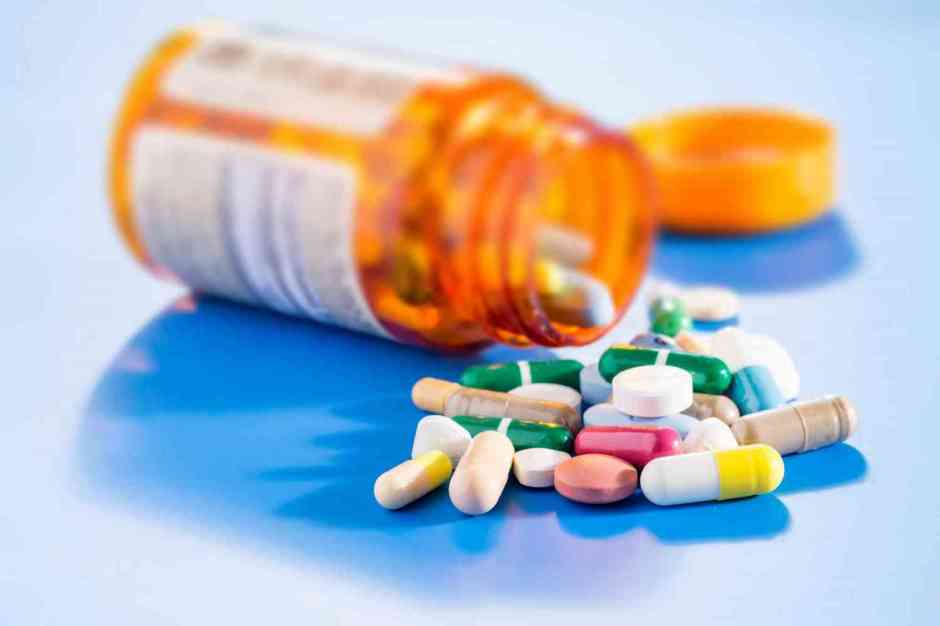
What is a Pharmacopoeia?

Introduction

A pharmacopoeia, pharmacopeia, or pharmacopoea (from the obsolete typography pharmacopœia, meaning “drug-making”), in its modern technical sense, is a book containing directions for the identification of compound medicines, and published by the authority of a government or a medical or pharmaceutical society.

Descriptions of preparations are called monographs. In a broader sense it is a reference work for pharmaceutical drug specifications.

Refer to The International Pharmacopoeia, British Pharmacopoeia, European Pharmacopoeia, United States Pharmacopoeia, Indian Pharmacopoeia Commission, Japanese Pharmacopoeia, and Pharmacopoeia of the People’s Republic of China.

Etymology

The term derives from Ancient Greek: φαρμακοποιία pharmakopoiia “making of (healing) medicine, drug-making”, a compound of φάρμακον pharmakon “healing medicine, drug, poison”, the verb ποιεῖν poiein “to make” and the abstract noun suffix -ία -ia.

In early modern editions of Latin texts, the Greek diphthong οι (oi) is latinised to its Latin equivalent oe which is in turn written with the ligature œ, giving the spelling pharmacopœia; in modern UK English, œ is written as oe, giving the spelling pharmacopoeia, while in American English oe becomes e, giving us pharmacopeia.

Brief History

Although older writings exist which deal with herbal medicine, the major initial work in the field is considered to be the Edwin Smith Papyrus in Egypt, Pliny’s pharmacopoeia.

A number of early pharmacopoeia books were written by Persian and Arab physicians. These included The Canon of Medicine of Avicenna in 1025 AD, and works by Ibn Zuhr (Avenzoar) in the 12th century (and printed in 1491), and Ibn Baytar in the 14th century. The Shen-nung pen ts’ao ching (Divine Husbandman’s Materia Medica) is the earliest known Chinese pharmacopoeia. The text describes 365 medicines derived from plants, animals, and minerals; according to legend it was written by the Chinese god Shennong.

Pharmacopeial synopsis were recorded in the Timbuktu manuscripts of Mali.

China

The earliest extant Chinese pharmacopoeia, the Shennong Ben Cao Jing was compiled between 200-250 AD. It contains descriptions of 365 medications.

The earliest known officially sponsored pharmacopoeia was compiled in 659 AD by a team of 23 pharmaceutical scientists led by Su jing during the Tang dynasty (618-907 AD) and was called the Xinxiu Bencao (Newly Revised Canon of Materia Medica). The work consists of 20 volumes with one dedicated to the table of contents, and 25 volumes of pictures with one volume dedicated to the table of contents. A third part consisting of seven volumes contained illustrated descriptions. The text contains descriptions of 850 medicines with 114 new ones. The work was used throughout China for the next 400 years.

City Pharmacopoeia Origins

A dated work appeared in Nuremberg in 1542; a passing student Valerius Cordus showed a collection of medical prescriptions, which he had selected from the writings of the most eminent medical authorities, to the physicians of the town, who urged him to print it for the benefit of the apothecaries, and obtained the sanction of the senatus for his work. A work known as the Antidotarium Florentinum, was published under the authority of the college of medicine of Florence in the 16th century. In 1511, the Concordie Apothecariorum Barchinone was published by the Society of Apothecaries of Barcelona and kept in the School of Pharmacy of the University of Barcelona.

The term Pharmacopoeia first appears as a distinct title in a work published at Basel, Switzerland, in 1561 by A. Foes, but does not appear to have come into general use until the beginning of the 17th century.

Before 1542, the works principally used by apothecaries were the treatises on simples (basic medicinal ingredients) by Avicenna and Serapion; the De synonymis and Quid pro quo of Simon Januensis; the Liber servitoris of Bulchasim Ben Aberazerim, which described preparations made from plants, animals, and minerals, and was the type of the chemical portion of modern pharmacopoeias; and the Antidotarium of Nicolaus de Salerno, containing Galenic formulations arranged alphabetically. Of this last work, there were two editions in use – Nicolaus magnus and Nicolaus parvus: in the latter, several of the compounds described in the large edition were omitted and the formulae given on a smaller scale.

Also Vesalius claimed he had written some “dispensariums” and “manuals” on the works of Galenus. Apparently he burnt them. According to recent research communicated at the congresses of the International Society for the History of Medicine by the scholar Francisco Javier González Echeverría, Michel De Villeneuve (Michael Servetus) also published a pharmacopoeia. De Villeneuve, fellow student of Vesalius and the best galenist of Paris according to Johann Winter von Andernach, published the anonymous ” ”Dispensarium or Enquiridion” in 1543, at Lyon, France, with Jean Frellon as editor. This work contains 224 original recipes by De Villeneuve and others by Lespleigney and Chappuis. As usual when it comes to pharmacopoeias, this work was complementary to a previous Materia Medica that De Villeneuve published that same year. This finding was communicated by the same scholar in the International Society for the History of Medicine, with agreement of John M. Riddle, one of the foremost experts on Materia Medica-Dioscorides works.

Nicolaes Tulp, mayor of Amsterdam and respected surgeon general, gathered all of his doctor and chemist friends together and they wrote the first pharmacopoeia of Amsterdam named Pharmacopoea Amstelredamensis in 1636. This was a combined effort to improve public health after an outbreak of the bubonic plague, and also to limit the number of quack apothecary shops in Amsterdam.

London

Until 1617, such drugs and medicines as were in common use were sold in England by the apothecaries and grocers. In that year the apothecaries obtained a separate charter, and it was enacted that no grocer should keep an apothecary’s shop. The preparation of physicians’ prescriptions was thus confined to the apothecaries, upon whom pressure was brought to bear to make them dispense accurately, by the issue of a pharmacopoeia in May 1618 by the College of Physicians, and by the power which the wardens of the apothecaries received in common with the censors of the College of Physicians of examining the shops of apothecaries within 7 miles of London and destroying all the compounds which they found unfaithfully prepared. This, the first authorized London Pharmacopoeia, was selected chiefly from the works of Mezue and Nicolaus de Salerno, but it was found to be so full of errors that the whole edition was cancelled, and a fresh edition was published in the following December.

At this period the compounds employed in medicine were often heterogeneous mixtures, some of which contained from 20 to 70, or more, ingredients, while a large number of simples were used in consequence of the same substance being supposed to possess different qualities according to the source from which it was derived. Thus crabs’ eyes (i.e. gastroliths), pearls, oyster shells, and coral were supposed to have different properties. Among other ingredients entering into some of these formulae were the excrements of human beings, dogs, mice, geese, and other animals, calculi, human skull, and moss growing on it, blind puppies, earthworms, etc.

Although other editions of the London Pharmacopoeia were issued in 1621, 1632, 1639, and 1677, it was not until the edition of 1721, published under the auspices of Sir Hans Sloane, that any important alterations were made. In this issue many of the remedies previously in use were omitted, although a good number were still retained, such as dogs’ excrement, earthworms, and moss from the human skull; the botanical names of herbal remedies were for the first time added to the official ones; the simple distilled waters were ordered of a uniform strength; sweetened spirits, cordials and ratafias were omitted as well as several compounds no longer used in London, although still in vogue elsewhere. A great improvement was effected in the edition published in 1746, in which only those preparations were retained which had received the approval of the majority of the pharmacopoeia committee; to these was added a list of those drugs only which were supposed to be the most efficacious. An attempt was made to simplify further the older formulae by the rejection of superfluous ingredients.

In the edition published in 1788 the tendency to simplify was carried out to a much greater extent, and the extremely compound medicines which had formed the principal remedies of physicians for 2,000 years were discarded, while a few powerful drugs which had been considered too dangerous to be included in the Pharmacopoeia of 1765 were restored to their previous position. In 1809 the French chemical nomenclature was adopted, and in 1815 a corrected impression of the same was issued. Subsequent editions were published in 1824, 1836, and 1851.

The first Edinburgh Pharmacopoeia was published in 1699 and the last in 1841; the first Dublin Pharmacopoeia in 1807 and the last in 1850.

National Pharmacopoeia Origins

The preparations contained in these three pharmacopoeias were not all uniform in strength, a source of much inconvenience and danger to the public, when powerful preparations such as dilute hydrocyanic acid were ordered in the one country and dispensed according to the national pharmacopoeia in another. As a result, the Medical Act of 1858 ordained that the General Medical Council should publish a book containing a list of medicines and compounds, to be called the British Pharmacopoeia, which would be a substitute throughout Great Britain and Ireland for the separate pharmacopoeias. Hitherto these had been published in Latin. The first British Pharmacopoeia was published in the English language in 1864, but gave such general dissatisfaction both to the medical profession and to chemists and druggists that the General Medical Council brought out a new and amended edition in 1867. This dissatisfaction was probably owing partly to the fact that the majority of the compilers of the work were not engaged in the practice of pharmacy, and therefore competent rather to decide upon the kind of preparations required than upon the method of their manufacture. The necessity for this element in the construction of a pharmacopoeia is now fully recognised in other countries, in most of which pharmaceutical chemists are represented on the committee for the preparation of the legally recognised manuals.

There are national and international pharmacopoeias, like the EU and the US pharmacopoeias. The pharmacopeia in the EU is prepared by a governmental organisation, and has a specified role in law in the EU. In the US, the USP-NF (United States Pharmacopeia – National Formulary) has been issued by a private non-profit organisation since 1820 under the authority of a Convention that meets periodically that is largely constituted by physicians, pharmacists, and other public health professionals, setting standards published in the compendia through various Expert Committees. In the US when there is an applicable USP-NF quality monograph, drugs and drug ingredients must conform to the compendial requirements (such as for strength, quality or purity) or be deemed adulterated or misbranded under the Federal food and drug laws.

Supranational and International Harmonisation

The Soviet Union had a nominally supranational pharmacopoeia, the State Pharmacopoeia of the Union of Soviet Socialist Republics (USSRP), although the de facto nature of the nationality of republics within that state differed from the de jure nature. The European Union has a supranational pharmacopoeia, the European Pharmacopoeia; it has not replaced the national pharmacopoeias of EU member states but rather helps to harmonise them. Attempts have been made by international pharmaceutical and medical conferences to settle a basis on which a globally international pharmacopoeia could be prepared, but regulatory complexity and locoregional variation in conditions of pharmacy are hurdles to fully harmonizing across all countries (that is, defining thousands of details that can all be known to work successfully in all places). Nonetheless, some progress has been made under the banner of the International Council on Harmonisation of Technical Requirements for Registration of Pharmaceuticals for Human Use (ICH), a tri-regional organisation that represents the drug regulatory authorities of the European Union, Japan, and the United States. Representatives from the Pharmacopoeias of these three regions have met twice yearly since 1990 in the Pharmacopoeial Discussion Group to try to work towards “compendial harmonisation”. Specific monographs are proposed, and if accepted, proceed through stages of review and consultation leading to adoption of a common monograph that provides a common set of tests and specifications for a specific material. Not surprisingly, this is a slow process. The World Health Organisation (WHO) has produced the International Pharmacopoeia (Ph.Int.), which does not replace a national pharmacopoeia but rather provides a model or template for one and also can be invoked by legislation within a country to serve as that country’s regulation.

Medical Preparations, Uses, and Dosages

Though formerly printed there has been a transition to a situation where pharmaceutical information is available as printed volumes and on the internet. The rapid increase in knowledge renders necessary frequent new editions, to furnish definite formulae for preparations that have already come into extensive use in medical practice, so as to ensure uniformity of strength, and to give the characters and tests by which their purity and potency may be determined. However each new edition requires several years to carry out numerous experiments for devising suitable formulae, so that current pharmacopoeia are never quite up to date.

This difficulty has hitherto been met by the publication of such non-official formularies as Squire’s Companion to the Pharmacopoeia and Martindale: The complete drug reference (formerly Martindale’s: the extra pharmacopoeia), in which all new remedies and their preparations, uses and doses are recorded, and in the former the varying strengths of the same preparations in the different pharmacopoeias are also compared (Squire’s was incorporated into Martindale in 1952). The need of such works to supplement the Pharmacopoeia is shown by the fact that they are even more largely used than the Pharmacopoeia itself, the first issued in 18 editions and the second in 13 editions at comparatively short intervals. In the UK, the task of elaborating a new Pharmacopoeia is entrusted to a body of a purely medical character, and legally the pharmacist does not, contrary to the practice in other countries, have a voice in the matter. This is notwithstanding the fact that, although the medical practitioner is naturally the best judge of the drug or preparations that will afford the best therapeutic result, they are not as competent as the pharmacist to say how that preparation can be produced in the most effective and satisfactory manner, nor how the purity of drugs can be tested.

The change occurred with the fourth edition of the British Pharmacopoeia in 1898. A committee of the Royal Pharmaceutical Society of Great Britain was appointed at the request of the General Medical Council to advise on pharmaceutical matters. A census of prescriptions was taken to ascertain the relative frequency with which different preparations and drugs were used in prescriptions, and suggestions and criticisms were sought from various medical and pharmaceutical bodies across the British Empire. As regards the purely pharmaceutical part of the work a committee of reference in pharmacy, nominated by the pharmaceutical societies of Great Britain and Ireland (as they were then), was appointed to report to the Pharmacopoeia Committee of the Medical Council.

Some difficulty has arisen since the passing of the Adulteration of Food and Drugs Act concerning the use of the Pharmacopoeia as a legal standard for the drugs and preparations contained in it. The Pharmacopoeia is defined in the preface as only “intended to afford to the members of the medical profession and those engaged in the preparation of medicines throughout the British Empire one uniform standard and guide whereby the nature and composition of, substances to be used in medicine may be ascertained and determined”. It cannot be an encyclopaedia of substances used in medicine, and can be used only as a standard for the substances and preparations contained in it, and for no others. It has been held in the Divisional Courts (Dickins v. Randerson) that the Pharmacopoeia is a standard for official preparations asked for under their pharmacopoeial name. But there are many substances in the Pharmacopoeia which are not only employed in medicine, but have other uses, such as sulphur, gum benzoin, tragacanth, gum arabic, ammonium carbonate, beeswax, oil of turpentine, linseed oil, and for these a commercial standard of purity as distinct from a medicinal one is needed, since the preparations used in medicine should be of the highest possible degree of purity obtainable, and this standard would be too high and too expensive for ordinary purposes. The use of trade synonyms in the Pharmacopoeia, such as saltpetre for purified potassium nitrate, and milk of sulphur for precipitated sulphur, is partly answerable for this difficulty, and has proved to be a mistake, since it affords ground for legal prosecution if a chemist sells a drug of ordinary commercial purity for trade purposes, instead of the purified preparation which is official in the Pharmacopoeia for medicinal use. This would not be the case if the trade synonym were omitted. For many drugs and chemicals not in the Pharmacopoeia there is no standard of purity that can be used under the Adulteration of Food and Drugs Act, and for these, as well as for the commercial quality of those drugs and essential oils which are also in the Pharmacopoeia, a legal standard of commercial purity is much needed. This subject formed the basis of discussion at several meetings of the Pharmaceutical Society, and the results have been embodied in a work called Suggested Standards for Foods and Drugs by C.G. Moor, which indicates the average degree of purity of many drugs and chemicals used in the arts, as well as the highest degree of purity obtainable in commerce of those used in medicine.

An important step has also been taken in this direction by the publication under the authority of the Council of the Pharmaceutical Society of Great Britain of the British Pharmaceutical Codex (BPC), in which the characters of and tests for the purity of many unofficial drugs and preparations are given as well as the character of many glandular preparations and antitoxins that have come into use in medicine, but have not yet been introduced into the Pharmacopoeia. This work may also possibly serve as a standard under the Adulteration of Food and Drugs Act for the purity and strength of drugs not included in the Pharmacopoeia and as a standard for the commercial grade of purity of those in the Pharmacopoeia which are used for non-medical purposes.

Another legal difficulty connected with modern pharmacopoeias is the inclusion in some of them of synthetic chemical remedies, the processes for preparing which have been patented, whilst the substances are sold under trade-mark names. The scientific chemical name is often long and unwieldy, and the physician prefers when writing a prescription to use the shorter name under which it is sold by the patentees. In this case the pharmacist is compelled to use the more expensive patented article, which may lead to complaints from the patient. If the physician were to use the same article under its pharmacopoeial name when the patented article is prescribed, they would become open to prosecution by the patentee for infringement of patent rights. Hence the only solution is for the physician to use the chemical name (which cannot be patented) as given in the Pharmacopoeia, or, for those synthetic remedies not included in the Pharmacopoeia, the scientific and chemical name given in the British Pharmaceutical Codex.

This page is based on the copyrighted Wikipedia article < https://en.wikipedia.org/wiki/Pharmacopoeia >; it is used under the Creative Commons Attribution-ShareAlike 3.0 Unported License (CC-BY-SA). You may redistribute it, verbatim or modified, providing that you comply with the terms of the CC-BY-SA.

What is the Pharmacopoeia of the People’s Republic of China?

Introduction

The Pharmacopoeia of the People’s Republic of China (PPRC) or the Chinese Pharmacopoeia (ChP), compiled by the Pharmacopoeia Commission of the Ministry of Health of the People’s Republic of China, is an official compendium of drugs, covering Traditional Chinese and western medicines, which includes information on the standards of purity, description, test, dosage, precaution, storage, and the strength for each drug.

It is recognized by the World Health Organisation (WHO) as the official pharmacopoeia of China.

Content

The ChP, as of its tenth (2015) edition, comes in 4 volumes for both the Chinese and the English versions:

  • Traditional Chinese Medicine, ISBN 978-7-5067-7337-9.
  • Chemical Medicine, ISBN 978-7-5067-7343-0.
  • Biological Preparations, ISBN 978-7-5067-7336-2.
  • General rules and common inactive ingredients, ISBN 978-7-5067-7539-7; new volume.

The English version is collectively coded as ISBN 978-7-5067-8929-5. The 2015 ChP requires Good Manufacturing Practices for all ChP-compliant medications and in general uses INN for English names. The Chinese version arranges medicines in ascending stroke order, while the English translations do so in alphabetical order.

Brief History

The 1997 English version consists of two volumes:

  • Volume 1 (Herbal medicine), 1997, ISBN 7-5025-2062-7.
  • Volume 2 (Western medicine), 1997, ISBN 7-5025-2063-5.

The 1997 Chinese version (in simplified Chinese) also consists of two volumes, but the English and Chinese versions are not direct translations of each other, as they are sorted differently as is in the current edition.

A third volume was added in the 2005 version. The English edition (ISBN 7117069821) describes itself as a “compendium of almost all traditional Chinese medicines and most western medicines and preparations. Information is given for each drug on standards of purity, description, test, dosage, precaution, storage and strength. Key features: A total of 2691 monographs: 992 for traditional Chinese medicines and 1699 for modern western drugs.

“Volume I contains monographs of Chinese material medica and pared slice, vegetable oil/fat and its extract, Chinese traditional patent medicines, single ingredient of Chinese crude drug preparations etc.; Volume II deals with monographs of chemical drugs, antibiotics, biochemical preparations, Radiopharmaceuticals and excipients for pharmaceutical use; Volume III contains biological products.”

Refer to The International Pharmacopoeia, British Pharmacopoeia, European Pharmacopoeia, United States Pharmacopoeia, Indian Pharmacopoeia Commission, Japanese Pharmacopoeia, and Pharmacopoeia of the People’s Republic of China.

This page is based on the copyrighted Wikipedia article < https://en.wikipedia.org/wiki/Pharmacopoeia_of_the_People%27s_Republic_of_China >; it is used under the Creative Commons Attribution-ShareAlike 3.0 Unported License (CC-BY-SA). You may redistribute it, verbatim or modified, providing that you comply with the terms of the CC-BY-SA.

What is the Japanese Pharmacopoeia?

Introduction

The Japanese Pharmacopoeia (日本薬局方) is the official pharmacopoeia of Japan.

Outline

It is published by the Pharmaceuticals and Medical Devices Agency (独立行政法人 医薬品医療機器総合機構, Dokuritsu-gyōsei hōjin iyakuhin-iryō-kiki-sōgō-kikō).

The first edition was published on 25 June 1886, with revisions being issued from time to time. The current revision is number 18, issued electronically on 07 June 2021.

An official English translation is in preparation (status: 06 August 2021).

Refer to The International Pharmacopoeia, British Pharmacopoeia, European Pharmacopoeia, United States Pharmacopoeia, Indian Pharmacopoeia Commission, Japanese Pharmacopoeia, and Pharmacopoeia of the People’s Republic of China.

This page is based on the copyrighted Wikipedia article < https://en.wikipedia.org/wiki/Japanese_Pharmacopoeia >; it is used under the Creative Commons Attribution-ShareAlike 3.0 Unported License (CC-BY-SA). You may redistribute it, verbatim or modified, providing that you comply with the terms of the CC-BY-SA.

What is the Indian Pharmacopoeia Commission?

Introduction

Indian Pharmacopoeia Commission (IPC) is an autonomous institution of the Ministry of Health and Family Welfare which sets standards for all drugs that are manufactured, sold and consumed in India.

Outline

The set of standards are published under the title Indian Pharmacopoeia (IP) which has been modelled on and historically follows from the British Pharmacopoeia. The standards that are in effect since 01 December 2010, are the Indian Pharmacopoeia 2010 (IP 2010). The Pharmacopoeia 2014 was released by Health Minister Ghulam Nabi Azad on 04 November 2013. The Pharmacopoeia 2018 was released by Secretary, Ministry of Health & Family Welfare, Government of India.

IP, the abbreviation of ‘Indian Pharmacopoeia’ is familiar to the consumers in the Indian sub-continent as a mandatory drug name suffix. Drugs manufactured in India have to be labelled with the mandatory non-proprietary drug name with the suffix IP. This is similar to the BP suffix for British Pharmacopoeia and the USP suffix for the United States Pharmacopeia.

The IPC was formed according to the Indian Drugs and Cosmetics Act of 1940 and established by executive orders of the Government of India in 1956.

History of Publication

The actual process of publishing the first Pharmacopoeia started in the year 1944 under the chairmanship of Colonel R.N. Chopra. The IP list was first published in the year 1946 and was put forth for approval. The titles are suffixed with the respective years of publication, e.g. IP 1996. The following table describes the publication history of the Indian Pharmacopoeia.

  • 1st Edition 1955:
    • Supplement 1960
  • 2nd Edition 1966:
    • Supplement 1975
  • 3rd Edition 1985:
    • 2 volumes.
    • Addendum 1989.
    • Addendum 1991.
  • 4th Edition 1996:
    • 2 volumes.
    • Addendum 2000.
    • Vet Supplement 2000.
    • Addendum 2002.
    • Addendum 2005.
  • 5th Edition 2007:
    • 3 volumes.
    • Addendum 2008.
  • 6th Edition 2010:
    • 3 volumes.
    • Addendum 2012.
  • 7th Edition 2014:
    • 4 volumes.
    • Addendum 2015.
    • Addendum 2016.
  • 8th Edition 2018:
    • 4 volumes.
    • Addendum 2019.
    • Addendum 2021.

Refer to The International Pharmacopoeia, British Pharmacopoeia, European Pharmacopoeia, United States Pharmacopoeia, Indian Pharmacopoeia Commission, Japanese Pharmacopoeia, and Pharmacopoeia of the People’s Republic of China.

This page is based on the copyrighted Wikipedia article < https://en.wikipedia.org/wiki/Indian_Pharmacopoeia_Commission >; it is used under the Creative Commons Attribution-ShareAlike 3.0 Unported License (CC-BY-SA). You may redistribute it, verbatim or modified, providing that you comply with the terms of the CC-BY-SA.

What is the United States Pharmacopoeia?

Introduction

The United States Pharmacopeia (USP) is a pharmacopeia (compendium of drug information) for the United States published annually by the United States Pharmacopeial Convention (usually also called the USP), a non-profit organisation that owns the trademark and also owns the copyright on the pharmacopeia itself.

The USP is published in a combined volume with the National Formulary (a formulary) as the USP-NF. If a drug ingredient or drug product has an applicable USP quality standard (in the form of a USP-NF monograph), it must conform in order to use the designation “USP” or “NF”. Drugs subject to USP standards include both human drugs (prescription, over-the-counter, or otherwise) and animal drugs. USP-NF standards also have a role in US federal law; a drug or drug ingredient with a name recognized in USP-NF is considered adulterated if it does not satisfy compendial standards for strength, quality or purity. USP also sets standards for dietary supplements and food ingredients (as part of the Food Chemicals Codex). USP has no role in enforcing its standards; enforcement is the responsibility of the US Food and Drug Administration (FDA) and other government authorities in the United States.

Product Quality: Standards and Verification

USP establishes written (documentary) and physical (reference) standards for medicines, food ingredients, dietary supplement products, and ingredients. These standards are used by regulatory agencies and manufacturers to help to ensure that these products are of the appropriate identity, as well as strength, quality, purity, and consistency. USP 800 is an example of a publication created by the United States Pharmacopeia.

Prescription and over-the-counter medicines available in the United States must, by federal law, meet USP-NF public standards, where such standards exist. Many other countries use the USP-NF instead of issuing their own pharmacopeia, or to supplement their government pharmacopeia.

USP’s standards for food ingredients can be found in its Food Chemicals Codex (FCC). The FCC is a compendium of standards used internationally for the quality and purity of food ingredients like preservatives, flavourings, colourings and nutrients. While the FCC is recognised in law in countries like Australia, Canada and New Zealand, it currently does not have statutory recognition in the United States, although FCC standards are incorporated by reference in over 200 FDA food regulations. USP obtained the FCC from the Institute of Medicine in 2006. The IOM had published the first five editions of the FCC.

USP also conducts verification programs for dietary supplement products and ingredients. These are testing and audit programmes. Products that meet the requirements of the programme can display the USP Verified Dietary Supplement Mark on their labels. This is different from seeing the letters “USP” alone on a dietary supplement label, which means that the manufacturer is claiming to adhere to USP standards. USP does not test such products as it does with USP Verified products.

Healthcare Information

In the past, Congress authorised the Secretary of HHS to request USP to develop a drug classification system that Medicare Prescription Drug Benefit plans may use to develop their formularies, and to revise such classification from time to time to reflect changes in therapeutic uses covered by Part D drugs and the addition of new covered Part D drugs. USP has developed six versions of the Model Guidelines, the last issued early in 2014 for the 2015-2017 benefit years.

Promoting the Quality of Medicines Programme

Since 1992, USP has worked cooperatively with the United States Agency for International Development (USAID) to help developing countries address critical issues related to poor quality medicines. This partnership operated as the Drug Quality and Information (DQI) programme until 2009, when, to better meet growing global needs, USAID awarded USP a five-year, $35 million cooperative agreement to establish a new, expanded programme: Promoting the Quality of Medicines (PQM). In 2013 USAID extended the PQM programme for five years (through September 2019), increased its funding to $110 million, and expanded the geographical reach of the programme.

PQM serves as a primary mechanism to help USAID-supported countries strengthen their quality assurance and quality control systems to better ensure the quality of medicines that reach patients. PQM has four key objectives:[9]

  • Strengthen quality assurance (QA) and quality control (QC) systems.
  • Increase the supply of quality assured medicines.
  • Combat the availability of substandard and counterfeit medicines.
  • Provide technical leadership and global advocacy.

USP-USAID collaborative efforts have helped communities improve drug quality in more than 35 countries. PQM currently works in Africa, Asia, Europe/Eurasia, and the Caribbean/Latin America.

International Agreements and Offices

USP works internationally, largely through agreements with other pharmacopeias, as well as regulatory bodies, manufacturer associations and others. In recent years, USP signed a series of Memoranda of Understanding (MOU) with groups including the Pharmacopeia of the People’s Republic of China Chinese Pharmacopeia Commission, nine countries belonging to the Association of Southeast Asian Nations (ASEAN), and the Federal Service on Surveillance in Healthcare and Social Development of the Russian Federation (Roszdravnadzor). USP also operates an international office in Switzerland and offices and laboratories in Brazil, India, and China.

Refer to The International Pharmacopoeia, British Pharmacopoeia, European Pharmacopoeia, United States Pharmacopoeia, Indian Pharmacopoeia Commission, Japanese Pharmacopoeia, and Pharmacopoeia of the People’s Republic of China.

This page is based on the copyrighted Wikipedia article < https://en.wikipedia.org/wiki/United_States_Pharmacopeia >; it is used under the Creative Commons Attribution-ShareAlike 3.0 Unported License (CC-BY-SA). You may redistribute it, verbatim or modified, providing that you comply with the terms of the CC-BY-SA.

What is the European Pharmacopoeia?

Introduction

The European Pharmacopoeia (Pharmacopoeia Europaea, Ph. Eur.) is a major regional pharmacopoeia which provides common quality standards throughout the pharmaceutical industry in Europe to control the quality of medicines, and the substances used to manufacture them. It is a published collection of monographs which describe both the individual and general quality standards for ingredients, dosage forms, and methods of analysis for medicines. These standards apply to medicines for both human and veterinary use.

Legal Basis

The European Pharmacopoeia has a legally binding character. It is used as an official reference to serve public health, and is part of the regulatory requirements for obtaining a Marketing Authorisation (MA) for a medicinal (human or veterinary) product. The quality standards of the European Pharmacopoeia apply throughout the entire life-cycle of a product, and become legally binding and mandatory on the same date in all thirty-nine (39) signatory states, which include all European Union member states.

Several legal texts make the European Pharmacopoeia mandatory in Europe. The Convention on the Elaboration of a European Pharmacopoeia (ETS No. 50) which was adopted by the Council of Europe in 1964, laid the groundwork for the development of the European Pharmacopoeia. In 1994, a Protocol (ETS No. 134) was adopted, amending the convention to prepare for the accession of the European Union (EU), and defining the respective powers of the European Union and its member states within the European Pharmacopoeia Commission.

European Union Directive 2001/82/EC and Directive 2001/83/EC, (as amended) state the legally binding character of European Pharmacopoeia texts for Marketing Authorisation Applications (MAA). All manufacturers of medicines or substances for pharmaceutical use therefore must apply the European Pharmacopoeia quality standards in order to be able to market and use these products in Europe.

As of February 2020, thirty-nine (39) member states and the European Union are signatories to the Convention on the Elaboration of a European Pharmacopoeia. There are 30 observers in all: five European countries, 23 non-European countries, the World Health Organisation (WHO) and the Taiwan Food and Drug Administration (TFDA) of the Ministry of Health and Welfare.

The European Pharmacopoeia Commission

While the European Directorate for the Quality of Medicines & HealthCare (EDQM), a directorate of the Council of Europe, provides scientific and administrative support for the European Pharmacopoeia, the governing body is the European Pharmacopoeia Commission. The European Pharmacopoeia Commission determines the general principles applicable to the elaboration of the European Pharmacopoeia. It also decides the work programme, sets up and appoints experts to the specialised groups responsible for preparing monographs, adopts these monographs, and recommends dates for the implementation of its decisions within the territories of the contracting parties.

This Commission meets in Strasbourg, France, three times a year, to adopt texts proposed by its groups of experts, and to decide on its programme of work and general policies. Items are added to the work programme in response to requests received by the European Directorate for the Quality of Medicines & HealthCare from the member states and their national authorities, industry or experts from around the world, based on current scientific and health issues. Each national delegation has one vote. In all technical questions, the decisions of the commission are taken by a unanimous vote of the national delegations that cast a vote. Member states’ representatives mostly come from health authorities, national pharmacopoeia authorities and universities; and are appointed by the national authorities on the basis of their expertise. Representatives of the thirty (30) observers are invited to attend the sessions, but cannot vote.

The term of the chair of the commission is three years, and runs in parallel with other members of the commission’s Presidium.

Publication

The first edition of the European Pharmacopoeia was published in 1969, and consisted of 120 texts. The 10th edition, currently applicable, was published in July 2019. The Ph. Eur. is applicable in 39 European countries and used in over 100 countries worldwide. Nowadays it contains over 3000 texts (the monographs), covering all therapeutic areas and consisting of:

  • Individual texts describing legally-binding quality standards for substances used in the manufacture of medicines or medicine ingredients (including active pharmaceutical ingredients, excipients, herbals, etc.);
  • Individual texts describing legally-binding quality standards for finished products;
  • General monographs describing legally-binding quality standards for classes of substances (such as fermentation products or substances for pharmaceutical use) or for the dosage forms that medicines can take (tablets, capsules, injections, etc.); and
  • General methods of analysis of substances used in the manufacture of medicines, which are not legally binding and may also be used for substances and medicines not described in the Ph. Eur.

Ph. Eur. texts contain detailed analytical methods to identify the substance or product and control its quality and quantitative strength.

Ph. Eur. texts also address the issue of impurities in medicinal products, which do not offer any therapeutic benefit for the patient and sometimes are potentially toxic. Impurities are present at every stage of the manufacture of medicines: in starting materials, active pharmaceutical ingredients (APIs), reagents, intermediates, excipients and primary packaging materials. But Ph. Eur. texts’ section on impurities is perhaps the most essential part of a quality standard of an active substance.

A new edition of the European Pharmacopoeia is published every three years: in both English and French, by the Council of Europe. It is made available in print and electronic (online and downloadable) versions; the online version is also accessible from smartphones and tablet computers.

Translations into other languages are published by the member states themselves. For example, a German version is jointly published by Austria, Germany and Switzerland.

Refer to The International Pharmacopoeia, British Pharmacopoeia, European Pharmacopoeia, United States Pharmacopoeia, Indian Pharmacopoeia Commission, Japanese Pharmacopoeia, and Pharmacopoeia of the People’s Republic of China.

This page is based on the copyrighted Wikipedia article < https://en.wikipedia.org/wiki/European_Pharmacopoeia >; it is used under the Creative Commons Attribution-ShareAlike 3.0 Unported License (CC-BY-SA). You may redistribute it, verbatim or modified, providing that you comply with the terms of the CC-BY-SA.

What is the International Pharmacopoeia?

Introduction

The International Pharmacopoeia (Pharmacopoeia Internationalis, Ph. Int.) is a pharmacopoeia issued by the World Health Organisation (WHO) as a recommendation, with the aim to provide international quality specifications for pharmaceutical substances (active ingredients and excipients) and dosage forms, together with supporting general methods of analysis, for global use. Its texts can be used or adapted by any WHO member state wishing to establish legal pharmaceutical requirements.

The Ph.Int. is based primarily on medicines included in the current WHO Model List of Essential Medicines (EML) and medicines included in the current invitations to manufacturers to submit an expression of interest (EOI) to the WHO Prequalification Team – Medicines (PQT) and those of interest to other UN organisations. In recent years, priority has been given to medicines of importance in low and middle income countries, which may not appear in any other pharmacopoeias, including child-friendly dosage forms.

The Ph.Int. is designed to serve all Member States, especially their national and regional regulatory authorities, organisations in the United Nations system, and regional and interregional harmonisation efforts, and they underpin important public health initiatives, including the prequalification and procurement of quality medicines through major international entities, such as the Global Fund to Fight AIDS, Tuberculosis and Malaria, and UNICEF.

The monographs published in the Ph.Int. are established in an independent manner via a consultative procedure and based on international experience. Monographs on radiopharmaceuticals developed with the International Atomic Energy Agency.

Refer to The International Pharmacopoeia, British Pharmacopoeia, European Pharmacopoeia, United States Pharmacopoeia, Indian Pharmacopoeia Commission, Japanese Pharmacopoeia, and Pharmacopoeia of the People’s Republic of China.

This page is based on the copyrighted Wikipedia article < https://en.wikipedia.org/wiki/The_International_Pharmacopoeia >; it is used under the Creative Commons Attribution-ShareAlike 3.0 Unported License (CC-BY-SA). You may redistribute it, verbatim or modified, providing that you comply with the terms of the CC-BY-SA.

What is the British Pharmacopoeia?

Introduction

The British Pharmacopoeia (BP) is the national pharmacopoeia of the United Kingdom (UK). It is an annually published collection of quality standards for medicinal substances in the UK, which is used by individuals and organisations involved in pharmaceutical research, development, manufacture and testing.

Pharmacopoeial standards are publicly available and legally enforceable standards of quality for medicinal products and their constituents. The British Pharmacopoeia is an important statutory component in the control of medicines, which complements and assists the licensing and inspection processes of the UK’s Medicines and Healthcare products Regulatory Agency (MHRA). Together with the British National Formulary (BNF), the British Pharmacopoeia defines the UK’s pharmaceutical standards.

Pharmacopoeial standards are compliance requirements; that is, they provide the means for an independent judgement as to the overall quality of an article, and apply throughout the shelf-life of a product. Inclusion of a substance in a pharmacopoeia does not indicate that it is either safe or effective for the treatment of any disease.

Legal Basis

The British Pharmacopoeia is published on behalf of the Health Ministers of the United Kingdom; on the recommendation of the Commission on Human Medicines, in accordance with section 99(6) of the Medicines Act 1968, and notified in draft to the European Commission (EC) in accordance with Directive 98/34/EEC.

The monographs of the European Pharmacopoeia (as amended by Supplements published by the Council of Europe) are reproduced either in the British Pharmacopoeia, or in the associated edition of the British Pharmacopoeia (Veterinary).

In the pharmacopoeia, certain drugs and preparations are included regardless of the existence of actual or potential patent rights. Where substances are protected by letters patent, their inclusion in the pharmacopoeia neither conveys, nor implies, licence to manufacture.

Brief History

The regulation of medicinal products by officials in the United Kingdom dates back to the reign of King Henry VIII (1491-1547). The Royal College of Physicians of London had the power to inspect apothecaries’ products in the London area, and to destroy defective stock. The first list of approved drugs, with information on how they should be prepared, was the London Pharmacopoeia, published in 1618. The first edition of what is now known as the British Pharmacopoeia was published in 1864, and was one of the first attempts to harmonise pharmaceutical standards, through the merger of the London, Edinburgh and Dublin Pharmacopoeias. The New Latin name that had some currency at the time was Pharmacopoeia Britannica (Ph. Br.).

In 1844, concern about the dangers of unregulated manufacture and use led William Flockhart – who had provided chloroform to Doctor (later Sir) James Young Simpson for his experiment on anaesthesia – to recommend the creation of a ‘Universal Phamacopoeia for Great Britain’ in his inaugural speech as president of the Northern British branch of the Pharmaceutical Society.

A commission was first appointed by the General Medical Council (GMC), when the body was made statutorily responsible under the Medical Act 1858 for producing a British pharmacopoeia on a national basis. In 1907, the British Pharmacopoeia was supplemented by the British Pharmaceutical Codex, which gave information on drugs and other pharmaceutical substances not included in the BP, and provided standards for these.

The Medicines Act 1968 established the legal status of the British Pharmacopoeia Commission, and of the British Pharmacopoeia, as the UK standard for medicinal products under section 4 of the Act. The British Pharmacopoeia Commission continues the work of the earlier Commissions appointed by the GMC, and is responsible for preparing new editions of the British Pharmacopoeia and the British Pharmacopoeia (Veterinary), and for keeping them up to date. Under Section 100 of the Medicines Act, the Commission is also responsible for selecting and devising British Approved Names.

Since its first publication in 1864, the distribution of the British Pharmacopoeia has grown throughout the world and it is now used in over 100 countries. Australia and Canada are two of the countries that have adopted the BP as their national standard; in other countries, such as South Korea, the BP is recognised as an acceptable reference standard.

Content

The current edition of the British Pharmacopoeia comprises six volumes, which contain nearly 3,000 monographs for drug substances, excipients, and formulated preparation, together with supporting general notices, appendices (test methods, reagents etc.), and reference spectra, used in the practice of medicine, all comprehensively indexed and cross-referenced for easy reference. Items used exclusively in veterinary medicine in the UK are included in the BP (Veterinary).

  • Volumes I and II:
    • Medicinal Substances.
  • Volume III:
    • Formulated Preparations.
    • Blood related Preparations.
    • Immunological Products.
    • Radiopharmaceutical Preparations.
    • Surgical Materials.
    • Homeopathic Preparations.
  • Volume IV:
    • Appendices.
    • Infrared Reference Spectra.
    • Index.
  • Volume V:
    • British Pharmacopoeia (Veterinary).
  • Volume VI: (CD-ROM version):

The British Pharmacopoeia is available as a printed volume and electronically in both on-line and CD-ROM versions; the electronic products use sophisticated search techniques to locate information quickly. For example, pharmacists referring to a monograph can immediately link to other related substances and appendices referenced in the content by using 130,000+ hypertext links within the text.

Production

The British Pharmacopoeia is prepared by the Pharmacopoeial Secretariat, working in collaboration with the British Pharmacopoeia Laboratory, the British Pharmacopoeia Commission (BPC), and its Expert Advisory Groups (EAG) and Advisory Panels. The development of pharmacopoeial standards receives input from relevant industries, hospitals, academia, professional bodies and governmental sources, both within and outside the UK.

The British Pharmacopoeia Laboratory provides analytical and technical support to the British Pharmacopoeia. Its major functions are:

  • Development of new pharmacopoeial monographs: the laboratory undertakes the development and validation of qualitative and quantitative test methods for new BP monograph specifications, and refines and revalidates test methods for existing British Pharmacopoeia monographs.
  • British Pharmacopoeia Chemical Reference Substances (BPCRS): the laboratory is responsible for the procurement, establishment, maintenance and sale of BPCRS. The catalogue currently contains nearly 500 BPCRS, which are needed as standards for monograph tests in both the British Pharmacopoeia and the British Pharmacopoeia (Veterinary).

The current edition of the British Pharmacopoeia is available from The Stationery Office Bookshop.

Guidance

Detailed information and guidance on various aspects of current pharmacopoeial policy and practice is provided in supplementary chapters of the British Pharmacopoeia. This includes explanation of the basis of pharmacopoeial specifications, and information on the development of monographs including guidance to manufacturers.

British Approved Names

Refer to British Approved Name.

British Approved Names (BANs) are devised or selected by the British Pharmacopoeia Commission (BPC), and published by the Health Ministers, on the recommendation of the Commission on Human Medicines, to provide a list of names of substances or articles referred to in Section 100 of the Medicines Act 1968. BANs are short, distinctive names for substances, where the systematic chemical or other scientific names are too complex for convenient general use.

As a consequence of Directive 2001/83/EC, as amended, the British Approved Names, since 2002, may be assumed to be the recommended International Non-proprietary Name (rINN), except where otherwise stated. A World Health Organisation (WHO) INN identifies a pharmaceutical substance or active pharmaceutical ingredient by a unique name that is globally recognised, and in which no party can claim any proprietary rights. A non-proprietary name is also known as a generic name.

Related Publications

Refer to The International Pharmacopoeia, British Pharmacopoeia, European Pharmacopoeia, United States Pharmacopoeia, Indian Pharmacopoeia Commission, Japanese Pharmacopoeia, and Pharmacopoeia of the People’s Republic of China.

The British National Formulary (BNF) and its related publications contain information on prescribing, indications, side effects and costs of all medication available on the National Health Service.

This page is based on the copyrighted Wikipedia article < https://en.wikipedia.org/wiki/British_Pharmacopoeia >; it is used under the Creative Commons Attribution-ShareAlike 3.0 Unported License (CC-BY-SA). You may redistribute it, verbatim or modified, providing that you comply with the terms of the CC-BY-SA.

What is a Pharmacist?

Introduction

Pharmacists – also known as chemists (Commonwealth English) or druggists (North American and, archaically, Commonwealth English) – are health professionals who control, formulate, preserve and dispense medications and provide advice and counselling on how medicines should be used to achieve maximum benefit, minimal side effects and to avoid drug interactions.

They also serve as primary care providers in the community. Pharmacists undergo university or graduate-level education to understand the biochemical mechanisms and actions of drugs, drug uses, therapeutic roles, side effects, potential drug interactions, and monitoring parameters. This is mated to anatomy, physiology, and pathophysiology. Pharmacists interpret and communicate this specialised knowledge to patients, physicians, and other health care providers.

Among other licensing requirements, different countries require pharmacists to hold either a Bachelor of Pharmacy, Master of Pharmacy, or Doctor of Pharmacy degree.

The most common pharmacist positions are that of a community pharmacist (also referred to as a retail pharmacist, first-line pharmacist or dispensing chemist), or a hospital pharmacist, where they instruct and counsel on the proper use and adverse effects of medically prescribed drugs and medicines. In most countries, the profession is subject to professional regulation. Depending on the legal scope of practice, pharmacists may contribute to prescribing (also referred to as “pharmacist prescriber”) and administering certain medications (e.g. immunisations) in some jurisdictions. Pharmacists may also practice in a variety of other settings, including industry, wholesaling, research, academia, formulary management, military, and government.

Nature of Work

Historically, the fundamental role of pharmacists as a healthcare practitioner was to check and distribute drugs to doctors for medication that had been prescribed to patients. In more modern times, pharmacists advise patients and health care providers on the selection, dosages, interactions, and side effects of medications, and act as a learned intermediary between a prescriber and a patient. Pharmacists monitor the health and progress of patients to ensure the safe and effective use of medication. Pharmacists may practice compounding; however, many medicines are now produced by pharmaceutical companies in a standard dosage and drug delivery form. In some jurisdictions, pharmacists have prescriptive authority to either independently prescribe under their own authority or in collaboration with a primary care physician through an agreed upon protocol called a collaborative practice agreement.

Increased numbers of drug therapies, aging but more knowledgeable and demanding populations, and deficiencies in other areas of the health care system seem to be driving increased demand for the clinical counselling skills of the pharmacist. One of the most important roles that pharmacists are currently taking on is one of pharmaceutical care. Pharmaceutical care involves taking direct responsibility for patients and their disease states, medications, and management of each to improve outcomes. Pharmaceutical care has many benefits that may include but are not limited to: decreased medication errors; increased patient compliance in medication regimen; better chronic disease state management, including hypertension and other cardiovascular disease risk factors; strong pharmacist–patient relationship; and decreased long-term costs of medical care.

Pharmacists are often the first point-of-contact for patients with health inquiries. Thus pharmacists have a significant role in assessing medication management in patients, and in referring patients to physicians. These roles may include, but are not limited to:

  • Clinical medication management, including reviewing and monitoring of medication regimens.
  • Assessment of patients with undiagnosed or diagnosed conditions, and ascertaining clinical medication management needs.
  • Specialised monitoring of disease states, such as dosing drugs in kidney and liver failure.
  • Compounding medicines.
  • Providing pharmaceutical information.
  • Providing patients with health monitoring and advice, including advice and treatment of common ailments and disease states.
  • Supervising pharmacy technicians and other staff.
  • Oversight of dispensing medicines on prescription.
  • Provision of and counselling about non-prescription or over-the-counter drugs.
  • Education and counselling for patients and other health care providers on optimal use of medicines (e.g. proper use, avoidance of overmedication).
  • Referrals to other health professionals if necessary.
  • Pharmacokinetic evaluation.
  • Promoting public health by administering immunisations.
  • Constructing drug formularies.
  • Designing clinical trials for drug development.
  • Working with federal, state, or local regulatory agencies to develop safe drug policies.
  • Ensuring correctness of all medication labels including auxiliary labels.
  • Member of inter-professional care team for critical care patients.
  • Symptom assessment leading to medication provision and lifestyle advice for community-based health concerns (e.g. head colds, or smoking cessation).
  • satged dosing supply (e.g. opioid substitution therapy).

Education and Credentialing

The role of pharmacy education, pharmacist licensing, and continuing education vary from country to country and between regions/localities within countries. In most countries, pharmacists must obtain a university degree at a pharmacy school or related institution, and/or satisfy other national/local credentialing requirements. In many contexts, students must first complete pre-professional (undergraduate) coursework, followed by about four years of professional academic studies to obtain a degree in pharmacy (such as Doctorate of Pharmacy). In the European Union, pharmacists are required to hold a Masters of Pharmacy, which allows them to practice in any other EU country, pending professional examinations and language tests in the country in which they want to practice. Pharmacists are educated in pharmacology, pharmacognosy, chemistry, organic chemistry, biochemistry, pharmaceutical chemistry, microbiology, pharmacy practice (including drug interactions, medicine monitoring, medication management), pharmaceutics, pharmacy law, pathophysiology, physiology, anatomy, pharmacokinetics, pharmacodynamics, drug delivery, pharmaceutical care, nephrology, hepatology, and compounding of medications. Additional curriculum may cover diagnosis with emphasis on laboratory tests, disease state management, therapeutics and prescribing (selecting the most appropriate medication for a given patient).

Upon graduation, pharmacists are licensed, either nationally or regionally, to dispense medication of various types in the areas they have trained for.

Some may undergo further specialised training, such as in cardiology or oncology. Specialties include:

  • Academic pharmacist.
  • Clinical pharmacy specialist.
  • Community pharmacist.
  • Compounding pharmacist.
  • Consultant pharmacist.
  • Drug information pharmacist.
  • Home health pharmacist.
  • Hospital pharmacist.
  • Industrial pharmacist.
  • Informatics pharmacist.
  • Managed care pharmacist.
  • Military pharmacist.
  • Nuclear pharmacist.
  • Oncology pharmacist.
  • Regulatory-affairs pharmacist.
  • Veterinary pharmacist.
  • Pharmacist clinical pathologist.
  • Pharmacist clinical.

Training and Practice by Country

Armenia

The Ministry of Education and Ministry of Health oversee pharmacy school accreditation in Armenia. Pharmacists are expected to have competency in the WHO Model List of Essential Medicines (EML), the use of Standard Treatment Guidelines, drug information, clinical pharmacy, and medicine supply management. There are currently no laws requiring pharmacists to be registered, but all pharmacies must have a license to conduct business. According to a World Health Organisation (WHO) report from 2010, there are 0.53 licensed pharmacists and 7.82 licensed pharmacies per 10,000 people in Armenia. Pharmacists are able to substitute for generic equivalents at point of dispensing.

Australia

The Australian Pharmacy Council is the independent accreditation agency for Australian pharmacists. The accreditation standards for Australian pharmacy degrees include compulsory clinical placements, with an emphasis on encouraging rural experiences to develop a rural workforce. It conducts examinations on behalf of the Pharmacy Board of Australia towards eligibility for registration. The Australian College of Pharmacy provides continuing education programmes for pharmacists. The number of full-time equivalent pharmacists working in Australia over the past decade has remained stable. Pharmacy practice is described by the practice standards and guidelines including those from the Pharmaceutical Society of Australia.

Wages for pharmacists in Australia appear to have stagnated, and even gone backwards. As of 2007, the award wages for a pharmacist is $812 a week. Pharmacist graduates are the lowest paid university graduates most years. Most pharmacists do earn above the award wage; the average male pharmacist earns $65,000, a female pharmacist averages $56,500. Contract and casual work is becoming more common. A contract pharmacist is self-employed and often called a locum; these pharmacists may be hired for one shift or for a longer period of time. There are accounts of underemployment and unemployment emerging recently.

Canada

The Canadian Pharmacists Association (CPhA) is the national professional organisation for pharmacists in Canada. Specific requirements for practice vary across provinces, but generally include a bachelor’s (BSc Pharm) or Doctor of Pharmacy (PharmD) degree from one of 10 Canadian universities offering a pharmacy programme, successful completion of a national board examination through the Pharmacy Examining Board of Canada (PEBC) (Quebec being the exception), practical experience through an apprenticeship/internship programme, and fluency in French or English. International pharmacy graduates can begin their journey of becoming licensed to practice in Canada by enrolling with the National Association of Pharmacy Regulatory Authorities (NAPRA) Pharmacists’ Gateway Canada. The vast majority (~70%) of Canada’s licensed pharmacists work in community pharmacies, another 15% work in hospital, and the remainder work in other settings such as industry, government, or universities. Pharmacists’ scope of practice varies widely among the 13 provinces and territories and continues to evolve with time. As a result of pharmacists’ expanding scope and knowledge application, there has been a purposeful effort to transition the professional programs in Canadian pharmacy schools to offer doctors of pharmacy over baccalaureate curriculums to ensure graduates have the most up to date level of training to match the increasing practice requirements.

Germany

In Germany, the education and training is divided into three sections, each ending with a state examination:

  • University: Basic studies (at least four semesters).
  • University: Main studies (at least four semesters).
  • Community Pharmacy / Hospital Pharmacy / Industry: Practical training (12 months; 6 months in a Community Pharmacy).

After the third state examination a person must become licensed as an RPh (“registered pharmacist”) for a licence to practice pharmacy. Today, many pharmacists work as employees in public pharmacies. They will be paid according to the labour agreement of Adexa and employer associations.

Japan

Brief History

In ancient Japan, the men who fulfilled roles similar to pharmacists were respected. The place of pharmacists in society was settled in the Taihō Code (701) and re-stated in the Yōrō Code (718). Ranked positions in the pre-Heian Imperial court were established; and this organisational structure remained largely intact until the Meiji Restoration (1868). In this highly stable hierarchy, the pharmacists – and even pharmacist assistants – were assigned status superior to all others in health-related fields such as physicians and acupuncturists. In the Imperial household, the pharmacist was even ranked above the two personal physicians of the Emperor.

Contemporary

As of 1997, 46 universities of pharmacy in Japan graduated about 8000 students annually. Contemporary practice of clinical pharmacists in Japan (as evaluated in September 2000) focuses on dispensing of drugs, consultation with patients, supplying drug information, advising on prescription changes and amending prescriptions. These practices have been linked to decreases in the average number of drugs in prescriptions, drug costs and incidence of adverse drug events.

Nigeria

Training to become a registered pharmacist in Nigeria involves a five-year course after six years of secondary/high school or four years after eight years of secondary/high school (i.e. after two (2) years of Advanced-level studies in accredited Universities). The degree awarded by most pharmacy schools is a Bachelor of Pharmacy Degree (B.Pharm.) However, in the near future, all schools will offer a 6-year first Degree course leading to the award of a Pharm.D (Doctor of Pharmacy Degree). The University of Benin has started the Pharm.D programme with other pharmacy schools planning to start soon. The Pharmacy Degree in Nigeria is unclassified i.e. awarded without first class, second class upper, etc., however graduates could be awarded Pass with Distinctions in specific fields such as Pharmaceutics, Pharmacology, medicinal chemistry etc. Pharmacy Graduates are required to undergo one (1) year of Tutelage under the supervision of an already Registered Pharmacist(a preceptor) in a recognised and designated Institution before they can become Registered Pharmacists. The Profession is Regulated by a Government Statutory body called the Pharmacists Council of Nigeria. The West African Post Graduate College of Pharmacy runs post-registration courses on advanced-level practice in various fields of pharmacy. It is a college jointly funded by a number of Countries in the West Africa sub-region. There are thousands of Nigerian-trained pharmacists registered and practicing in countries such as the US, the UK, Canada etc., due to the relatively poor public sector salaries in Nigeria.

Pakistan

In Pakistan, the Pharm.D. (Doctor of Pharmacy) degree is a graduate-level professional doctorate degree. Twenty-one universities are registered with the Pharmacy Council of Pakistan for imparting Pharmacy courses. In 2004 the Higher Education Commission of Pakistan and the Pharmacy Council of Pakistan revised the syllabus and changed the 4-year B.Pharmacy (Bachelor of Pharmacy) Programme to a 5-year Pharm.D. (Doctor of Pharmacy) programme. All 21 universities have started the 5-year Pharm.D Programme. In 2011 the Pharmacy Council of Pakistan approved the awarding of a Doctor of Pharmacy degree, a five-year programme at the Department of Pharmacy, University of Peshawar.

Poland

Polish pharmacists have to complete a 5+1⁄2-year Master of Pharmacy Programme at medical university and obtain the right to practice as a pharmacist in Poland from District Pharmaceutical Council. The Programme includes 6 months of pharmacy training. The Polish name for the Master of Pharmacy Degree (M.Pharm.) is magister farmacji (mgr farm). Not only pharmacists, but also pharmaceutical technicians are allowed to dispense prescription medicines, except for narcotics, psychotropics and very potent medicines. Pharmacists approve prescriptions fulfilled by pharmaceutical technicians subsequently. Pharmaceutical technicians have to complete 2 years of post-secondary occupational school and 2 years of pharmacy training afterwards. Pharmacists are eligible to prescribe medicines in exceptional circumstances. All Polish pharmacies are obliged to produce compound medicines. Most pharmacists in Poland are pharmacy managers and are responsible for pharmacy marketing in addition to traditional activities. To become a pharmacy manager in Poland, a pharmacist is expected to have at least 5 years of professional experience. All pharmacists in Poland have to maintain an adequate knowledge level by participating in various university- and industry-based courses and arrangements or by undergoing postgraduate specialisation.

Sweden

In Sweden, the national board of health and welfare regulates the practice of all legislated health care professionals, and is also responsible for registration of pharmacists in the country. The education to become a licensed pharmacist is regulated by the European Union, and states that minimum educational requirements are five years of university studies in a pharmacy programme, of which six months must be a pharmacy internship. To be admitted to pharmacy studies, students must complete a minimum of three years of gymnasium, similar to high school (school for about 15 to 20-year-old students) program in natural science after elementary school (6 to 16-year-olds). Only three universities in the whole of Sweden offer a pharmacy education, Uppsala University, where the Faculty of Pharmacy is located, the University of Gothenburg, and Umeå University. In Sweden, pharmacists are called Apotekare. At pharmacies in Sweden, pharmacists work together with another class of legislated health care professionals called Receptarier, in English so-called prescriptionists, who have completed studies equal to a Bachelor of Science in pharmacy, i.e. three years of university. Prescriptionists also have dispensing rights in Sweden, Norway, Finland and Iceland. The majority of the staff in a pharmacy are Apotekstekniker or “pharmacy technicians” with a three -semester education at a vocational college. Pharmacy technicians do not have dispensing rights in Sweden but are allowed to advise on and sell over-the-counter medicines.

Switzerland

In Switzerland, the federal office of public health regulates pharmacy practice. Four Swiss universities offer a major in pharmaceutical studies, the University of Basel, the University of Geneva, the University of Lausanne and the ETH Zurich. To major in pharmaceutical studies takes at least five years. Students spend their last year as interns in a pharmacy combined with courses at the university, with focus on the validation of prescriptions and the manufacturing of pharmaceutical formulations. Since all public health professions are regulated by the government it is also necessary to acquire a federal diploma in order to work in a pharmacy. It is not unusual for pharmaceutical studies majors to work in other fields such as the pharmaceutical industry or in hospitals. Pharmacists work alongside pharma assistants, an apprenticeship that takes three years to complete. Pharmacists can further specialise in various fields; this is organised by PharmaSuisse, the pharmacists’ association of Switzerland.

Tanzania

In Tanzania, pharmacy practice is regulated by the national Pharmacy Board, which is also responsible for registration of pharmacists in the country. By international standards, the density of pharmacists is very low, with a mean of 0.18 per 10,000 population. The majority of pharmacists are found in urban areas, with some underserved regions having only 2 pharmacists per region. According to 2007-2009 data, the largest group of pharmacists was employed in the public sector (44%). Those working in private retail pharmacies were 23%, and the rest were mostly working for private wholesalers, pharmaceutical manufacturers, in academia/teaching, or with faith-based or non-governmental facilities. The salaries of pharmacists varied significantly depending on the place of work. Those who worked in the academia were the highest paid followed by those who worked in the multilateral non-governmental organisations. The public sector including public retail pharmacies and faith based organisations paid much less. The Ministry of Health salary scale for medical doctors was considerably higher than that of pharmacists despite having a difference of only one year of training.

Trinidad and Tobago

In Trinidad and Tobago, pharmacy practice is regulated by the Pharmacy Board of Trinidad and Tobago, which is responsible for the registration of pharmacists in the twin islands. The University of the West Indies in St. Augustine offers a 4-year Bachelor of Science in Pharmacy as the sole practicing degree of pharmacy. Graduates undertake a 6-month internship, known as pre-registration, under the supervision of a registered pharmacist, at a pharmacy of their choosing, whether community or institutional. After completion of the required pre-registration period, the graduate can then apply to the Pharmacy Board to become a registered pharmacist. After working one (1) calendar year as a registered pharmacist, the individual can become a registered, responsible pharmacist. Being a registered, responsible pharmacist allows the individual to license a pharmacy and be a pharmacist-in-charge.

United Kingdom

In British English (and to some extent Australian English), the professional title known as “pharmacist” is also known as “dispensing chemist” or, more commonly, “chemist”. A dispensing chemist usually operates from a pharmacy or chemist’s shop, and is allowed to fulfil medical prescriptions and sell over-the-counter drugs and other health-related goods. Pharmacists can undertake additional training to allow them to prescribe medicines for specific conditions.

Practices

In the United Kingdom, most pharmacists working in the National Health Service practice in hospital pharmacy or community pharmacy. The Royal Commission on the National Health Service in 1979 reported that there were nearly 3,000 pharmacists employed in the hospital and community health service in the UK at that time. They were enthusiastic about the idea that pharmacists might develop their role of giving advice to the public.

The new professional role for pharmacist as prescriber has been recognised in the UK since May 2006, called the “Pharmacist Independent Prescriber”. Once qualified, a pharmacist independent prescriber can prescribe any licensed medicine for any medical condition within their competence. This includes controlled drugs except schedule 1 and prescribing certain drugs for the treatment of addiction (cocaine, diamorphine and dipipanone).

Education and Registration

Pharmacists, pharmacy technicians and pharmacy premises in the United Kingdom are regulated by the General Pharmaceutical Council (GPhC) for England, Scotland and Wales and by the Pharmaceutical Society of Northern Ireland for Northern Ireland. The role of regulatory and professional body on the mainland was previously carried out by the Royal Pharmaceutical Society of Great Britain, which remained as a professional body after handing over the regulatory role to the GPhC in 2010.

The following criteria must be met for qualification as a pharmacist in the United Kingdom (the Northern Irish body and the GPhC operate separately but have broadly similar registration requirements):

  • Successful completion of a 4-year Master of Pharmacy degree at a GPhC accredited university. Pharmacists holding degrees in Pharmacy from overseas institutions are able to fulfil this stage by undertaking the Overseas Pharmacist Assessment Programme (OSPAP), which is a one-year postgraduate diploma. On completion of the OSPAP, the candidate would proceed with the other stages of the registration process in the same manner as a UK student.
  • Completion of a 52-week preregistration training period. This is a period of paid or unpaid employment, in an approved hospital or community pharmacy under the supervision of a pharmacist tutor. During this time the student must collect evidence of having met certain competency standards set by the GPhC.
  • A pass mark in the GPhC registration assessment (formally an exam). This includes a closed-book paper and an open-book/mental calculations paper (using the British National Formulary and the GPhC’s “Standards of Conduct, Ethics and Performance” document as reference sources). The student must achieve an overall mark of 70%, which must include at least 70% in the calculations section of the open-book paper. From June 2016, the assessment will involve two papers, as before but the use of a calculator will now be allowed. However, reference sources will no longer be allowed in the assessment. Instead, relevant extracts of the British National Formulary will be provided within the assessment paper.
  • Satisfactorily meeting the GPhC’s Fitness to Practice Standards.

United States

In 2014 the United States Bureau of Labour Statistics revealed that there were 297,100 American pharmacist jobs. By 2024 that number is projected to grow by 3%. The majority (65%) of those pharmacists work in retail settings, mostly as salaried employees but some as self-employed owners. About 22% work in hospitals, and the rest mainly in mail-order or Internet pharmacies, pharmaceutical wholesalers, practices of physicians, and the Federal Government.

All graduating pharmacists must now obtain the Doctor of Pharmacy (Pharm.D.) degree before they are eligible to sit for the North American Pharmacist Licensure Examination (NAPLEX) to enter into pharmacy practice. In addition, pharmacists are subject to state-level jurisprudence exams in order to practice from state to state.

Pharmacy School Accreditation

The Accreditation Council for Pharmacy Education (ACPE) has operated since 1932 as the accrediting body for schools of pharmacy in the United States. The mission of ACPE is “To assure and advance excellence in education for the profession of pharmacy”. ACPE is recognised for the accreditation of professional degree programmes by the United States Department of Education (USDE) and the Council for Higher Education Accreditation (CHEA). Since 1975, ACPE has also been the accrediting body for continuing pharmacy education. The ACPE board of directors are appointed by the American Association of Colleges of Pharmacy (AACP), the American Pharmacists Association (APhA), the National Association of Boards of Pharmacy (NABP) (three appointments each), and the American Council on Education (one appointment). To obtain licensure in the United States, applicants for the North American Pharmacist Licensure Examination (NAPLEX) must graduate from an ACPE accredited school of pharmacy. ACPE publishes standards that schools of pharmacy must comply with to gain accreditation.

A Pharmacy school pursuing accreditation must first apply and be granted Pre-candidate status. These schools have met all the requirements for accreditation, but have not yet enrolled any students. This status indicates that the school of pharmacy has developed its programme in accordance with the ACPE standards and guidelines. Once a school has enrolled students, but has not yet had a graduating class, they may be granted Candidate status. The expectations of a Candidate programme are that they continue to mature in accordance with stated plans. The graduates of a Candidate programme are the same as those of fully accredited programmes. Full accreditation is granted to a programme once they have demonstrated they comply with the standards set forth by ACPE.

The customary review cycle for established accredited programmes is six years, whereas for programmes achieving their initial accreditation this cycle is two years. These are comprehensive on-site evaluations of the programmes. Additional evaluations may be conducted at the discretion of ACPE in the interim between comprehensive evaluations.

Education

Acceptance into a doctorate of pharmacy program depends upon completing specific prerequisites or obtaining a transferable bachelor’s degree. Pharmacy school is four years of graduate school (accelerated Pharmacy Schools go January to January and are only 3 years), which include at least one year of practical experience. Graduates receive a Doctorate of Pharmacy (PharmD) upon graduation. Most schools require students to take a Pharmacy College Admissions Test PCAT and complete 90 credit hours of university coursework in the sciences, mathematics, composition, and humanities before entry into the PharmD program. Due to the large admittance requirements and highly competitive nature of the field, most pharmacy students complete a bachelor’s degree before entry to pharmacy school.

Possible prerequisites:

  • Anatomy.
  • Physiology.
  • Biochemistry.
  • Biology.
  • Immunology.
  • Chemical engineering.
  • Economics.
  • Pathophysiology.
  • Physics.
  • Humanities.
  • Microbiology.
  • Molecular biology.
  • Organic chemistry.
  • Physical chemistry.
  • Statistics.
  • Calculus.

Besides taking classes, additional requirements before graduating may include a certain number of hours for community service, e.g. working in hospitals, clinics, and retail.

Estimated timeline: 4 years undergraduate + 4 years doctorate + 1–2 years residency + 1–3 years fellowship = 8 to 13 years.

A doctorate of pharmacy (except non-traditional, i.e. transferring a license from another country) is the only degree accepted by the National Associate of Boards of Pharmacy NABP to be eligible to “sit” for the North American Pharmacist Licensure Examination (NAPLEX). Previously the United States had a 5-year bachelor’s degree in pharmacy. For BS Pharmacy graduates currently licensed in US, there are 10 Universities offering non-traditional doctorate degree programmes via part-time, weekend or on-line programmes. These are programs fully accredited by Accreditation Council for Pharmacy Education (ACPE) but only available to current BS Pharmacy graduates with a license to practice pharmacy. Some institutions still offer 6 year accelerated PharmD programmes.

The current Pharm.D. degree curriculum is considerably different from that of the prior BS in pharmacy. It now includes extensive didactic clinical preparation, a full year of hands-on practice experience in a wider array of healthcare settings, and a greater emphasis on clinical pharmacy practice pertaining to pharmacotherapy optimisation. Legal requirements in the US to becoming a pharmacist include: graduating from an accredited PharmD programme, conducting a specified number of internship hours under a licensed pharmacist (i.e. 1,800 hours in some states), passing the NAPLEX, and passing a Multi-state Pharmacy Jurisprudence Exam MPJE. Arkansas, California, and Virginia have their own exams instead of the MPJE; in those states, pharmacists must pass the Arkansas Jurisprudence Exam, the California Jurisprudence Exam, or the Virginia Pharmacy Law Exam.

Residency is an option for post-graduates that is typically 1-2 years in length. A residency gives licensed pharmacists decades of clinical experience in an extremely condensed timeframe of only a few short years. In order for new graduates to remain competitive, employers generally favour residency trained applicants for clinical positions. The profession is moving toward resident-trained pharmacists who wish to provide direct patient care clinical services. In 1990, the American Association of Colleges of Pharmacy (AACP) required the new professional degree. Graduates from a PharmD program may also elect to do a fellowship that is geared toward research. Fellowships can varying in length but last 1-3 years depending on the programme and usually require one (1) year of residency at minimum.

Specialisation and Credentialing

American pharmacists can become certified in recognized specialty practice areas by passing an examination administered by one of several credentialing boards.

  • The Board of Pharmacy Specialties certifies pharmacists in thirteen specialties:
    • Ambulatory care pharmacy.
    • Cardiology pharmacy.
    • Compounded sterile preparations pharmacy.
    • Critical care pharmacy.
    • Geriatric pharmacy.
    • Infectious diseases pharmacy.
    • Nuclear pharmacy.
    • Nutrition support pharmacy.
    • Oncology pharmacy.
    • Paediatric pharmacy.
    • Pharmacotherapy.
    • Psychiatric pharmacy.
    • Solid organ transplant pharmacy.
  • The American Board of Applied Toxicology certifies pharmacists and other medical professionals in applied toxicology.

Vaccinations

As of 2016, all 50 states and the District of Columbia permit pharmacists to provide vaccination services, but specific protocols vary between states.

California

All licensed California pharmacists can perform the following:

  • Order and interpret drug therapy related tests.
  • Furnish smoking cessation aids (such as nicotine replacement therapy).
  • Furnish oral self-administered contraception (birth control pills).
  • Furnish travel medications recommended by the CDC.
  • Administer vaccinations pursuant to the latest CDC standards for anyone ages 3+.

The passage of Assembly Bill 1535 (2014) authorises pharmacists in California to furnish naloxone without a physician’s prescription.

With the passage of Senate Bill 159 in 2019, pharmacists in California are authorised to furnish pre-exposure prophylaxis (PrEP) and post-exposure prophylaxis (PEP) to patients without a physician’s prescription. In order to be eligible to dispense, a pharmacists must first “complete a training program approved by the” California State Board of Pharmacy.

California pharmacists can apply for Advanced Practice Pharmacist (APh) licenses from the California State Board of Pharmacy. Senate Bill 493, written by Senator Ed Hernandez, established a section on the Advanced Practice Pharmacist and outlines the definition, scope of practice, qualifications, and regulations of those holding this license. An APh can:

  • Perform patient assessments.
  • Refer patients to other healthcare providers.
  • Participate in the evaluation and management of diseases and health conditions in collaboration with other health care providers.
  • Initiate, adjust, or discontinue therapy pursuant to the regulations outlined in the bill.

To qualify for an advanced practice pharmacist license in California, the applicant must be in good standing with the State Board of pharmacy, have an active pharmacist license, and fulfil two of three requirements, including certification in their area clinical practice. The license must be renewed every 2 years, and the APh applying for renewal must complete 10 hours of continuing education in at least one area relevant to their clinical practice.

Vietnam

School students must take a national exam to enter a university of pharmacy or the pharmacy department of a university of medicine and pharmacy. About 5-7% of students can pass the exam. There are 3 aspects to the exam. These are on math, chemistry, and physics or biology. After being trained at the university for 5 years, successful students receive a bachelor’s degree in pharmacy. Or they are university pharmacists (university pharmacist to discriminate between college pharmacist or vocational pharmacist in some countries of the world these trainee pharmacists are called pharmacist assistants). An alternative method of obtaining a bachelor’s degree is as follows. School pupils study at a college of pharmacy or a vocational school of pharmacy. After attending the school or college they go to work in a pharmacy, and with two years of practice they could take an exam to enter university of pharmacy or the pharmacy department of a university of medicine and pharmacy. This exam is easier than the national one. Passing the exam they continue studying to gain 3-year bachelor’s degrees or 4-year bachelor’s degrees. This degree is considered equivalent to a 5-year bachelor’s degree.

This page is based on the copyrighted Wikipedia article < https://en.wikipedia.org/wiki/Pharmacist >; it is used under the Creative Commons Attribution-ShareAlike 3.0 Unported License (CC-BY-SA). You may redistribute it, verbatim or modified, providing that you comply with the terms of the CC-BY-SA.

What is the Institute of Psychiatry, Psychology and Neuroscience?

Introduction

The Institute of Psychiatry, Psychology and Neuroscience (IoPPN) is a research institution dedicated to discovering what causes mental illness and diseases of the brain. In addition, its aim is to help identify new treatments for them and ways to prevent them in the first place. The IoPPN is a faculty of King’s College London, England, previously known as the Institute of Psychiatry (IoP).

The institute works closely with South London and Maudsley NHS Foundation Trust. Many senior academic staff also work as honorary consultants for the trust in clinical services such as the National Psychosis Unit at Bethlem Royal Hospital.

The impact of the institute’s work was judged to be 100% ‘world-leading’ or ‘internationally-excellent’ in the Research Excellence Framework (REF 2014). The research environment of the institute was also rated 100% ‘world-leading’. King’s College London was rated the second for research in Psychology, Psychiatry and Neuroscience in REF 2014. According to the 2021 US News Ranking, King’s College London was ranked second in the world in Psychiatry and Psychology.

Refer to Maudsley Bipolar Twin Study.

Brief History

The IoPPN shares a great deal of its history with the Maudsley Hospital, with which it shares the location of its main building. It was part of the original plans of Frederick Mott and Henry Maudsley – inspired by the Munich institute of Emil Kraepelin – that the hospital would include facilities for teaching and research in 1896. In 1914, London County Council agreed to establish a hospital in Denmark Hill and Mott’s plan began to take shape. The Maudsley Hospital was opened in 1923 as a result of a donation by Henry Maudsley.

Originally established as the “Maudsley Hospital Medical School” in 1924, it changed its name to the Institute of Psychiatry in 1948, with Aubrey Lewis appointed to the inaugural Chair of Psychiatry (which he held until his retirement in 1966). The main Institute building was opened in 1967 and contains lecture theatres, administrative offices, library and canteen.

In 1959 a group of genetic researchers led by Eliot Slater were given Medical Research Council funding to establish themselves as the ‘MRC Psychiatric Genetics Unit’. Although this closed down in 1969, psychiatric genetics continued, eventually as the MRC Social, Genetic and Developmental Psychiatry Centre (SGDP Centre) which moved into new purpose-built building in 2002.

In 1997, the institute had split from the Maudsley and become instead a school of King’s College London. The Henry Wellcome building was opened in 2001 and houses most of the IoPPN’s psychology department. In 2004, a new Centre for Neuroimaging Sciences (CNS) was opened which provides offices, lab space, and access to two MRI scanners for neuroimaging research. In 2014 the institute was renamed to the Institute of Psychiatry, Psychology and Neuroscience (IoPPN), as the remit of the institute was broadened to include all brain and behavioural sciences.

Departments

Addictions

The Addictions Department specialises in research into tobacco, alcohol and opiate addiction policy and treatment. In March 2010 the addiction research unit and the sections of alcohol research, tobacco research and behavioural pharmacology were brought together to form the current The Addictions Department, also known as the National Addiction Centre (NAC).

Biostatistics

This department provides advice in the interpretation and use of statistical techniques in psychological research. They work closely with members of the Neuroimaging section in their work using brain scanners.

The Biostatistics department opened in 1964, then as the Biometrics Unit. The department holds particular expertise in multivariate statistical methods for measurement, life-course epidemiology and the analysis of experimental, genetic and neuropsychiatric data.

The department provides both introductory and advanced training in applied statistical methodology, collaborate on studies of mental health based here and internationally, and undertake research in relevant applied methodology.

The department also hosts the UKCRN accredited King’s Clinical Trials Unit which provides randomisation, data management, analysis and trial management – all of which are available to researchers across King’s Health Partners. The CTU provides support to both medicinal and non-medicinal clinical trials assisting researchers in the conduct of carrying out clinical trials.

Child and Adolescent Psychiatry

The department is dedicated to the study of developmental disorders such as ADHD, clinical depression, autism and learning difficulties. The department has close links with the Michael Rutter Centre for Children and Young People at the Maudsley Hospital which has a number of specialist services for children and adolescents.

Forensic Mental Health Science

Forensic Mental Health Science is the study of antisocial, violent, and criminal behaviours among people with mental disorders. The department’s research focuses on antisocial behaviour as it appears in people with either major mental disorders or personality disorders. The department is closely allied to the Forensic Psychiatry Teaching Unit.

Neuroscience

Researchers in this department carry out a range of studies into diseases such as Alzheimer’s disease and motor neuron disease. The Institute of Psychiatry now houses the Medical Research Council Centre for Neurodegeneration Research, where pioneering research is conducted investigating disease of the CNS. The Department of Clinical Neuroscience in Windsor Walk also contains the MRC London Neurodegenerative Disease Brain Bank.

Department of Neuroimaging and Centre for Neuroimaging Sciences

The Centre for Neuroimaging Sciences (CNS) is a joint venture of the King’s College London Institute of Psychiatry and the South London and Maudsley NHS Trust (SLAM). Completed in early 2004, the centre provides an interdisciplinary research environment.

The Clinical Neuroimaging Department, situated at the Maudsley Hospital, provides a full range of neuroradiographic imaging services, including Magnetic Resonance Imaging (MRI). Within the CNS, the academic Department of Neuroimaging’s Major Research Facility (MRF) manages a range of MRI facilities for research studies. The Department of Neuroimaging also runs an EEG laboratory, re-launched in 2010.

Psychology

The IoPPN Psychology department was founded in 1950. The department conducts research in neuropsychology, forensic psychology, and cognitive behavioural therapy. Hans Eysenck set up the UK’s first qualification in clinical psychology in the department, which has now evolved into a three-year doctoral ‘DClinPsych’ qualification.

Clinically, members of the department offer expert services to the Maudsley Hospital, Bethlem Royal Hospital, King’s College Hospital, Guy’s Hospital and community mental health teams in the South London area. Members of the department also teach psychology to undergraduate medical students from the United Medical and Dental Schools of Guy’s and St Thomas’ Hospitals. Psychiatric geneticist Peter McGuffin was awarded a fellowship at the institute.

Psychological Medicine

The Department of Psychological Medicine, chaired by Professor Ulrike Schmidt, addresses many of the commonest mental disorders which affect adults including depression, anxiety, post traumatic stress disorder, eating disorders, somatoform disorders, and medically unexplained symptoms and syndromes. Its research spans basic science, experimental medicine, epidemiology and public policy. It includes the King’s Centre for Military Health Research, led by the department’s former chair, Professor Simon Wessely, and is responsible for studying the psychological impacts of the 2003 Iraq War. The department also contains a programme of work on liaison psychiatry and studies the many complex interactions between mental and physical illness.

Social, Genetic and Developmental Psychiatry

The SGDP centre is a multi-disciplinary research centre devoted to the study of the interplay between “nature” (genetics) and “nurture” (environment) as they interact in the development of complex human behaviour. Research at the SGDP acknowledges that there is no simple solution to the “nature versus nurture” debate; instead, expertise is combined across fields such as social epidemiology, child and adult psychiatry, developmental psychopathology, development in the family, personality traits, cognitive abilities, statistical genetics, and molecular genetics. In this way it is hoped that a greater understanding can be achieved in risk factors that might predispose an individual to depression, ADHD, or autism.

Brief History

The MRC Social, Genetic and Developmental Psychiatry (SGDP) Centre was founded in 1994 by the Medical Research Council, in partnership with the Institute of Psychiatry (now a school of King’s College London).

The research in social, genetic and developmental psychiatry have already existed at the Institute of Psychiatry since its establishment in 1948. However, the streams of research were not integrated and there have even been times when genetic researchers and social psychiatrists were in a state of hostility. The intellectual warfare between nature and nurture reached its peak in the 1960s and 1970s.

Aubrey Lewis, who was the first Professor of Psychiatry at the institute and the director of the MRC Social Psychiatry Research Unit (first MRC unit at the institute), noticed that social psychiatry was a broad field that included both biological substrate of disorders and social causes. Eliot Slater, the ‘founding father’ of psychiatric genetics in the United Kingdom, was encouraged by Lewis to study genetics in 1930s. In 1959, Slater established another MRC unit at the institute (MRC Psychiatric Genetics Unit), but the unit was closed in 1969 on Slater’s retirement. In 1984, MRC Child Psychiatry Unit was established at the Institute of Psychiatry by Michael Rutter, a member in the MRC Social Psychiatry Research Unit led by Lewis. The unit brought together experts in many overlapping fields, and the mix proved highly successful as the unit had a major impact on child psychiatric research throughout the world.

The MRC Social Psychiatry Research Unit was closed in 1993. The MRC and the institute found that there was a need for refocusing and reintegration with other strands of research including psychiatric genetics and disorders of adult life. Rutter and David Goldberg discussed with the MRC about the establishment of an interdisciplinary research centre that could comprehensively study the interplay of nature and nurture in the development of psychiatric disorders. In 1994, MRC SGDP Centre was established in Denmark Hill, and Rutter was appointed as the first director of the centre. The SGDP Centre has moved into its new purpose-built building in 2002.

Psychosis Studies

The department is the most highly cited group of scientists working on schizophrenia and related disorders. Work focuses on integrating cognitive measures and multimodal neuroimaging techniques, with perinatal, genetic and developmental data. The central aim is to characterise the core pathophysiological dimensions of schizophrenia and bipolar disorder. The section has initiated or participated a number of such treatment studies of new atypical antipsychotics and potential mood stabilising medication and is also developing computerised and web-based applications for disease self-management.

Maurice Wohl Clinical Neuroscience Institute

The Maurice Wohl Clinical Neuroscience Institute is a centre for neuroscience research opened by The Princess Royal in 2015. It is one of the leading neuroscience institutes in the world. The centre is named after British philanthropist Maurice Wohl, who supported many medical projects and had a long association with King’s College London, and was funded by several philanthropic donors, organisations and King’s Health Partners.

The Maurice Wohl Clinical Neuroscience Institute focuses on the development of new treatments to patients affected by neurodegenerative diseases (such as Alzheimer’s disease, Parkinson’s disease and motor neurone disease), mental disorders (depression, schizophrenia) and neurological diseases (including epilepsy and stroke), and the understanding of disease mechanisms. The research institute has 250 clinicians and research scientists from neuroimaging, neurology, psychiatry, genetics, molecular and cellular biology and drug discovery.

The current three major goals of the institute is to determine the underlying genetic and environmental risk factors for disease, to identify tests for early diagnosis and biomarkers that measure disease progression, and to develop informative cellular and animal disease models of disease to accelerate drug discovery.

Funding

Approximately 70% of the IoPPN’s income comes from the research it conducts. Approximately 20% is from clinical work performed for the South London and Maudsley NHS Foundation Trust. Approximately 10% of gross income is from taught courses offered to postgraduate students.

Sources include the government’s National Institute for Health Research and Higher Education Funding Council for England, grant-giving bodies such as the Medical Research Council (UK) and the Wellcome Trust, as well as other governmental, charitable and private-sector organisations. Individual research teams secure around £130 million of funds for their projects each year. Many projects are carried out in partnership with other university and health services, charities and private companies.

The IoPPN and the pharmaceutical company Lundbeck are led one of the largest ever academic-industry collaborations in research, known as NEWMEDS – Novel Methods leading to New Medications in Depression and Schizophrenia. The project is part of the Innovative Medicines Initiative developed by the European Federation of Pharmaceutical Industries and Associations and the European Commission. NEWMEDS aims to facilitate the development of new psychiatric medications by bringing top scientists and academics together in partnership with nearly every major global drug company.

Another key project is the KCL and Janssen led pre competitive public private consortium RADAR-CNS (Remote Measurement of Disease and Relapse in Central Nervous System Disorders), which uses smartphones and wearable devices to track clinical outcomes in disorders like depression, multiple sclerosis and epilepsy.

This page is based on the copyrighted Wikipedia article < https://en.wikipedia.org/wiki/Maudsley_Bipolar_Twin_Study >; it is used under the Creative Commons Attribution-ShareAlike 3.0 Unported License (CC-BY-SA). You may redistribute it, verbatim or modified, providing that you comply with the terms of the CC-BY-SA.