What is Cross-Cultural Psychiatry?

Introduction

Cross-cultural psychiatry (also known as Ethnopsychiatry or transcultural psychiatry or cultural psychiatry) is a branch of psychiatry concerned with the cultural context of mental disorders and the challenges of addressing ethnic diversity in psychiatric services. It emerged as a coherent field from several strands of work, including surveys of the prevalence and form of disorders in different cultures or countries; the study of migrant populations and ethnic diversity within countries; and analysis of psychiatry itself as a cultural product.

The early literature was associated with colonialism and with observations by asylum psychiatrists or anthropologists who tended to assume the universal applicability of Western psychiatric diagnostic categories. A seminal paper by Arthur Kleinman in 1977 followed by a renewed dialogue between anthropology and psychiatry, is seen as having heralded a “new cross-cultural psychiatry”. However, Kleinman later pointed out that culture often became incorporated in only superficial ways, and that for example 90% of DSM-IV categories are culture-bound to North America and Western Europe, and yet the “culture-bound syndrome” label is only applied to “exotic” conditions outside Euro-American society. Reflecting advances in medical anthropology, DSM-5 replaced the term “culture-bound syndrome” with a set of terms covering cultural concepts of distress: cultural syndromes (which may not be bound to a specific culture but circulate across cultures); cultural idioms of distress (local modes of expressing suffering that may not be syndromes); causal explanations (that attribute symptoms or suffering to specific causal factors rooted in local ontologies); and folk diagnostic categories (which may be part of ethnomedical systems and healing practices).

Definition

Cultural psychiatry looks at whether psychiatric classifications of disorders are appropriate to different cultures or ethnic groups. It often argues that psychiatric illnesses represent social constructs as well as genuine medical conditions, and as such have social uses peculiar to the social groups in which they are created and legitimized. It studies psychiatric classifications in different cultures, whether informal (e.g. category terms used in different languages) or formal (for example the World Health Organisation’s ICD, the American Psychiatric Association’s DSM, or the Chinese Society of Psychiatry’s CCMD). The field has increasingly had to address the process of globalisation. It is said every city has a different culture and that the urban environment, and how people adapt or struggle to adapt to it, can play a crucial role in the onset or worsening of mental illness.

However, some scholars developing an anthropology of mental illness consider that attention to culture is not enough if it is decontextualised from historical events, and history in more general sense. An historical and politically informed perspective can counteract some of the risks related to promoting universalised ‘global mental health’ programmes as well as the increasing hegemony of diagnostic categories such as PTSD (Didier Fassin and Richard Rechtman analyse this issue in their book ‘The Empire of Trauma’). Roberto Beneduce, who devoted many years to research and clinical practice in West Africa (Mali, among the Dogon) and in Italy with migrants, strongly emphasizes this shift. Inspired by the thought of Frantz Fanon, Beneduce points to forms of historical consciousness and selfhood as well as history-related suffering as central dimensions of a ‘critical ethnopsychiatry’ or ‘critical transcultural psychiatry’.

Brief History

As a named field within the larger discipline of psychiatry, cultural psychiatry has a relatively short history. In 1955, a program in transcultural psychiatry was established at McGill University in Montreal by Eric Wittkower from psychiatry and Jacob Fried from the department of anthropology. In 1957, at the International Psychiatric Congress in Zurich, Wittkower organised a meeting that was attended by psychiatrists from 20 countries, including many who became major contributors to the field of cultural psychiatry: Tsung-Yi Lin (Taiwan), Thomas Lambo (Nigeria), Morris Carstairs (Britain), Carlos Alberto Seguin (Peru) and Pow-Meng Yap (Hong Kong). The American Psychiatric Association established a Committee on Transcultural Psychiatry in 1964, followed by the Canadian Psychiatric Association in 1967. H.B.M. Murphy of McGill founded the World Psychiatric Association Section on Transcultural Psychiatry in 1970. By the mid-1970s there were active transcultural psychiatry societies in England, France, Italy and Cuba. There are several scientific journals devoted to cross-cultural issues: Transcultural Psychiatry (est. 1956, originally as Transcultural Psychiatric Research Review, and now the official journal of the WPA Section on Transcultural Psychiatry), Psychopathologie Africaine (1965), Culture Medicine & Psychiatry (1977), Curare (1978), and World Cultural Psychiatry Research Review (2006). The Foundation for Psychocultural Research at UCLA has published an important volume on psychocultural aspects of trauma and most recently the landmark volumes entitled Formative Experiences: the Interaction of Caregiving, Culture, and Developmental Psychobiology edited by Carol Worthman, Paul Plotsky, Daniel Schechter and Constance Cummings. and Re-Visioning Psychiatry: Cultural Phenomenology, Critical Neuroscience, and Global Mental Health edited by Laurence J. Kirmayer, Robert Lemelson and Constance Cummings.

It is argued that a cultural perspective can help psychiatrists become aware of the hidden assumptions and limitations of current psychiatric theory and practice and can identify new approaches appropriate for treating the increasingly diverse populations seen in psychiatric services around the world. The recent revision of the nosology of the American Psychiatric Association, DSM-5, includes a Cultural Formulation Interview that aims to help clinicians contextualise diagnostic assessment. A related approach to cultural assessment involves cultural consultation which works with interpreters and cultural brokers to develop a cultural formulation and treatment plan that can assist clinicians.

Organisations

The main professional organisations devoted to the field are the WPA Section on Transcultural Psychiatry, the Society for the Study of Psychiatry and Culture, and the World Association for Cultural Psychiatry. Many other mental health organisations have interest groups or sections devoted to issues of culture and mental health.

There are active research and training programs in cultural psychiatry at several academic centres around the world, notably the Division of Social and Transcultural Psychiatry at McGill University, Harvard University, the University of Toronto, and University College London. Other organisations are devoted to cross-cultural adaptation of research and clinical methods. In 1993 the Transcultural Psychosocial Organisation (TPO) was founded. The TPO has developed a system of intervention aimed at countries with little or no mental health care. They train local people to become mental health workers, often using people who previously have provided mental health guidance of some kind. The TPO provides training material that is adapted to local culture, language and distinct traumatic events that might have occurred in the region where the organisation is operating. Avoiding Western approaches to mental health, the TPO sets up what becomes a local non-governmental organisation (NGO) that is self-sustainable, as well as economically and politically independent of any state. The TPO projects have been successful in both Uganda and Cambodia.

What is Cyclothymia?

Introduction

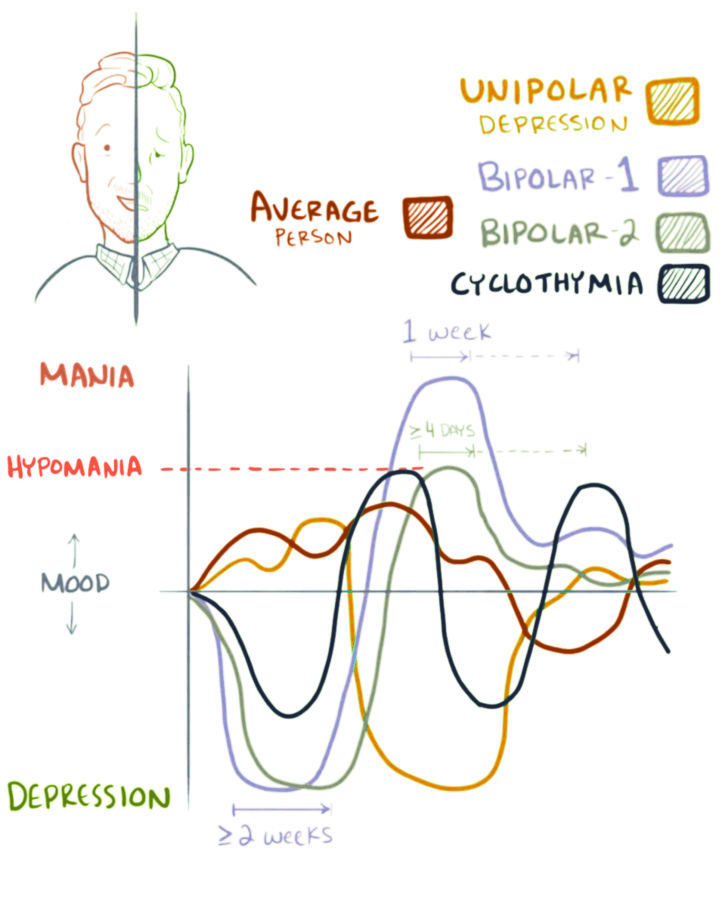
Cyclothymia, also known as cyclothymic disorder, is a mental and behavioural disorder that involves numerous periods of symptoms of depression and periods of symptoms of elevated mood.

These symptoms, however, are not sufficient to be a major depressive episode or a hypomanic episode. Symptoms must last for more than one year in children and two years in adults.

The cause of cyclothymia is unknown. Risk factors include a family history of bipolar disorder. Cyclothymia differs from bipolar in that major depression, mania, or hypomania have never occurred.

Treatment is generally with counselling and mood stabilisers such as lithium. It is estimated that 0.4-1% of people have cyclothymia at some point in their life. Onset is typically in late childhood to early adulthood. Males and females are affected equally often.

Brief History

In 1883, Karl Ludwig Kahlbaum identified a disorder characterised by recurring mood cycles. The disorder contained both melancholic and manic episodes that occurred in a milder form than in bipolar disorder. This condition was coined “cyclothymia” by Kahlbaum and his student Ewald Hecker. Kahlbaum developed his theory of cyclothymia through his work with people presenting with these symptoms at the Kahlbaum Sanitarium in Goerlitz, Silesia (Germany). He was recognised as a leading hypnotherapist and psychotherapist of his day. He was a progressive in the field of mental health, believing that mental illness should not carry a stigma and that people dealing with mental health issues should be treated humanely. Kalhbaum was the first to recognise that people with cyclothymia often do not seek help for the disorder due to its mild symptoms.

Cyclothymia has been conceptualised in a variety of ways, including as a subtype of bipolar disorder, a temperament, a personality trait, and a personality disorder. There is also an argument that cyclothymia should be considered a neurodevelopmental disorder. The two defining features of the disorder, according to DSM-5, are the presence of depressive and hypomanic symptoms, not meeting the threshold for a depressive or hypomanic episode. Cyclothymia is also classified as a subtype of bipolar disorder in DSM-5, but some researchers disagree with this classification and argue that it should be primarily defined as an exaggeration of mood and emotional instability. In the past, cyclothymia has been conceptualised to include other characteristics in addition to the flux between depression and hypomania, such as mood reactivity, impulsivity, and anxiety.

Symptoms

People with cyclothymia experience both depressive phases and hypomanic phases (which are less severe than a full hypomanic episode). The depressive and manic symptoms in cyclothymia last for variable amounts of time due to the unstable and reactive nature of the disorder. The depressive phases are similar to major depressive disorder and are characterised by dulled thoughts and sensations and the lack of motivation for intellectual or social activities. Most people with cyclothymia are generally fatigued and tend to sleep frequently and for long periods of time. However, other people experience insomnia.

Other symptoms of cyclothymic depression include indifference toward people or activities that used to be extremely important. Cyclothymic depression also leads to difficulty making decisions. In addition, people with this condition tend to be critical and complain easily. Suicidal thoughts are common, even in mild forms of cyclothymia. In the depressive state, people with cyclothymia also experience physical complaints including frequent headaches, tightness in the head and chest, an empty sensation in the head, weakness, weight loss, and hair loss.

The distinguishing factor between typical depression and cyclothymic depression is that in cyclothymic depression, there are instances of hypomania. People with cyclothymia can switch from the depressive state to the hypomanic state without warning to them or others. The duration and frequency of phases is unpredictable.

In the hypomanic state, people’s thoughts become faster and they become more sociable and talkative. They may engage in spending sprees, spontaneous actions, have heightened self-esteem, and greater vanity. In contrast to a regular manic state that would be associated with bipolar I, symptoms in the hypomanic phase generally occur in a less severe form.

Comorbidities

Cyclothymia commonly occurs in conjunction with other disorders. Between 20-50 percent of people with depression, anxiety, and related disorders also have cyclothymia. When people with cyclothymia seek mental health resources it tends to be for symptoms of their comorbid condition rather than for their symptoms of cyclothymia. In children and adolescents, the most common comorbidities with cyclothymia are anxiety disorders, impulse control issues, eating disorders, and ADHD. In adults, cyclothymia also tends to be comorbid with impulse control issues. Sensation-seeking behaviours occur in hypomanic states. These often include gambling and compulsive sexuality in men, or compulsive buying and binge eating in women.

In addition to sensation-related disorders, cyclothymia has also been associated with atypical depression. In one study, a connection was found between interpersonal sensitivity, mood reactivity (i.e. responding to actual or potential positive events with brighter mood), and cyclothymic mood swings, all of which are symptoms of atypical depression. Cyclothymia also tends to occur in conjunction with separation anxiety, where a person has anxiety as a result of separation from a caregiver, friend, or loved one. Other issues that tend to co-occur with cyclothymia include social anxiety, fear of rejection and a tendency toward hostility to those connected with past pain and rejection. People with cyclothymia tend to seek intense interpersonal relationships when in a hypomanic state and isolation when in a depressed state. This generally leads to short, tumultuous relationships.

Causes

The cause is unknown. Risk factors include a family history of bipolar disorder.

First-degree relatives of people with cyclothymia have major depressive disorder, bipolar I disorder, and bipolar II disorder more often than the general population. Substance-related disorders also may be at a higher risk within the family. First-degree relatives of a bipolar I individuals may have a higher risk of cyclothymic disorder than the general population.

Diagnosis

Cyclothymia is classified in DSM-5 as a subtype of bipolar disorder. The criteria are:

  • Periods of elevated mood and depressive symptoms for at least half the time during the last two years for adults and one year for children and teenagers.
  • Periods of stable moods last only two months at most.
  • Symptoms create significant problems in one or more areas of life.
  • Symptoms do not meet the criteria for bipolar disorder, major depression, or another mental disorder.
  • Symptoms are not caused by substance use or a medical condition.

The DSM-5 criteria for cyclothymia are restrictive according to some researchers. This affects the diagnosis of cyclothymia because fewer people get diagnosed than potentially could. This means that a person who has some symptoms of the disorder might not be able to get treatment because they do not meet all of the necessary criteria described in DSM-5. Furthermore, it also leads to more attention being placed on depression and other bipolar-spectrum disorders because if a person does not meet all the criteria for cyclothymia they are often given a depression or bipolar spectrum diagnosis. Improper diagnosis may lead some people with cyclothymia to be treated for a comorbid disorder rather than having their cyclothymic tendencies addressed.

Cyclothymia is often not recognised by the affected individual or medical professionals due to its ostensibly mild symptoms. In addition, it is difficult to identify and classify. Due to disagreement and misconceptions among health and mental health professionals, cyclothymia is often diagnosed as “bipolar not otherwise specified”. Cyclothymia is also often confused with borderline personality disorder due to their similar symptoms, especially in older adolescents and young adults.

Most people with the disorder present in a depressive state, not realising that their hypomanic states are abnormal. Mild manic episodes tend to be interpreted as part of the person’s personality or simply a heightened mood. In addition, the disorder often manifests during childhood or adolescence, making it even more difficult for the person to distinguish between symptoms of the disorder and their personality. For example, people may think that they just suffer from mood swings and not realise that these are a result of a psychiatric condition.

Management

Cognitive behavioural therapy (CBT) is considered potentially effective for people diagnosed with cyclothymia.

Medication can be used in addition to behavioural approaches. However, mood stabilisers should be used before antidepressants, and if antidepressants are used they should be used with caution. Antidepressants are a concern due to the possibility of inducing hypomanic switches or rapid cycling.

Epidemiology

Cyclothymia, known today as cyclothymic disorder, tends to be underdiagnosed due to its low intensity. The exact rates for cyclothymia have not been widely studied. Some studies estimate that between 5 and 8% are affected at some point in their life whereas other studies suggest a rate ranging from 0.4 to 2.5%.

Males appear to be affected equally often, though women are more likely to receive treatment. Cyclothymia is diagnosed in around fifty percent of people with depression who are evaluated in psychiatric outpatient settings.

Etymology

Cyclothymia is derived from the Greek word κυκλοθυμία (from κῦκλος kyklos, “circle” and θυμός thymos, “mood, emotion”). Therefore, it means “to cycle or circle between moods or emotions”.

Research

Whether subtypes of bipolar disorder, such as cyclothymia, truly represent separate disorders or are part of a unique bipolar spectrum is debated in research. Cyclothymia is typically not described in research studies or diagnosed in clinical settings, making it less recognisable and less understood by professionals. This absence of cyclothymia in research and clinical settings suggests that cyclothymia is either being diagnosed as another mood disorder or as a non-affective psychiatric disorder or not coming to scientific or clinical attention due to a lack of diagnostic clarity or because the nature of cyclothymia is still highly contested. Additionally, the current diagnostic criterion for cyclothymia emphasizes that symptoms are persistent, which suggests that they are enduring traits rather than a psychological state, thus, it has been argued that it should be diagnosed as a personality disorder. Since the symptoms tend to overlap with personality disorders, the validity and distinction between these two diagnostic categories has been debated.

Lastly, the tendency of cyclothymia to be comorbid with other mental disorders makes diagnosis difficult. These issues prevent consensus on the definition of cyclothymia and its relationship with other mental disorders among researchers and clinicians. This lack of consensus on an operational definition and symptom presentation is especially pronounced with children and adolescents because the diagnostic criteria have not been adequately adapted to take into account their developmental level.

Society and Culture

Actor Stephen Fry has spoken about his experience with cyclothymia, which was depicted in the documentary Stephen Fry: The Secret Life of the Manic Depressive.

Singer Charlene Soraia had cyclothymia and wrote a song about her experiences with the disorder.

What is Dysthymia?

Introduction

Dysthymia, also known as persistent depressive disorder (PDD), is a mental and behavioural disorder, specifically a disorder primarily of mood, consisting of the same cognitive and physical problems as depression, but with longer-lasting symptoms.

The concept was coined by Robert Spitzer as a replacement for the term “depressive personality” in the late 1970s.

In the Diagnostic and Statistical Manual of Mental Disorders (DSM-IV), dysthymia is a serious state of chronic depression, which persists for at least two years (one year for children and adolescents). Dysthymia is less acute than major depressive disorder, but not necessarily less severe.

As dysthymia is a chronic disorder, sufferers may experience symptoms for many years before it is diagnosed, if diagnosis occurs at all. As a result, they may believe that depression is a part of their character, so they may not even discuss their symptoms with doctors, family members or friends. In the DSM-5, dysthymia is replaced by persistent depressive disorder. This new condition includes both chronic major depressive disorder and the previous dysthymic disorder. The reason for this change is that there was no evidence for meaningful differences between these two conditions.

Epidemiology

Globally dysthymia occurs in about 105 million people a year (1.5% of the population). It is 38% more common in women (1.8% of women) than in men (1.3% of men). The lifetime prevalence rate of dysthymia in community settings appears to range from 3 to 6% in the United States. However, in primary care settings the rate is higher ranging from 5 to 15 percent. United States prevalence rates tend to be somewhat higher than rates in other countries.

Signs and Symptoms

Dysthymia characteristics include an extended period of depressed mood combined with at least two other symptoms which may include insomnia or hypersomnia, fatigue or low energy, eating changes (more or less), low self-esteem, or feelings of hopelessness. Poor concentration or difficulty making decisions are treated as another possible symptom. Irritability is one of the more common symptoms in children and adolescents.

Mild degrees of dysthymia may result in people withdrawing from stress and avoiding opportunities for failure. In more severe cases of dysthymia, people may withdraw from daily activities. They will usually find little pleasure in usual activities and pastimes.

Diagnosis of dysthymia can be difficult because of the subtle nature of the symptoms and patients can often hide them in social situations, making it challenging for others to detect symptoms. Additionally, dysthymia often occurs at the same time as other psychological disorders, which adds a level of complexity in determining the presence of dysthymia, particularly because there is often an overlap in the symptoms of disorders.

There is a high incidence of comorbid illness in those with dysthymia. Suicidal behaviour is also a particular problem with those with dysthymia. It is vital to look for signs of major depression, panic disorder, generalised anxiety disorder, alcohol and substance use disorders, and personality disorder.

Causes

There are no known biological causes that apply consistently to all cases of dysthymia, which suggests diverse origin of the disorder. However, there are some indications that there is a genetic predisposition to dysthymia: “The rate of depression in the families of people with dysthymia is as high as fifty percent for the early-onset form of the disorder”. Other factors linked with dysthymia include stress, social isolation, and lack of social support.

In a study using identical and fraternal twins, results indicated that there is a stronger likelihood of identical twins both having depression than fraternal twins. This provides support for the idea that dysthymia is in part caused by heredity.

Co-Occurring Conditions

Dysthymia often co-occurs with other mental disorders. A “double depression” is the occurrence of episodes of major depression in addition to dysthymia. Switching between periods of dysthymic moods and periods of hypomanic moods is indicative of cyclothymia, which is a mild variant of bipolar disorder.

“At least three-quarters of patients with dysthymia also have a chronic physical illness or another psychiatric disorder such as one of the anxiety disorders, cyclothymia, drug addiction, or alcoholism”. Common co-occurring conditions include major depression (up to 75%), anxiety disorders (up to 50%), personality disorders (up to 40%), somatoform disorders (up to 45%) and substance use disorders (up to 50%). People with dysthymia have a higher-than-average chance of developing major depression. A 10-year follow-up study found that 95% of dysthymia patients had an episode of major depression. When an intense episode of depression occurs on top of dysthymia, the state is called “double depression.”

Double Depression

Double depression occurs when a person experiences a major depressive episode on top of the already-existing condition of dysthymia. It is difficult to treat, as sufferers accept these major depressive symptoms as a natural part of their personality or as a part of their life that is outside of their control. The fact that people with dysthymia may accept these worsening symptoms as inevitable can delay treatment. When and if such people seek out treatment, the treatment may not be very effective if only the symptoms of the major depression are addressed, but not the dysthymic symptoms. Patients with double depression tend to report significantly higher levels of hopelessness than is normal. This can be a useful symptom for mental health services providers to focus on when working with patients to treat the condition. Additionally, cognitive therapies can be effective for working with people with double depression in order to help change negative thinking patterns and give individuals a new way of seeing themselves and their environment.

It has been suggested that the best way to prevent double depression is by treating the dysthymia. A combination of antidepressants and cognitive therapies can be helpful in preventing major depressive symptoms from occurring. Additionally, exercise and good sleep hygiene (e.g. improving sleep patterns) are thought to have an additive effect on treating dysthymic symptoms and preventing them from worsening.

Pathophysiology

There is evidence that there may be neurological indicators of early onset dysthymia. There are several brain structures (corpus callosum and frontal lobe) that are different in women with dysthymia than in those without dysthymia. This may indicate that there is a developmental difference between these two groups.

Another study, which used fMRI techniques to assess the differences between individuals with dysthymia and other people, found additional support for neurological indicators of the disorder. This study found several areas of the brain that function differently. The amygdala (associated with processing emotions such as fear) was more activated in dysthymia patients. The study also observed increased activity in the insula (which is associated with sad emotions). Finally, there was increased activity in the cingulate gyrus (which serves as the bridge between attention and emotion).

A study comparing healthy individuals to people with dysthymia indicates there are other biological indicators of the disorder. An anticipated result appeared as healthy individuals expected fewer negative adjectives to apply to them, whereas people with dysthymia expected fewer positive adjectives to apply to them in the future. Biologically these groups are also differentiated in that healthy individuals showed greater neurological anticipation for all types of events (positive, neutral, or negative) than those with dysthymia. This provides neurological evidence of the dulling of emotion that individuals with dysthymia have learned to use to protect themselves from overly strong negative feelings, compared to healthy people.

There is some evidence of a genetic basis for all types of depression, including dysthymia. A study using identical and fraternal twins indicated that there is a stronger likelihood of identical twins both having depression than fraternal twins. This provides support for the idea that dysthymia is caused in part by heredity.

A new model has recently surfaced in the literature regarding the HPA axis (structures in the brain that get activated in response to stress) and its involvement with dysthymia (e.g. phenotypic variations of corticotropin releasing hormone (CRH) and arginine vasopressin (AVP), and down-regulation of adrenal functioning) as well as forebrain serotonergic mechanisms. Since this model is highly provisional, further research is still needed.

Diagnosis

The Diagnostic and Statistical Manual of Mental Disorders IV (DSM-IV), published by the American Psychiatric Association, characterises dysthymic disorder. The essential symptom involves the individual feeling depressed for the majority of days, and parts of the day, for at least two years. Low energy, disturbances in sleep or in appetite, and low self-esteem typically contribute to the clinical picture as well. Sufferers have often experienced dysthymia for many years before it is diagnosed. People around them often describe the sufferer in words similar to “just a moody person”. Note the following diagnostic criteria:

  1. During a majority of days for two years or more, the adult patient reports depressed mood, or appears depressed to others for most of the day.
  2. When depressed, the patient has two or more of:
    1. decreased or increased appetite
    2. decreased or increased sleep (insomnia or hypersomnia)
    3. Fatigue or low energy
    4. Reduced self-esteem
    5. Decreased concentration or problems making decisions
    6. Feelings of hopelessness or pessimism
  3. During this two-year period, the above symptoms are never absent longer than two consecutive months.
  4. During the duration of the two-year period, the patient may have had a perpetual major depressive episode.
  5. The patient has not had any manic, hypomanic, or mixed episodes.
  6. The patient has never fulfilled criteria for cyclothymic disorder.
  7. The depression does not exist only as part of a chronic psychosis (such as schizophrenia or delusional disorder).
  8. The symptoms are often not directly caused by a medical illness or by substances, including substance use or other medications.
  9. The symptoms may cause significant problems or distress in social, work, academic, or other major areas of life functioning.

In children and adolescents, mood can be irritable, and duration must be at least one year, in contrast to two years needed for diagnosis in adults.

Early onset (diagnosis before age 21) is associated with more frequent relapses, psychiatric hospitalisations, and more co-occurring conditions. For younger adults with dysthymia, there is a higher co-occurrence in personality abnormalities and the symptoms are likely chronic. However, in older adults suffering from dysthymia, the psychological symptoms are associated with medical conditions and/or stressful life events and losses.

Dysthymia can be contrasted with major depressive disorder by assessing the acute nature of the symptoms. Dysthymia is far more chronic (long lasting) than major depressive disorder, in which symptoms may be present for as little as 2 weeks. Also Dysthymia often presents itself at an earlier age than Major Depressive Disorder.

Prevention

Though there is no clear-cut way to prevent dysthymia from occurring, some suggestions have been made. Since dysthymia will often first occur in childhood, it is important to identify children who may be at risk. It may be beneficial to work with children in helping to control their stress, increase resilience, boost self-esteem, and provide strong networks of social support. These tactics may be helpful in warding off or delaying dysthymic symptoms.

Treatment

Persistent depressive disorder can be treated with psychotherapy and pharmacotherapy. The overall rate and degree of treatment success is somewhat lower than for non-chronic depression, and a combination of psychotherapy and pharmacotherapy shows best results.

Therapy

Psychotherapy can be effective in treating dysthymia. In a meta-analytic study from 2010, psychotherapy had a small but significant effect when compared to control groups. However, psychotherapy is significantly less effective than pharmacotherapy in direct comparisons.

There are many different types of therapy, and some are more effective than others.

  • The empirically most studied type of treatment is cognitive-behavioural therapy.
    • This type of therapy is very effective for non-chronic depression, and it appears to be also effective for chronic depression.
  • Cognitive behavioural analysis system of psychotherapy (CBASP) has been designed specifically to treat PDD.
    • Empirical results on this form of therapy are inconclusive: While one study showed remarkably high treatment success rates, a later, even larger study showed no significant benefit of adding CBASP to treatment with antidepressants.
  • Schema therapy and psychodynamic psychotherapy have been used for PDD, though good empirical results are lacking.
  • Interpersonal psychotherapy has also been said to be effective in treating the disorder, though it only shows marginal benefit when added to treatment with antidepressants.

Medications

In a 2010 meta-analysis, the benefit of pharmacotherapy was limited to selective serotonin reuptake inhibitors (SSRIs) rather than tricyclic antidepressants (TCA).

According to a 2014 meta-analysis, antidepressants are at least as effective for persistent depressive disorder as for major depressive disorder. The first line of pharmacotherapy is usually SSRIs due to their purported more tolerable nature and reduced side effects compared to the irreversible monoamine oxidase inhibitors or tricyclic antidepressants. Studies have found that the mean response to antidepressant medications for people with dysthymia is 55%, compared with a 31% response rate to a placebo. The most commonly prescribed antidepressants/SSRIs for dysthymia are escitalopram, citalopram, sertraline, fluoxetine, paroxetine, and fluvoxamine. It often takes an average of 6-8 weeks before the patient begins to feel these medications’ therapeutic effects. Additionally, STAR*D, a multi-clinic governmental study, found that people with overall depression will generally need to try different brands of medication before finding one that works specifically for them. Research shows that 1 in 4 of those who switch medications get better results regardless of whether the second medication is an SSRI or some other type of antidepressant.

In a meta-analytic study from 2005, it was found that SSRIs and TCAs are equally effective in treating dysthymia. They also found that MAOIs have a slight advantage over the use of other medication in treating this disorder. However, the author of this study cautions that MAOIs should not necessarily be the first line of defence in the treatment of dysthymia, as they are often less tolerable than their counterparts, such as SSRIs.

Tentative evidence supports the use of amisulpride to treat dysthymia but with increased side effects.

Combination Treatment

When pharmacotherapy alone is compared with combined treatment with pharmacotherapy plus psychotherapy, there is a strong trend in favour of combined treatment. Working with a psychotherapist to address the causes and effects of the disorder, in addition to taking antidepressants to help eliminate the symptoms, can be extremely beneficial. This combination is often the preferred method of treatment for those who have dysthymia. Looking at various studies involving treatment for dysthymia, 75% of people responded positively to a combination of cognitive behavioural therapy and pharmacotherapy, whereas only 48% of people responded positively to just CBT or medication alone.

A 2019 Cochrane review of 10 studies involving 840 participants could not conclude with certainty that continued pharmacotherapy with antidepressants (those used in the studies) was effective in preventing relapse or recurrence of persistent depressive disorder. The body of evidence was too small for any greater certainty although the study acknowledges that continued psychotherapy may be beneficial when compared to no treatment.

Resistance

Because of dysthymia’s chronic nature, treatment resistance is somewhat common. In such a case, augmentation is often recommended. Such treatment augmentations can include lithium pharmacology, thyroid hormone augmentation, amisulpride, buspirone, bupropion, stimulants, and mirtazapine. Additionally, if the person also suffers from seasonal affective disorder, light therapy can be useful in helping augment therapeutic effects.

What is Cognitive Analytic Therapy?

Introduction

Cognitive analytic therapy (CAT) is a form of psychological therapy initially developed in the United Kingdom by Anthony Ryle.

This time-limited therapy was developed in the context of the UK’s National Health Service (NHS) with the aim of providing effective and affordable psychological treatment which could be realistically provided in a resource constrained public health system. It is distinctive due to its intensive use of reformulation, its integration of cognitive and analytic practice and its collaborative nature, involving the patient very actively in their treatment.

The CAT practitioner aims to work with the patient to identify procedural sequences; chains of events, thoughts, emotions and motivations that explain how a target problem (for example self-harm) is established and maintained. In addition to the procedural sequence model, a second distinguishing feature of CAT is the use of reciprocal roles (RRs). These identify problems as occurring between people and not within the patient. RRs may be set up in early life and then be replayed in later life; for example someone who as a child felt neglected by parents perceived as abandoning might be vulnerable to feelings of abandonment in later life (or indeed neglect themselves).

Background

As the name implies, CAT evolved as an integrative therapy based on ideas from cognitive and analytic therapies. CAT was also influenced in part by George Kelly’s constructivism. Kelly had developed personal construct theory and the repertory grid method, and Kelly’s approach to therapy “offered a model of nonauthoritarian practice” that psychotherapist Anthony Ryle found appealing.

Ryle, a general practitioner and analytically trained psychotherapist, was undertaking research into psychotherapy practice using repertory grids in the 1970s. He found that the themes eventually addressed in analytic work were in fact present in transcripts from the very first sessions. However the slow, exploratory nature of traditional analytic therapy meant that these were not always addressed early and assertively, with the result that therapy, while effective, took a long time to produce results. In a 1979 paper, he proposed a shorter, more active form of therapy which integrated elements from cognitive therapy practice (such as goal setting and Socratic questioning) into analytic practice. This would include explicitly formulating the problems experienced by the patient, and sharing this formulation with the patient to engage them in psychotherapy as a co-operative enterprise.

Subsequently CAT has been influenced by ideas from the work of Soviet psychologist Lev Vygotsky and Russian philosopher Mikhail Bakhtin. From Vygotsky come concepts such as the zone of proximal development (ZPD) and scaffolding. The ZPD implies that new tasks set for the patient (for example, tolerating anxiety about social situations) should extend what they do beyond their current capabilities, but only by a small and achievable amount. Scaffolding involves the therapist providing support for the patient’s efforts to change, but varying this level of support as the patient’s needs change.

Bakhtin provided concepts such as dialogism from which come techniques such as Dialogical Sequence Analysis. This is a structured attempt to identify and visually display sequences of behaviour, thinking, and emotions so that the patient becomes more aware of these and can start to modify them.

In Practice

The model emphasises collaborative work with the client, and focuses on the understanding of the patterns of maladaptive behaviours. The aim of the therapy is to enable the client to recognise these patterns, understand their origins, and subsequently to learn alternative strategies in order to cope better.

The approach is always time-limited, typically taking place over 8-24 weekly sessions (the precise number being agreed at the start of therapy). Sixteen sessions is probably the most common length. In the first quarter of the therapy (the Reformulation phase) the therapist collects all the relevant information, asking the patient about present day problems and also earlier life experiences. At that point the therapist writes a reformulation letter to the client. This letter summarises the therapist’s understanding of the client’s problems. Particular attention is given to understanding the connection between childhood patterns of behaviour and their impact on adult life. The letter is agreed between patient and therapist and forms the basis for the rest of the work.

After the reformulation letter the patient may be asked to complete diaries or rating sheets to record the occurrence of problems and their context. During this period (known as the Recognition phase) patient and therapist construct a diagrammatic formulation to illustrate the unhelpful procedures which maintain problems for the patient. The aim of this phase is to enable the patient to recognise when and how problems occur.

In the second half of the therapy work moves into the Revision phase, where patient and therapist identify and practice “exits” from the procedural diagram established in the previous phase. For example, a problematic procedure might move a patient from feeling angry to taking an overdose. An exit might involve expressing the anger in some way as an alternative to self-injuring behaviour.

At the end of the therapy, patient and therapist each write “goodbye letters” which they exchange, summarising what has been achieved in the therapy and what remains to be done. After the end of the agreed number of weekly sessions, planned follow-up sessions take place to monitor and support the changes that have been made. Typically, a 16-session CAT might be followed up by a single session one month after the end of therapy, and a final one three months later.

Evidence Base

CAT has been the subject of a number of research studies published in peer-reviewed journals. These include randomised controlled trials (RCTs) and other kinds of study. The approach is too new for any systematic reviews of RCTs to have been conducted, and therefore is not yet explicitly recommended by name by the UK National Institute for Health and Clinical Excellence (NICE). However NICE has recommended that there should be further research of CAT, for example in borderline personality disorder. A review of CAT research evidence published in 2014 reported that although there were five randomised controlled trials published, research evidence into the approach was dominated by small-scale, practice-based studies. These tended to be with complex and severe clinical groups; 44% of studies reviewed involved personality disorder. A review of CAT looking back over the 30 years to its beginnings contains a meta-analysis of 11 outcome studies of CAT. The overall number of patients treated in the studies was 324 and the average effect size across all studies was 0.83 (95% confidence interval 0.66-1.00). This is a large effect and suggests that CAT is efficacious in treating mental health problems.

Evidence from Randomised Controlled Trials

CAT has been shown to lead to subjective improvement in people with anorexia nervosa. It has also been shown to produce significant improvements in adolescents with a diagnosis of borderline personality disorder. A different trial suggested that CAT for adult patients with personality disorders also showed improvements in symptoms and interpersonal functioning, as against controls who deteriorated on these measures. CAT has also been shown to improve patients’ management of diabetes. An RCT of the use of a CAT-informed assessment for young people who had self-harmed suggested that it was effective in increasing rates of attendance at community follow-up.

Evidence from Other Methodologies

Comparative studies have suggested CAT to be at least as effective as other forms of brief psychotherapy, person-centred therapy and cognitive behavioural therapy, and interpersonal psychotherapy.

Case series and single case studies have also been published describing the use of CAT in:

  • Depression.
  • Dissociative psychosis.
  • The treatment of offenders.
  • Brain injury.
  • Deliberate self-harm.
  • Dissociative identity disorder.
  • Histrionic personality disorder.
  • Panic disorder.
  • Psychological problems in multiple sclerosis.
  • With carers of people with dementia.
  • Morbid jealousy.
  • Borderline personality disorder.
  • Paranoid personality disorder.
  • Survivors of child sexual abuse.

What is the Bulimia Test-Revised?

Introduction

The Bulimia Test-Revised (BULIT-R) is a 36 item self-report questionnaire to assess the presence of bulimic symptoms.

Background

The Bulimia Test (BULIT) was devised by Smith and Thelen in 1984. It was a self-reported questionnaire measure of bulimia that was based on the Diagnostic and Statistical Manual of Mental Disorders III (DSM III) criteria for bulimia (Smiht & Thelen, 1984).

It was then revised (Bulimia Test-Revised, BULIT-R) in 1991 to accommodate the Diagnostic and Statistical Manual of Mental Disorders-III-Revised (DSM-III-R) criteria of bulimia nervosa, using a 28-item, self-report, multiple-choice scale was developed by comparing responses of clinically identified female bulimics with those of female college students (Thelen et al., 1991).

The results of retesting and diagnostic judgements based on interviews showed that the BULIT-R was a reliable and valid predictor of bulimia nervosa in a nonclinical population.

The test has been validated for use in both males and females.

Scoring

The BULIT-R contains 36 multiple choice questions with five possible responses, 28 of which factor into the total score, questions 6,11, 19, 20, 27, 29, 31 and 36 are not scored.

Items 2,5,7,8,10, 12, 13, 14, 15, 16, 17, 21, 23, 26, 28, 30, 32, 35 are reversed scored. Scores range from 29-140 with those greater than 104 being indicative of bulimia nervosa.

References

Smith, M.C. & Thelen, M.H. (1984) Development and Validation of a Test for Bulimia. Journal of Consulting and Clinical Psychology. 52, pp.863-872

Thelen, M.H., Farmer, J., Wonderlich, S. & Smith, M. (1991) A Revision of the Bulimia Test: The BULIT-R. Psychological Assessment: A Journal of Consulting and Clinical Psychology. 3(1), pp.119-124. https://doi.org/10.1037/1040-3590.3.1.119

What is Associationism?

Introduction

Associationism is the idea that mental processes operate by the association of one mental state with its successor states.

It holds that all mental processes are made up of discrete psychological elements and their combinations, which are believed to be made up of sensations or simple feelings. In philosophy, this idea is viewed as the outcome of empiricism and sensationism. The concept encompasses a psychological theory as well as comprehensive philosophical foundation and scientific methodology.

Brief History

Early History

The idea is first recorded in Plato and Aristotle, especially with regard to the succession of memories. Particularly, the model is traced back to the Aristotelian notion that human memory encompasses all mental phenomena. The model was discussed in detail in the philosopher’s work, Memory and Reminiscence. This view was widely embraced until the emergence of British associationism, which began with Thomas Hobbes.

Associationist School

Members of the Associationist School, including John Locke, David Hume, David Hartley, Joseph Priestley, James Mill, John Stuart Mill, Alexander Bain, and Ivan Pavlov, asserted that the principle applied to all or most mental processes.

John Locke

The phrase association of ideas was first used by John Locke. In Chapter 33 of An Essay Concerning Human Understanding entitled “Of the Association of Ideas″, he describes the ways that ideas can be connected to each other. He writes “Some of our ideas have a natural correspondence and connexion with one another”. Although he believed that some associations were natural and justified, he believed that others were illogical, causing errors in judgment. He also explains that one can associate some ideas together based on their education and culture, saying, “there is another connection of ideas wholly owing to chance or custom”. The term associationism later became more prominent in psychology and the psychologists that subscribed to the idea became known as the associationists. Locke’s view that the mind and body are two aspects of the same unified phenomenon can be traced back to Aristotle’s ideas on the subject.

David Hume

In his book Treatise on Human Nature David Hume outlines three principles for ideas to be connected to each other: resemblance, continuity in time or place, and cause or effect. He argues that the mind uses these principles, rather than reason, to traverse from idea to idea. He writes “When the mind, therefore, passes from the idea or impression of one object to the idea or belief of another, it is not determined by reason, but by certain principles, which associate together the ideas of these objects, and unite them in the imagination.” These connections are formed in the mind by observation and experience. Hume does not believe that any of these associations are “necessary’ in a sense that ideas or object are truly connected, instead he sees them as mental tools used for creating a useful mental representation of the world.

Later Members

Later members of the school developed very specific principles elaborating how associations worked and even a physiological mechanism bearing no resemblance to modern neurophysiology.

Applications

Associationism is often concerned with middle-level to higher-level mental processes such as learning. For instance, the thesis, antithesis, and synthesis are linked in one’s mind through repetition so that they become inextricably associated with one another. Among the earliest experiments that tested the applications of associationism, involve Hermann Ebbinghaus’ work. He was considered the first experimenter to apply the associationist principles systematically, and used himself as subject to study and quantify the relationship between rehearsal and recollection of material.

Some of the ideas of the Associationist School also anticipated the principles of conditioning and its use in behavioural psychology. Both classical conditioning and operant conditioning use positive and negative associations as means of conditioning.

Karatani’s Theory

Kojin Karatani, a Japanese philosopher, refers to Hannah Arendt’s remark about council communism (Soviet or Räte) that it does not emerge as a result of tradition or theory of revolutions, but “entirely spontaneously, each time as if it had never existed before”, and that such a social construct is the same as what has been called socialism, communism, anarchism, etc., but because these names are cloying and misleading, he calls it X or associationism in his book.

What is Gray’s Biopsychological Theory of Personality?

Introduction

The biopsychological theory of personality is a model of the general biological processes relevant for human psychology, behaviour, and personality. The model, proposed by research psychologist Jeffrey Alan Gray in 1970, is well-supported by subsequent research and has general acceptance among professionals.

Gray hypothesized the existence of two brain-based systems for controlling a person’s interactions with their environment: the behavioural inhibition system (BIS) and the behavioural activation system (BAS). BIS is related to sensitivity to punishment and avoidance motivation. BAS is associated with sensitivity to reward and approach motivation. Psychological scales have been designed to measure these hypothesized systems and study individual differences in personality. Neuroticism, a widely studied personality dimension related to emotional functioning, is positively correlated with BIS scales and negatively correlated with BAS scales.

Brief History

The biopsychological theory of personality is similar to another one of Gray’s theories, reinforcement sensitivity theory. The Biopsychological Theory of Personality was created after Gray disagreed with Hans Eysenck’s arousal theory that dealt with biological personality traits. Eysenck looked at the ascending reticular activating system (ARAS) for answering questions about personality. The ARAS is part of the brain structure and has been proposed to deal with cortical arousal, hence the term arousal theory. Eysenck compared levels of arousal to a scale of introversion versus extraversion. The comparison of these two scales was then used to describe individual personalities and their corresponding behavioural patterns. Gray disagreed with Eysenck’s theory because Gray believed that things such as personality traits could not be explained by just classical conditioning. Instead, Gray developed his theory which is based more heavily on physiological responses than Eysenck’s theory.

Gray had a lot of support for his theories and experimented with animals to test his hypotheses. Using animal subjects allows researchers to test whether different areas of the brain are responsible for different learning mechanisms. Specifically, Gray’s theory concentrated on understanding how reward or punishment related to anxiety and impulsivity measures. His research and further studies have found that reward and punishment are under the control of separate systems and as a result people can have different sensitivities to such rewarding or punishing stimuli.

Behavioural Inhibition System

The behavioural inhibition system (BIS), as proposed by Gray, is a neuropsychological system that predicts an individual’s response to anxiety-relevant cues in a given environment. This system is activated in times of punishment, boring things, or negative events. By responding to cues such as negative stimuli or events that involve punishment or frustration, this system ultimately results in avoidance of such negative and unpleasant events. According to Gray’s Theory, the BIS is related to sensitivity to punishment as well as avoidance motivation. It has also been proposed that the BIS is the causal basis of anxiety. High activity of the BIS means a heightened sensitivity to non-reward, punishment, and novel experience. This higher level of sensitivity to these cues results in a natural avoidance of such environments in order to prevent negative experiences such as fear, anxiety, frustration, and sadness. People who are highly sensitive to punishment perceive punishments as more aversive and are more likely to be distracted by punishments.

The physiological mechanism behind the BIS is believed to be the septohippocampal system and its monoaminergic afferents from the brainstem. Using a voxel-based morphometry analysis, the volume of the regions mentioned was assessed to view individual differences. Findings may suggest a correlation between the volume and anxiety-related personality traits. Results were found in the orbitofrontal cortex, the precuneus, the amygdala, and the prefrontal cortex.

Behavioural Activation System

The behavioural activation system (BAS), in contrast to the BIS, is based on a model of appetitive motivation – in this case, an individual’s disposition to pursue and achieve goals. The BAS is aroused when it receives cues corresponding to rewards and controls actions that are not related to punishment, rather actions regulating approachment type behaviours. This system has an association with hope. According to Gray’s theory, the BAS is sensitive to conditioned appealing stimuli, and is associated with impulsivity. It is also thought to be related to sensitivity to reward as well as approach motivation. The BAS is sensitive to non-punishment and reward. Individuals with a highly active BAS show higher levels of positive emotions such as elation, happiness, and hope in response to environmental cues consistent with non-punishment and reward, along with goal-achievement. In terms of personality, these individuals are also more likely to engage in goal-directed efforts and experience these positive emotions when exposed to impending reward. The physiological mechanism for BAS is not known as well as BIS, but is believed to be related to catecholaminergic and dopaminergic pathways in the brain. Dopamine is a neurotransmitter commonly linked with positive emotions, which could explain the susceptibility to elation and happiness upon achieving goals which has been observed. People with a highly active BAS have been shown to learn better by reward than by punishment, inverse to BIS as mentioned above. BAS is considered to include trait impulsivity that is also related to psychopathological disorders such as ADHD, substance use disorder, and alcohol use disorder. The higher the BAS score, or the higher the impulsive, the more it is likely to be related to psycho-pathological or dis-inhibitory disorders. Certain aspects of the dopaminergic reward system activate when reward cues and reinforcers are presented, including biological rewards such as food and sex. These brain areas, which were highlighted during multiple fMRI studies, are the same areas associated with BAS.

Compare and Contrast

Together, the two systems work in an inverse relationship. In other words, when a specific situation occurs, an organism can approach the situation with one of the two systems. The systems will not be stimulated at the same time and which system is dominant depends on the situation in terms of punishment versus reward. This phenomenon of the differentiation between the two systems is thought to occur because of the distinct areas in the brain that becomes activated in response to different stimuli. This difference was noted years ago through electrical stimulation of the brain.

The behavioural activation system and behavioural inhibition system differ in their physiological pathways in the brain. The inhibition system has been shown to be linked to the septo-hippocampal system which appears to have a close correlation to a serotonergic pathway, with similarities in their innervations and stress responses. On the other hand, the activation, or reward system, is thought to be associated more with a mesolimbic dopaminergic system as opposed to the serotonergic system.

The two systems proposed by Gray differ in their motivations and physiological responses. Gray also proposed that individuals can vary widely in their responsiveness of the behavioural inhibition system and the behavioural activation system. It has been found that someone who is sensitive to their BIS will be more receptive to the negative cues as compared to someone who is sensitive to their BAS and therefore responds more to cues in the environment that relate to that system, specifically positive or rewarding cues. Researchers besides Gray have shown interest in this theory and have created questionnaires that measure BIS and BAS sensitivity. Carver and White have been the primary researchers responsible for the questionnaire. Carver and White created a scale that has been shown to validly measure levels of individual scores of BIS and BAS. This measure focuses on the differences in incentive motivations and aversive motivations. As previously mentioned these motivations correlate to impulsivity and anxiety respectively.

Applications

Since the development of the BAS and BIS, tests have been created to see how individuals rate in each area. The questionnaire is called the Behavioural Inhibition System and Behavioural Activation System Questionnaire.

People can be tested based on their activation of either systems by using an EEG. These tests will conclude whether a person has a more active BIS or BAS. The two systems are independent of each other.

These tests can determine different things about a person’s personality. They can determine if a person has more positive or negative moods. Using psychological test scales designed to correlate with the attributes of these hypothesized systems, neuroticism has been found to be positively correlated with the BIS scale, and negatively correlated with the BAS scale.

According to Richard Depue’s BAS dysregulation theory of bipolar disorders, now doctors and other professionals can determine if a person with bipolar disorder is on the brink of a manic or depressive episode based on how they rate on a scale of BAS and BIS sensitivity. Essentially, this dysregulation theory proposes that people with BAS dysregulation have an extraordinarily sensitive behavioural activation system and their BAS is hyper-responsive to behavioural approach system cues. If a person with bipolar disorder self-reports high sensitivity to BAS, it means that a manic episode could occur faster. Also, if a person with bipolar disorder reports high sensitivity to BIS it could indicate a depressive phase. A better understanding of BAS dysregulation theory can inform psychosocial intervention (e.g. cognitive behavioural therapy, psychoeducation, interpersonal and social rhythm therapy, etc.).

The BAS/BIS Questionnaire can also be used in the cases of criminal profiling. Previous research as reported by researchers MacAndrew and Steele in 1991 compared two groups on opposite spectrum levels of fear and the response of a variety of questions. The two groups in the study varied on levels of BIS, either high or low, and were selected by the researchers. One group was composed of women who had experienced anxiety attacks and together made up the high BIS group. The low BIS group was composed of convicted prostitutes who had been found to take part in illegal behaviour. Main findings showed that the responses to the questionnaires were distinctly different between the high BIS group and the low BIS group, with the convicted women scoring lower. Results from this study demonstrate that questionnaires can be used as a valid measurement to show differences in the behavioural inhibition systems of different types of people. Gray also introduced his SPSRQ questionnaire to measure sensitivity to reward (SR) and sensitivity to punishment (SP) in anxiety (2012). It is a specifically designed questionnaire linking to Gray’s theory referencing the SR to the BAS and the SP to the BIS.

Future Research or Implications

As mentioned previously, psychological disorders have been analysed in terms of the behavioural inhibition and activation systems. Understanding the differences between the systems may relate to an understanding of different types of disorders that involve anxiety and impulsivity. To date, there are many types of anxiety disorders that deal with avoidance theories and future research could show that the behavioural activation system plays a large role in such disorders and may have future implications for treatment of patients.

What is National PTSD Awareness Day?

Introduction

National PTSD Awareness Day is a day dedicated to creating awareness regarding PTSD (Post Traumatic Stress Disorder).

Background

It is acknowledged annually on the 27th of June. The US Senate officially designated this day in 2010. In 2014 the Senate designated the whole month of June as PTSD Awareness Month.

In the US, 6.8% of adults will experience PTSD in their lifetimes with women twice as likely as men to experience it (10.4% to 5%) frequently as a result of sexual trauma. Veterans are another group highly likely to experience PTSD during their lives, with Vietnam War veterans at 30%, Gulf War veterans at 10%, and Iraq War veterans at 14%.

On this day, organisations that work with employees, consumers, and patients at risk for the condition work to get information about symptoms and treatments for it out to the public in the hopes that when more people know about the disease more people who suffer from it will get treatment. The US Department of Defence is one of the major organisations involved as June is full of days relating to the military.

What is Neurophenomenology?

Introduction

Neurophenomenology refers to a scientific research program aimed to address the hard problem of consciousness in a pragmatic way.

It combines neuroscience with phenomenology in order to study experience, mind, and consciousness with an emphasis on the embodied condition of the human mind. The field is very much linked to fields such as neuropsychology, neuroanthropology and behavioural neuroscience (also known as biopsychology) and the study of phenomenology in psychology.

Overview

The label was coined by C. Laughlin, J. McManus and E. d’Aquili in 1990. However, the term was appropriated and given a distinctive understanding by the cognitive neuroscientist Francisco Varela in the mid-1990s, whose work has inspired many philosophers and neuroscientists to continue with this new direction of research.

Phenomenology is a philosophical method of inquiry of everyday experience. The focus in phenomenology is on the examination of different phenomena (from Greek, phainomenon, “that which shows itself”) as they appear to consciousness, i.e. in a first-person perspective. Thus, phenomenology is a discipline particularly useful to understand how is it that appearances present themselves to us, and how is it that we attribute meaning to them.

Neuroscience is the scientific study of the brain, and deals with the third-person aspects of consciousness. Some scientists studying consciousness believe that the exclusive utilisation of either first- or third-person methods will not provide answers to the difficult questions of consciousness.

Historically, Edmund Husserl is regarded as the philosopher whose work made phenomenology a coherent philosophical discipline with a concrete methodology in the study of consciousness, namely the epoche. Husserl, who was a former student of Franz Brentano, thought that in the study of mind it was extremely important to acknowledge that consciousness is characterised by intentionality, a concept often explained as “aboutness”; consciousness is always consciousness of something. A particular emphasis on the phenomenology of embodiment was developed by philosopher Maurice Merleau-Ponty in the mid-20th century.

Naturally, phenomenology and neuroscience find a convergence of common interests. However, primarily because of ontological disagreements between phenomenology and philosophy of mind, the dialogue between these two disciplines is still a very controversial subject. Husserl himself was very critical towards any attempt to “naturalizing” philosophy, and his phenomenology was founded upon a criticism of empiricism, “psychologism”, and “anthropologism” as contradictory standpoints in philosophy and logic. The influential critique of the ontological assumptions of computationalist and representationalist cognitive science, as well as artificial intelligence, made by philosopher Hubert Dreyfus has marked new directions for integration of neurosciences with an embodied ontology. The work of Dreyfus has influenced cognitive scientists and neuroscientists to study phenomenology and embodied cognitive science and/or enactivism. One such case is neuroscientist Walter Freeman, whose neurodynamical analysis has a marked Merleau-Pontyian approach.

What is Phenomenological Psychology?

Introduction

Phenomenology within psychology (or phenomenological psychology) is the psychological study of subjective experience.

It is about explaining the experience from the point of view of the subject, by analysing the words that they have spoken or had written. It is an approach to psychological subject matter that has its roots in the phenomenological philosophical work of Edmund Husserl.

Refer to Neurophenomenology.

Brief History

Early phenomenologists such as Husserl, Jean-Paul Sartre, and Maurice Merleau-Ponty, conducted philosophical investigations of consciousness in the early 20th century. Their critiques of psychologism and positivism later influenced at least two main fields of contemporary psychology: the phenomenological psychological approach of the Duquesne School (the descriptive phenomenological method in psychology), including Amedeo Giorgi and Frederick Wertz; and the experimental approaches associated with Francisco Varela, Shaun Gallagher, Evan Thompson, and others (embodied mind thesis). Other names associated with the movement include Jonathan Smith (interpretative phenomenological analysis), Steinar Kvale, and Wolfgang Köhler. But “an even stronger influence on psychopathology came from Heidegger (1963), particularly through Kunz (1931), Blankenburg (1971), Tellenbach (1983), Binswanger (1994), and others.” Phenomenological psychologists have also figured prominently in the history of the humanistic psychology movement.

Phenomenological Experience

The experiencing subject can be considered to be the person or self, for purposes of convenience. In phenomenological philosophy (and in particular in the work of Husserl, Heidegger, and Merleau-Ponty), “experience” is a considerably more complex concept than it is usually taken to be in everyday use. Instead, experience (or being, or existence itself) is an “in-relation-to” phenomenon, and it is defined by qualities of directedness, embodiment, and worldliness, which are evoked by the term “Being-in-the-World”.

The quality or nature of a given experience is often referred to by the term qualia, whose archetypical exemplar is “redness”. For example, we might ask, “Is my experience of redness the same as yours?” While it is difficult to answer such a question in any concrete way, the concept of intersubjectivity is often used as a mechanism for understanding how it is that humans are able to empathize with one another’s experiences, and indeed to engage in meaningful communication about them. The phenomenological formulation of “Being-in-the-World”, where person and world are mutually constitutive, is central here.

The observer, or in some cases the interviewer, achieve this sense of understanding and feeling of relatedness to the subject’s experience, through subjective analysis of the experience, and the implied thoughts and emotions that they relay in their words.

Difficulties in Considering Subjective Phenomena

The philosophical psychology prevalent before the end of the 19th century relied heavily on introspection. The speculations concerning the mind based on those observations were criticised by the pioneering advocates of a more scientific and objective approach to psychology, such as William James and the behaviourists Edward Thorndike, Clark Hull, John B. Watson, and B.F. Skinner. However, not everyone agrees that introspection is intrinsically problematic, such as Francisco Varela, who has trained experimental participants in the structured “introspection” of phenomenological reduction.

In the early 1970s, Amedeo Giorgi applied phenomenological theory to his development of the Descriptive Phenomenological Method in Psychology. He sought to overcome certain problems he perceived from his work in psychophysics by approaching subjective phenomena from the traditional hypothetical-deductive framework of the natural sciences. Giorgi hoped to use what he had learned from his natural science background to develop a rigorous qualitative research method. His goal was to ensure that to phenomenological research was both reliable and valid and he did this by seeking to make its processes increasingly measurable.

Philosophers have long confronted the problem of “qualia”. Few philosophers believe that it is possible to be sure that one person’s experience of the “redness” of an object is the same as another person’s, even if both persons had effectively identical genetic and experiential histories. In principle, the same difficulty arises in feelings (the subjective experience of emotion), in the experience of effort, and especially in the “meaning” of concepts. As a result, many qualitative psychologists have claimed phenomenological inquiry to be essentially a matter of “meaning-making” and thus a question to be addressed by interpretive approaches.

Psychotherapy and the Phenomenology of Emotion

Carl Rogers’s person-centred psychotherapy theory is based directly on the “phenomenal field” personality theory of Combs and Snygg. That theory in turn was grounded in phenomenological thinking. Rogers attempts to put a therapist in closer contact with a person by listening to the person’s report of their recent subjective experiences, especially emotions of which the person is not fully aware. For example, in relationships the problem at hand is often not based around what actually happened but, instead, based around the perceptions and feelings of each individual in the relationship. The phenomenal field focuses on “how one feels right now”.