
Introduction
Demexiptiline (brand names Deparon, Tinoran) is a tricyclic antidepressant (TCA) used in France for the treatment of depression.
It acts primarily as a norepinephrine reuptake inhibitor similarly to desipramine.
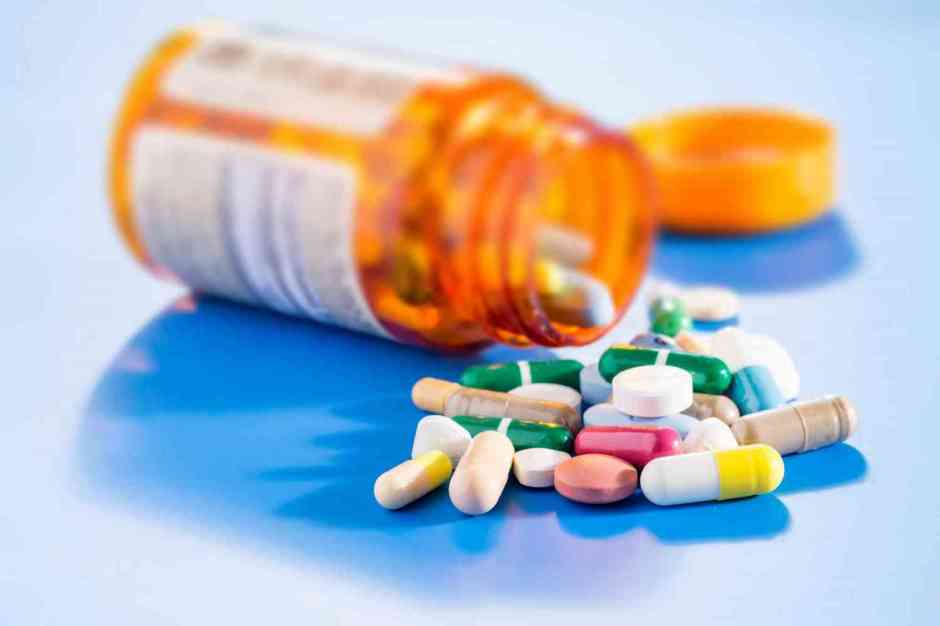
Demexiptiline (brand names Deparon, Tinoran) is a tricyclic antidepressant (TCA) used in France for the treatment of depression.
It acts primarily as a norepinephrine reuptake inhibitor similarly to desipramine.
Diazepam, first marketed as Valium, is a medicine of the benzodiazepine family that acts as an anxiolytic.
It is commonly used to treat a range of conditions, including anxiety, seizures, alcohol withdrawal syndrome, benzodiazepine withdrawal syndrome, muscle spasms, insomnia, and restless legs syndrome. It may also be used to cause memory loss during certain medical procedures. It can be taken by mouth, inserted into the rectum, injected into muscle, injected into a vein or used as a nasal spray. When given into a vein, effects begin in one to five minutes and last up to an hour. By mouth, effects begin after 15 to 60 minutes.
Common side effects include sleepiness and trouble with coordination. Serious side effects are rare. They include suicide, decreased breathing, and an increased risk of seizures if used too frequently in those with epilepsy. Occasionally, excitement or agitation may occur. Long term use can result in tolerance, dependence, and withdrawal symptoms on dose reduction. Abrupt stopping after long-term use can be potentially dangerous. After stopping, cognitive problems may persist for six months or longer. It is not recommended during pregnancy or breastfeeding. Its mechanism of action is by increasing the effect of the neurotransmitter gamma-aminobutyric acid (GABA).
Diazepam was patented in 1959 by Hoffmann-La Roche. It has been one of the most frequently prescribed medications in the world since its launch in 1963. In the United States it was the highest selling medication between 1968 and 1982, selling more than 2 billion tablets in 1978 alone. In 2018, it was the 115th most commonly prescribed medication in the United States, with more than 6 million prescriptions. In 1985 the patent ended, and there are more than 500 brands available on the market. It is on the World Health Organisation’s List of Essential Medicines.
Diazepam was the second benzodiazepine invented by Leo Sternbach of Hoffmann-La Roche at the company’s Nutley, New Jersey, facility following chlordiazepoxide (Librium), which was approved for use in 1960. Released in 1963 as an improved version of Librium, diazepam became incredibly popular, helping Roche to become a pharmaceutical industry giant. It is 2.5 times more potent than its predecessor, which it quickly surpassed in terms of sales. After this initial success, other pharmaceutical companies began to introduce other benzodiazepine derivatives.
The benzodiazepines gained popularity among medical professionals as an improvement over barbiturates, which have a comparatively narrow therapeutic index, and are far more sedative at therapeutic doses. The benzodiazepines are also far less dangerous; death rarely results from diazepam overdose, except in cases where it is consumed with large amounts of other depressants (such as alcohol or opioids). Benzodiazepine drugs such as diazepam initially had widespread public support, but with time the view changed to one of growing criticism and calls for restrictions on their prescription.
Marketed by Roche using an advertising campaign conceived by the William Douglas McAdams Agency under the leadership of Arthur Sackler, diazepam was the top-selling pharmaceutical in the United States from 1969 to 1982, with peak annual sales in 1978 of 2.3 billion tablets. Diazepam, along with oxazepam, nitrazepam and temazepam, represents 82% of the benzodiazepine market in Australia. While psychiatrists continue to prescribe diazepam for the short-term relief of anxiety, neurology has taken the lead in prescribing diazepam for the palliative treatment of certain types of epilepsy and spastic activity, for example, forms of paresis. It is also the first line of defence for a rare disorder called stiff-person syndrome.
Diazepam is mainly used to treat anxiety, insomnia, panic attacks and symptoms of acute alcohol withdrawal. It is also used as a premedication for inducing sedation, anxiolysis, or amnesia before certain medical procedures (e.g. endoscopy). In 2020, it was approved for use in the United States as a nasal spray to interrupt seizure activity in people with epilepsy. Diazepam is the most commonly used benzodiazepine for “tapering” benzodiazepine dependence due to the drug’s comparatively long half-life, allowing for more efficient dose reduction. Benzodiazepines have a relatively low toxicity in overdose.
Diazepam has a number of uses including:
Used in treatment of organophosphate poisoning and reduces the risk of seizure induced brain and cardiac damage.
Dosages should be determined on an individual basis, depending on the condition being treated, severity of symptoms, patient body weight, and any other conditions the person may have.
Intravenous diazepam or lorazepam are first-line treatments for status epilepticus. However, intravenous lorazepam has advantages over intravenous diazepam, including a higher rate of terminating seizures and a more prolonged anticonvulsant effect. Diazepam gel was better than placebo gel in reducing the risk of non-cessation of seizures. Diazepam is rarely used for the long-term treatment of epilepsy because tolerance to its anticonvulsant effects usually develops within six to 12 months of treatment, effectively rendering it useless for that purpose.
The anticonvulsant effects of diazepam can help in the treatment of seizures due to a drug overdose or chemical toxicity as a result of exposure to sarin, VX, or soman (or other organophosphate poisons), lindane, chloroquine, physostigmine, or pyrethroids.
Diazepam is sometimes used intermittently for the prevention of febrile seizures that may occur in children under five years of age. Recurrence rates are reduced, but side effects are common. Long-term use of diazepam for the management of epilepsy is not recommended; however, a subgroup of individuals with treatment-resistant epilepsy benefit from long-term benzodiazepines, and for such individuals, clorazepate has been recommended due to its slower onset of tolerance to the anticonvulsant effects.
Because of its relatively long duration of action, and evidence of safety and efficacy, diazepam is preferred over other benzodiazepines for treatment of persons experiencing moderate to severe alcohol withdrawal. An exception to this is when a medication is required intramuscular in which case either lorazepam or midazolam is recommended.
Diazepam is used for the emergency treatment of eclampsia, when IV magnesium sulfate and blood-pressure control measures have failed. Benzodiazepines do not have any pain-relieving properties themselves, and are generally recommended to avoid in individuals with pain. However, benzodiazepines such as diazepam can be used for their muscle-relaxant properties to alleviate pain caused by muscle spasms and various dystonias, including blepharospasm. Tolerance often develops to the muscle relaxant effects of benzodiazepines such as diazepam. Baclofen or tizanidine is sometimes used as an alternative to diazepam.
Diazepam is marketed in over 500 brands throughout the world. It is supplied in oral, injectable, inhalation, and rectal forms.
The United States military employs a specialised diazepam preparation known as Convulsive Antidote, Nerve Agent (CANA), which contains diazepam. One CANA kit is typically issued to service members, along with three Mark I NAAK kits, when operating in circumstances where chemical weapons in the form of nerve agents are considered a potential hazard. Both of these kits deliver drugs using autoinjectors. They are intended for use in “buddy aid” or “self aid” administration of the drugs in the field prior to decontamination and delivery of the patient to definitive medical care.
Use of diazepam should be avoided, when possible, in individuals with:
Adverse effects of benzodiazepines such as diazepam include anterograde amnesia, confusion (especially pronounced in higher doses) and sedation. The elderly are more prone to adverse effects of diazepam, such as confusion, amnesia, ataxia, and hangover effects, as well as falls. Long-term use of benzodiazepines such as diazepam is associated with drug tolerance, benzodiazepine dependence, and benzodiazepine withdrawal syndrome. Like other benzodiazepines, diazepam can impair short-term memory and learning of new information. While benzodiazepine drugs such as diazepam can cause anterograde amnesia, they do not cause retrograde amnesia; information learned before using benzodiazepines is not impaired. Tolerance to the cognitively impairing effects of benzodiazepines does not tend to develop with long-term use, and the elderly are more sensitive to them. Additionally, after cessation of benzodiazepines, cognitive deficits may persist for at least six months; it is unclear whether these impairments take longer than six months to abate or if they are permanent. Benzodiazepines may also cause or worsen depression. Infusions or repeated intravenous injections of diazepam when managing seizures, for example, may lead to drug toxicity, including respiratory depression, sedation and hypotension. Drug tolerance may also develop to infusions of diazepam if it is given for longer than 24 hours. Sedatives and sleeping pills, including diazepam, have been associated with an increased risk of death.
In September 2020, the US Food and Drug Administration (FDA) required the boxed warning be updated for all benzodiazepine medicines to describe the risks of abuse, misuse, addiction, physical dependence, and withdrawal reactions consistently across all the medicines in the class.
Diazepam has a range of side effects common to most benzodiazepines, including:
Less commonly, paradoxical side effects can occur, including nervousness, irritability, excitement, worsening of seizures, insomnia, muscle cramps, changes in libido, and in some cases, rage and violence. These adverse reactions are more likely to occur in children, the elderly, and individuals with a history of a substance use disorder, such as an alcohol use disorder, or a history of aggressive behaviour. In some people, diazepam may increase the propensity toward self-harming behaviours and, in extreme cases, may provoke suicidal tendencies or acts. Very rarely dystonia can occur.
Diazepam may impair the ability to drive vehicles or operate machinery. The impairment is worsened by consumption of alcohol, because both act as central nervous system depressants.
During the course of therapy, tolerance to the sedative effects usually develops, but not to the anxiolytic and myorelaxant effects.
Patients with severe attacks of apnoea during sleep may suffer respiratory depression (hypoventilation), leading to respiratory arrest and death.
Diazepam in doses of 5 mg or more causes significant deterioration in alertness performance combined with increased feelings of sleepiness.
Diazepam, as with other benzodiazepine drugs, can cause tolerance, physical dependence, substance use disorder, and benzodiazepine withdrawal syndrome. Withdrawal from diazepam or other benzodiazepines often leads to withdrawal symptoms similar to those seen during barbiturate or alcohol withdrawal. The higher the dose and the longer the drug is taken, the greater the risk of experiencing unpleasant withdrawal symptoms.
Withdrawal symptoms can occur from standard dosages and also after short-term use, and can range from insomnia and anxiety to more serious symptoms, including seizures and psychosis. Withdrawal symptoms can sometimes resemble pre-existing conditions and be misdiagnosed. Diazepam may produce less intense withdrawal symptoms due to its long elimination half-life.
Benzodiazepine treatment should be discontinued as soon as possible by a slow and gradual dose reduction regimen. Tolerance develops to the therapeutic effects of benzodiazepines; for example tolerance occurs to the anticonvulsant effects and as a result benzodiazepines are not generally recommended for the long-term management of epilepsy. Dose increases may overcome the effects of tolerance, but tolerance may then develop to the higher dose and adverse effects may increase. The mechanism of tolerance to benzodiazepines includes uncoupling of receptor sites, alterations in gene expression, down-regulation of receptor sites, and desensitisation of receptor sites to the effect of GABA. About one-third of individuals who take benzodiazepines for longer than four weeks become dependent and experience withdrawal syndrome on cessation.
Differences in rates of withdrawal (50-100%) vary depending on the patient sample. For example, a random sample of long-term benzodiazepine users typically finds around 50% experience few or no withdrawal symptoms, with the other 50% experiencing notable withdrawal symptoms. Certain select patient groups show a higher rate of notable withdrawal symptoms, up to 100%.
Rebound anxiety, more severe than baseline anxiety, is also a common withdrawal symptom when discontinuing diazepam or other benzodiazepines. Diazepam is therefore only recommended for short-term therapy at the lowest possible dose owing to risks of severe withdrawal problems from low doses even after gradual reduction. The risk of pharmacological dependence on diazepam is significant, and patients experience symptoms of benzodiazepine withdrawal syndrome if it is taken for six weeks or longer. In humans, tolerance to the anticonvulsant effects of diazepam occurs frequently.
Improper or excessive use of diazepam can lead to dependence. At a particularly high risk for diazepam misuse, substance use disorder or dependence are:
Patients from the aforementioned groups should be monitored very closely during therapy for signs of abuse and development of dependence. Therapy should be discontinued if any of these signs are noted, although if dependence has developed, therapy must still be discontinued gradually to avoid severe withdrawal symptoms. Long-term therapy in such instances is not recommended.
People suspected of being dependent on benzodiazepine drugs should be very gradually tapered off the drug. Withdrawals can be life-threatening, particularly when excessive doses have been taken for extended periods of time. Equal prudence should be used whether dependence has occurred in therapeutic or recreational contexts.
Diazepam is a good choice for tapering for those using high doses of other benzodiazepines since it has a long half-life thus withdrawal symptoms are tolerable. The process is very slow (usually from 14 to 28 weeks) but is considered safe when done appropriately.
An individual who has consumed too much diazepam typically displays one or more of these symptoms in a period of approximately four hours immediately following a suspected overdose:
Although not usually fatal when taken alone, a diazepam overdose is considered a medical emergency and generally requires the immediate attention of medical personnel. The antidote for an overdose of diazepam (or any other benzodiazepine) is flumazenil (Anexate). This drug is only used in cases with severe respiratory depression or cardiovascular complications. Because flumazenil is a short-acting drug, and the effects of diazepam can last for days, several doses of flumazenil may be necessary. Artificial respiration and stabilization of cardiovascular functions may also be necessary. Though not routinely indicated, activated charcoal can be used for decontamination of the stomach following a diazepam overdose. Emesis is contraindicated. Dialysis is minimally effective. Hypotension may be treated with levarterenol or metaraminol.
The oral LD50 (lethal dose in 50% of the population) of diazepam is 720 mg/kg in mice and 1240 mg/kg in rats. D.J. Greenblatt and colleagues reported in 1978 on two patients who had taken 500 and 2000 mg of diazepam, respectively, went into moderately deep comas, and were discharged within 48 hours without having experienced any important complications, in spite of having high concentrations of diazepam and its metabolites desmethyldiazepam, oxazepam, and temazepam, according to samples taken in the hospital and as follow-up.
Overdoses of diazepam with alcohol, opiates or other depressants may be fatal.
If diazepam is administered concomitantly with other drugs, attention should be paid to the possible pharmacological interactions. Particular care should be taken with drugs that potentiate the effects of diazepam, such as barbiturates, phenothiazines, opioids, and antidepressants.
Diazepam does not increase or decrease hepatic enzyme activity, and does not alter the metabolism of other compounds. No evidence would suggest diazepam alters its own metabolism with chronic administration.
Agents with an effect on hepatic cytochrome P450 pathways or conjugation can alter the rate of diazepam metabolism. These interactions would be expected to be most significant with long-term diazepam therapy, and their clinical significance is variable.
Diazepam is a long-acting “classical” benzodiazepine. Other classical benzodiazepines include chlordiazepoxide, clonazepam, lorazepam, oxazepam, nitrazepam, temazepam, flurazepam, bromazepam, and clorazepate. Diazepam has anticonvulsant properties. Benzodiazepines act via micromolar benzodiazepine binding sites as calcium channel blockers and significantly inhibit depolarisation-sensitive calcium uptake in rat nerve cell preparations.
Diazepam inhibits acetylcholine release in mouse hippocampal synaptosomes. This has been found by measuring sodium-dependent high-affinity choline uptake in mouse brain cells in vitro, after pretreatment of the mice with diazepam in vivo. This may play a role in explaining diazepam’s anticonvulsant properties.
Diazepam binds with high affinity to glial cells in animal cell cultures. Diazepam at high doses has been found to decrease histamine turnover in mouse brain via diazepam’s action at the benzodiazepine-GABA receptor complex. Diazepam also decreases prolactin release in rats.
Benzodiazepines are positive allosteric modulators of the GABA type A receptors (GABAA). The GABAA receptors are ligand-gated chloride-selective ion channels that are activated by GABA, the major inhibitory neurotransmitter in the brain. Binding of benzodiazepines to this receptor complex promotes the binding of GABA, which in turn increases the total conduction of chloride ions across the neuronal cell membrane. This increased chloride ion influx hyperpolarises the neuron’s membrane potential. As a result, the difference between resting potential and threshold potential is increased and firing is less likely. As a result, the arousal of the cortical and limbic systems in the central nervous system is reduced.
The GABAA receptor is a heteromer composed of five subunits, the most common ones being two αs, two βs, and one γ (α2β2γ). For each subunit, many subtypes exist (α1–6, β1–3, and γ1–3). GABAA receptors containing the α1 subunit mediate the sedative, the anterograde amnesic, and partly the anticonvulsive effects of diazepam. GABAA receptors containing α2 mediate the anxiolytic actions and to a large degree the myorelaxant effects. GABAA receptors containing α3 and α5 also contribute to benzodiazepines myorelaxant actions, whereas GABAA receptors comprising the α5 subunit were shown to modulate the temporal and spatial memory effects of benzodiazepines. Diazepam is not the only drug to target these GABAA receptors. Drugs such as flumazenil also bind to GABAA to induce their effects.
Diazepam appears to act on areas of the limbic system, thalamus, and hypothalamus, inducing anxiolytic effects. Benzodiazepine drugs including diazepam increase the inhibitory processes in the cerebral cortex.
The anticonvulsant properties of diazepam and other benzodiazepines may be in part or entirely due to binding to voltage-dependent sodium channels rather than benzodiazepine receptors. Sustained repetitive firing seems limited by benzodiazepines’ effect of slowing recovery of sodium channels from inactivation.
The muscle relaxant properties of diazepam are produced via inhibition of polysynaptic pathways in the spinal cord.
Diazepam can be administered orally, intravenously (must be diluted, as it is painful and damaging to veins), intramuscularly (IM), or as a suppository.
The onset of action is one to five minutes for IV administration and 15-30 minutes for IM administration. The duration of diazepam’s peak pharmacological effects is 15 minutes to one hour for both routes of administration. The half-life of diazepam in general is 30-56 hours. Peak plasma levels occur between 30 and 90 minutes after oral administration and between 30 and 60 minutes after intramuscular administration; after rectal administration, peak plasma levels occur after 10 to 45 minutes. Diazepam is highly protein-bound, with 96 to 99% of the absorbed drug being protein-bound. The distribution half-life of diazepam is two to 13 minutes.
Diazepam is highly lipid-soluble, and is widely distributed throughout the body after administration. It easily crosses both the blood-brain barrier and the placenta, and is excreted into breast milk. After absorption, diazepam is redistributed into muscle and adipose tissue. Continual daily doses of diazepam quickly build to a high concentration in the body (mainly in adipose tissue), far in excess of the actual dose for any given day.
Diazepam is stored preferentially in some organs, including the heart. Absorption by any administered route and the risk of accumulation is significantly increased in the neonate, and withdrawal of diazepam during pregnancy and breast feeding is clinically justified.
Diazepam undergoes oxidative metabolism by demethylation (CYP 2C9, 2C19, 2B6, 3A4, and 3A5), hydroxylation (CYP 3A4 and 2C19) and glucuronidation in the liver as part of the cytochrome P450 enzyme system. It has several pharmacologically active metabolites. The main active metabolite of diazepam is desmethyldiazepam (also known as nordazepam or nordiazepam). Its other active metabolites include the minor active metabolites temazepam and oxazepam. These metabolites are conjugated with glucuronide, and are excreted primarily in the urine. Because of these active metabolites, the serum values of diazepam alone are not useful in predicting the effects of the drug. Diazepam has a biphasic half-life of about one to three days, and two to seven days for the active metabolite desmethyldiazepam. Most of the drug is metabolised; very little diazepam is excreted unchanged. The elimination half-life of diazepam and also the active metabolite desmethyldiazepam increases significantly in the elderly, which may result in prolonged action, as well as accumulation of the drug during repeated administration.
Diazepam is a 1,4-benzodiazepine. Diazepam occurs as solid white or yellow crystals with a melting point of 131.5 to 134.5 °C. It is odorless, and has a slightly bitter taste. The British Pharmacopoeia lists it as being very slightly soluble in water, soluble in alcohol, and freely soluble in chloroform. The United States Pharmacopoeia lists diazepam as soluble 1 in 16 ethyl alcohol, 1 in 2 of chloroform, 1 in 39 ether, and practically insoluble in water. The pH of diazepam is neutral (i.e., pH = 7). Due to additives such as benzoic acid/benzoate in the injectable form. Diazepam has a shelf life of five years for oral tablets and three years for IV/IM solutions. Diazepam should be stored at room temperature (15-30 °C). The solution for parenteral injection should be protected from light and kept from freezing. The oral forms should be stored in air-tight containers and protected from light.
Diazepam can absorb into plastics, so liquid preparations should not be kept in plastic bottles or syringes, etc. As such, it can leach into the plastic bags and tubing used for intravenous infusions. Absorption appears to depend on several factors, such as temperature, concentration, flow rates, and tube length. Diazepam should not be administered if a precipitate has formed and does not dissolve.
Diazepam may be quantified in blood or plasma to confirm a diagnosis of poisoning in hospitalized patients, provide evidence in an impaired driving arrest, or to assist in a medicolegal death investigation. Blood or plasma diazepam concentrations are usually in a range of 0.1-1.0 mg/l in persons receiving the drug therapeutically. Most commercial immunoassays for the benzodiazepine class of drugs cross-react with diazepam, but confirmation and quantitation are usually performed using chromatographic techniques.
Diazepam is a medication with a high risk of misuse and can cause drug dependence. Urgent action by national governments has been recommended to improve prescribing patterns of benzodiazepines such as diazepam. A single dose of diazepam modulates the dopamine system in similar ways to how morphine and alcohol modulate the dopaminergic pathways. Between 50 and 64% of rats will self-administer diazepam. Diazepam has been shown to be able to substitute for the behavioural effects of barbiturates in a primate study. Diazepam has been found as an adulterant in heroin.
Diazepam drug misuse can occur either through recreational misuse where the drug is taken to achieve a high or when the drug is continued long term against medical advice.
Sometimes, it is used by stimulant users to “come down” and sleep and to help control the urge to binge. These users often escalate dosage from 2 to 25 times the therapeutic dose of 5 to 10 mg.
A large-scale study in the US, conducted by SAMHSA, using data from 2011, determined benzodiazepines were present in 28.7% of emergency department visits involving nonmedical use of pharmaceuticals. In this regard, benzodiazepines are second only to opiates, the study found in 39.2% of visits. About 29.3% of drug-related suicide attempts involve benzodiazepines, making them the most frequently represented class in drug-related suicide attempts. Males misuse benzodiazepines as commonly as females.
Benzodiazepines, including diazepam, nitrazepam, and flunitrazepam, account for the largest volume of forged drug prescriptions in Sweden, a total of 52% of drug forgeries being for benzodiazepines.
Diazepam was detected in 26% of cases of people suspected of driving under the influence of drugs in Sweden, and its active metabolite nordazepam was detected in 28% of cases. Other benzodiazepines and zolpidem and zopiclone also were found in high numbers. Many drivers had blood levels far exceeding the therapeutic dose range, suggesting a high degree of potential for misuse for benzodiazepines, zolpidem, and zopiclone. In Northern Ireland, in cases where drugs were detected in samples from impaired drivers who were not impaired by alcohol, benzodiazepines were found in 87% of cases. Diazepam was the most commonly detected benzodiazepine.
Diazepam is regulated in most countries as a prescription drug.
The states of California and Florida offer diazepam to condemned inmates as a pre-execution sedative as part of their lethal injection program, although the state of California has not executed a prisoner since 2006. In August 2018, Nebraska used diazepam as part of the drug combination used to execute Carey Dean Moore, the first death row inmate executed in Nebraska in over 21 years.
Diazepam is used as a short-term sedative and anxiolytic for cats and dogs, sometimes used as an appetite stimulant. It can also be used to stop seizures in dogs and cats.
Duloxetine, sold under the brand name Cymbalta among others, is a medication used to treat major depressive disorder, generalised anxiety disorder, fibromyalgia, and neuropathic pain. It is taken by mouth.
Common side effects include dry mouth, nausea, feeling tired, dizziness, agitation, sexual problems, and increased sweating. Severe side effects include an increased risk of suicide, serotonin syndrome, mania, and liver problems. Antidepressant withdrawal syndrome may occur if stopped. There are concerns that use during the later part of pregnancy can harm the baby. It is a serotonin-norepinephrine reuptake inhibitor (SNRI). How it works is not entirely clear.
Duloxetine was approved for medical use in the United States and in the European Union in 2004. It is available as a generic medication. In 2018, it was the 36th most commonly prescribed medication in the United States, with more than 21 million prescriptions.
Duloxetine was created by Eli Lilly and Company researchers. David Robertson; David Wong, a co-discoverer of fluoxetine; and Joseph Krushinski are listed as inventors on the patent application filed in 1986 and granted in 1990. The first publication on the discovery of the racemic form of duloxetine known as LY227942, was made in 1988. The (+)-enantiomer, assigned LY248686, was chosen for further studies, because it inhibited serotonin reuptake in rat synaptosomes to twice the degree of the (–)-enantiomer. This molecule was subsequently named duloxetine.
In 2001, Lilly filed a New Drug Application (NDA) for duloxetine with the US Food and Drug Administration (FDA). In 2003, however, the FDA “recommended this application as not approvable from the manufacturing and control standpoint” because of “significant cGMP (current Good Manufacturing Practice) violations at the finished product manufacturing facility” of Eli Lilly in Indianapolis. Additionally, “potential liver toxicity” and QTc interval prolongation appeared as a concern. The FDA experts concluded that “duloxetine can cause hepatotoxicity in the form of transaminase elevations. It may also be a factor in causing more severe liver injury, but there are no cases in the NDA database that clearly demonstrate this. Use of duloxetine in the presence of ethanol may potentiate the deleterious effect of ethanol on the liver.” The FDA also recommended “routine blood pressure monitoring” at the new highest recommended dose of 120 mg, “where 24% patients had one or more blood pressure readings of 140/90 vs. 9% of placebo patients.”
After the manufacturing issues were resolved, the liver toxicity warning included in the prescribing information, and the follow-up studies showed that duloxetine does not cause QTc interval prolongation, duloxetine was approved by the FDA for depression and diabetic neuropathy in 2004. In 2007, Health Canada approved duloxetine for the treatment of depression and diabetic peripheral neuropathic pain.
Duloxetine was approved for use of stress urinary incontinence (SUI) in the EU in 2004. In 2005, Lilly withdrew the duloxetine application for stress urinary incontinence (SUI) in the US, stating that discussions with the FDA indicated “the agency is not prepared at this time to grant approval … based on the data package submitted.” A year later Lilly abandoned the pursuit of this indication in the US market.
The FDA approved duloxetine for the treatment of generalised anxiety disorder in February 2007.
Cymbalta generated sales of nearly US$5 billion in 2012, with United States of that in the US, but its patent protection terminated 01 January 2014. Lilly received a six-month extension beyond 30 June 2013, after testing for the treatment of depression in adolescents, which may produce US$1.5 billion in added sales.
The first generic duloxetine was marketed by Dr. Reddy.
The main uses of duloxetine are in major depressive disorder, generalised anxiety disorder, neuropathic pain, chronic musculoskeletal pain, and fibromyalgia.
Duloxetine is recommended as a first-line agent for the treatment of chemotherapy-induced neuropathy by the American Society of Clinical Oncology, as a first-line therapy for fibromyalgia in the presence of mood disorders by the German Interdisciplinary Association for Pain Therapy, as a Grade B recommendation for the treatment of diabetic neuropathy by the American Association for Neurology and as a level A recommendation in certain neuropathic states by the European Federation of Neurological Societies.
A 2014 Cochrane review concluded that duloxetine is beneficial in the treatment of diabetic neuropathy and fibromyalgia but that more comparative studies with other medicines are needed. The French medical journal Prescrire concluded that duloxetine is no better than other available agents and has a greater risk of side effects.
Duloxetine was approved for the treatment of major depression in 2004. While duloxetine has demonstrated improvement in depression-related symptoms compared to placebo, comparisons of duloxetine to other antidepressant medications have been less successful. A 2012 Cochrane Review did not find greater efficacy of duloxetine compared to SSRIs and newer antidepressants. Additionally, the review found evidence that duloxetine has increased side effects and reduced tolerability compared to other antidepressants. It thus did not recommend duloxetine as a first line treatment for major depressive disorder, given the (then) high cost of duloxetine compared to inexpensive off-patent antidepressants and lack of increased efficacy. Duloxetine appears less tolerable than some other antidepressants. Generic duloxetine became available in 2013.
Duloxetine is more effective than placebo in the treatment of generalised anxiety disorder (GAD). A review from the Annals of Internal Medicine lists duloxetine among the first line drug treatments, however, along with citalopram, escitalopram, sertraline, paroxetine, and venlafaxine.
Duloxetine was approved for the pain associated with diabetic peripheral neuropathy (DPN), based on the positive results of two clinical trials. The average daily pain was measured using an 11-point scale, and duloxetine treatment resulted in an additional 1-1.7 points decrease of pain as compared with placebo. At least 50% pain relief was achieved in 40-45% of the duloxetine patients vs. 20-22% of placebo patients. Pain decreased by more than 90%, in 9-14% of duloxetine patients vs. 2-4% of placebo patients. Most of the response was achieved in the first two weeks on the medication. Duloxetine slightly increased the fasting serum glucose; this effect was deemed to be of “minimal clinical significance”, however.
The comparative efficacy of duloxetine and established pain-relief medications for DPN is unclear. A systematic review noted that tricyclic antidepressants (imipramine and amitriptyline), traditional anticonvulsants and opioids have better efficacy than duloxetine. Duloxetine, tricyclic antidepressants and anticonvulsants have similar tolerability while the opioids caused more side effects. Another review in Prescrire International considered the moderate pain relief achieved with duloxetine to be clinically insignificant and the results of the clinical trials unconvincing. The reviewer saw no reason to prescribe duloxetine in practice. The comparative data collected by reviewers in BMC Neurology indicated that amitriptyline, other tricyclic antidepressants and venlafaxine may be more effective. The authors noted that the evidence in favour of duloxetine is much more solid, however. A Cochrane review concluded that the evidence in support of duloxetine’s efficacy in treating painful diabetic neuropathy was adequate, and that further trials should focus on comparisons with other medications.
A review of duloxetine found that it reduced pain and fatigue, and improved physical and mental performance compared to placebo.
The FDA approved the drug for the treatment of fibromyalgia in June 2008.
It may be useful for chronic pain from osteoarthritis.
On 04 November 2010, the FDA approved duloxetine to treat chronic musculoskeletal pain, including discomfort from osteoarthritis and chronic lower back pain.
Duloxetine failed to receive US approval for stress urinary incontinence amid concerns over liver toxicity and suicidal events; it was approved for this use in the UK, however, where it is recommended as an add-on medication in stress urinary incontinence instead of surgery.
The safety and utility of duloxetine in the treatment of incontinence has been evaluated in a series of meta analyses and practice guidelines.
The following contraindications are listed by the manufacturer:
Nausea, somnolence, insomnia, and dizziness are the main side effects, reported by about 10% to 20% of patients.
In a trial for major depressive disorder (MDD), the most commonly reported treatment-emergent adverse events among duloxetine-treated patients were nausea (34.7%), dry mouth (22.7%), headache (20.0%) and dizziness (18.7%), and except for headache, these were reported significantly more often than in the placebo group. In a long-term study of fibromyalgia patients receiving duloxetine, frequency and type of adverse effects was similar to that reported in the MDD trial above. Side effects tended to be mild-to-moderate, and tended to decrease in intensity over time.
In four clinical trials of duloxetine for the treatment of MDD, sexual dysfunction occurred significantly more frequently in patients treated with duloxetine than those treated with placebo, and this difference occurred only in men. Specifically, common side effects include difficulty becoming aroused, lack of interest in sex, and anorgasmia (trouble achieving orgasm). Loss of or decreased response to sexual stimuli and ejaculatory anhedonia are also reported. Frequency of treatment-emergent sexual dysfunction were similar for duloxetine and SSRIs when compared in a 6-month observational study in depressed patients. Rates of sexual dysfunction in MDD patients treated with duloxetine vs escitalopram did not differ significantly at 4, 8, and 12 weeks of treatment, although the trend favoured duloxetine (33.3% of duloxetine patients experienced sexual side effects compared to 43.6% of those receiving escitalopram and 25% of those receiving placebo).
During marketing of other SSRIs and SNRIs, there have been spontaneous reports of adverse events occurring upon discontinuation of these drugs, particularly when abrupt, including the following: dysphoric mood, irritability, agitation, dizziness, sensory disturbances (e.g. paraesthesia’s such as brain zap electric shock sensations), anxiety, confusion, headache, lethargy, emotional lability, insomnia, hypomania, tinnitus, and seizures. The withdrawal syndrome from duloxetine resembles the SSRI discontinuation syndrome.
When discontinuing treatment with duloxetine, the manufacturer recommends a gradual reduction in the dose, rather than abrupt cessation, whenever possible. If intolerable symptoms occur following a decrease in the dose or upon discontinuation of treatment, then resuming the previously prescribed dose may be considered. Subsequently, the physician may continue decreasing the dose but at a more gradual rate.
In placebo-controlled clinical trials of up to nine weeks’ duration of patients with MDD, a systematic evaluation of discontinuation symptoms in patients taking duloxetine following abrupt discontinuation found the following symptoms occurring at a rate greater than or equal to 2% and at a significantly higher rate in duloxetine-treated patients compared to those discontinuing from placebo: dizziness, nausea, headache, paraesthesia, vomiting, irritability, and nightmare.
In the United States all antidepressants, including duloxetine carry a black box warning stating that antidepressants may increase the risk of suicide in persons younger than 25. This warning is based on statistical analyses conducted by two independent groups of the FDA experts that found a 2-fold increase of the suicidal ideation and behaviour in children and adolescents, and 1.5-fold increase of suicidality in the 18-24 age group. To obtain statistically significant results the FDA combined the results of 295 trials of 11 antidepressants for psychiatric indications. As suicidal ideation and behaviour in clinical trials are rare, the results for any drug taken separately usually do not reach statistical significance.
In 2005, the United States FDA released a public health advisory noting that there had been eleven reports of suicide attempts and three reports of suicidality within the mostly middle-aged women participating in the open label extension trials of duloxetine for the treatment of stress urinary incontinence (SUI). The FDA described the potential role of confounding social stressors “unclear”. The suicide attempt rate in the SUI study population (based on 9,400 patients) was calculated to be 400 per 100,000 person years. This rate is greater than the suicide attempt rate among middle-aged US women that has been reported in published studies, i.e. 150 to 160 per 100,000 person years. In addition, one death from suicide was reported in a Cymbalta clinical pharmacology study in a healthy female volunteer without SUI. No increase in suicidality was reported in controlled trials of Cymbalta for depression or diabetic neuropathic pain.
Reported adverse events that were temporally correlated to duloxetine therapy include rash, reported rarely, and the following adverse events, reported very rarely: alanine aminotransferase increased, alkaline phosphatase increased, anaphylactic reaction, angioneurotic edema, aspartate aminotransferase increased, bilirubin increased, glaucoma, hepatotoxicity, hyponatremia, jaundice, orthostatic hypotension (especially at the initiation of treatment), Stevens-Johnson syndrome, syncope (especially at initiation of treatment), and urticaria.
Duloxetine inhibits the reuptake of serotonin and norepinephrine (NE) in the central nervous system. Duloxetine increases dopamine (DA) specifically in the prefrontal cortex, where there are few DA reuptake pumps, via the inhibition of NE reuptake pumps (NET), which is believed to mediate reuptake of DA and NE. Duloxetine has no significant affinity for dopaminergic, cholinergic, histaminergic, opioid, glutamate, and GABA reuptake transporters, however, and can therefore be considered to be a selective reuptake inhibitor at the 5-HT and NE transporters. Duloxetine undergoes extensive metabolism, but the major circulating metabolites do not contribute significantly to the pharmacologic activity.
In vitro binding studies using synaptosomal preparations isolated from rat cerebral cortex indicated that duloxetine was approximately 3 fold more potent at inhibiting serotonin uptake than norepinephrine uptake.
Major depressive disorder is believed to be due in part to an increase in pro-inflammatory cytokines within the central nervous system. Antidepressants including ones with a similar mechanism of action as duloxetine, i.e. serotonin metabolism inhibition, cause a decrease in proinflammatory cytokine activity and an increase in anti-inflammatory cytokines; this mechanism may apply to duloxetine in its effect on depression but research on cytokines specific to duloxetine therapy is lacking.
The analgesic properties of duloxetine in the treatment of diabetic neuropathy and central pain syndromes such as fibromyalgia are believed to be due to sodium ion channel blockade.
Smoking is associated with a decrease in duloxetine concentration.

Jovan Rašković (05 July 1929 to 28 July 1992) was a Croatian Serb psychiatrist, academic and politician.
During World War II, after an Ustasha pogrom which resulted in the deaths of his relatives, he was exiled to Kistanje in Italian-occupied Dalmatia. He passed his secondary school exams in Šibenik, and graduated in Zagreb. He then studied electrical engineering and medicine at the University of Zagreb, where he obtained his diploma and a PhD from the university’s medical school.
In the 1960s, he served as director of Šibenik city hospital and later director of the medical centre. He was one of the founders of the Medical Research Institute of Neurophysiology in Ljubljana. Rašković was a member of the Serbian Academy of Sciences and Arts, the Academy of Medical Sciences of Croatia and a number of psychiatry associations in the United States, Czechoslovakia and Italy. He was a university professor in Zagreb and Ljubljana and a visiting professor at the Universities of Pavia, Rome, Houston and London.
In February 1990, Rašković went into politics and founded and led the Serbian Democratic Party (SDS), which took part in the first Croatian democratic elections. He noticed that there was no equivalent party in Bosnia and Herzegovina so he contacted Radovan Karadžić, a colleague, to suggest for him to establish one.
Although the SDS won relatively few seats in the 1990 elections, it quickly began to increase its power, and Rašković was soon perceived as a leader of Serbs by Franjo Tuđman and his new government. That led to direct negotiations between the two about the future of Serbs in Croatia. During one meeting, Rašković remarked, “Serbs were crazy people”. Tuđman’s chief political advisor, Slaven Letica, had the words secretly taped and leaked the transcript to Croatian media to discredit Rašković among his people and then replace him with someone more acceptable to Croatian government. That backfired, as instead of rejecting Rašković, many Serbs lost any trust in Croatian government and embraced extremism and then armed conflict.
Later in 1990, Rašković was removed from power by “more radical, hard-line Serb nationalists”, who went on to create the Republic of Serbian Krajina. Rašković retired from politics in 1991, after the Plitvice Lakes incident.
Rašković died in Belgrade from a heart attack on 28 July 1992 at the age of 63. He is interred in the Alley of Distinguished Citizens in the Belgrade New Cemetery.
Streets in Trebinje, Prijedor, Banja Luka and Novi Banovci are named in his honour.
Escitalopram, sold under the brand names Cipralex and Lexapro, among others, is an antidepressant of the selective serotonin reuptake inhibitor (SSRI) class. Escitalopram is mainly used to treat major depressive disorder (MDD) or generalised anxiety disorder (GAD). It is taken by mouth.
Common side effects include trouble sleeping, nausea, sexual problems, and feeling tired. More serious side effects may include suicide in people under the age of 25. It is unclear if use during pregnancy or breastfeeding is safe. Escitalopram is the (S)-stereoisomer (left-handed version) of citalopram (which exists as a racemate), hence the name escitalopram. In other words, escitalopram is a chiral switch of citalopram.
Escitalopram was approved for medical use in the United States in 2002. Escitalopram is sometimes replaced by twice the dose of citalopram. In 2018, it was the 22nd most commonly prescribed medication in the United States with more than 25 million prescriptions.
Escitalopram was developed in close cooperation between Lundbeck and Forest Laboratories. Its development was initiated in the summer of 1997, and the resulting new drug application was submitted to the FDA in March 2001. The short time (3.5 years) it took to develop escitalopram can be attributed to the previous extensive experience of Lundbeck and Forest with citalopram, which has similar pharmacology.
The FDA issued the approval of escitalopram for major depression in August 2002 and for GAD in December 2003. On 23 May 2006, the FDA approved a generic version of escitalopram by Teva. On 14 July of that year, however, the US District Court of Delaware decided in favour of Lundbeck regarding the patent infringement dispute and ruled the patent on escitalopram valid.
In 2006, Forest Laboratories was granted an 828-day (2 years and 3 months) extension on its US patent for escitalopram. This pushed the patent expiration date from 07 December 2009, to 14 September 2011. Together with the 6-month paediatric exclusivity, the final expiration date was 14 March 2012.
Escitalopram has FDA approval for the treatment of major depressive disorder in adolescents and adults, and generalized anxiety disorder in adults. In European countries and the United Kingdom, it is approved for depression (MDD) and anxiety disorders, these include: GAD, social anxiety disorder (SAD), obsessive-compulsive disorder (OCD), and panic disorder with or without agoraphobia. In Australia it is approved for major depressive disorder.
Escitalopram was approved by regulatory authorities for the treatment of major depressive disorder on the basis of four placebo-controlled, double-blind trials, three of which demonstrated a statistical superiority over placebo.
Controversy existed regarding the effectiveness of escitalopram compared with its predecessor, citalopram. The importance of this issue followed from the greater cost of escitalopram relative to the generic mixture of isomers of citalopram, prior to the expiration of the escitalopram patent in 2012, which led to charges of evergreening. Accordingly, this issue has been examined in at least 10 different systematic reviews and meta analyses. As of 2012, reviews had concluded (with caveats in some cases) that escitalopram is modestly superior to citalopram in efficacy and tolerability.
A 2011 review concluded that second-generation antidepressants appear equally effective, although they may differ in onset and side effects. Treatment guidelines issued by the National Institute of Health and Clinical Excellence and by the American Psychiatric Association generally reflect this viewpoint.
In 2018, a systematic review and network meta-analysis comparing the efficacy and acceptability of 21 antidepressant drugs showed escitalopram to be one of the most effective.
Escitalopram appears to be effective in treating general anxiety disorder, with relapse on escitalopram at 20% rather than placebo at 50%.
Escitalopram appears effective in treating social anxiety disorder.
Escitalopram is effective in reducing the symptoms of premenstrual syndrome, whether taken continuously or in the luteal phase only. There are no good data available for escitalopram as treatment for seasonal affective disorder as of 2021.
Escitalopram, like other SSRIs, has been shown to affect sexual functions causing side effects such as decreased libido, delayed ejaculation, and anorgasmia.
There is also evidence that SSRIs may cause an increase in suicidal ideation. An analysis conducted by the FDA found a statistically insignificant 1.5 to 2.4-fold (depending on the statistical technique used) increase of suicidality among the adults treated with escitalopram for psychiatric indications. The authors of a related study note the general problem with statistical approaches: due to the rarity of suicidal events in clinical trials, it is hard to draw firm conclusions with a sample smaller than two million patients.
Citalopram and escitalopram are associated with dose-dependent QT interval prolongation and should not be used in those with congenital long QT syndrome or known pre-existing QT interval prolongation, or in combination with other medicines that prolong the QT interval. ECG measurements should be considered for patients with cardiac disease, and electrolyte disturbances should be corrected before starting treatment. In December 2011, the UK implemented new restrictions on the maximum daily doses at 20 mg for adults and 10 mg for those older than 65 years or with liver impairment. There are concerns of higher rates of QT prolongation and torsades de pointes compared with other SSRIs. The US Food and Drug Administration (FDA) and Health Canada did not similarly order restrictions on escitalopram dosage, only on its predecessor citalopram.
Very common effects (>10% incidence) include:
Common effects (1-10% incidence) include:
The most common effect is fatigue or somnolence, particularly in older adults, although patients with pre-existing daytime sleepiness and fatigue may experience paradoxical improvement of these symptoms. Escitalopram has not been shown to affect serial reaction time, logical reasoning, serial subtraction, multitask, or MacWorth clock task performance.
Refer to Antidepressant Discontinuation Syndrome.
Escitalopram discontinuation, particularly abruptly, may cause certain withdrawal symptoms such as anhedonia (83%), “electric shock” sensations, colloquially called “brain shivers” or “brain zaps” by sufferers. Frequent symptoms in one study were dizziness (44%), muscle tension (44%), chills (44%), confusion or trouble concentrating (40%), amnesia (28%), and crying (28%). Very slow tapering was recommended. There have been spontaneous reports of discontinuation of Lexapro and other SSRIs and SNRIs, especially when abrupt, leading to dysphoric mood, irritability, agitation, anxiety, headache, lethargy, emotional lability, insomnia, and hypomania. Other symptoms such as panic attacks, hostility, aggressiveness, impulsivity, akathisia (psychomotor restlessness), mania, worsening of depression, and suicidal ideation can emerge when the dose is adjusted down.
Some people experience persistent sexual side effects after they stop taking SSRIs. This is known as post-SSRI sexual dysfunction (PSSD). Common symptoms include genital anaesthesia, erectile dysfunction, anhedonia, decreased libido, premature ejaculation, vaginal lubrication issues, and nipple insensitivity in women. Rates are unknown, and there is no established treatment.
Antidepressant exposure (including escitalopram) is associated with shorter duration of pregnancy (by three days), increased risk of preterm delivery (by 55%), lower birth weight (by 75 g), and lower Apgar scores (by <0.4 points). Antidepressant exposure is not associated with an increased risk of spontaneous abortion. There is a tentative association of SSRI use during pregnancy with heart problems in the baby. The advantages of their use during pregnancy may thus outweigh the possible negative effects on the baby.
Excessive doses of escitalopram usually cause relatively minor untoward effects, such as agitation and tachycardia. However, dyskinesia, hypertonia, and clonus may occur in some cases. Therapeutic blood levels of escitalopram are usually in the range of 20-80 μg/L but may reach 80-200 μg/L in the elderly, patients with hepatic dysfunction, those who are poor CYP2C19 metabolisers or following acute overdose. Monitoring of the drug in plasma or serum is generally accomplished using chromatographic methods. Chiral techniques are available to distinguish escitalopram from its racemate, citalopram.
Escitalopram increases intrasynaptic levels of the neurotransmitter serotonin by blocking the reuptake of the neurotransmitter into the presynaptic neuron. Of the SSRIs currently available, escitalopram has the highest selectivity for the serotonin transporter (SERT) compared to the norepinephrine transporter (NET), making the side-effect profile relatively mild in comparison to less-selective SSRIs.
Escitalopram is a substrate of P-glycoprotein and hence P-glycoprotein inhibitors such as verapamil and quinidine may improve its blood brain barrier penetrability. In a preclinical study in rats combining escitalopram with a P-glycoprotein inhibitor, its antidepressant-like effects were enhanced.
Escitalopram, similarly to other SSRIs, inhibits CYP2D6 and hence may increase plasma levels of a number of CYP2D6 substrates such as aripiprazole, risperidone, tramadol, codeine, etc. As escitalopram is only a weak inhibitor of CYP2D6, analgesia from tramadol may not be affected. Escitalopram should be taken with caution when using St. John’s wort. Exposure to escitalopram is increased moderately, by about 50%, when it is taken with omeprazole. The authors of this study suggested that this increase is unlikely to be of clinical concern. Caution should be used when taking cough medicine containing dextromethorphan (DXM) as serotonin syndrome has been reported.
Bupropion has been found to significantly increase citalopram plasma concentration and systemic exposure; as of April 2018 the interaction with escitalopram had not been studied, but some monographs warned of the potential interaction.
Escitalopram can also prolong the QT interval and hence it is not recommended in patients that are concurrently on other medications that also have the ability to prolong the QT interval. These drugs include antiarrhythmics, antipsychotics, tricyclic antidepressants, some antihistamines (astemizole, mizolastine) and some antiretrovirals (ritonavir, saquinavir, lopinavir). As an SSRI, escitalopram should generally not be given concurrently with MAOIs.
Escitalopram is the (S)-stereoisomer (left-handed version) of the racemate citalopram, which is responsible for its name: escitalopram. The (R)-stereoisomer (R-citalopram, the right-handed version) is not thought to have useful effects for treating depression.
In 2004, separate civil suits alleging illegal marketing of citalopram and escitalopram for use by children and teenagers by Forest were initiated by two whistleblowers: a physician named Joseph Piacentile and a Forest salesman named Christopher Gobble. In February 2009, the suits were joined. Eleven states and the District of Columbia filed notices of intent to intervene as plaintiffs in the action.
The suits alleged that Forest illegally engaged in off-label promotion of Lexapro for use in children; hid the results of a study showing lack of effectiveness in children; paid kickbacks to physicians to induce them to prescribe Lexapro to children; and conducted so-called “seeding studies” that were, in reality, marketing efforts to promote the drug’s use by doctors. Forest denied the allegations but ultimately agreed to settle with the plaintiffs for over $313 million.
Escitalopram is sold under many brand names worldwide such as Cipralex, Lexapro, Mozarin, Aciprex, Depralin, Ecytara, Elicea, Nexpram, Pramatis, and Betesda.
Fluvoxamine, sold under the brand name Luvox among others, is an antidepressant of the selective serotonin reuptake inhibitor (SSRI) class which is used primarily for the treatment of depression disorder and obsessive-compulsive disorder (OCD). It is also used to treat anxiety disorders, such as panic disorder, social anxiety disorder, and post-traumatic stress disorder.
Fluvoxamine’s side-effect profile is very similar to other SSRIs: constipation, gastrointestinal problems, headache, anxiety, irritation, sexual problems, dry mouth, sleep problems and a risk of suicide at the start of treatment by lifting the psychomotor inhibition, but these effects appear to be significantly weaker than with other SSRIs (except gastrointestinal side-effects). The tolerance profile also appears to be quite superior than other SSRIs, despite its age.
Anti-inflammatory effects of fluvoxamine are being researched to determine if it can be used to treat COVID-19. It is not approved by the US Federal Drug Administration (FDA) for treatment of any infection.
Fluvoxamine was developed by Kali-Duphar, part of Solvay Pharmaceuticals, Belgium, now Abbott Laboratories, and introduced as Floxyfral in Switzerland in 1983. It was approved by the FDA in 1994, and introduced as Luvox in the US. In India, it is available, among several other brands, as Uvox by Abbott. It was one of the first SSRI antidepressants to be launched, and is prescribed in many countries to patients with major depression. It was the first SSRI, a non-TCA drug, approved by the FDA specifically for the treatment of OCD. At the end of 1995, more than ten million patients worldwide had been treated with fluvoxamine. Fluvoxamine was the first SSRI to be registered for the treatment of obsessive compulsive disorder in children by the FDA in 1997. In Japan, fluvoxamine was the first SSRI to be approved for the treatment of depression in 1999 and was later in 2005 the first drug to be approved for the treatment of social anxiety disorder. Fluvoxamine was the first SSRI approved for clinical use in the United Kingdom.
In many countries (e.g. Australia, the UK, and Russia) it is commonly used for major depressive disorder. Fluvoxamine is also approved in the United States for OCD, and social anxiety disorder. In Japan it is also approved to treat OCD, social anxiety disorder (SAD) and major depressive disorder (MDD). Fluvoxamine is indicated for children and adolescents with OCD. The drug works long-term, and retains its therapeutic efficacy for at least one year. It has also been found to possess some analgesic properties in line with other SSRIs and tricyclic antidepressants.
There is tentative evidence that fluvoxamine is effective for social phobia in adults. Fluvoxamine is also effective for generalised anxiety disorder (GAD), SAD, panic disorder and separation anxiety disorder in children and adolescents. There is tentative evidence that fluvoxamine may help some people with negative symptoms of chronic schizophrenia.
Gastrointestinal side effects are more common in those receiving fluvoxamine than with other SSRIs. Otherwise, fluvoxamine’s side-effect profile is very similar to other SSRIs.
Fluvoxamine inhibits the following cytochrome P450 enzymes:
By so doing, fluvoxamine can increase serum concentration of the substrates of these enzymes.
The plasma levels of oxidatively metabolised benzodiazepines (e.g. triazolam, midazolam, alprazolam and diazepam) are likely to be increased when co-administered with fluvoxamine. However the clearance of benzodiazepines metabolised by glucuronidation (e.g. lorazepam, oxazepam, temazepam) is unlikely to be affected by fluvoxamine. It appears that benzodiazepines metabolised by nitro-reduction (clonazepam, nitrazepam) are unlikely to be affected by fluvoxamine. Using fluvoxamine and alprazolam together can increase alprazolam plasma concentrations. If alprazolam is co-administered with fluvoxamine, the initial alprazolam dose should be reduced to the lowest effective dose.
Fluvoxamine and ramelteon co-administration is not indicated.
Fluvoxamine has been observed to increase serum concentrations of mirtazapine, which is mainly metabolised by CYP1A2, CYP2D6, and CYP3A4, by three- to four-fold in humans. Caution and adjustment of dosage as necessary are warranted when combining fluvoxamine and mirtazapine.
Fluvoxamine seriously affects the pharmacokinetics of tizanidine and increases the intensity and duration of its effects. Because of the potentially hazardous consequences, the concomitant use of tizanidine with fluvoxamine, or other potent inhibitors of CYP1A2, should be avoided.
Fluvoxamine’s interaction with St John’s wort can lead to increased serotonin levels and potentially lead to serotonin syndrome.
Fluvoxamine is a potent selective serotonin reuptake inhibitor with around 100-fold affinity for the serotonin transporter over the norepinephrine transporter. It has negligible affinity for the dopamine transporter or any other site, with the sole exception of the σ1 receptor. It behaves as a potent agonist at this receptor and has the highest affinity (36 nM) of any SSRI for doing so. This may contribute to its antidepressant and anxiolytic effects and may also afford it some efficacy in treating the cognitive symptoms of depression. Unlike some other SSRI, fluvoxamine’s metabolites are pharmacologically neutral.
Manufacturers include BayPharma, Synthon, and Teva, among others. Luvox was notably used by Eric Harris, one of the Columbine shooters.
Fluoxetine, sold under the brand names Prozac and Sarafem among others, is an antidepressant of the selective serotonin reuptake inhibitor (SSRI) class. It is used for the treatment of major depressive disorder, obsessive–compulsive disorder (OCD), bulimia nervosa, panic disorder, and premenstrual dysphoric disorder. It is also approved for treatment of major depressive disorder in adolescents and children 8 years of age and over. It has also been used to treat premature ejaculation. Fluoxetine is taken by mouth.
Common side effects include indigestion, trouble sleeping, sexual dysfunction, loss of appetite, dry mouth, and rash. Serious side effects include serotonin syndrome, mania, seizures, an increased risk of suicidal behaviour in people under 25 years old, and an increased risk of bleeding. Discontinuation syndrome is less likely to occur with fluoxetine than with other antidepressants, but it still happens in many cases. Fluoxetine taken during pregnancy is associated with significant increase in congenital heart defects in the newborns. It has been suggested that fluoxetine therapy may be continued during breastfeeding if it was used during pregnancy or if other antidepressants were ineffective. Its mechanism of action is unknown, but some hypothesize that it is related to serotonin activity in the brain.
Fluoxetine was discovered by Eli Lilly and Company in 1972, and entered medical use in 1986. It is on the World Health Organisation’s List of Essential Medicines. It is available as a generic medication. In 2018, it was the 23rd most commonly prescribed medication in the United States, with more than 25 million prescriptions. Lilly also markets fluoxetine in a fixed-dose combination with olanzapine as olanzapine/fluoxetine (Symbyax).
The work which eventually led to the discovery of fluoxetine began at Eli Lilly and Company in 1970 as a collaboration between Bryan Molloy and Robert Rathbun. It was known at that time that the antihistamine diphenhydramine shows some antidepressant-like properties. 3-Phenoxy-3-phenylpropylamine, a compound structurally similar to diphenhydramine, was taken as a starting point, and Molloy synthesized a series of dozens of its derivatives. Hoping to find a derivative inhibiting only serotonin reuptake, an Eli Lilly scientist, David T. Wong, proposed to retest the series for the in vitro reuptake of serotonin, norepinephrine and dopamine. This test, carried out by Jong-Sir Horng in May 1972, showed the compound later named fluoxetine to be the most potent and selective inhibitor of serotonin reuptake of the series. Wong published the first article about fluoxetine in 1974. A year later, it was given the official chemical name fluoxetine and the Eli Lilly and Company gave it the trade name Prozac. In February 1977, Dista Products Company, a division of Eli Lilly & Company, filed an Investigational New Drug application to the US Food and Drug Administration (FDA) for fluoxetine.
Fluoxetine appeared on the Belgian market in 1986. In the US, the FDA gave its final approval in December 1987, and a month later Eli Lilly began marketing Prozac; annual sales in the US reached $350 million within a year. Worldwide sales eventually reached a peak of $2.6 billion a year.
Lilly tried several product line extension strategies, including extended release formulations and paying for clinical trials to test the efficacy and safety of fluoxetine in premenstrual dysphoric disorder and rebranding fluoxetine for that indication as “Sarafem” after it was approved by the FDA in 2000, following the recommendation of an advisory committee in 1999. The invention of using fluoxetine to treat PMDD was made by Richard Wurtman at MIT; the patent was licensed to his startup, Interneuron, which in turn sold it to Lilly.
To defend its Prozac revenue from generic competition, Lilly also fought a five-year, multimillion-dollar battle in court with the generic company Barr Pharmaceuticals to protect its patents on fluoxetine, and lost the cases for its line-extension patents, other than those for Sarafem, opening fluoxetine to generic manufacturers starting in 2001. When Lilly’s patent expired in August 2001, generic drug competition decreased Lilly’s sales of fluoxetine by 70% within two months.
In 2000 an investment bank had projected that annual sales of Sarafem could reach $250M/year. Sales of Sarafem reached about $85M/year in 2002, and in that year Lilly sold its assets connected with the drug for $295M to Galen Holdings, a small Irish pharmaceutical company specializing in dermatology and women’s health that had a sales force tasked to gynaecologists’ offices; analysts found the deal sensible since the annual sales of Sarafem made a material financial difference to Galen, but not to Lilly.
Bringing Sarafem to market harmed Lilly’s reputation in some quarters. The diagnostic category of PMDD was controversial since it was first proposed in 1987, and Lilly’s role in retaining it in the appendix of the DSM-IV-TR, the discussions for which got under way in 1998, has been criticised. Lilly was criticised for inventing a disease in order to make money, and for not innovating but rather just seeking ways to continue making money from existing drugs. It was also criticised by the FDA and groups concerned with women’s health for marketing Sarafem too aggressively when it was first launched; the campaign included a television commercial featuring a harried woman at the grocery store who asks herself if she has PMDD.
Fluoxetine is frequently used to treat major depressive disorder, OCD, post-traumatic stress disorder (PTSD), bulimia nervosa, panic disorder, premenstrual dysphoric disorder, and trichotillomania. It has also been used for cataplexy, obesity, and alcohol dependence, as well as binge eating disorder. Fluoxetine seems to be ineffective for social anxiety disorder. Studies do not support a benefit in children with autism, though there is but tentative evidence for its benefit in adult autism.
Efficacy of fluoxetine for acute and maintenance treatment of major depressive disorder in adults as well as children and adolescents (8 to 18 years) was established in multiple clinical trials. In addition to being effective for depression in 6-week long double-blind controlled trials, fluoxetine was better than placebo for the prevention of depression recurrence, when the patients, who originally responded to fluoxetine, were treated for a further 38 weeks. Efficacy of fluoxetine for geriatric as well as paediatric depression was also demonstrated in placebo-controlled trials.
Fluoxetine is as effective as tricyclic antidepressants but is better tolerated. It is less effective than sertraline, mirtazapine, and venlafaxine. According to a network analysis of clinical trials, fluoxetine may belong to the group of less effective antidepressants; however, its acceptability is higher than any other antidepressant, except agomelatine.
The efficacy of fluoxetine in the treatment of OCD was demonstrated in two randomised multicentre phase III clinical trials. The pooled results of these trials demonstrated that 47% of completers treated with the highest dose were “much improved” or “very much improved” after 13 weeks of treatment, compared to 11% in the placebo arm of the trial. The American Academy of Child and Adolescent Psychiatry state that SSRIs, including fluoxetine, should be used as first-line therapy in children, along with cognitive behavioural therapy (CBT), for the treatment of moderate to severe OCD.
The efficacy of fluoxetine in the treatment of panic disorder was demonstrated in two 12-week randomised multicentre phase III clinical trials that enrolled patients diagnosed with panic disorder, with or without agoraphobia. In the first trial, 42% of subjects in the fluoxetine-treated arm were free of panic attacks at the end of the study, vs. 28% in the placebo arm. In the second trial, 62% of fluoxetine treated patients were free of panic attacks at the end of the study, vs. 44% in the placebo arm.
A 2011 systematic review discussed seven trials which compared fluoxetine to a placebo in the treatment of bulimia nervosa, six of which found a statistically significant reduction in symptoms such as vomiting and binge eating. However, no difference was observed between treatment arms when fluoxetine and psychotherapy were compared to psychotherapy alone.
Fluoxetine is used to treat premenstrual dysphoric disorder, a condition where individuals have affective and somatic symptoms monthly during the luteal phase of menstruation. Taking fluoxetine 20 mg/d can be effective in treating PMDD, though doses of 10mg/d have also been prescribed effectively.
Fluoxetine is considered a first-line medication for the treatment of impulsive aggression of low intensity. Fluoxetine reduced low intensity aggressive behaviour in patients in intermittent aggressive disorder and borderline personality disorder. Fluoxetine also reduced acts of domestic violence in alcoholics with a history of such behaviour.
In children and adolescents, fluoxetine is the antidepressant of choice due to tentative evidence favouring its efficacy and tolerability. In pregnancy, fluoxetine is considered a category C drug by the US Food and Drug Administration (FDA). Evidence supporting an increased risk of major foetal malformations resulting from fluoxetine exposure is limited, although the Medicines and Healthcare products Regulatory Agency (MHRA) of the UK has warned prescribers and patients of the potential for fluoxetine exposure in the first trimester (during organogenesis, formation of the foetal organs) to cause a slight increase in the risk of congenital cardiac malformations in the newborn. Furthermore, an association between fluoxetine use during the first trimester and an increased risk of minor foetal malformations was observed in one study.
However, a systematic review and meta-analysis of 21 studies – published in the Journal of Obstetrics and Gynaecology Canada – concluded:
“the apparent increased risk of fetal cardiac malformations associated with maternal use of fluoxetine has recently been shown also in depressed women who deferred SSRI therapy in pregnancy, and therefore most probably reflects an ascertainment bias. Overall, women who are treated with fluoxetine during the first trimester of pregnancy do not appear to have an increased risk of major fetal malformations.”
Per the FDA, infants exposed to SSRIs in late pregnancy may have an increased risk for persistent pulmonary hypertension of the newborn. Limited data support this risk, but the FDA recommends physicians consider tapering SSRIs such as fluoxetine during the third trimester. A 2009 review recommended against fluoxetine as a first-line SSRI during lactation, stating, “Fluoxetine should be viewed as a less-preferred SSRI for breastfeeding mothers, particularly with newborn infants, and in those mothers who consumed fluoxetine during gestation.” Sertraline is often the preferred SSRI during pregnancy due to the relatively minimal foetal exposure observed and its safety profile while breastfeeding.
Side effects observed in fluoxetine-treated persons in clinical trials with an incidence >5% and at least twice as common in fluoxetine-treated persons compared to those who received a placebo pill include abnormal dreams, abnormal ejaculation, anorexia, anxiety, asthenia, diarrhoea, dry mouth, dyspepsia, flu syndrome, impotence, insomnia, decreased libido, nausea, nervousness, pharyngitis, rash, sinusitis, somnolence, sweating, tremor, vasodilation, and yawning. Fluoxetine is considered the most stimulating of the SSRIs (that is, it is most prone to causing insomnia and agitation). It also appears to be the most prone of the SSRIs for producing dermatologic reactions (e.g. urticaria (hives), rash, itchiness, etc.).
Sexual dysfunction, including loss of libido, anorgasmia, lack of vaginal lubrication, and erectile dysfunction, are some of the most commonly encountered adverse effects of treatment with fluoxetine and other SSRIs. While early clinical trials suggested a relatively low rate of sexual dysfunction, more recent studies in which the investigator actively inquires about sexual problems suggest that the incidence is >70%. On the 11th of June 2019 the Pharmacovigilance Risk Assessment Committee of the European Medicines Agency concluded that there is a possible causal association between SSRI use and long-lasting sexual dysfunction that persists despite discontinuation of SSRI, including fluoxetine, and that the labels of these drugs should be updated to include a warning.
Fluoxetine’s longer half-life makes it less common to develop discontinuation syndrome following cessation of therapy, especially when compared to antidepressants with shorter half-lives such as paroxetine. Although gradual dose reductions are recommended with antidepressants with shorter half-lives, tapering may not be necessary with fluoxetine.
Antidepressant exposure (including fluoxetine) is associated with shorter average duration of pregnancy (by three days), increased risk of preterm delivery (by 55%), lower birth weight (by 75 g), and lower Apgar scores (by <0.4 points). There is 30-36% increase in congenital heart defects among children whose mothers were prescribed fluoxetine during pregnancy, with fluoxetine use in the first trimester associated with 38-65% increase in septal heart defects.
In 2007 the FDA required all antidepressants to carry a black box warning stating that antidepressants increase the risk of suicide in people younger than 25. This warning is based on statistical analyses conducted by two independent groups of FDA experts that found a 2-fold increase of the suicidal ideation and behaviour in children and adolescents, and 1.5-fold increase of suicidality in the 18-24 age group. The suicidality was slightly decreased for those older than 24, and statistically significantly lower in the 65 and older group. This analysis was criticized by Donald Klein, who noted that suicidality, that is suicidal ideation and behaviour, is not necessarily a good surrogate marker for completed suicide, and it is still possible, while unproven, that antidepressants may prevent actual suicide while increasing suicidality.
There is less data on fluoxetine than on antidepressants as a whole. For the above analysis on the antidepressant level, the FDA had to combine the results of 295 trials of 11 antidepressants for psychiatric indications to obtain statistically significant results. Considered separately, fluoxetine use in children increased the odds of suicidality by 50%, and in adults decreased the odds of suicidality by approximately 30%. Similarly, the analysis conducted by the UK MHRA found a 50% increase of odds of suicide-related events, not reaching statistical significance, in the children and adolescents on fluoxetine as compared to the ones on placebo. According to the MHRA data, for adults fluoxetine did not change the rate of self-harm and statistically significantly decreased suicidal ideation by 50%.
Fluoxetine can affect the electrical currents that heart muscle cells use to coordinate their contraction, specifically the potassium currents Ito and IKs that repolarise the cardiac action potential. Under certain circumstances, this can lead to prolongation of the QT interval, a measurement made on an electrocardiogram reflecting how long it takes for the heart to electrically recharge after each heartbeat. When fluoxetine is taken alongside other drugs that prolong the QT interval, or by those with a susceptibility to long QT syndrome, there is a small risk of potentially lethal abnormal heart rhythms such as Torsades de Pointes. As of 2019, the drug reference site CredibleMeds lists Fluoxetine as leading to a conditional risk of arrhythmias.
In overdose, most frequent adverse effects include:
Contraindications include prior treatment (within the past 5-6 weeks, depending on the dose) with MAOIs such as phenelzine and tranylcypromine, due to the potential for serotonin syndrome. Its use should also be avoided in those with known hypersensitivities to fluoxetine or any of the other ingredients in the formulation used. Its use in those concurrently receiving pimozide or thioridazine is also advised against.
In some cases, use of dextromethorphan-containing cold and cough medications with fluoxetine is advised against, due to fluoxetine increasing serotonin levels, as well as the fact that fluoxetine is a cytochrome P450 2D6 inhibitor, which causes dextromethorphan to not be metabolized at a normal rate, thus increasing the risk of serotonin syndrome and other potential side effects of dextromethorphan.
Patients who are taking anticoagulants or NSAIDS must be careful when taking fluoxetine or other SSRIs, as they can sometimes increase the blood-thinning effects of these medications.
Fluoxetine and norfluoxetine inhibit many isozymes of the cytochrome P450 system that are involved in drug metabolism. Both are potent inhibitors of CYP2D6 (which is also the chief enzyme responsible for their metabolism) and CYP2C19, and mild to moderate inhibitors of CYP2B6 and CYP2C9. In vivo, fluoxetine and norfluoxetine do not significantly affect the activity of CYP1A2 and CYP3A4. They also inhibit the activity of P-glycoprotein, a type of membrane transport protein that plays an important role in drug transport and metabolism and hence P-glycoprotein substrates such as loperamide may have their central effects potentiated. This extensive effect on the body’s pathways for drug metabolism creates the potential for interactions with many commonly used drugs.
Its use should also be avoided in those receiving other serotonergic drugs such as monoamine oxidase inhibitors, tricyclic antidepressants, methamphetamine, amphetamine, MDMA, triptans, buspirone, serotonin–norepinephrine reuptake inhibitors and other SSRIs due to the potential for serotonin syndrome to develop as a result.
There is also the potential for interaction with highly protein-bound drugs due to the potential for fluoxetine to displace said drugs from the plasma or vice versa hence increasing serum concentrations of either fluoxetine or the offending agent.
Fluoxetine is a selective serotonin reuptake inhibitor (SSRI) and does not appreciably inhibit norepinephrine and dopamine reuptake at therapeutic doses. It does, however, delay the reuptake of serotonin, resulting in serotonin persisting longer when it is released. Large doses in rats have been shown to induce a significant increase in synaptic norepinephrine and dopamine. Thus, dopamine and norepinephrine may contribute to the antidepressant action of fluoxetine in humans at supratherapeutic doses (60-80 mg). This effect may be mediated by 5HT2C receptors, which are inhibited by higher concentrations of fluoxetine.
Fluoxetine increases the concentration of circulating allopregnanolone, a potent GABAA receptor positive allosteric modulator, in the brain. Norfluoxetine, a primary active metabolite of fluoxetine, produces a similar effect on allopregnanolone levels in the brains of mice. Additionally, both fluoxetine and norfluoxetine are such modulators themselves, actions which may be clinically-relevant.
In addition, fluoxetine has been found to act as an agonist of the σ1-receptor, with a potency greater than that of citalopram but less than that of fluvoxamine. However, the significance of this property is not fully clear. Fluoxetine also functions as a channel blocker of anoctamin 1, a calcium-activated chloride channel. A number of other ion channels, including nicotinic acetylcholine receptors and 5-HT3 receptors, are also known to be inhibited at similar concentrations.
Fluoxetine has been shown to inhibit acid sphingomyelinase, a key regulator of ceramide levels which derives ceramide from sphingomyelin.
Fluoxetine elicits antidepressant effect by inhibiting serotonin re-uptake in the synapse by binding to the re-uptake pump on the neuronal membrane to increase serotonin availability and enhance neurotransmission. Norfluoxetine and desmethylfluoxetine are metabolites of fluoxetine and also act as serotonin re-uptake inhibitors, increasing the duration of action of the drug.
The bioavailability of fluoxetine is relatively high (72%), and peak plasma concentrations are reached in 6-8 hours. It is highly bound to plasma proteins, mostly albumin and α1-glycoprotein. Fluoxetine is metabolised in the liver by isoenzymes of the cytochrome P450 system, including CYP2D6. The role of CYP2D6 in the metabolism of fluoxetine may be clinically important, as there is great genetic variability in the function of this enzyme among people. CYP2D6 is responsible for converting fluoxetine to its only active metabolite, norfluoxetine. Both drugs are also potent inhibitors of CYP2D6.
The extremely slow elimination of fluoxetine and its active metabolite norfluoxetine from the body distinguishes it from other antidepressants. With time, fluoxetine and norfluoxetine inhibit their own metabolism, so fluoxetine elimination half-life increases from 1 to 3 days, after a single dose, to 4 to 6 days, after long-term use. Similarly, the half-life of norfluoxetine is longer (16 days) after long-term use. Therefore, the concentration of the drug and its active metabolite in the blood continues to grow through the first few weeks of treatment, and their steady concentration in the blood is achieved only after four weeks. Moreover, the brain concentration of fluoxetine and its metabolites keeps increasing through at least the first five weeks of treatment. The full benefit of the current dose a patient receives is not realised for at least a month following ingestion. For example, in one 6-week study, the median time to achieving consistent response was 29 days. Likewise, complete excretion of the drug may take several weeks. During the first week after treatment discontinuation, the brain concentration of fluoxetine decreases by only 50%, The blood level of norfluoxetine four weeks after treatment discontinuation is about 80% of the level registered by the end of the first treatment week, and, seven weeks after discontinuation, norfluoxetine is still detectable in the blood.
Fluoxetine and norfluoxetine may be quantitated in blood, plasma or serum to monitor therapy, confirm a diagnosis of poisoning in a hospitalised person or assist in a medicolegal death investigation. Blood or plasma fluoxetine concentrations are usually in a range of 50-500 μg/L in persons taking the drug for its antidepressant effects, 900-3000 μg/L in survivors of acute overdosage and 1000-7000 μg/L in victims of fatal overdosage. Norfluoxetine concentrations are approximately equal to those of the parent drug during chronic therapy, but may be substantially less following acute overdosage, since it requires at least 1-2 weeks for the metabolite to achieve equilibrium.
In 2010, over 24.4 million prescriptions for generic fluoxetine were filled in the United States, making it the third-most prescribed antidepressant after sertraline and citalopram. In 2011, 6 million prescriptions for fluoxetine were filled in the United Kingdom.
Beginning 05 April 2010, fluoxetine became one of four antidepressant drugs that the US Federal Aviation Authority (FAA) permitted for pilots with authorisation from an aviation medical examiner. The other permitted antidepressants are sertraline (Zoloft), citalopram (Celexa), and escitalopram (Lexapro). These four remain the only antidepressants permitted by FAA as of 02 December 2016.
Sertraline, citalopram and escitalopram are the only antidepressants permitted for EASA medical certification, as of January 2019.
Fluoxetine has been detected in aquatic ecosystems, especially in North America. There is a growing body of research addressing the effects of fluoxetine (among other SSRIs) exposure on non-target aquatic species.
In 2003, one of the first studies addressed in detail the potential effects of fluoxetine on aquatic wildlife; this research concluded that exposure at environmental concentrations was of little risk to aquatic systems if a hazard quotient approach was applied to risk assessment. However, they also stated the need for further research addressing sub-lethal consequences of fluoxetine, specifically focusing on study species’ sensitivity, behavioural responses, and endpoints modulated by the serotonin system.
Since 2003, a number of studies have reported fluoxetine-induced impacts on a number of behavioural and physiological endpoints, inducing antipredator behaviour, reproduction, and foraging at or below field-detected concentrations. However, a 2014 review on the ecotoxicology of fluoxetine concluded that, at that time, a consensus on the ability of environmentally realistic dosages to affect the behaviour of wildlife could not be reached.
During the 1990 campaign for Governor of Florida, it was disclosed that one of the candidates, Lawton Chiles, had depression and had resumed taking fluoxetine, leading his political opponents to question his fitness to serve as Governor.
Émile Coué de la Châtaigneraie (26 February 1857 to 02 July 1926) was a French psychologist and pharmacist who introduced a popular method of psychotherapy and self-improvement based on optimistic autosuggestion. Considered by Charles Baudouin to represent a second Nancy School, Coué treated many patients in groups and free of charge.
Karl von Vierordt (01 July 1818 to 22 November 1884) was a German physiologist.
Vierordt was born in Lahr, Baden. He studied at the universities of Berlin, Göttingen, Vienna, and Heidelberg, and began a practice in Karlsruhe in 1842. In 1849 he became a professor of theoretical medicine at the University of Tübingen, and in 1853 a professor of physiology.
Vierordt developed techniques and tools for the monitoring of blood circulation. He is credited with the construction of an early “hemotachometer”, an apparatus for monitoring the velocity of blood flow. In 1854, he created a device called a sphygmograph, a mechanism consisting of weights and levers used to estimate blood pressure, and considered to be a forerunner of the modern sphygmomanometer. One of his better known written works was a treatise on the arterial pulse, titled Die Lehre vom Arterienpuls in gesunden und kranken Zuständen.
Vierordt also made substantial contributions to the psychology of time perception, via his book (published in 1868) Der Zeitsinn nach Versuchen, “The experimental study of the time sense”. This reported a large number of experiments on the perception of duration, with the time sense being considered a “general sense” along with the perception of space, in contrast to the “special senses” such as vision and hearing. Included in this book is discussion of, and evidence for, what has come to be known as Vierordt’s Law: roughly the proposition that short durations tend to be overestimated, while long durations tend to be underestimated.
Between these two extremes is a “point of indifference” where the “time sensation”, in Vierordt’s terminology, corresponds exactly to physical time. However, the 1868 book does much more than report this “law” and contains extensive discussions of different methods used to measure duration perception, as well as different sorts of errors that can occur.
Although Vierordt was not the first person to carry out experiments on time perception, his 1868 book involved much more extensive experimentation and discussion than had been carried out until then.
He died in Tübingen, aged 66.
Humphry Fortescue Osmond (01 July 1917 to 06 February 2004) was an English psychiatrist who expatriated to Canada, then moved to work in the United States. He is known for inventing the word psychedelic and for his research into interesting and useful applications for psychedelic drugs. Osmond also explored aspects of the psychology of social environments, in particular how they influenced welfare or recovery in mental institutions.
As a young man, he worked for an architect and attended Guy’s Hospital Medical School at King’s College London. While active as a surgeon-lieutenant in the Navy during World War II, Osmond trained to become a psychiatrist.
After the war, Osmond joined the psychiatric unit at St George’s Hospital, London where he rose to become senior registrar. His time at the hospital was to prove pivotal in three respects: firstly it was where he met his wife Amy “Jane” Roffey who was working there as a nurse, secondly he met Dr John Smythies who was to become one of his major collaborators, and thirdly he first encountered the drugs that would become associated with his name (and his with theirs): LSD and mescaline. While researching the drugs at St George’s, Osmond noticed that they produced similar effects to schizophrenia and he became convinced that the disease was caused by a chemical imbalance in the brain. These ideas were not well received amongst the psychiatric community in London at the time. In 1951, Osmond and Smythies moved to Saskatchewan, Canada to join the staff of the Weyburn Mental Hospital in the southeastern city of Weyburn, Saskatchewan.
At Weyburn, Osmond recruited a group of research psychologists to turn the hospital into a design-research laboratory. There, he conducted a wide variety of patient studies and observations using hallucinogenic drugs, collaborating with Abram Hoffer and others. In 1952, Osmond related the similarity of mescaline to adrenaline molecules, in a theory which implied that schizophrenia might be a form of self-intoxication caused by one’s own body. He collected the biographies of recovered schizophrenics, and he held that psychiatrists can only understand the schizophrenic by understanding the rational way the mind makes sense of distorted perceptions. He pursued this idea with passion, exploring all avenues to gain insight into the shattered perceptions of schizophrenia, holding that the illness arises primarily from distortions of perception. Yet during the same period, Osmond became aware of the potential of psychedelics to foster mind-expanding and mystical experiences.
In 1953, English-born Aldous Huxley was long-since a renowned poet and playwright who, in his twenties, had gone on to achieve success and acclaim as a novelist and widely published essayist. He had lived in the US for well over a decade and gained some experience screenwriting for Hollywood films. Huxley had initiated a correspondence with Osmond. In one letter, Huxley lamented that contemporary education seemed typically to have the unintended consequence of constricting the minds of the educated – close the minds of students, that is, to inspiration and to many things other than material success and consumerism. In their exchange of letters, Huxley asked Osmond if he would be kind enough to supply a dose of mescaline.
In May of that year, Osmond travelled to the Los Angeles area for a conference and, while there, provided Huxley with the requested dose of mescaline and supervised the ensuing experience in the author’s home neighbourhood. As a result of his experience, Huxley produced an enthusiastic book called The Doors of Perception, describing the look of the Hollywood Hills and his responses to artwork while under the influence. Osmond’s name appears in four footnotes in the early pages of the book (in references to articles Osmond had written regarding medicinal use of hallucinogenic drugs).
Osmond was respected and trusted enough that in 1955 he was approached by Christopher Mayhew (later, Baron Mayhew), an English politician, and guided Mayhew through a mescaline trip that was filmed for broadcast by the BBC.
Osmond and Abram Hoffer were taught a way to “maximize the LSD experience” by the influential layman Al Hubbard, who came to Weyburn. Thereafter they adopted some of Hubbard’s methods.
Humphry Osmond first proposed the term “psychedelic” at a meeting of the New York Academy of Sciences in 1956. He said the word meant “mind manifesting” (from “mind”, ψυχή (psyche), and “manifest”, δήλος (delos)) and called it “clear, euphonious and uncontaminated by other associations.” Huxley had sent Osmond a rhyme containing his own suggested invented word: “To make this trivial world sublime, take half a gram of phanerothyme” (θυμός (thymos) meaning ‘spiritedness’ in Ancient Greek.) Osmond countered with “To fathom Hell or soar angelic, just take a pinch of psychedelic” (Alternative version: To fall in Hell or soar angelic / You’ll need a pinch of psychedelic).
Osmond is also known for a study in the late 1950s in which he attempted to cure alcoholics with LSD. He claimed to have achieved a fifty-percent success rate. Osmond noticed that some drinkers were only able to give up drinking after an episode of delirium tremens and tried to replicate this state in patients through giving them high doses of the drug. This came to be known as the psychedelic treatment model, contrasted to the psycholytic model that used low doses to help release repressed material from the mind which it was hoped would help the psychotherapeutic process. One of Osmond’s patients during this time was Bill W., co-founder of Alcoholics Anonymous. However, what with the growing reputation for psychedelics’ potential for enabling spiritual insight, rather than a delirium tremens type of experience, Bill W. hoped to recapture a mystical state of consciousness that he had experienced, years earlier, without a drug.
Félix Savart (30 June 1791 to 16 March 1841) was a physicist and mathematician who is primarily known for the Biot-Savart law of electromagnetism, which he discovered together with his colleague Jean-Baptiste Biot. His main interest was in acoustics and the study of vibrating bodies. A particular interest in the violin led him to create an experimental trapezoidal model. He gave his name to the savart, a unit of measurement for musical intervals, and to Savart’s wheel – a device he used while investigating the range of human hearing.
He was the son of Gérard Savart, an engineer at the military school of Metz. His brother, Nicolas, who was a student at the École Polytechnique and an officer in the engineering corps, did work on vibration. At the military hospital at Metz, Savart studied medicine and later he went on to continue his studies at the University of Strasbourg, where he received his medical degree in 1816. Savart became a professor at Collège de France in 1820 and was the co-originator of the Biot-Savart law, along with Jean-Baptiste Biot. Together, they worked on the theory of magnetism and electrical currents. Their law was developed and published in 1820. The Biot-Savart law relates magnetic fields to the currents which are their sources.
Savart also studied acoustics. He developed the Savart wheel which produces sound at specific graduated frequencies using rotating discs.
Félix Savart is the namesake of a unit of measurement for musical intervals, the savart, though it was actually invented by Joseph Sauveur (Stigler’s law of eponymy).


You must be logged in to post a comment.