1909 – Ignace Lepp, French psychologist and author (d. 1966).
Ignace Lepp
Ignace Lepp (born John Robert Lepp; 26 October 1909 in Orajõe, Pärnu County, Livonia, Russian Empire to 29 May 1966 near Paris, France), was a French writer of Estonian origin.
Despite his claim to have been the son of a naval captain, born aboard a ship in the Baltic Sea where he was brought up by his mother together with his brother until he was five years old, this is not true. He was in fact the son of Tõnis Lepp and Anna Jürgenson, born in Orajõe village, in Häädemeeste Parish. He was given the names John Robert which were the first names of his godfather John Robert Birk. His godfather’s father was indeed a ship’s captain, and John Robert Lepp simply claimed his godfather’s occupation as that of his father. His parents were farmers, not seagoing people. He gave an incorrect date of birth. He was born on 11 October 1909 and not 26 October that year. The difference in dates was probably due to the fact that many countries did not adopt the Gregorian calendar until early 20th century, e.g., Russia after the October Revolution, Bulgaria in 1916, Greece in 1922. At the age of 15, he joined the French Communist Party after reading Maxim Gorki’s The Mother, a novel which made a lasting impression on him and led him to abandon individualism as he himself recalls in the nearest we have to an autobiography From Karl Marx to Jesus Christ.
According to his book Atheism in Our Time, Lepp was an atheist and Marxist for many years and claimed to have occupied important positions in the communist party with whom he later became very disillusioned. He then converted to Roman Catholicism and was ordained a priest in 1941. He wrote many non-fiction books including some about atheism, religion, and later psychiatry, as he was a psychologist and psychoanalyst.
He wrote among other books: The Ways of Friendship, The Psychology of Loving, The Authentic Existence, The Communication of Existences. He also wrote The faith of men; meditations inspired by Teilhard de Chardin (Teilhard et la foi des homme), about the French thinker Pierre Teilhard de Chardin.
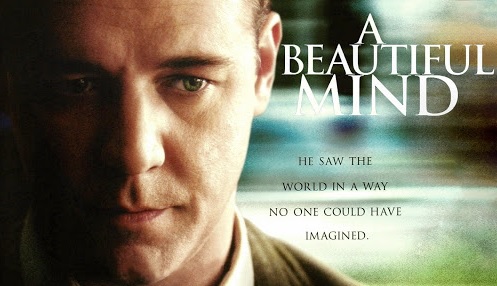
A Beautiful Mind is a 2001 American biographical drama film based on the life of the American mathematician John Nash, a Nobel Laureate in Economics and Abel Prize winner. The film was directed by Ron Howard, from a screenplay written by Akiva Goldsman. It was inspired by the bestselling, Pulitzer Prize-nominated 1998 book of the same name by Sylvia Nasar.
The film stars Russell Crowe, along with Ed Harris, Jennifer Connelly, Paul Bettany, Adam Goldberg, Judd Hirsch, Josh Lucas, Anthony Rapp, and Christopher Plummer in supporting roles. The story begins in Nash’s days as a graduate student at Princeton University. Early in the film, Nash begins to develop paranoid schizophrenia and endures delusional episodes while watching the burden his condition brings on his wife Alicia and friends.
The film opened in the United States cinemas on 21 December 2001. It went on to gross over $313 million worldwide and won four Academy Awards, for Best Picture, Best Director, Best Adapted Screenplay and Best Supporting Actress. It was also nominated for Best Actor, Best Film Editing, Best Makeup, and Best Original Score.
It was well received by critics, but has been criticised for its inaccurate portrayal of some aspects of Nash’s life, especially his other family and a son born out of wedlock. However, the filmmakers have stated that the film was not meant to be a literal representation of Nash’s life (see A Brilliant Madness (2002)).
Outline
In 1947, John Nash arrives at Princeton University as co-recipient, with Martin Hansen, of the prestigious Carnegie Scholarship for mathematics. He meets fellow math and science graduate students Sol, Ainsley, and Bender, as well as his roommate Charles Herman, a literature student. Determined to publish his own original idea, Nash is inspired when he and his classmates discuss how to approach a group of women at a bar. Hansen quotes Adam Smith and advocates “every man for himself,” but Nash argues that a cooperative approach would lead to better chances of success, and develops a new concept of governing dynamics. He publishes an article on his theory, earning him an appointment at MIT where Sol and Bender join him.
In 1953, Nash is invited to the Pentagon to crack encrypted enemy telecommunications, which he manages to decipher mentally. Bored with his regular duties at MIT, including teaching, he is recruited by the mysterious William Parcher of the United States Department of Defence with a classified assignment: to look for hidden patterns in magazines and newspapers in order to thwart a Soviet plot. Nash becomes increasingly obsessive in his search for these patterns, delivering his results to a secret mailbox, and comes to believe he is being followed.
One of his students, Alicia Larde, asks him to dinner, and they fall in love. On a return visit to Princeton, Nash runs into Charles and his niece, Marcee. With Charles’ encouragement, he proposes to Alicia and they marry. Nash fears for his life after surviving a shootout between Parcher and Soviet agents, and learns Alicia is pregnant, but Parcher blackmails him into continuing his assignment. While delivering a guest lecture at Harvard University, Nash tries to flee from people he thinks are Soviet agents, led by psychiatrist Dr. Rosen, but is forcibly sedated and committed to a psychiatric facility.
Dr. Rosen tells Alicia that Nash has paranoid schizophrenia and that Charles, Marcee, and Parcher exist only in his imagination. Alicia informs Nash that the Department of Defense does not employ a “William Parcher” and reveals the unopened documents he delivered to the secret mailbox. Nash is given a course of insulin shock therapy and eventually released. Frustrated with the depressive side effects of his antipsychotic medication, he secretly stops taking it and relapses, “meeting” Parcher again.
In 1956, Alicia discovers Nash has resumed his “assignment” in an abandoned shed near their home. Realizing he has relapsed, Alicia rushes to the house to find Nash had left their infant son in the running bathtub, believing Charles was watching the baby. Alicia calls Dr. Rosen, but Nash believes Parcher is trying to kill her and accidentally knocks her and the baby to the ground. As Alicia flees with their baby, Nash jumps in front of her car and affirms: “Marcee can’t be real! She never gets old!”, finally accepting that Parcher and other figures are hallucinations. Against Dr. Rosen’s advice, Nash chooses not to restart his medication, believing he can deal with his symptoms himself, and Alicia decides to stay and support him.
Nash returns to Princeton and approaches his old rival Hansen, now head of the mathematics department, who allows him to work out of the library and audit classes. Over the next two decades, Nash learns to ignore his hallucinations and, by the late 1970s, is allowed to teach again. In 1994, Nash wins the Nobel Prize for his revolutionary work on game theory, and is honoured by his fellow professors. At the Nobel ceremony, he dedicates his prize to his wife. As Nash, Alicia, and their son leave the auditorium in Stockholm, Nash sees Charles, Marcee, and Parcher watching him, but looks at them only briefly before departing.
Cast
Russell Crowe as John Nash.
Ed Harris as William Parcher.
Jennifer Connelly as Alicia Nash.
Christopher Plummer as Dr. Rosen.
Paul Bettany as Charles Herman.
Adam Goldberg as Richard Sol.
Josh Lucas as Martin Hansen.
Anthony Rapp as Bender.
Jason Gray-Stanford as Ainsley Neilson.
Judd Hirsch as Helinger.
Austin Pendleton as Thomas King.
Vivien Cardone as Marcee Herman.
Killian, Christian, and Daniel Coffinet-Crean as Baby.
Production
Development
After producer Brian Grazer first read an excerpt of Sylvia Nasar’s book A Beautiful Mind in Vanity Fair magazine, he immediately purchased the rights to the film. He eventually brought the project to director Ron Howard, who had scheduling conflicts and was forced to pass. Grazer later said that many A-list directors were calling with their point of view on the project. He eventually focused on a particular director, who coincidentally was available only when Howard was also available. Grazer chose Howard.
Grazer met with a number of screenwriters, mostly consisting of “serious dramatists”, but he chose Akiva Goldsman because of his strong passion and desire for the project. Goldsman’s creative take on the project was to avoid having viewers understand they are viewing an alternative reality until a specific point in the film. This was done to rob the viewers of their understanding, to mimic how Nash comprehended his experiences. Howard agreed to direct the film based on the first draft. He asked Goldsman to emphasize the love story of Nash and his wife; she was critical to his being able to continue living at home.
Dave Bayer, a professor of Mathematics at Barnard College, Columbia University, was consulted on the mathematical equations that appear in the film. For the scene where Nash has to teach a calculus class and gives them a complicated problem to keep them busy, Bayer chose a problem physically unrealistic but mathematically very rich, in keeping with Nash as “someone who really doesn’t want to teach the mundane details, who will home in on what’s really interesting”. Bayer received a cameo role in the film as a professor who lays his pen down for Nash in the pen ceremony near the end of the film.
Greg Cannom was chosen to create the makeup effects for A Beautiful Mind, specifically the age progression of the characters. Crowe had previously worked with Cannom on The Insider. Howard had also worked with Cannom on Cocoon. Each character’s stages of makeup were broken down by the number of years that would pass between levels. Cannom stressed subtlety between the stages, but worked toward the ultimate stage of “Older Nash”. The production team originally decided that the makeup department would age Russell Crowe throughout the film; however, at Crowe’s request, the makeup was used to push his look to resemble the facial features of John Nash. Cannom developed a new silicone-type makeup that could simulate skin and be used for overlapping applications; this shortened make-up application time from eight to four hours. Crowe was also fitted with a number of dentures to give him a slight overbite in the film.
Howard and Grazer chose frequent collaborator James Horner to score the film because they knew of his ability to communicate. Howard said, regarding Horner, “It’s like having a conversation with a writer or an actor or another director.” A running discussion between the director and the composer was the concept of high-level mathematics being less about numbers and solutions, and more akin to a kaleidoscope, in that the ideas evolve and change. After the first screening of the film, Horner told Howard: “I see changes occurring like fast-moving weather systems.” He chose it as another theme to connect to Nash’s ever-changing character. Horner chose Welsh singer Charlotte Church to sing the soprano vocals after deciding that he needed a balance between a child and adult singing voice. He wanted a “purity, clarity and brightness of an instrument” but also a vibrato to maintain the humanity of the voice.
The film was shot 90% chronologically. Three separate trips were made to the Princeton University campus. During filming, Howard decided that Nash’s delusions should always be introduced first audibly and then visually. This provides a clue for the audience and establishes the delusions from Nash’s point of view. The historic John Nash had only auditory delusions. The filmmakers developed a technique to represent Nash’s mental epiphanies. Mathematicians described to them such moments as a sense of “the smoke clearing”, “flashes of light” and “everything coming together”, so the filmmakers used a flash of light appearing over an object or person to signify Nash’s creativity at work. Two night shots were done at Fairleigh Dickinson University’s campus in Florham Park, New Jersey, in the Vanderbilt Mansion ballroom. Portions of the film set at Harvard were filmed at Manhattan College.
Many actors were considered for the role of John Nash, including Bruce Willis, Kevin Costner, John Travolta, Tom Cruise. Howard ultimately cast Russell Crowe.
Writing
The narrative of the film differs considerably from the events of Nash’s life, as filmmakers made choices for the sense of the story. The film has been criticised for this aspect, but the filmmakers said they never intended a literal representation of his life.
One difficulty was the portrayal of his mental illness and trying to find a visual film language for this. Sylvia Nasar said that the filmmakers “invented a narrative that, while far from a literal telling, is true to the spirit of Nash’s story”. Nash spent his years between Princeton and MIT as a consultant for the RAND Corporation in California, but in the film he is portrayed as having worked for the Department of Defense at the Pentagon instead. His handlers, both from faculty and administration, had to introduce him to assistants and strangers. The PBS documentary A Brilliant Madness (2002) tried to portray his life more accurately.
Few of the characters in the film, besides John and Alicia Nash, correspond directly to actual people. The discussion of the Nash equilibrium was criticized as over-simplified. In the film, Nash suffers schizophrenic hallucinations while he is in graduate school, but in his life he did not have this experience until some years later. No mention is made of Nash’s homosexual experiences at RAND, which are noted in the biography, though both Nash and his wife deny this occurred. Nash fathered a son, John David Stier (born 19 June 1953), by Eleanor Agnes Stier (1921-2005), a nurse whom he abandoned when she told him of her pregnancy. The film did not include Alicia’s divorce of John in 1963. It was not until after Nash won the Nobel Memorial Prize in 1994 that they renewed their relationship. Beginning in 1970, Alicia allowed him to live with her as a boarder. They remarried in 2001.
Nash is shown to join Wheeler Laboratory at MIT, but there is no such lab. Instead, he was appointed as C. L. E. Moore instructor at MIT, and later as a professor. The film furthermore does not touch on the revolutionary work of John Nash in differential geometry and partial differential equations, such as the Nash embedding theorem or his proof of Hilbert’s nineteenth problem, work which he did in his time at MIT and for which he was given the Abel Prize in 2015. The so-called pen ceremony tradition at Princeton shown in the film is completely fictitious. The film has Nash saying in 1994: “I take the newer medications”, but in fact, he did not take any medication from 1970 onwards, something highlighted in Nasar’s biography. Howard later stated that they added the line of dialogue because they worried that the film would be criticised for suggesting that all people with schizophrenia can overcome their illness without medication. In addition, Nash never gave an acceptance speech for his Nobel prize.
Release
A Beautiful Mind received a limited release on 21 December 2001, receiving positive reviews, with Crowe receiving wide acclaim for his performance. It was later released in the United States on 04 January 2002.
Box Office
During the five-day weekend of the limited release, A Beautiful Mind opened at the #12 spot at the box office, peaking at the #2 spot following the wide release. The film went on to gross $170,742,341 in the United States and Canada and $313,542,341 worldwide.
Home Media
A Beautiful Mind was released on VHS and DVD, in wide- and full-screen editions, in North America on 25 June 2002. The DVD set includes audio commentaries, deleted scenes and documentaries. The film was also released on Blu-ray in North America on 25 January 2011.
Production & Filming Details
Director(s): Ron Howard.
Producer(s): Brian Grazer and Ron Howard.
Writer(s): Akiva Goldsman.
Music: James Horner.
Cinematography: Roger Deakins.
Editor(s): Daniel P. Hanley and Mike Hill.
Production: Imagine Entertainment.
Distributor(s): Universal Pictures (North America) and DreamWorks Pictures (International).
Release Date: 13 December 2001 (Beverly Hills Premiere) and 01 December 2001 (US).
A science documentary hosted by Liev Schreiber, published by PBS in 2002 with English narration.
Part of the American Experience series.
Outline
John Nash, often called one of the most remarkable mathematicians in history, tells his version of the strange, tragic and inspiring events that took him from genius to immobilising illness to the Nobel Prize.
Suffering a devastating breakdown at the age of 30 and later diagnosed with schizophrenia, Nash was the focus of the 2001 Oscar-winning film ‘A Beautiful Mind‘.
Production & Filming Details
Director(s): Marks Samuels.
Producer(s):
Margaret Drain … executive producer.
Sharon Grimberg … series editor.
Randall MacLowry … producer.
Melissa Martin … associate producer.
Susan Mottau … coordinating producer.
Mark Samels … senior producer.
Greg Shea … post production producer.
Writer(s): Marks Samuels and Randall MacLowery.
Music: Tom Philips.
Cinematography: Peter Donahue.
Editor(s): Karen Schmeer.
Production:
WGBH Educational Foundation.
WGBH.
Yellow Jersey Films (as A Yellow Jersey Films Production for American Experience).
Association of Urbanicity with Schizophrenia and Related Mortality in China: Association de l’urbanicité avec la schizophrénie et la mortalité qui y est reliée en Chine.
Background
Although higher prevalence of schizophrenia in Chinese urban areas was observed, studies focused on the association between schizophrenia and urbanicity were less in China. Using a national representative population-based data set, this study aimed to investigate the relationship between urbanicity and schizophrenia and its related mortality among adults aged 18 years old and above in China.
Methods
Data were obtained from the Second China National Sample Survey on Disability in 2006 and follow-up studies from 2007 to 2010 each year. We restricted our analysis to 1,909,205 participants aged 18 years or older and the 2,071 schizophrenia patients with information of survival and all-caused mortality of the follow-up surveys from 2007 to 2010.
Schizophrenia was ascertained according to the International Statistical Classification of Diseases, 10th Revision. The degree of urbanicity and the region of residence were used to be the proxies of urbanicity. Of these, the degree of urbanicity measured by the ratio of non-agricultural population to total population and the region of residence measured by six categorical variables (first-tier cities, first-tier city suburbs, second-tier cities, second-tier city suburbs, other city areas, and rural areas).
Logistics regression models and restricted polynomial splines were used to examine the linear/nonlinear relationship between urbanicity and the risk of schizophrenia. Cox proportional hazards regression models were used to test the role of urbanicity on mortality risk of schizophrenia patients.
Results
10% increase in the degree of urbanicity was associated with increased risk of schizophrenia (OR = 1.44; 95% CI, 1.32 to 1.57). The nonlinear model further confirmed the association between the degree of urbanicity and the risk of schizophrenia. This association existed sex difference, as the level of urbanicity increased, schizophrenia risk of males grew faster than the risk of females. The hazard ratio (HR) of mortality in schizophrenia patients decreased with the elevated of urbanicity level, with a HR of 0.42 (95% CI, 0.21 to 0.84).
Conclusions
This research suggested that incremental changes in the degree of urbanicity linked to higher risk of schizophrenia, and as the degree of urbanicity elevated, the risk of schizophrenia increased more for men than for women. Additionally, the researchers found that schizophrenia patients in higher degree of urbanicity areas had lower risk of mortality.
These findings contributed to the literature on schizophrenia in developing nations under a non-Western context and indicates that strategies to improve mental health conditions are needed in the progress of urbanicity.
Reference
Luo, Y., Pang, L., Guo, C., Zhang, L. & Zheng, X. (2020) Association of Urbanicity with Schizophrenia and Related Mortality in China: Association de l’urbanicité avec la schizophrénie et la mortalité qui y est reliée en Chine. Canadian Journal of Psychiatry. doi: 10.1177/0706743720954059. Online ahead of print.
1918 – David Ausubel, American psychologist (d. 2008).
1927 – Lawrence Kohlberg, American psychologist and author (d. 1987).
People (Deaths)
1826 – Philippe Pinel, French physician and psychiatrist (b. 1745).
David Ausubel
David Paul Ausubel (25 October 1918 to 09 July 2008) was an American psychologist. His most significant contribution to the fields of educational psychology, cognitive science, and science education learning was on the development and research on “advance organisers” since 1960.
Education
He studied at the University of Pennsylvania where he graduated with honors in 1939, receiving a bachelor’s degree majoring in psychology. Ausubel later graduated from medical school in 1943 at Middlesex University where he went on to complete a rotating internship at Gouverneur Hospital, located in the lower east side of Manhattan, New York.
Following his military service with the US Public Health Service, Ausubel earned his MA and PhD in developmental psychology from Columbia University in 1950. He continued to hold a series of professorships at several schools of education.
Psychiatrist
In 1973, Ausubel retired from academic life and devoted himself to his psychiatric practice. During his psychiatric practice, Ausubel published many books as well as articles in psychiatric and psychological journals. In 1976, he received the Thorndike Award from the American Psychological Association for “Distinguished Psychological Contributions to Education”.
What is an Advance Organiser?
An advance organizer is information presented by an instructor that helps the student organize new incoming information. This is achieved by directing attention to what is important in the coming material, highlighting relationships, and providing a reminder about relevant prior knowledge.
Lawrence Kohlberg
Lawrence Kohlberg (25 October 1927 to 19 January 1987) was an American psychologist best known for his theory of stages of moral development.
He served as a professor in the Psychology Department at the University of Chicago and at the Graduate School of Education at Harvard University. Even though it was considered unusual in his era, he decided to study the topic of moral judgment, extending Jean Piaget’s account of children’s moral development from twenty-five years earlier. In fact, it took Kohlberg five years before he was able to publish an article based on his views. Kohlberg’s work reflected and extended not only Piaget’s findings but also the theories of philosophers George Herbert Mead and James Mark Baldwin. At the same time he was creating a new field within psychology: “moral development”.
In an empirical study using six criteria, such as citations and recognition, Kohlberg was found to be the 30th most eminent psychologist of the 20th century.
Philippe Pinel
Philippe Pinel (20 April 1745 to 25 October 1826) was a French physician who was instrumental in the development of a more humane psychological approach to the custody and care of psychiatric patients, referred to today as moral therapy. He also made notable contributions to the classification of mental disorders and has been described by some as “the father of modern psychiatry”.
An 1809 description of a case that Pinel recorded in the second edition of his textbook on insanity is regarded by some as the earliest evidence for the existence of the form of mental disorder later known as dementia praecox or schizophrenia, although Emil Kraepelin is generally accredited with its first conceptualisation.
1959 – Ruth Perednik, English-Israeli psychologist and academic.
Ruth Perednik
Ruth Perednik (née Kestenbaum, born in London, 24 October 1959) is an English-born Israeli psychologist, pioneer in the field of selective mutism.
Background
Ruth Perednik graduated from University College London (1983) and the Institute of Education, University of London (1984) and the Hebrew University of Jerusalem (Educational Psychology, 2002). Her thesis in England was on The Relation Between Mothers’ Attentiveness to Toddlers and Child’s Attachment to Mother and in Israel she completed her thesis on Selective Mutism in Immigrant Families, under the supervision of Professor Yoel Elizur, with a grant from the Martin and Vivian Levin Centre for the Development of the Child and Adolescent. Ruth Perednik taught at the Lincoln School, and at the Yehuda Halevi Teacher’s Training College, Argentina (1986-1987), where she lectured on Educational Psychology. She resides in the outskirts of Jerusalem with her husband, Gustavo Perednik; they have five children.
Area of Expertise
Ruth Perednik has been specialising in the treatment of children with Selective Mutism and other anxiety disorders over the past 20 years. She has developed a treatment method for Selective Mutism based on cognitive behavioural techniques, in the framework of her work in the Jerusalem Psychological Services in the Jerusalem Municipality. Perednik heads a treatment clinic for children with Selective Mutism. She lectures and trains parents and therapists in Europe, the Americas and Asia. She has developed a Selective Mutism treatment manual which has been published in English and Chinese. She also published a Hebrew language treatment manual together with Professor Yoel Elitzur, of the Hebrew University.
The innovative element of Perednik’s treatment method is treating the child or teen in his natural environment (home and school sessions), and not in a clinic setting, since this is where the symptoms of the selective mutism hit hard and must be alleviated. This was considered iconoclastic when Perednik first published her treatment method, yet it has become generally accepted, and is the treatment of choice in several international selective mutism treatment centres. Perednik advocates for accountability of therapists when treating children, so that evidence-based interventions are the treatments of choice, facilitating effective therapy.
Major depressive disorder with childhood trauma: Clinical characteristics, biological mechanism, and therapeutic implications.
Background
Major depressive disorder (MDD) is a main type of mood disorder, characterised by significant and lasting depressed mood.
Until now, the pathogenesis of MDD is not clear, but it is certain that biological, psychological, and social factors are involved.
Childhood trauma is considered to be an important factor in the development of this disease.
Previous studies have found that nearly half of the patients with MDD have experienced childhood trauma, and different types of childhood trauma, gender, and age show different effects on this disease.
In addition, the clinical characteristics of MDD patients with childhood trauma are also different, which often have more severe depressive symptoms, higher risk of suicide, and more severe cognitive impairment.
The response to antidepressants is also worse.
In terms of biological mechanisms and marker characteristics, the serotonin transporter gene and the FKBP prolyl isomerase 5 have been shown to play an important role in MDD and childhood trauma.
Moreover, some brain imaging and biomarkers showed specific features, such as changes in gray matter in the dorsal lateral prefrontal cortex, and abnormal changes in hypothalamic-pituitary-adrenal axis function.
Reference
Guo, W., Liu, J. & Li, L. (2020) Major depressive disorder with childhood trauma: Clinical characteristics, biological mechanism, and therapeutic implications. Journal of South Central University. 45(4), pp.462-468. doi: 10.11817/j.issn.1672-7347.2020.190699.
1979 – Mieko Kamiya, Japanese psychiatrist and author (b. 1914).
Fechner Day
Gustav Theodor Fechner (19 April 1801 to 18 November 1887) was a German experimental psychologist, philosopher, and physicist.
An early pioneer in experimental psychology and founder of psychophysics, he inspired many 20th-century scientists and philosophers.
Psychophysics quantitatively investigates the relationship between physical stimuli and the sensations and perceptions they produce.
He is also credited with demonstrating the non-linear relationship between psychological sensation and the physical intensity of a stimulus via the formula: S = K 1n I, which became known as the Weber–Fechner law.
Honours
Fechner Crater:
In 1970, the International Astronomical Union named a crater on the far side of the moon after Fechner.
Fechner Day:
In 1985 the International Society for Psychophysics called its annual conference Fechner Day.
The conference is now scheduled to include 22 October to allow psychophysicists to celebrate the anniversary of Fechner’s waking up on that day in 1850 with a new approach into how to study the mind.
Fechner Day runs annually with the 2018 Fechner Day being the 34th.
It is organised annually, by a different academic host each year.
Mieko Kamiya
Mieko Kamiya (神谷 美恵子, Kamiya Mieko, 12 January 1914 to 22 October 1979) was a Japanese psychiatrist who treated leprosy patients at Nagashima Aiseien Sanatorium.
She was known for translating books on philosophy.
She worked as a medical doctor in the Department of Psychiatry at Tokyo University following World War II. She was said to have greatly helped the Ministry of Education and the General Headquarters, where the Supreme Commander of the Allied Powers stayed, in her role as an English-speaking secretary, and served as an adviser to Empress Michiko.
She wrote many books as a highly educated, multi-lingual person; one of her books, titled On the Meaning of Life (Ikigai Ni Tsuite in Japanese), based on her experiences with leprosy patients, attracted many readers.
The worse the better? Quantile treatment effects of a conditional cash transfer programme on mental health.
Background
Poor mental health is a pressing global health problem, with high prevalence among poor populations from low-income countries.
Existing studies of conditional cash transfer (CCT) effects on mental health have found positive effects. However, there is a gap in the literature on population-wide effects of cash transfers on mental health and if and how these vary by the severity of mental illness.
Methods
The researchers use the Malawian Longitudinal Study of Family and Health containing 790 adult participants in the Malawi Incentive Programme, a year-long randomised controlled trial.
They estimate average and distributional quantile treatment effects and we examine how these effects vary by gender, HIV status and usage of the cash transfer.
Results
The researchers find that the cash transfer improves mental health on average by 0.1 of a standard deviation.
The effect varies strongly along the mental health distribution, with a positive effect for individuals with worst mental health of about four times the size of the average effect.
These improvements in mental health are associated with increases in consumption expenditures and expenditures related to economic productivity.
Conclusions
The results show that CCTs can improve adult mental health for the poor living in low-income countries, particularly those with the worst mental health.
Reference
Ohrnberger, J., Fichera, E., Sutton, M. & Anselmi, L. (2020) The worse the better? Quantile treatment effects of a conditional cash transfer programme on mental health. Health Policy and Planning. doi: 10.1093/heapol/czaa079. Online ahead of print.
1980 – Hans Asperger, Austrian physician and psychologist (b. 1906).
Hans Asperger
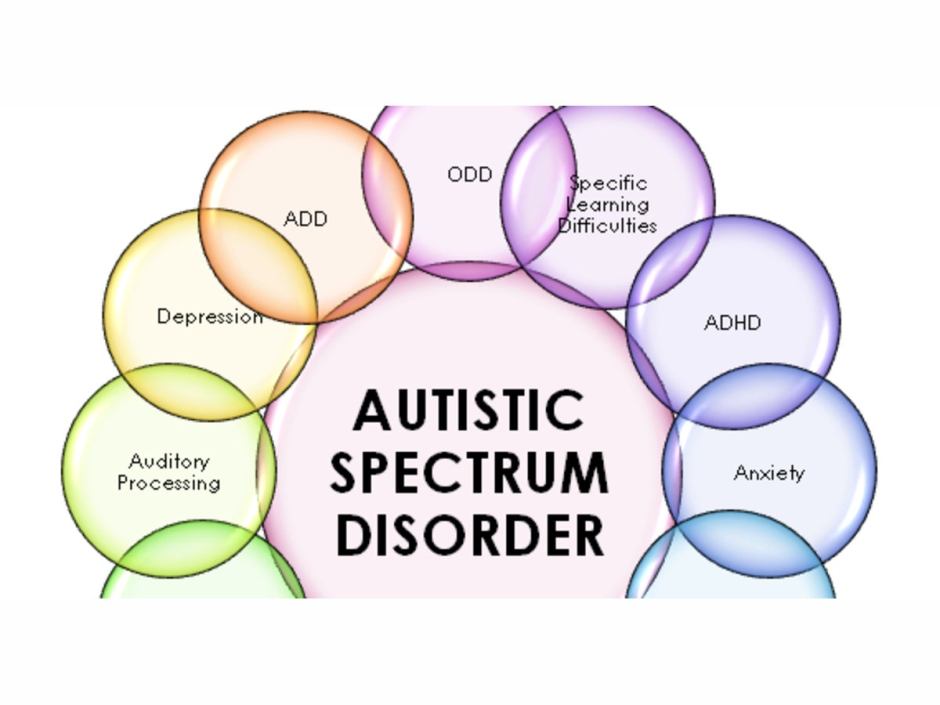
Johann ‘Hans’ Friedrich Karl Asperger (18 February 1906 to 21 October 1980) was an Austrian paediatrician, eugenicist, medical theorist, and medical professor for whom Asperger syndrome is named.
He is best known for his early studies on mental disorders, specifically in children. His work was largely unnoticed during his lifetime except for a few accolades in Vienna, and his studies on psychological disorders acquired world renown only posthumously. He wrote over 300 publications, mostly concerning a condition he termed autistic psychopathy (AP).
There was a resurgence of interest in his work beginning in the 1980s, and due to his earlier work on autism spectrum disorders, Asperger syndrome (AS), was named after him. Both Asperger’s original paediatric diagnosis of AP and the eponymous diagnosis of AS that was named after him several decades later have been controversial.
The controversy has intensified since revelations that, during the Nazi years, Asperger sent at least two disabled children to the Am Spiegelgrund clinic, knowing they would be the subject of cruel experiments and be likely to be euthanised under the Nazi programme named, post-bellum, ‘Aktion T4’.




 Mental Health Matters
You must be logged in to post a comment.