Posts

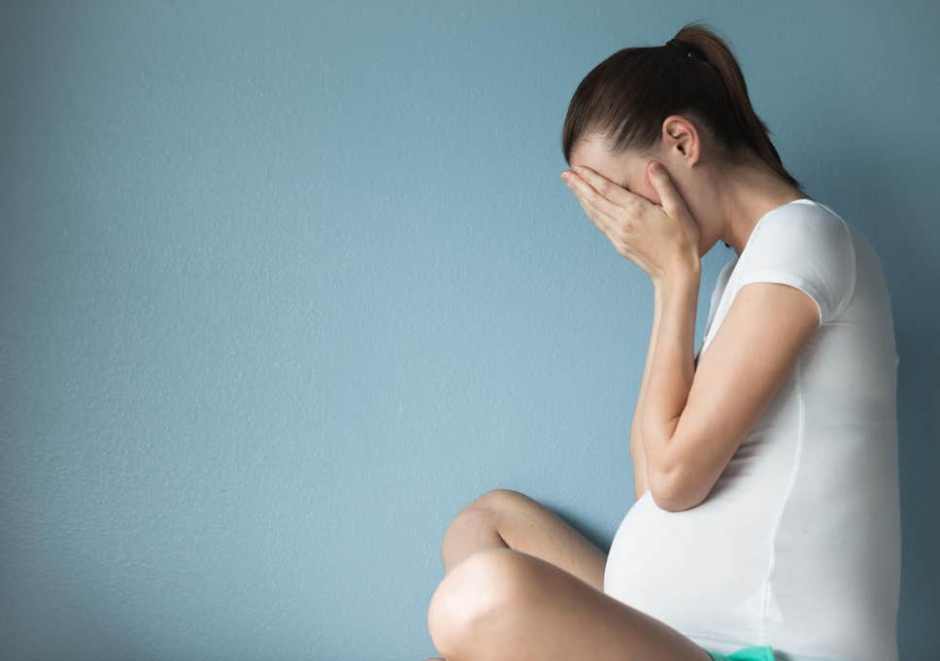
Could Light Therapy Help Relieve the Symptoms of Perinatal Depression?

Research suggests that women with perinatal depression appear to have altered circadian rhythms, and using light to reset the body clock seems to improve their symptoms.

Our bodies run on internal clocks that are regulated by a suite of genes. In concert with light, they wake us up in the morning and leave us sleepy by night-time.

People with severe depression tend to have disrupted circadian rhythms, experiencing daytime sleepiness and night-time insomnia.

Research has found higher activity in some circadian genes in people with the condition.

Perinatal depression – which occurs during and after pregnancy – seems to be similar.

Women tend to get less sleep when they are pregnant, particularly if they have perinatal depression.

To find out if circadian genes might play a role, Massimiliano and colleagues (2019) analysed seven genes in 44 women in the third trimester of pregnancy. Thirty of the women were diagnosed with perinatal depression.

By looking at whether epigenetic tags, called methyl groups, were attached to the genes, the researchers could tell how active these genes were.

They found that three circadian genes were more active and one was less active in the women who had been diagnosed with depression. They also found that the more methyl groups there were, the more severe a woman’s symptoms were likely to be.

This suggests that the greater the difference in circadian gene activity, the more likely a woman is to experience symptoms of depression, say the researchers.

Other (unpublished) research by Katherine Sharkey, Brown University in Rhode Island, has found that using a light box to mimic natural daylight improves the symptoms of perinatal depression. In this small trial of 44 women with the condition, sharkey found that those given a light box and sleep routine alongside routine treatment saw their symptoms improve. Although all the women got better, the women given a circadian intervention did better than those without.

The evidence is not yet strong enough to recommend the treatment more widely, but there is evidence that a good sleep routine and outdoor exposure to sunlight is beneficial for mental health. For example, in a typical office space, the light level is 300 to 400 lux, but on a bright, sunny day, outside can be 50,000 lux.

References

Buoli, M., Grassi, S., Iodice, S., Carnevali, G.S., Esposito, C.M., Tarantini, L., Barkin, J.L. & Bollati, V. (2019) The Role of Clock Genes in Perinatal Depression: THe Light in the Darkness. Acta Psychiatrica Scandinavica. 140(4), pp.382-384. https://doi.org/10.1111/acps.13084.

Hamezlou, J. (2019) Light Therapy May Help Relieve Symptoms of Perinatal Depression. New Scientist. 21 September 2019, pp.15.

Traditional to Alternative Antidepressants

“How has your field of study changed in the time you have been working in it?

I’m intrigued to see the shift away from “traditional” depression and antidepressant models and a move towards alternatives, like ketamine-based antidepressants.”

Dave Burnett, a neuroscientist, speaking in the New Scientist.

Reference

Burnett, D. (2019) The Back Pages: The Q&A. New Scientist. 14 September 2019, pp.56.

Is It Really Addiction?

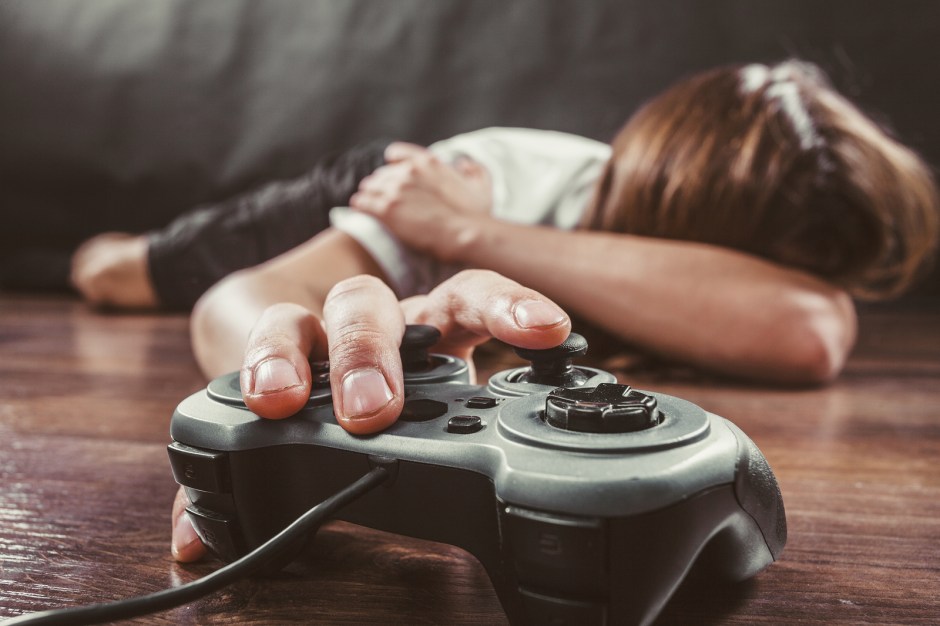
An interesting article in the New Scientist around addiction, specifically gaming disorder.

“For Ian and others like him, video games feel as addictive as a drug.

In May, the World Health Organization (WHO) reached a similar conclusion, including gaming disorder in its International Classification of Diseases for the first time.

Studies suggest that between 0.3 and 1 per cent of the general population might qualify for a diagnosis.

In the UK, plans are under way to open the first National Health Service-funded internet addiction centre, which will initially focus on gaming disorder.

But some argue that to pathologise problematic gaming as an addiction is a mistake.

In 2017, a group of 24 academics argued against attributing this behaviour to a new disorder.” (Sarner, 2019, p.42).

You can read the full article below.

Reference

Sarner, M. (2019) Is It Really Addiction? New Scientist. 14 September 2019, pp.42-47.

Sickness: In the Mind or Gut?

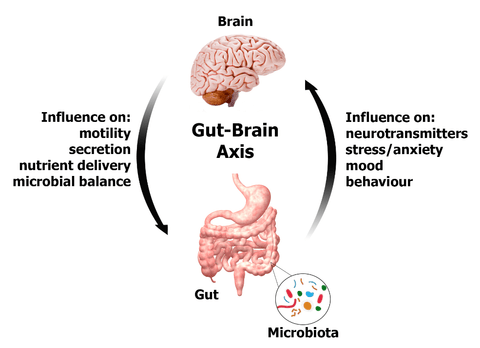
“Remember the last time you had a stomach bug and just wanted to crawl into bed and pull up the covers?

That is called “sickness behaviour” and it is a kind of short-term depression.

The bacteria infecting you aren’t just making you feel nauseous, they are controlling your mood too.

It sounds absurd: they are in your gut and your feelings are generated in your brain.

In fact, this is just an inkling of the power that microbes have over our emotions.

In recent years, such organisms in the gut have been implicated in a range of conditions that affect mood, especially depression and anxiety.

The good news is that bacteria don’t just make you feel low; the right ones can also improve your mood.

That has an intriguing implication: one day we may be able to manipulate the microbes living within our gut to change our mood and feelings.

It is early days, but the promise is astounding.

The World Health Organization rates depression and anxiety as the number one cause of disability, affecting at least 300 million people worldwide.

The new findings challenge the whole paradigm of mental illness being caused by a chemical imbalance in the brain, and offer an alternative to drug treatment.

You’ve probably heard of probiotics, but these are their new incarnation – psychobiotics. They could be about to change the mood of the planet.” (Anderson, 2019, p.34).

Reference

Anderson, S. (2019) The Pyschobiotic Revolution. New Scientist. 07 September 2019.

Feeling Sad: Have Kids, then Move Them Out!

When it comes to who is happier, people with kids or those without, most research points to the latter.

Now it seems that parents are happier than their peers later in life – when their children move out.

Most surveys of parental happiness have focused on those whose children still live at home. These tend to show that people with kids are less happy than their child-free peers because they have less free time, sleep and money.

Christoph Becker at Heidelberg University in Germany and his colleagues wondered if the story might be different for parents whose kids have left home.

To find out, they analysed data from a European survey that asked 55,000 people aged 50 and older about their emotional well-being.

They found that those with children had greater life satisfaction and fewer symptoms of depression than people without children, but only if their kids had left home (Becker, Kirchmaier & Trautmann, 2019).

This may be because when children grow up and move out they provide social enrichment to their parents minus the day-to-day stress of looking after them (Becker, Kirchmaier & Trautmann, 2019). The researchers also believe they may also give something back by providing care and financial support to their parents.

The picture is similar in the US, says Nicholas Wolfinger at the University of Utah. He recently analysed 40 years of data and found that empty-nest parents aged 50 to 70 were 5-6% more likely to report being very happy than those with kids still at home.

If parents baulk at the idea of waiting for their kids to move out to maximise their potential happiness, they could move to a country with better childcare support, says Wolfinger.

A 2016 study found that parents with children at home were slightly happier than their child-free peers if they lived in places that have paid parental leave, generous childcare subsidies and holiday and sick leave, like Norway, Portugal and Sweden.

Reference

Becker, C., Kirchmaier, I. & Trautmann, S.T. (2019) Marriage, parenthood and social network: Subjective well-being and mental health in old age. PLOS One. https://doi.org/10.1371/journal.pone.0218704.

Partnering & the Interprofessional Psychiatric Mental Health Nurse Practitioner Education Curriculum

Research Paper Title

Partnering for a Sustainable Interprofessional Psychiatric Mental Health Nurse Practitioner Education Curriculum.

Background

The World Health Organisation recommends that health care educators create a collaborative and practice-ready workforce.

Focused interprofessional education (IPE) promotes collaborative practice, yet few examples of how to develop sustained IPE and clinical partnerships exist.

Mental health care professionals competent in their specialty and prepared for interprofessional collaboration are needed to treat complex mental health needs of patients.

Methods

Doctor of Nursing Practice Psychiatric Mental Health Nurse Practitioner (PMHNP) faculty partnered with College of Pharmacy faculty to create didactic, clinical, and simulation coursework and IPE competencies within PMHNP courses.

Students developed skills about providing interprofessional mental health care.

Results

Recommendations for faculties include:

  • Embrace the value of interprofessional faculty partnerships;
  • Plan for time, money, motivation, and recognition needed for sustainable IPE; and
  • Design courses that become part of the fabric of the curricula.

Conclusions

Embedding IPE into PMHNP curricula creates increased faculty satisfaction and positive feedback from students and clinical sites.

Reference

Peterson, B.L., Pittenger, A.L., Kaas, M.J. & Lounsbery, J.L. (2019) Partnering for a Sustainable Interprofessional Psychiatric Mental Health Nurse Practitioner Education Curriculum. The Journal of Nursing Education. 58(12), pp.723-727. doi: 10.3928/01484834-20191120-08.

The Ill Effect of Problematic Neighbourhood Environments on Spousal/Partner Relationships & Mental Health and Psychological Well-being

Research Paper Title

Perceived neighbourhood disorder and psychological distress among Latino adults in the United States: Considering spousal/partner relationship.

Background

It has been well-established that neighbourhood disorder and disadvantage are detrimental to mental health and psychological well-being.

There has been growing research interest in minority stress issues, however, less is known about how perceived neighbourhood disorder matters for psychological well-being among Latino adults in the United States.

Methods

Analysing data from National Latino Asian American Study, 2002-2003, the present study investigates the relationships among perceived neighbourhood disorder, spousal/partner relationships (i.e., spousal/partner strain and support), and psychological distress.

Results

The findings indicated that perceived neighbourhood disorder and spousal/partner strain were positively associated with increased psychological distress, whereas spousal/partner support had no protective effect against psychological distress.

Moreover, mediation analysis showed that the association between perceived neighbourhood disorder and psychological distress was partially mediated by spousal/partner strain (i.e., 15.13%), not spousal support.

Finally, moderation analysis revealed that the presence of spousal/partner strain exacerbated the relationship between perceived neighbourhood disorder and psychological distress. Conversely, the absence of spousal/partner strain appeared to buffer the adverse impact of neighbourhood disorder on psychological distress.

Conclusions

These findings highlighted the ill effect of problematic neighbourhood environments on the quality of the spousal/partner relationship and subsequently Latino’s psychological well-being.

Reference

Kwon, S. (2019) Perceived neighborhood disorder and psychological distress among Latino adults in the United States: Considering spousal/partner relationship. Journal of Community Psychology. doi: 10.1002/jcop.22288. [Epub ahead of print].

Health Policies: Consider the Direct & Indirect Cross-effects between Mental Health & Physical Health

Research Paper Title

The relationship between physical and mental health: A mediation analysis.

Background

There is a strong link between mental health and physical health, but little is known about the pathways from one to the other.

The researchers analyse the direct and indirect effects of past mental health on present physical health and past physical health on present mental health using lifestyle choices and social capital in a mediation framework.

Methods

They use data on 10,693 individuals aged 50 years and over from six waves (2002-2012) of the English Longitudinal Study of Ageing.

Mental health is measured by the Centre for Epidemiological Studies Depression Scale (CES) and physical health by the Activities of Daily Living (ADL).

Results

The researchers find significant direct and indirect effects for both forms of health, with indirect effects explaining 10% of the effect of past mental health on physical health and 8% of the effect of past physical health on mental health.

Physical activity is the largest contributor to the indirect effects.

There are stronger indirect effects for males in mental health (9.9%) and for older age groups in mental health (13.6%) and in physical health (12.6%).

Conclusions

Health policies aiming at changing physical and mental health need to consider not only the direct cross-effects but also the indirect cross-effects between mental health and physical health.

Reference

Ohrnberger, J., Fichera, E. & Sutton, M. (2017) The relationship between physical and mental health: A mediation analysis. Social Science & Medicine (1982). 195, pp.42-49. doi: 10.1016/j.socscimed.2017.11.008. Epub 2017 Nov 8.

Providing a Starting Point for Discussions, Dialogue, and Further Study Regarding Mental Health Research for Indigenous Peoples around the World

Research Paper Title

The mental health of Indigenous peoples in Canada: A critical review of research.

Background

Many scholars assert that Indigenous peoples across the globe suffer a disproportionate burden of mental illness.

Research indicates that colonialism and its associated processes are important determinants of Indigenous peoples’ health internationally.

In Canada, despite an abundance of health research documenting inequalities in morbidity and mortality rates for Indigenous peoples, relatively little research has focused on mental health.

This paper provides a critical scoping review of the literature related to Indigenous mental health in Canada.

Methods

searched eleven databases and two Indigenous health-focused journals for research related to mental health, Indigenous peoples, and Canada, for the years 2006-2016.

Over two hundred papers are included in the review and coded according to research theme, population group, and geography.

Results

Results demonstrate that the literature is overwhelmingly concerned with issues related to colonialism in mental health services and the prevalence and causes of mental illness among Indigenous peoples in Canada, but with several significant gaps.

Mental health research related to Indigenous peoples in Canada overemphasises suicide and problematic substance use; a more critical use of the concepts of colonialism and historical trauma is advised; and several population groups are underrepresented in research, including Métis peoples and urban or off-reserve Indigenous peoples.

Conclusions

The findings are useful in an international context by providing a starting point for discussions, dialogue, and further study regarding mental health research for Indigenous peoples around the world.

Reference

Nelson, S.E. & Wilson, K. (2017) The mental health of Indigenous peoples in Canada: A critical review of research. Social Science & Medicine (1982). 176, pp.93-112. doi: 10.1016/j.socscimed.2017.01.021. Epub 2017 Jan 18.