Posts

On This Day … 18 November [2022]

People (Births)

  • 1924 – Anna Elisabeth (Lise) Østergaard, Danish psychologist and politician (d. 1996).

Anna Elisabeth (Lise) Ostergaard

Anna Elisabeth “Lise” Østergaard (18 November 1924 to 19 March 1996) was a Danish psychologist and a politician in the social-democratic party. Under Anker Jørgensen’s leadership, she was Minister without Portfolio (1977-1980) and Minister of Culture (February 1980 to September 1982). As a psychologist, she was head of psychology in Copenhagen’s Rigshospitalet (1958) as well as the first woman to become professor of clinical psychology at Copenhagen University (1963), a position she resumed after her political career ended in the mid-1980s.

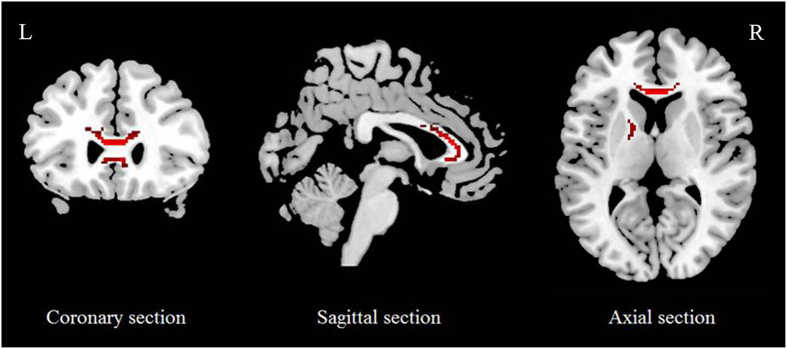
Yes or No: Brain Electrodes May Be Long-Lasting Aid for Depression?

In connection with our previous post ‘Yes or No: There is a Link Between Depression and Serotonin?’, a small study (of 25 participants over 6-9 years) reported in the New Scientist (Klein, 2020) suggests that brain electrodes may be a long-lasting aid for those suffering with depression (Bergfeld et al., 2022).

References

Bergfeld, I.O., Ooms, P., Lok, A., de Rue, L., Vissers, P., de Knijff, D., Horst, F., Beute, G., van den Munckhof, P., Schuurman, P.R & Denys, D. (2022) Efficacy and Quality of Life after 6-9 Years of Deep Brain Stimulation for Depression. Brain Stimulation. 15(4), pp.957-964. https://www.brainstimjrnl.com/article/S1935-861X(22)00114-0/fulltext.

Klein, A. (2022) Brain Electrodes May Be Long-Lasting Aid for Depression. New Scientist. 09 July 2022, pp.12.

Yes or No: Is there a Link Between Depression and Serotonin?

Every year many suffering with depression are prescribed antidepressants to manage their condition, with antidepressants being described – by a spokesperson for the Royal College of Psychiatrists – as “an effective evidence-based treatment” (The Pharmaceutical Journal, 2022).

Within England, UK, “From 2021-22, there was a 5% rise in the number of adults receiving them – from 7.9 million in the previous 12 months to 8.3 million. [… with …] “An estimated 83.4 million antidepressant drug items were prescribed between 2021 and 2022, which marks a 5% increase from the previous year.” (BBC, 2022).

Within the US, Brody and Gu (2020) reported that “During 2015–2018, 13.2% of adults aged 18 and over used antidepressant medications in the past 30 days. [… and … ] In 2018, an estimated 7.2% of American adults had a major depressive episode in the past year. Carey and Geberloff reported in 2018 that “Nearly 25 million adults, like Ms. Toline, have been on antidepressants for at least two years, a 60 percent increase since 2010.”

Now it is important to remember that:

  • Depression is associated with diminished quality of life and increased disability;
  • Antidepressants are one of the primary treatments for depression;
  • Antidepressants are among the most frequently used therapeutic medications in the UK and US; and
  • There is research to suggest antidepressants work, at least in some people.

However, a new major analysis (by Moncrief et al., 2022) reported in the New Scientist suggests there is no link between serotonin levels and depression, raising questions about antidepressants that focus on this brain-signalling molecule (Wild, 2022, p.20).

Although this analysis suggests antidepressants might not be as effective as previously stated, brain electrodes might be. Read our next post about brain electrodes and depression here.

References

BBC (British Broadcasting Corporation). (2022) Nearly Half a Million More Adults on Antidepressants in England. Available from World Wide Web: https://www.bbc.co.uk/news/health-62094744. [Accessed: 17 November, 2022].

Carey, B. & Gebeloff, R. (2018) Many People Taking Antidepressants Discover They Cannot Quit. Available from World Wide Web: https://www.nytimes.com/2018/04/07/health/antidepressants-withdrawal-prozac-cymbalta.html. [Accessed: 17 November, 2022].

Moncrief, J., Cooper, R.E., Stockman, T., Amendola, S., Hengartner, M.P. & Horowitz, M.A. (2022) The Serotonin Theory of Depression: A Systematic Umbrella Review of the Evidence. Molecular Psychiatry. doi.org/gqh6nd.

The Pharmaceutical Journal. (2022) Antidepressant Prescribing Increases by 35% in Six Years. Available from World Wide Web: https://pharmaceutical-journal.com/article/news/antidepressant-prescribing-increases-by-35-in-six-years. [Accessed: 17 November, 2022].

Wild, S. (2022) No Link between Depression and Serotonin, Finds Major Analysis. New Scientist. 30 July 2022, pp.20.

On This Day … 17 November [2022]

People (Births)

  • 1896 – Lev Vygotsky, Belarusian-Russian psychologist and philosopher (d. 1934).

People (Deaths)

  • 2014 – Patrick Suppes, American psychologist and philosopher (b. 1922).

Lev Vygotsky

Lev Semyonovich Vygotsky (Russian: Лев Семёнович Выго́тский; Belarusian: Леў Сямёнавіч Выго́цкі; 17 November 1896 to 11 June 1934) was a Soviet psychologist, known for his work on psychological development in children. He published on a diverse range of subjects, and from multiple views as his perspective changed over the years. Among his students was Alexander Luria and Kharkiv school of psychology.

He is known for his concept of the zone of proximal development (ZPD): the distance between what a student (apprentice, new employee, etc.) can do on their own, and what they can accomplish with the support of someone more knowledgeable about the activity. Vygotsky saw the ZPD as a measure of skills that are in the process of maturing, as supplement to measures of development that only look at a learner’s independent ability.

Also influential are his works on the relationship between language and thought, the development of language, and a general theory of development through actions and relationships in a socio-cultural environment. This can be found in many of his essays.

Patrick Suppes

Patrick Colonel Suppes (17 March 1922 to 17 November 2014) was an American philosopher who made significant contributions to philosophy of science, the theory of measurement, the foundations of quantum mechanics, decision theory, psychology and educational technology. He was the Lucie Stern Professor of Philosophy Emeritus at Stanford University and until January 2010 was the Director of the Education Program for Gifted Youth also at Stanford.

What is a Pharmaceutical Formulation?

Introduction

Pharmaceutical formulation, in pharmaceutics, is the process in which different chemical substances, including the active drug, are combined to produce a final medicinal product.

The word formulation is often used in a way that includes dosage form.

Stages and Timeline

Formulation studies involve developing a preparation of the drug which is both stable and acceptable to the patient. For orally administered drugs, this usually involves incorporating the drug into a tablet or a capsule. It is important to make the distinction that a tablet contains a variety of other potentially inert substances apart from the drug itself, and studies have to be carried out to ensure that the encapsulated drug is compatible with these other substances in a way that does not cause harm, whether direct or indirect.

Preformulation involves the characterisation of a drug’s physical, chemical, and mechanical properties in order to choose what other ingredients (excipients) should be used in the preparation. In dealing with protein pre-formulation, the important aspect is to understand the solution behaviour of a given protein under a variety of stress conditions such as freeze/thaw, temperature, shear stress among others to identify mechanisms of degradation and therefore its mitigation.

Formulation studies then consider such factors as particle size, polymorphism, pH, and solubility, as all of these can influence bioavailability and hence the activity of a drug. The drug must be combined with inactive ingredients by a method that ensures that the quantity of drug present is consistent in each dosage unit e.g. each tablet. The dosage should have a uniform appearance, with an acceptable taste, tablet hardness, and capsule disintegration.

It is unlikely that formulation studies will be complete by the time clinical trials commence. This means that simple preparations are developed initially for use in phase I clinical trials. These typically consist of hand-filled capsules containing a small amount of the drug and a diluent. Proof of the long-term stability of these formulations is not required, as they will be used (tested) in a matter of days. Consideration has to be given to what is known as “drug loading” – the ratio of the active drug to the total contents of the dose. A low drug load may cause homogeneity problems. A high drug load may pose flow problems or require large capsules if the compound has a low bulk density.

By the time phase III clinical trials are reached, the formulation of the drug should have been developed to be close to the preparation that will ultimately be used in the market. A knowledge of stability is essential by this stage, and conditions must have been developed to ensure that the drug is stable in the preparation. If the drug proves unstable, it will invalidate the results from clinical trials since it would be impossible to know what the administered dose actually was. Stability studies are carried out to test whether temperature, humidity, oxidation, or photolysis (ultraviolet light or visible light) have any effect, and the preparation is analysed to see if any degradation products have been formed.

Container Closure

Formulated drugs are stored in container closure systems for extended periods of time. These include blisters, bottles, vials, ampules, syringes, and cartridges. The containers can be made from a variety of materials including glass, plastic, and metal. The drug may be stored as a solid, liquid, or gas.

It’s important to check whether there are any undesired interactions between the preparation and the container. For instance, if a plastic container is used, tests are carried out to see whether any of the ingredients become adsorbed on to the plastic, and whether any plasticiser, lubricants, pigments, or stabilisers leach out of the plastic into the preparation. Even the adhesives for the container label need to be tested, to ensure they do not leach through the plastic container into the preparation.

Formulation Types

The drug form varies by the route of administration, such as capsules, tablets, and pills etc.

Enteral Formulations

Oral drugs are normally taken as tablets or capsules.

The drug (active substance) itself needs to be soluble in aqueous solution at a controlled rate. Such factors as particle size and crystal form can significantly affect dissolution. Fast dissolution is not always ideal. For example, slow dissolution rates can prolong the duration of action or avoid initial high plasma levels. Treatment of active ingredient by special ways such as spherical crystallisation can have some advantages for drug formulation.

Tablet

A tablet is usually a compressed preparation that contains:

  • 5-10% of the drug (active substance);
  • 80% of fillers, disintegrants, lubricants, glidants, and binders; and
  • 10% of compounds which ensure easy disintegration, disaggregation, and dissolution of the tablet in the stomach or the intestine.

The dissolution time can be modified for a rapid effect or for sustained release.

Special coatings can make the tablet resistant to the stomach acids such that it only disintegrates in the duodenum, jejunum and colon as a result of enzyme action or alkaline pH.

Pills can be coated with sugar, varnish, or wax to disguise the taste.

Capsule

A capsule is a gelatinous envelope enclosing the active substance. Capsules can be designed to remain intact for some hours after ingestion in order to delay absorption. They may also contain a mixture of slow and fast release particles to produce rapid and sustained absorption in the same dose.

Sustained Release

There are a number of methods by which tablets and capsules can be modified in order to allow for sustained release of the active compound as it moves through the digestive tract. One of the most common methods is to embed the active ingredient in an insoluble porous matrix, such that the dissolving drug must make its way out of the matrix before it can be absorbed. In other sustained release formulations the matrix swells to form a gel through which the drug exits.

Another method by which sustained release is achieved is through an osmotic controlled-release oral delivery system, where the active compound is encased in a water-permeable membrane with a laser drilled hole at one end. As water passes through the membrane the drug is pushed out through the hole and into the digestive tract where it can be absorbed.

Parenteral Formulations

These are also called injectable formulations and are used with intravenous, subcutaneous, intramuscular, and intra-articular administration. The drug is stored in liquid or if unstable, lyophilised form.

Many parenteral formulations are unstable at higher temperatures and require storage at refrigerated or sometimes frozen conditions. The logistics process of delivering these drugs to the patient is called the cold chain. The cold chain can interfere with delivery of drugs, especially vaccines, to communities where electricity is unpredictable or non-existent. NGOs like the Gates Foundation are actively working to find solutions. These may include lyophilised formulations which are easier to stabilise at room temperature.

Most protein formulations are parenteral due to the fragile nature of the molecule which would be destroyed by enteric administration. Proteins have tertiary and quaternary structures that can be degraded or cause aggregation at room temperature. This can impact the safety and efficacy of the medicine.

Liquid

Liquid drugs are stored in vials, IV bags, ampoules, cartridges, and prefilled syringes.

As with solid formulations, liquid formulations combine the drug product with a variety of compounds to ensure a stable active medication following storage. These include solubilisers, stabilisers, buffers, tonicity modifiers, bulking agents, viscosity enhancers/reducers, surfactants, chelating agents, and adjuvants.

If concentrated by evaporation, the drug may be diluted before administration. For IV administration, the drug may be transferred from a vial to an IV bag and mixed with other materials.

Lyophilised

Lyophilised drugs are stored in vials, cartridges, dual chamber syringes, and prefilled mixing systems.

Lyophilisation, or freeze drying, is a process that removes water from a liquid drug creating a solid powder, or cake. The lyophilised product is stable for extended periods of time and could allow storage at higher temperatures. In protein formulations, stabilisers are added to replace the water and preserve the structure of the molecule.

Before administration, a lyophilised drug is reconstituted as a liquid before being administered. This is done by combining a liquid diluent with the freeze-dried powder, mixing, then injecting. Reconstitution usually requires a reconstitution and delivery system to ensure that the drug is correctly mixed and administered.

Topical Formulations

Cutaneous

Options for topical formulation include:

  • Cream: Emulsion of oil and water in approximately equal proportions. Penetrates stratum corneum outer layers of skin well.
  • Ointment: Combines oil (80%) and water (20%). Effective barrier against moisture loss.
  • Gel: Liquefies upon contact with the skin.
  • Paste: Combines three agents – oil, water, and powder; an ointment in which a powder is suspended.
  • Powder: A finely subdivided solid substance.

This page is based on the copyrighted Wikipedia article < https://en.wikipedia.org/wiki/Pharmaceutical_formulation >; it is used under the Creative Commons Attribution-ShareAlike 3.0 Unported License (CC-BY-SA). You may redistribute it, verbatim or modified, providing that you comply with the terms of the CC-BY-SA.

On This Day … 16 November [2022]

People (Births)

  • 1944 – Oliver Braddick, English psychologist and academic (d. 2022).

Oliver Braddick

Oliver John Braddick, FBA, FMedSci (16 November 1944 to 17 January 2022) was a British developmental psychologist who researched infant visual perception. He frequently collaborated with his wife Janette Atkinson.

Braddick was Emeritus Professor of Experimental Psychology at Oxford University from 2011 to 2022. Prior to that, from 2001 to 2011 he was professor and head of the Department of Experimental Psychology.

Braddick gained a BA (1965) and PhD (1968) in Experimental Psychology at Trinity College, Cambridge. Between 1968 and 1969 he was a post-doctoral fellow in the laboratory of Lorrin Riggs, Brown University, USA. In 1969 he returned to Cambridge as a University Demonstrator; later he became a lecturer and then reader. By 1976, Braddick was an active member of the Cambridge Visual Development Unit, along with Janette Atkinson, his wife. The unit carried out pioneering research on the development of visual cortical function in infancy and in early visual screening. He also advanced understanding of binocular processes of both infants and adults.

In 1993, Braddick moved to University College London, together with Janette Atkinson, as professors of Psychology. He became head of the Psychology department in 1998. In 2001, he was elected fellow of the Academy of Medical Sciences, was appointed Head of Psychology at the University of Oxford, and became a Fellow at Magdalen College, Oxford. In July 2012, Braddick was elected as a Fellow of the British Academy, for his contributions in the field of visual perception and its development in early childhood. Braddick was also a member of the Visual Development Unit at the University College of London and University of Oxford, a unit that specialises in child visual perception.

Braddick was a member of the editorial board for Current Biology. He died on 17 January 2022, at the age of 77.

What is Route of Administration?

Introduction

A route of administration in pharmacology and toxicology is the way by which a drug, fluid, poison, or other substance is taken into the body.

Routes of administration are generally classified by the location at which the substance is applied. Common examples include oral and intravenous administration. Routes can also be classified based on where the target of action is. Action may be topical (local), enteral (system-wide effect, but delivered through the gastrointestinal tract), or parenteral (systemic action, but delivered by routes other than the GI tract).

Route of administration and dosage form are aspects of drug delivery.

Classification

Routes of administration are usually classified by application location (or exposition).

The route or course the active substance takes from application location to the location where it has its target effect is usually rather a matter of pharmacokinetics (concerning the processes of uptake, distribution, and elimination of drugs). Exceptions include the transdermal or transmucosal routes, which are still commonly referred to as routes of administration.

The location of the target effect of active substances are usually rather a matter of pharmacodynamics (concerning e.g. the physiological effects of drugs). An exception is topical administration, which generally means that both the application location and the effect thereof is local.

Topical administration is sometimes defined as both a local application location and local pharmacodynamic effect, and sometimes merely as a local application location regardless of location of the effects.

By Application Location

Enteral/Gastrointestinal

through the gastrointestinal tract is sometimes termed enteral or enteric administration (literally meaning ‘through the intestines’). Enteral/enteric administration usually includes oral (through the mouth) and rectal (into the rectum) administration, in the sense that these are taken up by the intestines. However, uptake of drugs administered orally may also occur already in the stomach, and as such gastrointestinal (along the gastrointestinal tract) may be a more fitting term for this route of administration. Furthermore, some application locations often classified as enteral, such as sublingual (under the tongue) and sublabial or buccal (between the cheek and gums/gingiva), are taken up in the proximal part of the gastrointestinal tract without reaching the intestines. Strictly enteral administration (directly into the intestines) can be used for systemic administration, as well as local (sometimes termed topical), such as in a contrast enema, whereby contrast media are infused into the intestines for imaging. However, for the purposes of classification based on location of effects, the term enteral is reserved for substances with systemic effects.

Many drugs as tablets, capsules, or drops are taken orally. Administration methods directly into the stomach include those by gastric feeding tube or gastrostomy. Substances may also be placed into the small intestines, as with a duodenal feeding tube and enteral nutrition. Enteric coated tablets are designed to dissolve in the intestine, not the stomach, because the drug present in the tablet causes irritation in the stomach.

The rectal route is an effective route of administration for many medications, especially those used at the end of life. The walls of the rectum absorb many medications quickly and effectively. Medications delivered to the distal one-third of the rectum at least partially avoid the “first pass effect” through the liver, which allows for greater bio-availability of many medications than that of the oral route. Rectal mucosa is highly vascularised tissue that allows for rapid and effective absorption of medications. A suppository is a solid dosage form that fits for rectal administration. In hospice care, a specialised rectal catheter, designed to provide comfortable and discreet administration of ongoing medications provides a practical way to deliver and retain liquid formulations in the distal rectum, giving health practitioners a way to leverage the established benefits of rectal administration. The Murphy drip is an example of rectal infusion.

Parenteral

The parenteral route is any route that is not enteral (par- + enteral).

Parenteral administration can be performed by injection, that is, using a needle (usually a hypodermic needle) and a syringe, or by the insertion of an indwelling catheter.

Locations of application of parenteral administration include:

  • Central nervous system:
    • Epidural (synonym: peridural) (injection or infusion into the epidural space), e.g. epidural anesthesia.
    • Intracerebral (into the cerebrum) administration by direct injection into the brain. Used in experimental research of chemicals and as a treatment for malignancies of the brain. The intracerebral route can also interrupt the blood brain barrier from holding up against subsequent routes.
    • Intracerebroventricular (into the cerebral ventricles) administration into the ventricular system of the brain. One use is as a last line of opioid treatment for terminal cancer patients with intractable cancer pain.
  • Epicutaneous (application onto the skin). It can be used both for local effect as in allergy testing and typical local anaesthesia, as well as systemic effects when the active substance diffuses through skin in a transdermal route.
  • Sublingual and buccal medication administration is a way of giving someone medicine orally (by mouth). Sublingual administration is when medication is placed under the tongue to be absorbed by the body. The word “sublingual” means “under the tongue.” Buccal administration involves placement of the drug between the gums and the cheek. These medications can come in the form of tablets, films, or sprays. Many drugs are designed for sublingual administration, including cardiovascular drugs, steroids, barbiturates, opioid analgesics with poor gastrointestinal bioavailability, enzymes and, increasingly, vitamins and minerals.
  • Extra-amniotic administration, between the endometrium and foetal membranes.
  • Nasal administration (through the nose) can be used for topically acting substances, as well as for insufflation of e.g. decongestant nasal sprays to be taken up along the respiratory tract. Such substances are also called inhalational, e.g. inhalational anaesthetics.
  • Intra-arterial (into an artery), e.g. vasodilator drugs in the treatment of vasospasm and thrombolytic drugs for treatment of embolism.
  • Intra-articular, into a joint space. It is generally performed by joint injection. It is mainly used for symptomatic relief in osteoarthritis.
  • Intracardiac (into the heart), e.g. adrenaline during cardiopulmonary resuscitation (no longer commonly performed).
  • Intracavernous injection, an injection into the base of the penis.
  • Intradermal, (into the skin itself) is used for skin testing some allergens, and also for mantoux test for tuberculosis.
  • Intralesional (into a skin lesion), is used for local skin lesions, e.g. acne medication.
  • Intramuscular (into a muscle), e.g. many vaccines, antibiotics, and long-term psychoactive agents. Recreationally the colloquial term ‘muscling’ is used.
  • Intraocular, into the eye, e.g., some medications for glaucoma or eye neoplasms.
  • Intraosseous infusion (into the bone marrow) is, in effect, an indirect intravenous access because the bone marrow drains directly into the venous system. This route is occasionally used for drugs and fluids in emergency medicine and paediatrics when intravenous access is difficult.
  • Intraperitoneal, (infusion or injection into the peritoneum) e.g. peritoneal dialysis.
  • Intrathecal (into the spinal canal) is most commonly used for spinal anaesthesia and chemotherapy.
  • Intrauterine.
  • Intravaginal administration, in the vagina.
  • Intravenous (into a vein), e.g. many drugs, total parenteral nutrition.
  • Intravesical infusion is into the urinary bladder.
  • Intravitreal, through the eye.
  • Subcutaneous (under the skin). This generally takes the form of subcutaneous injection, e.g. with insulin. Skin popping is a slang term that includes subcutaneous injection, and is usually used in association with recreational drugs. In addition to injection, it is also possible to slowly infuse fluids subcutaneously in the form of hypodermoclysis.
  • Transdermal (diffusion through the intact skin for systemic rather than topical distribution), e.g. transdermal patches such as fentanyl in pain therapy, nicotine patches for treatment of addiction and nitroglycerine for treatment of angina pectoris.
  • Perivascular administration (perivascular medical devices and perivascular drug delivery systems are conceived for local application around a blood vessel during open vascular surgery).
  • Transmucosal (diffusion through a mucous membrane), e.g. insufflation (snorting) of cocaine, sublingual, i.e. under the tongue, sublabial, i.e. between the lips and gingiva, nitroglycerine, vaginal suppositories.

Topical

The definition of the topical route of administration sometimes states that both the application location and the pharmacodynamic effect thereof is local.

In other cases, topical is defined as applied to a localised area of the body or to the surface of a body part regardless of the location of the effect. By this definition, topical administration also includes transdermal application, where the substance is administered onto the skin but is absorbed into the body to attain systemic distribution.

If defined strictly as having local effect, the topical route of administration can also include enteral administration of medications that are poorly absorbable by the gastrointestinal tract. One such medication is the antibiotic vancomycin, which cannot be absorbed in the gastrointestinal tract and is used orally only as a treatment for Clostridium difficile colitis.

Choice of Routes

The reason for choice of routes of drug administration are governing by various factors:

  • Physical and chemical properties of the drug. The physical properties are solid, liquid and gas. The chemical properties are solubility, stability, pH, irritancy etc.
  • Site of desired action: the action may be localised and approachable or generalised and not approachable.
  • Rate of extent of absorption of the drug from different routes.
  • Effect of digestive juices and the first pass metabolism of drugs.
  • Condition of the patient.

In acute situations, in emergency medicine and intensive care medicine, drugs are most often given intravenously. This is the most reliable route, as in acutely ill patients the absorption of substances from the tissues and from the digestive tract can often be unpredictable due to altered blood flow or bowel motility.

Convenience

Enteral routes are generally the most convenient for the patient, as no punctures or sterile procedures are necessary. Enteral medications are therefore often preferred in the treatment of chronic disease. However, some drugs can not be used enterally because their absorption in the digestive tract is low or unpredictable. Transdermal administration is a comfortable alternative; there are, however, only a few drug preparations that are suitable for transdermal administration.

Desired Target Effect

Identical drugs can produce different results depending on the route of administration. For example, some drugs are not significantly absorbed into the bloodstream from the gastrointestinal tract and their action after enteral administration is therefore different from that after parenteral administration. This can be illustrated by the action of naloxone (Narcan), an antagonist of opiates such as morphine. Naloxone counteracts opiate action in the central nervous system when given intravenously and is therefore used in the treatment of opiate overdose. The same drug, when swallowed, acts exclusively on the bowels; it is here used to treat constipation under opiate pain therapy and does not affect the pain-reducing effect of the opiate.

Oral

The oral route is generally the most convenient and costs the least. However, some drugs can cause gastrointestinal tract irritation. For drugs that come in delayed release or time-release formulations, breaking the tablets or capsules can lead to more rapid delivery of the drug than intended. The oral route is limited to formulations containing small molecules only while biopharmaceuticals (usually proteins) would be digested in the stomach and thereby become ineffective. Biopharmaceuticals have to be given by injection or infusion. However, recent research (2018) found an organic ionic liquid suitable for oral insulin delivery (a biopharmaceutical) into the blood stream.

Oral administration is often denoted “PO” from “per os”, the Latin for “by mouth”.

The bioavailability of oral administration is affected by the amount of drug that is absorbed across the intestinal epithelium and first-pass metabolism.

Local

By delivering drugs almost directly to the site of action, the risk of systemic side effects is reduced.

Skin absorption (dermal absorption), for example, is to directly deliver drug to the skin and, hopefully, to the systemic circulation. However, skin irritation may result, and for some forms such as creams or lotions, the dosage is difficult to control. Upon contact with the skin, the drug penetrates into the dead stratum corneum and can afterwards reach the viable epidermis, the dermis, and the blood vessels.

Mouth Inhalation

Inhaled medications can be absorbed quickly and act both locally and systemically. Proper technique with inhaler devices is necessary to achieve the correct dose. Some medications can have an unpleasant taste or irritate the mouth.

In general, only 20-50% of the pulmonary-delivered dose rendered in powdery particles will be deposited in the lung upon mouth inhalation. The remainder of 50-70% undeposited aerosolised particles are cleared out of lung as soon as exhalation.

An inhaled powdery particle that is >8 μm is structurally predisposed to depositing in the central and conducting airways (conducting zone) by inertial impaction.

An inhaled powdery particle that is between 3 and 8 μm in diameter tend to largely deposit in the transitional zones of the lung by sedimentation.

An inhaled powdery particle that is ❤ μm in diameter is structurally predisposed to depositing primarily in the respiratory regions of the peripheral lung via diffusion.

Particles that deposit in the upper and central airways are generally absorbed systemically to great extent because they are only partially removed by mucociliary clearance, which results in orally mediated absorption when the transported mucous is swallowed, and first pass metabolism or incomplete absorption through loss at the faecal route can sometimes reduce the bioavailability. This should in no way suggest to clinicians or researchers that inhaled particles are not a greater threat than swallowed particles, it merely signifies that a combination of both methods may occur with some particles, no matter the size of or lipo/hydrophilicity of the different particle surfaces.

Nasal Inhalation

Inhalation by nose of a substance is almost identical to oral inhalation, except that some of the drug is absorbed intranasally instead of in the oral cavity before entering the airways. Both methods can result in varying levels of the substance to be deposited in their respective initial cavities, and the level of mucous in either of these cavities will reflect the amount of substance swallowed. The rate of inhalation will usually determine the amount of the substance which enters the lungs. Faster inhalation results in more rapid absorption because more substance finds the lungs. Substances in a form that resists absorption in the lung will likely resist absorption in the nasal passage, and the oral cavity, and are often even more resistant to absorption after they fail absorption in the former cavities and are swallowed.

Parenteral

The term parenteral is from para-1 ‘beside’ + Greek enteron ‘intestine’ + -al. This name is due to the fact that it encompasses a route of administration that is not intestinal. However, in common English the term has mostly been used to describe the 4 most well-known routes of injection.

The term injection encompasses intravenous (IV), intramuscular (IM), subcutaneous (SC) and intradermal (ID) administration.

Parenteral administration generally acts more rapidly than topical or enteral administration, with onset of action often occurring in 15-30 seconds for IV, 10-20 minutes for IM and 15-30 minutes for SC. They also have essentially 100% bioavailability and can be used for drugs that are poorly absorbed or ineffective when they are given orally. Some medications, such as certain antipsychotics, can be administered as long-acting intramuscular injections. The practice is often carried out through physical force in company of law-enforcement, and often against the will of the patient. However, all doses of long-acting antipsychotics injections are of at extreme risk to the health and well-being of the patient. Extreme ethical concerns should be considered. If the choice is made to use force, care should be taken to use only the smallest dose that is currently scientifically demonstrated to be efficacious for the specific drug. This is because, despite being injected, the drugs are designed with heavy esterifying molecular additions which can cause traces of the drugs to be found in circulation for up to one year. Ongoing IV infusions can be used to deliver continuous medication or fluids.

Disadvantages of injections include potential pain or discomfort for the patient and the requirement of trained staff using aseptic techniques for administration. However, in some cases, patients are taught to self-inject, such as SC injection of insulin in patients with insulin-dependent diabetes mellitus. As the drug is delivered to the site of action extremely rapidly with IV injection, there is a risk of overdose if the dose has been calculated incorrectly, and there is an increased risk of side effects if the drug is administered too rapidly.

Intranasal

Drug administration via the nasal cavity yields rapid drug absorption and therapeutic effects. This is because drug absorption through the nasal passages doesn’t go through the gut before entering capillaries situated at tissue cells and then systemic circulation and such absorption route allows transport of drugs into the central nervous system via the pathways of olfactory and trigeminal nerve.

Intranasal absorption features low lipophilicity, enzymatic degradation within the nasal cavity, large molecular size, and rapid mucociliary clearance from the nasal passages, which explains the low risk of systemic exposure of the administered drug absorbed via intranasal.

Sublingual

Sublingual administration is fulfilled by placing the drug between the tongue and the lower surface of the mouth. The sublingual mucosa is highly permeable and thereby provides access to the underlying expansive network composed of capillaries, leading to rapid drug absorption.

Buccal

Buccally administered medication is achieved by placing the drug between gums and the inner lining of the cheek. In comparison with sublingual tissue, buccal tissue is less permeable resulting in slower absorption.

Research

Neural drug delivery is the next step beyond the basic addition of growth factors to nerve guidance conduits. Drug delivery systems allow the rate of growth factor release to be regulated over time, which is critical for creating an environment more closely representative of in vivo development environments.

This page is based on the copyrighted Wikipedia article < https://en.wikipedia.org/wiki/Route_of_administration >; it is used under the Creative Commons Attribution-ShareAlike 3.0 Unported License (CC-BY-SA). You may redistribute it, verbatim or modified, providing that you comply with the terms of the CC-BY-SA.
On This Day … 15 November [2022]

People (Births)

  • 1917 – Émile Durkheim, French sociologist, psychologist, and philosopher (b. 1858).

Emile Durkheim

David Émile Durkheim (15 April 1858 to 15 November 1917) was a French sociologist. Durkheim formally established the academic discipline of sociology and is commonly cited as one of the principal architects of modern social science, along with both Karl Marx and Max Weber.

Much of Durkheim’s work was concerned with how societies can maintain their integrity and coherence in modernity, an era in which traditional social and religious ties are much less universal, and in which new social institutions have come into being. Durkheim’s conception of the scientific study of society laid the groundwork for modern sociology, and he used such scientific tools as statistics, surveys, and historical observation in his analysis of suicides in Catholic and Protestant groups. His first major sociological work was De la division du travail social (1893; The Division of Labour in Society), followed in 1895 by Les Règles de la méthode sociologique (The Rules of Sociological Method), the same year in which Durkheim set up the first European department of sociology and became France’s first professor of sociology. Durkheim’s seminal monograph, Le Suicide (1897), a study of suicide rates in Catholic and Protestant populations, especially pioneered modern social research, serving to distinguish social science from psychology and political philosophy. The following year, in 1898, he established the journal L’Année Sociologique. Les formes élémentaires de la vie religieuse (1912; The Elementary Forms of the Religious Life) presented a theory of religion, comparing the social and cultural lives of aboriginal and modern societies.

Durkheim was deeply preoccupied with the acceptance of sociology as a legitimate science. He refined the positivism originally set forth by Auguste Comte, promoting what could be considered as a form of epistemological realism, as well as the use of the hypothetico-deductive model in social science. For Durkheim, sociology was the science of institutions, understanding the term in its broader meaning as the “beliefs and modes of behaviour instituted by the collectivity,” with its aim being to discover structural social facts. As such, Durkheim was a major proponent of structural functionalism, a foundational perspective in both sociology and anthropology. In his view, social science should be purely holistic in the sense that sociology should study phenomena attributed to society at large, rather than being limited to the study of specific actions of individuals.

He remained a dominant force in French intellectual life until his death in 1917, presenting numerous lectures and published works on a variety of topics, including the sociology of knowledge, morality, social stratification, religion, law, education, and deviance. Some terms that he coined, such as “collective consciousness”, are now also used by laypeople.

What is Drug Delivery?

Introduction

Drug delivery refers to approaches, formulations, manufacturing techniques, storage systems, and technologies involved in transporting a pharmaceutical compound to its target site to achieve a desired therapeutic effect.

Principles related to drug preparation, route of administration, site-specific targeting, metabolism, and toxicity are used to optimise efficacy and safety, and to improve patient convenience and compliance. Drug delivery is aimed at altering a drug’s pharmacokinetics and specificity by formulating it with different excipients, drug carriers, and medical devices. There is additional emphasis on increasing the bioavailability and duration of action of a drug to improve therapeutic outcomes. Some research has also been focused on improving safety for the person administering the medication. For example, several types of microneedle patches have been developed for administering vaccines and other medications to reduce the risk of needlestick injury.

Drug delivery is a concept heavily integrated with dosage form and route of administration, the latter sometimes being considered part of the definition. While route of administration is often used interchangeably with drug delivery, the two are separate concepts. Route of administration refers to the path a drug takes to enter the body, whereas drug delivery also encompasses the engineering of delivery systems and can include different dose forms and devices used to deliver a drug through the same route. Common routes of administration include oral, parenteral (injected), sublingual, topical, transdermal, inhaled, rectal, and vaginal, however drug delivery is not limited to these routes and there may be several ways to deliver medications through each route.

Since the approval of the first controlled-release formulation in the 1950s, research into new delivery systems has been progressing, as opposed to new drug development which has been declining. Several factors may be contributing to this shift in focus. One of the driving factors is the high cost of developing new drugs. A 2013 review found the cost of developing a delivery system was only 10% of the cost of developing a new pharmaceutical. A more recent study found the median cost of bringing a new drug to market was $985 million in 2020, but did not look at the cost of developing drug delivery systems. Other factors that have potentially influenced the increase in drug delivery system development may include the increasing prevalence of both chronic and infectious diseases, as well as a general increased understanding of the pharmacology, pharmacokinetics, and pharmacodynamics of many drugs.

Current Efforts

Current efforts in drug delivery are vast and include topics such as:

Targeted Delivery

Targeted drug delivery is the delivery of a drug to its target site without having an effect on other tissues. Interest in targeted drug delivery has grown drastically due to its potential implications in the treatment of cancers and other chronic diseases. In order to achieve efficient targeted delivery, the designed system must avoid the host’s defence mechanisms and circulate to its intended site of action. A number of drug carriers have been studied to effectively target specific tissues, including liposomes, nanogels, and other nanotechnologies.

Controlled-release Formulations

Controlled or modified-release formulations alter the rate and timing at which a drug is liberated, in order to produce adequate or sustained drug concentrations. The first controlled-release (CR) formulation that was developed was Dexedrine in the 1950s. This period of time saw more drugs being formulated as CR, as well as the introduction of transdermal patches to allow drugs to slowly absorb through the skin. Since then, countless other CR products have been developed to account for the physiochemical properties of different drugs, such as depot injections for antipsychotics and sex hormones that require dosing once every few months.

Since the late 1990s, most of the research around CR formulations has been focused on implementing nanoparticles to decrease the rate of drug clearance.

Delivery of Biologic Drugs

Pharmaceutical preparations containing peptides, proteins, antibodies, genes, or other biologic components often face absorption issues due to their large sizes or electrostatic charges, and may be susceptible to enzymatic degradation once they have entered the body. For these reasons, recent efforts in drug delivery have been focused on methods to avoid these issues through the use of liposomes, nanoparticles, fusion proteins, protein-cage nanoparticles and many others. Intracellular delivery of macromolecules by chemical carriers is most advanced for RNA, as known from RNA-based COVID-19 vaccines, while proteins have also been delivered into cells in vivo and DNA is routinely delivered in vitro.

On This Day … 14 November [2022]

People (Deaths)

  • 2008 – Robert E. Valett, American psychologist, teacher, and author (b. 1927).

Robert E. Valett

Robert E. Valett (22 November 1927 to 14 November 2008) was an American psychology professor who wrote more than 20 books primarily focused on educational psychology.

He earned the distinguished psychologist award from the San Joaquin Psychological Association and was a president of the California Association of School Psychologists.