In psychology and psychiatry, clanging refers to a mode of speech characterised by association of words based upon sound rather than concepts.
For example, this may include compulsive rhyming or alliteration without apparent logical connection between words.
Background
This is associated with the irregular thinking apparent in psychotic mental illnesses (e.g. mania and schizophrenia). Gustav Aschaffenburg found that manic individuals generated these “clang-associations” roughly 10-50 times more than non-manic individuals. Aschaffenburg also found that the frequency of these associations increased for all individuals as they became more fatigued.
Clanging refers specifically to behaviour that is situationally inappropriate. While a poet rhyming is not evidence of mental illness, disorganised speech that impedes the patient’s ability to communicate is a disorder in itself, often seen in schizophrenia.
This page is based on the copyrighted Wikipedia article <https://en.wikipedia.org/wiki/Clanging >; it is used under the Creative Commons Attribution-ShareAlike 3.0 Unported License (CC-BY-SA). You may redistribute it, verbatim or modified, providing that you comply with the terms of the CC-BY-SA.
1893 – William Moulton Marston, American psychologist and author (d. 1947).
People (Deaths)
2012 – Bertram Cohler, American psychologist, psychoanalyst, and academic (b. 1938).
William Moulton Marston
William Moulton Marston (09 May 1893 to 02 May 1947), also known by the pen name Charles Moulton, was an American psychologist who, with his wife Elizabeth Holloway, invented an early prototype of the lie detector. He was also known as a self-help author and comic book writer who created the character Wonder Woman.
Two women, his wife Elizabeth Holloway Marston, and their polyamorous life partner, Olive Byrne, greatly influenced Wonder Woman’s creation.
He was inducted into the Comic Book Hall of Fame in 2006.
Bertram Cohler
Bertram Joseph Cohler (03 December 1938 to 09 May 2012) was an American psychologist, psychoanalyst, and educator primarily associated with the University of Chicago, the Chicago Institute for Psychoanalysis, and Harvard University.
He advocated a life course approach to understanding human experience and subjectivity, drawing on insights from psychoanalysis, developmental psychology, personology, psychological anthropology, narrative studies, and the interdisciplinary field of human development. Cohler authored or co-authored over 200 articles and books. He contributed to numerous scholarly fields, including the study of adversity, resilience and coping; mental illness and treatment; family and social relations in normal development and mental illness; and the study of personal narrative in social and historical context. He made particular contributions to the study of sexual identity over the life course, to the psychoanalytic understanding of homosexuality, and to the study of personal narratives of Holocaust survivors. Other than his graduate study at Harvard, Cohler spent his career at the University of Chicago and affiliated institutions, where he was repeatedly recognised as an educator and a builder of bridges across disciplines.
He was treated for oesophageal cancer in 2011, but became ill from a related pneumonia and died on 09 May 2012 not far from his home in Hyde Park, Chicago.
Friends Hospital is a psychiatric hospital located in Philadelphia, Pennsylvania, United States.
Founded in 1813 by Quakers as The Asylum for the Relief of Persons Deprived of the Use of Their Reason, the institution was later renamed the Frankford Asylum for the Insane. It was the first private mental hospital in the nation, and is the oldest such institution with a continuous history of operation. Its campus, which dates to its founding, is a National Historic Landmark.
Friends Hospital is accredited by the Joint Commission on Accreditation of Healthcare Organisations and licensed by the Commonwealth of Pennsylvania.
Brief History
The Quakers established Friends Hospital in 1813, drawing on a belief that all persons could live a “moral, ordered existence if treated with kindness, dignity, and respect”, despite disabilities. The influential minister Thomas Scattergood decried what he considered the harsh conditions faced by patients in mental asylums; Scattergood instead called for the “moral treatment” of patients. This model served as an inspiration for the establishment of the Friends Asylum for Persons Deprived of the Use of Their Reason; it was the nation’s first privately run psychiatric hospital.
Mission
The 1813 mission statement of the hospital was “To provide for the suitable accommodation of persons who are or may be deprived of the use of their reason, and the maintenance of an asylum for their reception, which is intended to furnish, besides requisite medical aid, such tender, sympathetic attention as may soothe their agitated minds, and under the Divine Blessing, facilitate their recovery.”
Services
Adolescent Programmes
A dedicated treatment program specifically design for young people 13-17 years of age.
24 bed acute care psychiatric unit with separate wings for male and female patients (12 for males, 12 for females).
Private bedrooms with unit access to an enclosed outside courtyard.
Treatment of all major psychiatric disorders and co-occurring substance issues.
Holistic and patient centred approach, including regular group and family therapy, as well as individual therapy when indicated.
Individualised treatment, wellness and safety and discharge plans.
Academic support including an educational assessment and daily education instruction provide by a certified teacher.
Adult Programmes
Dedicated Adult Units offering a rand of programming design for the varied needs of patients ages 18 to 65.
Private patient bedrooms with unit access to an enclosed outside courtyard.
Treatment for all major psychiatric disorders and co-occurring substance issues.
Recovery-oriented approach emphasizing each patient’s own support systems, strength and community connections in collaboration in professional treatment.
Individualised treatment, wellness, and safety, and discharge plans.
Older Adult Programmes
A dedicated treatment programme specifically design for older adults.
Private patient bedrooms with unit access to an enclosed outside courtyard.
Treatment for all major psychiatric disorders, including behavioural symptoms related to dementia.
Treatment for co-occurring substance issues.
Holistic and patient centred approach, including regular group and family therapy, as well as individual therapy when indicated.
Age sensitive, individualised treatment, wellness, and safety, and discharge plans.
Greystone Programme at Friends Hospital Located on the grounds of the Friends Hospital, the Greystone Programme is a long-term community residence designed to meet the special needs for individuals with severe and persistent mental illnesses. Consisting of two houses, Greystone House and Hillside House, the program is dedicated to helping its residents move toward recovery, greater independence, and an enhanced quality of life. The Greystone Program emphasizes the development of skills of daily living, socialisation, purposeful activity, and recovery enables residents to realize their dignity, worth and highest individual potential. Many residents have chosen to make the Greystone Programme their permanent home while other will successfully transition to a less structured environment.
This page is based on the copyrighted Wikipedia article <https://en.wikipedia.org/wiki/Friends_Hospital >; it is used under the Creative Commons Attribution-ShareAlike 3.0 Unported License (CC-BY-SA). You may redistribute it, verbatim or modified, providing that you comply with the terms of the CC-BY-SA.
The British Psychological Society (BPS) is a representative body for psychologists and psychology in the United Kingdom.
Brief History
It was founded on 24 October 1901 at University College London (UCL) as The Psychological Society, the organisation initially admitted only recognised teachers in the field of psychology. The ten founder members were:
Robert Armstrong-Jones.
Sophie Bryant.
W.R. Boyce Gibson.
Frank Noel Hales.
William McDougall.
Frederick Walker Mott.
William Halse Rivers Rivers.
Alexander Faulkner Shand.
William George Smith.
James Sully.
Its current name of The British Psychological Society was taken in 1906 to avoid confusion with another group named The Psychological Society. Under the guidance of Charles Myers, membership was opened up to members of the medical profession in 1919. In 1941 the society was incorporated.
Mission
The Society aims to raise standards of training and practice in psychology, raise public awareness of psychology, and increase the influence of psychology practice in society. Specifically it has a number of key aims, as described below.
Setting standards of training for psychologists at graduate and undergraduate levels.
Providing information about psychology to the public.
Providing support to its members via its membership networks and mandatory continuing professional development.
Hosting conferences and events.
Preparing policy statements.
Publishing books, journals, the monthly magazine The Psychologist, the Research Digest blog, including a free fortnightly research update, and various other publications (see below).
Setting standards for psychological testing.
Maintaining a History of Psychology Centre.
Organisation
The Society is both a learned and a professional body. As such it provides support and advice on research and practice issues. It is also a Registered Charity which imposes certain constraints on what it can and cannot do. For example, it cannot campaign on issues which are seen as party political. The BPS is not the statutory regulation body for Practitioner Psychologists in the UK which is the Health and Care Professions Council.
The Society has a large number of specialist and regional branches throughout the United Kingdom. It holds its Annual Conference, usually in May, in a different town or city each year. In addition, each of the sub-sections hold their own conferences and there is also a range of specialist meetings convened to consider relevant issues.
The Society is also a publishing body publishing a range of specialist journals, books and reports.
Membership Grades and Post-Nominals
In 2019 the BPS had 60,604 members and subscribers, in all fields of psychology, 20,243 of whom were Chartered Members. There are a number of grades of members:
Student: (no post-nominal) The grade for students of psychology who do not meet the requirements for the following grades.
MBPsS: Member of the British Psychological Society – Awarded to graduates of an undergraduate degree accredited by the society, or have completed an accredited conversion course.
AFBPsS: Associate Fellow of the British Psychological Society – Associate Fellowship may be awarded to nominees who have satisfied one of the following conditions since first becoming eligible for graduate membership:
i) achieved eligibility for full membership of one of the society’s divisions and been successfully engaged in the professional application of a specialised knowledge of psychology for an aggregate of at least two calendar years full-time (or its part-time equivalent); or
ii) possess a research qualification in psychology and been engaged in the application, discovery, development or dissemination of psychological knowledge or practice for an aggregate of at least four years full time (or its part time equivalent); or
iii) published psychological works or exercised specialised psychological knowledge of a standard not less than in 1 or 2 above.
FBPsS: Fellow of the British Psychological Society – Fellowship may be awarded to nominees who have made an outstanding contribution to psychology by satisfying the following criteria:
i) been engaged in work of a psychological nature (other than undergraduate training) for a total period of at least 10 years; and
ii) possess an advanced knowledge of psychology in at least one of its fields; and
iii) made an outstanding contribution to the advancement or dissemination of psychological knowledge or practice either by your own research, teaching, publications or public service, or by organising and developing the work of others.
HonFBPsS: Honorary Fellows of the British Psychological Society – Honorary Fellowship is awarded for distinguished service in the field of psychology.
Professional Qualifications
CPsychol: Chartered Psychologist – Following the receipt of a royal charter in 1965, the society became the keeper of the Register of Chartered Psychologists.
The register was the means by which the Society could regulate the professional practice of psychology.
Regulation included the awarding of practising certificates and the conduct of disciplinary proceedings.
The register ceased to be when statutory regulation of psychologists began on 01 July 2009.
The profession is now regulated by the Health and Care Professions Council.
A member of the British Psychological Society (MBPsS) who has achieved chartered status has the right to the letters “CPsychol” after his or her name.
CSci: Chartered Scientist – The Society is licensed by the Science Council for the registration of Chartered Scientists.
EuroPsy: European Psychologist – The Society is a member of the European Federation of Psychologists’ Associations (EFPA), and can award this designation to Chartered Psychologists.
Society Publications
Journals
The BPS publishes the following journals:
British Journal of Clinical Psychology.
British Journal of Developmental Psychology.
British Journal of Educational Psychology.
British Journal of Health Psychology.
British Journal of Mathematical and Statistical Psychology.
British Journal of Psychology.
British Journal of Social Psychology.
Journal of Neuropsychology.
Journal of Occupational and Organisational Psychology.
Legal and Criminological Psychology.
Psychology and Psychotherapy: Theory, Research and Practice.
Counselling Psychology Review.
Special Group in Coaching Psychology publications:
International Coaching Psychology Review.
The Coaching Psychologist.
The Psychologist
The Psychologist is a members’ monthly magazine that has been published since 1988, superseding the BPS Bulletin.
The Research Digest
Since 2003 the BPS has published reports on new psychology research in the form of a free fortnightly email, and since 2005, also in the form of an online blog – both are referred to as the BPS Research Digest. As of 2014, the BPS states that the email has over 32,000 subscribers and the Digest blog attracts hundreds of thousands of page views a month. In 2010 the Research Digest blog won “best psychology blog” in the inaugural Research Blogging Awards. The Research Digest has been written and edited by psychologist Christian Jarrett since its inception.
Books
The Society publishes a series of textbooks in collaboration with Wiley-Blackwell. These cover most of the core areas of psychology.
Member Networks
The British Psychological Society currently has ten divisions and nineteen sections. Divisions and sections differ in that the former are open to practitioners in a certain field of psychology, so professional and qualified psychologists only will be entitled to full membership of a division, whereas the latter are interest groups comprising members of the BPS who are interested in a particular academic aspect of psychology.
Divisions
The divisions include:
Division of Academics, Researchers and Teachers in Psychology.
Division of Clinical Psychology.
Division of Counselling Psychology.
Division of Educational and Child Psychology.
Division of Forensic Psychology.
Division of Health Psychology.
Division of Neuropsychology.
Division of Occupational Psychology.
Division of Sport and Exercise Psychology.
Scottish Division of Educational Psychology.
The Division of Clinical Psychology is the largest division within the BPS – it is subdivided into thirteen faculties:
Addiction.
Children, Young People and their Families.
Clinical Health Psychology.
Eating Disorders.
Forensic Clinical Psychology.
HIV and Sexual Health.
Holistic Psychology.
Leadership and Management.
Intellectual Disabilities.
Oncology and Palliative Care.
Perinatal Psychology.
Psychosis and Complex Mental Health.
Psychology of Older People.
Statutory Regulation
BPS has been concerned with the question of statutory registration of psychologists since the 1930s. It received its charter in 1965 and an amendment in 1987 which allowed it to maintain a register of psychologists. The UK government announced its intention to widen statutory regulation, to include inter alia psychologists, following a number of scandals arising in the 1990s in the psychotherapy field. The BPS was in favour of statutory regulation, but opposed the proposed regulator, the Health Professions Council (HPC), preferring the idea of a new Psychological Professions Council which would map quite closely onto its own responsibilities. The government resisted this, however, and in June 2009, under the Health Care and Associated Professions (Miscellaneous Amendments) Order, regulation of most of the psychology professions passed to the HCPC, the renamed Health and Care Professions Council.
Society Offices
The Society’s main office is currently in Leicester in the United Kingdom. According to BPS HR department, as of April 2019 there were 113 staff members at the Leicester office, 9 in London. There are also smaller regional offices in Belfast, Cardiff, Glasgow. The archives are deposited at the Wellcome Library in the Euston Road, London.
Logo and YouTube
The British Psychological Society’s logo is an image of the Greek mythical figure Psyche, personification of the soul, holding a Victorian oil lamp. The use of her image is a reference to the origins of the word psychology. The lamp symbolises learning and is also a reference to the story of Psyche. Eros was in love with Psyche and would visit her at night, but had forbidden her from finding out his identity. She was persuaded by her jealous sisters to discover his identity by holding a lamp to his face as he slept. Psyche accidentally burnt him with oil from the lamp, and he awoke and flew away.
The Society has its own YouTube channel.
This page is based on the copyrighted Wikipedia article <https://en.wikipedia.org/wiki/British_Psychological_Society >; it is used under the Creative Commons Attribution-ShareAlike 3.0 Unported License (CC-BY-SA). You may redistribute it, verbatim or modified, providing that you comply with the terms of the CC-BY-SA.
The British Psychotherapy Foundation, Bpf, is the successor organisation to three former long-established British psychotherapy providers and clinical training institutions which merged in April 2013.
The original constituents are the British Association of Psychotherapists, BAP (1951), The Lincoln Clinic and Centre for Psychotherapy (1968) and the London Centre for Psychotherapy, LCP, (1976). It is unique in the United Kingdom for providing treatment services for children and adults in all the psychoanalytic modalities, that is of Freudian and Jungian inspiration. It is also unique in providing professional training in those modalities within one institution and is regulated by the British Psychoanalytic Council. It has charitable status. Its current associations are:
British Jungian Analytic Association (BJAA), a member society of the International Association for Analytical Psychology;
Independent Psychoanalytic Child and Adolescent Psychotherapy Association (IPCAPA); and
Psychoanalytic Psychotherapy Association (PPA).
Brief History
Until it de-merged in 2019, the recently formed, British Psychoanalytic Association has been a fourth constituent of Bpf, (it was integral to the BAP).
Bpf runs MSc and Phd programmes in Psychodynamics of Human Development with Birkbeck, University of London in Jungian and Psychoanalytic modalities. Bpf and the University of Exeter offer a two-year Clinical Psychoanalytic Psychotherapy or Psychodynamic Psychotherapy training in Devon. The Bpf is the owner, (acquired by BAP in 2006) and publisher with John Wiley & Son of the foremost British academic journal in the field since 1984, The British Journal of Psychotherapy.
Notable Members
Rosemary Gordon.
Carol Topolski.
Clare Winnicott.
This page is based on the copyrighted Wikipedia article <https://en.wikipedia.org/wiki/British_Psychotherapy_Foundation >; it is used under the Creative Commons Attribution-ShareAlike 3.0 Unported License (CC-BY-SA). You may redistribute it, verbatim or modified, providing that you comply with the terms of the CC-BY-SA.
1757 – English poet Christopher Smart is admitted into St Luke’s Hospital for Lunatics in London, beginning his six-year confinement to mental asylums.
People (Births)
1856 – Sigmund Freud, Austrian neurologist and psychoanalyst (d. 1939).
1922 – Camille Laurin, Canadian psychiatrist and politician, 7th Deputy Premier of Quebec (d. 1999).
People (Deaths)
2012 – Jean Laplanche, French psychoanalyst and author (b. 1924).
Christopher Smart
Christopher Smart (11 April 1722 to 21 May 1771) was an English poet. He was a major contributor to two popular magazines, The Midwife and The Student, and a friend to influential cultural icons like Samuel Johnson and Henry Fielding. Smart, a high church Anglican, was widely known throughout London.
Smart was infamous as the pseudonymous midwife “Mrs. Mary Midnight” and for widespread accounts of his father-in-law, John Newbery, locking him away in a mental asylum for many years over Smart’s supposed religious “mania”. Even after Smart’s eventual release, a negative reputation continued to pursue him as he was known for incurring more debt than he could repay; this ultimately led to his confinement in debtors’ prison until his death.
St Luke’s Hospital for Lunatics
St Luke’s Hospital for Lunatics was founded in London in 1751 for the treatment of incurable pauper lunatics by a group of philanthropic apothecaries and others. It was the second public institution in London created to look after mentally ill people, after the Hospital of St. Mary of Bethlem (Bedlam), founded in 1246.
Sigmund Freud
Sigmund Freud (born Sigismund Schlomo Freud; 06 May 1856 to 23 September 1939) was an Austrian neurologist and the founder of psychoanalysis, a clinical method for evaluating and treating pathologies in the psyche through dialogue between a patient and a psychoanalyst.
In founding psychoanalysis, Freud developed therapeutic techniques such as the use of free association and discovered transference, establishing its central role in the analytic process. Freud’s redefinition of sexuality to include its infantile forms led him to formulate the Oedipus complex as the central tenet of psychoanalytical theory. His analysis of dreams as wish-fulfilments provided him with models for the clinical analysis of symptom formation and the underlying mechanisms of repression. On this basis, Freud elaborated his theory of the unconscious and went on to develop a model of psychic structure comprising id, ego and super-ego. Freud postulated the existence of libido, sexualised energy with which mental processes and structures are invested and which generates erotic attachments, and a death drive, the source of compulsive repetition, hate, aggression, and neurotic guilt. In his later works, Freud developed a wide-ranging interpretation and critique of religion and culture.
Camille Laurin
Camille Laurin (06 May 1922 to 11 March 1999) was a psychiatrist and Parti Québécois (PQ) politician in the Canadian province of Quebec. A MNA member for the riding of Bourget, he is considered the father of Quebec’s language law known informally as “Bill 101”.
Jean Laplanche
Jean Laplanche (21 June 1924 to 06 May 2012) was a French author, psychoanalyst and winemaker. Laplanche is best known for his work on psychosexual development and Sigmund Freud’s seduction theory, and wrote more than a dozen books on psychoanalytic theory. The journal Radical Philosophy described him as “the most original and philosophically informed psychoanalytic theorist of his day.”
From 1988 to his death, Laplanche was the scientific director of the German to French translation of Freud’s complete works (Oeuvres Complètes de Freud / Psychanalyse – OCF.P) in the Presses Universitaires de France, in association with André Bourguignon, Pierre Cotet and François Robert.
The British Psychoanalytical Society was founded by the British neurologist Ernest Jones as the London Psychoanalytical Society on 30 October 1913.
It is one of two organisations in Britain training psychoanalysts, the other being the British Psychoanalytic Association.
The society has been home to a number of important Psychoanalysts, including Wilfred Bion, Donald Winnicott, Anna Freud and Melanie Klein. Today it has over 400 members and is a member organisation of the International Psychoanalytical Association.
Establishment and Name
Psychoanalysis was founded by Sigmund Freud, and much of the early work on Psychoanalysis was carried out in Freud’s home city of Vienna and in central Europe. However, in the early 1900’s Freud began to spread his theories throughout the English speaking world. Around this time he established a relationship with Ernest Jones, a British neurosurgeon who had read his work in German and met Freud at the inaugural Psychoanalytical Congress in Salzburg. Jones went on to take up a teaching post at the University of Toronto, in which capacity he established the American Psychoanalytic Association.
When Jones returned to London, he established the society in 1913, as the London Psychoanalytical Society. The society had 9 founding members including William Mackenzie, Maurice Nicoll and David Eder. Almost immediately, the society was caught up in the international controversy between Carl Jung and Sigmund Freud. Many of the society’s membership were followers of Jung’s theories, although Jones himself enjoyed a close relationship with Freud and wished for the society to be unambiguously Freudian. Jones had joined Freud’s Inner circle in 1912, and helped to oust Jung from the International Psychoanalytical Association.
However, the outbreak of World War One in 1914 meant that the nascent society, which depended heavily on correspondence with psychoanalysts in Vienna, then part of Austria-Hungary, had to be suspended. There were a few informal meetings during the war, but these became less and less frequent as the war went on.
In 1919, Ernest Jones re-founded the society as the British Psychoanalytical Society, and served as its President. He took the opportunity to define the society as Freudian in nature, and removed most of the Jungian members. With the help of John Rickman, the society established a clinic and a training arm, known as the Institute of Psychoanalysis.
Interwar Years
In the 1920s, Ernest Jones and the society grew increasingly under the influence of Melanie Klein. Jones was inspired by her writings to develop several of his own psychoanalytical concepts. In 1925, Klein delivered a series of talks at the society on her theories. Klein’s work was well received in London, but it attracted increasing controversy on the continent, where the majority of psychoanalysts were still based. Realising that her ideas were not warmly received at the Berlin Psychoanalytic Institute, where Klein was based, Jones invited her to move to London, which she did later in 1925.
The rise of the Nazi Party in Germany and later in Austria, led to increasing numbers of German and Austrian Psychoanalysts fleeing to London, where they joined the burgeoning society. By 1937, 13 out of 71 members were refugees from Europe. Ernest Jones personally intervened to bring Sigmund Freud and his daughter, Anna Freud, to London. In 1938, Sigmund Freud wrote to Jones:
“The events of recent years have made London the principal site and center of the psychoanalytical movement. May the society carry out the functions thus falling to it in the most brilliant manner.”
By the start of the second world war, 34 out of 90 members were emigres from the continent.
However, the assimilation of so many prominent Psychoanalysts from continental Europe created tensions. The huge difference in the approaches of Anna Freud and Melanie Klein led to the development of several factions. Increasingly, presentations of papers at the society became thinly veiled attacks on opposing factions theories. For example, in March 1937 Melitta Schmideberg (Klein’s daughter) presented her paper: “After the Analysis – Some Phantasies of Patients”, which viciously attacked almost all of Klein’s ideas, though it did not mention her by name.
The views of the different Psychoanalysts: Kleinian, Freudian, and those who were not affiliated with either, led to increasing dysfunction, and things became so bad that a specific committee had to be established to deal with the problem.
The ‘Controversial Discussions’
By 1942, relations between the factions within the society had become so heated that a committee had to be convened to facilitate monthly discussions on the scientific nature of the society. The committee was chaired by three members of the society, each representing one of the major factions:
James Strachey: A member of the British Independent Group.
Marjorie Brierley: An ally of Melanie Klein.
Edward Glover: Who identified as ‘pure Freudian’, in opposition to Melanie Klein. Glover resigned from the society in 1944, along with several other Freudian psychoanalysts.
After heated debate, the committee resolved to a “gentleman’s agreement” – which ensured that each faction would have equal representation within all committees within the society. It was also agreed that training of future psychoanalysts at the institute would be organised into two pathways: one Kleinian, and one Freudian.
After World War Two
With the resolution of the controversial discussions, the society became dominated by independent psychoanalysts such as Donald Winnicott, Michael Balint or Wilfred Bion.
The Society Today
Through its related bodies, the Institute of Psychoanalysis and the London Clinic of Psychoanalysis, it is involved in the teaching, development, and practice of psychoanalysis at its headquarters at Byron House, west London. It is a constituent organisation of the International Psychoanalytical Association and a member institution of the British Psychoanalytic Council.
This page is based on the copyrighted Wikipedia article <https://en.wikipedia.org/wiki/British_Psychoanalytical_Society >; it is used under the Creative Commons Attribution-ShareAlike 3.0 Unported License (CC-BY-SA). You may redistribute it, verbatim or modified, providing that you comply with the terms of the CC-BY-SA.
Combat stress reaction (CSR) is a term used within the military to describe acute behavioural disorganisation as a direct result of the trauma of war.
Also known as “combat fatigue”, “battle fatigue”, or “battle neurosis”, it has some overlap with the diagnosis of acute stress reaction used in civilian psychiatry. It is historically linked to shell shock and can sometimes precede post-traumatic stress disorder (PTSD).
Combat stress reaction is an acute reaction that includes a range of behaviours resulting from the stress of battle that decrease the combatant’s fighting efficiency. The most common symptoms are fatigue, slower reaction times, indecision, disconnection from one’s surroundings, and the inability to prioritise. Combat stress reaction is generally short-term and should not be confused with acute stress disorder, PTSD, or other long-term disorders attributable to combat stress, although any of these may commence as a combat stress reaction. The US Army uses the term/acronym COSR (Combat Stress Reaction) in official medical reports. This term can be applied to any stress reaction in the military unit environment. Many reactions look like symptoms of mental illness (such as panic, extreme anxiety, depression, and hallucinations), but they are only transient reactions to the traumatic stress of combat and the cumulative stresses of military operations.
In World War I, shell shock was considered a psychiatric illness resulting from injury to the nerves during combat. The horrors of trench warfare meant that about 10% of the fighting soldiers were killed (compared to 4.5% during World War II) and the total proportion of troops who became casualties (killed or wounded) was about 57%. Whether a shell-shock sufferer was considered “wounded” or “sick” depended on the circumstances. When faced with the phenomenon of a minority of soldiers mentally breaking down, there was an expectation that the root of this problem lay in character of the individual soldier, not because of what they experienced on the front lines during the war. The large proportion of World War I veterans in the European population meant that the symptoms were common to the culture.
Combat stress reaction symptoms align with the symptoms also found in psychological trauma, which is closely related to PTSD. CSR differs from PTSD (among other things) in that a PTSD diagnosis requires a duration of symptoms over one month, which CSR does not.
Fatigue-Related Symptoms
The most common stress reactions include:
The slowing of reaction time.
Slowness of thought.
Difficulty prioritising tasks.
Difficulty initiating routine tasks.
Preoccupation with minor issues and familiar tasks.
Indecision and lack of concentration.
Loss of initiative with fatigue.
Exhaustion.
Autonomic Nervous System – Autonomic Arousal
Headaches.
Back pains.
Inability to relax.
Shaking and tremors.
Sweating.
Nausea and vomiting.
Loss of appetite.
Abdominal distress.
Frequency of urination.
Urinary incontinence.
Heart palpitations.
Hyperventilation.
Dizziness.
Insomnia.
Nightmares.
Restless sleep.
Excessive sleep.
Excessive startle.
Hypervigilance.
Heightened sense of threat.
Anxiety.
Irritability.
Depression.
Substance abuse.
Loss of adaptability.
Attempted suicides.
Disruptive behaviour.
Mistrust of others.
Confusion.
Extreme feeling of losing control.
Battle Casualty Rates
The ratio of stress casualties to battle casualties varies with the intensity of the fighting. With intense fighting, it can be as high as 1:1. In low-level conflicts, it can drop to 1:10 (or less). Modern warfare embodies the principles of continuous operations with an expectation of higher combat stress casualties.
The World War II European Army rate of stress casualties of 1 in 10 (101:1,000) troops per annum is skewed downward from both its norm and peak by data by low rates during the last years of the war.
Diagnosis
The following PIE principles were in place for the “not yet diagnosed nervous” (NYDN) cases:
Proximity: Treat the casualties close to the front and within sound of the fighting.
Immediacy: Treat them without delay and not wait until the wounded were all dealt with.
Expectancy: Ensure that everyone had the expectation of their return to the front after a rest and replenishment.
United States medical officer Thomas W. Salmon is often quoted as the originator of these PIE principles. However, his real strength came from going to Europe and learning from the Allies and then instituting the lessons. By the end of the war, Salmon had set up a complete system of units and procedures that was then the “world’s best practice”. After the war, he maintained his efforts in educating society and the military. He was awarded the Distinguished Service Medal for his contributions.
Effectiveness of the PIE approach has not been confirmed by studies of CSR, and there is some evidence that it is not effective in preventing PTSD.
US services now use the more recently developed BICEPS principles:
Brevity.
Immediacy.
Centrality or contact.
Expectancy.
Proximity.
Simplicity.
Between the Wars
The British government produced a Report of the War Office Committee of Inquiry into “Shell-Shock”, which was published in 1922. Recommendations from this included:
Area
Description
In Forward Areas
No soldier should be allowed to think that loss of nervous or mental control provides an honourable avenue of escape from the battlefield, and every endeavour should be made to prevent slight cases leaving the battalion or divisional area, where treatment should be confined to provision of rest and comfort for those who need it and to heartening them for return to the front line.
In Neurological Centres
When cases are sufficiently severe to necessitate more scientific and elaborate treatment they should be sent to special Neurological Centres as near the front as possible, to be under the care of an expert in nervous disorders. No such case should, however, be so labelled on evacuation as to fix the idea of nervous breakdown in the patient’s mind.
In Base Hospitals
When evacuation to the base hospital is necessary, cases should be treated in a separate hospital or separate sections of a hospital, and not with the ordinary sick and wounded patients. Only in exceptional circumstances should cases be sent to the United Kingdom, as, for instance, men likely to be unfit for further service of any kind with the forces in the field. This policy should be widely known throughout the Force.
Forms of Treatment
The establishment of an atmosphere of cure is the basis of all successful treatment, the personality of the physician is, therefore, of the greatest importance. While recognising that each individual case of war neurosis must be treated on its merits, the Committee are of opinion that good results will be obtained in the majority by the simplest forms of psycho-therapy, i.e. explanation, persuasion and suggestion, aided by such physical methods as baths, electricity and massage. Rest of mind and body is essential in all cases. The committee are of opinion that the production of deep hypnotic sleep, while beneficial as a means of conveying suggestions or eliciting forgotten experiences are useful in selected cases, but in the majority they are unnecessary and may even aggravate the symptoms for a time. They do not recommend psycho-analysis in the Freudian sense. In the state of convalescence, re-education and suitable occupation of an interesting nature are of great importance. If the patient is unfit for further military service, it is considered that every endeavour should be made to obtain for him suitable employment on his return to active life.
Return to the Fighting Line
Soldiers should not be returned to the fighting line under the following conditions:- (1) If the symptoms of neurosis are of such a character that the soldier cannot be treated overseas with a view to subsequent useful employment. (2) If the breakdown is of such severity as to necessitate a long period of rest and treatment in the United Kingdom. (3) If the disability is anxiety neurosis of a severe type. (4) If the disability is a mental breakdown or psychosis requiring treatment in a mental hospital. It is, however, considered that many of such cases could, after recovery, be usefully employed in some form of auxiliary military duty.
Part of the concern was that many British veterans were receiving pensions and had long-term disabilities.
By 1939, some 120,000 British ex-servicemen had received final awards for primary psychiatric disability or were still drawing pensions – about 15% of all pensioned disabilities – and another 44,000 or so were getting pensions for ‘soldier’s heart’ or Effort Syndrome. There is, though, much that statistics do not show, because in terms of psychiatric effects, pensioners were just the tip of a huge iceberg.”
War correspondent Philip Gibbs wrote:
Something was wrong. They put on civilian clothes again and looked to their mothers and wives very much like the young men who had gone to business in the peaceful days before August 1914. But they had not come back the same men. Something had altered in them. They were subject to sudden moods, and queer tempers, fits of profound depression alternating with a restless desire for pleasure. Many were easily moved to passion where they lost control of themselves, many were bitter in their speech, violent in opinion, frightening.
One British writer between the wars wrote:
There should be no excuse given for the establishment of a belief that a functional nervous disability constitutes a right to compensation. This is hard saying. It may seem cruel that those whose sufferings are real, whose illness has been brought on by enemy action and very likely in the course of patriotic service, should be treated with such apparent callousness. But there can be no doubt that in an overwhelming proportion of cases, these patients succumb to ‘shock’ because they get something out of it. To give them this reward is not ultimately a benefit to them because it encourages the weaker tendencies in their character. The nation cannot call on its citizens for courage and sacrifice and, at the same time, state by implication that an unconscious cowardice or an unconscious dishonesty will be rewarded.
World War II
American
At the outbreak of World War II, most in the United States military had forgotten the treatment lessons of World War I. Screening of applicants was initially rigorous, but experience eventually showed it to lack great predictive power.
The US entered the war in December 1941. Only in November 1943 was a psychiatrist added to the table of organisation of each division, and this policy was not implemented in the Mediterranean Theatre of Operations until March 1944. By 1943, the US Army was using the term “exhaustion” as the initial diagnosis of psychiatric cases, and the general principles of military psychiatry were being used. General Patton’s slapping incident was in part the spur to institute forward treatment for the Italian invasion of September 1943. The importance of unit cohesion and membership of a group as a protective factor emerged.
John Appel found that the average American infantryman in Italy was “worn out” in 200 to 240 days and concluded that the American soldier “fights for his buddies or because his self respect won’t let him quit”. After several months in combat, the soldier lacked reasons to continue to fight because he had proven his bravery in battle and was no longer with most of the fellow soldiers he trained with. Appel helped implement a 180-day limit for soldiers in active combat and suggested that the war be made more meaningful, emphasizing their enemies’ plans to conquer the United States, encouraging soldiers to fight to prevent what they had seen happen in other countries happen to their families. Other psychiatrists believed that letters from home discouraged soldiers by increasing nostalgia and needlessly mentioning problems soldiers could not solve. William Menninger said after the war, “It might have been wise to have had a nation-wide educational course in letter writing to soldiers”, and Edward Strecker criticised “moms” (as opposed to mothers) who, after failing to “wean” their sons, damaged morale through letters.
Airmen flew far more often in the Southwest Pacific than in Europe, and although rest time in Australia was scheduled, there was no fixed number of missions that would produce transfer out of combat, as was the case in Europe. Coupled with the monotonous, hot, sickly environment, the result was bad morale that jaded veterans quickly passed along to newcomers. After a few months, epidemics of combat fatigue would drastically reduce the efficiency of units. Flight surgeons reported that the men who had been at jungle airfields longest were in bad shape:
Many have chronic dysentery or other disease, and almost all show chronic fatigue states. . . .They appear listless, unkempt, careless, and apathetic with almost mask-like facial expression. Speech is slow, thought content is poor, they complain of chronic headaches, insomnia, memory defect, feel forgotten, worry about themselves, are afraid of new assignments, have no sense of responsibility, and are hopeless about the future.
British
Unlike the Americans, the British leaders firmly held the lessons of World War I. It was estimated that aerial bombardment would kill up to 35,000 a day, but the Blitz killed only 40,000 in total. The expected torrent of civilian mental breakdown did not occur. The Government turned to World War I doctors for advice on those who did have problems. The PIE principles were generally used. However, in the British Army, since most of the World War I doctors were too old for the job, young, analytically trained psychiatrists were employed. Army doctors “appeared to have no conception of breakdown in war and its treatment, though many of them had served in the 1914–1918 war.” The first Middle East Force psychiatric hospital was set up in 1942. With D-Day for the first month there was a policy of holding casualties for only 48 hours before they were sent back over the Channel. This went firmly against the expectancy principle of PIE.
Appel believed that British soldiers were able to continue to fight almost twice as long as their American counterparts because the British had better rotation schedules and because they, unlike the Americans, “fight for survival” – for the British soldiers, the threat from the Axis powers was much more real, given Britain’s proximity to mainland Europe, and the fact that Germany was concurrently conducting air raids and bombarding British industrial cities. Like the Americans, British doctors believed that letters from home often needlessly damaged soldiers’ morale.
Canadian
The Canadian Army recognised combat stress reaction as “Battle Exhaustion” during the Second World War and classified it as a separate type of combat wound. Historian Terry Copp has written extensively on the subject. In Normandy, “The infantry units engaged in the battle also experienced a rapid rise in the number of battle exhaustion cases with several hundred men evacuated due to the stress of combat. Regimental Medical Officers were learning that neither elaborate selection methods nor extensive training could prevent a considerable number of combat soldiers from breaking down.”
Germans
In his history of the pre-Nazi Freikorps paramilitary organisations, Vanguard of Nazism, historian Robert G.L. Waite describes some of the emotional effects of World War I on German troops, and refers to a phrase he attributes to Göring: men who could not become “de-brutalized”.
In an interview, Dr Rudolf Brickenstein stated that:
… he believed that there were no important problems due to stress breakdown since it was prevented by the high quality of leadership. But, he added, that if a soldier did break down and could not continue fighting, it was a leadership problem, not one for medical personnel or psychiatrists. Breakdown (he said) usually took the form of unwillingness to fight or cowardice.
However, as World War II progressed there was a profound rise in stress casualties from 1% of hospitalizations in 1935 to 6% in 1942. Another German psychiatrist reported after the war that during the last two years, about a third of all hospitalisations at Ensen were due to war neurosis. It is probable that there was both less of a true problem and less perception of a problem.
Finns
The Finnish attitudes to “war neurosis” were especially tough. Psychiatrist Harry Federley, who was the head of the Military Medicine, considered shell shock as a sign of weak character and lack of moral fibre. His treatment for war neurosis was simple: the patients were to be bullied and harassed until they returned to front line service.
Earlier, during the Winter War, several Finnish machine gun operators on the Karelian Isthmus theatre became mentally unstable after repelling several unsuccessful Soviet human wave assaults on fortified Finnish positions.
Post-World War II Developments
Simplicity was added to the PIE principles by the Israelis: in their view, treatment should be brief, supportive, and could be provided by those without sophisticated training.
Peacekeeping Stresses
Peacekeeping provides its own stresses because its emphasis on rules of engagement contains the roles for which soldiers are trained. Causes include witnessing or experiencing the following:
Constant tension and threat of conflict.
Threat of land mines and booby traps.
Close contact with severely injured and dead people.
Deliberate maltreatment and atrocities, possibly involving civilians.
Cultural issues, e.g. male dominant attitudes towards women in different cultures.
Separation and home issues.
Risk of disease including HIV.
Threat of exposure to toxic agents.
Mission problems.
Return to service.
Pathophysiology
SNS Activation
Many of the symptoms initially experienced by CSR sufferers are effects of an extended activation of the human body’s fight-or-flight response. The fight-or-flight response involves a general sympathetic nervous system discharge in reaction to a perceived stressor and prepares the body to fight or run from the threat causing the stress. Catecholamine hormones, such as adrenaline or noradrenaline, facilitate immediate physical reactions associated with a preparation for violent muscular action. Although the flight-or-fight-response normally ends with the removal of the threat, the constant mortal danger in combat zones likewise constantly and acutely stresses soldiers.
General Adaptation Syndrome
The process whereby the human body responds to extended stress is known as general adaptation syndrome (GAS). After the initial fight-or-flight response, the body becomes more resistant to stress in an attempt to dampen the sympathetic nervous response and return to homeostasis. During this period of resistance, physical and mental symptoms of CSR may be drastically reduced as the body attempts to cope with the stress. Long combat involvement, however, may keep the body from homeostasis and thereby deplete its resources and render it unable to normally function, sending it into the third stage of GAS: exhaustion. Sympathetic nervous activation remains in the exhaustion phase and reactions to stress are markedly sensitised as fight-or-flight symptoms return. If the body remains in a state of stress, then such more severe symptoms of CSR as cardiovascular and digestive involvement may present themselves. Extended exhaustion can permanently damage the body.
Treatment
7 Rs
The British Army treated Operational Stress Reaction according to the 7 R’s:
Recognition: Identify that the individual is suffering from an Operational Stress Reaction.
Respite: Provide a short period of relief from the front line.
Rest: Allow rest and recovery.
Recall: Give the individual the chance to recall and discuss the experiences that have led to the reaction.
Reassurance: Inform the sufferer that their reaction is normal and they will recover.
Rehabilitation: Improve the physical and mental health of the patient until they no longer show symptoms.
Return: Allow the soldier to return to their unit.
BICEPS
Modern front-line combat stress treatment techniques are designed to mimic the historically used PIE techniques with some modification. BICEPS is the current treatment route employed by the US military and stresses differential treatment by the severity of CSR symptoms present in the service member. BICEPS is employed as a means to treat CSR symptoms and return soldiers quickly to combat.
The following BICEPS program is taken from the USMC combat stress handbook:
Brevity
Critical Event Debriefing should take 2 to 3 hours. Initial rest and replenishment at medical CSC (Combat Stress Control) facilities should last no more than 3 or 4 days. Those requiring further treatment are moved to the next level of care. Since many require no further treatment, military commanders expect their service members to return to duty rapidly.
Immediacy
CSC should be done as soon as possible when operations permit. Intervention is provided as soon as symptoms appear.
Centrality/Contact
Service members requiring observation or care beyond the unit level are evacuated to facilities in close proximity to, but separate from the medical or surgical patients at the BAS, surgical support company in a central location (Marines) or forward support/division support or area support medical companies (Army) nearest the service members’ unit. It is best to send Service members who cannot continue their mission and require more extensive respite to a central facility other than a hospital, unless no other alternative is possible. The Service member must be encouraged to continue to think of himself as a war fighter, rather than a patient or a sick person. The chain of command remains directly involved in the Service member’s recovery and return to duty. The CSC team coordinates with the unit’s leaders to learn whether the over-stressed individual was a good performer prior to the combat stress reaction, or whether he was always a marginal or problem performer whom the team would rather see replaced than returned. Whenever possible, representatives of the unit, or messages from the unit, tell the casualty that he is needed and wanted back. The CSC team coordinates with the unit leaders, through unit medical personnel or chaplains, any special advice on how to assure quick reintegration when the Service member returns to his unit.
Expectancy
The individual is explicitly told that he is reacting normally to extreme stress and is expected to recover and return to full duty in a few hours or days. A military leader is extremely effective in this area of treatment. Of all the things said to a Service member suffering from combat stress, the words of his small-unit leader have the greatest impact due to the positive bonding process that occurs during combat. Simple statements from the small-unit leader to the Service member that he is reacting normally to combat stress and is expected back soon have positive impact. Small-unit leaders should tell Service members that their comrades need and expect them to return. When they do return, the unit treats them as every other Service member and expects them to perform well. Service members suffering and recovering from combat stress disorder are no more likely to become overloaded again than are those who have not yet been overloaded. In fact, they are less likely to become overloaded than inexperienced replacements.
Proximity
In mobile war requiring rapid and frequent movement, treatment of many combat stress cases takes place at various battalion or regimental headquarters or logistical units, on light duty, rather than in medical units, whenever possible. This is a key factor and another area where the small-unit leader helps in the treatment. CSC and follow-up care for combat stress casualties are held as close as possible to and maintain close association with the member’s unit, and are an integral part of the entire healing process. A visit from a member of the individual’s unit during restoration is very effective in keeping a bond with the organization. A Service member suffering from combat stress reaction is having a crisis, and there are two basic elements to that crisis working in opposite directions. On the one hand, the Service member is driven by a strong desire to seek safety and to get out of an intolerable environment. On the other hand, the Service member does not want to let his comrades down. He wants to return to his unit. If a Service member starts to lose contact with his unit when he enters treatment, the impulse to get out of the war and return to safety takes over. He feels that he has failed his comrades and they have already rejected him as unworthy. The potential is for the Service member to become more and more emotionally invested in keeping his symptoms so he can stay in a safe environment. Much of this is done outside the Service member’s conscious awareness, but the result is the same. The more out of touch the Service member is with his unit, the less likely he will recover. He is more likely to develop a chronic psychiatric illness and get evacuated from the war. This is one of the essential principles of CSC.
Simplicity
Treatment is kept very simple. CSC is not therapy. Psychotherapy is not done. The goal is to rapidly restore the Service member’s coping skills so that he functions and returns to duty again. Sleep, food, water, hygiene, encouragement, work details, and confidence-restoring talk are often all that is needed to restore a Service member to full operational readiness. This can be done in units in reserve positions, logistical units or at medical companies. Every effort is made to reinforce Service members’ identity. They are required to wear their uniforms and to keep their helmets, equipment, chemical protective gear, and flak jackets with them. When possible, they are allowed to keep their weapons after the weapons have been cleared. They may serve on guard duty or as members of a standby quick reaction force.
Pre-Deployment Preparation
Screening
Historically, screening programs that have attempted to preclude soldiers exhibiting personality traits thought to predispose them to CSR have been a total failure. Part of this failure stems from the inability to base CSR morbidity on one or two personality traits. Full psychological work-ups are expensive and inconclusive, while pen and paper tests are ineffective and easily faked. In addition, studies conducted following WWII screening programs showed that psychological disorders present during military training did not accurately predict stress disorders during combat.
Cohesion
While it is difficult to measure the effectiveness of such a subjective term, soldiers who reported in a WWII study that they had a “higher than average” sense of camaraderie and pride in their unit were more likely to report themselves ready for combat and less likely to fall victim to CSR or other stress disorders. Soldiers with a “lower than average” sense of cohesion with their unit were more susceptible to stress illness.
Training
Stress exposure training or SET is a common component of most modern military training. There are three steps to an effective stress exposure programme.
Step
Description
Providing Knowledge of the Stress Environment
Soldiers with a knowledge of both the emotional and physical signs and symptoms of CSR are much less likely to have a critical event that reduces them below fighting capability. Instrumental information, such as breathing exercises that can reduce stress and suggestions not to look at the faces of enemy dead, is also effective at reducing the chance of a breakdown.
Skills Acquisition
Cognitive control strategies can be taught to soldiers to help them recognise stressful and situationally detrimental thoughts and repress those thoughts in combat situations. Such skills have been shown to reduce anxiety and improve task performance.
Confidence Building through Application and Practice
Soldiers who feel confident in their own abilities and those of their squad are far less likely to suffer from combat stress reaction. Training in stressful conditions that mimic those of an actual combat situation builds confidence in the abilities of themselves and the squad. As this training can actually induce some of the stress symptoms it seeks to prevent, stress levels should be increased incrementally as to allow the soldiers time to adapt.
Prognosis
Figures from the 1982 Lebanon war showed that with proximal treatment, 90% of CSR casualties returned to their unit, usually within 72 hours. With rearward treatment, only 40% returned to their unit. It was also found that treatment efficacy went up with the application of a variety of front line treatment principles versus just one treatment. In Korea, similar statistics were seen, with 85% of US battle fatigue casualties returned to duty within three days and 10% returned to limited duties after several weeks.
Though these numbers seem to promote the claims that proximal PIE or BICEPS treatment is generally effective at reducing the effects of combat stress reaction, other data suggests that long term PTSD effects may result from the hasty return of affected individuals to combat. Both PIE and BICEPS are meant to return as many soldiers as possible to combat, and may actually have adverse effects on the long term health of service members who are rapidly returned to the front-line after combat stress control treatment. Although the PIE principles were used extensively in the Vietnam War, the post traumatic stress disorder lifetime rate for Vietnam veterans was 30% in a 1989 US study and 21% in a 1996 Australian study. In a study of Israeli Veterans of the 1973 Yom Kippur War, 37% of veterans diagnosed with CSR during combat were later diagnosed with PTSD, compared with 14% of control veterans.
Controversy
There is significant controversy with the PIE and BICEPS principles. Throughout a number of wars, but notably during the Vietnam War, there has been a conflict among doctors about sending distressed soldiers back to combat. During the Vietnam War this reached a peak with much discussion about the ethics of this process. Proponents of the PIE and BICEPS principles argue that it leads to a reduction of long-term disability but opponents argue that combat stress reactions lead to long-term problems such as post-traumatic stress disorder.
The use of psychiatric drugs to treat victims of CSR has also attracted criticism, as some military psychiatrists have come to question the efficacy of such drugs on the long-term health of veterans. Concerns have been expressed as to the effect of pharmaceutical treatment on an already elevated substance abuse rate among former CSR sufferers.
Recent research has caused an increasing number of scientists to believe that there may be a physical (i.e. neurocerebral damage) rather than psychological basis for blast trauma. As traumatic brain injury and combat stress reaction have very different causes yet result in similar neurologic symptoms, researchers emphasize the need for greater diagnostic care.
This page is based on the copyrighted Wikipedia article <https://en.wikipedia.org/wiki/Combat_stress_reaction >; it is used under the Creative Commons Attribution-ShareAlike 3.0 Unported License (CC-BY-SA). You may redistribute it, verbatim or modified, providing that you comply with the terms of the CC-BY-SA.
Acute stress disorder (ASD, also known as acute stress reaction, psychological shock, mental shock, or simply shock) is a psychological response to a terrifying, traumatic or surprising experience.
It may bring about delayed stress reactions (better known as post-traumatic stress disorder, PTSD) if not correctly addressed.
The term “acute stress disorder” was first used to describe the symptoms of soldiers during World War I and II, and it was therefore also termed “combat stress reaction” (CSR). Approximately 20% of US troops displayed symptoms of CSR during WWII. It was assumed to be a temporary response of healthy individuals to witnessing or experiencing traumatic events. Symptoms include depression, anxiety, withdrawal, confusion, paranoia, and sympathetic hyperactivity.
The American Psychological Association (APA) officially included the term ASD in the DSM-IV in 1994. Before that, symptomatic individuals within the first month of trauma were diagnosed with adjustment disorder. According to the DSM-IV, acute stress reaction refers to the symptoms experienced immediately to 48 hours after exposure to a traumatic event. In contrast, acute stress disorder is defined by symptoms experienced 48 hours to one month following the event. Symptoms experienced for longer than one month are consistent with a diagnosis of PTSD.
Initially, being able to describe different ASRs was one of the goals of introducing ASD. Some criticisms surrounding ASD’s focal point include issues with ASD recognising other distressing emotional reactions, like depression and shame. Emotional reactions similar to these may then be diagnosed as adjustment disorder under the current system of trying to diagnose ASD.
Since its addition to the DSM-IV, questions about the efficacy and purpose of the ASD diagnosis have been raised. The diagnosis of ASD was criticised as an unnecessary addition to the progress of diagnosing PTSD, as some considered it more akin to a sign of PTSD than an independent issue requiring diagnosis. Also, the terms ASD and ASR have been criticised for not fully covering the range of stress reactions.
Types of ASD
Sympathetic (also known as “Fight or Flight” Response)
Sympathetic acute stress disorder is caused by the release of excessive adrenaline and norepinephrine into the nervous system. These hormones may speed up a person’s pulse and respiratory rate, dilate pupils, or temporarily mask pain. This type of ASD developed as an evolutionary advantage to help humans survive dangerous situations. The “fight or flight” response may allow for temporarily-enhanced physical output, even in the face of severe injury. However, other physical illnesses become more difficult to diagnose, as ASD masks the pain and other vital signs that would otherwise be symptomatic.
Parasympathetic
Parasympathetic acute stress disorder is characterised by feeling faint and nauseous. This response is fairly often triggered by the sight of blood. In this stress response, the body releases acetylcholine. In many ways, this reaction is the opposite of the sympathetic response, in that it slows the heart rate and can cause the patient to either regurgitate or temporarily lose consciousness. The evolutionary value of this is unclear, although it may have allowed for prey to appear dead to avoid being eaten.
Signs and Symptoms
The DSM-IV specifies that acute stress disorder must be accompanied by the presence of dissociative symptoms, which largely differentiates it from PTSD.
Dissociative symptoms include a sense of numbing or detachment from emotional reactions, a sense of physical detachment – such as seeing oneself from another perspective – decreased awareness of one’s surroundings, the perception that one’s environment is unreal or dreamlike, and the inability to recall critical aspects of the traumatic event (dissociative amnesia).
In addition to these characteristics, ASD can be present in the following four distinct symptom clusters;
Intrusion symptom cluster:
Recurring and distressing dreams, flashbacks, and/or memories related to the traumatic event.
Intense/prolonged psychological distress or somatic reactions to internal or external traumatic cues.
Negative mood cluster:
A persistent inability to experience positive emotions such as happiness, loving feelings, or satisfaction.
Avoidance symptom cluster:
The avoidance of distressing memories, thoughts, feelings (or external reminders of them) that are closely associated with the traumatic event.
Arousal symptom cluster:
Sleep disturbances, hyper-vigilance, difficulties with concentration, easily startled, and irritability/anger/aggression.
Potential Developments
There are a number of issues that can arise from acute stress. Depression, anxiety, mood disorders, and substance abuse problems can develop from acute stress. Untreated ASD can also lead to the development of PTSD.
Causes
There are several theoretical perspectives on trauma response, including cognitive, biological, and psycho-biological. While PTSD-specific, these theories are still useful in understanding acute stress disorder, as the two disorders share many symptoms. A recent study found that even a single stressful event may have long-term consequences on cognitive function. This result calls the traditional distinction between the effects of acute and chronic stress into question.
Pathophysiology
Stress is characterised by specific physiological responses to adverse or noxious stimuli.
Hans Selye was the first to coin the term “general adaptation syndrome” to suggest that stress-induced physiological responses proceed through the stages of alarm, resistance, and exhaustion.
The sympathetic branch of the autonomic nervous system gives rise to a specific set of physiological responses to physical or psychological stress. The body’s response to stress is also termed a “fight or flight” response, and it is characterised by an increase in blood flow to the skeletal muscles, heart, and brain, a rise in heart rate and blood pressure, dilation of pupils, and an increase in the amount of glucose released by the liver.
The onset of an acute stress response is associated with specific physiological actions in the sympathetic nervous system, both directly and indirectly through the release of adrenaline and, to a lesser extent, noradrenaline from the medulla of the adrenal glands. These catecholamine hormones facilitate immediate physical reactions by triggering increases in heart rate and breathing, constricting blood vessels. An abundance of catecholamines at neuroreceptor sites facilitates reliance on spontaneous or intuitive behaviours often related to combat or escape.
Normally, when a person is in a serene, non-stimulated state, the firing of neurons in the locus ceruleus is minimal. A novel stimulus, once perceived, is relayed from the sensory cortex of the brain through the thalamus to the brain stem. That route of signalling increases the rate of noradrenergic activity in the locus ceruleus, and the person becomes more alert and attentive to their environment.
If a stimulus is perceived as a threat, a more intense and prolonged discharge of the locus ceruleus activates the sympathetic division of the autonomic nervous system. The activation of the sympathetic nervous system leads to the release of norepinephrine from nerve endings acting on the heart, blood vessels, respiratory centres, and other sites. The ensuing physiological changes constitute a major part of the acute stress response. The other major player in the acute stress response is the hypothalamic-pituitary-adrenal axis. Stress activates this axis and produces neuro-biological changes. These chemical changes increase the chances of survival by bringing the physiological system back to homeostasis.
The autonomic nervous system controls all automatic functions in the body and contains two subsections within it that aid the response to an acute stress reaction. These two subunits are the sympathetic nervous system and the parasympathetic nervous system. The sympathetic response is colloquially known as the “fight or flight” response, indicated by accelerated pulse and respiration rates, pupil dilation, and a general feeling of anxiety and hyper-awareness. This is caused by the release of epinephrine and norepinephrine from the adrenal glands. The epinephrine and norepinephrine strike the beta receptors of the heart, which feeds the heart’s sympathetic nerve fibres to increase the strength of heart muscle contraction; as a result, more blood gets circulated, increasing the heart rate and respiratory rate. The sympathetic nervous system also stimulates the skeletal system and muscular system to pump more blood to those areas to handle the acute stress. Simultaneously, the sympathetic nervous system inhibits the digestive system and the urinary system to optimise blood flow to the heart, lungs, and skeletal muscles. This plays a role in the alarm reaction stage. The parasympathetic response is colloquially known as the “rest and digest” response, indicated by reduced heart and respiration rates, and, more obviously, by a temporary loss of consciousness if the system is fired at a rapid rate. The parasympathetic nervous system stimulates the digestive system and urinary system to send more blood to those systems to increase the process of digestion. To do this, it must inhibit the cardiovascular system and respiratory system to optimise blood flow to the digestive tract, causing low heart and respiratory rates. The parasympathetic nervous system plays no role in acute stress response.
Studies have shown that patients with acute stress disorder have overactive right amygdalae and prefrontal cortices; both structures are involved in the fear-processing pathway.
Diagnosis
According to the DSM-V, symptom presentation must last for three consecutive days to be classified as acute stress disorder. If symptoms persist past one month, the diagnosis of PTSD is explored. There must be a clear temporal connection between the impact of an exceptional stressor and the onset of symptoms; onset is usually within a few minutes or days but may occur up to one month after the stressor. Also, the symptoms show a mixed and rapidly changing picture; although “daze” depression, anxiety, anger, despair, hyper-activity, and withdrawal may all be seen, no one symptom dominates for long. The symptoms usually resolve rapidly where removal from the stressful environment is possible. In cases where the stress continues, the symptoms usually begin to diminish after 24-48 hours and are usually minimal after about three days.
Evaluation of patients is done through close examination of emotional response. Using self-report from patients is a large part of diagnosing ASD, as acute stress is the result of reactions to stressful situations.
The DSM-V specifies that there is a higher prevalence rate of ASD among females compared to males due to higher risk of experiencing traumatic events and neurobiological gender differences in stress response.
Treatment
This disorder may resolve itself with time or may develop into a more severe disorder, such as PTSD. However, results of Creamer, O’Donnell, and Pattison’s (2004) study of 363 patients suggests that a diagnosis of acute stress disorder had only limited predictive validity for PTSD. Creamer et al. found that re-experiences of the traumatic event and arousal were better predictors of PTSD. Early pharmacotherapy may prevent the development of post-traumatic symptoms. Additionally, early trauma-focused cognitive behavioural therapy (TF-CBT) for those with a diagnosis of ASD can protect an individual from developing chronic PTSD.
Studies have been conducted to assess the efficacy of counselling and psychotherapy for people with acute stress disorder. Cognitive behavioural therapy, which includes exposure and cognitive restructuring, was found to be effective in preventing PTSD in patients diagnosed with acute stress disorder with clinically significant results at six-month follow-up appointments. A combination of relaxation, cognitive restructuring, imaginal exposure, and in-vivo exposure was superior to supportive counselling. Mindfulness-based stress reduction programmes also appear to be effective for stress management.
The pharmacological approach has made some progress in lessening the effects of ASD. To relax patients and allow for better sleep, Prazosin can be given to patients, which regulates their sympathetic response. Hydrocortisone has shown some success as an early preventative measure following a traumatic event, typically in the treatment of PTSD.
In a wilderness context where counselling, psychotherapy, and cognitive behavioural therapy is unlikely to be available, the treatment for acute stress reaction is very similar to the treatment of cardiogenic shock, vascular shock, and hypovolemic shock; that is, allowing the patient to lie down, providing reassurance, and removing the stimulus that prompted the reaction. In traditional shock cases, this generally means relieving injury pain or stopping blood loss. In an acute stress reaction, this may mean pulling a rescuer away from the emergency to calm down or blocking the sight of an injured friend from a patient.
This page is based on the copyrighted Wikipedia article <https://en.wikipedia.org/wiki/Acute_stress_disorder >; it is used under the Creative Commons Attribution-ShareAlike 3.0 Unported License (CC-BY-SA). You may redistribute it, verbatim or modified, providing that you comply with the terms of the CC-BY-SA.
Anosognosia is a condition in which a person with a disability is cognitively unaware of having it due to an underlying physical or psychological (e.g. PTSD, Stockholm syndrome, schizophrenia, bipolar disorder, dementia) condition.
Anosognosia can result from physiological damage to brain structures, typically to the parietal lobe or a diffuse lesion on the fronto-temporal-parietal area in the right hemisphere, and is thus a neuropsychiatric disorder. A deficit of self-awareness, it was first named by the neurologist Joseph Babinski in 1914. Phenomenologically, anosognosia has similarities to denial, which is a psychological defence mechanism; attempts have been made at a unified explanation. Anosognosia is sometimes accompanied by asomatognosia, a form of neglect in which patients deny ownership of body parts such as their limbs. The term is from Ancient Greek ἀ- a-, ‘without’, νόσος nosos, ‘disease’ and γνῶσις gnōsis, ‘knowledge’. It is also considered a disorder that makes the treatment of the patient more difficult, since it may affect negatively the therapeutic relationship.
Causes
Relatively little has been discovered about the cause of the condition since its initial identification. Recent empirical studies tend to consider anosognosia a multi-componential syndrome or multi-faceted phenomenon. That is it can be manifested by failure to be aware of a number of specific deficits, including motor (hemiplegia), sensory (hemianaesthesia, hemianopia), spatial (unilateral neglect), memory (dementia), and language (receptive aphasia) due to impairment of anatomo-functionally discrete monitoring systems.
Anosognosia is relatively common following different causes of brain injury, such as stroke and traumatic brain injury; for example, anosognosia for hemiparesis (weakness of one side of the body) with onset of acute stroke is estimated at between 10% and 18%. However, it can appear to occur in conjunction with virtually any neurological impairment. It is more frequent in the acute than in the chronic phase and more prominent for assessment in the cases with right hemispheric lesions than with the left. Anosognosia is not related to global mental confusion, cognitive flexibility, other major intellectual disturbances, or mere sensory/perceptual deficits.
The condition does not seem to be directly related to sensory loss but is thought to be caused by damage to higher level neurocognitive processes that are involved in integrating sensory information with processes that support spatial or bodily representations (including the somatosensory system). Anosognosia is thought to be related to unilateral neglect, a condition often found after damage to the non-dominant (usually the right) hemisphere of the cerebral cortex in which people seem unable to attend to, or sometimes comprehend, anything on a certain side of their body (usually the left).
Anosognosia can be selective in that an affected person with multiple impairments may seem unaware of only one handicap, while appearing to be fully aware of any others. This is consistent with the idea that the source of the problem relates to spatial representation of the body. For example, anosognosia for hemiplegia may occur with or without intact awareness of visuo-spatial unilateral neglect. This phenomenon of double dissociation can be an indicator of domain-specific disorders of awareness modules, meaning that in anosognosia, brain damage can selectively impact the self-monitoring process of one specific physical or cognitive function rather than a spatial location of the body.
There are also studies showing that the manoeuvre of vestibular stimulation could temporarily improve both the syndrome of spatial unilateral neglect and of anosognosia for left hemiplegia. Combining the findings of hemispheric asymmetry to the right, association with spatial unilateral neglect, and the temporal improvement on both syndromes, it is suggested there can be a spatial component underlying the mechanism of anosognosia for motor weakness and that neural processes could be modulated similarly. There were some cases of anosognosia for right hemiplegia after left hemisphere damage, but the frequency of this type of anosognosia has not been estimated.
Anosognosia may occur as part of receptive aphasia, a language disorder that causes poor comprehension of speech and the production of fluent but incomprehensible sentences. A patient with receptive aphasia cannot correct his own phonetics errors and shows “anger and disappointment with the person with whom s/he is speaking because that person fails to understand her/him”. This may be a result of brain damage to the posterior portion of the superior temporal gyrus, believed to contain representations of word sounds. With those representations significantly distorted, patients with receptive aphasia are unable to monitor their mistakes. Other patients with receptive aphasia are fully aware of their condition and speech inhibitions, but cannot monitor their condition, which is not the same as anosognosia and therefore cannot explain the occurrence of neologistic jargon.
Psychiatry
Although largely used to describe unawareness of impairment after brain injury or stroke, the term “anosognosia” is occasionally used to describe the lack of insight shown by some people with anorexia nervosa. They do not seem to recognise that they have a mental illness. There is evidence that anosognosia related to schizophrenia may be the result of frontal lobe damage. E. Fuller Torrey, a psychiatrist and schizophrenia researcher, has stated that among those with schizophrenia and bipolar disorder, anosognosia is the most prevalent reason for not taking medications.
Diagnosis
Clinically, anosognosia is often assessed by giving patients an anosognosia questionnaire in order to assess their metacognitive knowledge of deficits. However, neither of the existing questionnaires applied in the clinics are designed thoroughly for evaluating the multidimensional nature of this clinical phenomenon; nor are the responses obtained via offline questionnaire capable of revealing the discrepancy of awareness observed from their online task performance. The discrepancy is noticed when patients showed no awareness of their deficits from the offline responses to the questionnaire but demonstrated reluctance or verbal circumlocution when asked to perform an online task. For example, patients with anosognosia for hemiplegia may find excuses not to perform a bimanual task even though they do not admit it is because of their paralysed arms.
A similar situation can happen to patients with anosognosia for cognitive deficits after traumatic brain injury when monitoring their errors during the tasks regarding their memory and attention (online emergent awareness) and when predicting their performance right before the same tasks (online anticipatory awareness). It can also occur among patients with dementia and anosognosia for memory deficit when prompted with dementia-related words, showing possible pre-attentive processing and implicit knowledge of their memory problems. Patients with anosognosia may also overestimate their performance when asked in first-person formed questions but not from a third-person perspective when the questions referring to others.
When assessing the causes of anosognosia within stroke patients, CT scans have been used to assess where the greatest amount of damage is found within the various areas of the brain. Stroke patients with mild and severe levels of anosognosia (determined by response to an anosognosia questionnaire) have been linked to lesions within the temporoparietal and thalamic regions, when compared to those who experience moderate anosognosia, or none at all. In contrast, after a stroke, people with moderate anosognosia have a higher frequency of lesions involving the basal ganglia, compared to those with mild or severe anosognosia.
Treatment
In regard to anosognosia for neurological patients, no long-term treatments exist. As with unilateral neglect, caloric reflex testing (squirting ice cold water into the left ear) is known to temporarily ameliorate unawareness of impairment. It is not entirely clear how this works, although it is thought that the unconscious shift of attention or focus caused by the intense stimulation of the vestibular system temporarily influences awareness. Most cases of anosognosia appear to simply disappear over time, while other cases can last indefinitely. Normally, long-term cases are treated with cognitive therapy to train patients to adjust for their inoperable limbs (though it is believed that these patients still are not “aware” of their disability). Another commonly used method is the use of feedback – comparing clients’ self-predicted performance with their actual performance on a task in an attempt to improve insight.
Neurorehabilitation is difficult because, as anosognosia impairs the patient’s desire to seek medical aid, it may also impair their ability to seek rehabilitation. A lack of awareness of the deficit makes cooperative, mindful work with a therapist difficult. In the acute phase, very little can be done to improve their awareness, but during this time, it is important for the therapist to build a therapeutic alliance with patients by entering their phenomenological field and reducing their frustration and confusion. Since severity changes over time, no single method of treatment or rehabilitation has emerged or will likely emerge.
In regard to psychiatric patients, empirical studies verify that, for individuals with severe mental illnesses, lack of awareness of illness is significantly associated with both medication non-compliance and re-hospitalisation. Fifteen percent of individuals with severe mental illnesses who refuse to take medication voluntarily under any circumstances may require some form of coercion to remain compliant because of anosognosia. Coercive psychiatric treatment is a delicate and complex legal and ethical issue.
One study of voluntary and involuntary inpatients confirmed that committed patients require coercive treatment because they fail to recognise their need for care. The patients committed to the hospital had significantly lower measures of insight than the voluntary patients.
Anosognosia is also closely related to other cognitive dysfunctions that may impair the capacity of an individual to continuously participate in treatment. Other research has suggested that attitudes toward treatment can improve after involuntary treatment and that previously committed patients tend later to seek voluntary treatment.
This page is based on the copyrighted Wikipedia article <https://en.wikipedia.org/wiki/Anosognosia >; it is used under the Creative Commons Attribution-ShareAlike 3.0 Unported License (CC-BY-SA). You may redistribute it, verbatim or modified, providing that you comply with the terms of the CC-BY-SA.


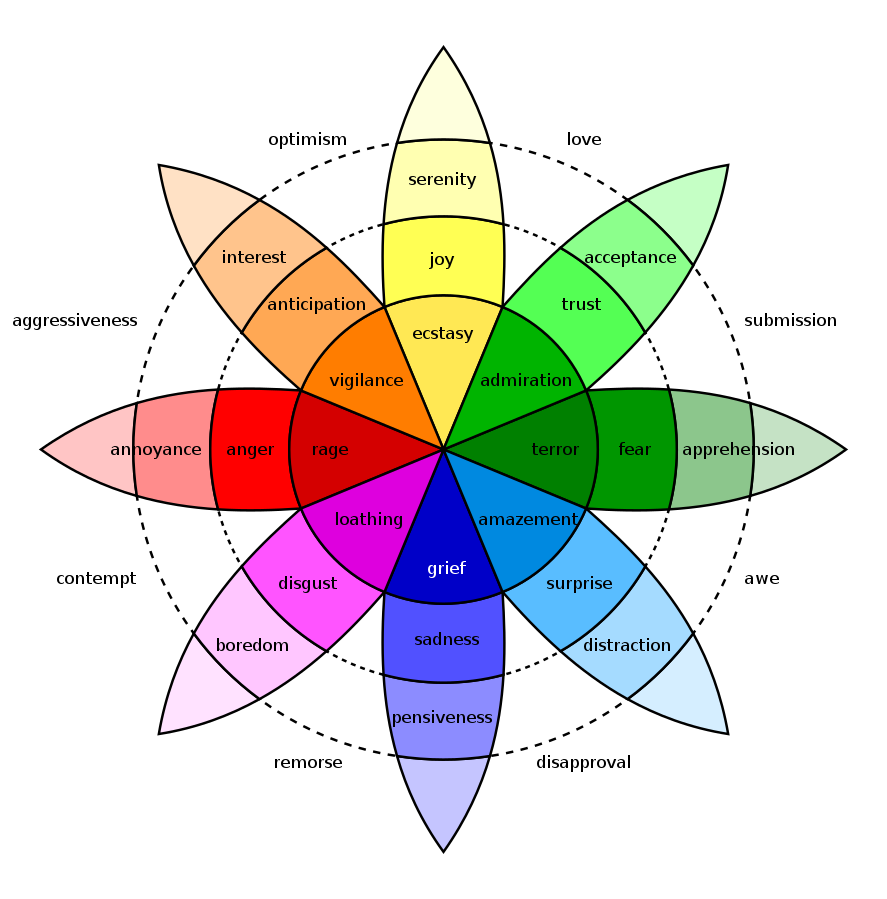
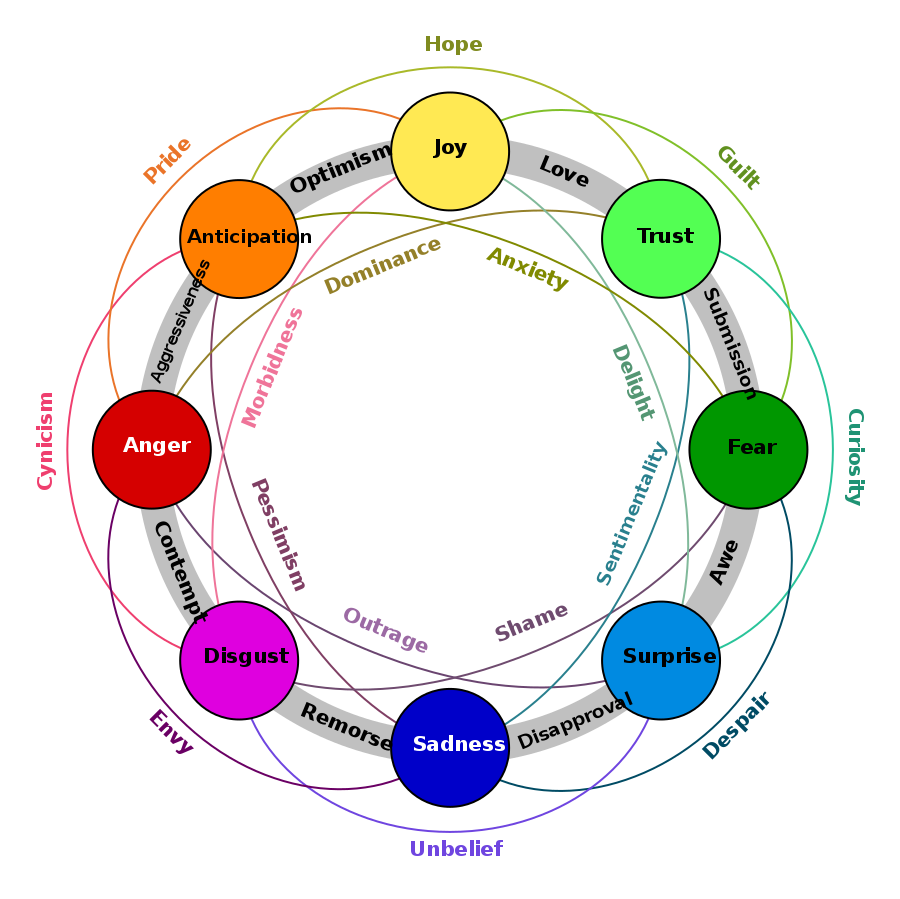
 Mental Health Matters
You must be logged in to post a comment.