How Common Is Addiction Alongside Mental Health Disorders?

Introduction

According to a range of US governmental agencies devoted to healthcare studies, addiction and mental health disorders are deeply intertwined. It is not uncommon for someone seeking treatment for substance use to also be managing symptoms of depression, anxiety, trauma, or another psychiatric condition. 

This combination is referred to as a co-occurring disorder or dual diagnosis. In Arizona specifically, the latest research from the Arizona Department of Human Services relays the following: 71 % of Arizona treatment providers reported offering dual‑diagnosis/co‑occurring services.

Understanding how common these conditions are, and how they interact, is key to getting the right help. Whether you are researching for a loved one or trying to make sense of your own experience, we provide a brief outline for you in this article.

We will review what you need to know about the prevalence, causes, and treatment of addiction alongside mental health disorders.

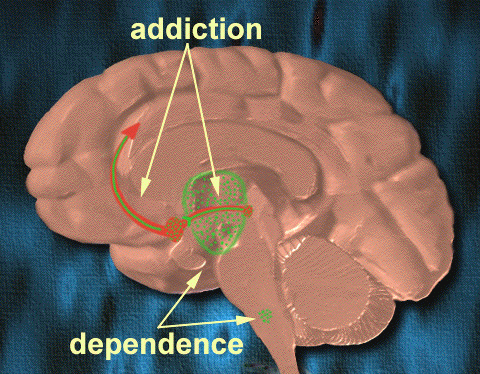
According to the Substance Abuse and Mental Health Services Administration, genetics  significantly influence both mental illness and substance use disorders (SUDs). Shared genetic factors – such as those affecting brain reward systems – can increase risk for both conditions.

The Overlap Between Addiction and Mental Illness

Addiction does not occur in a vacuum. Many individuals who struggle with drugs or alcohol also experience underlying mental health conditions.

According to the National Institute on Drug Abuse “About half of the people who experience a substance use disorder also experience a mental illness at some point during their lifetime, and vice versa.”

In Arizona, this rate tends to be even higher. According to SAMHSA’s 2019 Behavioural Health Barometer, Arizona reports that 4-5% of adults experienced both SUD and any mental illness. These percentages surpass the national average of 3.8%.

Why Do These Conditions Co-Occur?

There are several reasons why mental health disorders and addiction commonly appear together:

  • Self-medication: SAMHSA explains that mental health problems can lead some individuals to misuse substances “as a form of self‑medication” to alleviate distressing symptoms like anxiety or depression.
  • Shared risk factors: Genetics contribute significantly, according to the National Centre for Biotechnology Information: Epigenetic changes triggered by trauma or stress can modify gene expression in ways that increase sensitivity to both mental health issues and substance use.
  • Addiction-induced symptoms: SAMHSA states that substances “can cause people with an addiction to experience one or more symptoms of a mental health problem.” These symptoms may mirror anxiety, depression, psychosis, or mood disturbances during intoxication or withdrawal—and may persist until diagnosed and treated appropriately.

The relationship is rarely one-directional. Sometimes addiction leads to worsening mental health. Other times, unresolved trauma or an undiagnosed condition paves the way for substance use.

Common Mental Health Conditions Seen with Addiction

While co-occurring disorders can take many forms, certain psychiatric conditions are more frequently associated with substance use disorders.

Depression and Substance Use

Depression is among the most common co-occurring disorders. Nationally, SAMHSA states that depression is one of the most frequent mental–substance use co-occurring disorders, underscoring how individuals may self-medicate depressive symptoms with alcohol or sedatives, which then exacerbate depression over time.

Anxiety Disorders

Generalised anxiety disorder, panic disorder, and social phobia frequently appear alongside alcohol use, benzodiazepine misuse, or stimulant addiction. These substances can seem like a quick escape from anxiety but often reinforce the cycle of fear and dependence. 

The National Institute of Mental Health confirms that GAD and social anxiety disorder are “commonly associated with alcohol and substance misuse”.

Post-Traumatic Stress Disorder (PTSD)

PTSD is closely linked to addiction, especially among veterans, first responders, and survivors of abuse. Arizona has a large population of military personnel and veterans who may face both PTSD and addiction, requiring trauma-informed, dual diagnosis care. 

The US Air Force Medical Service materials state: withdrawal and stress can trigger PTSD symptoms (like flashbacks or hyperarousal), reinforcing substance use through emotional conditioning.

Bipolar Disorder

SAMHSA emphasizes that co-occurring SUD and bipolar symptoms create clinical ambiguity, often obscuring whether substance use or mood fluctuations came first. 

Substance use can make it harder to diagnose and treat bipolar disorder accurately. During manic episodes, individuals may take risks with drugs or alcohol. 

During depressive episodes, they may self-isolate or engage in harmful use patterns.

Schizophrenia and Psychotic Disorders

Though less common, individuals with schizophrenia or schizoaffective disorder can also struggle with substance use. According to the NCBI, NIDA and SAMHSA note that schizophrenia and other psychotic disorders, including schizoaffective disorder, are “highly prevalent” comorbid conditions with SUDs.

Specialized care is essential, particularly when symptoms of psychosis overlap with those caused by drug use (such as methamphetamine-induced psychosis, which has become more common in parts of Arizona). According to the Department of Justice,  Methamphetamine abuse is increasing in Arizona, making more persons at risk for methamphetamine-induced psychosis.

Recognising the Signs of a Co-Occurring Disorder

It can be challenging to identify a co-occurring disorder—especially because addiction can mimic or mask psychiatric symptoms. Here are some warning signs SAMHSA indicates that a dual diagnosis might be present:

  • Sudden mood swings or emotional numbness.
  • Isolation from family and friends.
  • Risky behaviour that escalates over time.
  • Trouble managing daily responsibilities.
  • Using substances to sleep, relax, or feel normal.
  • History of trauma or prior psychiatric diagnosis.

In many cases, individuals with co-occurring disorders will not fully respond to addiction treatment alone unless their mental health needs are also addressed.
The Importance of Integrated Treatment in Arizona

When both mental health and substance use disorders are present, integrated treatment is essential. This means treating both conditions at the same time, in the same setting, by the same clinical team.

Why Integrated Treatment Works

Research and clinical experience consistently show that individuals with co-occurring disorders do better when they receive:

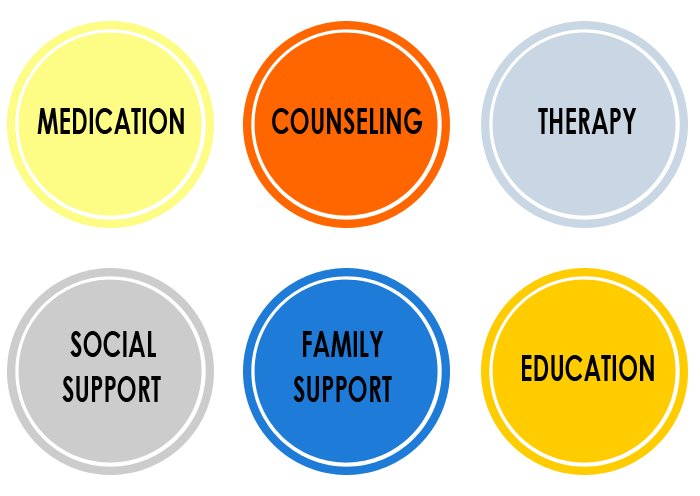
  • A comprehensive psychiatric evaluation.
  • Medication management (when appropriate).
  • Individual and group therapy focused on dual diagnosis.
  • Psychoeducation about the interaction between mental health and addiction.
  • Trauma-informed care and relapse prevention strategies.

In Arizona, dual diagnosis treatment is offered by specialized providers who understand the unique cultural and logistical barriers residents may face—especially those in rural areas or on AHCCCS (Arizona’s Medicaid programme). For support using AHCCCS, those struggling can find an accredited facility that handles trauma and addiction treatment in Phoenix.

Access to Care in Arizona

Arizona has expanded mental health and substance use services through various public and private efforts, including:

  • AHCCCS coverage for dual diagnosis treatment at both inpatient and outpatient levels.
  • Designated behavioural health facilities offering psychiatric stabilization and addiction care under one roof.
  • Outreach efforts in underserved communities and tribal regions.

Still, waitlists and transportation issues remain barriers for some individuals, making early intervention all the more important.

Addressing Stigma Around Dual Diagnosis

Stigma remains one of the biggest obstacles to care. Some people may feel ashamed to seek help for either addiction or mental health concerns—let alone both at once. Families may misunderstand the symptoms and assume their loved one just needs “more willpower.”

The truth is that co-occurring disorders are medical conditions, not moral failings. Treatment works, and recovery is possible. In fact, when both mental health and addiction are addressed together, individuals are more likely to achieve long-term stability and improved quality of life.

What to Look for in a Dual Diagnosis Programme

If you or someone you care about in Arizona is dealing with both addiction and mental health challenges, finding the right treatment setting is key.
Look for programmes that offer:

  • Medical detox with psychiatric support.
  • A licensed mental health team (psychiatrists, therapists, counsellors).
  • Evidence-based therapies like CBT, DBT, and EMDR.
  • Support groups focused on co-occurring disorders.
  • A structured discharge and aftercare plan.

Ask whether the programme accepts your insurance, especially if you are using AHCCCS, Health Choice, or another Arizona-based plan.

When to Seek Help

You don’t need to have everything “figured out” to start. Many people begin treatment unsure of whether they have a co-occurring diagnosis – and that is okay. A quality provider will help you uncover the full picture through assessment and ongoing care.

If substance use is interfering with your ability to function, and you have noticed symptoms of anxiety, depression, trauma, or mood instability, it is time to reach out. Waiting for things to get worse only increases the risk of crisis or overdose.

Summary

No matter where you are in the process: searching for answers, feeling stuck, or finally ready to act – help is available. With the right support, healing from both addiction and mental health struggles is not only possible but deeply rewarding.

If you are exploring options for dual diagnosis care in Arizona, do not hesitate to ask questions. A conversation with the right provider can open the door to lasting change: for you or your loved one.
An Overview of Neuroepigenetics

Introduction

Neuroepigenetics is the study of how epigenetic changes to genes affect the nervous system. These changes may effect underlying conditions such as addiction, cognition, and neurological development.

Mechanisms

Neuroepigenetic mechanisms regulate gene expression in the neuron. Often, these changes take place due to recurring stimuli. Neuroepigenetic mechanisms involve proteins or protein pathways that regulate gene expression by adding, editing or reading epigenetic marks such as methylation or acetylation. Some of these mechanisms include ATP-dependent chromatin remodelling, LINE1, and prion protein-based modifications. Other silencing mechanisms include the recruitment of specialised proteins that methylate DNA such that the core promoter element is inaccessible to transcription factors and RNA polymerase. As a result, transcription is no longer possible. One such protein pathway is the REST co-repressor complex pathway. There are also several non-coding RNAs that regulate neural function at the epigenetic level. These mechanisms, along with neural histone methylation, affect arrangement of synapses, neuroplasticity, and play a key role in learning and memory.

Methylation

DNA methyltransferases (DNMTs) are involved in regulation of the electrophysiological landscape of the brain through methylation of CpGs. Several studies have shown that inhibition or depletion of DNMT1 activity during neural maturation leads to hypomethylation of the neurons by removing the cell’s ability to maintain methylation marks in the chromatin. This gradual loss of methylation marks leads to changes in the expression of crucial developmental genes that may be dosage sensitive, leading to neural degeneration. This was observed in the mature neurons in the dorsal portion of the mouse prosencephalon, where there was significantly greater amounts of neural degeneration and poor neural signalling in the absence of DNMT1. Despite poor survival rates amongst the DNMT1-depleted neurons, some of the cells persisted throughout the lifespan of the organism. The surviving cells reaffirmed that the loss of DNMT1 led to hypomethylation in the neural cell genome. These cells also exhibited poor neural functioning. In fact, a global loss of neural functioning was also observed in these model organisms, with the greatest amounts neural degeneration occurring in the prosencephalon.

Other studies showed a trend for DNMT3a and DNMT3b. However, these DNMT’s add new methyl marks on unmethylated DNA, unlike DNMT1. Like DNMT1, the loss of DNMT3a and 3b resulted in neuromuscular degeneration two months after birth, as well as poor survival rates amongst the progeny of the mutant cells, even though DNMT3a does not regularly function to maintain methylation marks. This conundrum was addressed by other studies which recorded rare loci in mature neurons where DNMT3a acted as a maintenance DNMT. The Gfap locus, which codes for the formation and regulation of the cytoskeleton of astrocytes, is one such locus where this activity is observed. The gene is regularly methylated to downregulate glioma related cancers. DNMT inhibition leads to decreased methylation and increased synaptic activity. Several studies show that the methylation-related increase or decrease in synaptic activity occurs due to the upregulation or downregulation of receptors at the neurological synapse. Such receptor regulation plays a major role in many important mechanisms, such as the ‘fight or flight’ response. The glucocorticoid receptor (GR) is the most studied of these receptors. During stressful circumstances, there is a signalling cascade that begins from the pituitary gland and terminates due to a negative feedback loop from the adrenal gland. In this loop, the increase in the levels of the stress response hormone results in the increase of GR. Increase in GR results in the decrease of cellular response to the hormone levels. It has been shown that methylation of the I7 exon within the GR locus leads to a lower level of basal GR expression in mice. These mice were more susceptible to high levels of stress as opposed to mice with lower levels of methylation at the I7 exon. Up-regulation or down-regulation of receptors through methylation leads to change in synaptic activity of the neuron.

Hypermethylation, CpG Islands, and Tumour Suppressing Genes

CpG Islands (CGIs) are regulatory elements that can influence gene expression by allowing or interfering with transcription initiation or enhancer activity. CGIs are generally interspersed with the promoter regions of the genes they affect and may also affect more than one promoter region. In addition they may also include enhancer elements and be separate from the transcription start site. Hypermethylation at key CGIs can effectively silence expression of tumour suppressing genes and is common in gliomas. Tumour suppressing genes are those which inhibit a cell’s progression towards cancer. These genes are commonly associated with important functions which regulate cell-cycle events. For example, PI3K and p53 pathways are affected by CGI promoter hypermethylation, this includes the promoters of the genes CDKN2/p16, RB, PTEN, TP53 and p14ARF. Importantly, glioblastomas are known to have high frequency of methylation at CGIs/promoter sites. For example, Epithelial Membrane Protein 3 (EMP3) is a gene which is involved in cell proliferation as well as cellular interactions. It is also thought to function as a tumour suppressor, and in glioblastomas is shown to be silenced via hypermethylation. Furthermore, introduction of the gene into EMP3-silenced neuroblasts results in reduced colony formation as well as suppressed tumour growth. In contrast, hypermethylation of promoter sites can also inhibit activity of oncogenes and prevent tumorigenesis. Such oncogenic pathways as the transformation growth factor (TGF)-beta signalling pathway stimulate cells to proliferate. In glioblastomas the overactivity of this pathway is associated with aggressive forms of tumour growth. Hypermethylation of PDGF-B, the TGF-beta target, inhibits uncontrolled proliferation.

Hypomethylation and Aberrant Histone Modification

Global reduction in methylation is implicated in tumorigenesis. More specifically, wide spread CpG demethylation, contributing to global hypomethylation, is known to cause genomic instability leading to development of tumours. An important effect of this DNA modification is its transcriptional activation of oncogenes. For example, expression of MAGEA1 enhanced by hypomethylation interferes with p53 function.

Aberrant patterns of histone modifications can also take place at specific loci and ultimately manipulate gene activity. In terms of CGI promoter sites, methylation and loss of acetylation occurs frequently at H3K9. Furthermore, H3K9 dimethylation and trimethylation are repressive marks which, along with bivalent differentially methylated domains, are hypothesized to make tumour suppressing genes more susceptible to silencing. Abnormal presence or lack of methylation in glioblastomas are strongly linked to genes which regulate apoptosis, DNA repair, cell proliferation, and tumour suppression. One of the best known examples of genes affected by aberrant methylation that contributes to formation of glioblastomas is MGMT, a gene involved in DNA repair which encodes the protein O6-methylguanine-DNA methyltransferase. Methylation of the MGMT promoter is an important predictor of the effectiveness of alkylating agents to target glioblastomas. Hypermethylation of the MGMT promoter causes transcriptional silencing and is found in several cancer types including glioma, lymphoma, breast cancer, prostate cancer, and retinoblastoma.

Neuroplasticity

Neuroplasticity refers to the ability of the brain to undergo synaptic rearrangement as a response to recurring stimuli. Neurotrophin proteins play a major role in synaptic rearrangement, amongst other factors. Depletion of neurotrophin BDNF or BDNF signalling is one of the main factors in developing diseases such as Alzheimer’s disease, Huntington’s disease, and depression. Neuroplasticity can also occur as a consequence of targeted epigenetic modifications such as methylation and acetylation. Exposure to certain recurring stimuli leads to demethylation of particular loci and remethylation in a pattern that leads to a response to that particular stimulus. Like the histone readers, erasers and writers also modify histones by removing and adding modifying marks respectively. An eraser, neuroLSD1, is a modified version of the original Lysine Demethylase 1(LSD1) that exists only in neurons and assists with neuronal maturation. Although both versions of LSD1 share the same target, their expression patterns are vastly different and neuroLSD1 is a truncated version of LSD1. NeuroLSD1 increases the expression of immediate early genes (IEGs) involved in cell maturation. Recurring stimuli lead to differential expression of neuroLSD1, leading to rearrangement of loci. The eraser is also thought to play a major role in the learning of many complex behaviors and is way through which genes interact with the environment.

Neurodegenerative Diseases

Alzheimer’s Disease

Alzheimer’s disease (AD) is a neurodegenerative disease known to progressively affect memory and incite cognitive degradation. Epigenetic modifications both globally and on specific candidate genes are thought to contribute to the aetiology of this disease. Immunohistochemical analysis of post-mortem brain tissues across several studies have revealed global decreases in both 5-methylcytosine (5mC) and 5-hydroxymethylcytosine (5hmC) in AD patients compared with controls. However, conflicting evidence has shown elevated levels of these epigenetic markers in the same tissues. Furthermore, these modifications appear to be affected early on in tissues associated with the pathophysiology of AD. The presence of 5mC at the promoters of genes is generally associated with gene silencing. 5hmC, which is the oxidised product of 5mC, via ten-eleven-translocase (TET), is thought to be associated with activation of gene expression, though the mechanisms underlying this activation are not fully understood.

Regardless of variations in results of methylomic analysis across studies, it is known that the presence of 5hmC increases with differentiation and aging of cells in the brain. Furthermore, genes which have a high prevalence of 5hmC are also implicated in the pathology of other age related neurodegenerative diseases, and are key regulators of ion transport, neuronal development, and cell death. For example, over-expression of 5-Lipoxygenase (5-LOX), an enzyme which generates pro-inflammatory mediators from arachidonic acid, in AD brains is associated with high prevalence of 5hmC at the 5-LOX gene promoter region.

Amyotrophic Lateral Sclerosis

DNA modifications at different transcriptional sites have been shown to contribute to neurodegenerative diseases. These include harmful transcriptional alterations such as those found in motor neuron functionality associated with Amyotrophic Lateral Sclerosis (ALS). Degeneration of upper and lower motor neurons, which contributes to muscle atrophy in ALS patients, is linked to chromatin modifications among a group of key genes. One important site that is regulated by epigenetic events is the hexanucleotide repeat expansion in C9orf72 within the chromosome 9p21. Hypermethylation of the C9orf72 related CpG Islands is shown to be associated with repeat expansion in ALS affected tissues. Overall, silencing of the C9orf72 gene may result in haploinsufficiency, and may therefore influence the presentation of disease. The activity of chromatin modifiers is also linked to prevalence of ALS. DNMT3A is an important methylating agent and has been shown to be present throughout the central nervous systems of those with ALS. Furthermore, over-expression of this de novo methyl transferase is also implicated in cell death of motor-neuron analogues.

Mutations in the FUS gene, that encodes an RNA/DNA binding protein, are causally linked to ALS. ALS patients with such mutations have increased levels of DNA damage. The protein encoded by the FUS gene is employed in the DNA damage response. It is recruited to DNA double-strand breaks and catalyses recombinational repair of such breaks. In response to DNA damage, the FUS protein also interacts with histone deacetylase I, a protein employed in epigenetic alteration of histones. This interaction is necessary for efficient DNA repair. These findings suggest that defects in epigenetic signalling and DNA repair contribute to the pathogenesis of ALS.

Neuro-oncology

A multitude of genetic and epigenetic changes in DNA profiles in brain cells are thought to be linked to tumourgenesis. These alterations, along with changes in protein functions, are shown to induce uncontrolled cell proliferation, expansion, and metastasis. While genetic events such as deletions, translocations, and amplification give rise to activation of oncogenes and deactivation of tumour suppressing genes, epigenetic changes silence or up-regulate these same genes through key chromatin modifications.

Neurotoxicity

Neurotoxicity refers to damage made to the central or peripheral nervous systems due to chemical, biological, or physical exposure to toxins. Neurotoxicity can occur at any age and its effects may be short-term or long-term, depending on the mechanism of action of the neurotoxin and degree of exposure.

Certain metals are considered essential due to their role in key biochemical and physiological pathways, while the remaining metals are characterized as being nonessential. Nonessential metals do not serve a purpose in any biological pathway and the presence and accumulation in the brain of most can lead to neurotoxicity. These nonessential metals, when found inside the body compete with essential metals for binding sites, upset antioxidant balance, and their accumulation in the brain can lead to harmful side effects, such as depression and intellectual disability. An increase in nonessential heavy metal concentrations in air, water and food sources, and household products has increased the risk of chronic exposure.

Acetylation, methylation and histone modification are some of the most common epigenetic markers. While these changes do not directly affect the DNA sequence, they are able to alter the accessibility to genetic components, such as the promoter or enhancer regions, necessary for gene expression. Studies have shown that long-term maternal exposure to lead (Pb) contributes to decreased methylation in areas of the foetal epigenome, for example the interspaced repetitive sequences (IRSs) Alu1 and LINE-1. The hypomethylation of these IRSs has been linked to increased risk for cancers and autoimmune diseases later in life. Additionally, studies have found a relationship between chronic prenatal Pb exposure and neurological diseases, such as Alzheimer’s and schizophrenia, as well as developmental issues. Furthermore, the acetylation and methylation changes induced by overexposure to lead result in decreased neurogenesis and neuron differentiation ability, and consequently interfere with early brain development.

Overexposure to essential metals can also have detrimental consequences on the epigenome. For example, when manganese, a metal normally used by the body as a cofactor, is present at high concentrations in the blood it can negatively affect the central nervous system. Studies have shown that accumulation of manganese leads to dopaminergic cell death and consequently plays a role in the onset of Parkinson’s disease (PD). A hallmark of Parkinson’s disease is the accumulation of α-Synuclein in the brain. Increased exposure to manganese leads to the downregulation of protein kinase C delta (PKCδ) through decreased acetylation and results in the misfolding of the α-Synuclein protein that allows aggregation and triggers apoptosis of dopaminergic cells.

Research

The field has only recently seen a growth in interest, as well as in research, due to technological advancements that facilitate better resolution of the minute modifications made to DNA. However, even with the significant advances in technology, studying the biology of neurological phenomena, such as cognition and addiction, comes with its own set of challenges. Biological study of cognitive processes, especially with humans, has many ethical caveats. Some procedures, such as brain biopsies of Rett Syndrome patients, usually call for a fresh tissue sample that can only be extricated from the brain of deceased individual. In such cases, the researchers have no control over the age of brain tissue sample, thereby limiting research options. In case of addiction to substances such as alcohol, researchers utilise mouse models to mirror the human version of the disease (even though mouse models do not translate very well to human models). However, the mouse models are administered greater volumes of ethanol than humans normally consume in order to obtain more prominent phenotypes. Therefore, while the model organism and the tissue samples provide an accurate approximation of the biology of neurological phenomena, these approaches do not provide a complete and precise picture of the exact processes underlying a phenotype or a disease.

Neuroepigenetics had also remained underdeveloped due to the controversy surrounding the classification of genetic modifications in matured neurons as epigenetic phenomena. This discussion arises due to the fact that neurons do not undergo mitosis after maturation, yet the conventional definition of epigenetic phenomena emphasizes heritable changes passed on from parent to offspring. However, various histone modifications are placed by epigenetic modifiers such as DNA methyltransferases (DNMT) in neurons and these marks regulate gene expression throughout the life span of the neuron. The modifications heavily influence gene expression and arrangement of synapses within the brain. Finally, although not inherited, most of these marks are maintained throughout the life of the cell once they are placed on chromatin.

This page is based on the copyrighted Wikipedia article < https://en.wikipedia.org/wiki/Neuroepigenetics >; it is used under the Creative Commons Attribution-ShareAlike 3.0 Unported License (CC-BY-SA). You may redistribute it, verbatim or modified, providing that you comply with the terms of the CC-BY-SA.

What are Drug Addiction Recovery Groups?

Introduction

Drug addiction recovery groups are voluntary associations of people who share a common desire to overcome their drug addiction.

Outline

Different groups use different methods, ranging from completely secular to explicitly spiritual. Some programmes may advocate a reduction in the use of drugs rather than outright abstention. One survey of members who found active involvement in any addiction recovery group correlates with higher chances of maintaining sobriety. Although there is not a difference in whether group or individual therapy is better for the patient, studies show that any therapy increases positive outcomes for patients with substance use disorder. The survey found group participation increased when the individual members’ beliefs matched those of their primary support group (many addicts are members of multiple addiction recovery groups). Analysis of the survey results found a significant positive correlation between the religiosity of members and their participation in twelve-step programs (these programs describe themselves as spiritual rather than religious) and to a lesser level in non-religious SMART Recovery groups, the correlation factor being three times smaller for SMART Recovery than for the twelve-step addiction recovery groups. Religiosity was inversely related to participation in Secular Organisations for Sobriety.

A survey of a cross-sectional sample of clinicians working in outpatient facilities (selected from the SAMHSA On-line Treatment Facility Locator) found that clinicians only referring clients to twelve-step groups were more likely than those referring their clients to twelve-step groups and “twelve-step alternatives” to believe less strongly in the effectiveness of Cognitive Behavioural and psychodynamic-oriented therapy, and were likely to be unfamiliar with twelve-step alternatives. A logistic regression of clinician’s knowledge and awareness of Cognitive Behavioural Therapy effectiveness and preference for the twelve-step model was correlated with referring exclusively to twelve-step groups.

Twelve-Step Recovery Groups

Twelve-step programs are mutual aid organizations for the purpose of recovery from substance addictions, behavioural addictions and compulsions. Developed in the 1930s by alcoholics, the first twelve-step programme, Alcoholics Anonymous (AA), aided its membership to overcome alcoholism. Since that time, dozens of other organisations have been derived from AA’s approach to address problems as varied as drug addiction, compulsive gambling, sex and overeating. All twelve-step programmes utilise a version of AA’s suggested twelve steps first published in the 1939 book Alcoholics Anonymous: The Story of How More Than One Hundred Men Have Recovered from Alcoholism.

As summarised by the American Psychological Association (APA), the process involves the following:

  • Admitting that one cannot control one’s alcoholism, addiction, or compulsion;
  • Coming to believe in a Higher Power that can give strength;
  • Examining past errors with the help of a sponsor (experienced member);
  • Making amends for these errors;
  • Learning to live a new life with a new code of behaviour; and
  • Helping others who suffer from the same alcoholism, addictions, or compulsions.

Participants attend meetings and are able to make new connections with other members who are striving towards a similar goal. If a person is unable to attend a meeting face-to-face, many of the groups have meetings by phone or online as another option. Each group has its own textbook, workbooks or both, which provide information about their program of recovery and suggestions on how to “work the steps”. Often, free literature is available for anyone who asks for it at a meeting. This provides potential new members or family members with relevant information about both the addiction and that specific groups’ version of the twelve-step process of recovery. New members are invited to work with another member who has already been through the twelve-steps at least once. That person serves as a guide to the new member, answers questions and provides feedback as the new member goes through the steps. These groups are spiritually based and encourage a belief in a power greater than the members. Most do not have one specific conception of what that means and allow the member to decide what spirituality means to them as it applies to their recovery. The groups emphasize living on a spiritual yet not necessarily religious basis. Groups typically advocate for complete abstinence, usually from all drugs including alcohol. This is because of the perceived potential for cross-addiction, the idea that there is a tendency to trade one addiction for another. Despite the idea of cross-addiction being accepted as real in many addiction recovery groups, there is said to be little empirical evidence to support it and recent research suggests that the opposite is more likely to be true.

The following is a list of twelve-step drug addiction recovery groups. Twelve-step programmes for problems other than drug addiction also exist.

  • Alcoholics Anonymous (AA) – This group gave birth to the twelve-step programme of recovery. Meetings are focused on alcoholism only and advocate complete abstinence. Meetings are held all over the world.
  • Cocaine Anonymous (CA) – This group is focused on cessation of cocaine and all other mind-altering substances. The programme advocates complete abstinence from all mind-altering substances in order to recover from the disease of addiction. Meetings are held all over the world.
  • Celebrate Recovery (CR) – Celebrate recovery is a recovery programme for any life problem, including addiction to alcohol and other drugs. In contrast to most 12-step programmes, the group recognises Jesus Christ as their higher power. Their groups are located in the United States.
  • Crystal Meth Anonymous (CMA) – This group focuses on abstinence from crystal meth although it does recognise the potential for cross-addiction, the tendency for an addict to substitute one addiction for another. Meetings are currently available in eight countries.
  • Heroin Anonymous (HA) – This group is focused on abstinence from heroin along with all other drugs including alcohol. Meetings are held in England and the United States.
  • Marijuana Anonymous (MA) – This group focuses of recovery from marijuana addiction. Groups meet in eleven countries.
  • Nicotine Anonymous (NicA) – This group is for those desiring to stop the use of nicotine in all forms. Groups are available in many countries.
  • Narcotics Anonymous (NA) – This group has meetings in 139 countries and focuses on recovery from the use of all drugs and alcohol. The group makes no distinction between any mood or mind-altering substance and encourages members to look for similarities the common problem they all share, rather than focusing on the differences.
  • Pagans in Recovery (PIR) – Pagans in recovery have adapted the twelve-step programme of recovery into language that is not overtly Christian as it was originally written so that those with other belief systems can more comfortably work the programme. They have their own literature but do not currently have an official site for meeting availability.
  • Pills Anonymous (PA) – This group is focused on addiction to pills and all other mind-altering substances. Groups are available in seven countries.

Non-Twelve-Step Recovery Groups

These groups do not follow the twelve-step recovery method, although their members may also attend twelve-step meetings. It is common for individuals to try many different meetings and groups while in recovery. What works for one may not work for another, so trying different types of meetings can be helpful to someone seeking recovery from drugs and alcohol.

  • The Washingtonians – A defunct 19th Century mutual aid society founded by alcoholics with a desire to maintain sobriety
  • Association of Recovering Motorcyclists (ARM) – This association of recovering motorcyclists is a brotherhood of men recovering from alcohol and/or drug addiction. They support one another in remaining abstinent from drugs and alcohol while continuing to ride motorcycles together regularly.
  • Recovering Women Riders (RWR) – Recovering women riders is a sisterhood of recovering women motorcyclists. Affiliated with the association of recovering motorcyclists, they also seek to support one another in remaining abstinent from drugs and alcohol while continuing to enjoy the lifestyle of riding bikes together.
  • LifeRing Secular Recovery (LSR)
  • Moderation Management (MM)
  • Rational Recovery (largely defunct)
  • Recovery Dharma (RD)
  • Refuge Recovery (RR)
  • Secular Organizations for Sobriety (SOS)
  • SMART Recovery
  • Women for Sobriety (WFS)

This page is based on the copyrighted Wikipedia article < https://en.wikipedia.org/wiki/Drug_addiction_recovery_groups >; it is used under the Creative Commons Attribution-ShareAlike 3.0 Unported License (CC-BY-SA). You may redistribute it, verbatim or modified, providing that you comply with the terms of the CC-BY-SA.

What is the Twelve-Step Programme?

Introduction

Twelve-step programmes are international mutual aid programs supporting recovery from substance addictions, behavioural addictions and compulsions. Developed in the 1930s, the first twelve-step programme, Alcoholics Anonymous (AA), founded by Bill Wilson and Bob Smith, aided its membership to overcome alcoholism. Since that time dozens of other organisations have been derived from AA’s approach to address problems as varied as drug addiction, compulsive gambling, sex, and overeating. All twelve-step programmes utilise a version of AA’s suggested twelve steps first published in the 1939 book Alcoholics Anonymous: The Story of How More Than One Hundred Men Have Recovered from Alcoholism.

As summarised by the American Psychological Association (APA), the process involves the following:

  • Admitting that one cannot control one’s alcoholism, addiction, or compulsion;
  • Coming to believe in a Higher Power that can give strength;
  • Examining past errors with the help of a sponsor (experienced member);
  • Making amends for these errors;
  • Learning to live a new life with a new code of behaviour; and
  • Helping others who suffer from the same alcoholism, addictions, or compulsions.

Overview

Twelve-step methods have been adapted to address a wide range of alcoholism, substance abuse, and dependency problems. Over 200 mutual aid organisations – often known as fellowships—with a worldwide membership of millions have adopted and adapted AA’s 12 Steps and 12 Traditions for recovery. Narcotics Anonymous was formed by addicts who did not relate to the specifics of alcohol dependency.

Demographic preferences related to the addicts’ drug of choice has led to the creation of Cocaine Anonymous, Crystal Meth Anonymous and Marijuana Anonymous. Behavioural issues such as compulsion for or addiction to gambling, crime, food, sex, hoarding, getting into debt and work are addressed in fellowships such as Gamblers Anonymous, Overeaters Anonymous, Sexaholics Anonymous and Debtors Anonymous.

Auxiliary groups such as Al-Anon and Nar-Anon, for friends and family members of alcoholics and addicts, respectively, are part of a response to treating addiction as a disease that is enabled by family systems. Adult Children of Alcoholics (ACA or ACOA) addresses the effects of growing up in an alcoholic or otherwise dysfunctional family. Co-Dependents Anonymous (CoDA) addresses compulsions related to relationships, referred to as co-dependency.

Brief History

Alcoholics Anonymous (AA), the first twelve-step fellowship, was founded in 1935 by Bill Wilson and Dr. Robert Holbrook Smith, known to AA members as “Bill W.” and “Dr. Bob”, in Akron, Ohio. In 1946 they formally established the twelve traditions to help deal with the issues of how various groups could relate and function as membership grew. The practice of remaining anonymous (using only one’s first names) when interacting with the general public was published in the first edition of the AA Big Book.

As AA chapters were increasing in number during the 1930s and 1940s, the guiding principles were gradually defined as the Twelve Traditions. A singleness of purpose emerged as Tradition Five: “Each group has but one primary purpose—to carry its message to the alcoholic who still suffers”. Consequently, drug addicts who do not suffer from the specifics of alcoholism involved in AA hoping for recovery technically are not welcome in “closed” meetings unless they have a desire to stop drinking alcohol.

The principles of AA have been used to form numerous other fellowships specifically designed for those recovering from various pathologies; each emphasizes recovery from the specific malady which brought the sufferer into the fellowship.

The Twelve Steps

The following are the original twelve steps as published by Alcoholics Anonymous:[11]

  1. We admitted we were powerless over alcohol—that our lives had become unmanageable.
  2. Came to believe that a power greater than ourselves could restore us to sanity.
  3. Made a decision to turn our will and our lives over to the care of God as we understood Him.
  4. Made a searching and fearless moral inventory of ourselves.
  5. Admitted to God, to ourselves, and to another human being the exact nature of our wrongs.
  6. Were entirely ready to have God remove all these defects of character.
  7. Humbly asked Him to remove our shortcomings.
  8. Made a list of all persons we had harmed, and became willing to make amends to them all.
  9. Made direct amends to such people wherever possible, except when to do so would injure them or others.
  10. Continued to take personal inventory, and when we were wrong, promptly admitted it.
  11. Sought through prayer and meditation to improve our conscious contact with God as we understood Him, praying only for knowledge of His will for us and the power to carry that out.
  12. Having had a spiritual awakening as the result of these steps, we tried to carry this message to alcoholics and to practice these principles in all our affairs.

Where other twelve-step groups have adapted the AA steps as guiding principles, step one is generally updated to reflect the focus of recovery. For example, in Overeaters Anonymous, the first step reads, “We admitted we were powerless over compulsive overeating—that our lives had become unmanageable.” The third step is also sometimes altered to remove gender-specific pronouns.

The Twelve Traditions

The Twelve Traditions accompany the Twelve Steps. The Traditions provide guidelines for group governance. They were developed in AA in order to help resolve conflicts in the areas of publicity, politics, religion, and finances. Alcoholics Anonymous’ Twelve Traditions are:

  1. Our common welfare should come first; personal recovery depends upon AA unity.
  2. For our group purpose there is but one ultimate authority—a loving God as He may express Himself in our group conscience. Our leaders are but trusted servants; they do not govern.
  3. The only requirement for AA membership is a desire to stop drinking.
  4. Each group should be autonomous except in matters affecting other groups or AA as a whole.
  5. Each group has but one primary purpose—to carry its message to the alcoholic who still suffers.
  6. An AA group ought never endorse, finance, or lend the AA name to any related facility or outside enterprise, lest problems of money, property, and prestige divert us from our primary purpose.
  7. Every AA group ought to be fully self-supporting, declining outside contributions.
  8. Alcoholics Anonymous should remain forever non-professional, but our service centers may employ special workers.
  9. AA, as such, ought never be organised; but we may create service boards or committees directly responsible to those they serve.
  10. Alcoholics Anonymous has no opinion on outside issues; hence the AA name ought never be drawn into public controversy.
  11. Our public relations policy is based on attraction rather than promotion; we need always to maintain personal anonymity at the level of press, radio, and films.
  12. Anonymity is the spiritual foundation of all our traditions, ever reminding us to place principles before personalities.

The Process

In the twelve-step programme, the human structure is symbolically represented in three dimensions: physical, mental, and spiritual. The problems the groups deal with are understood to manifest themselves in each dimension. For addicts and alcoholics, the physical dimension is best described by the allergy-like bodily reaction resulting in the compulsion to continue using substances even when it’s harmful or wanting to quit. The statement in the First Step that the individual is “powerless” over the substance-abuse related behaviour at issue refers to the lack of control over this compulsion, which persists despite any negative consequences that may be endured as a result.

The mental obsession is described as the cognitive processes that cause the individual to repeat the compulsive behaviour after some period of abstinence, either knowing that the result will be an inability to stop or operating under the delusion that the result will be different. The description in the First Step of the life of the alcoholic or addict as “unmanageable” refers to the lack of choice that the mind of the addict or alcoholic affords concerning whether to drink or use again. The illness of the spiritual dimension, or “spiritual malady,” is considered in all twelve-step groups to be self-centeredness. The process of working the steps is intended to replace self-centeredness with a growing moral consciousness and a willingness for self-sacrifice and unselfish constructive action. In twelve-step groups, this is known as a “spiritual awakening.” This should not be confused with abreaction, which produces dramatic, but temporary, changes. As a rule, in twelve-step fellowships, spiritual awakening occurs slowly over a period of time, although there are exceptions where members experience a sudden spiritual awakening.

In accordance with the First Step, twelve-step groups emphasize self-admission by members of the problem they are recovering from. It is in this spirit that members often identify themselves along with an admission of their problem, often as “Hi, I’m [first name only], and I’m an alcoholic”.

Sponsorship

A sponsor is a more experienced person in recovery who guides the less-experienced aspirant (“sponsee”) through the program’s twelve steps. New members in twelve-step programmes are encouraged to secure a relationship with at least one sponsor who both has a sponsor and has taken the twelve steps themselves. Publications from twelve-step fellowships emphasize that sponsorship is a “one on one” non-hierarchical relationship of shared experiences focused on working the Twelve Steps. According to Narcotics Anonymous:

Sponsors share their experience, strength, and hope with their sponsees… A sponsor’s role is not that of a legal adviser, a banker, a parent, a marriage counsellor, or a social worker. Nor is a sponsor a therapist offering some sort of professional advice. A sponsor is simply another addict in recovery who is willing to share his or her journey through the Twelve Steps.

Sponsors and sponsees participate in activities that lead to spiritual growth. Experiences in the programme are often shared by outgoing members with incoming members. This rotation of experience is often considered to have a great spiritual reward. These may include practices such as literature discussion and study, meditation, and writing. Completing the programme usually implies competency to guide newcomers which is often encouraged. Sponsees typically do their Fifth Step, review their moral inventory written as part of the Fourth Step, with their sponsor. The Fifth Step, as well as the Ninth Step, have been compared to confession and penitence. Michel Foucault, a French philosopher, noted such practices produce intrinsic modifications in the person—exonerating, redeeming and purifying them; relieves them of their burden of wrong, liberating them and promising salvation.

The personal nature of the behavioural issues that lead to seeking help in twelve-step fellowships results in a strong relationship between sponsee and sponsor. As the relationship is based on spiritual principles, it is unique and not generally characterised as “friendship”. Fundamentally, the sponsor has the single purpose of helping the sponsee recover from the behavioural problem that brought the sufferer into twelve-step work, which reflexively helps the sponsor recover.

A study of sponsorship as practiced in Alcoholics Anonymous and Narcotics Anonymous found that providing direction and support to other alcoholics and addicts is associated with sustained abstinence for the sponsor, but suggested that there were few short-term benefits for the sponsee’s one-year sustained abstinence rate.

Effectiveness

Alcoholics Anonymous is the largest of all of the twelve-step programmes (from which all other twelve-step programmes are derived), followed by Narcotics Anonymous; the majority of twelve-step members are recovering from addiction to alcohol or other drugs. The majority of twelve-step programmes, however, address illnesses other than substance addiction. For example, the third-largest twelve-step programme, Al-Anon, assists family members and friends of people who have alcoholism and other addictions. About twenty percent of twelve-step programmes are for substance addiction recovery, the other eighty percent address a variety of problems from debt to depression. It would be an error to assume the effectiveness of twelve-step methods at treating problems in one domain translates to all or to another domain.

A 2020 Cochrane review of Alcoholics Anonymous showed that participation in AA resulted in more alcoholics being abstinent from alcohol and for longer periods of time than cognitive behavioural therapy and motivational enhancement therapy, and as effective as these in other measures. The 2020 review did not compare twelve step programmes to the use of disulfiram or naltrexone, though some patients did receive these medications. These medications are considered the standard of care in alcohol use disorder treatment among medical experts and have demonstrated efficacy in randomised controlled trials in promoting alcohol abstinence. A systematic review published in 2017 found that twelve-step programmes for reducing illicit drug use are neither better nor worse than other interventions.

Criticism

In the past, some medical professionals have criticised 12-step programmes as “a cult that relies on God as the mechanism of action” and as lacking any experimental evidence in favour of its efficacy. Ethical and operational issues had prevented robust randomised controlled trials from being conducted comparing 12-step programmes directly to other approaches. More recent studies employing non-randomised and quasi-experimental studies have shown 12-step programmes provide similar benefit compared to motivational enhancement therapy (MET) and cognitive behavioural therapy (CBT), and were more effective in producing continuous abstinence and remission compared to these approaches.

Confidentiality

The Twelve Traditions encourage members to practice the spiritual principle of anonymity in the public media and members are also asked to respect each other’s confidentiality. This is a group norm, however, and not legally mandated; there are no legal consequences to discourage those attending twelve-step groups from revealing information disclosed during meetings. Statutes on group therapy do not encompass those associations that lack a professional therapist or clergyman to whom confidentiality and privilege might apply. Professionals and paraprofessionals who refer patients to these groups, to avoid both civil liability and licensure problems, have been advised that they should alert their patients that, at any time, their statements made in meetings may be disclosed.

Cultural Identity

One review warned of detrimental iatrogenic effects of twelve-step philosophy and labelled the organisations as cults, while another review asserts that these programs bore little semblance to religious cults and that the techniques used appeared beneficial to some. Another study found that a twelve-step program’s focus on self-admission of having a problem increases deviant stigma and strips members of their previous cultural identity, replacing it with the deviant identity. Another study asserts that the prior cultural identity may not be replaced entirely, but rather members found adapted a bicultural identity.

This page is based on the copyrighted Wikipedia article < https://en.wikipedia.org/wiki/Twelve-step_program >; it is used under the Creative Commons Attribution-ShareAlike 3.0 Unported License (CC-BY-SA). You may redistribute it, verbatim or modified, providing that you comply with the terms of the CC-BY-SA.

Matt Willis: Fighting Addiction (2023)

Introduction

This raw documentary sees Busted’s Matt Willis open up about his struggles with addiction and the pressure it puts on his family, as well as looking into what helps him and others stay clean.

Outline

Musician, actor and dad of three Matt Willis may seem to have it all. He’s part of the hugely successful noughties pop band, Busted, has a flourishing acting career and is happily married to TV presenter Emma Willis, with whom he has three kids. But behind the success, there is one thing that often dominates his thoughts – his addictions. In this raw and honest documentary, Matt opens up about his past and takes an extensive look into his battle with drugs and alcohol, how it has pushed him to the edge, and his daily struggle to keep himself clean and sober. Matt talks about how he constantly lives with the fear of relapse and the pressure that puts on himself and his family.

The film looks back at some of Matt’s darkest days as he begins to explore what could be behind his addiction. Through meeting and talking with others, he tries to understand why he and fellow addicts become dependent on drugs and alcohol, what help is available, and what the latest developments in treatment are. Matt and his brother revisit their childhood home to see if the roots of his addictions can be found in their past.

He visits the rehab unit on the south coast that made a real difference to his recovery and where he spent four weeks in 2008 before his marriage to Emma Willis, coming out the day before his wedding, clean and sober. He joins a meeting at the centre, talking with current clients about their addiction and recovery experiences. Matt also travels to Imperial College London to meet a research team who are studying the differences between the brains of people in addiction and those of people who aren’t, and looks at treatments to help people in the long and often difficult road to recovery.

As well as his personal journey, the film captures the unwavering support Matt has from his bandmates, friends and family, in particular his wife Emma. Together, he and Emma travel to a leading charity in Glasgow that supports the relatives of addicts. Here, they meet the children, parents and spouses of people struggling with addictions.

Matt’s exploration of his addictions in this film comes at a time when he and Busted are preparing for their reunion tour, an environment that in the past has put him at risk of relapse. Can he get himself to a place where he feels comfortable and confident going on tour, and remain clean and sober? And through looking into the various possible reasons for his addictions, as well as some of the methods available to help ease them, can he help himself and others find peace in their daily battle with addiction?

Production & Filming Details

  • Narrator(s):
  • Director(s):
  • Producer(s):
  • Writer(s):
  • Music:
  • Cinematography:
  • Editor(s):
  • Production:
  • Distributor(s):
    • BBC One and BBC iPlayer
  • Release Date: 17 May 2023.
  • Running Time: 59 minutes.
  • Rating: Unknown.
  • Country: UK.
  • Language: English.

An Overview of the Institute of Psychiatry, Psychology and Neuroscience

Introduction

The Institute of Psychiatry, Psychology and Neuroscience (IoPPN) is a research institution dedicated to discovering what causes mental illness and diseases of the brain. In addition, its aim is to help identify new treatments for them and ways to prevent them in the first place. The IoPPN is a faculty of King’s College London, England, previously known as the Institute of Psychiatry (IoP).

The institute works closely with South London and Maudsley NHS Foundation Trust. Many senior academic staff also work as honorary consultants for the trust in clinical services such as the National Psychosis Unit at Bethlem Royal Hospital.

The impact of the institute’s work was judged to be 100% ‘world-leading’ or ‘internationally-excellent’ in the Research Excellence Framework (REF 2014). The research environment of the institute was also rated 100% ‘world-leading’. King’s College London was rated the second for research in Psychology, Psychiatry and Neuroscience in REF 2014. According to the 2021 US News Ranking, King’s College London was ranked second in the world in Psychiatry and Psychology.

Brief History

The IoPPN shares a great deal of its history with the Maudsley Hospital, with which it shares the location of its main building. It was part of the original plans of Frederick Mott and Henry Maudsley – inspired by the Munich institute of Emil Kraepelin – that the hospital would include facilities for teaching and research in 1896. In 1914, London County Council agreed to establish a hospital in Denmark Hill and Mott’s plan began to take shape. The Maudsley Hospital was opened in 1923 as a result of a donation by Henry Maudsley.

Originally established as the “Maudsley Hospital Medical School” in 1924, it changed its name to the Institute of Psychiatry in 1948, with Aubrey Lewis appointed to the inaugural Chair of Psychiatry (which he held until his retirement in 1966). The main Institute building was opened in 1967 and contains lecture theatres, administrative offices, library and canteen.

In 1959 a group of genetic researchers led by Eliot Slater were given Medical Research Council funding to establish themselves as the ‘MRC Psychiatric Genetics Unit’. Although this closed down in 1969, psychiatric genetics continued, eventually as the MRC Social, Genetic and Developmental Psychiatry Centre (SGDP Centre) which moved into new purpose-built building in 2002.

In 1997, the institute had split from the Maudsley and become instead a school of King’s College London. The Henry Wellcome building was opened in 2001 and houses most of the IoPPN’s psychology department. In 2004, a new Centre for Neuroimaging Sciences (CNS) was opened which provides offices, lab space, and access to two MRI scanners for neuroimaging research. In 2014 the institute was renamed to the Institute of Psychiatry, Psychology and Neuroscience (IoPPN), as the remit of the institute was broadened to include all brain and behavioural sciences.

Departments

Addictions

The Addictions Department specialises in research into tobacco, alcohol and opiate addiction policy and treatment. In March 2010 the addiction research unit and the sections of alcohol research, tobacco research and behavioural pharmacology were brought together to form the current The Addictions Department, also known as the National Addiction Centre (NAC).

Biostatistics

This department provides advice in the interpretation and use of statistical techniques in psychological research. They work closely with members of the Neuroimaging section in their work using brain scanners.

The Biostatistics department opened in 1964, then as the Biometrics Unit. The department holds particular expertise in multivariate statistical methods for measurement, life-course epidemiology and the analysis of experimental, genetic and neuropsychiatric data.

The department provides both introductory and advanced training in applied statistical methodology, collaborate on studies of mental health based here and internationally, and undertake research in relevant applied methodology.

The department also hosts the UKCRN accredited King’s Clinical Trials Unit which provides randomisation, data management, analysis and trial management – all of which are available to researchers across King’s Health Partners. The CTU provides support to both medicinal and non-medicinal clinical trials assisting researchers in the conduct of carrying out clinical trials.

Child and Adolescent Psychiatry

The department is dedicated to the study of developmental disorders such as ADHD, clinical depression, autism and learning difficulties. The department has close links with the Michael Rutter Centre for Children and Young People at the Maudsley Hospital which has a number of specialist services for children and adolescents.

Forensic Mental Health Science

Forensic Mental Health Science is the study of antisocial, violent, and criminal behaviours among people with mental disorders. The department’s research focuses on antisocial behaviour as it appears in people with either major mental disorders or personality disorders. The department is closely allied to the Forensic Psychiatry Teaching Unit.

Neuroscience

Researchers in this department carry out a range of studies into diseases such as Alzheimer’s disease and motor neuron disease. The Institute of Psychiatry now houses the Medical Research Council Centre for Neurodegeneration Research, where pioneering research is conducted investigating disease of the CNS. The Department of Clinical Neuroscience in Windsor Walk also contains the MRC London Neurodegenerative Disease Brain Bank.

Department of Neuroimaging and Centre for Neuroimaging Sciences

The Centre for Neuroimaging Sciences (CNS) is a joint venture of the King’s College London Institute of Psychiatry and the South London and Maudsley NHS Trust (SLAM). Completed in early 2004, the centre provides an interdisciplinary research environment.

The Clinical Neuroimaging Department, situated at the Maudsley Hospital, provides a full range of neuroradiographic imaging services, including Magnetic Resonance Imaging (MRI). Within the CNS, the academic Department of Neuroimaging’s Major Research Facility (MRF) manages a range of MRI facilities for research studies. The Department of Neuroimaging also runs an EEG laboratory, re-launched in 2010.

Psychology

The IoPPN Psychology department was founded in 1950. The department conducts research in neuropsychology, forensic psychology, and cognitive behavioural therapy. Hans Eysenck set up the UK’s first qualification in clinical psychology in the department, which has now evolved into a three-year doctoral ‘DClinPsych’ qualification.

Clinically, members of the department offer expert services to the Maudsley Hospital, Bethlem Royal Hospital, King’s College Hospital, Guy’s Hospital and community mental health teams in the South London area. Members of the department also teach psychology to undergraduate medical students from the United Medical and Dental Schools of Guy’s and St Thomas’ Hospitals. Psychiatric geneticist Peter McGuffin was awarded a fellowship at the institute.

Psychological Medicine

The Department of Psychological Medicine, chaired by Professor Ulrike Schmidt, addresses many of the commonest mental disorders which affect adults including depression, anxiety, post traumatic stress disorder, eating disorders, somatoform disorders, and medically unexplained symptoms and syndromes. Its research spans basic science, experimental medicine, epidemiology and public policy. It includes the King’s Centre for Military Health Research, led by the department’s former chair, Professor Simon Wessely, and is responsible for studying the psychological impacts of the 2003 Iraq War. The department also contains a programme of work on liaison psychiatry and studies the many complex interactions between mental and physical illness.

Social, Genetic and Developmental Psychiatry

The SGDP centre is a multi-disciplinary research centre devoted to the study of the interplay between “nature” (genetics) and “nurture” (environment) as they interact in the development of complex human behaviour. Research at the SGDP acknowledges that there is no simple solution to the “nature versus nurture” debate; instead, expertise is combined across fields such as social epidemiology, child and adult psychiatry, developmental psychopathology, development in the family, personality traits, cognitive abilities, statistical genetics, and molecular genetics. In this way it is hoped that a greater understanding can be achieved in risk factors that might predispose an individual to depression, ADHD, or autism.

Brief History

The MRC Social, Genetic and Developmental Psychiatry (SGDP) Centre was founded in 1994 by the Medical Research Council, in partnership with the Institute of Psychiatry (now a school of King’s College London).

The research in social, genetic and developmental psychiatry have already existed at the Institute of Psychiatry since its establishment in 1948. However, the streams of research were not integrated and there have even been times when genetic researchers and social psychiatrists were in a state of hostility. The intellectual warfare between nature and nurture reached its peak in the 1960s and 1970s.

Aubrey Lewis, who was the first Professor of Psychiatry at the institute and the director of the MRC Social Psychiatry Research Unit (first MRC unit at the institute), noticed that social psychiatry was a broad field that included both biological substrate of disorders and social causes. Eliot Slater, the ‘founding father’ of psychiatric genetics in the United Kingdom, was encouraged by Lewis to study genetics in 1930s. In 1959, Slater established another MRC unit at the institute (MRC Psychiatric Genetics Unit), but the unit was closed in 1969 on Slater’s retirement. In 1984, MRC Child Psychiatry Unit was established at the Institute of Psychiatry by Michael Rutter, a member in the MRC Social Psychiatry Research Unit led by Lewis. The unit brought together experts in many overlapping fields, and the mix proved highly successful as the unit had a major impact on child psychiatric research throughout the world.

The MRC Social Psychiatry Research Unit was closed in 1993. The MRC and the institute found that there was a need for refocusing and reintegration with other strands of research including psychiatric genetics and disorders of adult life. Rutter and David Goldberg discussed with the MRC about the establishment of an interdisciplinary research centre that could comprehensively study the interplay of nature and nurture in the development of psychiatric disorders. In 1994, MRC SGDP Centre was established in Denmark Hill, and Rutter was appointed as the first director of the centre. The SGDP Centre has moved into its new purpose-built building in 2002.

Psychosis Studies

The department is the most highly cited group of scientists working on schizophrenia and related disorders. Work focuses on integrating cognitive measures and multimodal neuroimaging techniques, with perinatal, genetic and developmental data. The central aim is to characterise the core pathophysiological dimensions of schizophrenia and bipolar disorder. The section has initiated or participated a number of such treatment studies of new atypical antipsychotics and potential mood stabilising medication and is also developing computerised and web-based applications for disease self-management.

Maurice Wohl Clinical Neuroscience Institute

The Maurice Wohl Clinical Neuroscience Institute is a centre for neuroscience research opened by The Princess Royal in 2015. It is one of the leading neuroscience institutes in the world. The centre is named after British philanthropist Maurice Wohl, who supported many medical projects and had a long association with King’s College London, and was funded by several philanthropic donors, organisations and King’s Health Partners.

The Maurice Wohl Clinical Neuroscience Institute focuses on the development of new treatments to patients affected by neurodegenerative diseases (such as Alzheimer’s disease, Parkinson’s disease and motor neurone disease), mental disorders (depression, schizophrenia) and neurological diseases (including epilepsy and stroke), and the understanding of disease mechanisms. The research institute has 250 clinicians and research scientists from neuroimaging, neurology, psychiatry, genetics, molecular and cellular biology and drug discovery.

The current three major goals of the institute is to determine the underlying genetic and environmental risk factors for disease, to identify tests for early diagnosis and biomarkers that measure disease progression, and to develop informative cellular and animal disease models of disease to accelerate drug discovery.

Funding

Approximately 70% of the IoPPN’s income comes from the research it conducts. Approximately 20% is from clinical work performed for the South London and Maudsley NHS Foundation Trust. Approximately 10% of gross income is from taught courses offered to postgraduate students.

Sources include the government’s National Institute for Health and Care Research (NIHR) and Higher Education Funding Council for England, grant-giving bodies such as the Medical Research Council (UK) and the Wellcome Trust, as well as other governmental, charitable and private-sector organisations. Individual research teams secure around £130 million of funds for their projects each year. Many projects are carried out in partnership with other university and health services, charities and private companies.

The IoPPN and the pharmaceutical company Lundbeck are led one of the largest ever academic-industry collaborations in research, known as NEWMEDS – Novel Methods leading to New Medications in Depression and Schizophrenia. The project is part of the Innovative Medicines Initiative developed by the European Federation of Pharmaceutical Industries and Associations and the European Commission. NEWMEDS aims to facilitate the development of new psychiatric medications by bringing top scientists and academics together in partnership with nearly every major global drug company.

Another key project is the KCL and Janssen led pre competitive public private consortium RADAR-CNS (Remote Measurement of Disease and Relapse in Central Nervous System Disorders), which uses smartphones and wearable devices to track clinical outcomes in disorders like depression, multiple sclerosis and epilepsy.

This page is based on the copyrighted Wikipedia article < https://en.wikipedia.org/wiki/Institute_of_Psychiatry,_Psychology_and_Neuroscience >; it is used under the Creative Commons Attribution-ShareAlike 3.0 Unported License (CC-BY-SA). You may redistribute it, verbatim or modified, providing that you comply with the terms of the CC-BY-SA.

What is a Therapeutic Community?

Introduction

Therapeutic community is a participative, group-based approach to long-term mental illness, personality disorders and drug addiction. The approach was usually residential, with the clients and therapists living together, but increasingly residential units have been superseded by day units. It is based on milieu therapy principles, and includes group psychotherapy as well as practical activities.

Therapeutic communities have gained some reputation for success in rehabilitation and patient satisfaction in the UK and abroad. In the UK, ‘democratic analytic’ therapeutic communities have tended to specialise in the treatment of moderate to severe personality disorders and complex emotional and interpersonal problems. The evolution of therapeutic communities in the US has followed a different path with hierarchically arranged communities (or concept houses) specialising in the treatment of drug and alcohol dependence.

Brief History

Antecedents

There are several antecedents to the therapeutic community movement. One of the earliest is the change in treatment of institutionalised patients in the late 18th century, continuing throughout the 19th century. A major contributor to this change is Philippe Pinel, a French physician who advocated for a more humane treatment of psychiatric patients. In the UK William Tuke founded the Retreat where patients were treated according to humanitarian principles, called moral treatment. Tuke based the treatment of mentally ill people partly on the Quaker ideology. The influence of Quaker principles continues through out the development of the therapeutic community.

Moral treatment focused on a more humane treatment of patients and a stimulating environment that engages them in healthy behaviour. An important distinction between the later therapeutic community is the strong hierarchy in moral treatment facilities. The superintendent had authority over and responsibility of the patients. The patients followed a strict schedule to promote obedience and self-control.

After the First World War, multiple varieties of living-and-learning communities for young adults were established. Examples are the Little Commonwealth school run by Homer Lane and the Q camps initiated by Marjorie Franklin. The Q camps were based on Planned Environmental Therapy, which focused on normally functioning parts of a patient’s personality and use them to deal with difficult social situations. These projects all emphasized shared responsibility and decision-making and participation in the community. What influenced the establishment of these projects were, among others, the developments in psychoanalytic theory in the UK.

United Kingdom

The work conducted by pioneering NZ plastic surgeon Archibald McIndoe at Queen Victoria Hospital and others at Northfield Military Hospital during World War II is considered by many psychiatrists to have been the first example of an intentional therapeutic community. But this story is prone to adopt a origin myth approach. The principles developed at Northfield were also developed and adapted at Civil Resettlement Units established at the end of the war to help returning prisoners of war to adapt back to civilian society and for civilians to adapt to having these men back amongst them.

The term was coined by Thomas Main in his 1946 paper, “The hospital as a therapeutic institution”, and subsequently developed by others including Maxwell Jones, R.D. Laing at the Philadelphia Association, David Cooper at Villa 21, and Joshua Bierer.

Under the influence of Maxwell Jones, Main, Wilmer and others (Caudill 1958; Rapoport 1960), combined with the publications of critiques of the existing mental health system (Greenblatt et al. 1957, Stanton and Schwartz 1954) and the sociopolitical influences that permeated the psychiatric world towards the end of and following the Second World War, the concept of the therapeutic community and its attenuated form – the therapeutic milieu – caught on and dominated the field of inpatient psychiatry throughout the 1960s.

The first development of therapeutic community in a large institution took place at Claybury Hospital under the guidance of Denis Martin and John Pippard. Beginning in 1955 it involved over 2,000 patients and hundreds of staff. The aim of therapeutic communities was a more democratic, user-led form of therapeutic environment, avoiding the authoritarian and demeaning practices of many psychiatric establishments of the time. The central philosophy is that clients are active participants in their own and each other’s mental health treatment and that responsibility for the daily running of the community is shared among the clients and the staff. One phrase commonly used to summarise this treatment philosophy is ‘the Community as Doctor’. ‘TC’s have sometimes eschewed or limited medication in favour of group-based therapies.

The Henderson Hospital first established in 1947 by Maxwell Jones and named after David Henderson evolved the specific concept of Democratic Therapeutic Community (DTC). Admission to and early discharge from the one year of residential treatment was by majority vote and residents of the DTC always held the majority in these votes. No psychotropic medication or one to one therapy sessions were available and so all the work of the DTC was pursued, on the one hand, in small or larger therapy groups or work groups and community meetings, which could be called (by the residents) day or night; and on the other hand, in the unstructured time in between these more formal spaces, in which belonging in and membership of a living community could become in itself a healing experience. The Henderson Hospital DTC became an international centre of excellence for the care of survivors of severe trauma who did not fall under conventional psychiatric classifications and towards the end of the twentieth century it was funded to replicate the treatment model in two other DTCs: Main House in Birmingham and Webb House in Crewe.

The availability of the treatment on the National Health Service in the UK came under threat because of changes in funding systems. Researchers at the University of Oxford and King’s College London studied one of these national Democratic Therapeutic Community services over four years and found external policy ‘steering’ by officials eroded the community’s democratic model of care, which in turn destabilised its well established approach to clinical risk management (this had been jointly developed by clients and staff). Fischer (2012), who studied this community’s development at first hand, described how an ‘intractable conflict’ between embedded and externally imposed management models led to escalating organisational ‘turbulence’, producing an interorganisational crisis which led to the unit’s forced closure. The three ‘Henderson’ DTCs had all closed their doors by 2008.

However, development of ‘mini’ therapeutic communities, meeting for three or fewer days each week and supported out of hours by various forms of ‘service user led informal networks of care’ (for example telephone, texting and physical support), now offers a more resource and cost effective alternative to traditional inpatient therapeutic communities. The most recent exponent, the North Cumbria model, uses a dedicated out of hours website moderated by service users according to therapeutic community principles. This extends the community beyond the face to face ‘therapeutic days’. The website guarantees a safe group-based response not always possible with other systems. The use of ‘starter’ groups as a preparation for entry into therapeutic communities has lowered attrition rates and they now represent a cost-effective model still aimed at producing durable personal and intergenerational effects; this is at odds with the current trend towards the defensive needs of service providers, rather than service users, for less intensive treatments and management of pathways to control risk.

United States

In the late 1960s within the US correctional system, the Asklepion Foundation initiated therapeutic communities in the Marion Federal Penitentiary and other institutions that included clinical intervention based upon Transactional Analysis, the Synanon Game, internal twelve-step programmes and other therapeutic modalities. Some of these programmes lasted into the mid-1980s, such as the House of Thought in the Virginia Correctional system, and were able to demonstrate a reduction of 17% in recidivism in a matched-pair study of drug-abusing felons and sex offenders who participated in the program for one year or more.

Modified therapeutic communities are currently used for substance abuse treatment in correctional facilities of several US states including Pennsylvania, Washington, Colorado, Texas, Delaware, and New York. In New York City, a programme for men is located in the Arthur Kill Correctional Facility on Staten Island and the women’s programme is part of the Bayview Correctional Facility in Manhattan.

Main Ideas

The therapeutic community approach aims to help patients deal with social situations and to change perceptions they have about themselves. Difficult situations are re-enacted and experienced and patients are encouraged to examine and try to learn from them with the help of group and individual therapy. The communities function as a living-and-learning situations, where every interaction can serve as a learning moment.

There is no encompassing definition of what a therapeutic community should be. Some have therefore also argued that it follows a family resemblance. A common conception of therapeutic community is a group of people living together in a non-hierarchical, democratic way that brings psychological awareness of individual as well as group processes. Furthermore, the community has clear boundaries of place, time and roles of the participants. They are democratic because the patients are involved in decision-making to encourage a sense of responsibility. This is fostered by the non-hierarchical structure that tries to minimise dependency on the staff.

A key principle is the creation of a culture of enquiry. Everyone within the community is encouraged to reflect and ask question about themselves and others. In this way the participants are supported by continuous feedback to create better self-awareness.

The therapeutic community approach is informed by systems theory, organisation theory and psychoanalytic practice.

Effectiveness

As an intervention model for drug-using offenders with co-occurring mental health disorders, therapeutic communities may help people reduce drug use and subsequent criminal activity. Research evidence for the effectiveness of therapeutic community treatment is substantial and a demonstration of the cost efficacy of a year of residential therapeutic community treatment was instrumental in funding being granted in the late 1990s for the replication of the Henderson Hospital DTC.

In Popular Culture

  • The Alfred Hitchcock film Spellbound takes place within a therapeutic community called Green Manors.
  • Leonard Cohen and his touring band The Army gave an impromptu concert at the Henderson Hospital DTC in August 1970, just before the Isle of Wight Festival, after being invited by one of the residents.

This page is based on the copyrighted Wikipedia article < https://en.wikipedia.org/wiki/Therapeutic_community >; it is used under the Creative Commons Attribution-ShareAlike 3.0 Unported License (CC-BY-SA). You may redistribute it, verbatim or modified, providing that you comply with the terms of the CC-BY-SA.

On This Day … 18 May [2022]

People (Deaths)

  • 2019 – Austin Eubanks, American addiction recovery advocate, survivor of the Columbine shooting (b. 1981).

Austin Eubanks

Stephen Austin Eubanks (07 October 1981 to 18 May 2019) was an American motivational speaker on addiction and recovery.

He was a survivor of the Columbine High School massacre, in which his best friend, 17-year-old Corey DePooter, was killed and Eubanks was shot in his hand and knee. Eubanks struggled with opioid addiction after the shooting. Eubanks was the chief operations officer for the Foundry Treatment Centre.

Columbine Shooting

The Columbine High School massacre was a school shooting and attempted bombing that occurred on 20 April 1999, at Columbine High School in Columbine, Colorado, United States.

The perpetrators, twelfth grade (senior) students Eric Harris and Dylan Klebold, murdered 12 students and one teacher. Ten students were killed in the school library, where the pair subsequently committed suicide. Twenty-one additional people were injured by gunshots, and gunfire was also exchanged with the police. Another three people were injured trying to escape. At the time, it was the deadliest high school shooting in US history. The shooting has inspired dozens of copycat killings, including many deadlier shootings across the world. The word “Columbine” has become a byword for school shootings.

In addition to the shootings, Harris and Klebold planted several homemade bombs in the school, although they failed to detonate. Two bombs were set up as diversions at another location away from the school, one of which (partially) detonated. The motive remains unclear, but they had planned for around a year and hoped to massacre the most victims in US history, which at the time meant exceeding the death toll of the Oklahoma City bombing.

The police were slow to enter the school and were heavily criticized for not intervening during the shooting. The incident resulted in the introduction of the Immediate Action Rapid Deployment tactic, which is used in active shooter situations. Columbine also resulted in an increased emphasis on school security with zero tolerance policies. Debates and moral panic were sparked over guns and gun control laws, high school cliques, subcultures (e.g. goths), outcasts, and school bullying, as well as teenage use of pharmaceutical antidepressants, the Internet and violence in video games and movies.

Many impromptu memorials were created after the massacre, including victims Rachel Scott’s car and John Tomlin’s truck. Fifteen crosses for the victims and shooters were also erected on top of a hill in Clement Park. The crosses for Harris and Klebold were removed later following controversy. The Columbine Memorial began planning as a permanent memorial in June 1999 and opened to the public on 21 September 2007.

What are the Benefits of Exercise in Addiction Recovery?

Whether you are in recovery or not, physical activity and exercise offer various benefits. And, there are several reasons why it is an important element for those in addiction recovery:

  • Increases the rate of abstinence;
  • Eases withdrawal symptoms;
  • Adds structure to the day;
  • Replace triggers;
  • Help you think more clearly;
  • Elevate mood;
  • Increase energy;
  • Better quality and quantity of sleep;
  • Stronger immune system;
  • Boost self-esteem and self-control;
  • Curb or distraction from cravings;
  • Stress reduction;
  • Better overall well-being;
  • Aids in relieving anxiety and depression;
  • Aids in preventing relapse; and
  • Help turn negative emotions into positive results.

What is Behavioural Addiction?

Introduction

Behavioural addiction is a form of addiction that involves a compulsion to engage in a rewarding non-substance-related behaviour – sometimes called a natural reward – despite any negative consequences to the person’s physical, mental, social or financial well-being. Addiction canonically refers to substance abuse; however, the term’s connotation has been expanded to include behaviours that may lead to a reward (e.g. gambling, eating, or shopping) since the 1990s. A gene transcription factor known as ΔFosB has been identified as a necessary common factor involved in both behavioural and drug addictions, which are associated with the same set of neural adaptations in the reward system.

Psychiatric and Medical Classifications

Diagnostic models do not currently include the criteria necessary to identify behaviours as addictions in a clinical setting. Behavioural addictions have been proposed as a new class in DSM-5, but the only category included is gambling addiction. Internet gaming addiction is included in the appendix as a condition for further study.

Behavioural addictions, which are sometimes referred to as impulse control disorders, are increasingly recognised as treatable forms of addiction. The type of excessive behaviours identified as being addictive include gambling, eating, having sexual intercourses, using pornography, computers, video games, internet and digital media, physical exercise, and shopping.

In August 2011, the American Society of Addiction Medicine (ASAM) issued a public statement defining all addiction in terms of brain changes. “Addiction is a primary, chronic disease of brain reward, motivation, memory and related circuitry.”

The following excerpts are taken from the organisation’s FAQs:

The new ASAM definition makes a departure from equating addiction with just substance dependence, by describing how addiction is also related to behaviors that are rewarding. This is the first time that ASAM has taken an official position that addiction is not solely “substance dependence.” This definition says that addiction is about functioning and brain circuitry and how the structure and function of the brains of persons with addiction differ from the structure and function of the brains of persons who do not have addiction. It talks about reward circuitry in the brain and related circuitry, but the emphasis is not on the external rewards that act on the reward system. Food and sexual behaviors and gambling behaviors can be associated with the “pathological pursuit of rewards” described in this new definition of addiction.

We all have the brain reward circuitry that makes food and sex rewarding. In fact, this is a survival mechanism. In a healthy brain, these rewards have feedback mechanisms for satiety or ‘enough.’ In someone with addiction, the circuitry becomes dysfunctional such that the message to the individual becomes ‘more’, which leads to the pathological pursuit of rewards and/or relief through the use of substances and behaviors. So, anyone who has addiction is vulnerable to food and sex addiction.

Meanwhile, DSM-5 has deprecated the term “addiction”.

Treatment

Behavioural addiction is a treatable condition. Treatment options include psychotherapy and psychopharmacotherapy (i.e. medications) or a combination of both. Cognitive behavioural therapy (CBT) is the most common form of psychotherapy used in treating behavioural addictions; it focuses on identifying patterns that trigger compulsive behaviour and making lifestyle changes to promote healthier behaviours. Because cognitive behavioural therapy is considered a short term therapy, the number of sessions for treatment normally ranges from five to twenty. During the session, therapists will lead patients through the topics of identifying the issue, becoming aware of one’s thoughts surrounding the issue, identifying any negative or false thinking, and reshaping said negative and false thinking. While CBT does not cure behavioural addiction, it does help with coping with the condition in a healthy way. Currently, there are no medications approved for treatment of behavioural addictions in general, but some medications used for treatment of drug addiction may also be beneficial with specific behavioural addictions. Any unrelated psychiatric disorders should be kept under control, and differentiated from the contributing factors that cause the addiction.

Research

A recent narrative review in 2017 examined the existing literature for studies reporting associations between behavioural addictions (pathological gambling, problematic internet use, problematic online gaming, compulsive sexual behaviour disorder, compulsive buying and exercise addiction) and psychiatric disorders. Overall, there is solid evidence for associations between behavioural addictions and mood disorder, anxiety disorder as well as substance use disorders. Associations between ADHD may be specific to problematic internet use and problematic online gaming. The authors also conclude that most of current research on the association between behavioural addictions and psychiatric disorders has several limitations: they are mostly cross-sectional, are not from representative samples, and are often based on small samples, among others. Especially more longitudinal studies are needed to establish the direction of causation, i.e. whether behavioural addictions are a cause or a consequence of psychiatric disorders.

Biomolecular Mechanisms

ΔFosB, a gene transcription factor, has been identified as playing a critical role in the development of addictive states in both behavioural addictions and drug addictions. Overexpression of ΔFosB in the nucleus accumbens is necessary and sufficient for many of the neural adaptations seen in drug addiction; it has been implicated in addictions to alcohol, cannabinoids, cocaine, nicotine, phenylcyclidine, and substituted amphetamines as well as addictions to natural rewards such as sex, exercise, and food. A recent study also demonstrated a cross-sensitization between drug reward (amphetamine) and a natural reward (sex) that was mediated by ΔFosB.

Besides increased ΔFosB expression in the nucleus accumbens, there are many other correlations in the neurobiology of behavioural addictions with drug addictions.

One of the most important discoveries of addictions has been the drug based reinforcement and, even more important, reward based learning processes. Several structures of the brain are important in the conditioning process of behavioural addiction; these subcortical structures form the brain regions known as the reward system. One of the major areas of study is the amygdala, a brain structure which involves emotional significance and associated learning. Research shows that dopaminergic projections from the ventral tegmental area facilitate a motivational or learned association to a specific behaviour. Dopamine neurons take a role in the learning and sustaining of many acquired behaviours. Research specific to Parkinson’s disease has led to identifying the intracellular signalling pathways that underlie the immediate actions of dopamine. The most common mechanism of dopamine is to create addictive properties along with certain behaviours. There are three stages to the dopamine reward system: bursts of dopamine, triggering of behaviour, and further impact to the behaviour. Once electronically signalled, possibly through the behaviour, dopamine neurons let out a ‘burst-fire’ of elements to stimulate areas along fast transmitting pathways. The behaviour response then perpetuates the striated neurons to further send stimuli. The fast firing of dopamine neurons can be monitored over time by evaluating the amount of extracellular concentrations of dopamine through micro dialysis and brain imaging. This monitoring can lead to a model in which one can see the multiplicity of triggering over a period of time. Once the behaviour is triggered, it is hard to work away from the dopamine reward system.

Behaviours like gambling have been linked to the newfound idea of the brain’s capacity to anticipate rewards. The reward system can be triggered by early detectors of the behaviour, and trigger dopamine neurons to begin stimulating behaviours. But in some cases, it can lead to many issues due to error, or reward-prediction errors. These errors can act as teaching signals to create a complex behaviour task over time.