What is Dual Diagnosis?

Introduction

Dual diagnosis (also called co-occurring disorders (COD) or dual pathology) is the condition of having a mental illness and a comorbid substance use disorder.

There is considerable debate surrounding the appropriateness of using a single category for a heterogeneous group of individuals with complex needs and a varied range of problems. The concept can be used broadly, for example depression and alcohol use disorder, or it can be restricted to specify severe mental illness (e.g. psychosis, schizophrenia) and substance use disorder (e.g. cannabis use), or a person who has a milder mental illness and a drug dependency, such as panic disorder or generalised anxiety disorder and is dependent on opioids. Diagnosing a primary psychiatric illness in people who use substances is challenging as substance use disorder itself often induces psychiatric symptoms, thus making it necessary to differentiate between substance induced and pre-existing mental illness.

Those with co-occurring disorders face complex challenges. They have increased rates of relapse, hospitalisation, homelessness, and HIV and hepatitis C infection compared to those with either mental or substance use disorders alone.

Brief History

The traditional method for treating patients with dual diagnosis was a parallel treatment programme. In this format, patients received mental health services from one clinician while addressing their substance use with a separate clinician. However, researchers found that parallel treatments were ineffective, suggesting a need to integrate the services addressing mental health with those addressing substance use.

During the mid-1980s, a number of initiatives began to combine mental health and substance use disorder services in an attempt to meet this need. These programmes worked to shift the method of treatment for substance use from a confrontational approach to a supportive one. They also introduced new methods to motivate clients and worked with them to develop long-term goals for their care. Although the studies conducted by these initiatives did not have control groups, their results were promising and became the basis for more rigorous efforts to study and develop models of integrated treatment.

Differentiating Pre-Existing and Substance Induced

The identification of substance-induced versus independent psychiatric symptoms or disorders has important treatment implications and often constitutes a challenge in daily clinical practice. Similar patterns of comorbidity and risk factors in individuals with substance induced disorder and those with independent non-substance induced psychiatric symptoms suggest that the two conditions may share underlying etiologic factors.

Substance use disorders, including those of alcohol and prescription medications, can induce a set of symptoms which resembles mental illness, which can make it difficult to differentiate between substance induced psychiatric syndromes and pre-existing mental health problems. More often than not psychiatric disorders among people who use alcohol or illicit substances disappear with prolonged abstinence. Substance induced psychiatric symptoms can occur both in the intoxicated state and also during the withdrawal state. In some cases, these substance induced psychiatric disorders can persist long after detoxification, such as prolonged psychosis or depression after amphetamine or cocaine use. Use of hallucinogens can trigger delusional and other psychotic phenomena long after cessation of use and cannabis may trigger panic attacks during intoxication and with use it may cause a state similar to dysthymia. Severe anxiety and depression are commonly induced by sustained alcohol use which in most cases abates with prolonged abstinence. Even moderate sustained use of alcohol may increase anxiety and depression levels in some individuals. In most cases these drug induced psychiatric disorders fade away with prolonged abstinence. A protracted withdrawal syndrome can also occur with psychiatric and other symptoms persisting for months after cessation of use. Among the currently prevalent medications, benzodiazepines are the most notable drug for inducing prolonged withdrawal effects with symptoms sometimes persisting for years after cessation of use.

Prospective epidemiological studies do not support the hypotheses that comorbidity of substance use disorders with other psychiatric illnesses is primarily a consequence of substance use or dependence or that increasing comorbidity is largely attributable to increasing use of substances.[8] Yet emphasis is often on the effects of substances on the brain creating the impression that dual disorders are a natural consequence of these substances. However, addictive drugs or exposure to gambling will not lead to addictive behaviors or drug dependence in most individuals but only in vulnerable ones, although, according to some researchers, neuroadaptation or regulation of neuronal plasticity, and molecular changes, may alter gene expression in some cases and subsequently lead to substance use disorders.

Research instruments are also often insufficiently sensitive to discriminate between independent, true dual pathology, and substance-induced symptoms. Structured instruments, as Global Appraisal of Individual Needs – Short Screener-GAIN-SS and Psychiatric Research Interview for Substance and Mental Disorders for DSM-IV-PRISM,[9] have been developed to increase the diagnostic validity. While structured instruments can help organize diagnostic information, clinicians must still make judgments on the origin of symptoms.

Prevalence

Comorbidity of addictive disorders and other psychiatric disorders, i.e. dual disorders, is very common and a large body of literature has accumulated demonstrating that mental disorders are strongly associated with substance use disorders. The 2011 USA National Survey on Drug Use and Health found that 17.5% of adults with a mental illness had a co-occurring substance use disorder; this works out to 7.98 million people. Estimates of co-occurring disorders in Canada are even higher, with an estimated 40-60% of adults with a severe and persistent mental illness experiencing a substance use disorder in their lifetime.

A study by Kessler et al. in the United States attempting to assess the prevalence of dual diagnosis found that 47% of clients with schizophrenia had a substance misuse disorder at some time in their life, and the chances of developing a substance misuse disorder was significantly higher among patients with a psychotic illness than in those without a psychotic illness.

Another study looked at the extent of substance misuse in a group of 187 chronically mentally ill patients living in the community. According to the clinician’s ratings, around a third of the sample used alcohol, street drugs, or both during the six months before evaluation.

Further UK studies have shown slightly more moderate rates of substance misuse among mentally ill individuals. One study found that individuals with schizophrenia showed just a 7% prevalence of problematic drug use in the year prior to being interviewed and 21% reported problematic use some time before that.

Wright and colleagues identified individuals with psychotic illnesses who had been in contact with services in the London borough of Croydon over the previous 6 months. Cases of alcohol or substance misuse and dependence were identified through standardized interviews with clients and keyworkers. Results showed that prevalence rates of dual diagnosis were 33% for the use of any substance, 20% for alcohol misuse only and 5% for drug misuse only. A lifetime history of any illicit drug use was observed in 35% of the sample.

Diagnosis

Substance use disorders can be confused with other psychiatric disorders. There are diagnoses for substance-induced mood disorders and substance-induced anxiety disorders and thus such overlap can be complicated. For this reason, the DSM-IV advises that diagnoses of primary psychiatric disorders not be made in the absence of sobriety (of a duration sufficient to allow for any substance-induced post-acute-withdrawal symptoms to dissipate) up to 1 year.

Treatment

Only a small proportion of those with co-occurring disorders actually receive treatment for both disorders. Therefore, it was argued that a new approach is needed to enable clinicians, researchers and managers to offer adequate assessment and evidence-based treatments to patients with dual pathology, who cannot be adequately and efficiently managed by cross-referral between psychiatric and addiction services as currently configured and resourced. In 2011, it was estimated that only 12.4% of American adults with co-occurring disorders were receiving both mental health and addictions treatment. Clients with co-occurring disorders face challenges accessing treatment, as they may be excluded from mental health services if they admit to a substance use problem and vice versa.

There are multiple approaches to treat concurrent disorders. Partial treatment involves treating only the disorder that is considered primary. Sequential treatment involves treating the primary disorder first, and then treating the secondary disorder after the primary disorder has been stabilised. Parallel treatment involves the client receiving mental health services from one provider, and addictions services from another.

Integrated treatment involves a seamless blending of interventions into a single coherent treatment package developed with a consistent philosophy and approach among care providers. With this approach, both disorders are considered primary. Integrated treatment can improve accessibility, service individualisation, engagement in treatment, treatment compliance, mental health symptoms, and overall outcomes. The Substance Abuse and Mental Health Services Administration in the United States describes integrated treatment as being in the best interests or clients, programmes, funders, and systems. Green suggested that treatment should be integrated, and a collaborative process between the treatment team and the patient. Furthermore, recovery should to be viewed as a marathon rather than a sprint, and methods and outcome goals should be explicit.

A 2019 Cochrane meta-analysis that included 41 randomised controlled trials found no high-quality evidence in support of anyone psycho-social intervention over standard care for outcomes such as remaining in treatment, reduction in substance use and/or improvement in global functioning and mental status.

Theories of Dual Diagnosis

There are a number of theories that explain the relationship between mental illness and substance use.

Causality

The causality theory suggests that certain types of substance use may causally lead to mental illness.

There is strong evidence that using cannabis can produce psychotic and affective experiences. When it comes to persisting effects, there is a clear increase in the incidence of psychotic outcomes in people who had used cannabis, even when they had used it only once. More frequent use of cannabis strongly augmented the risk for psychosis. The evidence for affective outcomes is less strong. However, this connection between cannabis and psychosis does not prove that cannabis causes psychotic disorders. The causality theory for cannabis has been challenged as despite explosive increases in cannabis consumption over the past 40 years in western society, the rate of schizophrenia (and psychosis in general) has remained relatively stable.

Attention-Deficit Hyperactivity Disorder

One in four people who have a substance use disorder also have attention-deficit hyperactivity disorder (ADHD), which makes the treatment of both conditions more difficult. ADHD is associated with an increased craving for drugs. Having ADHD makes it more likely that an individual will initiate substance misuse at a younger age than their peers. They are also more likely to experience poorer outcomes, such as longer time to remission, and to have increased psychiatric complications from substance misuse. While generally stimulant medications do not seem to worsen substance use, they are known to be non-medically used in some cases. Psychosocial therapy and/or nonstimulant medications and extended release stimulants are ADHD treatment options that reduce these risks.

Autism Spectrum Disorder

Unlike ADHD, which significantly increases the risk of substance use disorder, autism spectrum disorder has the opposite effect of significantly reducing the risk of substance use. This is because introversion, inhibition and lack of sensation seeking personality traits, which are typical of autism spectrum disorder, protect against substance use and thus substance use levels are low in individuals who are on the autism spectrum. However, certain forms of substance use disorders, especially alcohol use disorder, can cause or worsen certain neuropsychological symptoms which are common to autism spectrum disorder. This includes impaired social skills due to the neurotoxic effects of alcohol on the brain, especially in the prefrontal cortex area of the brain. The social skills that are impaired by alcohol use disorder include impairments in perceiving facial emotions, prosody perception problems and theory of mind deficits; the ability to understand humour is also impaired in people who consume excessive amounts of alcohol.

Gambling

The inclusion of behavioural addictions like pathological gambling must change our way of understanding and dealing with addictions. Pathological (disordered) gambling has commonalities in clinical expression, aetiology, comorbidity, physiology and treatment with substance use disorders (DSM-5). A challenge is to understand the development of compulsivity at a neurochemical level not only for drugs.

Past Exposure to Psychiatric Medications Theory

The past exposure theory suggests that exposure to psychiatric medication alters neural synapses, introducing an imbalance that was not previously present. Discontinuation of the drug is expected to result in symptoms of psychiatric illness which resolve once the drug is restarted. This theory suggests that while it may appear that the medication is working, it is only treating a disorder caused by the medication itself. New exposure to psychiatric medication may lead to heightened sensitivity to the effects of drugs such as alcohol, which has a deteriorating effect on the patient.

Self-Medication Theory

The self-medication theory suggests that people with severe mental illnesses misuse substances in order to relieve a specific set of symptoms and counter the negative side-effects of antipsychotic medication.

Khantizan proposes that substances are not randomly chosen, but are specifically selected for their effects. For example, using stimulants such as nicotine or amphetamines can be used to combat the sedation that can be caused by higher doses of certain types of antipsychotic medication. Conversely, some people taking medications with a stimulant effect such as the SNRI antidepressants Effexor (venlafaxine) or Wellbutrin (bupropion) may seek out benzodiazepines or opioid narcotics to counter the anxiety and insomnia that such medications sometimes evoke.

Some studies show that nicotine administration can be effective for reducing motor side-effects of antipsychotics, with both bradykinesia (stiff muscles) and dyskinesia (involuntary movement) being prevented.

Alleviation of Dysphoria Theory

The alleviation of dysphoria theory suggests that people with severe mental illness commonly have a negative self-image, which makes them vulnerable to using psychoactive substances to alleviate these feelings. Despite the existence of a wide range of dysphoric feelings (anxiety, depression, boredom, and loneliness), the literature on self-reported reasons for use seems to lend support for the experience of these feelings being the primary motivator for alcohol use disorder and other drug misuse.

Multiple Risk Factor Theory

Another theory is that there may be shared risk factors that can lead to both substance use and mental illness. Mueser hypothesizes that these may include factors such as social isolation, poverty, lack of structured daily activity, lack of adult role responsibility, living in areas with high drug availability, and association with people who already misuse drugs.

Other evidence suggests that traumatic life events, such as sexual abuse, are associated with the development of psychiatric problems and substance use.

The Supersensitivity Theory

The supersensitivity theory proposes that certain individuals who have severe mental illness also have biological and psychological vulnerabilities, caused by genetic and early environmental life events. These interact with stressful life events and can result in either a psychiatric disorder or trigger a relapse into an existing illness. The theory states that although anti-psychotic medication can reduce the vulnerability, substance use may increase it, causing the individual to be more likely to experience negative consequences from using relatively small amounts of substances. These individuals, therefore, are “supersensitive” to the effects of certain substances, and individuals with psychotic illness such as schizophrenia may be less capable of sustaining moderate substance use over time without experiencing negative symptoms.

Although there are limitations in the research studies conducted in this area, namely that most have focused primarily on schizophrenia, this theory provides an explanation of why relatively low levels of substance misuse often result in negative consequences for individuals with severe mental illness.

Avoiding Categorical Diagnosis

Current nosological approach does not provide a framework for internal (sub-threshold symptoms) or external (comorbidity) heterogeneity of the different diagnostic categories. The prevailing “Neo-Kraepelinian” diagnostic system solely accounts for a categorical diagnosis, therefore not allowing for the possibility of dual diagnosis. There has been substantial criticism to the DSM-IV, due to problems of diagnostic overlap, lack of clear boundaries between normality and disease, a failure to take into account findings from novel research and the lack of diagnostic stability over time.

This page is based on the copyrighted Wikipedia article < https://en.wikipedia.org/wiki/Dual_diagnosis >; it is used under the Creative Commons Attribution-ShareAlike 3.0 Unported License (CC-BY-SA). You may redistribute it, verbatim or modified, providing that you comply with the terms of the CC-BY-SA.

What is Depressive Personality Disorder?

Introduction

Depressive personality disorder (also known as melancholic personality disorder) is a psychiatric diagnosis that denotes a personality disorder with depressive features.

Originally included in the American Psychiatric Association’s DSM-II, depressive personality disorder was removed from the DSM-III and DSM-III-R. Recently, it has been reconsidered for reinstatement as a diagnosis. Depressive personality disorder is currently described in Appendix B in the DSM-IV-TR as worthy of further study. Although no longer listed as a personality disorder, the diagnosis is included under the section “personality disorder not otherwise specified”.

While depressive personality disorder shares some similarities with mood disorders such as dysthymia, it also shares many similarities with personality disorders including avoidant personality disorder. Some researchers argue that depressive personality disorder is sufficiently distinct from these other conditions so as to warrant a separate diagnosis.

Characteristics

The DSM-IV defines depressive personality disorder as “a pervasive pattern of depressive cognitions and behaviours beginning by early adulthood and occurring in a variety of contexts.” Depressive personality disorder occurs before, during, and after major depressive episodes (MDE), making it a distinct diagnosis not included in the definition of either MDE or dysthymic disorder. Specifically, five or more of the following must be present most days for at least two years in order for a diagnosis of depressive personality disorder to be made:

  • Usual mood is dominated by dejection, gloominess, cheerlessness, joylessness and unhappiness.
  • Self-concept centres on beliefs of inadequacy, worthlessness and low self-esteem.
  • Is critical, blaming and derogatory towards the self.
  • Is brooding and given to worry.
  • Is negativistic, critical and judgmental toward others.
  • Is pessimistic.
  • Is prone to feeling guilty or remorseful.

People with depressive personality disorder have a generally gloomy outlook on life, themselves, the past and the future. They are plagued by issues developing and maintaining relationships. In addition, studies have found that people with depressive personality disorder are more likely to seek psychotherapy than people with Axis I depression spectra diagnoses.

Recent studies have concluded that people with depressive personality disorder are at a greater risk of developing dysthymic disorder than a comparable group of people without depressive personality disorder. These findings lead to the fact that depressive personality disorder is a potential precursor to dysthymia or other depression spectrum diagnoses. If included in the DSM-V, depressive personality disorder would be included as a warning sign for potential development of more severe depressive episodes.

Millon’s Subtypes

Theodore Millon identified five subtypes of depression. Any individual depressive may exhibit none, or one or more of the following:

SubtypeDescriptionPersonality Traits
Ill-Humoured DepressiveIncluding negativistic features1. Patients in this subtype are often hypochondriacal, cantankerous and irritable, and guilt-ridden and self-condemning.
2. In general, ill-humoured depressives are down on themselves and think the worst of everything.
Voguish DepressiveIncluding histrionic and narcissistic features1. Voguish depressives see unhappiness as a popular and stylish mode of social disenchantment, personal depression as self-glorifying, and suffering as ennobling.
2. The attention from friends, family, and doctors is seen as a positive aspect of the voguish depressive’s condition.
Self-Derogating DepressiveIncluding dependent features1. Patients who fall under this subtype are self-deriding, discrediting, odious, dishonourable, and disparage themselves for weaknesses and shortcomings.
2. These patients blame themselves for not being good enough.
Morbid DepressiveIncluding schizoid and masochistic features1. Morbid depressives experience profound dejection and gloom, are highly lugubrious, and often feel drained and oppressed.
Restive DepressiveIncluding borderline and avoidant features1. Patients who fall under this subtype are consistently unsettled, agitated, wrought in despair, and perturbed.
2. This is the subtype most likely to commit suicide in order to avoid all the despair in life.

Not all patients with a depressive disorder fall into a subtype. These subtypes are multidimensional in that patients usually experience multiple subtypes, instead of being limited to fitting into one subtype category. Currently, this set of subtypes is associated with melancholic personality disorders. All depression spectrum personality disorders are melancholic and can be looked at in terms of these subtypes.

DSM-5

Similarities to Dysthymic Disorder

Much of the controversy surrounding the potential inclusion of depressive personality disorder in the DSM-5 stems from its apparent similarities to dysthymic disorder, a diagnosis already included in the DSM-IV. Dysthymic disorder is characterised by a variety of depressive symptoms, such as hypersomnia or fatigue, low self-esteem, poor appetite, or difficulty making decisions, for over two years, with symptoms never numerous or severe enough to qualify as major depressive disorder. Patients with dysthymic disorder may experience social withdrawal, pessimism, and feelings of inadequacy at higher rates than other depression spectrum patients. Early-onset dysthymia is the diagnosis most closely related to depressive personality disorder.

The key difference between dysthymic disorder and depressive personality disorder is the focus of the symptoms used to diagnose. Dysthymic disorder is diagnosed by looking at the somatic senses, the more tangible senses. Depressive personality disorder is diagnosed by looking at the cognitive and intrapsychic symptoms. The symptoms of dysthymic disorder and depressive personality disorder may look similar at first glance, but the way these symptoms are considered distinguish the two diagnoses.

Comorbidity with other Disorders

Many researchers believe that depressive personality disorder is so highly comorbid with other depressive disorders, manic-depressive episodes and dysthymic disorder, that it is redundant to include it as a distinct diagnosis. Recent studies however, have found that dysthymic disorder and depressive personality disorder are not as comorbid as previously thought. It was found that almost two thirds of the test subjects with depressive personality disorder did not have dysthymic disorder, and 83% did not have early-onset dysthymia.

The comorbidity with Axis I depressive disorders is not as high as had been assumed. An experiment conducted by American psychologists showed that depressive personality disorder shows a high comorbidity rate with major depression experienced at some point in a lifetime and with any mood disorders experienced at any point in a lifetime. A high comorbidity rate with these disorders is expected of many diagnoses. As for the extremely high comorbidity rate with mood disorders, it has been found that essentially all mood disorders are comorbid with at least one other, especially when looking at a lifetime sample size.

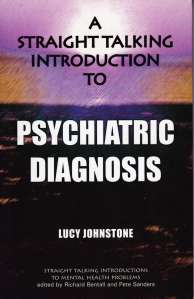
Book: A Straight Talking Introduction to Psychiatric Diagnosis

Book Title:

A Straight Talking Introduction to Psychiatric Diagnosis.

Author(s): Lucy Johnstone.

Year: 2014.

Edition: First (1st).

Publisher: PCCS Books.

Type(s): Paperback and Kindle.

Synopsis:

Do you still need your psychiatric diagnosis? This book will help you to decide. A revolution is underway in mental health. If the authors of the diagnostic manuals are admitting that psychiatric diagnoses are not supported by evidence, then no one should be forced to accept them. If many mental health workers are openly questioning diagnosis and saying we need a different and better system, then service users and carers should be allowed to do so too. This book is about choice. It is about giving people the information to make up their own minds, and exploring alternatives for those who wish to do so.

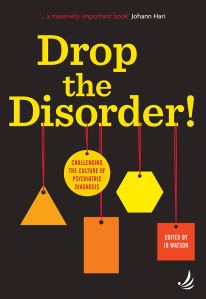
Book: Drop the Disorder! Challenging the Culture of Psychiatric Diagnosis

Book Title:

Drop the Disorder! Challenging the Culture of Psychiatric Diagnosis.

Author(s): Jo Watson.

Year: 2019.

Edition: First (1st).

Publisher: PCCS Books.

Type(s): Paperback and Kindle.

Synopsis:

In October 2016 Jo Watson hosted the very first A Disorder for Everyone!’ event in Birmingham, with psychologist Dr Lucy Johnstone, to explore (and explode) the culture of psychiatric diagnosis in mental health. To provide a space to continue the debate after the event, Jo also set up the now hugely popular and active Facebook group Drop the Disorder!’.

Since then, they have delivered events in towns and cities across the UK, bringing together activists, survivors and professionals to debate psychiatric diagnosis. How and why does psychiatric diagnosis hold such power? What harm it can do? What are the alternatives to diagnosis, and how it can be positively challenged?; This book takes the themes, energy and passions of the AD4E events – bringing together many of the event speakers with others who have stories to tell and messages to share in the struggle to challenge diagnosis.; This is an essential book for everyone of us who looks beyond the labels.

What was the Rosenham Experiment?

Introduction

The Rosenhan experiment or Thud experiment was an experiment conducted to determine the validity of psychiatric diagnosis. The participants feigned hallucinations to enter psychiatric hospitals but acted normally afterwards. They were diagnosed with psychiatric disorders and were given antipsychotic medication. The study was conducted by psychologist David Rosenhan, a Stanford University professor, and published by the journal Science in 1973 under the title “On Being Sane in Insane Places”. It is considered an important and influential criticism of psychiatric diagnosis, and broached the topic of wrongful involuntary commitment.

Rosenhan’s study was done in two parts. The first part involved the use of healthy associates or “pseudopatients” (three women and five men, including Rosenhan himself) who briefly feigned auditory hallucinations in an attempt to gain admission to 12 psychiatric hospitals in five states in the United States. All were admitted and diagnosed with psychiatric disorders. After admission, the pseudopatients acted normally and told staff that they no longer experienced any additional hallucinations. As a condition of their release, all the patients were forced to admit to having a mental illness and had to agree to take antipsychotic medication. The average time that the patients spent in the hospital was 19 days. All but one were diagnosed with schizophrenia “in remission” before their release.

The second part of his study involved a hospital administration challenging Rosenhan to send pseudopatients to its facility, whose staff asserted that they would be able to detect the pseudopatients. Rosenhan agreed, and in the following weeks 41 out of 193 new patients were identified as potential pseudopatients, with 19 of these receiving suspicion from at least one psychiatrist and one other staff member. Rosenhan sent no pseudopatients to the hospital.

While listening to a lecture by R.D. Laing, who was associated with the anti-psychiatry movement, Rosenhan conceived of the experiment as a way to test the reliability of psychiatric diagnoses. The study concluded “it is clear that we cannot distinguish the sane from the insane in psychiatric hospitals” and also illustrated the dangers of dehumanisation and labelling in psychiatric institutions. It suggested that the use of community mental health facilities which concentrated on specific problems and behaviours rather than psychiatric labels might be a solution, and recommended education to make psychiatric workers more aware of the social psychology of their facilities.

Pseudopatient Experiment

Rosenhan himself and seven mentally healthy associates, called “pseudopatients”, attempted to gain admission to psychiatric hospitals by calling for an appointment and feigning auditory hallucinations. The hospital staff were not informed of the experiment. The pseudopatients included a psychology graduate student in his twenties, three psychologists, a pediatrician, a psychiatrist, a painter, and a housewife. None had a history of mental illness. Pseudopatients used pseudonyms, and those who worked in the mental health field were given false jobs in a different sector to avoid invoking any special treatment or scrutiny. Apart from giving false names and employment details, further biographical details were truthfully reported.

During their initial psychiatric assessment, the pseudopatients claimed to be hearing voices of the same sex as the patient which were often unclear, but which seemed to pronounce the words “empty”, “hollow”, or “thud”, and nothing else. These words were chosen as they vaguely suggest some sort of existential crisis and for the lack of any published literature referencing them as psychotic symptoms. No other psychiatric symptoms were claimed. If admitted, the pseudopatients were instructed to “act normally”, reporting that they felt fine and no longer heard voices. Hospital records obtained after the experiment indicate that all pseudopatients were characterized as friendly and cooperative by staff.

All were admitted, to 12 psychiatric hospitals across the United States, including rundown and underfunded public hospitals in rural areas, urban university-run hospitals with excellent reputations, and one expensive private hospital. Though presented with identical symptoms, seven were diagnosed with schizophrenia at public hospitals, and one with manic-depressive psychosis, a more optimistic diagnosis with better clinical outcomes, at the private hospital. Their stays ranged from 7 to 52 days, and the average was 19 days. All but one were discharged with a diagnosis of schizophrenia “in remission”, which Rosenhan considered as evidence that mental illness is perceived as an irreversible condition creating a lifelong stigma rather than a curable illness.

Despite constantly and openly taking extensive notes on the behaviour of the staff and other patients, none of the pseudopatients were identified as impostors by the hospital staff, although many of the other psychiatric patients seemed to be able to correctly identify them as impostors. In the first three hospitalisations, 35 of the total of 118 patients expressed a suspicion that the pseudopatients were sane, with some suggesting that the patients were researchers or journalists investigating the hospital. Hospital notes indicated that staff interpreted much of the pseudopatients’ behaviour in terms of mental illness. For example, one nurse labelled the note-taking of one pseudopatient as “writing behaviour” and considered it pathological. The patients’ normal biographies were recast in hospital records along the lines of what was expected of schizophrenics by the then-dominant theories of its cause.

The experiment required the pseudopatients to get out of the hospital on their own by getting the hospital to release them, though a lawyer was retained to be on call for emergencies when it became clear that the pseudopatients would not ever be voluntarily released on short notice. Once admitted and diagnosed, the pseudopatients were not able to obtain their release until they agreed with the psychiatrists that they were mentally ill and began taking antipsychotic medications, which they flushed down the toilet. No staff member reported that the pseudopatients were flushing their medication down the toilets.

Rosenhan and the other pseudopatients reported an overwhelming sense of dehumanisation, severe invasion of privacy, and boredom while hospitalised. Their possessions were searched randomly, and they were sometimes observed while using the toilet. They reported that though the staff seemed to be well-meaning, they generally objectified and dehumanised the patients, often discussing patients at length in their presence as though they were not there, and avoiding direct interaction with patients except as strictly necessary to perform official duties. Some attendants were prone to verbal and physical abuse of patients when other staff were not present. A group of patients waiting outside the cafeteria half an hour before lunchtime were said by a doctor to his students to be experiencing “oral-acquisitive” psychiatric symptoms. Contact with doctors averaged 6.8 minutes per day.

Non-Existent Impostor Experiment

For this experiment, Rosenhan used a well-known research and teaching hospital, whose staff had heard of the results of the initial study but claimed that similar errors could not be made at their institution. Rosenhan arranged with them that during a three-month period, one or more pseudopatients would attempt to gain admission and the staff would rate every incoming patient as to the likelihood they were an impostor. Out of 193 patients, 41 were considered to be impostors and a further 42 were considered suspect. In reality, Rosenhan had sent no pseudopatients; all patients suspected as impostors by the hospital staff were ordinary patients. This led to a conclusion that “any diagnostic process that lends itself too readily to massive errors of this sort cannot be a very reliable one.”

Impact

Rosenhan published his findings in Science, in which he criticised the reliability of psychiatric diagnosis and the disempowering and demeaning nature of patient care experienced by the associates in the study. In addition, he described his work in a variety of news appearances, including to the BBC:

I told friends, I told my family: “I can get out when I can get out. That’s all. I’ll be there for a couple of days and I’ll get out.” Nobody knew I’d be there for two months … The only way out was to point out that they’re [the psychiatrists are] correct. They had said I was insane, “I am insane; but I am getting better.” That was an affirmation of their view of me.

The experiment is argued to have “accelerated the movement to reform mental institutions and to deinstitutionalize as many mental patients as possible”.

Many respondents to the publication defended psychiatry, arguing that as psychiatric diagnosis relies largely on the patient’s report of their experiences, faking their presence no more demonstrates problems with psychiatric diagnosis than lying about other medical symptoms. In this vein, psychiatrist Robert Spitzer quoted Seymour S. Kety in a 1975 criticism of Rosenhan’s study:

If I were to drink a quart of blood and, concealing what I had done, come to the emergency room of any hospital vomiting blood, the behavior of the staff would be quite predictable. If they labeled and treated me as having a bleeding peptic ulcer, I doubt that I could argue convincingly that medical science does not know how to diagnose that condition.

Kety also argued that psychiatrists should not necessarily be expected to assume that a patient is pretending to have mental illness, thus the study lacked realism. Rosenhan called this the “experimenter effect” or “expectation bias”, something indicative of the problems he uncovered rather than a problem in his methodology.

In The Great Pretender, a 2019 book on Rosenhan, author Susannah Cahalan questions the veracity and validity of the Rosenhan experiment. Examining documents left behind by Rosenhan after his death, Cahalan finds apparent distortion in the Science article: inconsistent data, misleading descriptions, and inaccurate or fabricated quotations from psychiatric records. Moreover, despite an extensive search, she is only able to identify two of the eight pseudopatients: Rosenhan himself, and a graduate student whose testimony is allegedly inconsistent with Rosenhan’s description in the article. In light of Rosenhan’s seeming willingness to bend the truth in other ways regarding the experiment, Cahalan questions whether some or all of the six other pseudopatients might have been simply invented by Rosenhan.

Related Experiments

In 1887 American investigative journalist Nellie Bly feigned symptoms of mental illness to gain admission to a lunatic asylum and report on the terrible conditions therein. The results were published as Ten Days in a Mad-House.]

In 1968 Maurice K. Temerlin split 25 psychiatrists into two groups and had them listen to an actor portraying a character of normal mental health. One group was told that the actor “was a very interesting man because he looked neurotic, but actually was quite psychotic” while the other was told nothing. Sixty percent of the former group diagnosed psychoses, most often schizophrenia, while none of the control group did so.

In 1988, Loring and Powell gave 290 psychiatrists a transcript of a patient interview and told half of them that the patient was black and the other half white; they concluded of the results that “clinicians appear to ascribe violence, suspiciousness, and dangerousness to black clients even though the case studies are the same as the case studies for the white clients.”

In 2004, psychologist Lauren Slater claimed to have conducted an experiment very similar to Rosenhan’s for her book Opening Skinner’s Box. Slater wrote that she had presented herself at 9 psychiatric emergency rooms with auditory hallucinations, resulting in being diagnosed “almost every time” with psychotic depression. However, when challenged to provide evidence of actually conducting her experiment, she could not. The serious methodologic and other concerns regarding Slater’s work appeared as a series of responses to a journal report, in the same journal.

In 2008, the BBC’s Horizon science programme performed a similar experiment over two episodes entitled “How Mad Are You?”. The experiment involved ten subjects, five with previously diagnosed mental health conditions, and five with no such diagnosis. They were observed by three experts in mental health diagnoses and their challenge was to identify the five with mental health problems solely from their behaviour, without speaking to the subjects or learning anything of their histories. The experts correctly diagnosed two of the ten patients, misdiagnosed one patient, and incorrectly identified two healthy patients as having mental health problems. Unlike the other experiments listed here, however, the aim of this journalistic exercise was not to criticise the diagnostic process, but to minimise the stigmatisation of the mentally ill. It aimed to illustrate that people with a previous diagnosis of a mental illness could live normal lives with their health problems not obvious to observers from their behaviour.

Book: Drop the Disorder! Challenging the Culture of Psychiatric Diagnosis

Book Title:

Drop the Disorder! Challenging the Culture of Psychiatric Diagnosis.

Author(s): Jo Watson.

Year: 2019.

Edition: First (1st).

Publisher: PCCS Books.

Type(s): Paperback and Kindle.

Synopsis:

In October 2016 Jo Watson hosted the very first A Disorder for Everyone!’ event in Birmingham, with psychologist Dr Lucy Johnstone, to explore (and explode) the culture of psychiatric diagnosis in mental health. To provide a space to continue the debate after the event, Jo also set up the now hugely popular and active Facebook group Drop the Disorder!’.; Since then, they have delivered events in towns and cities across the UK, bringing together activists, survivors and professionals to debate psychiatric diagnosis. How and why does psychiatric diagnosis hold such power? What harm it can do? What are the alternatives to diagnosis, and how it can be positively challenged?; This book takes the themes, energy and passions of the AD4E events – bringing together many of the event speakers with others who have stories to tell and messages to share in the struggle to challenge diagnosis.; This is an essential book for everyone of us who looks beyond the labels.

Book: A Straight Talking Introduction to Psychiatric Diagnosis

Book Title:

A Straight Talking Introduction to Psychiatric Diagnosis (Straight Talking Introductions).

Author(s): Lucy Johnstone.

Year: 2014.

Edition: First (1st).

Publisher: PCCS Books.

Type(s): Paperback and Kindle.

Synopsis:

Do you still need your psychiatric diagnosis? This book will help you to decide. A revolution is underway in mental health. If the authors of the diagnostic manuals are admitting that psychiatric diagnoses are not supported by evidence, then no one should be forced to accept them. If many mental health workers are openly questioning diagnosis and saying we need a different and better system, then service users and carers should be allowed to do so too. This book is about choice. It is about giving people the information to make up their own minds, and exploring alternatives for those who wish to do so.

Can We Improve Diagnosis of Depression with XGBOOST Machine Learning Model & a Large Biomarkers Dutch Dataset?

Research Paper Title

Improving Diagnosis of Depression With XGBOOST Machine Learning Model and a Large Biomarkers Dutch Dataset ( n = 11,081).

Abstract

Machine Learning has been on the rise and healthcare is no exception to that. In healthcare, mental health is gaining more and more space. The diagnosis of mental disorders is based upon standardised patient interviews with defined set of questions and scales which is a time consuming and costly process.

The objective of the researchers was to apply the machine learning model and to evaluate to see if there is predictive power of biomarkers data to enhance the diagnosis of depression cases.

In this research paper, they aimed to explore the detection of depression cases among the sample of 11,081 Dutch citizen dataset. Most of the earlier studies have balanced datasets wherein the proportion of healthy cases and unhealthy cases are equal but in their study, the dataset contains only 570 cases of self-reported depression out of 11,081 cases hence it is a class imbalance classification problem. The machine learning model built on imbalance dataset gives predictions biased toward majority class hence the model will always predict the case as no depression case even if it is a case of depression.

The researchers used different resampling strategies to address the class imbalance problem. They created multiple samples by under sampling, over sampling, over-under sampling and ROSE sampling techniques to balance the dataset and then, they applied machine learning algorithm “Extreme Gradient Boosting” (XGBoost) on each sample to classify the mental illness cases from healthy cases.

The balanced accuracy, precision, recall and F1 score obtained from over-sampling and over-under sampling were more than 0.90.

Reference

Sharma, A. & Verbeke, W.J.M.I. (2021) Improving Diagnosis of Depression With XGBOOST Machine Learning Model and a Large Biomarkers Dutch Dataset ( n = 11,081). Frontiers in Big Data. doi: 10.3389/fdata.2020.00015. eCollection 2020.

Book: A Straight Talking Introduction to the Power Threat Meaning Framework: An Alternative to Psychiatric Diagnosis

Book Title:

A Straight Talking Introduction to the Power Threat Meaning Framework: An Alternative to Psychiatric Diagnosis (The Straight Talking Introduction Series).

Author(s): Mary Boyle and Lucy Johnstone.

Year: 2020.

Edition: First (1st).

Publisher: PCCS Books.

Type(s): Paperback and Kindle.

Synopsis:

The current mainstream way of describing psychological and emotional distress assumes it is the result of medical illnesses that need diagnosing and treating. This book summarises a powerful alternative to psychiatric diagnosis that asks not ‘What’s wrong with you?’ but ‘What’s happened to you?’ The Power Threat Meaning Framework (PTMF) was co-produced by a core group of psychologists and service users and launched in 2018, prompting considerable interest in the UK and worldwide. It argues that emotional distress, unusual experiences and many forms of troubled or troubling behaviour are understandable when viewed in the context of a person’s life and circumstances, the cultural and social norms we are expected to live up to and the degree to which we are exposed to trauma, abuse, injustice and inequality. The PTMF offers all of us the tools to create new, hopeful narratives about the reasons for our distress that are not based on psychiatric diagnosis and to find ways forward as individuals, families, social groups and whole societies.

Book: Psychoanalysis and the Cinema- The Imaginary Signifier

Book Title:

Psychoanalysis and the Cinema- The Imaginary Signifier.

Author(s): Christian Metz.

Year: 1984.

Edition: First (1st).

Publisher: Palgrave Macmillan.

Type(s): Hardcover and Paperback.

Synopsis:

In the first half of the book Metz explores a number of aspects of the psychological anchoring of cinema as a social institution.

In the second half, he shifts his approach…to look at the operations of meaning in the film text, at the figures of image and sound concatenation. Thus he is led to consideration of metaphor and metonymy in film, this involving a detailed account of these two figures as they appear in psychoanalysis and linguistics.