

An Overview of the American Psychiatric Association

Introduction

The American Psychiatric Association (APA) is the main professional organisation of psychiatrists and trainee psychiatrists in the United States, and the largest psychiatric organiaation in the world. It has more than 38,000 members who are involved in psychiatric practice, research, and academia representing a diverse population of patients in more than 100 countries. The association publishes various journals and pamphlets, as well as the Diagnostic and Statistical Manual of Mental Disorders (DSM). The DSM codifies psychiatric conditions and is used mostly in the United States as a guide for diagnosing mental disorders.

The organisation has its headquarters in Washington, D.C.

Brief History

At a meeting in 1844 in Philadelphia, thirteen superintendents and organisers of insane asylums and hospitals formed the Association of Medical Superintendents of American Institutions for the Insane (AMSAII). The group included Thomas Kirkbride, creator of the asylum model which was used throughout the United States. The group was chartered to focus “primarily on the administration of hospitals and how that affected the care of patients”, as opposed to conducting research or promoting the profession.

In 1893, the organisation changed its name to the American Medico-Psychological Association. In 1921, the association changed that name to the present American Psychiatric Association. The association was incorporated in 1927.

The cover of the publication Semi-Centennial Proceedings of the American Medical Psychological Association, which the association distributed in 1894 at its 50th annual meeting in Philadelphia, contained the first depiction of the association’s official seal. The seal has undergone several changes since that time.

The present seal is a round medallion with a purported likeness of Benjamin Rush’s profile and 13 stars over his head to represent the 13 founders of the organisation. The outer ring contains the words “American Psychiatric Association 1844.” Rush’s name and an MD are below the picture.

An association history of the seal states:

The choice of Rush (1746–1813) for the seal reflects his place in history. …. Rush’s practice of psychiatry was based on bleeding, purging, and the use of the tranquilizer chair and gyrator. By 1844 these practices were considered erroneous and abandoned. Rush, however, was the first American to study mental disorder in a systematic manner, and he is considered the father of American Psychiatry.

In 2015, the association adopted a new logo that depicts the serpent-entwined Rod of Asclepius superimposed over the image of two hemispheres of a human brain. The logo appears next to the words “American Psychiatric Association”, with the word “Psychiatric” in bold type; the tagline “Medical leadership for mind, brain and body” appears below the logo. The association will continue to use the seal bearing Rush’s profile for ceremonial purposes and for some internal documents.

Organisation and Membership

APA is led by the President of the American Psychiatric Association and a board of trustees with an executive committee.

APA reports that its membership is primarily medical specialists who are qualified, or in the process of becoming qualified, as psychiatrists. The basic eligibility requirement is completion of a residency programme in psychiatry accredited by the Residency Review Committee for Psychiatry of the Accreditation Council for Graduate Medical Education (ACGME), the Royal College of Physicians and Surgeons of Canada (RCPS[C]), or the American Osteopathic Association (AOA). Applicants for membership must also hold a valid medical license (with the exception of medical students and residents) and provide one reference who is an APA member.

APA holds an annual conference attended by an American and international audience.

APA is made up of some 76 district associations throughout the country.

Foundation

APA operates a non-profit subsidiary called the American Psychiatric Association Foundation (APAF), offering community-based programs and research initiatives intended to better understand and support issues of mental health. Its strategic partners include the Council of State Governments (CSG) Justice Centre, Substance Abuse and Mental Health Services Administration (SAMHSA) and the National Association of Counties (NACo).

Corporate Alliance

APAF partners with industry organisations to collaborate on mental health research and development through its Corporate Alliance. Current and recent members of the alliance include:

  • AbbVie
  • Acadia Pharmaceuticals
  • Alkermes
  • Allergan
  • Bausch Health
  • Boehringer Ingelheim
  • Eisai
  • Indivior
  • Janssen Pharmaceuticals
  • Jazz Pharmaceuticals
  • Lundbeck
  • Myriad Genetics
  • Neurocrine Biosciences
  • Otsuka Pharmaceutical
  • Pfizer
  • Sunovion
  • Takeda Pharmaceutical Company

Donors to the foundation in 2019 include the Austen Riggs Centre, BB&T, Cenveo, McLean Hospital, Menninger Foundation, NeuroStar, Newport Academy, NewYork-Presbyterian Hospital, Sheppard Pratt, and Silver Hill Hospital.

Publications and Campaigns

APA position statements, clinical practice guidelines, and descriptions of its core diagnostic manual (the DSM) are published.

APA publishes several journals focused on different areas of psychiatry, for example, academic, clinical practice, or news.

Top Five Choosing Wisely Recommendations

In coordination with the American Board of Internal Medicine, the APA proposes five recommendations for physicians and patients. The list was compiled by members of the Council on Research and Quality Care. The APA places a primary focus on antipsychotic medications due to a rapid increase in sales, from $9.6 billion in 2004 to $18.5 billion in 2011.

  • Do not prescribe antipsychotic medications to patients for any indication without appropriate initial evaluation and appropriate ongoing monitoring.
  • Do not routinely prescribe 2 or more antipsychotic medications concurrently.
  • Do not prescribe antipsychotic medications as a first-line intervention to treat behavioural and psychological symptoms of dementia.
  • Do not routinely prescribe antipsychotic medications as a first-line intervention for insomnia in adults.
  • Do not routinely prescribe antipsychotic medications as a first-line intervention for children or adolescents for any diagnosis other than psychotic disorders.

Notable Figures

  • Donald Cameron, was president of the American Psychiatric Association in 1952-1953. He conducted coercive experiments widely denounced as unethical, including involuntary electroshock therapy, drug administration, and prolonged confinement and sensory deprivation funded as part of the Central Intelligence Agency Project MKUltra.
  • Enoch Callaway, psychiatrist, pioneer in biological psychiatry.
  • Adolf Meyer, former psychiatrist-in-chief at the Johns Hopkins Hospital, was the president of the American Psychiatric Association from 1927 to 1928 and was one of the most influential figures in psychiatry in the first half of the twentieth century.
  • Mark Ragins: American psychiatrist in the recovery movement, founding member of the Village ISA. He won the 1995 van Ameringen Award for his outstanding contribution to the field of psychiatric rehabilitation and was named a Distinguished Fellow of the American Psychiatric Association in 2006.
  • Herb Pardes past president and noted figure in American psychiatry.
  • Robert Spitzer was the chair of the task force of the third edition of the DSM.

Drug Company Ties

In his book Anatomy of an Epidemic (2010), Robert Whitaker described the partnership that has developed between the APA and pharmaceutical companies since the 1980s. APA has come to depend on pharmaceutical money. The drug companies endowed continuing education and psychiatric “grand rounds” at hospitals. They funded a political action committee in 1982 to lobby Congress. The industry helped to pay for the APA’s media training workshops. It was able to turn psychiatrists at top schools into speakers, and although the doctors felt they were independents, they rehearsed their speeches and likely would not be invited back if they discussed drug side effects. “Thought leaders” became the experts quoted in the media. As Marcia Angell wrote in The New England Journal of Medicine (2000), “thought leaders” could agree to be listed as an author of ghostwritten articles, and she cites Thomas Bodenheimer and David Rothman who describe the extent of the drug industry’s involvement with doctors. The New York Times published a summary about antipsychotic medications in October 2010.

In 2008, for the first time, Senator Charles Grassley asked the APA to disclose how much of its annual budget came from drug industry funds. The APA said that industry contributed 28 percent of its budget ($14 million at that time), mainly through paid advertising in APA journals and funds for continuing medical education.

The APA receives additional funding from the pharmaceutical industry through its American Psychiatric Association Foundation (APAF), including Boehringer Ingelheim, Janssen Pharmaceuticals, and Takeda Pharmaceutical Company, among others.

Controversies

In the 1964 election, Fact magazine polled American Psychiatric Association members on whether Barry Goldwater was fit to be president and published “The Unconscious of a Conservative: A Special Issue on the Mind of Barry Goldwater”. This led to a ban on the diagnosis of a public figure by psychiatrists who have not performed an examination or been authorised to release information by the patient. This became the Goldwater rule.

Supported by various funding sources, the APA and its members have played major roles in examining points of contention in the field and addressing uncertainties about psychiatric illness and its treatment, as well as the relationship of individual mental health concerns to those of the community. Controversies have related to anti-psychiatry and disability rights campaigners, who regularly protest at American Psychiatric Association offices or meetings. In 1970, members of the Gay Liberation Front organisation protested the APA conference in San Francisco. In 2003 activists from MindFreedom International staged a 21-day hunger strike, protesting at a perceived unjustified biomedical focus and challenging APA to provide evidence of the widespread claim that mental disorders are due to chemical imbalances in the brain. APA published a position statement in response and the two organisations exchanged views on the evidence.

The APA’s DSM came under criticism from autism specialists Tony Attwood and Simon Baron-Cohen for proposing the elimination of Asperger’s syndrome as a disorder and replacing it with an autism spectrum severity scale. Roy Richard Grinker wrote a controversial editorial for The New York Times expressing support for the proposal.

The APA president in 2005, Steven Sharfstein, praised the pharmaceutical industry but argued that American psychiatry had “allowed the biopsychosocial model to become the bio-bio-bio model” and accepted “kickbacks and bribes” from pharmaceutical companies leading to the over-use of medication and neglect of other approaches.

In 2008 APA was the focus of congressional investigations on how pharmaceutical industry money shapes the practices of non-profit organisations that purport to be independent. The drug industry accounted in 2006 for about 30 percent of the association’s $62.5 million in financing, half through drug advertisements in its journals and meeting exhibits, and the other half sponsoring fellowships, conferences and industry symposiums at its annual meeting. The APA came under increasing scrutiny and questions about conflicts of interest.

The APA president in 2009–10, Alan Schatzberg, was identified as the principal investigator on a federal study into the drug mifepristone for use as an antidepressant being developed by Corcept Therapeutics, a company Schatzberg had created and in which he had several million dollars’ equity.

In 2021, the APA issued an apology for its historical role in perpetuating racism.

This page is based on the copyrighted Wikipedia article < https://en.wikipedia.org/wiki/American_Psychiatric_Association >; it is used under the Creative Commons Attribution-ShareAlike 3.0 Unported License (CC-BY-SA). You may redistribute it, verbatim or modified, providing that you comply with the terms of the CC-BY-SA.

What is the Transdiagnostic Process?

Introduction

Over the last two centuries, western mental health science has focused on nosology whereby panels of experts identify hypothetical sets of signs and symptoms, label, and compile them into taxonomies such as the Diagnostic and Statistical Manual of Mental Disorders.

While this is one of the approaches that has historically driven progress in medicine, such taxonomies have long been controversial on grounds including bias, diagnostic reliability and potential conflicts of interest amongst their promoters. Over-reliance on taxonomy may have created a situation where its benefits are now outweighed by the fragmentation and constraints it has caused in the training of mental health practitioners, the range of treatments they can provide under insurance cover, and the scope of new research.

To date, no biological marker or individual cognitive process has been associated with a unique mental diagnosis but rather such markers and processes seem implicated across many diagnostic categories. For these reasons, researchers have recently begun to investigate mechanisms through which environmental factors such as poverty, discrimination, loneliness, aversive parenting, and childhood trauma or maltreatment might act as causes of many disorders and which therefore might point towards interventions that could help many people affected by them. Research suggests that transdiagnostic processes may underlie multiple aspects of cognition including attention, memory/imagery, thinking, reasoning, and behaviour.

Examples

Transdiagnostic Processes well-supported by Evidence

While an exhaustive, confirmed list of transdiagnostic processes does not yet exist, relatively strong evidence exists for processes including:

  • Selective attention to external stimuli.
  • Selective attention to internal stimuli.
  • Avoidance behaviour: distracting ourselves or deliberately not entering feared situations, thereby blocking the opportunity to disconfirm negative beliefs.
  • Safety behaviour: habitual behaviours we execute because we believe they will help us to avoid something we fear (for example, vomiting, dieting or excessive exercise to avoid weight gain).
  • Experiential avoidance.
  • Explicit selective memory.
  • Recurrent memory.
  • Interpretation reasoning: how we reach conclusions regarding the meaning of ambiguous or open-ended situations.
  • Expectancy reasoning: predicting likely future events and outcomes that may follow specific actions or situations.
  • Emotional reasoning.
  • Recurrent thinking.
  • Positive and negative metacognitive beliefs: beliefs we have about our own thinking processes.

Possible Additional Transdiagnostic Processes

Processes supported by growing evidence include:

  • Implicit selective memory.
  • Overgeneral memory.
  • Avoidant encoding and retrieval.
  • Attributions: inferring causes for the outcomes we perceive.
  • Detecting covariation: detecting events that tend to co-occur regularly and consistently.
  • Hypothesis testing and data gathering: evaluating if currently held explanations and beliefs seem accurate or need revision.
  • Recurrent negative thinking: worry and rumination that dwells on intrusive thoughts in an effort to work through or resolve them.
  • Thought suppression: deliberately trying to block or remove specific intrusive mental images or urges from entering consciousness, which may have the paradoxical effect of sustaining the thought.

Implications

Transdiagnostic processes suggest interventions to help people suffering from mental disorders. For example, helping someone to view thoughts as mental events in a wider context of awareness, rather than as expressions of external reality, may enable someone to step back from those thoughts and to see them as ideas to be tested rather than unchangeable facts. If research can identity a relatively limited number of transdiagnostic processes, people facing a wide range of mental difficulties might be helped by practitioners trained to master a relatively limited number of techniques corresponding to those underlying processes, rather than requiring many specialists who are each expert in treating a single specific disorder.

Transdiagnostic processes also suggest mechanisms through which delusions and cognitive biases may be understood. For example, the process of detecting covariation can lead to illusory correlations between unrelated stimuli, and the process of hypothesis testing and data gathering is generally subject to confirmation bias, meaning existing beliefs are not updated in the light of conflicting new information.

This page is based on the copyrighted Wikipedia article < https://en.wikipedia.org/wiki/Transdiagnostic_process >; it is used under the Creative Commons Attribution-ShareAlike 3.0 Unported License (CC-BY-SA). You may redistribute it, verbatim or modified, providing that you comply with the terms of the CC-BY-SA.

What is Intermittent Explosive Disorder?

Introduction

Intermittent explosive disorder (sometimes abbreviated as IED) is a behavioural disorder characterised by explosive outbursts of anger and/or violence, often to the point of rage, that are disproportionate to the situation at hand (e.g. impulsive shouting, screaming or excessive reprimanding triggered by relatively inconsequential events). Impulsive aggression is not premeditated, and is defined by a disproportionate reaction to any provocation, real or perceived. Some individuals have reported affective changes prior to an outburst, such as tension, mood changes, energy changes, etc.

The disorder is currently categorised in the American Psychiatric Association’s (APA’s) Diagnostic and Statistical Manual of Mental Disorders (DSM-5) under the “Disruptive, Impulse-Control, and Conduct Disorders” category. The disorder itself is not easily characterised and often exhibits comorbidity with other mood disorders, particularly bipolar disorder. Individuals diagnosed with IED report their outbursts as being brief (lasting less than an hour), with a variety of bodily symptoms (sweating, stuttering, chest tightness, twitching, palpitations) reported by a third of one sample. Aggressive acts are frequently reported to be accompanied by a sensation of relief and in some cases pleasure, but often followed by later remorse.

Also known as Episodic Dyscontrol Syndrome or dyscontrol.

Brief History

In the first edition of the APA’s DSM-I, a disorder of impulsive aggression was referred to as a passive-aggressive personality type (aggressive type). This construct was characterised by a “persistent reaction to frustration are “generally excitable, aggressive, and over-responsive to environmental pressures” with “gross outbursts of rage or of verbal or physical aggressiveness different from their usual behavior”.

In the third edition (DSM-III), this was for the first time codified as intermittent explosive disorder and assigned clinical disorder status under Axis I. However, some researchers saw the criteria as poorly operationalised. About 80% of individuals who would now be diagnosed with the disorder would have been excluded.

In the DSM-IV, the criteria were improved but still lacked objective criteria for the intensity, frequency, and nature of aggressive acts to meet criteria for IED. This led some researchers to adopt alternate criteria set with which to conduct research, known as the IED-IR (Integrated Research). The severity and frequency of aggressive behaviour required for the diagnosis were clearly operationalized, the aggressive acts were required to be impulsive in nature, subjective distress was required to precede the explosive outbursts, and the criteria allowed for comorbid diagnoses with borderline personality disorder and antisocial personality disorder. These research criteria became the basis for the DSM-5 diagnosis.

In the current version of the DSM (DSM-5), the disorder appears under the “Disruptive, Impulse-Control, and Conduct Disorders” category. In the DSM-IV, physical aggression was required to meet the criteria for the disorder, but these criteria were modified in the DSM-5 to include verbal aggression and non-destructive/non-injurious physical aggression. The listing was also updated to specify frequency criteria. Further, aggressive outbursts are now required to be impulsive in nature and must cause marked distress, impairment, or negative consequences for the individual. Individuals must be at least six years old to receive the diagnosis. The text also clarified the disorder’s relationship to other disorders such as ADHD and disruptive mood dysregulation disorder.

Epidemiology

Two epidemiological studies of community samples approximated the lifetime prevalence of IED to be 4–6%, depending on the criteria set used. A Ukrainian study found comparable rates of lifetime IED (4.2%), suggesting that a lifetime prevalence of IED of 4–6% is not limited to American samples. One-month and one-year point prevalence of IED in these studies were reported as 2.0% and 2.7%, respectively. Extrapolating to the national level, 16.2 million Americans would have IED during their lifetimes and as many as 10.5 million in any year and 6 million in any month.

Among a clinical population, a 2005 study found the lifetime prevalence of IED to be 6.3%.

Prevalence appears to be higher in men than in women.

Of US subjects with IED, 67.8% had engaged in direct interpersonal aggression, 20.9% in threatened interpersonal aggression, and 11.4% in aggression against objects. Subjects reported engaging in 27.8 high-severity aggressive acts during their worst year, with 2–3 outbursts requiring medical attention. Across the lifespan, the mean value of property damage due to aggressive outbursts was $1603.

A study in the March 2016 Journal of Clinical Psychiatry suggests a relationship between infection with the parasite Toxoplasma gondii and psychiatric aggression such as IED.

Pathophysiology

Impulsive behaviour, and especially impulsive violence predisposition, have been correlated to a low brain serotonin turnover rate, indicated by a low concentration of 5-hydroxyindoleacetic acid (5-HIAA) in the cerebrospinal fluid (CSF). This substrate appears to act on the suprachiasmatic nucleus in the hypothalamus, which is the target for serotonergic output from the dorsal and median raphe nuclei playing a role in maintaining the circadian rhythm and regulation of blood sugar. A tendency towards low 5-HIAA may be hereditary. A putative hereditary component to low CSF 5-HIAA and concordantly possibly to impulsive violence has been proposed. Other traits that correlate with IED are low vagal tone and increased insulin secretion. A suggested explanation for IED is a polymorphism of the gene for tryptophan hydroxylase, which produces a serotonin precursor; this genotype is found more commonly in individuals with impulsive behaviour.

IED may also be associated with damage or lesions in the prefrontal cortex, with damage to these areas, including the amygdala and hippocampus, increasing the incidences of impulsive and aggressive behaviour and the inability to predict the outcomes of an individual’s own actions. Lesions in these areas are also associated with improper blood sugar control, leading to decreased brain function in these areas, which are associated with planning and decision making. A national sample in the United States estimated that 16 million Americans may fit the criteria for IED.

Diagnosis

DSM-5 Diagnosis

The current DSM-5 criteria for IED include:

  • Recurrent outbursts that demonstrate an inability to control impulses, including either of the following:
    • Verbal aggression (tantrums, verbal arguments, or fights) or physical aggression that occurs twice in a week-long period for at least three months and does not lead to the destruction of property or physical injury (Criterion A1)
    • Three outbursts that involve injury or destruction within a year-long period (Criterion A2)
  • Aggressive behaviour is grossly disproportionate to the magnitude of the psychosocial stressors (Criterion B)
  • The outbursts are not premeditated and serve no premeditated purpose (Criterion C)
  • The outbursts cause distress or impairment of functioning or lead to financial or legal consequences (Criterion D)
  • The individual must be at least six years old (Criterion E)
  • The recurrent outbursts cannot be explained by another mental disorder and are not the result of another medical disorder or substance use (Criterion F)

It is important to note that DSM-5 now includes two separate criteria for types of aggressive outbursts (A1 and A2) which have empirical support:

CriterionOutline
A11. Episodes of verbal and/or non-damaging, non-destructive, or non-injurious physical assault that occur, on average, twice weekly for three months.
2. These could include temper tantrums, tirades, verbal arguments/fights, or assault without damage.
3. This criterion includes high frequency/low-intensity outbursts.
A21. More severe destructive/assaultive episodes which are more infrequent and occur, on average, three times within a twelve-month period.
2. These could be destroying an object without regard to value, assaulting an animal or individual.
3. This criterion includes high-intensity/low-frequency outbursts.

DSM-IV Diagnosis

The past DSM-IV criteria for IED were similar to the current criteria, however, verbal aggression was not considered as part of the diagnostic criteria. The DSM-IV diagnosis was characterised by the occurrence of discrete episodes of failure to resist aggressive impulses that result in violent assault or destruction of property. Additionally, the degree of aggressiveness expressed during an episode should be grossly disproportionate to provocation or precipitating psychosocial stressor, and, as previously stated, diagnosis is made when certain other mental disorders have been ruled out, e.g. a head injury, Alzheimer’s disease, etc., or due to substance use or medication. Diagnosis is made using a psychiatric interview to affective and behavioural symptoms to the criteria listed in the DSM-IV.

The DSM-IV-TR was very specific in its definition of Intermittent Explosive Disorder which was defined, essentially, by the exclusion of other conditions. The diagnosis required:

  • Several episodes of impulsive behaviour that result in serious damage to either persons or property, wherein
  • The degree of the aggressiveness is grossly disproportionate to the circumstances or provocation, and
  • The episodic violence cannot be better accounted for by another mental or physical medical condition.

Differential Diagnosis

Many psychiatric disorders and some substance use disorders are associated with increased aggression and are frequently comorbid with IED, often making differential diagnosis difficult. Individuals with IED are, on average, four times more likely to develop depression or anxiety disorders, and three times more likely to develop substance use disorders. Bipolar disorder has been linked to increased agitation and aggressive behaviour in some individuals, but for these individuals, aggressiveness is limited to manic and/or depressive episodes, whereas individuals with IED experience aggressive behaviour even during periods with a neutral or positive mood.

In one clinical study, the two disorders co-occurred 60% of the time. Patients report manic-like symptoms occurring just before outbursts and continuing throughout. According to a study, the average onset age of IED was around five years earlier than the onset age of bipolar disorder, indicating a possible correlation between the two.

Similarly, alcoholism and other substance use disorders may exhibit increased aggressiveness, but unless this aggression is experienced outside of periods of acute intoxication and withdrawal, no diagnosis of IED is given. For chronic disorders, such as PTSD, it is important to assess whether the level of aggression met IED criteria before the development of another disorder. In antisocial personality disorder, interpersonal aggression is usually instrumental in nature (i.e. motivated by tangible rewards), whereas IED is more of an impulsive, unpremeditated reaction to situational stress.

Treatment

Although there is no cure, treatment is attempted through cognitive behavioural therapy and psychotropic medication regimens, though the pharmaceutical options have shown limited success. Therapy aids in helping the patient recognise the impulses in hopes of achieving a level of awareness and control of the outbursts, along with treating the emotional stress that accompanies these episodes. Multiple drug regimens are frequently indicated for IED patients. Cognitive Relaxation and Coping Skills Therapy (CRCST) has shown preliminary success in both group and individual settings compared to waitlist control groups. This therapy consists of 12 sessions, the first three focusing on relaxation training, then cognitive restructuring, then exposure therapy. The final sessions focus on resisting aggressive impulses and other preventative measures.

In France, antipsychotics such as cyamemazine, levomepromazine and loxapine are sometimes used.

Tricyclic antidepressants and selective serotonin reuptake inhibitors (SSRIs, including fluoxetine, fluvoxamine, and sertraline) appear to alleviate some pathopsychological symptoms. GABAergic mood stabilisers and anticonvulsive drugs such as gabapentin, lithium, carbamazepine, and divalproex seem to aid in controlling the incidence of outbursts. Anxiolytics help alleviate tension and may help reduce explosive outbursts by increasing the provocative stimulus tolerance threshold, and are especially indicated in patients with comorbid obsessive-compulsive or other anxiety disorders.

This page is based on the copyrighted Wikipedia articles < https://en.wikipedia.org/wiki/Episodic_dyscontrol_syndrome > AND < https://en.wikipedia.org/wiki/Intermittent_explosive_disorder >; it is used under the Creative Commons Attribution-ShareAlike 3.0 Unported License (CC-BY-SA). You may redistribute it, verbatim or modified, providing that you comply with the terms of the CC-BY-SA.

What is the Structured Clinical Interview for DSM?

Introduction

The Structured Clinical Interview for DSM (SCID) is a semi-structured interview guide for making diagnoses according to the diagnostic criteria published in the Diagnostic and Statistical Manual of Mental Disorders (DSM). The development of SCID has followed the evolution of the DSM and multiple versions are available for a single edition covering different categories of mental disorders. The first SCID (for DSM-III-R) was released in 1989, SCID-IV (for DSM-IV) was published in 1994 and the current version, SCID-5 (for DSM-5), is available since 2013.

It is administered by a clinician or trained mental health professional who is familiar with the DSM classification and diagnostic criteria. The interview subjects may be either psychiatric or general medical patients or individuals who do not identify themselves as patients, such as participants in a community survey of mental illness or family members of psychiatric patients. SCID users should have had sufficient clinical experience to be able to perform diagnostic evaluation, however, non-clinicians who have comprehensive diagnostic experience with a particular study population may be trained to administer the SCID. Generally additional training is required for individuals with less clinical experience.

DSM-III Editions of SCID

The SCID for the DSM-III-R helped determine Axis I (SCID-I) and Axis II disorders (SCID-II). Separate versions were used to assess psychiatric patients (SCID-P) and to study non-patient populations (SCID-NP). Another form of the SCID-P, SCID-P W/PSY SCREEN, was developed for patients in which psychotic disorders were expected to be rare and only included screening questions for these disorders but not the complex module. Special versions were also created for studying panic disorder, assessing PTSD and combat experience in Vietnam veterans and studying the social and psychiatric consequences of HIV infection.

The reliability and validity of the SCID for DSM-III-R has been reported in several published studies. With regard to reliability, the range in reliability is enormous, depending on the type of the sample and research methodology (i.e. joint vs. test-retest, multi-site vs. single site with raters who have worked together, etc.).

SCID-D

The Structured Clinical Interview for DSM-IV Dissociative Disorders (SCID-D) is used to diagnose dissociative disorders, especially in research settings. It was originally designed for the DSM-III-R but early access to DSM-IV criteria for dissociative disorders allowed them to be incorporated into the SCID-D.

For subjects with non-dissociative disorders administration takes between 30 minutes and 1.5 hours. Subjects with dissociative disorders usually require between 40 minutes to 2.5 hours. These subjects should be given enough time to describe their experiences fully.

The SCID-D has been translated into Dutch and Turkish and is used in the Netherlands and Turkey.

DSM-IV Editions of SCID

SCID for DSM-IV also follows the multi-axial system, SCID-I for Axis I disorders (major mental disorders) and SCID-II for Axis II disorders (personality disorders).

There are several variants of SCID-I addressed to different audiences. Similarly to the previous edition SCID-I is available for examining psychiatric patients (SCID-I/P) and studying non-patients (SCID-I/NP) and patient populations where psychotic disorders are not expected (SCID-I/P W/ PSY SCREEN). Specific version for clinicians (SCID-CV) and clinical trials (SCID-CT) were also developed. The SCID-II for DSM-IV comes in a single edition.

A variant of the tool (KID-SCID) was developed at York University for generating childhood DSM-IV diagnoses for clinical research studies. In 2015 a study evaluated the psychometric properties of the KID-SCID in a Dutch sample of children and adolescents which later led to the creation of SCID-5-Junior for the DSM-5 (see below).

An Axis I SCID assessment with a psychiatric patient usually takes between 1 and 2 hours, depending on the complexity of the subject’s psychiatric history and their ability to clearly describe episodes of current and past symptoms. A SCID with a non-psychiatric patient takes 1⁄2 hour to 1+1⁄2 hours. A SCID-II personality assessment takes about 1⁄2 to 1 hour.

There are at least 700 published studies in which the SCID was the diagnostic instrument used. Major parts of the SCID have been translated into other languages, including Danish, French, German, Greek, Hebrew, Italian, Portuguese, Spanish, Swedish, Turkish, and Zulu.

DSM-5 Editions of SCID

SCID-5-RV (Research Version) is the most comprehensive version of the SCID-5. It contains more disorders and includes all of the relevant subtypes and severity and course specifiers. An important feature is its customisability, allowing the instrument to be tailored to meet the requirements of a particular study. SCID-5-CV (Clinician Version) is a reformatted version of the SCID-5-RV for use by clinicians. It covers the most common diagnoses seen in clinical settings. Despite the “clinician” designation, it can be used in research as long as the disorders of interest are among those included in this version. SCID-5-CT (Clinical Trials version) is an adaptation of the SCID-5-RV that has been optimised for use in clinical trials.

SCID-5-PD (Personality Disorders version) is used to evaluate the 10 personality disorders. Its name reflects the elimination of the multiaxial system of the SCID-IV. The SCID-5-AMPD (Alternative Model for Personality Disorders) provides dimensional and categorical approaches to personality disorders. Designed for trained clinicians, the modular format allows the researcher or clinician to focus on those aspects of the Alternative Model of most interest.

Various versions of the SCID-5 have been translated to Chinese, Danish, Dutch, German, Greek, Hungarian, Italian, Japanese, Korean, Norwegian, Polish, Portuguese, Romanian, Spanish, Turkish.

As a result of earlier studies conducted on Dutch youth a variant of the tool, SCID-5-Junior, a revision of the KID-SCID, is available in Dutch. There are plans to create a more widely available version for children and adolescents.

This page is based on the copyrighted Wikipedia article < https://en.wikipedia.org/wiki/Structured_Clinical_Interview_for_DSM >; it is used under the Creative Commons Attribution-ShareAlike 3.0 Unported License (CC-BY-SA). You may redistribute it, verbatim or modified, providing that you comply with the terms of the CC-BY-SA.
On This Day … 15 December [2022]

Events

People (Births)

  • 1911 – Nicholas P. Dallis, American psychiatrist and illustrator (d. 1991).

People (Deaths)

  • 2010 – Eugene Victor Wolfenstein, American psychoanalyst and theorist (b. 1940).

Nicholas P. Dallis

Nicholas Peter Dallis (15 December 1911 to 06 July 1991), was an American psychiatrist turned comic strip writer, creator of the soap opera-style strips Rex Morgan, M.D., Judge Parker and Apartment 3-G. Separating his comics career from his medical practice, he wrote under pseudonyms, Dal Curtis for Rex Morgan, M.D. and Paul Nichols for Judge Parker.

Born in New York City, Nick Dallis grew up on Long Island. He graduated from Washington & Jefferson College in 1933 and from Temple University’s medical school in 1938 and married a nurse, Sarah Luddy. He decided to specialise in psychiatry, and after World War II, started a practice in Toledo, Ohio. Allen Saunders was chair at the time of the local mental hygiene centre that invited him there, and in his autobiography, he recalled that Dallis approached him, as a well-known comics writer (Steve Roper and Mike Nomad, Mary Worth), about “his desire to write a comic strip, one tracing the history of medicine. I told him that, commendable as his idea was, such a feature would not succeed. Readers want entertainment, not enlightenment. But a story about a handsome young doctor’s involvement with his patients might be a winner.”

Eugene Victor Wolfenstein

Eugene Victor Wolfenstein (09 July 1940 to 15 December 2010) was an American social theorist, practicing psychoanalyst, and a professor of political science at University of California, Los Angeles.

What is Disruptive Mood Dysregulation Disorder?

Introduction

Disruptive mood dysregulation disorder (DMDD) is a mental disorder in children and adolescents characterised by a persistently irritable or angry mood and frequent temper outbursts that are disproportionate to the situation and significantly more severe than the typical reaction of same-aged peers.

DMDD was added to the DSM-5 as a type of depressive disorder diagnosis for youths. The symptoms of DMDD resemble those of attention deficit hyperactivity disorder (ADHD), oppositional defiant disorder (ODD), anxiety disorders, and childhood bipolar disorder.

DMDD first appeared as a disorder in the Diagnostic and Statistical Manual of Mental Disorders, Fifth Edition (DSM-5) in 2013 and is classified as a mood disorder. Treatments include medication to manage mood symptoms as well as individual and family therapy to address emotion-regulation skills. Children with DMDD are at risk for developing depression and anxiety later in life.

Brief History

Beginning in the 1990s, some clinicians began observing children with hyperactivity, irritability, and severe temper outbursts. These symptoms greatly interfered with their lives at home, school, and with friends. Because other diagnoses, like ADHD and ODD, did not capture the severity of children’s irritability and anger, many of these children were diagnosed with bipolar disorder. Longitudinal studies showed that children with chronic irritability and temper outbursts often developed later problems with anxiety and depression, and rarely developed bipolar disorder in adolescence or adulthood. Consequently, the developers of DSM-5 created a new diagnostic label, DMDD, to describe children with persistent irritability and angry outbursts. In 2013, the American Psychiatric Association (APA) added DMDD to the DSM-5 and classified it as a depressive disorder.

Signs and Symptoms

Children with DMDD show severe and recurrent temper outbursts three or more times per week. These outbursts can be verbal or behavioural. Verbal outbursts often are described by observers as “rages”, “fits”, or “tantrums”. Children may scream, yell, and cry for excessively long periods of time, sometimes with little provocation. Physical outbursts may be directed toward people or property. Children may throw objects; hit, slap, or bite others; destroy toys or furniture; or otherwise act in a harmful or destructive manner.

Children with DMDD also display persistently irritable or angry mood that is observable by others. Parents, teachers, and classmates describe these children as habitually angry, touchy, grouchy, or easily “set off”. Unlike the irritability that can be a symptom of other childhood disorders, such as ODD, anxiety disorders, and major depressive disorder (MDD), the irritability displayed by children with DMDD is not episodic or situation-dependent. In DMDD, the irritability or anger is severe and is shown most of the day, nearly every day in multiple settings, lasting for one or more years.

The DSM-5 includes several additional diagnostic criteria which describe the duration, setting, and onset of the disorder: the outbursts must be present for at least 12 months and occur in at least two settings (e.g. home and school), and it must be severe in at least one setting. Symptoms appear before the age of 10, and diagnosis must be made between ages 6 and 18.

Comorbidity

The core features of DMDD – temper outbursts and chronic irritability – are sometimes seen in children and adolescents with other psychiatric conditions. Differentiating DMDD from these other conditions can be difficult. Three disorders that most closely resemble DMDD are ADHD, oppositional defiant disorder (ODD), and bipolar disorder in children.

ADHD

ADHD is a neurodevelopmental disorder characterised by problems with inattention and/or hyperactivity-impulsivity.

ODD

ODD is a disruptive behaviour disorder characterised by oppositional, defiant, and sometimes hostile actions directed towards others.

Bipolar Disorder

One of the main differences between DMDD and bipolar disorder is that the irritability and anger outbursts associated with DMDD are not episodic; symptoms of DMDD are chronic and displayed constantly on an almost daily basis. On the other hand, bipolar disorder is characterised by distinct manic or hypomanic episodes usually lasting a few days, or a few weeks at most, that parents should be able to differentiate from their child’s typical mood and behaviour in between episodes. The DSM precludes a dual diagnosis of DMDD and bipolar disorder. Bipolar disorder alone should be used for youths who show classic symptoms of episodic mania or hypomania.

Prior to adolescence, DMDD is much more common than bipolar disorder. Most children with DMDD see a decrease in symptoms as they enter adulthood, whereas individuals with bipolar disorder typically display symptoms for the first time as teenagers and young adults. Children with DMDD are more at risk for developing MDD or generalised anxiety disorder when they are older rather than bipolar disorder.

Causes

Youth with DMDD have difficulty attending, processing, and responding to negative emotional stimuli and social experiences in their everyday lives. For example, some studies have shown youths with DMDD to have problems interpreting the social cues and emotional expressions of others. These youths may be especially bad at judging others’ negative emotional displays, such as feelings of sadness, fearfulness, and anger. Functional MRI studies suggest that under-activity of the amygdala, the brain area that plays a role in the interpretation and expression of emotions and novel stimuli, is associated with these deficits. Deficits in interpreting social cues may predispose children to instances of anger and aggression in social settings with little provocation. For examples, youths with DMDD may selectively attend to negative social cues (e.g. others scowling, teasing) and minimize all other information about the social events. They may also misinterpret the emotional displays of others, believing others’ benign actions to be hostile or threatening. Consequently, they may be more likely than their peers to act in impulsive and angry ways.

Children with DMDD may also have difficulty regulating negative emotions once they are elicited. To study these problems with emotion regulation, researchers asked children with DMDD to play computer games that are rigged so that children will lose. While playing these games, children with DMDD report more agitation and negative emotional arousal than their typically-developing peers. Furthermore, youths with DMDD showed markedly greater activity in the medial frontal gyrus and anterior cingulate cortex compared to other youths. These brain regions are important because they are involved in evaluating and processing negative emotions, monitoring one’s own emotional state, and selecting an effective response when upset, angry, or frustrated. Altogether, these findings suggest that youths with DMDD are more strongly influenced by negative events than other youths. They may become more upset and select less effective and socially acceptable ways to deal with negative emotions when they arise.

Treatment

Medication

Evidence for treatment is weak, and treatment is determined based on the physician’s response to the symptoms that people with DMDD present. Because the mood stabilizing medication, lithium, is effective in treating adults with bipolar disorder, some physicians have used it to treat DMDD although it has not been shown to be better than placebo in alleviating the signs and symptoms of DMDD.[7] DMDD is treated with a combination of medications that target the child’s symptom presentation. For youths with DMDD alone, antidepressant medication is sometimes used to treat underlying problems with irritability or sadness. For youths with unusually strong temper outbursts, an atypical antipsychotic medication, such as risperidone, may be warranted. Both medications, however, are associated with significant side effects in children. Finally, for children with both DMDD and ADHD, stimulant medication is sometimes used to reduce symptoms of impulsivity.

Psychosocial

Several cognitive-behavioural interventions have been developed to help youths with chronic irritability and temper outbursts. Because many youths with DMDD show problems with ADHD and oppositional-defiant behaviour, experts initially tried to treat these children using contingency management. This type of intervention involves teaching parents to reinforce children’s appropriate behaviour and extinguish (usually through systematic ignoring or time out) inappropriate behaviour. Although contingency management can be helpful for ADHD and ODD symptoms, it does not seem to reduce the most salient features of DMDD, namely, irritability and anger.

Epidemiology

There are not good estimates of the prevalence of DMDD, but primary studies have found a rate of 0.8 to 3.3%. Epidemiological studies show that approximately 3.2% of children in the community have chronic problems with irritability and temper, the essential features of DMDD. These problems are probably more common among clinic-referred youths. Parents report that approximately 30% of children hospitalised for psychiatric problems meet diagnostic criteria for DMDD; 15% meet criteria based on the observations of hospital staff.

This page is based on the copyrighted Wikipedia article <https://en.wikipedia.org/wiki/Disruptive_mood_dysregulation_disorder >; it is used under the Creative Commons Attribution-ShareAlike 3.0 Unported License (CC-BY-SA). You may redistribute it, verbatim or modified, providing that you comply with the terms of the CC-BY-SA.

What was the National Survey of Mental Health and Wellbeing?

Introduction

The 2007 National Survey of Mental Health and Wellbeing (NSMHWB) was designed to provide lifetime prevalence estimates for mental disorders.

Purpose

To gain statistics on key mental health issues including the prevalence of mental disorders, the associated disability, and the use of services.

As such the NSMHWB was a national epidemiological survey of mental disorders that used similar methodology to the NCS. It aimed to answer three main questions:

  1. How many people meet DSM-IV and ICD-10 diagnostic criteria for the major mental disorders?
  2. How disabled are they by their mental disorders? and
  3. How many have seen a health professional for their mental disorder?

Background

Respondents were asked about experiences throughout their lifetime. In this survey, 12-month diagnoses were derived based on lifetime diagnosis and the presence of symptoms of that disorder in the 12 months prior to the survey interview. Assessment of mental disorders presented in this publication are based on the definitions and criteria of the World Health Organisation’s (WHO) International Classification of Diseases, Tenth Revision (ICD-10). Prevalence rates are presented with hierarchy rules applied (i.e. a person will not meet the criteria for particular disorders because the symptoms are believed to be accounted for by the presence of another disorder).

Results

  • Among the 16,015,300 people aged 16-85 years, 45% (or 7,286,600 people) had a lifetime mental disorder (i.e. a mental disorder at some point in their life).
  • More than half (55% or 8,728,700 people) of people had no lifetime mental disorders.
  • Of people who had a lifetime mental disorder:
    • 20% (or 3,197,800 people) had a 12-month mental disorder and had symptoms in the 12 months prior to the survey interview; and
    • 25% (or 4,088,800 people) had experienced a lifetime mental disorder but did not have symptoms in the 12 months prior to the survey interview.

Prevalence of 12-Month Mental Health Disorders

Prevalence of mental disorders is the proportion of people in a given population who met the criteria for diagnosis of a mental disorder at a point in time

  • Among the 3,197,800 people (or 20% of people) who had a 12-month mental disorder and had symptoms in the 12 months prior to interview:
    • 14.4% had a 12-month Anxiety disorder (includes Panic disorder (2.6%); Agoraphobia (2.8%); Social Phobia (4.7%); Generalised Anxiety Disorder (2.7%); Obsessive-Compulsive Disorder (1.9%); and Post-Traumatic Stress Disorder (6.4%))
    • 6.2% had a 12-month Affective disorder (includes Depressive Episode (4.1%) (includes severe, moderate and mild depressive episodes); Dysthymia (1.3%); and Bipolar Affective Disorder (1.8%)), and
    • 5.1% had a 12-month Substance Use Disorder (includes Alcohol Harmful Use (2.9%); Alcohol Dependence (1.4%); and Drug Use Disorders (includes harmful use and dependence) (1.4%)).
  • Note that a person may have had more than one mental disorder.
    • The components when added may therefore not add to the total shown.
    • Includes Severe Depressive Episode, Moderate Depressive Episode, and Mild Depressive Episode.
    • Includes Harmful Use and Dependence.

There were 3.2 million people who had a 12-month mental disorder. In total, 14.4% (2.3 million) of Australians aged 16-85 years had a 12-month Anxiety disorder, 6.2% (995,900) had a 12-month Affective disorder and 5.1% (819,800) had a 12-month Substance Use disorder.

Women experienced higher rates of 12-month mental disorders than men (22% compared with 18%). Women experienced higher rates than men of Anxiety (18% and 11% respectively) and Affective disorders (7.1% and 5.3% respectively). However, men had twice the rate of Substance Use disorders (7.0% compared with 3.3% for women).

The prevalence of 12-month mental disorders varies across age groups, with people in younger age groups experiencing higher rates of disorder. More than a quarter (26%) of people aged 16-24 years and a similar proportion (25%) of people aged 25-34 years had a 12-month mental disorder compared with 5.9% of those aged 75-85 years old.

You can read the full survey results here and a shorter analysis can be found here.

What is the Chinese Classification of Mental Disorders?

Introduction

The Chinese Classification of Mental Disorders (CCMD; Chinese: 中国精神疾病分类方案与诊断标准), published by the Chinese Society of Psychiatry (CSP), is a clinical guide used in China for the diagnosis of mental disorders.

It is currently on a third version, the CCMD-3, written in Chinese and English. It is intentionally similar in structure and categorisation to the International Classification of Diseases (ICD) and DSM, the two most well-known diagnostic manuals, though it includes some variations on their main diagnoses and around 40 culturally related diagnoses.

Brief History

The first published Chinese psychiatric classificatory scheme appeared in 1979. A revised classification system, the CCMD-1, was made available in 1981 and further modified in 1984 (CCMD-2-R). The CCMD-3 was published in 2001.

Many Chinese psychiatrists believed the CCMD had special advantages over other manuals, such as simplicity, stability, the inclusion of culture-distinctive categories, and the exclusion of certain Western diagnostic categories. The Chinese translation of the ICD-10 was seen as linguistically complicated, containing very long sentences and awkward terms and syntax (Lee, 2001).

Diagnostic Categories

The diagnosis of depression is included in the CCMD, with many similar criteria to the ICD or DSM, with the core having been translated as ‘low spirits’. However, Neurasthenia is a more central diagnosis. Although also found in the ICD, its diagnosis takes a particular form in China, called ‘shenjing shuairuo’, which emphasizes somatic (bodily) complaints as well as fatigue or depressed feelings. Neurasthenia is a less stigmatising diagnosis than depression in China, being conceptually distinct from psychiatric labels, and is said to fit well with a tendency to express emotional issues in somatic terms. The concept of neurasthenia as a nervous system disorder is also said to fit well with the traditional Chinese epistemology of disease causation on the basis of disharmony of vital organs and imbalance of qi.

The diagnosis of schizophrenia is included in the CCMD. It is applied quite readily and broadly in Chinese psychiatry.

Some of the wordings of the diagnosis are different, for example rather than borderline personality disorder as in the DSM, or emotionally unstable personality disorder (borderline type) as in the ICD, the CCMD has impulsive personality disorder.

Diagnoses that are more specific to Chinese or Asian culture, though they may also be outlined in the ICD (or DSM glossary section), includes:

  • Koro or Genital retraction syndrome: excessive fear of the genitals (and also breasts in women) shrinking or drawing back into the body.
  • Zou huo ru mo (走火入魔) or qigong deviation (氣功偏差): perception of uncontrolled flow of qi in the body.
  • Mental disorders due to superstition or witchcraft.
  • Travelling psychosis.

The CCMD-3 lists several “disorders of sexual preference” including ego-dystonic homosexuality, but does not recognise paedophilia.

Koro

Koro or Genital retraction syndrome is a culture-specific syndrome from Southeast Asia in which the patient has an overpowering belief that the genitalia (or nipples in females) are shrinking and will shortly disappear. In China, it is known as shuk yang, shook yong, and suo yang (simplified Chinese: 缩阳; traditional Chinese: 縮陽). This has been associated with cultures placing a heavy emphasis on balance, or on fertility and reproduction.

Zou Huo Ru Mo

Zou huo ru mo (走火入魔) or “qigong deviation” (氣功偏差) is a mental condition characterised by the perception that there is uncontrolled flow of qi in the body. Other complaints include localised pains, headache, insomnia, and uncontrolled spontaneous movements.

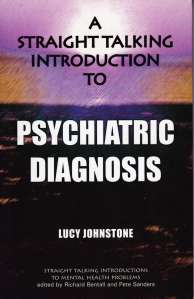
Book: A Straight Talking Introduction to Psychiatric Diagnosis

Book Title:

A Straight Talking Introduction to Psychiatric Diagnosis.

Author(s): Lucy Johnstone.

Year: 2014.

Edition: First (1st).

Publisher: PCCS Books.

Type(s): Paperback and Kindle.

Synopsis:

Do you still need your psychiatric diagnosis? This book will help you to decide. A revolution is underway in mental health. If the authors of the diagnostic manuals are admitting that psychiatric diagnoses are not supported by evidence, then no one should be forced to accept them. If many mental health workers are openly questioning diagnosis and saying we need a different and better system, then service users and carers should be allowed to do so too. This book is about choice. It is about giving people the information to make up their own minds, and exploring alternatives for those who wish to do so.

What is Relational Disorder?

Introduction

According to Michael First of the Diagnostic and Statistical Manual of Mental Disorders Version 5 (DSM-5) working committee the focus of a relational disorder, in contrast to other DSM-IV disorders, “is on the relationship rather than on any one individual in the relationship”.

Relational disorders involve two or more individuals and a disordered “juncture”, whereas typical Axis I psychopathology describes a disorder at the individual level. An additional criterion for a relational disorder is that the disorder cannot be due solely to a problem in one member of the relationship, but requires pathological interaction from each of the individuals involved in the relationship.

For example, if a parent is withdrawn from one child but not another, the dysfunction could be attributed to a relational disorder. In contrast, if a parent is withdrawn from both children, the dysfunction may be more appropriately attributable to a disorder at the individual level.

First states that “relational disorders share many elements in common with other disorders: there are distinctive features for classification; they can cause clinically significant impairment; there are recognizable clinical courses and patterns of comorbidity; they respond to specific treatments; and they can be prevented with early interventions. Specific tasks in a proposed research agenda: develop assessment modules; determine the clinical utility of relational disorders; determine the role of relational disorders in the aetiology and maintenance of individual disorders; and consider aspects of relational disorders that might be modulated by individual disorders.”

The proposed new diagnosis defines a relational disorder as “persistent and painful patterns of feelings, behaviors, and perceptions” among two or more people in an important personal relationship, such a husband and wife, or a parent and children.

According to psychiatrist Darrel Regier, MD, some psychiatrists and other therapists involved in couples and marital counselling have recommended that the new diagnosis be considered for possible incorporation into the DSM IV.

Brief History

The idea of a psychology of relational disorders is far from new. According to Adam Blatner, MD, some of the early psychoanalysts alluded to it more or less directly, and the history of marital couple therapy began with a few pioneers in 1930s. J.L. Moreno, the inventor of psychodrama and a major pioneer of group psychotherapy and social psychology, noted the idea that relationships could be “sick” even if the people involved were otherwise “healthy,” and even vice versa: Otherwise “sick” people could find themselves in a mutually supportive and “healthy” relationship.

Moreno’s ideas may have influenced some of the pioneers of family therapy, but also there were developments in general science, namely, cybernetic theory, developed in the mid-1940s, and noting the nature of circularity and feedback in complex systems. By the 1950s, the idea that relationships themselves could be problematic became quite apparent. So, diagnostically, in the sense not of naming a disease or disorder, but just helping people think through what was really going on, the idea of relational disorder was nothing new.

Types

The majority of research on relational disorders concerns three relationship systems:

  • Adult children and their parents;
  • Minor children and their parents; and
  • The marital relationship.

There is also an increasing body of research on problems in dyadic gay relationships and on problematic sibling relationships.

Marital

Marital disorders are divided into “Marital Conflict Disorder Without Violence” and “Marital Abuse Disorder (Marital Conflict Disorder With Violence).” Couples with marital disorders sometimes come to clinical attention because the couple recognise long-standing dissatisfaction with their marriage and come to the clinician on their own initiative or are referred by a health care professional. Secondly, there is serious violence in the marriage which is “usually the husband battering the wife”. In these cases the emergency room or a legal authority often is the first to notify the clinician.

Most importantly, marital violence “is a major risk factor for serious injury and even death and women in violent marriages are at much greater risk of being seriously injured or killed” (National Advisory Council on Violence Against Women 2000). The authors of this study add that “There is current considerable controversy over whether male-to-female marital violence is best regarded as a reflection of male psychopathology and control or whether there is an empirical base and clinical utility for conceptualizing these patterns as relational.”

Recommendations for clinicians making a diagnosis of “Marital Relational Disorder” should include the assessment of actual or “potential” male violence as regularly as they assess the potential for suicide in depressed patients. Further, “clinicians should not relax their vigilance after a battered wife leaves her husband, because some data suggest that the period immediately following a marital separation is the period of greatest risk for the women.

Many men will stalk and batter their wives in an effort to get them to return or punish them for leaving. Initial assessments of the potential for violence in a marriage can be supplemented by standardised interviews and questionnaires, which have been reliable and valid aids in exploring marital violence more systematically.

The authors conclude with what they call “very recent information” on the course of violent marriages which suggests that “over time a husband’s battering may abate somewhat, but perhaps because he has successfully intimidated his wife.”

The risk of violence remains strong in a marriage in which it has been a feature in the past. Thus, treatment is essential here; the clinician cannot just wait and watch. The most urgent clinical priority is the protection of the wife because she is the one most frequently at risk, and clinicians must be aware that supporting assertiveness by a battered wife may lead to more beatings or even death.

In some cases, men are abuse victims of their wives; there is not exclusively male-on-female physical violence, although this is more common than female-on-male violence.

Parent-Child Abuse

Research on parent-child abuse bears similarities to that on marital violence, with the defining characteristic of the disorder being physical aggression by a parent toward a child. The disorder is frequently concealed by parent and child, but may come to the attention of the clinician in several ways, from emergency room medical staff to reports from child protection services.

Some features of abusive parent–child relationships that serve as a starting point for classification include:

  • The parent is physically aggressive with a child, often producing physical injury;
  • Parent-child interaction is coercive, and parents are quick to react to provocations with aggressive responses, and children often reciprocate aggression;
  • Parents do not respond effectively to positive or prosocial behaviour in the child;
  • Parents do not engage in discussion about emotions;
  • Parent engages in deficient play behaviour, ignores the child, rarely initiates play, and does little teaching;
  • Children are insecurely attached and, where mothers have a history of physical abuse, show distinctive patterns of disorganised attachment; and
  • Parents relationship shows coercive marital interaction patterns.

Defining the relational aspects of these disorders can have important consequences. For example, in the case of early appearing feeding disorders, attention to relational problems may help delineate different types of clinical problems within an otherwise broad category. In the case of conduct disorder, the relational problems may be so central to the maintenance, if not the aetiology, of the disorder that effective treatment may be impossible without recognising and delineating it.