

What is Sanism?

Introduction

Sanism, saneism, mentalism, or psychophobia refers to the systemic discrimination against or oppression of individuals perceived to have a mental disorder or cognitive impairment. This discrimination and oppression are based on numerous factors such as stereotypes about neurodiversity. Mentalism impacts individuals with autism, learning disorders, ADHD (attention deficit hyperactivity disorder), FASD (foetal alcohol spectrum disorder), bipolar, schizophrenia, personality disorders, stuttering, tics, intellectual disabilities, and other cognitive impairments.

Mentalism may cause harm through a combination of social inequalities, insults, indignities, and overt discrimination. Some examples of these include refusal of service and the denial of human rights.

Mentalism does not only describe how individuals are treated by the general public. The concept also encapsulates how individuals are treated by mental health professionals, the legal system and other institutions.

The term “sanism” was coined by Morton Birnbaum, a physician, lawyer, and mental health advocate. Judi Chamberlin coined the term “mentalism” in a chapter of the book Women Look at Psychiatry.

Definition

The terms mentalism, from “mental”, and sanism, from “sane”, have become established in some contexts, although concepts such as social stigma, and in some cases ableism, may be used in similar but not identical ways. While mentalism and sanism are used interchangeably, sanism is becoming predominant in certain circles, such as academics. Those who identify as mad, mad advocates, and in a socio-political context where sanism is gaining ground as a movement. The movement of sanism is an act of resistance among those who identify as mad, consumer survivors, and mental health advocates. In academia evidence of this movement can be found in the number of recent publications about sanism and social work practice.

Etymologies

The term “sanism” was coined by Morton Birnbaum during his work representing Edward Stephens, a mental health patient, in a legal case in the 1960s. Birnbaum was a physician, lawyer and mental health advocate who helped establish a constitutional right to treatment for psychiatric patients along with safeguards against involuntary commitment. Since first noticing the term in 1980, New York legal professor Michael L. Perlin subsequently continued its use.

In 1975 Judi Chamberlin coined the term mentalism in a book chapter of Women Look at Psychiatry. The term became more widely known when she used it in 1978 in her book On Our Own: Patient Controlled Alternatives to the Mental Health System, which for some time became the standard text of the psychiatric survivor movement in the US. People began to recognise a pattern in how they were treated, a set of assumptions which most people seemed to hold about mental (ex-)patients regardless of whether they applied to any particular individual at any particular time – that they were incompetent, unable to do things for themselves, constantly in need of supervision and assistance, unpredictable, likely to be violent or irrational etc. It was realised that not only did the general public express mentalist ideas, so did ex-patients, a form of internalised oppression.

As of 1998 these terms have been adopted by some consumers/survivors in the UK and the US, but had not gained general currency. This left a conceptual gap filled in part by the concept of ‘stigma’, but this has been criticised for focusing less on institutionalised discrimination with multiple causes, but on whether people perceive mental health issues as shameful or worse than they are. Despite its use, a body of literature demonstrated widespread discrimination across many spheres of life, including employment, parental rights, housing, immigration, insurance, health care and access to justice. However, the use of new “isms” has also been questioned on the grounds that they can be perceived as divisive, out of date, or a form of undue political correctness. The same criticisms, in this view, may not apply so much to broader and more accepted terms like ‘discrimination’ or ‘social exclusion’.

There is also the umbrella term ableism, referring to discrimination against those who are (perceived as) disabled. In terms of the brain, there is the movement for the recognition of neurodiversity. The term ‘psychophobia’ (from psyche and phobia) has occasionally been used with a similar meaning.

Social Division

Mentalism at one extreme can lead to a categorical dividing of people into an empowered group assumed to be normal, healthy, reliable, and capable, and a powerless group assumed to be sick, disabled, crazy, unpredictable, and violent. This divide can justify inconsiderate treatment of the latter group and expectations of poorer standards of living for them, for which they may be expected to express gratitude. Further discrimination may involve labelling some as “high functioning” and some as “low-functioning”; while this may enable the targeting of resources, in both categories human behaviours are recast in pathological terms. According to Coni Kalinowski (a psychiatrist at the University of Nevada and Director of Mojave Community Services[16]) and Pat Risser (a mental health consultant and self-described former recipient of mental health services).

The discrimination can be so fundamental and unquestioned that it can stop people truly empathising (although they may think they are) or genuinely seeing the other point of view with respect. Some mental conditions can impair awareness and understanding in certain ways at certain times, but mentalist assumptions may lead others to erroneously believe that they necessarily understand the person’s situation and needs better than they do themselves.

Reportedly even within the disability rights movement internationally, “there is a lot of sanism”, and “disability organisations don’t always ‘get’ mental health and don’t want to be seen as mentally defective.” Conversely, those coming from the mental health side may not view such conditions as disabilities in the same way.

Some national government-funded charities view the issue as primarily a matter of stigmatising attitudes within the general public, perhaps due to people not having enough contact with those (diagnosed with) mental illness, and one head of a schizophrenia charity has compared mentalism to the way racism may be more prevalent when people don’t spend time together throughout life. A psychologist who runs The Living Museum facilitating current or former psychiatric patients to exhibit artwork, has referred to the attitude of the general public as psychophobia.

Clinical Terminology

Mentalism may be codified in clinical terminology in subtle ways, including in the basic diagnostic categories used by psychiatry (as in the DSM or ICD). There is some ongoing debate as to which terms and criteria may communicate contempt or inferiority, rather than facilitate real understanding of people and their issues.

Some oppose the entire process as labelling and some have responded to justifications for it – for example that it is necessary for clinical or administrative purposes. Others argue that most aspects could easily be expressed in a more accurate and less offensive manner.

Some clinical terms may be used far beyond the usual narrowly defined meanings, in a way that can obscure the regular human and social context of people’s experiences. For example, having a bad time may be assumed to be decompensation; incarceration or solitary confinement may be described as treatment regardless of benefit to the person; regular activities like listening to music, engaging in exercise or sporting activities, or being in a particular physical or social environment (milieu), may be referred to as therapy; all sorts of responses and behaviours may be assumed to be symptoms; core adverse effects of drugs may be termed side effects.

The former director of a US-based psychiatric survivors organization focused on rights and freedoms, David Oaks, has advocated the taking back of words like “mad”, “lunatic”, “crazy” or “bonkers”. While acknowledging that some choose not to use such words in any sense, he questions whether medical terms like “mentally ill”, “psychotic” or “clinically depressed” really are more helpful or indicative of seriousness than possible alternatives. Oaks says that for decades he has been exploring the depths of sanism and has not yet found an end, and suggests it may be the most pernicious ‘ism’ because people tend to define themselves by their rationality and their core feelings. One possible response is to critique conceptions of normality and the problems associated with normative functioning around the world, although in some ways that could also potentially constitute a form of mentalism. After his 2012 accident breaking his neck and subsequent retirement, Oaks refers to himself as “PsychoQuad” on his personal blog.

British writer Clare Allen argues that even reclaimed slang terms such as “mad” are just not accurate. In addition, she sees the commonplace mis-use of concepts relating to mental health problems – including for example jokes about people hearing voices as if that automatically undermines their credibility – as equivalent to racist or sexist phrases that would be considered obviously discriminatory. She characterises such usage as indicating an underlying psychophobia and contempt.

Blame

Interpretations of behaviours, and applications of treatments, may be done in an judgmental way because of an underlying mentalism, according to critics of psychiatry. If a recipient of mental health services disagrees with treatment or diagnosis, or does not change, they may be labelled as non-compliant, uncooperative, or treatment-resistant. This is despite the fact that the issue may be healthcare provider’s inadequate understanding of the person or their problems, adverse medication effects, a poor match between the treatment and the person, stigma associated with the treatment, difficulty with access, cultural unacceptability, or many other issues.

Mentalism may lead people to assume that someone is not aware of what they are doing and that there is no point trying to communicate with them, despite the fact that they may well have a level of awareness and desire to connect even if they are acting in a seemingly irrational or self-harming way. In addition, mental health professionals and others may tend to equate subduing a person with treatment; a quiet client who causes no community disturbance may be deemed improved no matter how miserable or incapacitated that person may feel as a result.

Clinicians may blame clients for not being sufficiently motivated to work on treatment goals or recovery, and as acting out when things are not agreed with or are found upsetting. But some commentators suggest that in the majority of cases this is actually due to the client having been treated in a disrespectful, judgmental, or dismissive manner. Nevertheless, such behaviour may be justified by characterising the client as demanding, angry or needing limits. To overcome this, it has been suggested that power-sharing should be cultivated and that when respectful communication breaks down, the first thing that needs to be asked is whether mentalist prejudices have been expressed.

Neglect

Mentalism has been linked to negligence in monitoring for adverse effects of medications (or other interventions), or to viewing such effects as more acceptable than they would be for others. This has been compared to instances of maltreatment based on racism. Mentalism has also been linked to neglect in failing to check for, or fully respect, people’s past experiences of abuse or other trauma.

Treatments that do not support choice and self-determination may cause people to re-experience the helplessness, pain, despair, and rage that accompanied the trauma, and yet attempts to cope with this may be labelled as acting out, manipulation, or attention-seeking.

In addition, mentalism can lead to “poor” or “guarded” predictions of the future for a person, which could be an overly pessimistic view skewed by a narrow clinical experience. It could also be made impervious to contrary evidence because those who succeed can be discounted as having been misdiagnosed or as not having a genuine form of a disorder – the no true Scotsman fallacy. While some mental health problems can involve very substantial disability and can be very difficult to overcome in society, predictions based on prejudice and stereotypes can be self-fulfilling because individuals pick up on a message that they have no real hope, and realistic hope is said to be a key foundation of recovery. At the same time, a trait or condition might be considered more a form of individual difference that society needs to include and adapt to, in which case a mentalist attitude might be associated with assumptions and prejudices about what constitutes normal society and who is deserving of adaptations, support, or consideration.

Institutional Discrimination

This may be apparent in physical separation, including separate facilities or accommodation, or in lower standards for some than others. Mental health professionals may find themselves drawn into systems based on bureaucratic and financial imperatives and social control, resulting in alienation from their original values, disappointment in “the system”, and adoption of the cynical, mentalist beliefs that may pervade an organisation. However, just as employees can be dismissed for disparaging sexual or ethnic remarks, it is argued by some commentators that staff who are entrenched in negative stereotypes, attitudes, and beliefs about those labelled with mental disorders need to be removed from service organizations. A related theoretical approach, known as expressed emotion, has also focused on negative interpersonal dynamics relating to care givers, especially within families. However, the point is also made by some commentators that institutional and group environments can be challenging from all sides, and that clear boundaries and rights are required for everyone.

The mental health professions have themselves been criticised. While social work (also known as clinical social work) has appeared to have more potential than others to understand and assist those using services, and has talked a lot academically about anti-oppressive practice intended to support people facing various -isms, it has allegedly failed to address mentalism to any significant degree. The field has been accused, by social work professionals with experience of using services themselves, of failing to help people identify and address what is oppressing them; of unduly deferring to psychiatric or biomedical conventions particularly in regard to those deemed most unwell; and of failing to address its own discriminatory practices, including its conflicts of interest in its official role aiding the social control of patients through involuntary commitment.

In the “user/survivor” movement in England, Pete Shaughnessy, a founder of mad pride, concluded that the National Health Service is “institutionally mentalist and has a lot of soul searching to do in the new Millennium”, including addressing the prejudice of its office staff. He suggested that when prejudice is applied by the very professionals who aspire to eradicate it, it raises the question of whether it will ever be eradicated. Shaughnessy committed suicide in 2002.

The psychiatric survivors movement has been described as a feminist issue, because the problems it addresses are “important for all women because mentalism acts as a threat to all women” and “mentalism threatens women’s families and children.” A psychiatric survivor and professional has said that “Mentalism parallels sexism and racism in creating an oppressed underclass, in this case of people who have received psychiatric diagnosis and treatment”. She reported that the most frequent complaint of psychiatric patients is that nobody listens, or only selectively in the course of trying to make a diagnosis.

On a society-wide level, mentalism has been linked to people being kept in poverty as second class citizens; to employment discrimination keeping people living on handouts; to interpersonal discrimination hindering relationships; to stereotypes promoted through the media spreading fears of unpredictability and dangerousness; and to people fearing to disclose or talk about their experiences.

Law

With regard to legal protections against discrimination, mentalism may only be covered under general frameworks such as the disability discrimination acts that are in force in some countries, and which require a person to say that they have a disability and to prove that they meet the criteria.

In terms of the legal system itself, the law is traditionally based on technical definitions of sanity and insanity, and so the term “sanism” may be used in response. The concept is well known in the US legal community, being referred to in nearly 300 law review articles between 1992 and 2013, though is less well known in the medical community.

Michael Perlin, Professor of Law at New York Law School, has defined sanism as “an irrational prejudice of the same quality and character as other irrational prejudices that cause and are reflected in prevailing social attitudes of racism, sexism, homophobia, and ethnic bigotry that permeates all aspects of mental disability law and affects all participants in the mental disability law system: litigants, fact finders, counsel, and expert and lay witnesses.”

Perlin notes that sanism affects the theory and practice of law in largely invisible and socially acceptable ways, based mainly on “stereotype, myth, superstition, and deindividualization.” He believes that its “corrosive effects have warped involuntary civil commitment law, institutional law, tort law, and all aspects of the criminal process (pretrial, trial and sentencing).” According to Perlin, judges are far from immune, tending to reflect sanist thinking that has deep roots within our culture. This results in judicial decisions based on stereotypes in all areas of civil and criminal law, expressed in biased language and showing contempt for mental health professionals. Moreover, courts are often impatient and attribute mental problems to “weak character or poor resolve”.

Sanist attitudes are prevalent in the teaching of law students, both overtly and covertly, according to Perlin. He notes that this impacts on the skills at the heart of lawyering such as “interviewing, investigating, counselling and negotiating”, and on every critical moment of clinical experience: “the initial interview, case preparation, case conferences, planning litigation (or negotiation) strategy, trial preparation, trial and appeal.”

There is also widespread discrimination by jurors, who Perlin characterizes as demonstrating “irrational brutality, prejudice, hostility, and hatred” towards defendants where there is an insanity defence. Specific sanist myths include relying on popular images of craziness; an ‘obsession’ with claims that mental problems can be easily faked and experts duped; assuming an absolute link between mental illness and dangerousness; an ‘incessant’ confusion and mixing up of different legal tests of mental status; and assuming that defendants acquitted on insanity defences are likely to be released quickly. Although there are claims that neuroimaging has some potential to help in this area, Perlin concludes that it is very difficult to weigh the truth or relevance of such results due to the many uncertainties and limitations, and as it may be either disregarded or over-hyped by scientists, lawyers or in the popular imagination. He believes “the key to an answer here is a consideration of sanism”, because to a great extent it can “overwhelm all other evidence and all other issues in this conversation”. He suggests that “only therapeutic jurisprudence has the potential power to ‘strip the sanist facade’.”

Perlin has suggested that the international Convention on the Rights of Persons with Disabilities is a revolutionary human rights document which has the potential to be the best tool to challenge sanist discrimination.

He has also addressed the topic of sanism as it affects which sexual freedoms or protections are afforded to psychiatric patients, especially in forensic facilities.

Sanism in the legal profession can affect many people in communities who at some point in their life struggle with some degree of mental health problems, according to Perlin. This may unjustly limit their ability to legally resolve issues in their communities such as: “contract problems, property problems, domestic relations problems, and trusts and estates problems.”

Susan Fraser, a lawyer in Canada who specialises in advocating for vulnerable people, argues that sanism is based on fear of the unknown, reinforced by stereotypes that dehumanise individuals. She argues that this causes the legal system to fail to properly defend patients’ rights to refuse potentially harmful medications; to investigate deaths in psychiatric hospitals and other institutions in an equal way to others; and to fail to properly listen to and respect the voices of mental health consumers and survivors.

Education

Similar issues have been identified by Perlin in how children are dealt with in regard to learning disabilities, including in special education. In any area of law, he points out, two of the most common sanist myths are presuming that persons with mental disabilities are faking, or that such persons would not be disabled if they only tried harder. In this particular area, he concludes that labelled children are stereotyped in a process rife with racial, class and gender bias. Although intended to help some children, he contends that in reality it can be not merely a double-edged sword but a triple, quadruple or quintuple edged sword. The result of sanist prejudices and misconceptions, in the context of academic competition, is that “we are left with a system that is, in many important ways, stunningly incoherent”.

Oppression

A spiral of oppression experienced by some groups in society has been identified, according to some commentators. Firstly, oppressions occur on the basis of perceived or actual differences (which may be related to broad group stereotypes such as racism, sexism, classism, ageism, homophobia etc.). This can have negative physical, social, economic and psychological effects on individuals, including emotional distress and what might be considered mental health problems. Then, society’s response to such distress may be to treat it within a system of medical and social care rather than (also) understanding and challenging the oppressions that gave rise to it, thus reinforcing the problem with further oppressive attitudes and practices, which can lead to more distress, and so on in a vicious cycle. In addition, due to coming into contact with mental health services, people may become subject to the oppression of mentalism, since society (and mental health services themselves) have such negative attitudes towards people with a psychiatric diagnosis, thus further perpetuating oppression and discrimination.

People suffering such oppression within society may be drawn to more radical political action, but sanist structures and attitudes have also been identified in activist communities. This includes cliques and social hierarchies that people with particular issues may find very difficult to break into or be valued by. There may also be individual rejection of people for strange behaviour that is not considered culturally acceptable, or alternatively insensitivity to emotional states including suicidality, or denial that someone has issues if they appear to act normally.

This page is based on the copyrighted Wikipedia article < https://en.wikipedia.org/wiki/Sanism >; it is used under the Creative Commons Attribution-ShareAlike 3.0 Unported License (CC-BY-SA). You may redistribute it, verbatim or modified, providing that you comply with the terms of the CC-BY-SA.

What is Social Psychiatry?

Introduction

Social psychiatry is a branch of psychiatry that focuses on the interpersonal and cultural context of mental disorder and mental wellbeing.

It involves a sometimes disparate set of theories and approaches, with work stretching from epidemiological survey research on the one hand, to an indistinct boundary with individual or group psychotherapy on the other. Social psychiatry combines a medical training and perspective with fields such as social anthropology, social psychology, cultural psychiatry, sociology and other disciplines relating to mental distress and disorder. Social psychiatry has been particularly associated with the development of therapeutic communities, and to highlighting the effect of socioeconomic factors on mental illness. Social psychiatry can be contrasted with biopsychiatry, with the latter focused on genetics, brain neurochemistry and medication. Social psychiatry was the dominant form of psychiatry for periods of the 20th century but is currently less visible than biopsychiatry.

After reviewing the history and activities of social psychiatry, Vincenzo Di Nicola reviews three major questions for social psychiatry and concludes with a manifesto for a 21st-century social psychiatry:

  1. What is social about psychiatry? This addresses definitional problems that arise, such as binary thinking, and the need for a common language.
  2. What are the theory and practice of social psychiatry? Issues include social psychiatry’s core principles, values, and operational criteria; the social determinants of health and the Global Mental Health (GMH) Movement; and the need for translational research. This part of the review establishes the minimal criteria for a coherent theory of social psychiatry and the view of persons that emerges from such a theory, the social self.
  3. Why the time has come for a manifesto for social psychiatry. This manifesto outlines the parameters for a theory of social psychiatry, based on both the social self and the social determinants of health, to offer an inclusive social definition of health, concluding with a call for action.

Brief History

The events of the first half of the 20th century brought the issue of the relationship between the individual and the community to the fore. Psychiatrists who showed a willingness to confront these issues at home, after the war, called themselves social psychiatrists. Psychoanalytic psychotherapy and all its offshoots were grounded in an approach to the patient that focused almost exclusively on the individual – the relational aspects of therapy were implicit in the relationship between therapist and patient, but the main source of problem and motivation for change was seen as being intrapsychic (within the individual). The social and political contexts were largely disregarded. Sarason observed in 1981, that:

“it is as though society does not exist for the psychologist. Society is a vague, amorphous background that can be disregarded in one’s efforts to fathom the laws of behavior” (Sarason 1981).

Early landmarks in social psychiatry included: Karen Horney, MD, who wrote about personality as it interacts with other people (1937); Erik Erikson, who discussed the influence of society on development (1950); Harry Stack Sullivan’s (1953) integration of sociological and psychodynamic concepts, and his work on the role of early interpersonal interactions in the development of the self; Cornell University’s Midtown Manhattan Study, which looked at the prevalence of mental illness in Manhattan; August Hollingshead, PhD, and Frederick Redlich, MD, looked at the influence of social class on psychiatric conditions (1958); Alexander H. Leighton, MD, looked at the relationship between social disintegration and mental illness (1959); Burrow was an early pioneer of the social causes of mental disorder and suggested “Sociatry” as the name for this new discipline.

Over the years many sociologists have contributed theories and research which has enlightened psychiatry in this area (e.g. Avison and Robins); The relationship between social factors and mental illness was demonstrated by the early work of Hollingshead and Readlich in Chicago in the 1930s, who found a high concentration of individuals diagnosed with schizophrenia in deprived areas of the city has been replicated numerous times throughout the world, although controversy still exists as to the extent of drift of vulnerable individuals to these areas or of a higher incidence of the disorder in the socially disadvantaged; the Midtown Manhattan Study conducted in the 1950s by Cornell University hinted at widespread psychopathology among the general population of New York City (Srole, Sanger, Michael, Opler, and Rennie, 1962); the Three Hospitals Study (Wing, J.K. and Brown, G.W. (1967) Social Treatments of Chronic Schizophrenia: a comparative survey of three mental hospitals. Journal of Mental Science. 107, pp.847-861) was a very influential work that has been replicated, that demonstrated forcefully that the poverty of the environment in poor mental hospitals lead to greater handicaps in the patients.

Social psychiatry was instrumental in the development of therapeutic communities. Under the influence of Maxwell Jones, Main, Wilmer and others (Caudill, 1958; Rapoport, 1960), combined with the publications of critiques of the existing mental health system (Greenblatt et al., 1957, Stanton and Schwartz, 1954) and the sociopolitical influences that permeated the psychiatric world, the concept of the therapeutic community and its attenuated form – the therapeutic milieu – caught on and dominated the field of inpatient psychiatry throughout the 1960s. The aim of therapeutic communities was a more democratic, user-led form of therapeutic environment, avoiding the authoritarian and demeaning practices of many psychiatric establishments of the time. The central philosophy is that clients are active participants in their own and each other’s mental health treatment and that responsibility for the daily running of the community is shared among the clients and the staff. “TCs” have often eschewed or limited medication in favour of psychoanalytically derived group-based insight therapies.

Current Work

Social psychiatry can be most effectively applied in helping to develop mental health promotion and prevent certain mental illnesses by educating individuals, families, and societies.

Social psychiatry has been important in developing the concept of major “life events” as precipitants of mental ill health, including, for example, bereavement, promotion, moving house, or having a child.

Originally inpatient centres, many therapeutic communities now operate as day centres, often focused on borderline personality disorder and run by psychotherapists or art therapists rather than psychiatrists.

Social psychiatrists help test the cross-cultural use of psychiatric diagnoses and assessments of need or disadvantage, showing particular links between mental illness and unemployment, overcrowding and single parent families.

Social psychiatrists also work to link concepts such as self-esteem and self-efficacy to mental health, and in turn to socioeconomic factors.

Social psychiatrists work on social firms in regard to people with mental health problems. These are regular businesses in the market that employ a significant number of people with disabilities, who are paid regular wages and work on the basis of regular work contracts. There are approximately 2,000 social firms in Europe and a large percentage of people with disabilities who work in social firms have a psychiatric disability. Some are specifically for people with psychiatric disabilities. (Schwarz, G., & Higgins, G, (1999) Marienthal the social firms network Supporting the Development of Social Firms in Europe, UK).

Social psychiatrists often focus on rehabilitation in a social context, rather than “treatment” per se. A related approach is community psychiatry.

Facilitating the social inclusion of people with mental health problems is a major focus of modern social psychiatry.

This page is based on the copyrighted Wikipedia article < https://en.wikipedia.org/wiki/Social_psychiatry >; it is used under the Creative Commons Attribution-ShareAlike 3.0 Unported License (CC-BY-SA). You may redistribute it, verbatim or modified, providing that you comply with the terms of the CC-BY-SA.

What is the Trauma Model of Mental Disorders?

Introduction

The trauma model of mental disorders, or trauma model of psychopathology, emphasises the effects of physical, sexual and psychological trauma as key causal factors in the development of psychiatric disorders, including depression and anxiety as well as psychosis, whether the trauma is experienced in childhood or adulthood. It conceptualises people as having understandable reactions to traumatic events rather than suffering from mental illness.

Trauma models emphasise that traumatic experiences are more common and more significant in terms of aetiology than has often been thought in people diagnosed with mental disorders. Such models have their roots in some psychoanalytic approaches, notably Sigmund Freud’s early ideas on childhood sexual abuse and hysteria, Pierre Janet’s work on dissociation, and John Bowlby’s attachment theory. There is significant research supporting the linkage between early experiences of chronic maltreatment and severe neglect and later psychological problems.

In the 1960s trauma models became associated with humanist and anti-psychiatry approaches, particularly in regard to understanding schizophrenia and the role of the family. Personality disorders have also been a focus, particularly borderline personality disorder, with the role of dissociation and ‘freezing responses’ (more extreme reactions than fight-flight when someone is terrified and traumatised) thought to have a significant role in the aetiology of psychological disturbance. Extreme versions of trauma models have implicated the foetal environment and the trauma of being born, but these are not well-supported in the academic literature and have been associated with recovered memory controversies.

People are traumatised by a wide range of people, not just family members. For example, male victims of sexual abuse report being abused in institutional settings (boarding schools, care homes, sports clubs).

Trauma models thus highlight stressful and traumatic factors in early attachment relations and in the development of mature interpersonal relationships. They are often presented as a counterpoint to psychiatric orthodoxy and inform criticisms of mental health research and practice in that it has become too focused on genetics, neurochemistry and medication.

Refer to Models of Mental Health and The Mental Health Continuum.

Brief History

From the 1940s to the 1970s prominent mental health professionals proposed trauma models as a means of understanding schizophrenia, including Harry Stack Sullivan, Frieda Fromm-Reichmann, Theodore Lidz, Gregory Bateson, Silvano Arieti and R.D. Laing. Based on their clinical work they theorised that schizophrenia appears to be induced by children’s experiences in profoundly disturbed families and reflect victims attempts to cope with such families and live in societies that are inherently damaging to people’s psychological well-being. In the 1950s Sullivan’s theory that schizophrenia is related to interpersonal relationships was widely accepted in the United States. Silvano Arieti’s book Interpretation of Schizophrenia won the American National Book Award in the field of science in 1975. The book advances a psychological model for understanding all the regressive types of the disorder.

Some of the psychogenic models proposed by these early researchers, such as the “schizophrenogenic mother”, came under sustained criticism, from feminists who saw them as ‘mother-blaming’ and from a psychiatric profession that increasingly moved towards biological determinism. From the 1960s pharmacological treatments became the increasing focus of psychiatry, and by the 1980s the theory that the family dynamics could be implicated in the aetiology of schizophrenia became viewed as unacceptable by many mental health professionals in America and Europe. Before his death in 2001, at 90, Theodore Lidz, one of the main proponents of the “schizophrenogenic” parents theory, expressed regret that current research in biological psychiatry was “barking up the wrong tree”. Like Lidz, Laing maintained until his death that the cause of both schizoid personality disorder and schizophrenia was influenced by family relationships. Some more recent research has provided support for this; for instance, child abuse has been shown to have a causal role in depression, PTSD, eating disorders, substance abuse and dissociative disorders, and research reveals that the more severe the abuse the higher the probability that psychiatric symptoms will develop in adult life.

Judith Herman’s book Trauma and Recovery has heavily influenced therapeutic approaches. Recovery entails three phases which are best worked through sequentially: First ‘establishing safety’; secondly ‘a process of remembrance and mourning for what was lost’; thirdly ‘reconnecting with community and more broadly, society’.

Critiques

Critics of the model, such as August Piper, argue that the logic that childhood trauma causes insanity has a serious flaw: If the claim was true, the abuse of millions of children over the years should have caused higher prevalence rates of mental disorders than the literature reveals. Other critics, particularly proponents of behaviour family therapy, have seen trauma models as parent blaming, and have emphasised the fact that families are usually the main, and often only, source of support for people diagnosed with severe mental illness. Lucy Johnstone has pointed out that some critics advocate family interventions for adult psychiatric patients whilst at the same time maintaining that childhood experiences are not causal as regards mental illness – as if family members can only have a helpful or damaging impact on their adult children.

In response to Piper’s assertion, it has been noted that Arieti stated in Interpretation of Schizophrenia that a trauma is more significant when committed by people to whom young human beings are emotionally bonded, and abuse is often interwoven with other forms of neglect and confusing behaviours from care-givers:

First of all we have to repeat here what we already mentioned…, that conditions of obvious external danger, as in the case of wars, disasters, or other adversities that affect the collectivity, do not produce the type of anxiety that hurts the inner self and do not themselves favor schizophrenia. Even extreme poverty, physical illness, or personal tragedies do not necessarily lead to schizophrenia unless they have psychological ramifications that hurt the sense of self. Even homes broken by death, divorce or desertion may be less destructive than homes where both parents are alive, live together, and always undermine the child’s conception of himself.

Recent Approaches

A 2005 meta-analysis of schizophrenia revealed that the prevalence of physical and sexual abuse in the histories of people diagnosed with psychotic disorders is very high and has been understudied. This literature review revealed prevalence rates of childhood sexual abuse in studies of people diagnosed with schizophrenia ranging from 45% to 65%. An analysis of the American National Comorbidity Study revealed that people who have endured three kinds of abuse (e.g. sexual, physical, bullying) are at an 18-fold higher risk of psychosis, whereas those experiencing five types are 193 times more likely to become psychotic. A 2012 review article supported the hypothesis that current or recent trauma may affect an individual’s assessment of the more distant past, changing the experience of the past and resulting in dissociative states. Several reviews of risk factors for common mental disorders have emphasised trauma. Such research has rejuvenated interest in this field, both from clinicians, researchers and service user organisations such as the Hearing Voices movement.

Psychiatrist Colin Ross calls his model the “trauma model of mental disorders” and emphasises that, unlike biological models, this addresses the literature on comorbidity of trauma with mental disorders. Ross describes the theoretical basis of his trauma model as common sense:

“The problem faced by many patients is that they did not grow up in a reasonably healthy, normal family. They grew up in an inconsistent, abusive and traumatic family. The very people to whom the child had to attach for survival were also abuse perpetrators and hurt him or her badly…. The basic conflict, the deepest pain, and the deepest source of symptoms, is the fact that mom and dad’s behavior hurts, did not fit together, and did not make sense.”

In terms of psychoses, most researchers and clinicians believe that genetics remains a causative risk factor but “genes alone do not cause the illness”. Modern views of genetics see genes more like dimmer switches, with environmental factors switching the genes on; the more severe the environmental stress, the more effect genes have.

In the field of criminology, Lonnie Athens developed a theory of how a process of brutalization by parents or peers that usually occurs in childhood results in violent crimes in adulthood. Richard Rhodes’s Why They Kill describes Athens’s observations about domestic and societal violence in the criminals’ backgrounds. Both Athens and Rhodes reject the genetic inheritance theories.

Criminologists Jonathan Pincus and Dorothy Otnow Lewis believe that although it is the interaction of childhood abuse and neurological disturbances that explains murder, virtually all of the 150 murderers they studied over a 25-year period had suffered severe abuse as children. Pincus believes that the only feasible remedy for crime would be the prevention of child abuse.

The logical conclusion of the trauma model is that the task for clinicians is not to treat biological disorders but to help people manage and modify their learned, and often embedded, responses to traumas they have experienced. As such, services need to be reconstituted to focus on this aim.

This page is based on the copyrighted Wikipedia article < https://en.wikipedia.org/wiki/Trauma_model_of_mental_disorders >; it is used under the Creative Commons Attribution-ShareAlike 3.0 Unported License (CC-BY-SA). You may redistribute it, verbatim or modified, providing that you comply with the terms of the CC-BY-SA.

What is Delusional Parasitosis?

Introduction

Delusional parasitosis (DP) is a mental disorder in which individuals have a persistent belief that they are infested with living or non-living pathogens such as parasites, insects, or bugs, when no such infestation is present.

They usually report tactile hallucinations known as formication, a sensation resembling insects crawling on or under the skin. Morgellons is considered to be a subtype of this condition, in which individuals have sores that they believe contain harmful fibres.

Delusional parasitosis is classified as a delusional disorder in the Diagnostic and Statistical Manual of Mental Disorders (DSM5). The cause is unknown, but is thought to be related to excess dopamine in the brain. Delusional parasitosis is diagnosed when the delusion is the only symptom of psychosis and the delusion – that cannot be better explained by another condition – has lasted a month or longer. Few individuals with the condition willingly accept treatment, because they do not recognise the illness as a delusion. Antipsychotic medications offer a cure, while cognitive behavioural therapy and antidepressants can be used to help alleviate symptoms.

The condition is rare, and is observed twice as often in women as men. The average age of people with the disorder is 57. An alternative name, Ekbom’s syndrome, refers to the neurologist Karl-Axel Ekbom, who published seminal accounts of the disease in 1937 and 1938.

Classification

Delusional infestation is classified as a delusional disorder of the somatic subtype in the Diagnostic and Statistical Manual of Mental Disorders (DSM5). The name delusional parasitosis has been the most common name since 2015, but the condition has also been called delusional infestation, delusory parasitosis, delusional ectoparasitosis, psychogenic parasitosis, Ekbom syndrome, dermatophobia, parasitophobia, formication and “cocaine bugs”.

Morgellons is a form of delusional parasitosis in which people have painful skin sensations that they believe contain fibres of various kinds; its presentation is very similar to other delusional infestations, but people with this self-diagnosed condition also believe that strings or fibres are present in their skin lesions.

Delusory cleptoparasitosis is a form of delusion of parasitosis where the person believes the infestation is in their dwelling, rather than on or in their body.

Epidemiology

While a rare disorder, delusional parasitosis is the most common of the hypochondriacal psychoses, after other types of delusions such as body odour or halitosis. It may be undetected because those who have it do not see a psychiatrist because they do not recognise the condition as a delusion. A population-based study in Olmsted County, Minnesota found a prevalence of 27 per 100,000 person-years and an incidence of almost 2 cases per 100,000 person-years. The majority of dermatologists will see at least one person with DP during their career.

It is observed twice as often in women than men. The highest incidence occurs in people in their 60s, but there is also a higher occurrence in people in their 30s, associated with substance use. It occurs most often in “socially isolated” women with an average age of 57.

Since the early 2000s, a strong internet presence has led to increasing self-diagnosis of Morgellons.

Brief History

Karl-Axel Ekbom, a Swedish neurologist, first described delusional parasitosis as “pre-senile delusion of infestation” in 1937. The common name has changed many times since then. Ekbom originally used the German word dermatozoenwahn, but other countries used the term Ekbom’s syndrome. That term fell out of favour because it also referred to restless legs syndrome. Other names that referenced “phobia” were rejected because anxiety disorder was not typical of the symptoms. The eponymous Ekbom’s disease was changed to “delusions of parasitosis” in 1946 in the English literature, when researchers J Wilson and H Miller described a series of cases, and to “delusional infestation” in 2009. The most common name since 2015 has been “delusional parasitosis”.

Ekbom’s original was translated to English in 2003; the authors hypothesized that James Harrington (1611-1677) may have been the “first recorded person to suffer from such delusions when he ‘began to imagine that his sweat turned to flies, and sometimes to bees and other insects’.”

Morgellons

Mary Leitao, the founder of the Morgellons Research Foundation, coined the name Morgellons in 2002, reviving it from a letter written by a physician in the mid-1600s. Leitao and others involved in her foundation (who self-identified as having Morgellons) successfully lobbied members of the US Congress and the US Centres for Disease Control and Prevention (CDC) to investigate the condition in 2006. The CDC published the results of its multi-year study in January 2012. The study found no underlying infectious condition and few disease organisms were present in people with Morgellons; the fibres found were likely cotton, and the condition was “similar to more commonly recognized conditions such as delusional infestation”.

An active online community has supported the notion that Morgellons is an infectious disease, and propose an association with Lyme disease. Publications “largely from a single group of investigators” describe findings of spirochetes, keratin and collagen in skin samples of a small number of individuals; these findings are contradicted by the much larger studies conducted by the CDC.

Signs and Symptoms

People with delusional parasitosis believe that “parasites, worms, mites, bacteria, fungus” or some other living organism has infected them, and reasoning or logic will not dissuade them from this belief. Details vary among those who have the condition, though it typically manifests as a crawling and pin-pricking sensation that is most commonly described as involving perceived parasites crawling upon or burrowing into the skin, sometimes accompanied by an actual physical sensation (known as formication). Affected people may injure themselves in attempts to be rid of the “parasites”; resulting skin damage includes excoriation, bruising and cuts, as well as damage caused from using chemical substances and obsessive cleansing routines.

A “preceding event such as a bug bite, travel, sharing clothes, or contact with an infected person” is often identified by individuals with DP; such events may lead the individual to misattribute symptoms because of more awareness of symptoms they were previously able to ignore. Nearly any marking upon the skin, or small object or particle found on the person or their clothing, can be interpreted as evidence for the parasitic infestation, and individuals with the condition commonly compulsively gather such “evidence” to present to medical professionals. This presentation is known as the “matchbox sign”, “Ziploc bag sign” or “specimen sign”, because the “evidence” is frequently presented in a small container, such as a matchbox. The matchbox sign is present in five to eight out of every ten people with DP. Related is a “digital specimen sign”, in which individuals bring collections of photographs to document their condition.

Similar delusions may be present in close relatives – a shared condition known as a folie à deux – that occurs in 5 to 15% of cases and is considered a shared psychotic disorder. Because the internet and the media contribute to furthering shared delusions, DP has also been called folie à Internet; when affected people are separated, their symptoms typically subside, but most still require treatment.

Approximately eight out of ten individuals with DP have co-occurring conditions – mainly depression, followed by substance abuse and anxiety; their personal and professional lives are frequently disrupted as they are extremely distressed about their symptoms.

A 2011 Mayo Clinic study of 108 patients failed to find evidence of skin infestation in skin biopsies and patient-provided specimens; the study concluded that the feeling of skin infestation was DP.

Cause

The cause of delusional parasitosis is unknown. It may be related to excess dopamine in the brain’s striatum, resulting from diminished dopamine transporter (DAT) function, which regulates dopamine reuptake in the brain. Evidence supporting the dopamine theory is that medications that inhibit dopamine reuptake (for example cocaine and amphetamines) are known to induce symptoms such as formication. Other conditions that also demonstrate reduced DAT functioning are known to cause secondary DP; these conditions include “schizophrenia, depression, traumatic brain injury, alcoholism, Parkinson’s and Huntington’s diseases, human immunodeficiency virus infection, and iron deficiency”. Further evidence is that antipsychotics improve DP symptoms, which may be because they affect dopamine transmission.

Diagnosis

Delusional parasitosis is diagnosed when the delusion is the only symptom of psychosis, the delusion has lasted a month or longer, behaviour is otherwise not markedly odd or impaired, mood disorders – if present at any time – have been comparatively brief, and the delusion cannot be better explained by another medical condition, mental disorder, or the effects of a substance. For diagnosis, the individual must attribute abnormal skin sensations to the belief that they have an infestation, and be convinced that they have an infestation even when evidence shows they do not.

The condition is recognised in two forms:

  • Primary delusional parasitosis: The delusions are the only manifestation of a psychiatric disorder.
  • Secondary delusional parasitosis: This occurs when another psychiatric condition, medical illness or substance (medical or recreational) use causes the symptoms; in these cases, the delusion is a symptom of another condition rather than the disorder itself.
    • Secondary forms of DP can be functional (due to mainly psychiatric disorders) or organic (due to other medical illness or organic disease.
    • The secondary organic form may be related to vitamin B12 deficiency, hypothyroidism, anaemia, hepatitis, diabetes, HIV/AIDS, syphilis, or abuse of cocaine.

Examination to rule out other causes is key to diagnosis. Parasitic infestations are ruled out via skin examination and laboratory analyses. Bacterial infections may be present as a result of the individual constantly manipulating their skin. Other conditions that can cause itching skin are also ruled out; this includes a review of medications that may lead to similar symptoms. Testing to rule out other conditions helps build a trusting relationship with the physician; this can include laboratory analysis such as a complete blood count, comprehensive metabolic panel, erythrocyte sedimentation rate, C-reactive protein, urinalysis for toxicology and thyroid-stimulating hormone, in addition to skin biopsies and dermatological tests to detect or rule out parasitic infestations. Depending on symptoms, tests may be done for “human immunodeficiency virus, syphilis, viral hepatitis, B12 or folate deficiency,” and allergies.

Differential Diagnosis

Delusional parasitosis must be distinguished from scabies, mites, and other psychiatric conditions that may occur along with the delusion; these include schizophrenia, dementia, anxiety disorders, obsessive-compulsive disorder, and affective or substance-induced psychoses or other conditions such as anaemia that may cause psychosis.

Pruritus and other skin conditions are most commonly caused by mites, but may also be caused by “grocer’s itch” from agricultural products, pet-induced dermatitis, caterpillar/moth dermatitis, or exposure to fiberglass. Several drugs, legal or illegal, such as amphetamines, dopamine agonists, opioids, and cocaine may also cause the skin sensations reported. Diseases that must be ruled out in differential diagnosis include hypothyroidism, and kidney or liver disease. Many of these physiological factors, as well as environmental factors such as airborne irritants, are capable of inducing a “crawling” sensation in otherwise healthy individuals; some people become fixated on the sensation and its possible meaning, and this fixation may then develop into DP.

Treatment

As of 2019, there have not been any studies that compare available treatments to placebo. The only treatment that provides a cure, and the most effective treatment, is low doses of antipsychotic medication. Cognitive behavioural therapy (CBT) can also be useful. Risperidone is the treatment of choice. For many years, the treatment of choice was pimozide, but it has a higher side effect profile than the newer antipsychotics. Aripiprazole and ziprasidone are effective but have not been well studied for delusional parasitosis. Olanzapine is also effective. All are used at the lowest possible dosage, and increased gradually until symptoms remit.

People with the condition often reject the professional medical diagnosis of delusional parasitosis, and few willingly undergo treatment, despite demonstrable efficacy, making the condition difficult to manage. Reassuring the individual with DP that there is no evidence of infestation is usually ineffective, as the patient may reject that. Because individuals with DP typically see many physicians with different specialties, and feel a sense of isolation and depression, gaining the patient’s trust, and collaborating with other physicians, are key parts of the treatment approach. Dermatologists may have more success introducing the use of medication as a way to alleviate the distress of itching. Directly confronting individuals about delusions is unhelpful because by definition, the delusions are not likely to change; confrontation of beliefs via CBT is accomplished in those who are open to psychotherapy. A five-phase approach to treatment is outlined by Heller et al. (2013) that seeks to establish rapport and trust between physician and patient.

Prognosis

The average duration of the condition is about three years. The condition leads to social isolation and affects employment. Cure may be achieved with antipsychotics or by treating underlying psychiatric conditions.

Society and Culture

Jay Traver (1894-1974), a University of Massachusetts entomologist, was known for “one of the most remarkable mistakes ever published in a scientific entomological journal”, after publishing a 1951 account of what she called a mite infestation which was later shown to be incorrect, and that has been described by others as a classic case of delusional parasitosis as evidenced by her own detailed description. Matan Shelomi argues that the historical paper should be retracted because it has misled people about their delusion. He says the paper has done “permanent and lasting damage” to people with delusional parasitosis, “who widely circulate and cite articles such as Traver’s and other pseudoscientific or false reports” via the internet, making treatment and cure more difficult.

Shelomi published another study in 2013 of what he called scientific misconduct when a 2004 article in the Journal of the New York Entomological Society included what he says is photo manipulation of a matchbox specimen to support the claim that individuals with DP are infested with collembola.

This page is based on the copyrighted Wikipedia article < https://en.wikipedia.org/wiki/Delusional_parasitosis >; it is used under the Creative Commons Attribution-ShareAlike 3.0 Unported License (CC-BY-SA). You may redistribute it, verbatim or modified, providing that you comply with the terms of the CC-BY-SA.

On This Day … 26 July [2022]

Events

  • 1990 – The Americans with Disabilities Act of 1990 is signed into law by President George H.W. Bush.

People (Births)

Americans with Disabilities Act of 1990

The Americans with Disabilities Act of 1990 or ADA (42 U.S.C. § 12101) is a civil rights law that prohibits discrimination based on disability.

It affords similar protections against discrimination to Americans with disabilities as the Civil Rights Act of 1964, which made discrimination based on race, religion, sex, national origin, and other characteristics illegal, and later sexual orientation and gender identity. In addition, unlike the Civil Rights Act, the ADA also requires covered employers to provide reasonable accommodations to employees with disabilities, and imposes accessibility requirements on public accommodations.

In 1986, the National Council on Disability had recommended the enactment of an Americans with Disabilities Act (ADA) and drafted the first version of the bill which was introduced in the House and Senate in 1988. The final version of the bill was signed into law on 26 July 1990, by President George H.W. Bush. It was later amended in 2008 and signed by President George W. Bush with changes effective as of 01 January 2009.

Disabilities Included

ADA disabilities include both mental and physical medical conditions. A condition does not need to be severe or permanent to be a disability. Equal Employment Opportunity Commission regulations provide a list of conditions that should easily be concluded to be disabilities:

Other mental or physical health conditions also may be disabilities, depending on what the individual’s symptoms would be in the absence of “mitigating measures” (medication, therapy, assistive devices, or other means of restoring function), during an “active episode” of the condition (if the condition is episodic).

Certain specific conditions that are widely considered anti-social, or tend to result in illegal activity, such as kleptomania, paedophilia, exhibitionism, voyeurism, etc. are excluded under the definition of “disability” in order to prevent abuse of the statute’s purpose. Additionally, gender identity or orientation is no longer considered a disorder and is also excluded under the definition of “disability”.

Carl Jung

Carl Gustav Jung (26 July 1875 to 06 June 1961) was a Swiss psychiatrist and psychoanalyst who founded analytical psychology. Jung’s work has been influential in the fields of psychiatry, anthropology, archaeology, literature, philosophy, psychology, and religious studies.

Jung worked as a research scientist at the famous Burghölzli hospital, under Eugen Bleuler. During this time, he came to the attention of Sigmund Freud, the founder of psychoanalysis. The two men conducted a lengthy correspondence and collaborated, for a while, on a joint vision of human psychology.

Freud saw the younger Jung as the heir he had been seeking to take forward his “new science” of psychoanalysis and to this end secured his appointment as president of his newly founded International Psychoanalytical Association. Jung’s research and personal vision, however, made it impossible for him to follow his older colleague’s doctrine and a schism became inevitable. This division was personally painful for Jung and resulted in the establishment of Jung’s analytical psychology as a comprehensive system separate from psychoanalysis.

Among the central concepts of analytical psychology is individuation – the lifelong psychological process of differentiation of the self out of each individual’s conscious and unconscious elements. Jung considered it to be the main task of human development. He created some of the best known psychological concepts, including synchronicity, archetypal phenomena, the collective unconscious, the psychological complex and extraversion and introversion.

Jung was also an artist, craftsman, builder and a prolific writer. Many of his works were not published until after his death and some are still awaiting publication.

Glynis Breakwell

Dame Glynis Marie Breakwell DBE DL FRSA FAcSS (born West Bromwich, 26 July 1952) is a social psychologist and an active public policy adviser and researcher specialising in leadership, identity process and risk management. In January 2014 she was listed in the Science Council’s list of ‘100 leading UK practising scientists’. Her achievements as Vice-Chancellor of the University of Bath in Bath were marred by controversy culminating in her dismissal in a dispute regarding her remuneration.

Breakwell has been a Fellow of the British Psychological Society since 1987 and an Honorary Fellow since 2006. She is a chartered health psychologist and in 2002 was elected an Academician of the Academy of Social Sciences.

Breakwell was appointed Dame Commander of the Order of the British Empire in the 2012 New Year Honours for services to higher education. She is also a Deputy Lieutenant of the County of Somerset.

What is Organic Personality Disorder?

Introduction

Organic personality disorder (OPD), irrespective of the apparent nomenclature, is not included in the group of personality disorders.

For this reason, the symptoms and diagnostic criteria of the organic personality disorder are different from those of the other mental health disorders included in this various group. According to the Tenth Revision of the International Classification of Diseases (ICD-10) organic personality disorder is associated with a “significant alteration of the habitual patterns of premorbid behaviour”. There are crucial influences on emotions, impulses and personal needs because of this disorder.

Thus, all these definitions about the organic personality disorder support that this type of disorder is associated with changes in personality and behaviour.

Causes

Organic personality disorder is associated with “personality change due to general medical condition”. The organic personality disorder is included in a wide group of personality and behavioural disorders. This mental health disorder can be caused by disease, brain damages or dysfunctions in specific brain areas in frontal lobe. The most common reason for this profound change in personality is the traumatic brain injury (TBI). Children, whose brain areas have been injured or damaged, may present attention deficit hyperactivity disorder (ADHD), oppositional defiant disorder (ODD) and organic personality disorder. Moreover, this disorder is characterised as “frontal lobe syndrome”. This characteristic name shows that the organic personality disorder can usually be caused by lesions in three brain areas of frontal lobe. Specifically, the symptoms of organic personality disorder can also be caused by traumatic brain injuries in orbitofrontal cortex, anterior cingulate cortex and dorsolateral prefrontal cortex. It is worth mention that organic personality disorder may also be caused by lesions in other circumscribed brain areas.

Diagnosis and Symptoms

The ICD-10 includes a diagnostic guideline for the wide group of personality and behavioural disorders. However, every disorder has its own diagnostic criteria. In case of the organic personality disorder, patient has to show at least three of the following diagnostic criteria over a six or more months period. Organic personality disorder is associated with a large variety of symptoms, such as deficits in cognitive function, dysfunctional behaviours, psychosis, neurosis, emotional changes, alterations in expression function and irritability. Patients with organic personality disorder can present emotional lability that means their emotional expressions are unstable and fluctuating. In addition, patients show reduction in ability of perseverance with their goals and they express disinhibited behaviours, which are characterised by inappropriate sexual and antisocial actions. For instance, patients can show dissocial behaviours, like stealing. Moreover, according to diagnostic guideline of ICD-10, patients can suffer from cognitive disturbances and they present signs of suspiciousness and paranoid ideas. Additionally, patients may present alteration in process of language production that means there are changes in language rate and flow. Furthermore, patients may show changes in their sexual preference and hyposexuality symptoms.

Another common feature of personality of patients with organic personality disorder is their dysfunctional and maladaptive behaviour that causes serious problems in these patients, because they face problems with pursuit and achievement of their goals. It is worth to be mentioned that patients with organic personality disorder express a feeling of unreasonable satisfaction and euphoria. Also, the patients show aggressive behaviours sometimes and these serious dysfunctions in their behaviour can have effects on their life and their relationships with other people. Specifically patients show intense signs of anger and aggression because of their inability to handle their impulses. The type of this aggression is called “impulsive aggression”. Furthermore, it is worth to be mentioned that the pattern of organic personality disorder presents some similarities with pattern of temporal lobe epilepsy (TLE). Specifically patients who suffer from this chronic disorder type of epilepsy, express aggressive behaviours, likewise it happens to patients with organic personality disorder. Another similar symptom between Temporal lobe epilepsy and organic personality disorder is the epileptic seizure. The symptom of epileptic seizure has influence on patients’ personality that means it causes behavioural alterations”. The Temporal lobe epilepsy (TLE) is associated with the hyperexcitability of the medial temporal lobe (MTL) of patients. Finally, patients with organic personality disorder may present similar symptoms with patients, who suffer from the Huntington’s disease as well. The symptoms of apathy and irritability are common between these two groups of patients.

Treatment

As it has already been mentioned, patients with organic personality disorder show a wide variety of sudden behavioural changes and dysfunctions. There are not a lot of information about the treatment of this mental health disorder. The pharmacological approach is the most common therapy among patients with organic personality disorder. However, the choice of drug therapy relies on the seriousness of patient’s situation and what symptoms are shown. The choice and administration of specific drugs contribute to the reduction of symptoms of organic personality disorder. For this reason, it is crucial for patients’ treatment to be assessed by clinical psychologists and psychiatrists before the administration of drugs.

Additionally, the dysfunctions in expression of behaviour of patients with organic personality disorder and the development of symptom of irritability, which are caused by aggressive and self-injurious behaviours, can be dealt with the administration of carbamazepine. Moreover, the symptoms of this disorder can be decreased by the administration of valproic acid. Also, emotional irritability and signs of depression can be dealt with the use of nortriptyline and low-dose thioridazine. Except from the symptom of irritability, patients express aggressive behaviours. At the onset of drug therapy for effective treatment of anger and aggression, the drug of carbamazepine, phenobarbital, benztropine (or benzatropine) and haloperidol can be administrated in order to reduce the symptoms of patients with organic personality disorder. In addition, the use of propranolol may decrease the frequent behaviours of rage attacks.

Finally, it is important for patients to take part in psychotherapy during drug therapy. In this way, many of the adverse effects of the medications, both physiological and behavioural, can be lessened or avoided entirely. Furthermore, the clinicians can provide useful and helpful support to patients during these psychotherapy sessions. Thus, the combination of drug therapy with psychotherapy can lead to the reduction of symptoms of this disorder and the improvement of patients’ situation.

What is a Mental Health Consumer?

Introduction

A mental health consumer (or mental health patient) is a person who is obtaining treatment or support for a mental disorder, also known as psychiatric or mental illness.

The term was coined by people who use mental health services in an attempt to empower those with mental health issues, historically considered a marginalised segment of society. The term suggests that there is a reciprocal contract between those who provide a service and those who use a service and that individuals have a choice in their treatment and that without them there could not exist mental health providers.

Brief History

In the 1970s the term “patient” was most commonly used. Mental Health activists of the civil rights times recognised, as did many other groups seeking self-definition, that such labels are metaphors that reflect how identities are perceived and constructed. In particular, in the mental health field they shape the nature of the relationship between the giver and receiver of psychiatric services, be it one with an emphasis on reciprocity or hierarchy. Users of psychiatric services repulsed the efforts of experts to define them and sought to develop ways to define themselves. In Australia, informal support groups of people who had recovered from episodes of mental ill health were formed during the first wave of moving patients out of psychiatric hospitals into the community in the 1960s. In the USA and other countries, radical movements to change service delivery and legislation began to be driven by consumers during the 1980s. Activists, such as Judi Chamberlain, pressed for alternatives to psychiatrist dominated and controlled systems of mental health provision. Chamberlain’s On Our Own: Patient Controlled Alternatives to the Mental Health System helped guide others intent on a more collaborative form of mental health healing.

In the 1980s with some funding from NIMH, small experimental groups flourished. In 1985 at the First Alternatives Conference attendees agreed upon the term “consumer” reflecting the patients’ choice of services. The term also implied assumptions of rationality and ability to make choices in one’s own best interests rather than be a passive incapacitated recipient of “expert” attention. In the 1990s many consumer groups were formed, such as Self Help Clearing House and the National Empowerment Centre. They continued to press for more peer involvement in alternatives treatments, pointing out that peers support and comfort, which may be in contrast to some therapists who just attempt to change the behaviour and thinking patterns.

Contemporary Usage

Today, the word mental health consumer has expanded in the popular usage of consumers themselves to include anyone who has received mental health services in the past, anyone who has a behavioural health diagnosis, or simply anyone who has experienced a mental or behavioural disorder. Other terms sometimes used by members of this community for empowerment through positive self-identification include “peers,” “people with mental health disabilities,” “psychiatric survivors,” “users,” individuals with “lived experience” and “ex-patients.” The term “service users,” is commonly used in the UK. In the US “consumer” is most frequently used by ex-patients and users of psychiatric and alternative services.

One can view this term, “consumer,” neutrally as a person who receives psychological services, perhaps from a psychologist, a psychiatrist or a social worker. It can be impersonal term relating to the use in the health sector of a large economy. It suggests that the consumer expects to have some influence on service delivery and provides feedback to the provider. Used in its more activist sense, consumer groups aim to correct perceived problems in mental health services and to promote consultation with consumers. Consumer theory was devised to interpret the special relationship between a service provider and service user in the context of mental health. Consumer theory examines the consequences and sociological meaning of the relationship.

What is Mental Health Denial?

Introduction

Mental illness denial or mental disorder denial is a form of denialism in which a person denies the existence of mental disorders.

Both serious analysts, as well as pseudoscientific movements question the existence of certain disorders.

A minority of professional researchers see disorders such as depression from a sociocultural perspective and argue that the solution to it is fixing a dysfunction in the society not in the person’s brain.

Certain analysts argue this denialism is usually fuelled by narcissistic injury. Anti-psychiatry movements such as Scientology promote mental illness denial by having alternative practices to psychiatry.

Views

Views of Thomas Szasz

According to Thomas Szasz there is no such thing as mental illness. He views psychiatry as a mechanism for political oppression. Szasz wrote a book on the subject in 1961, which is called The Myth of Mental Illness. There are also “Szasz followers”, people who agree with ideas of Thomas Szasz.

Views of Elyn Saks

Probing patient’s denial may lead to better ways to help them overcome their denial and provide insight into other issues. Major reasons for denial are narcissistic injury and denialism. In denialism, a person tries to deny psychologically uncomfortable truth and tries to rationalise it. This urge for denialism is fuelled further by narcissistic injury. Narcissism gets injured when a person feels vulnerable (or weak or overwhelmed) for some reason like mental illness.

Denialism in India

Mental illness denial in Republic of India is a common problem. Many Indians view mental illnesses as, quote: “touchy-feely, new-age hogwash”, even though 1 in every 10 Indians have a mental health condition in India.

Athletes

Studies show that Overtrained (OT) athletes suffer from Major Depressive Disorder but many athletic trainers and psychologists deny this and as a result athletes are not getting proper medical treatment. Patients deny existence of depression and blame themselves for their inadequacies and try to overcome their inadequacies which can make the symptoms more severe. Their denial also acts as an obstacle for biopsychological approach towards OT.

TV Series

In the animated TV series South Park, in the episode titled City Sushi there is a scene where Butters Stotch is wondering whether Dr. William Janus is having an incident of his multiple personality disorder, to which Dr. William Janus replies: “Come on, you think multiple personality disorder is real? I’ve been using that to scam this town for seven years.”

What is Body Dysmorphic Disorder?

Introduction

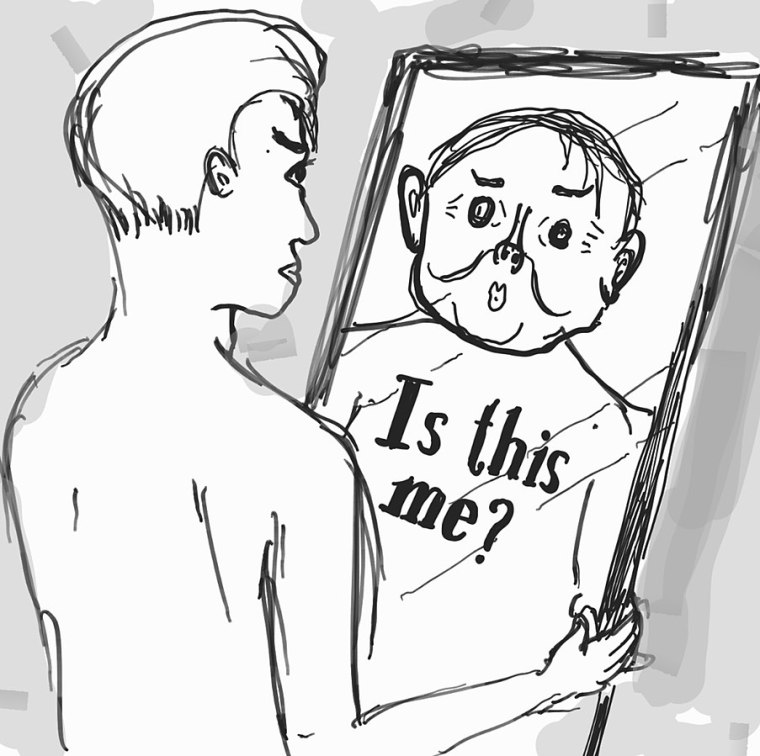
Body dysmorphic disorder (BDD), occasionally still called dysmorphophobia, is a mental disorder characterized by the obsessive idea that some aspect of one’s own body part or appearance is severely flawed and therefore warrants exceptional measures to hide or fix it.

A cartoon of a patient with body dysmorphia looking in a mirror, seeing a distorted image of himself.

In BDD’s delusional variant, the flaw is imagined. If the flaw is actual, its importance is severely exaggerated. Either way, thoughts about it are pervasive and intrusive, and may occupy several hours a day, causing severe distress and impairing one’s otherwise normal activities. BDD is classified as a somatoform disorder, and the DSM-5 categorises BDD in the obsessive-compulsive spectrum, and distinguishes it from anorexia nervosa.

BDD is estimated to affect from 0.7% to 2.4% of the population. It usually starts during adolescence and affects both men and women. The BDD subtype muscle dysmorphia, perceiving the body as too small, affects mostly males. Besides thinking about it, one repetitively checks and compares the perceived flaw, and can adopt unusual routines to avoid social contact that exposes it. Fearing the stigma of vanity, one usually hides the preoccupation. Commonly unsuspected even by psychiatrists, BDD has been underdiagnosed. Severely impairing quality of life via educational and occupational dysfunction and social isolation, BDD has high rates of suicidal thoughts and attempts at suicide.

Brief History

In 1886, Enrico Morselli reported a disorder that he termed dysmorphophobia, which described the disorder as a feeling of being ugly even though there does not appear to be anything wrong with the person’s appearance. In 1980, the American Psychiatric Association recognised the disorder, while categorising it as an atypical somatoform disorder, in the third edition of its Diagnostic and Statistical Manual of Mental Disorders (DSM). Classifying it as a distinct somatoform disorder, the DSM-III’s 1987 revision switched the term to body dysmorphic disorder.

Published in 1994, DSM-IV defines BDD as a preoccupation with an imagined or trivial defect in appearance, a preoccupation causing social or occupational dysfunction, and not better explained as another disorder, such as anorexia nervosa. Published in 2013, the DSM-5 shifts BDD to a new category (obsessive-compulsive spectrum), adds operational criteria (such as repetitive behaviours or intrusive thoughts), and notes the subtype muscle dysmorphia (preoccupation that one’s body is too small or insufficiently muscular or lean).

Signs and Symptoms

Dislike of one’s appearance is common, but individuals who suffer from BDD have extreme misperceptions about their physical appearance. Whereas vanity involves a quest to aggrandise the appearance, BDD is experienced as a quest to normalise the appearance merely. Although delusional in about one of three cases, the appearance concern is usually non-delusional, an overvalued idea.

The bodily area of focus can be nearly any and is commonly face, hair, and skin. In addition, multiple areas can be focused on simultaneously. A subtype of body dysmorphic disorder is bigorexia (anorexia reverse or muscle dysphoria). In muscular dysphoria, patients perceive their body as excessively thin despite being muscular and trained. Many seek dermatological treatment or cosmetic surgery, which typically do not resolve the distress. On the other hand, attempts at self-treatment, as by skin picking, can create lesions where none previously existed.

BDD is an obsessive-compulsive disorder but involves more depression and social avoidance despite DOC. BDD often associates with social anxiety disorder. Some experience delusions that others are covertly pointing out their flaws. Cognitive testing and neuroimaging suggest both a bias toward detailed visual analysis and a tendency toward emotional hyper-arousal.

Most generally, one experiencing BDD ruminates over the perceived bodily defect several hours daily or longer, uses either social avoidance or camouflaging with cosmetics or apparel, repetitively checks the appearance, compares it to that of other people, and might often seek verbal reassurances. One might sometimes avoid mirrors, repetitively change outfits, groom excessively, or restrict eating.

BDD’s severity can wax and wane, and flareups tend to yield absences from school, work, or socializing, sometimes leading to protracted social isolation, with some becoming housebound for extended periods. Social impairment is usually greatest, sometimes approaching avoidance of all social activities. Poor concentration and motivation impair academic and occupational performance. The distress of BDD tends to exceed that of either major depressive disorder or diabetes, and rates of suicidal ideation and attempts are especially high.

Causal Factors

As with most mental disorders, BDD’s cause is likely intricate, altogether biopsychosocial, through an interaction of multiple factors, including genetic, developmental, psychological, social, and cultural. BDD usually develops during early adolescence, although many patients note earlier trauma, abuse, neglect, teasing, or bullying. In many cases, social anxiety earlier in life precedes BDD. Though twin studies on BDD are few, one estimated its heritability at 43%. Yet other factors may be introversion, negative body image, perfectionism, heightened aesthetic sensitivity, and childhood abuse and neglect.

Social Media

Constant use of social media and “selfie taking” may translate into low self-esteem and body dysmorphic tendencies. The sociocultural theory of self-esteem states that the messages given by media and peers about the importance of appearance are internalised by individuals who adopt others’ standards of beauty as their own. Due to excessive social media use and selfie taking, individuals may become preoccupied about presenting an ideal photograph for the public. Specifically, females’ mental health has been the most affected by persistent exposure to social media. Girls with BDD present symptoms of low self-esteem and negative self-evaluation. Researchers in Istanbul Bilgi University and Bogazici University in Turkey found that individuals who have low self-esteem participate more often in trends of taking selfies along with using social media to mediate their interpersonal interaction in order to fulfil their self-esteem needs. The self-verification theory, explains how individuals use selfies to gain verification from others through likes and comments. Social media may therefore trigger one’s misconception about their physical look. Similar to those with body dysmorphic tendencies, such behaviour may lead to constant seeking of approval, self-evaluation and even depression.

In 2019 systematic review using Web of Science, PsycINFO, and PubMed databases was used to identify social networking site patterns. In particular appearance focused social media use was found to be significantly associated with greater body image dissatisfaction. It is highlighted that comparisons appear between body image dissatisfaction and BDD symptomatology. They concluded that heavy social media use may mediate the onset of sub-threshold BDD.

Individuals with BDD tend to engage in heavy plastic surgery use. Mayank Vats from Rashid Hospital in the UAE, indicated that selfies may be the reason why young people seek plastic surgery with a 10% increase in nose jobs, a 7% increase in hair transplants and a 6% increase in eyelid surgery in 2013. In 2018, the term “Snapchat Dysmorphia” was brought to life after several plastic surgeons reported that some of their patients were seeking plastic surgeries to mimic “filtered” pictures. Filtered photos, such as those on Instagram and Snapchat, often present unrealistic and unattainable looks that may be a causal factor in triggering BDD.

Diagnosis

Estimates of prevalence and gender distribution have varied widely via discrepancies in diagnosis and reporting. In American psychiatry, BDD gained diagnostic criteria in the DSM-IV, having been historically unrecognised, only making its first appearance in the DSM in 1987, but clinicians’ knowledge of it, especially among general practitioners, is constricted. Meanwhile, shame about having the bodily concern, and fear of the stigma of vanity, makes many hide even having the concern.

Via shared symptoms, BDD is commonly misdiagnosed as social anxiety disorder, obsessive-compulsive disorder, major depressive disorder, or social phobia. Social anxiety disorder and BDD are highly comorbid (within those with BDD, 12-68.8% also have SAD; within those with SAD, 4.8-12% also have BDD), developing similarly in patients -BDD is even classified as a subset of SAD by some researchers. Correct diagnosis can depend on specialized questioning and correlation with emotional distress or social dysfunction. Estimates place the Body Dysmorphic Disorder Questionnaire’s sensitivity at 100% (0% false negatives) and specificity at 92.5% (7.5% false positives). BDD is also comorbid with eating disorders, up to 12% comorbidity in one study. Both eating and body dysmorphic disorders are concerned with physical appearance, but eating disorders tend to focus more on weight rather than one’s general appearance.

BDD is classified as an obsessive-compulsive disorder in DSM-5. It is important to treat people suffering from BDD as soon as possible because the person may have already been suffering for an extended period of time and as BDD has a high suicide rate, at 2-12 times higher than the national average.

Treatment

Medication and Psychotherapy

Antidepressant medication, such as selective serotonin reuptake inhibitors (SSRIs), and cognitive-behavioural therapy (CBT) are considered effective. SSRIs can help relieve obsessive-compulsive and delusional traits, while CBT can help patients recognise faulty thought patterns. Before treatment, it can help to provide psychoeducation, as with self-help books and support websites.

Self-Improvement

For many people with BDD cosmetic surgery does not work to alleviate the symptoms of BDD as their opinion of their appearance is not grounded in reality. It is recommended that cosmetic surgeons and psychiatrists work together in order to screen surgery patients to see if they suffer from BDD, as the results of the surgery could be harmful for them.

What is a Spectrum Disorder?

Introduction

A spectrum disorder is a mental disorder that includes a range of linked conditions, sometimes also extending to include singular symptoms and traits.

The different elements of a spectrum either have a similar appearance or are thought to be caused by the same underlying mechanism. In either case, a spectrum approach is taken because there appears to be “not a unitary disorder but rather a syndrome composed of subgroups”. The spectrum may represent a range of severity, comprising relatively “severe” mental disorders through to relatively “mild and nonclinical deficits”.

In some cases, a spectrum approach joins together conditions that were previously considered separately. A notable example of this trend is the autism spectrum, where conditions on this spectrum may now all be referred to as autism spectrum disorders. A spectrum approach may also expand the type or the severity of issues which are included, which may lessen the gap with other diagnoses or with what is considered “normal”. Proponents of this approach argue that it is in line with evidence of gradations in the type or severity of symptoms in the general population.

Origin

The term spectrum was originally used in physics to indicate an apparent qualitative distinction arising from a quantitative continuum (i.e. a series of distinct colours experienced when a beam of white light is dispersed by a prism according to wavelength). Isaac Newton first used the word spectrum (Latin for “appearance” or “apparition”) in print in 1671, in describing his experiments in optics.

The term was first used by analogy in psychiatry with a slightly different connotation, to identify a group of conditions that is qualitatively distinct in appearance but believed to be related from an underlying pathogenic point of view. It has been noted that for clinicians trained after the publication of DSM-III (1980), the spectrum concept in psychiatry may be relatively new, but that it has a long and distinguished history that dates back to Emil Kraepelin and beyond. A dimensional concept was proposed by Ernst Kretschmer in 1921 for schizophrenia (schizothymic – schizoid – schizophrenic) and for affective disorders (cyclothymic temperament – cycloid ‘psychopathy’ – manic-depressive disorder), as well as by Eugen Bleuler in 1922. The term “spectrum” was first used in psychiatry in 1968 in regard to a postulated schizophrenia spectrum, at that time meaning a linking together of what were then called “schizoid personalities”, in people diagnosed with schizophrenia and their genetic relatives (refer to Seymour S. Kety).

For different investigators, the hypothetical common disease-causing link has been of a different nature.

A spectrum approach generally overlays or extends a categorical approach, which today is most associated with the Diagnostic and Statistical Manual of Mental Disorders (DSM) and International Statistical Classification of Diseases (ICD). In these diagnostic guides, disorders are considered present if there is a certain combination and number of symptoms. Gradations of present versus absent are not allowed, although there may be subtypes of severity within a category. The categories are also polythetic, because a constellation of symptoms is laid out and different patterns of them can qualify for the same diagnosis. These categories are aids important for our practical purposes such as providing specific labels to facilitate payments for mental health professionals. They have been described as clearly worded, with observable criteria, and therefore an advance over some previous models for research purposes.

A spectrum approach sometimes starts with the nuclear, classic DSM diagnostic criteria for a disorder (or may join together several disorders), and then include an additional broad range of issues such as temperaments or traits, lifestyle, behavioural patterns, and personality characteristics.

In addition, the term ‘spectrum’ may be used interchangeably with continuum, although the latter goes further in suggesting a direct straight line with no significant discontinuities. Under some continuum models, there are no set types or categories at all, only different dimensions along which everyone varies (hence a dimensional approach).

An example can be found in personality or temperament models. For example, a model that was derived from linguistic expressions of individual differences is subdivided into the Big Five personality traits, where everyone can be assigned a score along each of the five dimensions. This is by contrast to models of ‘personality types’ or temperament, where some have a certain type and some do not. Similarly, in the classification of mental disorders, a dimensional approach, which is being considered for the DSM-V, would involve everyone having a score on personality trait measures. A categorical approach would only look for the presence or absence of certain clusters of symptoms, perhaps with some cut-off points for severity for some symptoms only, and as a result diagnose some people with personality disorders.

A spectrum approach, by comparison, suggests that although there is a common underlying link, which could be continuous, particular sets of individuals present with particular patterns of symptoms (i.e. syndrome or subtype), reminiscent of the visible spectrum of distinct colours after refraction of light by a prism.

It has been argued that within the data used to develop the DSM system there is a large literature leading to the conclusion that a spectrum classification provides a better perspective on phenomenology (appearance and experience) of psychopathology (mental difficulties) than a categorical classification system. However, the term has a varied history, meaning one thing when referring to a schizophrenia spectrum and another when referring to bipolar or obsessive-compulsive disorder spectrum, for example.

Types of Spectrum

The widely used DSM and ICD manuals are generally limited to categorical diagnoses. However, some categories include a range of subtypes which vary from the main diagnosis in clinical presentation or typical severity. Some categories could be considered subsyndromal (not meeting criteria for the full diagnosis) subtypes. In addition, many of the categories include a ‘not otherwise specified’ subtype, where enough symptoms are present but not in the main recognized pattern; in some categories this is the most common diagnosis.

Spectrum concepts used in research or clinical practice include the following.

Anxiety, Stress, and Dissociation

Several types of spectrum are in use in these areas, some of which are being considered in the DSM-5.

NameOutline
Generalised Anxiety SpectrumThis spectrum has been defined by duration of symptoms: a type lasting over six months (a DSM-IV criterion), over one month (DSM-III), or lasting two weeks or less (though may recur), and also isolated anxiety symptoms not meeting criteria for any type.
Social Anxiety SpectrumThis has been defined to span shyness to social anxiety disorder, including typical and atypical presentations, isolated signs and symptoms, and elements of avoidant personality disorder.
Panic-Agoraphobia SpectrumDue to the heterogeneity (diversity) found in individual clinical presentations of panic disorder and agoraphobia, attempts have been made to identify symptom clusters in addition to those included in the DSM diagnoses, including through the development of a dimensional questionnaire measure.
Post-Traumatic Stress Spectrum (or Trauma and Loss Spectrum)Work in this area has sought to go beyond the DSM category and consider in more detail a spectrum of severity of symptoms (rather than just presence or absence for diagnostic purposes), as well as a spectrum in terms of the nature of the stressor (e.g. the traumatic incident) and a spectrum of how people respond to trauma. This identifies a significant amount of symptoms and impairment below threshold for DSM diagnosis but nevertheless important, and potentially also present in other disorders a person might be diagnosed with.
Depersonalisation-Derealisation SpectrumAlthough the DSM identifies only a chronic and severe form of depersonalisation disorder, and the ICD a ‘depersonalisation-derealisation syndrome’, a spectrum of severity has long been identified, including short-lasting episodes commonly experienced in the general population and often associated with other disorders.

Obsessions and Compulsions

An obsessive-compulsive spectrum: This can include a wide range of disorders from Tourette syndrome to the hypochondrias, as well as forms of eating disorder, itself a spectrum of related conditions.

General Developmental Disorders

An autistic spectrum: In its simplest form this joins together autism and Asperger syndrome, and can additionally include other pervasive developmental disorders (PDD). These include PDD ‘not otherwise specified’ (including ‘atypical autism’), as well as Rett syndrome and childhood disintegrative disorder (CDD). The first three of these disorders are commonly called the autism spectrum disorders; the last two disorders are much rarer, and are sometimes placed in the autism spectrum and sometimes not. The merging of these disorders is based on findings that the symptom profiles are similar, such that individuals are better differentiated by clinical specifiers (i.e. dimensions of severity, such as extent of social communication difficulties or how fixed or restricted behaviours or interests are) and associated features (e.g. known genetic disorders, epilepsy, intellectual disabilities). The term specific developmental disorders is reserved for categorising particular specific learning disabilities and developmental disorders affecting coordination.

Psychosis

Refer to Psychosis.

The schizophrenia spectrum or psychotic spectrum: There are numerous psychotic spectrum disorders already in the DSM, many involving reality distortion. These include:

There are also traits identified in first degree relatives of those diagnosed with schizophrenia associated with the spectrum. Other spectrum approaches include more specific individual phenomena which may also occur in non-clinical forms in the general population, such as some paranoid beliefs or hearing voices. Some researchers have also proposed that avoidant personality disorder and related social anxiety traits should be considered part of a schizophrenia spectrum. Psychosis accompanied by mood disorder may be included as a schizophrenia spectrum disorder, or may be classed separately as below.

Schizoaffective Disorders

A schizoaffective spectrum: This spectrum refers to features of both psychosis (hallucinations, delusions, thought disorder etc.) and mood disorder (see below). The DSM has, on the one hand, a category of schizoaffective disorder (which may be more affective (mood) or more schizophrenic), and on the other hand psychotic bipolar disorder and psychotic depression categories. A spectrum approach joins these together and may additionally include specific clinical variables and outcomes, which initial research suggested may not be particularly well captured by the different diagnostic categories except at the extremes.

Schizophrenia-Like Personality Disorders

Schizoid personality disorder, schizotypal personality disorder and paranoid personality disorder can be considered ‘schizophrenia-like personality disorders’ because of their links to the schizophrenia spectrum.

Mood

A mood disorder (affective) spectrum or bipolar spectrum or depressive spectrum. These approaches have expanded out in different directions. On the one hand, work on major depressive disorder has identified a spectrum of subcategories and sub-threshold symptoms that are prevalent, recurrent and associated with treatment needs. People are found to move between the subtypes and the main diagnostic type over time, suggesting a spectrum. This spectrum can include already recognised categories of minor depressive disorder, ‘melancholic depression‘ and various kinds of atypical depression.

In another direction, numerous links and overlaps have been found between major depressive disorder and bipolar syndromes, including mixed states (simultaneous depression and mania or hypomania). Hypomanic (‘below manic’) and more rarely manic signs and symptoms have been found in a significant number of cases of major depressive disorder, suggesting not a categorical distinction but a dimension of frequency that is higher in bipolar II and higher again in bipolar I. In addition, numerous subtypes of bipolar have been proposed beyond the types already in the DSM (which includes a milder form called cyclothymia). These extra subgroups have been defined in terms of more detailed gradations of mood severity, or the rapidity of cycling, or the extent or nature of psychotic symptoms. Furthermore, due to shared characteristics between some types of bipolar disorder and borderline personality disorder, some researchers have suggested they may both lie on a spectrum of affective disorders, although others see more links to post-trauma syndromes.

Substance Use

A spectrum of drug use, drug abuse and substance dependence: One spectrum of this type, adopted by the Health Officers Council of British Columbia in 2005, does not employ loaded terms and distinctions such as “use” vs. “abuse”, but explicitly recognises a spectrum ranging from potentially beneficial to chronic dependence. The model includes the role not just of the individual but of society, culture and availability of substances. In concert with the identified spectrum of drug use, a spectrum of policy approaches was identified which depended partly on whether the drug in question was available in a legal, for-profit commercial economy, or at the other of the spectrum only in a criminal/prohibition, black-market economy. In addition, a standardised questionnaire has been developed in psychiatry based on a spectrum concept of substance use.

Paraphilias and Obsessions

The interpretative key of ‘spectrum,’ developed from the concept of ‘related disorders,’ has been considered also in paraphilias.

Paraphilic behaviour is triggered by thoughts or urges that are psychopathologically close to obsessive impulsive area. Hollander (1996) includes in the obsessive-compulsive spectrum, neurological obsessive disorders, body-perception-related disorders and impulsivity-compulsivity disorders. In this continuum from impulsivity to compulsivity it is particularly hard to find a clear borderline between the two entities.

On this point of view, paraphilias represent such as sexual behaviours due to a high impulsivity-compulsivity drive. It is difficult to distinguish impulsivity from compulsivity: sometimes paraphilic behaviours are prone to achieve pleasure (desire or fantasy), in some other cases these attitudes are merely expressions of anxiety, and the behavioural perversion is an attempt to reduce anxiety. In the last case, the pleasure gained is short in time and is followed by a new increase in anxiety levels, such as it can be seen in an obsessive patient after he performs his compulsion.

Eibl-Eibelsfeldt (1984) underlines a female sexual arousal condition during flight and fear reactions. Some women, with masochistic traits, can reach orgasm in such conditions.

Broad Spectrum Approach

Various higher-level types of spectrum have also been proposed, that subsume conditions into fewer but broader overarching groups.

One psychological model based on factor analysis, originating from developmental studies but also applied to adults, posits that many disorders fall on either an “internalising” spectrum (characterised by negative affectivity; subdivides into a “distress” subspectrum and a “fear” subspectrum) or an “externalising” spectrum (characterised by negative affectivity plus disinhibition). These spectra are hypothetically linked to underlying variation in some of the big five personality traits. Another theoretical model proposes that the dimensions of fear and anger, defined in a broad sense, underlie a broad spectrum of mood, behavioural and personality disorders. In this model, different combinations of excessive or deficient fear and anger correspond to different neuropsychological temperament types hypothesized to underlie the spectrum of disorders.

Similar approaches refer to the overall ‘architecture’ or ‘meta-structure’, particularly in relation to the development of the DSM or ICD systems. Five proposed meta-structure groupings were recently proposed in this way, based on views and evidence relating to risk factors and clinical presentation. The clusters of disorder that emerged were described as:

  • Neurocognitive (identified mainly by neural substrate abnormalities);
  • Neurodevelopmental (identified mainly by early and continuing cognitive deficits);
  • Psychosis (identified mainly by clinical features and biomarkers for information processing deficits);
  • Emotional (identified mainly by being preceded by a temperament of negative emotionality); and
  • Externalising (identified mainly be being preceded by disinhibition).

However, the analysis was not necessarily able to validate one arrangement over others. From a psychological point of view, it has been suggested that the underlying phenomena are too complex, inter-related and continuous – with too poorly understood a biological or environmental basis – to expect that everything can be mapped into a set of categories for all purposes. In this context the overall system of classification is to some extent arbitrary, and could be thought of as a user interface which may need to satisfy different purposes.