How Common Is Addiction Alongside Mental Health Disorders?

Introduction

According to a range of US governmental agencies devoted to healthcare studies, addiction and mental health disorders are deeply intertwined. It is not uncommon for someone seeking treatment for substance use to also be managing symptoms of depression, anxiety, trauma, or another psychiatric condition. 

This combination is referred to as a co-occurring disorder or dual diagnosis. In Arizona specifically, the latest research from the Arizona Department of Human Services relays the following: 71 % of Arizona treatment providers reported offering dual‑diagnosis/co‑occurring services.

Understanding how common these conditions are, and how they interact, is key to getting the right help. Whether you are researching for a loved one or trying to make sense of your own experience, we provide a brief outline for you in this article.

We will review what you need to know about the prevalence, causes, and treatment of addiction alongside mental health disorders.

According to the Substance Abuse and Mental Health Services Administration, genetics  significantly influence both mental illness and substance use disorders (SUDs). Shared genetic factors – such as those affecting brain reward systems – can increase risk for both conditions.

The Overlap Between Addiction and Mental Illness

Addiction does not occur in a vacuum. Many individuals who struggle with drugs or alcohol also experience underlying mental health conditions.

According to the National Institute on Drug Abuse “About half of the people who experience a substance use disorder also experience a mental illness at some point during their lifetime, and vice versa.”

In Arizona, this rate tends to be even higher. According to SAMHSA’s 2019 Behavioural Health Barometer, Arizona reports that 4-5% of adults experienced both SUD and any mental illness. These percentages surpass the national average of 3.8%.

Why Do These Conditions Co-Occur?

There are several reasons why mental health disorders and addiction commonly appear together:

  • Self-medication: SAMHSA explains that mental health problems can lead some individuals to misuse substances “as a form of self‑medication” to alleviate distressing symptoms like anxiety or depression.
  • Shared risk factors: Genetics contribute significantly, according to the National Centre for Biotechnology Information: Epigenetic changes triggered by trauma or stress can modify gene expression in ways that increase sensitivity to both mental health issues and substance use.
  • Addiction-induced symptoms: SAMHSA states that substances “can cause people with an addiction to experience one or more symptoms of a mental health problem.” These symptoms may mirror anxiety, depression, psychosis, or mood disturbances during intoxication or withdrawal—and may persist until diagnosed and treated appropriately.

The relationship is rarely one-directional. Sometimes addiction leads to worsening mental health. Other times, unresolved trauma or an undiagnosed condition paves the way for substance use.

Common Mental Health Conditions Seen with Addiction

While co-occurring disorders can take many forms, certain psychiatric conditions are more frequently associated with substance use disorders.

Depression and Substance Use

Depression is among the most common co-occurring disorders. Nationally, SAMHSA states that depression is one of the most frequent mental–substance use co-occurring disorders, underscoring how individuals may self-medicate depressive symptoms with alcohol or sedatives, which then exacerbate depression over time.

Anxiety Disorders

Generalised anxiety disorder, panic disorder, and social phobia frequently appear alongside alcohol use, benzodiazepine misuse, or stimulant addiction. These substances can seem like a quick escape from anxiety but often reinforce the cycle of fear and dependence. 

The National Institute of Mental Health confirms that GAD and social anxiety disorder are “commonly associated with alcohol and substance misuse”.

Post-Traumatic Stress Disorder (PTSD)

PTSD is closely linked to addiction, especially among veterans, first responders, and survivors of abuse. Arizona has a large population of military personnel and veterans who may face both PTSD and addiction, requiring trauma-informed, dual diagnosis care. 

The US Air Force Medical Service materials state: withdrawal and stress can trigger PTSD symptoms (like flashbacks or hyperarousal), reinforcing substance use through emotional conditioning.

Bipolar Disorder

SAMHSA emphasizes that co-occurring SUD and bipolar symptoms create clinical ambiguity, often obscuring whether substance use or mood fluctuations came first. 

Substance use can make it harder to diagnose and treat bipolar disorder accurately. During manic episodes, individuals may take risks with drugs or alcohol. 

During depressive episodes, they may self-isolate or engage in harmful use patterns.

Schizophrenia and Psychotic Disorders

Though less common, individuals with schizophrenia or schizoaffective disorder can also struggle with substance use. According to the NCBI, NIDA and SAMHSA note that schizophrenia and other psychotic disorders, including schizoaffective disorder, are “highly prevalent” comorbid conditions with SUDs.

Specialized care is essential, particularly when symptoms of psychosis overlap with those caused by drug use (such as methamphetamine-induced psychosis, which has become more common in parts of Arizona). According to the Department of Justice,  Methamphetamine abuse is increasing in Arizona, making more persons at risk for methamphetamine-induced psychosis.

Recognising the Signs of a Co-Occurring Disorder

It can be challenging to identify a co-occurring disorder—especially because addiction can mimic or mask psychiatric symptoms. Here are some warning signs SAMHSA indicates that a dual diagnosis might be present:

  • Sudden mood swings or emotional numbness.
  • Isolation from family and friends.
  • Risky behaviour that escalates over time.
  • Trouble managing daily responsibilities.
  • Using substances to sleep, relax, or feel normal.
  • History of trauma or prior psychiatric diagnosis.

In many cases, individuals with co-occurring disorders will not fully respond to addiction treatment alone unless their mental health needs are also addressed.
The Importance of Integrated Treatment in Arizona

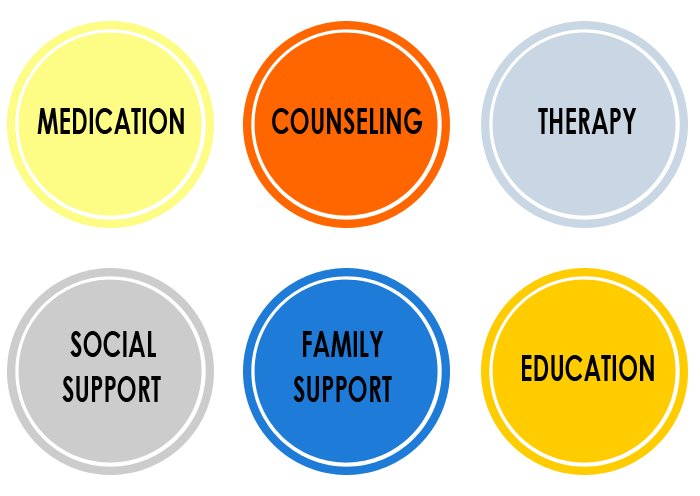
When both mental health and substance use disorders are present, integrated treatment is essential. This means treating both conditions at the same time, in the same setting, by the same clinical team.

Why Integrated Treatment Works

Research and clinical experience consistently show that individuals with co-occurring disorders do better when they receive:

  • A comprehensive psychiatric evaluation.
  • Medication management (when appropriate).
  • Individual and group therapy focused on dual diagnosis.
  • Psychoeducation about the interaction between mental health and addiction.
  • Trauma-informed care and relapse prevention strategies.

In Arizona, dual diagnosis treatment is offered by specialized providers who understand the unique cultural and logistical barriers residents may face—especially those in rural areas or on AHCCCS (Arizona’s Medicaid programme). For support using AHCCCS, those struggling can find an accredited facility that handles trauma and addiction treatment in Phoenix.

Access to Care in Arizona

Arizona has expanded mental health and substance use services through various public and private efforts, including:

  • AHCCCS coverage for dual diagnosis treatment at both inpatient and outpatient levels.
  • Designated behavioural health facilities offering psychiatric stabilization and addiction care under one roof.
  • Outreach efforts in underserved communities and tribal regions.

Still, waitlists and transportation issues remain barriers for some individuals, making early intervention all the more important.

Addressing Stigma Around Dual Diagnosis

Stigma remains one of the biggest obstacles to care. Some people may feel ashamed to seek help for either addiction or mental health concerns—let alone both at once. Families may misunderstand the symptoms and assume their loved one just needs “more willpower.”

The truth is that co-occurring disorders are medical conditions, not moral failings. Treatment works, and recovery is possible. In fact, when both mental health and addiction are addressed together, individuals are more likely to achieve long-term stability and improved quality of life.

What to Look for in a Dual Diagnosis Programme

If you or someone you care about in Arizona is dealing with both addiction and mental health challenges, finding the right treatment setting is key.
Look for programmes that offer:

  • Medical detox with psychiatric support.
  • A licensed mental health team (psychiatrists, therapists, counsellors).
  • Evidence-based therapies like CBT, DBT, and EMDR.
  • Support groups focused on co-occurring disorders.
  • A structured discharge and aftercare plan.

Ask whether the programme accepts your insurance, especially if you are using AHCCCS, Health Choice, or another Arizona-based plan.

When to Seek Help

You don’t need to have everything “figured out” to start. Many people begin treatment unsure of whether they have a co-occurring diagnosis – and that is okay. A quality provider will help you uncover the full picture through assessment and ongoing care.

If substance use is interfering with your ability to function, and you have noticed symptoms of anxiety, depression, trauma, or mood instability, it is time to reach out. Waiting for things to get worse only increases the risk of crisis or overdose.

Summary

No matter where you are in the process: searching for answers, feeling stuck, or finally ready to act – help is available. With the right support, healing from both addiction and mental health struggles is not only possible but deeply rewarding.

If you are exploring options for dual diagnosis care in Arizona, do not hesitate to ask questions. A conversation with the right provider can open the door to lasting change: for you or your loved one.
Every Mind Matters: The Connection Between Mental and Physical Health

Introduction

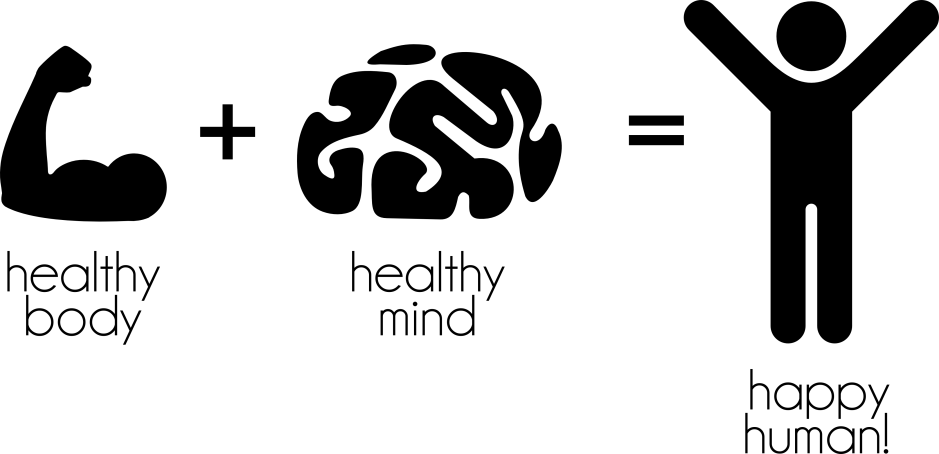
We often think of mental health and physical health as two separate things, but in reality, they are deeply interconnected. When we experience stress, anxiety, or depression, it does not just affect our mood – it can have a real, tangible impact on our physical well-being. Understanding the relationship between the mind and body is important, as it can help us maintain overall health and well-being.

The Mind-Body Connection

The connection between mental and physical health is not just a theory – it is backed by science. Any healthcare professional, from your local GP to registered nurses who have completed online post masters NP programmes, can tell you just how important of a role mental health plays in your overall health.

Our brain, which governs our thoughts, emotions, and behaviours, is also responsible for regulating many of the body’s functions. When we experience stress or mental health issues, the brain releases hormones like cortisol, which can trigger physical responses in the body. These include an increased heart rate, muscle tension, and a weakened immune system. Over time, chronic stress can lead to more serious physical health problems, such as heart disease, digestive issues, or even chronic pain.

On the flip side, physical health can significantly impact mental health. Inadequate sleep, for example, can affect cognitive function, mood, and memory, making it harder to manage stress and maintain a positive outlook.

Research has shown that people who engage in regular physical activity are less likely to experience anxiety and depression, demonstrating how physical health can contribute to better mental well-being.

It is Not Just in Your Head

Mental health issues can manifest in various ways physically. For example, stress can cause headaches, muscle tension, and fatigue. Chronic stress can also lead to high blood pressure, which increases the risk of heart disease and stroke.

People struggling with anxiety or depression may also experience gastrointestinal problems, such as nausea or irritable bowel syndrome (IBS), due to the gut-brain connection. The brain and gut are connected through the vagus nerve. Changes in one can affect the other, which is why mental health problems often involve digestive issues.

Mental health problems like depression can lead to a lack of motivation to take care of oneself. People may skip workouts, eat poorly, or neglect sleep – all of which contribute to further physical health deterioration. In severe cases, mental health issues can lead to unhealthy coping behaviours like smoking, excessive drinking, or dysregulated eating, which have long-term consequences for both mental and physical health.

Yes, It Works Both Ways

In the same way, physical health plays a significant role in mental well-being. Regular exercise has been shown to release endorphins, the body’s natural mood boosters. These chemicals help reduce feelings of anxiety and depression, making physical activity one of the most effective treatments for mental health problems. Exercise also improves sleep quality, which in turn supports cognitive function and emotional regulation.

Eating a balanced diet also plays a crucial role in maintaining mental health. Foods rich in vitamins, minerals, and antioxidants, such as leafy greens, fruits, and whole grains, can improve brain function and reduce inflammation.

On the other hand, a poor diet high in processed foods and sugar can lead to mood swings, fatigue, and difficulty concentrating, exacerbating mental health issues.

Sleep impacts our health more than most people realise. When we sleep, our bodies repair and rejuvenate, and our brains consolidate memories and process emotions. Chronic sleep deprivation can lead to a host of problems, increasing the risk of many other chronic, and sometimes fatal, illnesses.

Maintaining Overall Health

To maintain both mental and physical health, focus on consistent exercise. Eating a balanced diet while limiting sugar and processed foods can also be helpful as well as prioritising quality and consistent sleep each night. Even simply establishing a calming bedtime routine or avoiding things like screens and caffeine before bed can make a huge difference.

Never underestimate the power of mindfulness and stress management through practising techniques like meditation or deep breathing. It is also just as crucial to make time for social connections, as spending time with loved ones can improve your mood and reduce stress. If needed, seek professional help from a therapist or counsellor to develop coping strategies and receive support.

Summary

Maintaining both mental and physical health is a lifelong journey, but the payoff is well worth it. By understanding the strong connection between the two, we can take proactive steps to improve our well-being. Taking care of your mind and body is one of the best investments you can make for your overall health. After all, every mind matters, and so does everybody.

What is Mad Pride?

Introduction

A flyer for a Mad Pride event in London, 2003. Featured performers include Pete Shaughnessy, Alternative TV, Nikki Sudden, The Fish Brothers, Ceramic Hobs, Melanie Clifford, and Caesar Reel.

Mad Pride is a mass movement of current and former users of mental health services, as well as those who have never used mental health services but are aligned with the Mad Pride framework. The movement advocates that individuals with mental illness should be proud of their ‘mad’ identity.

Mad Pride activists seek to reclaim terms such as “mad”, “nutter”, and “psycho” from misuse, such as in tabloid newspapers, and in order to switch it from a negative view into a positive view. Through mass media campaigns, Mad Pride activists seek to re-educate the general public on the causes of mental disabilities and the experiences of those using the mental health system.

Mad Pride was formed in 1993 in response to local community prejudices towards people with a psychiatric history living in boarding homes in the Parkdale area of Toronto, Ontario, Canada; since then, an event has been held in Toronto every year (except for 1996). A similar movement began around the same time in the United Kingdom, and by the late 1990s, Mad Pride events were organized around the globe, including in Australia, Brazil, France, Ireland, Portugal, Madagascar, South Africa, South Korea, and the United States. Events draw thousands of participants, according to MindFreedom International, a United States mental health advocacy organisation that promotes and tracks events spawned by the movement.

Brief History

Mad Studies grew out of mad pride and the psychiatric survivor framework, and focuses on developing scholarly thinking around “mental health” by academics who self-identify as mad. As noted in Mad matters: a critical reader in Canadian mad studies, “Mad Studies can be defined in general terms as a project of inquiry, knowledge production, and political action devoted to the critique and transcendence of psy-centred ways of thinking, behaving, relating, and being”. Mad studies posits to offer “a critical discussion of mental health and madness in ways that demonstrate the struggles, oppression, resistance, agency and perspectives of Mad people to challenge dominant understandings of ‘mental illness’.” “Mad studies is a growing, evolving, multi-voiced and interdisciplinary field of activism, theory, praxis and scholarship.”

The first known event, held on 18 September 1993, was called Psychiatric Survivor Pride Day, and was organised by and for people who identified as survivors, consumers, or ex-patients of psychiatric practices.

Founders

Mad Pride’s founding activists in the UK include Simon Barnett, Pete Shaughnessy, and Robert Dellar.

Books and Articles

Mad Pride: A celebration of mad culture records the early Mad Pride movement. On Our Own: Patient-Controlled Alternatives to the Mental Health System, published in 1978 by Judi Chamberlin, is a foundational text in the Mad Pride movement, although it was published before the movement was launched.

Mad Pride was launched shortly before a book of the same name, Mad Pride: A celebration of mad culture, published in 2000. On 11 May 2008, Gabrielle Glaser documented Mad Pride in The New York Times. Glaser stated:

“Just as gay-rights activists reclaimed the word queer as a badge of honor rather than a slur, these advocates proudly call themselves mad; they say their conditions do not preclude them from productive lives.”

Culture and Events

Mad Pride and disability pride are both celebrated in July in many countries, including Canada, Ireland, and the United Kingdom. There is a connection to Bastille Day, a French national holiday which occurs annually on 14 July to commemorate the Storming of the Bastille on 14 July 1789. This event was adopted a symbol of Mad Pride, representing liberation and freedom.

The Mad Pride movement has spawned recurring cultural events in Toronto, London, Dublin, and other cities around the world. These events often include live music, poetry readings, film screenings, and street theatre. “Bed push” protests are one form of street theatre unique to Mad Pride events; their aim is to raise awareness about the barriers that prevent people from accessing quality treatment – which disproportionately affect people who are oppressed for other aspects such as race or class – as well as the widespread use of force in psychiatric hospitals. Past events have included British journalist Jonathan Freedland and novelist Clare Allan. Mad Pride cultural events take a variety of forms, such as the South London collective Creative Routes, the Chipmunka Publishing enterprise, and the many works of Dolly Sen.

Bed Push

A Bed Push is a method of activism employed by multiple mental health agencies and advocates as a method of raising awareness about psychiatric care. Activists wheel a gurney through public spaces to provoke discussion about mental health care. MindFreedom has a recipe for a successful Bed Push on their website, urging participants to remain peaceful but also ensure they are seen, using attention-grabbing tactics such as blowing horns, mild traffic disruptions, and loud music. Often patients in psychiatric care feel silenced and powerless, so the act of intentionally securing visibility and showing off resilience is one method of regaining dignity.

Mad Pride Week in Toronto is recognised by the city itself. The festivities surrounding this week are highlighted by the Mad Pride Bed Push, which typically takes place on the 14th of July. The event is staged at Toronto’s Queen Street West “to raise public awareness about the use of force and lack of choice for people ensnared in the Ontario mental health system”. This week is officially run by Toronto Mad Pride which partners a number of mental health agencies in the city. In recent years, some advocates have pushed for Parkdale, Toronto to be renamed MAD! Village, to reclaim pride in its surrounding communities’ long history of struggle with mental health and addictions.

A series of bed push events take place around London each year.

Psychiatric Patient-Built Wall Tours

The Psychiatric Patient-Built Wall Tours take place in Toronto, at the CAMH facility on Queen St West. The tours show the patient-built walls from the 19th century that are located at present day CAMH. The purpose of the tours is to give a history on the lives of the patients who built the walls, and bring attention to the harsh realities of psychiatry.

Geoffrey Reaume and Heinz Klein first came up with the idea of walking tours as part of a Mad Pride event in 2000. The first wall tour occurred on what is now known as Mad Pride Day, on 14 July 2000, with an attendance of about fifty people. Reaume solely leads the tours, and they have grown from annual events for Mad Pride, to occurring several times throughout the year in all non-winter months.

Mad Pride Today

Mad Pride continues to grow with each event. 16 July 2022, in Burlington, VT, Vermonters who identify with the cause came to support it with a showing of speakers, musicians, and food vendors.

In the UK on 14 July 2022, 70 individuals gathered outside Parliament Square to protest the treatment of patients in psychiatric institutions.

This page is based on the copyrighted Wikipedia article < https://en.wikipedia.org/wiki/Mad_pride >; it is used under the Creative Commons Attribution-ShareAlike 3.0 Unported License (CC-BY-SA). You may redistribute it, verbatim or modified, providing that you comply with the terms of the CC-BY-SA.

What is the Shift-and-Persist Model?

Introduction

The Shift-and-persist model has emerged in order to account for unintuitive, positive health outcomes in some individuals of low socioeconomic status.

A large body of research has previously linked low socioeconomic status to poor physical and mental health outcomes, including early mortality. Low socioeconomic status is hypothesized to get “under the skin” by producing chronic activation of the sympathetic nervous system and hypothalamic–pituitary–adrenal axis, which increases allostatic load, leading to the pathogenesis of chronic disease. However, some individuals of low socioeconomic status do not appear to experience the expected, negative health effects associated with growing up in poverty. To account for this, the Shift-and-Persist Model proposes that, as children, some individuals of low socioeconomic status learn adaptive strategies for regulating their emotions (“shifting”) and focusing on their goals (“persisting”) in the face of chronic adversity. According to this model, the use of shift-and-persist strategies diminishes the typical negative effects of adversity on health by leading to more adaptive biological, cognitive, and behavioural responses to daily stressors.

Shift Strategies

Broadly, “shift” strategies encompass a variety of cognitive and emotion self-regulation approaches that individuals use to deal with stress, including cognitive restructuring, reframing, reappraisal, and acceptance strategies, which change the meaning of a stressor or reduce its emotional impact. These shift strategies particularly focus on changing one’s response to a stressor, instead of attempting to change the situation or stressor itself. As shift strategies depend more on internal processes (self-control and regulation), than external resources, it is hypothesized that shift strategies may be particularly adaptive responses to the chronic, uncontrollable stressors that are associated with low socioeconomic status.

Persist Strategies

According to Chen and Miller, “persist” strategies are any strategies that help individuals to maintain optimism about the future, create meaning from their experiences of challenge and hardship, and persist “with strength in the face of adversity.”

Measurement

To evaluate the combination of shift-and-persist strategy use, distinct “shift” and “persist” constructs were initially measured separately by using multiple, self-report measures of reappraisal, emotional reactivity, and future orientation in early research on this model.

In 2015, Chen and colleagues published the Shift-and-Persist Scale, which is a combined self-report measure that assesses both shift and persist strategies. The Shift-and-Persist Scale has been validated for use with adults and teenagers. The questionnaire asks respondents to rate how well 14 statements about various approaches to dealing with life stressors apply to them on a 1-4 scale. Out of the 14 items on the measure, 4 assess a respondent’s use of shift strategies, 4 load onto persist strategies, and 6 items are non-relevant distractors that are ignored during scoring. When scoring the Shift-and-Persist Scale, one item (#4) is reverse-scored. This scale is publicly available online.

A simplified 5-item Shift-and-Persist scale has also been published for use with younger children and adolescents (ages 9–15). Total scores on this version of the Shift-and-Persist Scale range from 0-20, such that higher scores are indicative of greater use of shift-and-persist strategies. This scale is also publicly available online and has been previously used in research with children from kindergarten through 8th grade.

Proposed Mechanisms

Reduction of the Harmful Biological Effects of Stress

The shift-and-persist model mainly hypothesizes that these strategies have protective effects for the health of low socioeconomic status individuals because they affect biological and physiological stress response tendencies that are relevant for disease. There is some evidence that shift responses (e.g. reappraisal) to acute stressors are associated with attenuated physiological responses to stress, including reduced cardiovascular reactivity. Specifically, reappraisal has been linked to a “healthier” pattern of hypothalamic–pituitary–adrenal axis response characterised by a rapid return to homeostasis (i.e., faster cortisol recovery) in the wake of a stressor. Persist tendencies, such as optimism, have also been associated with adaptive immune responses and faster cortisol recovery. By constraining the magnitude and duration of biological stress responses, including cardiovascular, hypothalamic–pituitary–adrenal axis, and inflammatory responses to stress, shift-and-persist responses are hypothesized to prevent the wear and tear on these systems that increases allostatic load and risk for chronic diseases of aging.

Cross-sectional studies provide some evidence that greater emotion regulation abilities are associated with reduced health risk on a variety of indicators of allostatic load. Similarly, self-reported trait levels of optimism and purpose in life have been linked to better concurrent health and health trajectories over time. However, most of the health benefits associated with shift-and-persist consistent strategies are only seen in low socioeconomic status samples.

Enhancement of Adaptive Biological Stress-Recovery Systems

Another alternative, but not mutually exclusive hypothesis, is that shift-and-persist strategies affect health by increasing or up-regulating biological responses that enhance stress recovery and resilience. In particular, the parasympathetic nervous system’s functioning may be enhanced by shift-and-persist response tendencies. Emotion regulation abilities that are consistent with shift-coping have been linked to greater parasympathetic nervous system functioning at rest, as indexed by higher levels of high-frequency heart rate variability. Further, the parasympathetic nervous system is highly integrated with, and may contribute to the down-regulation of hypothalamic–pituitary–adrenal axis and immune system stress responses that influence allostatic load over time. Although parasympathetic nervous system activity is correlated with aspects of shift-and-persist coping, it is not yet established that the use of these strategies actually increases parasympathetic nervous system activity.

The oxytocin system has also been identified as another potential mechanism by which shift-and-persist strategies could influence health outcomes. Oxytocin is a hormone that has been linked to a wide range of positive social and emotional functions and can be used to effectively attenuate hypothalamic–pituitary–adrenal axis and sympathetic nervous system responses to stress. However, there is little research examining the interplay between shift-and-persist strategy use and the oxytocin system.

Impact on Health Behaviours

It has also been proposed that shift-and-persist strategies may buffer health outcomes in individuals of low socioeconomic status by affecting health behaviours. Previous research has demonstrated that, regardless of socioeconomic status, individuals with emotion regulation difficulties are also likely to engage in poorer health behaviours, including over-eating, sedentary lifestyle, risky sexual health behaviours, and drug use. Individuals of low socioeconomic status who learn to regulate their emotions more effectively, by using “shift” strategies in childhood, may be more likely than their peers with emotion regulation difficulties to establish and sustain positive health behaviours throughout development. Similarly, persist strategies that help individuals to maintain a positive focus on the future may also affect wellbeing through health behaviours. Prior studies have linked being “future-oriented” to lower levels of drug use and sexual risk behaviours. Therefore, it is possible that individuals who regularly use shift-and-persist strategies will be more likely to practice positive health behaviours, which promote healthy development and aging.

However, it is important to note that the relationships between emotion regulation abilities and health behaviour are bidirectional. Health behaviours, such as physical activity and sleep hygiene, can also have powerful effects on our capacity to successfully regulate emotions.

Research Support for Associations with Health

Since 2012, integrative research groups concerned with clinical health psychology, social psychology, psychoneuroimmunology, and public health have begun to evaluate the relationships postulated by the shift-and-persist model. The majority of empirical studies on this topic test whether shift-and-persist strategies are associated with differential health outcomes in low vs. high socioeconomic status samples.

Thus far, high levels of shift-and-persist strategy use have been linked to:

  • Lower total allostatic load in adults who grew up in low, but not high, socioeconomic status households.
  • Lower body mass index in children from low, but not high, socioeconomic status families.
  • Reduced low-grade inflammation in adolescents (and parents) from low socioeconomic status families.
  • A “healthier” profile of hypothalamic–pituitary–adrenal axis functioning, as indexed by diurnal cortisol in children from low socioeconomic status families.
  • Lower levels of asthma-related impairment and inflammation in children from low, but not high, socioeconomic status families.
  • Better asthma profiles in children and teens from families reporting low, but not high, perceived social status.
  • Lower levels of depressive symptoms in Latinx youth from low, but not high, income families.

Although it has been proposed that a variety of psychological interventions for at-risk youth of low socioeconomic status may reduce health disparities, in part, by increasing shift-and-persist tendencies in families, the majority of studies on shift-and-persist have been cross-sectional. Therefore, it remains unknown if shift-and-persist strategies play a causal role in reducing the negative impact of low socioeconomic status on health. More longitudinal and treatment studies are needed to evaluate directional and causal hypotheses based upon the shift-and-persist model.

This page is based on the copyrighted Wikipedia article < https://en.wikipedia.org/wiki/Shift-and-persist_model >; it is used under the Creative Commons Attribution-ShareAlike 3.0 Unported License (CC-BY-SA). You may redistribute it, verbatim or modified, providing that you comply with the terms of the CC-BY-SA.

Facing Suicide (2022)

Introduction

Explore the crisis of suicide, including risk factors and prevention strategies.

Outline

Facing Suicide combines the poignant personal stories of people impacted by suicide with profiles of scientists at the forefront of research to reveal new insights into one of America’s most pressing mental health crises. Shining a light on this difficult topic can destigmatise suicide while revealing that there is help as well as hope for those at risk and their loved ones.

988 Suicide & Crisis Lifeline

If you are considering suicide, or if you or someone you know is in emotional crisis, please call or text 988. The 988 Suicide & Crisis Lifeline is a national network of local crisis centres that provides free and confidential emotional support to people in suicidal crisis or emotional distress.

Production & Filming Details

  • Narrator(s):
    • Josh Charles
  • Director(s):
    • James Barrat
  • Producer(s):
  • Writer(s):
  • Music:
  • Cinematography:
  • Editor(s):
  • Production:
    • Twin Cities PBS
    • PBS Distribution
  • Distributor(s):
    • PBS Distribution.
  • Release Date: 25 October 2022.
  • Running Time: 60 minutes.
  • Rating: Unknown (but contains Mature content).
  • Country: US.
  • Language: English.

What is Quality of Life?

Introduction

Quality of life (QOL) is defined by the World Health Organisation (WHO) as “an individual’s perception of their position in life in the context of the culture and value systems in which they live and in relation to their goals, expectations, standards and concerns”.

Standard indicators of the quality of life include wealth, employment, the environment, physical and mental health, education, recreation and leisure time, social belonging, religious beliefs, safety, security and freedom. QOL has a wide range of contexts, including the fields of international development, healthcare, politics and employment. Health related QOL (HRQOL) is an evaluation of QOL and its relationship with health.

Refer to Physical Quality of Life Index.

Engaged Theory

One approach, called engaged theory, outlined in the journal of Applied Research in the Quality of Life, posits four domains in assessing quality of life:

  1. Ecology;
  2. Economics;
  3. Politics; and
  4. Culture.

In the domain of culture, for example, it includes the following subdomains of quality of life:

  • Beliefs and ideas
  • Creativity and recreation
  • Enquiry and learning
  • Gender and generations
  • Identity and engagement
  • Memory and projection
  • Well-being and health

Under this conception, other frequently related concepts include freedom, human rights, and happiness. However, since happiness is subjective and difficult to measure, other measures are generally given priority. It has also been shown that happiness, as much as it can be measured, does not necessarily increase correspondingly with the comfort that results from increasing income. As a result, standard of living should not be taken to be a measure of happiness. Also sometimes considered related is the concept of human security, though the latter may be considered at a more basic level and for all people.

Quantitative Measurement

Unlike per capita GDP or standard of living, both of which can be measured in financial terms, it is harder to make objective or long-term measurements of the quality of life experienced by nations or other groups of people. Researchers have begun in recent times to distinguish two aspects of personal well-being: Emotional well-being, in which respondents are asked about the quality of their everyday emotional experiences – the frequency and intensity of their experiences of, for example, joy, stress, sadness, anger and affection – and life evaluation, in which respondents are asked to think about their life in general and evaluate it against a scale. Such and other systems and scales of measurement have been in use for some time. Research has attempted to examine the relationship between quality of life and productivity. There are many different methods of measuring quality of life in terms of health care, wealth, and materialistic goods. However, it is much more difficult to measure meaningful expression of one’s desires. One way to do so is to evaluate the scope of how individuals have fulfilled their own ideals. Quality of life can simply mean happiness, the subjective state of mind. By using that mentality, citizens of a developing country appreciate more since they are content with the basic necessities of health care, education and child protection.

According to ecological economist Robert Costanza:

While Quality of Life (QOL) has long been an explicit or implicit policy goal, adequate definition and measurement have been elusive. Diverse “objective” and “subjective” indicators across a range of disciplines and scales, and recent work on subjective well-being (SWB) surveys and the psychology of happiness have spurred renewed interest.

Human Development Index

Perhaps the most commonly used international measure of development is the Human Development Index (HDI), which combines measures of life expectancy, education, and standard of living, in an attempt to quantify the options available to individuals within a given society. The HDI is used by the United Nations (UN) Development Programme in their Human Development Report. However, since year 2010, The Human Development Report introduced an Inequality-adjusted Human Development Index (IHDI). While the original HDI remains useful, it stated that:

“the IHDI is the actual level of human development (accounting for inequality), while the original HDI can be viewed as an index of ‘potential’ human development (or the maximum level of HDI) that could be achieved if there was no inequality.”

World Happiness Report

The World Happiness Report is a landmark survey on the state of global happiness. It ranks 156 countries by their happiness levels, reflecting growing global interest in using happiness and substantial well-being as an indicator of the quality of human development. Its growing purpose has allowed governments, communities and organisations to use appropriate data to record happiness in order to enable policies to provide better lives. The reports review the state of happiness in the world today and show how the science of happiness explains personal and national variations in happiness.

Developed again by the UN and published recently along with the HDI, this report combines both objective and subjective measures to rank countries by happiness, which is deemed as the ultimate outcome of a high quality of life. It uses surveys from Gallup, real GDP per capita, healthy life expectancy, having someone to count on, perceived freedom to make life choices, freedom from corruption, and generosity to derive the final score. Happiness is already recognised as an important concept in global public policy. The World Happiness Report indicates that some regions have in the past been experiencing progressive inequality of happiness.

Other Measures

The Physical Quality of Life Index (PQLI) is a measure developed by sociologist M.D. Morris in the 1970s, based on basic literacy, infant mortality, and life expectancy. Although not as complex as other measures, and now essentially replaced by the Human Development Index, the PQLI is notable for Morris’s attempt to show a “less fatalistic pessimistic picture” by focusing on three areas where global quality of life was generally improving at the time, while ignoring gross national product and other possible indicators that were not improving.

The Happy Planet Index, introduced in 2006, is unique among quality of life measures in that, in addition to standard determinants of well-being, it uses each country’s ecological footprint as an indicator. As a result, European and North American nations do not dominate this measure. The 2012 list is instead topped by Costa Rica, Vietnam and Colombia.

In 2010, Gallup researchers trying to find the world’s happiest countries found Denmark to be at the top of the list. For the period 2014-2016, Norway surpasses Denmark to be at the top of the list. uSwitch publishes an annual quality of life index for European countries. France topped the list from 2009 to 2011.

A 2010 study by two Princeton University professors looked at 1,000 randomly selected US residents over an extended period. It concludes that their life evaluations – that is, their considered evaluations of their life against a stated scale of one to ten – rise steadily with income. On the other hand, their reported quality of emotional daily experiences (their reported experiences of joy, affection, stress, sadness, or anger) levels off after a certain income level (approximately $75,000 per year in 2010); income above $75,000 does not lead to more experiences of happiness nor to further relief of unhappiness or stress. Below this income level, respondents reported decreasing happiness and increasing sadness and stress, implying the pain of life’s misfortunes, including disease, divorce, and being alone, is exacerbated by poverty.

Gross national happiness and other subjective measures of happiness are being used by the governments of Bhutan and the United Kingdom. The World Happiness report, issued by Columbia University is a meta-analysis of happiness globally and provides an overview of countries and grassroots activists using GNH. The OECD (Organisation for Economic Co-operation and Development) issued a guide for the use of subjective well-being metrics in 2013. In the US, cities and communities are using a GNH metric at a grassroots level.

The Social Progress Index measures the extent to which countries provide for the social and environmental needs of their citizens. Fifty-two indicators in the areas of basic human needs, foundations of wellbeing, and opportunity show the relative performance of nations. The index uses outcome measures when there is sufficient data available or the closest possible proxies.

Day-Reconstruction Method was another way of measuring happiness, in which researchers asked their subjects to recall various things they did on the previous day and describe their mood during each activity. Being simple and approachable, this method required memory and the experiments have confirmed that the answers that people give are similar to those who repeatedly recalled each subject. The method eventually declined as it called for more effort and thoughtful responses, which often included interpretations and outcomes that do not occur to people who are asked to record every action in their daily lives.

Liveability

The term quality of life is also used by politicians and economists to measure the liveability of a given city or nation. Two widely known measures of liveability are the Economist Intelligence Unit’s Where-to-be-born Index and Mercer’s Quality of Living Reports. These two measures calculate the liveability of countries and cities around the world, respectively, through a combination of subjective life-satisfaction surveys and objective determinants of quality of life such as divorce rates, safety, and infrastructure. Such measures relate more broadly to the population of a city, state, or country, not to individual quality of life. Liveability has a long history and tradition in urban design, and neighbourhoods design standards such as LEED-ND are often used in an attempt to influence liveability.

Crimes

Some crimes against property (e.g., graffiti and vandalism) and some “victimless crimes” have been referred to as “quality-of-life crimes.” American sociologist James Q. Wilson encapsulated this argument as the broken windows theory, which asserts that relatively minor problems left unattended (such as litter, graffiti, or public urination by homeless individuals) send a subliminal message that disorder, in general, is being tolerated, and as a result, more serious crimes will end up being committed (the analogy being that a broken window left broken shows an image of general dilapidation).

Wilson’s theories have been used to justify the implementation of zero tolerance policies by many prominent American mayors, most notably Oscar Goodman in Las Vegas, Richard Riordan in Los Angeles, Rudolph Giuliani in New York City and Gavin Newsom in San Francisco. Such policies refuse to tolerate even minor crimes; proponents argue that this will improve the quality of life of local residents. However, critics of zero tolerance policies believe that such policies neglect investigation on a case-by-case basis and may lead to unreasonably harsh penalties for crimes.

In Healthcare

Within the field of healthcare, quality of life is often regarded in terms of how a certain ailment affects a patient on an individual level. This may be a debilitating weakness that is not life-threatening; life-threatening illness that is not terminal; terminal illness; the predictable, natural decline in the health of an elder; an unforeseen mental/physical decline of a loved one; or chronic, end-stage disease processes. Researchers at the University of Toronto’s Quality of Life Research Unit define quality of life as “The degree to which a person enjoys the important possibilities of his or her life” (UofT). Their Quality of Life Model is based on the categories “being”, “belonging”, and “becoming”; respectively who one is, how one is connected to one’s environment, and whether one achieves one’s personal goals, hopes, and aspirations.

Experience sampling studies show substantial between-person variability in within-person associations between somatic symptoms and quality of life. Hecht and Shiel measure quality of life as “the patient’s ability to enjoy normal life activities” since life quality is strongly related to wellbeing without suffering from sickness and treatment. There are multiple assessments available that measure Health-Related Quality of Life, e.g. AQoL-8D, EQ5D – Euroqol, 15D, SF-36, SF-6D, HUI.

In International Development

Quality of life has been deemed an important concept in the field of international development because it allows development to be analysed on a measure that is generally accepted as more comprehensive than standard of living. Within development theory, however, there are varying ideas concerning what constitutes desirable change for a particular society. The different ways that quality of life is defined by institutions, therefore, shape how these organisations work for its improvement as a whole.

Organisations such as the World Bank, for example, declare a goal of “working for a world free of poverty”, with poverty defined as a lack of basic human needs, such as food, water, shelter, freedom, access to education, healthcare, or employment. In other words, poverty is defined as a low quality of life. Using this definition, the World Bank works towards improving quality of life through the stated goal of lowering poverty and helping people afford a better quality of life.

Other organisations, however, may also work towards improved global quality of life using a slightly different definition and substantially different methods. Many non-governmental organisations (NGOs) do not focus at all on reducing poverty on a national or international scale, but rather attempt to improve the quality of life for individuals or communities. One example would be sponsorship programmes that provide material aid for specific individuals. Although many organisations of this type may still talk about fighting poverty, the methods are significantly different.

Improving quality of life involves action not only by NGOs but also by governments. Global health has the potential to achieve greater political presence if governments were to incorporate aspects of human security into foreign policy. Stressing individuals’ basic rights to health, food, shelter, and freedom addresses prominent inter-sectoral problems negatively impacting today’s society and may lead to greater action and resources. Integration of global health concerns into foreign policy may be hampered by approaches that are shaped by the overarching roles of defence and diplomacy.

This page is based on the copyrighted Wikipedia article < https://en.wikipedia.org/wiki/Quality_of_life >; it is used under the Creative Commons Attribution-ShareAlike 3.0 Unported License (CC-BY-SA). You may redistribute it, verbatim or modified, providing that you comply with the terms of the CC-BY-SA.

Matt Willis: Fighting Addiction (2023)

Introduction

This raw documentary sees Busted’s Matt Willis open up about his struggles with addiction and the pressure it puts on his family, as well as looking into what helps him and others stay clean.

Outline

Musician, actor and dad of three Matt Willis may seem to have it all. He’s part of the hugely successful noughties pop band, Busted, has a flourishing acting career and is happily married to TV presenter Emma Willis, with whom he has three kids. But behind the success, there is one thing that often dominates his thoughts – his addictions. In this raw and honest documentary, Matt opens up about his past and takes an extensive look into his battle with drugs and alcohol, how it has pushed him to the edge, and his daily struggle to keep himself clean and sober. Matt talks about how he constantly lives with the fear of relapse and the pressure that puts on himself and his family.

The film looks back at some of Matt’s darkest days as he begins to explore what could be behind his addiction. Through meeting and talking with others, he tries to understand why he and fellow addicts become dependent on drugs and alcohol, what help is available, and what the latest developments in treatment are. Matt and his brother revisit their childhood home to see if the roots of his addictions can be found in their past.

He visits the rehab unit on the south coast that made a real difference to his recovery and where he spent four weeks in 2008 before his marriage to Emma Willis, coming out the day before his wedding, clean and sober. He joins a meeting at the centre, talking with current clients about their addiction and recovery experiences. Matt also travels to Imperial College London to meet a research team who are studying the differences between the brains of people in addiction and those of people who aren’t, and looks at treatments to help people in the long and often difficult road to recovery.

As well as his personal journey, the film captures the unwavering support Matt has from his bandmates, friends and family, in particular his wife Emma. Together, he and Emma travel to a leading charity in Glasgow that supports the relatives of addicts. Here, they meet the children, parents and spouses of people struggling with addictions.

Matt’s exploration of his addictions in this film comes at a time when he and Busted are preparing for their reunion tour, an environment that in the past has put him at risk of relapse. Can he get himself to a place where he feels comfortable and confident going on tour, and remain clean and sober? And through looking into the various possible reasons for his addictions, as well as some of the methods available to help ease them, can he help himself and others find peace in their daily battle with addiction?

Production & Filming Details

  • Narrator(s):
  • Director(s):
  • Producer(s):
  • Writer(s):
  • Music:
  • Cinematography:
  • Editor(s):
  • Production:
  • Distributor(s):
    • BBC One and BBC iPlayer
  • Release Date: 17 May 2023.
  • Running Time: 59 minutes.
  • Rating: Unknown.
  • Country: UK.
  • Language: English.

The Consultant (2022)

Introduction

The Consultant is a thriller TV series by director Ignacio Maiso.

Outline

A psychiatrist relives all of his past fears with the arrival of three new patients.

Cast

  • John-Christian Bateman … David
  • Rebecca Calienda … Sharon
  • Katie Dalton … Kate
  • Gareth Lawrence … Mike
  • Alex Reece … John
  • David Stock … John
  • Sindri Swan … Delivery guy

Production & Filming Details

  • Director(s):
    • Ignacio Maiso
  • Producer(s):
    • Agustin Maiso … executive producer
    • Ignacio Maiso … executive producer
    • Danny Mounsey … producer
    • David Stock … associate producer
  • Writer(s):
    • Ignacio Maiso
  • Music:
    • Ben Cook
  • Cinematography:
    • Milos Moore
  • Editor(s):
    • Chiraag Patel
  • Production:
    • Tractorni Productions
  • Distributor(s):
  • Release Date: 26 October 2022 (Internet).
  • Running Time: 97 minutes.
  • Rating: Unknown.
  • Country: UK.
  • Language: English.

Currently unavailable.

What is Meant by a Mental Environment?

Introduction

The mental environment refers to the sum of all societal influences upon mental health.

Refer to An Overview of Environmental Psychology, Healing Environments, and Healthy Building.

Outline

The term is often used in a context critical of the mental environment in industrialised societies. It is argued that just as industrial societies produce physical toxins and pollutants which harm humans physical health, they also produce psychological toxins (e.g. television, excessive noise, violent marketing tactics, Internet addiction, social media) that cause psychological damage.

This poor mental environment may help explain why rates of mental illness are reportedly higher in industrial societies which might also have its roots in poor educational environment and mechanical routinised life present. Magico-religious beliefs are an important contribution of such communal settings. Delusions such as these rooted from childhood are often hard to completely regulate from a person’s life.

The idea has its roots in evolutionary psychology, as the deleterious consequences of a poor mental environment can be explained by the mismatch between the mental environment humans evolved to exist within and the one they exist within today.

“We live in both a mental and physical environment. We can influence the mental environment around us, but to a far greater extent we are influenced by the mental environment. The mental environment contains forces that affect our thinking and emotions and that can dominate our personal minds.” Marshall Vian Summers

Further Reading

Gebelein, B. (2007). The Mental Environment (Mostly about Mind Pollution). 1st Ed. Omdega Press. ISBN 978-0-9614611-2-6.

This page is based on the copyrighted Wikipedia article < https://en.wikipedia.org/wiki/Mental_environment >; it is used under the Creative Commons Attribution-ShareAlike 3.0 Unported License (CC-BY-SA). You may redistribute it, verbatim or modified, providing that you comply with the terms of the CC-BY-SA.

What is Greyhound Therapy?

Introduction

Greyhound therapy is a pejorative term used in the US health care system since the mid-1960s to refer to mental health authorities’ buying a ticket on a Greyhound Lines bus to get rid of possible “troublemaker” patients.

The practice is still in use in certain mental-health circles.

Diesel therapy or motorcoach therapy are similar terms for the practice and are usually used pejoratively.

Refer to Homelessness and Mental Health.

This page is based on the copyrighted Wikipedia article < https://en.wikipedia.org/wiki/Homelessness_and_mental_health >; it is used under the Creative Commons Attribution-ShareAlike 3.0 Unported License (CC-BY-SA). You may redistribute it, verbatim or modified, providing that you comply with the terms of the CC-BY-SA.