Psychological inertia is the tendency to maintain the status quo (or default option) unless compelled by a psychological motive to intervene or reject this.
Psychological inertia is similar to the status quo bias but there is an important distinction in that psychological inertia involves inhibiting any action, whereas the status-quo bias involves avoiding any change which would be perceived as a loss.
Research into psychological inertia is limited, particularly into its causes, but it has been seen to affect decision-making by causing individuals to automatically choose or prefer the default option, even if there is a more beneficial option available to them, unless motivated to reject this option. For example, psychological inertia may cause individuals to continue with their investments later than they should, despite information telling them otherwise, causing them to suffer greater losses than they would have if they had disinvested earlier.
Psychological inertia has also seen to be relevant in areas of health, crime and within the workplace.
David Gal and Derek Rucker both suggest that psychological inertia could be a more suitable explanation for phenomena such as the status-quo bias and the endowment effect than loss aversion.
Status Quo Bias
The psychological inertia account asserts that the reason individuals choose to remain at the status quo is due to a lack of psychological motive to change this behaviour rather than through the weighing up of losses and gains in this decision. Both explanations were tested by David Gal in a study where subjects were asked to imagine that they owned a quarter minted in either Denver or Philadelphia. They were then given the choice of exchanging their coin with one minted in the other city, assuming insignificant time and effort involved in this process. It was found that 85% of participants chose to retain their original coin which can be explained by the inertia account of remaining at the status quo. However, the loss aversion account is unable to explain this decision as it does not provide insight into a propensity towards the status-quo when the option values are equivalent.
Endowment Effect
The endowment effect, i.e. greater value being placed on objects that are owned than those that are not, has been shown to be caused by loss aversion. This was demonstrated in Daniel Kahneman’s study in 1990 where participants who were given a mug demanded, on average, around seven dollars to part with it. Whereas, individuals who were not given a mug were only willing to spend, on average, around three dollars on the same mug. This therefore demonstrated that losses exert a greater impact than gains. However, it could also be seen as evidence for psychological inertia as the participants were provided with the same objects and therefore, as they were indifferent to them, they chose to maintain the status quo as there was no incentive to trade.
Inability to Break with Tradition
The 1998 article “Psychological Inertia” by James Kowalick refers to a company where the president was displeased that company management had little knowledge of what was going on in the manufacturing department. The management team was not approachable and looked down on employees that were not managers. “Remaining behind the sacred doors of one’s managerial office had become quite a tradition.” To address this issue, the president asked each manager to present a manufacturing procedure in detail at the staff meeting while the other managers asked penetrating questions. As a result, in short time, managers were on the production floor learning the procedures. This form of PI represents “cultural and traditional programming”.
Examples and Applications
Health
Avolition has been understood as a core symptom in schizophrenia, however, the drives of it are unclear. One possible drive that may underlie avolition is psychological inertia. It has been argued that as individuals with schizophrenia may be less able to convert their preferences into actions, they may display an increased tendency to maintain a current state, even if they attribute greater value to a different option available. Therefore, this causes these individuals to display greater levels of psychological inertia, and since this process inhibits their action, its presence could drive avolition. James Gold found that motivational impairments of schizophrenia may be associated with abnormalities in estimating the “cost” of effortful behaviour leading to increased psychological inertia which, in turn, could lead to increased avolition in these individuals. However, research into links between psychological inertia and schizophrenia is limited as is their relationship to avolition. For example, research is needed to explore whether the differences in levels of psychological inertia in individuals with schizophrenia only occur when there is a need to engage high levels of inertia or when the individual displays a high level of avolition. Research has shown, however, that the differences in levels of psychological inertia among individuals with schizophrenia is not only due to avolition but could be caused by attention deficits or action-readiness deficits.
Crime
Psychological inertia is believed to be one explanation factor in crime continuity, that is the persistence of criminal behaviour. Glenn Walter’s psychological inertia theorem states that crime continuity is partly caused by cognitive factors that account for the continuity in behaviour between past and future criminality and derives from his broader ‘lifestyle theory’ model, which explains the overall development of a criminal lifestyle. Walter’s theorem is based upon Newton’s law of inertia which states that a body will remain in motion until acted upon by an outside force, in which here the body in motion is crime. Within this theorem, Walter attributes six slow-changing variables that when combined link past criminality with future criminality. These six cognitive variables are:
Criminal thinking (antisocial attitudes and irrational thought patterns)
Positive outcome expectancies for crime (belief that crime will have specific positive outcomes)
Attribution biases (tendency to view the world as hostile and others as malicious)
Efficacy expectations (lack of confidence in one’s ability to avoid criminal opportunities in the future)
Goals (i.e. focus on short-term goals which becomes detrimental to long-term goals)
Values (pursuit of self-indulgent pleasure and immediate gratification)
The psychological inertia theorem argues that criminal involvement gives rise to these six cognitive variables which then encourage further offending behaviour.
Theories surrounding the expectation of behavioural continuity are a topic of debate in the criminal justice community. But the conventional wisdom that past behaviour is the best predictor of future behaviour has generally led to:
“an expectation that offenders with histories of criminal violence in the community are at increased risk for disruptive conduct in prison [and] has been operationalized as a routine component in prison risk classifications”.
Workplace
Psychological inertia has been found to be prevalent in change management within the workplace due to the fact it causes individuals to feel anxiety and fear as a result of any type of change away from the status-quo which may bring new responsibilities and roles. There are a variety of different interventions that have been suggested to overcome this psychological inertia which include providing fuller information including explaining the benefits that such a change will bring, causing people to feel less anxious and more motivated to carry out this change.
This page is based on the copyrighted Wikipedia article < https://en.wikipedia.org/wiki/Psychological_inertia >; it is used under the Creative Commons Attribution-ShareAlike 3.0 Unported License (CC-BY-SA). You may redistribute it, verbatim or modified, providing that you comply with the terms of the CC-BY-SA.
Regulatory focus theory (RFT) is a theory of goal pursuit formulated by Columbia University psychology professor and researcher E. Tory Higgins regarding people’s motivations and perceptions in judgement and decision making processes. RFT examines the relationship between the motivation of a person and the way in which they go about achieving their goal. RFT posits two separate and independent self-regulatory orientations: prevention and promotion (Higgins, 1997).
This psychological theory, like many others, is applied in communication, specifically in the subfields of nonverbal communication and persuasion. Chronic regulatory focus is measured using the Regulatory Focus Questionnaire (Higgins et al., 2001) or the Regulatory Strength measure. Momentary regulatory focus can be primed or induced.
Background
Regulatory Fit Theory
To understand RFT, it is important to understand another of E. Tory Higgins’ theories: regulatory fit theory. When a person believes that there is “fit”, they will involve themselves more in what they are doing and “feel right” about it. Regulatory fit should not directly affect the hedonic occurrence of a thing or occasion, but should influence a person’s assurance in their reaction to the object or event.
Regulatory fit theory suggests that a match between orientation to a goal and the means used to approach that goal produces a state of regulatory fit that both creates a feeling of rightness about the goal pursuit and increases task engagement (Higgins, 2001, 2005). Regulatory fit intensifies responses, such as the value of a chosen object, persuasion, and job satisfaction.
Regulatory fit does not increase the assessment of a decision; instead when someone feels “right” about their decision, the experience of “correctness and importance” is transferred to the ensuing assessment of the chosen object, increasing its superficial worth. Research suggests that the “feeling right” experience can then sway retrospective or prospective evaluations. Regulatory fit can be manipulated incidentally (outside the context of interest) or integrally (within the context of interest).
Definition
RFT refers to when a person pursues a goal in a way that maintains the person’s own personal values and beliefs, also known as regulatory orientation. This theory operates on the basic principle that people embrace pleasure but avoid pain, and they then maintain their regulatory fit based on this standard.
The regulatory focus is basically the way in which someone approaches pleasure but avoids pain. An individual’s regulatory focus concentrates on desired end-states, and the approach motivation used to go from the current state to the desired end-state. This theory differentiates between a promotion-focus on hopes and accomplishments, also known as gains. This focus is more concerned with higher level gains such as advancement and accomplishment.
Another focus is the prevention-focus based on safety and responsibilities, also known as non-losses. This focus emphasizes security and safety by following the guidelines and the rules.
These two regulatory focuses regulate the influences that a person would be exposed to in the decision-making process, and determine the different ways they achieve their goal, as discussed by RFT. An individual’s regulatory orientation is not necessarily fixed. While individuals have chronic tendencies towards either promotion or prevention, these preferences may not hold for all situations. Furthermore, a specific regulatory focus can be induced.
The value taken from interaction and goal attainment can be either positive or negative. The decision has positive value when people attempt to attain their goal in a way that fits their regulatory orientation and it will have negative value when people attempt to attain their goal in a way that does not fit their regulatory orientation. Regulatory fit allows value to be created by intensifying the commitment, based on one of the regulatory focus orientations. Making choices and fulfilling objectives are considered as activities, and with any activity, people can be more or less involved. When this involvement is strong, it can intensify the feelings and values about this activity, and the approach to the activity determines whether they are or are not satisfied with the outcome and method of achieving the outcome.
This theory has noteworthy implications for increasing the value of life. For example, in interpersonal conflict, if each person experiences “fit”, each one will be satisfied with and committed to the outcome. In the broad sense, for people to appreciate their own lives, they need to be satisfied and “feel right” about what they are doing, and the way they are doing it. If it is not satisfying, it is known as “non-fit”, and they will not reach their desired goal.
Goal Attainment and Motivation
Regulatory focus theory, according to Higgins, views motivation in a way that allows an understanding of the foundational ways we approach a task or a goal. Different factors can motivate people during goal pursuit, and we self-regulate our methods and processes during our goal pursuit. RFT proposes that motivational strength is enhanced when the manner in which people work toward a goal sustains their regulatory orientation. Achieving a goal in a way that is consistent to a person’s regulatory orientation leads to an individual sense of importance to the event. The impact of motivation is considered calculated and this creates a greater sense of commitment to the goal. The more strongly an individual is engaged (i.e. involved, occupied, fully engrossed) in an activity, the more intense the motivational force experienced. Engagement is of great importance to attain and motivate in order to reach a goal. Engagement serves as intensifier of the directional component of the value experience. An individual who is strongly engaged in a goal pursuits will experience a positive target more positively and a negative target more negatively.
Individuals can pursue different goals with diverse regulatory orientations and in unlike ways. There are two different kinds of regulatory orientations that people use to obtain their goals: promotion-focus orientation and prevention-focus orientation. These terms are derived from E. Tory Higgins’s Theory of Regulatory Focus. In which, he adds to the notion that people regulate their goal-oriented behaviour in two very distinct ways, coined promotion-focus orientation and prevention-focus orientation
E. Tory Higgins uses this example: there is Student A and Student B, and they both have the shared goal to make an A in a class they are both taking in college. Student A uses a promotion-focus orientation which slants them towards achieving their goal and towards advancement, growth and life accomplishment. This would cause Student A to view the goal as an ideal that satisfies their need for accomplishment. Student B uses a prevention-focus orientation where the goal is something that should be realised because it fulfils their need for security, protection and prevention of negative outcomes. Student A uses an eager approach where they read extra materials to obtain their goal of an A. Student B uses a vigilant approach where they become more detail oriented and pay careful attention to completing all of the course requirements.
Both forms of regulatory orientation can work to fulfil goals, but the choice of orientation is based on individual preferences and style. When a person pursues their goal in the focus that fits their regulatory orientation, they are more likely to pursue their goal more eagerly and aggressively than if they were using the other focus. In this case each student has different styles. They both feel more comfortable in persuading their goal. The outcome in this experiment would have been different if the students were given an undesirable choice.
When people make decisions, they often envision the possible “pleasure or pain” of the possible outcomes that the focus orientation will produce. A person imagining making a pleasing choice is more likely to engage in promotion-focus orientation because envisioning the possible outcome of success maintains eagerness about the outcome but does not place importance on vigilance. A person imagining the possible pain by making an undesirable choice maintains more vigilance but less eagerness.
A person with promotion-focus orientation is more likely to remember the occasions where the goal is pursued by using eagerness approaches and less likely to remember occasions where the goal is pursued by vigilance approaches. A person with prevention-focus orientation is more likely to remember events where the goal is pursued by means of vigilance than if it was pursued using eagerness approaches.
Application
Regulatory Focus Theory and Persuasion
When relating regulatory focus theory to persuasion, it is important to remember that RFT is a goal-attainment theory, and that RFT can spawn feelings of rightness/wrongness which in turn may produce formulations for judgements.
The feelings of rightness give an individual more commitment to the information coming in and therefore can avoid endangering their regulatory fit which in turn changes their regulatory focus and accepting a probable motive to change. If a person experiences feelings of wrongness they will suffer negative emotions and deem the experience and information as a threat to their regulatory fit and therefore a threat to their regulatory focus and their goal.
Studies have been done where fit and focus have been applied to show their applicability to consumer purchasing, health advisories, and social policy issues. To be persuaded is to change your prior feelings, actions, and/or beliefs on a matter to where you agree with the persuader.
The “fit” involved in RFT plays a large role in such issues and stories because it can be a device to help an individual receive and review the experience during a particular message delivery. Positive reinforcement and feelings of rightness while decoding the message creates a stronger engagement and relationship with processing the message, and negative reinforcement and feelings of wrongness lessens the engagement and attachment.
Researchers found that targeting the two different regulatory focus orientations, and their coinciding types of fit, works as an effective process to aid in persuasive charm or pull when they introduced a manner of persuasion where the framing of the message was everything and the content was irrelevant to uphold or interrupt a person’s regulatory fit and follow the pattern of logic used in regulatory orientation.
Lee and Aaker (2004) conducted an experiment that involved whether or not to give their information in a prevention-focus- or promotion-focus-concerning way. The study involved an advertisement for a grape juice drink, which they split into two to create prevention-focus concerns (disease-preventing) and then promotion-focus concerns (energy enhancement). In doing so, they demonstrated that rather than trying to know each individual recipient’s qualities, one needs only to start by nailing the focus (prevention/promotion) and then framing the message so that it creates that “rightness”.
Some may confuse RFT with regulatory fit, regulatory relevance, message matching, and source attractiveness in such an example. The extent of similarities between closely related theories of RFT, such as ones stated above, make it hard to clarify when this theory is applicable or apparent in respect to the persuasion process.
Regulatory Focus Theory and Nonverbal Communication
RFT can be a useful outline for a better understanding of the effects of nonverbal cues in persuasion and impression formation. Regulatory Fit Theory suggests that the effect of a cue cannot be understood without remembering what the cue means given a recipient’s focus orientation.
Nonverbal cues can be used by the message source to vary delivery style, more specifically to convey eagerness or vigilance, of a given message in a way that will produce regulatory fit in message recipients of different focus orientations.
Advancement implies eager movement forward, so eagerness is conveyed by gestures that involve animated, broad opening movements such as hand movements projecting outward, forward leaning body positions, fast body movement, and fast speech rate. Caution implies vigilant carefulness, so vigilance should be conveyed by gestures that show precision like slightly backward-leaning body positions, slower body movement, and slower speech rate.
An eager nonverbal delivery style will result in greater message effectiveness for promotion-focus recipients than for prevention-focus recipients, while the opposite is true for a vigilant nonverbal style.
There are various aspects, which may contribute to whether or not a message’s persuasive element is successful. One aspect is the effect of nonverbal cues and their association with persuasive appeals based on the message recipient’s motivational regulatory orientation. This determines the recipient’s impression of the source during impression formation.
Research has found that nonverbal cues are an essential element of most persuasive appeals. RFT creates the background that allows a prediction for when and for whom a nonverbal cue can have an effect on persuasion. When nonverbal cues and signals are used appropriately, they increase the effectiveness of persuasion.
Moral Judgement
RFT has also been applied within moral psychology to the topic of moral judgment, contrasting the notions of “oughts” and “ideals.”
References
Cesario, J: “Regulatory fit and persuasion: Basic principles and remaining questions”, Social and Personality Psychology Compass 2(1)
Higgins, E: “Making a Good Decision: Value From Fit”, American Psychologist 55(11):1217
Higgins, E. T. (2005). Value From Regulatory Fit. Current Directions in Psychological Science, 14(4), 209–213. doi:10.1111/j.0963-7214.2005.00366.x
Kruglanski, A. W., Pierro, A., & Higgins, E. T. (2007). Regulatory Mode and Preferred Leadership Styles: How Fit Increases Job Satisfaction. Basic and Applied Social Psychology, 29(2), 137–149. doi:10.1080/01973530701331700
Avnet, T: “Locomotion, assessment, and regulatory fit: Value transfer from ‘how’ to ‘what'”, Journal of Experimental Psychology 39(5):525
Manczak, Erika M.; Zapata-Gietl, Claudia; McAdams, Dan P. (January 2014). “Regulatory focus in the life story: prevention and promotion as expressed in three layers of personality”. Journal of Personality and Social Psychology. 106 (1): 169–181. doi:10.1037/a0034951. ISSN 1939-1315. PMID 24377362.
Higgins, E: “Achievement orientations from subjective histories of success: promotion pride versus prevention pride”, European Journal of Social Psychology. 31(1):4
Higgins, E. (1997, December) Beyond pleasure and pain. American Psychologist, 52(12):1281
Spiegel, S: “How regulatory fit enhances motivational strength during goal pursuit”, European Journal of Social Psychology. 34(1):40
Larsen, R., & Buss, D. (2009). Personality psychology: domains of knowledge about human nature. (4th ed., p. 388).
Vaughn, A: “‘This story is right on’: The impact of regulatory fit on narrative engagement and persuasion”, European Journal of Social Psychology. 39:448
Cesario, J., Higgins, E. (2008 May) Making Message Recipients “Feel Right”: How Nonverbal Cues Can Increase Persuasion. Psychological Science, 19(5)
Cornwell, James F. M.; Higgins, E. Tory (September 2015). “The “Ought” Premise of Moral Psychology and the Importance of the Ethical “Ideal””. Review of General Psychology. 19 (3): 311–328. doi:10.1037/gpr0000044. S2CID 146170745.
Cornwell, James F.M.; Higgins, E. Tory (November 2015). “Approach and avoidance in moral psychology: Evidence for three distinct motivational levels”. Personality and Individual Differences. 86: 139–149. doi:10.1016/j.paid.2015.06.012.
Cornwell, James F. M.; Higgins, E. Tory (March 2016). “Eager feelings and vigilant reasons: Regulatory focus differences in judging moral wrongs”. Journal of Experimental Psychology: General. 145 (3): 338–355. doi:10.1037/xge0000136. PMC 4755905. PMID 26726912. S2CID 20920447.
This page is based on the copyrighted Wikipedia article < https://en.wikipedia.org/wiki/Regulatory_focus_theory >; it is used under the Creative Commons Attribution-ShareAlike 3.0 Unported License (CC-BY-SA). You may redistribute it, verbatim or modified, providing that you comply with the terms of the CC-BY-SA.
In social psychology, a motivated tactician is someone who shifts between quick-and-dirty cognitively economical tactics and more thoughtful, thorough strategies when processing information, depending on the type and degree of motivation. Such behaviour is a type of motivated reasoning. The idea has been used to explain why people use stereotyping, biases and categorisation in some situations, and more analytical thinking in others.
Brief History
After much research on categorisation, and other cognitive shortcuts, psychologists began to describe human beings as cognitive misers; which explains that a need to conserve mental resources causes people to use shortcuts to thinking about stimuli, instead of motivations and urges influencing the way humans think about their world. Stereotypes and heuristics were used as evidence of the economic nature of human thinking. In recent years, the work of Fiske & Neuberg (1990), Higgins & Molden (2003), Molden & Higgins (2005) and others has led to the recognition of the importance of motivational thinking. This is due to contemporary research studying the importance of motivation in cognitive processes, instead of concentrating on cognition versus motivation. Current research does not deny that people will be cognitively miserly in certain situations, but it takes into account that thorough analytic thought does occur in other situations.
Using this perspective, researchers have begun to describe human beings as “motivated tacticians” who are tactical about how much cognitive resources will be used depending on the individual’s intent and level of motivation. Based on the complex nature of the world and the occasional need for quick thinking, it would be detrimental for a person to be methodical about everything, while other situations require more focus and attention. Considering human beings as motivated tacticians has become popular because it takes both situations into account. This concept also takes into account, and continues to study, what motivates people to use more or less mental resources when processing information about the world. Research has found that intended outcome, relevancy to the individual, culture, and affect can all influence the way a person processes information.
Goal-Oriented Motivational Thinking
The most prominent explanation of motivational thinking is that the person’s desired outcome motivates him to use more or less cognitive resources while processing a situation or thing. Researchers have divided preferred outcomes into two broad categories:
Directional outcomes; and
Non-directional outcomes.
The preferred outcome provides the motivation for the level of processing involved.
Individuals motivated by directional outcomes have the intention of accomplishing a specific goal. These goals can range from appearing smart, courageous or likeable to affirming positive thoughts and feelings about something or someone to whom they are close or find likable. If someone is motivated by non-directional outcomes, he or she may wish to make the most logical and clear decision. Whether a person is motivated by directional or non-directional outcomes depends on the situation and the person’s goals. Confirmation bias is an example of thought-processing motivated by directional outcomes. The goal is to affirm previously held beliefs, so one will use less thorough thinking in order to reach that goal. A person motivated to get the best education, who researches information on colleges and visit schools is motivated by a non-directional outcome. Evidence for outcome-influenced motivation is illustrated by research on self-serving bias. According to Miller (1976), p.901-906:
“Independent of expectancies from prior success or failure, the more personally important a success is in any given situation, the stronger is the tendency to claim responsibility for this success but to deny responsibility for failure.”
Motivation Based on Strategy
Though outcome-based motivation is the most prominent approach to motivated thinking, there is evidence that a person can be motivated by their preferred strategy of processing information. However, rather than being an alternative, this idea is actually a compliment to the outcome-based approach. Proponents of this approach feel that a person prefers a specific method of information-processing because it usually yields the results they wish to receive. This relates back to the intended outcome being the primary motivation. “Strategy of information processing” means whether a person makes a decision using bias, categories, or analytical thinking. Regardless of whether the method is best suited for the situation or more thorough is less important to the person than its likelihood of yielding the intended result. People feel that their preferred strategy just “feels right”. What makes the heuristic or method feel “right” is that the strategy accomplishes the desired goal (i.e. affirming positive beliefs of self-efficacy).
Other Motivations and Approaches
There has been limited research on motivated tactical thinking outside of Western countries. One theory experts have mentioned is that a person’s culture could play a large role in a person’s motivations. Nations like the United States are considered to be individualistic, while many Asian nations are considered to be collectivistic. An individualist emphasizes importance on the self and is motivated by individual reward and affirmation, while a collectivist sees the world as being more group- or culture-based. The difference in the two ways of thinking could affect motivation in information processing. For example, instead of being motivated by self-affirmation, a collectivist would be motivated by more group-affirming goals.
Another theory is that emotions can affect the way a person processes information. Forgas (2000) has stated that current mood can determine the information processing as well as thoroughness of thought. He also mentioned that achieving a desired emotion can influence the level to which information is processed.
This page is based on the copyrighted Wikipedia article < https://en.wikipedia.org/wiki/Motivated_tactician >; it is used under the Creative Commons Attribution-ShareAlike 3.0 Unported License (CC-BY-SA). You may redistribute it, verbatim or modified, providing that you comply with the terms of the CC-BY-SA.
Cognitive inertia is the tendency for a particular orientation in how an individual thinks about an issue, belief, or strategy to resist change. Clinical and neuroscientific literature often defines it as a lack of motivation to generate distinct cognitive processes needed to attend to a problem or issue. The physics term inertia emphasizes the rigidity and resistance to change in the method of cognitive processing that has been used for a significant amount of time. Commonly confused with belief perseverance, cognitive inertia is the perseverance of how one interprets information, not the perseverance of the belief itself.
Cognitive inertia has been causally implicated in disregarding impending threats to one’s health or environment, enduring political values and deficits in task switching. Interest in the phenomenon was primarily taken up by economic and industrial psychologists to explain resistance to change in brand loyalty, group brainstorming, and business strategies. In the clinical setting, cognitive inertia has been used as a diagnostic tool for neurodegenerative diseases, depression, and anxiety. Critics have stated that the term oversimplifies resistant thought processes and suggests a more integrative approach that involves motivation, emotion, and developmental factors.
Brief History and Methods
Early History
The idea of cognitive inertia has its roots in philosophical epistemology. Early allusions to a reduction of cognitive inertia can be found in the Socratic dialogues written by Plato. Socrates builds his argument by using the detractor’s beliefs as the premise of his argument’s conclusions. In doing so, Socrates reveals the detractor’s fallacy of thought, inducing the detractor to change their mind or face the reality that their thought processes are contradictory. Ways to combat persistence of cognitive style are also seen in Aristotle’s syllogistic method which employs logical consistency of the premises to convince an individual of the conclusion’s validity.
At the beginning of the twentieth century, two of the earliest experimental psychologists, Müller and Pilzecker, defined perseveration of thought to be “the tendency of ideas, after once having entered consciousness, to rise freely again in consciousness”. Müller described perseveration by illustrating his own inability to inhibit old cognitive strategies with a syllable-switching task, while his wife easily switched from one strategy to the next. One of the earliest personality researchers, W. Lankes, more broadly defined perseveration as “being confined to the cognitive side” and possibly “counteracted by strong will”. These early ideas of perseveration were the precursor to how the term cognitive inertia would be used to study certain symptoms in patients with neurodegenerative disorders, rumination and depression.
Cognitive Psychology
Originally proposed by William J. McGuire in 1960, the theory of cognitive inertia was built upon emergent theories in social psychology and cognitive psychology that centred around cognitive consistency, including Fritz Heider’s balance theory and Leon Festinger’s cognitive dissonance. McGuire used the term cognitive inertia to account for an initial resistance to change how an idea was processed after new information, that conflicted with the idea, had been acquired.
In McGuire’s initial study involving cognitive inertia, participants gave their opinions of how probable they believed various topics to be. A week later, they returned to read messages related to the topics they had given their opinions on. The messages were presented as factual and were targeted to change the participants’ belief in how probable the topics were. Immediately after reading the messages, and one week later, the participants were again assessed on how probable they believed the topics to be. Discomforted by the inconsistency of the related information from the messages and their initial ratings on the topics, McGuire believed the participants would be motivated to shift their probability ratings to be more consistent with the factual messages. However, the participants’ opinions did not immediately shift toward the information presented in the messages. Instead, a shift towards consistency of thought on the information from the messages and topics grew stronger as time passed, often referred to as “seepage” of information. The lack of change was reasoned to be due to persistence in the individual’s existing thought processes which inhibited their ability to re-evaluate their initial opinion properly, or as McGuire called it, cognitive inertia.
Probabilistic Model
Although cognitive inertia was related to many of the consistency theories at the time of its conception, McGuire used a unique method of probability theory and logic to support his hypotheses on change and persistence in cognition. Utilising a syllogistic framework, McGuire proposed that if three issues (a, b and c) were so interrelated that an individual’s opinion were in complete support of issues a and b then it would follow their opinion on issue c would be supported as a logical conclusion. Furthermore, McGuire proposed if an individual’s belief in the probability (p) of the supporting issues (a or b) was changed, then not only would the issue (c) explicitly stated change, but a related implicit issue (d) could be changed as well.
This formula was used by McGuire to show that the effect of a persuasive message on a related, but unmentioned, topic (d) took time to sink in. The assumption was that topic d was predicated on issues a and b, similar to issue c, so if the individual agreed with issue c then so too should they agree with issue d. However, in McGuire’s initial study immediate measurement on issue d, after agreement on issues a, b and c, had only shifted half the amount that would be expected to be logically consistent. Follow-up a week later showed that shift in opinion on issue d had shifted enough to be logically consistent with issues a, b, and c, which not only supported the theory of cognitive consistency, but also the initial hurdle of cognitive inertia.
The model was based on probability to account for the idea that individuals do not necessarily assume every issue is 100% likely to happen, but instead there is a likelihood of an issue occurring and the individual’s opinion on that likelihood will rest on the likelihood of other interrelated issues.
Examples
Public Health
Historical
Group (cognitive) inertia, how a subset of individuals view and process an issue, can have detrimental effects on how emergent and existing issues are handled. In an effort to describe the almost lackadaisical attitude from a large majority of US citizens toward the insurgence of the Spanish flu in 1918, historian Tom Dicke has proposed that cognitive inertia explains why many individuals did not take the flu seriously. At the time, most US citizens were familiar with the seasonal flu. They viewed it as an irritation that was often easy to treat, infected few, and passed quickly with few complications and hardly ever a death. However, this way of thinking about the flu was detrimental to the need for preparation, prevention, and treatment of the Spanish flu due to its quick spread and virulent form until it was much too late, and it became one of the most deadly pandemics in history.
Contemporary
In the more modern period, there is an emerging position that anthropogenic climate change denial is a kind of cognitive inertia. Despite the evidence provided by scientific discovery, there are still those – including nations – who deny its incidence in favour of existing patterns of development.
Geography
To better understand how individuals store and integrate new knowledge with existing knowledge, Friedman and Brown tested participants on where they believed countries and cities to be located latitudinally and then, after giving them the correct information, tested them again on different cities and countries. The majority of participants were able to use the correct information to update their cognitive understanding of geographical locations and place the new locations closer to their correct latitudinal location, which supported the idea that new knowledge affects not only the direct information but also related information. However, there was a small effect of cognitive inertia as some areas were unaffected by the correct information, which the researchers suggested was due to a lack of knowledge linkage in the correct information and new locations presented.
Group Membership
Politics
The persistence of political group membership and ideology is suggested to be due to the inertia of how the individual has perceived the grouping of ideas over time. The individual may accept that something counter to their perspective is true, but it may not be enough to tip the balance of how they process the entirety of the subject.
Governmental organisations can often be resistant or glacially slow to change along with social and technological transformation. Even when evidence of malfunction is clear, institutional inertia can persist. Political scientist Francis Fukuyama has asserted that humans imbue intrinsic value on the rules they enact and follow, especially in the larger societal institutions that create order and stability. Despite rapid social change and increasing institutional problems, the value placed on an institution and its rules can mask how well an institution is functioning as well as how that institution could be improved. The inability to change an institutional mindset is supported by the theory of punctuated equilibrium, long periods of deleterious governmental policies punctuated by moments of civil unrest. After decades of economic decline, the United Kingdom’s referendum to leave the EU was seen as an example of the dramatic movement after a long period of governmental inertia.
Interpersonal Roles
The unwavering views of the roles people play in our lives have been suggested as a form of cognitive inertia. When asked how they would feel about a classmate marrying their mother or father, many students said they could not view their classmate as a step-father/mother. Some students went so far as to say that the hypothetical relationship felt like incest.
Role inertia has also been implicated in marriage and the likelihood of divorce. Research on couples who cohabit together before marriage shows they are more likely to get divorced than those who do not. The effect is most seen in a subset of couples who cohabit without first being transparent about future expectations of marriage. Over time, cognitive role inertia takes over, and the couple marries without fully processing the decision, often with one or both of the partners not fully committed to the idea. The lack of deliberative processing of existing problems and levels of commitment in the relationship can lead to increased stress, arguments, dissatisfaction, and divorce.
In Business
Cognitive inertia is regularly referenced in business and management to refer to consumers’ continued use of products, a lack of novel ideas in group brainstorming sessions, and lack of change in competitive strategies.
Brand Loyalty
Gaining and retaining new customers is essential to whether a business succeeds early on. To assess a service, product, or likelihood of customer retention, many companies will invite their customers to complete satisfaction surveys immediately after purchasing a product or service. However, unless the satisfaction survey is completed immediately after the point of purchase, the customer response is often based on an existing mindset about the company, not the actual quality of experience. Unless the product or service is extremely negative or positive, cognitive inertia related to how the customer feels about the company will not be inhibited, even when the product or service is substandard. These satisfaction surveys can lack the information businesses need to improve a service or product that will allow them to survive against the competition.
Brainstorming
Cognitive inertia plays a role in why a lack of ideas is generated during group brainstorming sessions. Individuals in a group will often follow an idea trajectory, in which they continue to narrow in on ideas based on the very first idea proposed in the brainstorming session. This idea trajectory inhibits the creation of new ideas central to the group’s initial formation.
In an effort to combat cognitive inertia in group brainstorming, researchers had business students either use a single-dialogue or multiple-dialogue approach to brainstorming. In the single dialogue version, the business students all listed their ideas. They created a dialogue around the list, whereas, in the multi-dialogue version, ideas were placed in subgroups that individuals could choose to enter and talk about and then freely move to another subgroup. The multi-dialogue approach was able to combat cognitive inertia by allowing different ideas to be generated in sub-groups simultaneously and each time an individual switched to a different sub-group, they had to change how they were processing the ideas, which led to more novel and high-quality ideas.
Competitive Strategies
Adapting cognitive strategies to changing business climates is often integral to whether or not a business succeeds or fails during economic stress. In the late 1980s in the UK, real estate agents’ cognitive competitive strategies did not shift with signs of an increasingly depressed real estate market, despite their ability to acknowledge the signs of decline. This cognitive inertia at the individual and corporate level has been proposed as reasons to why companies do not adopt new strategies to combat the ever-increasing decline in the business or take advantage of the potential. General Mills’ continued operation of mills long after they were no longer necessary is an example of when companies refuse to change the mindset of how they should operate.
More famously, cognitive inertia in upper management at Polaroid was proposed as one of the main contributing factors to the company’s outdated competitive strategy. Management strongly held that consumers wanted high-quality physical copies of their photos, where the company would make their money. Despite Polaroid’s extensive research and development into the digital market, their inability to refocus their strategy to hardware sales instead of film eventually led to their collapse.
Scenario planning has been one suggestion to combat cognitive inertia when making strategic decisions to improve business. Individuals develop different strategies and outline how the scenario could play out, considering different ways it could go. Scenario planning allows for diverse ideas to be heard and the breadth of each scenario, which can help combat relying on existing methods and thinking alternatives is unrealistic.
Management
In a recent review of company archetypes that lead to corporate failure, Habersang, Küberling, Reihlen, and Seckler defined “the laggard” as one who rests on the laurels of the company, believing past success and recognition will shield them from failure. Instead of adapting to changes in the market, “the laggard” assumes that the same strategies that won the company success in the past will do the same in the future. This lag in changing how they think about the company can lead to rigidity in company identity, like Polaroid, conflict in adapting when the sales plummet, and resource rigidity. In the case of Kodak, instead of reallocating money to a new product or service strategy, they cut production costs and imitation of competitors, both leading to poorer quality products and eventually bankruptcy.
A review of 27 firms integrating the use of big data analytics found cognitive inertia to hamper the widespread implementation, with managers from sectors that did not focus on digital technology seeing the change as unnecessary and cost prohibitive.
Managers with high cognitive flexibility that can change the type of cognitive processing based on the situation at hand are often the most successful in solving novel problems and keeping up with changing circumstances. Interestingly, shifts in mental models (disrupting cognitive inertia) during a company crisis are frequently at the lower group level, with leaders coming to a consensus with the rest of the workforce in how to process and deal with the crisis, instead of vice versa. It is proposed that leaders can be blinded by their authority and too easily disregard those at the front-line of the problem causing them to reject remunerative ideas.
Applications
Therapy
An inability to change how one thinks about a situation has been implicated as one of the causes of depression. Rumination, or the perseverance of negative thoughts, is often correlated with the severity of depression and anxiety. Individuals with high levels of rumination test low on scales of cognitive flexibility and have trouble shifting how they think about a problem or issue even when presented with facts that counter their thinking process.
In a review paper that outlined strategies that are effective for combating depression, the Socratic method was suggested to overcome cognitive inertia. By presenting the patient’s incoherent beliefs close together and evaluating with the patient their thought processes behind those beliefs, the therapist is able to help them understand things from a different perspective.
Clinical Diagnostics
In nosological literature relating to the symptom or disorder of apathy, clinicians have used cognitive inertia as one of the three main criteria for diagnosis. The description of cognitive inertia differs from its use in cognitive and industrial psychology in that lack of motivation plays a key role. As a clinical diagnostic criterion, Thant and Yager described it as “impaired abilities to elaborate and sustain goals and plans of actions, to shift mental sets, and to use working memory”. This definition of apathy is frequently applied to onset of apathy due to neurodegenerative disorders such as Alzheimer’s and Parkinson’s disease but has also been applied to individuals who have gone through extreme trauma or abuse.
Neural Anatomy and Correlates
Cortical
Cognitive inertia has been linked to decreased use of executive function, primarily in the prefrontal cortex, which aids in the flexibility of cognitive processes when switching tasks. Delayed response on the implicit associations task (IAT) and Stroop task have been related to an inability to combat cognitive inertia, as participants struggle to switch from one cognitive rule to the next to get the questions right.
Before taking part in an electronic brainstorming session, participants were primed with pictures that motivated achievement to combat cognitive inertia. In the achievement-primed condition, subjects were able to produce more novel, high-quality ideas. They used more right frontal cortical areas related to decision-making and creativity.
Cognitive inertia is a critical dimension of clinical apathy, described as a lack of motivation to elaborate plans for goal-directed behaviour or automated processing. Parkinson’s patients whose apathy was measured using the cognitive inertia dimension showed less executive function control than Parkinson’s patients without apathy, possibly suggesting more damage to the frontal cortex. Additionally, more damage to the basal ganglia in Parkinson’s, Huntington’s and other neurodegenerative disorders have been found with patients exhibiting cognitive inertia in relation to apathy when compared to those who do not exhibit apathy. Patients with lesions to the dorsolateral prefrontal cortex have shown reduced motivation to change cognitive strategies and how they view situations, similar to individuals who experience apathy and cognitive inertia after severe or long-term trauma.
Functional Connectivity
Nursing home patients who have dementia have been found to have larger reductions in functional brain connectivity, primarily in the corpus callosum, important for communication between hemispheres. Cognitive inertia in neurodegenerative patients has also been associated with a decrease in the connection of the dorsolateral prefrontal cortex and posterior parietal area with subcortical areas, including the anterior cingulate cortex and basal ganglia. Both findings are suggested to decrease motivation to change one’s thought processes or create new goal-directed behaviour.
Alternative Theories
Some researchers have refuted the cognitive perspective of cognitive inertia and suggest a more holistic approach that considers the motivations, emotions, and attitudes that fortify the existing frame of reference.
Alternative Paradigms
Motivated Reasoning
The theory of motivated reasoning is proposed to be driven by the individual’s motivation to think a certain way, often to avoid thinking negatively about oneself. The individual’s own cognitive and emotional biases are commonly used to justify a thought, belief, or behaviour. Unlike cognitive inertia, where an individual’s orientation in processing information remains unchanged either due to new information not being fully absorbed or being blocked by a cognitive bias, motivated reasoning may change the orientation or keep it the same depending on whether that orientation benefits the individual.
In an extensive online study, participant opinions were acquired after two readings about various political issues to assess the role of cognitive inertia. The participants gave their opinions after the first reading and were then assigned a second reading with new information; after being assigned to read more information on the issue that either confirmed or disconfirmed their initial opinion, the majority of participants’ opinions did not change. When asked about the information in the second reading, those who did not change their opinion evaluated the information that supported their initial opinion as stronger than information that disconfirmed their initial opinion. The persistence in how the participants viewed the incoming information was based on their motivation to be correct in their initial opinion, not the persistence of an existing cognitive perspective.
Socio-Cognitive Inflexibility
From a social psychology perspective, individuals continually shape beliefs and attitudes about the world based on interaction with others. What information the individual attends to is based on prior experience and knowledge of the world. Cognitive inertia is seen not just as a malfunction in updating how information is being processed but as the assumptions about the world and how it works can impede cognitive flexibility. The persistence of the idea of the nuclear family has been proposed as a socio-cognitive inertia. Despite the changing trends in family structure, including multi-generational, single-parent, blended, and same-sex parent families, the normative idea of a family has centred around the mid-twentieth century idea of a nuclear family (i.e. mother, father, and children). Various social influences are proposed to maintain the inertia of this viewpoint, including media portrayals, the persistence of working-class gender roles, unchanged domestic roles despite working mothers, and familial pressure to conform.
The phenomenon of cognitive inertia in brainstorming groups has been argued to be due to other psychological effects such as fear of disagreeing with an authority figure in the group, fear of new ideas being rejected and the majority of speech being attributed to the minority group members. Internet-based brainstorming groups have been found to produce more ideas of high-quality because it overcomes the problem of speaking up and fear of idea rejection.
This page is based on the copyrighted Wikipedia article < https://en.wikipedia.org/wiki/Cognitive_inertia >; it is used under the Creative Commons Attribution-ShareAlike 3.0 Unported License (CC-BY-SA). You may redistribute it, verbatim or modified, providing that you comply with the terms of the CC-BY-SA.
Self-determination theory (SDT) is a macro theory of human motivation and personality that concerns people’s innate growth tendencies and innate psychological needs. It pertains to the motivation behind people’s choices in the absence of external influences and distractions. SDT focuses on the degree to which human behaviour is self-motivated and self-determined.
In the 1970s, research on SDT evolved from studies comparing intrinsic and extrinsic motives, and from growing understanding of the dominant role that intrinsic motivation played in individual behaviour. It was not until the mid-1980s, when Edward L. Deci and Richard Ryan wrote a book titled Intrinsic Motivation and Self-Determination in Human Behaviour, that SDT was formally introduced and accepted as a sound empirical theory. Since the 2000s, research into practical applications of SDT has increased significantly.
The key research that led to the emergence of SDT included research on intrinsic motivation. Intrinsic motivation refers to initiating an activity because it is interesting and satisfying in itself to do so, as opposed to doing an activity for the purpose of obtaining an external goal (extrinsic motivation). A taxonomy of motivations has been described based on the degree to which they are internalised. Internalisation refers to the active attempt to transform an extrinsic motive into personally endorsed values and thus assimilate behavioural regulations that were originally external.
Edward Deci and Richard Ryan later expanded on the early work differentiating between intrinsic and extrinsic motivation and proposed three main intrinsic needs involved in self-determination. According to Deci and Ryan, three basic psychological needs motivate self-initiated behaviour and specify essential nutrients for individual psychological health and well-being. These needs are said to be the universal and innate need for autonomy, competence, and relatedness.
Self-Determination Theory
Humanistic psychology has been influential in the creation of SDT. Humanistic psychology is interested in looking at a person’s psyche and personal achievement for self-efficacy and self-actualisation. Whether or not an individual’s self-efficacy and self-actualisation are fulfilled can affect their motivation.
To this day, it may be difficult for a parent, coach, mentor, and teacher to motivate and help others complete specific tasks and goals. SDT acknowledges the importance of the interconnection of intrinsic and extrinsic motivations as a means of motivation to achieve a goal. With the acknowledgment of interconnection of motivations, SDT forms the belief that extrinsic motivations and the motivations of others, such as a therapist, may be beneficial. However, it is more important for people to find the “why” behind the desired goal within themselves. According to Sheldon et al., “Therapists who fully endorse self-determination principles acknowledge the limits of their responsibilities because they fully acknowledge that ultimately people must make their own choices” (2003, p.125). One needs to determine their reasons for being motivated and reaching their goal.
SDT comprises The Organismic Dialectic approach, which is a meta-theory, and a formal theory containing mini-theories focusing on the connection between extrinsic and intrinsic motivations within society and an individual. SDT is continually being developed as individuals incorporate the findings of more recent research. As SDT has developed, more mini-theories have been added to what was originally proposed by Deci and Ryan in 1985. Generally, SDT is described as having either five or six mini-theories. The main five mini-theories are cognitive evaluation theory, organismic integration theory, causality orientations theory, basic needs theory, and goal contents theory. The sixth mini-theory that some sources include in SDT is called Relational Motivation Theory.
SDT centres around the belief that human nature shows persistent positive features, with people repeatedly showing effort, agency, and commitment in their lives that the theory calls inherent growth tendencies. “Self-determination also has a more personal and psychology-relevant meaning today: the ability or process of making one’s own choices and controlling one’s own life.” The use of one’s personal agency to determine behaviour and mindset will help an individual’s choices.
Summary of SDT Mini-Theories
Mini-Theory
Outline
Cognitive Evaluation Theory (CET)
1. This explains the relationship between internal motivation and external rewards. 2. According to CET, when external rewards are controlling, when they pressure individuals to act a certain way, they diminish internal motivation. 3. On the other hand, when external motivations are informational and provide feedback about behaviours, they increase internal motivation.
Organismic Integration Theory (OIT)
1. This suggests different types of extrinsic motivations and how they contribute to the socialization of the individual. 2. This mini-theory suggests that people willingly participate in activities and behaviours that they do not find interesting or enjoyable because they are influenced by external motivators. 3. The four types of extrinsic motivations proposed in this theory are external regulation, introjected regulation, identified regulation, and integrated regulation.
Causality Orientations Theory (COT)
1. This explores individual differences in the way people motivate themselves in regards to their personality. 2. COT suggests three orientations toward decision making which are determined by identifying the motivational forces behind an individual’s decisions. 3. Individuals can have an autonomy orientation and make choices according to their own interests and values, they may have a control orientation and make decisions based on the different pressures that they experience from internal and external demands, or they may have an impersonal orientation where they are overcome with feelings of helplessness which are accompanied by a belief that their decisions will not make a difference on the outcome of their lives.
Basic Needs Theory (BNT)
1. This considers three psychological needs that are related to intrinsic motivation, effective functioning, high quality engagement, and psychological well-being. 2. The first psychological need is autonomy or the belief that one can choose their own behaviours and actions. 3. The second psychological need is competence. 4. In this sense, competence is when one is able to work effectively as they master their capacity to interact with the environment. 5. The third psychological need proposed in basic needs theory is relatedness, or the need to form strong relationships or bonds with people who are around an individual.
Goal Contents Theory (GCT)
1. This compares the benefits of intrinsic goals to the negative outcomes of external goals in terms of psychological well-being. 2. Key to this mini-theory is understanding what reasoning lies behind an individual’s goals. 3. Individuals who pursue goals as a way to satisfy their needs have intrinsic goals and over time experience need satisfaction while those who pursue goals in search of validation have external goals and do not experience need satisfaction.
Relationship Motivation Theory (RMT)
1. This examines the importance of relationships. 2. This theory posits that high quality relationships satisfy all three psychological needs described in BNT. 3. Of the three needs, relatedness is impacted the most by high quality relationships but autonomy and competence are satisfied as well. 4. This is because high quality relationships are able to provide individuals with a bond to another person while simultaneously reinforcing their needs for autonomy and competence.
The Organismic Dialectical Perspective
The organismic dialectical perspective sees all humans as active organisms interacting with their environment. People are actively growing, striving to overcome challenges, and creating new experiences. While endeavouring to become unified from within, individuals also become part of social structures. SDT also suggests that people have innate psychological needs that are the basis for self-motivation and personality integration. Through further explanation, people search for fulfilment in their ‘meaning of life’. Discovering the meaning of life constitutes a distinctive desire someone has to find purpose and aim in their lives, which enhances their perception of themselves and their surroundings. Not only does SDT tend to focus on innate psychological needs, it also focuses on the pursuit of goals, the effects of the success in their goals, and the outcome of goals.
Basic Psychological Needs
One mini-theory of SDT includes basic psychological needs theory which proposes three basic psychological needs that must be satisfied to foster well-being and health. These three psychological needs of autonomy, competence, and relatedness are generally universal (i.e. apply across individuals and situations). However, some needs may be more salient than others at certain times and be expressed differently based on time, culture, or experience. SDT identifies three innate needs that, if satisfied, allow optimal function and growth:
Autonomy;
Competence; and
Relatedness.
Autonomy
Desire to be causal agents of one’s own life and act in harmony with one’s integrated self; however, note this does not mean to be independent of others, but rather constitutes a feeling of overall psychological liberty and freedom of internal will. When a person is autonomously motivated their performance, wellness, and engagement is heightened rather than if a person is told what to do (a.k.a. control motivation).
Deci found that offering people extrinsic rewards for behaviour that is intrinsically motivated undermined the intrinsic motivation as they grow less interested in it. Initially intrinsically motivated behaviour becomes controlled by external rewards, which undermines their autonomy. In further research by Amabile, DeJong and Lepper, other external factors also appear to cause a decline in such motivation. For example, it is shown that deadlines restrict and control an individual which decreases their intrinsic motivation in the process.
Situations that give autonomy as opposed to taking it away also have a similar link to motivation. Studies looking at choice have found that increasing a participant’s options and choices increases their intrinsic motivation. Direct evidence for the innate need comes from Lübbecke and Schnedler who find that people are willing to pay money to have caused an outcome themselves. Additionally, satisfaction or frustration of autonomy impacts not only an individual’s motivation, but also their growth. This satisfaction or frustration further affects behaviour, leading to optimal well-being, or unfortunate ill-being.
Competence
Seek to control the outcome and experience mastery.
Deci found that giving people unexpected positive feedback on a task increases their intrinsic motivation to do it, meaning that this was because positive feedback fulfilled people’s need for competence. Additionally, SDT influences the fulfilment of meaning-making, well-being, and finding value within internal growth and motivation. Giving positive feedback on a task served only to increase people’s intrinsic motivation and decreased extrinsic motivation for the task.
Vallerand and Reid found negative feedback has the opposite effect (i.e. decreasing intrinsic motivation by taking away from people’s need for competence). In a study conducted by Felnhofer et al., the level of competence and view of attributing competence is judged in regards to the scope of age differences, gender, and attitude variances of an individual within a given society. The effect of the different variances between individuals subsidise the negative influence that may lead to decreasing intrinsic motivation.
Relatedness
Will to interact with, be connected to, and experience caring for others.
During a study on the relationship between infants’ attachment styles, their exhibition of mastery-oriented behaviour, and their affect during play, Frodi, Bridges and Grolnick failed to find significant effects: “Perhaps somewhat surprising was the finding that the quality of attachment assessed at 12 months failed to significantly predict either mastery motivation, competence, or affect 8 months later, when other investigators have demonstrated an association between similar constructs …” Yet they note that larger sample sizes could be able to uncover such effects: “A comparison of the secure/stable and the insecure/stable groups, however, did suggest that the secure/stable group was superior to the insecure/stable groups on all mastery-related measures. Obviously, replications of all the attachment-motivation relations are needed with different and larger samples.”
Deci and Ryan claim that there are three essential elements of the theory:
Humans are inherently proactive with their potential and mastery of their inner forces (such as drives and emotions);
Humans have an inherent tendency toward growth development and integrated functioning; and
Optimal development and actions are inherent in humans but they do not happen automatically.
In an additional study focusing on the relatedness of adolescents, connection to other individuals’ predisposed behaviours from relatedness satisfaction or frustration. The fulfilment or dissatisfaction of relatedness either promotes necessary psychological functioning or undermines developmental growth through deprivation. Across both study examples, the essential need for nurturing from a social environment goes beyond obvious and simple interactions for adolescents and promotes the actualisation of inherent potential.
If this happens, there are positive consequences (e.g. well-being and growth) but if not, there are negative consequences (e.g. dissatisfaction and deprivation). SDT emphasizes humans’ natural growth toward positive motivation, development, and personal fulfilment. However, this prevents the SDT’s purpose if the basic needs go unfulfilled. Although thwarting of an individual’s basic needs might occur, recent studies argue that such prevention has its own influence on well-being.
Self-determination theory
Article Talk Read Edit View history
Tools From Wikipedia, the free encyclopedia This article is about the psychology theory. For the self-determination in politics, see Self-determination. Part of a series on Psychology
OutlineHistorySubfields Basic psychology Applied psychology Concepts Lists Psychology portal vte Self-determination theory (SDT) is a macro theory of human motivation and personality that concerns people’s innate growth tendencies and innate psychological needs. It pertains to the motivation behind people’s choices in the absence of external influences and distractions. SDT focuses on the degree to which human behavior is self-motivated and self-determined.[1][2][3]
In the 1970s, research on SDT evolved from studies comparing intrinsic and extrinsic motives,[4] and from growing understanding of the dominant role that intrinsic motivation played in individual behavior.[5] It was not until the mid-1980s, when Edward L. Deci and Richard Ryan wrote a book titled Intrinsic Motivation and Self-Determination in Human Behavior,[6] that SDT was formally introduced and accepted as a sound empirical theory. Since the 2000s, research into practical applications of SDT has increased significantly.[7]
The key research that led to the emergence of SDT included research on intrinsic motivation.[8] Intrinsic motivation refers to initiating an activity because it is interesting and satisfying in itself to do so, as opposed to doing an activity for the purpose of obtaining an external goal (extrinsic motivation). A taxonomy of motivations has been described based on the degree to which they are internalized. Internalization refers to the active attempt to transform an extrinsic motive into personally endorsed values and thus assimilate behavioral regulations that were originally external.[9]
Edward Deci and Richard Ryan later expanded on the early work differentiating between intrinsic and extrinsic motivation and proposed three main intrinsic needs involved in self-determination.[10][11] According to Deci and Ryan, three basic psychological needs motivate self-initiated behavior and specify essential nutrients for individual psychological health and well-being. These needs are said to be the universal and innate need for autonomy, competence, and relatedness.[1]
Self-determination theory Humanistic psychology has been influential in the creation of SDT.[12] Humanistic psychology is interested in looking at a person’s psyche and personal achievement for self-efficacy[13] and self-actualization. Whether or not an individual’s self-efficacy and self-actualization are fulfilled can affect their motivation.[14]
To this day, it may be difficult for a parent, coach, mentor, and teacher to motivate and help others complete specific tasks and goals. SDT acknowledges the importance of the interconnection of intrinsic and extrinsic motivations as a means of motivation to achieve a goal. With the acknowledgment of interconnection of motivations, SDT forms the belief that extrinsic motivations and the motivations of others, such as a therapist, may be beneficial. However, it is more important for people to find the “why” behind the desired goal within themselves.[15] According to Sheldon et al., “Therapists who fully endorse self-determination principles acknowledge the limits of their responsibilities because they fully acknowledge that ultimately people must make their own choices” (2003, p. 125).[15] One needs to determine their reasons for being motivated and reaching their goal.
SDT comprises The Organismic Dialectic approach, which is a meta-theory, and a formal theory containing mini-theories focusing on the connection between extrinsic and intrinsic motivations within society and an individual.[16] SDT is continually being developed as individuals incorporate the findings of more recent research. As SDT has developed, more mini-theories have been added to what was originally proposed by Deci and Ryan in 1985. Generally, SDT is described as having either five or six mini-theories. The main five mini-theories are cognitive evaluation theory, organismic integration theory, causality orientations theory, basic needs theory, and goal contents theory.[17][18] The sixth mini-theory that some sources include in SDT is called Relational Motivation Theory.[16]
SDT centers around the belief that human nature shows persistent positive features, with people repeatedly showing effort, agency, and commitment in their lives that the theory calls inherent growth tendencies.[12] “Self-determination also has a more personal and psychology-relevant meaning today: the ability or process of making one’s own choices and controlling one’s own life.”[19] The use of one’s personal agency to determine behavior and mindset will help an individual’s choices.
Summary of the SDT mini-theories Cognitive evaluation theory (CET): explains the relationship between internal motivation and external rewards. According to CET, when external rewards are controlling, when they pressure individuals to act a certain way, they diminish internal motivation. On the other hand, when external motivations are informational and provide feedback about behaviors, they increase internal motivation.[18] Organismic integration theory (OIT): suggests different types of extrinsic motivations and how they contribute to the socialization of the individual. This mini-theory suggests that people willingly participate in activities and behaviors that they do not find interesting or enjoyable because they are influenced by external motivators.[17] The four types of extrinsic motivations proposed in this theory are external regulation, introjected regulation, identified regulation, and integrated regulation.[18] Causality orientations theory (COT): explores individual differences in the way people motivate themselves in regards to their personality.[18] COT suggests three orientations toward decision making which are determined by identifying the motivational forces behind an individual’s decisions. Individuals can have an autonomy orientation and make choices according to their own interests and values, they may have a control orientation and make decisions based on the different pressures that they experience from internal and external demands, or they may have an impersonal orientation where they are overcome with feelings of helplessness which are accompanied by a belief that their decisions will not make a difference on the outcome of their lives.[17] Basic needs theory (BNT): considers three psychological needs that are related to intrinsic motivation, effective functioning, high quality engagement, and psychological well-being. The first psychological need is autonomy or the belief that one can choose their own behaviors and actions. The second psychological need is competence. In this sense, competence is when one is able to work effectively as they master their capacity to interact with the environment. The third psychological need proposed in basic needs theory is relatedness, or the need to form strong relationships or bonds with people who are around an individual.[18] Goal contents theory (GCT): compares the benefits of intrinsic goals to the negative outcomes of external goals in terms of psychological well-being.[18] Key to this mini-theory is understanding what reasoning lies behind an individual’s goals. Individuals who pursue goals as a way to satisfy their needs have intrinsic goals and over time experience need satisfaction while those who pursue goals in search of validation have external goals and do not experience need satisfaction.[17] Relationship motivation theory (RMT): examines the importance of relationships. This theory posits that high quality relationships satisfy all three psychological needs described in BNT. Of the three needs, relatedness is impacted the most by high quality relationships but autonomy and competence are satisfied as well. This is because high quality relationships are able to provide individuals with a bond to another person while simultaneously reinforcing their needs for autonomy and competence.[16] The organismic dialectical perspective The organismic dialectical perspective sees all humans as active organisms interacting with their environment. People are actively growing, striving to overcome challenges, and creating new experiences. While endeavoring to become unified from within, individuals also become part of social structures.[20][21] SDT also suggests that people have innate psychological needs that are the basis for self-motivation and personality integration. Through further explanation, people search for fulfillment in their ‘meaning of life’. Discovering the meaning of life constitutes a distinctive desire someone has to find purpose and aim in their lives, which enhances their perception of themselves and their surroundings.[22] Not only does SDT tend to focus on innate psychological needs, it also focuses on the pursuit of goals, the effects of the success in their goals, and the outcome of goals.[20]
Basic psychological needs One mini-theory of SDT includes basic psychological needs theory which proposes three basic psychological needs that must be satisfied to foster well-being and health.[23] These three psychological needs of autonomy, competence, and relatedness are generally universal (i.e., apply across individuals and situations). However, some needs may be more salient than others at certain times and be expressed differently based on time, culture, or experience. SDT identifies three innate needs that, if satisfied, allow optimal function and growth:
Autonomy[24][25] Desire to be causal agents of one’s own life and act in harmony with one’s integrated self; however, note this does not mean to be independent of others, but rather constitutes a feeling of overall psychological liberty and freedom of internal will. When a person is autonomously motivated their performance, wellness, and engagement is heightened rather than if a person is told what to do (a.k.a. control motivation).[26][27] Deci[28] found that offering people extrinsic rewards for behavior that is intrinsically motivated undermined the intrinsic motivation as they grow less interested in it. Initially intrinsically motivated behavior becomes controlled by external rewards, which undermines their autonomy. In further research by Amabile, DeJong and Lepper,[29] other external factors also appear to cause a decline in such motivation. For example, it is shown that deadlines restrict and control an individual which decreases their intrinsic motivation in the process.
Situations that give autonomy as opposed to taking it away also have a similar link to motivation. Studies looking at choice have found that increasing a participant’s options and choices increases their intrinsic motivation.[30] Direct evidence for the innate need comes from Lübbecke and Schnedler[31] who find that people are willing to pay money to have caused an outcome themselves. Additionally, satisfaction or frustration of autonomy impacts not only an individual’s motivation, but also their growth. This satisfaction or frustration further affects behavior, leading to optimal well-being, or unfortunate ill-being.[27]
Competence[32][33] Seek to control the outcome and experience mastery.[34] Deci[28] found that giving people unexpected positive feedback on a task increases their intrinsic motivation to do it, meaning that this was because positive feedback fulfilled people’s need for competence. Additionally, SDT influences the fulfillment of meaning-making, well-being, and finding value within internal growth and motivation.[35] Giving positive feedback on a task served only to increase people’s intrinsic motivation and decreased extrinsic motivation for the task.
Vallerand and Reid[36] found negative feedback has the opposite effect (i.e., decreasing intrinsic motivation by taking away from people’s need for competence). In a study conducted by Felnhofer et al., the level of competence and view of attributing competence is judged in regards to the scope of age differences, gender, and attitude variances of an individual within a given society. The effect of the different variances between individuals subsidize the negative influence that may lead to decreasing intrinsic motivation.[37]
Relatedness Will to interact with, be connected to, and experience caring for others.[38] See also: Belongingness During a study on the relationship between infants’ attachment styles, their exhibition of mastery-oriented behaviour, and their affect during play, Frodi, Bridges and Grolnick[39] failed to find significant effects: “Perhaps somewhat surprising was the finding that the quality of attachment assessed at 12 months failed to significantly predict either mastery motivation, competence, or affect 8 months later, when other investigators have demonstrated an association between similar constructs …” Yet they note that larger sample sizes could be able to uncover such effects: “A comparison of the secure/stable and the insecure/stable groups, however, did suggest that the secure/stable group was superior to the insecure/stable groups on all mastery-related measures. Obviously, replications of all the attachment-motivation relations are needed with different and larger samples.”
Deci and Ryan claim that there are three essential elements of the theory:[26]
Humans are inherently proactive with their potential and mastery of their inner forces (such as drives and emotions) Humans have an inherent tendency toward growth development and integrated functioning Optimal development and actions are inherent in humans but they do not happen automatically In an additional study focusing on the relatedness of adolescents, connection to other individuals’ predisposed behaviors from relatedness satisfaction or frustration. The fulfillment or dissatisfaction of relatedness either promotes necessary psychological functioning or undermines developmental growth through deprivation. Across both study examples, the essential need for nurturing from a social environment goes beyond obvious and simple interactions for adolescents and promotes the actualization of inherent potential.[40][26]
If this happens, there are positive consequences (e.g. well-being and growth) but if not, there are negative consequences (e.g. dissatisfaction and deprivation). SDT emphasizes humans’ natural growth toward positive motivation, development, and personal fulfillment.[41][42] However, this prevents the SDT’s purpose if the basic needs go unfulfilled. Although thwarting of an individual’s basic needs might occur, recent studies argue that such prevention has its own influence on well-being.[41]
Motivations
SDT claims to offer a different approach to motivation, considering what motivates a person at any given time, rather than viewing motivation as a single concept. SDT makes distinctions between different types of motivation and what results from them. White and deCharms proposed that the need for competence and autonomy is the basis of intrinsic motivation and behaviour. This idea is a link between people’s basic needs and their motivations.
Intrinsic Motivation
Intrinsic motivation is the natural, inherent drive to seek out challenges and new possibilities that SDT associates with cognitive and social development.
Cognitive evaluation theory (CET) is a sub-theory of SDT that specifies factors explaining intrinsic motivation and variability with it and looks at how social and environmental factors help or hinder intrinsic motivations. CET focuses on the needs of competence and autonomy. CET is offered as an explanation of the phenomenon known as motivational “crowding out”.
Claiming social context events like feedback on work or rewards lead to feelings of competence and so enhance intrinsic motivations. Deci found positive feedback enhanced intrinsic motivations and negative feedback diminished it. Vallerand and Reid went further and found that these effects were being mediated by perceived control.
Autonomy, however, must accompany competence for people to see their behaviours as self determined by intrinsic motivation. There must be immediate contextual support for both needs or inner resources based on prior development for this to happen.
CET and intrinsic motivation are also linked to relatedness through the hypothesis that intrinsic motivation flourishes if linked with a sense of security and relatedness. Grolnick and Ryan found lower intrinsic motivation in children who believed their teachers to be uncaring or cold and so not fulfilling their relatedness needs.
There is an interesting correlation between intrinsic motivation and educational performance according to Augustyniak, et al. They studied intrinsic motivation in second year medical students and discovered that students with lower intrinsic motivation had lower test scores and overall grades. They also noted these students lacked interest and enjoyment in their studies. They suggest that it may be beneficial to find out if a student lacks intrinsic motivation when they are younger and it may be possible to develop as they grow up.
Extrinsic Motivation
Extrinsic motivation comes from external sources. Deci and Ryan developed organismic integration theory (OIT) as a sub-theory of SDT to explain the different ways extrinsically motivated behaviour is regulated.
OIT details the different forms of extrinsic motivation and the contexts in which they come about. The context of such motivation concerns the SDT theory as these contexts affect whether the motivations are internalised and so integrated into the sense of self.
OIT describes four different types of extrinsic motivations that often vary in terms of their relative autonomy:
Extrinsic Motivator
Outline
Externally Regulated Behaviour
1. Is the least autonomous, it is performed because of external demand or possible reward. 2. Such actions can be seen to have an externally perceived locus of control.
Introjected Regulation of Behaviour
1. This describes taking on regulations to behaviour but not fully accepting said regulations as your own. 2. Deci and Ryan claim such behaviour normally represents regulation by contingent self-esteem, citing ego involvement as a classic form of introjections. 3. This is the kind of behaviour where people feel motivated to demonstrate ability to maintain self-worth. 4. While this is internally driven, introjected behavior has an external perceived locus of causality or not coming from one’s self. 5. Since the causality of the behavior is perceived as external, the behavior is considered non-self-determined.
Regulation through Identification
1. This a more autonomously driven form of extrinsic motivation. 2. It involves consciously valuing a goal or regulation so that said action is accepted as personally important.
Integrated Regulation
1. Is the most autonomous kind of extrinsic motivation. 2. Occurring when regulations are fully assimilated with self so they are included in a person’s self-evaluations and beliefs on personal needs. 3. Because of this, integrated motivations share qualities with intrinsic motivation but are still classified as extrinsic because the goals that are trying to be achieved are for reasons extrinsic to the self, rather than the inherent enjoyment or interest in the task.
Extrinsically motivated behaviours can be integrated into self. OIT proposes that internalisation is more likely to occur when there is a sense of relatedness.
Ryan, Stiller and Lynch found that children internalize school’s extrinsic regulations when they feel secure and cared for by parents and teachers.
Internalisation of extrinsic motivation is also linked to competence. OIT suggests that feelings of competence in activities should facilitate internalisation of said actions.
Autonomy is particularly important when trying to integrate its regulations into a person’s sense of self. If an external context allows a person to integrate regulation—they must feel competent, related and autonomous. They must also understand the regulation in terms of their other goals to facilitate a sense of autonomy. This was supported by Deci, Eghrari, Patrick and Leone who found in laboratory settings if a person was given a meaningful reason for uninteresting behaviour along with support for their sense of autonomy and relatedness they internalised and integrated their behaviour.
Individual Differences
SDT argues that needs are innate but can be developed in a social context or learned from various life experiences and outside influences. Some people develop stronger needs than others, creating individual differences in the needs of people, whether it be autonomy, relatedness, or competence. However, individual differences within the theory focus on concepts resulting from the degree to which needs have been satisfied or not satisfied. This has the potential to lead to either need satisfaction or need frustration. Depending on which is reached, there can either be positive or negative outcomes, which vary between individual to individual and what their needs may be.
Within SDT there are two general individual difference concepts, causality orientations and life goals, which will be discussed in further detail below.
Causality Orientations
Causality orientations are motivational orientations that refer to the way people interact and adapt to an environment and regulate their behaviour in response to these adaptations; in other words, this is the extent to which people experience feelings related to self-determination across many settings. SDT created three orientations: autonomous, controlled and impersonal. This orientation helps to explain the consequences of these interactions with the environment. The orientation an individual holds dictates how that person will adapt.
Autonomous orientations refer to the results from satisfaction of the basic needs. An individual’s interactions with the environment will be oriented towards trying to satisfy those needs. They will adapt their behaviours in response to the environment that they find themselves in. Certain environments may require more heightened and more conscious effort in order to achieve their needs while others may not. Either way, the individual has oriented themselves and their behaviours, whether consciously or subconsciously, towards achieving their basic needs.
Strong controlled orientations come as a result of competence and relatedness needs but excludes autonomy; there is a link to regulation through both internal and external contingencies. This causes rigid functioning and diminished well-being, which are more negative outcomes rather than positive.
Impersonal orientations come from failure to fulfil all three needs, which leads to poor functioning and ill-being. According to the self-determination theory, each individual has each of these orientations to some extent. This makes it possible to predict their psychological and behavioural outcomes. When needs are satisfied, it has been shown to improve vitality, life satisfaction, and positive affect. On the other hand, need frustration can lead to more negative outcomes, such as emotional exhaustion.
The causality orientations may have various and unique impacts on an individual’s motivation. In one particular study, participants were presented a puzzle and asked to put it together. And, what researchers found was that those who were more oriented towards autonomy would put in more time into solving the puzzle as composed to their counterparts. Feedback was also an important contributing factor to the success and motivation of the participants.
Life Goals
Life goals are long-term goals people use to guide an individual’s activities. They may fit into a variety of different categories and vary from person to person. The period of time that the particular goal will also be different depending on the nature of the goal. Some goals may take decades while other may take a couple years. There have even been instances where a goal can last a lifetime and will not be fully achieved until the individual passes. These goals can be divided into two separate categories:
Intrinsic Aspirations: Contain life goals like affiliation, generativity and personal development.
Extrinsic Aspirations: Have life goals like wealth, fame and attractiveness.
There have been several studies on this subject that chart intrinsic goals being associated with greater health, well-being and performance. Intrinsic motivation has also been shown to be a better motivator, especially in relation to long-term goals as it leaves all motivation to be on an internal basis. It does not rely on external factors, that are typically temporary, to provide the necessary drive to complete a task. With intrinsic aspirations, they would relate to things that are more values rather than material things or have material manifestations, which fits with the examples provided. These life goals can also be related back to the needs that are stronger for the individual and that they are more motivated to satisfy. For example, the goal of affiliation would fit into the category of the need for relatedness. Wealth, on the other hand, would fit more under the category of competence.
The Connection
Both of these aspects can be related to many important aspects in a person’s life. The causality orientations held by an individual will have an impact on their life goals, including the type of goal and if they will be able to achieve it. An example of this is job engagement and its relationship to the number of resources available to employees. The researchers conducting this study found that “the autonomous and impersonal orientations were shown to moderate the relationship between job resources and work engagement; the positive relationship was weaker for both highly autonomy-oriented and highly impersonal-oriented individuals. The interaction between controlled orientation and job resources was insignificant.” So, those in these work environments will have various life goals related to their work. And, depending on their orientation, may be able to better navigate the various aspects related to how well they can perform their job. Learned helplessness may even come into play with the motivation individuals may be.
Classic Studies
Deci (1971): External Rewards on Intrinsic Motivation
Deci studied the effect of extrinsic rewards on intrinsic motivation in two labs and a field experiment. Based on the results from earlier animal and human studies on intrinsic motivation, the author explored two possibilities. In the first two experiments he looked at the effect of extrinsic rewards in terms of a decrease in intrinsic motivation to perform a task. Earlier studies showed contradictory or inconclusive findings regarding decrease in performance on a task following an external reward. The third experiment was based on findings of developmental learning theorists and looked at whether a different type of reward enhances intrinsic motivation to participate in an activity.
Experiment I
This experiment tested the hypothesis that if an individual is intrinsically motivated to perform an activity, introduction of an extrinsic reward decreases the degree of intrinsic motivation to perform the task.
Twenty-four undergraduate psychology students participated in the first laboratory experiment and were assigned to either an experimental (n = 12) or control group (n = 12). Each group participated in three sessions conducted on three different days. During the sessions, participants were engaged in working on a Soma cube puzzle – which the experimenters assumed was an activity college students would be intrinsically motivated to do. The puzzle could be put together to form numerous different configurations. In each session, the participants were shown four different configurations drawn on a piece of paper and were asked to use the puzzle to reproduce the configurations while they were being timed.
The first and third session of the experimental condition were identical to control, but in the second session the participants in the experimental condition were given a dollar for completing each puzzle within time. During the middle of each session, the experimenter left the room for eight minutes and the participants were told that they were free to do whatever they wanted during that time, while the experimenter observed during that period. The amount of time spent working on the puzzle during the free choice period was used to measure motivation.
As Deci expected, when external reward was introduced during session two, the participants spent more time working on the puzzles during the free choice period in comparison to session 1 and when the external reward was removed in the third session, the time spent working on the puzzle dropped lower than the first session. All subjects reported finding the task interesting and enjoyable at the end of each session, providing evidence for the experimenter’s assumption that the task was intrinsically motivating for the college students. The study showed some support of the experimenter’s hypothesis and a trend towards a decrease in intrinsic motivation was seen after money was provided to the participants as an external reward.
Experiment II
The second experiment was a field experiment, similar to laboratory Experiment I, but was conducted in a natural setting.
Eight student workers were observed at a college biweekly newspaper. Four of the students served as a control group and worked on Fridays. The experimental group worked on Tuesdays.
The control and experimental group students were not aware that they were being observed. The 10-week observation was divided into three time periods. The task in this study required the students to write headlines for the newspaper.
During “Time 2”, the students in the experimental group were given 50 cents for each headline they wrote. At the end of Time 2, they were told that in the future the newspaper cannot pay them 50 cent for each headline anymore as the newspaper ran out of the money allocated for that and they were not paid for the headlines during Time 3.
The speed of task completion (headlines) was used as a measure of motivation in this experiment. Absences were used as a measure of attitudes.
To assess the stability of the observed effect, the experimenter observed the students again (Time 4) for two weeks. There was a gap of five weeks between Time 3 and Time 4. Due to absences and change in assignment etc., motivation data was not available for all students. The results of this experiment were similar to Experiment I and monetary reward was found to decrease the intrinsic motivation of the students, supporting Deci’s hypothesis.
Experiment III
Experiment III was also conducted in the laboratory and was identical to Experiment I in all respects except for the kind of external reward provided to the students in the experimental condition during Session 2.
In this experiment, verbal praise was used as an extrinsic reward.
The experimenter hypothesized that a different type of reward—i.e., social approval in the form of verbal reinforcement and positive feedback for performing the task that a person is intrinsically motivated to perform—enhances the degree of external motivation, even after the extrinsic reward is removed.
The results of the experiment III confirmed the hypothesis and the students’ performance increased significantly during the third session in comparison to session one, showing that verbal praise and positive feedback enhances performance in tasks that a person is initially intrinsically motivated to perform. This provides evidence that verbal praise as an external reward increases intrinsic motivation.
The author explained differences between the two types of external rewards as having different effects on intrinsic motivation. When a person is intrinsically motivated to perform a task and money is introduced to work on the task, the individual cognitively re-evaluates the importance of the task and the intrinsic motivation to perform the task (because the individual finds it interesting) shifts to extrinsic motivation and the primary focus changes from enjoying the task to gaining financial reward. However, when verbal praise is provided in a similar situation, it increases intrinsic motivation as it is not evaluated to be controlled by external factors and the person sees the task as an enjoyable task that is performed autonomously. The increase in intrinsic motivation is explained by positive reinforcement and an increase in perceived locus of control to perform the task.
Pritchard et al. (1977): Evaluation of Deci’s Hypothesis
Pritchard et al. conducted a similar study to evaluate Deci’s hypothesis regarding the role of extrinsic rewards on decreasing intrinsic motivation.
Participants were randomly assigned to two groups. A chess-problem task was used in this study. Data was collected in two sessions.
Session I
Participants were asked to complete a background questionnaire that included questions on the amount of time the participant played chess during the week, the number of years that the participant has been playing chess for, amount of enjoyment the participant gets from playing the game, etc.
The participants in both groups were then told that the experimenter needed to enter the information in the computer and for the next 10 minutes the participant were free to do whatever they liked.
The experimenter left the room for 10 minutes. The room had similar chess-problem tasks on the table, some magazines as well as coffee was made available for the participants if they chose to have it.
The time spent on the chess-problem task was observed through a one way mirror by the experimenter during the 10 minute break and was used as a measure of intrinsic motivation. After the experimenter returned, the experimental group was told that there was a monetary reward for the participant who could work on the most chess problems in the given time and that the reward is for this session only and would not be offered during the next session. The control group was not offered a monetary reward.
Session II
The second session was the same for the two groups:
After a filler task, the experimenter left the room for 10 minutes and the time participants spent on the chess-problem task was observed. The experimental group was reminded that there was no reward for the task this time.
After both sessions the participants were required to respond to questionnaires evaluating the task, i.e. to what degree did they find the task interesting. Both groups reported that they found the task interesting.
The results of the study showed that the experimental group showed a significant decrease in time spent on the chess-problem task during the 10-minute free time from session 1 to session 2 in comparison to the group that was not paid, thus confirming the hypothesis presented by Deci that contingent monetary reward for an activity decreases the intrinsic motivation to perform that activity. Other studies were conducted around this time focusing on other types of rewards as well as other external factors that play a role in decreasing intrinsic motivation.
New Developments
Principles of SDT have been applied in many domains of life, e.g. job demands; parenting; teaching; health; including willingness to get vaccinated; morality; and technology design. Besides the domains mentioned above, SDT research has been widely applied to the field of sports.
Exercise and Physical Activity
Murcia et al. looked at the influence of peers on enjoyment in exercise. Specifically, the researchers looked at the effect of motivational climate generated by peers on exercisers by analysing data collected through questionnaires and rating scales. The assessment included evaluation of motivational climate, basic psychological needs satisfaction, levels of self-determination and self-regulation (amotivation, external, introjected, identified and intrinsic regulation) and also the assessment of the level of satisfaction and enjoyment in exercising.
Data analysis revealed that when peers are supportive and there is an emphasis on cooperation, effort, and personal improvement, the climate influences variables like basic psychological needs, motivation, and enjoyment. The task climate positively predicted the three basic psychological needs (competence, autonomy, and relatedness) and so positively predicted self-determined motivation. Task climate and the resulting self-determination were also found to positively influence the level of enjoyment that exercisers experienced during the activity.
Behzadniaa et al. studied how physical education teachers’ autonomy support versus control would relate to students’ wellness, knowledge, performance, and intentions to persist at physical activity beyond the PE classes. The study concluded that, “…perceived autonomy support was positively related to the positive outcomes via need satisfaction and frustration and autonomous motivation, and that perceptions of teachers’ control were related to students’ ill-being (positively) and knowledge (negatively) through need frustration.”
Identified regulation was found to be more consistently associated with regular physical activity than other forms of autonomous motivation, such as intrinsic regulation, which may be triggered by pleasure derived from the activity itself. This may be explained by physical activity often relating to more mundane or repetitive actions. More recent studies suggest that different types of motivation regulate different intensities of physical activity, which may be context dependent. For example, higher frequency of vigorous physical activity was associated with autonomous motivation, but not with controlled motivation in a study in rural Uganda. In an urban disadvantaged South African population, however, an association between moderate physical activity and autonomous motivation was found, but not with vigorous physical activity. The latter study also found the association between the basic psychological needs and more autonomous forms of motivation to be different across different contexts.
Awareness
Awareness has always been associated with autonomous functioning. However, only recently have the SDT researchers incorporated the concept of mindfulness and its relationship with autonomous functioning and emotional well-being into their studies.
Brown and Ryan conducted a series of five experiments to study mindfulness: They defined mindfulness as open, undivided attention to what is happening within and around oneself.
From their experiments, the authors concluded that when people act mindfully, their actions are consistent with their values and interest. Also, there is a possibility that being autonomous and performing an action because it is enjoyable to oneself increases mindful attention to one’s actions.
Vitality and Self-Regulation
Another area of interest for SDT researchers is the relationship between subjective vitality and self-regulation. Ryan and Deci define vitality as energy available to the self, either directly or indirectly, from basic psychological needs. This energy allows individuals to act autonomously.
Many theorists have posited that self-regulation depletes energy but SDT researchers have proposed and demonstrated that only controlled regulation depletes energy, autonomous regulation can actually be vitalising.
Ryan et al. used SDT to explain the effect of weekends on the well-being of adult working population. The study determined that people felt higher well-being on weekends due to greater feelings of autonomy, and feeling closer to others (relatedness), in weekend activities.
Education
In a study by Hyungshim Jang, the capacity of two different theoretical models of motivation were used to explain why an externally provided rationale for doing a particular assignment often helps in a student’s motivation, engagement, and learning during relatively uninteresting learning activities.
Undergraduate students (N = 136; 108 women, 28 men) worked on a relatively uninteresting short lesson after either receiving or not receiving a rationale. Students who received the rationale showed greater interest, work ethic, and determination.
Structural equation modelling was used to test three alternative explanatory models to understand why the rationale produced such benefits:
An identified regulation model based on SDT
An interest regulation model based on interest-enhancing strategies research
An additive model that integrated both models.
The data fit all three models; but only the model based on SDT helped students to engage and learn. Findings show the role that externally provided rationales can play in helping students generate the motivation they need to engage in and learn from uninteresting, but personally important, material.
The importance of these findings to those in the field of education is that when teachers try to find ways to promote student’s motivation during relatively uninteresting learning activities, they can successfully do so by promoting the value of the task. One way teachers can help students value what they may deem “uninteresting” is by providing a rationale that identifies the lesson’s otherwise hidden value, helps students understand why the lesson is genuinely worth their effort, and communicates why the lesson can be expected to be useful to them.
An example of SDT and education are Sudbury Model schools where people decide for themselves how to spend their days. In these schools, students of all ages determine what they do, as well as when, how, and where they do it. This freedom is at the heart of the school; it belongs to the students as their right, not to be violated. The fundamental premises of the school are simple: that all people are curious by nature; that the most efficient, long-lasting, and profound learning takes place when started and pursued by the learner; that all people are creative if they are allowed to develop their unique talents; that age-mixing among students promotes growth in all members of the group; and that freedom is essential to the development of personal responsibility. In practice this means that students initiate all their own activities and create their own environments. The physical plant, the staff, and the equipment are there for the students to use as the need arises. The school provides a setting in which students are independent, are trusted, and are treated as responsible people; and a community in which students are exposed to the complexities of life in the framework of a participatory democracy. Sudbury schools do not perform and do not offer evaluations, assessments, or recommendations, asserting that they do not rate people, and that school is not a judge; comparing students to each other, or to some standard that has been set is for them a violation of the student’s right to privacy and to self-determination. Students decide for themselves how to measure their progress as self-starting learners as a process of self-evaluation: real lifelong learning and the proper educational evaluation for the 21st century, they adduce.
Alcohol Use
According to SDT, individuals who attribute their actions to external circumstances rather than internal mechanisms are far more likely to succumb to peer pressure. In contrast, individuals who consider themselves autonomous tend to be initiators of actions rather than followers. Research examining the relationship between SDT and alcohol use among college students has indicated that individuals with the former criteria for decision making are associated with greater alcohol consumption and drinking as a function of social pressure. For instance, in a study conducted by Knee and Neighbours, external factors in the individuals who claim to not be motivated by internal factors were found to be associated with drinking for extrinsic reasons, and with stronger perceptions of peer pressure, which in turn was related to heavier alcohol use. Given the evidence suggesting a positive association between an outward motivation and drinking, and the potential role of perceived social influence in this association, understanding the precise nature of this relationship seems important. Further, it may be hypothesized that the relationship between self-determination and drinking may be mediated to some extent by the perceived approval of others.
Healthy Eating
Self-determination theory offers an explanatory framework to predict healthy eating and other dietary behaviour. Research on SDT in the domain of eating regulation is still in its early stages and most of these studies were conducted in high income settings. In support of SDT, A recent study in an urban township population in South Africa found that frequency of fruit, vegetable and non-refined starch intake was associated with identified regulation and negatively associated with introjected regulation among people with (pre)diabetes. The same study found perceived competence and relatedness to be positively associated with identified regulation and negatively associated with introjected regulation. In more concrete wording, individuals who experience support from friends or family and who feel competent in maintaining a healthy diet were more likely to become motivated by their own values such as having a good health. Motivation linked to pressure from others or feelings of guilt or shame showed to be negatively associated with maintaining a healthy diet.
Motivational Interviewing
Motivational interviewing (MI) is a popular approach to positive behavioural change. Used initially in the area of addiction (Miller & Rollnick, 2002), it is now used for a wider range of issues. It is a client-centred method that does not persuade or coerce patients to change and instead attempts to explore and resolve their ambivalent feelings, which allows them to choose themselves whether to change or not.
Markland, Ryan, Tobin, and Rollnick believe that SDT provides a framework behind how and the reasons why MI works. They believe that MI provides an autonomy-supportive atmosphere, which allows clients to find their own source of motivation and achieve their own success (in terms of overcoming addiction). Patients randomly assigned to an MI treatment group found the setting to be more autonomy-supportive than those in a regular support group.
Environmental Behaviours
Several studies explored the link between SDT and environmental behaviours to determine the role of intrinsic motivation for environmental behaviour performance and to account for the lack of success of current intervention strategies.
Consumer Behaviour
Self-determination theory identifies a basic psychological need for autonomy as a central feature for understanding effective self-regulation and well-being. As adopting these services increases both individual and collective well-being, research has to delve more deeply into the origins of consumers’ motivations. For this reason aim at augmenting the understanding of how different types of motivation determine consumers’ intention to adopt transformative services. They examine whether Self-Determination Theory (SDT) can be of help in fostering more sustainable food choices by taking a closer look at the relationship between food-related types of motivation and different aspects of meat consumption, based on a survey among 1083 consumers in the Netherlands.
Motivation toward the Environment Scale
Environmental attitudes and knowledge are not good predictors of behaviour. SDT suggests that motivation can predict behaviour performance. Pelletier et al. (1998) constructed a scale of motivation for environmental behaviour, which consists of 4×6 statements (4 statements for each type of motivation on the SDT motivation scale: intrinsic, integrated, identified, introjected, external, and amotivation) responding to a question ‘Why are you doing things for the environment?’. Each item is scored on a 1–7 Likert scale. Utilising MTES, Villacorta (2003) demonstrates a correlation between environmental concerns and intrinsic motivations together with peer and parental support; further, intrinsically motivated behaviours tend to persist longer.
Environmental Motivation
Pelletier et al. (1999) shows that four personal beliefs: helplessness, strategy, capacity, and effort, lead to greater amotivation, while self-determination has an inverse relationship with amotivation. The Amotivation toward the Environment Scale measures the four reasons for amotivation by answering the question ‘Why are you not doing things for the environment?’. The participants rank 16 total statements (four in each category of amotivation) on a 1–7 Likert scale.
Intervention Strategies
Intervention strategies have to be effective in bridging the gap between attitudes and behaviours. Monetary incentives, persuasive communication, and convenience are often successful in the short term, but when the intervention is removed, behaviour is discontinued. In the long run, such intervention strategies are therefore expensive and difficult to maintain.
SDT explains that environmental behaviour that is not motivated intrinsically is not persistent. On the other hand, when self-determination is high, behaviour is more likely to occur repeatedly. The importance of intrinsic motivation is particularly apparent with more difficult behaviours. While they are less likely to be performed in general, people with high internal motivation are more likely to perform them more frequently than people with low intrinsic motivation. 5 Subjects scoring high on intrinsic motivation and supporting ecological well-being also reported a high level of happiness.
According to Osbaldiston and Sheldon (2003), autonomy perceived by an individual leads to an increased frequency of environmental behaviour performance. In their study, 162 university students chose an environmental goal and performed it for a week. Perceived autonomy, success in performing chosen behaviour, and their future intention to continue were measured. The results suggested that people with higher degree of self-perceived autonomy successfully perform behaviours and are more likely to do so in the long term.
Based on the connection between SDT and environmental behaviours, Pelletier et al. suggest that successful intervention should emphasize self-determined motivation for performing environmental behaviours.
Industrial and Organisational Psychology
SDT has been applied to Industrial and organisational psychology.
This page is based on the copyrighted Wikipedia article < https://en.wikipedia.org/wiki/Self-determination_theory >; it is used under the Creative Commons Attribution-ShareAlike 3.0 Unported License (CC-BY-SA). You may redistribute it, verbatim or modified, providing that you comply with the terms of the CC-BY-SA.
Self-regulation theory (SRT) is a system of conscious personal management that involves the process of guiding one’s own thoughts, behaviours and feelings to reach goals.
Self-regulation consists of several stages and individuals must function as contributors to their own motivation, behaviour and development within a network of reciprocally interacting influences.
Background
Roy Baumeister, one of the leading social psychologists who have studied self-regulation, claims it has four components:
Standards of desirable behaviour;
Motivation to meet standards;
Monitoring of situations and thoughts that precede breaking said standards; and
Willpower.
Baumeister along with other colleagues developed three models of self-regulation designed to explain its cognitive accessibility: self-regulation as a knowledge structure, strength, or skill. Studies have been done to determine that the strength model is generally supported, because it is a limited resource in the brain and only a given amount of self-regulation can occur until that resource is depleted.
SRT can be applied to:
Impulse control, the management of short-term desires.
People with low impulse control are prone to acting on immediate desires.
This is one route for such people to find their way to jail as many criminal acts occur in the heat of the moment.
For non-violent people it can lead to losing friends through careless outbursts, or financial problems caused by making too many impulsive purchases.
The cognitive bias known as illusion of control.
To the extent that people are driven by internal goals concerned with the exercise of control over their environment, they will seek to reassert control in conditions of chaos, uncertainty or stress.
Failing genuine control, one coping strategy will be to fall back on defensive attributions of control – leading to illusions of control (Fenton-O’Creevy et al., 2003).
Goal attainment and motivation.
Sickness behaviour.
SRT consists of several stages. First, the patient deliberately monitors one’s own behaviour and evaluates how this behaviour affects one’s health. If the desired effect is not realised, the patient changes personal behaviour. If the desired effect is realised, the patient reinforces the effect by continuing the behaviour (Kanfer, 1970; 1971; 1980).
Another approach is for the patient to realise a personal health issue and understand the factors involved in that issue. The patient must decide upon an action plan for resolving the health issue. The patient will need to deliberately monitor the results in order to appraise the effects, checking for any necessary changes in the action plan (Leventhal & Nerenz, 1984).
Another factor that can help the patient reach their own goal of personal health is to relate to the patient the following:
Help them figure out the personal/community views of the illness;
Appraise the risks involved; and
Give them potential problem-solving/coping skills.
Four components of self-regulation described by Baumeister et al. (2007) are:
Standards: Of desirable behaviour.
Motivation: To meet standards.
Monitoring: Of situations and thoughts that precede breaking standards.
Willpower: Internal strength to control urges.
Brief History and Contributors
Albert Bandura
There have been numerous researchers, psychologists and scientists who have studied self-regulatory processes. Albert Bandura, a cognitive psychologist had significant contributions focusing on the acquisition of behaviours that led to the social cognitive theory and social learning theory. His work brought together behavioural and cognitive components in which he concluded that “humans are able to control their behaviour through a process known as self-regulation.” This led to his known process that contained: self observation, judgment and self response. Self observation (also known as introspection) is a process involving assessing one’s own thoughts and feelings in order to inform and motivate the individual to work towards goal setting and become influenced by behavioural changes. Judgement involves an individual comparing his or her performance to their personal or created standards. Lastly, self-response is applied, in which an individual may reward or punish his or herself for success or failure in meeting standard(s). An example of self-response would be rewarding oneself with an extra slice of pie for doing well on an exam.
Dale Schunk
According to Schunk (2012), Lev Vygotsky who was a Russian psychologist and was a major influence on the rise of constructivism, believed that self-regulation involves the coordination of cognitive processes such as planning, synthesizing and formulating concepts (Henderson & Cunningham, 1994); however, such coordination does not proceed independently of the individual’s social environment and culture. In fact, self-regulation is inclusive of the gradual internalisation of language and concepts.
Roy Baumeister
As a widely studied theory, SRT was also greatly impacted by the well-known social psychologist Roy Baumeister. He described the ability to self-regulate as limited in capacity and through this he coined the term ego depletion. The four components of self-regulation theory described by Roy Baumeister are standards of desirable behaviour, motivation to meet standards, monitoring of situations and thoughts that precede breaking standards and willpower, or the internal strength to control urges. In Baumeister’s paper titled Self-Regulation Failure: An Overview, he express that self-regulation is complex and multifaceted. Baumeister lays out his “three ingredients” of self-regulation as a case for self-regulation failure.
Research
Many studies have been done to test different variables regarding self-regulation. Albert Bandura studied self-regulation before, after and during the response. He created the triangle of reciprocal determinism that includes behaviour, environment and the person (cognitive, emotional and physical factors) that all influence one another. Bandura concluded that the processes of goal attainment and motivation stem from an equal interaction of self-observation, self-reaction, self-evaluation and self-efficacy.
In addition to Bandura’s work, psychologists Muraven, Tice and Baumeister conducted a study for self control as a limited resource. They suggested there were three competing models to self-regulation: self-regulation as a strength, knowledge structure and a skill. In the strength model, they indicated it is possible self-regulation could be considered a strength because it requires willpower and thus is a limited resource. Failure to self-regulate could then be explained by depletion of this resource. For self-regulation as a knowledge structure, they theorised it involves a certain amount of knowledge to exert self control, so as with any learned technique, failure to self-regulate could be explained by insufficient knowledge. Lastly, the model involving self-regulation as a skill referred to self-regulation being built up over time and unable to be diminished; therefore, failure to exert would be explained by a lack of skill. They found that self-regulation as a strength is the most feasible model due to studies that have suggested self-regulation is a limited resource.
Dewall, Baumeister, Gailliot and Maner performed a series of experiments instructing participants to perform ego depletion tasks to diminish the self-regulatory resource in the brain, that they theorized to be glucose. This included tasks that required participants to break a familiar habit, where they read an essay and circled words containing the letter ‘e’ for the first task, then were asked to break that habit by performing a second task where they circled words containing ‘e’ and/or ‘a’. Following this trial, participants were randomly assigned to either the glucose category, where they drank a glass of lemonade made with sugar, or the control group, with lemonade made from Splenda. They were then asked their individual likelihoods of helping certain people in hypothetical situations, for both kin and non-kin and found that excluding kin, people were much less likely to help a person in need if they were in the control group (with Splenda) than if they had replenished their brain glucose supply with the lemonade containing real sugar. This study also supports the model for self-regulation as a strength because it confirms it is a limited resource.
Baumeister and colleagues expanded on this and determined the four components to self-regulation. Those include standards of desirable behaviour, motivation to meet these standards, monitoring of situations and thoughts that precede breaking standards and willpower.
Applications and Examples
Impulse control in self-regulation involves the separation of our immediate impulses and long-term desires. We can plan, evaluate our actions and refrain from doing things we will regret. Research shows that self-regulation is a strength necessary for emotional well-being. Violation of one’s deepest values results in feelings of guilt, which will undermine well-being. The illusion of control involves people overestimating their own ability to control events. Such as, when an event occurs an individual may feel greater a sense of control over the outcome that they demonstrably do not influence. This emphasizes the importance of perception of control over life events.
The self-regulated learning is the process of taking control and evaluating one’s own learning and behaviour. This emphasizes control by the individual who monitors, directs and regulates actions toward goals of information. In goal attainment self-regulation it is generally described in these four components of self-regulation. Standards, which is the desirable behaviour. Motivation, to meet the standards. Monitoring, situations and thoughts that precede breaking standards. Willpower, internal strength to control urges.
Illness behaviour in self-regulation deals with issues of tension that arise between holding on and letting go of important values and goals as those are threatened by disease processes. Also people who have poor self-regulatory skills do not succeed in relationships or cannot hold jobs. Sayette (2004) describes failures in self-regulation as in two categories: under regulation and misregulation. Under regulation is when people fail to control oneself whereas misregulation deals with having control but does not bring up the desired goal (Sayette, 2004).
Criticisms/Challenges
One challenge of self-regulation is that researchers often struggle with conceptualising and operationalising self-regulation (Carver & Scheier, 1990). The system of self-regulation comprises a complex set of functions, including research cognition, problem solving, decision making and meta cognition.
Ego depletion refers to self control or willpower drawing from a limited pool of mental resources. If an individual has low mental activity, self control is typically impaired, which may lead to ego depletion. Self control plays a valuable role in the functioning of self in people. The illusion of control involves the overestimation of an individual’s ability to control certain events. It occurs when someone feels a sense of control over outcomes although they may not possess this control. Psychologists have consistently emphasized the importance of perceptions of control over life events. Heider proposed that humans have a strong motive to control their environment.
Reciprocal determinism is a theory proposed by Albert Bandura, stating that a person’s behaviour is influenced both by personal factors and the social environment. Bandura acknowledges the possibility that individual’s behaviour and personal factors may impact the environment. These can involve skills that are either under or overcompensating the ego and will not benefit the outcome of the situation.
Recently, Baumeister’s strength model of ego depletion has been criticised in multiple ways. Meta-analyses found little evidence for the strength model of self-regulation and for glucose as the limited resource that is depleted. A pre-registered trial did not find any evidence for ego depletion. Several commentaries have raised criticism on this particular study. In summary, many central assumptions of the strength model of self-regulation seem to be in need of revision, especially the view of self-regulation as a limited resource that can be depleted and glucose as the fuel that is depleted seems to be hardly defensible without major revisions.
Conclusion
Self-regulation can be applied to many aspects of everyday life, including social situations, personal health management, impulse control and more. Since the strength model is generally supported, ego depletion tasks can be performed to temporarily tax the amount of self-regulatory capabilities in a person’s brain. It is theorised that self-regulation depletion is associated with willingness to help people in need, excluding members of an individual’s kin. Many researchers have contributed to these findings, including Albert Bandura, Roy Baumeister and Robert Wood.
Personality psychology is a branch of psychology that examines personality and its variation among individuals. It aims to show how people are individually different due to psychological forces. Its areas of focus include:
Construction of a coherent picture of the individual and their major psychological processes;
Investigation of individual psychological differences; and
Investigation of human nature and psychological similarities between individuals.
“Personality” is a dynamic and organised set of characteristics possessed by an individual that uniquely influences their environment, cognition, emotions, motivations, and behaviours in various situations. The word personality originates from the Latin persona, which means “mask”.
Personality also pertains to the pattern of thoughts, feelings, social adjustments, and behaviours persistently exhibited over time that strongly influences one’s expectations, self-perceptions, values, and attitudes. Personality also predicts human reactions to other people, problems, and stress. Gordon Allport (1937) described two major ways to study personality: the nomothetic and the idiographic. Nomothetic psychology seeks general laws that can be applied to many different people, such as the principle of self-actualisation or the trait of extraversion. Idiographic psychology is an attempt to understand the unique aspects of a particular individual.
The study of personality has a broad and varied history in psychology, with an abundance of theoretical traditions. The major theories include dispositional (trait) perspective, psychodynamic, humanistic, biological, behaviourist, evolutionary, and social learning perspective. Many researchers and psychologists do not explicitly identify themselves with a certain perspective and instead take an eclectic approach. Research in this area is empirically driven – such as dimensional models, based on multivariate statistics such as factor analysis – or emphasizes theory development, such as that of the psychodynamic theory. There is also a substantial emphasis on the applied field of personality testing. In psychological education and training, the study of the nature of personality and its psychological development is usually reviewed as a prerequisite to courses in abnormal psychology or clinical psychology.
Philosophical Assumptions
Many of the ideas conceptualised by historical and modern personality theorists stem from the basic philosophical assumptions they hold. The study of personality is not a purely empirical discipline, as it brings in elements of art, science, and philosophy to draw general conclusions. The following five categories are some of the most fundamental philosophical assumptions on which theorists disagree:
Assumption
Outline
Freedom versus Determinism
This is the question of whether humans have control over their own behaviour and understand the motives behind it, or if their behaviour is causally determined by forces beyond their control. Behaviour is categorised as being either unconscious, environmental or biological by various theories.
Heredity (Nature) versus Environment (Nurture)
Personality is thought to be determined largely either by genetics and biology, or by environment and experiences. Contemporary research suggests that most personality traits are based on the joint influence of genetics and environment. One of the forerunners in this arena is C. Robert Cloninger, who pioneered the Temperament and Character model.
Uniqueness versus Universality
This question discusses the extent of each human’s individuality (uniqueness) or similarity in nature (universality). Gordon Allport, Abraham Maslow, and Carl Rogers were all advocates of the uniqueness of individuals. Behaviourists and cognitive theorists, in contrast, emphasize the importance of universal principles, such as reinforcement and self-efficacy.
Active versus Reactive
This question explores whether humans primarily act through individual initiative (active) or through outside stimuli. Traditional behavioural theorists typically believed that humans are passively shaped by their environments, whereas humanistic and cognitive theorists believe that humans play a more active role. Most modern theorists agree that both are important, with aggregate behaviour being primarily determined by traits and situational factors being the primary predictor of behaviour in the short term.
Optimistic versus Pessimistic
Personality theories differ with regard to whether humans are integral in the changing of their own personalities. Theories that place a great deal of emphasis on learning are often more optimistic than those that do not.
Personality Theories
Type Theories
Personality type refers to the psychological classification of people into different classes. Personality types are distinguished from personality traits, which come in different degrees. There are many theories of personality, but each one contains several and sometimes many sub theories. A “theory of personality” constructed by any given psychologist will contain multiple relating theories or sub theories often expanding as more psychologists explore the theory. For example, according to type theories, there are two types of people, introverts and extroverts. According to trait theories, introversion and extroversion are part of a continuous dimension with many people in the middle. The idea of psychological types originated in the theoretical work of Carl Jung, specifically in his 1921 book Psychologische Typen (Psychological Types) and William Marston.
Building on the writings and observations of Jung during World War II, Isabel Briggs Myers and her mother, Katharine C. Briggs, delineated personality types by constructing the Myers-Briggs Type Indicator. This model was later used by David Keirsey with a different understanding from Jung, Briggs and Myers. In the former Soviet Union, Lithuanian Aušra Augustinavičiūtė independently derived a model of personality type from Jung’s called socionics. Later on many other tests were developed on this model e.g. Golden, PTI-Pro and JTI.
Theories could also be considered an “approach” to personality or psychology and is generally referred to as a model. The model is an older and more theoretical approach to personality, accepting extroversion and introversion as basic psychological orientations in connection with two pairs of psychological functions:
Perceiving functions: sensing and intuition (trust in concrete, sensory-oriented facts vs. trust in abstract concepts and imagined possibilities).
Judging functions: thinking and feeling (basing decisions primarily on logic vs. deciding based on emotion).
Briggs and Myers also added another personality dimension to their type indicator to measure whether a person prefers to use a judging or perceiving function when interacting with the external world. Therefore, they included questions designed to indicate whether someone wishes to come to conclusions (judgement) or to keep options open (perception).
This personality typology has some aspects of a trait theory: it explains people’s behavior in terms of opposite fixed characteristics. In these more traditional models, the sensing/intuition preference is considered the most basic, dividing people into “N” (intuitive) or “S” (sensing) personality types. An “N” is further assumed to be guided either by thinking or feeling and divided into the “NT” (scientist, engineer) or “NF” (author, humanitarian) temperament. An “S”, in contrast, is assumed to be guided more by the judgment/perception axis and thus divided into the “SJ” (guardian, traditionalist) or “SP” (performer, artisan) temperament. These four are considered basic, with the other two factors in each case (including always extraversion/introversion) less important. Critics of this traditional view have observed that the types can be quite strongly stereotyped by professions (although neither Myers nor Keirsey engaged in such stereotyping in their type descriptions), and thus may arise more from the need to categorise people for purposes of guiding their career choice. This among other objections led to the emergence of the five-factor view, which is less concerned with behaviour under work conditions and more concerned with behaviour in personal and emotional circumstances (The MBTI is not designed to measure the “work self”, but rather what Myers and McCaulley called the “shoes-off self.”).
Type A and Type B personality theory: During the 1950s, Meyer Friedman and his co-workers defined what they called Type A and Type B behaviour patterns. They theorised that intense, hard-driving Type A personalities had a higher risk of coronary disease because they are “stress junkies.” Type B people, on the other hand, tended to be relaxed, less competitive, and lower in risk. There was also a Type AB mixed profile.
John L. Holland’s RIASEC vocational model, commonly referred to as the Holland Codes, stipulates that six personality types lead people to choose their career paths. In this circumplex model, the six types are represented as a hexagon, with adjacent types more closely related than those more distant. The model is widely used in vocational counselling.
Eduard Spranger’s personality-model, consisting of six (or, by some revisions, 6 +1) basic types of value attitudes, described in his book Types of Men (Lebensformen; Halle (Saale): Niemeyer, 1914; English translation by P.J.W. Pigors – New York: G. E. Stechert Company, 1928).
The Enneagram of Personality, a model of human personality which is principally used as a typology of nine interconnected personality types. It has been criticised as being subject to interpretation, making it difficult to test or validate scientifically.
Perhaps the most ancient attempt at personality psychology is the personality typology outlined by the Indian Buddhist Abhidharma schools. This typology mostly focuses on negative personal traits (greed, hatred, and delusion) and the corresponding positive meditation practices used to counter those traits.
Psychoanalytical Theories
Psychoanalytic theories explain human behaviour in terms of the interaction of various components of personality. Sigmund Freud was the founder of this school of thought. He drew on the physics of his day (thermodynamics) to coin the term psychodynamics. Based on the idea of converting heat into mechanical energy, Freud proposed psychic energy could be converted into behaviour. His theory places central importance on dynamic, unconscious psychological conflicts.
Freud divides human personality into three significant components: the id, ego and super-ego. The id acts according to the pleasure principle, demanding immediate gratification of its needs regardless of external environment; the ego then must emerge in order to realistically meet the wishes and demands of the id in accordance with the outside world, adhering to the reality principle. Finally, the superego (conscience) inculcates moral judgment and societal rules upon the ego, thus forcing the demands of the id to be met not only realistically but morally. The superego is the last function of the personality to develop, and is the embodiment of parental/social ideals established during childhood. According to Freud, personality is based on the dynamic interactions of these three components.
The channelling and release of sexual (libidal) and aggressive energies, which ensues from the “Eros” (sex; instinctual self-preservation) and “Thanatos” (death; instinctual self-annihilation) drives respectively, are major components of his theory. It is important to note that Freud’s broad understanding of sexuality included all kinds of pleasurable feelings experienced by the human body.
Freud proposed five psychosexual stages of personality development. He believed adult personality is dependent upon early childhood experiences and largely determined by age five. Fixations that develop during the infantile stage contribute to adult personality and behaviour.
One of Sigmund Freud’s earlier associates, Alfred Adler, agreed with Freud that early childhood experiences are important to development, and believed birth order may influence personality development. Adler believed that the oldest child was the individual who would set high achievement goals in order to gain attention lost when the younger siblings were born. He believed the middle children were competitive and ambitious. He reasoned that this behaviour was motivated by the idea of surpassing the firstborn’s achievements. He added, however, that the middle children were often not as concerned about the glory attributed to their behaviour. He also believed the youngest would be more dependent and sociable. Adler finished by surmising that an only child loves being the centre of attention and matures quickly but in the end fails to become independent.
Heinz Kohut thought similarly to Freud’s idea of transference. He used narcissism as a model of how people develop their sense of self. Narcissism is the exaggerated sense of self in which one is believed to exist in order to protect one’s low self-esteem and sense of worthlessness. Kohut had a significant impact on the field by extending Freud’s theory of narcissism and introducing what he called the ‘self-object transferences’ of mirroring and idealisation. In other words, children need to idealize and emotionally “sink into” and identify with the idealised competence of admired figures such as parents or older siblings. They also need to have their self-worth mirrored by these people. Such experiences allow them to thereby learn the self-soothing and other skills that are necessary for the development of a healthy sense of self.
Another important figure in the world of personality theory is Karen Horney. She is credited with the development of “Feminist Psychology”. She disagrees with Freud on some key points, one being that women’s personalities are not just a function of “Penis Envy”, but that girl children have separate and different psychic lives unrelated to how they feel about their fathers or primary male role models. She talks about three basic Neurotic needs “Basic Anxiety”, “Basic Hostility” and “Basic Evil”. She posits that to any anxiety an individual experiences they would have one of three approaches, moving toward people, moving away from people or moving against people. It is these three that give us varying personality types and characteristics. She also places a high premium on concepts like Overvaluation of Love and romantic partners.
Behaviourist Theories
Behaviourists explain personality in terms of the effects external stimuli have on behaviour. The approaches used to evaluate the behavioural aspect of personality are known as behavioural theories or learning-conditioning theories. These approaches were a radical shift away from Freudian philosophy. One of the major tenets of this concentration of personality psychology is a strong emphasis on scientific thinking and experimentation. This school of thought was developed by B.F. Skinner who put forth a model which emphasized the mutual interaction of the person or “the organism” with its environment. Skinner believed children do bad things because the behaviour obtains attention that serves as a reinforcer. For example: a child cries because the child’s crying in the past has led to attention. These are the response, and consequences. The response is the child crying, and the attention that child gets is the reinforcing consequence. According to this theory, people’s behaviour is formed by processes such as operant conditioning. Skinner put forward a “three term contingency model” which helped promote analysis of behaviour based on the “Stimulus – Response – Consequence Model” in which the critical question is: “Under which circumstances or antecedent ‘stimuli’ does the organism engage in a particular behavior or ‘response’, which in turn produces a particular ‘consequence’?”
Richard Herrnstein extended this theory by accounting for attitudes and traits. An attitude develops as the response strength (the tendency to respond) in the presences of a group of stimuli become stable. Rather than describing conditionable traits in non-behavioural language, response strength in a given situation accounts for the environmental portion. Herrstein also saw traits as having a large genetic or biological component, as do most modern behaviourists.
Ivan Pavlov is another notable influence. He is well known for his classical conditioning experiments involving dogs, which led him to discover the foundation of behaviourism.
Social Cognitive Theories
In cognitive theory, behaviour is explained as guided by cognitions (e.g. expectations) about the world, especially those about other people. Cognitive theories are theories of personality that emphasize cognitive processes, such as thinking and judging.
Albert Bandura, a social learning theorist suggested the forces of memory and emotions worked in conjunction with environmental influences. Bandura was known mostly for his “Bobo doll experiment”. During these experiments, Bandura video taped a college student kicking and verbally abusing a bobo doll. He then showed this video to a class of kindergarten children who were getting ready to go out to play. When they entered the play room, they saw bobo dolls, and some hammers. The people observing these children at play saw a group of children beating the doll. He called this study and his findings observational learning, or modelling.
Early examples of approaches to cognitive style are listed by Baron (1982). These include Witkin’s (1965) work on field dependency, Gardner’s (1953) discovering people had consistent preference for the number of categories they used to categorise heterogeneous objects, and Block and Petersen’s (1955) work on confidence in line discrimination judgments. Baron relates early development of cognitive approaches of personality to ego psychology. More central to this field have been:
Attributional style theory dealing with different ways in which people explain events in their lives. This approach builds upon locus of control, but extends it by stating we also need to consider whether people attribute to stable causes or variable causes, and to global causes or specific causes.
Various scales have been developed to assess both attributional style and locus of control. Locus of control scales include those used by Rotter and later by Duttweiler, the Nowicki and Strickland (1973) Locus of Control Scale for Children and various locus of control scales specifically in the health domain, most famously that of Kenneth Wallston and his colleagues, The Multidimensional Health Locus of Control Scale. Attributional style has been assessed by the Attributional Style Questionnaire, the Expanded Attributional Style Questionnaire, the Attributions Questionnaire, the Real Events Attributional Style Questionnaire and the Attributional Style Assessment Test.
Achievement style theory focuses upon identification of an individual’s Locus of Control tendency, such as by Rotter’s evaluations, and was found by Cassandra Bolyard Whyte to provide valuable information for improving academic performance of students. Individuals with internal control tendencies are likely to persist to better academic performance levels, presenting an achievement personality, according to Cassandra B. Whyte.
Recognition that the tendency to believe that hard work and persistence often results in attainment of life and academic goals has influenced formal educational and counselling efforts with students of various ages and in various settings since the 1970s research about achievement. Counselling aimed toward encouraging individuals to design ambitious goals and work toward them, with recognition that there are external factors that may impact, often results in the incorporation of a more positive achievement style by students and employees, whatever the setting, to include higher education, workplace, or justice programming.
Walter Mischel (1999) has also defended a cognitive approach to personality. His work refers to “Cognitive Affective Units”, and considers factors such as encoding of stimuli, affect, goal-setting, and self-regulatory beliefs. The term “Cognitive Affective Units” shows how his approach considers affect as well as cognition.
Cognitive-Experiential Self-Theory (CEST) is another cognitive personality theory. Developed by Seymour Epstein, CEST argues that humans operate by way of two independent information processing systems: experiential system and rational system. The experiential system is fast and emotion-driven. The rational system is slow and logic-driven. These two systems interact to determine our goals, thoughts, and behaviolr.
Personal construct psychology (PCP) is a theory of personality developed by the American psychologist George Kelly in the 1950s. Kelly’s fundamental view of personality was that people are like naïve scientists who see the world through a particular lens, based on their uniquely organised systems of construction, which they use to anticipate events. But because people are naïve scientists, they sometimes employ systems for construing the world that are distorted by idiosyncratic experiences not applicable to their current social situation. A system of construction that chronically fails to characterise and/or predict events, and is not appropriately revised to comprehend and predict one’s changing social world, is considered to underlie psychopathology (or mental illness). From the theory, Kelly derived a psychotherapy approach and also a technique called The Repertory Grid Interview that helped his patients to uncover their own “constructs” with minimal intervention or interpretation by the therapist. The repertory grid was later adapted for various uses within organisations, including decision-making and interpretation of other people’s world-views.
Humanistic Theories
Humanistic psychology emphasizes that people have free will and that this plays an active role in determining how they behave. Accordingly, humanistic psychology focuses on subjective experiences of persons as opposed to forced, definitive factors that determine behaviour. Abraham Maslow and Carl Rogers were proponents of this view, which is based on the “phenomenal field” theory of Combs and Snygg (1949). Rogers and Maslow were among a group of psychologists that worked together for a decade to produce the Journal of Humanistic Psychology. This journal was primarily focused on viewing individuals as a whole, rather than focusing solely on separate traits and processes within the individual.
Robert W. White wrote the book The Abnormal Personality that became a standard text on abnormal psychology. He also investigated the human need to strive for positive goals like competence and influence, to counterbalance the emphasis of Freud on the pathological elements of personality development.
Maslow spent much of his time studying what he called “self-actualizing persons”, those who are “fulfilling themselves and doing the best they are capable of doing”. Maslow believes all who are interested in growth move towards self-actualizing (growth, happiness, satisfaction) views. Many of these people demonstrate a trend in dimensions of their personalities. Characteristics of self-actualisers according to Maslow include the four key dimensions:
Dimension
Outline
Awareness
maintaining constant enjoyment and awe of life. These individuals often experienced a “peak experience”. He defined a peak experience as an “intensification of any experience to the degree there is a loss or transcendence of self”. A peak experience is one in which an individual perceives an expansion of themselves, and detects a unity and meaningfulness in life. Intense concentration on an activity one is involved in, such as running a marathon, may invoke a peak experience.
Reality and Problem Centred
Having a tendency to be concerned with “problems” in surroundings.
Acceptance/Spontaneity
Accepting surroundings and what cannot be changed.
Unhostile Sense of Humour/Democratic
Do not take kindly to joking about others, which can be viewed as offensive. They have friends of all backgrounds and religions and hold very close friendships.
Maslow and Rogers emphasized a view of the person as an active, creative, experiencing human being who lives in the present and subjectively responds to current perceptions, relationships, and encounters. They disagree with the dark, pessimistic outlook of those in the Freudian psychoanalysis ranks, but rather view humanistic theories as positive and optimistic proposals which stress the tendency of the human personality toward growth and self-actualization. This progressing self will remain the centre of its constantly changing world; a world that will help mould the self but not necessarily confine it. Rather, the self has opportunity for maturation based on its encounters with this world. This understanding attempts to reduce the acceptance of hopeless redundancy. Humanistic therapy typically relies on the client for information of the past and its effect on the present, therefore the client dictates the type of guidance the therapist may initiate. This allows for an individualised approach to therapy. Rogers found patients differ in how they respond to other people. Rogers tried to model a particular approach to therapy – he stressed the reflective or empathetic response. This response type takes the client’s viewpoint and reflects back their feeling and the context for it. An example of a reflective response would be, “It seems you are feeling anxious about your upcoming marriage”. This response type seeks to clarify the therapist’s understanding while also encouraging the client to think more deeply and seek to fully understand the feelings they have expressed.
Biopsychological Theories
Biology plays a very important role in the development of personality. The study of the biological level in personality psychology focuses primarily on identifying the role of genetic determinants and how they mould individual personalities. Some of the earliest thinking about possible biological bases of personality grew out of the case of Phineas Gage. In an 1848 accident, a large iron rod was driven through Gage’s head, and his personality apparently changed as a result, although descriptions of these psychological changes are usually exaggerated.
In general, patients with brain damage have been difficult to find and study. In the 1990s, researchers began to use electroencephalography (EEG), positron emission tomography (PET), and more recently functional magnetic resonance imaging (fMRI), which is now the most widely used imaging technique to help localise personality traits in the brain.
Genetic Basis of Personality
Ever since the Human Genome Project allowed for a much more in depth comprehension of genetics, there has been an ongoing controversy involving heritability, personality traits, and environmental vs. genetic influence on personality. The human genome is known to play a role in the development of personality.
Previously, genetic personality studies focused on specific genes correlating to specific personality traits. Today’s view of the gene-personality relationship focuses primarily on the activation and expression of genes related to personality and forms part of what is referred to as behavioural genetics. Genes provide numerous options for varying cells to be expressed; however, the environment determines which of these are activated. Many studies have noted this relationship in varying ways in which our bodies can develop, but the interaction between genes and the shaping of our minds and personality is also relevant to this biological relationship.
DNA-environment interactions are important in the development of personality because this relationship determines what part of the DNA code is actually made into proteins that will become part of an individual. While different choices are made available by the genome, in the end, the environment is the ultimate determinant of what becomes activated. Small changes in DNA in individuals are what leads to the uniqueness of every person as well as differences in looks, abilities, brain functioning, and all the factors that culminate to develop a cohesive personality.
Cattell and Eysenck have proposed that genetics have a powerful influence on personality. A large part of the evidence collected linking genetics and the environment to personality have come from twin studies. This “twin method” compares levels of similarity in personality using genetically identical twins. One of the first of these twin studies measured 800 pairs of twins, studied numerous personality traits, and determined that identical twins are most similar in their general abilities. Personality similarities were found to be less related for self-concepts, goals, and interests.
Twin studies have also been important in the creation of the five factor personality model: neuroticism, extraversion, openness, agreeableness, and conscientiousness. Neuroticism and extraversion are the two most widely studied traits. Individuals scoring high in trait extraversion more often display characteristics such as impulsiveness, sociability, and activeness. Individuals scoring high in trait neuroticism are more likely to be moody, anxious, or irritable. Identical twins, however, have higher correlations in personality traits than fraternal twins. One study measuring genetic influence on twins in five different countries found that the correlations for identical twins were .50, while for fraternal they were about .20. It is suggested that heredity and environment interact to determine one’s personality.
Evolutionary Theory
Charles Darwin is the founder of the theory of the evolution of the species. The evolutionary approach to personality psychology is based on this theory. This theory examines how individual personality differences are based on natural selection. Through natural selection organisms change over time through adaptation and selection. Traits are developed and certain genes come into expression based on an organism’s environment and how these traits aid in an organism’s survival and reproduction.
Polymorphisms, such as gender and blood type, are forms of diversity which evolve to benefit a species as a whole. The theory of evolution has wide-ranging implications on personality psychology. Personality viewed through the lens of evolutionary psychology places a great deal of emphasis on specific traits that are most likely to aid in survival and reproduction, such as conscientiousness, sociability, emotional stability, and dominance. The social aspects of personality can be seen through an evolutionary perspective. Specific character traits develop and are selected for because they play an important and complex role in the social hierarchy of organisms. Such characteristics of this social hierarchy include the sharing of important resources, family and mating interactions, and the harm or help organisms can bestow upon one another.
Drive Theories
In the 1930s, John Dollard and Neal Elgar Miller met at Yale University, and began an attempt to integrate drives, into a theory of personality, basing themselves on the work of Clark Hull. They began with the premise that personality could be equated with the habitual responses exhibited by an individual – their habits. From there, they determined that these habitual responses were built on secondary, or acquired drives.
Secondary drives are internal needs directing the behaviour of an individual that results from learning. Acquired drives are learned, by and large in the manner described by classical conditioning. When we are in a certain environment and experience a strong response to a stimulus, we internalise cues from the said environment. When we find ourselves in an environment with similar cues, we begin to act in anticipation of a similar stimulus. Thus, we are likely to experience anxiety in an environment with cues similar to one where we have experienced pain or fear – such as the dentist’s office.
Secondary drives are built on primary drives, which are biologically driven, and motivate us to act with no prior learning process – such as hunger, thirst or the need for sexual activity. However, secondary drives are thought to represent more specific elaborations of primary drives, behind which the functions of the original primary drive continue to exist. Thus, the primary drives of fear and pain exist behind the acquired drive of anxiety. Secondary drives can be based on multiple primary drives and even in other secondary drives. This is said to give them strength and persistence. Examples include the need for money, which was conceptualised as arising from multiple primary drives such as the drive for food and warmth, as well as from secondary drives such as imitativeness (the drive to do as others do) and anxiety.
Secondary drives vary based on the social conditions under which they were learned – such as culture. Dollard and Miller used the example of food, stating that the primary drive of hunger manifested itself behind the learned secondary drive of an appetite for a specific type of food, which was dependent on the culture of the individual.
Secondary drives are also explicitly social, representing a manner in which we convey our primary drives to others. Indeed, many primary drives are actively repressed by society (such as the sexual drive). Dollard and Miller believed that the acquisition of secondary drives was essential to childhood development. As children develop, they learn not to act on their primary drives, such as hunger but acquire secondary drives through reinforcement. Friedman and Schustack describe an example of such developmental changes, stating that if an infant engaging in an active orientation towards others brings about the fulfilment of primary drives, such as being fed or having their diaper changed, they will develop a secondary drive to pursue similar interactions with others – perhaps leading to an individual being more gregarious. Dollard and Miller’s belief in the importance of acquired drives led them to reconceive Sigmund Freud’s theory of psychosexual development. They found themselves to be in agreement with the timing Freud used but believed that these periods corresponded to the successful learning of certain secondary drives.
Dollard and Miller gave many examples of how secondary drives impact our habitual responses – and by extension our personalities, including anger, social conformity, imitativeness or anxiety, to name a few. In the case of anxiety, Dollard and Miller note that people who generalise the situation in which they experience the anxiety drive will experience anxiety far more than they should. These people are often anxious all the time, and anxiety becomes part of their personality. This example shows how drive theory can have ties with other theories of personality – many of them look at the trait of neuroticism or emotional stability in people, which is strongly linked to anxiety.
Personality Tests
There are two major types of personality tests, projective and objective.
Projective tests assume personality is primarily unconscious and assess individuals by how they respond to an ambiguous stimulus, such as an ink blot. Projective tests have been in use for about 60 years and continue to be used today. Examples of such tests include the Rorschach test and the Thematic Apperception Test.
The Rorschach Test involves showing an individual a series of note cards with ambiguous ink blots on them. The individual being tested is asked to provide interpretations of the blots on the cards by stating everything that the ink blot may resemble based on their personal interpretation. The therapist then analyses their responses. Rules for scoring the test have been covered in manuals that cover a wide variety of characteristics such as content, originality of response, location of “perceived images” and several other factors. Using these specific scoring methods, the therapist will then attempt to relate test responses to attributes of the individual’s personality and their unique characteristics. The idea is that unconscious needs will come out in the person’s response, e.g. an aggressive person may see images of destruction.
The Thematic Apperception Test (TAT) involves presenting individuals with vague pictures/scenes and asking them to tell a story based on what they see. Common examples of these “scenes” include images that may suggest family relationships or specific situations, such as a father and son or a man and a woman in a bedroom. Responses are analysed for common themes. Responses unique to an individual are theoretically meant to indicate underlying thoughts, processes, and potentially conflicts present within the individual. Responses are believed to be directly linked to unconscious motives. There is very little empirical evidence available to support these methods.
Objective tests assume personality is consciously accessible and that it can be measured by self-report questionnaires. Research on psychological assessment has generally found objective tests to be more valid and reliable than projective tests. Critics have pointed to the Forer effect to suggest some of these appear to be more accurate and discriminating than they really are. Issues with these tests include false reporting because there is no way to tell if an individual is answering a question honestly or accurately.
The Myers-Briggs Type Indicator (also known as the MBTI) is self-reporting questionnaire based on Carl Jung’s Type theory. However, the MBTI modified Jung’s theory into their own by disregarding certain processes held in the unconscious mind and the impact these have on personality.
Personality Theory Assessment Criteria
Verifiability – the theory should be formulated in such a way that the concepts, suggestions and hypotheses involved in it are defined clearly and unambiguously, and logically related to each other.
Heuristic value – to what extent the theory stimulates scientists to conduct further research.
Internal consistency – the theory should be free from internal contradictions.
Economy – the fewer concepts and assumptions required by the theory to explain any phenomenon, the better it is Hjelle, Larry (1992). Personality Theories: Basic Assumptions, Research, and Applications.
Psychology has traditionally defined personality through its behavioural patterns, and more recently with neuroscientific studies of the brain. In recent years, some psychologists have turned to the study of inner experiences for insight into personality as well as individuality. Inner experiences are the thoughts and feelings to an immediate phenomenon. Another term used to define inner experiences is qualia. Being able to understand inner experiences assists in understanding how humans behave, act, and respond. Defining personality using inner experiences has been expanding due to the fact that solely relying on behavioural principles to explain one’s character may seem incomplete. Behavioural methods allow the subject to be observed by an observer, whereas with inner experiences the subject is its own observer.
Methods Measuring Inner Experience
Descriptive Experience Sampling (DES)
Developed by psychologist Russel Hurlburt. This is an idiographic method that is used to help examine inner experiences. This method relies on an introspective technique that allows an individual’s inner experiences and characteristics to be described and measured. A beep notifies the subject to record their experience at that exact moment and 24 hours later an interview is given based on all the experiences recorded. DES has been used in subjects that have been diagnosed with schizophrenia and depression. It has also been crucial to studying the inner experiences of those who have been diagnosed with common psychiatric diseases.
Articulated Thoughts in Stimulated Situations (ATSS)
ATSS is a paradigm which was created as an alternative to the TA (think aloud) method. This method assumes that people have continuous internal dialogues that can be naturally attended to. ATSS also assesses a person’s inner thoughts as they verbalise their cognitions. In this procedure, subjects listen to a scenario via a video or audio player and are asked to imagine that they are in that specific situation. Later, they are asked to articulate their thoughts as they occur in reaction to the playing scenario. This method is useful in studying emotional experience given that the scenarios used can influence specific emotions. Most importantly, the method has contributed to the study of personality. In a study conducted by Rayburn and Davison (2002), subjects’ thoughts and empathy toward anti-gay hate crimes were evaluated. The researchers found that participants showed more aggressive intentions towards the offender in scenarios which mimicked hate crimes.
Experimental Method
This method is an experimental paradigm used to study human experiences involved in the studies of sensation and perception, learning and memory, motivation, and biological psychology. The experimental psychologist usually deals with intact organisms although studies are often conducted with organisms modified by surgery, radiation, drug treatment, or long-standing deprivations of various kinds or with organisms that naturally present organic abnormalities or emotional disorders. Economists and psychologists have developed a variety of experimental methodologies to elicit and assess individual attitudes where each emotion differs for each individual. The results are then gathered and quantified to conclude if specific experiences have any common factors. This method is used to seek clarity of the experience and remove any biases to help understand the meaning behind the experience to see if it can be generalised.
Displacement activities occur when an animal experiences high motivation for two or more conflicting behaviours: the resulting displacement activity is usually unrelated to the competing motivations.
Background
Displacement head-scratching occurs when humans do not know which of two options to choose.
Birds, for example, may peck at grass when uncertain whether to attack or flee from an opponent; similarly, a human may scratch their head when they do not know which of two options to choose. Displacement activities may also occur when animals are prevented from performing a single behaviour for which they are highly motivated. Displacement activities often involve actions which bring comfort to the animal such as scratching, preening, drinking or feeding.
In the assessment of animal welfare, displacement activities are sometimes used as evidence that an animal is highly motivated to perform a behaviour that the environment prevents. One example is that when hungry hens are trained to eat from a particular food dispenser and then find the dispenser blocked, they often begin to pace and preen themselves vigorously. These actions have been interpreted as displacement activities, and similar pacing and preening can be used as evidence of frustration in other situations.
Psychiatrist and primatologist Alfonso Troisi proposed that displacement activities can be used as non-invasive measures of stress in primates. He noted that various non-human primates perform self-directed activities such as grooming and scratching in situations likely to involve anxiety and uncertainty, and that these behaviours are increased by anxiogenic (anxiety-producing) drugs and reduced by anxiolytic (anxiety-reducing) drugs. In humans, he noted that similar self-directed behaviour, together with aimless manipulation of objects (chewing pens, twisting rings), can be used as indicators of “stressful stimuli and may reflect an emotional condition of negative affect”.
More recently the term ‘displacement activity’ has been widely adopted to describe a form of procrastination. It is commonly used in the context of what someone does intentionally to keep themselves busy whilst, at the same time, avoiding doing something else that would be a better use of their time.
Brief History
The subsequent development of research on displacement activities was a direct consequence of Konrad Lorenz’s works on instincts. However, the first mentions of the phenomenon came in 1940 by the two Dutch researchers Nikolaas Tinbergen and Adriaan Kortlandt.
Tinbergen in 1952 noted, for example, that “two skylarks engaged in furious combat [may] suddenly peck at the ground as if they were feeding”, or birds on the point of mating may suddenly begin to preen themselves. Tinbergen adopted the term “displacement activities” because the behaviour appeared to be displaced from one behavioural system into another.
In 1902, in The Little White Bird, J.M. Barrie refers to sheep in Kensington Gardens nibbling the grass in nervous agitation immediately after being shorn, and to Solomon, the wise crow, drinking water when he was frustrated and outwitted in an argument with other birds. Another bird encourages him to drink in order to compose himself. These references to displacement activities in a work of literature indicate that the phenomenon was well recognised at the turn of the twentieth century. A further early description of a displacement activity (though not the use of the term) is by Julian Huxley in 1914.
Mental Toughness Training – How to be Emotionally Strong, Overcome Adversity and Start Controlling Your Life.
Author(s): Ian Tuhovsky.
Year: 2020.
Edition: First (1st).
Publisher: Independently Published.
Type(s): Paperback, Audiobook, and Kindle.
Synopsis:
The Secret To Mastering Your Emotions Is Finally Out There: Are You Ready To Take Control Of Your Emotions?
Did you know that your social, business, and romantic life are dictated and, in most cases, controlled by your emotions?
Did you know that mastering your emotions can lead to increased confidence, self-awareness, and self-motivation?
If you are looking for an easy way to develop emotional intelligence and reap its immense benefits, look no further.
“Mental Toughness Training” is Ian Tuhovsky’s latest mental toughness handbook that will take you behind the scenes of your mind and offer you an insight into your emotions.
Based on years of research, this eye-opening guide on controlling emotions, positive thinking, and emotional balance will help you deal with these stressful times and weather your emotional storm.
Top 5 Reasons Why You Should Master Your Emotions – Starting Today:
Observe & Understand Different Emotions: Learn How To Read Between The Lines & Read People Faster.
Tame Your Negative Emotions: Find Your Inner Balance & Learn How To Handle Fear, Anger, Envy & Stress.
Positively Channel Your Emotions: Rediscover Your Inner Strength & Develop Emotional Resilience.
Express Yourself: Unlock Your Emotional Safe & Discover Ways To Bring Your Emotions To The Surface.
Develop Mental Strength: Learn How Understanding Motivation And Emotion Will Lead To Happiness And Success.
What is In It For You?
Your emotions trigger your every decision and have a great impact on your mood. That’s why by learning how to master your emotions you will be able to
The first proclamation for the Day of Encouragement was made by Mayor Belinda LaForce of Searcy, Arkansas on 22 August 2007. In September Mike Beebe, the Governor of Arkansas, signed a proclamation making 12 September 2007 the “State Day of Encouragement” for Arkansas.
Later, President George W. Bush also signed a message making 12 September the official “National Day of Encouragement.”
The Encouragement Foundation is making plans to get more states involved in the National Day of Encouragement in the future.
What is the Purpose of the Day?
The National Day of Encouragement is a day meant to remind us that encouragement matters.
Brief History
It all started when a group of high school students attending a leadership forum were asked to come up with a solution to the biggest problem that faced young people in their day.
The problem: a lack of encouragement.
The solution: 12 September.
The National Day of Encouragement is a day dedicated to uplifting those around us and making a positive impact, no matter the magnitude.





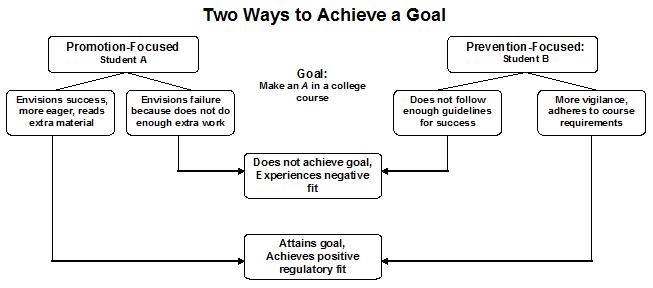









 Mental Health Matters
You must be logged in to post a comment.