Misophonia: Quirk of Human Behaviour or Mental Health Condition?

Introduction

By analogy with misogyny and misanthropy, misophonia ought to mean hatred of noise.

In fact, it is a recent coinage used to label the phenomenon of strong aversive reactions to sounds originating in other people’s oral or nasal cavities, such as chewing, sniffing, slurping, and lip smacking.

A report of a large series of cases seen in the Netherlands suggests that misophonia is well on its way to becoming a new psychiatric disorder (see below) (Jager et al., 2020).

Some commentators have expressed concern at the creeping medicalisation of quirks of human behaviour (BMJ, 2020).

What is Misophonia?

  • It is also known as Selective Sound Sensitivity Syndrome.
  • Misophonia is a disorder in which certain sounds trigger emotional or physiological responses that some might perceive as unreasonable given the circumstance.
  • Those who have misophonia might describe it as when a sound “drives you crazy.”
  • Their reactions can range from anger and annoyance to panic and the need to flee.

Research Paper Title

Misophonia: Phenomenology, comorbidity and demographics in a large sample.

Objective

Analyse a large sample with detailed clinical data of misophonia subjects in order to determine the psychiatric, somatic and psychological nature of the condition.

Methods

This observational study of 779 subjects with suspected misophonia was conducted from January 2013 to May 2017 at the outpatient-clinic of the Amsterdam University Medical Centres, location AMC, the Netherlands. The researchers examined DSM-IV diagnoses, results of somatic examination (general screening and hearing tests), and 17 psychological questionnaires (e.g. SCL-90-R, WHOQoL).

Results

The diagnosis of misophonia was confirmed in 575 of 779 referred subjects (74%). In the sample of misophonia subjects (mean age, 34.17 [SD = 12.22] years; 399 women [69%]), 148 (26%) subjects had comorbid traits of obsessive-compulsive personality disorder, 58 (10%) mood disorders, 31 (5%) attention-deficit (hyperactivity) disorder, and 14 (3%) autism spectrum conditions. 2% reported tinnitus and 1% hyperacusis. In a random subgroup of 109 subjects the researchers performed audiometry, and found unilateral hearing loss in 3 of them (3%). Clinical neurological examination and additional blood test showed no abnormalities. Psychological tests revealed perfectionism (97% CPQ>25) and neuroticism (stanine 7 NEO-PI-R). Quality of life was heavily impaired and associated with misophonia severity (rs (184) = -.34 p = < .001, p = < .001).

Limitations

This was a single site study, leading to possible selection–and confirmation bias, since AMC-criteria were used.

Conclusions

This study with 575 subjects is the largest misophonia sample ever described.

Based on these results the researchers propose a set of revised criteria useful to diagnose misophonia as a psychiatric disorder.

References

BMJ 2020;369:m1843.

Jager, I., de Koning, P., Bost, T., Denys, D. & Vulink, N. (2020) Misophonia: Phenomenology, comorbidity and demographics in a large sample. PloS One. https://doi.org/10.1371/journal.pone.0231390.

The Challenges of a Pandemic in Secure Psychiatric Settings

“Before COV-19, the phrase “parity of esteem” was ubiquitous.

Policy makers and politicians emphasised the importance of high quality mental healthcare, insisting it was on an equal footing with physical healthcare.

Most mental health professionals viewed this with some cynicism, especially those working in secure inpatient settings.

Is it reasonable to expect parity when it comes to covid-19? Arguably it would not be reasonable to expect the same focus on, for example, PPE and testing as that directed towards the acute emergency services and intensive care.

However, inpatient units struggled with the lack of central guidance on managing patients who had been diagnosed with or were suspected of having covid-19.

Patients with serious mental disorders are at high risk of physical health problems. While they are acutely unwell, they:

  • May not have the capacity to understand the need to self-isolate;
  • May be unable or unwilling to be tested; and
  • If agitated, will be unlikely to be able to practice social distancing.

Mental health trusts have been struggling:

  • With protocols and the availability of testing;
  • With managing the direct contacts of patients; and
  • Like other settings, with sourcing appropriate PPE.

There is intense debate about the apparent lack of appropriate legal frameworks. In the case of a voluntary or inform patient, can the Mental Health Act be used? The Mental Capacity Act is not appropriate as it applies top decisions in the patient’s best interests, not for the protection of others.

The Coronavirus Act 2020 give public health officers the power to impose isolation on someone suspected of being infected, but this seems unlikely to extend to inpatient units.

If parity of esteem is ever going to be meaningful, the challenges of safely and securely managing coivd-19 in the most seriously unwell patients with mental disorders needs to be given a higher priority.”

Reference

O’Brien, A. (2020) The Challenges of a Pandemic in Secure Psychiatric Settings. BMJ 2020;369:No.8247, pp.318-319.

Misophonia: Quirk of Human Behaviour or Mental Health Condition?

Introduction

By analogy with misogyny and misanthropy, misophonia ought to mean hatred of noise.

In fact, it is a recent coinage used to label the phenomenon of strong aversive reactions to sounds originating in other people’s oral or nasal cavities, such as chewing, sniffing, slurping, and lip smacking.

A report of a large series of cases seen in the Netherlands suggests that misophonia is well on its way to becoming a new psychiatric disorder (see below) (Jager et al., 2020).

Some commentators have expressed concern at the creeping medicalisation of quirks of human behaviour (BMJ, 2020).

What is Misophonia?

  • It is also known as Selective Sound Sensitivity Syndrome.
  • Misophonia is a disorder in which certain sounds trigger emotional or physiological responses that some might perceive as unreasonable given the circumstance.
  • Those who have misophonia might describe it as when a sound “drives you crazy.”
  • Their reactions can range from anger and annoyance to panic and the need to flee.

Research Paper Title

Misophonia: Phenomenology, comorbidity and demographics in a large sample.

Objective

Analyse a large sample with detailed clinical data of misophonia subjects in order to determine the psychiatric, somatic and psychological nature of the condition.

Methods

This observational study of 779 subjects with suspected misophonia was conducted from January 2013 to May 2017 at the outpatient-clinic of the Amsterdam University Medical Centres, location AMC, the Netherlands. The researchers examined DSM-IV diagnoses, results of somatic examination (general screening and hearing tests), and 17 psychological questionnaires (e.g. SCL-90-R, WHOQoL).

Results

The diagnosis of misophonia was confirmed in 575 of 779 referred subjects (74%). In the sample of misophonia subjects (mean age, 34.17 [SD = 12.22] years; 399 women [69%]), 148 (26%) subjects had comorbid traits of obsessive-compulsive personality disorder, 58 (10%) mood disorders, 31 (5%) attention-deficit (hyperactivity) disorder, and 14 (3%) autism spectrum conditions. 2% reported tinnitus and 1% hyperacusis. In a random subgroup of 109 subjects the researchers performed audiometry, and found unilateral hearing loss in 3 of them (3%). Clinical neurological examination and additional blood test showed no abnormalities. Psychological tests revealed perfectionism (97% CPQ>25) and neuroticism (stanine 7 NEO-PI-R). Quality of life was heavily impaired and associated with misophonia severity (rs (184) = -.34 p = < .001, p = < .001).

Limitations

This was a single site study, leading to possible selection–and confirmation bias, since AMC-criteria were used.

Conclusions

This study with 575 subjects is the largest misophonia sample ever described.

Based on these results the researchers propose a set of revised criteria useful to diagnose misophonia as a psychiatric disorder.

References

BMJ 2020;369:m1843.

Jager, I., de Koning, P., Bost, T., Denys, D. & Vulink, N. (2020) Misophonia: Phenomenology, comorbidity and demographics in a large sample. PloS One. https://doi.org/10.1371/journal.pone.0231390.

Is Early Improvement within the First 2 Weeks of Receiving Antidepressant Treatment a Predictor of Outcome in Patients with MDD and a High Level of Anxiety?

Research Paper Title

Antidepressant treatment strategy with an early onset of action improves the clinical outcome in patients with major depressive disorder and high anxiety: a multicenter and 6-week follow-up study.

Background

Major depressive disorder (MDD) is a prevalent, often chronic, and highly disabling multidimensional psychiatric illness. Moreover, co-occurring anxiety symptoms are extremely common among patients with MDD; up to 90% of patients present with anxiety symptoms. Notably, high levels of anxiety symptoms may predict worse clinical outcomes because of poor response to pharmacotherapy for MDD. So use of augmentation or combination strategies during early course of treatment could be necessary, but ensuring the accurate and timely change is difficult because of the lack of consensus to assess the early improvement of initial treatment. To date, replicated evidence indicates that the lack of early improvement (eg, <20% reduction in a depression scale score) in 2 weeks can be an accurate predictor to identify eventual non-responders. This study aimed to evaluate the early onset of antidepressant action and clinical outcomes in patients with MDD and high anxiety, and to explore the potential influencing factors of early onset improvement.

Methods

This study was a post-hoc analysis of a multi-centre, randomised, parallel-controlled, open-label study. The study protocol was approved by the independent ethics committee in each research centre or the ethics committee of the Peking University Sixth Hospital. All the participants provided written informed consent before the study. A total of 245 patients (aged 18–65 years) were diagnosed with MDD based on the Diagnostic and Statistical Manual of Mental Disorders, 4th Edition, Text Revision criteria. They were required to have a current major depressive episode with a total score ≥17 on the Hamilton Depression Rating Scale 17-item (HAMD-17), and also have a high level of anxiety symptoms with a total score ≥14 on the Hamilton Anxiety Rating Scale (HAMA) at the baseline visit.

All eligible patients were assigned to receive at least 6 weeks of follow-up and antidepressant treatment, including selective serotonin reuptake inhibitors (SSRIs) alone or coupled with a flexible dose of tandospirone. The involved SSRIs were fluoxetine, paroxetine, fluvoxamine, sertraline, citalopram, and escitalopram. Notably, not all the patients were naive to any antidepressants at the first visit, but they were not treated with adequate dose of antidepressants for more than 2 weeks in the current episode. Treatment with several sedative-hypnotic drugs for short-term use was permitted as needed for sleep disorders, including zopiclone, lorazepam, alprazolam, clonazepam, midazolam, zaleplon, and zolpidem.

The efficacy measurements were evaluated at different visit points, including week 2, week 4, and week 6. The evaluation tools included HAMD-17 total scores, HAMA total scores, and Clinical Global Impressions Severity Subscale (CGI-S) score. Moreover, short form-12 (SF-12) physical component score (PCS) and mental component score (MCS) were used to assess the quality of life of these patients. Remission assessment was defined as showing an HAMD-17 total score ≤7 points.

At the end of week 2,240 patients remained and were divided into two groups based on the reduction rate of HAMD-17 total score compared with the baseline: early-improvement group (≥20% decrease in HAMD-17 total score, n = 134) and early-unimproved group (<20% decrease in HAMD-17 total score, n = 106). Finally, 230 patients completed the 6-week follow-up, including 128 patients with early-improvement and 102 early-unimproved patients. The comparison of the remission rate between the two groups was conducted in week 6. In addition, the potential influencing factors of early improvement in week 2 were also analysed.

The data analysis was based on the full analysis set. The data collected at each visit point were analysed using the mixed-effects repeated-measures model. The influencing factors of early improvement were analysed by logistic regression. All the statistical analyses were performed using the Statistical Package for the Social Sciences for Windows, version 24.0 (SPSS, Inc., Chicago, IL, USA). P < 0.05 was considered statistically significant.

Results

The baseline demographic data were similar between the two groups (P > 0.05), except for the number of patients taking sedative-hypnotic drugs. The patients in the early-improvement group showed more combination of sedative-hypnotic drugs compared with the patients in the early-unimproved group (12.7% [17/134] vs. 1.9% [2/106], χ2 = 11.979, P = 0.002).

At baseline, the total scores of HAMD-17 (24.76 vs. 23.11, P = 0.007) and CGI-S (4.89 vs. 4.54, P = 0.002) in the early-improvement group were significantly higher, and SF-12 (PCS) (38.77 vs. 41.65, P = 0.022) and SF-12 (MCS) (26.01 vs. 28.05, P = 0.035) scores were significantly lower than those in the early-unimproved group. The statistical superiority was observed for the early-improvement group in the HAMD-17 total score, HAMA total score, and CGI-S total score during weeks 2 to 6, SF-12 (PCS) score in week 6 and SF-12 (MCS) score between weeks 2 and 6.

Notably, the patients in the early-improvement group showed greater improvements in several important rating scales compared with the patients in the early-unimproved group at the endpoint visit. The least-squares (LS) mean in the HAMD-17 total score was statistically lower for the early-improvement group than the early-unimproved group (6.48 vs. 12.17, P < 0.001). The LS means in both HAMA total score (7.19 vs. 11.8, P < 0.001) and CGI-S total score (1.91 vs. 2.65, P < 0.001) were also significantly lower in the early-improvement group than in the early-unimproved patients. The greater improvements were observed in both SF-12 (PCS) score (48.26 vs. 45.36, P = 0.014) and SF-12 (MCS) score (44.21 vs. 36.36, P < 0.001) for the early-improvement group than for the early-unimproved group. In addition, the early-improvement group showed a significant difference in the remission rate in week 6 compared with the early-unimproved group (62.8% [80/128] vs. 29.4% [30/102], χ2 = 25.424, P < 0.001).

The logistic regression model was used to analyse the influencing factors for early improvement. The dependent variable was a dichotomous variable, which was an early improvement vs. early un-improvement. The independent variables included in the model were treatment (SSRIs + tandospirone vs. SSRIs), combination with sedative-hypnotic drugs, age, body weight, sex, age of onset of psychiatric symptoms, course of recent episode, and baseline total scores of HAMD-17, HAMA, CGI-S, SF-12 (MCS), and SF-12 (PCS) scales. Of these variables, the combination with sedative-hypnotic drugs was statistically significant (odds ratio: 7.556, 95% confidence interval: 1.607–35.530, P = 0.010), indicating that the combination with sedative-hypnotic therapy was more helpful for early improvement.

Conclusions

The present study successfully replicated the findings of previous major studies, which demonstrated a significant relationship between early improvement within the first weeks of antidepressant treatment and later remission rate in patients with MDD. Specifically, a similar association was found in patients with MDD and high level of anxiety symptoms. The results showed that patients who achieved the early improvement of the depressive symptoms in week 2 after antidepressant treatment also obtained the sustained relief of symptoms and improved quality of life during weeks 2 to 6. Further, these patients with early improvement displayed more significant clinical remission of depressive symptoms in week 6.

According to the logistic regression analysis, the results revealed that the combination with sedative-hypnotic drugs was a significant predictor of early improvement in week 2. Benzodiazepines are primarily used as a sedative-hypnotics in patients with MDD to alleviate anxiety symptom and insomnia, and they might contribute to the response to antidepressants in the first two weeks because they produce a faster onset of effect on anxiety symptoms than antidepressants alone. Thus, it may be justifiable to combine benzodiazepines as a short-term treatment in patients with MDD and high-level anxiety.

In summary, the early improvement within the first 2 weeks of receiving antidepressant treatment is a powerful predictor of outcome in patients with MDD and a high level of anxiety. Notably, the short-term combination with sedative-hypnotic drugs within the first few weeks may augment the early-onset improvement of antidepressant therapy.

Reference

Liao, Xue-Mei., Su, Yun-Ai1., Wang, Ying.; Yu, Xin. & Si, Tian-Mei. (2020) Antidepressant treatment strategy with an early onset of action improves the clinical outcome in patients with major depressive disorder and high anxiety: a multicenter and 6-week follow-up study. Chinese Medical Journal. 6, pp.726-728. doi: 10.1097/CM9.0000000000000673.


PTSD & Korean War Veterans

Research Paper Title

Aging and Trauma: Post Traumatic Stress Disorder Among Korean War Veterans.

Background

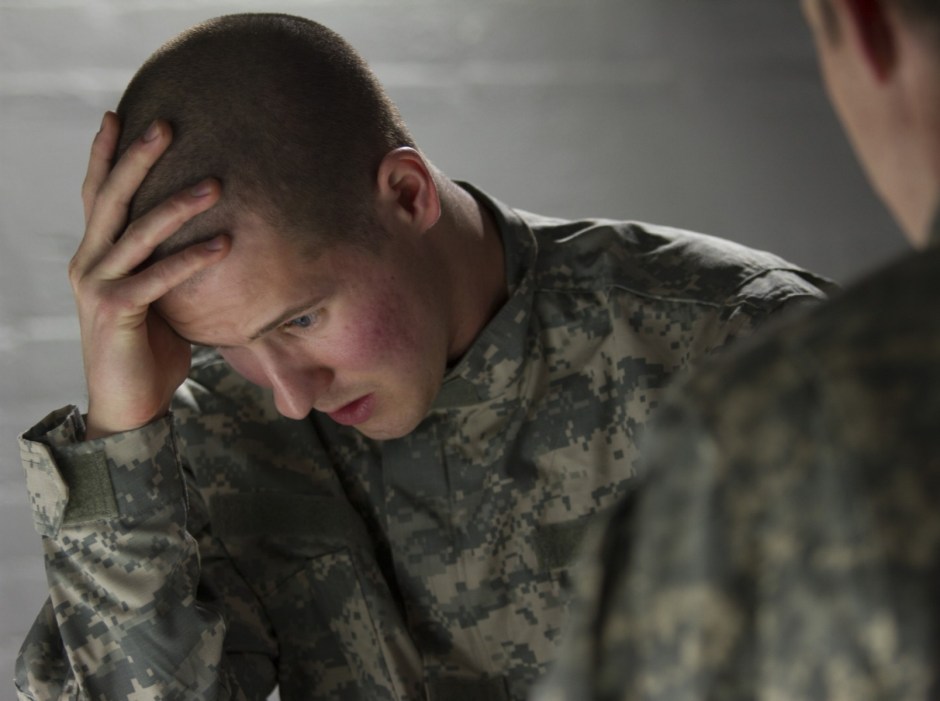
Having experienced posttraumatic stress disorder 30 years prior to its recognition as a formal disorder, Korean War veterans are now an ageing population that requires unique clinical management.

The Korean War lasted from 25 June 1950 through 27 July 1953. Although many veterans of the Korean War experienced traumas during extremely stressful combat conditions. However, they would not have been diagnosed with post-traumatic stress disorder (PTSD) at the time because the latter did not exist as a formal diagnosis until the publication of the third edition of the Diagnostic and Statistical Manual (DSM) in 1980. Prior to 1980, psychiatric syndromes resulting from war and combat exposure where known by numerous other terms including shell shock, chronic traumatic war neurosis, and combat fatigue/combat exhaustion. Military psychiatrists attended to combat fatigue during the course of the Korean War, but as was true of World War I and II, the focus was on returning soldiers to duty. Combat fatigue was generally viewed as a transient condition.

Although now octo- and nonagenarians, in 2019 there are 1.2 million living Korean War veterans in the US, representing 6.7% of all current veterans. Understanding their war experiences and the nature of their current and past presentation of PTSD is relevant not only in formal mental health settings, but in primary care settings, including home-based primary care, as well as community living centres, skilled nursing facilities and assisted living facilities. Older adults with PTSD often present with somatic concerns rather than spontaneously reporting mental health symptoms. Beyond the short-term clinical management of Korean War veterans with PTSD, consideration of their experiences also has long-term relevance for the appropriate treatment of other veteran cohorts as they age in coming decades.

The purpose of this article is to provide a clinically focused overview of PTSD in Korean War veterans, to help promote understanding of this often-forgotten group of veterans, and to foster optimised personalised care. This overview will include a description of the Korean War veteran population and the Korean War itself, the manifestations and identification of PTSD among Korean War veterans, and treatment approaches using evidence-based psychotherapies and pharmacotherapies. Finally, the researches provide recommendations for future research to address present empirical gaps in the understanding and treatment of Korean War veterans with PTSD.

Reference

Palmer, B.W., Friend, S., Huege, S., Mulvaney, M., Badawood, A., Almaghraby, A. & Lohr, J.B. (2019) Aging and Trauma: Post Traumatic Stress Disorder Among Korean War Veterans. Federal Practitioner. 36(12), pp.554-562.

What is the Impact of Onset of Psychiatric Disorders & Psychiatric Treatment on Mortality Among Patients with Cancer?

Research Paper Title

Impact of Onset of Psychiatric Disorders and Psychiatric Treatment on Mortality Among Patients with Cancer.

Background

Psychiatric disorders are common in patients with cancer.

The impact of both psychiatric disorders and psychiatric treatment on mortality in patients with cancer needs to be established.

Methods

Nationwide claims data were analysed.

To investigate the association between psychiatric disorders and mortality, 6,292 male and 4,455 female patients with cancer who did not have a record of psychiatric disorders before cancer onset were included.

To examine the association between psychiatric treatment and mortality, 1,467 male and 1,364 female patients with cancer were included.

Incident psychiatric disorder and receipt of psychiatric treatment within 30 days from the onset of a psychiatric disorder were the main independent variables.

Dependent variables were all-cause and cancer-related mortality. Cox proportional hazards regression with time-dependent covariates was used.

Results

The onset of psychiatric disorders was associated with a significantly increased risk of mortality in both male (all-cause hazard ratio [HR]: 1.55; cancer-related HR: 1.47) and female patients with cancer (all-cause HR: 1.50; cancer-related HR: 1.44) compared with patients with cancer without psychiatric disorders.

Both male and female patients who received psychiatric treatment within 30 days of diagnosis of a psychiatric disorder had a lower risk of cancer-related mortality (males, HR: 0.73; females, HR: 0.71) compared with patients with cancer with psychiatric disorders who did not receive psychiatric treatment.

Conclusions

Patients with cancer with newly diagnosed psychiatric disorders had a higher mortality rate.

Among these, those who received psychiatric treatment showed lower rates of mortality.

Thus, early detection and early treatment of psychiatric disorders in patients with cancer is needed.

Implications for Practice

The current study supplements the body of evidence supporting the association of psychiatric disorders onset and treatment with cancer outcomes.

Patients with cancer showed an increased risk of both all-cause and cancer-related mortality upon psychiatric disorder onset.

Among patients with newly diagnosed psychiatric disorders, those who received psychiatric treatment showed lower cancer-related mortality.

Thus, raising awareness of both the risk of psychiatric disorders and the positive effects of psychiatric treatment on cancer outcomes is necessary among patients with cancer, caregivers, and oncologists.

Furthermore, it is necessary to adopt a multidisciplinary approach, encouraging patients with cancer to undergo a neuropsychological assessment of their mental health status and receive appropriate and timely psychological interventions.

Reference

Lee, S.A., Nam, C.M., Kim, Y.H., Kim, T.H., Jang, S.I., Park, E.C. (2020) Impact of Onset of Psychiatric Disorders and Psychiatric Treatment on Mortality Among Patients with Cancer. The Oncologist. doi: 10.1634/theoncologist.2019-0396. [Epub ahead of print].

Reviewing Discontinuation Rates of Antidepressant Use by Dutch Soldiers

Research Paper Title

Discontinuation Rates of Antidepressant Use by Dutch Soldiers.

Background

Soldiers have a higher risk for developing psychiatric disorders that require treatment; often with antidepressants.

However, antidepressants as well as the psychiatric disorder, may influence military readiness in several ways.

In the general population, early discontinuation of antidepressant treatment is often seen. It is yet unknown whether this occurs to a similar extent in soldiers.

The objective of this study was to evaluate discontinuation of antidepressant use by Dutch soldiers in the first 12 months after start and determinants thereof.

Methods

Data were obtained from the military pharmacy. All Dutch soldiers who started using an antidepressant between 2000 and 2014 were included.

Kaplan-Meier curves were constructed to estimate the discontinuation rate over time and the influence of each determinant on discontinuation rate was estimated using Cox regression.

Results

About 25.9% of de 2479 starters had discontinued their antidepressant use after 1 month; after 3 and 6 months this number increased to 52.7% and 70.3%, respectively.

Early discontinuation was higher in soldiers who received their first prescription from a neurologist or rehabilitation specialist (HR 1.85, 95% CI 1.55-2.21, HR 2.66 95% CI 1.97-3.58) compared to soldiers with a first prescription from a general practitioner.

In addition, early discontinuation was lower in soldiers who were prescribed serotonin reuptake inhibitors and other antidepressants (HR 0.57, 95% CI 0.51-0.60, HR 0.63, 95% CI 0.55-0.73) and in soldiers between 40 and 50 years of age (HR 0.79, 95% CI 0.70-0.89).

Conclusions

More than half of the soldiers discontinued their prescribed antidepressant within 3 months and after 6 months, only 30% were still on antidepressants.

Reference

Janssen, D.G.A., Vermetten, E., Egberts, T.C.G. & Heerdink, E.R. (2019) Discontinuation Rates of Antidepressant Use by Dutch Soldiers. Military Medicine. 184(11-12), pp.868-874. doi: 10.1093/milmed/usz060.

Stacey Dooley: On the Psych Ward (2020)

Introduction

Every year thousands of young people are brought to mental health units across the UK to seek treatments.

Latest estimates put the number of people who suffer from a mental condition at 1 in 3 and most first experience mental health problems when they are young.

Refer to Stacey Dooley: Back on the Psych Ward (2021).

Outline

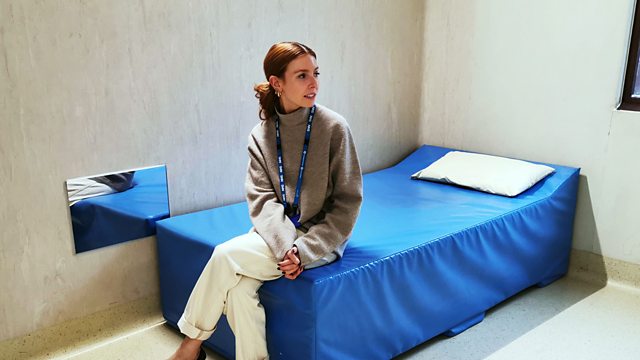
Stacey is going to work in Springfield Hospital, one of the oldest mental health units in the UK, to see what life is really like on the front line of mental health services. More than just observing, she will be working directly with staff, dealing with patients, and taking part in making incredibly tough decisions on what is best for patients.

Stacey meets Rachelle who has been diagnosed with EUPD (Emotionally Unstable Personality Disorder). Still in her 20s, she’s had a troubled life already – full of suicide attempts and self-harm. She opens up to Stacey about her struggles with her illness, and her hope that she will soon get the talking therapy that she believes could be the solution to her problems. The doctors here agree that this is not the best place for Rachelle to be, and they are hoping she will get a place at a specialist unit in Cambridge where she can make real progress in coping with her condition.

Stacey also spends time in a special acute assessment unit where patients can self-refer. She meets 19-year-old Kyle, who has come to Springfield in the midst of a severe depression and incident of self-harm. As Stacey takes part in a discussion with staff about whether to admit him to the hospital or support him in the community, Stacey experiences for herself just how difficult the decisions and the judgement calls are that the team have to make.

Police have brought Laura to the 136 unit, so called because it is the local designated place of safety as defined under section 136 of the Mental Health Act. She has been sectioned after being found on a motorway bridge, threatening to jump. She opens up to Stacey as they talk, trying to explain her thinking and her ongoing struggles with depression and her eating disorder – all stemming from traumas earlier in her short life.

Production & Filming Details

What Psychiatric Inpatients Needs when Approaching Discharge?

Research Paper Title

Identifying profiles of need among psychiatric inpatients approaching discharge in New York City: a latent class analysis.

Background

Understanding the needs of individuals transitioning to the community following a psychiatric hospitalisation can inform community service planning.

This study is among the first to examine the needs of a sample of psychiatric inpatients approaching discharge in a large urban area in the USA.

Methods

Representative data were drawn from 1129 acutely hospitalised psychiatric inpatients from eight New York City hospitals.

Descriptive statistics were used to estimate patient needs at discharge across nine domains: housing, employment, income, transportation, education, time use, social support, and help accessing medical and mental health care.

Latent class analysis (LCA) was applied to identify subgroups of patients based on needs profiles.

Multinomial logistic regression was used to investigate socio-demographic associations with class membership.

Results

Respondents were most likely to have needs related to income (50.7%), housing (49.2%), and employment (48.7%).

Results from the LCA suggested a five class solution of patient needs:

  • Three domain-specific classes whose members endorsed needs for ‘housing and employment’ (22.5%), ‘social support and time use’ (15.0%) and ‘access to care’ (6.4%); and
  • Two classes where overall member needs were high (‘high needs,’18.4%) or low (‘low needs,’ 37.7%) across all needs.

Compared to the ‘low needs’ class, members of the ‘high needs’ class had significantly greater odds of being black or Latino, male, uninsured, and parents of a child under 18 years.

Conclusions

Patients have unique profiles of need that are significantly associated with the socio-demographic characteristics.

These findings may help practitioners and policymakers improve mental health services.

Reference

McDonald, K.L., Hoenig, J.M. & Norman, C.C. (2020) Identifying profiles of need among psychiatric inpatients approaching discharge in New York City: a latent class analysis. Social Psychiatry and Psychiatric Epidemiology. doi: 10.1007/s00127-019-01817-4. [Epub ahead of print].