

What is Clomipramine?

Introduction

Clomipramine, sold under the brand name Anafranil among others, is a tricyclic antidepressant (TCA).
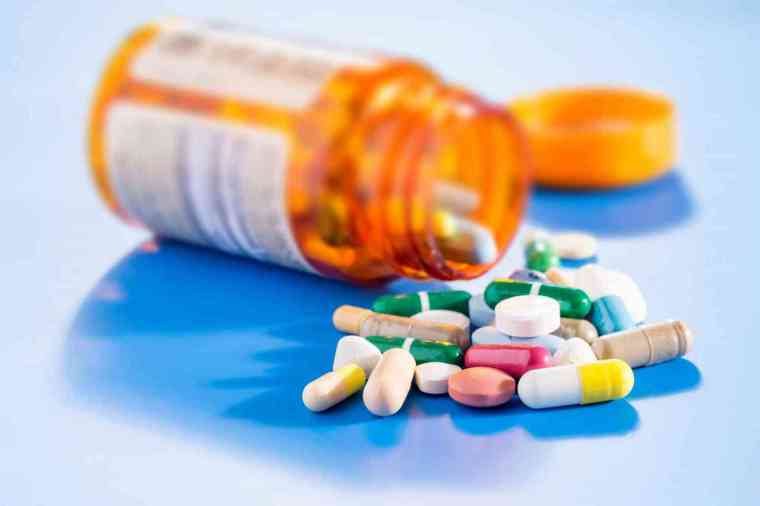
It is used for the treatment of obsessive-compulsive disorder (OCD), panic disorder, major depressive disorder (MDD), and chronic pain. It may increase the risk of suicide in those under the age of 25. It is taken by mouth. It has also been used to treat premature ejaculation.

Common side effects include dry mouth, constipation, loss of appetite, sleepiness, weight gain, sexual dysfunction, and trouble urinating. Serious side effects include an increased risk of suicidal behaviour in those under the age of 25, seizures, mania, and liver problems. If stopped suddenly a withdrawal syndrome may occur with headaches, sweating, and dizziness. It is unclear if it is safe for use in pregnancy. Its mechanism of action is not entirely clear but is believed to involve increased levels of serotonin.

Clomipramine was discovered in 1964 by the Swiss drug manufacturer Ciba-Geigy. It is on the World Health Organisation’s List of Essential Medicines. It is available as a generic medication.

Brief History

Clomipramine was developed by Geigy as a chlorinated derivative of Imipramine. It was first referenced in the literature in 1961 and was patented in 1963. The drug was first approved for medical use in Europe in the treatment of depression in 1970, and was the last of the major TCAs to be marketed. In fact, clomipramine was initially considered to be a “me-too drug” by the FDA, and in relation to this, was declined licensing for depression in the United States. As such, to this day, clomipramine remains the only TCA that is available in the United States that is not approved for the treatment of depression, in spite of the fact that it is a highly effective antidepressant. Clomipramine was eventually approved in the United States for the treatment of OCD in 1989 and became available in 1990. It was the first drug to be investigated and found effective in the treatment of OCD. The first reports of benefits in OCD were in 1967, and the first double-blind, placebo-controlled clinical trial of clomipramine for OCD was conducted in 1976, with more rigorous clinical studies that solidified its effectiveness conducted in the 1980s. It remained the “gold standard” for the treatment of OCD for many years until the introduction of the SSRIs, which have since largely superseded it due to greatly improved tolerability and safety (although notably not effectiveness). Clomipramine is the only TCA that has been shown to be effective in the treatment of OCD and that is approved by the US Food and Drug Administration (FDA) for the treatment of OCD; the other TCAs failed clinical trials for this indication, likely due to insufficient serotonergic activity.

Medical Uses

Clomipramine has a number of uses in medicine including in the treatment of:

  • OCD which is its only US Food and Drug Administration (FDA)-labelled indication. Other regulatory agencies (such as the TGA of Australia and the MHRA of the UK) have also approved clomipramine for this indication.
  • MDD a popular off-label use in the US. It is approved by the Australian TGA and the United Kingdom MHRA for this indication. Some have suggested the possible superior efficacy of clomipramine compared to other antidepressants in the treatment of MDD, although at the current time the evidence is insufficient to adequately substantiate this claim.
  • Panic disorder with or without agoraphobia.
  • Body dysmorphic disorder.
  • Cataplexy associated with narcolepsy. Which is a TGA and MHRA-labelled indication for clomipramine.
  • Premature ejaculation.
  • Depersonalisation disorder.
  • Chronic pain with or without organic disease, particularly headache of the tension type.
  • Sleep paralysis, with or without narcolepsy.
  • Enuresis (involuntary urinating in sleep) in children. The effect may not be sustained following treatment, and alarm therapy may be more effective in both the short-term and the long-term. Combining a tricyclic (such as clomipramine) with anticholinergic medication, may be more effective for treating enuresis than the tricyclic alone.
  • Trichotillomania.

In a meta-analysis of various trials involving fluoxetine (Prozac), fluvoxamine (Luvox), and sertraline (Zoloft) to test their relative efficacies in treating OCD, clomipramine was found to be the most effective.

Contraindications

Contraindications include:

  • Known hypersensitivity to clomipramine, or any of the excipients or cross-sensitivity to tricyclic antidepressants of the dibenzazepine group.
  • Recent myocardial infarction.
  • Any degree of heart block or other cardiac arrhythmias.
  • Mania.
  • Severe liver disease.
  • Narrow angle glaucoma.
  • Urinary retention.
  • It must not be given in combination or within 3 weeks before or after treatment with a monoamine oxidase inhibitor (Moclobemide included, however clomipramine can be initiated sooner at 48 hours following discontinuation of moclobemide).

Pregnancy and Lactation

Clomipramine use during pregnancy is associated with congenital heart defects in the newborn. It is also associated with reversible withdrawal effects in the newborn. Clomipramine is also distributed in breast milk and hence nursing while taking clomipramine is advised against.

Side Effects

Clomipramine has been associated with the following side effects:

  • Very common (>10% frequency):
    • Accommodation defect.
    • Blurred vision.
    • Nausea.
    • Dry mouth (Xerostomia).
    • Constipation.
    • Fatigue.
    • Weight gain.
    • Increased appetite.
    • Dizziness.
    • Tremor.
    • Headache.
    • Myoclonus.
    • Drowsiness.
    • Somnolence.
    • Restlessness.
    • Micturition disorder.
    • Sexual dysfunction (erectile dysfunction and loss of libido).
    • Hyperhidrosis (profuse sweating).
  • Common (1-10% frequency):
    • Weight loss.
    • Orthostatic hypotension.
    • Sinus tachycardia.
    • Clinically irrelevant ECG changes (e.g. T- and ST-wave changes) in patients of normal cardiac status.
    • Palpitations.
    • Tinnitus (hearing ringing in one’s ears).
    • Mydriasis (dilated pupils).
    • Vomiting.
    • Abdominal disorders.
    • Diarrhoea.
    • Decreased appetite.
    • Increased transaminases.
    • Increased Alkaline phosphatase.
    • Speech disorders.
    • Paraesthesia.
    • Muscle hypertonia.
    • Dysgeusia.
    • Memory impairment.
    • Muscular weakness.
    • Disturbance in attention.
    • Confusional state.
    • Disorientation.
    • Hallucinations (particularly in elderly patients and patients with Parkinson’s disease).
    • Anxiety.
    • Agitation.
    • Sleep disorders.
    • Mania.
    • Hypomania.
    • Aggression.
    • Depersonalisation.
    • Insomnia.
    • Nightmares.
    • Aggravation of depression.
    • Delirium.
    • Galactorrhoea (lactation that is not associated with pregnancy or breastfeeding).
    • Breast enlargement.
    • Yawning.
    • Hot flush.
    • Dermatitis allergic (skin rash, urticaria).
    • Photosensitivity reaction.
    • Pruritus (itching).
  • Uncommon (0.1-1% frequency):
    • Convulsions.
    • Ataxia.
    • Arrhythmias.
    • Elevated blood pressure.
    • Activation of psychotic symptoms.
  • Very rare (<0.01% frequency):
    • Pancytopaenia: An abnormally low amount of all the different types of blood cells in the blood (including platelets, white blood cells and red blood cells).
    • Leukopenia: A low white blood cell count.
    • Agranulocytosis: A more severe form of leukopenia; a dangerously low neutrophil count which leaves one open to life-threatening infections due to the role of the white blood cells in defending the body from invaders.
    • Thrombocytopenia: An abnormally low amount of platelets in the blood which are essential to clotting and hence this leads to an increased tendency to bruise and bleed, including, potentially, internally.
    • Eosinophilia: An abnormally high number of eosinophils – the cells that fight off parasitic infections – in the blood.
    • Syndrome of inappropriate secretion of antidiuretic hormone (SIADH): A potentially fatal reaction to certain medications that is due to an excessive release of antidiuretic hormone – a hormone that prevents the production of urine by increasing the reabsorption of fluids in the kidney – this results in the development of various electrolyte abnormalities (e.g. hyponatraemia [low blood sodium], hypokalaemia [low blood potassium], hypocalcaemia [low blood calcium]).
    • Glaucoma.
    • Oedema (local or generalised).
    • Alopecia (hair loss).
    • Hyperpyrexia (a high fever that is above 41.5 °C).
    • Hepatitis (liver swelling) with or without jaundice: The yellowing of the eyes, the skin, and mucous membranes due to impaired liver function.
    • Abnormal ECG.
    • Anaphylactic and anaphylactoid reactions including hypotension.
    • Neuroleptic malignant syndrome (NMS): A potentially fatal side effect of antidopaminergic agents such as antipsychotics, tricyclic antidepressants and antiemetics (drugs that relieve nausea and vomiting). NMS develops over a period of days or weeks and is characterised by the following symptoms:
      • Tremor.
      • Muscle rigidity.
      • Mental status change (such as confusion, delirium, mania, hypomania, agitation, coma, etc.).
      • Hyperthermia (high body temperature).
      • Tachycardia (high heart rate).
      • Blood pressure changes.
      • Diaphoresis (sweating profusely).
      • Diarrhoea.
    • Alveolitis allergic (pneumonitis) with or without eosinophilia.
    • Purpura.
    • Conduction disorder (e.g. widening of QRS complex, prolonged QT interval, PR/PQ interval changes, bundle-branch block, torsade de pointes, particularly in patients with hypokalaemia).

Withdrawal

Withdrawal symptoms may occur during gradual or particularly abrupt withdrawal of tricyclic antidepressant drugs. Possible symptoms include: nausea, vomiting, abdominal pain, diarrhoea, insomnia, headache, nervousness, anxiety, dizziness and worsening of psychiatric status. Differentiating between the return of the original psychiatric disorder and clomipramine withdrawal symptoms is important. Clomipramine withdrawal can be severe. Withdrawal symptoms can also occur in neonates when clomipramine is used during pregnancy. A major mechanism of withdrawal from tricyclic antidepressants is believed to be due to a rebound effect of excessive cholinergic activity due to neuroadaptations as a result of chronic inhibition of cholinergic receptors by tricyclic antidepressants. Restarting the antidepressant and slow tapering is the treatment of choice for tricyclic antidepressant withdrawal. Some withdrawal symptoms may respond to anticholinergics, such as atropine or benztropine mesylate.

Overdose

Refer to Tricyclic Antidepressant Overdose.

Clomipramine overdose usually presents with the following symptoms:

  • Signs of central nervous system depression such as:
    • Stupor.
    • Coma.
    • Drowsiness.
    • Restlessness.
    • Ataxia.
  • Mydriasis.
  • Convulsions.
  • Enhanced reflexes.
  • Muscle rigidity.
  • Athetoid and choreoathetoid movements.
  • Serotonin syndrome: A condition with many of the same symptoms as neuroleptic malignant syndrome but has a significantly more rapid onset.
  • Cardiovascular effects including:
    • Arrhythmias (including Torsades de pointes).
    • Tachycardia.
    • QTc interval prolongation.
    • Conduction disorders.
    • Hypotension.
    • Shock.
    • Heart failure.
    • Cardiac arrest.
  • Apnoea.
  • Cyanosis.
  • Respiratory depression.
  • Vomiting.
  • Fever.
  • Sweating.
  • Oliguria.
  • Anuria.

There is no specific antidote for overdose and all treatment is purely supportive and symptomatic. Treatment with activated charcoal may be used to limit absorption in cases of oral overdose. Anyone suspected of overdosing on clomipramine should be hospitalised and kept under close surveillance for at least 72 hours. Clomipramine has been reported as being less toxic in overdose than most other TCAs in one meta-analysis but this may well be due to the circumstances surrounding most overdoses as clomipramine is more frequently used to treat conditions for which the rate of suicide is not particularly high such as OCD. In another meta-analysis, however, clomipramine was associated with a significant degree of toxicity in overdose.

Interactions

Clomipramine may interact with a number of different medications, including the monoamine oxidase inhibitors which include isocarboxazid, moclobemide, phenelzine, selegiline and tranylcypromine, antiarrhythmic agents (due to the effects of TCAs like clomipramine on cardiac conduction. There is also a potential pharmacokinetic interaction with quinidine due to the fact that clomipramine is metabolised by CYP2D6 in vivo), diuretics (due to the potential for hypokalaemia (low blood potassium) to develop which increases the risk for QT interval prolongation and torsades de pointes), the selective serotonin reuptake inhibitors (SSRIs; due to both potential additive serotonergic effects leading to serotonin syndrome and the potential for a pharmacokinetic interaction with the SSRIs that inhibit CYP2D6 [e.g. fluoxetine and paroxetine]) and serotonergic agents such as triptans, other tricyclic antidepressants, tramadol, etc. (due to the potential for serotonin syndrome). Its use is also advised against in those concurrently on CYP2D6 inhibitors due to the potential for increased plasma levels of clomipramine and the resulting potential for CNS and cardiotoxicity.

Pharmacology

Pharmacodynamics

Clomipramine is a reuptake inhibitor of serotonin and norepinephrine, or a serotonin-norepinephrine reuptake inhibitor (SNRI); that is, it blocks the reuptake of these neurotransmitters back into neurons by preventing them from interacting with their transporters, thereby increasing their extracellular concentrations in the synaptic cleft and resulting in increased serotonergic and noradrenergic neurotransmission. In addition, clomipramine also has antiadrenergic, antihistamine, antiserotonergic, antidopaminergic, and anticholinergic activities. It is specifically an antagonist of the α1-adrenergic receptor, the histamine H1 receptor, the serotonin 5-HT2A, 5-HT2C, 5-HT3, 5-HT6, and 5-HT7 receptors, the dopamine D1, D2, and D3 receptors, and the muscarinic acetylcholine receptors (M1-M5). Like other TCAs, clomipramine weakly blocks voltage-dependent sodium channels as well.

Although clomipramine shows around 100- to 200-fold preference in affinity for the serotonin transporter (SERT) over the norepinephrine transporter (NET), its major active metabolite, desmethylclomipramine (norclomipramine), binds to the NET with very high affinity (Ki = 0.32 nM) and with dramatically reduced affinity for the SERT (Ki = 31.6 nM). Moreover, desmethylclomipramine circulates at concentrations that are approximately twice those of clomipramine. In accordance, occupancy of both the SERT and the NET has been shown with clomipramine administration in positron emission tomography studies with humans and non-human primates. As such, clomipramine is in fact a fairly balanced SNRI rather than only a serotonin reuptake inhibitor (SRI).

The antidepressant effects of clomipramine are thought to be due to reuptake inhibition of serotonin and norepinephrine, while serotonin reuptake inhibition only is thought to be responsible for the effectiveness of clomipramine in the treatment of OCD. Conversely, antagonism of the H1, α1-adrenergic, and muscarinic acetylcholine receptors is thought to contribute to its side effects. Blockade of the H1 receptor is specifically responsible for the antihistamine effects of clomipramine and side effects like sedation and somnolence (sleepiness). Antagonism of the α1-adrenergic receptor is thought to cause orthostatic hypotension and dizziness. Inhibition of muscarinic acetylcholine receptors is responsible for the anticholinergic side effects of clomipramine like dry mouth, constipation, urinary retention, blurred vision, and cognitive/memory impairment. In overdose, sodium channel blockade in the brain is believed to cause the coma and seizures associated with TCAs while blockade of sodium channels in the heart is considered to cause cardiac arrhythmias, cardiac arrest, and death. On the other hand, sodium channel blockade is also thought to contribute to the analgesic effects of TCAs, for instance in the treatment of neuropathic pain.

The exceptionally strong serotonin reuptake inhibition of clomipramine likely precludes the possibility of its antagonism of serotonin receptors (which it binds to with more than 100-fold lower affinity than the SERT) resulting in a net decrease in signalling by these receptors. In accordance, while serotonin receptor antagonists like cyproheptadine and chlorpromazine are effective as antidotes against serotonin syndrome, clomipramine is nonetheless capable of inducing this syndrome. In fact, while all TCAs are SRIs and serotonin receptor antagonists to varying extents, the only TCAs that are associated with serotonin syndrome are clomipramine and to a lesser extent its dechlorinated analogue imipramine, which are the two most potent SRIs of the TCAs (and in relation to this have the highest ratios of serotonin reuptake inhibition to serotonin receptor antagonism). As such, whereas other TCAs can be combined with monoamine oxidase inhibitors (with caution due to the risk of hypertensive crisis from NET inhibition; sometimes done in treatment-resistant depressives), clomipramine cannot be due to the risk of serotonin syndrome and death. Unlike the case of its serotonin receptor antagonism, orthostatic hypotension is a common side effect of clomipramine, suggesting that its blockade of the α1-adrenergic receptor is strong enough to overcome the stimulatory effects on the α1-adrenergic receptor of its NET inhibition.

Serotonergic Activity

Clomipramine is a very strong SRI. Its affinity for the SERT was reported in one study using human tissues to be 0.14 nM, which is considerably higher than that of other TCAs. For example, the TCAs with the next highest affinities for the SERT in the study were imipramine, amitriptyline, and dosulepin (dothiepin), with Ki values of 1.4 nM, 4.3 nM, and 8.3 nM, respectively. In addition, clomipramine has a terminal half-life that is around twice as long as that of amitriptyline and imipramine. In spite of these differences however, clomipramine is used clinically at the same usual dosages as other serotonergic TCAs (100-200 mg/day). It achieves typical circulating concentrations that are similar in range to those of other TCAs but with an upper limit that is around twice that of amitriptyline and imipramine. For these reasons, clomipramine is the most potent SRI among the TCAs and is far stronger as an SRI than other TCAs at typical clinical dosages. In addition, clomipramine is more potent as an SRI than any SSRIs, it is more potent than paroxetine, which is the strongest SSRI.

A positron emission tomography study found that a single low dose of 10 mg clomipramine to healthy volunteers resulted in 81.1% occupancy of the SERT, which was comparable to the 84.9% SERT occupancy by 50 mg fluvoxamine. In the study, single doses of 5 to 50 mg clomipramine resulted in 67.2 to 94.0% SERT occupancy while single doses of 12.5 to 50 mg fluvoxamine resulted in 28.4 to 84.9% SERT occupancy. Chronic treatment with higher doses was able to achieve up to 100.0% SERT occupancy with clomipramine and up to 93.6% SERT occupancy with fluvoxamine. Other studies have found 83% SERT occupancy with 20 mg/day paroxetine and 77% SERT occupancy with 20 mg/day citalopram. These results indicate that very low doses of clomipramine are able to substantially occupy the SERT and that clomipramine achieves higher occupancy of the SERT than SSRIs at comparable doses. Moreover, clomipramine may be able to achieve more complete occupancy of the SERT at high doses, at least relative to fluvoxamine.

If the ratios of the 80% SERT occupancy dosage and the approved clinical dosage range are calculated and compared for SSRIs, SNRIs, and clomipramine, it can be deduced that clomipramine is by far the strongest SRI used medically. The lowest approved dosage of clomipramine can be estimated to be roughly comparable in SERT occupancy to the maximum approved dosages of the strongest SSRIs and SNRIs. Because their mechanism of action was originally not known and dose-ranging studies were never conducted, first-generation antipsychotics were dramatically overdosed in patients. It has been suggested that the same may have been true for clomipramine and other TCAs.

Obsessive-Compulsive Disorder

Clomipramine was the first drug that was investigated for and found to be effective in the treatment of OCD. In addition, it was the first drug to be approved by the Food and Drug Administration (FDA) in the United States for the treatment of OCD. The effectiveness of clomipramine in the treatment of OCD is far greater than that of other TCAs, which are comparatively weak SRIs; a meta-analysis found pre- versus post-treatment effect sizes of 1.55 for clomipramine relative to a range of 0.67 for imipramine and 0.11 for desipramine. In contrast to other TCAs, studies have found that clomipramine and SSRIs, which are more potent SRIs, have similar effectiveness in the treatment of OCD. However, multiple meta-analyses have found that clomipramine nonetheless retains a significant effectiveness advantage relative to SSRIs; in the same meta-analysis mentioned previously, the effect sizes of SSRIs in the treatment of OCD ranged from 0.81 for fluoxetine to 1.36 for sertraline (relative to 1.55 for clomipramine). However, the effectiveness advantage for clomipramine has not been apparent in head-to-head comparisons of clomipramine versus SSRIs for OCD. The differences in effectiveness findings could be due to differences in methodologies across non-head-to-head studies.

Relatively high doses of SSRIs are needed for effectiveness in the treatment of OCD. Studies have found that high dosages of SSRIs above the normally recommended maximums are significantly more effective in OCD treatment than lower dosages (e.g. 250 to 400 mg/day sertraline versus 200 mg/day sertraline). In addition, the combination of clomipramine and SSRIs has also been found to be significantly more effective in alleviating OCD symptoms, and clomipramine is commonly used to augment SSRIs for this reason. Studies have found that intravenous clomipramine, which is associated with very high circulating concentrations of the drug and a much higher ratio of clomipramine to its metabolite desmethylclomipramine, is more effective than oral clomipramine in the treatment of OCD. There is a case report of complete remission from OCD for approximately one month following a massive overdose of fluoxetine, an SSRI with a uniquely long duration of action. Taken together, stronger serotonin reuptake inhibition has consistently been associated with greater alleviation of OCD symptoms, and since clomipramine, at the clinical dosages in which it is employed, is effectively the strongest SRI used medically, this may underlie its unique effectiveness in the treatment of OCD.

In addition to serotonin reuptake inhibition, clomipramine is also a mild but clinically significant antagonist of the dopamine D1, D2, and D3 receptors at high concentrations. Addition of antipsychotics, which are potent dopamine receptor antagonists, to SSRIs, has been found to significantly augment their effectiveness in the treatment of OCD. As such, besides strong serotonin reuptake inhibition, clomipramine at high doses might also block dopamine receptors to treat OCD symptoms, and this could additionally or alternatively be involved in its possible effectiveness advantage over SSRIs.

Although clomipramine is probably more effective in the treatment of OCD compared to SSRIs, it is greatly inferior to them in terms of tolerability and safety due to its lack of selectivity for the SERT and promiscuous pharmacological activity. In addition, clomipramine has high toxicity in overdose and can potentially result in death, whereas death rarely, if ever, occurs with overdose of SSRIs. It is for these reasons that clomipramine, in spite of potentially superior effectiveness to SSRIs, is now rarely used as a first-line agent in the treatment of OCD, with SSRIs being used as first-line therapies instead and clomipramine generally being reserved for more severe cases and as a second-line agent.

Pharmacokinetics

The oral bioavailability of clomipramine is approximately 50%. Peak plasma concentrations occur around 2-6 hours (with an average of 4.7 hours) after taking clomipramine orally and are in the range of 56-154 ng/mL (178-489 nmol/L). Steady-state concentrations of clomipramine are around 134-532 ng/mL (426-1,690 nmol/L), with an average of 218 ng/mL (692 nmol/L), and are reached after 7 to 14 days of repeated dosing. Steady-state concentrations of the active metabolite, desmethylclomipramine, are around 230-550 ng/mL (730-1,750 nmol/L). The volume of distribution (Vd) of clomipramine is approximately 17 L/kg. It binds approximately 97-98% to plasma proteins, primarily to albumin. Clomipramine is metabolised in the liver mainly by CYP2D6. It has a terminal half-life of 32 hours, and its N-desmethyl metabolite, desmethylclomipramine, has a terminal half-life of approximately 69 hours. Clomipramine is mostly excreted in urine (60%) and faeces (32%).

Chemistry

Clomipramine is a tricyclic compound, specifically a dibenzazepine, and possesses three rings fused together with a side chain attached in its chemical structure. Other dibenzazepine TCAs include imipramine, desipramine, and trimipramine. Clomipramine is a derivative of imipramine with a chlorine atom added to one of its rings and is also known as 3-chloroimipramine. It is a tertiary amine TCA, with its side chain-demethylated metabolite desmethylclomipramine being a secondary amine. Other tertiary amine TCAs include amitriptyline, imipramine, dosulepin (dothiepin), doxepin, and trimipramine. The chemical name of clomipramine is 3-(3-chloro-10,11-dihydro-5H-dibenzo[b,f]azepin-5-yl)-N,N-dimethylpropan-1-amine and its free base form has a chemical formula of C19H23ClN2 with a molecular weight of 314.857 g/mol. The drug is used commercially almost exclusively as the hydrochloride salt; the free base has been used rarely. The CAS Registry Number of the free base is 303-49-1 and of the hydrochloride is 17321-77-6.

Society and Culture

Generic Names

Clomipramine is the English and French generic name of the drug and its INN, BAN, and DCF, while clomipramine hydrochloride is its USAN, USP, BANM, and JAN. Clomipramina is its generic name in Spanish, Portuguese and Italian and its DCIT, while clomipramin is its generic name in German and clomipraminum is its generic name in Latin.

Brand Names

Clomipramine is marketed throughout the world mainly under the brand names Anafranil and Clomicalm for use in humans and animals, respectively.

Veterinary Uses

In the US, clomipramine is only licensed to treat separation anxiety in dogs for which it is sold under the brand name Clomicalm. It has proven effective in the treatment of OCD in cats and dogs. In dogs, it has also demonstrated similar efficacy to fluoxetine in treating tail chasing. In dogs some evidence suggests its efficacy in treating noise phobia.

Clomipramine has also demonstrated efficacy in treating urine spraying in cats. Various studies have been done on the effects of clomipramine on cats to reduce urine spraying/marking behaviour. It has been shown to be able to reduce this behaviour by up to 75% in a trial period of four weeks.

What is an Atypical Antidepressant?

Introduction

An atypical antidepressant is any antidepressant medication that acts in a manner that is different from that of most other antidepressants.

Refer to Second-Generation Antidepressant, Tricyclic Antidepressant, and Tetracyclic Antidepressant.

Background

Atypical antidepressants include agomelatine, bupropion, mianserin, mirtazapine, nefazodone, opipramol, tianeptine, and trazodone. The agents vilazodone and vortioxetine are partly atypical. Typical antidepressants include the SSRIs, SNRIs, TCAs, and MAOIs, which act mainly by increasing the levels of the monoamine neurotransmitters serotonin and/or norepinephrine. Among TCAs, trimipramine is an atypical agent in that it appears not to do this. In August 2020, Esketamine (JNJ-54135419) was approved by the US Food and Drug Administration (FDA) for the treatment for treatment-resistant depression with the added indication for the short-term treatment of suicidal thoughts.

Buprenorphine/Samidorphan (ALKS-5461) is an antidepressant with a novel mechanism of action which is under development and is considered an atypical antidepressant. They act faster than available antidepressants.

What is a Second-Generation Antidepressant?

Introduction

The second-generation antidepressants are a class of antidepressants characterised primarily by the era of their introduction, approximately coinciding with the 1970s and 1980s, rather than by their chemical structure or by their pharmacological effect. As a consequence, there is some controversy over which treatments actually belong in this class.

Refer to Atypical Antidepressant, Tricyclic Antidepressant, and Tetracyclic Antidepressant.

The term “third generation antidepressant” is sometimes used to refer to newer antidepressants, from the 1990s and 2000s, often selective serotonin reuptake inhibitors (SSRIs) such as; fluoxetine (Prozac), paroxetine (Paxil) and sertraline (Zoloft), as well as some non-SSRI antidepressants such as mirtazapine, nefazodone, venlafaxine, duloxetine and reboxetine. However, this usage is not universal.

Examples

This list is not exhaustive, and different sources vary upon which items should be considered second-generation.

  • Amineptine.
  • Amoxapine.
  • Bupropion.
  • Iprindole.
  • Maprotiline.
  • Medifoxamine.
  • Mianserin.
  • Nomifensine.
  • Tianeptine.
  • Trazodone.
  • Venlafaxine.
  • Viloxazine.

What is Maprotiline?

Introduction

Maprotiline, sold under the brand name Ludiomil among others, is a tetracyclic antidepressant (TeCA) that is used in the treatment of depression.

It may alternatively be classified as a tricyclic antidepressant (TCA), specifically a secondary amine. In terms of its chemistry and pharmacology, maprotiline is closely related to other secondary amine TCAs like nortriptyline and protriptyline, and has similar effects to them.

Brief History

Maprotiline was developed by Ciba (now operated by Novartis). It was patented in 1966 and was first described in the literature in 1969. The drug was introduced for medical use in 1974. Generics are now widely available. It was introduced after most of the other TCAs but was the first TeCA to be developed and marketed, with the TeCAs mianserin and amoxapine following shortly thereafter and mirtazapine being introduced later on.

Medical Uses

Maprotiline is used in the treatment of depression, such as depression associated with agitation or anxiety and has similar efficacy to the antidepressant drug moclobemide.

  • Treatment of depression of all forms and severities (endogenous, psychotic, involutional, and neurotic) especially for depression associated with agitation or anxiety.
  • Panic disorder.
  • Neuropathic pain.
  • Treatment of the depressive phase in bipolar depression.
  • For the symptomatic relief of anxiety, tension or insomnia.

The use of maprotiline in the treatment of enuresis in paediatric patients has so far not been systematically explored and its use is not recommended. Safety and effectiveness in the paediatric population in general have not been established. Anyone considering the use of maprotiline in a child or adolescent must balance the potential risks with the clinical need. In general, lower dosages are recommended for patients over 60 years of age. Dosages of 50 mg to 75 mg daily are usually satisfactory as maintenance therapy for elderly patients who do not tolerate higher amounts.[8][9]

Available Forms

  • Coated Tablets, 10 mg, 25 mg, 50 mg, and 75 mg.
  • Injectable concentrate, 25 mg.

Contraindications

Maprotiline may worsen psychotic conditions like schizophrenia and should be given with caution. The antipsychotic treatment should be continued. Patients with bipolar affective disorder should not receive antidepressants whilst in a manic phase, as antidepressants can worsen mania.

Absolute

  • Hypersensitivity to maprotiline or to other TCAs and TeCAs.
  • Hypertrophy of the prostate gland with urine hesitancy.
  • Closed angle glaucoma.

Special Caution Needed

  • Concomitant treatment with a MAO inhibitor.
  • Serious impairment of liver and kidney function.
  • Epilepsy and other conditions that lower the seizure threshold (active brain tumours, alcohol withdrawal, other medications).
  • Serious cardiovascular conditions (arrhythmias, heart insufficience, state after myocardial infarction etc.).
  • Treatment of patients under age 18.

Suicidal Patients

Same as other antidepressants, maprotiline increased the risk compared to placebo of suicidal thinking and behaviour (suicidality) in children, adolescents and young adults in short-term studies of major depressive disorder (MDD) and other psychiatric disorders. Anyone considering the use of maprotiline or any other antidepressant in a child, adolescent, or young adult must balance this risk with the clinical need. Short-term studies did not show an increase in the risk of suicidality with antidepressants compared to placebo in adults beyond age 24; there was a reduction in risk with antidepressants compared to placebo in adults aged 65 and older. Depression and certain other psychiatric disorders are themselves associated with increases in the risk of suicide. Patients of all ages who are started on antidepressant therapy should be monitored appropriately and observed closely for clinical worsening, suicidality, or unusual changes in behaviour. Families and caregivers should be advised of the need for close observation and communication with the prescriber. Maprotiline is not approved for use in paediatric patients.

Pregnancy and Lactation

Reproduction studies have been performed in female laboratory rabbits, mice, and rats at doses up to 1.3, 7, and 9 times the maximum daily human dose respectively and have revealed no evidence of impaired fertility or harm to the foetus due to maprotiline. There are, however, no adequate and well controlled studies in pregnant women. Because animal reproduction studies are not always predictive of human response, this drug should be used during pregnancy only if clearly needed.

Maprotiline is excreted in breast milk. At steady-state, the concentrations in milk correspond closely to the concentrations in whole blood. Caution should be exercised when maprotiline hydrochloride is administered to a nursing woman.

Side Effects

The side-effect profile is comparable to other TCAs and TeCAS and many of the following are due to anticholinergic (which are less prominent than those of most TCAs) and antihistamine effects. Most often seen are:

  • Dizziness.
  • Drowsiness.
  • Somnolence.
  • Fatigue.
  • Dry mouth (and complications of long-term uncontrolled dry mouth such as dental caries).
  • Constipation.
  • Vertigo.
  • Nausea (rare, incidence of ~2%) and vomiting.
  • Increased appetite and weight gain.
  • Orthostatic hypotension, hypertension, sinus tachycardia, heart-block, arrhythmias and other cardiac effects.
  • Sexual dysfunction in men: impotence, priapism, delayed ejaculation, anejaculation, decreased libido.
  • Sexual dysfunction in women: decreased libido, vaginal dryness, painful sexual intercourse, anorgasmia.
  • Allergic skin reactions such as rash or urticaria (more often than with other antidepressants).
    • Rarely, severe skin reactions such as erythema multiforme can occur.
  • Photosensitivity.
  • Agitation, confusion.
  • Induction of hypomania or mania in patients suffering from underlying bipolar affective disorder.
  • Psychotic symptoms.
  • Tremor.
  • Extrapyramidal symptoms.
  • Headache.
  • Seizures (at high doses).
  • Rare haematological complications: leukopenia and agranulocytosis (dangerous fall in white blood cells).
  • Fever.
  • Urinary retention.

Maprotiline causes a strong initial sedation (first 2 to 3 weeks of therapy) and is therefore indicated to treat agitated patients or those with suicidal risks. It causes anticholinergic side effects (dry mouth, constipation, confusion, tachycardia) with a lower incidence than amitriptyline. Originally, the manufacturer claimed that maprotiline is better tolerated than other TCAs and TeCAs. However, seizures, leukopenia and skin reactions occur more often with maprotiline than with comparable drugs like amitriptyline.

Maprotiline has no known potential for abuse and psychological dependence.

Withdrawal

Withdrawal symptoms frequently seen when treatment with maprotiline is stopped abruptly (agitation, anxiety, insomnia, sometimes activation of mania or rebound depression) are not indicative of addiction and can be avoided by reducing the daily dose of maprotiline gradually by approximately 25% each week. If treatment has to be stopped at once due to medical reasons, the use of a benzodiazepine (e.g. lorazepam, clonazepam, or alprazolam) for a maximum of 4 weeks as needed will usually suppress withdrawal symptoms.

Interactions

Maprotiline has a wide range of possible interactions. Some are typical for TCAs and TeCAs, others are caused by specific metabolic effects (e.g. high plasma-protein-binding) of maprotiline:

  • Irreversible MAO-inhibitors: agitation, delirium, coma, hyperpyrexia (high fever), seizures and severe changes in blood pressure.
  • Treatment-resistant and hospitalised patients may be treated concomitantly with an MAO-inhibitor, if they are closely monitored and if the initial dose of the MAO-Inhibitor is low.

Increased Drug Actions

  • Other antidepressants, barbiturates, narcotics, sedating antihistamines, anticonvulsive drugs, alcohol, resulting in increased central depression.
  • Anticholinergics (antiparkinsonian agents, TCAs and TeCAs) – resulting in increased anticholinergic action (dry mouth, constipation etc.).
  • Sympathomimetics (also those used in local anaesthetics like noradrenaline):
    • Sympathomimetic effects increased (increased blood pressure, pulse rate, paleness of skin etc.)
  • Nitrates and anti-hypertensives (e.g. beta-blockers), increased antihypertensive action with pronounced fall in blood pressure.

Decreased Drug Actions

  • Guanethidine, Reserpine, Guanfacine : antihypertensive effects decreased.
  • Clonidine: antihypertensive effects decreased and risk of (massive) rebound hypertension.

Other Types of Interaction

  • Drugs, which induce certain enzymes in the liver, e.g. barbiturates, phenytoin, carbamazepine and oral anti-conceptive drugs, enhance the elimination of maprotiline and decrease its antidepressant effects.
    • Additionally the blood-concentrations of phenytoin or carbamazepine may be increased, leading to a higher incidents of side effects.
  • The concomitant use of maprotiline and neuroleptics can lead to increased maprotiline blood-levels and to seizures.
    • Combining maprotiline and thioridazine could induce severe arrhythmias.
  • Additionally, increased blood-levels of Maprotiline are possible, if certain beta-blocking agents (e.g. Propranolol) are given concomitantly.
  • Maprotiline may amplify the actions of coumarin-type anticoagulants (e.g. warfarin, phenprocoumon).
    • The plasma-prothrombin-activity must be assessed closely in order to avoid overt bleedings.
  • Maprotiline can increase the actions of oral antidiabetic drugs (sulfonylureas) and Insulin.
    • Diabetic patients should have regular assessments of their blood-glucose-levels.
  • The concomitant application with fluoxetine or fluvoxamine may lead to significantly increased plasma-levels of maprotiline with a high incidence of maprotiline side effects.
    • Due to the long half-lives of fluoxetine and fluvoxamine this effect may persist.

Pharmacology

Pharmacodynamics

Maprotiline exhibits strong effects as a norepinephrine reuptake inhibitor with only weak actions the reuptake of serotonin and dopamine. It is also a strong antagonist of the H1 receptor, a moderate antagonist of the 5-HT2 and α1-adrenergic receptors, and a weak antagonist of the D2 and muscarinic acetylcholine receptors. Maprotiline has also more recently been identified as a potent antagonist of the 5-HT7 receptor, with this action potentially playing an important role in its antidepressant effectiveness. The drug is a strong antihistamine, but unlike most TCAs, has minimal anticholinergic effects.

The pharmacological profile of maprotiline explains its antidepressant, sedative, anxiolytic, and sympathomimetic activities. In accordance to the pharmacological characteristics it is used in the treatment of depression, such as depression associated with agitation or anxiety. Additionally, it shows strong antagonism against reserpine-induced effects in animal studies, as do the other ‘classical’ antidepressants. Although maprotiline behaves in most regards as a ‘first-generation antidepressant’ it is commonly referred to as ‘second-generation antidepressant’.

The postulated mechanism of maprotiline is that it acts primarily by potentiation of central adrenergic synapses by blocking reuptake of norepinephrine at nerve endings. This pharmacological action is thought to be primarily responsible for the drug’s antidepressant and anxiolytic effects. It is a strong norepinephrine reuptake inhibitor with only weak effects on serotonin and dopamine reuptake. At higher doses however, maprotiline increases serotonergic transmission and increases the level of serotonin available.

Pharmacokinetics

After oral use absorption is good. It binds to plasma proteins 80-90%. Maximal plasma concentration is reached 6 hours after use. The mean time to peak is 12 hours. The terminal half-life of averages 51 hours.

Chemistry

Maprotiline is a tetracyclic compound and is grouped with the TeCAs. Its chemical name is N-methyl-9,10-ethanoanthracen-9(10H)-propylamine. The drug has a dibenzobicyclo[2.2.2]octadiene (9,10-dihydro-9,10-ethanoanthracene) ring system; that is, a tricyclic anthracene ring system with an ethylene bridge across the central ring. This results in it having a unique three-dimensional central ring (a bicyclo[2.2.2]octane or 1,4-endoethylenecyclohexane ring) and being a tetracyclic rather than a tricyclic compound. However, it could also or alternatively be considered to be a tricyclic and hence a TCA. In addition to its heterocyclic ring system, maprotiline has an alkylamine side chain attached similarly to other TCAs (but notably unlike other TeCAs). In terms of the side chain, it is a secondary amine, and its chemical structure, aside from the ethylene link in the central ring, is similar to that of secondary amine TCAs like nortriptyline and protriptyline. In accordance, the pharmacology of maprotiline is very similar to that of secondary amine TCAs.

Maprotiline is very similar in structure to the anxiolytic, sedative, and muscle relaxant drug benzoctamine (Tacitin). The only structural difference between the two compounds is in the length of their side chain. However, this modification results in considerable differences in their pharmacological and therapeutic effects.

Society and Culture

Generic Names

Maprotiline is the English and French generic name of the drug and its INN, USAN, BAN, and DCF, while maprotiline hydrochloride is its USAN, USP, BANM and JAN. Its generic name in Spanish and Italian and its DCIT are maprotilina, in German is maprotilin, and in Latin is maprotilinum. The methanesulfonate (mesylate) salt is known unofficially as maprotiline methanesulfonate.

Brand Names

Maprotiline is marketed throughout the world mainly under the brand name Ludiomil. It is also available under a variety of other brand names including Deprilept, Maprolu, and Psymion among others.

What is Melitracen?

Introduction

Melitracen (brand names Melixeran) is a tricyclic antidepressant (TCA), for the treatment of depression and anxiety.

Refer to Flupentixol/Melitracen.

Background

In addition to single drug preparations, it is also available as Deanxit, marketed by Lundbeck, a combination product containing both melitracen and flupentixol.

The pharmacology of melitracen has not been properly investigated and is largely unknown, but it is likely to act in a similar manner to other TCAs. Indeed, melitracen is reported to have imipramine and amitriptyline-like effects and efficacy against depression and anxiety, though with improved tolerability and a somewhat faster onset of action.

What is Flupentixol?

Introduction

Flupentixol (INN), also known as flupenthixol (former BAN), marketed under brand names such as Depixol and Fluanxol is a typical antipsychotic drug of the thioxanthene class.

It was introduced in 1965 by Lundbeck. In addition to single drug preparations, it is also available as flupentixol/melitracen – a combination product containing both melitracen (a tricyclic antidepressant) and flupentixol. Flupentixol is not approved for use in the United States. It is, however, approved for use in the UK, Australia, Canada, Russian Federation, South Africa, New Zealand, Philippines and various other countries.

Brief History

In March 1963 the Danish pharmaceutical company Lundbeck began research into further agents for schizophrenia, having already developed the thioxanthene derivatives clopenthixol and chlorprothixene. By 1965 the promising agent flupenthixol had been developed and trialled in two hospitals in Vienna by Austrian psychiatrist Heinrich Gross. The long-acting decanoate preparation was synthesised in 1967 and introduced into hospital practice in Sweden in 1968, with a reduction in relapses among patients who were put on the depot.

Medical Uses

Flupentixol’s main use is as a long-acting injection given once in every two or three weeks to individuals with schizophrenia who have poor compliance with medication and suffer frequent relapses of illness, though it is also commonly given as a tablet. There is little formal evidence to support its use for this indication but it has been in use for over fifty years.

Flupentixol is also used in low doses as an antidepressant. There is tentative evidence that it reduces the rate of deliberate self-harm, among those who self-harm repeatedly.

Adverse Effects

Common (>1% incidence) adverse effects include:

  • Extrapyramidal side effects such as (which usually become apparent soon after therapy is begun or soon after an increase in dose is made):
    • Muscle rigidity.
    • Hypokinesia.
    • Hyperkinesia.
    • Parkinsonism.
    • Tremor.
    • Akathisia.
    • Dystonia.
  • Dry mouth.
  • Constipation.
  • Hypersalivation – excessive salivation.
  • Blurred vision.
  • Diaphoresis – excessive sweating.
  • Nausea.
  • Dizziness.
  • Somnolence.
  • Restlessness.
  • Insomnia.
  • Overactivity.
  • Headache.
  • Nervousness.
  • Fatigue.
  • Myalgia.
  • Hyperprolactinemia and its complications such as: (acutely).
    • Sexual dysfunction.
    • Amenorrhea – cessation of menstrual cycles.
    • Gynecomastia – enlargement of breast tissue in males.
    • Galactorrhea – the expulsion of breast milk that’s not related to breastfeeding or pregnancy
      and if the hyperprolactinemia persists chronically, the following adverse effects may be seen:
    • Reduced bone mineral density leading to osteoporosis (brittle bones).
    • Infertility.
  • Dyspepsia – indigestion.
  • Abdominal pain.
  • Flatulence.
  • Nasal congestion.
  • Polyuria – passing more urine than usual.

Uncommon (0.1-1% incidence) adverse effects include:

  • Fainting.
  • Palpitations.

Rare (<0.1% incidence) adverse effects include:

  • Blood dyscrasias (abnormalities in the cell composition of blood), such as:
    • Agranulocytosis – a drop in white blood cell counts that leaves one open to potentially life-threatening infections.
    • Neutropenia – a drop in the number of neutrophils (white blood cells that specifically fight bacteria) in one’s blood.
    • Leucopenia – a less severe drop in white blood cell counts than agranulocytosis.
    • Thrombocytopenia – a drop in the number of platelets in the blood. Platelets are responsible for blood clotting and hence this leads to an increased risk of bruising and other bleeds.
  • Neuroleptic malignant syndrome – a potentially fatal condition that appear to result from central D2 receptor blockade. The symptoms include:
    • Hyperthermia
    • Muscle rigidity
    • Rhabdomyolysis
    • Autonomic instability (e.g. tachycardia, diarrhoea, diaphoresis, etc.).
    • Mental status changes (e.g. coma, agitation, anxiety, confusion, etc.).

Unknown incidence adverse effects include:

  • Jaundice.
  • Abnormal liver function test results.
  • Tardive dyskinesia – an often incurable movement disorder that usually results from years of continuous treatment with antipsychotic drugs, especially typical antipsychotics like flupenthixol. It presents with repetitive, involuntary, purposeless and slow movements; TD can be triggered by a fast dose reduction in any antipsychotic.
  • Hypotension.
  • Confusional state.
  • Seizures.
  • Mania.
  • Hypomania.
  • Depression.
  • Hot flush.
  • Anergia.
  • Appetite changes.
  • Weight changes.
  • Hyperglycaemia – high blood glucose (sugar) levels.
  • Abnormal glucose tolerance.
  • Pruritus – itchiness.
  • Rash.
  • Dermatitis.
  • Photosensitivity – sensitivity to light.
  • Oculogyric crisis.
  • Accommodation disorder.
  • Sleep disorder.
  • Impaired concentration.
  • Tachycardia.
  • QTc interval prolongation – an abnormality in the electrical activity of the heart that can lead to potentially fatal changes in heart rhythm (only in overdose or <10 ms increases in QTc).
  • Torsades de pointes.
  • Miosis – constriction of the pupil of the eye.
  • Paralytic ileus – paralysis of the bowel muscles leading to severe constipation, inability to pass wind, etc.
  • Mydriasis.
  • Glaucoma.

Interactions

It should not be used concomitantly with medications known to prolong the QTc interval (e.g. 5-HT3 antagonists, tricyclic antidepressants, citalopram, etc.) as this may lead to an increased risk of QTc interval prolongation. Neither should it be given concurrently with lithium (medication) as it may increase the risk of lithium toxicity and neuroleptic malignant syndrome. It should not be given concurrently with other antipsychotics due to the potential for this to increase the risk of side effects, especially neurological side effects such as neuroleptic malignant syndrome. It should be avoided in patients on CNS depressants such as opioids, alcohol and barbiturates.

Contraindications

It should not be given in the following disease states:

  • Pheochromocytoma.
  • Prolactin-dependent tumours such as pituitary prolactinomas and breast cancer.
  • Long QT syndrome.
  • Coma.
  • Circulatory collapse.
  • Subcortical brain damage.
  • Blood dyscrasia.
  • Parkinson’s disease.
  • Dementia with Lewy bodies.

What is Flupentixol/Melitracen?

Introduction

Flupentixol/melitracen (trade name Frenxit, Placida, Deanxit, Anxidreg, Danxipress) is a combination of two psychoactive agents flupentixol (a typical antipsychotic drug of the thioxanthene class) and melitracen, a tricyclic antidepressant (TCA) which has antidepressant properties.

It is designed for short term usage only. It is produced by Lundbeck.

Other Brand Names

  • Pentoxol.m (scotmann pharmaceuticals Pakistan).
  • Sensit (Eskayef Bangladesh Ltd.).
  • Renxit (Renata Ltd.).
  • Melixol (Square Pharmaceuticals Ltd.).
  • Melanxit (Organic Health Care Ltd.).
  • Benzit (Bio-Pharma Ltd.).
  • Leanxit (ACME Laboratories Ltd.).
  • Danxipress (Vickmans Lab Ltd.).
  • Amilax (Amico Lab Ltd).

What is Imipramine?

Introduction

Imipramine, sold under the brand name Tofranil, among others, is a tricyclic antidepressant (TCA) mainly used in the treatment of depression.

It is also effective in treating anxiety and panic disorder. The drug is also used to treat bedwetting. Imipramine is taken by mouth.

Common side effects of imipramine include dry mouth, drowsiness, dizziness, low blood pressure, rapid heart rate, urinary retention, and electrocardiogram changes. Overdose of the medication can result in death. Imipramine appears to work by increasing levels of serotonin and norepinephrine and by blocking certain serotonin, adrenergic, histamine, and cholinergic receptors.

Imipramine was discovered in 1951 and was introduced for medical use in 1957. It was the first TCA to be marketed. Imipramine and the other TCAs have decreased in use in recent decades, due to the introduction of the selective serotonin reuptake inhibitors (SSRIs), which have fewer side effects and are safer in overdose.

Brief History

The parent compound of imipramine, 10,11-dihydro-5H-dibenz[b,f]azepine (dibenzazepine), was first synthesized in 1899, but no pharmacological assessment of this compound or any substituted derivatives was undertaken until the late 1940s. Imipramine was first synthesized in 1951, as an antihistamine. The antipsychotic effects of chlorpromazine were discovered in 1952, and imipramine was then developed and studied as an antipsychotic for use in patients with schizophrenia. The medication was tested in several hundred patients with psychosis, but showed little effectiveness. However, imipramine was serendipitously found to possess antidepressant effects in the mid-1950s following a case report of symptom improvement in a woman with severe depression who had been treated with it. This was followed by similar observations in other patients and further clinical research. Subsequently, imipramine was introduced for the treatment of depression in Europe in 1958 and in the United States in 1959. Along with the discovery and introduction of the monoamine oxidase inhibitor iproniazid as an antidepressant around the same time, imipramine resulted in the establishment of monoaminergic drugs as antidepressants.

In the late 1950s, imipramine was the first TCA to be developed (by Ciba). At the first international congress of neuropharmacology in Rome, September 1958 Dr Freyhan from the University of Pennsylvania discussed as one of the first clinicians the effects of imipramine in a group of 46 patients, most of them diagnosed as “depressive psychosis”. The patients were selected for this study based on symptoms such as depressive apathy, kinetic retardation and feelings of hopelessness and despair. In 30% of all patients, he reported optimal results, and in around 20%, failure. The side effects noted were atropine-like, and most patients suffered from dizziness. Imipramine was first tried against psychotic disorders such as schizophrenia, but proved ineffective. As an antidepressant, it did well in clinical studies and it is known to work well in even the most severe cases of depression. It is not surprising, therefore, that imipramine may cause a high rate of manic and hypomanic reactions in hospitalised patients with pre-existing bipolar disorder, with one study showing that up to 25% of such patients maintained on Imipramine switched into mania or hypomania. Such powerful antidepressant properties have made it favourable in the treatment of treatment-resistant depression.

Before the advent of SSRIs, its sometimes intolerable side-effect profile was considered more tolerable. Therefore, it became extensively used as a standard antidepressant and later served as a prototypical drug for the development of the later-released TCAs. Since the 1990s, it has no longer been used as commonly, but is sometimes still prescribed as a second-line treatment for treating major depression . It has also seen limited use in the treatment of migraines, ADHD, and post-concussive syndrome. Imipramine has additional indications for the treatment of panic attacks, chronic pain, and Kleine-Levin syndrome. In paediatric patients, it is relatively frequently used to treat pavor nocturnus and nocturnal enuresis.

Medical Uses

Imipramine is used in the treatment of depression and certain anxiety disorders. It is similar in efficacy to the antidepressant drug moclobemide. It has also been used to treat nocturnal enuresis because of its ability to shorten the time of delta wave stage sleep, where wetting occurs. In veterinary medicine, imipramine is used with xylazine to induce pharmacologic ejaculation in stallions. Blood levels between 150-250 ng/mL of imipramine plus its metabolite desipramine generally correspond to antidepressant efficacy.

Available Forms

Imipramine is available in the form of oral tablets and capsules.

Contraindications

Combining it with alcohol consumption causes excessive drowsiness. It may be unsafe during pregnancy.

Side Effects

Those listed in italics below denote common side effects.

  • Central nervous system: dizziness, drowsiness, confusion, seizures, headache, anxiety, tremors, stimulation, weakness, insomnia, nightmares, extrapyramidal symptoms in geriatric patients, increased psychiatric symptoms, paraesthesia.
  • Cardiovascular: orthostatic hypotension, ECG changes, tachycardia, hypertension, palpitations, dysrhythmias
  • Eyes, ears, nose and throat: blurred vision, tinnitus, mydriasis.
  • Gastrointestinal: dry mouth, nausea, vomiting, paralytic ileus, increased appetite, cramps, epigastric distress, jaundice, hepatitis, stomatitis, constipation, taste change.
  • Genitourinary: urinary retention.
  • Hematological: agranulocytosis, thrombocytopenia, eosinophilia, leukopenia.
  • Skin: rash, urticaria, diaphoresis, pruritus, photosensitivity.

Overdose

Refer to Tricyclic Antidepressant Overdose.

Pharmacology

Pharmacodynamics

Imipramine affects numerous neurotransmitter systems known to be involved in the aetiology of depression, anxiety, attention-deficit hyperactivity disorder (ADHD), enuresis and numerous other mental and physical conditions. Imipramine is similar in structure to some muscle relaxants, and has a significant analgesic effect and, thus, is very useful in some pain conditions.

The mechanisms of imipramine’s actions include, but are not limited to, effects on:

  • Serotonin: very strong reuptake inhibition.
  • Norepinephrine: strong reuptake inhibition.
    • Desipramine has more affinity to norepinephrine transporter than imipramine.
  • Dopamine:
    • Imipramine blocks D2 receptors.
    • Imipramine, and its metabolite desipramine, have no appreciable affinity for the dopamine transporter (Ki = 8,500 and >10,000 nM, respectively).
  • Acetylcholine:
    • Imipramine is an anticholinergic, specifically an antagonist of the muscarinic acetylcholine receptors.
    • Thus, it is prescribed with caution to the elderly and with extreme caution to those with psychosis, as the general brain activity enhancement in combination with the “dementing” effects of anticholinergics increases the potential of imipramine to cause hallucinations, confusion and delirium in this population.
  • Epinephrine:
    • Imipramine antagonises adrenergic receptors, thus sometimes causing orthostatic hypotension.
  • Sigma receptor:
    • Activity on sigma receptors is present, but it is very weak (Ki = 520 nM) and it is about half that of amitriptyline (Ki = 300 nM).
  • Histamine:
    • Imipramine is an antagonist of the histamine H1 receptors.
  • BDNF:
    • BDNF is implicated in neurogenesis in the hippocampus, and studies suggest that depressed patients have decreased levels of BDNF and reduced hippocampal neurogenesis.
    • It is not clear how neurogenesis restores mood, as ablation of hippocampal neurogenesis in murine models do not show anxiety related or depression related behaviours.
    • Chronic imipramine administration results in increased histone acetylation (which is associated with transcriptional activation and decondensed chromatin) at the hippocampal BDNF promoter, and also reduced expression of hippocampal HDAC5.

Pharmacokinetics

Within the body, imipramine is converted into desipramine (desmethylimipramine) as a metabolite.

Chemistry

Imipramine is a tricyclic compound, specifically a dibenzazepine, and possesses three rings fused together with a side chain attached in its chemical structure. Other dibenzazepine TCAs include desipramine (N-desmethylimipramine), clomipramine (3-chloroimipramine), trimipramine (2′-methylimipramine or β-methylimipramine), and lofepramine (N-(4-chlorobenzoylmethyl)desipramine). Imipramine is a tertiary amine TCA, with its side chain-demethylated metabolite desipramine being a secondary amine. Other tertiary amine TCAs include amitriptyline, clomipramine, dosulepin (dothiepin), doxepin, and trimipramine. The chemical name of imipramine is 3-(10,11-dihydro-5H-dibenzo[b,f]azepin-5-yl)-N,N-dimethylpropan-1-amine and its free base form has a chemical formula of C19H24N2 with a molecular weight of 280.407 g/mol. The drug is used commercially mostly as the hydrochloride salt; the embonate (pamoate) salt is used for intramuscular administration and the free base form is not used. The CAS Registry Number of the free base is 50-49-7, of the hydrochloride is 113-52-0, and of the embonate is 10075-24-8.

Society and Culture

Generic Names

Imipramine is the English and French generic name of the drug and its INN, BAN, and DCF, while imipramine hydrochloride is its USAN, USP, BANM, and JAN. Its generic name in Spanish and Italian and its DCIT are imipramina, in German is imipramin, and in Latin is imipraminum. The embonate salt is known as imipramine pamoate.

Brand Names

Imipramine is marketed throughout the world mainly under the brand name Tofranil. Imipramine pamoate is marketed under the brand name Tofranil-PM for intramuscular injection.

Availability

Imipramine is available for medical use widely throughout the world, including in the United States, the United Kingdom, elsewhere in Europe, Brazil, South Africa, Australia, and New Zealand.

What is Lofepramine?

Introduction

Lofepramine, sold under the brand names Gamanil, Lomont, and Tymelyt among others, is a tricyclic antidepressant (TCA) which is used to treat depression.

The TCAs are so named as they share the common property of having three rings in their chemical structure. Like most TCAs lofepramine is believed to work in relieving depression by increasing concentrations of the neurotransmitters norepinephrine and serotonin in the synapse, by inhibiting their reuptake. It is usually considered a third-generation TCA, as unlike the first- and second-generation TCAs it is relatively safe in overdose and has milder and less frequent side effects.

Lofepramine is not available in the United States, Canada, Australia or New Zealand, although it is available in Ireland, Japan, South Africa and the United Kingdom, among other countries.

Brief History

Lofepramine was developed by Leo Läkemedel AB. It first appeared in the literature in 1969 and was patented in 1970. The drug was first introduced for the treatment of depression in either 1980 or 1983.

Depression

In the United Kingdom, lofepramine is licensed for the treatment of depression which is its primary use in medicine.

Lofepramine is an efficacious antidepressant with about 64% patients responding to it.

Contraindications

To be used with caution, or not at all, for people with the following conditions:

  • Heart disease.
  • Impaired kidney or liver function.
  • Narrow angle glaucoma.
  • In the immediate recovery period after myocardial infarction.
  • In arrhythmias (particularly heart block).
  • Mania.
  • In severe liver and/or severe renal impairment.

And in those being treated with amiodarone or terfenadine.

Pregnancy and Lactation

Lofepramine use during pregnancy is advised against unless the benefits clearly outweigh the risks. This is because its safety during pregnancy has not been established and animal studies have shown some potential for harm if used during pregnancy. If used during the third trimester of pregnancy it can cause insufficient breathing to meet oxygen requirements, agitation and withdrawal symptoms in the infant. Likewise its use by breastfeeding women is advised against, except when the benefits clearly outweigh the risks, due to the fact it is excreted in the breast milk and may therefore adversely affect the infant. Although the amount secreted in breast milk is likely too small to be harmful.

Side Effects

The most common adverse effects (occurring in at least 1% of those taking the drug) include agitation, anxiety, confusion, dizziness, irritability, abnormal sensations, like pins and needles, without a physical cause, sleep disturbances (e.g. sleeplessness) and a drop in blood pressure upon standing up. Less frequent side effects include movement disorders (like tremors), precipitation of angle closure glaucoma and the potentially fatal side effects paralytic ileus and neuroleptic malignant syndrome.

Dropout incidence due to side effects is about 20%.

Side effects with unknown frequency include (but are not limited to):

  • Digestive effects:
    • Constipation.
    • Diarrhoea.
    • Dry mouth.
    • Nausea.
    • Taste disturbances.
    • Vomiting.
  • Effects on the heart:
    • Arrhythmia.
    • ECG changes.
    • Abnormal heart rhythm.
    • Heart block.
    • Sudden cardiac death.
    • High heart rate.
  • Blood abnormalities:
    • Abnormal blood cell counts.
    • Blood sugar changes.
    • Low blood sodium levels.
  • Breast effects:
    • Breast enlargement, including in males.
    • Spontaneous breast milk secretion that is unrelated to breastfeeding or pregnancy.
  • Effects on the skin:
    • Abnormal sweating.
    • Hair loss.
    • Hives.
    • Increased light sensitivity.
    • Itching.
    • Rash.
  • Mental / neurologic effects:
    • Delusions.
    • Hallucinations.
    • Headache.
    • Hypomania/mania.
    • Seizures.
    • Suicidal behaviour.
  • Other effects:
    • Appetite changes.
    • Blurred vision.
    • Difficulty emptying the bladder.
    • Difficulty talking due to difficulties in moving the required muscles.
    • Liver problems.
    • Ringing in the ears.
    • Sexual dysfunction, such as impotence.
    • Swelling.
    • Weight changes.

Withdrawal

If abruptly stopped after regular use it can cause withdrawal effects such as sleeplessness, irritability and excessive sweating.

Overdose

Refer to Tricyclic Antidepressant Overdose.

Compared to other TCAs, lofepramine is considered to be less toxic in overdose. Its treatment is mostly a matter of trying to reduce absorption of the drug, if possible, using gastric lavage and monitoring for adverse effects on the heart.

Interactions

Lofepramine is known to interact with:

  • Alcohol. Increased sedative effect.
  • Altretamine. Risk of severe drop in blood pressure upon standing.
  • Analgesics (painkillers). Increased risk of ventricular arrhythmias.
  • Anticoagulants (blood thinners). Lofepramine may inhibit the metabolism of certain anticoagulants leading to a potentially increased risk of bleeding.
  • Anticonvulsants. Possibly reduce the anticonvulsant effect of antiepileptics by lowering the seizure threshold.
  • Antihistamines. Possible increase of antimuscarinic (potentially increasing risk of paralytic ileus, among other effects) and sedative effects.
  • Antimuscarinics. Possible increase of antimuscarinic side-effects.
  • Anxiolytics and hypnotics. Increased sedative effect.
  • Apraclonidine. Avoidance advised by manufacturer of apraclonidine.
  • Brimonidine. Avoidance advised by manufacturer of brimonidine.
  • Clonidine. Lofepramine may reduce the antihypertensive effects of clonidine.
  • Diazoxide. Enhanced hypotensive (blood pressure-lowering) effect.
  • Digoxin. May increase risk of irregular heart rate.
  • Disulfiram. May require a reduction of lofepramine dose.
  • Diuretics. Increased risk of reduced blood pressure on standing.
  • Cimetidine, diltiazem, verapamil. May increase concentration of lofepramine in the blood plasma.
  • Hydralazine. Enhanced hypotensive effect.
  • Monoamine oxidase inhibitors (MAOIs). Advised not to be started until at least 2 weeks after stopping MAOIs. MAOIs are advised not to be started until at least 1-2 weeks after stopping TCAs like lofepramine.
  • Moclobemide. Moclobemide is advised not to be started until at least one week after treatment with TCAs is discontinued.
  • Nitrates. Could possibly reduce the effects of sublingual tablets of nitrates (failure to dissolve under tongue owing to dry mouth).
  • Rifampicin. May accelerate lofepramine metabolism thereby decreasing plasma concentrations of lofepramine.
  • Ritonavir. May increase lofepramine concentration in the blood plasma.
  • Sodium nitroprusside. Enhanced hypotensive effect.
  • Thyroid hormones. Effects on the heart of lofepramine may be exacerbated.

Pharmacology

Pharmacodynamics

Lofepramine is a strong inhibitor of norepinephrine reuptake and a moderate inhibitor of serotonin reuptake. It is a weak-intermediate level antagonist of the muscarinic acetylcholine receptors.

Lofepramine has been said to be a prodrug of desipramine, although there is also evidence against this notion.

Pharmacokinetics

Lofepramine is extensively metabolised, via cleavage of the p-chlorophenacyl group, to the TCA, desipramine, in humans. However, it is unlikely this property plays a substantial role in its overall effects as lofepramine exhibits lower toxicity and anticholinergic side effects relative to desipramine while retaining equivalent antidepressant efficacy. The p-chlorophenacyl group is metabolised to p-chlorobenzoic acid which is then conjugated with glycine and excreted in the urine. The desipramine metabolite is partly secreted in the faeces. Other routes of metabolism include hydroxylation, glucuronidation, N-dealkylation and N-oxidation.

Chemistry

Lofepramine is a tricyclic compound, specifically a dibenzazepine, and possesses three rings fused together with a side chain attached in its chemical structure. Other dibenzazepine TCAs include imipramine, desipramine, clomipramine, and trimipramine. Lofepramine is a tertiary amine TCA, with its side chain-demethylated metabolite desipramine being a secondary amine. Unlike other tertiary amine TCAs, lofepramine has a bulky 4-chlorobenzoylmethyl substituent on its amine instead of a methyl group. Although lofepramine is technically a tertiary amine, it acts in large part as a prodrug of desipramine, and is more similar to secondary amine TCAs in its effects. Other secondary amine TCAs besides desipramine include nortriptyline and protriptyline. The chemical name of lofepramine is N-(4-chlorobenzoylmethyl)-3-(10,11-dihydro-5H-dibenzo[b,f]azepin-5-yl)-N-methylpropan-1-amine and its free base form has a chemical formula of C26H27ClN2O with a molecular weight of 418.958 g/mol. The drug is used commercially mostly as the hydrochloride salt; the free base form is not used. The CAS Registry Number of the free base is 23047-25-8 and of the hydrochloride is 26786-32-3.

Society and Culture

Generic Names

Lofepramine is the generic name of the drug and its INN and BAN, while lofepramine hydrochloride is its USAN, BANM, and JAN. Its generic name in French and its DCF are lofépramine, in Spanish and Italian and its DCIT are lofepramina, in German is lofepramin, and in Latin is lofepraminum.

Brand Names

Brand names of lofepramine include Amplit, Deftan, Deprimil, Emdalen, Gamanil, Gamonil, Lomont, Tymelet, and Tymelyt.

Availability

In the United Kingdom, lofepramine is marketed (as the hydrochloride salt) in the form of 70 mg tablets and 70 mg/5 mL oral suspension.

Research

Fatigue

A formulation containing lofepramine and the amino acid phenylalanine is under investigation as a treatment for fatigue as of 2015.

What is a Monoamine Oxidase Inhibitor?

Introduction

Monoamine oxidase inhibitors (MAOIs) are a class of drugs that inhibit the activity of one or both monoamine oxidase enzymes: monoamine oxidase A (MAO-A) and monoamine oxidase B (MAO-B).

They are best known as highly efficacious antidepressants, as well as effective therapeutic agents for panic disorder and social phobia. They are particularly effective in treatment-resistant depression and atypical depression. They are also used in the treatment of Parkinson’s disease and several other disorders.

Reversible inhibitors of monoamine oxidase A (RIMAs) are a subclass of MAOIs that selectively and reversibly inhibit the MAO-A enzyme. RIMAs are used clinically in the treatment of depression and dysthymia. Due to their reversibility, they are safer in single-drug overdose than the older, irreversible MAOIs, and weaker in increasing the monoamines important in depressive disorder. RIMAs have not gained widespread market share in the United States.

New research into MAOIs indicates that much of the concern over their supposed dangerous dietary side effects stems from misconceptions and misinformation, and that they are still underutilised despite demonstrated efficacy. New research also questions the validity of the perceived severity of dietary reactions, which has been based on outdated research. Despite this, many psychiatrists, who have little or no knowledge of and experience with monoamine oxidase inhibitors (and are thus unaware of their significant benefits), still reserve them as a last line of treatment, used only when other classes of antidepressant drugs (for example, selective serotonin reuptake inhibitors (SSRIs) and tricyclic antidepressants) have failed.

Brief History

MAOIs started off due to the serendipitous discovery that iproniazid was a potent MAO inhibitor (MAOI). Originally intended for the treatment of tuberculosis, in 1952, iproniazid’s antidepressant properties were discovered when researchers noted that the depressed patients given iproniazid experienced a relief of their depression. Subsequent in vitro work led to the discovery that it inhibited MAO and eventually to the monoamine theory of depression. MAOIs became widely used as antidepressants in the early 1950s. The discovery of the 2 isoenzymes of MAO has led to the development of selective MAOIs that may have a more favourable side-effect profile.

The older MAOIs’ heyday was mostly between the years 1957 and 1970. The initial popularity of the ‘classic’ non-selective irreversible MAO inhibitors began to wane due to their serious interactions with sympathomimetic drugs and tyramine-containing foods that could lead to dangerous hypertensive emergencies. As a result, the use by medical practitioners of these older MAOIs declined. When scientists discovered that there are two different MAO enzymes (MAO-A and MAO-B), they developed selective compounds for MAO-B, (for example, selegiline, which is used for Parkinson’s disease), to reduce the side-effects and serious interactions. Further improvement occurred with the development of compounds (moclobemide and toloxatone) that not only are selective but cause reversible MAO-A inhibition and a reduction in dietary and drug interactions. Moclobemide, was the first reversible inhibitor of MAO-A to enter widespread clinical practice.

A transdermal patch form of the MAOI selegiline, called Emsam, was approved for use in depression by the US Food and Drug Administration (FDA) on 28 February 2006.

Medical Uses

MAOIs have been found to be effective in the treatment of panic disorder with agoraphobia, social phobia, atypical depression or mixed anxiety disorder and depression, bulimia, and post-traumatic stress disorder, as well as borderline personality disorder, and obsessive compulsive disorder (OCD). MAOIs appear to be particularly effective in the management of bipolar depression according to a retrospective-analysis from 2009. There are reports of MAOI efficacy in OCD, trichotillomania, body dysmorphic disorder, and avoidant personality disorder, but these reports are from uncontrolled case reports.

MAOIs can also be used in the treatment of Parkinson’s disease by targeting MAO-B in particular (therefore affecting dopaminergic neurons), as well as providing an alternative for migraine prophylaxis. Inhibition of both MAO-A and MAO-B is used in the treatment of clinical depression and anxiety.

MAOIs appear to be particularly indicated for outpatients with dysthymia complicated by panic disorder or hysteroid dysphoria.

Newer MAOIs such as selegiline (typically used in the treatment of Parkinson’s disease) and the reversible MAOI moclobemide provide a safer alternative and are now sometimes used as first-line therapy.

Side Effects

Hypertensive Crisis

People taking MAOIs generally need to change their diets to limit or avoid foods and beverages containing tyramine, which is found in products such as cheese, soy sauce, and salami. If large amounts of tyramine are consumed, they may suffer a hypertensive crisis, which can be fatal. Examples of foods and beverages with potentially high levels of tyramine include animal liver and fermented substances, such as alcoholic beverages and aged cheeses. Excessive concentrations of tyramine in blood plasma can lead to hypertensive crisis by increasing the release of norepinephrine (NE), which causes blood vessels to constrict by activating alpha-1 adrenergic receptors. Ordinarily, MAO-A would destroy the excess NE; when MAO-A is inhibited, however, NE levels get too high, leading to dangerous increases in blood pressure.

RIMAs are displaced from MAO-A in the presence of tyramine, rather than inhibiting its breakdown in the liver as general MAOIs do. Additionally, MAO-B remains free and continues to metabolise tyramine in the stomach, although this is less significant than the liver action. Thus, RIMAs are unlikely to elicit tyramine-mediated hypertensive crisis; moreover, dietary modifications are not usually necessary when taking a reversible inhibitor of MAO-A (i.e. moclobemide) or low doses of selective MAO-B inhibitors (e.g. selegiline 6 mg/24 hours transdermal patch).

Drug Interactions

The most significant risk associated with the use of MAOIs is the potential for drug interactions with over-the-counter, prescription, or illegally obtained medications, and some dietary supplements (e.g. St. John’s wort, tryptophan). It is vital that a doctor supervise such combinations to avoid adverse reactions. For this reason, many users carry an MAOI-card, which lets emergency medical personnel know what drugs to avoid (e.g. adrenaline (epinephrine) dosage should be reduced by 75%, and duration is extended).

Tryptophan supplements should not be consumed with MAOIs as the potentially fatal serotonin syndrome may result.

MAOIs should not be combined with other psychoactive substances (antidepressants, painkillers, stimulants, including prescribed, OTC and illegally acquired drugs, etc.) except under expert care. Certain combinations can cause lethal reactions, common examples including SSRIs, tricyclics, MDMA, meperidine, tramadol, and dextromethorphan. Drugs that affect the release or reuptake of epinephrine, norepinephrine, or dopamine typically need to be administered at lower doses due to the resulting potentiated and prolonged effect. MAOIs also interact with tobacco-containing products (e.g. cigarettes) and may potentiate the effects of certain compounds in tobacco. This may be reflected in the difficulty of smoking cessation, as tobacco contains naturally occurring MAOI compounds in addition to the nicotine.

While safer than general MAOIs, RIMAs still possess significant and potentially serious drug interactions with many common drugs; in particular, they can cause serotonin syndrome or hypertensive crisis when combined with almost any antidepressant or stimulant, common migraine medications, certain herbs, or most cold medicines (including decongestants, antihistamines, and cough syrup).

Ocular alpha-2 agonists such as brimonidine and apraclonidine are glaucoma medications which reduce intraocular pressure by decreasing aqueous production. These alpha-2 agonists should not be given with oral MAOIs due to the risk of hypertensive crisis.

Withdrawal

Antidepressants including MAOIs have some dependence-producing effects, the most notable one being a discontinuation syndrome, which may be severe especially if MAOIs are discontinued abruptly or too rapidly. The dependence-producing potential of MAOIs or antidepressants in general is not as significant as benzodiazepines, however. Discontinuation symptoms can be managed by a gradual reduction in dosage over a period of weeks, months or years to minimise or prevent withdrawal symptoms.

MAOIs, as with most antidepressant medication, may not alter the course of the disorder in a significant, permanent way, so it is possible that discontinuation can return the patient to the pre-treatment state. This consideration complicates prescribing between a MAOI and a SSRI, because it is necessary to clear the system completely of one drug before starting another. One physician organisation recommends the dose to be tapered down over a minimum of four weeks, followed by a two week washout period. The result is that a depressed patient will have to bear the depression without chemical help during the drug-free interval. This may be preferable to risking the effects of an interaction between the two drugs.

Interactions

The MAOIs are infamous for their numerous drug interactions, including the following kinds of substances:

  • Substances that are metabolised by monoamine oxidase, as they can be boosted by up to several-fold.
  • Substances that increase serotonin, norepinephrine, or dopamine activity, as too much of any of these neurochemicals can result in severe acute consequences, including serotonin syndrome, hypertensive crisis, and psychosis, respectively.

Such substances that can react with MAOIs include:

  • Phenethylamines: 2C-B, mescaline, phenethylamine (PEA), etc.
    • Amphetamines: amphetamine, MDMA, dextroamphetamine, methamphetamine, DOM, etc.
  • Tryptamines: DMT (MAOIs prevent oxidisation of DMT in the digestive tract, which renders it biologically inert. This allows it to be absorbed in the stomach and small intestine, allowing one to experience the effects of DMT by taking it orally i.e. by Ayahuasca. This anti-oxidation effect can also be observed when administering DMT by inhalation, and it can serve to potentiate the length of the experience.)
  • Norepinephrine, and/or dopamine reuptake inhibitors:
    • Serotonin-norepinephrine reuptake inhibitors (SNRIs): desvenlafaxine, duloxetine, milnacipran, venlafaxine.
    • Norepinephrine-dopamine reuptake inhibitors (NDRIs): amineptine, bupropion, methylphenidate, nomifensine.
    • Norepinephrine reuptake inhibitors (NRIs): atomoxetine, mazindol, reboxetine.
    • Tricyclic antidepressants (TCAs): amitriptyline, butriptyline, clomipramine, desipramine, dosulepin, doxepin, imipramine, lofepramine, nortriptyline, protriptyline, trimipramine.
    • Tetracyclic antidepressants (TeCAs): amoxapine, maprotiline.
    • Phenylpiperidine derivative opioids: meperidine/pethidine, tramadol, methadone, fentanyl, dextropropoxyphene, propoxyphene.
    • Others: brompheniramine, chlorpheniramine, cocaine, cyclobenzaprine, dextromethorphan (DXM), ketamine, MDPV, nefazodone, phencyclidine (PCP), pheniramine, sibutramine, trazodone
  • Serotonin, norepinephrine, and/or dopamine releasers: 4-methylaminorex (4-MAR), amphetamine, benzphetamine, cathine, cathinone, diethylcathinone, ephedrine, levmetamfetamine, lisdexamfetamine, MDMA (“Ecstasy”), methamphetamine, pemoline, phendimetrazine, phenethylamine (PEA), phentermine, propylhexedrine, pseudoephedrine, phenylephrine, tyramine.
  • Local and general anaesthetic in surgery and dentistry, in particular those containing epinephrine. There is no universally taught or accepted practice regarding dentistry and use of MAOIs such as phenelzine, and therefore it is vital to inform all clinicians, especially dentists, of the potential effect of MAOIs and local anaesthesia. In preparation for dental work, withdrawal from phenelzine is specifically advised; since this takes two weeks, however, it is not always a desirable or practical option. Dentists using local anaesthesia are advised to use a non-epinephrine anaesthetic such as mepivacaine at a level of 3%. Specific attention should be paid to blood pressure during the procedure, and the level of the anaesthetic should be regularly and appropriately topped-up, for non-epinephrine anaesthetics take longer to come into effect and wear off faster. Patients taking phenelzine are advised to notify their psychiatrist prior to any dental treatment.
  • Certain other supplements may exhibit below-therapeutic-level MAOI activity: Hypericum perforatum (“St John’s wort”), inositol, Rhodiola rosea, S-adenosyl-L-methionine (SAMe).
  • Antibiotics such as linezolid.
  • Other monoamine oxidase inhibitors.

Mechanism of Action

MAOIs act by inhibiting the activity of monoamine oxidase, thus preventing the breakdown of monoamine neurotransmitters and thereby increasing their availability. There are two isoforms of monoamine oxidase, MAO-A and MAO-B. MAO-A preferentially deaminates serotonin, melatonin, epinephrine, and norepinephrine. MAO-B preferentially deaminates phenethylamine and certain other trace amines; in contrast, MAO-A preferentially deaminates other trace amines, like tyramine, whereas dopamine is equally deaminated by both types.

Reversibility

The early MAOIs covalently bound to the monoamine oxidase enzymes, thus inhibiting them irreversibly; the bound enzyme could not function and thus enzyme activity was blocked until the cell made new enzymes. The enzymes turn over approximately every two weeks. A few newer MAOIs, a notable one being moclobemide, are reversible, meaning that they are able to detach from the enzyme to facilitate usual catabolism of the substrate. The level of inhibition in this way is governed by the concentrations of the substrate and the MAOI.

Harmaline found in Peganum harmala, Banisteriopsis caapi, and Passiflora incarnata is a reversible inhibitor of monoamine oxidase A (RIMA).

Selectivity

In addition to reversibility, MAOIs differ by their selectivity of the MAO enzyme subtype. Some MAOIs inhibit both MAO-A and MAO-B equally, other MAOIs have been developed to target one over the other.

MAO-A inhibition reduces the breakdown of primarily serotonin, norepinephrine, and dopamine; selective inhibition of MAO-A allows for tyramine to be metabolised via MAO-B. Agents that act on serotonin if taken with another serotonin-enhancing agent may result in a potentially fatal interaction called serotonin syndrome or with irreversible and unselective inhibitors (such as older MAOIs), of MAO a hypertensive crisis as a result of tyramine food interactions is particularly problematic with older MAOIs. Tyramine is broken down by MAO-A and MAO-B, therefore inhibiting this action may result in its excessive build-up, so diet must be monitored for tyramine intake.

MAO-B inhibition reduces the breakdown mainly of dopamine and phenethylamine so there are no dietary restrictions associated with this. MAO-B would also metabolize tyramine, as the only differences between dopamine, phenethylamine, and tyramine are two phenylhydroxyl groups on carbons 3 and 4. The 4-OH would not be a steric hindrance to MAO-B on tyramine. Selegiline is selective for MAO-B at low doses, but non-selective at higher doses.

List of MAO Inhibiting Drugs

Marketed MAOIs

  • Nonselective MAO-A/MAO-B inhibitors.
    • Hydrazine (antidepressant).
      • Isocarboxazid (Marplan).
      • Hydracarbazine.
      • Phenelzine (Nardil).
    • Non-hydrazines.
      • Tranylcypromine (Parnate, Jatrosom).
  • Selective MAO-A inhibitors.
    • Bifemelane (Alnert, Celeport) (available in Japan).
    • Moclobemide (Aurorix, Manerix).
    • Pirlindole (Pirazidol) (available in Russia).
  • Selective MAO-B inhibitors.
    • Rasagiline (Azilect).
    • Selegiline (Deprenyl, Eldepryl, Emsam, Zelapar).
    • Safinamide (Xadago).

Linezolid is an antibiotic drug with weak, reversible MAO-inhibiting activity.

Methylene blue, the antidote indicated for drug-induced methemoglobinemia, among a plethora of other off-label uses, is a highly potent, reversible MAO inhibitor.

MAOIs that have been Withdrawn from the Market

  • Nonselective MAO-A/MAO-B inhibitors:
    • Hydrazines.
      • Benmoxin (Nerusil, Neuralex).
      • Iproclozide (Sursum).
      • Iproniazid (Marsilid, Iprozid, Ipronid, Rivivol, Propilniazida) (discontinued worldwide except for France).
      • Mebanazine (Actomol).
      • Nialamide (Niamid).
      • Octamoxin (Ximaol, Nimaol).
      • Pheniprazine (Catron).
      • Phenoxypropazine (Drazine).
      • Pivalylbenzhydrazine (Tersavid).
      • Safrazine (Safra) (discontinued worldwide except for Japan).
    • Non-hydrazines.
      • Caroxazone (Surodil, Timostenil).
  • Selective MAO-A inhibitors:
    • Minaprine (Cantor).
    • Toloxatone (Humoryl).

List of RIMAs

  • Marketed pharmaceuticals:
    • Moclobemide (Aurorix, Manerix).
  • Other pharmaceuticals.
    • Brofaromine (Consonar).
    • Caroxazone (Surodil, Timostenil).
    • Eprobemide (Befol).
    • Methylene blue.
    • Metralindole (Inkazan).
    • Minaprine (Cantor).
    • Pirlindole (Pirazidol).
  • Naturally occurring RIMAs in plants:
    • Curcumin (selectivity for MAO-A and reliability of research on curcumin are disputed).
    • Harmaline.
    • Harmine.
  • Research compounds:
    • Amiflamine (FLA-336).
    • Befloxatone (MD-370,503).
    • Cimoxatone (MD-780,515).
    • Esuprone.
    • Sercloremine (CGP-4718-A).
    • Tetrindole.
    • CX157 (TriRima).