What is Psychological Trauma?

Introduction

Psychological trauma (mental trauma, psychotrauma, or psychiatric trauma) is an emotional response caused by severe distressing events that are outside the normal range of human experiences, such as experiencing violence, rape, or a terrorist attack. The event must be understood by the affected person as directly threatening the affected person or their loved ones with death, severe bodily injury, or sexual violence; indirect exposure, such as from watching television news, may be extremely distressing and can produce an involuntary and possibly overwhelming physiological stress response, but does not produce trauma per se.

Short-term reactions such as psychological shock and psychological denial are typically followed. Long-term reactions and effects include bipolar disorder, uncontrollable flashbacks, panic attacks, insomnia, nightmare disorder, difficulties with interpersonal relationships, and post-traumatic stress disorder (PTSD). Physical symptoms including migraines, hyperventilation, hyperhidrosis, and nausea are often developed.

As subjective experiences differ between individuals, people react to similar events differently. Most people who experience a potentially traumatic event do not become psychologically traumatised, though they may be distressed and experience suffering. Some will develop PTSD after exposure to a traumatic event, or series of events. This discrepancy in risk rate can be attributed to protective factors some individuals have, that enable them to cope with difficult events, including temperamental and environmental factors, such as resilience and willingness to seek help.

Psychotraumatology is the study of psychological trauma.

Signs and Symptoms

People who experience trauma often have problems and difficulties afterwards. The severity of these symptoms depends on the person, the types of trauma involved, and the support and treatment they receive from others. The range of reactions to trauma can be wide and varied, and differ in severity from person to person.

After a traumatic experience, a person may re-experience the trauma mentally and physically. For example, the sound of a motorcycle engine may cause intrusive thoughts or a sense of re-experiencing a traumatic experience that involved a similar sound e.g. gunfire. Sometimes a benign stimulus (e.g. noise from a motorcycle) may get connected in the mind with the traumatic experience. This process is called traumatic coupling. In this process, the benign stimulus becomes a trauma reminder, also called a trauma trigger. These can produce uncomfortable and even painful feelings. Re-experiencing can damage people’s sense of safety, self, self-efficacy, as well as their ability to regulate emotions and navigate relationships. They may turn to psychoactive drugs, including alcohol, to try to escape or dampen the feelings. These triggers cause flashbacks, which are dissociative experiences where the person feels as though the events are recurring. Flashbacks can range from distraction to complete dissociation or loss of awareness of the current context. Re-experiencing of symptoms is a sign that the body and mind are actively struggling to cope with the traumatic experience.

Triggers and cues act as reminders of the trauma and can cause anxiety and other associated emotions. Often the person can be completely unaware of what these triggers are. In many cases, this may lead a person with a traumatic disorder to engage in disruptive behaviours or self-destructive coping mechanisms, often without being fully aware of the nature or causes of their own actions. Panic attacks are an example of a psychosomatic response to such emotional triggers.

Consequently, intense feelings of anger may frequently surface, sometimes in inappropriate or unexpected situations, as danger may always seem to be present due to re-experiencing past events. Upsetting memories such as images, thoughts, or flashbacks may haunt the person, and nightmares may be frequent. Insomnia may occur as lurking fears and insecurity keep the person vigilant and on the lookout for danger, both day and night. A messy personal financial scene, as well as debt, are common features in trauma-affected people. Trauma does not only cause changes in one’s daily functions, but could also lead to morphological changes. Such epigenetic changes can be passed on to the next generation, thus making genetics one of the components of psychological trauma. However, some people are born with or later develop protective factors such as genetics that help lower their risk of psychological trauma.

The person may not remember what actually happened, while emotions experienced during the trauma may be re-experienced without the person understanding why (see Repressed memory). This can lead to the traumatic events being constantly experienced as if they were happening in the present, preventing the subject from gaining perspective on the experience. This can produce a pattern of prolonged periods of acute arousal punctuated by periods of physical and mental exhaustion. This can lead to mental health disorders like acute stress and anxiety disorder, prolonged grief disorder, somatic symptom disorder, conversion disorders, brief psychotic disorder, borderline personality disorder, adjustment disorder, etc. Obsessive-compulsive disorder is another mental health disorder with symptoms similar to that of psychological trauma, such as hyper-vigilance and intrusive thoughts. Research has indicated that individuals who have experienced a traumatic event have been known to use symptoms of obsessive- compulsive disorder, such as compulsive checking of safety, as a way to mitigate the symptoms associated with trauma.

In time, emotional exhaustion may set in, leading to distraction, and clear thinking may be difficult or impossible. Emotional detachment, as well as dissociation or “numbing out” can frequently occur. Dissociating from the painful emotion includes numbing all emotion, and the person may seem emotionally flat, preoccupied, distant, or cold. Dissociation includes depersonalisation disorder, dissociative amnesia, dissociative fugue, dissociative identity disorder, etc. Exposure to and re-experiencing trauma can cause neurophysiological changes like slowed myelination, abnormalities in synaptic pruning, shrinking of the hippocampus, cognitive and affective impairment. This is significant in brain scan studies done regarding higher-order function assessment with children and youth who were in vulnerable environments.

Some traumatized people may feel permanently damaged when trauma symptoms do not go away and they do not believe their situation will improve. This can lead to feelings of despair, transient paranoid ideation, loss of self-esteem, profound emptiness, suicidality, and frequently, depression. If important aspects of the person’s self and world understanding have been violated, the person may call their own identity into question. Often despite their best efforts, traumatized parents may have difficulty assisting their child with emotion regulation, attribution of meaning, and containment of post-traumatic fear in the wake of the child’s traumatisation, leading to adverse consequences for the child. In such instances, seeking counselling in appropriate mental health services is in the best interests of both the child and the parent(s).

Causes

Situational Trauma

Trauma can be caused by human-made, technological and natural disasters, including war, abuse, violence, vehicle collisions, or medical emergencies.

An individual’s response to psychological trauma can be varied based on the type of trauma, as well as socio-demographic and background factors.

There are several behavioural responses commonly used towards stressors including the proactive, reactive, and passive responses. Proactive responses include attempts to address and correct a stressor before it has a noticeable effect on lifestyle. Reactive responses occur after the stress and possible trauma has occurred and is aimed more at correcting or minimising the damage of a stressful event. A passive response is often characterized by an emotional numbness or ignorance of a stressor.

There is also a distinction between trauma induced by recent situations and long-term trauma which may have been buried in the unconscious from past situations such as child abuse. Trauma is sometimes overcome through healing; in some cases this can be achieved by recreating or revisiting the origin of the trauma under more psychologically safe circumstances, such as with a therapist. More recently, awareness of the consequences of climate change is seen as a source of trauma as individuals contemplate future events as well as experience climate change related disasters. Emotional experiences within these contexts are increasing, and collective processing and engagement with these emotions can lead to increased resilience and post-traumatic growth, as well as a greater sense of belongingness. These outcomes are protective against the devastating impacts of psychological trauma.

Stress Disorders

All psychological traumas originate from stress, a physiological response to an unpleasant stimulus. Long-term stress increases the risk of poor mental health and mental disorders, which can be attributed to secretion of glucocorticoids for a long period of time. Such prolonged exposure causes many physiological dysfunctions such as the suppression of the immune system and increase in blood pressure. Not only does it affect the body physiologically, but a morphological change in the hippocampus also takes place. Studies showed that extreme stress early in life can disrupt normal development of hippocampus and impact its functions in adulthood. Studies surely show a correlation between the size of hippocampus and one’s susceptibility to stress disorders. In times of war, psychological trauma has been known as shell shock or combat stress reaction. Psychological trauma may cause an acute stress reaction which may lead to post-traumatic stress disorder (PTSD). PTSD emerged as the label for this condition after the Vietnam War in which many veterans returned to their respective countries demoralized, and sometimes, addicted to psychoactive substances.

The symptoms of PTSD must persist for at least one month for diagnosis to be made. The main symptoms of PTSD consist of four main categories: trauma (i.e. intense fear), reliving (i.e. flashbacks), avoidance behaviour (i.e. emotional numbing), and hypervigilance (i.e. continuous scanning of the environment for danger). Research shows that about 60% of the US population reported as having experienced at least one traumatic symptom in their lives, but only a small proportion actually develops PTSD. There is a correlation between the risk of PTSD and whether or not the act was inflicted deliberately by the offender. Psychological trauma is treated with therapy and, if indicated, psychotropic medications.

The term continuous posttraumatic stress disorder (CTSD) was introduced into the trauma literature by Gill Straker (1987). It was originally used by South African clinicians to describe the effects of exposure to frequent, high levels of violence usually associated with civil conflict and political repression. The term is also applicable to the effects of exposure to contexts in which gang violence and crime are endemic as well as to the effects of ongoing exposure to life threats in high-risk occupations such as police, fire, and emergency services.

As one of the processes of treatment, confrontation with their sources of trauma plays a crucial role. While debriefing people immediately after a critical incident has not been shown to reduce incidence of PTSD, coming alongside people experiencing trauma in a supportive way has become standard practice.

Moral Injury

Moral injury is distress such as guilt or shame following a moral transgression. There are many other definitions some based on different models of causality.  Moral injury is associated with post-traumatic stress disorder but is distinguished from it.  Moral injury is associated with guilt and shame while PTSD is correlated with fear and anxiety.

Vicarious Trauma

Normally, hearing about or seeing a recording of an event, even if distressing, does not cause trauma; however, an exception is made to the diagnostic criteria for work-related exposures. Vicarious trauma affects workers who witness their clients’ trauma. It is more likely to occur in situations where trauma related work is the norm rather than the exception. Listening with empathy to the clients generates feeling, and seeing oneself in clients’ trauma may compound the risk for developing trauma symptoms. Trauma may also result if workers witness situations that happen in the course of their work (e.g. violence in the workplace, reviewing violent video tapes.) Risk increases with exposure and with the absence of help-seeking protective factors and pre-preparation of preventive strategies. Individuals who have a personal history of trauma are also at increased risk for developing vicarious trauma. Vicarious trauma can lead workers to develop more negative views of themselves, others, and the world as a whole, which can compromise their quality of life and ability to work effectively

Theoretical Models

Shattered Assumptions Theory

Janoff-Bulman, theorises that people generally hold three fundamental assumptions about the world that are built and confirmed over years of experience: the world is benevolent, the world is meaningful, and I am worthy. According to the shattered assumption theory, there are some extreme events that “shatter” an individual’s worldviews by severely challenging and breaking assumptions about the world and ourself. Once one has experienced such trauma, it is necessary for an individual to create new assumptions or modify their old ones to recover from the traumatic experience. Therefore, the negative effects of the trauma are simply related to our worldviews, and if we repair these views, we will recover from the trauma.

In Psychodynamics

Psychodynamic viewpoints are controversial, but have been shown to have utility therapeutically.

French neurologist, Jean-Martin Charcot, argued in the 1890s that psychological trauma was the origin of all instances of the mental illness known as hysteria. Charcot’s “traumatic hysteria” often manifested as paralysis that followed a physical trauma, typically years later after what Charcot described as a period of “incubation”. Sigmund Freud, Charcot’s student and the father of psychoanalysis, examined the concept of psychological trauma throughout his career. Jean Laplanche has given a general description of Freud’s understanding of trauma, which varied significantly over the course of Freud’s career: “An event in the subject’s life, defined by its intensity, by the subject’s incapacity to respond adequately to it and by the upheaval and long-lasting effects that it brings about in the psychical organization”.

The French psychoanalyst Jacques Lacan claimed that what he called “The Real” had a traumatic quality external to symbolization. As an object of anxiety, Lacan maintained that The Real is “the essential object which isn’t an object any longer, but this something faced with which all words cease and all categories fail, the object of anxiety par excellence”.

Fred Alford, citing the work of object relations theorist Donald Winnicott, uses the concept of inner other, and internal representation of the social world, with which one converses internally and which is generated through interactions with others. He posits that the inner other is damaged by trauma but can be repaired by conversations with others such as therapists. He relates the concept of the inner other to the work of Albert Camus viewing the inner other as that which removes the absurd. Alford notes how trauma damages trust in social relations due to fear of exploitation and argues that culture and social relations can help people recover from trauma. 

Diana Fosha, a pioneer of modern psychodynamic perspective, also argues that social relations can help people recover from trauma, but specifically refers to attachment theory and the attachment dynamic of the therapeutic relationship. Fosha argues that the sense of emotional safety and co-regulation that occurs in a psychodynamically oriented therapeutic relationship acts as the secure attachment that is necessary to allow a client to experience and process through their trauma safely and effectively.

Diagnosis

As “trauma” adopted a more widely defined scope, traumatology as a field developed a more interdisciplinary approach. This is in part due to the field’s diverse professional representation including: psychologists, medical professionals, and lawyers. As a result, findings in this field are adapted for various applications, from individual psychiatric treatments to sociological large-scale trauma management. While the field has adopted a number of diverse methodological approaches, many pose their own limitations in practical application.

The experience and outcomes of psychological trauma can be assessed in a number of ways. Within the context of a clinical interview, the risk of imminent danger to the self or others is important to address but is not the focus of assessment. In most cases, it will not be necessary to involve contacting emergency services (e.g. medical, psychiatric, law enforcement) to ensure the individuals safety; members of the individual’s social support network are much more critical.

Understanding and accepting the psychological state of an individual is paramount. There are many misconceptions of what it means for a traumatized individual to be in psychological crisis. These are times when an individual is in inordinate amounts of pain and incapable of self-comfort. If treated humanely and respectfully the individual is less likely to resort to self harm. In these situations it is best to provide a supportive, caring environment and to communicate to the individual that no matter the circumstance, the individual will be taken seriously rather than being treated as delusional. It is vital for the assessor to understand that what is going on in the traumatised person’s head is valid and real. If deemed appropriate, the assessing clinician may proceed by inquiring about both the traumatic event and the outcomes experienced (e.g. post-traumatic symptoms, dissociation, substance abuse, somatic symptoms, psychotic reactions). Such inquiry occurs within the context of established rapport and is completed in an empathic, sensitive, and supportive manner. The clinician may also inquire about possible relational disturbance, such as alertness to interpersonal danger, abandonment issues, and the need for self-protection via interpersonal control. Through discussion of interpersonal relationships, the clinician is better able to assess the individual’s ability to enter and sustain a clinical relationship.

During assessment, individuals may exhibit activation responses in which reminders of the traumatic event trigger sudden feelings (e.g. distress, anxiety, anger), memories, or thoughts relating to the event. Because individuals may not yet be capable of managing this distress, it is necessary to determine how the event can be discussed in such a way that will not “retraumatise” the individual. It is also important to take note of such responses, as these responses may aid the clinician in determining the intensity and severity of possible post traumatic stress as well as the ease with which responses are triggered. Further, it is important to note the presence of possible avoidance responses. Avoidance responses may involve the absence of expected activation or emotional reactivity as well as the use of avoidance mechanisms (e.g. substance use, effortful avoidance of cues associated with the event, dissociation).

In addition to monitoring activation and avoidance responses, clinicians carefully observe the individual’s strengths or difficulties with affect regulation (i.e. affect tolerance and affect modulation). Such difficulties may be evidenced by mood swings, brief yet intense depressive episodes, or self-mutilation. The information gathered through observation of affect regulation will guide the clinician’s decisions regarding the individual’s readiness to partake in various therapeutic activities.

Though assessment of psychological trauma may be conducted in an unstructured manner, assessment may also involve the use of a structured interview. Such interviews might include the Clinician-Administered PTSD Scale, Acute Stress Disorder Interview, Structured Interview for Disorders of Extreme Stress, Structured Clinical Interview for DSM-IV Dissociative Disorders – Revised, and Brief Interview for post-traumatic Disorders.

Lastly, assessment of psychological trauma might include the use of self-administered psychological tests. Individual scores on such tests are compared to normative data in order to determine how the individual’s level of functioning compares to others in a sample representative of the general population. Psychological testing might include the use of generic tests (e.g. MMPI-2, MCMI-III, SCL-90-R) to assess non-trauma-specific symptoms as well as difficulties related to personality. In addition, psychological testing might include the use of trauma-specific tests to assess post-traumatic outcomes. Such tests might include the post-traumatic Stress Diagnostic Scale, Davidson Trauma Scale, Detailed Assessment of post-traumatic Stress, Trauma Symptom Inventory, Trauma Symptom Checklist for Children, Traumatic Life Events Questionnaire, and Trauma-related Guilt Inventory.

Children are assessed through activities and therapeutic relationship, some of the activities are play genogram, sand worlds, colouring feelings, self and kinetic family drawing, symbol work, dramatic-puppet play, story telling, Briere’s TSCC, etc.

Definition

The Diagnostic and Statistical Manual of Mental Disorders, Fifth Edition (DSM-5) defines trauma as the symptoms that occur following exposure to an event (i.e., traumatic event) that involves actual or threatened death, serious injury, or sexual violence. This exposure could come in the form of experiencing the event or witnessing the event, or learning that an extreme violent or accidental event was experienced by a loved one. Trauma symptoms may come in the form of intrusive memories, dreams, or flashbacks; avoidance of reminders of the traumatic event; negative thoughts and feelings; or increased alertness or reactivity. Memories associated with trauma are typically explicit, coherent, and difficult to forget. Due to the complexity of the interaction between traumatic event occurrence and trauma symptomatology, a person’s distress response to aversive details of a traumatic event may involve intense fear or helplessness but ranges according to the context. In children, trauma symptoms can be manifested in the form of disorganised or agitative behaviours.

Trauma can be caused by a wide variety of events, but there are a few common aspects. There is frequently a violation of the person’s core assumptions about the world and their human rights, putting the person in a state of extreme confusion and insecurity. This is seen when institutions depended upon for survival violate, humiliate, betray, or cause major losses or separations instead of evoking aspects like positive self worth, safe boundaries and personal freedom.

Psychologically traumatic experiences often involve physical trauma that threatens one’s survival and sense of security. Typical causes and dangers of psychological trauma include harassment, embarrassment, abandonment, abusive relationships, rejection, co-dependence, physical assault, sexual abuse, partner battery, employment discrimination, police brutality, judicial corruption and misconduct, bullying, paternalism, domestic violence, indoctrination, being the victim of an alcoholic parent, the threat or the witnessing of violence (particularly in childhood), life-threatening medical conditions, and medication-induced trauma. Catastrophic natural disasters such as earthquakes and volcanic eruptions, large scale transportation accidents, house or domestic fire, motor collision, mass interpersonal violence like war, terrorist attacks or other mass victimisation like sex trafficking, being taken as a hostage or being kidnapped can also cause psychological trauma. Long-term exposure to situations such as extreme poverty or other forms of abuse, such as verbal abuse, exist independently of physical trauma but still generate psychological trauma.

Some theories suggest childhood trauma can increase one’s risk for mental disorders including post-traumatic stress disorder (PTSD), depression, and substance abuse. Childhood adversity is associated with neuroticism during adulthood. Parts of the brain in a growing child are developing in a sequential and hierarchical order, from least complex to most complex. The brain’s neurons change in response to the constant external signals and stimulation, receiving and storing new information. This allows the brain to continually respond to its surroundings and promote survival. The five traditional signals (sight, hearing, taste, smell, and touch) contribute to the developing brain structure and its function. Infants and children begin to create internal representations of their external environment, and in particular, key attachment relationships, shortly after birth. Violent and victimising attachment figures impact infants’ and young children’s internal representations. The more frequently a specific pattern of brain neurons is activated, the more permanent the internal representation associated with the pattern becomes. This causes sensitization in the brain towards the specific neural network. Because of this sensitization, the neural pattern can be activated by decreasingly less external stimuli. Child abuse tends to have the most complications, with long-term effects out of all forms of trauma, because it occurs during the most sensitive and critical stages of psychological development. It could lead to violent behaviour, possibly as extreme as serial murder. For example, Hickey’s Trauma-Control Model suggests that “childhood trauma for serial murderers may serve as a triggering mechanism resulting in an individual’s inability to cope with the stress of certain events.”

Often, psychological aspects of trauma are overlooked even by health professionals: “If clinicians fail to look through a trauma lens and to conceptualize client problems as related possibly to current or past trauma, they may fail to see that trauma victims, young and old, organize much of their lives around repetitive patterns of reliving and warding off traumatic memories, reminders, and affects.” Biopsychosocial models offer a broader view of health problems than biomedical models.

Effects

Evidence suggests that a minority of people who experience severe trauma in adulthood will experience enduring personality change. Personality changes include guilt, distrust, impulsiveness, aggression, avoidance, obsessive behaviour, emotional numbness, loss of interest, hopelessness and altered self-perception.

Treatment

A number of psychotherapy approaches have been designed with the treatment of trauma in mind—EMDR, progressive counting, somatic experiencing, biofeedback, Internal Family Systems Therapy, and sensorimotor psychotherapy, and Emotional Freedom Technique (EFT) etc. Trauma informed care provides a framework for any person in any discipline or context to promote healing, or at least not re-traumatizing.

There is a large body of empirical support for the use of cognitive behavioural therapy for the treatment of trauma-related symptoms, including post-traumatic stress disorder. Institute of Medicine guidelines identify cognitive behavioural therapies as the most effective treatments for PTSD. Two of these cognitive behavioural therapies, prolonged exposure and cognitive processing therapy, are being disseminated nationally by the Department of Veterans Affairs for the treatment of PTSD. A 2010 Cochrane review found that trauma-focused cognitive behavioural therapy was effective for individuals with acute traumatic stress symptoms when compared to waiting list and supportive counselling. Seeking Safety is another type of cognitive behavioural therapy that focuses on learning safe coping skills for co-occurring PTSD and substance use problems. While some sources highlight Seeking Safety as effective with strong research support, others have suggested that it did not lead to improvements beyond usual treatment. Recent studies show that a combination of treatments involving dialectical behaviour therapy (DBT), often used for borderline personality disorder, and exposure therapy is highly effective in treating psychological trauma. If, however, psychological trauma has caused dissociative disorders or complex PTSD, the trauma model approach (also known as phase-oriented treatment of structural dissociation) has been proven to work better than the simple cognitive approach. Studies funded by pharmaceuticals have also shown that medications such as the new antidepressants are effective when used in combination with other psychological approaches. At present, the selective serotonin reuptake inhibitor (SSRI) antidepressants sertraline (Zoloft) and paroxetine (Paxil) are the only medications that have been approved by the Food and Drug Administration (FDA) in the United States to treat PTSD. Other options for pharmacotherapy include serotonin-norepinephrine reuptake inhibitor (SNRI) antidepressants and antipsychotic medications, though none have been FDA approved.

Trauma therapy allows processing trauma-related memories and allows growth towards more adaptive psychological functioning. It helps to develop positive coping instead of negative coping and allows the individual to integrate upsetting-distressing material (thoughts, feelings and memories) and to resolve these internally. It also aids in the growth of personal skills like resilience, ego regulation, empathy, etc.

Processes involved in trauma therapy are:

  • Psychoeducation: Information dissemination and educating in vulnerabilities and adoptable coping mechanisms.
  • Emotional regulation: Identifying, countering discriminating, grounding thoughts and emotions from internal construction to an external representation.
  • Cognitive processing: Transforming negative perceptions and beliefs about self, others and environment to positive ones through cognitive reconsideration or re-framing.
  • Trauma processing: Systematic desensitization, response activation and counter-conditioning, titrated extinction of emotional response, deconstructing disparity (emotional vs. reality state), resolution of traumatic material (in theory, to a state in which triggers no longer produce harmful distress and the individual is able to express relief.)
  • Emotional processing: Reconstructing perceptions, beliefs and erroneous expectations, habituating new life contexts for auto-activated trauma-related fears, and providing crisis cards with coded emotions and appropriate cognition. (This stage is only initiated in pre-termination phase from clinical assessment and judgement of the mental health professional.)
  • Experiential processing: Visualisation of achieved relief state and relaxation methods.

A number of complementary approaches to trauma treatment have been implicated as well, including yoga and meditation. There has been recent interest in developing trauma-sensitive yoga practices, but the actual efficacy of yoga in reducing the effects of trauma needs more exploration.

In health and social care settings, a trauma informed approach means that care is underpinned by understandings of trauma and its far-reaching implications. Trauma is widespread. For example, 26% of participants in the Adverse Childhood Experiences (ACEs) study were survivors of one ACE and 12.5% were survivors of four or more ACEs. A trauma-informed approach acknowledges the high rates of trauma and means that care providers treat every person as if they might be a survivor of trauma. Measurement of the effectiveness of a universal trauma informed approach is in early stages and is largely based in theory and epidemiology.

Trauma informed teaching practice is an educative approach for migrant children from war-torn countries, who have typically experienced complex trauma, and the number of such children entering Canadian schools has led some school jurisdictions to consider new classroom approaches to assist these pupils. Along with complex trauma, these students often have experienced interrupted schooling due to the migration process, and as a consequence may have limited literacy skills in their first language. One study of a Canadian secondary school classroom, as told through journal entries of a student teacher, showed how Blaustein and Kinniburgh’s ARC (attachment, regulation and competency) framework was used to support newly arrived refugee students from war zones. Tweedie et al. (2017) describe how key components of the ARC framework, such as establishing consistency in classroom routines; assisting students to identify and self-regulate emotional responses; and enabling student personal goal achievement, are practically applied in one classroom where students have experienced complex trauma. The authors encourage teachers and schools to avoid a deficit lens to view such pupils, and suggest ways schools can structure teaching and learning environments which take into account the extreme stresses these students have encountered.

Society and Culture

Some people, and many self-help books, use the word trauma broadly, to refer to any unpleasant experience, even if the affected person has a psychologically healthy response to the experience. This imprecise language may promote the medicalisation of normal human behaviours (e.g. grief after a death) and make discussions of psychological trauma more complex, but it might also encourage people to respond with compassion to the distress and suffering of others.

This page is based on the copyrighted Wikipedia article < https://en.wikipedia.org/wiki/Psychological_trauma >; it is used under the Creative Commons Attribution-ShareAlike 3.0 Unported License (CC-BY-SA). You may redistribute it, verbatim or modified, providing that you comply with the terms of the CC-BY-SA.

What is Acute Stress Disorder?

Introduction

Acute stress disorder (ASD, also known as acute stress reaction, psychological shock, mental shock, or simply shock) is a psychological response to a terrifying, traumatic or surprising experience.

It may bring about delayed stress reactions (better known as post-traumatic stress disorder, PTSD) if not correctly addressed.

Refer to Combat Stress Reaction.

Brief History

The term “acute stress disorder” was first used to describe the symptoms of soldiers during World War I and II, and it was therefore also termed “combat stress reaction” (CSR). Approximately 20% of US troops displayed symptoms of CSR during WWII. It was assumed to be a temporary response of healthy individuals to witnessing or experiencing traumatic events. Symptoms include depression, anxiety, withdrawal, confusion, paranoia, and sympathetic hyperactivity.

The American Psychological Association (APA) officially included the term ASD in the DSM-IV in 1994. Before that, symptomatic individuals within the first month of trauma were diagnosed with adjustment disorder. According to the DSM-IV, acute stress reaction refers to the symptoms experienced immediately to 48 hours after exposure to a traumatic event. In contrast, acute stress disorder is defined by symptoms experienced 48 hours to one month following the event. Symptoms experienced for longer than one month are consistent with a diagnosis of PTSD.

Initially, being able to describe different ASRs was one of the goals of introducing ASD. Some criticisms surrounding ASD’s focal point include issues with ASD recognising other distressing emotional reactions, like depression and shame. Emotional reactions similar to these may then be diagnosed as adjustment disorder under the current system of trying to diagnose ASD.

Since its addition to the DSM-IV, questions about the efficacy and purpose of the ASD diagnosis have been raised. The diagnosis of ASD was criticised as an unnecessary addition to the progress of diagnosing PTSD, as some considered it more akin to a sign of PTSD than an independent issue requiring diagnosis. Also, the terms ASD and ASR have been criticised for not fully covering the range of stress reactions.

Types of ASD

Sympathetic (also known as “Fight or Flight” Response)

Sympathetic acute stress disorder is caused by the release of excessive adrenaline and norepinephrine into the nervous system. These hormones may speed up a person’s pulse and respiratory rate, dilate pupils, or temporarily mask pain. This type of ASD developed as an evolutionary advantage to help humans survive dangerous situations. The “fight or flight” response may allow for temporarily-enhanced physical output, even in the face of severe injury. However, other physical illnesses become more difficult to diagnose, as ASD masks the pain and other vital signs that would otherwise be symptomatic.

Parasympathetic

Parasympathetic acute stress disorder is characterised by feeling faint and nauseous. This response is fairly often triggered by the sight of blood. In this stress response, the body releases acetylcholine. In many ways, this reaction is the opposite of the sympathetic response, in that it slows the heart rate and can cause the patient to either regurgitate or temporarily lose consciousness. The evolutionary value of this is unclear, although it may have allowed for prey to appear dead to avoid being eaten.

Signs and Symptoms

The DSM-IV specifies that acute stress disorder must be accompanied by the presence of dissociative symptoms, which largely differentiates it from PTSD.

Dissociative symptoms include a sense of numbing or detachment from emotional reactions, a sense of physical detachment – such as seeing oneself from another perspective – decreased awareness of one’s surroundings, the perception that one’s environment is unreal or dreamlike, and the inability to recall critical aspects of the traumatic event (dissociative amnesia).

In addition to these characteristics, ASD can be present in the following four distinct symptom clusters;

  • Intrusion symptom cluster:
    • Recurring and distressing dreams, flashbacks, and/or memories related to the traumatic event.
    • Intense/prolonged psychological distress or somatic reactions to internal or external traumatic cues.
  • Negative mood cluster:
    • A persistent inability to experience positive emotions such as happiness, loving feelings, or satisfaction.
  • Avoidance symptom cluster:
    • The avoidance of distressing memories, thoughts, feelings (or external reminders of them) that are closely associated with the traumatic event.
  • Arousal symptom cluster:
    • Sleep disturbances, hyper-vigilance, difficulties with concentration, easily startled, and irritability/anger/aggression.

Potential Developments

There are a number of issues that can arise from acute stress. Depression, anxiety, mood disorders, and substance abuse problems can develop from acute stress. Untreated ASD can also lead to the development of PTSD.

Causes

There are several theoretical perspectives on trauma response, including cognitive, biological, and psycho-biological. While PTSD-specific, these theories are still useful in understanding acute stress disorder, as the two disorders share many symptoms. A recent study found that even a single stressful event may have long-term consequences on cognitive function. This result calls the traditional distinction between the effects of acute and chronic stress into question.

Pathophysiology

Stress is characterised by specific physiological responses to adverse or noxious stimuli.

Hans Selye was the first to coin the term “general adaptation syndrome” to suggest that stress-induced physiological responses proceed through the stages of alarm, resistance, and exhaustion.

The sympathetic branch of the autonomic nervous system gives rise to a specific set of physiological responses to physical or psychological stress. The body’s response to stress is also termed a “fight or flight” response, and it is characterised by an increase in blood flow to the skeletal muscles, heart, and brain, a rise in heart rate and blood pressure, dilation of pupils, and an increase in the amount of glucose released by the liver.

The onset of an acute stress response is associated with specific physiological actions in the sympathetic nervous system, both directly and indirectly through the release of adrenaline and, to a lesser extent, noradrenaline from the medulla of the adrenal glands. These catecholamine hormones facilitate immediate physical reactions by triggering increases in heart rate and breathing, constricting blood vessels. An abundance of catecholamines at neuroreceptor sites facilitates reliance on spontaneous or intuitive behaviours often related to combat or escape.

Normally, when a person is in a serene, non-stimulated state, the firing of neurons in the locus ceruleus is minimal. A novel stimulus, once perceived, is relayed from the sensory cortex of the brain through the thalamus to the brain stem. That route of signalling increases the rate of noradrenergic activity in the locus ceruleus, and the person becomes more alert and attentive to their environment.

If a stimulus is perceived as a threat, a more intense and prolonged discharge of the locus ceruleus activates the sympathetic division of the autonomic nervous system. The activation of the sympathetic nervous system leads to the release of norepinephrine from nerve endings acting on the heart, blood vessels, respiratory centres, and other sites. The ensuing physiological changes constitute a major part of the acute stress response. The other major player in the acute stress response is the hypothalamic-pituitary-adrenal axis. Stress activates this axis and produces neuro-biological changes. These chemical changes increase the chances of survival by bringing the physiological system back to homeostasis.

The autonomic nervous system controls all automatic functions in the body and contains two subsections within it that aid the response to an acute stress reaction. These two subunits are the sympathetic nervous system and the parasympathetic nervous system. The sympathetic response is colloquially known as the “fight or flight” response, indicated by accelerated pulse and respiration rates, pupil dilation, and a general feeling of anxiety and hyper-awareness. This is caused by the release of epinephrine and norepinephrine from the adrenal glands. The epinephrine and norepinephrine strike the beta receptors of the heart, which feeds the heart’s sympathetic nerve fibres to increase the strength of heart muscle contraction; as a result, more blood gets circulated, increasing the heart rate and respiratory rate. The sympathetic nervous system also stimulates the skeletal system and muscular system to pump more blood to those areas to handle the acute stress. Simultaneously, the sympathetic nervous system inhibits the digestive system and the urinary system to optimise blood flow to the heart, lungs, and skeletal muscles. This plays a role in the alarm reaction stage. The parasympathetic response is colloquially known as the “rest and digest” response, indicated by reduced heart and respiration rates, and, more obviously, by a temporary loss of consciousness if the system is fired at a rapid rate. The parasympathetic nervous system stimulates the digestive system and urinary system to send more blood to those systems to increase the process of digestion. To do this, it must inhibit the cardiovascular system and respiratory system to optimise blood flow to the digestive tract, causing low heart and respiratory rates. The parasympathetic nervous system plays no role in acute stress response.

Studies have shown that patients with acute stress disorder have overactive right amygdalae and prefrontal cortices; both structures are involved in the fear-processing pathway.

Diagnosis

According to the DSM-V, symptom presentation must last for three consecutive days to be classified as acute stress disorder. If symptoms persist past one month, the diagnosis of PTSD is explored. There must be a clear temporal connection between the impact of an exceptional stressor and the onset of symptoms; onset is usually within a few minutes or days but may occur up to one month after the stressor. Also, the symptoms show a mixed and rapidly changing picture; although “daze” depression, anxiety, anger, despair, hyper-activity, and withdrawal may all be seen, no one symptom dominates for long. The symptoms usually resolve rapidly where removal from the stressful environment is possible. In cases where the stress continues, the symptoms usually begin to diminish after 24-48 hours and are usually minimal after about three days.

Evaluation of patients is done through close examination of emotional response. Using self-report from patients is a large part of diagnosing ASD, as acute stress is the result of reactions to stressful situations.

The DSM-V specifies that there is a higher prevalence rate of ASD among females compared to males due to higher risk of experiencing traumatic events and neurobiological gender differences in stress response.

Treatment

This disorder may resolve itself with time or may develop into a more severe disorder, such as PTSD. However, results of Creamer, O’Donnell, and Pattison’s (2004) study of 363 patients suggests that a diagnosis of acute stress disorder had only limited predictive validity for PTSD. Creamer et al. found that re-experiences of the traumatic event and arousal were better predictors of PTSD. Early pharmacotherapy may prevent the development of post-traumatic symptoms. Additionally, early trauma-focused cognitive behavioural therapy (TF-CBT) for those with a diagnosis of ASD can protect an individual from developing chronic PTSD.

Studies have been conducted to assess the efficacy of counselling and psychotherapy for people with acute stress disorder. Cognitive behavioural therapy, which includes exposure and cognitive restructuring, was found to be effective in preventing PTSD in patients diagnosed with acute stress disorder with clinically significant results at six-month follow-up appointments. A combination of relaxation, cognitive restructuring, imaginal exposure, and in-vivo exposure was superior to supportive counselling. Mindfulness-based stress reduction programmes also appear to be effective for stress management.

The pharmacological approach has made some progress in lessening the effects of ASD. To relax patients and allow for better sleep, Prazosin can be given to patients, which regulates their sympathetic response. Hydrocortisone has shown some success as an early preventative measure following a traumatic event, typically in the treatment of PTSD.

In a wilderness context where counselling, psychotherapy, and cognitive behavioural therapy is unlikely to be available, the treatment for acute stress reaction is very similar to the treatment of cardiogenic shock, vascular shock, and hypovolemic shock; that is, allowing the patient to lie down, providing reassurance, and removing the stimulus that prompted the reaction. In traditional shock cases, this generally means relieving injury pain or stopping blood loss. In an acute stress reaction, this may mean pulling a rescuer away from the emergency to calm down or blocking the sight of an injured friend from a patient.

This page is based on the copyrighted Wikipedia article <https://en.wikipedia.org/wiki/Acute_stress_disorder >; it is used under the Creative Commons Attribution-ShareAlike 3.0 Unported License (CC-BY-SA). You may redistribute it, verbatim or modified, providing that you comply with the terms of the CC-BY-SA.
What is Hypervigilance?

Introduction

Hypervigilance is when the nervous system is inaccurately filtering sensory information and the individual is in an enhanced state of sensory sensitivity.

This appears to be linked to a dysregulated nervous system which can often be caused by traumatic events or post-traumatic stress disorder (PTSD).

Background

Normally, the nervous system releases stress signals in certain situations as a defence mechanism to protect one from perceived dangers. In some cases, the nervous system becomes chronically dysregulated, causing a release of stress signals that are inappropriate to the situation, creating inappropriate and exaggerated responses. Hypervigilance may bring about a state of increased anxiety which can cause exhaustion. Other symptoms include:

  • Abnormally increased arousal;
  • A high responsiveness to stimuli; and
  • A constant scanning of the environment.

In hypervigilance, there is a perpetual scanning of the environment to search for sights, sounds, people, behaviours, smells, or anything else that is reminiscent of activity, threat or trauma. The individual is placed on high alert in order to be certain danger is not near. Hypervigilance can lead to a variety of obsessive behaviour patterns, as well as producing difficulties with social interaction and relationships.

Hypervigilance is differentiated from dysphoric hyperarousal in that the person remains cogent and aware of their surroundings. In dysphoric hyperarousal, a person with PTSD may lose contact with reality and re-experience the traumatic event verbatim. Where there have been multiple traumas, a person may become hypervigilant and suffer severe anxiety attacks intense enough to induce a delusional state where the effects of related traumas overlap. This can result in the thousand-yard stare.

Hypervigilance can be a symptom of PTSD and various types of anxiety disorders. It is distinguished from paranoia. Paranoid diagnoses, such as can occur in schizophrenia, can seem superficially similar, but are characteristically different.

Symptoms

People suffering from hypervigilance may become preoccupied with scanning their environment for possible threats. They might ‘overreact’ to loud and unexpected noises, exhibit an overactive startle response or become agitated in highly crowded or noisy environments. They will often have a difficult time getting to sleep or staying asleep.

Sustained states of hypervigilance, lasting for a decade or more, may lead to higher sensitivity to disturbances in their local environment, and an inability to tolerate large gatherings or groups. After resolution of the situation demanding their attention, people exhibiting hypervigilance may be exhausted and require time to ‘recharge’ before returning to normal activities.

What is a Trauma Trigger?

Introduction

A trauma trigger is a psychological stimulus that prompts involuntary recall of a previous traumatic experience.

The stimulus itself need not be frightening or traumatic and may be only indirectly or superficially reminiscent of an earlier traumatic incident, such as a scent or a piece of clothing. Triggers can be subtle and difficult to anticipate. A trauma trigger may also be called a trauma stimulus, a trauma stressor or a trauma reminder.

The process of connecting a traumatic experience to a trauma trigger is called traumatic coupling. When trauma is “triggered”, the involuntary response goes far beyond feeling uncomfortable and can feel overwhelming and uncontrollable, such as a panic attack or a strong impulse to flee to a safe place. Avoiding a trauma trigger, and therefore the potentially extreme reaction it provokes, is a common behavioural symptom of posttraumatic stress disorder (PTSD), a treatable and usually temporary condition in which people sometimes experience overwhelming emotional or physical symptoms when something reminds them of, or “triggers” the memory of, a traumatic event. Long-term avoidance of triggers increases the likelihood that the affected person will develop a disabling level of PTSD. Identifying and addressing trauma triggers is an important part of treating PTSD.

A trigger warning is a message presented to an audience about the contents of a piece of media, to warn them that it contains potentially distressing content.

Brief History

Trauma triggers have been recognised by medical professionals since the 19th century.

Triggers

The trigger can be anything that provokes fear or distressing memories in the affected person, and which the affected person associates with a traumatic experience. Some common triggers are:

  • A particular smell: Such as freshly mown grass, the fragrance of an aftershave product, or perfume. The sense of smell, olfaction, has been claimed as more closely connected to traumatic reminders than other sensory experience, given the proximity of the olfactory bulb to the limbic system..
  • A particular taste: Such as the food eaten during or shortly before a traumatic experience.
  • A particular sound: Such as a helicopter or a song.
  • A particular texture.
  • Certain times of day: For example, sunset or sunrise.
  • Certain times of year or specific dates: For example, autumn weather that resembles the affected person’s experience of the weather during the September 11 attacks, or the anniversary of a traumatic experience.
  • Sights (real, photo, film or video): For examples, a fallen tree or a light shining at a particular angle.
  • Places: For example, a bathroom, or all bathrooms.
  • A person: Especially a person who was present during a traumatic event or resembles someone involved in that event in some respect.
  • An argument.
  • A sensation on the skin: Such as the feeling of a wristwatch resembling the feeling of handcuffs, or sexual touching for victims of sexual assault.
  • The position of the body.
  • Physical pain.
  • Emotions – such as feeling overwhelmed, vulnerable, or not in control.
  • A particular situation – for example, being in a crowded place.

The trigger is usually personal and specific. However, it need not be closely related to the actual experience. For example, after the Gulf War, some Israelis experienced the sound of an accelerating motorbike as a trigger, which they associated with the sound of sirens they heard during the war, even though the resemblance between the two sounds is limited.

The realistic portrayal of graphic violence in visual media may expose some affected people to triggers while watching movies or television.

Experiences

People who have experienced trauma and who have developed trauma triggers may panic when the trigger is experienced, especially if it is unexpected. For example, the noise of fireworks may seem unbearable to a combat veteran whose trauma is coupled with sudden, loud noises as the trigger.

Trigger Warnings

Trigger warnings, sometimes called content warnings, are warnings that a work contains writing, images, or concepts that may be distressing to some people. Content warnings have been widely used in mass media without any connection to trauma, such as the US TV Parental Guidelines, which indicate that a show includes content that some families may find inappropriate for their children. The term trigger warning, with its trauma-specific context, originated at feminist websites that were discussing violence against women, and then spread to other areas, such as print media and university courses. Although it is widely recognised that any sight, sound, smell, taste, touch, feeling or sensation could be a trigger, trigger warnings are most commonly presented on a relatively narrow range of material, especially content about sexual abuse and mental illness (such as suicide, eating disorders, and self-injury).

Although the subject has generated political controversy, research suggests that trigger warnings are neither harmful nor especially helpful. Among people without traumatic experiences, “trigger warnings did not affect anxiety responses to potentially distressing material in general.” Studies disagree on whether trigger warning cause transient increases in anxiety in those without traumatic experiences. For participants who self-reported a posttraumatic stress disorder (PTSD) diagnosis, or for participants who qualified for probable PTSD, trigger warnings had little statistically significant effect. Effect sizes on feelings of avoidance, decreased resilience, or other negative outcomes have been “trivial” in controlled research environments.

Controversy in Higher Education

The idea of giving content warnings to university students about their coursework has been disputed and politicised. Much of the dispute centres around content warnings given to all students about the presence of generally uncomfortable subjects in the curriculum, such as racism and misogyny. There is no significant dispute over providing reasonable accommodations to the small number of students (usually current and former military personnel and sexual assault survivors) who qualify as having a disabling level of post-traumatic stress disorder and whose ability to learn the normal curriculum can be improved, for example, by mentioning in advance that the next reading assignment contains a detailed description of a violent event or that an upcoming ballistic pendulum demonstration will produce loud sounds.

In 2014, the American Association of University Professors criticised the use of general content warnings in university contexts, stating:

“The presumption that students need to be protected rather than challenged in a classroom is at once infantilizing and anti-intellectual. It makes comfort a higher priority than intellectual engagement and…it singles out politically controversial topics like sex, race, class, capitalism, and colonialism for attention.”

This view is supported by some professors such as Richard McNally, professor of psychology at Harvard, and some psychiatric medical practitioners, such as Metin Basoglu and Edna Foa. They believe that trigger warnings increase avoidance behaviours by those with PTSD which makes it harder to overcome the PTSD, create a culture that decreases resilience, and more geared towards political virtue signalling, and are “counterproductive to the educational process”.

Since the publication of the American Association of University Professors’ report, other professors, such as Angus Johnston, have supported trigger warnings as a part of “sound pedagogy”. Other supportive professors have stated that “the purpose of trigger warnings is not to cause students to avoid traumatic content, but to prepare them for it, and in extreme circumstances to provide alternate modes of learning.”

Universities have taken different stances on the issue of trigger warnings. In a letter welcoming new undergraduates, the University of Chicago wrote that the college’s “commitment to academic freedom means we do not support so-called ‘trigger warnings’,” do not cancel controversial speakers, and do not “condone the creation of intellectual ‘safe spaces’ where individuals can retreat from thoughts and ideas at odds with their own”. Students at UC Santa Barbara took the opposite position in 2014, passing a non-binding resolution in support of mandatory trigger warnings for classes that could contain potentially upsetting material. Professors were encouraged to alert students of such material and allow them to skip classes that could make them feel uncomfortable.

While trigger warnings have garnered significant debate, few studies have investigated how students typically respond to potentially triggering material. In a 2021 study, three hundred and fifty-five undergraduate students from four universities read a passage describing incidences of both physical and sexual assault. Longitudinal measures of subjective distress, PTSD symptoms, and emotional reactivity were taken. Greater than 96% of participants read the triggering passage even when given a non-triggering alternative to read. Of those who read the triggering passage, those with triggering traumas did not report more distress although those with higher PTSD scores did. Two weeks later, those with trigger traumas and/or PTSD did not report an increase in trauma symptoms as a result of reading the triggering passage. Students with relevant traumas do not avoid triggering material and the effects appear to be brief. Students with PTSD do not report an exacerbation of symptoms two weeks later as a function of reading the passage. In 2021, a study of the effects of trigger warnings, published in the Chronicle of Higher Education, announced that “Trigger warnings don’t help”.

What is Historical Trauma?

Introduction

Historical trauma (HT), as used by social workers, historians, and psychologists, refers to the cumulative emotional harm of an individual or generation caused by a traumatic experience or event. Historical Trauma Response (HTR) refers to the manifestation of emotions and actions that stem from this perceived trauma.

According to its advocates, HTR is exhibited in a variety of ways, most prominently through substance abuse, which is used as a vehicle for attempting to numb pain. This model seeks to use this to explain other self-destructive behaviour, such as suicidal thoughts and gestures, depression, anxiety, low self-esteem, anger, violence and difficulty recognising and expressing emotions. Many historians and scholars believe the manifestations of violence and abuse in certain communities are directly associated with the unresolved grief that accompanies continued trauma.

Historical trauma, and its manifestations, are seen as an example of Transgenerational trauma (though the existence of transgenerational trauma itself is disputed). For example, a pattern of maternal abandonment of a child might be seen across three generations, or the actions of an abusive parent might be seen in continued abuse across generations. These manifestations can also stem from the trauma of events, such as the witnessing of war, genocide, or death. For these populations that have witnessed these mass level traumas (e.g. war, genocide, colonialism), several generations later these populations tend to have higher rates of disease.

Maria Yellow Horse Brave Heart first developed the concept of historical trauma while working with Lakota communities in the 1980s. Since then, many other researchers have developed the concept and applied it to other populations, such as African Americans and Holocaust survivors.

Brief History of Research

First used by social worker and mental health expert Maria Yellow Horse Brave Heart in the 1980s, scholarship surrounding historical trauma has expanded to fields outside of the Lakota communities Yellow Horse Brave Heart studied. Yellow Horse Brave Heart’s scholarship focused on the ways in which the psychological and emotional traumas of colonisation, relocation, assimilation, and American Indian boarding schools have manifested within generations of the Lakota population. Yellow Horse Brave Heart’s article “Wakiksuyapi: Carrying the Historical Trauma of the Lakota,” published in 2000, compares the effects and manifestations of historical trauma on Holocaust survivors and Native American peoples. Her scholarship concluded that the manifestations of trauma, although produced by different events and actions, are exhibited in similar ways within each afflicted community.

Other significant original research on the mechanisms and transmission of intergenerational trauma has been done by scholars such as Daniel Schechter, whose work builds on the pioneers in this field such as: Judith Kestenberg, Dori Laub, Selma Fraiberg, Alicia Lieberman, Susan Coates, Charles Zeanah, Karlen Lyons-Ruth, Yael Danieli, Rachel Yehuda and others. Although each scholar focuses on a different population – such as Native Americans, African Americans, or Holocaust Survivors – all have concluded that the mechanism and transmission of intergenerational trauma is abundant within communities that experience traumatic events. Daniel Schechter’s work has included the study of experimental interventions that may lead to changes in trauma-associated mental representation and may help in the stopping of intergenerational cycles of violence.

Joy DeGruy’s book, Post Traumatic Slave Syndrome, analyses the manifestation of historical trauma in African-American populations, and its correlation to the lingering effects of slavery. In 2018, Dodging Bullets – Stories from Survivors of Historical Trauma, the first documentary film to chronicle historical trauma in Indian Country, was released. It included interviews with scientist Rachel Yehuda, sociologist Melissa Walls, and Anton Treuer along with first hand testimonies of Dakota, Lakota, Ojibwe and Blackfeet tribal members.

Indigenous Historical Trauma

Maria Yellow Horse Brave Heart first coined the term Indigenous Historical Trauma (IHT) in the 1990s, to characterise the psycho-social legacy of European colonisation in North American Indigenous communities. The broader concept of Historical Trauma was developed from this, and gained footing in the clinical and health science literatures in the first two decades of the 21st century. In 2019, a team of psychologists at the University of Michigan published a systematic review of the literature so far on the relationship between IHT and adverse health outcomes for Indigenous peoples in the United States and Canada.

An example of IHT is the ”Indian boarding schools” created in the 19th century to acculturate Native Americans to European culture. According to one of their advocates Richard Henry Pratt, the intention of these schools was to literally “kill the indian” in the student, “and save the man”. These schools attempted to strip children of their cultural identity by practices such as cutting off their long hair, or forbidding them to speak their native language. After the school year was over, some indigenous children were hired to work for “non-Indian families” and many did not return home to their families.

The fear and loneliness caused by such schools can be readily imagined. But scientific research has consistently found that the stress caused by Indian boarding schools resulted in depression, sexual abuse, and suicidality. Descendants of boarding school survivors may carry this historical trauma for generations, and in the present day, Native American students still face challenges related to their lack of awareness of “psychological injury or harm from ancestral experiences with colonial violence and oppression”. Indeed, people who are unaware of the traumatic experiences their ancestors endured may find themselves involved in continued patterns of substance abuse, violence, physical abuse, verbal abuse, and suicide attempts.

Therefore, the term IHT can be useful to explain emotions and other psychological phenomena experienced by Native Americans today. Identifying IHT helps with recognising the “psychological distress and health disparities” linked to current Indigenous communities.

Manifestation

HT, or HTR, can manifest itself in a variety of psychological ways. However, it is most commonly seen through high rates of substance abuse, alcoholism, depression, anxiety, suicide, domestic violence, and abuse within afflicted communities. The effects and manifestations of trauma are extremely important in understanding the present-day conditions of afflicted populations.

Within Native American communities, high rates of alcoholism and suicide have direct correlation to the violence, mistreatment, and abuses experienced at boarding schools, and the loss of cultural heritage and identity these institutions facilitated. Although many present-day children never experienced these schools first-hand, the “injuries inflicted at Indian boarding schools are continuous and ongoing,” affecting generations of Native peoples and communities.

Countries like Australia and Canada have issued formal apologies for their involvement in the creation and implementation of boarding schools that facilitated and perpetuated historical trauma. Australia’s Bringing Them Home report and Canada’s Truth and Reconciliation Commission (Canada) both detailed the “experiences, impacts, and consequences” of government-sponsored boarding schools on Indigenous communities and children. Both reports also detail the problems facing Indigenous populations today, such as economic and health disparities, and their connection to the historical trauma of colonisation, removal, and forced assimilation.

Author and teacher Thomas Hübl, documenting his experiences working with Germans and Israelis to engage in dialogue around their shared historical and intergenerational trauma, writes:

Whether we refer to a person as victim or victimiser, oppressor or oppressed, it appears that no one, given time, remains untouched by collective suffering. Historical traumas impart their consequences indiscriminately upon child and family, institution and society, custom and culture, value and belief. Collective traumas distort social narratives, rupture national identities, and hinder the development of institutions, communities, and cultures, just as personally experienced trauma has the power to disrupt the psychological development of a growing child.

Treatment

Treatment of HT must repair the afflicted person or communities’ connection with their culture, values, beliefs, and self-image. It takes the forms of individual counselling or therapy, spiritual help, and group or entire community gatherings, which are all important aspects in the foundations of the healing process. Treatment should be aimed at a renewal of destroyed culture, spiritual beliefs, customs, and family connections, and a focus on reaffirming one’s self-image and place within a community. Cultural revitalisation initiatives for treating historical trauma among Native groups in North America include “culture camps,” where individuals live or camp out on their tribe’s traditional lands in order to learn cultural practices that have been lost to them as a result of colonial practices.

Due to the collective and identity-based nature of HT, treatment approaches should be more than solutions to one individual’s problems. Healing must also entail revitalisation of practices and ways of being that are necessary not just for individuals but for the communities they exist within. Relieving personal distress and promoting individual coping are important treatment goals, but successful treatment of HT also depends upon community-wide efforts to ending intergenerational transmission of collective trauma.

Particular attention should be given to the needs and empowerment of peoples who are vulnerable, oppressed, and living in poverty. Social workers and activists should promote social justice and social change with and on behalf of clients, individuals, families, groups, and communities. In order for advocacy to be accurate and helpful to the afflicted populations, social workers should understand the cultural diversity, history, culture, and contemporary realities of clients.

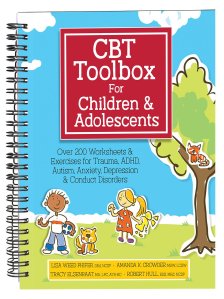
Book: CBT Toolbox for Children and Adolescents

Book Title:

CBT Toolbox for Children and Adolescents: Over 220 Worksheets & Exercises for Trauma, ADHD, Autism, Anxiety, Depression & Conduct Disorders.

Author(s): Lisa Phifer.

Year: 2017.

Edition: First (1st).

Publisher: PESI Publishing & Media.

Type(s): Spiral-bound, Paperback and Kindle.

Synopsis:

The CBT Toolbox for Children and Adolescents gives you the resources to help the children in your life handle their daily obstacles with ease. Inside this workbook you’ll find hundreds of worksheets, exercises, and activities to help treat:

  • Trauma.
  • ADHD.
  • Autism.
  • Anxiety.
  • Depression.
  • Conduct Disorders.

Written by clinicians and teachers with decades of experience working with kids, these practical and easy-to-use therapy tools are vital to teaching children how to cope with and overcome their deepest struggles. Step-by-step, you’ll see how the best strategies from cognitive behavioural therapy are adapted for children.

Book: Eye Movement Desensitisation and Reprocessing (EMDR) Therapy: Basic Principles, Protocols, and Procedures

Book Title:

Eye Movement Desensitization and Reprocessing (EMDR) Therapy: Basic Principles, Protocols, and Procedures

Author(s): Francine Shapiro.

Year: 2018.

Edition: Third (3rd).

Publisher: Guildford Press.

Type(s): Hardcover and Kindle.

Synopsis:

The authoritative presentation of Eye Movement Desensitisation and Reprocessing (EMDR) therapy, this ground-breaking book – now revised and expanded – has enhanced the clinical repertoires of more than 125,000 readers and has been translated into 10 languages. Originally developed for treatment of posttraumatic stress disorder (PTSD), this evidence-based approach is now also used to treat adults and children with complex trauma, anxiety disorders, depression, addictive behaviour problems, and other clinical problems. EMDR originator Francine Shapiro reviews the therapy’s theoretical and empirical underpinnings, details the eight phases of treatment, and provides training materials and resources. Vivid vignettes, transcripts, and reproducible forms are included.

New to This Edition

  • Over 15 years of important advances in therapy and research, including findings from clinical and neurophysiological studies.
  • New and revised protocols and procedures.
  • Discusses additional applications, including the treatment of complex trauma, addictions, pain, depression, and moral injury, as well as post-disaster response.
  • Appendices with session transcripts, clinical aids, and tools for assessing treatment fidelity and outcomes.

EMDR therapy is recognised as a best practice for the treatment of PTSD by the US Departments of Veterans Affairs and Defence, the International Society for Traumatic Stress Studies, the World Health Organisation, the UK National Institute for Health and Care Excellence (NICE), the Australian National Health and Medical Research Council, the Association of the Scientific Medical Societies in Germany, and other health care associations/institutes around the world.

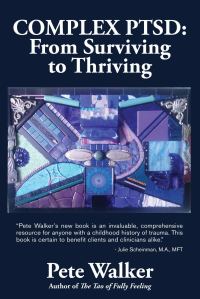
Book: Complex PTSD: From Surviving to Thriving

Book Title:

Complex PTSD: From Surviving to Thriving: A Guide and Map for Recovering from Childhood Trauma.

Author(s): Pete Walker.

Year: 2013.

Edition: First (1st).

Publisher: CreateSpace Independent Publishing Platform.

Type(s): Paperback, Audiobook, and Kindle.

Synopsis:

I have Complex PTSD (CPTSD) and wrote this book from the perspective of someone who has experienced a great reduction of symptoms over the years. I also wrote it from the viewpoint of someone who has discovered many silver linings in the long, windy, bumpy road of recovering from CPTSD. I felt encouraged to write this book because of thousands of e-mail responses to the articles on my website that repeatedly expressed gratitude for the helpfulness of my work. An often echoed comment sounded like this: At last someone gets it. I can see now that I am not bad, defective or crazy…or alone!

The causes of CPTSD range from severe neglect to monstrous abuse. Many survivors grow up in houses that are not homes – in families that are as loveless as orphanages and sometimes as dangerous. If you felt unwanted, unliked, rejected, hated and/or despised for a lengthy portion of your childhood, trauma may be deeply engrained in your mind, soul and body. This book is a practical, user-friendly self-help guide to recovering from the lingering effects of childhood trauma, and to achieving a rich and fulfilling life. It is copiously illustrated with examples of my own and my clients’ journeys of recovering.

This book is also for those who do not have CPTSD but want to understand and help a loved one who does. This book also contains an overview of the tasks of recovering and a great many practical tools and techniques for recovering from childhood trauma. It extensively elaborates on all the recovery concepts explained on my website, and many more. However, unlike the articles on my website, it is oriented toward the layperson. As such, much of the psychological jargon and dense concentration of concepts in the website articles has been replaced with expanded and easier to follow explanations. Moreover, many principles that were only sketched out in the articles are explained in much greater detail.

A great deal of new material is also explored. Key concepts of the book include managing emotional flashbacks, understanding the four different types of trauma survivors, differentiating the outer critic from the inner critic, healing the abandonment depression that come from emotional abandonment and self-abandonment, self-reparenting and reparenting by committee, and deconstructing the hierarchy of self-injuring responses that childhood trauma forces survivors to adopt.

The book also functions as a map to help you understand the somewhat linear progression of recovery, to help you identify what you have already accomplished, and to help you figure out what is best to work on and prioritise now. This in turn also serves to help you identify the signs of your recovery and to develop reasonable expectations about the rate of your recovery. I hope this map will guide you to heal in a way that helps you to become an unflinching source of kindness and self-compassion for yourself, and that out of that journey you will find at least one other human being who will reciprocally love you well enough in that way.

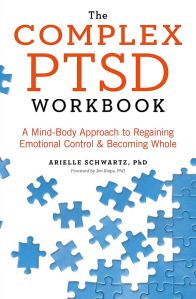
Book: The Complex PTSD Workbook

Book Title:

The Complex PTSD Workbook: A Mind-Body Approach to Regaining Emotional Control and Becoming Whole.

Author(s): Arielle Schwartz.

Year: 2020.

Edition: First (1st).

Publisher: Sheldon Press.

Type(s): Paperback, Audiobook, and Kindle.

Synopsis:

Those affected by complex PTSD commonly feel as though there is something fundamentally wrong with them – that somewhere inside there is a part of them that needs to be fixed. Though untrue, such beliefs can feel extremely real and frightening. Difficult as it may be, facing one’s PTSD from unresolved childhood trauma is a brave, courageous act – and with the right guidance, healing from PTSD is possible.

Clinical psychologist Dr Arielle Schwartz has spent years helping those with C-PTSD find their way to wholeness. She also knows the territory of the healing firsthand, having walked it herself. This book provides a map to the complicated, and often overwhelming, terrain of C-PTSD with Dr. Schwartz’s knowledgeable guidance helping you find your way.

In The Complex PTSD Workbook, you’ll learn all about C-PTSD and gain valuable insight into the types of symptoms associated with unresolved childhood trauma, while applying a strength-based perspective to integrate positive beliefs and behaviours.

Examples and exercises through which you’ll discover your own instances of trauma through relating to PTSD experiences other than your own, such as the following:

  • Information about common PTSD misdiagnoses such as bipolar disorder, ADHD, anxiety disorders, major depressive disorder, and substance abuse, among others.
  • Explorations of common methods of PTSD therapy including somatic therapy, EMDR, CBT, DBT, and mind-body perspectives.
  • Chapter takeaways that encourage thoughtful consideration and writing to explore how you feel as you review the material presented in relation to your PTSD symptoms.

The Complex PTSD Workbook aims to empower you with a thorough understanding of the psychology and physiology of C-PTSD so you can make informed choices about the path to healing that is right for you and discover a life of wellness, free of C-PTSD, that used to seem just out of reach.

Book: PTSD F*cking Hurts (Write That Sh*t Down)

Book Title:

PTSD Fcking Hurts (Write That Sht Down): A Guided Journal for Depression, PTSD, Mental Recovery, With Prompts to Help you through Emotional Healing, With Prompts and Activities.

Author(s): Sami’s Mental Health Journals.

Year: 2020.

Edition: First (1st).

Publisher: Independently Published.

Type(s): Paperback.

Synopsis:

A great Guided & Prompted Journal workbook for people suffering from PTSD or Complex PTSD (CPTSD). It is a perfect Journal for yourself if you are seeking a great book to help write down your thoughts. It will guide you throughout activities, Prompts, and questions you need to answer honestly in the journey of recovery, With space for notes.

It will also be a gift for someone who suffers from PTSD, or with having a hard psychologic experience.