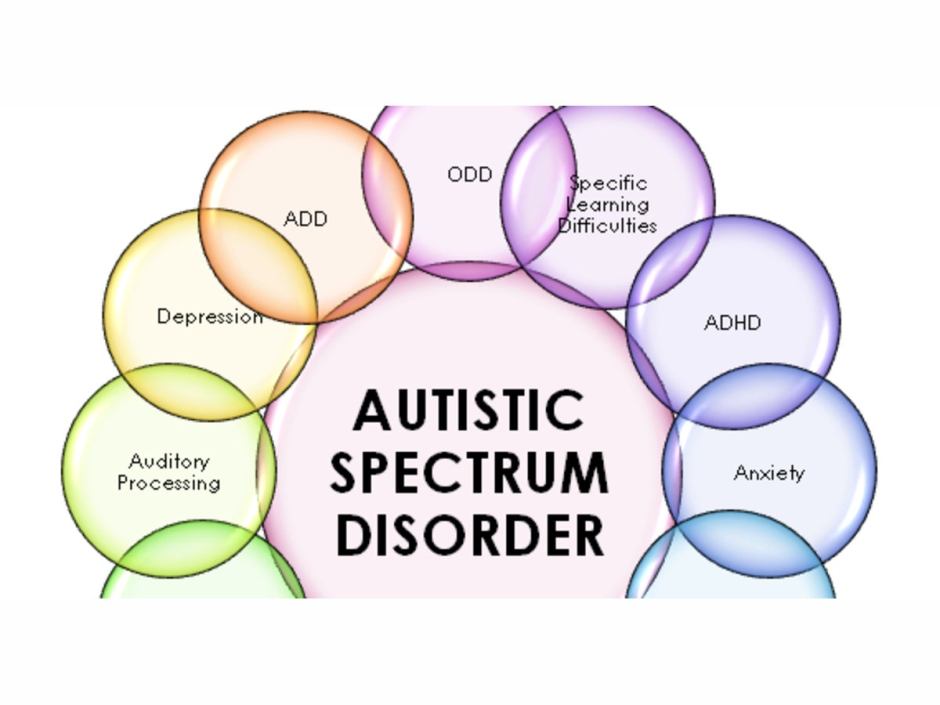
Can Testing by Questionnaire Guide Decisions to Refer Adults in Mental Health Services to Autism Diagnostic Services?

Research Paper Title

Testing adults by questionnaire for social and communication disorders, including autism spectrum disorders, in an adult mental health service population.

Background

Autism is difficult to identify in adults due to lack of validated self-report questionnaires.

The researchers compared the effectiveness of the autism-spectrum quotient (AQ) and the Ritvo autism-Asperger’s diagnostic scale-revised (RAADS-R) questionnaires in adult mental health services in two English counties.

Methods

A sub-sample of adults who completed the AQ and RAADS-R were invited to take part in an autism diagnostic observation schedule (ADOS Module 4) assessment with probability of selection weighted by scores on the questionnaires.

Results

There were 364 men and 374 women who consented to take part. Recorded diagnoses were most commonly mood disorders (44%) and mental and behavioural disorders due to alcohol/substance misuse (19%), and 4.8% (95% CI [2.9, 7.5]) were identified with autism (ADOS Module 4 10+).

One had a pre-existing diagnosis of autism; five (26%) had borderline personality disorders (all female) and three (17%) had mood disorders.

The AQ and RAADS-R had fair test accuracy (area under receiver operating characteristic [ROC] curve 0.77 and 0.79, respectively).

AQ sensitivity was 0.79 (95% CI [0.54, 0.94]) and specificity was 0.77 (95% CI [0.65, 0.86]); RAADS-R sensitivity was 0.75 (95% CI [0.48, 0.93]) and specificity was 0.71 (95% CI [0.60, 0.81]).

Conclusions

The AQ and RAADS-R can guide decisions to refer adults in mental health services to autism diagnostic services.

Reference

Brugha, T., Tyrer, F., Leaver, A., Lewis, S., Seaton, S., Morgan, Z., Tromans, S. & van Rensburg, K. (2020) Testing adults by questionnaire for social and communication disorders, including autism spectrum disorders, in an adult mental health service population. International Journal of Methods in Psychiatric Research. 29(1):e1814. doi: 10.1002/mpr.1814. Epub 2020 Jan 10.


Trying to Understand the Link between Socioeconomic Deprivation, Blood Lipids, Pyschosis, & Cardiovascular Risk

Research Paper Title

Socioeconomic deprivation and blood lipids in first-episode psychosis patients with minimal antipsychotic exposure: Implications for cardiovascular risk.

Background

The influence of socioeconomic deprivation on the cardiovascular health of patients with psychosis-spectrum disorders (PSD) has not been investigated despite the growing recognition of social factors as determinants of health, and the disproportionate rates of cardiovascular mortality observed in PSD.

Discordant results have been documented when studying dyslipidemia -a core cardiovascular risk factor- in first-episode psychosis (FEP), before chronic exposure to antipsychotic medications.

The objective of the present study is to determine the extent to which socioeconomic deprivation affects blood lipids in patients with FEP, and examine its implications for cardiovascular risk in PSD.

Methods

Linear regression models, controlling for age, sex, exposure to pharmacotherapy, and physical anergia, were used to test the association between area-based measures of material and social deprivation and blood lipid levels in a sample of FEP patients (n = 208).

Results

Social, but not material deprivation, was associated with lower levels of total and HDL cholesterol.

This effect was statistically significant in patients with affective psychoses, but not in schizophrenia-spectrum disorders.

Conclusions

Contrary to other reports from the literature, the relationship between socioeconomic disadvantage and blood lipid levels was contingent on the social rather than the material aspects of deprivation.

Furthermore, this association also depended on the main diagnostic category of psychosis, suggesting a complex interaction between the environment, psychopathology, and physical health.

Future studies exploring health issues in psychosis might benefit from taking these associations into consideration.

A better understanding of the biology of blood lipids in this context is necessary.

Reference

Veru-Lesmes, F., Rho, A., Joober, R., Iyer, S. & Malla, A. (2020) Socioeconomic deprivation and blood lipids in first-episode psychosis patients with minimal antipsychotic exposure: Implications for cardiovascular risk. Schizophrenia Research. pii: S0920-9964(19)30589-4. doi: 10.1016/j.schres.2019.12.019. [Epub ahead of print].

Children: Foster Care & Mental Health

Research Paper Title

A Comparison Study of Primary Care Utilisation and Mental Health Disorder Diagnoses Among Children In and Out of Foster Care on Medicaid.

Background

The purpose of this study was to compare the utilisation of primary care services and presence of mental health disorder diagnoses among children in foster care to children on Medicaid not in foster care in a large health system.

Methods

The data for this study were analysed from a clinical database of a multi-practice paediatric health system in Houston, Texas.

The sample included more than 95 000 children covered by Medicaid who had at least one primary care visit during the 2-year study period.

Results & Conclusions

The results of the study demonstrated that children not in foster care had a greater number of primary care visits and the odds of having >3 visits were significantly lower for children in foster care with a mental health disorder diagnosis.

Additionally, more than a quarter of children in foster care had a diagnosis of a mental health disorder, compared with 15% of children not in foster care.

Reference

Keefe, R.J., Van Horne, B.S., Cain, C.M., Budolfson, K., Thompson, R. & Greeley, C.S. (2020) A Comparison Study of Primary Care Utilization and Mental Health Disorder Diagnoses Among Children In and Out of Foster Care on Medicaid. Clinical Pediatrics. doi: 10.1177/0009922819898182. [Epub ahead of print].

Can Brain Changes Reflected by Alterations in Functional Connectivity be a Useful for Outcome Prediction in the Prodromal Stage?

Research Paper Title

Brain functional connectivity data enhance prediction of clinical outcome in youth at risk for psychosis.

Background

The first episode of psychosis is typically preceded by a prodromal phase with subthreshold symptoms and functional decline.

Improved outcome prediction in this stage is needed to allow targeted early intervention.

This study assesses a combined clinical and resting-state fMRI prediction model in 137 adolescents and young adults at Clinical High Risk (CHR) for psychosis from the Shanghai At Risk for Psychosis (SHARP) programme.

Methods

Based on outcome at one-year follow-up, participants were separated into three outcome categories including:

  • Good outcome (symptom remission, N = 71);
  • Intermediate outcome (ongoing CHR symptoms, N = 30); and
  • Poor outcome (conversion to psychosis or treatment-refractory, N = 36).

Validated clinical predictors from the psychosis-risk calculator were combined with measures of resting-state functional connectivity.

Results

Using multinomial logistic regression analysis and leave-one-out cross-validation, a clinical-only prediction model did not achieve a significant level of outcome prediction (F1 = 0.32, p = .154).

An imaging-only model yielded a significant prediction model (F1 = 0.41, p = .016), but a combined model including both clinical and connectivity measures showed the best performance (F1 = 0.46, p < .001).

Influential predictors in this model included functional decline, verbal learning performance, a family history of psychosis, default-mode and frontoparietal within-network connectivity, and between-network connectivity among language, salience, dorsal attention, sensorimotor, and cerebellar networks.

Conclusions

These findings suggest that brain changes reflected by alterations in functional connectivity may be useful for outcome prediction in the prodromal stage.

Reference

Collin, G., Nieto-Castanon, A., Shenton, M.E., Pasternak, O., Kelly, S., Keshavan, M.S., Seidman, L.J., McCarley, R.W., Niznikiewicz, M.A., Li, H., Zhang, T., Tang, Y., Stone, W.S., Wang, J. & Whitfield-Gabrieli, S. (2019) Brain functional connectivity data enhance prediction of clinical outcome in youth at risk for psychosis. NeuroImage Clinical. doi: 10.1016/j.nicl.2019.102108. [Epub ahead of print].

Causes of Mental Illness

Currently, mental illness is thought to be caused by a complex interaction of factors, including the following:

  • Hereditary;
  • Biologic (physical factors);
  • Psychologic; and/or
  • Environmental (including social and cultural factors).

Research has shown that for many mental health disorders, heredity plays a part. Often, a mental health disorder occurs in people whose genetic make-up makes them vulnerable to such disorders. This vulnerability, combined with life stresses, such as difficulties with family or at work, can lead to the development of a mental disorder.

Also, many experts think that impaired regulation of chemical messengers in the brain (neurotransmitters) may contribute to mental health disorders.

Brain imaging techniques, such as magnetic resonance imaging (MRI) and positron emission tomography (PET), often show changes in the brains of people with a mental health disorder.

Thus, many mental health disorders appear to have a biologic component, much like disorders that are considered neurologic (such as Alzheimer disease).

However, whether the changes seen on imaging tests are the cause or result of the mental health disorder is unclear.

Would a Clinical Staging Tool be useful in Clinical Practice to Predict Disease Course in Anxiety Disorders?

Research Paper Title

A clinical staging approach to improving diagnostics in anxiety disorders: Is it the way to go?

Background

Clinical staging is a paradigm in which stages of disease progression are identified; these, in turn, have prognostic value.

A staging model that enables the prediction of long-term course in anxiety disorders is currently unavailable but much needed as course trajectories are highly heterogenic.

This study therefore tailored a heuristic staging model to anxiety disorders and assessed its validity.

Methods

A clinical staging model was tailored to anxiety disorders, distinguishing nine stages of disease progression varying from subclinical stages (0, 1A, 1B) to clinical stages (2A-4B).

At-risk subjects and subjects with anxiety disorders (n = 2352) from the longitudinal Netherlands Study of Depression and Anxiety were assigned to these nine stages.

The model’s validity was assessed by comparing baseline (construct validity) and 2-year, 4-year and 6-year follow-up (predictive validity) differences in anxiety severity measures across stages.

Differences in depression severity and disability were assessed as secondary outcome measures.

Results

Results showed that the anxiety disorder staging model has construct and predictive validity.

At baseline, differences in anxiety severity, social avoidance behaviours, agoraphobic avoidance behaviours, worrying, depressive symptoms and levels of disability existed across all stages (all p-values < 0.001).

Over time, these differences between stages remained present until the 6-year follow-up.

Differences across stages followed a linear trend in all analyses: higher stages were characterised by the worst outcomes.

Regarding the stages, subjects with psychiatric comorbidity (stages 2B, 3B, 4B) showed a deteriorated course compared with those without comorbidity (stages 2A, 3A, 4A).

Conclusions

A clinical staging tool would be useful in clinical practice to predict disease course in anxiety disorders.

Reference

Bokma, W.A., Batelaan, N.M., Hoogendoorn, A.W., Penninx, B.W. & van Balkom, A.J. (2019) A clinical staging approach to improving diagnostics in anxiety disorders: Is it the way to go? The Australian & New Zealand Journal of Psychiatry. doi: 10.1177/0004867419887804. [Epub ahead of print].