Reviewing Work & Mental Health in Doctors

Research Paper Title

Work and Mental Health in Doctors: A Short Review of Norwegian Studies.

Background

Previous studies have found relatively good physical health in doctors, whereas several studies now report relatively high levels of mental distress among them. This applies in particular to stress, burnout, and depressive symptoms – and especially among medical students and young doctors early in their careers. However, we lack representative prevalence studies of mental disorders among doctors. There is little empirical support for the notion that there is more mental distress in medical students compared to that in other university students, nor do they differ from other students with respect to personality traits.

Despite this, several studies have found more suicide among physicians than in other occupational groups. This may be partly due to their attempts in committing suicide being more frequently successful; yet, this may also represent the tip of an iceberg of frustration and inadequate mental health care among medical doctors.

Presumed Risk Factors from Longitudinal Studies

What do we know about individual and work-related predictors and risk factors of mental distress from the prospective and longitudinal studies so far? Some landmark early follow-up studies in the United States and United Kingdom put doctors’ work and mental health on the agenda in the 1970’s and 1980’s. In the following, we will pay most attention to the Longitudinal Study of Norwegian Medical Students and Doctors (NORDOC). This study has since 1993/1994 followed repeatedly 2 cohorts of medical students (N = 1052) with 6 years apart for 20 years (2014), and there is now an ongoing 25-year follow up.

There are 2 main hypotheses with regard to possible risks factors. First, it may be due to individual factors such as personality traits, past mental health problems, etc. Second, contextual stress may influence mental health among doctors, whether this is unhealthy working conditions or negative life events (i.e., stress outside of work). Both individual and work-related factors seem to be of importance. Individual factors may be more important with respect to more severe clinical mental disorders, whereas work-related factors are more important for stress, burnout, and minor emotional disturbance.

In terms of individual factors, NORDOC has included personality traits, as one of very few studies in doctors. Neuroticism personality trait is related to vulnerability, self-criticism, low self-esteem, and proneness to stress compatible with the modern common term “hypersensitivity.” This trait predicts stress, anxiety, and depression in the general population, and, as expected, in NORDOC it predicts work stress, burnout, and even severe depressive symptoms among doctors. Studies among medical students and young doctors have found the combination of conscientiousness (or obsessiveness) and neuroticism seems to be especially important for school and work stress. In addition, NORDOC has identified a particular trait (reality weakness) that is associated with severe personality pathology. This trait predicts independently a need for mental health treatment, lack of help-seeking, severe depressive symptoms, and even aggravation of suicidal ideation among medical students and doctors. Another important individual factor is the increased rate of female medical students and young doctors. In Norway, there has been an increase from 55% to 70% of women in medical schools during the past 2 decades. We have previously found little gender differences in NORDOC, but a recent study among Norwegian medical students find considerable reduction in subjective well-being in 2015 compared to that 20 years ago, and this reduction was most prominent among the female students. This reflects recent trends in Norway and other Western societies which observe increased anxiety and depressive symptoms among young female adults.

With regard to contextual stress, it seems that both work-related stress and stress outside of work are of importance. NORDOC studies have found that demanding patient work is associated with mental health problems early in the medical career, and that difficulty with balancing life – such as work–home interface stress – is a sustaining problem over the course of the career. The detrimental role of such stress is also in keeping with studies among US doctors. Work–home stress predicts burnout (emotional exhaustion) in a NORDOC 5-year follow-up study. A promising finding is that such stress was less prominent in the youngest cohort of Norwegian doctors 10 years after leaving medical school. This may be due to increased coverage of kindergarten as well as changed and more liberal gender roles in our Scandinavian society over recent years.

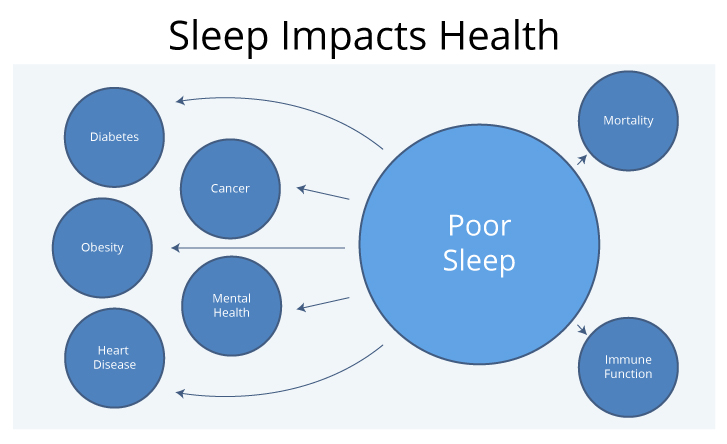
There are also studies that associate time pressures and burnout with suicidal ideation among medical students and doctors. Sleep-deprivation due to call work and long hours may be one important reason for more depressive symptoms measured in young doctors. A recent NORDOC study of life satisfaction during 15 years of the career controlled for all possible individual factors, and found the following work-related predictors and possible risk factors: work–home stress, lack of colleague support, and emotional demands at work. Doctors often feel a 24/7 responsibility and obligation for individual patients and their treatment and this puts extraordinary emotional demands on this occupational group.

Does Stress among Doctors have Consequences for their Patient Care?

Many studies can indicate lowered quality of patient care among stressed doctors with burnout, but a large majority of these studies build on self-report by the doctors themselves of more errors and poorer care. We lack an empirical foundation for the notion that stress and burnout really impair doctors’ functioning with respect to observed poorer quality of care. There are 2 classical observation studies demonstrating that long hours and time pressures interfere with doctors functioning, but we lack studies that find burnout to lead to observed errors or poorer care. The burnout concept and scales are not very valid with respect to impaired functioning, for example, with respect to valid cut-off for defining a case.38 On the other hand, depression and other mental disorders lead to poor functioning. We need more studies on working conditions and the levels of stress and poor health among young doctors that lead to lowered patient care.

What are the Most Common Mental Disorders among Doctors?

In general, doctors may have the same disorders that strike anyone else; doctors are not invincible. Although depressive symptoms seem to be prevalent in the early years of the medical career, some of this may be due to exhausting work stress by frequent on-call work. We lack representative studies on the occurrence of valid depression among doctors compared to that in other occupational groups. Suicide is more common among doctors than among other groups of academics, but since it is also very common in veterinarians, this may also be due to available knowledge and means (drugs) for committing suicide during mental health deterioration. Alcoholism and drug abuse is an additional known risk factor for suicide and the SAD triad (suicidal behaviour–alcoholism–depression) may be particularly important for medical doctors. From clinical experience with doctor–patients, we know the slippery slope from self-medication with tranquilisers to cope with the stresses to dependency of alcohol and drugs, in addition to other boundary violations. There are very few clinical studies including diagnostic interviews among doctors. One previous Spanish study emphasises the importance of dual diagnoses, especially in alcohol dependence and mood disorders. From own experience, we know that bipolar disorder (type II) is quite common among physicians, but we lack sound empirical studies that compare occurrence of mental disorders in doctors with that in other groups. American impaired physician programs have for many years shown high and promising recovery rates (70–80%). The programmes used to focus on addiction and substance abuse, but they now put increasing emphasis on psychiatric diagnoses. A family history, opioid use, and psychiatric comorbidity predicted relapse of substance abuse among doctors and other healthcare workers.

In Norway, we have implemented a successful low-threshold intervention, the Villa Sana programme. This intervention seems to reduce burnout in doctors. It includes 2 separate schemes, a 1-day individual counselling scheme, and a 1-week group-based scheme in a psychiatric hospital. The Norwegian Medical Association pays for the programme that is free for all doctors.

With respect to medical students and young doctors, we have also a large longitudinal study on mindfulness-based stress reduction. This is a randomised-controlled trial of second year medical and psychology students, and they have now been followed-up for 6 years, for the medical students into the first 2 postgraduate years. The reduction of emotional distress by mindfulness training is most prominent in female students.46 The training has a stronger impact among those with vulnerable personality (high neuroticism and conscientiousness). During the follow-up, there is an increase in active coping and reduction in passive or avoidance coping – the effects on ways of coping may be important psychological mechanisms of mindfulness training.

Future Research Challenges

We need more long-term follow-up studies that use validated instruments to capture changes in working conditions and their impact on physician health. For instance, there are few studies in doctors of Karasek’s Demand-Control model. There are more studies by this model in other healthcare workers. More studies are required that measure the effect of physicians’ health problems on their performance and patient care. Gender issues are important, since there are now more women entering the medical career. As mentioned, we also need more studies with diagnostic interviews that compare frequency of valid disorders in samples of physicians with that in other groups. Doctors are nowadays moving, and we should study the effect of globalisation on doctor’s health. Cross-national disparities may be due to differences in the health systems, working conditions, etc. Finally, we need more studies on positive psychology and factors that may promote and enhance well-being among physicians.

Reference

Tyssen, R. (2019) Work and Mental Health in Doctors: A Short Review of Norwegian Studies. Porto Biomedical Journal. 4(5), pp.e50. Published online 2019 Sep 9. doi: 10.1097/j.pbj.0000000000000050.


Should Service Users be Involved in Co-Designing Surveys they will Use?

Research Paper Title

Validation of a Comprehensive Patient Experience Survey for Addiction and Mental Health that was Co-designed with Service Users.

Background

A rigorous survey development process was undertaken to design and test a novel, comprehensive patient experience measure that can be used across the full continuum of addiction and mental health programs.

Service users were involved in all aspects of the measure’s development, including the selection of items, pre-testing, naming of the scales, and interpretation of the results.

Methods

Survey data was collected from 1222 patients in treatment in a variety of service settings across Alberta, Canada (89% outpatients; 60% female).

Results

An exploratory factor analysis identified five subscales-patient-centred care, treatment effectiveness, staff behaviour, availability and coordination of care, and communication.

The subscales had high internal reliability (Cronbach’s alpha = 0.77 to 0.85) and test-retest reliability ranged from 0.53 to 0.82 across the five scales.

Conclusions

Scores on the new instrument were correlated with treatment outcomes.

The assessment of patient experience should be integrated into a continuous, sustainable quality improvement process to be truly effective.

Reference

Currie, S.R., Liu, P., Adamyk-Simpson, J. & Stanich, J. (2020) Validation of a Comprehensive Patient Experience Survey for Addiction and Mental Health that was Co-designed with Service Users. Community Mental Health Journal. 56(4), pp.735-743. doi: 10.1007/s10597-019-00534-1. Epub 2020 Jan 1.

Are Pre-service Military-related & Mental Disorder Factors Associated with Leaving the UK Armed Forces?

Research Paper Title

Pre-service Military-related and Mental Disorder Factors Associated with Leaving the UK Armed Forces.

Background

The UK Armed Forces (UKAF) have a substantial manning deficit as more personnel leave than join.

This article identified pre-service, military, and mental health factors giving rise to leaving the UKAF and estimated the contributions to leaving of those factors which are potentially amenable to modification.

Methods

This study utilised data from a three-phase cohort study (2004-2006, 2007-2009 and 2014-2016), commencing while respondents were serving in the UKAF (n = 10,836; 6,046 (55.8%) had left service).

Associations between leaving the services and socio-demographics, military career and experiences, and mental health were determined using Cox regression.

Contribution to leaving was based on population attributable fractions (PAF) from Cox regression.

Analyses were stratified by rank due to the different career structures of Commissioned Officers and enlisted personnel.

Results

Leaving the UKAF was associated with joining when older, being a woman with a child/children, Army service, combat role, lower education level, and poor mental health.

Factors contributing a significant proportion of leaving among enlisted personnel were joining over the age of 17, history of externalising behaviour, being female, common mental disorders, and alcohol misuse.

Among Commissioned Officers only age at joining and sex contributed significant proportions to leaving.

Conclusions

The key factors for leaving are education and higher age at recruitment.

These are not amenable to intervention, for policy, equity, and legal reasons.

Heavy drinking and common mental disorder symptoms may be more amenable to modification and hence reduce rates of leaving the UKAF.

Women are more likely to leave due to childbearing.

Reference

Burdett, H., Stevelink, S.A.M., Jones, N., Hull, L., Wessely, S. & Rona, R. (2020) Pre-service Military-related and Mental Disorder Factors Associated with Leaving the UK Armed Forces. Psychiatry. 1-16. doi: 10.1080/00332747.2020.1729063. [Epub ahead of print].

Can We Link Financial Worries & Poor Mental Health?

Research Paper Title

Sociodemographic Characteristics, Financial Worries and Serious Psychological Distress in U.S. Adults.

Background

Economic recessions have been well studied in relationship to poor mental health.

However, subjective financial worries have not been examined relative to serious psychological distress (SPD), a measure of poor mental health.

Methods

Adults 18 to 64 years in the cross-sectional 2016 National Health Interview Survey (n = 24,126) were examined for worries about paying for bills, serious medical events, expected medical costs, retirement, children’s college tuition and maintaining a standard of living; by sociodemographic such as sex and race/ethnicity. Over 50% of adults reported two or more financial worries.

Results

In multivariate models, financial worries were associated with SPD.

White adults at the lowest education level had the greatest proportion with SPD compared with all other race/ethnic groups.

Conclusions

Women had greater risk for SPD and for each financial worry compared with men.

Financial worries were prevalent in US adults, were associated with increased risk for SPD, and varied by sex.

Reference

Weissman, J., Russell, D. & Mann, J.J. (2020) Sociodemographic Characteristics, Financial Worries and Serious Psychological Distress in U.S. Adults. Community Mental Health Journal. 56(4), pp.606-613. doi: 10.1007/s10597-019-00519-0. Epub 2020 Jan 1.

Is there a Link between Exercise Addiction & Eating Disorders?

Research Paper Title

A comparative meta-analysis of the prevalence of exercise addiction in adults with and without indicated eating disorders.

Background

Exercise addiction is associated with multiple adverse outcomes and can be classified as co-occurring with an eating disorder, or a primary condition with no indication of eating disorders.

The researchers conducted a meta-analysis exploring the prevalence of exercise addiction in adults with and without indicated eating disorders.

Methods

A systematic review of major databases and grey literature was undertaken from inception to 30/04/2019.

Studies reporting prevalence of exercise addiction with and without indicated eating disorders in adults were identified.

A random effect meta-analysis was undertaken, calculating odds ratios for exercise addiction with versus without indicated eating disorders.

Results

Nine studies with a total sample of 2140 participants (mean age = 25.06; 70.6% female) were included.

Within these, 1732 participants did not show indicated eating disorders (mean age = 26.4; 63.0% female) and 408 had indicated eating disorders (mean age = 23.46; 79.2% female).

The odds ratio for exercise addiction in populations with versus without indicated eating disorders was 3.71 (95% CI 2.00-6.89; I2 = 81; p  ≤ 0.001).

Exercise addiction prevalence in both populations differed according to the measurement instrument used.

Conclusions

Exercise addiction occurs more than three and a half times as often as a comorbidity to an eating disorder than in people without an indicated eating disorder.

The creation of a measurement tool able to identify exercise addiction risk in both populations would benefit researchers and practitioners by easily classifying samples.

Reference

Trott, M., Jackson, S.E., Firth, J., Jacob, L., Grabovac, I., Mistry, A., Stubbs, B. & Smith, L. (2020) A comparative meta-analysis of the prevalence of exercise addiction in adults with and without indicated eating disorders. Eating and Weight Disorders: EWD. doi: 10.1007/s40519-019-00842-1. [Epub ahead of print].

Intellectual Disabilities & Coexisting Mental Health Conditions

Research Paper Title

Developmental stages and estimated prevalence of coexisting mental health and neurodevelopmental conditions and service use in youth with intellectual disabilities, 2011-2012.

Background

Few studies exist on mental health and neurodevelopmental conditions and service use among youth with intellectual disabilities (IDs), which makes it difficult to develop interventions for this population.

The objective of the study is to

  1. Estimate and compare the prevalence of mental health and neurodevelopmental conditions in youth with and without ID across three developmental stages; and
  2. Estimate and compare mental health service use in youth with and without ID across three developmental stages.

Methods

The researchers conducted secondary data analysis using cross-sectional data collected from caregivers completing the 2011-2012 National Survey of Children’s Health.

The data set represents a nationally representative sample of youth (0-17 years) in the USA with one child from each household being randomly selected.

Data were collected from caregivers in 50 states, Washington D.C. and the US Virgin Islands.

The researchers restricted the sample to parents of youth between 3-17 years (N = 81 510).

Results

Compared with youth without ID, youth ages 3-17 with ID had a statistically significantly higher prevalence of (1) mental health and neurodevelopmental conditions and (2) mental health care use and medication use for mental health and neurodevelopmental issues (other than attention deficit disorder/attention deficit hyperactivity disorder).

Clinically significant differences in coexisting conditions and service use were also found across developmental stages.

Conclusions

Youth with ID are at greater risk of having coexisting mental health and neurodevelopmental conditions than youth without ID and are more likely to receive treatment.

Therefore, clinicians should consider mental health and neurodevelopmental conditions and the unique needs of youth by developmental stage when tailoring interventions for youth with ID.

Reference

Comer-HaGans, D., Weller, B.E., Story, C. & Holton, J. (2020) Developmental stages and estimated prevalence of coexisting mental health and neurodevelopmental conditions and service use in youth with intellectual disabilities, 2011-2012. Journal of Intellectual Disability Research. 64(3), pp.185-196. doi: 10.1111/jir.12708. Epub 2020 Jan 1.

Postpartum: Linking Poor Body Image & Depressive Symptoms

Research Paper Title

A qualitative insight into the relationship between postpartum depression and body image.

Background

This study qualitatively explored the experience of depression and body image concerns in women diagnosed with depression in the postpartum period.

Women’s bodies undergo substantial changes during the perinatal period which can impact their body image and mood post-birth.

However, it remains unknown how women diagnosed with depression experience their body image in the postpartum period.

Methods

Seventeen women in their first postpartum year completed qualitative telephone interviews: seven women diagnosed with depression and ten without depression.

Thematic content analysis identified the main themes of the women’s narratives:

  • Expectations and adjustments to motherhood;
  • Mood in response to changing postpartum body;
  • The context of feeling bad about my body; and
  • Body letting me down and relationship to mood.

Results

Differences in the relationship between body image and mood for postpartum women with depression compared to women without depression were revealed.

Other themes seemed to be experienced in the same way by women with and without depression.

Conclusions

Poor body image and depressive symptoms appear linked during postpartum.

An improved understanding of this association may assist postpartum women to manage negative body image post-birthand prevent the exacerbation of negative emotional health in this period.

Reference

Hartley, E., Fuller-Tyszkiewicz, M., Skouteris, H. & Hill, B. (2020) A qualitative insight into the relationship between postpartum depression and body image. Journal of Reproductive and Infant Psychology. 1-13. doi: 10.1080/02646838.2019.1710119. [Epub ahead of print].

Linking Attitudes towards Mental Illness & the Media

Research Paper Title

Turkish newspaper articles mentioning people with mental illness: A retrospective study.

Background

Because a great majority of the public knows about mental disorders primarily through printed or visual media, the attitudes exhibited in mass media might be predictive in stigmatizing individuals with mental disorders.

The aim of this study was to retrospectively assess the articles in Turkish newspapers that mention individuals with mental disorders.

Methods

This study was designed to retrospectively investigate and analyze newspaper content in Turkey; the newspapers’ circulation information was collected by examining the websites of the four newspapers with above 1% of the total circulation.

The News Evaluation Form was used to evaluate a sampling of articles that met the inclusion criteria of having appeared in the lifestyle and agenda pages of newspapers, and of using neutral or negative labelling keywords about psychiatric patients.

Results

Almost all the articles reviewed were negative toward individuals with mental disorders.

Three quarters of the reports were forensic, among which two thirds of the individuals with mental disorders were criminalised, and one third were victims of crime.

In approximately half of the news reports, most images were related to the news and were not protected.

Although not all the articles contain stigmatising elements directed toward people with mental disorders, two thirds of the subjects’ images in the news were found to have stigmatising elements.

Conclusions

Media has an impact on attitudes toward people with mental disorders mostly negatively along with individual experiences and peer interactions.

Reference

Aci, O.S., Ciydem, E., Bilgin, H., Ozaslan, Z. & Tek, S. (2020) Turkish newspaper articles mentioning people with mental illness: A retrospective study. The International Journal of Social Psychiatry. doi: 10.1177/0020764019894609. [Epub ahead of print].

Could an Elevated Spindle Oscillatory Frequency in PTSD Indicate a Deficient Sensory-gating Mechanism is Responsible For Preserving Sleep Continuity?

Research Paper Title

Increased Oscillatory Frequency of Sleep Spindles in Combat-Exposed Veteran Men with Post-Traumatic Stress Disorder.

Background

Sleep disturbances are core symptoms of post-traumatic stress disorder (PTSD), but reliable sleep markers of PTSD have yet to be identified.

Sleep spindles are important brain waves associated with sleep protection and sleep-dependent memory consolidation.

The present study tested whether sleep spindles are altered in individuals with PTSD and whether the findings are reproducible across nights and sub-samples of the study.

Methods

Seventy-eight combat-exposed veteran men with (n = 31) and without (n = 47) PTSD completed two consecutive nights of high-density EEG recordings in a laboratory.

The researchers identified slow (10-13 Hz) and fast (13-16 Hz) sleep spindles during N2 and N3 sleep stages and performed topographical analyses of spindle parameters (amplitude, duration, oscillatory frequency, and density) on both nights.

To assess reproducibility, they used the first 47 consecutive participants (18 with PTSD) for initial discovery and the remaining 31 participants (13 with PTSD) for replication assessment.

Results

In the discovery analysis, compared to non-PTSD participants, PTSD participants exhibited 1) higher slow-spindle oscillatory frequency over the antero-frontal regions on both nights and 2) higher fast-spindle oscillatory frequency over the centro-parietal regions on the second night.

The first finding was preserved in the replication analysis.

The researchers found no significant group differences in the amplitude, duration, or density of slow or fast spindles.

Conclusions

The elevated spindle oscillatory frequency in PTSD may indicate a deficient sensory-gating mechanism responsible for preserving sleep continuity.

The findings, if independently validated, may assist in the development of sleep-focused PTSD diagnostics and interventions.

Reference

Wang, C., Laxminarayan, S., Ramakrishnan, S., Dovzhenok, A., Cashmere, J.D., Germain, A. & Reifman, J. (2020) Increased Oscillatory Frequency of Sleep Spindles in Combat-Exposed Veteran Men with Post-Traumatic Stress Disorder. Sleep. pii: zsaa064. doi: 10.1093/sleep/zsaa064. [Epub ahead of print].

Examining Bicultural Stress & Well-being Processes among Adolescents

Research Paper Title

Disentangling relationships between bicultural stress and mental well-being among Latinx immigrant adolescents.

Background

The Acculturative Process and Context Framework (Ward & Geeraert, 2016) proposes that acculturative stressors influence psychological well-being over time.

In fact, extant literature has linked bicultural stress with psychological functioning; yet, no studies have explored the causal dominance of bicultural stress.

The purpose of the present study was to evaluate the directionality of prospective relations among bicultural stress and psychosocial functioning (i.e., depressive symptoms, hopefulness, and self-esteem) in Latinx immigrant adolescents across 5 waves.

Methods

There were 303 Latinx adolescents who were recruited for this study from Los Angeles and Miami and were assessed across 5 waves at 6-month intervals.

Adolescents were 14.50 years old on average (SD = .88) and 53.16% were male.

Adolescents reported living in the United States for 2.07 years on average (SD = 1.87). A Random-Intercept Cross-Lagged Panel Model (RI-CLPM) was used to examine the between- and within-person relations among bicultural stress, depressive symptoms, hopefulness, and self-esteem in a comprehensive model.

Results

The comprehensive RI-CLPM including bicultural stress, depressive symptoms, hopefulness, and self-esteem exhibited excellent model fit.

Between-person, trait-like relations among constructs ranged from small to large, as expected.

Within-person, cross-lagged estimates among constructs were overall inconsistent, with some evidence that, within individuals, self-esteem influences later hopefulness.

Conclusions

Findings from this study indicate that the RI-CLPM is an effective strategy to examine bicultural stress and well-being processes among adolescents.

There is a need for further research examining bicultural stress among Latinx immigrant youth, particularly within prevention and intervention studies.

Reference

Romero, A., Piña-Watson, B., Stevens, A.K., Schwartz, S.J., Unger, J.B., Zamboanga, B.L., Szapocznik, J., Lorenzo-Blanco, E., Cano, M,Á., Meca, A., Baezconde-Garbanati, L., Córdova, D., Villamar, J.A., Soto, D.W., Lizzi, K.M., Des Rosiers, S.E., Pattarroyo, M. & Oshri, A. (2020) Disentangling relationships between bicultural stress and mental well-being among Latinx immigrant adolescents. Journal of Consulting and Clinical Psychology. 88(2), pp.149-159. doi: 10.1037/ccp0000466.