What Progression has there been of Mental Health Services During the COVID-19 Outbreak in China?

Research Paper Title

Progression of Mental Health Services During the COVID-19 Outbreak in China.

Background

The novel coronavirus disease (COVID-19) has been rapidly transmitted in China, Macau, Hong Kong, and other Asian and European counterparts.

This COVID-19 epidemic has aroused increasing attention nationwide.

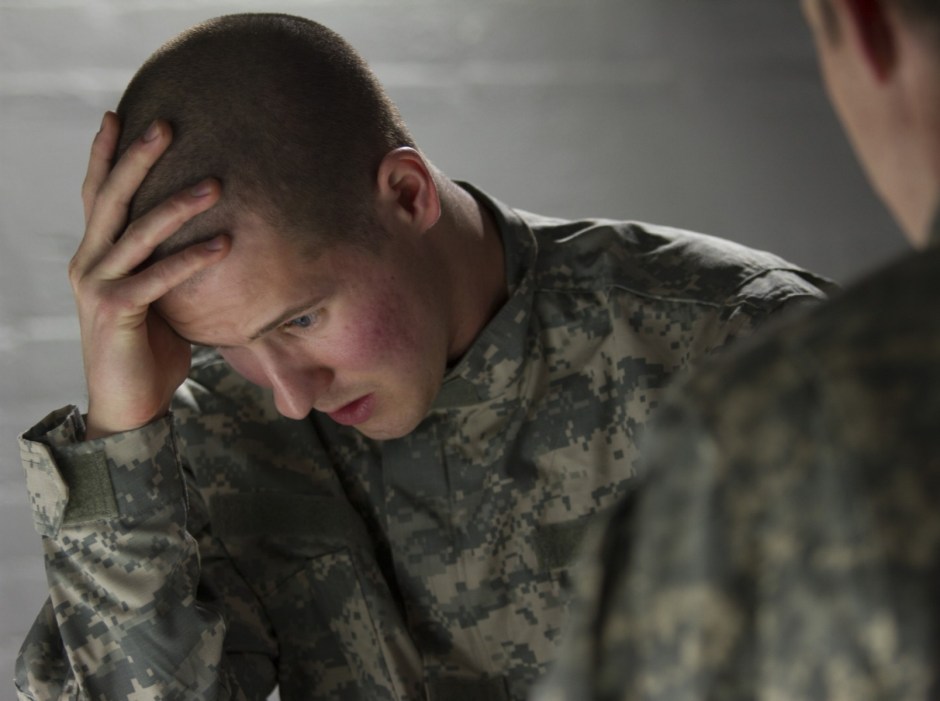
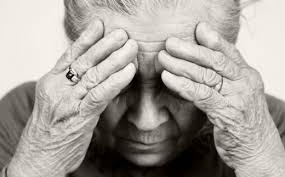
Patients, health professionals, and the general public are under insurmountable psychological pressure which may lead to various psychological problems, such as anxiety, fear, depression, and insomnia.

Psychological crisis intervention plays a pivotal role in the overall deployment of the disease control.

The National Health Commission of China has summoned a call for emergency psychological crisis intervention and thus, various mental health associations and organisations have established expert teams to compile guidelines and public health educational articles/videos for mental health professionals and the general public alongside with online mental health services.

In addition, mental health professionals and expert groups are stationed in designated isolation hospitals to provide on-site services.

Experts have reached a consensus on the admission of patients with severe mental illness during the COVID-19 outbreak in mental health institutions.

Nevertheless, the rapid transmission of the COVID-19 has emerged to mount a serious challenge to the mental health service in China.

Reference

Wen, Li., Yuan, Yang., Zi-Han, Liu., Yan-Jie, Zhao., Qinge, Zhang., Ling, Zhang., Teris, Cheung. & Yu-Tao, Xiang. (2020) Progression of Mental Health Services During the COVID-19 Outbreak in China. International Journal of Biological Sciences. 16(10), pp.1732-1738. doi: 10.7150/ijbs.45120. eCollection 2020.

Coronavirus: Healthcare Workers & their Mental Health

Research Paper Title

Factors Associated With Mental Health Outcomes Among Health Care Workers Exposed to Coronavirus Disease 2019.

Background

Health care workers exposed to coronavirus disease 2019 (COVID-19) could be psychologically stressed.

Objective: To assess the magnitude of mental health outcomes and associated factors among health care workers treating patients exposed to COVID-19 in China.

Methods

This cross-sectional, survey-based, region-stratified study collected demographic data and mental health measurements from 1257 health care workers in 34 hospitals from January 29, 2020, to February 3, 2020, in China. Health care workers in hospitals equipped with fever clinics or wards for patients with COVID-19 were eligible.

The degree of symptoms of depression, anxiety, insomnia, and distress was assessed by the Chinese versions of the 9-item Patient Health Questionnaire, the 7-item Generalized Anxiety Disorder scale, the 7-item Insomnia Severity Index, and the 22-item Impact of Event Scale-Revised, respectively. Multivariable logistic regression analysis was performed to identify factors associated with mental health outcomes.

Results

A total of 1,257 of 1,830 contacted individuals completed the survey, with a participation rate of 68.7%. A total of 813 (64.7%) were aged 26 to 40 years, and 964 (76.7%) were women. Of all participants, 764 (60.8%) were nurses, and 493 (39.2%) were physicians; 760 (60.5%) worked in hospitals in Wuhan, and 522 (41.5%) were frontline health care workers.

A considerable proportion of participants reported symptoms of depression (634 [50.4%]), anxiety (560 [44.6%]), insomnia (427 [34.0%]), and distress (899 [71.5%]).

Nurses, women, frontline health care workers, and those working in Wuhan, China, reported more severe degrees of all measurements of mental health symptoms than other health care workers (eg, median [IQR] Patient Health Questionnaire scores among physicians vs nurses: 4.0 [1.0-7.0] vs 5.0 [2.0-8.0]; P = .007; median [interquartile range {IQR}] Generalized Anxiety Disorder scale scores among men vs women: 2.0 [0-6.0] vs 4.0 [1.0-7.0]; P < .001; median [IQR] Insomnia Severity Index scores among frontline vs second-line workers: 6.0 [2.0-11.0] vs 4.0 [1.0-8.0]; P < .001; median [IQR] Impact of Event Scale-Revised scores among those in Wuhan vs those in Hubei outside Wuhan and those outside Hubei: 21.0 [8.5-34.5] vs 18.0 [6.0-28.0] in Hubei outside Wuhan and 15.0 [4.0-26.0] outside Hubei; P < .001).

Multivariable logistic regression analysis showed participants from outside Hubei province were associated with lower risk of experiencing symptoms of distress compared with those in Wuhan (odds ratio [OR], 0.62; 95% CI, 0.43-0.88; P = .008).

Frontline health care workers engaged in direct diagnosis, treatment, and care of patients with COVID-19 were associated with a higher risk of symptoms of depression (OR, 1.52; 95% CI, 1.11-2.09; P = .01), anxiety (OR, 1.57; 95% CI, 1.22-2.02; P < .001), insomnia (OR, 2.97; 95% CI, 1.92-4.60; P < .001), and distress (OR, 1.60; 95% CI, 1.25-2.04; P < .001).

Conclusions

In this survey of heath care workers in hospitals equipped with fever clinics or wards for patients with COVID-19 in Wuhan and other regions in China, participants reported experiencing psychological burden, especially nurses, women, those in Wuhan, and frontline health care workers directly engaged in the diagnosis, treatment, and care for patients with COVID-19.

Reference

Jianbo, Lai., Simeng, Ma., Ying, Wang., Zhongxiang, Cai., Jianbo, Hu., Ning, Wei., Jiang, Wu., Hui, Du., Tingting, Chen., Ruiting, Li., Huawei, Tan., Lijun, Kang., Lihua, Yao., Manli, Huang., Huafen, Wang., Gaohua, Wang., Zhongchun, Liu. & Shaohua, Hu. (2020) Factors Associated With Mental Health Outcomes Among Health Care Workers Exposed to Coronavirus Disease 2019. JAMA Network Open. 3(3):e203976. doi: 10.1001/jamanetworkopen.2020.3976.

Does Hardiness Protect Against Alcohol Use in Soldiers?

Research Paper Title

Hardiness Protects Against Problematic Alcohol Use in Male, but Not Female, Soldiers.

Background

Military service members are at high risk for problematic substance use compared with the general population; deployment and combat exposure further increases this risk.

It is thus critical to identify resiliency factors that can buffer the negative effects of military experiences and potentially prevent problematic alcohol use.

The current research examines the extent to which psychological hardiness predicts lower risk of problematic alcohol use and explores potential sex differences in this association.

Methods

Data are from Operation: SAFETY, an ongoing study of US Army Reserve/National Guard soldiers.

Negative binomial regression models examined the relation between baseline hardiness, assessed by the 15-item Dispositional Resiliency Scale, and problematic alcohol use at the 1-year follow-up, assessed by the Alcohol Use Disorders Identification Test (N = 260), controlling for baseline combat exposure (Combat Exposure subscale, Deployment Risk and Resilience Inventory-2) and baseline quantity and frequency of alcohol use.

To examine the impact of hardiness on men and women, models were stratified by sex.

Results

In final, adjusted models, hardiness predicted lower risk of problematic alcohol use (adjusted risk ratio = 0.98; p < .05) for male soldiers and was unrelated to alcohol use for female soldiers (adjusted risk ratio = 1.01; p > .05).

Post hoc analyses explored the impact of each dimension of hardiness (i.e., commitment, control, and challenge) on problematic alcohol use.

Conclusions

Hardiness assessment may complement existing screening tools to identify high-risk populations; interventions to promote hardiness may help in preventing problematic alcohol use, particularly among male soldiers.

Reference

Kulak, J.A., Homish, D.L., Hoopsick, R.A., Fillo, J., Bartone, P.T. & Homish, G.G. (2020) Hardiness Protects Against Problematic Alcohol Use in Male, but Not Female, Soldiers. Psychological Services. doi: 10.1037/ser0000409. Online ahead of print.

Do PTSD, TBI & Sleep Distrubances affect Military Performance Individually or in Combination?

Research Paper Title

Posttraumatic Stress Disorder, Traumatic Brain Injury, Sleep, and Performance in Military Personnel.

Background

Sleep disturbances, post-traumatic stress disorder, and traumatic brain injury are highly prevalent in military personnel and veterans.

These disorders can negatively impact military performance.

Although literature evaluating how post-traumatic stress disorder and traumatic brain injury directly impact military performance is limited, there is evidence supporting that these disorders negatively impact cognitive and social functioning.

What is not clear is if impaired performance results from these entities individually, or a combination of each.

Further research using standardised evaluations for the clinical disorders and metrics of military performance is required to assess the overall performance decrements related to these disorders.

Reference

Moore, B.A., Borck, M.S., Brager, A., Collen, J., LoPresti, M. & Mysliwiec, V. (2020) Posttraumatic Stress Disorder, Traumatic Brain Injury, Sleep, and Performance in Military Personnel. Sleep Medicine Clinics. 15(1), pp.87-100. doi: 10.1016/j.jsmc.2019.11.004. Epub 2020 Jan 8.

A Leader Suicide Risk Assessment Tool for Mitigating Risk Factors

Research Paper Title

Development of a Leader Tool for Assessing and Mitigating Suicide Risk Factors.

Background

Despite efforts in prevention, suicide rates in the US military remain unchanged. This article describes the development of a tool for leaders to identify and mitigate suicide risk factors.

Methods

A seven-item measure, the Leader Suicide Risk Assessment Tool (LSRAT), was constructed to allow leaders to assess and mitigate suicide drivers. During a 6-month pilot, unit leaders completed the LSRAT for 161 at-risk soldiers. The LSRAT data were compared to clinical data from a subset of these soldiers.

Results

The LSRAT showed good test-retest reliability. The LSRAT scores showed significant correlations with both clinical and screening measures of suicidality. Command actions mitigated or partially mitigated 89% of risk factors identified on the LSRAT.

Conclusions

This study provides initial psychometric data on a tool that prescribes concrete responses to mitigate risk. The LSRAT may be a valid and feasible tool to assist front-line commanders in identifying potential area’s risk mitigation. Synchronisation efforts between commanders, clinicians, and support services are crucial to ensure effective intervention to prevent suicide behaviour.

Reference

Hoyt, T., Repke, D., Barry, D., Baisley, M., Jervis, S., Black, R., McCreight, S., Prendergast, D., Brinton, C. & Amin, R. (2020) Development of a Leader Tool for Assessing and Mitigating Suicide Risk Factors. Military Medicine. 185(Suppl 1), pp.334-341. doi: 10.1093/milmed/usz194.

What is the Role of Combat Exposure & Malevolent Environments in Mental Health?

Research Paper Title

Do different types of war stressors have independent relations with mental health? Findings from the Korean Vietnam Veterans Study.

Background

South Korea had the second largest contingent of soldiers in the Vietnam War, but little is known about their adaptation, especially in later life.

Previous work in a different sample found very high rates of post-traumatic stress disorder (PTSD; 41%) among Korean Vietnam veterans (KVVs; Kang, Kim, & Lee, 2014), compared to 19-31% for American Vietnam veterans.

The researchers explored possible reasons for this high rate of PTSD, as well as anxiety and depressive symptoms, utilising both vulnerability factors (e.g., war stressors) and protective factors (optimism, unit cohesion, and homecoming experiences).

Method

The sample included 367 male KVVs surveyed by mail (M age = 72, SD = 2.66).

Using hierarchical regressions controlling for demographics, the researchers examined the relative contributions of different types of war stressors and then the protective factors.

Results

Combat exposure was significantly associated with the three types of negative psychological symptoms, but their associations became non-significant when “subjective” war stressors (malevolent environments, perceived threat, and moral injury) were added.

In the final models, malevolent environments were the strongest predictor for all three outcomes.

In addition, moral injury was independently associated with PTSD symptoms, while perceived threat was marginally associated with depressive and anxiety symptoms.

Among psychosocial factors, only optimism was negatively associated with the mental health outcomes.

Conclusions

KVVs had very high rates of combat exposure, but malevolent environments played a more important role in their mental health in later life.

These findings suggest the importance of considering adverse environmental factors in understanding PTSD in future studies.

Reference

Lee, H., Aldwin, C.M. & Kang, S. (2020) Do different types of war stressors have independent relations with mental health? Findings from the Korean Vietnam Veterans Study. Psychological Trauma: Theory, Research, Practice, and Policy. doi: 10.1037/tra0000557. [Epub ahead of print].

Can Adverse Childhood Experiences have an Affect on Mental Health Outcomes through Disrupted Sleep?

Research Paper Title

Sleep disturbance mediates the association of adverse childhood experiences with mental health symptoms and functional impairment in US soldiers.

Background

Adverse childhood experiences (ACEs) can have long-term impacts on a person’s mental health, which extend into adulthood.

There is a high prevalence of ACEs among service members.

Further, service members also report frequently experiencing disrupted sleep.

Methods

The researchers hypothesised that disrupted sleep may serve a mechanistic function connecting ACEs to functional impairment and poorer mental health.

Results

In a cross-sectional sample (n = 759), the researchers found evidence for an indirect effect of ACEs on mental health outcomes through disrupted sleep.

In a different sample using two time-points (n = 410), they found evidence for an indirect effect of ACEs on changes in mental health outcomes and functional impairment during a reset period, through changes in disrupted sleep during the same period.

Conclusions

Implications, limitations and future research directions are discussed.

Reference

Conway, M.A., Cabrera, O.A., Clarke-Walper, K., Dretsch, M.N., Holzinger, J.B., Riviere, L.A. & Quartana, P.J. (2020) Sleep disturbance mediates the association of adverse childhood experiences with mental health symptoms and functional impairment in US soldiers. Journal of Sleep Research. e13026. doi: 10.1111/jsr.13026. [Epub ahead of print].

Are Studies into Severe Mental Illness Robust Enough?

Research Paper Title

Multidimensional impact of severe mental illness on family members: systematic review.

Background

The impact of severe mental illnesses (SMIs) is not limited to the person with the illness but extends to their family members and the community where the patient comes from.

In this review, the researchers systematically analyse the available evidence of impacts of SMI on family members, including parents, grandparents, siblings, spouses and children.

Methods

PubMed, PsycINFO, Embase and Global Index Medicus were searched from the inception of each database up to 9 November 2019. They also did manual searches of grey literature.

The researchers included studies that assessed the impacts of SMI on any family member. They excluded studies in admitted clinics and acute wards to rule out the acute effect of hospitalisation.

Two reviewers extracted data independently using the Cochrane handbook guideline for systematic reviews and agreed on the final inclusion of identified studies.

The quality of the included studies was assessed using effective public health practice project quality assessment tool for quantitative studies. The review protocol was registered in the PROSPERO database.

Results

The researchers screened a total of 12,107 duplicate free articles and included 39 articles in the review.

The multidimensional impact of SMI included physical health problems (sleeplessness, headache and extreme tiredness.), psychological difficulties (depression and other psychological problems) and socioeconomic drift (less likely to marry and higher divorce rate and greater food insecurity).

Impacts on children included higher mortality, poor school performance and nutritional problems. However, the quality of one in five studies was considered weak.

Conclusions

The review indicated a high level of multidimensional impact across multiple generations.

The serious nature of the impact calls for interventions to address the multi-dimensional and multi-generational impact of SMI, particularly in low/middle-income countries.

Given the relatively high number of studies rated methodologically weak, more robust studies are indicated.

Reference

Fekadu, W., Mihiretu, A., Craig, T.K.J. & Fekadu, A. (2019) Multidimensional impact of severe mental illness on family members: systematic review. BMJ Open. 9(12):e032391. doi: 10.1136/bmjopen-2019-032391.

PTSD & Korean War Veterans

Research Paper Title

Aging and Trauma: Post Traumatic Stress Disorder Among Korean War Veterans.

Background

Having experienced posttraumatic stress disorder 30 years prior to its recognition as a formal disorder, Korean War veterans are now an ageing population that requires unique clinical management.

The Korean War lasted from 25 June 1950 through 27 July 1953. Although many veterans of the Korean War experienced traumas during extremely stressful combat conditions. However, they would not have been diagnosed with post-traumatic stress disorder (PTSD) at the time because the latter did not exist as a formal diagnosis until the publication of the third edition of the Diagnostic and Statistical Manual (DSM) in 1980. Prior to 1980, psychiatric syndromes resulting from war and combat exposure where known by numerous other terms including shell shock, chronic traumatic war neurosis, and combat fatigue/combat exhaustion. Military psychiatrists attended to combat fatigue during the course of the Korean War, but as was true of World War I and II, the focus was on returning soldiers to duty. Combat fatigue was generally viewed as a transient condition.

Although now octo- and nonagenarians, in 2019 there are 1.2 million living Korean War veterans in the US, representing 6.7% of all current veterans. Understanding their war experiences and the nature of their current and past presentation of PTSD is relevant not only in formal mental health settings, but in primary care settings, including home-based primary care, as well as community living centres, skilled nursing facilities and assisted living facilities. Older adults with PTSD often present with somatic concerns rather than spontaneously reporting mental health symptoms. Beyond the short-term clinical management of Korean War veterans with PTSD, consideration of their experiences also has long-term relevance for the appropriate treatment of other veteran cohorts as they age in coming decades.

The purpose of this article is to provide a clinically focused overview of PTSD in Korean War veterans, to help promote understanding of this often-forgotten group of veterans, and to foster optimised personalised care. This overview will include a description of the Korean War veteran population and the Korean War itself, the manifestations and identification of PTSD among Korean War veterans, and treatment approaches using evidence-based psychotherapies and pharmacotherapies. Finally, the researches provide recommendations for future research to address present empirical gaps in the understanding and treatment of Korean War veterans with PTSD.

Reference

Palmer, B.W., Friend, S., Huege, S., Mulvaney, M., Badawood, A., Almaghraby, A. & Lohr, J.B. (2019) Aging and Trauma: Post Traumatic Stress Disorder Among Korean War Veterans. Federal Practitioner. 36(12), pp.554-562.