Posts

What was the Bill for the Benefit of the Indigent Insane?

Introduction

The Bill for the Benefit of the Indigent Insane (also called the Land-Grant Bill For Indigent Insane Persons, formally the bill “Making a grant of public lands to the several States for the benefit of indigent insane persons”) was proposed legislation that would have established asylums for the indigent insane, and also blind, deaf, and dumb, via federal land grants to the states.

Background

The bill was the signature initiative of activist Dorothea Dix, and passed both houses of Congress in 1854. However, it was vetoed on 03 May 1854 by President Franklin Pierce, the first of his nine vetoes. Pierce argued that the federal government should not commit itself to social welfare, which he believed was properly the responsibility of the states.

The main provision of the bill was to set aside 12,225,000 acres (49,473 km2) of federal land: 10,000,000 acres (40,469 km2) for the benefit of the insane, and the remainder to be sold for the benefit of the “blind, deaf, and dumb”, with proceeds distributed to the states to build and maintain asylums.

The initial request, on 23 June 1848, had been for five million acres (20,000 km2), which was subsequently expanded.

Context and Legacy

The bill was part of the first wave of public mental health initiatives in the United States, which saw the establishment of asylums.

The bill is seen as a landmark in social welfare legislation in the United States. Pierce’s veto established a precedent for federal non-participation in social welfare that lasted over 70 years, until the emergency legislation and New Deal of the 1930s Great Depression. Compare instead the county institution of the poor farm.

No further federal legislation on mental health occurred for over 90 years until 1946 when the National Mental Health Act was passed, establishing federal mental health policy.

What was the Berlin Psychoanalytic Institute?

Introduction

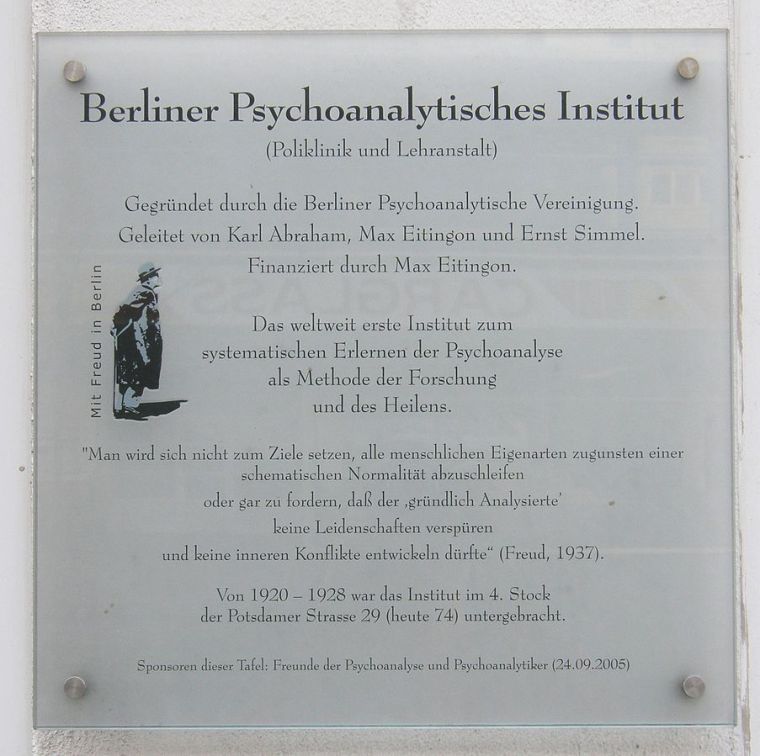
The Berlin Psychoanalytic Institute (later the Göring Institute) was founded in 1920 to further the science of psychoanalysis in Berlin.

Its founding members included Karl Abraham and Max Eitingon. The scientists at the institute furthered Sigmund Freud’s work but also challenged many of his ideas.

Brief History

The Berlin Psychoanalytic Institute grew from the Psychoanalytic Polyclinic (psychoanalytische Poliklinik) founded in February 1920. The Polyclinic allowed access to psychoanalysis by low-income patients. Only some 10% of its income came from patients’ fees; the rest was provided personally by Max Eitingon. It introduced the three-column, or “Eitingon”, model for the training of analysts (theoretical courses, personal analysis, first patients under supervision), which was later adopted by most other training centres. In 1925, Eitingon became chair of the new International Training Committee of the International Psychoanalytic Association. The Eitingon model remains standard today.

The Berlin Psychoanalytic Institute itself was founded in 1923. Ernst Simmel, Hanns Sachs, Franz Alexander, Sándor Radó, Karen Horney, Siegfried Bernfeld, Otto Fenichel, Theodor Reik, Wilhelm Reich and Melanie Klein were among the many psychoanalysts who worked at the Institute.

As a Jew, Eitingon’s position became precarious after the Nazi ascent to power in 1933. Freud’s books were burned in Berlin. By then, some members had already left Berlin for the United States. Eitingon resigned in August 1933; he later moved to Palestine and founded the Palestine Psychoanalytic Association in 1934 in Jerusalem. The Palestine Association saw itself as the heir of the Berlin Institute; even the furniture from the Berlin Institute ended up in Jerusalem.

On 23 August 1933, Sigmund Freud wrote to Ernest Jones, “Berlin is lost”. Edith Jacobson was arrested by the Nazis in 1935; one of her patients was a known Communist. Felix Boehm, who with fellow non-Jew Carl Müller-Braunschweig [de] had taken control of the Institute after Eitingon’s departure, refused to intervene on Jacobson’s behalf, on the grounds that by associating herself with Communism she had endangered the Institute’s survival. In 1936 the Institute was annexed to the “Deutsches Institut für psychologische Forschung und Psychotherapie e.v.” (the so-called Göring Institute). Its director Matthias Göring was a cousin of Field Marshal Hermann Göring. Göring, Boehm and Müller-Braunschweig collaborated for a number of years; fourteen non-Jewish German psychoanalysts continued to operate within the new Institute. The one remaining copy of Freud’s works was kept in a locked cupboard referred to as the “poison cabinet”.

John Rittmeister, a physician and psychoanalyst associated with the Institute, as well as resistance fighter against Nazism, was sentenced to death and executed in May 1943.

On This Day … 10 June

Events

  • 1935 – Dr. Robert Smith takes his last drink, and Alcoholics Anonymous is founded in Akron, Ohio, United States, by him and Bill Wilson.

Dr. Robert Smith

Robert Holbrook Smith (08 August 1879 to 16 November 1950), also known as Dr. Bob, was an American physician and surgeon who founded Alcoholics Anonymous with Bill Wilson (more commonly known as Bill W.).

Family and Early Life

Smith was born in St. Johnsbury, Vermont, where he was raised, to Susan A. (Holbrook) and Walter Perrin Smith. His parents took him to religious services four times a week, and in response he determined he would never attend religious services when he grew up. He graduated from St Johnsbury Academy in 1898, having met his future wife Anne Robinson Ripley at a dance there.

Education, Marriage, Work, and Alcoholism

Smith began drinking at college attending Dartmouth College in Hanover, New Hampshire. Early on he noticed that he could recover from drinking bouts quicker and easier than his classmates and that he never had headaches, which caused him to believe he was an alcoholic from the time he began drinking. Smith was a member of Kappa Kappa Kappa fraternity at Dartmouth. After graduation in 1902, he worked for three years selling hardware in Boston, Chicago, and Montreal and continued drinking heavily. He then returned to school to study medicine at the University of Michigan. By this time drinking had begun to affect him to the point where he began missing classes. His drinking caused him to leave school, but he returned and passed his examinations for his sophomore year. He transferred to Rush Medical College, but his alcoholism worsened to the point that his father was summoned to try to halt his downward trajectory. But his drinking increased and after a dismal showing during final examinations, the university required that he remain for two extra quarters and remain sober during that time as a condition of graduating.

After graduation, Smith became a hospital intern, and for two years he was able to stay busy enough to refrain from heavy drinking. He married Anne Robinson Ripley on January 25, 1915, and opened up his own office in Akron, Ohio, specialising in colorectal surgery and returned to heavy drinking. Recognising his problem, he checked himself into more than a dozen hospitals and sanitariums in an effort to stop his drinking. He was encouraged by the passage of Prohibition in 1919, but soon discovered that the exemption for medicinal alcohol, and bootleggers, could supply more than enough to continue his excessive drinking. For the next 17 years his life revolved around how to subvert his wife’s efforts to stop his drinking and obtain the alcohol he craved while trying to hold together a medical practice in order to support his family and his drinking.

Meeting Bill Wilson

In January 1933, Anne Smith attended a lecture by Frank Buchman, the founder of the Oxford Group. For the next two years she and Smith attended local meetings of the group in an effort to solve his alcoholism, but recovery eluded him until he met Bill Wilson on 12 May 1935. Wilson was an alcoholic who had learned how to stay sober, thus far only for some limited amounts of time, through the Oxford Group in New York, and was close to discovering long-term sobriety by helping other alcoholics. Wilson was in Akron on business that had proven unsuccessful and he was in fear of relapsing. Recognising the danger, he made inquiries about any local alcoholics he could talk to and was referred to Smith by Henrietta Seiberling, one of the leaders of the Akron Oxford Group. After talking to Wilson, Smith stopped drinking and invited Wilson to stay at his home. He relapsed almost a month later while attending a professional convention in Atlantic City. Returning to Akron on 09 June, he was given a few drinks by Wilson to avoid delirium tremens. He drank one beer the next morning to settle his nerves so he could perform an operation, which proved to be the last alcoholic drink he would ever have. The date, 10 June 1935, is celebrated as the anniversary of the founding of Alcoholics Anonymous.

Final Years

Smith was called the “Prince of Twelfth Steppers” by Wilson because he helped more than 5000 alcoholics before his death. He was able to stay sober from 10 June 1935, until his death in 1950 from colon cancer. He is buried at the Mount Peace Cemetery in Akron, Ohio.

Alcoholics Anonymous

Alcoholics Anonymous (AA) is an international mutual aid fellowship with the stated purpose of enabling its members to “stay sober and help other alcoholics achieve sobriety.” AA is nonprofessional, non-denominational, self-supporting, and apolitical. Its only membership requirement is a desire to stop drinking. The AA programme of recovery is set forth in the Twelve Steps.

AA was founded in 1935 in Akron, Ohio, when one alcoholic, Bill Wilson, talked to another alcoholic, Bob Smith, about the nature of alcoholism and a possible solution. With the help of other early members, the book Alcoholics Anonymous: The Story of How More Than One Hundred Men Have Recovered From Alcoholism was written in 1939. Its title became the name of the organisation and is today commonly referred to as “The Big Book”. AA’s initial Twelve Traditions were introduced in 1946 to help the fellowship be stable and unified while disengaged from “outside issues” and influences.

The Traditions recommend that members remain anonymous in public media, altruistically help other alcoholics, and that AA groups avoid official affiliations with other organisations. They also advise against dogma and coercive hierarchies. Subsequent fellowships such as Narcotics Anonymous have adapted the Twelve Steps and the Twelve Traditions to their respective primary purposes.

AA membership has since spread internationally “across diverse cultures holding different beliefs and values”, including geopolitical areas resistant to grassroots movements. As of 2016, close to two million people worldwide are estimated to be members of AA.

What is Child Psychoanalysis?

Introduction

Child psychoanalysis is a sub-field of psychoanalysis which was founded by Anna Freud.

Freud used the work of her father Sigmund Freud with certain modifications directed towards the needs of children. Since its inception, child psychoanalysis has grown into a well-known therapeutic technique for children and adolescents.

Brief History

For many years, the work of Sigmund Freud was considered revolutionary in his creation of psychotherapy, or talk therapy, and his theories regarding childhood experiences affecting a person later in life. His legacy was continued by his daughter Anna Freud in her pursuit of psychotherapy and her fathers theories as applied to children and adolescents.

In 1941, Anna help found the Hampstead Nursery in London and there she treated children for several years until it was shut down in 1945. Anna, with the help of Kate Friedlaender, soon opened the Hampstead Child Therapy Course and Clinic to continue her work and to continue sheltering homeless children. Anna was the director of the clinic from 1952 until her death in 1982. The clinic was renamed the Anna Freud Centre following her death as a memorial for the care and support she provided to hundreds of children over the decades.

Much of Anna’s published papers and books reference her work at the Hampstead Nursery and Clinic. Some of her more famous books are “The Ego and Defense Mechanisms”, which explored what defence mechanisms are and how they are used by adolescents, and “Normality and Pathology in Childhood” (1965), which directly summarizes her work at the Hampstead Clinic and other facilities. In fact, it was her work at the Nursery and the Clinic which allowed Anna to perfect her techniques and establish a therapy specifically designed for improving child and adolescent mental health.

Techniques

Anna’s first task in developing a successful therapy for children was to take Sigmund’s original theory regarding the psycho-social stages of development and create a timeline by which to grade normal growth and development. Using this line, a therapist would be able to observe a child and know whether they were progressing as other children or not. If a certain aspect of development lagged, such as personal hygiene or eating habits, the therapist could then assume that some trauma had occurred and could then address it directly through therapy.

Once a child was in therapy, techniques had to continue to change. Foremost, Anna knew that she could not expect to create situations of transference with the children as her father had done with his adult patients. The parents of a child in psychotherapy are typically still very active in their lives. Even when children were being housed at the Clinic, Anna encouraged mothers to visit frequently to ensure a stable attachment was formed between parent and child. In fact, one of the most important features of child psychotherapy is the active role parents play in their child’s therapy, knowing exactly what the therapist is doing, and their lives outside of therapy by helping the child implement the techniques taught by the therapist. So, to avoid becoming a replacement parent and avoid having the child view her as an authoritative adult, Anna did her best to take on the role of a caring and understanding adult figure. To this day, child psychotherapists aim to be viewed by the patient as a person analogous to a teacher.

The goal of any psychotherapist is for the patient to find comfort in their stable presence and eventually have no issue with speaking whatever comes to their mind. With children, this involves a high frequency of visits with the child, possibly even daily sessions. Anna also saw child’s play as their way of adapting to reality and confronting problems they faced in their real lives. For this reason, therapy sessions are intended to suspend the rules of reality and allow the child to play and speak whatever they want. This play allows therapists to see where the child’s traumas lie and help the child overcome these traumas. However, Anna also realised that children’s play does not reveal some unconscious revelation. Children, unlike adults, have not yet repressed events or learned how to cover up their true emotions. Often, in therapy what a child says is what a child means. This differed greatly from the original practices of psychotherapy that often had to decode meaning out of the patient’s words.

Newest Developments

In recent years there has been a shift in analytic technique for severely disturbed or traumatised children from a conflict- and insight-oriented approach to a focused, mentalisation-oriented therapy. Furthermore, the importance of parent work in the context of child psychoanalysis has been emphasized. Short-term psychoanalytic therapy which combines focus oriented techniques in the psychoanalytic work with the child with focused parent work has been shown to be effective especially in children with anxiety disorders and depressive comorbidity.

What is Child and Adolescent Psychiatry?

Introduction

Child and adolescent psychiatry (or paediatric psychiatry) is a branch of psychiatry that focuses on the diagnosis, treatment, and prevention of mental disorders in children, adolescents, and their families.

It investigates the biopsychosocial factors that influence the development and course of psychiatric disorders and treatment responses to various interventions. Child and adolescent psychiatrists primarily use psychotherapy and/or medication to treat mental disorders in the paediatric population.

Brief History

When psychiatrists and paediatricians first began to recognise and discuss childhood psychiatric disorders in the 19th century, they were largely influenced by literary works of the Victorian era. Authors like the Brontë sisters, George Eliot, and Charles Dickens, introduced new ways of thinking about the child mind and the potential influence early childhood experiences could have on child development and the subsequent adult mind. When the Journal of Psychological Medicine and Mental Pathology, the first psychiatric journal in English, was published in 1848, child psychiatry didn’t exist as its own field yet. However, some of the earliest works on the possibility of nervous disorders and “insanity” in children were published in the Journal and several medical writers directly referenced works such as Jane Eyre (1847), Wuthering Heights (1847), Dombey and Son (1848), and David Copperfield (1850), to illustrate this new conceptualisation of the child mind. Until that time, it was generally accepted that children were free from nervous disorders and the “passions” that affected the adult mind.

As early as 1899, the term “child psychiatry” (in French) was used as a subtitle in Manheimer’s monograph Les Troubles Mentaux de l’Enfance. However, the Swiss psychiatrist Moritz Tramer (1882-1963) was probably the first to define the parameters of child psychiatry in terms of diagnosis, treatment, and prognosis within the discipline of medicine, in 1933. In 1934, Tramer founded the Zeitschrift für Kinderpsychiatrie (Journal of Child Psychiatry), which later became Acta Paedopsychiatria. The first academic child psychiatry department in the world was founded in 1930 by Leo Kanner (1894-1981), an Austrian émigré and medical graduate of the University of Berlin, under the direction of Adolf Meyer at the Johns Hopkins Hospital in Baltimore. Kanner was the very first physician to be identified as a child psychiatrist in the US and his textbook, Child Psychiatry (1935), is credited with introducing both the specialty and the term to the anglophone academic community. In 1936, Kanner established the first formal elective course in child psychiatry at the Johns Hopkins Hospital. In 1944 he provided the first clinical description of early infantile autism, otherwise known as Kanner Syndrome.

Maria Montessori together with It:Giuseppe Ferruccio Montesano and Clodomiro Bonfigli, two distinguished child psychiatrists, created in 1901 in Italy the “Lega Nazionale per la Protezione del Fanciullo” (National League for the Protection of Children). She gradually developed her own pedagogic method, initially based on the “intuition that the question of the ‘mentally deficient’ was more pedagogic than medical”. In 1909, Jane Addams and her female colleagues established the Juvenile Psychopathic Institute (JPI) in Chicago, later renamed as the Institute for Juvenile Research (IJR), the world’s first child guidance clinic. Neurologist William Healy, M.D., its first director, was charged with not only studying the delinquent’s biological aspects of brain functioning and IQ, but also the delinquent’s social factors, attitudes, and motivations, thus it was the birthplace of American child psychiatry.

From its establishment in February 1923, the Maudsley Hospital, a South London-based postgraduate teaching and research psychiatric hospital, contained a small children’s department. Similar overall early developments took place in many other countries during the late 1920s and 1930s. In the United States, child and adolescent psychiatry was established as a recognised medical speciality in 1953 with the founding of the American Academy of Child Psychiatry, but was not established as a legitimate, board-certifiable medical speciality until 1959.

The use of medication in the treatment of children also began in the 1930s, when Charles Bradley opened a neuropsychiatric unit and was the first to use amphetamine for brain-damaged and hyperactive children. But it was not until the 1960s that the first NIH grant to study paediatric psychopharmacology was awarded. It went to one of Kanner’s students, Leon Eisenberg, the second director of the division.

The discipline has relatively flourished since the 1980s, in large part, because of contributions made in the 1970s, even if the outcomes for patients have been disappointing at times. It was a decade during which child psychiatry witnessed a major evolution as a result of the work carried out by, Eva Frommer, Douglas Haldane, Michael Rutter, Robin Skynner and Sula Wolff, among others. The first comprehensive population survey of 9- to 11-year-olds, carried out in London and the Isle of Wight, which appeared in 1970, addressed questions that have continued to be of importance for child psychiatry; for example, rates of psychiatric disorders, the role of intellectual development and physical impairment, and specific concern for potential social influences on children’s adjustment. This work was influential, especially since the investigators demonstrated specific continuities of psychopathology over time, and the influence of social and contextual factors in children’s mental health, in their subsequent re-evaluation of the original cohort of children. These studies described the prevalence of ADHD (relatively low as compared to the US), identified the onset and prevalence of depression in mid-adolescence and the frequent co-morbidity with conduct disorder, and explored the relationship between various mental disorders and scholastic achievement.

It was paralleled similarly by work on the epidemiology of autism that was to enormously increase the number of children diagnosed with autism in future years. Although attention had been given in the 1960s and ’70s to the classification of childhood psychiatric disorders, and some issues had then been delineated, such as the distinction between neurotic and conduct disorders, the nomenclature did not parallel the growing clinical knowledge. It was claimed that this situation was altered in the late 1970s with the development of the DSM-III system of classification, although research has shown that this system of classification has problems of validity and reliability. Since then, the DSM-IV and DSM-IVR have altered some of the parsing of psychiatric disorders into “childhood” and “adult” disorders, on the basis that while many psychiatric disorders are not diagnosed until adulthood, they may present in childhood or adolescence (DSM-IV). The American Psychiatric Association’s DSM is now on its fifth edition (DSM-5).

People in the field are sometimes referred to as “neurodevelopmentalists”. As of 2005 there was debate in the field as to whether “neurodevelopmentalist” should be made a new speciality.

In terms of patient outcomes, there is evidence that, in the United Kingdom at least on the 70th anniversary of the NHS, mental health remains a medical “Cinderella” (low priority) and the more so Child and Adolescent Health services which have been through repeated reorganisations and underinvestment all of which leads to disruption and loss of adequate provision.

“Modern neuroscience, genetics, epigenetics, and public health research has presented the tantalizing possibility that it can now be said with relative certainty that much (certainly not all) is understood about why some children struggle and others soar. Although it is an oversimplification, it can now be suggested that it is possible to understand how environmental factors, both negative and positive, influence the genome or epigenome, which in turn influence the structure and function of the brain and thus human thoughts, actions, and behaviors.”

Classification of Disorders

Not an exhaustive list:

  • Developmental disorders:
    • Autism spectrum disorder.
    • Learning disorders.
  • Disorders of attention and behaviour:
    • Attention deficit hyperactivity disorder.
    • Oppositional defiant disorder.
    • Conduct disorder.
  • Psychotic disorders:
    • Childhood schizophrenia.
  • Mood disorders:
    • Major depressive disorder.
    • Bipolar disorder.
    • Persistent Depressive Disorder.
    • Disruptive Mood Dysregulation Disorder.
  • Anxiety disorders:
    • Panic disorder.
    • Phobias.
  • Eating disorders:
    • Anorexia nervosa.
    • Bulimia nervosa.
  • Gender identity disorder:
    • Gender identity disorder in children.

Disorders are often comorbid. For example, an adolescent can be diagnosed with both major depressive disorder and generalised anxiety disorder. The incidence of psychiatric comorbidities during adolescence may vary by race, ethnicity and socioeconomic status, among other variables.

Clinical Practice

Assessment

The psychiatric assessment of a child or adolescent starts with obtaining a psychiatric history by interviewing the young person and their parents or caregivers. The assessment includes a detailed exploration of the current concerns about the child’s emotional or behavioural problems, the child’s physical health and development, history of parental care (including possible abuse and neglect), family relationships and history of parental mental illness. It is regarded as desirable to obtain information from multiple sources (for example both parents, or a parent and a grandparent) as informants may give widely differing accounts of the child’s problems. Collateral information is usually obtained from the child’s school with regards to academic performance, peer relationships, and behaviour in the school environment.

Psychiatric assessment always includes a mental state examination of the child or adolescent which consists of a careful behavioural observation and a first-hand account of the young person’s subjective experiences. The assessment also includes an observation of the interactions within the family, especially the interactions between the child and his/her parents.

The assessment may be supplemented by the use of behaviour or symptom rating scales such as the Achenbach Child Behaviour Checklist or CBCL, the Behavioural Assessment System for Children or BASC, Connors Rating Scales (used for diagnosis of ADHD), Millon Adolescent Clinical Inventory or MACI, and the Strengths and Difficulties Questionnaire or SDQ. These instruments bring a degree of objectivity and consistency to the clinical assessment. More specialised psychometric testing may be carried out by a psychologist, for example using the Wechsler Intelligence Scale for Children, to detect intellectual impairment or other cognitive problems which may be contributing to the child’s difficulties.

Diagnosis and Formulation

The child and adolescent psychiatrist makes a diagnosis based on the pattern of behaviour and emotional symptoms, using a standardized set of diagnostic criteria such as the Diagnostic and Statistical Manual (DSM-IV-TR) or the International Classification of Diseases (ICD-10). While the DSM system is widely used, it may not adequately take into account social, cultural and contextual factors and it has been suggested that an individualized clinical formulation may be more useful. A case formulation is standard practice for child and adolescent psychiatrists and can be defined as a process of integrating and summarising all the relevant factors implicated in the development of the patient’s problem, including biological, psychological, social and cultural perspectives (the “biopsychosocial model”). The applicability of DSM diagnoses have also been questioned with regard to the assessment of very young children: it is argued that very young children are developing too rapidly to be adequately described by a fixed diagnosis, and furthermore that a diagnosis unhelpfully locates the problem within the child when the parent-child relationship is a more appropriate focus of assessment.

The child and adolescent psychiatrist then designs a treatment plan which considers all the components and discusses these recommendations with the child or adolescent and family.

Treatment

Treatment will usually involve one or more of the following elements: behaviour therapy, cognitive behaviour therapy (CBT), problem-solving therapies, psychodynamic therapy, parent training programmes, family therapy, and/or the use of medication. The intervention can also include consultation with paediatricians, primary care physicians or professionals from schools, juvenile courts, social agencies or other community organisations.

In a review of existing meta-analyses and disorders on the four most frequent childhood and adolescent psychiatric disorders (anxiety disorder, depression, ADHD, conduct disorder), only for ADHD was the use of medication (stimulants) considered to be the most efficacious treatment option available. For the remaining three disorders, psychotherapy is recommended as the most effective treatment of choice. A combination of psychological and pharmacological treatments is an important option in ADHD and depressive disorders. Treatments for ADHD and anxiety disorders produce higher effect-sizes than do interventions for depressive and conduct disorders.

Training

In the United States, Child and adolescent psychiatric training requires 4 years of medical school, at least 4 years of approved residency training in medicine, neurology, and general psychiatry with adults, and 2 years of additional specialised training in psychiatric work with children, adolescents, and their families in an accredited residency in child and adolescent psychiatry. Child and adolescent sub-speciality training is similar in other Western countries (such as the UK, New Zealand, and Australia), in that trainees must generally demonstrate competency in general adult psychiatry prior to commencing sub-speciality training.

Certification and Continuing Education

In the US, having completed the child and adolescent psychiatry residency, the child and adolescent psychiatrist is eligible to take the additional certification examination in the subspecialty of child and adolescent psychiatry from the American Board of Psychiatry and Neurology (ABPN) or the American Osteopathic Board of Neurology and Psychiatry (AOBNP). Although the ABPN and AOBNP examinations are not required for practice, they are a further assurance that the child and adolescent psychiatrist with these certifications can be expected to diagnose and treat all psychiatric conditions in patients of any age competently. Training requirements are listed on the web site of The American Academy of Child & Adolescent Psychiatry.

Shortage of Child and Adolescent Psychiatrists in the United States

The demand for child and adolescent psychiatrists continues to far outstrip the supply worldwide. There is also a severe maldistribution of child and adolescent psychiatrists, especially in rural and poor, urban areas where access is significantly reduced. As of 2016, there are 7991 child and adolescent psychiatrists in the United States. A report by the US Bureau of Health Professions (2000) projected a need by the year 2020 for 12,624 child and adolescent psychiatrists, but a supply of only 8,312. In its 1998 report, the Centre for Mental Health Services estimated that 9-13% of 9- to 17-year-olds had serious emotional disturbances, and 5-9% had extreme functional impairments. In 1999, however, the Surgeon General reported that “there is a dearth of child psychiatrists.” Only 20% of emotionally disturbed children and adolescents received any mental health treatment, a small percentage of which was performed by child and adolescent psychiatrists. Furthermore, the US Bureau of Health Professions projects that the demand for child and adolescent psychiatry services will increase by 100% between 1995 and 2020.

Cross-Cultural Considerations

Steady growth in migration of immigrants to higher-income regions and countries has contributed to the growth and interest in cross-cultural psychiatry. Families of immigrants whose child has a psychiatric illness must come to understand the disorder while navigating an unfamiliar health care system.

Criticisms

Subjective Diagnoses

One criticism against psychiatry is that psychiatric diagnoses lack complete “objectivity,” particularly when compared with diagnoses in other medical specialties. However, for several major psychiatric disorders interrater reliability, which shows the degree to which psychiatrists agree on the diagnosis, is generally similar to those in other medical specialties. In 2013, Allen Frances said that “psychiatric diagnosis still relies exclusively on fallible subjective judgements rather than objective biological tests.”

Traditional deficit and disease models of child psychiatry have been criticised as rooted in the medical model which conceptualises adjustment problems in terms of disease states. It is said by these critics that these normative models explicitly characterise problematic behaviour as representing a disorder within the child or young person and these commentators assert that the role of environmental influences on behaviour has become increasingly neglected, leading to a decrease in the popularity of, for example, family therapy. There are criticisms of the medical model approach from within and without the psychiatric profession: it is said to neglect the role of environmental, family, and cultural influences, to discount the psychological meaning of behaviour and symptoms, to promote a view of the “patient” as dependent and needing to be cured or cared for and therefore undermines a sense of personal responsibility for conduct and behaviour, to promote a normative conception based on adaptation to the norms of society (the ill person must adapt to society), and to be based on the shaky foundations of reliance on a classificatory system that has been shown to have problems of validity and reliability.

Prescription of Psychotropic Medications

Since the late 1990s, use of psychiatric medication has become increasingly common for children and adolescents. In 2004 the US Food and Drug Administration (FDA) issued the Black Box Warning on antidepressant prescriptions to alert patients of a research link between use of medication and apparent increased risk of suicidal thoughts, hostility, and agitation in paediatric patients. The most common diagnoses for which children receive psychiatric medication are ADHD, ODD, and conduct disorder.

Some research suggests that children and adolescents are sometimes given antipsychotic drugs as a first-line treatment for mental health problems or behavioural issues other than a psychotic disorder. In the United States, the usage of these drugs in young people has greatly increased since 2000, especially among children from low-income families. More research is needed to specifically assess the efficacy and tolerability of antipsychotic medications in paediatric populations. Because of the risk of metabolic syndrome and cardiovascular events with long-term antipsychotic use, use in paediatric populations is highly scrutinized and recommended in combination with psychotherapy and effective parent-training interventions.

Electroconvulsive Therapy

In 1947, child neuropsychiatrist Lauretta Bender published a study on 98 children aged between four and eleven years old who had been treated in the previous five years with intensive courses of electroconvulsive therapy (ECT). These children received ECT daily for a typical course of approximately twenty treatments. This formed part of an experimental trend amongst a cadre of psychiatrists to explore the therapeutic impact of intensive regimes of ECT, which is also known as either regressive ECT or annihilation therapy. In the 1950s Bender abandoned ECT as a therapeutic practice for the treatment of children. In the same decade the results of her published work on the use of ECT in children was discredited after a study showing that the condition of the children so treated had either not improved or deteriorated. Commenting on his experience as part of Bender’s therapeutic program, Ted Chabasinski said that, “It really made a mess of me … I went from being a shy kid who read a lot to a terrified kid who cried all the time.” Following his treatment, he spent ten years as an inmate of Rockland State Hospital, a psychiatric facility now known as the Rockland Psychiatric Centre.

What is the Canadian Psychological Association?

Introduction

The Canadian Psychological Association (CPA) is the primary organisation representing psychologists throughout Canada. It was organised in 1939 and incorporated under the Canada Corporations Act, Part II, in May 1950.

Its objectives are to improve the health and welfare of all Canadians; to promote excellence and innovation in psychological research, education, and practice; to promote the advancement, development, dissemination, and application of psychological knowledge; and to provide high-quality services to members.

Brief History

The CPA was founded in a University of Ottawa psychology lab in 1938, although it was not formally organised until 1939. Initially, the CPA’s purpose was to help with Canada’s contribution to World War II; indeed, the CPA was heavily involved with test construction for the Department of National Defence.

Organisational Structure

CPA’s head office is located in Ottawa, ON. The CPA has a directorate for each of its three pillars:

  1. The Science Directorate’s mandate is to lobby government for increased funding for psychological research, promote and support the work of Canadian researchers in psychology, and educate the public about important findings from psychological science.
  2. The Practice Directorate’s mandate is to support and facilitate advocacy for the practice of psychology across Canada.
  3. The Education Directorate’s mandate is to oversee the accreditation of doctoral and internship programmes in professional psychology.

The Board of Directors sets policies that guide the CPA. It is made up of Presidential Officers, Directors, and Executive Officers.

Policy and Position Statements

The CPA publishes the Canadian Code of Ethics for Psychologists which articulates ethical principles, values, and standards to guide all members of the Canadian Psychological Association. This Code is reviewed regularly with the most recent version published in January 2017. The ethical standards are built on four principles which form cornerstone guidelines for making ethical decision. Those principles are: Respect for the Dignity of Persons and Peoples; Responsible Caring; Integrity in Relationships; and Responsibility to Society.

The CPA publishes policy and positions statements which are based on psychological evidence and ethical standards on given issues of importance. Below are some issues in which the CPA has issued public statements on:

Policy Statements

  • Conversion/Reparative Therapy for Sexual Orientation.
  • Gender Identity in Adolescents and Adults.
  • Violence against Women.
  • Bullying in Children and Youth.
  • The Presence of Involved Third Party Observer in Neuropsychological Assessments.
  • Public Statements.
  • Physical Punishment of Children and Youth.
  • Ethical Use and Reporting of Psychological Assessment Results for Student Placement.
  • Convictions based Solely on Recovered Memories.
  • Public Statement by Paul Cameron on Homosexuality.
  • Equality for Lesbians, Gay Men, their Relationships and their Families.
  • Inclusion of Unpaid Household Activities in 1996 Census.
  • CPA Response to Canadian Panel on Violence Against Women.
  • Child Care.
  • The Death Penalty in Canada.
  • Prejudicial Discrimination.
  • Minority Groups.
  • Discrimination in the Employment Areas.
  • Psychology of Women.
  • Female Role Models.
  • Education of Graduate Students.
  • Autonomous Profession.
  • Psychology in Hospitals.
  • Prepaid Health Schemes.
  • Psychologists Providers of Health Care.

Position Statements

  • Addressing Climate Change in Canada: The Importance of Psychological Science.
  • Inappropriate Psychological Test Use: A Public Safety Concern.
  • Recommendations for Addressing the Opioid Crisis in Canada.
  • Health and Well-Being Needs of LGBTQI People.
  • Recommendations for the Legalization of Cannabis in Canada.
  • Psychologists Practicing to Scope: The Role of Psychologists in Canada’s Public Institutions.
  • Neuropsychological Services in Canada.
  • Issues and Recommendations about Advertising and Children’s Health Behaviour.
  • Same Sex Marriage.

The CPA board of directors convenes working groups to explore various issues affecting the science, practice and education of psychology. Some of those working group reports are as follows:

  • E-Psychology Working Group.
  • CPA Task Force on Title: Model Language Suggestions.
  • Recommendations for Addressing the Opioid Crisis in Canada.
  • Psychology’s Response to the Truth and Reconciliation Commission of Canada’s Report.
  • Medical Assistance in Dying and End-of-Life Care.
  • Fitness to Stand Trial and Criminal Responsibility Assessments in Canada.
  • Supply and Demand for Accredited Doctoral Internship/Residency Positions in Clinical, Counselling, and School Psychology in Canada.
  • Evidence-Based Practice of Psychological Treatments: A Canadian Perspective.
  • CPA Task Force on the Supply of Psychologists in Canada.
  • CPA Task Force of Prescriptive Authority for Psychologists in Canada.

Sections

Members of the CPA with interests in specific areas of psychology are able to form and join sections. Sections have official status under the By-laws of the CPA, which give them power to:

  • Initiate and undertake activities of relevance to its members.
  • Draft position papers on topics of relevance to the Section.
  • Initiate policy statements in areas of expertise.
  • Organize meetings within CPA.
  • Make specific representation to external agencies or organisations, if it has received the approval of the Board of Directors to do so.
  • Recommend that CPA make specific representations to external organisations or agencies.

List of CPA Sections

  • Addiction Psychology.
  • Adult Development and Ageing.
  • Brain and Cognitive Sciences.
  • Clinical Psychology.
  • Clinical Neuropsychology.
  • Community Psychology.
  • Counselling Psychology.
  • Criminal Justice Psychology.
  • Developmental Psychology.
  • Educational and School Psychology.
  • Environmental Psychology.
  • Extremism and Terrorism.
  • Family Psychology.
  • Health Psychology and Behavioural Medicine.
  • History and Philosophy Section.
  • Indigenous Peoples’ Psychology.
  • Industrial/Organisational Psychology.
  • International and Cross-Cultural Psychology.
  • Psychologists in Hospitals and Health Centres.
  • Psychology in the Military.
  • Psychologists and Retirement.
  • Psychopharmacology.
  • Quantitative Methods.
  • Quantitative Electrophysiology.
  • Rural and Northern Psychology.
  • Sexual Orientation and Gender Identity.
  • Social and Personality Section.
  • Sport and Exercise Psychology.
  • Students.
  • Teaching of Psychology.
  • Traumatic Stress Section.
  • Section for Women And Psychology (SWAP).

Membership and Affiliation

The CPA offers 5 types of membership to individuals residing in Canada or the United States.

  • Full member: One has to have a Masters or Doctoral degree in psychology (or its academic equivalent) to become a full member.
  • Early Career Year 1: One has to have graduated with a Masters, or PhD in Psychology (or a related field), and are not returning to school, or those working on the first year of their Post Doc. Applicants must have graduated University the previous year (e.g. 2020) to be eligible for Early Career Year 1 in the year they are applying for membership (e.g. 2021).
  • Early Career Year 2: Available to members who were Early Career Year 1 in the previous membership year (e.g. 2020) OR recent graduates who have graduated with a Masters, or PhD in Psychology (or a related field) in the previous 2 years and are not returning to school or those working on the second year of their Post Docs.
  • Retired member: One has to be a full member or fellow who has retired.
  • Honorary life fellow/Honorary life member: Offered to individuals who are 70 years old and have been full members of the CPA for at least 25 years.

The CPA offers 2 types of affiliation to individuals residing in Canada or the United States.

  • Student affiliate: One has to be an undergraduate or graduate student at a recognised university.
  • Special affiliate: Open to those who have an active interest in psychology.

The CPA offers two types of affiliation to individuals residing outside of Canada or the United States.

  • International affiliate: Open to international psychologists.
  • International student affiliate: Open to international undergraduate and graduate students in psychology.

The CPA now offers a section associate category for individuals who do not qualify for membership or are interested in joining only one section and receiving their section communication.

The CPA has approximately 7,000 members and affiliates.

Public Outreach and Partnerships

The CPA produces a series of informative brochures for the public called “Psychology Works Fact Sheets”. Each brochure is reviewed by psychologists who are knowledgeable on that subject before being published online. Topics range from information on psychological disorders, parenting challenges, pain, stress, perfectionism, and much more. Along with these informative brochures, the CPA website contains many resources for individuals interested in psychology or receiving psychological services in Canada.

Every year, the CPA promotes February as Psychology Month and encourages Canadian psychologists to reach out to the public to raise awareness of what psychology is, what psychologists do, and how psychology benefits everyone.

The CPA is engaged in numerous emergency preparedness activities. Following national and international emergencies and disasters, the CPA provides the general public with timely resources on effective coping and information about stress and the indicators of psychological distress. The CPA is also involved in the National Emergency Psychosocial Advisory Consortium (NEPAC), the Mental Health Support Network, and the Council of Emergency Voluntary Sector Directors.

The CPA is also involved in partnerships with the following:

  • Canadian Alliance on Mental Illness and Mental Health (CAMIMH).
  • Canadian Association for School Health Communities of Practice.
  • Canadian Coalition for Public Health in the 21st Century (CCPH21).
  • Canadian Consortium for Research (CCR).
  • Canadian Federation for the Humanities and Social Sciences (CFHSS).
  • Canadian Primary Health Care Research and Innovation Network (CPHCRIN).
  • Chronic Disease Prevention Alliance of Canada (CDPAC).
  • G7.
  • Mental Health Table.
  • Promoting Relationships and Eliminating Violence Network (PREVNet).
  • Science Media Centre of Canada.
  • The Health Action Lobby (HEAL).

Publications

The CPA, in partnership with the American Psychological Association, quarterly publishes the following three academic journals:

  • Canadian Journal of Behavioural Science.
  • Canadian Journal of Experimental Psychology.
  • Canadian Psychology.

The CPA also publishes a quarterly magazine called Psynopsis. Issues contain brief articles on specific themes relating to psychology, as well as updates from the head office of CPA, committee news, information about the annual convention, and much more.

Mind Pad is a professional newsletter that is written and reviewed by student affiliates of the Canadian Psychological Association. The newsletter is published biannually online.

Convention

CPA hosts a convention annually. The conventions usually include pre-convention workshops, keynote and invited speakers, poster presentations, symposiums, award presentations, and various social events. The location varies each year from city to city across Canada.

Awards

Each year at the annual convention, CPA honours individuals who have made distinguished contributions to psychology in Canada with the following awards:

  • CPA Gold Medal Award For Distinguished Lifetime Contributions to Canadian Psychology.
  • CPA John C. Service Member the Year Award.
  • CPA Donald O. Hebb Award for Distinguished Contributions to Psychology as a Science.
  • CPA Award for Distinguished Contributions to Education and Training in Psychology.
  • CPA Award for Distinguished Contributions to Psychology as a Profession.
  • CPA Award for Distinguished Contributions to the International Advancement of Psychology.
  • CPA Award for Distinguished Contributions to Public or Community Service.
  • Distinguished Practitioner Award.
  • CPA Award for Distinguished Lifetime Service to the Canadian Psychological Association.
  • CPA Humanitarian Award.
  • President’s New Researcher Award.

The CPA has numerous student awards. As an example, the CPA gives out Certificates of Academic Excellence to students in each Canadian psychology department for the best undergraduate, masters, and doctoral thesis. The sections of CPA also award students for exceptional papers, presentations, and posters at the annual convention.

Fellowships are awarded to members of the CPA who have made distinguished contributions to the advancement of the science or profession of psychology or who have given exceptional service to their national or provincial associations. The Committee on Fellows and Awards review nominations and make recommendations to the Board of Directors who appoint fellows.

What is Depersonalisation?

Introduction

Depersonalisation can consist of a detachment within the self, regarding one’s mind or body, or being a detached observer of oneself.

Subjects feel they have changed and that the world has become vague, dreamlike, less real, lacking in significance or being outside reality while looking in. Chronic depersonalisation refers to depersonalisation/derealisation disorder, which is classified by the DSM-5 as a dissociative disorder, based on the findings that depersonalisation and derealisation are prevalent in other dissociative disorders including dissociative identity disorder.

Though degrees of depersonalisation and derealisation can happen to anyone who is subject to temporary anxiety or stress, chronic depersonalisation is more related to individuals who have experienced a severe trauma or prolonged stress/anxiety. Depersonalisation-derealisation is the single most important symptom in the spectrum of dissociative disorders, including dissociative identity disorder and “dissociative disorder not otherwise specified” (DD-NOS). It is also a prominent symptom in some other non-dissociative disorders, such as anxiety disorders, clinical depression, bipolar disorder, schizophrenia, schizoid personality disorder, hypothyroidism or endocrine disorders, schizotypal personality disorder, borderline personality disorder, obsessive compulsive disorder, migraines, and sleep deprivation; it can also be a symptom of some types of neurological seizure.

In social psychology, and in particular self-categorisation theory, the term depersonalisation has a different meaning and refers to “the stereotypical perception of the self as an example of some defining social category”.

Description

Individuals who experience depersonalisation feel divorced from their own personal self by sensing their body sensations, feelings, emotions, behaviours etc. as not belonging to the same person or identity. Often a person who has experienced depersonalisation claims that things seem unreal or hazy. Also, a recognition of a self breaks down (hence the name). Depersonalisation can result in very high anxiety levels, which further increase these perceptions.

Depersonalisation is a subjective experience of unreality in one’s self, while derealisation is unreality of the outside world. Although most authors currently regard depersonalisation (self) and derealisation (surroundings) as independent constructs, many do not want to separate derealisation from depersonalisation.

Prevalence

Depersonalisation is a symptom of anxiety disorders, such as panic disorder. It can also accompany sleep deprivation (often occurring when suffering from jet lag), migraine, epilepsy (especially temporal lobe epilepsy, complex-partial seizure, both as part of the aura and during the seizure), obsessive compulsive disorder, severe stress or trauma, anxiety, the use of recreational drugs – especially cannabis, hallucinogens, ketamine, and MDMA, certain types of meditation, deep hypnosis, extended mirror or crystal gazing, sensory deprivation, and mild-to-moderate head injury with little or full loss of consciousness (less likely if unconscious for more than 30 mins). Interoceptive exposure is a non-pharmacological method that can be used to induce depersonalisation.

In the general population, transient depersonalisation/derealisation are common, having a lifetime prevalence between 26-74%. A random community-based survey of 1,000 adults in the US rural south found a 1-year depersonalisation prevalence rate at 19%. Several studies, but not all, found age to be a significant factor: adolescents and young adults in the normal population reported the highest rate. In a study, 46% of college students reported at least one significant episode in the previous year. In another study, 20% of patients with minor head injury experience significant depersonalisation and derealisation. Several studies found that up to 66% of individuals in life-threatening accidents report transient depersonalisation at minimum during or immediately after the accidents. Depersonalisation occurs 2-4 times more in women than in men.

A similar and overlapping concept called ipseity disturbance (ipse is Latin for “self” or “itself”) may be part of the core process of schizophrenia spectrum disorders. However, specific to the schizophrenia spectrum seems to be “a dislocation of first-person perspective such that self and other or self and world may seem to be non-distinguishable, or in which the individual self or field of consciousness takes on an inordinate significance in relation to the objective or intersubjective world” (emphasis in original).

For the purposes of evaluation and measurement depersonalisation can be conceived of as a construct and scales are now available to map its dimensions in time and space. A study of undergraduate students found that individuals high on the depersonalisation/derealisation subscale of the Dissociative Experiences Scale exhibited a more pronounced cortisol response in stress. Individuals high on the absorption subscale, which measures a subject’s experiences of concentration to the exclusion of awareness of other events, showed weaker cortisol responses.

In general infantry and special forces soldiers, measures of depersonalisation and derealisation increased significantly after training that includes experiences of uncontrollable stress, semi-starvation, sleep deprivation, as well as lack of control over hygiene, movement, communications, and social interactions.

Pharmacological and Situational Causes

Depersonalisation has been described by some as a desirable state, particularly by those that have experienced it under the influence of mood-altering recreational drugs. It is an effect of dissociatives and psychedelics, as well as a possible side effect of caffeine, alcohol, amphetamine, cannabis, and antidepressants. It is a classic withdrawal symptom from many drugs.

Benzodiazepine dependence, which can occur with long-term use of benzodiazepines, can induce chronic depersonalisation symptomatology and perceptual disturbances in some people, even in those who are taking a stable daily dosage, and it can also become a protracted feature of the benzodiazepine withdrawal syndrome.

Lieutenant Colonel Dave Grossman, in his book On Killing, suggests that military training artificially creates depersonalisation in soldiers, suppressing empathy and making it easier for them to kill other human beings.

Graham Reed (1974) claimed that depersonalisation occurs in relation to the experience of falling in love.

Depersonalisation as a Psychobiological Mechanism

Depersonalisation is a classic response to acute trauma, and may be highly prevalent in individuals involved in different traumatic situations including motor vehicle accident, and imprisonment.

Psychologically depersonalisation can, just like dissociation in general, be considered a type of coping mechanism. Depersonalisation is in that case unconsciously used to decrease the intensity of unpleasant experience, whether that is something as mild as stress or something as severe as chronically high anxiety and post-traumatic stress disorder. The decrease in anxiety and psychobiological hyperarousal helps preserving adaptive behaviours and resources under threat or danger. Depersonalisation is an overgeneralised reaction in that it does not diminish just the unpleasant experience, but more or less all experience – leading to a feeling of being detached from the world and experiencing it in a more bland way. An important distinction must be made between depersonalisation as a mild, short term reaction to unpleasant experience and depersonalisation as a chronic symptom stemming from a severe mental disorder such as PTSD or Dissociative Identity Disorder. Chronic symptoms may represent persistence of depersonalization beyond the situations under threat.

Treatment

Treatment is dependent on the underlying cause, whether it is organic or psychological in origin. If depersonalisation is a symptom of neurological disease, then diagnosis and treatment of the specific disease is the first approach. Depersonalisation can be a cognitive symptom of such diseases as amyotrophic lateral sclerosis, Alzheimer’s, multiple sclerosis (MS), or any other neurological disease affecting the brain. For those suffering from depersonalisation with migraine, tricyclic antidepressants are often prescribed.

If depersonalization is a symptom of psychological causes such as developmental trauma, treatment depends on the diagnosis. In case of dissociative identity disorder or DD-NOS as a developmental disorder, in which extreme developmental trauma interferes with formation of a single cohesive identity, treatment requires proper psychotherapy, and – in the case of additional (co-morbid) disorders such as eating disorders – a team of specialists treating such an individual. It can also be a symptom of borderline personality disorder, which can be treated in the long term with proper psychotherapy and psychopharmacology.

The treatment of chronic depersonalisation is considered in depersonalisation disorder.

A recently completed study at Columbia University in New York City has shown positive effects from transcranial magnetic stimulation (TMS) to treat depersonalisation disorder. Currently, however, the FDA has not approved TMS to treat DP.

A 2001 Russian study showed that naloxone, a drug used to reverse the intoxicating effects of opioid drugs, can successfully treat depersonalization disorder. According to the study: “In three of 14 patients, depersonalization symptoms disappeared entirely and seven patients showed a marked improvement. The therapeutic effect of naloxone provides evidence for the role of the endogenous opioid system in the pathogenesis of depersonalization.” The anti convulsion drug Lamotrigine has shown some success in treating symptoms of depersonalisation, often in combination with a Selective serotonin reuptake inhibitor and is the first drug of choice at the depersonalisation research unit at King’s College London.

Research

The Depersonalisation Research Unit at the Institute of Psychiatry in London conducts research into depersonalization disorder. Researchers there use the acronym DPAFU (Depersonalisation and Feelings of Unreality) as a shortened label for the disorder. In a 2020 article in the journal Nature, Vesuna, et al. describe experimental findings which show that layer 5 of the retrosplenial cortex is likely responsible for dissociative states of consciousness in mammals.

What is Dependent Personality Disorder?

Introduction

Dependent personality disorder (DPD) is a personality disorder that is characterised by a pervasive psychological dependence on other people.

This personality disorder is a long-term condition in which people depend on others to meet their emotional and physical needs, with only a minority achieving normal levels of independence. Dependent personality disorder is a Cluster C personality disorder, characterised by excessive fear and anxiety. It begins by early adulthood, and it is present in a variety of contexts and is associated with inadequate functioning. Symptoms can include anything from extreme passivity, devastation or helplessness when relationships end, avoidance of responsibilities and severe submission.

Brief History

The conceptualisation of dependency, within classical psychoanalytic theory, is directly related to Freud’s oral psychosexual stage of development. Frustration or over-gratification was said to result in an oral fixation and in an oral type of character, characterised by feeling dependent on others for nurturance and by behaviours representative of the oral stage. Later psychoanalytic theories shifted the focus from a drive-based approach of dependency to the recognition of the importance of early relationships and establishing separation from these early caregivers, in which the exchanges between the caregiver and the child become internalised, and the nature of these interactions becomes part of the concepts of the self and of others.

Signs and Symptoms

People who have dependent personality disorder are overdependent on other people when it comes to making decisions. They cannot make a decision on their own as they need constant approval from other people. Consequently, individuals diagnosed with DPD tend to place needs and opinions of others above their own as they do not have the confidence to trust their decisions. This kind of behaviour can explain why people with DPD tend to show passive and clingy behaviour. These individuals display a fear of separation and cannot stand being alone. When alone, they experience feelings of isolation and loneliness due to their overwhelming dependence on other people. Generally people with DPD are also pessimistic: they expect the worst out of situations or believe that the worst will happen. They tend to be more introverted and are more sensitive to criticism and fear rejection.

Risk Factors

People with a history of neglect and an abusive upbringing are more susceptible to develop DPD, specifically those involved in long-term abusive relationships. Those with overprotective or authoritarian parents are also more at risk to develop DPD. Having a family history of anxiety disorder can play a role in the development of DPD as a 2004 twin study found a 0.81 heritability for personality disorders collectively.

Causes

The exact cause of dependent personality disorder is unknown. A study in 2012 estimated that between 55% and 72% of the risk of the condition is inherited from one’s parents. The difference between a “dependent personality” and a “dependent personality disorder” is somewhat subjective, which makes diagnosis sensitive to cultural influences such as gender role expectations.

Dependent traits in children tended to increase with parenting behaviours and attitudes characterized by overprotectiveness and authoritarianism. Thus the likelihood of developing dependent personality disorder increased, since these parenting traits can limit them from developing a sense of autonomy, rather teaching them that others are powerful and competent.

Traumatic or adverse experiences early in an individual’s life, such as neglect and abuse or serious illness, can increase the likelihood of developing personality disorders, including dependent personality disorder, later on in life. This is especially prevalent for those individuals who also experience high interpersonal stress and poor social support.

There is a higher frequency of the disorder seen in women than men, hence expectations relating to gender role may contribute to some extent.

Diagnosis

Clinicians and clinical researchers conceptualise dependent personality disorder in terms of four related components:

  • Cognitive: a perception of oneself as powerless and ineffectual, coupled with the belief that other people are comparatively powerful and potent.
  • Motivational: a desire to obtain and maintain relationships with protectors and caregivers.
  • Behavioural: a pattern of relationship-facilitating behaviour designed to strengthen interpersonal ties and minimise the possibility of abandonment and rejection.
  • Emotional: fear of abandonment, fear of rejection, and anxiety regarding evaluation by figures of authority.

American Psychiatric Association and DSM

The Diagnostic and Statistical Manual of Mental Disorders (DSM) contains a dependent personality disorder diagnosis. It refers to a pervasive and excessive need to be taken care of which leads to submissive and clinging behaviour and fears of separation. This begins by early adulthood and can be present in a variety of contexts.

In the DSM Fifth Edition (DSM-5), there is one criterion by which there are eight features of dependent personality disorder. The disorder is indicated by at least five of the following factors:

  1. Has difficulty making everyday decisions without an excessive amount of advice and reassurance from others.
  2. Needs others to assume responsibility for most major areas of their life.
  3. Has difficulty expressing disagreement with others because of fear of loss of support or approval.
  4. Has difficulty initiating projects or doing things on their own (because of a lack of self confidence in judgement or abilities rather than a lack of motivation or energy).
  5. Goes to excessive lengths to obtain nurturance and support from others, to the point of volunteering to do things that are unpleasant.
  6. Feels uncomfortable or helpless when alone because of exaggerated fears of being unable to care for themselves.
  7. Urgently seeks another relationship as a source of care and support when a close relationship ends.
  8. Is unrealistically preoccupied with fears of being left to take care of themselves.

The diagnosis of personality disorders in the fourth edition the DSM, including dependent personality disorder, was found to be problematic due to reasons such as excessive diagnostic comorbidity, inadequate coverage, arbitrary boundaries with normal psychological functioning, and heterogeneity among individuals within the same categorial diagnosis.

World Health Organisation

The World Health Organisation’s (WHO) ICD-10 lists dependent personality disorder as F60.7 Dependent personality disorder:

  • It is characterised by at least 4 of the following:
    1. Encouraging or allowing others to make most of one’s important life decisions;
    2. Subordination of one’s own needs to those of others on whom one is dependent, and undue compliance with their wishes;
    3. Unwillingness to make even reasonable demands on the people one depends on;
    4. Feeling uncomfortable or helpless when alone, because of exaggerated fears of inability to care for oneself;
    5. Preoccupation with fears of being abandoned by a person with whom one has a close relationship, and of being left to care for oneself;
    6. Limited capacity to make everyday decisions without an excessive amount of advice and reassurance from others.
  • Associated features may include perceiving oneself as helpless, incompetent, and lacking stamina.
  • Includes:
    • Asthenic, inadequate, passive, and self-defeating personality (disorder).

It is a requirement of ICD-10 that a diagnosis of any specific personality disorder also satisfies a set of general personality disorder criteria.

SWAP-200

The SWAP-200 is a diagnostic tool that was proposed with the goal of overcoming limitations, such as limited external validity for the diagnostic criteria for dependent personality disorder, to the DSM. It serves as a possible alternative nosological system that emerged from the efforts to create an empirically based approach to personality disorders – while also preserving the complexity of clinical reality. Dependent personality disorder is considered a clinical prototype in the context of the SWAP-200. Rather than discrete symptoms, it provides composite description characteristic criteria – such as personality tendencies.

Based on the Q-Sort method and prototype matching, the SWAP-200 is a personality assessment procedure relying on an external observer’s judgment. It provides:

  • A personality diagnosis expressed as the matching with ten prototypical descriptions of DSM-IV personality disorders.
  • A personality diagnosis based on the matching of the patient with 11 Q-factors of personality derived empirically.
  • A dimensional profile of healthy and adaptive functioning.

The traits that define dependent personality disorder according to SWAP-200 are:

  1. They tend to become attached quickly and/or intensely, developing feelings and expectations that are not warranted by the history or context of the relationship.
  2. Since they tend to be ingratiating and submissive, people with DPD tend to be in relationships in which they are emotionally or physically abused.
  3. They tend to feel ashamed, inadequate, and depressed.
  4. They also feel powerless and tend to be suggestible.
  5. They are often anxious and tend to feel guilty.
  6. These people have difficulty acknowledging and expressing anger and struggle to get their own needs and goals met.
  7. Unable to soothe or comfort themselves when distressed, they require involvement of another person to help regulate their emotions.

Psychodynamic Diagnostic Manual

The Psychodynamic Diagnostic Manual (PDM) approaches dependent personality disorder in a descriptive, rather than prescriptive sense and has received empirical support. The Psychodynamic Diagnostic Manual includes two different types of dependent personality disorder:

  • Passive-aggressive.
  • Counter-dependent.

The PDM-2 adopts and applies a prototypic approach, using empirical measures like the SWAP-200. It was influenced by a developmental and empirically grounded perspective, as proposed by Sidney Blatt. This model is of particular interest when focusing on dependent personality disorder, claiming that psychopathology comes from distortions of two main coordinates of psychological development:

  • The anaclitic/introjective dimension.
  • The relatedness/self-definition dimension.

The anaclitic personality organization in individuals exhibits difficulties in interpersonal relatedness, exhibiting the following behaviours:

  • Preoccupation with relationships.
  • Fear of abandonment and of rejection.
  • Seeking closeness and intimacy.
  • Difficulty managing interpersonal boundaries.
  • Tend to have an anxious-preoccupied attachment style.

Introjective personality style is associated with problems in self-definition.

Differential Diagnosis

There are similarities between individuals with dependent personality disorder and individuals with borderline personality disorder, in that they both have a fear of abandonment. Those with dependent personality disorder do not exhibit impulsive behaviour, unstable affect, and poor self-image experienced by those with borderline personality disorder, differentiating the two disorders.

The following conditions commonly coexist (comorbid) with dependent personality disorder:

Treatment

People who have DPD are generally treated with psychotherapy. The main goal of this therapy is to make the individual more independent and help them form healthy relationships with the people around them. This is done by improving their self-esteem and confidence.

Medication can be used to treat patients who suffer from depression or anxiety because of their DPD, but this does not treat the core problems caused by DPD. Individuals who take these prescription drugs are susceptible to addiction and substance abuse and therefore may require monitoring.

Epidemiology

Based on a recent survey of 43,093 Americans, 0.49% of adults meet diagnostic criteria for DPD (National Epidemiologic Survey on Alcohol and Related Conditions (NESARC; Grant et al., 2004). Traits related to DPD, like most personality disorders emerge in childhood or early adulthood. Findings from the NESArC study found that 18 to 29 year olds have a greater chance of developing DPD. DPD is more common among women compared to men as 0.6% of women have DPD compared to 0.4% of men.

A 2004 twin study suggests a heritability of 0.81 for developing dependent personality disorder. Because of this, there is significant evidence that this disorder runs in families.

Children and adolescents with a history of anxiety disorders and physical illnesses are more susceptible to acquiring this disorder.

What is Dementia Praecox?

Introduction

Dementia praecox (meaning a “premature dementia” or “precocious madness”) is a disused psychiatric diagnosis that originally designated a chronic, deteriorating psychotic disorder characterised by rapid cognitive disintegration, usually beginning in the late teens or early adulthood. Over the years, the term dementia praecox was gradually replaced by schizophrenia, which remains in current diagnostic use.

The term dementia praecox was first used in 1891 by Arnold Pick (1851-1924), a professor of psychiatry at Charles University in Prague. In a brief clinical report, he described a person with a psychotic disorder resembling “hebephrenia” (schizophrenia). German psychiatrist Emil Kraepelin (1856-1926) popularised the term dementia praecox in his first detailed textbook descriptions of a condition that eventually became a different disease concept and relabelled as schizophrenia. Kraepelin reduced the complex psychiatric taxonomies of the nineteenth century by dividing them into two classes: manic-depressive psychosis and dementia praecox. This division, commonly referred to as the Kraepelinian dichotomy, had a fundamental impact on twentieth-century psychiatry, though it has also been questioned.

The primary disturbance in dementia praecox was seen to be a disruption in cognitive or mental functioning in attention, memory, and goal-directed behaviour. Kraepelin contrasted this with manic-depressive psychosis, now termed bipolar disorder, and also with other forms of mood disorder, including major depressive disorder. He eventually concluded that it was not possible to distinguish his categories on the basis of cross-sectional symptoms.

Kraepelin viewed dementia praecox as a progressively deteriorating disease from which no one recovered. However, by 1913, and more explicitly by 1920, Kraepelin admitted that while there may be a residual cognitive defect in most cases, the prognosis was not as uniformly dire as he had stated in the 1890s. Still, he regarded it as a specific disease concept that implied incurable, inexplicable madness.

Brief History

“[T]he history of dementia praecox is really that of psychiatry as a whole.” Adolf Meyer.

First Use of the Term

Dementia is an ancient term which has been in use since at least the time of Lucretius in 50 B.C.E. where it meant “being out of one’s mind”. Until the seventeenth century, dementia referred to states of cognitive and behavioural deterioration leading to psychosocial incompetence. This condition could be innate or acquired, and the concept had no reference to a necessarily irreversible condition. It is the concept in this popular notion of psychosocial incapacity that forms the basis for the idea of legal incapacity. By the eighteenth century, at the period when the term entered into European medical discourse, clinical concepts were added to the vernacular understanding such that dementia was now associated with intellectual deficits arising from any cause and at any age. By the end of the nineteenth century, the modern ‘cognitive paradigm’ of dementia was taking root. This holds that dementia is understood in terms of criteria relating to aetiology, age and course which excludes former members of the family of the demented such as adults with acquired head trauma or children with cognitive deficits. Moreover, it was now understood as an irreversible condition and a particular emphasis was placed on memory loss in regard to the deterioration of intellectual functions.

The term démence précoce was used in passing to describe the characteristics of a subset of young mental patients by the French physician Bénédict Augustin Morel in 1852 in the first volume of his Études cliniques. and the term is used more frequently in his textbook Traité des maladies mentales which was published in 1860. Morel, whose name will be forever associated with religiously inspired concept of degeneration theory in psychiatry, used the term in a descriptive sense and not to define a specific and novel diagnostic category. It was applied as a means of setting apart a group of young men and women who were suffering from “stupor.” As such their condition was characterised by a certain torpor, enervation, and disorder of the will and was related to the diagnostic category of melancholia. He did not conceptualise their state as irreversible and thus his use of the term dementia was equivalent to that formed in the eighteenth century as outlined above.

While some have sought to interpret, if in a qualified fashion, the use by Morel of the term démence précoce as amounting to the “discovery” of schizophrenia, others have argued convincingly that Morel’s descriptive use of the term should not be considered in any sense as a precursor to Kraepelin’s dementia praecox disease concept. This is due to the fact that their concepts of dementia differed significantly from each other, with Kraepelin employing the more modern sense of the word and that Morel was not describing a diagnostic category. Indeed, until the advent of Pick and Kraepelin, Morel’s term had vanished without a trace and there is little evidence to suggest that either Pick or indeed Kraepelin were even aware of Morel’s use of the term until long after they had published their own disease concepts bearing the same name. As Eugène Minkowski succinctly stated, ‘An abyss separates Morel’s démence précoce from that of Kraepelin.’

Morel described several psychotic disorders that ended in dementia, and as a result he may be regarded as the first alienist or psychiatrist to develop a diagnostic system based on presumed outcome rather than on the current presentation of signs and symptoms. Morel, however, did not conduct any long-term or quantitative research on the course and outcome of dementia praecox (Kraepelin would be the first in history to do that) so this prognosis was based on speculation. It is impossible to discern whether the condition briefly described by Morel was equivalent to the disorder later called dementia praecox by Pick and Kraepelin.

Time Component

Psychiatric nosology in the nineteenth-century was chaotic and characterised by a conflicting mosaic of contradictory systems. Psychiatric disease categories were based upon short-term and cross-sectional observations of patients from which were derived the putative characteristic signs and symptoms of a given disease concept. The dominant psychiatric paradigms which gave a semblance of order to this fragmentary picture were Morelian degeneration theory and the concept of “unitary psychosis” (Einheitspsychose). This latter notion, derived from the Belgian psychiatrist Joseph Guislain (1797-1860), held that the variety of symptoms attributed to mental illness were manifestations of a single underlying disease process. While these approaches had a diachronic aspect they lacked a conception of mental illness that encompassed a coherent notion of change over time in terms of the natural course of the illness and based upon an empirical observation of changing symptomatology.

In 1863, the Danzig-based psychiatrist Karl Ludwig Kahlbaum (1828-1899) published his text on psychiatric nosology Die Gruppierung der psychischen Krankheiten (The Classification of Psychiatric Diseases). Although with the passage of time this work would prove profoundly influential, when it was published it was almost completely ignored by German academia despite the sophisticated and intelligent disease classification system which it proposed. In this book Kahlbaum categorised certain typical forms of psychosis (vesania typica) as a single coherent type based upon their shared progressive nature which betrayed, he argued, an ongoing degenerative disease process. For Kahlbaum the disease process of vesania typica was distinguished by the passage of the sufferer through clearly defined disease phases: a melancholic stage; a manic stage; a confusional stage; and finally a demented stage.

In 1866 Kahlbaum became the director of a private psychiatric clinic in Görlitz (Prussia, today Saxony, a small town near Dresden). He was accompanied by his younger assistant, Ewald Hecker (1843-1909), and during a ten-year collaboration they conducted a series of research studies on young psychotic patients that would become a major influence on the development of modern psychiatry.

Together Kahlbaum and Hecker were the first to describe and name such syndromes as dysthymia, cyclothymia, paranoia, catatonia, and hebephrenia. Perhaps their most lasting contribution to psychiatry was the introduction of the “clinical method” from medicine to the study of mental diseases, a method which is now known as psychopathology.

When the element of time was added to the concept of diagnosis, a diagnosis became more than just a description of a collection of symptoms: diagnosis now also defined by prognosis (course and outcome). An additional feature of the clinical method was that the characteristic symptoms that define syndromes should be described without any prior assumption of brain pathology (although such links would be made later as scientific knowledge progressed). Karl Kahlbaum made an appeal for the adoption of the clinical method in psychiatry in his 1874 book on catatonia. Without Kahlbaum and Hecker there would be no dementia praecox.

Upon his appointment to a full professorship in psychiatry at the University of Dorpat (now Tartu, Estonia) in 1886, Kraepelin gave an inaugural address to the faculty outlining his research programme for the years ahead. Attacking the “brain mythology” of Meynert and the positions of Griesinger and Gudden, Kraepelin advocated that the ideas of Kahlbaum, who was then a marginal and little known figure in psychiatry, should be followed. Therefore, he argued, a research programme into the nature of psychiatric illness should look at a large number of patients over time to discover the course which mental disease could take. It has also been suggested that Kraepelin’s decision to accept the Dorpat post was informed by the fact that there he could hope to gain experience with chronic patients and this, it was presumed, would facilitate the longitudinal study of mental illness.

Quantitative Component

Understanding that objective diagnostic methods must be based on scientific practice, Kraepelin had been conducting psychological and drug experiments on patients and normal subjects for some time when, in 1891, he left Dorpat and took up a position as professor and director of the psychiatric clinic at Heidelberg University. There he established a research programme based on Kahlbaum’s proposal for a more exact qualitative clinical approach, and his own innovation: a quantitative approach involving meticulous collection of data over time on each new patient admitted to the clinic (rather than only the interesting cases, as had been the habit until then).

Kraepelin believed that by thoroughly describing all of the clinic’s new patients on index cards, which he had been using since 1887, researcher bias could be eliminated from the investigation process. He described the method in his posthumously published memoir:

… after the first thorough examination of a new patient, each of us had to throw in a note [in a “diagnosis box”] with his diagnosis written on it. After a while, the notes were taken out of the box, the diagnoses were listed, and the case was closed, the final interpretation of the disease was added to the original diagnosis. In this way, we were able to see what kind of mistakes had been made and were able to follow-up the reasons for the wrong original diagnosis.

The fourth edition of his textbook, Psychiatrie, published in 1893, two years after his arrival at Heidelberg, contained some impressions of the patterns Kraepelin had begun to find in his index cards. Prognosis (course and outcome) began to feature alongside signs and symptoms in the description of syndromes, and he added a class of psychotic disorders designated “psychic degenerative processes”, three of which were borrowed from Kahlbaum and Hecker: dementia paranoides (a degenerative type of Kahlbaum’s paranoia, with sudden onset), catatonia (per Kahlbaum, 1874) and dementia praecox, (Hecker’s hebephrenia of 1871). Kraepelin continued to equate dementia praecox with hebephrenia for the next six years.

In the March 1896 fifth edition of Psychiatrie, Kraepelin expressed confidence that his clinical method, involving analysis of both qualitative and quantitative data derived from long term observation of patients, would produce reliable diagnoses including prognosis:

What convinced me of the superiority of the clinical method of diagnosis (followed here) over the traditional one, was the certainty with which we could predict (in conjunction with our new concept of disease) the future course of events. Thanks to it the student can now find his way more easily in the difficult subject of psychiatry.

In this edition dementia praecox is still essentially hebephrenia, and it, dementia paranoides and catatonia are described as distinct psychotic disorders among the “metabolic disorders leading to dementia”.

Kraepelin’s Influence on The Next Century

In the 1899 (6th) edition of Psychiatrie, Kraepelin established a paradigm for psychiatry that would dominate the following century, sorting most of the recognized forms of insanity into two major categories: dementia praecox and manic-depressive illness. Dementia praecox was characterised by disordered intellectual functioning, whereas manic-depressive illness was principally a disorder of affect or mood; and the former featured constant deterioration, virtually no recoveries and a poor outcome, while the latter featured periods of exacerbation followed by periods of remission, and many complete recoveries. The class, dementia praecox, comprised the paranoid, catatonic and hebephrenic psychotic disorders, and these forms were found in the Diagnostic and Statistical Manual of Mental Disorders (DSM) until the fifth edition was released, in May 2013. These terms, however, are still found in general psychiatric nomenclature.

Change in Prognosis

In the seventh, 1904, edition of Psychiatrie, Kraepelin accepted the possibility that a small number of patients may recover from dementia praecox. Eugen Bleuler reported in 1908 that in many cases there was no inevitable progressive decline, there was temporary remission in some cases, and there were even cases of near recovery with the retention of some residual defect. In the eighth edition of Kraepelin’s textbook, published in four volumes between 1909 and 1915, he described eleven forms of dementia, and dementia praecox was classed as one of the “endogenous dementias”. Modifying his previous more gloomy prognosis in line with Bleuler’s observations, Kraepelin reported that about 26% of his patients experienced partial remission of symptoms. Kraepelin died while working on the ninth edition of Psychiatrie with Johannes Lange (1891-1938), who finished it and brought it to publication in 1927.

Cause

Though his work and that of his research associates had revealed a role for heredity, Kraepelin realized nothing could be said with certainty about the aetiology of dementia praecox, and he left out speculation regarding brain disease or neuropathology in his diagnostic descriptions. Nevertheless, from the 1896 edition onwards Kraepelin made clear his belief that poisoning of the brain, “auto-intoxication,” probably by sex hormones, may underlie dementia praecox – a theory also entertained by Eugen Bleuler. Both theorists insisted dementia praecox is a biological disorder, not the product of psychological trauma. Thus, rather than a disease of hereditary degeneration or of structural brain pathology, Kraepelin believed dementia praecox was due to a systemic or “whole body” disease process, probably metabolic, which gradually affected many of the tissues and organs of the body before affecting the brain in a final, decisive cascade. Kraepelin, recognising dementia praecox in Chinese, Japanese, Tamil and Malay patients, suggested in the eighth edition of Psychiatrie that, “we must therefore seek the real cause of dementia praecox in conditions which are spread all over the world, which thus do not lie in race or in climate, in food or in any other general circumstance of life…”

Treatment

Kraepelin had experimented with hypnosis but found it wanting, and disapproved of Freud’s and Jung’s introduction, based on no evidence, of psychogenic assumptions to the interpretation and treatment of mental illness. He argued that, without knowing the underlying cause of dementia praecox or manic-depressive illness, there could be no disease-specific treatment, and recommended the use of long baths and the occasional use of drugs such as opiates and barbiturates for the amelioration of distress, as well as occupational activities, where suitable, for all institutionalised patients. Based on his theory that dementia praecox is the product of autointoxication emanating from the sex glands, Kraepelin experimented, without success, with injections of thyroid, gonad and other glandular extracts.

Use of Term Spreads

Kraepelin noted the dissemination of his new disease concept when in 1899 he enumerated the term’s appearance in almost twenty articles in the German-language medical press. In the early years of the twentieth century the twin pillars of the Kraepelinian dichotomy, dementia praecox and manic depressive psychosis, were assiduously adopted in clinical and research contexts among the Germanic psychiatric community. German-language psychiatric concepts were always introduced much faster in America (than, say, Britain) where émigré German, Swiss and Austrian physicians essentially created American psychiatry. Swiss-émigré Adolf Meyer (1866-1950), arguably the most influential psychiatrist in America for the first half of the 20th century, published the first critique of dementia praecox in an 1896 book review of the 5th edition of Kraepelin’s textbook. But it was not until 1900 and 1901 that the first three American publications regarding dementia praecox appeared, one of which was a translation of a few sections of Kraepelin’s 6th edition of 1899 on dementia praecox.

Adolf Meyer was the first to apply the new diagnostic term in America. He used it at the Worcester Lunatic Hospital in Massachusetts in the fall of 1896. He was also the first to apply Eugen Bleuler’s term “schizophrenia” (in the form of “schizophrenic reaction”) in 1913 at the Henry Phipps Psychiatric Clinic of the Johns Hopkins Hospital.

The dissemination of Kraepelin’s disease concept to the Anglophone world was facilitated in 1902 when Ross Diefendorf, a lecturer in psychiatry at Yale, published an adapted version of the sixth edition of the Lehrbuch der Psychiatrie. This was republished in 1904 and with a new version, based on the seventh edition of Kraepelin’s Lehrbuch appearing in 1907 and reissued in 1912. Both dementia praecox (in its three classic forms) and “manic-depressive psychosis” gained wider popularity in the larger institutions in the eastern United States after being included in the official nomenclature of diseases and conditions for record-keeping at Bellevue Hospital in New York City in 1903. The term lived on due to its promotion in the publications of the National Committee on Mental Hygiene (founded in 1909) and the Eugenics Records Office (1910). But perhaps the most important reason for the longevity of Kraepelin’s term was its inclusion in 1918 as an official diagnostic category in the uniform system adopted for comparative statistical record-keeping in all American mental institutions, The Statistical Manual for the Use of Institutions for the Insane. Its many revisions served as the official diagnostic classification scheme in America until 1952 when the first edition of the Diagnostic and Statistical Manual: Mental Disorders, or DSM-I, appeared. Dementia praecox disappeared from official psychiatry with the publication of DSM-I, replaced by the Bleuler/Meyer hybridization, “schizophrenic reaction”.

Schizophrenia was mentioned as an alternate term for dementia praecox in the 1918 Statistical Manual. In both clinical work as well as research, between 1918 and 1952 five different terms were used interchangeably: dementia praecox, schizophrenia, dementia praecox (schizophrenia), schizophrenia (dementia praecox) and schizophrenic reaction. This made the psychiatric literature of the time confusing since, in a strict sense, Kraepelin’s disease was not Bleuler’s disease. They were defined differently, had different population parameters, and different concepts of prognosis.

The reception of dementia praecox as an accepted diagnosis in British psychiatry came more slowly, perhaps only taking hold around the time of World War I. There was substantial opposition to the use of the term “dementia” as misleading, partly due to findings of remission and recovery. Some argued that existing diagnoses such as “delusional insanity” or “adolescent insanity” were better or more clearly defined. In France a psychiatric tradition regarding the psychotic disorders predated Kraepelin, and the French never fully adopted Kraepelin’s classification system. Instead the French maintained an independent classification system throughout the 20th century. From 1980, when DSM-III totally reshaped psychiatric diagnosis, French psychiatry began to finally alter its views of diagnosis to converge with the North American system. Kraepelin thus finally conquered France via America.

From Dementia Praecox to Schizophrenia

Due to the influence of alienists such as Adolf Meyer, August Hoch, George Kirby, Charles Macphie Campbell, Smith Ely Jelliffe and William Alanson White, psychogenic theories of dementia praecox dominated the American scene by 1911. In 1925 Bleuler’s schizophrenia rose in prominence as an alternative to Kraepelin’s dementia praecox. When Freudian perspectives became influential in American psychiatry in the 1920s schizophrenia became an attractive alternative concept. Bleuler corresponded with Freud and was connected to Freud’s psychoanalytic movement, and the inclusion of Freudian interpretations of the symptoms of schizophrenia in his publications on the subject, as well as those of C.G. Jung, eased the adoption of his broader version of dementia praecox (schizophrenia) in America over Kraepelin’s narrower and prognostically more negative one.

The term “schizophrenia” was first applied by American alienists and neurologists in private practice by 1909 and officially in institutional settings in 1913, but it took many years to catch on. It is first mentioned in The New York Times in 1925. Until 1952 the terms dementia praecox and schizophrenia were used interchangeably in American psychiatry, with occasional use of the hybrid terms “dementia praecox (schizophrenia)” or “schizophrenia (dementia praecox)”.

Diagnostic Manuals

Editions of the Diagnostic and Statistical Manual of Mental Disorders since the first in 1952 had reflected views of schizophrenia as “reactions” or “psychogenic” (DSM-I), or as manifesting Freudian notions of “defence mechanisms” (as in DSM-II of 1969 in which the symptoms of schizophrenia were interpreted as “psychologically self-protected”). The diagnostic criteria were vague, minimal and wide, including either concepts that no longer exist or that are now labelled as personality disorders (for example, schizotypal personality disorder). There was also no mention of the dire prognosis Kraepelin had made. Schizophrenia seemed to be more prevalent and more psychogenic and more treatable than either Kraepelin or Bleuler would have allowed.

Summary

As a direct result of the effort to construct Research Diagnostic Criteria (RDC) in the 1970s that were independent of any clinical diagnostic manual, Kraepelin’s idea that categories of mental disorder should reflect discrete and specific disease entities with a biological basis began to return to prominence. Vague dimensional approaches based on symptoms – so highly favoured by the Meyerians and psychoanalysts – were overthrown. For research purposes, the definition of schizophrenia returned to the narrow range allowed by Kraepelin’s dementia praecox concept. Furthermore, after 1980 the disorder was a progressively deteriorating one once again, with the notion that recovery, if it happened at all, was rare. This revision of schizophrenia became the basis of the diagnostic criteria in DSM-III (1980). Some of the psychiatrists who worked to bring about this revision referred to themselves as the “neo-Kraepelinians”.

On This Day … 08 June

People (Births)

  • 1929 – Nada Inada, Japanese psychiatrist and author (d. 2013).
  • 1956 – Jonathan Potter, English psychologist, sociolinguist, and academic.

People (Deaths)

  • 1970 – Abraham Maslow, American psychologist and academic (b. 1908).

Nada Inada

Nada Inada (なだ いなだ, 08 June 1929 to 06 June 2013) was the pen-name of a Japanese psychiatrist, writer and literary critic active in late Shōwa period and early Heisei period Japan. His pen name is from the Spanish language phrase “nada y nada”.

Biography

Nada was born in the Magome district of Tokyo, but was raised for part of his youth in Sendai. He graduated from the Medical School of Keio University. One of his fellow students was Kita Morio, who encouraged his interest in literature and in the French language. He later travelled to France on a government scholarship. His wife was French.

Nada’s medical specialty was psychiatry, particularly in the treatment of alcoholism, and he was head of the Substance Abuse Department of National Hospital located in Yokosuka, Kanagawa.

One of his early novels, Retort, was nominated for the prestigious Akutagawa Prize.

Jonathan Potter

Jonathan Potter (born 08 June 1956) is Dean of the School of Communication and Information at Rutgers University and one of the originators of discursive psychology.

Jonathan Potter was born in Ashford, Kent, and spent most of his childhood in the village of Laughton, East Sussex; his father was a school teacher and his mother was a batik artist. He went to School in Lewes and then on to a degree in Psychology at the University of Liverpool in 1974 where he was exposed to the radical politics of the city, became (briefly) interested in alternative therapies, and responded to the traditional British empirical psychology that was the mainstay of the Liverpool psychology degree programme at the time. He read the work of John Shotter, Kenneth Gergen and Rom Harré and became excited by the so-called crisis in social psychology. This critical work led him to a master’s degree in philosophy of science at the University of Surrey where he worked on speech act theory and had a first exposure to post structuralism and in particular the work of Roland Barthes. He read and wrote about Thomas Kuhn, Paul Feyerabend and Imre Lakatos. At the same time, philosophy of science provided a pathway to the new sociology of scientific knowledge and in particular to the work of Harry Collins, Michael Mulkay and Steve Woolgar.

In 1979 he applied for a PhD funding at the University of Bath to work with Harry Collins. He was offered a place but in the summer of 1979 the offer was withdrawn after the incoming Thatcher government cut the budget for social science. He started a part-time PhD with Peter Stringer in Psychology at the University of Surrey, while also working on a project on overseas tourists’ experiences of Bath’s bed and breakfast hotels. In this period he met and started to live with Margaret Wetherell, who was doing a PhD with John Turner and was, with Howard Giles and Henri Tajfel, one of the key figures in British social psychology. He took part in the vibrant intellectual culture of social psychology in Bristol at the time although he was a lone voice against the broadly experimental focus of Bristol tradition of so-called European Social Psychology.

When Peter Stringer left Surrey to move to a Chair in the Netherlands Potter applied for DPhil funding again and started to work with Michael Mulkay at the University of York. He worked within the sociology of scientific knowledge tradition, focusing on recordings of psychologists debating with one another at conferences. Increasingly that work evolved into an analysis of scientific discourse.

When Margaret Wetherell was appointed to a post in St Andrews University in 1980 he moved to Scotland, doing his PhD long distance. In 1983 he gained his DPhil and started a temporary job whose primary duty was to teach statistics in the Psychological Laboratory (as the department was called at the time). Covering the statistics allowed him a lot of flexibility in other teaching and he developed a course simply called Discourse which covered speech act theory, implicature, semiotics, post-structuralism, critical linguistics and conversation analysis. The intensive engagement with this range of thinking influenced much of his later work.

After 4 years of temporary contracts at St Andrews he was offered a post at Loughborough University where he taught until July 2015, first as lecturer, then Reader in Discourse Analysis from 1992, then Professor of Discourse Analysis from 1996, and Head of Department from February 2010. At Loughborough he worked with and was influenced by Derek Edwards, Michael Billig, Charles Antaki and, more recently, Elizabeth Stokoe. Since 1996 he has lived with, and collaborated with, Alexa Hepburn. In the last decade he has taught workshops and short courses in Norway, Finland, Sweden, Denmark, Spain, Venezuela, New Zealand, Australia, US and the UK.

In 2005 his book Cognition and Conversation (jointly edited with Hedwig te Molder) received the inaugural prize of the American Sociological Association Ethnomethodology and Conversation Analysis section in 2007. In 2008 he was elected to UK Academy of Social Sciences.

Abraham Maslow

Abraham Harold Maslow (01 April 1908 to 08 June 1970) was an American psychologist who was best known for creating Maslow’s hierarchy of needs, a theory of psychological health predicated on fulfilling innate human needs in priority, culminating in self-actualisation.

Maslow was a psychology professor at Brandeis University, Brooklyn College, New School for Social Research, and Columbia University. He stressed the importance of focusing on the positive qualities in people, as opposed to treating them as a “bag of symptoms”.

A Review of General Psychology survey, published in 2002, ranked Maslow as the tenth most cited psychologist of the 20th century.