
Posts

What is Moclobemide?

Introduction

Moclobemide, sold under the brand names Amira, Aurorix, Clobemix, Depnil and Manerix among others, is a reversible inhibitor of monoamine oxidase A (RIMA) drug primarily used to treat depression and social anxiety. It is not approved for use in the United States, but is approved in other Western countries such as Canada, the UK and Australia. It is produced by affiliates of the Hoffmann–La Roche pharmaceutical company. Initially, Aurorix was also marketed by Roche in South Africa, but was withdrawn after its patent rights expired and Cipla Medpro’s Depnil and Pharma Dynamic’s Clorix became available at half the cost.
No significant rise in blood pressure occurs when moclobemide is combined with amines such as tyramine-containing foods or pressor amine drugs, unlike with the older irreversible and non-selective monoamine oxidase inhibitors (MAOIs), which cause a severe rise in blood pressure with such combination. Due to the lack of anticholinergic, cardiovascular, cognitive and psychomotor impairments moclobemide is advantageous in the elderly as well as those with cardiovascular disease.

Moclobemide was first introduced for medical use in 1989.

Refer to Brofaromine.

Brief History

Irreversible MAOI antidepressants were discovered accidentally in the 1950s but their popularity declined as their toxicity especially their dangerous food interactions became apparent and rival tricyclic antidepressants were discovered. Reversible MAOIs were developed in the hope that they would exert efficacy in depressive disorders but with less of the toxicity of the older irreversible compounds; moclobemide’s discovery and marketing brought the renewed interest in MAOIs due to an absence of dangerous tyramine food interactions and potent antidepressant effects. In 1992 moclobemide was launched onto the world markets. Moclobemide was the first reversible MAO-A inhibitor to be widely marketed. Moclobemide as well as other newer antidepressants such as the SSRIs led to changes in prescribing patterns and broadened the treatment options for the management of depressive disorders.

When moclobemide was discovered in 1972 in Switzerland, it was first hypothesized as being an antilipaemic or antibiotic, but the screenings were negative. The search for its antidepressant qualities, based on anticholinergic tests, also proved negative and moclobemide was then suspected of being an antipsychotic before its specific and reversible MAO-A inhibition qualities were detected. After the establishment of its lack of relevant interference with tyramine pressure response, clinical trials were launched in 1977 and further trials confirmed the broad antidepressant activity of RIMAs. It was first approved in Sweden in 1989 and then the United Kingdom and Europe as the first reversible and selective inhibitor of MAO-A and is now approved in over 50 countries worldwide. Subsequent research found that moclobemide is well tolerated in elderly patients and far superior to tricyclic antidepressants in terms of side effects, tolerability and overdose. With regard to effectiveness in the treatment of depression, moclobemide was determined to be as effective as all major antidepressant drug classes. There is no need for dietary restrictions in contrast to people on irreversible MAOIs and apart from an important interaction with other serotonergic enhancing agents such as SSRIs and pethidine, there are few serious drug interactions and because of these benefits, moclobemide became regarded as a beneficial addition to medical ‘prescribing arsenal’. Additionally moclobemide was found, unlike most other antidepressants on the market, to actually improve all aspects of sexual function. It is the only reversible MAOI in use in clinical practice. The fact that moclobemide’s pharmacokinetic properties are unaltered by age, that cognition is improved in the elderly, and moclobemide has low potential for food and drug interactions opened up a new avenue for the treatment of major depressive disorder. Due to a lack of financial incentive, such as the costs of conducting the necessary trials to gain approval, moclobemide is unavailable in the USA pharmaceutical market. In 2016 moclobemide was discontinued in Brazil for commercial reasons.

Medical Uses

Reversible selective MAOIs such as moclobemide are under-prescribed due to the misconception that the side effect profiles are analogous to that of the irreversible and non-selective MAOIs. MAOIs such as moclobemide are reported to have a relatively fast onset of action compared to other antidepressant drug classes, and have good long-term tolerability in terms of side effects.

Tolerance does not seem to occur; research has found that moclobemide retains its beneficial therapeutic properties in depression for at least a year.

  • Unipolar depression: Moclobemide has demonstrated effectiveness and efficacy in the treatment and management of major depressive disorder, with both endogenous and non-endogenous depression responding; in addition moclobemide has a fast onset of action compared to other antidepressants and is significantly more tolerable than the tricyclic antidepressants. Due to a good safety profile and low incidence of side effects moclobemide is likely to have a high level of acceptability by individuals suffering from depression. Higher doses (>450 mg/day) may be more effective in severe depression, while patients treated with a lower dose tend to respond less well than those treated with tricyclic antidepressants.
  • Psychotic depression, unipolar endogenous depression, melancholic depression, retarded depression, agitated depression and neurotic depression all respond to moclobemide, as does atypical depression. Unipolar endogenous depression is reported to have the best response to moclobemide therapy. Individuals suffering from depression who are given moclobemide are twice as likely to improve on moclobemide than on placebo. A concern of antidepressant adverse effects is sexual dysfunction; however, moclobemide has been found to actually increase libido and improve impaired erection, ejaculation and orgasm. Cardiovascular toxicity is a concern with antidepressants such as tricyclic antidepressants as well as the irreversible MAOIs; when cardiovascular toxicity is a concern, SSRIs or the reversible MAOIs such as moclobemide are an option as they lack or have a significantly reduced level of cardiovascular toxicity in terms of adverse effect as well as in overdose.
  • The effectiveness of moclobemide in agitated depression is equivalent to that of imipramine and sedative antidepressants such as amitriptyline, mianserin and maprotiline. The therapeutic response in agitated depressive individuals is similar to that seen in non-agitated depression; however, a past history of use of antidepressants reduces the chance of successful therapeutic response. The addition of a benzodiazepine to moclobemide therapy has not been found to be of benefit in this population group. Moclobemide has better tolerability compared to TCAs.
  • Dysthymia: moclobemide has been found to be effective in the treatment and management of this depressive disorder.
  • Social phobia: Moclobemide has been found to be effective for the treatment of social anxiety disorder in both short and long-term placebo controlled clinical trials. Moclobemide is effective but not as effective as the irreversible MAOIs in the treatment of social phobia. Maximal benefits can take 8–12 weeks to manifest. There is a high risk of treatment failure if there is co-morbid alcohol use disorder, however. The Australian Medicines Handbook lists social phobia as an accepted but not a licensed indication. The use of moclobemide in the treatment of social anxiety disorder has given mixed results with a tendency of response at higher doses (>300 mg/d) compared with placebo.
  • Smoking cessation: Moclobemide has been tested in heavy dependent smokers against placebo based on the theory that tobacco smoking could be a form of self-medicating of major depression, and moclobemide could therefore help increase abstinence rates due to moclobemide mimicking the MAO-A inhibiting effects of tobacco smoke. A 2023 Cochrane review found only one 1995 trial studying the effects of moclobemide on smoking cessation, it was administered for 3 months and then stopped; at 6 months follow-up it was found those who had taken moclobemide for 3 months had a much higher successful quit rate than those in the placebo group. However, at 12-month follow-up the difference between the placebo group and the moclobemide group was no longer significant.
  • Panic disorder: moclobemide is useful in the treatment and management of panic disorder. Panic disorder is mentioned as an accepted but unlicensed indication in the Australian Medicines Handbook.
  • ADHD: Two small studies assessing the benefit of moclobemide in people with attention deficit disorder found that moclobemide produced favourable results.
  • Fibromyalgia: moclobemide has been found to improve pain and functioning in this group of people.

Similar to other MAOIs, reversible MAOIs such as moclobemide may also be effective in a range of other psychiatric disorders. Menopausal flushing may also respond to moclobemide.

In efficacy studies for the treatment of major depressive disorder, moclobemide has been found to be significantly more effective than placebo, as effective as the tricyclic antidepressants (TCAs) and selective serotonin reuptake inhibitors (SSRIs), and somewhat less effective than the older, irreversible MAOIs phenelzine and tranylcypromine. In terms of tolerability, however, moclobemide was found to be comparable to the SSRIs and better tolerated than the TCAs and older MAOIs. There is some evidence that moclobemide on its own or in combination with other antidepressants such as SSRIs is also effective for treatment resistant depression and that the combination can be administered without the development of serotonin syndrome; however, further research is needed before such a combination can be recommended. Follow-up studies show that ongoing use of antidepressants leads to continuing improvement in depression over time; and also have demonstrated that moclobemide retains its therapeutic efficacy as an antidepressant for at least a year. This long-term efficacy is equivalent to that seen with other antidepressant classes.

People on irreversible MAOIs have to discontinue these antidepressants two weeks before general anaesthesia, however, the use of moclobemide, due to its reversible nature, would allow such patients to possibly continue antidepressant therapy.

A dexamethasone suppression test (DST) and plasma and urine methoxyhydroxyphenylglycol (MHPG) test can be used to estimate who is likely to respond to moclobemide antidepressant therapy.

Pregnancy and Lactation

The doses of moclobemide in breast milk are very low (0.06% of moclobemide being recovered in breast milk) and therefore it has been concluded that moclobemide is unlikely to have any adverse effect on a suckling baby.

Children

Use in children is not recommended as there is insufficient data to assess safety and efficacy in these patients.

Elderly

Reversible MAOIs such as moclobemide may have advantages in the treatment of depression associated with Alzheimer’s disease due to its effect on noradrenaline. Cognitive impairments have been found to improve in people with dementia when depression is treated with moclobemide. Due to its superior safety profile, moclobemide has been recommended as a first line agent for the treatment of depression in the elderly. Due to the side effect profile of moclobemide, it may be a better option for this sub group of people than other antidepressants. Research has found evidence that moclobemide may be able to counter anti-cholinergic (Scopolamine) induced cognitive impairments thus making moclobemide a good choice in the depression in the elderly and those with dementia.

Adverse Effects

The incidence of adverse events is not correlated with age; however, adverse events occur more often in females than in males. Moclobemide is regarded as a generally safe antidepressant and due to its favourable side effect profile, it can be considered a first-line therapeutic antidepressant. The rate of incidence of side effects of moclobemide is low, with insomnia, headache and dizziness being the most commonly reported side effects in the initial stages of therapy with moclobemide. Moclobemide, even at high doses of 600 mg, does not impair the ability to drive a motor vehicle. The tolerability of moclobemide is similar in women and men and it is also well tolerated in the elderly. Moclobemide has been found to be superior to tricyclic and irreversible MAOI antidepressants in terms of side effects, as it does not cause anticholinergic, sedative or cardiovascular adverse effects.

Unlike the irreversible MAOIs there is no evidence of liver toxicity with moclobemide. Moclobemide has a similar efficacy profile compared to other antidepressants while being superior to the classic MAOIs and the tricyclics in terms of tolerance and safety profile. Moclobemide has little effect on psychomotor functions. Other side effects include nausea, insomnia, tremor and lightheadedness; orthostatic hypotension (dizziness upon standing) is uncommon even among the elderly. Behavioural toxicity or other impairments relating to everyday living does not occur with moclobemide, except that in doses of 400 mg or higher peripheral reaction time may be impaired. Peripheral oedema has been associated with moclobemide.

Some of the side effects are transient and disappear within 2 weeks of treatment. Serious fatigue, headache, restlessness, nervousness and sleep disturbances have been described as side effects from moclobemide therapy. A paradoxical worsening of depression has been reported in some individuals in several studies, and reports of suicide or suicidal ideation have been reported as a rare adverse effect of moclobemide. Overall, antidepressants decrease the risk of suicide. Moclobemide is believed to have only small proconvulsant effects; however, rarely seizures may occur. Hypertension has been reported to occur very rarely with moclobemide therapy.

Moclobemide is relatively well tolerated. The following are the potential adverse effects and their respective incidences:

Common (>1% incidence) Adverse Effects

  • Nausea
  • Dry mouth
  • Constipation
  • Diarrhoea
  • Insomnia
  • Dizziness
  • Anxiety
  • Restlessness

Uncommon/Rare (<1%) Adverse Effects

  • Difficulties falling asleep
  • Nightmares and vivid dreams
  • Hallucinations
  • Memory disturbances
  • Confusion
  • Disorientation
  • Delusions
  • Increased depression
  • Excitation/irritability
  • Hypomania
  • Mania
  • Aggressive behaviour
  • Apathy
  • Tension
  • Suicidal ideation
  • Suicidal behaviour
  • Migraine
  • Extrapyramidal effects
  • Tinnitus
  • Paraesthesia
  • Dysarthria
  • Heartburn
  • Gastritis
  • Tympany
  • Indigestion
  • Hypertension
  • Bradycardia
  • Extrasystoles
  • Angina/chest pain
  • Phlebetic symptoms
  • Flushing
  • Exanthema/rash
  • Allergic skin reaction
  • Itching
  • Gingivitis
  • Stomatitis
  • Dry skin
  • Conjunctivitis
  • Pruritus
  • Urticaria
  • Disturbances of micturition (dysuria, polyuria, tenesmus)
  • Metrorrhagia
  • Prolonged menstruation
  • General malaise
  • Skeletal/muscular pain
  • Altered taste sensations
  • Hot flushes/cold sensation
  • Photopsia
  • Dyspnoea
  • Visual disturbances
  • Increased hepatic enzymes without associated clinical sequelae.

Contraindications

Avoid use in:

  • Confusional states
  • Phaeochromocytoma

And caution is recommended in:

  • Agitated/excited patients
  • Thyrotoxicosis

Drug Interactions

Moclobemide has fewer interactions than irreversible MAOIs. Cimetidine however, causes a significant rise in moclobemide levels and therefore if the combination is used, lower doses of moclobemide have been recommended. There is little increase in the effects of alcohol when combined with moclobemide and, in fact, moclobemide causes a reduction in alcohol-related impairments. Moclobemide also interacts with pethidine/meperidine, and dextropropoxyphene. Ephedrine in combination with moclobemide increases the risk of cardiovascular adverse effects. Moclobemide is also likely to interact with warfarin. The combination of moclobemide with prescription or over the counter sympathomimetic drugs is not recommended due to the potential of significant drug interactions.

Serotonin syndrome has been reported when moclobemide has been taken in combination with other serotonin enhancing drugs; however, due to moclobemide’s reversible MAO inhibition, serotonin syndrome is significantly less likely to occur with moclobemide than with older irreversible MAOIs. Serotonin syndrome has been reported when trazodone was abruptly replaced with moclobemide. Taking at the same time or starting moclobemide too soon after discontinuing clomipramine or serotonin reuptake inhibitors such as SSRIs may result in the development of a serotonin syndrome. SNRIs such as venlafaxine in combination with moclobemide have also been associated with serotonin syndrome. Cimetidine causes a doubling of the blood plasma levels of moclobemide. Blood plasma levels of trimipramine and maprotiline and possibly other tricyclic antidepressants increase when used in combination with moclobemide and may require dosage adjustments if the combination is used for treatment resistant depression. The elimination of zolmitriptan is reduced by moclobemide and if the combination is used, a dosage reduction of zolmitriptan is recommended. Moclobemide reduces the metabolism of dextromethorphan. Moclobemide may decrease metabolism of diazepam, omeprazole, proguanil, propranolol and others due to inhibition of CYP2C19.

Dietary

Irreversible MAOIs can cause unpleasant and occasionally dangerous side effects such as a hypertensive crises after intake of food or drink containing indirectly acting sympathomimetic amines such as tyramine. This is sometimes referred to as the ‘cheese effect’. These side effects are due to irreversible inhibition of MAO in the gut and vasomotor neurones. However, the reversible MAOI antidepressants such as moclobemide have a very different side effect profile in this regard. The reversible binding to MAO-A by moclobemide allows amines such as tyramine to displace moclobemide from MAO-A allowing its metabolism and removing the risk of a hypertensive crisis that occurs with irreversible MAO inhibition. Of 2,300 people in multiple clinical trials who were treated with moclobemide in doses up to 600 mg with no dietary restrictions, none experienced a tyramine-mediated hypertensive reaction. As the pressor effect of moclobemide is so low, dietary restrictions are not necessary in people eating a normal diet, in contrast to irreversible MAOIs. However, some rare cheeses that have a high tyramine level may possibly cause a pressor effect and require caution. The potentiation of the pressor effect of tyramine by moclobemide is only one seventh to one tenth of that of irreversible MAOIs. In order to minimise this potentiation, postprandial administration (taken after meals) of moclobemide is recommended. The combined use of moclobemide and selegiline requires dietary restrictions as the combination can lead to increased sensitivity to the pressor effect of foods containing tyramine.

While moclobemide or the irreversible MAO-B selective inhibitor selegiline taken alone has very little pressor effect, and requires no dietary restriction, the combination of selegiline with moclobemide leads to a significant enhancement of the pressor effect and such a combination requires dietary restriction of foods containing high amounts of tyramine. The combination of moclobemide and a reversible MAO-B inhibitor requires tyramine dietary restrictions.

Overdose

Moclobemide is considered to be less toxic in overdose compared to older antidepressants, such as the tricyclic antidepressants and the irreversible and non-selective MAOIs, making it a safer antidepressant in the elderly or people with physical disorders. Of 18 people who overdosed on moclobemide during clinical trials, all recovered fully and moclobemide was judged to be safe for inpatient as well as outpatient use. Intoxications with moclobemide as single agent are usually mild; however, when combined with tricyclic or SSRI antidepressants the overdose is much more toxic and potentially fatal. Moclobemide, is preferred by doctors for patients who are at risk of suicide, due to moclobemide’s low toxicity in overdose. Patients with mixed intoxications (e.g. with other CNS active drugs) may show severe or life-threatening symptoms and should be hospitalised. Treatment is largely symptomatic and should be aimed at maintenance of the vital functions.

Withdrawal and Tolerance

Withdrawal symptoms appear to be very rare with moclobemide compared to other antidepressants; a single report of relatively mild flu-like symptoms persisting for 7 days after rapid reduction of high dose moclobemide therapy has been reported in one patient. Withdrawal of moclobemide causes a rebound in REM sleep.

Moclobemide does not seem to prevent withdrawal symptoms from serotonin reuptake inhibitors.

Discontinuation of moclobemide is recommended to be done gradually to minimise side effects (e.g. rapid return of condition being treated and/or the appearance of withdrawal symptoms). Tolerance to the therapeutic effects has been reported in a small number of users of MAOIs including moclobemide.

Pharmacology

Moclobemide is a benzamide, derivative of morpholine, which acts pharmacologically as a selective, reversible inhibitor of monoamine oxidase-A (RIMA), a type of monoamine oxidase inhibitor (MAOI), and increases levels of norepinephrine (noradrenaline), dopamine, and especially serotonin in neuronal cells as well as in synaptic vesicles; extracellular levels also increase which results in increased monoamine receptor stimulation and suppression of REM sleep, down regulation of beta-3 adrenergic receptors. Moclobemide’s primary action is to disable MAO-A enzymes from decomposing norepinephrine, serotonin, and dopamine which results in a rising level of these neurotransmitters. Although it has been estimated that a single 300 mg dose of moclobemide inhibits 80% of monoamine oxidase-A (MAO-A) and 20-30% of MAO-B, studies evaluating brain occupancy of MAO-A enzymes have shown dosages of 600 mg to only inhibit 74% of MAO-A enzymes and dosages in the 900–1200 mg range to inhibit slightly less MAO-A than phenelzine (Nardil) at 45–60 mg; subsequently, it is highly plausible that reports of lower efficacy could be largely or entirely the consequence of conservative dosage guidelines rather than the pharmacological properties of the drug. Previously, it was widely reported that both MAO-A and MAO-B enzymes were responsible for the metabolism of dopamine; however, new research suggests that MAO-B enzymes are involved in the generation of GABA and not the degradation of dopamine. There is also some evidence of moclobemide possessing neuroprotective properties in rodent models. There is no cumulative effect of moclobemide centrally when taken long-term. With long-term use of moclobemide, there is a significant down-regulation of B-adrenoceptors. Single or repeated dosing with 100–300 mg of moclobemide leads to a reduction in deaminated metabolites of amines such as 3,4-dihydroxyphenylacetic acid, 3,4-dihydroxyphenylethylglycol as well as 5-HIAA. Excretion of homovanillic acid and vanillylmandelic acid via urine is also reduced. There is also a temporary increase in prolactin during initial intake of 100–300 mg of moclobemide. L-dihydroxyphenylalanine is also reduced. Inhibition of the serotonin metabolite is less pronounced than the norepinephrine metabolite which suggests there are other major metabolic pathways for serotonin other than MAO-A.

It has been described as a ‘slow binding inhibitor’, whereby conformational changes to either moclobemide or the enzyme to MAO-A slowly form a more tightly bound complex, resulting in the non-competitive MAO inhibition by moclobemide. With three times daily dosing the inhibition on MAO-A was relatively constant with moclobemide. The MAO inhibition of moclobemide lasts about 8–10 hours and wears off completely by 24 hours after dosing. The inhibition of MAO-A by moclobemide is 10 times more potent than the irreversible MAOI phenelzine and approximately equivalent to tranylcypromine and isocarboxazid.

Moclobemide increases levels of extracellular monoamines and decreases levels of their metabolites in rat brains; tolerance to these effects does not seem to occur with chronic use of moclobemide. Moclobemide lacks anticholinergic effects and cognitive impairments can be improved by moclobemide. Moclobemide suppresses the unstimulated release of certain proinflammatory cytokines which are believed to be involved in the pathophysiology of major depression and stimulates the release of anti-inflammatory cytokines. Long-term treatment with moclobemide leads to an increase in cyclic adenosine monophosphate (cAMP) binding to cAMP-dependent protein kinase (PKA).

Moclobemide is chemically unrelated to irreversible MAOI antidepressants and only has a very weak pressor effect of orally administered tyramine. In humans, the n-oxide metabolites of moclobemide and moclobemide itself are the compounds that produce most of the inhibition of MAO-A; other metabolites are significantly less potent than the parent compound.

In healthy people moclobemide has a relatively small suppressing effect on REM sleep; in contrast, depressed people who have been treated with moclobemide, progressively show improved sleep over a 4-week period, with an increase in stage 2 non-rapid eye movement (NREM) sleep and rapid eye movement (REM) sleep. There have been conflicting findings with regard to moclobemide altering cortisol levels and whether moclobemide increases growth hormone levels. Testosterone levels increase significantly with long-term use of moclobemide in depressed males.

Moclobemide also has neuroprotective properties in its demonstrated anti-hypoxia or anti-ischemia effects; there is a possibility that moclobemide may possess similar neuro-rescuing properties, similar to selegiline, however, research is required to determine this. Moclobemide has also been demonstrated in a single dose research study to possess antinociceptive properties.

Platelet MAO is of the MAO-B and this is inhibited only to a small degree in humans; the inhibition is due to low levels of metabolites of moclobemide that have MAO-B inhibiting properties. Moclobemide has been reported to be a mixed MAO-A/MAO-B inhibitor in rats but in man, it has been reported to be a pure MAO-A inhibitor, blocking the decomposition of norepinephrine, serotonin and, to a lesser extent, dopamine. No reuptake inhibition of any of the neurotransmitters occurs. The pharmacodynamic action encompasses activation, elevation of mood, and improvement of symptoms like dysphoria, fatigue, and difficulties in concentration. The duration and quality of sleep may be improved. In the treatment of depression the antidepressant effect often becomes evident in the first week of therapy (earlier than typically noted with TCAs/SSRIs).

MAO activity returns completely back to normal after 24 hours of the last dose, which allows for a quick switch to another antidepressant after the 24 hours.

Pharmacokinetics

In humans moclobemide is rapidly and almost completely absorbed and totally metabolised via the liver. Peak plasma levels occur 0.3 to 2 hours after oral administration. The bioavailability increases during the first week of therapy from 60% to 80% and more. The elimination half-life is around 2 hours. It is moderately bound to plasma proteins, especially albumin. However, the short disposition half life somewhat increases after repeated dosing; moclobemide has an intermediate elimination half life for systemic clearance and an intermediate volume of distribution. Despite its short half-life the pharmacodynamic action of a single dose persists for approximately 16 hours. The drug is almost completely metabolized in the liver; it is a substrate of CYP2C19 and an inhibitor of CYP2C19, CYP2D6 and CYP1A2. Less than 1% of the drug is excreted unchanged; 92% of the metabolised drug is excreted within the first 12 hours. The main metabolites are the N-oxide Ro 12-5637 formed via morpholine N-oxidation and lactam derivative Ro 12-8095 formed via morpholine C-oxidation; active metabolites are found only in trace amounts. The unchanged drug (less than 1%) as well as the metabolites are excreted renally (in urine). The main degradation pathway of moclobemide is oxidation. About 44% of the drug is lost due to the first pass effect through the liver. Age and renal function do not affect the pharmacokinetics of moclobemide. However, patients with significantly reduced liver function require dose reductions due to the significant slowing of metabolism of moclobemide. Food slows the absorption but does not affect the bioavailability of moclobemide.

Steady state concentrations are established after one week. It has been suggested that changes in dose should not be made with a gap of less than a week. Moclobemide has good penetration across the blood brain barrier with peak plasma levels within the central nervous system occurring 2 hours after administration.

Animal Toxicology

  • Acute toxicity: The oral LD50 values in mouse and rat are quite high, indicating a wide therapeutic index. LD50 for mice is 730 mg/kg and for rats 1,300 mg/kg. In dogs doses in excess of 300 mg/kg led to vomiting, salivation, ataxia, and drowsiness.
  • Chronic toxicity: In an 18-months-study in rats with 10 mg/kg no signs of chronic toxicity were noted, with 50 mg/kg and 250 mg/kg only a slight loss of weight, and with 250 mg/kg mildly elevated Alkaline phosphatase and Gamma-GT. Studies in dogs revealed no toxicity relevant for humans. No evidence for a possible hepatic or cardiovascular toxicity was found.

Society and Culture

The Australian TGA approved moclobemide in December 2000.

This page is based on the copyrighted Wikipedia article < https://en.wikipedia.org/wiki/Moclobemide >; it is used under the Creative Commons Attribution-ShareAlike 3.0 Unported License (CC-BY-SA). You may redistribute it, verbatim or modified, providing that you comply with the terms of the CC-BY-SA.
What is Mirtazapine?

Introduction

Mirtazapine, sold under the brand name Remeron among others, is an atypical tetracyclic antidepressant, and as such is used primarily to treat depression. Its effects may take up to four weeks but can also manifest as early as one to two weeks. It is often used in cases of depression complicated by anxiety or insomnia. The effectiveness of mirtazapine is comparable to other commonly prescribed antidepressants. It is taken by mouth.

Common side effects include sleepiness, dizziness, increased appetite and weight gain. Serious side effects may include mania, low white blood cell count, and increased suicide among children. Withdrawal symptoms may occur with stopping. It is not recommended together with a monoamine oxidase inhibitor, although evidence supporting the danger of this combination has been challenged. It is unclear if use during pregnancy is safe. How it works is not clear, but it may involve blocking certain adrenergic and serotonin receptors. Chemically, it is a tetracyclic antidepressant, and is closely related to mianserin. It also has strong antihistaminergic effects.

Mirtazapine came into medical use in the United States in 1996. The patent expired in 2004, and generic versions are available. In 2022, it was the 105th most commonly prescribed medication in the United States, with more than 6 million prescriptions.

Brief History

Mirtazapine was first synthesized at Organon and published in 1989, was first approved for use in major depressive disorder in the Netherlands in 1994, and was introduced in the United States in 1996 under the brand name Remeron.

Medical Uses

Mirtazapine is approved by the United States Food and Drug Administration (FDA) for the treatment of major depressive disorder in adults.

Depression

Mirtazapine is primarily used for major depressive disorder and other mood disorders. Onset of action appears faster than some selective serotonin reuptake inhibitors (SSRIs) and similar to tricyclic antidepressants.

In 2010, the National Institute for Health and Care Excellence recommended generic SSRIs as first-line choices, as they are “equally effective as other antidepressants and have a favourable risk–benefit ratio.” For mirtazapine, it found:

“no difference between mirtazapine and other antidepressants on any efficacy measure, although in terms of achieving remission mirtazapine appears to have a statistical though not clinical advantage. In addition, mirtazapine has a statistical advantage over selective serotonin reuptake inhibitors in terms of reducing symptoms of depression, but the difference is not clinically significant. However, there is strong evidence that patients taking mirtazapine are less likely to leave treatment early because of side effects, although this is not the case for patients reporting side effects or leaving treatment early for any reason.”

A 2011 Cochrane review comparing mirtazapine to other antidepressants found that while it appeared to have a faster onset in people for whom it worked (measured at two weeks), its efficacy was about the same as other antidepressants after six weeks’ use.

A 2012 review focused on antidepressants and sleep found that mirtazapine reduced the time it took to fall asleep and improved the quality of sleep in many people with sleep disorders caused by depression, but that it could also disturb sleep in many people, especially at higher doses, causing restless leg syndrome in 8 to 28% of people and in rare cases causes REM sleep behaviour disorder. This seemingly paradoxical dose–response curve of mirtazapine with respect to somnolence is owed to the exceptionally high affinity of the drug for the histamine H1, 5-HT2A, and 5-HT2C receptors; exhibiting near exclusive occupation of these receptors at doses ≤15 mg. However, at higher doses, inverse agonism and constitutive activation of the α2A-, α2B-, and α2C-adrenergic receptors begins to offset activity at H1 receptors leading to decreased somnolence and even a subjective sensation of “activation” in treated patients.

A 2018 analysis of 21 antidepressants found them to be fairly similar overall. It found tentative evidence for mirtazapine being in the more effective group and middle in tolerability.

After one week of usage, mirtazapine was found to have an earlier onset of action compared to SSRIs.

Other

There is also some evidence supporting its use in treating the following conditions, for which it is sometimes prescribed off-label:

  • Generalised anxiety disorder (GAD)
  • Social anxiety disorder
  • Obsessive–compulsive disorder (OCD)
  • Panic disorder
  • Post-traumatic stress disorder (PTSD)
  • Low appetite/underweight
  • Insomnia
  • Nausea and vomiting
  • Itching
  • Headaches and migraine

Side or Adverse Effects

A 2011 Cochrane review found that, compared with other antidepressants, it is more likely to cause weight gain and sleepiness, but it is less likely to cause tremors than tricyclic antidepressants, and less likely to cause nausea and sexual dysfunction than SSRIs.

Very common (≥10% incidence) adverse effects include constipation, dry mouth, sleepiness, increased appetite (17%) and weight gain (>7% increase in <50% of children).

Common (1–10% incidence) adverse effects include weakness, confusion, dizziness, fasciculations (muscle twitches), peripheral oedema (swelling, usually of the lower limbs), and negative lab results like elevated transaminases, elevated serum triglycerides, and elevated total cholesterol.

Mirtazapine is not considered to have a risk of many of the side effects often associated with other antidepressants like the SSRIs and may improve certain ones when taken in conjunction with them. (Those adverse effects include decreased appetite, weight loss, insomnia, nausea and vomiting, diarrhoea, urinary retention, increased body temperature, excessive sweating, pupil dilation and sexual dysfunction.)

In general, some antidepressants, especially SSRIs, can paradoxically exacerbate some peoples’ depression or anxiety or cause suicidal ideation. Despite its sedating action, mirtazapine is also believed to be capable of this, so in the United States and certain other countries, it carries a black box label warning of these potential effects, especially for people under the age of 25.

Mirtazapine may induce arthralgia (non-inflammatory joint pain).

A case report published in 2000 noted an instance in which mirtazapine counteracted the action of clonidine, causing a dangerous rise in blood pressure.

In a study comparing 32 antidepressants of all pharmacological classes, mirtazapine was one of the antidepressants most likely to cause nightmare disorder, sleepwalking, restless legs syndrome, night terrors and sleep paralysis.

Mirtazapine has been associated with an increased risk of death compared to other antidepressants in several studies. However, it is more likely that the residual differences between people prescribed mirtazapine rather than a SSRI account for the difference in risk of mortality.

Withdrawal

Stopping Mirtazapine and other antidepressants may cause withdrawal symptoms. A gradual and slow reduction in dose is recommended to minimise such symptoms. Effects of sudden cessation of treatment with mirtazapine may include depression, anxiety, tinnitus, panic attacks, vertigo, restlessness, irritability, decreased appetite, insomnia, diarrhoea, nausea, vomiting, flu-like symptoms, allergy-like symptoms such as pruritus, headaches, and sometimes mania or hypomania.

Overdose

Mirtazapine is considered to be relatively safe in the event of an overdose, although it is considered slightly more toxic in overdose than most of the SSRIs (except citalopram). Unlike the tricyclic antidepressants, mirtazapine showed no significant cardiovascular adverse effects at 7 to 22 times the maximum recommended dose.

Twelve reported fatalities have been attributed to mirtazapine overdose. The fatal toxicity index (deaths per million prescriptions) for mirtazapine is 3.1 (95% CI: 0.1 to 17.2). This is similar to that observed with SSRIs.

Interactions

Concurrent use with inhibitors or inducers of the cytochrome P450 isoenzymes CYP1A2, CYP2D6, or CYP3A4 can result in altered concentrations of mirtazapine, as these are the main enzymes responsible for its metabolism. As examples, fluoxetine and paroxetine, inhibitors of these enzymes, are known to modestly increase mirtazapine levels, while carbamazepine, an inducer, considerably decreases them. Liver impairment and moderate chronic kidney disease have been reported to decrease the oral clearance of mirtazapine by about 30%; severe kidney disease decreases it by 50%.

Mirtazapine in combination with a SSRI, serotonin–norepinephrine reuptake inhibitor, or tricyclic antidepressant as an augmentation strategy is considered to be relatively safe and is often employed therapeutically but caution should be given when combined with fluvoxamine. There is a combination of venlafaxine and mirtazapine, sometimes referred to as “California rocket fuel”. Several case reports document serotonin syndrome induced by the combination of mirtazapine with other agents (olanzapine, quetiapine, tramadol and venlafaxine). Adding fluvoxamine to treatment with mirtazapine may cause a significant increase in mirtazapine concentration. This interaction may necessitate an adjustment of the mirtazapine dosage.

According to information from the manufacturers, mirtazapine should not be started within two weeks of any monoamine oxidase inhibitor usage; likewise, monoamine oxidase inhibitors should not be administered within two weeks of discontinuing mirtazapine.

The addition of mirtazapine to a monoamine oxidase inhibitor, while potentially having typical or idiosyncratic (unique to the individual) reactions not herein described, does not appear to cause serotonin syndrome. This is per the fact that the 5-HT2A receptor is the predominant serotonin receptor thought to be involved in the pathophysiology of serotonin syndrome (with the 5-HT1A receptor seeming to be protective). Mirtazapine is a potent 5-HT2A receptor antagonist, and cyproheptadine, a medication that shares this property, mediates recovery from serotonin syndrome and is an antidote against it.

There is a possible interaction that results in a hypertensive crisis when mirtazapine is given to a patient who has already been on steady doses of clonidine. This involves a subtle consideration, when patients have been on chronic therapy with clonidine and suddenly stop the dosing, a rapid hypertensive rebound sometimes (20%) occurs from increased sympathetic outflow. Clonidine’s blood pressure lowering effects are due to stimulation of presynaptic α2 autoreceptors in the CNS which suppress sympathetic outflow. Mirtazapine itself blocks these same α2 autoreceptors, so the effect of adding mirtazapine to a patient stabilised on clonidine may precipitate withdrawal symptoms.

Mirtazapine has been used as a hallucinogen antidote to block the effects of serotonergic psychedelics like psilocybin and lysergic acid diethylamide (LSD).

Pharmacology

Pharmacodynamics

Mirtazapine is sometimes described as a noradrenergic and specific serotonergic antidepressant (NaSSA), although the actual evidence in support of this label has been regarded as poor. It is a tetracyclic piperazine-azepine.

Mirtazapine has antihistamine, α2-blocker, and antiserotonergic activity. It is specifically a potent antagonist or inverse agonist of the α2A-, α2B-, and α2C-adrenergic receptors, the serotonin 5-HT2A, 5-HT2C, and the histamine H1 receptor. Unlike many other antidepressants, it does not inhibit the reuptake of serotonin, norepinephrine, or dopamine, nor does it inhibit monoamine oxidase. Similarly, mirtazapine has weak or no activity as an anticholinergic or blocker of sodium or calcium channels, in contrast to most tricyclic antidepressants. In accordance, it has better tolerability and low toxicity in overdose. As an H1 receptor antagonist, mirtazapine is extremely potent, and is in fact one of the most potent H1 receptor inverse agonists among tricyclic and tetracyclic antidepressants and most antihistamines in general. Antagonism of the H1 receptor is by far the strongest activity of mirtazapine, with the drug acting as a selective H1 receptor antagonist at low concentrations.

The (S)-(+) enantiomer of mirtazapine is responsible for antagonism of the serotonin 5-HT2A and 5-HT2C receptors, while the (R)-(–) enantiomer is responsible for antagonism of the 5-HT3 receptor. Both enantiomers are involved in antagonism of the H1 and α2-adrenergic receptors, although the (S)-(+) enantiomer is the stronger antihistamine.

Although not clinically relevant, mirtazapine has been found to act as a partial agonist of the κ-opioid receptor at high concentrations (EC50 = 7.2 μM).

α2-Adrenergic Receptor

Antagonism of the α2-adrenergic receptors, which function largely as inhibitory autoreceptors and heteroreceptors, enhances adrenergic and serotonergic neurotransmission, notably central 5-HT1A receptor mediated transmission in the dorsal raphe nucleus and hippocampus; hence, mirtazapine’s classification as a NaSSA. Indirect α1 adrenoceptor-mediated enhancement of serotonin cell firing and direct blockade of inhibitory α2 heteroreceptors located on serotonin terminals are held responsible for the increase in extracellular serotonin. Because of this, mirtazapine has been said to be a functional “indirect agonist” of the 5-HT1A receptor. Increased activation of the central 5-HT1A receptor is thought to be a major mediator of efficacy of most antidepressant drugs.

5-HT2 Receptor

Antagonism of the 5-HT2 subfamily of receptors and inverse agonism of the 5-HT2C receptor appears to be in part responsible for mirtazapine’s efficacy in the treatment of depressive states. Mirtazapine increases dopamine release in the prefrontal cortex. Accordingly, it was shown that by blocking the α2-adrenergic receptors and 5-HT2C receptors mirtazapine disinhibited dopamine and norepinephrine activity in these areas in rats. In addition, mirtazapine’s antagonism of 5-HT2A receptors has beneficial effects on anxiety, sleep and appetite, as well as sexual function regarding the latter receptor. Mirtazapine has been shown to lower drug seeking behaviour (more specifically to methamphetamine) in various human and animal studies. It is also being investigated in substance abuse disorders to reduce withdrawal effects and improve remission rates.

Mirtazapine significantly improves pre-existing symptoms of nausea, vomiting, diarrhoea, and irritable bowel syndrome in affected individuals. Mirtazapine may be used as an inexpensive antiemetic alternative to Ondansetron. In conjunction with substance abuse counselling, mirtazapine has been investigated for the purpose of reducing methamphetamine use in dependent individuals with success. In contrast to mirtazapine, the SSRIs, serotonin–norepinephrine reuptake inhibitors, monoamine oxidase inhibitors, and some tricyclic antidepressants acutely increase the general activity of the 5-HT2A, 5-HT2C, and 5-HT3 receptors, leading to a number of negative changes and side effects, the most prominent of which include anorexia, insomnia, nausea, and diarrhoea, among others. However, most of these adverse effects are temporary, since down regulation of 5-HT2A receptors eventually occurs following chronic SSRI treatment, and desensitisation of 5-HT3 receptors often occurs within a week or less. This is precisely why SSRIs have a delayed antidepressant and anxiolytic effect, and occasionally, an acute anxiogenic effect before down regulation occurs. Mirtazapine, on the other hand, is an antagonist of the 5-HT2A receptor, and antagonists at this receptor typically induce reverse tolerance. Thus, the antidepressant and anxiolytic effects of mirtazapine occur more rapidly than with SSRIs. Furthermore, its reduced incidence of sexual dysfunction (such as loss of libido and anorgasmia) could be a product of negligible binding to the serotonin transporter and antagonism of the 5-HT2A receptors; however, Mirtazapine’s high affinity towards and inverse agonism of the 5-HT2C receptors may greatly attenuate those pro-sexual factors (as evidenced by the pro-sexual effects of drugs like m-CPP and lorcaserin which agonise 5-HT2C receptors in a reasonably selective manner). As a result, it is often combined with these drugs to reduce their side-effect profile and to produce a stronger antidepressant effect.

Mirtazapine does not have pro-serotonergic activity and thus does not cause serotonin syndrome. This is in accordance with the fact that it is not a serotonin reuptake inhibitor or monoamine oxidase inhibitor, nor a serotonin receptor agonist. There are no reports of serotonin syndrome in association with mirtazapine alone, and mirtazapine has not been found to cause serotonin syndrome in overdose. However, there are a handful of case reports of serotonin syndrome occurring with mirtazapine in combination with serotonergic drugs like SSRIs, although such reports are very rare, and do not necessarily implicate mirtazapine as causative.

5-HT3 Receptor

(R)-(–)-mirtazapine is a potent 5-HT3 blocker. It may relieve chemotherapy-related and advanced cancer-related nausea.

H1 Receptor

Mirtazapine is a very strong H1 receptor antagonist and, as a result, it can cause powerful sedative and hypnotic effects. A single 15 mg dose of mirtazapine to healthy volunteers has been found to result in over 80% occupancy of the H1 receptor and to induce intense sleepiness. After a short period of chronic treatment, however, the H1 receptor tends to sensitise and the antihistamine effects become more tolerable. Many patients may also dose at night to avoid the effects, and this appears to be an effective strategy for combating them. Blockade of the H1 receptor may improve pre-existing allergies, pruritus, nausea, and insomnia in affected individuals. It may also contribute to weight gain, however. In contrast to the H1 receptor, mirtazapine has only low affinity for the muscarinic acetylcholine receptors, although anticholinergic side effects like dry mouth, constipation, and mydriasis are still sometimes seen in clinical practice.

Pharmacokinetics

The oral bioavailability of mirtazapine is about 50%. It is found mostly bound to plasma proteins, about 85%. It is metabolized primarily in the liver by N-demethylation and hydroxylation via cytochrome P450 enzymes, CYP1A2, CYP2D6, CYP3A4. The overall elimination half-life is 20–40 hours, and this is independent of dosage. It is conjugated in the kidney for excretion in the urine, where 75% of the drug is excreted, and about 15% is eliminated in faeces.  Desmethylmirtazapine is an active metabolite of mirtazapine which is believed to contribute about 3-10% to the drug’s overall effects and has a half-life of about 25 hours.

Chemistry

Mirtazapine is a tetracyclic piperazinoazepine; mianserin was developed by the same team of organic chemists and mirtazapine differs from it via the addition of a nitrogen atom in one of the rings. It is a racemic mixture of enantiomers. The (S)-(+)-enantiomer is known as esmirtazapine.

Analogues of mirtazapine include mianserin, setiptiline, and aptazapine.

Synthesis

A chemical synthesis of mirtazapine has been published. The first step of synthesis is a condensation reaction between the molecule 2-chloro 3-cyanopyridine and the molecule 1-methyl-3-phenylpiperazine.

Society and Culture

Generic Names

Mirtazapine is the English and French generic name of the drug and its INNTooltip International Nonproprietary Name, USANTooltip United States Adopted Name, USPTooltip United States Pharmacopeia, BANTooltip British Approved Name, DCFTooltip Dénomination Commune Française, and JANTooltip Japanese Accepted Name. Its generic name in Spanish, Italian, and Portuguese is mirtazapina and in German, Turkish and Swedish is mirtazapin.

Brand Names

Mirtazapine is marketed under many brand names worldwide, including Adco-Mirteron, Afloyan, Amirel, Arintapin Smelt, Avanza, Axit, Azapin, Beron, Bilanz, Blumirtax, Calixta, Ciblex, Combar, Comenter, Depreram, Divaril, Esprital, Maz, Menelat, Mepirzapine, Merdaten, Meronin, Mi Er Ning, Milivin, Minelza, Minivane, Mirastad, Mirazep, Miro, Miron, Mirrador, Mirt, Mirta, Mirtabene, Mirtadepi, Mirtagamma, Mirtagen, Mirtalan, Mirtamor, Mirtamylan, Mirtan, Mirtaneo, Mirtanza, Mirtapax, Mirtapil, Mirtapine, Mirtaron, Mirtastad, Mirtax, Mirtaz, Mirtazap, Mirtazapin, Mirtazapina, Mirtazapine, Mirtazapinum, Mirtazelon, Mirtazon, Mirtazonal, Mirtel, Mirtimash, Mirtin, Mirtine, Mirtor, Mirzapine, Mirzaten, Mirzest, Mitaprex, Mitaxind, Mitocent, Mitrazin, Mizapin, Motofen, Mytra, Norset, Noxibel, Pharmataz, Promyrtil, Rapizapine, Ramure, Razapina, Redepra, Reflex, Remergil, Remergon, Remeron, Remirta, Rexer, Saxib, Sinmaron, Smilon, Tazepin, Tazimed, Tetrazic, Tifona, U-Mirtaron, U-zepine, Valdren, Vastat, Velorin, Yarocen, Zania, Zapex, Zestat, Zismirt, Zispin, Zuleptan, and Zulin.

Research

The use of mirtazapine has been explored in several additional conditions:

  • Found ineffective for Sleep apnoea/hypopnoea.
  • Secondary symptoms of autistic spectrum conditions and other pervasive developmental disorders.
  • Antipsychotic-induced akathisia.
  • Drug withdrawal, dependence and detoxification.
  • Negative, depressive and cognitive symptoms of schizophrenia (as an adjunct).
  • A case report has been published in which mirtazapine reduced visual hallucinations in a patient with Parkinson’s disease psychosis (PDP). This is in alignment with recent findings that inverse agonists at the 5-HT2A receptors are efficacious in attenuating the symptoms of Parkinson’s disease psychosis. As is supported by the common practice of prescribing low-dose quetiapine and clozapine for PDP at doses too low to antagonise the D2 receptor, but sufficiently high doses to inversely agonise the 5-HT2A receptors.
  • Eight case reports have been reported in five papers on the use of mirtazapine in the treatment of hives as of 2017.
  • Mirtazapine to alleviate severe breathlessness in patients with COPD or interstitial lung diseases (BETTER-B). Found ineffective and potentially harmful.

Veterinary Use

Mirtazapine also has some veterinary use in cats and dogs. Mirtazapine is sometimes prescribed as an appetite stimulant for cats or dogs experiencing loss of appetite due to medical conditions such as chronic kidney disease. It is especially useful for treating combined poor appetite and nausea in cats and dogs.

Mirtazapine is indicated for bodyweight gain in cats experiencing poor appetite and weight loss resulting from chronic medical conditions.

There are two options for administration: tablets given orally, and an ointment applied topically to the inner surface of the ear.

The most common side effects include signs of local irritation or inflammation at the site where the ointment is applied and behavioural changes (increased meowing, hyperactivity, disoriented state or inability to coordinate muscle movements, lack of energy/weakness, attention-seeking, and aggression).

This page is based on the copyrighted Wikipedia article < https://en.wikipedia.org/wiki/Mirtazapine >; it is used under the Creative Commons Attribution-ShareAlike 3.0 Unported License (CC-BY-SA). You may redistribute it, verbatim or modified, providing that you comply with the terms of the CC-BY-SA.

What is Methylenedioxypyrovalerone?

Introduction

Methylenedioxypyrovalerone (abbreviated MDPV, and also called monkey dust) is a stimulant of the cathinone class that acts as a norepinephrine–dopamine reuptake inhibitor (NDRI). It was first developed in the 1960s by a team at Boehringer Ingelheim. Its activity at the dopamine transporter is six times stronger than at the norepinephrine transporter and it is virtually inactive at the serotonin transporter. MDPV remained an obscure stimulant until around 2004 when it was reportedly sold as a designer drug. In the US, products containing MDPV and labelled as bath salts were sold as recreational drugs in gas stations, similar to the marketing for Spice and K2 as incense, until it was banned in 2011.

Appearance

The hydrochloride salt exists as a very fine crystalline powder; it is hygroscopic and thus tends to form clumps, resembling something like powdered sugar. Its colour can range from pure white to a yellowish-tan and has a slight odour that strengthens as it colours. Impurities are likely to consist of either pyrrolidine or alpha-dibrominated alkylphenones—respectively, from either excess pyrrolidine or incomplete amination during synthesis. These impurities likely account for its discoloration and fishy (pyrrolidine) or bromine-like odour, which worsens upon exposure to air, moisture, or bases.

Pharmacology

Methylenedioxypyrovalerone has no record of FDA approved medical use. It has been shown to produce robust reinforcing effects and compulsive self-administration in rats, though this had already been provisionally established by a number of documented cases of misuse and addiction in humans before the animal tests were carried out.

MDPV is the 3,4-methylenedioxy ring-substituted analogue of the compound pyrovalerone, developed in the 1960s, which has been used for the treatment of chronic fatigue and as an anorectic, but caused problems of abuse and dependence.

Other drugs with a similar chemical structure include α-pyrrolidinopropiophenone (α-PPP), 4′-methyl-α-pyrrolidinopropiophenone (M-α-PPP), 3′,4′-methylenedioxy-α-pyrrolidinopropiophenone (MDPPP) and 1-phenyl-2-(1-pyrrolidinyl)-1-pentanone (α-PVP).

Effects

MDPV acts as a stimulant and has been reported to produce effects similar to those of cocaine, methylphenidate, and amphetamines.

The primary psychological effects have a duration of roughly 3 to 4 hours, with aftereffects such as tachycardia, hypertension, and mild stimulation lasting from 6 to 8 hours. High doses have been observed to cause intense, prolonged panic attacks in stimulant-intolerant users, and there are anecdotal reports of psychosis from sleep withdrawal and addiction at higher doses or more frequent dosing intervals. It has also been repeatedly noted to induce irresistible cravings to re-administer.

Reported modalities of intake include oral consumption, insufflation, smoking, rectal and intravenous use. It is supposedly active at 3–5 mg, with typical doses ranging between 5–20 mg.

When assayed in mice, repeated exposure to MDPV causes not only an anxiogenic effect (the opposite of anxiolytic) but also increased aggressive behaviour, a feature that has already been observed in humans. As with MDMA, MDPV also caused a faster adaptation to repeated social isolation.

A cross-sensitisation between MDPV and cocaine has been evidenced. Furthermore, both psychostimulants, MDPV and cocaine, restore drug-seeking behaviour with respect to each other, although relapse into drug-taking is always more pronounced with the conditioning drug. Moreover, memories associated with MDPV require more time to be extinguished. Also, in MDPV-treated mice, a priming-dose of cocaine triggers significant neuroplasticity, implying a high vulnerability to its abuse.

Long-Term Effects

The long-term effects of MDPV on humans have not been studied, but it has been reported that mice treated with MDPV during adolescence show reinforcing behaviour patterns to cocaine that are higher than the control groups. These behavioural changes are related to alterations of factor expression directly related to addiction. All this suggests an increased vulnerability to cocaine abuse.

Metabolism

MDPV undergoes CYP450 2D6, 2C19, 1A2, and COMT phase 1 metabolism (liver) into methylcatechol and pyrrolidine, which in turn are glucuronated (uridine 5′-diphospho-glucuronosyl-transferase) allowing it to be excreted by the kidneys, with only a small fraction of the metabolites being excreted into the stools.[20] No free pyrrolidine will be detected in the urine.

Molecularly, this is seen as demethylenation of methylenedioxypyrovalerone (CYP2D6), followed by methylation of the aromatic ring via catechol-O-methyl transferase. Hydroxylation of both the aromatic ring and side chain then takes place, followed by an oxidation of the pyrrolidine ring to the corresponding lactam, with subsequent detachment and ring opening to the corresponding carboxylic acid.

Detection in Biological Specimens

MDPV may be quantified in blood, plasma or urine by gas chromatography-mass spectrometry or liquid chromatography-mass spectrometry to confirm a diagnosis of poisoning in hospitalised patients or to provide evidence in a medicolegal death investigation. Blood or plasma MDPV concentrations are expected to be in a range of 10–50 μg/L in persons using the drug recreationally, >50 μg/L in intoxicated patients, and >300 μg/L in victims of acute overdose.

Legality

In 2010, a 33-year-old Swedish man was sentenced to six years in prison by an appellate court, Hovrätt, for possession of 250 grams of MDPV that had been acquired prior to criminalisation.

Australia

In Western Australia, MDPV has been banned under the Poisons Act 1964, having been included in Appendix A Schedule 9 of the Poisons Act 1964 as from February 11, 2012. The Director of Public Prosecutions for Western Australia announced that anyone intending to sell or supply MDPV faces a maximum $100,000 fine or 25 years in jail. Users face a $2000 fine or two years’ jail. Therefore, anyone caught with MDPV can be charged with possession, selling, supplying or intent to sell or supply.

Canada

Canadian Health Minister Leona Aglukkaq announced on 05 June 2012, that MDPV would be listed on Schedule I of the Controlled Drugs and Substances Act, which was realised on 26 September 2012.

Finland

MDPV is specifically listed as a controlled substance in Finland (listed appendix IV substance as of 28 June 2010).

United Kingdom

In the UK, following the ACMD’s report on substituted cathinone derivatives, MDPV is a Class B drug under The Misuse of Drugs Act 1971 (Amendment) Order 2010, making it illegal to sell, buy, or possess without a license.

United States

In the United States, MDPV is a Drug Enforcement Agency (DEA) federally scheduled drug. On 21 October 2011, the DEA issued a temporary one-year ban on MDPV, classifying it as a schedule I substance. Schedule I status is reserved for substances with a high potential for abuse, no currently accepted use for treatment in the United States and a lack of accepted safety standards for use under medical supervision.

Before the federal ban was announced, MDPV was already banned in Louisiana and Florida. On 24 March 2011, Kentucky passed bill HB 121, which makes MDPV, as well as three other cathinones, controlled substances in the state. It also makes it a Class A misdemeanour to sell the drug, and a Class B misdemeanour to possess it.

MDPV is banned in New Jersey under Pamela’s Law. The law is named after Pamela Schmidt, a Rutgers University student who was murdered in March 2011 by an alleged user of MDPV. A toxicology report later found no “bath salts” in his system.

On 05 May 2011, Tennessee Governor Bill Haslam signed a law making it a crime “to knowingly produce, manufacture, distribute, sell, offer for sale or possess with intent to produce, manufacture, distribute, sell, or offer for sale” any product containing MDPV.

On 06 July 2011, the governor of Maine signed a bill establishing fines for possession and penalties for trafficking of MDPV.

On 17 October 2011, an Ohio law banning synthetic drugs took effect barring selling and/or possession of “any material, compound, mixture, or preparation that contains any quantity of the following substances having a stimulant effect on the central nervous system, including their salts, isomers, and salts of isomers”, listing ephedrine and pyrovalerone. It also specifically includes MDPV. Four days after this Ohio law was passed, the DEA’s national emergency ban was implemented.

On 08 December 2011, under the Synthetic Drug Control Act, the US House of Representatives voted to ban MDPV and a variety of other synthetic drugs that had been legally sold in stores.

Documented Fatalities

In April 2011, two weeks after being reported missing, two men in northwestern Pennsylvania were found dead in a remote location on government land. The official cause of death of both men was hypothermia, but toxicology reports later confirmed that both Troy Johnson, 29, and Terry Sumrow, 28, had ingested MDPV shortly before their deaths. “It wasn’t anything to kill them, but enough to get them messed up,” the county coroner said. MDPV containers were found in their vehicle along with spoons, hypodermic syringes and marijuana paraphernalia. In April 2011, an Alton, Illinois, woman apparently died from an MDPV overdose. In May 2011, the CDC reported a hospital emergency department (ED) visit after the use of “bath salts” in Michigan. One person was reported dead on arrival at the ED. Associates of the dead person reported that he had used bath salts. His toxicology results revealed high levels of MDPV in addition to marijuana and prescription drugs. The primary factor contributing to death was cited as MDPV toxicity after autopsy was performed. An incident of hemiplegia has been reported.

A total of 107 non-fatal intoxications and 99 analytically confirmed deaths related to MDPV between September 2009 and August 2013 were reported by nine European countries.

Overdose Treatment

Physicians often treat MDPV overdose cases with anxiolytics, such as benzodiazepines, to lessen the drug-induced activity in the brain and body. In some cases, general anaesthesia was used because sedatives were ineffective.

Treatment in the emergency department for hypertensive emergency, tachycardia, agitation, or seizures consists of large doses of lorazepam in 2–4 mg increments every 10–15 minutes intravenously or intramuscularly. If this is not effective, haloperidol is an alternative treatment. It is suggested that the use of beta blockers to treat hypertension in these patients can cause an unopposed peripheral alpha-adrenergic effect with a dangerous paradoxical rise in blood pressure. Electroconvulsive therapy (ECT) has been shown to improve persistent psychotic symptoms associated with repeated MDPV use.

This page is based on the copyrighted Wikipedia article < https://en.wikipedia.org/wiki/Methylenedioxypyrovalerone >; it is used under the Creative Commons Attribution-ShareAlike 3.0 Unported License (CC-BY-SA). You may redistribute it, verbatim or modified, providing that you comply with the terms of the CC-BY-SA.
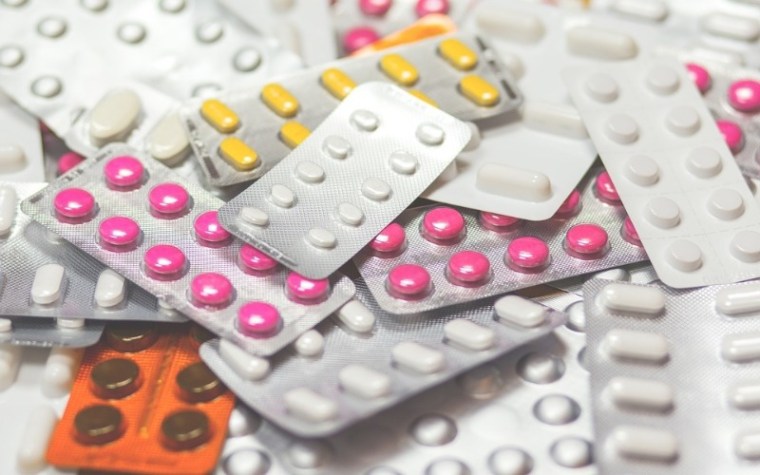
An Overview of Lithium (as a Medication)

Introduction

Certain lithium compounds, also known as lithium salts, are used as psychiatric medication, primarily for bipolar disorder and for major depressive disorder. Lithium is taken orally (by mouth).

Common side effects include increased urination, shakiness of the hands, and increased thirst. Serious side effects include hypothyroidism, diabetes insipidus, and lithium toxicity. Blood level monitoring is recommended to decrease the risk of potential toxicity. If levels become too high, diarrhoea, vomiting, poor coordination, sleepiness, and ringing in the ears may occur. Lithium is teratogenic and can cause birth defects at high doses, especially during the first trimester of pregnancy. The use of lithium while breastfeeding is controversial; however, many international health authorities advise against it, and the long-term outcomes of perinatal lithium exposure have not been studied. The American Academy of Paediatrics lists lithium as contraindicated for pregnancy and lactation. The United States Food and Drug Administration (FDA categorises lithium as having positive evidence of risk for pregnancy and possible hazardous risk for lactation.

Lithium salts are classified as mood stabilisers. Lithium’s mechanism of action is not known.

In the nineteenth century, lithium was used in people who had gout, epilepsy, and cancer. Its use in the treatment of mental disorders began with Carl Lange in Denmark and William Alexander Hammond in New York City, who used lithium to treat mania from the 1870s onwards, based on now-discredited theories involving its effect on uric acid. Use of lithium for mental disorders was re-established (on a different theoretical basis) in 1948 by John Cade in Australia. Lithium carbonate is on the World Health Organisation’s List of Essential Medicines, and is available as a generic medication. In 2022, it was the 212th most commonly prescribed medication in the United States, with more than 1 million prescriptions. It appears to be underused in older people, and in certain countries, for reasons including patients’ negative beliefs about lithium.

Brief History

Lithium was first used in the 19th century as a treatment for gout after scientists discovered that, at least in the laboratory, lithium could dissolve uric acid crystals isolated from the kidneys. The levels of lithium needed to dissolve urate in the body, however, were toxic. Because of prevalent theories linking excess uric acid to a range of disorders, including depressive and manic disorders, Carl Lange in Denmark and William Alexander Hammond in New York City used lithium to treat mania from the 1870s onwards.

By the turn of the 20th century, as theory regarding mood disorders evolved and so-called “brain gout” disappeared as a medical entity, the use of lithium in psychiatry was largely abandoned; however, several lithium preparations were still produced for the control of renal calculi and uric acid diathesis. As accumulating knowledge indicated a role for excess sodium intake in hypertension and heart disease, lithium salts were prescribed to patients for use as a replacement for dietary table salt (sodium chloride). This practice and the sale of lithium itself were both banned in the United States in February 1949, following the publication of reports detailing side effects and deaths.

Also in 1949, the Australian psychiatrist John Cade and Australian biochemist Shirley Andrews rediscovered the usefulness of lithium salts in treating mania while working at the Royal Park Psychiatric Hospital in Victoria. They were injecting rodents with urine extracts taken from manic patients in an attempt to isolate a metabolic compound which might be causing mental symptoms. Since uric acid in gout was known to be psychoactive, (adenosine receptors on neurons are stimulated by it; caffeine blocks them), they needed soluble urate for a control. They used lithium urate, already known to be the most soluble urate compound, and observed that it caused the rodents to become tranquil. Cade and Andrews traced the effect to the lithium-ion itself, and after Cade ingested lithium himself to ensure its safety in humans, he proposed lithium salts as tranquilisers. He soon succeeded in controlling mania in chronically hospitalised patients with them. This was one of the first successful applications of a drug to treat mental illness, and it opened the door for the development of medicines for other mental problems in the next decades.

The rest of the world was slow to adopt this treatment, largely because of deaths that resulted from even relatively minor overdosing, including those reported from the use of lithium chloride as a substitute for table salt. Largely through the research and other efforts of Denmark’s Mogens Schou and Paul Baastrup in Europe, and Samuel Gershon and Baron Shopsin in the US, this resistance was slowly overcome. Following the recommendation of the APA Lithium Task Force (William Bunney, Irvin Cohen (Chair), Jonathan Cole, Ronald R. Fieve, Samuel Gershon, Robert Prien, and Joseph Tupin[133]), the application of lithium in manic illness was approved by the FDA in 1970, becoming the 50th nation to do so.

Lithium has now become a part of Western popular culture. Characters in Pi, Premonition, Stardust Memories, American Psycho, Garden State, and An Unmarried Woman all take lithium. It’s the chief constituent of the calming drug in Ira Levin’s dystopian This Perfect Day. Sirius XM Satellite Radio in North America has a 1990s alternative rock station called Lithium, and several songs refer to the use of lithium as a mood stabiliser. These include: “Equilibrium met Lithium” by South African artist Koos Kombuis, “Lithium” by Evanescence, “Lithium” by Nirvana, “Lithium and a Lover” by Sirenia, “Lithium Sunset”, from the album Mercury Falling by Sting, and “Lithium” by Thin White Rope.

7 Up

As with cocaine in Coca-Cola, lithium was widely marketed as one of several patent medicine products popular in the late 19th and early 20th centuries and was the medicinal ingredient of a refreshment beverage. Charles Leiper Grigg, who launched his St. Louis-based company The Howdy Corporation, invented a formula for a lemon-lime soft drink in 1920. The product, originally named “Bib-Label Lithiated Lemon-Lime Soda”, was launched two weeks before the Wall Street Crash of 1929. It contained the mood stabiliser lithium citrate, and was one of many patent medicine products popular in the late-19th and early-20th centuries. Its name was soon changed to 7 Up. All American beverage makers were forced to remove lithium from beverages in 1948. Despite the ban, in 1950, the Painesville Telegraph still carried an advertisement for a lithiated lemon beverage.

Medical Uses

In 1970, lithium was approved by the FDA for the treatment of bipolar disorder, which remains its primary use in the US. It is sometimes used when other treatments are not effective in a number of other conditions, including major depression, schizophrenia, disorders of impulse control, and some psychiatric disorders in children. Because the FDA has not approved lithium for the treatment of other disorders, such use is off-label.

Bipolar Disorder

Lithium is primarily used as a maintenance drug in the treatment of bipolar disorder to stabilise mood and prevent manic episodes, but it may also be helpful in the acute treatment of manic episodes. Although recommended by treatment guidelines for the treatment of depression in bipolar disorder, the evidence that lithium is superior to placebo for acute depression is low-quality; atypical antipsychotics are considered more effective for treating acute depressive episodes. Lithium carbonate treatment was previously considered to be unsuitable for children; however, more recent studies show its effectiveness for treatment of early-onset bipolar disorder in children as young as eight. The required dosage is slightly less than the toxic level (representing a low therapeutic index), requiring close monitoring of blood levels of lithium carbonate during treatment. Within the therapeutic range there is a dose-response relationship. A limited amount of evidence suggests lithium carbonate may contribute to the treatment of substance use disorders for some people with bipolar disorder. Although it is believed that lithium prevents suicide in people with bipolar disorder, a 2022 systematic review found that:

“Evidence from randomised trials is inconclusive and does not support the idea that lithium prevents suicide or suicidal behaviour.”

Schizophrenic Disorders

Lithium is recommended for the treatment of schizophrenic disorders only after other antipsychotics have failed; it has limited effectiveness when used alone. The results of different clinical studies of the efficacy of combining lithium with antipsychotic therapy for treating schizophrenic disorders have varied.

Major Depressive Disorder

Lithium is widely prescribed as an adjunct treatment for depression.

Augmentation

If therapy with antidepressants (such as selective serotonin reuptake inhibitors [SSRIs]) does not fully treat and discontinue the symptoms of major depressive disorder (MDD) (also known as refractory depression or treatment resistant depression [TRD]) then a second augmentation agent is sometimes added to the therapy. Lithium is one of the few augmentation agents for antidepressants to demonstrate efficacy in treating MDD in multiple randomised controlled trials and it has been prescribed (off-label) for this purpose since the 1980s. A 2019 systematic review found some evidence of the clinical utility of adjunctive lithium, but the majority of supportive evidence is dated.

While SSRIs have been mentioned above as a drug class in which lithium is used to augment, there are other classes in which lithium is added to increase effectiveness. Such classes are antipsychotics (used for bipolar disorder) as well as antiepileptic drugs (used for both psychiatric and epileptic cases). Lamotrigine and topiramate are two specific antiepileptic drugs in which lithium is used to augment.

Monotherapy

There are a few old studies indicating efficacy of lithium for acute depression with lithium having the same efficacy as tricyclic antidepressants. A recent study concluded that lithium works best on chronic and recurrent depression when compared to modern antidepressant (i.e. citalopram) but not for patients with no history of depression. A 2019 systemic review found no evidence to support the use of lithium for monotherapy.

Prevention of Suicide

Lithium is widely believed to prevent suicide and is often used in clinical practice towards that end. However, meta-analyses, faced with evidence base limitations, have yielded differing results, and it therefore remains unclear whether or not lithium is efficacious in the prevention of suicide. However, some evidence suggests it is effective in significantly reducing the risk of self-harm and unintentional injury for bipolar disorder in comparison to no treatment and to antipsychotics or valporate. According to meta-analyses, the increased presence of lithium in drinking water is correlated with lower overall suicide rates, especially among men. It is noted that further testing is needed to confirm this benefit.

Alzheimer’s Disease

Alzheimer’s disease affects forty-five million people and is the fifth leading cause of death in the 65-plus population. There is no complete cure for the disease, currently. However, lithium is being evaluated for its effectiveness as a potential therapeutic measure. One of the leading causes of Alzheimer’s is the hyperphosphorylation of the tau protein by the enzyme GSK-3, which leads to the overproduction of amyloid peptides that cause cell death. To combat this toxic amyloid aggregation, lithium upregulates the production of neuroprotectors and neurotrophic factors, as well as inhibiting the GSK-3 enzyme. Lithium also stimulates neurogenesis within the hippocampus, making it thicker. Yet another cause of Alzheimer’s disease is the dysregulation of calcium ions within the brain. Too much or too little calcium within the brain can lead to cell death. Lithium can restore intracellular calcium homeostasis by inhibiting the wrongful influx of calcium upstream. It also promotes the redirection of the influx of calcium ions into the lumen of the endoplasmic reticulum of the cells to reduce the oxidative stress within the mitochondria.

In 2009, a study was performed by Hampel and colleagues that asked patients with Alzheimer’s to take a low dose of lithium daily for three months; it resulted in a significant slowing of cognitive decline, benefitting patients being in the prodromal stage the most. Upon a secondary analysis, the brains of the Alzheimer’s patients were studied and shown to have an increase in BDNF markers, meaning they had actually shown cognitive improvement. Another study, a population study this time by Kessing et al., showed a negative correlation between Alzheimer’s disease deaths and the presence of lithium in drinking water. Areas with increased lithium in their drinking water showed less dementia overall in their population.

Monitoring

Those who use lithium should receive regular serum level tests and should monitor thyroid and kidney function for abnormalities, as it interferes with the regulation of sodium and water levels in the body, and can cause dehydration. Dehydration, which is compounded by heat, can result in increasing lithium levels. The dehydration is due to lithium inhibition of the action of antidiuretic hormone, which normally enables the kidney to reabsorb water from urine. This causes an inability to concentrate urine, leading to consequent loss of body water and thirst.

Lithium concentrations in whole blood, plasma, serum, or urine may be measured using instrumental techniques as a guide to therapy, to confirm the diagnosis in potential poisoning victims, or to assist in the forensic investigation in a case of fatal overdosage. Serum lithium concentrations are usually in the range of 0.5–1.3 mmol/L (0.5–1.3 mEq/L) in well-controlled people, but may increase to 1.8–2.5 mmol/L in those who accumulate the drug over time and to 3–10 mmol/L in acute overdose.

Lithium salts have a narrow therapeutic/toxic ratio, so should not be prescribed unless facilities for monitoring plasma concentrations are available. Doses are adjusted to achieve plasma concentrations of 0.4[a][b] to 1.2 mmol/L on samples taken 12 hours after the preceding dose.

Given the rates of thyroid dysfunction, thyroid parameters should be checked before lithium is instituted and monitored after 3–6 months and then every 6–12 months.

Given the risks of kidney malfunction, serum creatinine, and eGFR should be checked before lithium is instituted and monitored after 3–6 months at regular intervals. Patients who have a rise in creatinine on three or more occasions, even if their eGFR is > 60 ml/min/ 1.73m2 require further evaluation, including a urinalysis for haematuria, and proteinuria, a review of their medical history with attention paid to cardiovascular, urological, and medication history, and blood pressure control and management. Overt proteinuria should be further quantified with a urine protein-to-creatinine ratio.

Discontinuation

For patients who have achieved long-term remission, it is recommended to discontinue lithium gradually and in a controlled fashion.

Discontinuation symptoms may occur in patients stopping the medication including irritability, restlessness, and somatic symptoms like vertigo, dizziness, or lightheadedness. Symptoms occur within the first week and are generally mild and self-limiting within weeks.

Cluster Headaches, Migraine, and Hypnic Headache

Studies testing prophylactic use of lithium in cluster headaches (when compared to verapamil), migraine attacks, and hypnic headache indicate good efficacy.

Adverse Effects

The adverse effects of lithium include:

Very Common (> 10% incidence) Adverse Effects

  • Confusion
  • Constipation (usually transient, but can persist in some)
  • Decreased memory
  • Diarrhea (usually transient, but can persist in some)
  • Dry mouth
  • EKG changes – usually benign changes in T waves
  • Hand tremor (usually transient, but can persist in some) with an incidence of 27%. If severe, psychiatrist may lower lithium dosage, change lithium salt type or modify lithium preparation from long to short-acting (despite lacking evidence for these procedures) or use pharmacological help
  • Headache
  • Hyperreflexia — overresponsive reflexes
  • Leukocytosis — elevated white blood cell count
  • Muscle weakness (usually transient, but can persist in some)
  • Myoclonus — muscle twitching
  • Nausea (usually transient)
  • Polydipsia — increased thirst
  • Polyuria — increased urination
  • Renal (kidney) toxicity which may lead to chronic kidney failure, although some cases may be misattributed
  • Vomiting (usually transient, but can persist in some)
  • Vertigo

Common (1–10%) Adverse Effects

  • Acne
  • Extrapyramidal side effects — movement-related problems such as muscle rigidity, parkinsonism, dystonia, etc.
  • Euthyroid goitre — i.e. the formation of a goitre despite normal thyroid functioning
  • Hypothyroidism — a deficiency of thyroid hormone, though this condition is already common among patients with bipolar disorder.
  • Hair loss/hair thinning
  • Weight gain — 5% incidence, tends to start fast and then plateau. Usually ends at 1–2 kg.

Unknown Incidence

Sexual dysfunction
Hypoglycaemia
Glycosuria
In addition to tremors, lithium treatment appears to be a risk factor for development of parkinsonism-like symptoms, although the causal mechanism remains unknown.

In the average bipolar patient, chronic lithium use is not associated with cognitive decline.

Most side effects of lithium are dose-dependent. The lowest effective dose is used to limit the risk of side effects.

Hypothyroidism

The rate of hypothyroidism is around six times higher in people who take lithium. Low thyroid hormone levels in turn increase the likelihood of developing depression. People taking lithium thus should routinely be assessed for hypothyroidism and treated with synthetic thyroxine if necessary.

Because lithium competes with the antidiuretic hormone in the kidney, it increases water output into the urine, a condition called nephrogenic diabetes insipidus. Clearance of lithium by the kidneys is usually successful with certain diuretic medications, including amiloride and triamterene. It increases the appetite and thirst (“polydypsia”) and reduces the activity of thyroid hormone (hypothyroidism). The latter can be corrected by treatment with thyroxine and does not require the lithium dose to be adjusted. Lithium is also believed to cause renal dysfunction, although this does not appear to be common.

Lambert et al. (2016), comparing the rate of hypothyroidism in patients with bipolar disorder treated with 9 different medications, found that lithium users do not have a particularly high rate of hypothyroidism (8.8%) among BD patients – only 1.39 times the rate in oxcarbazepine users (6.3%). Lithium and quetiapine are not statistically different in terms of hypothyroidism rates. However, lithium users are tested much more frequently for hypothyroidism than those using other drugs. The authors write that there may be an element of surveillance bias in understanding lithium’s effects on the thyroid glands, as lithium users are tested 2.3-3.1 times as often. Furthermore, the authors argue that because hypothyroidism is common among BD patients regardless of lithium treatment, regular thyroid testing should be applied to all BD patients, not just those on lithium.

Pregnancy

Lithium is a teratogen, which can cause birth defects in a small number of newborns. Case reports and several retrospective studies have demonstrated possible increases in the rate of a congenital heart defects including Ebstein’s anomaly if taken during pregnancy. Teratogenicity is affected by trimester and dose of Lithium. Most significantly affecting first-trimester cardiac development with greater effects at higher doses.

As the risks of stopping Lithium can be significant, patients are sometimes recommended to stay on this medicine while pregnant. Careful weighing of the risks and benefits should be made in consultation with a psychiatric physician.

For patients who are exposed to lithium, or plan to stay on the medication throughout their pregnancy, foetal echocardiography is routinely performed to monitor for cardiac anomalies.

While lithium is typically the most effective treatment, possible alternatives to Lithium include lamotrigine and second generation antipsychotics for the treatment of acute bipolar depression or for the management of bipolar patients with normal mood during pregnancy.

Breastfeeding

While only small amounts of Lithium are transmitted to the infant in breastmilk, there is limited data on the safety of Breastfeeding while on Lithium. Medical evaluation and monitoring of infants consuming breastmilk during maternal prescription may be indicated.

Kidney Damage

Lithium has been associated with several forms of kidney injury. It is estimated that impaired urinary concentrating ability is present in at least half of individuals on chronic lithium therapy, a condition called lithium-induced nephrogenic diabetes insipidus. Continued use of lithium can lead to more serious kidney damage in an aggravated form of diabetes insipidus. In rare cases, some forms of lithium-caused kidney damage may be progressive and lead to end-stage kidney failure with a reported incidence of 0.2% to 0.7%.

Some reports of kidney damage may be wrongly attributed to lithium, increasing the apparent rate of this adverse effect. Nielsen et al. (2018), citing 6 large observational studies since 2010, argue that findings of decreased kidney function are partially inflated by surveillance bias. Furthermore, modern data does not show that lithium increases the risk of end-stage kidney disease. Davis et al. (2018), using literature from a wider timespan (1977–2018), also found that lithium’s association with chronic kidney disease is unproven with various contradicting results. They also find contradicting results regarding end-stage kidney disease.

A 2015 nationwide study suggests that chronic kidney disease can be avoided by maintaining the serum lithium concentration at a level of 0.6–0.8 mmol/L and by monitoring serum creatinine every 3–6 months.

Hyperparathyroidism

Lithium-associated hyperparathyroidism is the leading cause of hypercalcemia in lithium-treated patients. Lithium may lead to exacerbation of pre-existing primary hyperparathyroidism or cause an increased set-point of calcium for parathyroid hormone suppression, leading to parathyroid hyperplasia.

Interactions

Lithium plasma concentrations are known to be increased with concurrent use of diuretics—especially loop diuretics (such as furosemide) and thiazides—and non-steroidal anti-inflammatory drugs (NSAIDs) such as ibuprofen. Lithium concentrations can also be increased with concurrent use of ACE inhibitors such as captopril, enalapril, and lisinopril.

Lithium is primarily cleared from the body through glomerular filtration, but some is then reabsorbed together with sodium through the proximal tubule. Its levels are therefore sensitive to water and electrolyte balance. Diuretics act by lowering water and sodium levels; this causes more reabsorption of lithium in the proximal tubules so that the removal of lithium from the body is less, leading to increased blood levels of lithium. ACE inhibitors have also been shown in a retrospective case-control study to increase lithium concentrations. This is likely due to constriction of the afferent arteriole of the glomerulus, resulting in decreased glomerular filtration rate and clearance. Another possible mechanism is that ACE inhibitors can lead to a decrease in sodium and water. This will increase lithium reabsorption and its concentrations in the body.

Some drugs can increase the clearance of lithium from the body, which can result in decreased lithium levels in the blood. These drugs include theophylline, caffeine, and acetazolamide. Additionally, increasing dietary sodium intake may also reduce lithium levels by prompting the kidneys to excrete more lithium.

Lithium is known to be a potential precipitant of serotonin syndrome in people concurrently on serotonergic medications such as antidepressants, buspirone and certain opioids such as pethidine (meperidine), tramadol, oxycodone, fentanyl and others. Lithium co-treatment is also a risk factor for neuroleptic malignant syndrome in people on antipsychotics and other antidopaminergic medications.

High doses of haloperidol, fluphenazine, or flupenthixol may be hazardous when used with lithium; irreversible toxic encephalopathy has been reported. Indeed, these and other antipsychotics have been associated with an increased risk of lithium neurotoxicity, even with low therapeutic lithium doses.

Classical psychedelics such as psilocybin and LSD may cause seizures if taken while using lithium, although further research is needed.

Overdose

Lithium toxicity, which is also called lithium overdose and lithium poisoning, is the condition of having too much lithium in the blood. This condition also happens in persons who are taking lithium in which the lithium levels are affected by drug interactions in the body.

In acute toxicity, people have primarily gastrointestinal symptoms such as vomiting and diarrhoea, which may result in volume depletion. During acute toxicity, lithium distributes later into the central nervous system resulting in mild neurological symptoms, such as dizziness.

In chronic toxicity, people have primarily neurological symptoms which include nystagmus, tremor, hyperreflexia, ataxia, and change in mental status. During chronic toxicity, the gastrointestinal symptoms seen in acute toxicity are less prominent. The symptoms are often vague and nonspecific.

If the lithium toxicity is mild or moderate, lithium dosage is reduced or stopped entirely. If the toxicity is severe, lithium may need to be removed from the body.

Mechanism of Action

The specific biochemical mechanism of lithium action in stabilising mood is unknown.

Upon ingestion, lithium becomes widely distributed in the central nervous system and interacts with a number of neurotransmitters and receptors, decreasing norepinephrine release and increasing serotonin synthesis.

Unlike many other psychoactive drugs, Li+ typically produces no obvious psychotropic effects (such as euphoria) in normal individuals at therapeutic concentrations. Lithium may also increase the release of serotonin by neurons in the brain. In vitro studies performed on serotonergic neurons from rat raphe nuclei have shown that when these neurons are treated with lithium, serotonin release is enhanced during a depolarisation compared to no lithium treatment and the same depolarisation.

Lithium both directly and indirectly inhibits GSK3β (glycogen synthase kinase 3β) which results in the activation of mTOR. This leads to an increase in neuroprotective mechanisms by facilitating the Akt signalling pathway. GSK-3β is a downstream target of monoamine systems. As such, it is directly implicated in cognition and mood regulation. During mania, GSK-3β is activated via dopamine overactivity. GSK-3β inhibits the transcription factors β-catenin and cyclic AMP (cAMP) response element binding protein (CREB), by phosphorylation. This results in a decrease in the transcription of important genes encoding for neurotrophins. In addition, several authors proposed that pAp-phosphatase could be one of the therapeutic targets of lithium. This hypothesis was supported by the low Ki of lithium for human pAp-phosphatase compatible within the range of therapeutic concentrations of lithium in the plasma of people (0.8–1 mM). The Ki of human pAp-phosphatase is ten times lower than that of GSK3β (glycogen synthase kinase 3β). Inhibition of pAp-phosphatase by lithium leads to increased levels of pAp (3′-5′ phosphoadenosine phosphate), which was shown to inhibit PARP-1.

Another mechanism proposed in 2007 is that lithium may interact with nitric oxide (NO) signaling pathway in the central nervous system, which plays a crucial role in neural plasticity. The NO system could be involved in the antidepressant effect of lithium in the Porsolt forced swimming test in mice. It was also reported that NMDA receptor blockage augments antidepressant-like effects of lithium in the mouse forced swimming test, indicating the possible involvement of NMDA receptor/NO signaling in the action of lithium in this animal model of learned helplessness.

Lithium possesses neuroprotective properties by preventing apoptosis and increasing cell longevity.

Although the search for a novel lithium-specific receptor is ongoing, the high concentration of lithium compounds required to elicit a significant pharmacological effect leads mainstream researchers to believe that the existence of such a receptor is unlikely.

Oxidative Metabolism

Evidence suggests that mitochondrial dysfunction is present in patients with bipolar disorder. Oxidative stress and reduced levels of antioxidants (such as glutathione) lead to cell death. Lithium may protect against oxidative stress by up-regulating complexes I and II of the mitochondrial electron transport chain.

Dopamine and G-Protein Coupling

During mania, there is an increase in neurotransmission of dopamine that causes a secondary homeostatic down-regulation, resulting in decreased neurotransmission of dopamine, which can cause depression. Additionally, the post-synaptic actions of dopamine are mediated through G-protein coupled receptors. Once dopamine is coupled to the G-protein receptors, it stimulates other secondary messenger systems that modulate neurotransmission. Studies found that in autopsies (which do not necessarily reflect living people), people with bipolar disorder had increased G-protein coupling compared to people without bipolar disorder. Lithium treatment alters the function of certain subunits of the dopamine-associated G-protein, which may be part of its mechanism of action.

Glutamate and NMDA Receptors

Glutamate levels are observed to be elevated during mania. Lithium is thought to provide long-term mood stabilisation and have anti-manic properties by modulating glutamate levels. It is proposed that lithium competes with magnesium for binding to NMDA glutamate receptor, increasing the availability of glutamate in post-synaptic neurons, leading to a homeostatic increase in glutamate re-uptake which reduces glutamatergic transmission. The NMDA receptor is also affected by other neurotransmitters such as serotonin and dopamine. Effects observed appear exclusive to lithium and have not been observed by other monovalent ions such as rubidium and cesium.

GABA Receptors

GABA is an inhibitory neurotransmitter that plays an important role in regulating dopamine and glutamate neurotransmission. It was found that patients with bipolar disorder had lower GABA levels, which results in excitotoxicity and can cause apoptosis (cell loss). Lithium has been shown to increase the level of GABA in plasma and cerebral spinal fluid. Lithium counteracts these degrading processes by decreasing pro-apoptotic proteins and stimulating release of neuroprotective proteins. Lithium’s regulation of both excitatory dopaminergic and glutamatergic systems through GABA may play a role in its mood-stabilising effects.

Cyclic AMP Secondary Messengers

Lithium’s therapeutic effects are thought to be partially attributable to its interactions with several signal transduction mechanisms. The cyclic AMP secondary messenger system is shown to be modulated by lithium. Lithium was found to increase the basal levels of cyclic AMP but impair receptor-coupled stimulation of cyclic AMP production. It is hypothesized that the dual effects of lithium are due to the inhibition of G-proteins that mediate cyclic AMP production. Over a long period of lithium treatment, cyclic AMP and adenylate cyclase levels are further changed by gene transcription factors.

Inositol Depletion Hypothesis

Lithium treatment has been found to inhibit the enzyme inositol monophosphatase, involved in degrading inositol monophosphate to inositol required in PIP2 synthesis. This leads to lower levels of inositol triphosphate, created by decomposition of PIP2. This effect has been suggested to be further enhanced with an inositol triphosphate reuptake inhibitor. Inositol disruptions have been linked to memory impairment and depression. It is known with good certainty that signals from the receptors coupled to the phosphoinositide signal transduction are affected by lithium. myo-inositol is also regulated by the high affinity sodium mI transport system (SMIT). Lithium is hypothesized to inhibit mI entering the cells and mitigate the function of SMIT. Reductions of cellular levels of myo-inositol results in the inhibition of the phosphoinositide cycle.

Neurotrophic Factors

Lithium’s actions on Gsk3 result in activation of CREB, leading to higher expression of BDNF. (Valproate, another mood stabilizer, also increases the expression of BDNF.) As expected of increased BDNF expression, chronic lithium treatment leads to increased grey matter volume in brain areas implicated in emotional processing and cognitive control. Bipolar patients treated with lithium also have higher white matter integrity compared to those taking other drugs.

Lithium also increases the expression of mesencephalic astrocyte-derived neurotrophic factor (MANF), another neurotrophic factor, via the AP-1 transcription factor. MANF is able to regulate proteostasis by interacting with GRP78, a protein involved in the unfolded protein response.

Salts and product names Lithium carbonate (Li2CO3) is the most commonly used form of lithium salts, a carbonic acid involving the lithium element and a carbonate ion. Other lithium salts are also used as medication, such as lithium citrate (Li3C6H5O7), lithium sulfate, lithium chloride, and lithium orotate. Nanoparticles and microemulsions have also been invented as drug delivery mechanisms. As of 2020, there is a lack of evidence that alternate formulations or salts of lithium would reduce the need for monitoring serum lithium levels or lower systemic toxicity.

As of 2017 lithium was marketed under many brand names worldwide, including Cade, Calith, Camcolit, Carbolim, Carbolit, Carbolith, Carbolithium, Carbolitium, Carbonato de Litio, Carboron, Ceglution, Contemnol, Efadermin (Lithium and Zinc Sulfate), Efalith (Lithium and Zinc Sulfate), Elcab, Eskalit, Eskalith, Frimania, Hypnorex, Kalitium, Karlit, Lalithium, Li-Liquid, Licarb, Licarbium, Lidin, Ligilin, Lilipin, Lilitin, Limas, Limed, Liskonum, Litarex, Lithane, Litheum, Lithicarb, Lithii carbonas, Lithii citras, Lithioderm, Lithiofor, Lithionit, Lithium, Lithium aceticum, Lithium asparagicum, Lithium Carbonate, Lithium Carbonicum, Lithium Citrate, Lithium DL-asparaginat-1-Wasser, Lithium gluconicum, Lithium-D-gluconat, Lithiumcarbonaat, Lithiumcarbonat, Lithiumcitrat, Lithiun, Lithobid, Lithocent, Lithotabs, Lithuril, Litiam, Liticarb, Litijum, Litio, Litiomal, Lito, Litocarb, Litocip, Maniprex, Milithin, Neurolepsin, Plenur, Priadel, Prianil, Prolix, Psicolit, Quilonium, Quilonorm, Quilonum, Téralithe, and Theralite.

Research

Tentative evidence in Alzheimer’s disease showed that lithium may slow progression. It has been studied for its potential use in the treatment of amyotrophic lateral sclerosis (ALS), but a study showed lithium had no effect on ALS outcomes.

This page is based on the copyrighted Wikipedia article < https://en.wikipedia.org/wiki/Lithium_(medication) >; it is used under the Creative Commons Attribution-ShareAlike 3.0 Unported License (CC-BY-SA). You may redistribute it, verbatim or modified, providing that you comply with the terms of the CC-BY-SA.

What is Lisdexamfetamine?

Introduction

Lisdexamfetamine, sold under the brand names Vyvanse and Elvanse among others, is a stimulant medication that is used to treat attention deficit hyperactivity disorder (ADHD) in children and adults and for moderate-to-severe binge eating disorder in adults. Lisdexamfetamine is taken by mouth. Its effects generally begin within two hours and last for up to 14 hours.

Common side effects of lisdexamfetamine include loss of appetite, anxiety, diarrhoea, trouble sleeping, irritability, and nausea. Rare but serious side effects include mania, sudden cardiac death in those with underlying heart problems, and psychosis. It has a high potential for substance abuse. Serotonin syndrome may occur if used with certain other medications. Its use during pregnancy may result in harm to the baby and use during breastfeeding is not recommended by the manufacturer.

Lisdexamfetamine is an inactive prodrug that works after being converted by the body into dextroamphetamine, a central nervous system (CNS) stimulant. Chemically, lisdexamfetamine is composed of the amino acid L-lysine, attached to dextroamphetamine.

Lisdexamfetamine was approved for medical use in the United States in 2007, and in the European Union in 2012. In 2022, it was the 69th most commonly prescribed medication in the United States, with more than 9 million prescriptions. It is a Class B controlled substance in the United Kingdom, a Schedule 8 controlled drug in Australia, and a Schedule II controlled substance in the United States.

Brief History

Lisdexamfetamine was developed by New River Pharmaceuticals, who were bought by Takeda Pharmaceuticals through its acquisition of Shire Pharmaceuticals, shortly before it began being marketed. It was developed to create a longer-lasting and less-easily abused version of dextroamphetamine, as the requirement of conversion into dextroamphetamine via enzymes in the red blood cells delays its onset of action, regardless of the route of administration.

In February 2007, the US Food and Drug Administration (FDA) approved lisdexamfetamine for the treatment of ADHD. In August 2009, Health Canada approved the marketing of lisdexamfetamine for prescription use.

In January 2015, lisdexamfetamine was approved by the FDA for the treatment of binge eating disorder in adults.

The FDA gave tentative approval to generic formulations of lisdexamfetamine in 2015. The expiration date for patent protection of lisdexamfetamine in the US was 24 February 2023. The Canadian patent expired 20 years from the filing date of 01 June 2004.

Production quotas for 2016 in the United States were 29,750 kg.

Uses

Medical

Lisdexamfetamine is used primarily as a treatment for attention deficit hyperactivity disorder (ADHD) and binge eating disorder; it has similar off-label uses as those of other pharmaceutical amphetamines such as narcolepsy. Individuals over the age of 65 were not commonly tested in clinical trials of lisdexamfetamine for ADHD. According to a 2019 systematic review, lisdexamfetamine was the most effective treatment for adult ADHD.

ADHD

Long-term amphetamine exposure at sufficiently high doses in some animal species is known to produce abnormal dopamine system development or nerve damage, but, in humans with ADHD, long-term use of pharmaceutical amphetamines at therapeutic doses appears to improve brain development and nerve growth. Reviews of magnetic resonance imaging (MRI) studies suggest that long-term treatment with amphetamine decreases abnormalities in brain structure and function found in subjects with ADHD, and improves function in several parts of the brain, such as the right caudate nucleus of the basal ganglia.

Reviews of clinical stimulant research have established the safety and effectiveness of long-term continuous amphetamine use for the treatment of ADHD. Randomised controlled trials of continuous stimulant therapy for the treatment of ADHD spanning 2 years have demonstrated treatment effectiveness and safety. Two reviews have indicated that long-term continuous stimulant therapy for ADHD is effective for reducing the core symptoms of ADHD (i.e. hyperactivity, inattention, and impulsivity), enhancing quality of life and academic achievement, and producing improvements in a large number of functional outcomes across 9 categories of outcomes related to academics, antisocial behaviour, driving, non-medicinal drug use, obesity, occupation, self-esteem, service use (i.e. academic, occupational, health, financial, and legal services), and social function. Additionally, a 2024 meta-analytic systematic review reported moderate improvements in quality of life when amphetamine treatment is used for ADHD. One review highlighted a nine-month randomised controlled trial of amphetamine treatment for ADHD in children that found an average increase of 4.5 IQ points, continued increases in attention, and continued decreases in disruptive behaviours and hyperactivity. Another review indicated that, based upon the longest follow-up studies conducted to date, lifetime stimulant therapy that begins during childhood is continuously effective for controlling ADHD symptoms and reduces the risk of developing a substance use disorder as an adult. A 2025 meta-analytic systematic review of 113 randomized controlled trials demonstrated that stimulant medications significantly improved core ADHD symptoms in adults over a three-month period, with good acceptability compared to other pharmacological and non-pharmacological treatments.

Models of ADHD suggest that it is associated with functional impairments in some of the brain’s neurotransmitter systems; these functional impairments involve impaired dopamine neurotransmission in the mesocorticolimbic projection and norepinephrine neurotransmission in the noradrenergic projections from the locus coeruleus to the prefrontal cortex. Stimulants like methylphenidate and amphetamine are effective in treating ADHD because they increase neurotransmitter activity in these systems. Approximately 80% of those who use these stimulants see improvements in ADHD symptoms. Children with ADHD who use stimulant medications generally have better relationships with peers and family members, perform better in school, are less distractible and impulsive, and have longer attention spans. The Cochrane reviews on the treatment of ADHD in children, adolescents, and adults with pharmaceutical amphetamines stated that short-term studies have demonstrated that these drugs decrease the severity of symptoms, but they have higher discontinuation rates than non-stimulant medications due to their adverse side effects. A Cochrane review on the treatment of ADHD in children with tic disorders such as Tourette syndrome indicated that stimulants in general do not make tics worse, but high doses of dextroamphetamine could exacerbate tics in some individuals.

Binge Eating Disorder

Binge eating disorder (BED) is characterised by recurrent and persistent episodes of compulsive binge eating. These episodes are often accompanied by marked distress and a feeling of loss of control over eating. The pathophysiology of BED is not fully understood, but it is believed to involve dysfunctional dopaminergic reward circuitry along the cortico-striatal-thalamic-cortical loop. As of July 2024, lisdexamfetamine is the only USFDA- and TGA-approved pharmacotherapy for BED. Evidence suggests that lisdexamfetamine’s treatment efficacy in BED is underpinned at least in part by a psychopathological overlap between BED and ADHD, with the latter conceptualised as a cognitive control disorder that also benefits from treatment with lisdexamfetamine.

Lisdexamfetamine’s therapeutic effects for BED primarily involve direct action in the central nervous system after conversion to its pharmacologically active metabolite, dextroamphetamine. Centrally, dextroamphetamine increases neurotransmitter activity of dopamine and norepinephrine in prefrontal cortical regions that regulate cognitive control of behaviour. Similar to its therapeutic effect in ADHD, dextroamphetamine enhances cognitive control and may reduce impulsivity in patients with BED by enhancing the cognitive processes responsible for overriding prepotent feeding responses that precede binge eating episodes. In addition, dextroamphetamine’s actions outside of the central nervous system may also contribute to its treatment effects in BED. Peripherally, dextroamphetamine triggers lipolysis through noradrenergic signalling in adipose fat cells, leading to the release of triglycerides into blood plasma to be utilized as a fuel substrate. Dextroamphetamine also activates TAAR1 in peripheral organs along the gastrointestinal tract that are involved in the regulation of food intake and body weight. Together, these actions confer an anorexigenic effect that promotes satiety in response to feeding and may decrease binge eating as a secondary effect. While lisdexamfetamine’s anorexigenic effects contribute to its efficacy in BED, evidence indicates that the enhancement of cognitive control is necessary and sufficient for addressing the disorder’s underlying psychopathology. This view is supported by the failure of anti-obesity medications and other appetite suppressants to significantly reduce BED symptom severity, despite their capacity to induce weight loss.

Medical reviews of randomised controlled trials have demonstrated that lisdexamfetamine, at doses between 50–70 mg, is safe and effective for the treatment of moderate-to-severe BED in adults. These reviews suggest that lisdexamfetamine is persistently effective at treating BED and is associated with significant reductions in the number of binge eating days and binge eating episodes per week. Furthermore, a meta-analytic systematic review highlighted an open-label, 12-month extension safety and tolerability study that reported lisdexamfetamine remained effective at reducing the number of binge eating days for the duration of the study. In addition, both a review and a meta-analytic systematic review found lisdexamfetamine to be superior to placebo in several secondary outcome measures, including persistent binge eating cessation, reduction of obsessive-compulsive related binge eating symptoms, reduction of body-weight, and reduction of triglycerides. Lisdexamfetamine, like all pharmaceutical amphetamines, has direct appetite suppressant effects that may be therapeutically useful in both BED and its comorbidities. Based on reviews of neuroimaging studies involving BED-diagnosed participants, therapeutic neuroplasticity in dopaminergic and noradrenergic pathways from long-term use of lisdexamfetamine may be implicated in lasting improvements in the regulation of eating behaviours that are observed.

Narcolepsy

Narcolepsy is a chronic sleep-wake disorder that is associated with excessive daytime sleepiness, cataplexy, and sleep paralysis. Patients with narcolepsy are diagnosed as either type 1 or type 2, with only the former presenting cataplexy symptoms. Type 1 narcolepsy results from the loss of approximately 70,000 orexin-releasing neurons in the lateral hypothalamus, leading to significantly reduced cerebrospinal orexin levels; this reduction is a diagnostic biomarker for type 1 narcolepsy. Lateral hypothalamic orexin neurons innervate every component of the ascending reticular activating system (ARAS), which includes noradrenergic, dopaminergic, histaminergic, and serotonergic nuclei that promote wakefulness.

Amphetamine’s therapeutic mode of action in narcolepsy primarily involves increasing monoamine neurotransmitter activity in the ARAS. This includes noradrenergic neurons in the locus coeruleus, dopaminergic neurons in the ventral tegmental area, histaminergic neurons in the tuberomammillary nucleus, and serotonergic neurons in the dorsal raphe nucleus. Dextroamphetamine, the more dopaminergic enantiomer of amphetamine, is particularly effective at promoting wakefulness because dopamine release has the greatest influence on cortical activation and cognitive arousal, relative to other monoamines. In contrast, levoamphetamine may have a greater effect on cataplexy, a symptom more sensitive to the effects of norepinephrine and serotonin. Noradrenergic and serotonergic nuclei in the ARAS are involved in the regulation of the REM sleep cycle and function as “REM-off” cells, with amphetamine’s effect on norepinephrine and serotonin contributing to the suppression of REM sleep and a possible reduction of cataplexy at high doses.

The American Academy of Sleep Medicine (AASM) 2021 clinical practice guideline conditionally recommends dextroamphetamine for the treatment of both type 1 and type 2 narcolepsy. Treatment with pharmaceutical amphetamines is generally less preferred relative to other stimulants (e.g. modafinil) and is considered a third-line treatment option. Medical reviews indicate that amphetamine is safe and effective for the treatment of narcolepsy. Amphetamine appears to be most effective at improving symptoms associated with hypersomnolence, with three reviews finding clinically significant reductions in daytime sleepiness in patients with narcolepsy. Additionally, these reviews suggest that amphetamine may dose-dependently improve cataplexy symptoms. However, the quality of evidence for these findings is low and is consequently reflected in the AASM’s conditional recommendation for dextroamphetamine as a treatment option for narcolepsy.

Enhancing Performance

Cognitive Performance

In 2015, a systematic review and a meta-analysis of high quality clinical trials found that, when used at low (therapeutic) doses, amphetamine produces modest yet unambiguous improvements in cognition, including working memory, long-term episodic memory, inhibitory control, and some aspects of attention, in normal healthy adults; these cognition-enhancing effects of amphetamine are known to be partially mediated through the indirect activation of both dopamine D1 receptor and α2-adrenergic receptor in the prefrontal cortex. A systematic review from 2014 found that low doses of amphetamine also improve memory consolidation, in turn leading to improved recall of information. Therapeutic doses of amphetamine also enhance cortical network efficiency, an effect which mediates improvements in working memory in all individuals. Amphetamine and other ADHD stimulants also improve task saliency (motivation to perform a task) and increase arousal (wakefulness), in turn promoting goal-directed behavior. Stimulants such as amphetamine can improve performance on difficult and boring tasks and are used by some students as a study and test-taking aid. Based upon studies of self-reported illicit stimulant use, 5–35% of college students use diverted ADHD stimulants, which are primarily used for enhancement of academic performance rather than as recreational drugs. However, high amphetamine doses that are above the therapeutic range can interfere with working memory and other aspects of cognitive control.

Physical Performance

Amphetamine is used by some athletes for its psychological and athletic performance-enhancing effects, such as increased endurance and alertness; however, non-medical amphetamine use is prohibited at sporting events that are regulated by collegiate, national, and international anti-doping agencies. In healthy people at oral therapeutic doses, amphetamine has been shown to increase muscle strength, acceleration, athletic performance in anaerobic conditions, and endurance (i.e. it delays the onset of fatigue), while improving reaction time. Amphetamine improves endurance and reaction time primarily through reuptake inhibition and release of dopamine in the central nervous system. Amphetamine and other dopaminergic drugs also increase power output at fixed levels of perceived exertion by overriding a “safety switch”, allowing the core temperature limit to increase in order to access a reserve capacity that is normally off-limits. At therapeutic doses, the adverse effects of amphetamine do not impede athletic performance; however, at much higher doses, amphetamine can induce effects that severely impair performance, such as rapid muscle breakdown and elevated body temperature.

Available Forms

Lisdexamfetamine is available as the dimesylate salt in the form of both oral capsules and chewable tablets. A dose of 50 mg of lisdexamfetamine dimesylate is approximately equimolar to a 20 mg dose of dextroamphetamine sulfate or to 15 mg dextroamphetamine free-base in terms of the amount of dextroamphetamine contained. Lisdexamfetamine capsules can be swallowed intact, or they can be opened and mixed into water, yogurt, or applesauce and consumed in that manner.

Contraindications

Pharmaceutical lisdexamfetamine is contraindicated in people with hypersensitivity to amphetamine products or any of the formulation’s inactive ingredients.[7] It is also contraindicated in patients who have used a monoamine oxidase inhibitor (MAOI) within the last 14 days. Amphetamine products are contraindicated by the United States Food and Drug Administration (USFDA) in people with a history of drug abuse, heart disease, or severe agitation or anxiety, or in those currently experiencing arteriosclerosis, glaucoma, hyperthyroidism, or severe hypertension. However, a European consensus statement on adult ADHD noted that stimulants do not worsen substance misuse in adults with ADHD and comorbid substance use disorder and should not be avoided in these individuals. In any case, the statement noted that immediate-release stimulants should be avoided in those with both ADHD and substance use disorder and that slower-release stimulant formulations like OROSTooltip osmotic-controlled release oral delivery system methylphenidate (Concerta) and lisdexamfetamine should be preferred due to their lower misuse potential. Prescribing information approved by the Australian Therapeutic Goods Administration further contraindicates anorexia.

Adverse Effects

Products containing lisdexamfetamine have a comparable drug safety profile to those containing amphetamine. The major side effects of lisdexamfetamine in short-term clinical trials (≥5% incidence) have included decreased appetite, insomnia, dry mouth, weight loss, irritability, upper abdominal pain, nausea, vomiting, diarrhoea, constipation, increased heart rate, anxiety, dizziness, and feeling jittery. Rates of side effects may vary in adults, adolescents, and children. Rare but serious side effects of lisdexamfetamine may include mania, sudden cardiac death in those with underlying heart problems, stimulant psychosis, and serotonin syndrome.

Interactions

  • Acidifying agents: Drugs or foods that acidify the urine, such as ascorbic acid, increase urinary excretion of dextroamphetamine, thus decreasing the half-life and effectiveness of dextroamphetamine in the body.
  • Alkalinising agents: Drugs or foods that alkalinise the urine, such as sodium bicarbonate, decrease urinary excretion of dextroamphetamine, thus increasing the half-life and effectiveness of dextroamphetamine in the body.
  • CYP2D6 inhibitors: Hydroxylation via the cytochrome P450 enzyme CYP2D6 is the major pathway of metabolism of dextroamphetamine. Potent CYP2D6 inhibitors, such as paroxetine, fluoxetine, bupropion, and duloxetine, among others, may inhibit the metabolism of dextroamphetamine and thereby increase exposure to it. Studies characterising this potential interaction are currently lacking. Concomitant use of lisdexamfetamine with CYP2D6 inhibitors may increase the risk of serotonin syndrome due to greater drug exposure.
  • Monoamine oxidase inhibitors: Concomitant use of MAOIs and central nervous system stimulants such as lisdexamfetamine can cause a hypertensive crisis.
  • Norepinephrine reuptake inhibitors (NRIs) like atomoxetine prevent norepinephrine release induced by amphetamines and have been found to reduce the stimulant, euphoriant, and sympathomimetic effects of dextroamphetamine in humans.

Pharmacology

Mechanism of Action

Lisdexamfetamine is an inactive prodrug that is converted in the body to dextroamphetamine, a pharmacologically active compound that is responsible for the drug’s activity. After oral ingestion, lisdexamfetamine is broken down by enzymes in red blood cells to form L-lysine, a naturally occurring essential amino acid, and dextroamphetamine. The half-life of this conversion is roughly 1 hour. The conversion of lisdexamfetamine to dextroamphetamine is not affected by gastrointestinal pH and is unlikely to be affected by alterations in normal gastrointestinal transit times. Studies show a linear relationship between peak plasma concentration of dextroamphetamine and lisdexamfetamine dose up to lisdexamfetamine doses of 250mg.

The optical isomers of amphetamine, i.e. dextroamphetamine and levoamphetamine, are TAAR1 agonists and vesicular monoamine transporter 2 inhibitors that can enter monoamine neurons; this allows them to release monoamine neurotransmitters (dopamine, norepinephrine, and serotonin, among others) from their storage sites in the presynaptic neuron, as well as prevent the reuptake of these neurotransmitters from the synaptic cleft.

Lisdexamfetamine was developed to provide a long-duration effect that is consistent throughout the day, with reduced potential for abuse. The attachment of the amino acid lysine slows down the relative amount of dextroamphetamine available in the bloodstream. Because no free dextroamphetamine is present in lisdexamfetamine capsules, dextroamphetamine does not become available through mechanical manipulation, such as crushing or simple extraction. A relatively sophisticated biochemical process is needed to produce dextroamphetamine from lisdexamfetamine. As opposed to Adderall, which contains amphetamine salts in a 3:1 dextro:levo ratio, lisdexamfetamine is a single-enantiomer dextroamphetamine formula. Studies conducted show that lisdexamfetamine dimesylate may have less abuse potential than dextroamphetamine and an abuse profile similar to diethylpropion at dosages that are FDA-approved for treatment of ADHD, but still has a high abuse potential when this dosage is exceeded by over 100%.

Pharmacokinetics

The oral bioavailability of amphetamine varies with gastrointestinal pH; it is well absorbed from the gut, and bioavailability is typically 90%. Amphetamine is a weak base with a pKa of 9.9; consequently, when the pH is basic, more of the drug is in its lipid soluble free base form, and more is absorbed through the lipid-rich cell membranes of the gut epithelium. Conversely, an acidic pH means the drug is predominantly in a water-soluble cationic (salt) form, and less is absorbed. Approximately 20% of amphetamine circulating in the bloodstream is bound to plasma proteins. Following absorption, amphetamine readily distributes into most tissues in the body, with high concentrations occurring in cerebrospinal fluid and brain tissue.

The half-lives of amphetamine enantiomers differ and vary with urine pH. At normal urine pH, the half-lives of dextroamphetamine and levoamphetamine are 9–11 hours and 11–14 hours, respectively. Highly acidic urine will reduce the enantiomer half-lives to 7 hours; highly alkaline urine will increase the half-lives up to 34 hours. The immediate-release and extended release variants of salts of both isomers reach peak plasma concentrations at 3 hours and 7 hours post-dose respectively. Amphetamine is eliminated via the kidneys, with 30–40% of the drug being excreted unchanged at normal urinary pH. When the urinary pH is basic, amphetamine is in its free base form, so less is excreted. When urine pH is abnormal, the urinary recovery of amphetamine may range from a low of 1% to a high of 75%, depending mostly upon whether urine is too basic or acidic, respectively. Following oral administration, amphetamine appears in urine within 3 hours. Roughly 90% of ingested amphetamine is eliminated 3 days after the last oral dose.

Lisdexamfetamine is a prodrug of dextroamphetamine. It is not as sensitive to pH as amphetamine when being absorbed in the gastrointestinal tract. Following absorption into the blood stream, lisdexamfetamine is completely converted by red blood cells to dextroamphetamine and the amino acid L-lysine by hydrolysis via undetermined aminopeptidase enzymes. This is the rate-limiting step in the bioactivation of lisdexamfetamine. The elimination half-life of lisdexamfetamine is generally less than 1 hour. Due to the necessary conversion of lisdexamfetamine into dextroamphetamine, levels of dextroamphetamine with lisdexamfetamine peak about one hour later than with an equivalent dose of immediate-release dextroamphetamine. Presumably due to its rate-limited activation by red blood cells, intravenous administration of lisdexamfetamine shows greatly delayed time to peak and reduced peak levels compared to intravenous administration of an equivalent dose of dextroamphetamine. The pharmacokinetics of lisdexamfetamine are similar regardless of whether it is administered orally, intranasally, or intravenously. Hence, in contrast to dextroamphetamine, parenteral use does not enhance the subjective effects of lisdexamfetamine. Because of its behaviour as a prodrug and its pharmacokinetic differences, lisdexamfetamine has a longer duration of therapeutic effect than immediate-release dextroamphetamine and shows reduced misuse potential.

CYP2D6, dopamine β-hydroxylase (DBH), flavin-containing monooxygenase 3 (FMO3), butyrate-CoA ligase (XM-ligase), and glycine N-acyltransferase (GLYAT) are the enzymes known to metabolise amphetamine or its metabolites in humans. Amphetamine has a variety of excreted metabolic products, including 4-hydroxyamphetamine, 4-hydroxynorephedrine, 4-hydroxyphenylacetone, benzoic acid, hippuric acid, norephedrine, and phenylacetone. Among these metabolites, the active sympathomimetics are 4-hydroxyamphetamine, 4-hydroxynorephedrine, and norephedrine. The main metabolic pathways involve aromatic para-hydroxylation, aliphatic alpha- and beta-hydroxylation, N-oxidation, N-dealkylation, and deamination.

Chemistry

Lisdexamfetamine is a substituted amphetamine with an amide linkage formed by the condensation of dextroamphetamine with the carboxylate group of the essential amino acid L-lysine. The reaction occurs with retention of stereochemistry, so the product lisdexamfetamine exists as a single stereoisomer. There are many possible names for lisdexamfetamine based on IUPAC nomenclature, but it is usually named as N-[(2S)-1-phenyl-2-propanyl]-L-lysinamide or (2S)-2,6-diamino-N-[(1S)-1-methyl-2-phenylethyl]hexanamide.

Amine functional groups are vulnerable to oxidation in air and so pharmaceuticals containing them are usually formulated as salts where this moiety has been protonated. This increases stability, water solubility, and, by converting a molecular compound to an ionic compound, increases the melting point and thereby ensures a solid product. In the case of lisdexamfetamine, this is achieved by reacting with two equivalents of methanesulfonic acid to produce the dimesylate salt, a water-soluble (792 mg mL−1) powder with a white to off-white colour.

Comparison to other Formulations

Lisdexamfetamine dimesylate is one marketed formulation delivering dextroamphetamine.

Society and Culture

Name

Lisdexamfetamine is the International Nonproprietary Name (INN) and is a contraction of L-lysine-dextroamphetamine.

As of November 2020, lisdexamfetamine is sold under the following brand names: Aduvanz, Elvanse, Juneve, Samexid, Tyvense, Venvanse, and Vyvanse.

Research

Depression

Amphetamine was used to treat depression starting in the 1930s and has been described as the first antidepressant. In clinical studies in the 1970s and 1980s, psychostimulants, including amphetamine and methylphenidate, were found to transiently improve mood in a majority of people with depression and to increase psychomotor activation in almost all individuals.

Some clinical trials that used lisdexamfetamine as an add-on therapy with a selective serotonin reuptake inhibitor (SSRI) or serotonin-norepinephrine reuptake inhibitor (SNRI) for treatment-resistant depression indicated that this is no more effective than the use of an SSRI or SNRI alone. Other studies indicated that psychostimulants potentiated antidepressants, and were under-prescribed for treatment-resistant depression. In those studies, patients showed significant improvement in energy, mood, and psychomotor activity. Clinical guidelines advise caution in the use of stimulants for depression and advise them only as second- or third-line adjunctive agents.

In February 2014, Shire announced that two late-stage clinical trials had found that Vyvanse was not an effective treatment for depression, and development for this indication was discontinued. A 2018 meta-analysis of randomised controlled trials of lisdexamfetamine for antidepressant augmentation in people with major depressive disorder—the first to be conducted—found that lisdexamfetamine was not significantly better than placebo in improving Montgomery–Åsberg Depression Rating Scale scores, response rates, or remission rates. However, there was indication of a small effect in improving depressive symptoms that approached trend-level significance. Lisdexamfetamine was well-tolerated in the meta-analysis. The quantity of evidence was limited, with only four trials included. In a subsequent 2022 network meta-analysis, lisdexamfetamine was significantly effective as an antidepressant augmentation for treatment-resistant depression.

Although lisdexamfetamine has shown limited effectiveness in the treatment of depression in clinical trials, a phase II clinical study found that the addition of lisdexamfetamine to an antidepressant improved executive dysfunction in people with mild major depressive disorder but persisting executive dysfunction.

This page is based on the copyrighted Wikipedia article < https://en.wikipedia.org/wiki/Lisdexamfetamine >; it is used under the Creative Commons Attribution-ShareAlike 3.0 Unported License (CC-BY-SA). You may redistribute it, verbatim or modified, providing that you comply with the terms of the CC-BY-SA.

What is Ipspirone?

Introduction

Ipsapirone is a selective 5-HT1A receptor partial agonist of the piperazine and azapirone chemical classes.

Outline

It has antidepressant and anxiolytic effects.

Ipsapirone was studied in several placebo-controlled trials for depression and continues to be used in research.

This page is based on the copyrighted Wikipedia article < https://en.wikipedia.org/wiki/Ipsapirone >; it is used under the Creative Commons Attribution-ShareAlike 3.0 Unported License (CC-BY-SA). You may redistribute it, verbatim or modified, providing that you comply with the terms of the CC-BY-SA.

What is Fluanisone?

Introduction

Fluanisone is a typical antipsychotic and sedative of the butyrophenone chemical class.

Outline

It is used in the treatment of schizophrenia and mania. It is also a component (along with fentanyl) of the injectable veterinary formulation fentanyl/fluanisone (Hypnorm) where it is used for rodent analgesia during short surgical procedures.

This page is based on the copyrighted Wikipedia article < https://en.wikipedia.org/wiki/Fluanisone >; it is used under the Creative Commons Attribution-ShareAlike 3.0 Unported License (CC-BY-SA). You may redistribute it, verbatim or modified, providing that you comply with the terms of the CC-BY-SA.

What is Flesinoxan?

Introduction

Flesinoxan (DU-29,373) is a potent and selective 5-HT1A receptor partial/near-full agonist of the phenylpiperazine class.

Outline

Originally developed as a potential antihypertensive drug, flesinoxan was later found to possess antidepressant and anxiolytic effects in animal tests. As a result, it was investigated in several small human pilot studies for the treatment of major depressive disorder (MDD), and was found to have robust effectiveness and very good tolerability. However, due to “management decisions”, the development of flesinoxan was stopped and it was not pursued any further.

In patients, flesinoxan enhances REM sleep latency, decreases body temperature, and increases ACTH, cortisol, prolactin, and growth hormone secretion.

This page is based on the copyrighted Wikipedia article < https://en.wikipedia.org/wiki/Flesinoxan >; it is used under the Creative Commons Attribution-ShareAlike 3.0 Unported License (CC-BY-SA). You may redistribute it, verbatim or modified, providing that you comply with the terms of the CC-BY-SA.

What is F-15,599?

Introduction

F-15,599, also known as NLX-101, is a potent and selective 5-HT1A receptor full agonist. In addition, it displays functional selectivity, or biased agonism, by preferentially activating postsynaptic serotonin 5-HT1A receptors over somatodendritic serotonin 5-HT1A autoreceptors. The drug has been investigated for potential use as a pharmaceutical drug in the treatment of conditions including depression, schizophrenia, cognitive disorders, Rett syndrome, and fragile X syndrome.

Brief History

F-15,599 was first described in the scientific literature by 2006.

Pharmacology

Pharmacodynamics

In terms of its functional selectivity, the drug preferentially activates and phosphorylates ERK1/2 over receptor internalisation or inhibition of adenylyl cyclase. In addition, it preferentially activates the Gαi G protein subtype over the Gαo subtype. As a result of its biased agonism for postsynaptic 5-HT1A receptors, F-15,599 shows regional selectivity in its central effects. It mainly activates the prefrontal cortex, cingulate cortex, retrosplenial cortex, septum, and colliculi. Conversely, the drug does not significantly alter cerebral blood flow in areas characterised by abundance of presynaptic serotonin 5-HT1A receptors, such as the raphe nucleus.

F-15,599 has shown antidepressant-like, anxiolytic-like, antidyskinetic, procognitive, and antiaggressive effects in animals. In cognitive tests in rodents, F-15,599 attenuates memory deficits elicited by the NMDA receptor antagonist phencyclidine (PCP), suggesting that it may improve cognitive function in disorders such as schizophrenia. Another study found that F-15,599 reduces breathing irregularity and apnoeas observed in mice with mutations of the MeCP2 gene, a mouse model of Rett syndrome.

Clinical Trials

F-15,599 was discovered and initially developed by Pierre Fabre Médicament, a French pharmaceuticals company. In September 2013, F-15,599 was out-licensed to Neurolixis, a California-based biotechnology company. Neurolixis announced that it intends to re-purpose F-15,599 for the treatment of Rett syndrome. and obtained orphan drug designation from the United States Food and Drug Administration (FDA) and from the European Commission for this indication.

Researchers at the University of Bristol are investigating the activity of F-15599 in animal models of Rett Syndrome, with support from the International Rett Syndrome Foundation. In June 2015, the Rett Syndrome Research Trust awarded a grant to Neurolixis to advance F-15599 to clinical development.

As of September 2024, F-15,599 is in phase 1 clinical trials for fragile X syndrome. Conversely, no recent development has been reported for depressive disorders or Rett syndrome and development has been discontinued for cognition disorders, mood disorders, and schizophrenia.

This page is based on the copyrighted Wikipedia article < https://en.wikipedia.org/wiki/F-15,599 >; it is used under the Creative Commons Attribution-ShareAlike 3.0 Unported License (CC-BY-SA). You may redistribute it, verbatim or modified, providing that you comply with the terms of the CC-BY-SA.

What is Enciprazine?

Introduction

Enciprazine (INN, BAN; enciprazine hydrochloride (USAN); developmental code names WY-48624, D-3112) is an anxiolytic and antipsychotic of the phenylpiperazine class which was never marketed.

It shows high affinity for the α1-adrenergic receptor and 5-HT1A receptor, among other sites.

The drug was initially anticipated to produce ortho-methoxyphenylpiperazine (oMeOPP), a serotonin receptor agonist with high affinity for the 5-HT1A receptor, as a significant active metabolite, but subsequent research found this not to be the case.

This page is based on the copyrighted Wikipedia article < https://en.wikipedia.org/wiki/Enciprazine >; it is used under the Creative Commons Attribution-ShareAlike 3.0 Unported License (CC-BY-SA). You may redistribute it, verbatim or modified, providing that you comply with the terms of the CC-BY-SA.