Who was Bruno Bettelheim (1903-1990)?

Introduction

Bruno Bettelheim (28 August 1903 to 13 March 1990) was an Austrian-born psychologist, scholar, public intellectual and writer who spent most of his academic and clinical career in the United States. An early writer on autism, Bettelheim’s work focused on the education of emotionally disturbed children, as well as Freudian psychology more generally. In the US he later gained a position as professor at the University of Chicago and director of the Sonia Shankman Orthogenic School for Disturbed Children, and after 1973 taught at Stanford University.

Bettelheim’s ideas, which grew out of those of Sigmund Freud, theorised that children with behavioural and emotional disorders were not born that way, and could be treated through extended psychoanalytic therapy, treatment that rejected the use of psychotropic drugs and shock therapy. During the 1960s and 1970s he had an international reputation in such fields as autism, child psychiatry, and psychoanalysis.

Some of his work was discredited after his death due to fraudulent academic credentials, allegations of patient abuse, accusations of plagiarism, and lack of oversight by institutions and the psychological community.

Background in Austria

Bruno Bettelheim was born in Vienna, Austria-Hungary, on August 28, 1903. When his father died, Bettelheim left his studies at the University of Vienna to look after his family’s sawmill. Having discharged his obligations to his family’s business, Bettelheim returned as a mature student in his thirties to the University of Vienna. Sources disagree about his education (see Misrepresented credentials section).

Bettelheim’s first wife, Gina, took care of a troubled American child, Patsy, who lived in their home in Vienna for seven years, and who may have been on the autism spectrum.

In the Austrian academic culture of Bettelheim’s time, one could not study the history of art without mastering aspects of psychology. Candidates for the doctoral dissertation in the History of Art in 1938 at Vienna University had to fulfil prerequisites in the formal study of the role of Jungian archetypes in art, and in art as an expression of the unconscious.

Though Jewish by birth, Bettelheim grew up in a secular family. After the Anschluss (political annexation) of Austria on 13 March 1938, the National Socialist (Nazi) authorities sent Austrian Jews and political opponents to the Dachau and Buchenwald concentration camps where many were brutally treated, and tortured or killed. Bettelheim was arrested some two months later on May 28, 1938, and was imprisoned in both these camps for ten and half months before being released on 14 April 1939. While at the Buchenwald camp, he met and befriended the social psychologist Ernst Federn. As a result of an amnesty declared for Adolf Hitler’s birthday (which occurred slightly later on 20 April 1939), Bettelheim and hundreds of other prisoners were released. Bettelheim drew on the experience of the concentration camps for some of his later work.

Life and Career in the United States

Bettelheim arrived by ship as a refugee in New York City in late 1939 to join his wife Gina, who had already emigrated. They divorced because she had become involved with someone else during their separation. He soon moved to Chicago, became a naturalised US citizen in 1944, and married an Austrian woman, Gertrude (‘Trudi’) Weinfeld, also an emigrant from Vienna.

Psychology

The Rockefeller Foundation sponsored a wartime project to help resettle European scholars by circulating their resumes to American universities. Through this process, Ralph Tyler hired Bettelheim to be his research assistant at the University of Chicago from 1939 to 1941 with funding from the Progressive Education Association to evaluate how high schools taught art. Once this funding ran out, Bettelheim found a job at Rockford College, Illinois, where he taught from 1942 to 1944.

In 1943, he published the paper “Individual and Mass Behaviour in Extreme Situations” about his experiences in the concentration camps, a paper which was highly regarded by Dwight Eisenhower among others. Bettelheim claimed he had interviewed 1,500 fellow prisoners, although this was unlikely. He stated that the Viennese psychoanalyst Richard Sterba had analysed him, as well as implying in several of his writings that he had written a PhD dissertation in the philosophy of education. His actual PhD was in art history, and he had only taken three introductory courses in psychology.

Through Ralph Tyler’s recommendation, the University of Chicago appointed Bettelheim as a professor of psychology, as well as director of the Sonia Shankman Orthogenic School for emotionally disturbed children. He held both positions from 1944 until his retirement in 1973. He wrote a number of books on psychology and, for a time, had an international reputation for his work on Sigmund Freud, psychoanalysis, and emotionally disturbed children.

At the Orthogenic School, Bettelheim made changes and set up an environment for milieu therapy, in which children could form strong attachments with adults within a structured but caring environment. He claimed considerable success in treating some of the emotionally disturbed children. He wrote books on both normal and abnormal child psychology, and became a major influence in the field, widely respected during his lifetime. He was noted for his study of feral children, who revert to the animal stage without experiencing the benefits of belonging to a community. He discussed this phenomenon in the book The Informed Heart. Even critics agree that, in his practice, Bettelheim was dedicated to helping these children using methods and practices that would enable them to lead happy lives. It is based on his position that psychotherapy could change humans and that they can adapt to their environment provided they are given proper care and attention.

Bettelheim was elected a Fellow of the American Academy of Arts and Sciences in 1971. After retiring in 1973, he and his wife moved to Portola Valley, California, where he continued to write and taught at Stanford University. His wife died in 1984.

The Uses of Enchantment

Bettelheim analysed fairy tales in terms of Freudian psychology in The Uses of Enchantment (1976). He discussed the emotional and symbolic importance of fairy tales for children, including traditional tales once considered too dark, such as those collected and published by the Brothers Grimm. Bettelheim suggested that traditional fairy tales, with the darkness of abandonment, death, witches, and injuries, allowed children to grapple with their fears in remote, symbolic terms. If they could read and interpret these fairy tales in their own way, he believed, they would get a greater sense of meaning and purpose. Bettelheim thought that by engaging with these socially evolved stories, children would go through emotional growth that would better prepare them for their own futures. In the United States, Bettelheim won two major awards for The Uses of Enchantment: the National Book Critics Circle Award for Criticism and the National Book Award in the category of Contemporary Thought.

However, in 1991, well-supported charges of plagiarism were brought against Bettelheim’s The Uses of Enchantment, primarily that he had copied from Julian Herscher’s 1963 A Psychiatric Study of Fairy Tales (revised ed. 1974).

Death

At the end of his life, Bettelheim had depression. He appeared to have had difficulties with depression for much of his life. In 1990, widowed, in failing physical health, and experiencing the effects of a stroke which impaired his mental abilities and paralysed part of his body, he took his own life. He died on 13 March 1990, in Maryland.

In Popular Culture

Bettelheim was a public intellectual, whose writing and many public appearances in popular media paralleled a growing post WWII interest in psychoanalysis. For instance, he appeared multiple times on The Dick Cavett Show in the 70s to discuss theories of autism and psychoanalysis. Richard Pollak’s biography of Bettelheim argues that such popular appearances shielded his unethical behaviour from scrutiny.

Bettelheim appeared as himself in the 1983 Woody Allen mockumentary Zelig.

A BBC Horizon documentary about Bettelheim was televised in 1987.

Controversies and Scientific Fraud Accusations

Bettelheim’s life and work have come under increasing scrutiny since his death.

Misrepresented Credentials

Though he spent most of his life working in psychology and psychiatry, Bettelheim’s educational background in those fields is murky at best. Sources disagree whether Bettelheim’s PhD was in art history or in philosophy (aesthetics). When he was hired at the University of Chicago, Ralph W. Tyler assumed that he had two PhDs, one in art history and the other in psychology. He also believed, falsely, that Bettelheim was certified to conduct psychoanalysis though Bettelheim never received such certification. A posthumous review of his transcript showed that Bettelheim had only taken three introductory classes in psychology. Bertram Cohler and Jacquelyn Sanders at the Orthogenic School believed Bettelheim had a PhD in art history. In some of his own writings, Bettelheim implied that he had written a dissertation on the philosophy of education.

Determining Bettelheim’s education is complicated by the fact that he routinely embellished or inflated aspects of his own biography. As an example, Bettelheim’s first wife, Gina, took care of a troubled American child, Patsy, who lived in their home in Vienna for seven years. Although Bettelheim later claimed he himself had taken care of the child, there is general agreement that his wife actually provided most of the child care. However sources disagree on whether Patsy was autistic. Bettelheim later claimed that it was Patsy who inspired him to study autism and embellished her into two or even several autistic children in his home.

Additionally, when he applied for a position at Rockford College in Illinois, he claimed in a résumé that he had earned summa cum laude doctorates in philosophy, art history, and psychology, and he made claims that he had run the art department at Lower Austria’s library, that he had published two books on art, that he had excavated Roman antiquities, and that he had engaged in music studies with Arnold Schoenberg. When he applied at the University of Chicago for a professorship and as director of the Orthogenic School, he further claimed that he had training in psychology, experience raising autistic children, and personal encouragement from Sigmund Freud. The University of Chicago biographical sketch of Bettelheim listed a single PhD but no subject area. Posthumous biographies of Bettelheim have investigated these claims and have come to no clear conclusions about his credentials. A review in The Independent (UK) of Sutton’s book stated that Bettelheim “despite claims to the contrary, possessed no psychology qualifications of any sort”. Another review in The New York Times by a different reviewer stated that Bettelheim “began inventing degrees he never earned”. A review in the Chicago Tribune stated “as Pollak demonstrates, Bettelheim was a snake-oil salesman of the first magnitude.”

In a 1997 Weekly Standard article Peter Kramer, clinical professor of psychiatry at Brown University, summarised: “There were snatches of truth in the tall tale, but not many. Bettelheim had earned a non-honors degree in philosophy, he had made acquaintances in the psychoanalytic community, and his first wife had helped raise a troubled child. But, from 1926 to 1938, —the bulk of the ’14 years’ at university—Bettelheim had worked as a lumber dealer in the family business.”

In his 1997 review of Pollak’s book in the Baltimore Sun, Paul R. McHugh, then director of Psychiatry and Behavioural Sciences at Johns Hopkins, stated “Bettelheim—with boldness, energy and luck—exploited American deference to Freudo-Nietzschean mind-sets and interpretation, especially when intoned in accents Viennese.”

Richard Pollak’s 1997 Biography of Bettelheim

In the New York Review of Books, Robert Gottlieb describes Pollak as a “relentlessly negative biographer,” but Gottlieb still writes: “The accusations against Bettelheim fall into several categories. First, he lied; that is, he both exaggerated his successes at the school and falsified aspects of his background, claiming a more elaborate academic and psychoanalytic history in Vienna than he had actually had. There is conclusive evidence to support both charges.” Gottlieb goes on to say that Bettelheim arrived in the United States as a Holocaust survivor and refugee without a job nor even a profession, and writes: “I suspect he said what he thought it was necessary to say, and was then stuck with these claims later on, when he could neither confirm them (since they were false) nor, given his pride, acknowledge that he had lied.”

Richard Pollak’s biography begins with a personal account, for his brother died in an accident while home from Bettelheim’s school on holiday. While playing hide-and-go-seek in a hay loft, the brother fell through a chute covered with hay and hit the concrete floor on the level below. Years later, Pollak hoped to get some information about his brother’s life and sought out Bettelheim. As Pollak recounts, “Bettelheim immediately launched into an attack. The boys’ father, he said, was a simple-minded ‘schlemiel.’ Their mother, he insisted, had rejected Stephen at birth forcing him to develop ‘pseudo-feeble-mindedness’ to cope.” He went on to angrily ask: “What is it about these Jewish mothers, Mr. Pollak?” Bettelheim furthermore insisted the brother had committed suicide and made it look like an accident. Pollak did not believe this.

As a review in the Baltimore Sun states, “The stance of infallibility over matters Pollak knew to be untrue prompted him to wonder about the foundation of Bettelheim’s commanding reputation.”

In a 1997 book review in the New York Times, Sarah Boxer wrote (regarding the plagiarism allegations): “Mr. Pollak gives a damning passage-for-passage comparison of the two [Bettelheim’s book and Heuscher’s earlier book].”

Richard Pollak’s biography, The Creation of Dr. B, portrays Bettelheim as an anti-Semite even though he was raised in a secular Jewish household, and asserts that Bettelheim criticised in others the same cowardice he himself had displayed in the concentration camps.

Pollak’s biography also states that two women reported that Bettelheim had fondled their breasts and those of other female students at the school while he was ostensibly apologising to each for beating her.

A number of reviewers criticised Pollak’s writing style, commenting that his book was motivated by “Vengeance, not malice” or that his book was “curiously unnuanced”, but they still largely agreed with his conclusions.

Plagiarism in Bettelheim’s Uses of Enchantment

In 1991, Alan Dundes published an article in the Journal of American Folklore in which he claimed Bettelheim had engaged in plagiarism in his 1976 The Uses of Enchantment. He argued that Bettelheim had copied from a variety of sources, including Dundes’ own 1967 paper on Cinderella, but most of all from Julius E. Heuscher’s 1963 book A Psychiatric Study of Fairy Tales (revised edition 1974).

On the other hand, Jacquelyn Sanders, who worked with Bettelheim and later became director of the Orthogenic School, stated that she had read Dundes’ article but disagreed with its conclusions:

“I would not call that plagiarism. I think the article is a reasonable scholarly endeavor, and calling it scholarly etiquette is appropriate. It is appropriate that this man deserved to be acknowledged and Bettelheim didn’t… But I would not fail a student for doing that, and I don’t know anybody who would”.

Abusive Treatment of Students

Many students and staff at the school have argued that Bettelheim was abusive, violent, and cruel to them and to others. There are multiple newspaper accounts of abuse, in letters, editorials, articles, and memoirs. A November 1990 Chicago Tribune article states: “Of the 19 alumni of the Orthogenic School interviewed for this story, some are still bitterly angry at Bettelheim, 20 or 30 years after leaving the institution due to the trauma they had suffered under him. Others say their stays did them good, and they express gratitude for having had the opportunity to be at the school. All agree that Bettelheim frequently struck his young and vulnerable patients.”

A particularly evocative example came from Alida Jatich, who lived at the school from 1966 to 1972 from ages twelve to eighteen. She wrote an initially anonymous April 1990 letter to the Chicago Reader in which she stated that she “lived in fear of Bettelheim’s unpredictable temper tantrums, public beatings, hair pulling, wild accusations and threats and abuse in front of classmates and staff. One minute he could be smiling and joking, the next minute he could be exploding.” She added, “In person, he was an evil man who set up his school as a private empire and himself as a demi-god or cultleader.” Jatich said Bettelheim had “bullied, awed, and terrorized” the children at his school, their parents, school staff members, his graduate students, and anyone else who came into contact with him.

Jacquelyn Sanders, who later became director of the Orthogenic School, said she thought it was a case of Bettelheim getting too much success too quickly. “Dr. B got worse once he started getting acclaim,” she said. “He was less able to have any insight into his effect on these kids.”

Conversely, some staff who worked at the Orthogenic School have stated that they saw Bettelheim’s behaviour as being corporal punishment, in line with the standards of the time, and not abuse. As an example, David Zwerdling, who was a counsellor at the school for one year in 1969–70, wrote a Sept. 1990 response to The Washington Post in which he stated:

“I witnessed one occasion when an adolescent boy cursed at a female counselor. Incensed upon learning of this, Dr. Bettelheim proceeded to slap the boy two or three times across the face, while telling him sternly never to speak that way to a woman again. This was the only such incident I observed or heard of during my year at the school… until fairly recently, the near-consensus against corporal punishment in schools did not obtain.”

However, Zwerdling also noted:

“He also was a man who, for whatever reasons, was capable of intense anger on occasion.”

Published books, memoirs, and biographies of Bettelheim have also taken up the question of his treatment of students.

Institutional and Professional Non-responses

Perhaps in part because of Bettelheim’s professional and public stature, there was little effort during his lifetime to curtail his behaviour or intervene on behalf of his victims. His work at the University of Chicago seems to have been given less formal oversight by the university than other research entities under their purview.

A Newsweek article reported that Chicago-area psychiatrists had privately given him the nickname “Brutalheim,” but did nothing to intervene effectively on behalf of students at the school.[

Professionals in the psychiatric and psychological communities likely knew there were allegations of abuse and maltreatment at the Orthogenic School. Howard Gardner, a professor at the Harvard Graduate School of Education, wrote that many professionals knew of Bettelheim’s behaviour but did not confront him for various reasons ranging from “fear about Bettelheim’s legendary capacity for retribution to the solidarity needed among the guild of healers to a feeling that, on balance, Bettelheim’s positive attributes predominated and an unmasking would fuel more malevolent forces.”

Autism Controversy

Behavioural psychology and conditions in children and adolescents was little understood in the mid-twentieth century. The concept of “autism” was first used as a term for schizophrenia. In the 1950s into the 1960s what may be understood as autism in children was regularly also referred to as “childhood psychosis and childhood schizophrenia”. “Psychogenesis”, the theory that childhood disorders had origins in early childhood events or trauma acting on the child from the outside was a prominent theory, and Bettelheim was a prominent proponent of a psychogenic basis for autism. For Bettelheim, the idea that outside forces cause individual behaviour issues can be traced back to his earliest prominent article on the psychology of imprisoned persons. Beginning in the 1960s and into the 1970s, “biogenesis”, the idea that such conditions had an inner-organic or biological basis overtook psychogenesis.

Currently, many of Bettelheim’s theories in which he attributes autism spectrum conditions to parenting style are considered to be discredited, not least because of the controversies relating to his academic and professional qualifications.

Autism spectrum conditions are currently regarded as perhaps having multiple forms with a variety of genetic, epigenetic, and brain development causes influenced by such environmental factors as complications during pregnancy, viral infections, and perhaps even air pollution.

The two biographies by Sutton (1995) and Pollak (1997) awakened interest and focus on Bettelheim’s actual methods as distinct from his public persona. Bettelheim’s theories on the causes of autism have been largely discredited, and his reporting rates of cure have been questioned, with critics stating that his patients were not actually autistic. In a favourable review of Pollak’s biography, Christopher Lehmann-Haupt of The New York Times wrote, “What scanty evidence remains suggests that his patients were not even autistic in the first place.”

In 1997 the psychiatrist Peter Kramer wrote:

“The Ford Foundation was willing to underwrite innovative treatments for autistic children, so Bettelheim labeled his children autistic. Few actually met the definition of the newly minted syndrome.”

Bettelheim believed that autism did not have an organic basis, but resulted when mothers withheld appropriate affection from their children and failed to make a good connection with them. Bettelheim also blamed absent or weak fathers. One of his most famous books, The Empty Fortress (1967), contains a complex and detailed explanation of this dynamic in psychoanalytical and psychological terms. These views were disputed at the time by mothers of autistic children and by researchers. He derived his thinking from the qualitative investigation of clinical cases. He also related the world of autistic children to conditions in concentration camps.

It appears that Leo Kanner first came up with the term “refrigerator mother,” although Bettelheim did a lot to popularize the term. “Although it now seems beyond comprehension that anyone would believe that autism is caused by deep-seated issues arising in early childhood relationships, virtually every psychiatric condition was attributed to parent-child relationships in the 1940s and 1950s, when Freudian psychoanalytic theory was in its heyday.”

In A Good Enough Parent, published in 1987, he had come to the view that children had considerable resilience and that most parents could be “good enough” to help their children make a good start.

Prior to this, Bettelheim subscribed to and became an early prominent proponent of the “refrigerator mother” theory of autism: the theory that autistic behaviours stem from the emotional frigidity of the children’s mothers. He adapted and transformed the Orthogenic School at the University of Chicago as a residential treatment milieu for such children, who he felt would benefit from a “parentectomy”. This marked the apex of autism viewed as a disorder of parenting.

A 2002 book on autism spectrum stated, “At the time, few people knew that Bettelheim had faked his credentials and was using fictional data to support his research.” Michael Rutter has observed, “Many people made a mistake in going from a statement which is undoubtedly true—that there is no evidence that autism has been caused by poor parenting—to the statement that it has been disproven. It has not actually been disproven. It has faded away simply because, on the one hand, of a lack of convincing evidence and on the other hand, an awareness that autism was a neurodevelopmental disorder of some kind.”

In a 1997 review of two books on Bettelheim, Molly Finn wrote “I am the mother of an autistic daughter, and have considered Bettelheim a charlatan since The Empty Fortress, his celebrated study of autism, came out in 1967. I have nothing personal against Bettelheim, if it is not personal to resent being compared to a devouring witch, an infanticidal king, and an SS guard in a concentration camp, or to wonder what could be the basis of Bettelheim’s statement that ‘the precipitating factor in infantile autism is the parent’s wish that his child should not exist.'”

Although Bettelheim foreshadowed the modern interest in the causal influence of genetics in the section Parental Background, he consistently emphasised nurture over nature. For example: “When at last the once totally frozen affects begin to emerge, and a much richer human personality to evolve, then convictions about the psychogenic nature of the disturbance become stronger still.” (On Treatability, p.412. The rates of recovery claimed for the Orthogenic School are set out in Follow-up Data, with a recovery good enough to be considered a ‘cure’ of 43%, pp.414–15).

Subsequently, medical research has provided greater understanding of the biological basis of autism and other illnesses. Scientists such as Bernard Rimland challenged Bettelheim’s view of autism by arguing that autism is a neurodevelopmental issue. As late as 2009, the “refrigerator mother” theory retained some prominent supporters, including the prominent Irish psychologist Tony Humphreys. His theory still enjoys widespread support in France.

In his book Unstrange Minds (2007), Roy Richard Grinker wrote:

Two other books on autism, published at about the same time [as Bettelheim’s Empty Fortress (1967)], got little mention in the press: Bernard Rimland’s Autism: The Syndrome and Its Implications for a Neural Theory of Behavior (1964), which outlined the biological and neurological aspects of autism, and Clara Clairborne Park’s The Siege (1967), a beautifully written memoir of raising an autistic child. Though they were more accurate depictions of autism, they couldn’t compete with Bettelheim. He was simply too good a writer, and with his Viennese accent—the sign of an authentic expert in psychology—too good a self promoter.

Jordynn Jack writes that Bettelheim’s ideas gained currency and became popular in large part because society already tended to blame a mother first and foremost for her child’s difficulties.

Remarks about Jews and the Holocaust

Bettelheim’s experiences during the Holocaust shaped his personal and professional life for years after. His first publication was “Individual and Mass Behaviour in Extreme Situations” derived from his experiences at Dachau and Buchenwald. His later work frequently compared emotionally disturbed childhood to prison or confinement, and according to Sutton, his professional work attempted to operationalize the lessons about human nature he learned during his confinement.

Bettelheim became one of the most prominent defenders of Hannah Arendt’s book Eichmann in Jerusalem. He wrote a positive review for The New Republic. This review prompted a letter from a writer, Harry Golden, who alleged that both Bettelheim and Arendt suffered from “an essentially Jewish phenomenon… self-hatred”.

Bettelheim would later speak critically of Jewish people who were killed during the Holocaust. He has been criticised for promoting the myth that Jews went “like sheep to the slaughter” and for blaming Anne Frank and her family for their own deaths due to not owning firearms, fleeing, or hiding more effectively. In an introduction he wrote to an account by Miklos Nyiszli, Bettelheim stated, discussing Frank, that “Everybody who recognized the obvious knew that the hardest way to go underground was to do it as a family; that to hide as a family made detection by the SS most likely. The Franks, with their excellent connections among gentile Dutch families should have had an easy time hiding out singly, each with a different family. But instead of planning for this, the main principle of their planning was to continue as much as possible with the kind of family life they were accustomed to.”

This page is based on the copyrighted Wikipedia article < https://en.wikipedia.org/wiki/Bruno_Bettelheim >; it is used under the Creative Commons Attribution-ShareAlike 3.0 Unported License (CC-BY-SA). You may redistribute it, verbatim or modified, providing that you comply with the terms of the CC-BY-SA.

On This Day … 06 June [2022]

People (Births)

  • 1900 – Manfred Sakel, Ukrainian-American psychiatrist and physician (d. 1957).

People (Deaths)

  • 1961 – Carl Gustav Jung, Swiss psychiatrist and psychotherapist (b. 1875).
  • 2014 – Lorna Wing, English psychiatrist and physician; pioneered studies of autism (b. 1928).

Manfred Sakel

Manfred Joshua Sakel (06 June 1900 to 02 December 1957) was an Austrian-Jewish (later Austrian-American) neurophysiologist and psychiatrist, credited with developing insulin shock therapy in 1927.

Sakel was born on 06 June 1900, in Nadvirna (Nadwórna), in the former Austria-Hungary Empire (now Ukraine), which was part of Poland between the world wars. Sakel studied Medicine at the University of Vienna from 1919 to 1925, specialising in neurology and neuropsychiatry. From 1927 until 1933 Sakel worked in hospitals in Berlin. In 1933 he became a researcher at the University of Vienna’s Neuropsychiatric Clinic. In 1936, after receiving an invitation from Frederick Parsons, the state commissioner of mental hygiene, he chose to emigrate from Austria to the United States of America. In the US, he became an attending physician and researcher at the Harlem Valley State Hospital.

Dr. Sakel was the developer of insulin shock therapy from 1927 while a young doctor in Vienna, starting to practice it in 1933. It would become widely used on individuals with schizophrenia and other mental patients. He noted that insulin-induced coma and convulsions, due to the low level of glucose attained in the blood (hypoglycaemic crisis), had a short-term appearance of changing the mental state of drug addicts and psychotics, sometimes dramatically so. He reported that up to 88% of his patients improved with insulin shock therapy, but most other people reported more mixed results and it was eventually shown that patient selection had been biased and that it didn’t really have any specific benefits and had many risks, adverse effects and fatalities. However, his method became widely applied for many years in mental institutions worldwide. In the US and other countries it was gradually dropped after the introduction of the electroconvulsive therapy in the 1940s and the first neuroleptics in the 1950s.

Dr. Sakel died from a heart attack on 02 December 1957, in New York City, NY, US.

Carl Jung

Carl Gustav Jung (26 July 1875 to 06 June 1961) was a Swiss psychiatrist and psychoanalyst who founded analytical psychology. Jung’s work has been influential in the fields of psychiatry, anthropology, archaeology, literature, philosophy, psychology, and religious studies. Jung worked as a research scientist at the famous Burghölzli hospital, under Eugen Bleuler. During this time, he came to the attention of Sigmund Freud, the founder of psychoanalysis. The two men conducted a lengthy correspondence and collaborated, for a while, on a joint vision of human psychology.

Freud saw the younger Jung as the heir he had been seeking to take forward his “new science” of psychoanalysis and to this end secured his appointment as president of his newly founded International Psychoanalytical Association. Jung’s research and personal vision, however, made it impossible for him to follow his older colleague’s doctrine and a schism became inevitable. This division was personally painful for Jung and resulted in the establishment of Jung’s analytical psychology as a comprehensive system separate from psychoanalysis.

Among the central concepts of analytical psychology is individuation – the lifelong psychological process of differentiation of the self out of each individual’s conscious and unconscious elements. Jung considered it to be the main task of human development. He created some of the best known psychological concepts, including synchronicity, archetypal phenomena, the collective unconscious, the psychological complex and extraversion and introversion.

Jung was also an artist, craftsman, builder and a prolific writer. Many of his works were not published until after his death and some are still awaiting publication.

Lorna Wing

Lorna Gladys Wing OBE FRCPsych (07 October 1928 to 06 June 2014) was an English psychiatrist. She was a pioneer in the field of childhood developmental disorders, who advanced understanding of autism worldwide, introduced the term Asperger syndrome in 1976 and was involved in founding the National Autistic Society (NAS) in the UK.

Although Wing trained as a medical doctor, specialising in psychiatry, her focus narrowed to childhood developmental disorders in 1959. At that time autism was thought to affect around 5 in 10,000 children, but its prevalence in the 2010s was considered to be around 1 in 100 following the awareness raised by Wing and her followers. Her research, particularly with her collaborator Judith Gould, now underpins thinking in the field of autism. They initiated the Camberwell Case Register to record all patients using psychiatric services in this area of London. The data accumulated by this innovative approach gave Wing the basis for her influential insight that autism formed a spectrum, rather than clearly differentiated disorders. They also set up the Centre for Social and Communication Disorders, the first integrated diagnostic and advice service for these conditions in the UK.

Wing was the author of many books and academic papers, including Asperger Syndrome: a Clinical Account, a February 1981 academic paper that popularised the research of Hans Asperger. Although ground-breaking and influential, Wing herself cautioned in her 1981 paper that “It must be pointed out that the people described by the present author all had problems of adjustment or superimposed psychiatric illnesses severe enough to necessitate referral to a psychiatric clinic … (and) the series described here is probably biased towards those with more severe handicaps.”

Along with some parents of autistic children, she founded the organisation now known as the National Autistic Society in the UK in 1962. She was a consultant to NAS Lorna Wing Centre for Autism until she died. She was also President of Autism Sussex.

In the 1995 New Year Honours list Wing was appointed Officer of the Order of the British Empire for ‘services to the National Autistic Society’.

What is Alogia?

Introduction

In psychology, alogia (from Greek ἀ-, “without”, and λόγος, “speech” + New Latin -ia) is poor thinking inferred from speech and language usage.

There may be a general lack of additional, unprompted content seen in normal speech, so replies to questions may be brief and concrete, with less spontaneous speech. This is termed poverty of speech or laconic speech. The amount of speech may be normal but conveys little information because it is vague, empty, stereotyped, overconcrete, overabstract, or repetitive. This is termed poverty of content or poverty of content of speech. Under Scale for the Assessment of Negative Symptoms (SANS) used in clinical research, thought blocking is considered a part of alogia, and so is increased latency in response.

This condition is associated with schizophrenia, dementia, severe depression, and autism. As a symptom, it is commonly seen in patients suffering from schizophrenia and schizotypal personality disorder, and is traditionally considered a negative symptom. It can complicate psychotherapy severely because of the considerable difficulty in holding a fluent conversation.

The alternative meaning of alogia is inability to speak because of dysfunction in the central nervous system, found in mental deficiency and dementia. In this sense, the word is synonymous with aphasia, and in less severe form, it is sometimes called dyslogia.

Characteristics

Alogia may be on a continuum with normal behaviours. People without mental illness may have it occasionally including when fatigued or disinhibited, when writers use language creatively, when people in certain disciplines – such as politicians, administrators, philosophers, ministers, and scientists – use language pedantically, or in people with intelligence or little education. Hence, deciding if an individual has alogia depends on contextual clues. Is the person in control? Can the person moderate the effect if asked to be specific or concise? Is it better with another topic? Are there other significant symptoms?

Alogia is characterised by a lack of speech, often caused by a disruption in the thought process. Usually, an injury to the left side of the brain may cause alogia to appear in an individual. While in conversation, alogic patients will reply very sparsely and their answers to questions will lack spontaneous content; sometimes, they will even fail to answer at all. Their responses will be brief, generally only appearing as a response to a question or prompt.

Apart from the lack of content in a reply, the manner in which the person delivers the reply is affected as well. Patients affected by alogia will often slur their responses, and not pronounce the consonants as clearly as usual. The few words spoken usually trail off into a whisper, or are just ended by the second syllable. Studies have shown a correlation between alogic ratings in individuals and the amount and duration of pauses in their speech when responding to a series of questions posed by the researcher. The inability to speak stems from a deeper mental inability that causes alogic patients to have difficulty grasping the right words mentally, as well as formulating their thoughts. A study investigating alogiacs and their results on the category fluency task showed that people with schizophrenia who exhibit alogia display a more disorganised semantic memory than controls. While both groups produced the same number of words, the words produced by people with schizophrenia were much more disorderly and the results of cluster analysis revealed bizarre coherence in the alogiac group.

If the condition is assessed using a language other than the individual’s primary language, the medical professional needs to make sure that the problem is not from language barriers.

This condition is associated with schizophrenia, dementia, and severe depression.

Example

The following table shows an example of “poverty of speech” which shows replies to questions that are brief and concrete, with a reduction in spontaneous speech:

Poverty of SpeechNormal Speech
Q: Do you have any children?
A: Yes.
Q: Do you have any children?
A: Yes, a boy and a girl.
Q: How many?
A: Two.
Q: How old are they?
A: Edmond is sixteen and Alice is six.
Q: How old are they?
A: Six and sixteen.
Q: Are they boys or girls?
A: One of each.
Q: Who is the sixteen-year-old?
A: The boy.
Q: What is his name?
A: Edmond.
Q: And the girl’s?
A: Alice.

The following example of “poverty of content of speech” is a response from a patient when asked why he was in a hospital. Speech is vague, conveys little information, but is not grossly incoherent and the amount of speech is not reduced. “I often contemplate—it is a general stance of the world—it is a tendency which varies from time to time—it defines things more than others—it is in the nature of habit—this is what I would like to say to explain everything.”

Causes

Alogia can be brought on by frontostriatal dysfunction which causes degradation of the semantic store, the centre located in the temporal lobe that processes meaning in language. A subgroup of chronic schizophrenia patients in a word generation experiment generated fewer words than the unaffected subjects and had limited lexicons, evidence of the weakening of the semantic store. Another study found that when given the task of naming items in a category, schizophrenia patients displayed a great struggle but improved significantly when experimenters employed a second stimulus to guide behaviour unconsciously. This conclusion was similar to results produced from patients with Huntington’s and Parkinson’s disease, ailments which also involve frontostriatal dysfunction.

Treatment

Medical studies conclude that certain adjunctive drugs effectively palliate the negative symptoms of schizophrenia, mainly alogia. In one study, Maprotiline produced the greatest reduction in alogia symptoms with severity reduction in 50% of patients (out of 10). Of the negative symptoms of schizophrenia, alogia had the second best responsiveness to the drugs, surpassed only by attention deficiency. D-amphetamine is another drug that has been tested on people with schizophrenia and found success in alleviating negative symptoms. This treatment, however, has not been developed greatly as it seems to have adverse effects on other aspects of schizophrenia such as increasing the severity of positive symptoms.

Relation to Schizophrenia

Although alogia is found as a symptom in a variety of health disorders, it is most commonly found as a negative symptom of schizophrenia.

Previous studies and analyses conclude that at least three factors are needed to cover both the positive and negative symptoms of schizophrenia; the three are: psychotic, disorganization, and negative symptom factors. Studies suggest that an inappropriate affect is strongly associated with bizarre behaviour and positive formal thought disorder on a disorganisation factor; attention impairment correlates significantly with psychotic, disorganization, and negative symptom factors. Alogia contains both positive and negative symptoms, with the poverty of content of speech as the disorganization factor, and poverty of speech, response latency, and thought blocking as the negative symptom factors.

Alogia is a major diagnostic sign of schizophrenia, when organic mental disorders have been excluded.

In schizophrenia, negative symptoms including flattening of affect, avolition, and alogia are responsible for the considerable morbidity of the disease compared with other psychotic disorders. Negative symptoms are common in the prodromal and residual phases of the disease and can be severe. During the first year, negative symptoms can progress, especially alogia, which may start off from a relatively low rate. Within 2 years, up to 25% of patients will have significant negative symptoms. Psychotic symptoms tend to diminish as the individuals age, but negative symptoms tend to persist. Prominent negative symptoms at disease onset, including alogia, are good predictors of worse outcomes.

Negative symptoms can arise in the presence of other psychiatric symptoms. Positive symptoms are a common cause of apathy, social withdrawal, and alogia. Secondary causes of negative symptoms, such as depression and demoralisation, often remit within a year, which helps distinguishing them from primary negative symptoms. Symptoms that don’t diminish over a year with medications should be reconsidered as possible primary negative symptoms.

P.O.V. Neurotypical (2013)

Introduction

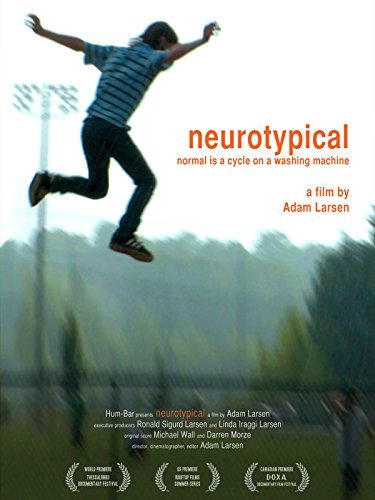
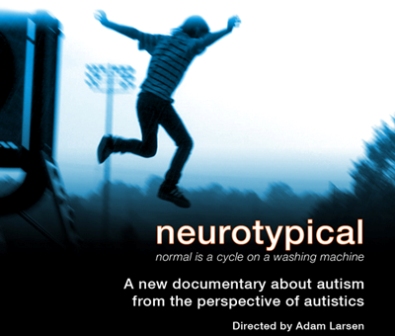
P.O.V. Neurotypical is a 2013 documentary film directed by Adam Larsen.

The film shows perspectives on life from the viewpoint of individuals on the autism spectrum. Neurotypical was shot mostly in North Carolina and Virginia.

Edited from Neurotypical in 2011.

Outline

Neurotypical is an unprecedented exploration of autism from the point of view of autistic people themselves. Four-year-old Violet, teenaged Nicholas and adult Paula occupy different positions on the autism spectrum, but they are all at pivotal moments in their lives. How they and the people around them work out their perceptual and behavioural differences becomes a remarkable reflection of the “neurotypical” world – the world of the non-autistic – revealing inventive adaptations on each side and an emerging critique of both what it means to be normal and what it means to be human.

Cast

  • Wolf Dunaway as himself.
  • Violet as herself.
  • Nicholas as himself.
  • Paula as herself.
  • Maddi as herself.
  • John as himself.

Production & Filming Details

  • Director(s):
    • Adam Larsen.
  • Producer(s):
  • Writer(s):
  • Music:
    • Darren Morze.
    • Michael Wall.
  • Cinematography:
    • Adam Larsen.
  • Editor(s):
    • Adam Larsen.
  • Production:
  • Distributor(s):
    • Janson Media (2013) (USA) (video).
    • Janson Media (2015) (USA) (video).
  • Release Date: 29 July 2013.
  • Running Time: 52 or 57 minutes.
  • Rating: Unknown.
  • Country: US.
  • Language: English.

Neurotypical (2011)

Introduction

Neurotypical is a 2011 documentary film directed by Adam Larsen.

The film shows perspectives on life from the viewpoint of individuals on the autism spectrum. Neurotypical was shot mostly in North Carolina and Virginia.

Edited into P.O.V. Neurotypical in 2013.

Outline

Neurotypical is an unprecedented exploration of autism from the point of view of autistic people themselves. Four-year-old Violet, teenaged Nicholas and adult Paula occupy different positions on the autism spectrum, but they are all at pivotal moments in their lives. How they and the people around them work out their perceptual and behavioural differences becomes a remarkable reflection of the “neurotypical” world – the world of the non-autistic – revealing inventive adaptations on each side and an emerging critique of both what it means to be normal and what it means to be human.

Cast

  • Wolf Dunaway as himself.
  • Violet as herself.
  • Nicholas as himself.
  • Paula as herself.
  • Maddi as herself.
  • John as himself.

Production & Filming Details

  • Director(s):
    • Adam Larsen.
  • Producer(s):
  • Writer(s):
  • Music:
    • Darren Morze.
    • Michael Wall.
  • Cinematography:
    • Adam Larsen.
  • Editor(s):
    • Adam Larsen.
  • Production:
  • Distributor(s):
    • Janson Media (2013) (USA) (video).
    • Janson Media (2015) (USA) (video).
  • Release Date: March 2011 (Thessaloniki Documentary Festival).
  • Running Time: 52 minutes.
  • Rating: Unknown.
  • Country: US.
  • Language: English.

Book: CBT Toolbox for Children and Adolescents

Book Title:

CBT Toolbox for Children and Adolescents: Over 220 Worksheets & Exercises for Trauma, ADHD, Autism, Anxiety, Depression & Conduct Disorders.

Author(s): Lisa Phifer.

Year: 2017.

Edition: First (1st).

Publisher: PESI Publishing & Media.

Type(s): Spiral-bound, Paperback and Kindle.

Synopsis:

The CBT Toolbox for Children and Adolescents gives you the resources to help the children in your life handle their daily obstacles with ease. Inside this workbook you’ll find hundreds of worksheets, exercises, and activities to help treat:

  • Trauma.
  • ADHD.
  • Autism.
  • Anxiety.
  • Depression.
  • Conduct Disorders.

Written by clinicians and teachers with decades of experience working with kids, these practical and easy-to-use therapy tools are vital to teaching children how to cope with and overcome their deepest struggles. Step-by-step, you’ll see how the best strategies from cognitive behavioural therapy are adapted for children.

Book: Camouflage: The Hidden Lives of Autistic Women

Book Title:

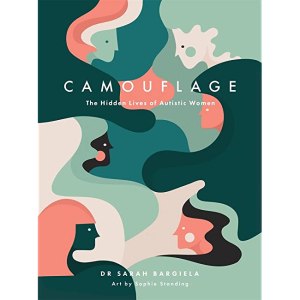
Camouflage: The Hidden Lives of Autistic Women.

Author(s): Dr Sarah Bargiela.

Year: 2019.

Edition: First (1st), Illustrated Edition.

Publisher: Jessica Kingsley Publishers.

Type(s): Hardcover and Kindle.

Synopsis:

Autism in women and girls is still not widely understood, and is often misrepresented or even overlooked. This graphic novel offers an engaging and accessible insight into the lives and minds of autistic women, using real-life case studies.

The charming illustrations lead readers on a visual journey of how women on the spectrum experience everyday life, from metaphors and masking in social situations, to friendships and relationships and the role of special interests.

Fun, sensitive and informative, this is a fantastic resource for anyone who wishes to understand how gender affects autism, and how to create safer supportive and more accessible environments for women on the spectrum.

What is the Gut-Brain Axis?

Introduction

The gut-brain axis is the biochemical signalling that takes place between the gastrointestinal tract (GI tract) and the central nervous system (CNS).

The term “gut-brain axis” is occasionally used to refer to the role of the gut flora in the interplay as well, whereas the term “microbiota–gut–brain (MGB or BGM) axis” explicitly includes the role of gut flora in the biochemical signalling events that take place between the GI tract and CNS.

Broadly defined, the gut-brain axis includes the central nervous system, neuroendocrine and neuroimmune systems, including the hypothalamic-pituitary-adrenal axis (HPA axis), sympathetic and parasympathetic arms of the autonomic nervous system, including the enteric nervous system and the vagus nerve, and the gut microbiota. The first of the brain-gut interactions shown, was the cephalic phase of digestion, in the release of gastric and pancreatic secretions in response to sensory signals, such as the smell and sight of food. This was first demonstrated by Pavlov.

Interest in the field was sparked by a 2004 study showing that germ-free (GF) mice showed an exaggerated HPA axis response to stress compared to non-GF laboratory mice.

As of October 2016, most of the work done on the role of gut flora in the gut-brain axis had been conducted in animals, or on characterising the various neuroactive compounds that gut flora can produce. Studies with humans – measuring variations in gut flora between people with various psychiatric and neurological conditions or when stressed, or measuring effects of various probiotics (dubbed “psychobiotics” in this context) – had generally been small and were just beginning to be generalised. Whether changes to gut flora are a result of disease, a cause of disease, or both in any number of possible feedback loops in the gut–brain axis, remained unclear.

Gut Flora

The gut flora is the complex community of microorganisms that live in the digestive tracts of humans and other animals. The gut metagenome is the aggregate of all the genomes of gut microbiota. The gut is one niche that human microbiota inhabit.

In humans, the gut microbiota has the largest quantity of bacteria and the greatest number of species, compared to other areas of the body. In humans, the gut flora is established at one to two years after birth; by that time, the intestinal epithelium and the intestinal mucosal barrier that it secretes have co-developed in a way that is tolerant to, and even supportive of, the gut flora and that also provides a barrier to pathogenic organisms.

The relationship between gut flora and humans is not merely commensal (a non-harmful coexistence), but rather a mutualistic relationship. Human gut microorganisms benefit the host by collecting the energy from the fermentation of undigested carbohydrates and the subsequent absorption of short-chain fatty acids (SCFAs), acetate, butyrate, and propionate. Intestinal bacteria also play a role in synthesizing vitamin B and vitamin K as well as metabolising bile acids, sterols, and xenobiotics. The systemic importance of the SCFAs and other compounds they produce are like hormones and the gut flora itself appears to function like an endocrine organ; dysregulation of the gut flora has been correlated with a host of inflammatory and autoimmune conditions.

The composition of human gut flora changes over time, when the diet changes, and as overall health changes.

Enteric Nervous System

The enteric nervous system is one of the main divisions of the nervous system and consists of a mesh-like system of neurons that governs the function of the gastrointestinal system; it has been described as a “second brain” for several reasons. The enteric nervous system can operate autonomously. It normally communicates with the central nervous system (CNS) through the parasympathetic (e.g. via the vagus nerve) and sympathetic (e.g. via the prevertebral ganglia) nervous systems. However, vertebrate studies show that when the vagus nerve is severed, the enteric nervous system continues to function.

In vertebrates, the enteric nervous system includes efferent neurons, afferent neurons, and interneurons, all of which make the enteric nervous system capable of carrying reflexes in the absence of CNS input. The sensory neurons report on mechanical and chemical conditions. Through intestinal muscles, the motor neurons control peristalsis and churning of intestinal contents. Other neurons control the secretion of enzymes. The enteric nervous system also makes use of more than 30 neurotransmitters, most of which are identical to the ones found in CNS, such as acetylcholine, dopamine, and serotonin. More than 90% of the body’s serotonin lies in the gut, as well as about 50% of the body’s dopamine; the dual function of these neurotransmitters is an active part of gut-brain research.

The first of the gut-brain interactions was shown to be between the sight and smell of food and the release of gastric secretions, known as the cephalic phase, or cephalic response of digestion.

Gut-Brain Integration

The gut-brain axis, a bidirectional neurohumoral communication system, is important for maintaining homeostasis and is regulated through the central and enteric nervous systems and the neural, endocrine, immune, and metabolic pathways, and especially including the hypothalamic-pituitary-adrenal axis (HPA axis). That term has been expanded to include the role of the gut flora as part of the “microbiome-gut-brain axis”, a linkage of functions including the gut flora.

Interest in the field was sparked by a 2004 study (Nobuyuki Sudo and Yoichi Chida) showing that germ-free mice (genetically homogeneous laboratory mice, birthed and raised in an antiseptic environment) showed an exaggerated HPA axis response to stress, compared to non-GF laboratory mice.

The gut flora can produce a range of neuroactive molecules, such as acetylcholine, catecholamines, γ-aminobutyric acid, histamine, melatonin, and serotonin, which are essential for regulating peristalsis and sensation in the gut. Changes in the composition of the gut flora due to diet, drugs, or disease correlate with changes in levels of circulating cytokines, some of which can affect brain function. The gut flora also release molecules that can directly activate the vagus nerve, which transmits information about the state of the intestines to the brain.

Likewise, chronic or acutely stressful situations activate the hypothalamic-pituitary-adrenal axis, causing changes in the gut flora and intestinal epithelium, and possibly having systemic effects. Additionally, the cholinergic anti-inflammatory pathway, signalling through the vagus nerve, affects the gut epithelium and flora. Hunger and satiety are integrated in the brain, and the presence or absence of food in the gut and types of food present also affect the composition and activity of gut flora.

That said, most of the work that has been done on the role of gut flora in the gut-brain axis has been conducted in animals, including the highly artificial germ-free mice. As of 2016, studies with humans measuring changes to gut flora in response to stress, or measuring effects of various probiotics, have generally been small and cannot be generalised; whether changes to gut flora are a result of disease, a cause of disease, or both in any number of possible feedback loops in the gut-brain axis, remains unclear.

The history of ideas about a relationship between the gut and the mind dates from the nineteenth century. The concepts of dyspepsia and neurasthenia gastrica referred to the influence of the gut on human emotions and thoughts.

Gut-Brain-Skin Axis

A unifying theory that tied gastrointestinal mechanisms to anxiety, depression, and skin conditions such as acne was proposed as early as 1930. In a paper in 1930, it was proposed that emotional states might alter normal intestinal flora which could lead to increased intestinal permeability and therefore contribute to systemic inflammation. Many aspects of this theory have been validated since then. Gut microbiota and oral probiotics have been found to influence systemic inflammation, oxidative stress, glycaemic control, tissue lipid content, and mood.

Research

Probiotics

A 2016 systematic review of laboratory animal studies and preliminary human clinical trials using commercially available strains of probiotic bacteria found that certain species of the Bifidobacterium and Lactobacillus genera (i.e. B. longum, B. breve, B. infantis, L. helveticus, L. rhamnosus, L. plantarum, and L. casei) had the most potential to be useful for certain central nervous system disorders.

Anxiety and Mood Disorders

As of 2018 work on the relationship between gut flora and anxiety disorders and mood disorders, as well as attempts to influence that relationship using probiotics or prebiotics (called “psychobiotics”), was at an early stage, with insufficient evidence to draw conclusions about a causal role for gut flora changes in these conditions, or about the efficacy of any probiotic or prebiotic treatment.

People with anxiety and mood disorders tend to have gastrointestinal problems; small studies have been conducted to compare the gut flora of people with major depressive disorder and healthy people, but those studies have had contradictory results.

Much interest was generated in the potential role of gut flora in anxiety disorders, and more generally in the role of gut flora in the gut-brain axis, by studies published in 2004 showing that germ-free mice have an exaggerated HPA axis response to stress caused by being restrained, which was reversed by colonising their gut with a Bifidobacterium species. Studies looking at maternal separation for rats shows neonatal stress leads to long-term changes in the gut microbiota such as its diversity and composition, which also led to stress and anxiety-like behaviour. Additionally, while much work had been done as of 2016 to characterise various neurotransmitters known to be involved in anxiety and mood disorders that gut flora can produce (for example, Escherichia, Bacillus, and Saccharomyces species can produce noradrenalin; Candida, Streptococcus, and Escherichia species can produce serotonin, etc.) the interrelationships and pathways by which the gut flora might affect anxiety in humans were unclear.

In one study, germ-free mice underwent faecal transplants with microbes from humans with or without major depressive disorder (MDD). Mice with microbes from humans with MDD displayed more behaviours associated with anxiety and depression than mice transplanted with microbes from humans without MDD. The taxonomic composition of microbiota between depressed patients and healthy patients, as well as between the respective mice, also differed. Germ-free mice in another study also displayed behaviours associated with anxiety and depression as compared to mice with normal microbiota, and had higher levels of corticosterone after exposure to behavioural tests. Using rodents in microbiome and mental health studies allows researchers to compare behaviour and microbial composition of rodents to humans, ideally to elucidate therapeutic application for mental disorders.

Additionally, there is a link between the gut microbiome, mood disorders and anxiety, and sleep. The microbial composition of the gut microbiome changes depending on the time of day, meaning that throughout the day, the gut is exposed to varying metabolites produced by the microbes active during that time. These time-dependent microbial changes are associated with differences in the transcription of circadian clock genes involved in circadian rhythm. One mouse study showed that altering clock gene transcription by disrupting circadian rhythm, such as through sleep deprivation, potentially has a direct effect on the composition of the gut microbiome. Another study found that mice that could not produce the CLOCK protein, made by a clock gene, were more likely to develop depression. Stress and sleep disturbances can lead to greater gut mucosal permeability via activation of the HPA axis. This in turn causes immune inflammatory responses that contribute to the development of illnesses that cause depression and anxiety.

Autism

Around 70% of people with autism also have gastrointestinal problems, and autism is often diagnosed at the time that the gut flora becomes established, indicating that there may be a connection between autism and gut flora. Some studies have found differences in the gut flora of children with autism compared with children without autism – most notably elevations in the amount of Clostridium in the stools of children with autism compared with the stools of the children without – but these results have not been consistently replicated. Many of the environmental factors thought to be relevant to the development of autism would also affect the gut flora, leaving open the question of whether specific developments in the gut flora drive the development of autism or whether those developments happen concurrently. As of 2016, studies with probiotics had only been conducted with animals; studies of other dietary changes to treat autism have been inconclusive.

Parkinson’s Disease

As of 2015, one study had been conducted comparing the gut flora of people with Parkinson’s disease to healthy controls; in that study people with Parkinson’s had lower levels of Prevotellaceae and people with Parkinson’s who had higher levels of Enterobacteriaceae had more clinically severe symptoms; the authors of the study drew no conclusions about whether gut flora changes were driving the disease or vice versa.

Book: Avoiding Anxiety in Autistic Children: A Guide for Autistic Wellbeing

Book Title:

Avoiding Anxiety in Autistic Children: A Guide for Autistic Wellbeing.

Author(s): Luke Beardon.

Year: 2020.

Edition: First (1st)

Publisher: Sheldon Press.

Type(s): Paperback and Kindle.

Synopsis:

One of the biggest challenges for the parent of any autistic child is how best to support and guide them through the situations in life which might cause them greater stress, anxiety and worry than if they were neurotypical.

Dr Luke Beardon has put together an optimistic, upbeat and readable guide that will be essential reading for any parent to an autistic child, whether they are of preschool age or teenagers. Emphasising that autism is not behaviour, but at the same time acknowledging that there are risks of increased anxiety specific to autism, this practical book gives insight into the nature of the anxiety experienced by autistic people, as well as covering every likely situation in which your child might feel anxious or worried. It will help you to prepare your child for school, to monitor their anxiety around school, and also to be informed about the educational choices available to your child. It will give you support to help make breaktimes less stressful for them and how to help them navigate things like eating at school and out of the house.

Educationally, this book will take you and your child right up to the point of taking exams and leaving school; socially and emotionally it will cover all the challenges from bullying, friendships, relationships, puberty and sex education. It will give suggestions for alternatives in the scenarios that might cause anxiety or confusion in your child; it will also give a full understanding of your child’s sensory responses and such behaviours as masking, or echopraxia.

As the parent of an autistic child, you may find their path to adulthood different to the one you had expected to take, but as this book makes clear, autism should be celebrated and affirmed. Avoiding Anxiety in Autistic Children helps you to do just that, with practical strategies that will help happiness, not anxiety, remain the over-riding emotion that colours your child’s memories of their early years.

Book: Women and Girls with Autism Spectrum Disorder: Understanding Life Experiences from Early Childhood to Old Age

Book Title:

Women and Girls with Autism Spectrum Disorder: Understanding Life Experiences from Early Childhood to Old Age.

Author(s): Sarah Hendrickx.

Year: 2015.

Edition: First (1st)

Publisher: Jessica Kingsley Publishers.

Type(s): Paperback and Kindle.

Synopsis:

The difference that being female makes to the diagnosis, life and experiences of a person with an Autism Spectrum Disorder (ASD) has largely gone unresearched and unreported until recently. In this book Sarah Hendrickx has collected both academic research and personal stories about girls and women on the autism spectrum to present a picture of their feelings, thoughts and experiences at each stage of their lives.

Outlining how autism presents differently and can hide itself in females and what the likely impact will be for them throughout their lifespan, the book looks at how females with ASD experience diagnosis, childhood, education, adolescence, friendships, sexuality, employment, pregnancy and parenting, and aging. It will provide invaluable guidance for the professionals who support these girls and women and it will offer women with autism a guiding light in interpreting and understanding their own life experiences through the experiences of others.