Book: Never Let Go: How to Parent Your Child Through Mental Illness

Book Title:

Never Let Go: How to Parent Your Child Through Mental Illness.

Author(s): Suzanne Alderson.

Year: 2020.

Edition: First (1st).

Publisher: Vermilion.

Type(s): Paperback, Audiobook, and Kindle.

Synopsis:

How to help your child with mental illness through partnering, not parenting.

Never Let Go is a supportive and practical guide for parents looking after a child with a mental illness. Suzanne Alderson understands the agonising struggle of bringing a child back from the brink of suicide, having spent three years supporting her own daughter through recovery. Her method of ‘partnering, not parenting’ has now helped thousands of other parents through her charity, Parenting Mental Health.

Combining Suzanne’s honest personal experience with expert input from psychologists, this book provides parents with the methods and knowledge they need to support, shield and strengthen their child as they progress towards recovery. Chapters include a background to the mental health epidemic, why a new method of parenting is crucial, how to change your thinking about mental health and practical advice on solutions to daily problems including accepting the new normal, dealing with others, and looking after yourself as well as your child.

Book: Lucy’s Blue Day

Book Title:

Lucy’s Blue Day: Children’s Mental Health Book.

Author(s): Christopher Duke (Author) and Federica Bartolini (Illustrator).

Year: 2019.

Edition: First (1st).

Publisher: Independently Published.

Type(s): Paperback.

Synopsis:

Lucy is a very special little girl with magical hair.

It changes colour with her emotions. If she is feeling happy, it is purple. If she is jealous, it will turn green.

This charming story is the tale of when Lucy wakes up and her hair is blue, and she does not understand why.

She soon learns that it is #OKNotToBeOK

Book: Mental Health and Well-being in Primary Education

Book Title:

Mental Health and Well-being in Primary Education: A Practical Guide and Resource.

Author(s): Laura Meek, Jo Phillips, and Sarah Jordan.

Year: 2020.

Edition: First (1st).

Publisher: Luminate.

Type(s): Paperback and Kindle.

Synopsis:

Good mental health is much more than the absence of mental illness – it also means having self-belief and the resilience to cope with stress and change. In order to teach such skills, teachers and other education professionals must equip themselves and their workplaces with the procedures, understanding and confidence required to monitor mental health, share concepts effectively, identify warning signs and act appropriately if issues arise.

Written by an author team combining clinical and teaching expertise, Mental Health and Wellbeing in Primary Education puts all the information you need at your fingertips with detailed guidance on creating a culture of wellbeing, overviews of how a wide variety of common mental health problems including anxiety, anger and ADHD are typically diagnosed and managed, warning signs to look out for, and a range of ready-made forms, exercises and lesson plans.

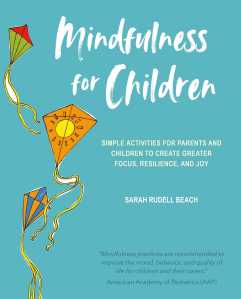
Book: Mindfulness for Children

Book Title:

Mindfulness for Children: Simple Activities for Parents and Children to Create Greater Focus, Resilience, and Joy.

Author(s): Sarah Rudell Beach.

Year: 2020.

Edition: First (1st).

Publisher: CICO Books.

Type(s): Paperback and Kindle.

Synopsis:

Simple and fun mindfulness activities to do with children up to age 11 to build beneficial life-long skills that promote resilience, joy, focus, and calm, and improve overall wellbeing.

Helping children to be more mindful is a powerful gift. By being mindful they will learn to recognize and manage their emotions, be more able to calm down when they are upset, become better at focusing on important tasks, and more able to interact with others with empathy and generosity. These are fundamental skills that children will need throughout their life, but that they often aren’t taught explicitly. Think of how often we demand that children “pay attention” or “calm down”, without ever having shown them how to do so. Now parents can with mindfulness expert Sarah Rudell Beach. Parents first learn how to be more mindful themselves before teaching their children basic mindfulness skills. With easy-to-follow activities, chapter by chapter children learn to Soothe, Focus, Feel, Pause, Appreciate, and Connect. Each activity includes variations for different age groups, along with “emergency” how-to’s for particularly stressful moments.

What are the Incidence Rates of Treated Mental Disorders in Childhood & Adolescence?

Research Paper Title

Incidence Rates of Treated Mental Disorders in Childhood and Adolescence in a Complete Nationwide Birth Cohort.

Background

To investigate incidences, cumulative incidence rates, and risk factors of diagnosed mental disorders in a complete nationwide birth cohort across the entire period of childhood and adolescence.

Methods

Based on nationwide Danish registries, the entire cohort of all children born in 1995 was followed up to 31 December 2013. Data for children who migrated during the period were censored in the time analyses, and death before age 18 years was considered a competing risk. Incidence rates and cumulative incidence rates for any first-time-diagnosed mental disorder and 10 major categories of mental disorders according to ICD-10 criteria were calculated for 68,982 individuals. In addition, the effects of age, sex, and further child- and family-related risk factors on mental disorders were analysed.

Results

The incidences of any mental disorder, substance use disorders, depression, and anxiety disorders showed an increase in adolescence, whereas those for autism spectrum disorders, attention-deficit/hyperactivity disorder, conduct disorder, and tic disorder increased during childhood and decreased thereafter. Males had higher incidence rates of any mental disorders, substance use disorders, autism spectrum disorders, ADHD, conduct disorder, and tic disorder. Females had higher risks for depressive, anxiety, obsessive-compulsive, and eating disorders. Several other risk and protective factors for any mental disorder were identified. The cumulative incidence rate at age 18 years amounted to 11.02% for any mental disorder.

Conclusions

These findings provide the most comprehensive estimates of the development, incidence rates, and contributing risk factors of registered mental disorders for the entire period of childhood and adolescence that have been calculated so far.

Reference

Steinhausen, H-C. & Jakobsen, H. (2020) Incidence Rates of Treated Mental Disorders in Childhood and Adolescence in a Complete Nationwide Birth Cohort. The Journal of Clinical Psychiatry. 80(3):17m12012. doi: 10.4088/JCP.17m12012.

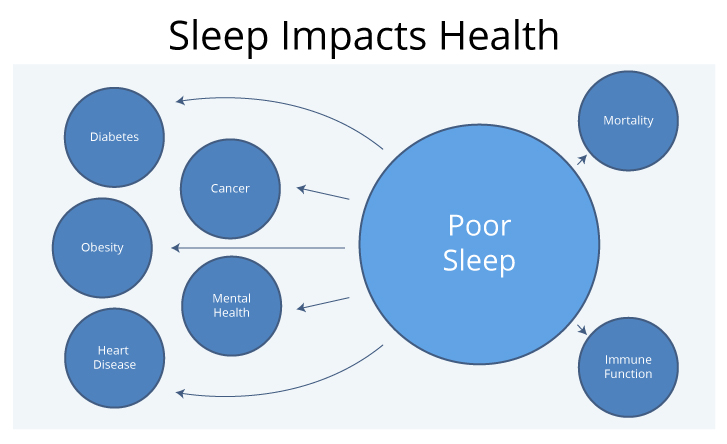
Reviewing Sleep & Mental Disorders in Childhood & Adolescence

Research Paper Title

Review: Sleep and mental disorders in childhood and adolescence.

Background

Sleep problems and disorders are common in childhood and adolescence.

This review aims to throw light on the relationship between sleep problems and mental disorders in childhood and adolescence.

Sleep problems and disorders appear to be risk factors for mental disorders as comorbidities, as symptoms, and as effects of mental disorders.

Frequently, there is an interaction between sleep behaviour and psychopathology so that sleep problems contribute to the intensity and maintenance of mental disorders.

This bidirectional association is observed in early childhood as well as in school-aged children and in adolescents.

Many studies show that this association has a long-term nature beyond child development.

Both environmental and genetic factors seem to play a role in the development and maintenance of the relationship between sleep problems and mental disorders.

Various research articles show that treatment of mental disorders and treatment of sleep disorders influence each other in a positive way.

Therefore, it is strongly advised to consider sleep problems in diagnosis and treatment but also in prevention of mental disorders.

Reference

Schnatschmidt, M. & Schlarb, A. (2020) Review: Sleep and mental disorders in childhood and adolescence. Zeitschrift fur Kinder- und Jugendpsychiatrie und Psychotherapie. 46(5), pp.368-381. doi: 10.1024/1422-4917/a000605. Epub 2018 Jul 27.

Is there a Link between Maternal Depression & Child Mental Health?

Research Paper Title

Prevalence of mental health problems in preschoolers and the impact of maternal depression.

Background

A large number of children of depressed mothers have one or more mental disorders.

This study aimed to evaluate the impact of maternal depression on the mental health of 4-5-year-old children of adolescent mothers, according to the hypotheses generated from the model of accumulation.

Methods

Between October 2009 and March 2011, all pregnant adolescents who received prenatal care from the public health system in Pelotas (southern Brazil) were invited to participate in the study and have been prospectively followed.

Of these individuals, 413 participants were evaluated in the postpartum period and when the child was 2-3 years old and 4-5 years old (current stage).

The Strengths and Difficulties Questionnaire was used to assess mental health problems in children, and the Mini International Neuropsychiatric Interview (MINI)-Plus version was used to assess maternal depression.

The researchers applied a structured modelling approach to examine the relations between three different hypothesized life course models (accumulation, critical period, and mobility) and maternal depression.

After selecting the most appropriate model, they used a logistic regression analysis to assess the effect of depression on mental health problems in 4-5-year-old children of adolescent mothers. They also used the Chi square test to estimate the prevalence of mental health problems in 4-5-year-old children.

Results

The longer the time of exposure to maternal depression, the greater the probability that the child would present behavioural problems.

Conclusions

Investments in strategies to prevent mental disorders beginning in the gestational period are important.

Reference

Pires, A.J., de Matos, M.B., Scholl, C.C., Trettim, J.P., Coelho, F.T., da Cunha Coelho, F.M., Pinheiro, K.A.T., Pinheiro, R.T. & Queveedo, L. (2020) Prevalence of mental health problems in preschoolers and the impact of maternal depression. European Child & Adolescent Psychiatry. 29(5), pp.605-616. doi: 10.1007/s00787-019-01381-x. Epub 2019 Aug 7.

Can Participation in HIIT Improve Cognitive Function & Mental Health in Children & Adolescents?

Research Paper Title

Review of High-Intensity Interval Training for Cognitive and Mental Health in Youth.

Background

High-intensity interval training (HIIT) has emerged as a time-efficient strategy to improve children’s and adolescents’ health-related fitness in comparison to traditional training methods. However, little is known regarding the effects on cognitive function and mental health.

Therefore, the aim of this systematic review was to evaluate the effect of HIIT on cognitive function (basic information processing, executive function) and mental health (well-being, ill-being) outcomes for children and adolescents.

Methods

A systematic search was conducted, and studies were eligible if they:

  1. Included a HIIT protocol;
  2. Examined cognitive function or mental health outcomes; and
  3. Examined children or adolescents (5-18 years) old.

Separate meta-analyses were conducted for acute and chronic studies, with potential moderators (i.e. study duration, risk of bias, participant age, cognitive demand, and study population) also explored.

Results

A total of 22 studies were included in the review. In acute studies, small to moderate effects were found for executive function (standardised mean difference [SMD], 0.50, 95% confidence interval [CI], 0.03-0.98; P = 0.038) and affect (SMD, 0.33; 95% CI, 0.05-0.62; P = 0.020), respectively. For chronic studies, small significant effects were found for executive function (SMD, 0.31; 95% CI, 0.15-0.76, P < 0.001), well-being (SMD, 0.22; 95% CI, 0.02-0.41; P = 0.029), and ill-being (SMD, -0.35; 95% CI, -0.68 to -0.03; P = 0.035).

Conclusions

The review provides preliminary review evidence suggesting that participation in HIIT can improve cognitive function and mental health in children and adolescents.

Because of the small number of studies and large heterogeneity, more high-quality research is needed to confirm these findings.

Reference

Leahy, A.A., Mavilidi, M.F., Smith, J.J., Hillman, C.H., Eather, N., Barker, D. & Lubans, D.R. (2020) Review of High-Intensity Interval Training for Cognitive and Mental Health in Youth.

Is there a Relationship between Diet & Mental Health in Children & Adolescents?

Research Paper Title

Relationship between diet and mental health in children and adolescents: a systematic review.

Background

The researchers systematically reviewed 12 epidemiological studies to determine whether an association exists between diet quality and patterns and mental health in children and adolescents; 9 explored the relationship using diet as the exposure, and 3 used mental health as the exposure.

They found evidence of a significant, cross-sectional relationship between unhealthy dietary patterns and poorer mental health in children and adolescents.

They observed a consistent trend for the relationship between good-quality diet and better mental health and some evidence for the reverse.

When including only the 7 studies deemed to be of high methodological quality, all but 1 of these trends remained.

Findings highlight the potential importance of the relationship between dietary patterns or quality and mental health early in the life span.

Reference

O’Neil, A., Quirk, S.E., Housden, S.E.Q., Brennan, S.L., Williams, L.J., Pasco, J.A., Berk. M. & Jacka, F.N. (2020) Relationship between diet and mental health in children and adolescents: a systematic review. American Journal of Public Health. 104(10), pp.e31-42. doi: 10.2105/AJPH.2014.302110.

What is the Association between PTSD & Cancer?

Research Paper Title

Post-Traumatic Stress Symptoms among Lithuanian Parents Raising Children with Cancer.

Background

The study aims to evaluate post-traumatic stress symptom expression among Lithuanian parents raising children with cancer, including social, demographic, and medical factors, and to determine their significance for the risk of developing post-traumatic stress disorder.

Methods

The study was carried out in two major Lithuanian hospitals treating children with oncologic diseases. The cross-sectional study included 195 parents, out of which 151 were mothers (77.4%) and 44 were fathers (22.6%). Post-traumatic stress symptoms were assessed using the Impact of Event Scale-Revised. To collect the sociodemographic, childhood cancer, and treatment data, we developed a questionnaire that was completed by the parents. Main study results were obtained using multiple linear regression.

Results

A total of 75.4% of parents caring for children with cancer had pronounced symptoms of post-traumatic stress disorder. The female gender (β = 0.83, p < 0.001) was associated with an increased manifestation of symptoms, whilst higher parental education (β = -0.21, p = 0.034) and the absence of relapse (β = -0.48, p < 0.001) of the child’s disease reduced post-traumatic stress symptom expression.

Conclusions

Obtained results confirmed that experiencing a child’s cancer diagnosis and treatment is extremely stressful for many parents. This event may lead to impaired mental health and increased post-traumatic stress disorder (PTSD) risk; hence, it is necessary to provide better support and assistance to parents of children with cancer.

Reference

Baniene, I. & Zemaitiene, N. (2020) Post-Traumatic Stress Symptoms among Lithuanian Parents Raising Children with Cancer. Children (Basel, Switzerland). 7(9), pp.116. doi: 10.3390/children7090116.