Can Emotional Responses to Stressors in Everyday Life Predict Long-Term Trajectories of Depressive Symptoms?

Research Paper Title

Emotional Responses to Stressors in Everyday Life Predict Long-Term Trajectories of Depressive Symptoms.

Background

Individuals’ emotional responses to stressors in everyday life are associated with long-term physical and mental health. Among many possible risk factors, the stressor-related emotional responses may play an important role in future development of depressive symptoms.

The current study examined how individuals’ positive and negative emotional responses to everyday stressors predicted their subsequent changes in depressive symptoms over 18 months.

Methods

Using an ecological momentary assessment approach, participants (n = 176) reported stressor exposure, positive affect (PA), and negative affect (NA) five times a day for 1 week (n = 5,483 observations) and provided longitudinal reports of depressive symptoms over the subsequent 18 months.

A multivariate multilevel latent growth curve model was used to directly link the fluctuations in emotions in response to momentary stressors in everyday life with the long-term trajectory of depressive symptoms.

Results

Adults who demonstrated a greater difference in stressor-related PA (i.e., relatively lower PA on stressor vs. nonstressor moments) reported larger increases in depressive symptoms over 18 months.

Those with greater NA responses to everyday stressors (i.e., relatively higher NA on stressor vs. nonstressor moments), however, did not exhibit differential long-term changes in depressive symptoms.

Conclusions

Adults showed a pattern consistent with both PA and NA responses to stressors in everyday life, but only the stressor-related changes in PA (but not in NA) predicted the growth of depressive symptoms over time.

These findings highlight the important-but often overlooked-role of positive emotional responses to everyday stressors in long-term mental health.

Reference

Zhaoyang, R., Scott, S.B., Smyth, J.M., Kang, J.E. & Sliwinski, M.J. (2019) Emotional Responses to Stressors in Everyday Life Predict Long-Term Trajectories of Depressive Symptoms. Annals of Behavioral Medicine. pii: kaz057. doi: 10.1093/abm/kaz057. [Epub ahead of print].

Could Light Therapy Help Relieve the Symptoms of Perinatal Depression?

Research suggests that women with perinatal depression appear to have altered circadian rhythms, and using light to reset the body clock seems to improve their symptoms.

Our bodies run on internal clocks that are regulated by a suite of genes. In concert with light, they wake us up in the morning and leave us sleepy by night-time.

People with severe depression tend to have disrupted circadian rhythms, experiencing daytime sleepiness and night-time insomnia.

Research has found higher activity in some circadian genes in people with the condition.

Perinatal depression – which occurs during and after pregnancy – seems to be similar.

Women tend to get less sleep when they are pregnant, particularly if they have perinatal depression.

To find out if circadian genes might play a role, Massimiliano and colleagues (2019) analysed seven genes in 44 women in the third trimester of pregnancy. Thirty of the women were diagnosed with perinatal depression.

By looking at whether epigenetic tags, called methyl groups, were attached to the genes, the researchers could tell how active these genes were.

They found that three circadian genes were more active and one was less active in the women who had been diagnosed with depression. They also found that the more methyl groups there were, the more severe a woman’s symptoms were likely to be.

This suggests that the greater the difference in circadian gene activity, the more likely a woman is to experience symptoms of depression, say the researchers.

Other (unpublished) research by Katherine Sharkey, Brown University in Rhode Island, has found that using a light box to mimic natural daylight improves the symptoms of perinatal depression. In this small trial of 44 women with the condition, sharkey found that those given a light box and sleep routine alongside routine treatment saw their symptoms improve. Although all the women got better, the women given a circadian intervention did better than those without.

The evidence is not yet strong enough to recommend the treatment more widely, but there is evidence that a good sleep routine and outdoor exposure to sunlight is beneficial for mental health. For example, in a typical office space, the light level is 300 to 400 lux, but on a bright, sunny day, outside can be 50,000 lux.

References

Buoli, M., Grassi, S., Iodice, S., Carnevali, G.S., Esposito, C.M., Tarantini, L., Barkin, J.L. & Bollati, V. (2019) The Role of Clock Genes in Perinatal Depression: THe Light in the Darkness. Acta Psychiatrica Scandinavica. 140(4), pp.382-384. https://doi.org/10.1111/acps.13084.

Hamezlou, J. (2019) Light Therapy May Help Relieve Symptoms of Perinatal Depression. New Scientist. 21 September 2019, pp.15.

Traditional to Alternative Antidepressants

“How has your field of study changed in the time you have been working in it?

I’m intrigued to see the shift away from “traditional” depression and antidepressant models and a move towards alternatives, like ketamine-based antidepressants.”

Dave Burnett, a neuroscientist, speaking in the New Scientist.

Reference

Burnett, D. (2019) The Back Pages: The Q&A. New Scientist. 14 September 2019, pp.56.

Sickness: In the Mind or Gut?

“Remember the last time you had a stomach bug and just wanted to crawl into bed and pull up the covers?

That is called “sickness behaviour” and it is a kind of short-term depression.

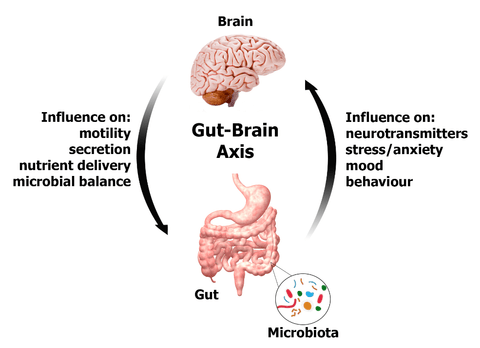
The bacteria infecting you aren’t just making you feel nauseous, they are controlling your mood too.

It sounds absurd: they are in your gut and your feelings are generated in your brain.

In fact, this is just an inkling of the power that microbes have over our emotions.

In recent years, such organisms in the gut have been implicated in a range of conditions that affect mood, especially depression and anxiety.

The good news is that bacteria don’t just make you feel low; the right ones can also improve your mood.

That has an intriguing implication: one day we may be able to manipulate the microbes living within our gut to change our mood and feelings.

It is early days, but the promise is astounding.

The World Health Organization rates depression and anxiety as the number one cause of disability, affecting at least 300 million people worldwide.

The new findings challenge the whole paradigm of mental illness being caused by a chemical imbalance in the brain, and offer an alternative to drug treatment.

You’ve probably heard of probiotics, but these are their new incarnation – psychobiotics. They could be about to change the mood of the planet.” (Anderson, 2019, p.34).

Reference

Anderson, S. (2019) The Pyschobiotic Revolution. New Scientist. 07 September 2019.

The Effects of Childhood Trauma on Increased Cortisol Levels in Patients with Glucocorticoid Resistance

Research Paper Title

Childhood Trauma, HPA Axis Activity and Antidepressant Response in Patients with Depression.

Background

Childhood trauma is among the most potent contributing risk factors for depression and is associated with poor treatment response.

Hypothalamic-pituitary-adrenal (HPA) axis abnormalities have been linked to both childhood trauma and depression, but the underlying mechanisms are poorly understood.

The present study aimed to investigate the link between childhood trauma, HPA axis activity and antidepressant response in patients with depression.

Methods

As part of the Wellcome Trust NIMA consortium, 163 depressed patients and 55 healthy volunteers were included in this study.

Adult patients meeting Structured Clinical Interview for Diagnostic and Statistical Manual Version-5 criteria for major depression were categorised into subgroups of treatment responder (n=42), treatment non-responder (n=80) and untreated depressed (n=41) based on current depressive symptom severity measured by the 17-item Hamilton Rating Scale for Depression and exposure to antidepressant medications established by Antidepressant Treatment Response Questionnaire. Childhood Trauma Questionnaire was obtained.

Baseline serum C-reactive protein was measured using turbidimetric detection. Salivary cortisol was analysed at multiple time points during the day using the ELISA technique. Glucocorticoid resistance was defined as the coexistence of hypercortisolemia and inflammation.

Results

The results show that treatment non-responder patients had higher exposure to childhood trauma than responders.

No specific HPA axis abnormalities were found in treatment non-responder depressed patients.

Untreated depressed showed increased diurnal cortisol levels compared with patients on antidepressant medication, and higher prevalence of glucocorticoid resistance than medicated patients and controls.

The severity of childhood trauma was associated with increased diurnal cortisol levels only in individuals with glucocorticoid resistance.

Conclusions

The researchers argue their findings suggest that the severity of childhood trauma experience contributes to a lack of response to antidepressant treatment.

The effects of childhood trauma on increased cortisol levels are specifically evident in patients with glucocorticoid resistance and suggest glucocorticoid resistance as a target for the development of personalised treatment for a subgroup of depressed patients with a history of childhood trauma rather than for all patients with resistance to antidepressant treatment.

Reference

Nikkheslat, N., McLaughlin, A.P., Hastings, C., Zajkowska, Z., Nettis, M.A., Mariani, N., Enache, D., Lombardo, G., Pointon, L., Cowen, P.J., Cavanagh, J., Harrison, N.A., Bullmore, E.T., Pariante, C.M., Mondelli, V. & NIMA Consortium. (2019) Childhood Trauma, HPA Axis Activity and Antidepressant Response in Patients with Depression. Brain, Behavior, and Immunity. pii: S0889-1591(19)30702-0. doi: 10.1016/j.bbi.2019.11.024. [Epub ahead of print].

Comparing the Effectiveness of Prompt Mental Health Care to Treatment as Usual

Research Paper Title

Effectiveness of Prompt Mental Health Care, the Norwegian Version of Improving Access to Psychological Therapies: A Randomized Controlled Trial.

Background

The innovative treatment model Improving Access to Psychological Therapies (IAPT) and its Norwegian adaptation, Prompt Mental Health Care (PMHC), have been evaluated by cohort studies only. Albeit yielding promising results, the extent to which these are attributable to the treatment thus remains unsettled.

Therefore the objective of this research was to investigate the effectiveness of the PMHC treatment compared to treatment as usual (TAU) at 6-month follow-up.

Methods

A randomised controlled trial with parallel assignment was performed in two PMHC sites (Sandnes and Kristiansand) and enrolled clients between November 9, 2015 and August 31, 2017. Participants were 681 adults (aged ≥18 years) considered for admission to PMHC due to anxiety and/or mild to moderate depression (Patient Health Questionnaire [PHQ-9]/Generalised Anxiety Disorder scale [GAD-7] scores above cutoff). These were randomly assigned (70:30 ratio; n = 463 to PMHC, n = 218 to TAU) with simple randomisation within each site with no further constraints. The main outcomes were recovery rates and changes in symptoms of depression (PHQ-9) and anxiety (GAD-7) between baseline and follow-up. Primary outcome data were available for 73/67% in PMHC/TAU. Sensitivity analyses based on observed patterns of missingness were also conducted. Secondary outcomes were work participation, functional status, health-related quality of life, and mental well-being.

Results

A reliable recovery rate of 58.5% was observed in the PMHC group and of 31.9% in the TAU group, equalling a between-group effect size of 0.61 (95% CI 0.37 to 0.85, p < 0.001). The differences in degree of improvement between PMHC and TAU yielded an effect size of -0.88 (95% CI -1.23 to -0.43, p < 0.001) for PHQ-9 and -0.60 (95% CI -0.90 to -0.30, p < 0.001) for GAD-7 in favour of PMHC. All sensitivity analyses pointed in the same direction, with small variations in point estimates. Findings were slightly more robust for depressive than anxiety symptoms. PMHC was also more effective than TAU in improving all secondary outcomes, except for work participation (z = 0.415, p = 0.69).

Conclusions

The PMHC treatment was substantially more effective than TAU in alleviating the burden of anxiety and depression. This adaptation of IAPT is considered a viable supplement to existing health services to increase access to effective treatment for adults who suffer from anxiety and mild to moderate depression. A potential effect on work participation needs further examination.

Reference

Knapstad, M., Lervik, L.V., Sæther, S.M.M., Aarø, L.E. & Smith, O.R.F. (2019) Effectiveness of Prompt Mental Health Care, the Norwegian Version of Improving Access to Psychological Therapies: A Randomized Controlled Trial. Psychotherapy and Psychosomatics. 1-16. doi: 10.1159/000504453. [Epub ahead of print].

Exercise for Mental Health

1.0 Introduction

“Lifestyle modifications can assume especially great importance in individuals with serious mental illness. Many of these individuals are at a high risk of chronic diseases associated with sedentary behavior and medication side effects, including diabetes, hyperlipidemia, and cardiovascular disease. An essential component of lifestyle modification is exercise. The importance of exercise is not adequately understood or appreciated by patients and mental health professionals alike. Evidence has suggested that exercise may be an often-neglected intervention in mental health care.” (Sharma, Madaaan & Petty, 2006).

This article provides an overview of exercise for mental health.

It is now a well-known ‘secret’ that exercise (and, let us not forget, physical activity) has an important part to play in both our physical health and mental health.

I think we can safely state that you (the reader) almost certainly already know that an inactive lifestyle contributes to chronic miseries such as obesity, diabetes, heart disease, cancer, osteoporosis, and an earlier death. You may also be one of the third of people who have resolved to exercise more (well, maybe get Christmas out the way first!).

However, how often do people consider the contribution of physical exercise to their mental health? And, with an expected rise in the number of people with mental health issues, it is more important than ever to extol the benefits of exercise.

“It is estimated there will be nearly 8 million more adults in the UK by 2030. If prevalence rates for mental disorders stay the same (at around one in four), that is some 2 million more adults with mental health problems than today. It is also estimated that there will be one million more children and young people in the UK by 2030. Again, if prevalence rates for mental disorders stay the same (at around one in ten), that is some 100,000 more children and young people with mental health problems than today.” (Mental Health Foundation, 2013, p.2).

Exercising releases natural chemicals, such as serotonin, dopamine and endorphins into the body, which help to boost mood. High levels of serotonin are linked to elevated mood while low levels are associated with depression. Exercise can also help reduce the amount of harmful chemicals in the body that are produced when an individual is stressed.

2.0 Benefits of Exercise

In simple terms, exercise provides a variety of short- and long-term, and obvious and less obvious, benefits.

  • Exercising benefits nearly all aspects of a person’s health (CDC, 2019) – In addition to aiding control weight, it can improve the chances of living longer, maintaining/improving the strength of bones and muscles, and an individual’s mental health.
  • When an individual does not get enough exercise, they are at increased risk for health problems – these include cardiovascular disease, high blood pressure (hypertension), type 2 diabetes, some cancers, and metabolic syndrome (CDC, 2019).
  • Exercise also increases a variety of substances that play an important role in brain function (Section 4.0).
  • Exercise can help prevent (certain) mental illnesses and is an important part of treatment.

Exercise is well-known to stimulate the body to produce our natural feel-good hormones which can make problems seem more manageable.

The simple act of focusing on exercise can give an individual a break from current concerns and damaging self-talk. Further, depending on the activity, individuals may benefit from calming exercises, be energised, and get outside or interact with others, all of which are known to improve mood and general health.

With this in mind, the health benefits from regular exercise that should be emphasised and reinforced by every professional (e.g. mental health, medical, nursing, physiotherapist, fitness/exercise) to individuals include:

  • Improved sleep;
  • Increased interest in sex;
  • Better endurance;
  • Stress relief;
  • Improvement in mood;
  • Increased energy and stamina;
  • Reduced tiredness that can increase mental alertness;
  • Weight reduction;
  • Reduced cholesterol; and
  • Improved cardiovascular fitness.

2.1 What is the Importance of Exercise for those with Mental Health Problems?

Having a mental health problem can put an individual at a higher risk of developing a serious physical health problem. For example, individuals with mental health problems are:

  • Twice as likely to die from heart disease (Harris & Barraclough, 1998).
  • Four times as likely to die from respiratory disease (Phelan et al., 2001).
  • On average, likely to die between 10 and 17 years earlier than the general population, if they have schizophrenia or bipolar disorder.
    • This may be due to a number of factors including poor diet, exercise and social conditions. People may also be slower to seek help, and doctors can sometimes fail to spot physical health problems in people with severe mental health problems.

3.0 Linking Physical Health and Mental Health

It is still very common for physical health and mental health, aka mind and body, to be treated separately (both medically and in general), although attitudes are slowly changing.

There is an increasing pool of evidence that suggests that exercise is not only necessary for the maintenance of good mental health, but it can be used to treat even chronic mental illness.

For example, it is now clear that exercise reduces the likelihood of depression and also maintains mental health as people age. On the treatment side, exercise appears to be as good as existing pharmacological interventions across a range of conditions, such as mild to moderate depression, dementia, and anxiety, and even reduces cognitive issues in schizophrenia.

The question you might now be asking is, how?

3.1 Exercise directly affects the Brain

Aerobic exercises (such as jogging, swimming, cycling, walking, gardening, and dancing) have been proved to reduce anxiety and depression (Guzszkowska, 2004). These improvements in mood are proposed to be caused by exercise-induced increase in blood circulation to the brain and by an influence on the hypothalamic-pituitaryadrenal (HPA) axis and, thus, on the physiologic reactivity to stress (Guszkowska, 2004). It has been suggested that this physiologic influence is probably mediated by the communication of the HPA axis with several regions of the brain, including:

  • The limbic system, which controls motivation and mood;
  • The amygdala, which generates fear in response to stress; and
  • The hippocampus, which plays an important part in memory formation as well as in mood and motivation.

However, it is important to note that other hypotheses that have been proposed to explain the beneficial effects of physical activity on mental health which include (Peluso & Andrade, 2005):

  • Distraction;
  • Self-efficacy; and
  • Social interaction.

In 2017, Firth and colleagues suggested that regular exercise increases the volume of certain brain regions – in part through:

  1. Better blood supply that improves neuronal health by improving the delivery of oxygen and nutrients; and
  2. An increase in neurotrophic factors and neurohormones that support neuron signaling, growth, and connections.

They also stated that of critical importance for mental health is the hippocampus (an area of the brain involved in memory, emotion regulation, and learning). Studies in other animals show convincingly that exercise leads to the creation of new hippocampal neurons (neurogenesis), with preliminary evidence suggesting this is also true in humans.

“Aerobic exercise interventions may be useful for preventing age-related hippocampal deterioration and maintaining neuronal health.” (Firth et al., 2017, p.230).

There is an accumulating evidence base that various mental health conditions are associated with reduced neurogenesis in the hippocampus.

The evidence is particularly strong for depression and, interestingly, many anti-depressants – that were once thought to work through their effects on the serotonin system – are now known to increase neurogenesis (Anacker et al., 2011) in the hippocampus.

Serotonin or 5-hydroxytryptamine is a monoamine neurotransmitter. It has a popular image as a contributor to feelings of well-being and happiness, though its actual biological function is complex and multifaceted, modulating cognition, reward, learning, memory, and numerous physiological processes. It sends signals between nerve cells. Serotonin is found mostly in the digestive system, although it is also in blood platelets and throughout the central nervous system. Serotonin is made from the essential amino acid tryptophan.

3.2 What does this Mean in Theory?

Theories suggest that newborn hippocampal neurons are likely to be particularly important for storing new memories and keeping old and new memories separate and distinct – Meaning neurogenesis allows a healthy level of flexibility in the use of existing memories, and in the flexible processing of new information.

Frequently, mental ill health is characterised by a cognitive inflexibility that:

  • Keeps the individual repeating unhelpful behaviours;
  • Restricts their ability to process or even acknowledge new information; and
  • Reduces their ability to use what they already know to see new solutions or to change.

Consequently, this suggests that it is plausible that exercise leads to better mental health, in general, through its effects on systems that increase the capacity for mental flexibility.

4.0 Substances that Play an Important Role in Brain Function

  • BDNF (brain derived neurotrophic factor) is a protein that creates and protects neurons (nerve cells) in the brain helps these cells to transmit messages more efficiently, and regulates depression-like behaviours (Vithlani et al., 2013; Sleiman et al., 2016).
  • Endorphins are a type of chemical messenger (neurotransmitter) that is released when we experience stress or pain to reduce their negative effects and increase pleasure throughout the body (Bortz, Angwin & Mefford, 1981).
    • Endorphins are also responsible for the euphoric feeling known as a “runner’s high” that happens after long periods of intense exercise.
  • Serotonin is another neurotransmitter that increases during exercise. It plays a role in sending messages about appetite, sleep, and mood (Young, 2007).
    • It is the target of medications known as SSRIs or SNRIs, which are used to treat anxiety and depression.
  • Dopamine is involved in controlling movement and the body’s reward response system. Due to its role in how the body perceives rewards, it is heavily involved with addictions.
    • When amounts of this chemical messenger are low, it is linked to mental health conditions including depression, schizophrenia, and psychosis (Grace, 2016).
  • Glutamate and GABA (gamma-amino butyric acid) both act to regulate the activity of nerve cells in the parts of the brain that process visual information, determine heart rate, and affect emotions and the ability to think clearly (Maddock et al., 2016).
    • Low levels of GABA have been linked to depression, anxiety, PTSD, and mood disorders (Streeter et al., 2012).

5.0 Exercise as Treatment in Mental Health

  • Just one hour of exercise a week is related to lower levels of mood, anxiety, and substance use disorders (de Graaf & Monshouwer, 2011).
  • Among people in the US, those who make regular physical activity a part of their routines are less likely to have depression, panic disorder, and phobias (extreme fears) (Goodwin, 2003).
  • One study found that for people with anxiety, exercise had similar effects to cognitive behavioural therapy in reducing symptoms (Wipfli, Rethorst & Landers, 2008).
  • For people with schizophrenia, yoga is the most effective form of exercise for reducing positive and negative symptoms associated with the disorder (Vancampfort et al., 2012).
  • While structured group programmes can be effective for individuals with serious mental illness, lifestyle changes that focus on the accumulation and increase of moderate-intensity activity throughout the day may be the most appropriate for most patients (Richardson et al., 2005).
  • Interestingly, adherence to physical activity interventions in psychiatric patients appears to be comparable to that in the general population (Sharma et al., 2006).
  • Exercise is especially important in patients with schizophrenia since these patients are already vulnerable to obesity and also because of the additional risk of weight gain associated with antipsychotic treatment, especially with the atypical antipsychotics.
  • GP surgeries, across the UK, are starting to routinely prescribe exercise as a treatment for a variety of conditions, including depression.
  • The National Institute for Health and Care Excellence (NICE) recommends that if an individual has mild to moderate depression, taking part in three exercises sessions a week can help.

6.0 Examples of How Exercise can Support Mood, Well-being, and Mental Health

  • General:
    • Exercise improves mental health by reducing anxiety, depression, and negative mood and by improving self-esteem and cognitive function (Callaghan, 2004).
    • Exercise has also been found to alleviate symptoms such as low self-esteem and social withdrawal (Peluso & Andrade, 2005).
  • Depression:
    • According to findings from the Royal College of Psychiatrists (2019), if an individual keeps active they are less likely to experience symptoms of depression.
    • The reason for this is because exercise has a certain effect on chemicals in our brains, such as dopamine and serotonin, which affect both your mood and thinking.
    • Just by adding a bit more physical activity into their daily life, an individual can create new activity patterns in the brain which can boost their mood.
    • However, the individual should take it at their own pace, and not attempt difficult new exercises straight away.
  • Anxiety:
    • Frequent exercise can help people with anxiety to be less likely to panic when they experience ‘fight-or-flight’ sensations.
    • This is because the human body produces many of the same physical reactions, including heavy perspiration (sweating) and increased heart rate, in response to exercise.
    • A study by the American Psychological Association in 2011 demonstrated that over a two-week exercise programme, a test group of 60 people who took part in exercises showed significant improvements in anxiety sensitivity compared to a control group (Weir, 2011).
  • Stress:
    • Stress does not just affect an individual’s brain, with its many nerve connections, it also has an impact on the way they feel physically.
    • This can manifest as muscle tension, especially in the face, neck and shoulders.
    • However, research by the Anxiety and Depression Association of America (2018) shows that physical activity is helpful when stress has depleted an individual’s energy – because exercise produces endorphins that act as a natural painkiller.
    • And, these endorphins help relieve tension in the body and relax muscles, which can alleviate stress.
  • Attention Deficit Hyperactivity Disorder (ADHD):
    • Although the exact cause of ADHD is unknown, research suggests that exercise can have a similar effect on the brain as medication for ADHD does.
    • This is because exercise releases chemicals in the brain such as norepinephrine, serotonin and dopamine, which help to improve focus and attention.
    • And, physical activity can help to improve mood, concentration and motivation – all of which help to reduce symptoms of ADHD.
  • Post-Traumatic Stress Disorder (PTSD) and Trauma:
    • Activities such as sailing, hiking, and mountain biking, and rock climbing have particularly been shown to alleviate the effects of PTSD and trauma.
    • By focusing on their body and how it feels when exercising, an individual can help their nervous system become ‘unstuck’, so that it moves out of the immobilisation stress response that can create PTSD or trauma.
  • Memory:
    • As well as improving our concentration, physical activity can also help age-related memory problems.
    • A study in 2012 (Sifferlin, 2012) found that people in their 70s who participated in more physical exercise, such as walking several times a week, experienced fewer signs of ageing in the brain than those who were less physically active.

7.0 How much Exercise should an Individual Be Doing?

In the UK, the NHS (2019) suggests that adults (19 to 64) should:

  • Do some form of physical activity every day – with any activity being better than none.
  • Do strengthening activities that work all the major muscles (legs, hips, back, abdomen, chest, shoulders and arms) on at least 2 days a week.
  • Do at least 150 minutes of moderate intensity activity a week or 75 minutes of vigorous intensity activity a week.
    • Moderate activity includes: brisk walking, water aerobics, riding a bike, dancing, tennis, pushing a lawn mower, hiking, and roller blading.
    • Vigorous activity includes: Jogging or running, swimming fast, riding a bike fast or on hills, walking up the stairs, sports (e.g. football, rugby, netball, and hockey), skipping rope, aerobics, gymnastics, and martial arts.
  • Reduce time spent sitting or lying down, and break up long periods of not moving with some activity.

Do not be disheartened, as exercise does not have to be done for hours on end. For example, ten minutes of moderate or vigorous activity at a time, fifteen times a week will see the individual achieve the recommended amount.

Muscle strengthening activities should be incorporated into an individual’s exercise routine twice a week. This includes yoga, lifting weights, resistance band exercises, and things like press/push-ups, and sit-ups. An individual’s muscles should be tired by the time they are finished with their exercises, but the individual should make sure they are not trying to lift too much too soon, or they could injure themselves.

In 2013, Rethorst and Trivedi, psychiatrists, demonstrated that three or more sessions per week of aerobic exercise or resistance training, for 45 to 60 minutes per session, can help treat even chronic depression. In terms of intensity, for aerobic exercise, Rethorst and Trivedi (2013) recommend achieving a heart rate that is 50-85% of the individual’s maximum heart rate (HRmax).  For resistance training, they recommend a variety of upper and lower body exercises – three sets of eight repetitions at 80% of 1-repetition maximum (RM, that is, 80% of the maximum weight that the individual can lift one time). They suggest that effects tend to be noticed after about four weeks (which incidentally is how long neurogenesis takes, refer to Section 3.1), and training should be continued for 10-12 weeks for the greatest anti-depressant effect.

With contemporary trends for exercise ‘quick fixes’, this may seem like a lot of exercise, but no worthwhile mental health fix comes for free. Remember, even exercise levels below these recommended amounts are still beneficial and, of course, the side effects (e.g. weight loss, increased energy, better skin, improved physical health, etc.) are very acceptable.

8.0 Mental Health and the Fitness Industry

“Physical health is one thing, but mental health, despite being something which can dramatically impact and affect someone’s life, is an often overlooked component of a person’s wellbeing.” (Waterman, 2018).

Traditionally, determining whether an individual was ‘healthy’ or ‘unhealthy’ ultimately come down to how the individual looked, their fitness levels, their diet, and whether they suffered from any specific physical health conditions.

The fitness industry is geared towards physical health improvements, and health questionnaires (also known as Physical Activity Readiness – Questionnaires, PAR-Q, or Exercise Readiness Questionnaire, ERQ) are largely focussed on physical health conditions.

Catch all questions that are typically asked include:

  • Do you have any other medical conditions?
  • Do you have, or have you had any illnesses recently?
  • Do you know of any other reason why you should not do physical activity?
  • Is stress from daily living an issue in your life?
  • Are you on medication?
  • Do you take any medications, either prescription or non-prescription, on a regular basis?
    • What is the medication for?
    • How does this medication affect your ability to exercise or achieve your fitness goals?

Questionnaires can vary from basic information collection (1 page) to fairly data intensive (6-8 pages), but questions asked and information collected vary vastly between fitness providers.

“In fitness, we get so caught up talking about bodyfat levels, bodyweight, aerobic fitness abilities, and food choices, that we neglect to address hugely important factors which affect our mental health.” (Waterman, 2018).

9.0 Summary

An individual does not have to have a gym membership to make exercise a part of their life! Picking physical activities that are easy to incorporate into the things/activities they already do and having a strong social support system are important in incorporating exercise into an individual’s routine.

Exercise also may help to meet the need for cost-effective and accessible alternative therapies for depressive disorders – particularly for the substantial number of individuals who do not recover with currently available treatments.

It is important to note that even small improvements in exercise levels or diet create a positive upward spiral that increases the sensitivity of the dopamine receptors that signal reward, so that exercise will eventually become rewarding, even if that seems unimaginable at the outset!

10.0 Useful Publications

11.0 References

Anacker, C., Zunszain, P.A., Cattaneo, A., Carvalho, L.A., Garabedian, M.J., Thuret, S., Price, J. & Pariante, C.M. (2011) Antidepressants increase human hippocampal neurogenesis by activating the glucocorticoid receptor. Molecular Psychiatry. 16(7), pp.738-750. doi: 10.1038/mp.2011.26.

Anxiety and Depression Association of America. (2018) Exercise for Stress and Anxiety. Available from World Wide Web: https://adaa.org/living-with-anxiety/managing-anxiety/exercise-stress-and-anxiety. [Accessed: 27 November, 2019].

Bortz, W.M., Angwin, P., Mefford, I.N. (1981) Catecholamines, Dopamine, and Endorphin Levels during Extreme Exercise. New England Journal of Medicine. 305, pp.466-467.

Callaghan, P. (2004) Exercise: A Neglected Intervention in Mental Health Care? Journal of Psychiatric Mental Health Nursing. 11, pp.476-483.

CDC (Centres for Disease Control and Prevention). (2019) Physical Activity Basics. Available from World Wide Web: https://www.cdc.gov/physicalactivity/basics/index.htm?CDC_AA_refVal=https%3A%2F%2Fwww.cdc.gov%2Fphysicalactivity%2Fbasics%2Fpa-health%2Findex.htm. [Accessed: 26 November, 2019].

Firth, J., Stubbs, B., Vancampfort, D., Schuch, F., Lagopoulos, J., Rosenbaum, S. & Ward, P.B. (2017) Effect of aerobic exercise on hippocampal volume in humans: A systematic review and meta-analysis. NeuroImage. 166, pp.230-238.

Goodwin, R.D. (2003) Association between physical activity and mental disorders among adults in the United States. Preventative Medicine. 36(6), pp.698–703. https://doi.org/10.1016/S0091-7435(03)00042-2.

Grace, AA. (2016). Dysregulation of the dopamine system in the pathophysiology of schizophrenia and depression. Nature Reviews. Neuroscience. 17(8), 524-532. http://doi.org/10.1038/nrn.2016.57.

Guszkowska, M. (2004) Effects of Exercise on Anxiety, Depression and Mood [in Polish]. Psychiatria Polska. 38(4), pp.611-620.

Harris, E.C. & Barraclough, B. (1998) Excess Mortality of Mental Disorder. British Journal of Psychiatry. 173, pp.11-53.

Maddock, R.J., Casazza, G.A., Fernandez, D.H. & Maddock, M.I. (2016) Acute Modulation of Cortical Glutamate and GABA Content by Physical Activity. Journal of Neuroscience. 36(8), pp.2449. DOI:10.1523/JNEUROSCI.3455-15.2016.

Mental Health Foundation. (2013) Starting Today: The Future of Mental Health Services. Final Inquiry Report, September 2013. Available from World Wide Web: https://www.mentalhealth.org.uk/sites/default/files/starting-today.pdf. [Accessed: 27 November, 2019].

Peluso, M.A. & Andrade, L.H. (2005) Physical Activity and Mental Health: The Association between Exercise and Mood. Clinics. 60, pp.61-70.

Phelan, M., Stradins, L. & Morrison, S. (2001) Physical Health of People with Severe Mental Illness. BMJ. 322(7284), pp.443-444.

Rethorst, C.D. & Trivedi, M.H. (2013) Evidence-based recommendations for the prescription of exercise for major depressive disorder. Journal of Psychiatric Practice. 19(3), pp.204-212. https://doi.org/10.1097/01.pra.0000430504.16952.3e.

Richardson, C.R., Faulkner, G., McDevitt, J., Skrinar, G.S., Hutchinson, D.S. & Piette, J.D. (2005) Integrating Physical Activity into Mental Health Services for Persons with Serious Mental Illness. Psychiatric Services. 56(3), pp.324-331.

Royal College of Psychiatrists. (2019) Support, Care and Treatment. Available from World Wide Web: https://www.rcpsych.ac.uk/mental-health/treatments-and-wellbeing. [Accessed: 27 November, 2019].

Sifferlin, A. (2012) Exercise Trumps Brain Games in Keeping our Minds Intact. Available from World Wide Web: http://healthland.time.com/2012/10/23/exercise-trumps-brain-games-in-keeping-our-minds-intact/. [Accessed: 27 November, 2019].

Sleiman, S.F., Henry, J., Al-Haddad, R., El Hayek, L., Haider, E.A., Stringer, T., Ulja, D., Karuppagounder, S.S., Holson, E.B., Ratan, R.R., Ninan, I. & Chao, M.V. (2016) Exercise promotes the expression of brain derived neurotrophic factor (BDNF) through the action of the ketone body β-hydroxybutyrate. eLife. 2016;5:e15092 doi:10.7554/eLife.15092.

Streeter, C.C. Gerbarg, P.L., Saper, R.B., Ciraulo, D.A. & Brown, R.P. (2012) Effects of yoga on the autonomic nervous system, gamma-aminobutyric-acid, and allostasis in epilepsy, depression, and post-traumatic stress disorder. Medical Hypotheses. 78(5), pp.571-579. doi: 10.1016/j.mehy.2012.01.021. Epub 2012 Feb 24.

ten Have, M., de Graaf, R. & Monshouwer, K. (2011) Physical exercise in adults and mental health status findings from the Netherlands mental health survey and incidence study (NEMESIS). Journal of Psychosomatic Research. 71(5):342–348. https://doi.org/10.1016/j.jpsychores.2011.04.001.

Vancampfort, D., Vansteelandt, K., Scheewe, T., Probst, M., Knapen, J., De Herdt, A. & De Hert, M. (2012) Yoga in schizophrenia: a systematic review of randomised controlled trials. (2012). Acta Psychiatrica Scandinavica. 126(1), pp.12–20. doi: 10.1111/j.1600-0447.2012.01865.x. Epub 2012 Apr 6.

Vithlani, M., Hines, R.M., Zhong, P., Terunuma, M., Hines, D.J., Revilla-Sanchez, R., Jurd, R., Haydon, P., Rios, M., Brandon, N. Yan, Z. & Moss, S.J. (2013) The Ability of BDNF to Modify Neurogenesis and Depressive-Like Behaviors Is Dependent upon Phosphorylation of Tyrosine Residues 365/367 in the GABAA-Receptor γ2 Subunit. The Journal of Neuroscience. 33(39), pp.15567-15577. DOI: https://doi.org/10.1523/JNEUROSCI.1845-13.2013.

Waterman, A. (2018) Mental health: The forgotten side of the fitness industry. Available from World Wide Web: https://www.belfasttelegraph.co.uk/life/health/mental-health-the-forgotten-side-of-the-fitness-industry-36982847.html. [Accessed: 27 November, 2019].

Weir, K. (2011) The exercise effect: Evidence is mounting for the benefits of exercise, yet psychologists don’t often use exercise as part of their treatment arsenal. Here’s more research on why they should. Available from World Wide Web: https://www.apa.org/monitor/2011/12/exercise. [Accessed: 27 November, 2019].

Wipfli, B.M., Rethorst, C.D. & Landers, D.M. (2008) The anxiolytic effects of exercise: a meta-analysis of randomized trials and dose-response analysis. Journal of Sport and Exercise Psychology. 30(4), pp.392-410.

Young, S.N. (2007) How to increase serotonin in the human brain without drugs. Journal of Psychiatry & Neuroscience. 32, pp.394-399.


When Does a Mental Health Condition Become a Disability?

1.0 Introduction

A mental health condition is considered a disability if it has a long-term effect on your normal day to-day activity, and this is defined under the Equality Act 2010.

The condition is ‘long term’ if it lasts, or is likely to last, 12 months.

‘Normal day-to-day activity’ is defined as something the individual does regularly in a normal day. This includes things like using a computer, working set times or interacting with people.

Currently, the law considers the effects of an impairment on the individual. For example, someone with a mild form of depression with minor effects may not be covered. However, someone with severe depression with significant effects on their daily life is likely to be considered as having a disability.

2.0 Where Does the Equality Act 2010 Apply?

The Equality Act 2010 applies in England, Wales, and Scotland.

It does not apply in Northern Ireland, where individuals are protected by the Disability Discrimination Act 1995.

3.0 Definition of Disability under the Equality Act 2010

An individual is classed as disabled under the Equality Act 2010 if they have a physical or mental impairment that has a ‘substantial’ and ‘long-term’ negative effect on their ability to do normal daily activities.

In order to be protected by the Act, a person must have an impairment that meets the Act’s definition of disability, or be able to establish that any less favourable treatment or harassment is because of another person’s disability or because of a perceived disability.

4.0 Factors to Consider in Determining Disability

Factors to consider include:

  • The individual must have an impairment that is either physical or mental;
  • The impairment must have adverse effects which are substantial;
  • The substantial adverse effects must be long-term; and
  • The long-term substantial adverse effects must be effects on normal day-to-day activities.

4.1 What Does Substantial and Long-term Mean?

  • ‘Substantial’ is more than minor or trivial, for example, it takes much longer than it usually would to complete a daily task like getting dressed.
  • ‘Long-term’ means 12 months or more, for example, a breathing condition that develops as a result of a lung infection.

4.2 What is an Impairment?

With regards to disability, an impairment refers to an individual’s ability to carry out normal day-to-day activities and, importantly, the effect that an impairment has on this ability.

A disability can arise from a wide range of impairments which can be:

  • Sensory impairments, such as those affecting sight or hearing.
  • Impairments with fluctuating or recurring effects such as rheumatoid arthritis, myalgic encephalitis (ME), chronic fatigue syndrome (CFS), fibromyalgia, depression and epilepsy.
  • Progressive, such as motor neurone disease, muscular dystrophy, and forms of dementia;
  • Auto-immune conditions such as systemic lupus erythematosis (SLE).
  • Organ specific, including respiratory conditions, such as asthma, and cardiovascular diseases, including thrombosis, stroke and heart disease.
  • Developmental, such as autistic spectrum disorders (ASD), dyslexia and dyspraxia;
  • Learning disabilities.
  • Mental health conditions:
    • With symptoms such as anxiety, low mood, panic attacks, phobias, or unshared perceptions;
    • Eating disorders;
    • Bipolar affective disorders;
    • Obsessive compulsive disorders (OCD);
    • Personality disorders;
    • Post-traumatic stress disorder (PTSD); and
    • Some self-harming behaviour.
  • Mental illnesses, such as depression and schizophrenia.
  • Produced by injury to the body, including to the brain.

What it is important to consider is the effect of an impairment, not its cause – provided that it is not an excluded condition. For example, addiction to, or dependency on, alcohol, nicotine, or any other substance (other than in consequence of the substance being medically prescribed) are specifically excluded from the Equality Act 2010 – although any accompanying impairments maybe protected.

5.0 What about Recurring or Fluctuating Conditions?

There are special rules about recurring or fluctuating conditions (ODI, 2011, p.29), for example “…mental health conditions such as schizophrenia, bipolar affective disorder, and certain types of depression, though this is not an exhaustive list.”

Some impairments with recurring or fluctuating effects may be less obvious in their impact on the individual concerned than is the case with other impairments where the effects are more constant.

6.0 What about Progressive Conditions?

A progressive condition is one that gets worse over time, and individuals with progressive conditions can be classed as disabled.

Examples of progressive conditions include various types of dementia.

Medical prognosis of the likely impact of the condition is the normal route to establishing protection under this provision. Although the effect need not be continuous and need not be substantial, the individual will still need to demonstrate that the impairment meets the long-term condition of the definition.

7.0 Employers & Disability

If an individual’s mental health condition means they are disabled they can get support at work from their employer. Two things to note:

  • The individual’s employer cannot discriminate against them because of their disability – they are protected by the Equality Act 2010; and
  • The employer must also keep the individual’s job open for them, and cannot put pressure on the individual to resign just because they have become disabled.

7.1 Reasonable Adjustments

The individual’s employer must make ‘reasonable adjustments’ for them so that they are not disadvantaged compared to non-disabled people, with examples including:

  • A phased return to work, for example working flexible hours or part-time;
  • Time off for medical treatment or counselling;
  • Giving another employee tasks the individual cannot easily do; and/or
  • Providing practical aids and technical equipment for the individual.

7.2 Time off from Work

If the individual is an employee and cannot work because of their disability, they may be able to get Statutory Sick Pay (SSP), although some employers have their own sick pay scheme.

If the individual still cannot work after 28 weeks, or they cannot get SSP, they can apply for Universal Credit (UC) or Employment and Support Allowance (ESA).

It is important to note that time off from work should not be recorded as an ‘absence from work’ if the individual is waiting for their employer to put reasonable adjustments in place.

7.3 Dismissals and Redundancy

The individual’s employer cannot dismiss them just because they have become disabled.

However, the individual can be dismissed if their disability means they cannot do their job even with reasonable adjustments.

An individual cannot be selected for redundancy just because they are disabled.

8.0 Disability Benefits

As well as having rights to protection from discrimination if the individual becomes disabled, they may also be entitled to certain benefits. The main disability and sickness benefits include:

  • Disability Living Allowance (DLA) or Personal Independence Payment (PIP);
  • Attendance Allowance; and/or
  • Employment and Support Allowance (ESA).

DLA is paid on top of income support, ESA, and other benefits. DLA does not reduce an individual’s other benefits and, in some cases getting DLA, can actually increase the amount the individual receives in other benefits. An individual can receive DLA if they are in or out of work.

What the individual is entitled to will depend on their circumstances. The individual might also be able to get:

  • Certain types of equipment or have adaptations made to their home without paying VAT;
  • Council Tax discounts;
  • A TV licence discount; and/or
  • Free vehicle tax.

9.0 Useful Links

10.0 References

ODI (Office for Disability Issues). (2011) Equality Act 2010: Guidance. Available from World Wide Web: https://assets.publishing.service.gov.uk/government/uploads/system/uploads/attachment_data/file/570382/Equality_Act_2010-disability_definition.pdf. [Accessed: 25 November, 2019].

The Workplace & Common Mental Health Problems

1.0 Pre-2010

Common mental health problems are widespread and debilitating. Surveys carried out in Great Britain and internationally indicate that at any one time about one adult in six in the general population has a condition such as anxiety or depression. Incidence is higher among women and in people aged 45-54 years and there appears to be an upward trend in their rates over the last 15 years (Deverill & King, 2009). About three-quarters of adults with a common mental health problem are not in receipt of medication or counselling, including two thirds of those assessed as having a level of symptoms sufficient to warrant treatment (Deverill & King, 2009).

These levels of prevalence are mirrored among working age adults. At any one time nearly one worker in six will be experiencing depression, anxiety or problems related to stress. This increases to one in five when drug or alcohol dependence are included (Sainsbury Centre, 2007).

Although most of these mental health problems are unrelated to issues at work (HSE, 2007), there may be associations with workplace conditions such as long work hours, work overload, lack of control over work, lack of participation in decision making, poor social support and unclear management and work role, with some correlation with poor management style (Michie & Williams, 2003; Stansfeld, 2002; Berkels et al., 2004; Sanderson & Andrews, 2006). High demands and low support at work have been shown to be predictive of depressive symptoms worsening, independent of individual personality traits (Paterniti et al., 2002). Women are at risk of increased depression and anxiety if the management style at their workplace is not inclusive or considerate; and male employees are more at risk if they feel excluded from decision making (Kivimaki et al., 2003a; Ylippaavalniemi et al., 2005; Kivimaki et al., 2003b).

Against the backdrop of an economic recession and a labour market under pressure, people may increasingly be underemployed – that is involuntarily working part-time or for a wage at or below the poverty level because they have lost their former employment. Underemployment is an independent risk factor for worsening mental health and such suboptimal jobs may contribute to depression (Dooly et al., 2000; Friedland & Price, 2003).

The changing nature of work itself adds another layer of risk to mental health. For example atypical work, such as seasonal or casual work or fixed-term or subsidised jobs for people moving off benefits linked to unemployment support, is associated with significantly worse mental health (Sanderson & Andrews; 2006).

In summary, common mental health problems are the dominant health problem in the working age population (HWWB, 2009). Despite high rates of mental ill health, there are indications that almost half of employers think between none and one in twenty of their employees will ever experience a mental health problem during their working lives (Shaw Trust, 2006).

Low awareness among employers about the extent mental ill health, coupled with inadequate levels of treatment for those with these conditions and pervasive stigmatising public attitudes towards mental health problems (TNS Social, 2009), result in the perpetuation of a set of circumstances that are personally and financially costly to individuals, their families and their workplaces. An effective approach to the management of common mental health problems in the workplace could minimise or avert many of the related problems and costs associated with staff turnover, absenteeism and presenteeism (Sainsbury Centre, 2007; Sanderson & Andrews, 2006; Hilton, 2007).

2.0 Post-2010

Moving past 2010, the last decade has witnessed progress from employers regarding mental health. For example, many large employers now offer mental health-related services as part of their employee assistance programmes (EAP).

There are also many more opportunities outside of the workplace – such as charities and NHS services – that both employers and employees can turn to; many just need to be aware of them and be signposted.

Although there have been improvements, there is still much to be done.

3.0 References

Berkels, H., Henderson, J., Henke, N., Kuhn, K., Lavikainen, J., Lehtinen, V., Ozamiz, A., van den Heede, P. & Zenzinger, K. (2004) Mental Health Promotion and Prevention Strategies for Coping with Anxiety, Depression and Stress-Related Disorders in Europe. Final Report 2001-2003. Dortmund/Dresden/Berlin: WHO.

Deverill, C. & King, M. (2009) Common Mental Disorders. In: McManus, S., Meltzer, H., Brugha, T., Bebbington, P. & Jenkins, R. (eds) Adult Psychiatric Morbidity in England: Results of a household survey. The NHS Information Centre. (www.ic.nhs.uk/pubs/psychiatricmorbidity07).

Dooley, D., Prause, J. & Ham-Rowbottom, K.A. (2000) Underemployment and depression: longitudinal relationships. Journal of Health and Social Behaviour. 41, pp.421-436.

Friedland, D.S. & Price, R.H. (2003) Underemployment consequences for the health and wellbeing of workers. American Journal of Community Psychology. 32, pp.33-45.

Hilton, M. (2007) Getting upstream of psychological disability in the workforce – who are we not seeing and at what cost? Presentation available from: http://www.mrc.ac.uk/Utilities/Documentrecord/index.htm?d=MRC003869.

HSE (Health and Safety Executive). (2007) Self-Reported Work-Related Illness 2005/06. Available from World Wide Web: http://hse.gov.uk/statistics/tables/0506/swit1.htm. [Accessed: 20 November, 2019].

HWWB (Health, Work and Wellbeing). (2009) Working our Way to Better Mental Health: A framework for action. Available from World Wide Web: http://www.workingforhealth.gov.uk/Initiatives/Mental-health-and-employmentstrategy/Default.aspx. [Accessed: 20 November, 2019].

Kivimaki , M., Vahtera, E.J., Virtanen, M. & Stansfeld, S.A. (2003b) Association between organizational inequity and incidence of psychiatric disorders in female employees. Psychological Medicine. 33, pp.319-326.

Kivimaki, M., Elovainio, M., Vahtera, J. & Ferrie, J.E. (2003a) Organisational justice and health of employees: prospective cohort study. Occupational Environmental Medicine. 60, pp.27-34.

Michie, S. & Williams, S. (2003) Reducing workrelated psychological ill health and sickness
absence: a systematic literature review. Occupational and Environmental Medicine. 60, pp.3-9.

Paterniti, S., Niedhammer, I., Lang, T., & Consoli, S.M. (2002) Psychosocial factors at work, personality traits and depressive symptoms: Longitudinal results from the GAZEL study. British Journal of Psychiatry. 181(2), pp.111-117.

Sainsbury Centre. (2007) Mental Health at Work: Developing the Business Case. London: Sainsbury Centre for Mental Health.

Sanderson, K. & Andrews, G. (2006) Common mental disorders in the workforce: Recent findings from descriptive and social epidemiology. Canadian Journal of Psychiatry. 51(2), pp.63-75.

Shaw Trust (2006) The Last Workplace Taboo. Available from World Wide Web: http://www.tacklementalhealth.org.uk. [Accessed: 20 November, 2019].

Stansfeld, S. (2002) Work, personality and mental health. British Journal of Psychiatry. 181, pp.96-98.

TNS Social (2009) Attitudes to Mental Illness 2009. Research Report. JN189997. Available from World Wide Web: http://www.library.nhs.uk/mentalHealth/ViewResource.aspx?resID=319335. [Accessed: 20 November, 2019].

Ylippaavalniemi, J., Kivimaki, M., Elovainio, M., Virtanen, M., Keltikangas-Jarvinen, L. & Vahtera, J. (2005) Psychosocial work characteristics and incidence of newly diagnosed depression: a prospective cohort study of three different models. Social Science Medicine. 61, pp.111-112.

Why Mental Health First Aid?

There are many reasons for people to train in mental health first aid (MHFA).

Mental health problems are very common. As many as 1 in 4 people will experience mental health problems in any year. This means that most people know someone who has personal experience of mental health problems.

Currently, 1 in 20 people have depression. Around 80% of mental health problems are anxiety and depression. General practitioners (GP’s) are likely to diagnose 60% of mental health problems, and 90% of those will be treated by their GP’s. Almost 40% of absences from work are caused by mental health problems. Of all GP appointments, 70% will be patients with depression and anxiety.

Mental illness and distress has been a taboo subject in our society. This taboo is due to the stigma that surrounds mental health issues. In Western countries, people with mental health problems have been ridiculed or treated differently. For this reason, there is often a fear of speaking about such experiences.

Most people know very little about mental health. Good information and understanding about where to get effective help and treatment for mental health problems is invaluable when a crisis occurs, regardless of the setting. Receiving help or treatment early gives people the best possible chance of recovery.

Having people in the community who are comfortable talking about mental health issues, and who offer kindness, support and appropriate information, helps to reduce distress and promote recovery.

Many people are fearful of a diagnosis of a mental health problem, believing that receiving such a diagnosis will ruin their lives. This fear may cause people to hold back from asking for help when they most need it. Fears are kept alive by ignorance and a lack of understanding. Gaining more knowledge about mental health helps to ease fears and encourage recovery.

People from other countries and cultures who live and work in the United Kingdom (UK) may have very different ideas about mental health and find the National Health Service (NHS) and system confusing or difficult to access. For instance, Chinese medicine does not recognise the division between the mind and the body that is common in Western medicine. Therefore, a system that has separate care for mental and physical health may be difficult for a Chinese person to accept or feel confident using. Support that recognises and respects difference can help to bridge cultural differences and encourage understanding.

Professional help is not always immediately available. A ‘mental health first-aider’ can offer comfort and support in a crisis until help arrives.

In some instances, the person experiencing a mental health problem is not aware of the problem. Some illnesses cause the person’s thinking to be affected. In other cases, the person is so distressed that they do not know how to ask for help. Others may be aware that something is wrong, but may feel afraid of judgement or rejection. A mental health first-aider is trained to approach the person, offer assistance and to listen without judgement, enabling the person to say how they feel. The first-aider can then encourage the person to get appropriate help.

Knowing how to respond in a crisis is a key part of MHFA. It gives the first-aider confidence to know that they are offering effective help and not making things worse. MHFA is based on a five-step action plan that can be applied in any situation in which a person is experiencing mental health problems or distress.