What was AH v West London Mental Health Trust (2011)?

Introduction

AH vs West London Mental Health Trust was a landmark case in England, which established a legal precedent in 2011 when Albert Laszlo Haines (AH), a patient in Broadmoor Hospital, a high security psychiatric hospital, was able to exercise a right to a fully open public mental health review tribunal to hear his appeal for release. The case and the legal principles it affirmed have been described as opening up the secret world of tribunals and National Health Service secure units, and as having substantial ramifications for mental health professionals and solicitors, though how frequently patients will be willing or able to exercise the right is not yet clear.
The detention of Haines under the Mental Health Act 1983 had been continuous since 1986, mainly at Broadmoor Hospital run by West London Mental Health NHS Trust. The tribunal panel ultimately decided there were sufficient grounds for continued psychiatric detention but recommended better collaborative work towards psychiatric rehabilitation and gradual supported pathways to lower security then release to community mental health services.

Legal Process

Gaining the Right

Haines’s request for his mental health tribunal to be fully open to the public was first made in 2009 but was turned down twice by the First-tier Tribunal. The justification for the refusal included claims that: Haines’s primary intention was to air ‘subjective grievances’; his evidence would not be ‘objectively sensible’; he would be more difficult to control; the public would not be accurately informed; and the cost and the risk to the patient’s health and conduct were disproportionate to any possible benefits.

In 2010 the Upper Tribunal ruled that the First Tier had erred in law, having not correctly identified or applied the principles it should have. In effect it had failed to uphold the fundamental principle that open justice is a right and it is the exceptions that must be justified, rather than vice versa. In addition to such a principle in common law, under Article 6 of the European Convention on Human Rights (Right to a fair trial), reinforced by the Convention on the Rights of Persons with Disabilities (Article 13 Access to justice), detained psychiatric patients have the same right as non-disabled detainees to have their case heard in public, provided they are mentally capable of giving informed consent for their right to patient confidentiality to be waived.

The Upper Tribunal therefore set aside the First Tier’s decision, and was then at liberty to substitute its own decision. A short hearing was held for that purpose in February 2011, taking testimony from Broadmoor staff and Haines by video link. The panel concluded there was a sufficient rationale in Haines’s case to grant an open appeal hearing, and that this was not offset by possible risks or extra costs. Broadmoor Hospital, run by West London Mental Health NHS Trust since 2001, had fought the decision.

Engaging in the Hearing

The appeal hearing itself, the first ever to be open to the public and media, commenced in September 2011 in central London and lasted for two days. Mr Haines’s consultant psychiatrist, Dr Jose Romero-Urcelay, was cross-examined for one day. Haines’s ward clinical nurse manager, social worker and hospital ‘independent’ patient advocate also testified. Haines himself submitted a written report and testified for 20 minutes. Evidence was also heard from an independent social worker and from Albert Haines’s brother Leigh, who was offering to house and support him should he be released.

The decision was that Haines should not yet be released, even conditionally to a lower security facility. The reasons for the decision were published two weeks later, for the first time ever and contrary to a written representation submitted on behalf of Haines. The three-member panel headed by Judge McGregor-Johnson, Honorary Recorder, concluded that under the Mental Health Act Mr Haines was still considered to have a mental disorder of a nature or degree to justify detention in hospital for treatment, and that he still presented a sufficient risk to others and himself. However, Broadmoor Hospital staff were urged to find a way to better engage with Haines, even if that meant starting treatment on his own terms, and to put a clear pathway in place so that Haines could see an acceptable way to progress to lower security facilities and eventual release.

Haines’s solicitor, Kate Luscombe of the firm Duncan Lewis, said her client had received fair public support, had been able to air his grievances, and had followed the proceedings appropriately throughout; however she said Haines was disappointed at the final judgements and questioned whether his treatment over 25 years had promoted his rehabilitation. A spokesperson for West London NHS stated they were pleased the hearing was over due to the burden it being public put on the hospital’s resources, that they thought the verdict agreed that Broadmoor was the best treatment environment presently, but that they would continue to seek ways to engage Haines in treatment. Albert Haines’s sister Denise, however, stated that she believed Albert could not get the kind of help he needs at Broadmoor and fears he would not come out alive.

Personal Background

The legal process made extensive reference to Haines’s life as a child and adult, and he was the focus of some national press coverage which included personal interviews. Born in 1959 in Hammersmith, London, Albert Haines suffered neglect and abuse from a young age. He was put in residential care for many years, as were his three sisters and two brothers. A mental health assessment at just five years of age described him as ’emotionally maladjusted’. He was sexually and physically abused. After leaving residential homes once an adult, Haines stayed in hostels, bedsits or on the streets. He drank alcohol and took cannabis, cocaine and amphetamines. He was convicted of criminal damage in 1979 and in 1980 for possession of an offensive weapon. He was in and out of psychiatric hospitals.

In May 1986 while a patient of the Maudsley Hospital run by South London and Maudsley NHS Trust, Haines went in carrying a machete and a small knife. There is some disagreement between media reports as to whether he threatened staff and gave himself up, or tried to attack a member of staff but was prevented. No one was physically hurt. Later that year he pleaded guilty to attempted wounding. Rather than being sentenced to prison, he was sent to Broadmoor high-security psychiatric hospital for treatment under the Mental Health Act.

In 1992 Haines was transferred to the medium secure Three Bridges Unit in Ealing, London, also now run by West London Mental Health NHS Trust. While there he made successful visits out of hospital and worked in catering without incident, but after a confrontation with hospital staff involving being put in seclusion after brandishing a fire extinguisher and climbing onto the roof, he was returned to Broadmoor in 2008.

Psychiatric Context

According to the tribunal, Albert Haines was long diagnosed with a personality disorder – meaning an enduring and pervasive difficulty that developed by at least adolescence/early adulthood and which especially affects social interaction. The panel noted that several psychiatric reports have concluded that Haines demonstrates features of either emotionally unstable personality disorder and/or antisocial personality disorder. They also referred to childhood conduct disorder being demonstrated by his historical records. References were also made to ‘psychopathic disorder’, a legal category in the Mental Health Act 1983 which could cover any persistent mental disorder if it appeared to lead (in the individual case) to abnormally aggressive or irresponsible conduct; the category was abolished by amendments in the Mental Health Act 2007 which came into force in 2008. A separate political-administrative category of “Dangerous and Severe Personality Disorder” had been introduced in the UK from the turn of the 21st century, and one of four DSPD units nationwide was at Broadmoor Hospital although it is not clear whether Haines was considered under this category.

According to the tribunal, Mr Haines was also long found to have a mental illness in addition to underlying personality disorder, but in 2008 was rediagnosed as having a personality disorder only. Dr Romero-Urcelay of Broadmoor testified that Haines does suffer from a psychotic illness with specific persecutory delusions, at least since he was returned to Broadmoor from Three Bridges in 2008 and refused to accept any treatment from them. Other psychiatrists have not concluded that he has a psychotic illness at all, while others have gone further in concluding that he has a generalised psychosis which meets the criteria for schizoaffective disorder.

At his hearing, Haines disputed the diagnoses of personality disorder and psychosis, although he accepted that he had difficulties. He refused to accept the type of treatment offered by Broadmoor even if any release or step-down in security was conditional on it. He said that as a vulnerable young man he had looked to the experts for help but had been given multiple diagnoses, forced medication and incarceration. He said that trauma from his childhood abuse had not been properly recognised or reported for 25 years and that non-directive counselling had never been offered despite his asking for it ever since he could remember.

This page is based on the copyrighted Wikipedia article < https://en.wikipedia.org/wiki/AH_v_West_London_Mental_Health_Trust >; it is used under the Creative Commons Attribution-ShareAlike 3.0 Unported License (CC-BY-SA). You may redistribute it, verbatim or modified, providing that you comply with the terms of the CC-BY-SA.

What is an Approved Mental Health Professional?

Introduction

The role of approved mental health professional (AMHP) in the United Kingdom (UK) was created in the 2007 amendment of the Mental Health Act 1983 to replace the role of approved social worker (ASW).

The role is broadly similar to the role of the approved social worker but is distinguished in no longer being the exclusive preserve of social workers. It can be undertaken by other professionals including registered mental health or learning disability nurses, occupational therapists and chartered psychologists after completing appropriate post-qualifying masters level training at level 7 NQF and being approved by a local authority for a period of up to five years, subject to re-warranting. An AMHP is approved to carry out functions under the Mental Health Act 1983, and as such, they carry with them a warrant card, like police officers. The role of the AMHP is to coordinate the assessment of individuals who are being considered for detention under the Mental Health Act 1983. The reason why some specialist mental health professionals are eligible to undertake this role is broadly to avoid excessive medicalisation of the assessment and treatment for individuals living with a mental disorder, as defined by section 1 of the Mental Health Act 1983. It is the role of the AMHP to decide, founded on the medical recommendations of doctors (or a doctor for the purpose of section 4 of the Act), whether a person should be detained under the Mental Health Act 1983.

Professional Role

Approved mental health professionals (AMHPs) are trained to implement elements of the Mental Health Act 1983, as amended by the Mental Health Act 2007, in conjunction with medical practitioners. They have received specific training at least at Level 7 on the National Qualifications Framework, such as a MSc Mental Health (AHMP) or PGDip in Mental Health Studies relating to the application the Mental Health Acts, usually lasting one or two years and perform the role in assessing and deciding whether there are grounds to detain mentally disordered people who meet the statutory criteria. The AMHP is also an important healthcare professional when making decisions under guardianship or community treatment orders.

Assessment and detention under the Act is colloquially known as being ‘sectioned’, or ‘sectioning’, in reference to the application of sections of the Mental Health Act relevant to this process. The role to apply for the ‘section’ remains with the AMHP, not the medical doctor, as many professionals and lay individuals think, thus a doctor may feel a section is needed, although it is actually the AMHP who is the individual who will decide if this is required after detailed assessment and consultations with the medical doctors.

Mental Health Act Assessments

AMHPs are responsible for organising, co-ordinating and contributing to Mental Health Act assessments. It is the AMHP’s duty, when two medical recommendations have been made, to decide whether or not to make an application to a named hospital for the detention of the person who has been assessed. To be detained under the Mental Health Act individuals need to have a mental disorder, the nature or degree of which warrants detention in hospital on the grounds of their health and/or the risk they present to themselves and/or the risk they present to others. The AMHP’s role includes arranging for the assessment of the person concerned by two medical practitioners who must be independent of each other and at least one of whom should be a specialist in mental health, called being ‘section 12 approved’ under section 12 of the Mental Health Act 1983. Preferably one of the medical assessors should have previous acquaintance with the person being assessed. Efforts should be made to seek less restrictive alternatives to detention if it is safe and appropriate to do so, such as using an individual’s own support networks, in line with the principle of care in the least restrictive environment. AMHP’s are expected to take account of factors such as gender, culture, ethnicity, age, sexuality and disability in their assessments. Efforts should be also made to overcome any communication barriers, such as deafness or the assessors and the assessed not sharing a language, and an interpreter may be required. It is not good practice for one of the assessors to act as interpreter.

The Nearest Relative

An important factor in assessments is the role of the Nearest Relative. Which person qualifies as the Nearest Relative is determined according to a hierarchy outlined in the Mental Health Act. If the individual is to be detained under Section 2 (assessment) of the Act, the AMHP is expected to make reasonable efforts to contact the Nearest Relative and invite their views. It is also the AMHP’s role to inform them of their right to discharge the person concerned in some circumstances. If the individual is to be detained under Section 3 (treatment) of the Act, the AMHP must ask the Nearest Relative if they object to the individual being detained and if they do then the detention cannot go ahead. There are occasions when the Nearest Relative need not be contacted or might need to be displaced by a court. A Nearest Relative can delegate their role to another appropriate person.

Detention in Hospital

The assessors are encouraged by the Code of Practice to discuss the assessment together once the two medical examinations and the AMHP’s interview have taken place. For Section 2 and Section 3, assessments by medical practitioners need to take place with no more than five clear days between each other. AMHPs then have up to fourteen days from the time of the second medical assessment to make the decision whether or not to make an application for detention. If proceeding with the application, AMHPs are then responsible for organising the detained individual’s safe conveyance to hospital. The best method of conveyance is that which ensures the individual’s dignity, comfort and safety. This might be by ambulance or by the police or by some other method. The AMHP will attend at the named hospital and will give the paperwork to nursing staff who check it and receive the application on behalf of the hospital managers. Some errors in the paperwork can be rectified later and the application remains valid. Some other errors invalidate the application and the detention is then no longer lawful.

Community Treatment Orders

The revised Mental Health Act makes provision for community treatment orders (CTOs). CTOs can be arranged for patients detained under Section 3 (treatment) of the Act, allowing them to return to a place of residence in the community, depending on particular specified conditions, such as to the taking of medication or participating in therapies. If conditions are breached, patients can be formally recalled to hospital for a period of up to 72 hours, during which a decision should be made as to whether their CTO should be revoked. If the CTO is revoked, patients return to being at the beginning of a Section 3 and are automatically referred for a mental health review tribunal. AMHPs work with the responsible clinician and others in the process of assessment and decision making in setting up CTOs and in making decisions on revocation.

This page is based on the copyrighted Wikipedia article < https://en.wikipedia.org/wiki/Approved_mental_health_professional >; it is used under the Creative Commons Attribution-ShareAlike 3.0 Unported License (CC-BY-SA). You may redistribute it, verbatim or modified, providing that you comply with the terms of the CC-BY-SA.

What is Clinical Supervision?

Introduction

Supervision is used in counselling, psychotherapy, and other mental health disciplines as well as many other professions engaged in working with people. Supervision may be applied as well to practitioners in somatic disciplines for their preparatory work for patients as well as collateral with patients. Supervision is a replacement instead of formal retrospective inspection, delivering evidence about the skills of the supervised practitioners.

It consists of the practitioner meeting regularly with another professional, not necessarily more senior, but normally with training in the skills of supervision, to discuss casework and other professional issues in a structured way. This is often known as clinical or counselling supervision (consultation differs in being optional advice from someone without a supervisor’s formal authority). The purpose is to assist the practitioner to learn from his or her experience and progress in expertise, as well as to ensure good service to the client or patient. Learning shall be applied to planning work as well as to diagnostic work and therapeutic work.

Milne (2007) defined clinical supervision as: “The formal provision, by approved supervisors, of a relationship-based education and training that is work-focused and which manages, supports, develops and evaluates the work of colleague/s”. The main methods that supervisors use are corrective feedback on the supervisee’s performance, teaching, and collaborative goal-setting. It therefore differs from related activities, such as mentoring and coaching, by incorporating an evaluative component. Supervision’s objectives are “normative” (e.g. quality control), “restorative” (e.g. encourage emotional processing) and “formative” (e.g. maintaining and facilitating supervisees’ competence, capability and general effectiveness).

Some practitioners (e.g. art, music and drama therapists, chaplains, psychologists, and mental health occupational therapists) have used this practice for many years. In other disciplines the practice may be a new concept. For NHS nurses, the use of clinical supervision is expected as part of good practice. In a randomly controlled trial in Australia, White and Winstanley looked at the relationships between supervision, quality of nursing care and patient outcomes, and found that supervision had sustainable beneficial effects for supervisors and supervisees. Waskett believes that maintaining the practice of clinical supervision always requires managerial and systemic backing, and has examined the practicalities of introducing and embedding clinical supervision into large organisations such as NHS Trusts (2009, 2010). Clinical supervision has some overlap with managerial activities, mentorship, and preceptorship, though all of these end or become less direct as staff develop into senior and autonomous roles.

Key issues around clinical supervision in healthcare raised have included time and financial investment. It has however been suggested that quality improvement gained, reduced sick leave and burnout, and improved recruitment and retention make the process worthwhile.

United Kingdom

Clinical supervision is used in many disciplines in the British National Health Service (NHS). Registered allied health professionals such as occupational therapists, physiotherapists, dieticians, speech and language therapists and art, music and drama therapists are now expected to have regular clinical supervision. C. Waskett (2006) has written on the application of solution focused supervision skills to either counselling or clinical supervision work. Practising members of the British Association for Counselling and Psychotherapy are bound to have supervision for at least 1.5 hours a month. Students and trainees must have it at a rate of one hour for every eight hours of client contact.

The concept is also well used in psychology, social work, the probation service and at other workplaces.

Models or Approaches

There are many different ways of developing supervision skills which can be helpful to the clinician or practitioner in their work. Specific models or approaches to both counselling supervision and clinical supervision come from different historical strands of thinking and beliefs about relationships between people. A few examples are given below.

Peter Hawkins (1985) developed an integrative process model which is used internationally in a variety of helping professions. His “Seven Eyed model of Supervision” was further developed by Peter Hawkins along with Robin Shohet, Judy Ryde and Joan Wilmot in “Supervision in the Helping Professions” (1989, 2000 and 2006 and 2012) and with Nick Smith in “Coaching, Mentoring and organisational Consultancy: Supervision and Development” (2006 and 2013]) and is taught on the courses of the Centre for Supervision and Team Development as well as many other supervision training courses.

S. Page and V. Wosket describe a cyclical structure.

F. Inskipp and B. Proctor (1993, 1995) developed an approach based on the normative, formative and restorative elements of the relationship between supervisor and supervisee. The Brief Therapy practice teaches a solution focused approach based on the work of Steve de Shazer and Insoo Kim Berg which uses the concepts of respectful curiosity, the preferred future, recognition of strengths and resources, and the use of scaling to assist the practitioner to progress. Waskett has described teaching solution-focused supervision skills to a variety of professionals.

Evidence-based CBT supervision is a distinctive and recent model that is based on cognitive-behaviour therapy (CBT), enhanced by relevant theories (e.g. experiential learning theory), expert consensus statements, and on applied research findings (Milne & Reiser, 2017). It is therefore an example of evidence-based practice, applied to supervision. CBT supervision meets the general definition of clinical supervision above (Milne, 2007), adding some distinctive features that reflect CBT as a therapy. This includes a high degree of session structure and direction (e.g. detailed agenda-setting), but within a fundamentally collaborative relationship. Also, there is a primary emphasis on cognitive case conceptualisation, mainly through the use of case discussion, intended to develop diagrammatic CBT formulations. But discussion should properly be combined with other CBT techniques, including Socratic questioning, guided discovery, educational role-play, behavioural rehearsal, and corrective feedback. Another distinctive aspect is a focus on evidence-based principles and methods, including the use of reliable instruments for feedback and evaluation, in relation to both therapy and supervision. Perhaps the single most defining characteristic of evidence-based CBT supervision is the active and routine commitment to research methods and findings: where other approaches refer to theory and clinical/supervisory experience for guidance, evidence-based CBT supervision appeals ultimately to ‘the data’. Examples of the use of relevant theories, expert consensus statements and research, together with six formally-developed supervision guidelines (illustrated through video clips), can be found in Milne & Reiser (2017).

Counselling or clinical supervisors will be experienced in their discipline and normally then have further training in any of the above-mentioned approaches, or others.

This page is based on the copyrighted Wikipedia article < https://en.wikipedia.org/wiki/Clinical_supervision >; it is used under the Creative Commons Attribution-ShareAlike 3.0 Unported License (CC-BY-SA). You may redistribute it, verbatim or modified, providing that you comply with the terms of the CC-BY-SA.

What is a Medical Prescription?

Introduction

A prescription, often abbreviated ℞ or Rx, is a formal communication from a physician or other registered health-care professional to a pharmacist, authorising them to dispense a specific prescription drug for a specific patient.

Historically, it was a physician’s instruction to an apothecary listing the materials to be compounded into a treatment – the symbol ℞ (a capital letter R, crossed to indicate abbreviation) comes from the first word of a medieval prescription, Latin: Recipere (“Take thou”), that gave the list of the materials to be compounded.

Brief History

The idea of prescriptions dates back to the beginning of history. So long as there were medications and a writing system to capture directions for preparation and usage, there were prescriptions.

Modern prescriptions are actually extemporaneous prescriptions (from the Latin ex tempore, “at/from the time”), meaning that the prescription is written on the spot for a specific patient with a specific ailment. This is distinguished from a non-extemporaneous prescription that is a generic recipe for a general ailment. Modern prescriptions evolved with the separation of the role of the pharmacists from that of the physician. Today the term extemporaneous prescriptions is reserved for compound prescriptions that requires the pharmacist to mix or compound the medication in the pharmacy for the specific needs of the patient.

Predating modern legal definitions of a prescription, a prescription traditionally is composed of four parts: a superscription, inscription, subscription, and signature.

The superscription section contains the date of the prescription and patient information (name, address, age, etc.). The symbol “℞” separates the superscription from the inscriptions sections. In this arrangement of the prescription, the “℞” is a symbol for recipe or literally the imperative “take!” This is an exhortation to the pharmacist by the medical practitioner, “I want the patient to have the following medication” – in other words, “take the following components and compound this medication for the patient.”

The inscription section defines what is the medication. The inscription section is further composed of one or more of:

  • A basis or chief ingredient intended to cure (curare).
  • An adjuvant to assist its action and make it cure quickly (cito).
  • A corrective to prevent or lessen any undesirable effect (tuto).
  • A vehicle or excipient to make it suitable for administration and pleasant to the patient (jucunde).

The subscription section contains dispensing directions to the pharmacist. This may be compounding instructions or quantities.

The signature section contains directions to the patient and is often abbreviated “Sig.” or “Signa.” It also obviously contains the signature of the prescribing medical practitioner though the word signature has two distinct meanings here and the abbreviations are sometimes used to avoid confusion.

Thus sample prescriptions in modern textbooks are often presented as:

  • Rx: medication.
  • Disp.: dispensing instructions.
  • Sig.: patient instructions.

Format and Definition

For a communication to be accepted as a legal medical prescription, it needs to be filed by a qualified dentist, advanced practice nurse, physician or veterinarian, for whom the medication prescribed is within their scope of practice to prescribe. This is regardless of whether the prescription includes prescription drugs, controlled substances or over-the-counter treatments.

Prescriptions may be entered into an electronic medical record system and transmitted electronically to a pharmacy. Alternatively, a prescription may be handwritten on pre-printed prescription forms that have been assembled into pads, or printed onto similar forms using a computer printer or even on plain paper according to the circumstance. In some cases, a prescription may be transmitted from the physician to the pharmacist orally by telephone. The content of a prescription includes the name and address of the prescribing provider and any other legal requirement such as a registration number (e.g. DEA Number in the United States). Unique for each prescription is the name of the patient. In the United Kingdom and Ireland the patient’s name and address must also be recorded. Each prescription is dated and some jurisdictions may place a time limit on the prescription. In the past, prescriptions contained instructions for the pharmacist to use for compounding the pharmaceutical product but most prescriptions now specify pharmaceutical products that were manufactured and require little or no preparation by the pharmacist. Prescriptions also contain directions for the patient to follow when taking the drug. These directions are printed on the label of the pharmaceutical product.

The word “prescription”, from “pre-” (“before”) and “script” (“writing, written”), refers to the fact that the prescription is an order that must be written down before a drug can be dispensed. Those within the industry will often call prescriptions simply “scripts”.

Contents

Every prescription contains who prescribed the prescription, who the prescription is valid for, and what is prescribed. Some jurisdictions, drug types or patient groups require additional information as explained below.

Drug Equivalence and Non-Substitution

Many brand name drugs have cheaper generic drug substitutes that are therapeutically and biochemically equivalent. Prescriptions will also contain instructions on whether the prescriber will allow the pharmacist to substitute a generic version of the drug. This instruction is communicated in a number of ways. In some jurisdictions, the pre-printed prescription contains two signature lines: one line has “dispense as written” printed underneath; the other line has “substitution permitted” underneath. Some have a pre-printed box “dispense as written” for the prescriber to check off (but this is easily checked off by anyone with access to the prescription). In other jurisdictions, the protocol is for the prescriber to handwrite one of the following phrases: “dispense as written”, “DAW”, “brand necessary”, “do not substitute”, “no substitution”, “medically necessary”, “do not interchange”. In Britain’s National Health Service, doctors are reminded that money spent on branded rather than generic drugs is consequently not available for more deserving cases.

Prescriptions for Children

In some jurisdictions, it may be a legal requirement to include the age of child on the prescription. For paediatric prescriptions some advise the inclusion of the age of the child if the patient is less than twelve and the age and months if less than five. In general, including the age on the prescription is helpful, and adding the weight of the child is also helpful.

Label and Instructions

Prescriptions in the USA often have a “label” box. When checked, the pharmacist is instructed to label the medication and provide information about the prescription itself is given in addition to instructions on taking the medication. Otherwise, the patient is simply given the instructions. Some prescribers further inform the patient and pharmacist by providing the indication for the medication; i.e. what is being treated. This assists the pharmacist in checking for errors as many common medications can be used for multiple medical conditions. Some prescriptions will specify whether and how many “repeats” or “refills” are allowed; that is whether the patient may obtain more of the same medication without getting a new prescription from the medical practitioner. Regulations may restrict some types of drugs from being refilled.

Writing Prescriptions

Legal Capacity to Write Prescriptions

National or local (i.e. US state or Canadian provincial) legislation governs who can write a prescription. In the United States, physicians (either M.D., D.O. or D.P.M.) have the broadest prescriptive authority. All 50 US states and the District of Columbia allow licensed certified Physician Assistants (PAs) prescription authority (with some states, limitations exist to controlled substances). All 50 US states and the District of Columbia, Puerto Rico and Guam allow registered certified nurse practitioners and other advanced practice registered nurses (such as certified nurse-midwives) prescription power (with some states including limitations to controlled substances). Many other healthcare professions also have prescriptive authority related to their area of practice. Veterinarians and dentists have prescribing power in all 50 US states and the District of Columbia. Clinical pharmacists are allowed to prescribe in some US states through the use of a drug formulary or collaboration agreements. Florida pharmacists can write prescriptions for a limited set of drugs. In all US states, optometrists prescribe medications to treat certain eye diseases, and also issue spectacle and contact lens prescriptions for corrective eyewear. Several US states have passed RxP legislation, allowing clinical psychologists who are registered as medical psychologists and have also undergone specialised training in script-writing, to prescribe drugs to treat emotional and mental disorders.

In August 2013, legislative changes in the UK allowed physiotherapists and podiatrists to have independent prescribing rights for licensed medicines that are used to treat conditions within their own area of expertise and competence. In 2018 this was extended to paramedics.

Standing Orders

Some jurisdictions allow certain physicians (sometimes a government official like the state Secretary of Health, sometimes physicians in local clinics or pharmacies) to write “standing orders” that act like a prescription for everyone in the general public. These orders also provide a standard procedure for determining if administration is necessary and details of how it is to be performed safely. These are typically used to authorise certain people to perform preventive, low-risk, or emergency care that would be otherwise logistically cumbersome to authorise for individual patients, including vaccinations, prevention of cavities, birth control, treatment of infectious diseases, and reversal of drug overdoses.

Legibility of Handwritten Prescriptions

Doctors’ handwriting is a reference to the stereotypically illegible handwriting of some medical practitioners, which sometimes causes errors in dispensing. In the US, illegible handwriting has been indirectly responsible for at least 7,000 deaths annually.

There are several theories about the causes of this phenomenon. Some sources say the extreme amount of writing doctors employ during training and at work leads to bad handwriting, whereas others claim that doctors neglect proper handwriting due to medical documents being intended to be read solely by medical professionals, not patients. Others simply classify the handwriting of doctors as a handwriting style. The issue may also have a historical origin, as physicians from Europe-influenced schools have historically used Latin words and abbreviations to convey prescriptions; many of the abbreviations are still widely used in the modern day and could be a source of confusion.

Some jurisdictions have legislatively required prescriptions to be legible – Florida, US specifies “legibly printed or typed” – and the Institute for Safe Medication Practices advocated the elimination of handwritten prescriptions altogether. There have been numerous devices designed to electronically read the handwriting of doctors, including electronic character recognition, keyword spotters, and “postprocessing approaches,” though the gradual shift to electronic health records and electronic prescriptions may alleviate the need for handwritten prescriptions altogether. In Britain’s NHS, remaining paper prescriptions are almost invariably computer printed and electronic (rather than paper) communication between surgery and pharmacy is increasingly the norm.

Conventions for Avoiding Ambiguity

Over the years, prescribers have developed many conventions for prescription-writing, with the goal of avoiding ambiguities or misinterpretation. These include:

  • Careful use of decimal points to avoid ambiguity:
    • Avoiding unnecessary decimal points and trailing zeros, e.g. 5 mL rather than 5.0 mL, 0.5 rather than .50 or 0.50, to avoid possible misinterpretation as 50.
    • Always using leading zeros on decimal numbers less than 1: e.g. 0.5 rather than .5 to avoid misinterpretation as 5.
  • Directions written out in full in English (although some common Latin abbreviations are listed below).
  • Quantities given directly or implied by the frequency and duration of the directions.
  • Where the directions are “as needed”, the quantity should always be specified.
  • Where possible, usage directions should specify times (7 am, 3 pm, 11 pm) rather than simply frequency (three times a day) and especially relationship to meals for orally consumed medication.
  • The use of permanent ink.
  • Avoiding units such as “teaspoons” or “tablespoons”.
  • Writing out numbers as words and numerals (“dispense #30 (thirty)”) as in a bank draft or cheque.
  • The use of the apothecaries’ system or avoirdupois units and symbols of measure – pints (O), ounces (℥), drams (ℨ), scruples (℈), grains (gr), and minims (♏︎) – is discouraged given the potential for confusion. For example, the abbreviation for a grain (“gr”) can be confused with the gram, abbreviated g, and the symbol for minims (♏︎), which looks almost identical to an ‘m’, can be confused with micrograms or metres. Also, the symbols for ounce (℥) and dram (ℨ) can easily be confused with the numeral ‘3’, and the symbol for pint (O) can be easily read as a ‘0’. Given the potential for errors, metric equivalents should always be used.
  • The degree symbol (°), which is commonly used as an abbreviation for hours (e.g., “q 2-4°” for every 2-4 hours), should not be used, since it can be confused with a ‘0’ (zero). Further, the use of the degree symbol for primary, secondary, and tertiary (1°, 2°, and 3°) is discouraged, since the former could be confused with quantities (i.e. 10, 20 and 30, respectively).
  • Micrograms are abbreviated mcg rather than µg (which, if handwritten, could easily be mistaken for mg (milligrams). Even so, pharmacists must be on the alert for inadvertent over- or under-prescribing through a momentary lapse of concentration.

Abbreviations

Many abbreviations are derived from Latin phrases. Hospital pharmacies have more abbreviations, some specific to the hospital. Different jurisdictions follow different conventions on what is abbreviated or not. Prescriptions that do not follow area conventions may be flagged as possible forgeries.

Some abbreviations that are ambiguous, or that in their written form might be confused with something else, are not recommended and should be avoided. These are flagged in the table in the main article. However, all abbreviations carry an increased risk for confusion and misinterpretation and should be used cautiously.

Non-Prescription Drug Prescriptions

Over-the-counter medications and non-controlled medical supplies such as dressings, which do not require a prescription, may also be prescribed. Depending upon a jurisdiction’s medical system, non-prescription drugs may be prescribed because drug benefit plans may reimburse the patient only if the over-the-counter medication is taken at the direction of a qualified medical practitioner. In the countries of the UK, National Health Service (NHS) prescriptions are either free or have a fixed price per item; a prescription may be issued so the patient does not have to purchase the item at commercial price.

Some medical software requires a prescription.

Legislation may define certain equipment as “prescription devices”. Such prescription devices can only be used under the supervision of authorised personnel and such authorisation is typically documented using a prescription. Examples of prescription devices include dental cement (for affixing braces to tooth surfaces), various prostheses, gut sutures, sickle cell tests, cervical cap and ultrasound monitor.

In some jurisdictions, hypodermic syringes are in a special class of their own, regulated as illicit drug use accessories separate from regular medical legislation. Such legislation often allows syringes to be dispensed only with a prescription.

Use of Technology

As a prescription is nothing more than information among a prescriber, pharmacist and patient, information technology can be applied to it. Existing information technology is adequate to print out prescriptions. Hospital information systems in some hospitals do away with prescriptions within the hospital. There are proposals to securely transmit the prescription from the prescriber to the pharmacist using smartcard or the internet. In the UK a project called the Electronic Transfer of Prescriptions (ETP) within the National Programme for IT (NPfIT) is currently piloting such a scheme between prescribers and pharmacies.

Within computerised pharmacies, the information on paper prescriptions is recorded into a database. Afterwards, the paper prescription is archived for storage and legal reasons.

A pharmacy chain is often linked together through corporate headquarters with computer networking. A person who has a prescription filled at one branch can get a refill of that prescription at any other store in the chain, as well as have their information available for new prescriptions at any branch.

Some online pharmacies also offer services to customers over the internet, allowing users to specify the store that they will pick up the medicine from.

Many pharmacies now offer services to ship prescription refills right to the patient’s home. They also offer mail service where you can mail in a new, original prescription and a signed document, and they will ship the filled prescription back to you.

Pharmacy information systems are a potential source of valuable information for pharmaceutical companies as it contains information about the prescriber’s prescribing habits. Prescription data mining of such data is a developing, specialised field.

Many prescribers lack the digitised information systems that reduce prescribing errors. To reduce these errors, some investigators have developed modified prescription forms that prompt the prescriber to provide all the desired elements of a good prescription. The modified forms also contain predefined choices such as common quantities, units and frequencies that the prescriber may circle rather than write out. Such forms are thought to reduce errors, especially omission and handwriting errors and are actively under evaluation.

This page is based on the copyrighted Wikipedia article < https://en.wikipedia.org/wiki/Medical_prescription >; it is used under the Creative Commons Attribution-ShareAlike 3.0 Unported License (CC-BY-SA). You may redistribute it, verbatim or modified, providing that you comply with the terms of the CC-BY-SA.

What is a Psychiatric Advance Directive?

Introduction

A psychiatric advance directive (PAD), also known as a mental health advance directive, is a written document that describes what a person wants to happen if at some time in the future they are judged to be suffering from a mental disorder in such a way that they are deemed unable to decide for themselves or to communicate effectively.

It can inform others about what treatment they want or do not want from psychiatrists or other mental health professionals, and it can identify a person to whom they have given the authority to make decisions on their behalf. A mental health advance directive is one kind of advance health care directive.

Refer to Voluntary Commitment and Involuntary Commitment.

Legal Foundations

Psychiatric advance directives are legal documents used by persons currently enjoying legal capacity to declare their preferences and instructions for future mental health treatment, or to appoint a surrogate decision maker through Health Care Power of Attorney (HCPA), in advance of being targeted by coercive mental health laws, during which they may be stripped of legal capacity to make decisions.

In the United States, although 25 states have now passed legislation in the past decade establishing authority for PADs, there is relatively little public information available to address growing interest in these legal documents. In addition in states without explicit PAD statutes, very similar mental health advance care planning can and does take place under generic HCPA statutes – expanding the audience for PADs to all 50 states (refer to National Resource Centre on Psychiatric Advance Directives).

In addition, states are beginning to recognise legal obligations under the federal Patient Self-Determination Act of 1991, which includes informing all hospital patients that they have a right to prepare advance directives and – with certain caveats – that clinicians are obliged to follow these directives.

Finally, the Joint Commission on the Accreditation of Healthcare Organisations (JCAHO) requires behavioural health facilities to ask patients if they have PADs. The Centres for Medicare and Medicaid Services announced that patients have the right to formulate advance directives and to have hospital staff and practitioners who provide coercive interventions in the hospital comply with these directives. Hospitals out of compliance risk loss of Medicare and Medicaid revenue.

Proponents of these directives believe thy of followed by treatment providers, crisis planning using PADs will help involuntary detainees retain control over their decision making – especially during times when they are labelled incompetent. Additionally, advocates argue that health care agents will be instrumental in providing inpatient clinicians with information that can be central to patients’ treatment, including history of side effects and relevant medical conditions.

Clinical Benefits

Recent data from a NIH-funded study conducted by researchers at Duke University has shown that creating a PAD with a trained facilitator increases therapeutic alliance with clinicians, enhances involuntary patients’ treatment satisfaction and perceived autonomy, and improves treatment decision-making capacity among people labelled with severe mental illness.

Moreover, PADs provide a transportable document – increasingly accessible through electronic directories – to convey information about a detainee’s treatment history, including medical disorders, emergency contact information, and medication side effects. Clinicians often have limited information about citizens detained and labelled as psychiatric patients who present or are coercively presented and labelled as in crisis. Nonetheless, these are the typical settings in which clinicians are called upon to make critical patient-management and treatment decisions, using whatever limited data may be available. With PADs, clinicians could gain immediate access to relevant information about individual cases and thus improve the quality of clinical decision-making – appropriately managing risk to patients and others’ safety while also enhancing patients’ long-term autonomy.

For these reasons, PADs are seen as an innovative and effective way of enhancing values of autonomy and social welfare for detainees labelled with mental illness. Since PADs are among the first laws that are specifically intended to promote autonomy among people detained under mental health laws, wider use of PADs would empower a traditionally disenfranchised group when targeted for coercive psychiatry.

Barriers

National surveys in the United States indicate that although approximately 70% of people targeted by coercive psychiatry laws would want a PAD if offered assistance in completing one, less than 10% have actually completed a PAD.

Some people detained and forcibly drugged under coercive psychiatry laws report difficulty in understanding advance directives, scepticism about their benefit, and lack of contact with a trusted individual who could serve as proxy decision maker. The sheer complexity of filling out these legal forms, obtaining witnesses, having the documents notarised, and filing the documents in a medical record or registry may pose a formidable barrier.

Recent studies of practitioners of coercive psychiatry’s attitudes about PADs suggest that they are generally supportive of these legal instruments, but have significant concerns about some features of PADs and the feasibility of implementing them in usual coercive intervention settings. Clinicians are concerned about lack of access to PAD documents in a commitment, lack of staff training on PADs, lack of communication between staff across different components of mental health systems, and lack of time to review the advance directive documents.

In a survey conducted of 600 psychiatrists, psychologists, and social workers showed that the vast majority thought advance care planning for crises would help improve patients’ overall mental health care. Further, the more clinicians knew about PAD laws, the more favourable were their attitudes toward these practices. For instance, while most psychiatrists, social workers, and psychologists surveyed believed PADs would be helpful to people detained and targeted for forced drugging and electroshock when labelled with severe mental illnesses, clinicians with more legal knowledge about PAD laws were more likely to endorse PADs as a beneficial part of patients’ treatment planning.

However, many clinicians reported NOT knowing enough about how PADs work and specifically indicated they lacked resources to readily help patients fill out PADs. Thus, if clinicians knew more about advance directives and had ready assistance for creating PADs, they said they would be much more likely to help their clients develop crisis plans.

Resources

It thus has become clear that the potential significance of PADs is becoming widely recognized among those targeted for coercive psychiatry, survivors of coercive psychiatry, influential policy makers, clinicians, family members, and patient advocacy groups but that significantly more concerted efforts at dissemination were needed. The community of stakeholders interested in PADs and the broader concept of self-directed care are in need of online resource and gathering place for exchange of views and information.

As a result, in the United States, a collaboration between the Bazelon Centre for Mental Health Law and Duke University has led to creation of the MacArthur Foundation-funded National Resource Center on Psychiatric Advance Directives, the only web portal exclusively devoted to developing a learning community to help people targeted for coercive psychiatry, their families, and clinicians prepare for, and ultimately prevent, coercive psychiatry interventions. The NRC-PAD includes basic information, frequently asked questions, educational webcasts, web blog, most recent research, legal analyses, and state-by-state information on PADs and patient-centred crisis planning. The NRC-PAD website thus includes easy step-by-step information to help those targeted for forced drugging, family, and clinicians complete PADs that mirror the provisions in the PAD statutes.

Book: Clinical Psychology

Book Title:

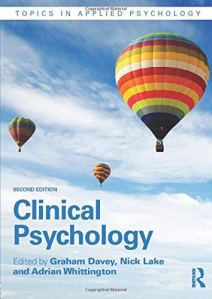
Clinical Psychology (Topics in Applied Psychology).

Author(s): Graham Davey, Nick Lake, and Adrian Whittington (Editors).

Year: 2015.

Edition: Second (2nd).

Publisher: Routledge.

Type(s): Hardcover, Paperback and Kindle.

Synopsis:

Clinical Psychology, Second Edition offers a comprehensive and an up-to-date introduction to the field. Written by clinical practitioners and researchers, as well as service users who add their personal stories, the book provides a broad and balanced view of contemporary clinical psychology.

This new edition has been extensively revised throughout and includes a new section on working with people with disabilities and physical health problems. It also includes a new chapter on career choices, and help and advice on how to move forward into clinical psychology training.

The book starts by explaining the core elements of what a clinical psychologist does and the principles of clinical practice, as well as outlining the role of the clinical psychologist within a healthcare team. It goes on to cover issues involved with working with children and families, adult mental health problems, working with people with disabilities and physical health problems, and the use of neuropsychology. The final part of the book explores current professional issues in clinical psychology, the history and future of clinical psychology, and career options.

The integrated and interactive approach, combined with the comprehensive coverage, make this book the ideal companion for undergraduate courses in clinical psychology, and anyone interested in a career in this field. It will also be of interest to anyone who wants to learn more about the work of a clinical psychologist, including other healthcare professionals.

Book: Clinical Psychology for Trainees: Foundations of Science-Informed Practice

Book Title:

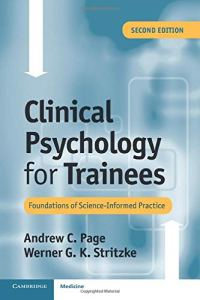
Clinical Psychology for Trainees: Foundations of Science-Informed Practice.

Author(s): Andrew C. Page and Werner G.K. Stritzke.

Year: 2014.

Edition: Second (2nd).

Publisher: Cambridge University Press.

Type(s): Paperback and Kindle.

Synopsis:

Thoroughly revised, and fully updated for DSM-5, the new edition of this practice-focused book guides clinical psychology trainees through a field which is rapidly evolving. Through real-world exploration of the scientist-practitioner model, the book helps readers to develop the core competencies required in an increasingly interdisciplinary healthcare environment. New chapters cover brief interventions, routine monitoring of treatment progress, and managing alliance ruptures. Practical skills such as interviewing, diagnosis, assessment, treatment and case management are discussed with emphasis on the question ‘how would a scientist-practitioner think and act?’ By demonstrating how an evidence-base can influence every decision that a clinical psychologist makes, the book equips trainees to deliver the accountable, efficient, effective client-centred service which is demanded of professionals in the modern integrated care setting. Essential reading for all those enrolled in, or contemplating, postgraduate studies in clinical psychology.

Book: Clinical Psychology in Practice

Book Title:

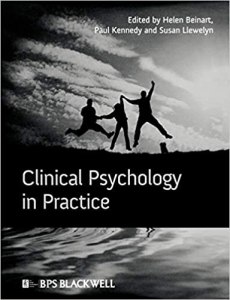
Clinical Psychology in Practice.

Author(s): Helen Beinart, Paul Kennedy, and Susan Llewelyn (Editors).

Year: 2009.

Edition: First (1st).

Publisher: WB.

Type(s): Paperback and eBook.

Synopsis:

Academic, clinical and research aspects are offered in collaboration with clinical practitioners, who provide the clinical experience to foster the development of competencies in Health and Social Care.

  • Provides a clear, authoritative and lively introduction to the practice of clinical psychology.
  • Explains succinctly the range of competencies which a psychologist is expected to possess, and how these can be applied in a variety of contexts.
  • Key issues covered include awareness of the social context, the need for responsive and flexible practice, and respect for diversity.
  • Examples and principles are provided which demonstrate the clinical psychologist in action, and explain why and how they work as they do.

Book: Clinical Psychology, Research and Practice

Book Title:

Clinical Psychology, Research and Practice: An Introductory Text.

Author(s): Paul Bennett.

Year: 2021.

Edition: Fourth (4th).

Publisher: Open University Press.

Type(s): Paperback and Kindle.

Synopsis:

Extensively updated, this popular and accessibly written textbook outlines the latest research and therapeutic approaches within clinical psychology, alongside important developments in clinical practice. The book introduces and evaluates the conceptual models of mental health problems and their treatment, including second and third wave therapies.

Each disorder is considered from a psychological, social and biological perspective and different intervention types are thoroughly investigated.

Key updates to this edition include:

  • The development of case formulations for conditions within each chapter.
  • An articulation and use of modern theories of psychopathology, including sections on the transdiagnostic approach, meta-cognitive therapy, and acceptance and commitment therapy.
  • An introduction to emerging mental health issues, such as internet gaming disorder.
  • Challenging ‘stop and think’ boxes that encourage readers to address topical issues raised in each chapter, such as societal responses to topics as varied as psychopathy, paedophilia and the Black Lives Matter movement.
  • New vocabulary collated into key terms boxes for easy reference.

Book: Becoming a Clinical Psychologist: Everything You Need to Know

Book Title:

Becoming a Clinical Psychologist: Everything You Need to Know.

Author(s): Steven Mayers and Amanda Mwale.

Year: 2018.

Edition: First (1st).

Publisher: Routledge.

Type(s): Hardcover, Paperback, and Kindle.

Synopsis:

Becoming a Clinical Psychologist: Everything You Need to Know brings together all the information you need to pursue a career in this competitive field.

This essential guide includes up-to-date information and guidance about a career in clinical psychology and gaining a place on clinical psychology training in the UK. It answers the questions all aspiring psychologists need to know, such as:

  • What is clinical psychology?
  • What is it like to train and work as a clinical psychologist?
  • How to make the most of your work and research experience.
  • How to prepare for clinical psychology applications and interviews.
  • Is clinical psychology the right career for me?

By cutting through all the jargon, and providing detailed interviews with trained and trainee clinical psychologists, Becoming a Clinical Psychologist will provide psychology graduates or undergrads considering a career in this area with all the tools they need.