
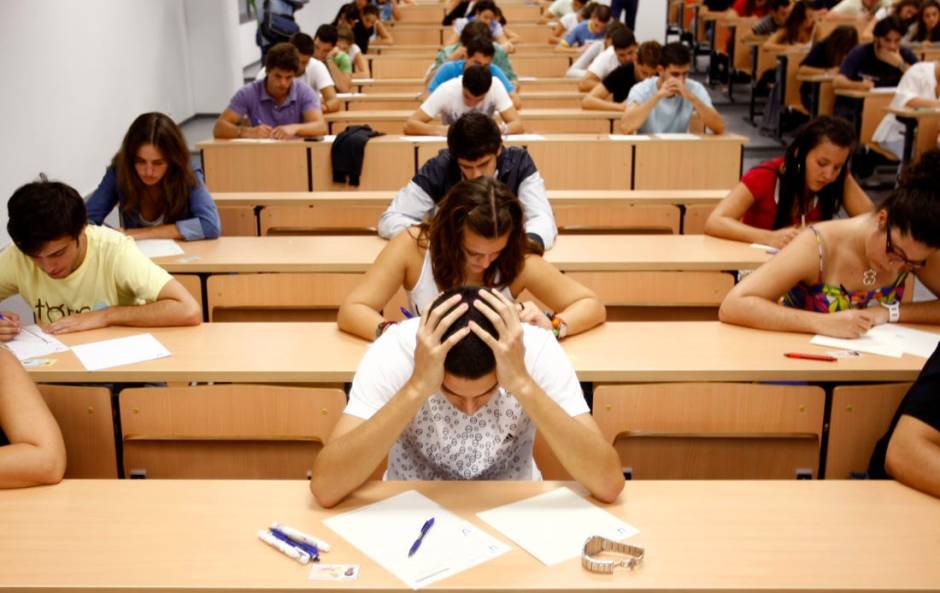
Does COVID-19 Fear, Mental Health, and Substance Misuse Conditions among University Social Work Students Ignore Nationality?

Research Paper Title

COVID-19 Fear, Mental Health, and Substance Misuse Conditions Among University Social Work Students in Israel and Russia.

Background

In December 2019, cases of pneumonia of unknown etiology but with acute respiratory distress syndrome (ARDS) and other serious complications were reported in Wuhan, Hubei Province, China. One month later, a novel coronavirus was identified by the Chinese Centre for Disease Control and Prevention (CDC) from the throat swab sample of a patient and was subsequently named “COVID-19” by the World Health Organisation (WHO) (Nanshan et al. 2020). At the end of June 2020, approximately 500,000 deaths worldwide have been linked to COVID-19 (Johns Hopkins University of Medicine 2020).

Following many cases reported by Chinese authorities, the WHO declared the new coronavirus pneumonia epidemic a public health emergency of international concern. Among the early virus characteristics reported were strong human-to-human transmission and fast transmission speed, mainly spread through respiratory droplets and contact (Nanshan et al. 2020). In response, Chinese authorities moved to a strategy of regional blockade aimed to stop the spread of the epidemic (Chen et al. 2020) as well as quarantine. “Quarantine” is one of the oldest and most effective tools of controlling communicable disease outbreaks. It means the restriction of movement among people presumed to have been exposed to a contagious disease but are not ill, either because they did not become infected or because they are still in the incubation period. The second tool that is widely used to prevent the spread of the pandemic is “social distancing.” It is designed to reduce interactions between people in a community where individuals may be infectious but have not yet been identified, and hence not yet isolated (Burdorf et al. 2020).

Once countries dealing with COVID-19 implemented quarantine and social distancing, the need for social workers and other health care professionals greatly increased due to mental health problems experienced by the general public. Studies have found that widespread outbreaks of infectious diseases, such as COVID-19, are associated with psychological distress and mental illness (Bao et al. 2020). Such conditions include stress, anxiety, depression, insomnia, anger, fear, stigma (Lin 2020; Pakpour and Griffiths 2020; Torales et al. 2020), and substance misuse (Baillie et al. 2010) on individual, family, community, and national levels (Harper et al. 2020; Kang et al. 2020). Older adults, especially with chronic health conditions, have been identified as extremely vulnerable to COVID-19. However, those dealing with the infection, such as medical and allied health personnel including those affiliated with social work, have received considerable attention for their “front line” efforts combating this disaster.

Israel and Russia pursue a similar policy to combat the COVID-19: strict quarantine or self-isolation, the abolition of all events with a large number of people, the closure of schools and universities, the cessation of aviation and railway travel and closed borders, the mandatory use of masks, etc. At the end of June 2020, there were 22,800 confirmed cases and 314 deaths in Israel and in Russia, 626,779 cases and 8958 deaths (JHUM 2020). Based on the dearth of information about student mental health during the COVID-19 pandemic (Grubic et al. 2020), The researchers hypothesized fear, mental health, and substance misuse among university students are similar regardless of nationality. For this purpose, social work students from Israel and Russia were studied.

Reference

Yehudai, M., Bendar, S., Gritsenko, V., Konstantinov, V., Reznik, A. & Isralowitz, R. (2020) COVID-19 Fear, Mental Health, and Substance Misuse Conditions Among University Social Work Students in Israel and Russia. International Journal of Mental Health Addiction. 1–8.
doi: 10.1007/s11469-020-00360-7 [Epub ahead of print].

Potential Web- & Mobile-based Interventions for Promoting Mental Health & Preventing Mental Illness at University

Research Paper Title

Mental Health-Related Digital Use by University Students: A Systematic Review.

Background

Mental health problems are common among students at university, representing a major public health concern.

The internet and new technologies are widely used by students and represent a significant resource to them for mental health information and support.

The aim of this systematic review is to summarise and critique studies of mental health-related digital use (including purposes, advantages, and barriers) by students worldwide, to support the implementation of future digital mental health interventions targeting university students.

Methods

The researches searched for peer-reviewed articles published between January 2008 and May 2018 by using Pubmed, Google Scholar, PsycINFO, PsycARTICLES, Psychology and Behavioural Sciences Collection, and SocINDEX. Studies were coded by author, year of publication, country, research design, recruitment and sampling, data collection, analysis method, key findings, and mean quality score.

Outcomes were synthetised through the textual narrative synthesis method.

Results

Of the 1,487 titles and abstracts screened, 24 articles were critically reviewed. Sample sizes ranged from 19 to 6,034 participants.

The two key findings were that students worldwide have a high need for mental health information and are prepared to use digital tools for their mental health and well-being.

However, they are currently struggling to discern trustworthy information online and are expressing a desire for reliable devices handling their sensitive data.

Conclusions

Through the description of patterns in university students’ mental health-related digital use, this review outlines important features for potential web- and mobile-based interventions for promoting mental health and preventing mental illness at the university.

Reference

Montagni, I., Tzourio, C., Cousin, T., Sagara, J.A., Bada-Alonzi, J. & Hogan, A. (2020) Mental Health-Related Digital Use by University Students: A Systematic Review. Telemedicine Journal and e-Health. 26(2), pp.131-146. doi: 10.1089/tmj.2018.0316. Epub 2019 Mar 19.

Is the Mental Health Literacy Scale for Healthcare Students (MHLS-HS) Useful for Identifying Gaps in Student Knowledge?

Research Paper Title

Mental Health Literacy in Healthcare Students: An Expansion of the Mental Health Literacy Scale.

Background

Although the recently developed mental health literacy scale showed significant score differences between general population and mental health professionals, to this date there is no published scale intended to specifically assess mental health literacy (MHL) in healthcare students.

This study constructed a 26-item scale-based measure to assess multiple components of MHL and associated psychometric properties in a sample of medical and public health students of 11 universities in Taiwan.

Methods

The development and validation of the scale comprised three phases: measure development, pilot testing (n = 32), and psychometric properties examination (n = 1294).

Results

26 items were generated for five factors:

  1. Maintenance of positive mental health;
  2. Recognition of mental illness;
  3. Attitude to mental illness stigma;
  4. Help-seeking efficacy; and
  5. Help-seeking attitude.

The scale demonstrated good:

  • Content validity;
  • Internal consistency; and
  • Construct validity (factorial validity, convergent validity, discriminant validity, and known groups validity).

Conclusions

The findings suggest that the Mental Health Literacy Scale for Healthcare Students (MHLS-HS) is a valid, reliable, and practical tool for identifying MHL gaps in medical and public health students.

It has the potential to inform remedial curricular interventions for educators and evaluate intervention effectiveness.

Reference

Chao, H-J., Lien, Y-J., Kao, Y-C., Tasi, I-C., Lin, H-S. & Lien, Y-Y. (2020) Mental Health Literacy in Healthcare Students: An Expansion of the Mental Health Literacy Scale. International Journal of of Environmental Reaearch and Public Health. 17(3), pp.948. doi: 10.3390/ijerph17030948.

Is There a Mental Health Crisis among Canadian Postsecondary Students?

Research Paper Title

Mental Health among Canadian Postsecondary Students: A Mental Health Crisis?

Background

Recent reports express concerns about a mental health crisis among postsecondary students. These assertions, however, often arise from surveys conducted in postsecondary settings that lack the broader context of a referent group. The objectives of this study were:

  • To assess the mental health status of postsecondary students 18 to 25 years old from 2011 to 2017; and
  • To compare the mental health status of postsecondary students to nonstudents.

Methods

Prevalence was estimated for a set of mental health outcomes using seven annual iterations of the Canadian Community Health Survey (2011 to 2017). Logistic regression was used to derive odds ratio estimates comparing mental health status among postsecondary students and nonstudents, adjusting for age and sex. Random effects metaregression and meta-analyses techniques were used to evaluate trends in prevalence and odds ratio estimates over time.

Results

Over the study period, the prevalence of perceived low mental health, diagnosed mood and anxiety disorders, and past-year mental health consultations increased among female students, whereas binge drinking decreased among male students. With the exception of perceived stress, the odds of experiencing each mental health outcome were lower among postsecondary students compared to nonstudents.

Conclusions

These findings do not support the idea that postsecondary students have worse mental health than nonstudents of similar age. The perception of a crisis may arise from greater help-seeking behaviour, diminishing stigma, or increasing mental health literacy. Regardless, the observance of these trends provide an opportunity to address a previously latent issue.

Reference

Wiens, K., Bhattarai, A., Dores, A., Pedram, P., Williams, J.V.A., Bulloch, A.G.M. & Patten, S.B. (2020) Mental Health among Canadian Postsecondary Students: A Mental Health Crisis? Canadian Journal of Psychiatry. 65(1), pp.30-35. doi: 10.1177/0706743719874178. Epub 2019 Sep 4.

What is the Current Situation School Mental Health in ASEAN Countries?

Research Paper Title

Current Situation and Comparison of School Mental Health in ASEAN Countries.

Background

School-based mental health interventions are considered to have potential for the promotion of mental health in developing countries.

The researchers held a workshop to discuss the promotion of mental health in schools in southeast Asian countries.

This review report aimed to summarise the current situation of school mental health in Association of Southeast Asian Nations (ASEAN) countries as reported by their representatives in this workshop.

Methods

To summarise the current situation of ASEAN countries in relation to school mental health, the researchers qualitatively analysed the content of the discussions from four perspectives:

  1. Laws and regulations;
  2. Mental health services;
  3. Teacher training on mental health; and
  4. Mental health education for students.

Results

With regard to school mental health laws and regulations, this report could not provide clear conclusions because the laws were reported through the personal understanding of the public officers.

The results show that mental health services in schools are centred on professionals such as guidance counsellors, although the coverage varied among the different ASEAN countries.

Conclusions

Only Singapore conducted mental health training for teachers in a comprehensive way, and the number of people who were actually trained in other countries was very limited.

Cambodia, Malaysia, Myanmar, Philippines, Singapore, and Thailand included mental health education for students in health education or life skills subjects.

Reference

Nishio, A., Kakimoto, M., Bermardo, T.M.S. & Kobayashi, J. (2020) Current Situation and Comparison of School Mental Health in ASEAN Countries. Pediatrics International: Official Journal of the Japan Pediatrics Society. 62(4), pp.438-443. doi: 10.1111/ped.14137.

Reviewing the Challenges & Mental Health Issues of Academic Trainees

Research Paper Title

The Challenges and Mental Health Issues of Academic Trainees.

Background

In the last decade, mental health issues have come to the foreground in academia. Literature surrounding student mental health continues to grow as universities try to implement wellness services and study the mental health of their students.

Studies vary greatly in terms of measurement tools, timeframe, sample demographics, as well as the chosen threshold of symptom severity for diagnosis.

This review attempts to summarise, contextualise and synthesise papers that pertain to the challenges faced by academic trainees at the undergraduate, graduate and post-graduate level.

The evidence for, and against, the common claim of increasing prevalence of mental health issues among students in recent years is discussed.

While some studies support this claim, it is difficult to reach a definitive conclusion due to numerous confounding factors such as increased help-seeking behaviour, greater awareness of mental health issues and weak methodology.

The prevalence of depression, anxiety, suicidal and self-injurious behaviour, distress and general mental illness diagnoses are discussed.

Other issues known to influence mental health, such as sexual assault and bullying, are briefly addressed.

Finally, select studies on a few wellness strategies that may improve mental health of trainees, such as mindfulness, are summarised, along with diverse recommendations for individual students, universities, and academia as a whole.

Reference

Eleftheriades, R., Fiala, C. & Pasic, M.D. (2020) The Challenges and Mental Health Issues of Academic Trainees. F1000Research. 9:104. doi: 10.12688/f1000research.21066.1. eCollection 2020.

Book: The Routledge Handbook of Philosophy of Well-Being

Book Title:

The Routledge Handbook of Philosophy of Well-Being.

Author(s): Guy Fletcher (editor).

Year: 2015.

Edition: First (1st).

Publisher: Routledge.

Type(s): Hardcover, Paperback, and Kindle.

Synopsis:

The concept of well-being is one of the oldest and most important topics in philosophy and ethics, going back to ancient Greek philosophy. Following the boom in happiness studies in the last few years it has moved to centre stage, grabbing media headlines and the attention of scientists, psychologists and economists. Yet little is actually known about well-being and it is an idea that is often poorly articulated.

The Routledge Handbook of Philosophy of Well-Being provides a comprehensive, outstanding guide and reference source to the key topics and debates in this exciting subject.

Comprising over 40 chapters by a team of international contributors, the Handbook is divided into six parts:

  • Well-being in the history of philosophy.
  • Current theories of well-being, including hedonism and perfectionism.
  • Examples of well-being and its opposites, including friendship and virtue and pain and death.
  • Theoretical issues, such as well-being and value, harm, identity and well-being and children.
  • Well-being in moral and political philosophy.
  • Well-being and related subjects, including law, economics and medicine..

Essential reading for students and researchers in ethics and political philosophy, it is also an invaluable resource for those in related disciplines such as psychology, politics and sociology.

Book: The Rough Guide to Psychology

Book Title:

The Rough Guide to Psychology: An Introduction to Human Behaviour and the Mind.

Author(s): Dr. Christian Jarrett.

Year: 2011.

Edition: First (1st).

Publisher: Rough Guides.

Type(s): Paperback and Kindle.

Synopsis:

The Rough Guide to Psychology looks at the question psychologists have been asking for over a hundred years – why are we the way we are? It starts with you, your mind and brain, broadening out to look at your friends and other relationships, then finally on to crowds, mobs and religion.

It explores the latest research relevant to crime, schooling, sport, politics, shopping and health, and what happens when the mind goes wrong, including depression, anxiety, schizophrenia, and more unusual conditions.

The Rough Guide to Psychology includes fascinating information on real-life psychology, testing your memory, intelligence, personality and much more, with advice on everything from chat-up lines to developing your creativity.

The Rough Guide to Psychology is your ultimate guide to this fascinating subject.

Book: Psychology in Black and White

Book Title:

Psychology in Black and White – The Project Of A Theory-Driven Science.

Author(s): Sergio Salvatore.

Year: 2015.

Edition: Reprint Edition.

Publisher: Information Age Publishing.

Type(s): Hardcover, Paperback, and Kindle.

Synopsis:

This book is long awaited within the contemporarily creative field of cultural psychologies.

It is a theoretical synthesis that is at the level of innovations that Sigmund Freud, James Mark Baldwin, William Stern, Kurt Lewin, Jean Piaget, Lev Vygotsky and Jan Smedslund have brought into psychology over the past century.

Here we can observe a creative solution to integrating cultural psychology with the rich traditions of psychodynamic perspectives, without repeating the conceptual impasses in which many psychoanalytic perspectives have become caught.

Book: Psychology and the Conduct of Everyday Life

Book Title:

Psychology and the Conduct of Everyday Life.

Author(s): Ernst Schraube (editor) and Charlotte Hojholt (contributor).

Year: 2015.

Edition: First (1st).

Publisher: Routledge.

Type(s): Hardcover, Paperback, and Kindle.

Synopsis:

Psychology and the Conduct of Everyday Life moves psychological theory and research practice out of the laboratory and into the everyday world. Drawing on recent developments across the social and human sciences, it examines how people live as active subjects within the contexts of their everyday lives, using this as an analytical basis for understanding the dilemmas and contradictions people face in contemporary society.

Early chapters gather the latest empirical research to explore the significance of context as a cross-disciplinary critical tool; they include a study of homeless Māori men reaffirming their cultural identity via gardening, and a look at how the dilemmas faced by children in difficult situations can provide insights into social conflict at school. Later chapters examine the interplay between everyday life around the world and contemporary global phenomena such as the rise of the debt economy, the hegemony of the labour market, and the increased reliance on digital technology in educational settings. The book concludes with a consideration of how social psychology can deepen our understanding of how we conduct our lives, and offer possibilities for collective work on the resolution of social conflict.