
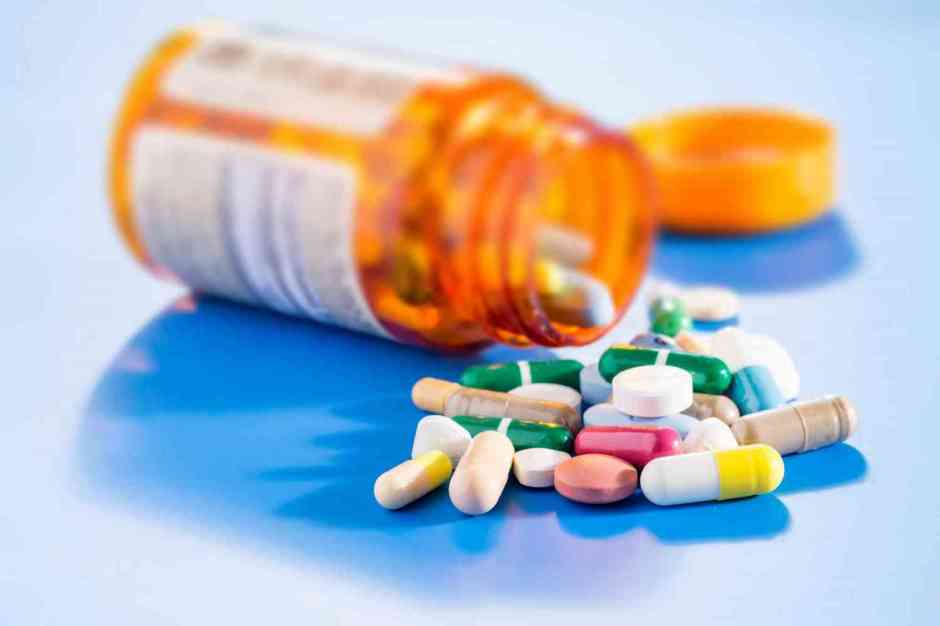
What is Alprazolam?

Introduction

Alprazolam, sold under the brand name Xanax, among others, is a fast-acting tranquiliser of medium duration in the triazolobenzodiazepine (TBZD) class, which are benzodiazepines (BZDs) fused with a triazole ring.

It is most commonly used in short-term management of anxiety disorders, specifically panic disorder or generalised anxiety disorder (GAD). Other uses include the treatment of chemotherapy-induced nausea, together with other treatments. GAD improvement occurs generally within a week. Alprazolam is generally taken by mouth.

Common side effects include sleepiness, depression, headaches, feeling tired, dry mouth, and memory problems. Some of the sedation and tiredness may improve within a few days. Due to concerns about misuse, some do not recommend alprazolam as an initial treatment for panic disorder. Withdrawal or rebound symptoms may occur if use is suddenly decreased; gradually decreasing the dose over weeks or months may be required. Other rare risks include suicide, and a two fold increased risk of all cause mortality. Alprazolam, like other benzodiazepines, acts through the GABAA receptor.

Alprazolam was patented in 1971 and approved for medical use in the United States in 1981. Alprazolam is a Schedule IV controlled substance and is a common drug of abuse. It is available as a generic medication. In 2019, it was the 41st most commonly prescribed medication in the United States, with more than 17 million prescriptions.

Medical Uses

Alprazolam is mostly used in short term management of anxiety disorders, panic disorders, and nausea due to chemotherapy. Alprazolam may also be indicated for the treatment of GAD, as well as for the treatment of anxiety conditions with co-morbid depression. The US Food and Drug Administration (FDA) label advises that the physician should periodically reassess the usefulness of the drug.

Panic Disorder

Alprazolam is effective in the relief of moderate to severe anxiety and panic attacks. However, it is not a first line treatment since the development of selective serotonin reuptake inhibitors. Alprazolam is no longer recommended in Australia for the treatment of panic disorder due to concerns regarding tolerance, dependence, and abuse. Most evidence shows that the benefits of alprazolam in treating panic disorder last only 4 to 10 weeks. However, people with panic disorder have been treated on an open basis for up to 8 months without apparent loss of benefit.

In the United States, alprazolam is FDA-approved for the treatment of panic disorder with or without agoraphobia. Alprazolam is recommended by the World Federation of Societies of Biological Psychiatry (WFSBP) for treatment-resistant cases of panic disorder where there is no history of tolerance or dependence.

Anxiety Disorders

Anxiety associated with depression is responsive to alprazolam. Clinical studies have shown that the effectiveness is limited to 4 months for anxiety disorders. However, the research into antidepressant properties of alprazolam is poor and has only assessed its short-term effects against depression. In one study, some long term, high-dosage users of alprazolam developed reversible depression. In the US, alprazolam is FDA-approved for the management of anxiety disorders (a condition corresponding most closely to the Diagnostic and Statistical Manual DSM-IV-TR diagnosis of generalized anxiety disorder) or the short-term relief of symptoms of anxiety. In the UK, alprazolam is recommended for the short-term treatment (2-4 weeks) of severe acute anxiety.

Nausea due to Chemotherapy

Alprazolam may be used in combination with other medications for chemotherapy-induced nausea and vomiting.

Contraindications

Benzodiazepines require special precaution if used in children and in alcohol- or drug-dependent individuals. Particular care should be taken in pregnant or elderly people, people with substance use disorder history (particularly alcohol dependence), and people with comorbid psychiatric disorders. The use of alprazolam should be avoided or carefully monitored by medical professionals in individuals with: myasthenia gravis, acute narrow-angle glaucoma, severe liver deficiencies (e.g. cirrhosis), severe sleep apnoea, pre-existing respiratory depression, marked neuromuscular respiratory, acute pulmonary insufficiency, chronic psychosis, hypersensitivity or allergy to alprazolam or other benzodiazepines, and borderline personality disorder (where it may induce suicidality and dyscontrol).

Like all central nervous system depressants, alprazolam in larger-than-normal doses can cause significant deterioration in alertness and increase drowsiness, especially in those unaccustomed to the drug’s effects.

Elderly individuals should be cautious in the use of alprazolam due to the possibility of increased susceptibility to side-effects, especially loss of coordination and drowsiness.

Side Effects

Sedative drugs, including alprazolam, have been associated with an increased risk of death.

Possible side effects include:

  • Anterograde amnesia and concentration problems.
  • Ataxia, slurred speech.
  • Disinhibition.
  • Drowsiness, dizziness, lightheadedness, fatigue, unsteadiness, and impaired coordination, vertigo.
  • Dry mouth (infrequent).
  • Hallucinations (rare).
  • Jaundice (very rare).
  • Seizures (less common).
  • Skin rash, respiratory depression, constipation.
  • Suicidal ideation or suicide.
  • Urinary retention (infrequent).
  • Muscle weakness.

In September 2020, the FDA required the boxed warning be updated for all benzodiazepine medicines to describe the risks of abuse, misuse, addiction, physical dependence, and withdrawal reactions consistently across all the medicines in the class.

Paradoxical Reactions

Although unusual, the following paradoxical reactions have been shown to occur:

  • Aggression.
  • Mania, agitation, hyperactivity, and restlessness.
  • Rage, hostility.
  • Twitches and tremor.

Food and Drug Interactions

Alprazolam is primarily metabolised via CYP3A4. Combining CYP3A4 inhibitors such as cimetidine, erythromycin, norfluoxetine, fluvoxamine, itraconazole, ketoconazole, nefazodone, propoxyphene, and ritonavir delay the hepatic clearance of alprazolam, which may result in its accumulation and increased severity of its side effects.

Imipramine and desipramine have been reported to increase an average of 31% and 20% respectively by the concomitant administration of alprazolam tablets. Combined oral contraceptive pills reduce the clearance of alprazolam, which may lead to increased plasma levels of alprazolam and accumulation.

Alcohol is one of the most common interactions; alcohol and alprazolam taken in combination have a synergistic effect on one another, which can cause severe sedation, behavioural changes, and intoxication. The more alcohol and alprazolam taken, the worse the interaction. Combination of alprazolam with the herb kava can result in the development of a semi-comatose state. Plants in the genus Hypericum (including St. John’s wort) conversely can lower the plasma levels of alprazolam and reduce its therapeutic effect.

Pregnancy and Breastfeeding

Benzodiazepines cross the placenta, enter the foetus, and are also excreted in breast milk. Chronic administration of diazepam, another benzodiazepine, to nursing mothers has been reported to cause their infants to become lethargic and to lose weight.

The use of alprazolam during pregnancy is associated with congenital abnormalities, and use in the last trimester may cause foetal drug dependence and withdrawal symptoms in the post-natal period as well as neonatal flaccidity and respiratory problems. However, in long-term users of benzodiazepines, abrupt discontinuation due to concerns of teratogenesis has a high risk of causing extreme withdrawal symptoms and a severe rebound effect of the underlying mental health disorder. Spontaneous abortions may also result from abrupt withdrawal of psychotropic medications, including benzodiazepines.

Overdose

Refer to Benzodiazepine Overdose.

The maximum recommended daily dose is 10 milligrams per day.

Overdoses of alprazolam can be mild to severe depending on the quantity ingested and if other drugs are taken in combination.

Alprazolam overdoses cause excess central nervous system (CNS) depression and may include one or more of the following symptoms:

  • Coma and death if alprazolam is combined with other substances.
  • Fainting.
  • Hypotension (low blood pressure).
  • Hypoventilation (shallow breathing).
  • Impaired motor functions.
  • Dizziness.
  • Impaired balance.
  • Impaired or absent reflexes.
  • Muscle weakness.
  • Orthostatic hypotension (fainting while standing up too quickly).
  • Somnolence (drowsiness).

Dependence and Withdrawal

Refer to Benzodiazepine Dependence and Benzodiazepine Withdrawal Syndrome.

The potential for misuse among those taking it for medical reasons is controversial, with some expert reviews stating that the risk is low and similar to that of other benzodiazepine drugs. Others state that there is a substantial risk of misuse and dependence in both patients and non-medical users and that the short half-life and rapid onset of action may increase the risk of misuse. Compared to the large number of prescriptions, relatively few individuals increase their dose on their own initiative or engage in drug-seeking behaviour.

Alprazolam, like other benzodiazepines, binds to specific sites on the GABAA (gamma-aminobutyric acid) receptor. When bound to these sites, which are referred to as benzodiazepine receptors, it modulates the effect of GABAA receptors and, thus, of GABAergic neurons. Long-term use causes adaptive changes in the benzodiazepine receptors, making them less sensitive to stimulation and thus making the drugs less potent.

Withdrawal and rebound symptoms commonly occur and necessitate a gradual reduction in dosage to minimise withdrawal effects when discontinuing.

Not all withdrawal effects are evidence of true dependence or withdrawal. Recurrence of symptoms such as anxiety may simply indicate that the drug was having its expected anti-anxiety effect and that, in the absence of the drug, the symptom has returned to pre-treatment levels. If the symptoms are more severe or frequent, the person may be experiencing a rebound effect due to the removal of the drug. Either of these can occur without the person actually being drug dependent.

Alprazolam and other benzodiazepines may also cause the development of physical dependence, tolerance, and benzodiazepine withdrawal symptoms during rapid dose reduction or cessation of therapy after long-term treatment. There is a higher chance of withdrawal reactions if the drug is administered in a higher dosage than recommended, or if a person stops taking the medication altogether without slowly allowing the body to adjust to a lower-dosage regimen.

In 1992, Romach and colleagues reported that dose escalation is not a characteristic of long-term alprazolam users and that the majority of long-term alprazolam users change their initial pattern of regular use to one of symptom control only when required.

Some common symptoms of alprazolam discontinuation include malaise, weakness, insomnia, tachycardia, lightheadedness, and dizziness.

Those taking more than 4 mg per day have an increased potential for dependence. This medication may cause withdrawal symptoms upon abrupt withdrawal or rapid tapering, which in some cases have been known to cause seizures, as well as marked delirium similar to that produced by the anticholinergic tropane alkaloids of Datura (scopolamine and atropine). The discontinuation of this medication may also cause a reaction called rebound anxiety.

In a 1983 study, only 5% of patients who had abruptly stopped taking long-acting benzodiazepines after less than 8 months demonstrated withdrawal symptoms, but 43% of those who had been taking them for more than 8 months did. With alprazolam – a short-acting benzodiazepine – taken for 8 weeks, 65% of patients experienced significant rebound anxiety. To some degree, these older benzodiazepines are self-tapering.

The benzodiazepines diazepam and oxazepam have been found to produce fewer withdrawal reactions than alprazolam, temazepam, or lorazepam. Factors that determine the risk of psychological dependence or physical dependence and the severity of the benzodiazepine withdrawal symptoms during dose reduction of alprazolam include: dosage used, length of use, frequency of dosing, personality characteristics of the individual, previous use of cross-dependent/cross-tolerant drugs (alcohol or other sedative-hypnotic drugs), current use of cross-dependent/-tolerant drugs, use of other short-acting, high-potency benzodiazepines, and method of discontinuation.

Pharmacology

Alprazolam is a positive allosteric modulator of the GABA type A receptor. When it binds to the receptor, effects of GABA are enhanced leading to inhibition of neurones in the brain. This results in effects including reduced anxiety, muscle relaxant, antidepressant and anticonvulsant activity. The activity of alprazolam in the central nervous system is dose dependent.

Mechanism of Action

Alprazolam is classed as a high-potency triazolobenzodiazepine: a benzodiazepine with a triazole ring attached to its structure. As a benzodiazepine, alprazolam produces a variety of therapeutic and adverse effects by binding to the GABAA benzodiazepine receptor site and modulating its function; GABA receptors are the most prolific inhibitory receptor within the brain. The GABA chemical and receptor system mediates inhibitory or calming effects of alprazolam on the nervous system. Binding of alprazolam to the GABAA receptor, a chloride ion channel, enhances the effects of GABA, a neurotransmitter. When GABA binds the GABAA receptor the channel opens and chloride enters the cell which makes it more resistant to depolarisation. Therefore, alprazolam has a depressant effect on synaptic transmission to reduce anxiety.

The GABAA receptor is made up of 5 subunits out of a possible 19, and GABAA receptors made up of different combinations of subunits have different properties, different locations within the brain, and, importantly, different activities with regard to benzodiazepines. Alprazolam and other triazolobenzodiazepines such as triazolam that have a triazole ring fused to their diazepine ring appear to have antidepressant properties. This is perhaps due to the similarities shared with tricyclic antidepressants, as they have two benzene rings fused to a diazepine ring. Alprazolam causes a marked suppression of the hypothalamic-pituitary-adrenal axis. The therapeutic properties of alprazolam are similar to other benzodiazepines and include anxiolytic, anticonvulsant, muscle relaxant, hypnotic and amnesic; however, it is used mainly as an anxiolytic.

Giving alprazolam, as compared to lorazepam, has been demonstrated to elicit a statistically significant increase in extracellular dopamine D1 and D2 concentrations in the striatum.

Pharmacokinetics

Alprazolam is taken orally, and is absorbed well – 80% of alprazolam binds to proteins in the serum (the majority binding to albumin). The concentration of alprazolam peaks after one to two hours.

Alprazolam is metabolised in the liver, mostly by the enzyme cytochrome P450 3A4 (CYP3A4). Two major metabolites are produced: 4-hydroxyalprazolam and α-hydroxyalprazolam, as well as an inactive benzophenone. The low concentrations and low potencies of 4-hydroxyalprazolam and α-hydroxyalprazolam indicate that they have little to no contribution to the effects of alprazolam.

The metabolites, as well as some unmetabolised alprazolam, are filtered out by the kidneys and are excreted in the urine.

Chemistry

Physical Properties

Alprazolam is a triazole and benzodiazepine derivative substituted with a phenyl group at position 6, with a chlorine atom at position 8 and with a methyl group at position 1. It is an analogue of triazolam, the difference between them being the absence of a chlorine atom in the ‘ortho’ position of the phenyl ring. It is slightly soluble in chloroform, soluble in alcohol, slightly soluble in acetone and insoluble in water. It has a melting point in the temperature range 228-229.5 °C.

Synthesis

For the synthesis of alprazolam the same method can be used as for triazolam, excepting that it starts from 2-amino-5-chlorobenzophenone. However, an alternative easier synthesis starting with 2,6-dichloro-4-phenylquinoline has been suggested, in which it reacts with hydrazine giving 6-chloro-2-hydrazino-4-phenylquinoline. Boiling the mixture with triethyl orthoacetate results in cyclization with the formation of the triazole ring. The product undergoes oxidative degradation in the presence of periodate and ruthenium dioxide in acetone solution, giving 2-[4-(3′-methyl-1,2,4-triazolo)]-5-chlorobenzophenone. Oxy-methylation with formaldehyde results in a product that is treated with phosphorus tribromide, when 2-[4-(3′-methyl-5′-bromomethyl-1,2,4-triazolo)]-5-chlorobenzophenone is obtained. By substituting the bromine atom with an amino group conferred by ammonia, it forms alprazolam triazolobenzophenone, following which an intermolecular heterocyclisation takes place to obtain alprazolam.

Detection

Quantification of alprazolam in blood and plasma samples may be necessary to confirm a diagnosis of intoxication in hospitalised patients, or to provide evidence in the case of crimes e.g., impaired driving arrest, or to assist in a thorough forensic investigation, e.g. in a medicolegal death investigation. Blood or plasma alprazolam concentrations are usually in a range of 10-100 μg/L in persons receiving the drug therapeutically, 100-300 μg/L in those arrested for impaired driving, and 300–2000 μg/L in victims of acute overdosage. Most of the commercial immunoassays used for the benzodiazepine class of drugs cross-react with alprazolam, but confirmation and quantitative determination are usually done by chromatographic techniques.

Forms of Alprazolam

Alprazolam regular release and orally disintegrating tablets are available as 0.25 mg, 0.5 mg, 1 mg, and 2 mg tablets, while extended release tablets are available as 0.5 mg, 1 mg, 2 mg, and 3 mg. Liquid alprazolam is available in a 1 mg/mL oral concentrate. Inactive ingredients in alprazolam tablets and solutions include microcrystalline cellulose, corn starch, docusate sodium, povidone, sodium starch glycollate, lactose monohydrate, magnesium stearate, colloidal silicon dioxide, and sodium benzoate. In addition, the 0.25 mg tablet contains D&C Yellow No. 10 and the 0.5 mg tablet contains FD&C Yellow No. 6 and D&C Yellow No. 10.

Society and Culture

Patent

Alprazolam is covered under US Patent 3,987,052, which was filed on 29 October 1969, granted on 19 October 1976, and expired in September 1993.

Recreational Use

Refer to Benzodiazepine Use Disorder.

There is a risk of misuse and dependence in both patients and non-medical users of alprazolam; alprazolam’s high affinity binding, high potency, and rapid onset increase its abuse potential. The physical dependence and withdrawal syndrome of alprazolam also add to its addictive nature. In the small subgroup of individuals who escalate their doses there is usually a history of alcohol or other substance use disorders. Despite this, most prescribed alprazolam users do not use their medication recreationally, and the long-term use of benzodiazepines does not generally correlate with the need for dose escalation. However, based on US findings from the Treatment Episode Data Set (TEDS), an annual compilation of patient characteristics in substance abuse treatment facilities in the United States, admissions due to “primary tranquiliser” (including, but not limited to, benzodiazepine-type) drug use increased 79% from 1992 to 2002, suggesting that misuse of benzodiazepines may be on the rise. In 2011, The New York Times reported, “The Centres for Disease Control and Prevention last year reported an 89 percent increase in emergency room visits nationwide related to nonmedical benzodiazepine use between 2004 and 2008.”

Alprazolam is one of the most commonly prescribed and misused benzodiazepines in the United States. A large-scale nationwide US government study conducted by SAMHSA found that, in the US, benzodiazepines are recreationally the most frequently used pharmaceuticals due to their widespread availability, accounting for 35% of all drug-related visits to hospital emergency and urgent care facilities. Men and women are equally likely to use benzodiazepines recreationally. The report found that alprazolam is the most common benzodiazepine for recreational use, followed by clonazepam, lorazepam, and diazepam. The number of emergency department visits due to benzodiazepines increased by 36% between 2004 and 2006.

Regarding the significant increases detected, it is worthwhile to consider that the number of pharmaceuticals dispensed for legitimate therapeutic uses may be increasing over time, and DAWN estimates are not adjusted to take such increases into account. Nor do DAWN estimates take into account the increases in the population or in ED use between 2004 and 2006.

Those at a particularly high risk for misuse and dependence are people with a history of alcoholism or drug abuse and/or dependence and people with borderline personality disorder.

Alprazolam, along with other benzodiazepines, is often used with other recreational drugs. These uses include aids to relieve the panic or distress of dysphoric (“bad trip”) reactions to psychedelic drugs, such as LSD, and the drug-induced agitation and insomnia in the “comedown” stages of stimulant use, such as amphetamine, cocaine, and MDMA allowing sleep. Alprazolam may also be used with other depressant drugs, such as ethanol, heroin, and other opioids, in an attempt to enhance their psychological effects. Alprazolam may be used in conjunction with cannabis, with users citing a synergistic effect achieved after consuming the combination.

The poly-drug use of powerful depressant drugs poses the highest level of health concerns due to a significant increase in the likelihood of experiencing an overdose, which may cause fatal respiratory depression.

A 1990 study found that diazepam has a higher misuse potential relative to many other benzodiazepines and that some data suggest that alprazolam and lorazepam resemble diazepam in this respect.

Anecdotally, injection of alprazolam has been reported, causing dangerous damage to blood vessels, closure of blood vessels (embolisation) and decay of muscle tissue (rhabdomyolysis). Alprazolam is not very soluble in water – when crushed in water it does not fully dissolve (40 µg/ml of H2O at pH 7). There have also been anecdotal reports of alprazolam being snorted.[111] Due to the low weight of a dose, alprazolam, in one case, was distributed on blotter paper in a manner similar to LSD.

Slang terms for alprazolam vary from place to place. Some of the more common terms are modified versions of the trade name “Xanax”, such as Xannies (or Xanies) and the phonetic equivalent of Zannies; references to their drug classes, such as benzos or downers; or remark upon their shape or colour (most commonly a straight, perforated tablet or an oval-shaped pill): bars, ladders, Xanbars, Xans, Z-bars, handle bars, beans, footballs, planks, poles, sticks, blues, or blue footballs.

Availability

Alprazolam is available in English-speaking countries under the following brand names:

  • Alprax, Alprocontin, Alzam, Alzolam, Anzilum, Apo-Alpraz, Helex, Kalma, Mylan-Alprazolam, Niravam, Novo-Alprazol, Nu-Alpraz, Pacyl, Restyl, Tranax, Trika, Xycalm, Xanax, Xanor, Zolam, Zopax.

In December 2013, in anticipation of the rescheduling of alprazolam to Schedule 8 in Australia, Pfizer Australia announced they would be discontinuing the Xanax brand in Australia as it was no longer commercially viable.

Alprazolam has varied legal status depending on jurisdiction:

  • In the United States, alprazolam is a prescription drug and is assigned to Schedule IV of the Controlled Substances Act by the Drug Enforcement Administration.
  • Under the UK drug misuse classification system, benzodiazepines are Class C drugs (Schedule 4).
    • In the UK, alprazolam is not available on the NHS and can only be obtained on a private prescription.
  • In Ireland, alprazolam is a Schedule 4 medicine.
  • In Sweden, alprazolam is a prescription drug in List IV (Schedule 4) under the Narcotics Drugs Act (1968).
  • In the Netherlands, alprazolam is a List 2 substance of the Opium Law and is available for prescription.
  • In Germany, alprazolam can be prescribed normally in doses up to 1 mg.
    • Higher doses are scheduled as Anlage III drugs and require a special prescription form.
  • In Australia, alprazolam was originally a Schedule 4 (Prescription Only) medication; however, as of February 2014, it has become a Schedule 8 medication, subjecting it to more rigorous prescribing requirements.
  • In the Philippines, alprazolam is legally classified as a “dangerous drug” under the Comprehensive Dangerous Drugs Act of 2002, along with other schedule drugs listed in the 1971 Convention on Psychotropic Substances.
    • The importation of dangerous drugs including alprazolam, requires authorisation from the Philippine Drug Enforcement Agency.
  • Internationally, alprazolam is included under the United Nations Convention on Psychotropic Substances as Schedule IV.

What is Triazolobenzodiazepine?

Introduction

Triazolobenzodiazepines (TBZD) are a class of benzodiazepine (BZD) derivative pharmaceutical drugs. Chemically, they differ from other benzodiazepines by having an additional fused triazole ring.

Examples include:

  • Adinazolam.
  • Alprazolam.
  • Bromazolam.
  • Clonazolam.
  • Estazolam.
  • Flualprazolam.
  • Flubromazolam.
  • Flunitrazolam.
  • Nitrazolam.
  • Pyrazolam.
  • Triazolam.
  • Zapizolam.

Synthesis

Synthesis of 1-methyltriazolobenzodiazepines (alprazolam type) is possible by heating 1,4-benzodiazepin-2-thiones with hydrazine and acetic acid in n-butanol under reflux.

What is Seproxetine?

Introduction

Seproxetine, also known as (S)-norfluoxetine, is a selective serotonin reuptake inhibitor (SSRI).

Background

It is the S enantiomer of norfluoxetine, the main active metabolite of the widely used antidepressant fluoxetine; but little is known about its pharmacological actions. Seproxetine was being investigated by Eli Lilly and Company as an antidepressant; however, cardiac side effects were discovered and development was discontinued.

What is the WHO Model List of Essential Medicines?

Introduction

The WHO Model List of Essential Medicines (aka Essential Medicines List or EML), published by the World Health Organisation (WHO), contains the medications considered to be most effective and safe to meet the most important needs in a health system.

The list is frequently used by countries to help develop their own local lists of essential medicines. As of 2016, more than 155 countries have created national lists of essential medicines based on the WHO’s model list. This includes countries in both the developed and developing world.

40 years of the WHO Model List of Essential Medicines was celebrated in 2017.

The list is divided into core items and complementary items. The core items are deemed to be the most cost-effective options for key health problems and are usable with little additional health care resources. The complementary items either require additional infrastructure such as specially trained health care providers or diagnostic equipment or have a lower cost–benefit ratio. About 25% of items are in the complementary list. Some medications are listed as both core and complementary. While most medications on the list are available as generic products, being under patent does not preclude inclusion.

The first list was published in 1977 and included 208 medications. The WHO updates the list every two years. The 14th list was published in 2005 and contained 306 medications. In 2015, the 19th edition of the list was published and contains around 410 medications. The 20th edition was published in 2017, and contains 433 medications. The 21st list was published in 2019 and contains 460 medications. The 22nd list was published in 2021 and contains 479 medications. Various national lists contain between 334 and 580 medications.

A separate list for children up to 12 years of age, known as the WHO Model List of Essential Medicines for Children (EMLc), was created in 2007 and is in its 8th edition. It was created to make sure that the needs of children were systematically considered such as availability of proper formulations. Everything in the children’s list is also included in the main list. The list and notes are based on the 19th to 22nd edition of the main list. An α indicates a medicine is only on the complementary list. Therapeutic alternatives with similar clinical performance are listed for some medicines and they may be considered for national essential medicines lists.

Anaesthetics, Preoperative Medicines and Medical Gases

  • General anaesthetics and oxygen:
    • Inhalational medicines.
      • Halothane.
      • Isoflurane.
      • Nitrous oxide.
      • Oxygen.
    • Injectable medicines.
      • Ketamine.
      • Propofol.
  • Local anaesthetics:
    • Bupivacaine.
    • Lidocaine.
    • Lidocaine/epinephrine (lidocaine + epinephrine).
    • Ephedrineα.
  • Preoperative medication and sedation for short-term procedures:
    • Atropine
    • Midazolam
    • Morphine
  • Medical gases:
    • Oxygen.

Medicines for Pain and Palliative Care

  • Non-opioids and non-steroidal anti-inflammatory medicines (NSAIMs):
    • Acetylsalicylic acid (aspirin).
    • Ibuprofen.
    • Paracetamol.
  • Opioid analgesics:
    • Codeine.
    • Fentanyl.
    • Morphine.
    • Methadoneα.
  • Medicines for other common symptoms in palliative care:
    • Amitriptyline.
    • Cyclizine.
    • Dexamethasone.
    • Diazepam.
    • Docusate sodium.
    • Fluoxetine.
    • Haloperidol.
    • Hyoscine butylbromide.
    • Hyoscine hydrobromide.
    • Lactulose.
    • Loperamide.
    • Metoclopramide.
    • Midazolam.
    • Ondansetron.
    • Senna.

Antiallergics and Medicines used in Anaphylaxis

  • Dexamethasone.
  • Epinephrine (adrenaline).
  • Hydrocortisone.
  • Loratadine.
  • Prednisolone.

Antidotes and Other Substances used in Poisonings

  • Non-specific:
    • Charcoal, activated.
  • Specific.
    • Acetylcysteine.
    • Atropine.
    • Calcium gluconate.
    • Methylthioninium chloride (methylene blue).
    • Naloxone.
    • Penicillamine.
    • Prussian blue.
    • Sodium nitrite.
    • Sodium thiosulfate.
    • Deferoxamineα.
    • Dimercaprolα.
    • Fomepizoleα.
    • Sodium calcium edetateα.
    • Succimerα.

Anticonvulsants/Antiepileptics

Anti-Infective Medicines

  • Anthelminthics:
    • Intestinal anthelminthics.
      • Albendazole.
      • Ivermectin.
      • Levamisole.
      • Mebendazole.
      • Niclosamide.
      • Praziquantel.
      • Pyrantel.
    • Antifilarials.
      • Albendazole.
      • Diethylcarbamazine.
      • Ivermectin.
    • Antischistosomals and other antinematode medicines.
      • Praziquantel.
      • Triclabendazole.
      • Oxamniquineα.
    • Cysticidal medicines.
      • Albendazoleα.
      • Mebendazoleα.
      • Praziquantelα.
  • Antibacterials:
    • Access group antibiotics.
      • Amikacin
      • Amoxicillin.
      • Amoxicillin/clavulanic acid (amoxicillin + clavulanic acid).
      • Ampicillin.
      • Benzathine benzylpenicillin.
      • Benzylpenicillin.
      • Cefalexin.
      • Cefazolin.
      • Chloramphenicol.
      • Clindamycin.
      • Cloxacillin.
      • Doxycycline.
      • Gentamicin.
      • Metronidazole.
      • Nitrofurantoin.
      • Phenoxymethylpenicillin (penicillin V).
      • Procaine benzylpenicillin.
      • Spectinomycin.
      • Sulfamethoxazole/trimethoprim (sulfamethoxazole + trimethoprim).
      • Trimethoprim.
    • Watch group antibiotics.
      • Azithromycin.
      • Cefixime.
      • Cefotaxime.
      • Ceftriaxone.
      • Cefuroxime.
      • Ciprofloxacin.
      • Clarithromycin.
      • Piperacillin/tazobactam (piperacillin + tazobactam).
      • Vancomycin.
      • Ceftazidimeα.
      • Meropenemα.
      • Vancomycinα.
    • Reserve group antibiotics.
      • Cefiderocolα.
      • Ceftazidime/avibactam (ceftazidime + avibactam)α.
      • Colistinα.
      • Fosfomycinα.
      • Linezolidα.
      • Meropenem/vaborbactam (meropenem + vaborbactam)α.
      • Plazomicinα.
      • Polymyxin Bα.
    • Antileprosy medicines.
      • Clofazimine.
      • Dapsone.
      • Rifampicin.
    • Antituberculosis medicines.
      • Ethambutol.
      • Ethambutol/isoniazid/pyrazinamide/rifampicin (ethambutol + isoniazid + pyrazinamide + rifampicin).
      • Ethambutol/isoniazid/rifampicin (ethambutol + isoniazid + rifampicin).
      • Isoniazid.
      • Isoniazid/pyrazinamide/rifampicin (isoniazid + pyrazinamide + rifampicin).
      • Isoniazid/rifampicin (isoniazid + rifampicin).
      • Isoniazid/rifapentine (isoniazid + rifapentine).
      • Moxifloxacin.
      • Pyrazinamide.
      • Rifabutin.
      • Rifampicin.
      • Rifapentine.
      • Amikacinα.
      • Amoxicillin/clavulanic acid (amoxicillin + clavulanic acid)α.
      • Bedaquilineα.
      • Clofazimineα.
      • Cycloserineα.
      • Delamanidα.
      • Ethionamideα.
      • Levofloxacinα.
      • Linezolidα.
      • Meropenemα.
      • Moxifloxacinα.
      • P-aminosalicylic acidα.
      • Streptomycinα.
  • Antifungal medicines.
    • Amphotericin B.
    • Clotrimazole.
    • Fluconazole.
    • Flucytosine.
    • Griseofulvin.
    • Itraconazole.
    • Nystatin.
    • Voriconazole.
    • Micafunginα.
    • Potassium iodideα.
  • Antiviral medicines
    • Antiherpes medicines.
      • Aciclovir.
    • Antiretrovirals.
    • Nucleoside/nucleotide reverse transcriptase inhibitors.
      • Abacavir.
      • Lamivudine.
      • Tenofovir disoproxil fumarate.
      • Zidovudine.
    • Non-nucleoside reverse transcriptase inhibitors.
      • Efavirenz.
      • [[Nevirapine].
    • Protease inhibitors.
      • Atazanavir/ritonavir (atazanavir + ritonavir).
      • Darunavir.
      • Lopinavir/ritonavir (lopinavir + ritonavir).
      • Ritonavir.
    • Integrase inhibitors.
      • Dolutegravir.
      • Raltegravir.
    • Fixed-dose combinations of antiretroviral medicines.
      • Abacavir/lamivudine (abacavir + lamivudine).
      • Dolutegravir/lamivudine/tenofovir (dolutegravir + lamivudine + tenofovir.
      • Efavirenz/emtricitabine/tenofovir.
      • Efavirenz/lamivudine/tenofovir (efavirenz + lamivudine + tenofovir).
      • Emtricitabine/tenofovir (emtricitabine + tenofovir).
      • Lamivudine/zidovudine (lamivudine + zidovudine).
    • Medicines for prevention of HIV-related opportunistic infections.
      • Isoniazid/pyridoxine/sulfamethoxazole/trimethoprim (isoniazid + pyridoxine + sulfamethoxazole + trimethoprim).
    • Other antivirals.
      • Ribavirin.
      • Valganciclovir.
      • Oseltamivirα.
      • Valganciclovirα.
    • Antihepatitis medicines.
    • Medicines for hepatitis B.
    • Nucleoside/Nucleotide reverse transcriptase inhibitors.
      • Entecavir.
      • Tenofovir disoproxil fumarate.
    • Medicines for hepatitis C.
    • Pangenotypic direct-acting antiviral combinations
      • Daclatasvir.
      • Daclatasvir/sofosbuvir (daclatasvir + sofosbuvir).
      • Glecaprevir/pibrentasvir (glecaprevir + pibrentasvir).
      • Sofosbuvir.
      • Sofosbuvir/velpatasvir (sofosbuvir + velpatasvir).
    • Non-pangenotypic direct-acting antiviral combinations
      • Dasabuvir.
      • Ledipasvir/sofosbuvir (ledipasvir + sofosbuvir).
      • Ombitasvir/paritaprevir/ritonavir (ombitasvir + paritaprevir + ritonavir).
    • Other antivirals for hepatitis C.
      • Ribavirin.
      • Pegylated interferon-alpha-2a or pegylated interferon-alpha-2bα.
  • Antiprotozoal medicines:
    • Antiamoebic and antigiardiasis medicines
      • Diloxanide.
      • Metronidazole.
    • Antileishmaniasis medicines
      • Amphotericin B.
      • Miltefosine.
      • Paromomycin.
      • Sodium stibogluconate or meglumine antimoniate.
    • Antimalarial medicines.
    • For curative treatment.
      • Amodiaquine.
      • Artemether.
      • Artemether/lumefantrine (artemether + lumefantrine).
      • Artesunate.
      • Artesunate/amodiaquine (artesunate + amodiaquine).
      • Artesunate/mefloquine (artesunate + mefloquine).
      • Artesunate/pyronaridine tetraphosphate (artesunate + pyronaridine tetraphosphate).
      • Chloroquine.
      • Dihydroartemisinin/piperaquine phosphate (dihydroartemisinin + piperaquine phosphate).
      • Doxycycline.
      • Mefloquine.
      • Primaquine.
      • Quinine.
      • Sulfadoxine/pyrimethamine (sulfadoxine + pyrimethamine).
    • For chemoprevention.
      • Amodiaquine + sulfadoxine/pyrimethamine (Co-packaged).
      • Chloroquine.
      • Doxycycline.
      • Mefloquine.
      • Proguanil.
      • Sulfadoxine/pyrimethamine (sulfadoxine + pyrimethamine).
    • Antipneumocystosis and antitoxoplasmosis medicines.
      • Pyrimethamine.
      • Sulfadiazine.
      • Sulfamethoxazole/trimethoprim (sulfamethoxazole + trimethoprim).
      • Pentamidineα.
    • Antitrypanosomal medicines.
    • African trypanosomiasis.
      • Fexinidazole.
    • Medicines for the treatment of 1st stage African trypanosomiasis.
      • Pentamidine.
      • Suramin sodium.
    • Medicines for the treatment of 2nd stage African trypanosomiasis.
      • Eflornithine.
      • Melarsoprol.
      • Nifurtimox.
      • Melarsoprolα.
    • American trypanosomiasis.
      • Benznidazole.
      • Nifurtimox.
  • Medicines for ectoparasitic infections.
    • Ivermectin.

Antimigraine Medicines

  • For treatment of acute attack:
    • Acetylsalicylic acid (aspirin).
    • Ibuprofen.
    • Paracetamol (acetaminophen).
    • Sumatriptan.
  • For prophylaxis:
    • Propranolol.

Immunomodulators and Antineoplastics

  • Immunomodulators for non-malignant disease:
    • Adalimumabα.
    • Azathioprineα.
    • Ciclosporinα.
    • Tacrolimusα.
  • Antineoplastics and supportive medicines:
    • Cytotoxic medicines.
      • Arsenic trioxideα.
      • Asparaginaseα.
      • Bendamustineα.
      • Bleomycinα.
      • Calcium folinateα.
      • Capecitabineα.
      • Carboplatinα.
      • Chlorambucilα.
      • Cisplatinα.
      • Cyclophosphamideα.
      • Cytarabineα.
      • Dacarbazineα.
      • Dactinomycinα.
      • Daunorubicinα.
      • Docetaxelα.
      • Doxorubicinα.
      • Etoposideα.
      • Fludarabineα.
      • Fluorouracilα.
      • Gemcitabineα.
      • Hydroxycarbamideα.
      • Ifosfamideα.
      • Irinotecanα.
      • Melphalanα.
      • Mercaptopurineα.
      • Methotrexateα.
      • Oxaliplatinα.
      • Paclitaxelα.
      • Pegaspargaseα.
      • Procarbazineα.
      • Realgar Indigo naturalis formulationα.
      • Tioguanineα.
      • Vinblastineα.
      • Vincristineα.
      • Vinorelbineα.
    • Targeted therapies.
      • All-trans retinoic acid (tretinoin) (ATRA)α.
      • Bortezomibα.
      • Dasatinibα.
      • Erlotinibα.
      • Everolimusα.
      • Ibrutinibα.
      • Imatinibα.
      • Nilotinibα.
      • Rituximabα.
      • Trastuzumabα.
    • Immunomodulators.
      • Filgrastimα.
      • Lenalidomideα.
      • Nivolumabα.
      • Thalidomideα.
    • Hormones and antihormones.
      • Abirateroneα.
      • Anastrozoleα.
      • Bicalutamideα.
      • Dexamethasoneα.
      • Hydrocortisoneα.
      • Leuprorelinα.
      • Methylprednisoloneα.
      • Prednisoloneα.
      • Tamoxifenα.
    • Supportive medicines.
      • Allopurinolα.
      • Mesnaα.
      • Rasburicaseα.
      • Zoledronic acidα.

Antiparkinsonism Medicines

  • Biperiden.
  • Levodopa/carbidopa (levodopa + carbidopa).

Medicines Affecting the Blood

  • Antianaemia medicines:
    • Ferrous salt.
    • Ferrous salt/folic acid (ferrous salt + folic acid).
    • Folic acid.
    • Hydroxocobalamin.
    • Erythropoiesis-stimulating agentsα.
  • Medicines affecting coagulation:
    • Dabigatran.
    • Enoxaparin.
    • Heparin sodium.
    • Phytomenadione.
    • Protamine sulfate.
    • Tranexamic acid.
    • Warfarin.
    • Desmopressinα.
    • Heparin sodiumα.
    • Protamine sulfateα.
    • Warfarinα.
  • Other medicines for haemoglobinopathies:
    • Deferoxamineα.
    • Hydroxycarbamideα.

Blood Products of Human Origin and Plasma Substitutes

  • Blood and blood components:
    • Fresh frozen plasma.
    • Platelets.
    • Red blood cells.
    • Whole blood.
  • Plasma-derived medicines:
    • Human immunoglobulins.
      • Rho(D) immune globulin (anti-D immunoglobulin).
      • Anti-rabies immunoglobulin.
      • Anti-tetanus immunoglobulin.
      • Normal immunoglobulinα.
    • Blood coagulation factors.
      • Coagulation factor VIIIα.
      • Coagulation factor IXα.
    • Plasma substitutes.
      • Dextran 70.

Cardiovascular Medicines

  • Antianginal medicines:
    • Bisoprolol.
    • Glyceryl trinitrate.
    • Isosorbide dinitrate.
    • Verapamil.
  • Antiarrhythmic medicines:
    • Bisoprolol.
    • Digoxin.
    • Epinephrine (adrenaline).
    • Lidocaine.
    • Verapamil.
    • Amiodaroneα.
  • Antihypertensive medicines:
    • Amlodipine.
    • Bisoprolol.
    • Enalapril.
    • Hydralazine.
    • Hydrochlorothiazide.
    • Lisinopril/amlodipine (lisinopril + amlodipine).
    • Lisinopril/hydrochlorothiazide (lisinopril + hydrochlorothiazide).
    • Losartan.
    • Methyldopa.
    • Telmisartan/amlodipine (telmisartan + amlodipine).
    • Telmisartan/hydrochlorothiazide (telmisartan + hydrochlorothiazide).
    • Sodium nitroprussideα.
  • Medicines used in heart failure:
    • Bisoprolol.
    • Digoxin.
    • Enalapril.
    • Furosemide.
    • Hydrochlorothiazide.
    • Losartan.
    • Spironolactone.
    • Dopamineα.
  • Antithrombotic medicines:
    • Anti-platelet medicines.
      • Acetylsalicylic acid (aspirin).
      • Clopidogrel.
    • Thrombolytic medicines.
      • Alteplaseα.
      • Streptokinaseα.
    • Lipid-lowering agents.
      • Simvastatin.

Dermatological Medicines (Topical)

  • Antifungal medicines:
    • Miconazole.
    • Selenium sulfide.
    • Sodium thiosulfate.
    • Terbinafine.
  • Anti-infective medicines:
    • Mupirocin.
    • Potassium permanganate.
    • Silver sulfadiazine.
  • Anti-inflammatory and antipruritic medicines:
    • Betamethasone.
    • Calamine.
    • Hydrocortisone.
  • Medicines affecting skin differentiation and proliferation:
    • Benzoyl peroxide.
    • Calcipotriol.
    • Coal tar.
    • Fluorouracil.
    • Podophyllum resin.
    • Salicylic acid.
    • Urea.
  • Scabicides and pediculicides:
    • Benzyl benzoate.
    • Permethrin.

Diagnostic Agents

  • Ophthalmic medicines:
    • Fluorescein.
    • Tropicamide.
  • Radiocontrast media:
    • Amidotrizoate.
    • Barium sulfate.
    • Iohexol.
    • Barium sulfateα.
    • Meglumine iotroxateα.

Antiseptics and Disinfectants

  • Antiseptics:
    • Chlorhexidine.
    • Ethanol.
    • Povidone iodine.
  • Disinfectants:
    • Alcohol based hand rub.
    • Chlorine base compound.
    • Chloroxylenol.
    • Glutaral.

Diuretics

  • Amiloride.
  • Furosemide.
  • Hydrochlorothiazide.
  • Mannitol.
  • Spironolactone.
  • Hydrochlorothiazideα.
  • Mannitolα.
  • Spironolactoneα.

Gastrointestinal Medicines

  • Pancreatic enzymesα.
  • Antiulcer medicines:
    • Omeprazole.
    • Ranitidine.
  • Antiemetic medicines:
    • Dexamethasone.
    • Metoclopramide.
    • Ondansetron.
    • Aprepitantα.
  • Anti-inflammatory medicines:
    • Sulfasalazine.
    • Hydrocortisoneα.
    • Prednisoloneα.
  • Laxatives:
    • Senna.
  • Medicines used in diarrhoea:
    • Oral rehydration salts + zinc sulfate (Co-packaged).
    • Oral rehydration.
      • Oral rehydration salts.
    • Medicines for diarrhoea.
      • Zinc sulfate.

Medicines for Endocrine Disorders

  • Adrenal hormones and synthetic substitutes:
    • Fludrocortisone.
    • Hydrocortisone.
  • Androgens:
    • Testosteroneα.
  • Estrogens:
    • No listings in this section.
  • Progestogens:
    • Medroxyprogesterone acetate.
  • Medicines for diabetes:
    • Insulins.
      • Insulin injection (soluble).
      • Intermediate-acting insulin.
      • Long-acting insulin analogues.
    • Oral hypoglycaemic agents.
      • Empagliflozin.
      • Gliclazide.
      • Metformin.
      • Metforminα.
    • Medicines for hypoglycaemia.
      • Glucagon.
      • Diazoxideα.
  • Thyroid hormones and antithyroid medicines:
    • Levothyroxine.
    • Potassium iodide.
    • Methimazole.
    • Propylthiouracil.
    • Lugol’s solutionα.
    • Methimazoleα.
    • Potassium iodideα.
    • Propylthiouracilα.

Immunologicals

  • Diagnostic agents:
    • Tuberculin, purified protein derivative (PPD).
  • Sera, immunoglobulins and monoclonal antibodies:
    • Anti-rabies virus monoclonal antibodies.
    • Antivenom immunoglobulin.
    • Diphtheria antitoxin.
    • Equine rabies immunoglobulin.
  • Vaccines:
    • Recommendations for all.
      • BCG vaccine.
      • Diphtheria vaccine.
      • Haemophilus influenzae type b vaccine.
      • Hepatitis B vaccine.
      • Human papilloma virus (HPV) vaccine.
      • Measles vaccine.
      • Pertussis vaccine.
      • Pneumococcal vaccine.
      • Poliomyelitis vaccine.
      • Rotavirus vaccine.
      • Rubella vaccine.
      • Tetanus vaccine.
    • Recommendations for certain regions.
      • Japanese encephalitis vaccine.
      • Tick-borne encephalitis vaccine.
      • Yellow fever vaccine.
      • Recommendations for some high-risk populations.
      • Cholera vaccine.
      • Dengue vaccine.
      • Hepatitis A vaccine.
      • Meningococcal meningitis vaccine.
      • Rabies vaccine.
      • Typhoid vaccine.
    • Recommendations for immunisation programmes with certain characteristics.
      • Influenza vaccine (seasonal).
      • Mumps vaccine.
      • Varicella vaccine.

Muscle Relaxants (Peripherally-Acting) and Cholinesterase Inhibitors

  • Atracurium.
  • Neostigmine.
  • Suxamethonium.
  • Vecuronium.
  • Pyridostigmineα.
  • Vecuroniumα.

Ophthalmological Preparations

  • Anti-infective agents:
    • Aciclovir.
    • Azithromycin.
    • Erythromycin.
    • Gentamicin.
    • Natamycin.
    • Ofloxacin.
    • Tetracycline.
  • Anti-inflammatory agents:
    • Prednisolone.
  • Local anaesthetics:
    • Tetracaine.
  • Miotics and antiglaucoma medicines:
    • Acetazolamide.
    • Latanoprost.
    • Pilocarpine.
    • Timolol.
  • Mydriatics:
    • Atropine.
    • Epinephrine (adrenaline)α.
  • Anti-vascular endothelial growth factor (VEGF):
    • Bevacizumabα.

Medicines for Reproductive Health and Perinatal Care

  • Contraceptives:
    • Oral hormonal contraceptives.
      • Ethinylestradiol/levonorgestrel (ethinylestradiol + levonorgestrel).
      • Ethinylestradiol/norethisterone (ethinylestradiol + norethisterone).
      • Levonorgestrel.
      • Ulipristal.
    • Injectable hormonal contraceptives.
      • Estradiol cypionate/medroxyprogesterone acetate (estradiol cypionate + medroxyprogesterone acetate).
      • Medroxyprogesterone acetate.
      • Norethisterone enantate.
    • Intrauterine devices.
      • IUD with copper.
      • IUD with progestogen.
    • Barrier methods.
      • Condoms.
      • Diaphragms.
    • Implantable contraceptives.
      • Etonogestrel-releasing implant.
      • Levonorgestrel-releasing implant.
    • Intravaginal contraceptives.
      • Ethinylestradiol/etonogestrel (ethinylestradiol + etonogestrel).
      • Progesterone vaginal ring.
  • Ovulation inducers:
    • Clomifeneα.
  • Uterotonics:
    • Carbetocin.
    • Ergometrine.
    • Mifepristone + misoprostol (Co-packaged).
    • Misoprostol.
    • Oxytocin.
  • Antioxytocics (tocolytics):
    • Nifedipine.
  • Medicines administered to the mother:
    • Dexamethasone.
    • Multiple micronutrient supplement.
    • Tranexamic acid.
  • Medicines administered to the neonate:
    • Caffeine citrate.
    • Chlorhexidine.
    • Ibuprofenα.
    • Prostaglandin E1α.
    • Surfactantα.

Peritoneal Dialysis Solution

  • Intraperitoneal dialysis solution (of appropriate composition)α.

Medicines for Mental and Behavioural Disorders

  • Medicines used in psychotic disorders:
  • Medicines used in mood disorders:
    • Medicines used in depressive disorders.
    • Medicines used in bipolar disorders.
      • Carbamazepine.
      • Lithium carbonate.
      • Valproic acid (sodium valproate).
  • Medicines for anxiety disorders:
  • Medicines used for obsessive compulsive disorders:
    • Clomipramine.
  • Medicines for disorders due to psychoactive substance use:
    • Bupropion.
    • Nicotine replacement therapy.
    • Varenicline.
    • Methadoneα.

Medicines Acting on the Respiratory Tract

  • Antiasthmatics and medicines for chronic obstructive pulmonary disease:
    • Budesonide.
    • Budesonide/formoterol (budesonide + formoterol).
    • Epinephrine (adrenaline).
    • Ipratropium bromide.
    • Salbutamol.
    • Tiotropium.

Solutions Correcting Water, Electrolyte and Acid-Base Disturbances

  • Oral:
    • Oral rehydration salts.
    • Potassium chloride.
  • Parenteral:
    • Glucose.
    • Glucose with sodium chloride.
    • Potassium chloride.
    • Sodium chloride.
    • Sodium hydrogen carbonate.
    • Sodium lactate, compound solution.
  • Miscellaneous:
    • Water for injection.

Vitamins and Minerals

  • Ascorbic acid.
  • Calcium.
  • Colecalciferol.
  • Ergocalciferol.
  • Iodine.
  • Multiple micronutrient powder.
  • Nicotinamide.
  • Pyridoxine.
  • Retinol.
  • Riboflavin.
  • Thiamine.
  • Calcium gluconateα.

Ear, Nose and Throat Medicines

  • Acetic acid.
  • Budesonide.
  • Ciprofloxacin.
  • Xylometazoline.

Medicines for Diseases of Joints

  • Medicines used to treat gout:
    • Allopurinol.
  • Disease-modifying agents used in rheumatoid disorders (DMARDs):
    • Chloroquine.
    • Azathioprineα.
    • Hydroxychloroquineα.
    • Methotrexateα.
    • Penicillamineα.
    • Sulfasalazineα.
  • Juvenile joint diseases:
    • Acetylsalicylic acid (aspirin).
  • Dental preparations:
    • Fluoride.
    • Glass ionomer cement.
    • Silver diamine fluoride.

What is Troparil?

Introduction

Troparil (also known as (–)-2β-Carbomethoxy-3β-phenyltropane, WIN 35,065-2, or β-CPT) is a stimulant drug used in scientific research.

Troparil is a phenyltropane-based dopamine reuptake inhibitor (DRI) that is derived from methylecgonidine. Troparil is a few times more potent than cocaine as a dopamine reuptake inhibitor, but is less potent as a serotonin reuptake inhibitor, and has a duration spanning a few times longer, since the phenyl ring is directly connected to the tropane ring through a non-hydrolysable carbon-carbon bond. The lack of an ester linkage removes the local anaesthetic action from the drug, so troparil is a pure stimulant. This change in activity also makes troparil slightly less cardiotoxic than cocaine. The most commonly used form of troparil is the tartrate salt, but the hydrochloride and naphthalenedisulfonate salts are also available, as well as the free base.

Background

The first known published synthesis of troparil and the related compound WIN 35428 is by Clarke and co-workers during the 1970s. Apparently, it was their intention to separate the stimulant actions of cocaine from its toxicity and dependence liability. Troparil is the only regular phenyltropane having a NET (Norepinephrine transporter) affinity that exceeds the DAT (dopamine transporter) affinity.

Application

Phenyltropanes are likely to have less abuse and dependency compared with cocaine.

Troparil is used in scientific research into the dopamine reuptake transporter. 3H-radiolabelled forms of troparil have been used in humans and animals to map the distribution of dopamine transporters in the brain. It is also used for animal research into stimulant drugs as an alternative to cocaine which produces similar effects, but avoids the stringent licensing requirements for the use of cocaine itself.

Troparil has similar effects to cocaine in animal studies, but recreational use of this compound to date has proven extremely rare. Despite being easily made by the reaction of methylecgonidine with phenylmagnesium bromide, the relative scarcity of methylecgonidine and the demanding reaction conditions required for the synthesis put production of this compound beyond the capacity of most illicit drug manufacturers, and legitimate supplies of troparil are available only in very small quantities for a very high price.

Legality

The legal status of troparil is unclear, but it may be considered a controlled substance analogue of cocaine in the United States on the grounds of its related chemical structure. The legal status of troparil and many other cocaine analogues in Canada, is dependent on if ecgonine, coca, or cocaine were derivatives of the compound, according to the wording on the entry of coca in Schedule 1 of the Controlled Drugs and Substances Act.

What is Paliperidone?

Introduction

Paliperidone, sold under the trade name Invega among others, is an atypical antipsychotic. It is mainly used to treat schizophrenia and schizoaffective disorder.

It is marketed by Janssen Pharmaceuticals. An extended release formulation is available that uses the OROS extended release system to allow for once-daily dosing. Paliperidone palmitate is a long-acting injectable formulation of paliperidone palmitoyl ester.

It is on the World Health Organisation’s List of Essential Medicines.

Brief History

Paliperidone (as Invega) was approved by the US Food and Drug Administration (FDA) for the treatment of schizophrenia in 2006. Paliperidone was approved by the FDA for the treatment of schizoaffective disorder in 2009. The long-acting injectable form of paliperidone, marketed as Invega Sustenna in US and Xeplion in Europe, was approved by the FDA on 31 July 2009. It is the only available brand in Bangladesh under the brand name “Palimax ER” manufactured & marketed by ACI Pharmaceuticals.

It was initially approved in Europe in 2007 for schizophrenia, the extended release form and use for schizoaffective disorder were approved in Europe in 2010, and extension to use in adolescents older than 15 years old was approved in 2014.

Medical Uses

It is used for the treatment of schizophrenia and schizoaffective disorder.

Adverse Effects

  • Very Common (>10% incidence):
    • Headache.
    • Tachycardia.
    • Somnolence (causes less sedation than most atypical antipsychotics).
    • Insomnia.
    • Hyperprolactinaemia (seems to cause comparable prolactin elevation to its parent drug, risperidone).
    • Sexual Dysfunction.
  • Common (1-10% incidence):
    • Cough.
    • Extrapyramidal side effects (EPSE; e.g. dystonia, akathisia, muscle rigidity, parkinsonism. It appears to produce similar EPSE to risperidone, asenapine and ziprasidone and more EPSE than olanzapine, clozapine, aripiprazole, quetiapine, amisulpride and sertindole).
    • Orthostatic hypotension.
    • Weight gain (tends to produce a moderate degree of weight gain, possibly related to its potent blockade of the 5-HT2C receptor).
    • QT interval prolongation (tends to produce less QT interval prolongation than most other atypical antipsychotics and approximately as much QT interval prolongation as aripiprazole and lurasidone).
    • Nasopharyngitis.
    • Anxiety.
    • Indigestion.
    • Constipation.

Discontinuation

The British National Formulary recommends a gradual withdrawal when discontinuing antipsychotics to avoid acute withdrawal syndrome or rapid relapse. Symptoms of withdrawal commonly include nausea, vomiting, and loss of appetite. Other symptoms may include restlessness, increased sweating, and trouble sleeping. Less commonly there may be a feeling of the world spinning, numbness, or muscle pains. Symptoms generally resolve after a short period of time.

There is tentative evidence that discontinuation of antipsychotics can result in psychosis. It may also result in reoccurrence of the condition that is being treated. Rarely tardive dyskinesia can occur when the medication is stopped.

Deaths

In April 2014, it was reported that 21 Japanese people who had received shots of the long-acting injectable paliperidone to date had died, out of 10,700 individuals prescribed the drug.

Pharmacology

Paliperidone is the primary active metabolite of the older antipsychotic risperidone. While its specific mechanism of action is unknown, it is believed paliperidone and risperidone act via similar, if not identical, pathways. Its efficacy is believed to result from central dopaminergic and serotonergic antagonism. Food is known to increase the absorption of Invega type ER OROS prolonged-release tablets. Food increased exposure of paliperidone by up to 50-60%, however, half-life was not significantly affected. The effect was probably due to a delay in the transit of the ER OROS formulation in the upper part of the GI channel, resulting in increased absorption.

The half-life is 23 hours.

Risperidone and its metabolite paliperidone are reduced in efficacy by P-glycoprotein inducers such as St John’s wort.

Brand Names

On 18 May 2015, a new formulation of paliperidone palmitate was approved by the FDA under the brand name Invega Trinza. A similar 3 -monthly injection of prolonged release suspension was approved in 2016 by the European Medicines Agency originally under the brand name Paliperidone Janssen, later renamed to Trevicta. On 01 September 2021, a newer formulation of paliperidone palmitate, Invega Hafyera, was approved by the FDA which is available as an injection every six months.

What is RTI-353?

Introduction

RTI(-4229)-353 is a phenyltropane derived drug which acts as an SSRI (Navarro et al., 2001).

Tamagnan et al. (2006) also made some phenyltropanes with high activity and selectivity for the SERT (pM affinity).

References

Navarro, H.A., Xu, H., Zhong, D., Blough, B.E., Ross, W.P., Kuhar, M.J. & Carroll, F.I. (2001) [(125)I]3beta-(4-ethyl-3-iodophenyl)nortropane-2beta-carboxylic acid methyl ester ([(125)I]EINT): a potent and selective radioligand for the brain serotonin transporter. Synapse: New York, N.Y. 41(3), pp.241-247.

Tamagnan, G., Alagille, D., Fu, X., Kula, N.S., Baldessarini, R.J., Innis, R.B. & Baldwin, R.M. (2006) Synthesis and monoamine transporter affinity of new 2beta-carbomethoxy-3beta-[aryl or heteroaryl]phenyltropanes. Bioorganic & Medicinal Chemistry Letters. 16(1), pp.217-220.

What is Systems-Centred Therapy?

Introduction

Systems-centred therapy (SCT) is a particular form of group therapy based on the Theory of Living Human Systems developed by Yvonne Agazarian.

The theory postulates that living human systems survive, develop, and transform from simple to complex through discriminating and integrating information. Corresponding to the small and rigorously defined set of concepts, SCT defines a set of methods, techniques and instruments. SCT practitioners use these with individuals, couples and groups to explore the experience of their differences and work with these to integrate them. Using the method of functional subgrouping, these living human systems increase their ability to see both sides of their issues and resolve them productively. The theory was first developed in Agazarian’s 1997 book, Systems-Centred Therapy for Groups, and grew out of her earlier work in group psychotherapy under the influence of such figures as W.R. Bion and John Bowlby through the further input of the general systems theory of Ludwig von Bertalanffy.

SCT explains how living human systems contain their energy within functional boundaries and direct it towards their goals: the primary goals of survival and development and the secondary goals of environmental mastery. In SCT training groups, all members work in functional subgroups rather than work alone. Subgroups work both sides of every issue in the group-as-a-whole.  This practice strengthens both the therapeutic capacity of the training group and allows individual members to choose which side of the conflict has therapeutic salience for their own personal work.

Theory of Living Human Systems: An Introduction

SCT and consultation developed by Yvonne Agazarian is based on the Theory of Living Human Systems, a theory that can be applied to any living human system as small as one individual or a large group and couples, families, classrooms, committees, businesses or even nations. Thus the theory offers a set of ideas for thinking about how living human systems work that can be applied at any level.

The theory defines “a hierarchy of isomorphic systems that are energy-organizing, self-correcting and goal directed” – working on the assumption that psychic patterns will be repeated in the same form (isomorphy)at every nested level of interaction. Each of these constructs is then operationally defined with methods developed that test the hypothesis of the theory. In this way, it offers a comprehensive systems theory and methodology of practice that can be applied in clinical, organisational and educational settings. Most importantly, Agazarian’s theory of living human systems introduces the hypothesis that the single essential process by which living human systems survive, develop and transform is by discriminating and integrating differences.

Working with Differences

Differences are challenging for people, whether they are differences in opinions, beliefs, ideas, wishes, or feelings. Differences are challenging even when we find them inside of ourselves. Groups often respond to differences that are “too different” by ignoring the differences, avoiding the differences, trying to change or convert the differences or blaming, judging or scapegoating the differences. Groups that respond in these ways to differences can survive unchanged for a long time since anything that challenges the status quo does not become incorporated into the group or is rejected by the group.

Because of this tendency, Systems-centred therapists or consultants pay a lot of attention to communication within the system. They are particularly looking to reduce the defensive “noise” within the communication.  Noise is defined as contradictions, (Simon and Agazarian), ambiguities and redundancies (Shannon and Weaver). This concept of noise was developed from work by Shannon and Weaver who formulated observations about the inverse relationship between noise and information transfer. By highlighting and reducing contradiction, ambiguities, and redundancies, i.e. “noise”, communication is more effective in transferring information and the system has a better chance of discriminating and integrating its differences.

According to the theory of living human systems, groups that are able to take in and use differences are able to not only survive but also develop and transform. This kind of development enables groups to use their differences as resources to find solutions to problems that are more comprehensive and responsive to the complexity of the problem. They are able to move with less difficulty toward their goals.

Functional Subgrouping

In systems-centred therapy, members are taught to manage differences and resolve conflicts by a technique called functional subgrouping. Rather than individual members working alone, functional subgrouping requires that all members of a system that are similar work together to deeply explore their similarity. When that subgroup finishes its exploration, the subgroup holding a difference begins its work, exploring their similarities with one another. Inevitably, as the members of a subgroup talk with each other, they discover differences (i.e. differences within the apparently similar) within their subgroup and also, find similarities with the other subgroup (similarities in the apparently different). By using functional subgrouping, the whole group has a better chance of integrating its differences rather than rejecting differences. When a group can make use of its differences it becomes more complex and interesting akin to the way music is enriched by harmonies or interwoven themes. The group moves from the survival of the status quo to development and transformation.

SCT clients learn through experience. By exploring one’s experience rather than explaining it, members learn to tell the difference between comprehensive understanding (words first, experience second) and apprehensive understanding (experience first, words second). Clients learn to restore the connection between their comprehensive, thinking self and their emotional, intuitive self. Learning this skill leads to “containing” the energy and gaining the knowledge that frustrations and conflicts arouse, rather than discharging, binding or constricting it in defensive symptoms.  Energy in SCT is understood as the ability of the group or individual to work towards its goals.

Working with Perspectives

Another important part of the theory of living human systems is that groups function more effectively when there is the capacity to shift perspective from the perspective of the individual to the perspective of the whole group.  Being able to shift perspective from seeing things from the perspective of a person in a group (or couple or family or business, etc.) to the perspective of a member of the group creates a climate of mutual work toward a common goal. Individuals who are able to make the shift from the perspective of an individual to the perspective of a member or systems-centred perspective are less likely to take personally the inevitable challenges that arise as a human system moves toward its goal.  When we take things less personally, we are less likely to get bogged down in frustration, hurt feelings and unproductive arguments. When we understand ourselves in the context of the systems that we belong to and co-create – our families, schools, businesses, labour unions, political parties, churches, sports clubs – we not only participate in their tasks, we are also involved in their development: establishing the distribution of authority and the degree of trust that help these systems survive and grow. Doing this, we contribute to the system balance between innovation and continuity, and at the same time strike a balance between our own desire to learn and our want for security.

Phases of Development

The systems-centred methods which developed from the theory of living human systems offers a map of predictable phases for the development of human systems. In the first phase of development, a system comes to terms with the issues of giving and taking authority and with the authority that resides in the members. Successful management of this phase leads to cooperation between members and between members and leaders. Unsuccessful management of this phase results in members behaving defiantly or compliantly which inevitably undermines the group’s development.

In the second phase, called the intimacy phase, the group wrestles with the challenges of closeness and distance from fellow members. This is the phase of team building for workgroups and the phase in which the issues related to separation and individuation are explored in therapy groups. As the group works in this phase it explores the pull to becoming enchanted with itself or becoming disenchanted and falling into despair with no energy to do its work. Successful management of this phase allows members to gain greater access and intimacy with themselves and also to work together with others in a climate of tested and mutual trust.

In the third phase of development, the group has the opportunity to develop a greater access to its emotional and rational intelligence and develops the capacity to use that information effectively in the service of the group’s goals. The group works more efficiently as it is more able to accept the reality of the role each member plays in the group, and stays more connected to the goal of the group and the reality of the environment in which the group is working.

Successfully managing the challenges of these phases of development means that the system is capable of developing an effective distribution of authority, establishing a climate of trust, and developing the capacity for system adaptation and learning. Wheelan (2005) has shown that work groups that are more developed in their phases have increased productivity.

As Psychotherapy

The theory of living human systems has been applied to psychotherapy as well as to business, organisational and educational consultation. In its application to psychotherapy, a unique aspect of this theory is that it is equally applicable to both individual and couples psychotherapy and to group psychotherapy. SCT posits that much of a person’s suffering is related to viewing oneself only from the perspective of the individual self, a person-centred view. By developing a capacity to see oneself from the perspective of the system one is a part of, a systems-centred perspective, the psychotherapy client is able to more consciously influence their own development and the development of the systems they are a part of.

A SCT therapist uses the phases of development described in the theory of living human systems to systemically train a client to recognise states of mind that interfere with reaching the client’s goal. These interfering states of mind are referred to as defences. Two of the most common defences that bring people to psychotherapy are anxiety and depression;  these are addressed in the first phase of treatment. Clients are taught how to recognise and reduce these defences so that they are freed to traverse life less painfully and more smoothly. SCT work is a partnership in which the therapist governs the structure of the therapy and clients make a series of manageable choices at different “forks in the road”. Each fork is a choice a person makes between familiar defences and experiencing the emotion, conflict or impulses that triggered the defence. The systems-centred therapist teaches the client to systematically weaken the defence, such as anxiety or tension, in a structured sequence that matches the client’s ability to choose. As each defence is undone, the client can choose to take the fork in the road away from the symptoms generated by their defensive responses, and towards discovering the conflicts, between their emotions or impulses and the fears of their emotions or impulses, that were being defended against. As SCT psychotherapy proceeds, the client acquires skills that increase their ability to undo their own defences. Through this process, clients regain their ability to use their common sense,  (and existential humour!) to manage the every day conflicts between themselves and reality. Clear outcome criteria for each step are in the sequence of defence modification locates the client in the SCT treatment plan. Because each defence modification addresses a specific symptom, therapy can be delivered either continuously or chunked into modules. SCT can therefore be applied to the goals of both short-term and long-term therapy.

Criticism

Irvin D. Yalom has seen the formation of subgroups as a negative indicator in the context of group therapy.

What is Risperidone?

Introduction

Risperidone, sold under the brand name Risperdal among others, is an atypical antipsychotic used to treat schizophrenia and bipolar disorder.

It is taken either by mouth or by injection into a muscle. The injectable version is long-acting and lasts for about two weeks.

Common side effects include movement problems, sleepiness, dizziness, trouble seeing, constipation, and increased weight. Serious side effects may include the potentially permanent movement disorder tardive dyskinesia, as well as neuroleptic malignant syndrome, an increased risk of suicide, and high blood sugar levels. In older people with psychosis as a result of dementia, it may increase the risk of dying. It is unknown if it is safe for use in pregnancy. Its mechanism of action is not entirely clear, but is believed to be related to its action as a dopamine and serotonin antagonist.

Study of risperidone began in the late 1980s and it was approved for sale in the United States in 1993. It is on the World Health Organisation’s List of Essential Medicines. It is available as a generic medication. In 2018, it was the 159th most commonly prescribed medication in the United States, with more than 3 million prescriptions.

Medical Uses

Risperidone is mainly used for the treatment of schizophrenia, bipolar disorder, and irritability associated with autism.

Schizophrenia

Risperidone is effective in treating psychogenic polydipsia and the acute exacerbations of schizophrenia.

Studies evaluating the utility of risperidone by mouth for maintenance therapy have reached varying conclusions. A 2012 systematic review concluded that evidence is strong that risperidone is more effective than all first-generation antipsychotics other than haloperidol, but that evidence directly supporting its superiority to placebo is equivocal. A 2011 review concluded that risperidone is more effective in relapse prevention than other first- and second-generation antipsychotics with the exception of olanzapine and clozapine. A 2016 Cochrane review suggests that risperidone reduces the overall symptoms of schizophrenia, but firm conclusions are difficult to make due to very low-quality evidence. Data and information are scarce, poorly reported, and probably biased in favour of risperidone, with about half of the included trials developed by drug companies. The article raises concerns regarding the serious side effects of risperidone, such as parkinsonism.

Long-acting injectable formulations of antipsychotic drugs provide improved compliance with therapy and reduce relapse rates relative to oral formulations. The efficacy of risperidone long-acting injection appears to be similar to that of long acting injectable forms of first generation antipsychotics.

Bipolar Disorder

Second-generation antipsychotics, including risperidone, are effective in the treatment of manic symptoms in acute manic or mixed exacerbations of bipolar disorder. In children and adolescents, risperidone may be more effective than lithium or divalproex, but has more metabolic side effects. As maintenance therapy, long-acting injectable risperidone is effective for the prevention of manic episodes but not depressive episodes. The long-acting injectable form of risperidone may be advantageous over long acting first generation antipsychotics, as it is better tolerated (fewer extrapyramidal effects) and because long acting injectable formulations of first generation antipsychotics may increase the risk of depression.

Autism

Compared to placebo, risperidone treatment reduces certain problematic behaviours in autistic children, including aggression toward others, self-injury, challenging behaviour, and rapid mood changes. The evidence for its efficacy appears to be greater than that for alternative pharmacological treatments. Weight gain is an important adverse effect. Some authors recommend limiting the use of risperidone and aripiprazole to those with the most challenging behavioural disturbances in order to minimise the risk of drug-induced adverse effects. Evidence for the efficacy of risperidone in autistic adolescents and young adults is less persuasive.

Other Uses

Risperidone has shown promise in treating therapy-resistant obsessive-compulsive disorder, when serotonin reuptake inhibitors are not sufficient.

Risperidone has not demonstrated a benefit in the treatment of eating disorders or personality disorders.

While antipsychotic medications such as risperidone have a slight benefit in people with dementia, they have been linked to higher incidences of death and stroke. Because of this increased risk of death, treatment of dementia-related psychosis with risperidone is not US Drug and Food Administration (FDA) approved.

Forms

Available forms of risperidone include tablet, oral dissolving tablet, oral solution, and powder and solvent for suspension for injection.

Adverse Effects

Common side effects include movement problems, sleepiness, dizziness, trouble seeing, constipation, and increased weight. About 9 to 20% of people gained more than 7% of the baseline weight depending on the dose. Serious side effects may include the potentially permanent movement disorder tardive dyskinesia, as well as neuroleptic malignant syndrome, an increased risk of suicide, and high blood sugar levels. In older people with psychosis as a result of dementia, it may increase the risk of dying.

While atypical antipsychotics appear to have a lower rate of movement problems as compared to typical antipsychotics, risperidone has a high risk of movement problems among the atypicals. Atypical antipsychotics however are associated with a greater amount of weight gain.

Drug Interactions

  • Carbamazepine and other enzyme inducers may reduce plasma levels of risperidone.
    • If a person is taking both carbamazepine and risperidone, the dose of risperidone will likely need to be increased.
    • The new dose should not be more than twice the patient’s original dose.
  • CYP2D6 inhibitors, such as SSRI medications, may increase plasma levels of risperidone and those medications.
  • Since risperidone can cause hypotension, its use should be monitored closely when a patient is also taking antihypertensive medicines to avoid severe low blood pressure.
  • Risperidone and its metabolite paliperidone are reduced in efficacy by P-glycoprotein inducers such as St John’s wort.

Discontinuation

The British National Formulary recommends a gradual withdrawal when discontinuing antipsychotic treatment to avoid acute withdrawal syndrome or rapid relapse. Some have argued the additional somatic and psychiatric symptoms associated with dopaminergic super-sensitivity, including dyskinesia and acute psychosis, are common features of withdrawal in individuals treated with neuroleptics. This has led some to suggest the withdrawal process might itself be schizomimetic, producing schizophrenia-like symptoms even in previously healthy patients, indicating a possible pharmacological origin of mental illness in a yet unknown percentage of patients currently and previously treated with antipsychotics. This question is unresolved, and remains a highly controversial issue among professionals in the medical and mental health communities, as well as the public.

Dementia

Older people with dementia-related psychosis are at a higher risk of death if they take risperidone compared to those who do not. Most deaths are related to heart problems or infections.

Pharmacology

Pharmacodynamics

Risperidone has been classified as a “qualitatively atypical” antipsychotic agent with a relatively low incidence of extrapyramidal side effects (when given at low doses) that has more pronounced serotonin antagonism than dopamine antagonism. Risperidone contains the functional groups of benzisoxazole and piperidine as part of its molecular structure. Although not a butyrophenone, it was developed with the structures of benperidol and ketanserin as a basis. It has actions at several 5-HT (serotonin) receptor subtypes. These are 5-HT2C, linked to weight gain, 5-HT2A, linked to its antipsychotic action and relief of some of the extrapyramidal side effects experienced with the typical neuroleptics.[46]

It was recently found that D-amino acid oxidase, the enzyme that catalyses the breakdown of D-amino acids (e.g. D-alanine and D-serine – the neurotransmitters) is inhibited by risperidone.

Risperidone acts on the following receptors:

ReceptorsDescription
DopamineThis drug is an antagonist of the D1 (D1, and D5) as well as the D2 family (D2, D3 and D4) receptors, with 70-fold selectivity for the D2 family. This drug has “tight binding” properties, which means it has a long half-life and like other antipsychotics, risperidone blocks the mesolimbic pathway, the prefrontal cortex limbic pathway, and the tuberoinfundibular pathway in the central nervous system. Risperidone may induce extrapyramidal side effects, akathisia and tremors, associated with diminished dopaminergic activity in the striatum. It can also cause sexual side effects, galactorrhoea, infertility, gynecomastia and, with chronic use reduced bone mineral density leading to breaks, all of which are associated with increased prolactin secretion.
SerotoninIts action at these receptors may be responsible for its lower extrapyramidal side effect liability (via the 5-HT2A/2C receptors) and improved negative symptom control compared to typical antipsychotics such as haloperidol for instance. Its antagonistic actions at the 5-HT2C receptor may account, in part, for its weight gain liability.
Alpha α1 AdrenergicThis action accounts for its orthostatic hypotensive effects and perhaps some of the sedating effects of risperidone.
Alpha α2 AdrenergicPerhaps greater positive, negative, affective and cognitive symptom control.
Histamine H1Effects on these receptors account for its sedation and reduction in vigilance. This may also lead to drowsiness and weight gain.
Voltage-Gated Sodium ChannelsBecause it accumulates in synaptic vesicles, Risperidone inhibits voltage-gated sodium channels at clinically used concentrations. Though this medication possesses similar effects to other typical and atypical antipsychotics, it does not possess an affinity for the muscarinic acetylcholine receptors. In many respects, this medication can be useful as an “acetylcholine release-promoter” similar to gastrointestinal drugs such as metoclopramide and cisapride.

Pharmacokinetics

Risperidone undergoes hepatic metabolism and renal excretion. Lower doses are recommended for patients with severe liver and kidney disease. The active metabolite of risperidone, paliperidone, is also used as an antipsychotic.

Society and Culture

Regulatory Status

Risperidone was approved by the FDA in 1993 for the treatment of schizophrenia. In 2003, the FDA approved risperidone for the short-term treatment of the mixed and manic states associated with bipolar disorder. In 2006, the FDA approved risperidone for the treatment of irritability in autistic children and adolescents. The FDA’s decision was based in part on a study of autistic people with severe and enduring problems of violent meltdowns, aggression, and self-injury; risperidone is not recommended for autistic people with mild aggression and explosive behaviour without an enduring pattern. On 22 August 2007, risperidone was approved as the only drug agent available for treatment of schizophrenia in youths, ages 13-17; it was also approved that same day for treatment of bipolar disorder in youths and children, ages 10-17, joining lithium.

Availability

Janssen’s patent on risperidone expired on 29 December 2003, opening the market for cheaper generic versions from other companies, and Janssen’s exclusive marketing rights expired on 29 June 2004 (the result of a paediatric extension). It is available under many brand names worldwide.

Risperidone is available as a tablet, an oral solution, and an ampule, which is a depot injection.

Lawsuits

On 11 April 2012, Johnson & Johnson (J&J) and its subsidiary Janssen Pharmaceuticals Inc. were fined $1.2 billion by Judge Timothy Davis Fox of the Sixth Division of the Sixth Judicial Circuit of the US state of Arkansas. The jury found the companies had downplayed multiple risks associated with risperidone (Risperdal). The verdict was later reversed by the Arkansas State Supreme court.

In August 2012, Johnson & Johnson agreed to pay $181 million to 36 US states in order to settle claims that it had promoted risperidone and paliperidone for off-label uses including for dementia, anger management, and anxiety.

In November 2013, J&J was fined $2.2 billion for illegally marketing risperidone for use in people with dementia.

In 2015, Steven Brill posted a 15-part investigative journalism piece on J&J in The Huffington Post, called “America’s most admired lawbreaker”, which was focused on J&J’s marketing of risperidone.

J&J has faced numerous civil lawsuits on behalf of children who were prescribed risperidone who grew breasts (a condition called gynecomastia); as of July 2016 there were about 1,500 cases in Pennsylvania state court in Philadelphia, and there had been a February 2015 verdict against J&J with $2.5 million awarded to a man from Alabama, a $1.75M verdict against J&J that November, and in 2016 a $70 million verdict against J&J. In October, 2019, a jury awarded a Pennsylvania man $8 billion in a verdict against J&J.

Names

Brand names include Risperdal, Risperdal Consta, Risperdal M-Tab, Risperdal Quicklets, and Risperlet.

What is Phenacetin?

Introduction

Phenacetin (acetophenetidin, N-(4-ethoxyphenyl)acetamide) is a pain-relieving and fever-reducing drug, which was widely used following its introduction in 1887.

It was withdrawn from medicinal use as dangerous from the 1970s (e.g. withdrawn in Canada in 1973, and by the US Food and Drug Administration (FDA) in 1983).

Brief History

Phenacetin was introduced in 1887 in Elberfeld, Germany by German company Bayer, and was used principally as an analgesic; it was one of the first synthetic fever reducers to go on the market. It is also known historically to be one of the first non-opioid analgesics without anti-inflammatory properties.

Prior to World War One, Britain imported phenacetin from Germany. During the war, a team including Jocelyn Field Thorpe and Martha Annie Whiteley developed a synthesis in Britain.

Known Mechanism of Action

Phenacetin’s analgesic effects are due to its actions on the sensory tracts of the spinal cord. In addition, phenacetin has a depressant action on the heart, where it acts as a negative inotrope. It is an antipyretic, acting on the brain to decrease the temperature set point. It is also used to treat rheumatoid arthritis (subacute type) and intercostal neuralgia.

In vivo, one of two reactions occur. Usually Phenacitin’s ether is cleaved to leave paracetamol (acetaminophen), which is the clinically relevant analgesic. A minority of the time the acetyl group is removed from the amine, producing carcinogenic P-Phenetidine. This reaction is quite rare, however, as evidenced by the fact that the drug was on the market for almost 100 years before a statistical link was established, when Canada, followed by the United States, withdrew it from the market.

Preparation

The first synthesis was reported in 1878 by Harmon Northrop Morse.

Phenacetin may be synthesized as an example of the Williamson ether synthesis: ethyl iodide, paracetamol, and anhydrous potassium carbonate are heated in 2-butanone to give the crude product, which is recrystallised from water.

Uses

Phenacetin was widely used until the third quarter of the twentieth century, often in the form of an A.P.C., or “aspirin-phenacetin-caffeine” compound analgesic, as a remedy for fever and pain. An early formulation (1919) was Vincent’s APC in Australia.

In the United States, the FDA ordered the withdrawal of drugs containing phenacetin in November 1983, due to its carcinogenic and kidney-damaging properties. It was also banned in India. As a result, some branded, and previously phenacetin-based, preparations continued to be sold, but with the phenacetin replaced by safer alternatives. A popular brand of phenacetin was Roche’s Saridon, which was reformulated in 1983 to contain propyphenazone, paracetamol and caffeine. Coricidin was also reformulated without phenacetin. Paracetamol is a metabolite of phenacetin with similar analgesic and antipyretic effects, but the new formulation has not been found to have phenacetin’s carcinogenicity.

Phenacetin has been used as a cutting agent to adulterate cocaine in the UK and Canada, due to the similar physical properties.

Due to its low cost, phenacetin is used for research into the physical and refractive properties of crystals. It is an ideal compound for this type of research.

In Canada phenacetin is used as a laboratory reagent, and in a few hair dye preparations (as a stabiliser for hydrogen peroxide). While it is considered a prescription drug, no marketed drugs contain phenacetin.

Safety

Phenacetin, and products containing phenacetin, have been shown in an animal model to have the side effect and after-effect of carcinogenesis. In humans, many case reports have implicated products containing phenacetin in urothelial neoplasms, especially urothelial carcinoma of the renal pelvis. Phenacetin is classified by the International Agency for Research on Cancer (IARC) as carcinogenic to humans. In one prospective series, phenacetin was associated with an increased risk of death due to urologic or renal diseases, death due to cancers, and death due to cardiovascular diseases. In addition, people with glucose-6-phosphate dehydrogenase deficiency may experience acute haemolysis, or dissolution of blood cells, while taking this drug. Acute haemolysis is possible in the case of patients who develop an IgM response to phenacetin leading to immune complexes that bind to erythrocytes in blood. The erythrocytes are then lysed when the complexes activate the complement system.

Chronic use of phenacetin is known to lead to analgesic nephropathy characterized by renal papillary necrosis. This is a condition which results in destruction of some or all of the renal papillae in the kidneys. It is believed that the metabolite p-phenetidine is at least partly responsible for these effects.

One notable death that can possibly be attributed to the use of this drug was that of the aviation pioneer Howard Hughes. He had been using phenacetin extensively for the treatment of chronic pain; it was stated during his autopsy that phenacetin use may have been the cause of his kidney failure.