Posts

What is Defence Mechanism?

Introduction

In psychoanalytic theory, a defence mechanism is an unconscious psychological mechanism that reduces anxiety arising from unacceptable or potentially harmful stimuli.

Defence mechanisms may result in healthy or unhealthy consequences depending on the circumstances and frequency with which the mechanism is used. Defence mechanisms (German: Abwehrmechanismen) are psychological strategies brought into play by the unconscious mind to manipulate, deny, or distort reality in order to defend against feelings of anxiety and unacceptable impulses and to maintain one’s self-schema or other schemas. These processes that manipulate, deny, or distort reality may include the following: repression, or the burying of a painful feeling or thought from one’s awareness even though it may resurface in a symbolic form; identification, incorporating an object or thought into oneself; and rationalisation, the justification of one’s behaviour and motivations by substituting “good” acceptable reasons for the actual motivations. In psychoanalytic theory, repression is considered the basis for other defence mechanisms.

Healthy people normally use different defence mechanisms throughout life. A defence mechanism becomes pathological only when its persistent use leads to maladaptive behaviour such that the physical or mental health of the individual is adversely affected. Among the purposes of ego defence mechanisms is to protect the mind/self/ego from anxiety or social sanctions or to provide a refuge from a situation with which one cannot currently cope.

One resource used to evaluate these mechanisms is the Defence Style Questionnaire (DSQ-40) (see here for online version).

Refer to Coping (Psychology).

Theories and Classifications

Different theorists have different categorisations and conceptualisations of defence mechanisms. Large reviews of theories of defence mechanisms are available from Paulhus, Fridhandler and Hayes (1997) and Cramer (1991). The Journal of Personality published a special issue on defence mechanisms (1998).

In the first definitive book on defence mechanisms, The Ego and the Mechanisms of Defence (1936), Anna Freud enumerated the ten defence mechanisms that appear in the works of her father, Sigmund Freud: repression, regression, reaction formation, isolation, undoing, projection, introjection, turning against one’s own person, reversal into the opposite, and sublimation or displacement.

Sigmund Freud posited that defence mechanisms work by distorting id impulses into acceptable forms, or by unconscious or conscious blockage of these impulses. Anna Freud considered defence mechanisms as intellectual and motor automatisms of various degrees of complexity, that arose in the process of involuntary and voluntary learning.

Anna Freud introduced the concept of signal anxiety; she stated that it was “not directly a conflicted instinctual tension but a signal occurring in the ego of an anticipated instinctual tension”. The signalling function of anxiety was thus seen as crucial, and biologically adapted to warn the organism of danger or a threat to its equilibrium. The anxiety is felt as an increase in bodily or mental tension, and the signal that the organism receives in this way allows for the possibility of taking defensive action regarding the perceived danger.

Both Freuds studied defence mechanisms, but Anna spent more of her time and research on five main mechanisms: repression, regression, projection, reaction formation, and sublimation. All defence mechanisms are responses to anxiety and how the consciousness and unconscious manage the stress of a social situation.

  • Repression: when a feeling is hidden and forced from the consciousness to the unconscious because it is seen as socially unacceptable.
  • Regression: falling back into an early state of mental/physical development seen as “less demanding and safer”.
  • Projection: possessing a feeling that is deemed as socially unacceptable and instead of facing it, that feeling or “unconscious urge” is seen in the actions of other people.
  • Reaction formation: acting the opposite way that the unconscious instructs a person to behave, “often exaggerated and obsessive”.
    • For example, if a wife is infatuated with a man who is not her husband, reaction formation may cause her to – rather than cheat – become obsessed with showing her husband signs of love and affection.
  • Sublimation: seen as the most acceptable of the mechanisms, an expression of anxiety in socially acceptable ways.

Otto F. Kernberg (1967) developed a theory of borderline personality organisation of which one consequence may be borderline personality disorder. His theory is based on ego psychological object relations theory. Borderline personality organisation develops when the child cannot integrate helpful and harmful mental objects together. Kernberg views the use of primitive defence mechanisms as central to this personality organisation. Primitive psychological defences are projection, denial, dissociation or splitting and they are called borderline defence mechanisms. Also, devaluation and projective identification are seen as borderline defences.

In George Eman Vaillant’s (1977) categorisation, defences form a continuum related to their psychoanalytical developmental level. They are classified into pathological, immature, neurotic and “mature” defences.

Robert Plutchik’s (1979) theory views defences as derivatives of basic emotions, which in turn relate to particular diagnostic structures. According to his theory, reaction formation relates to joy (and manic features), denial relates to acceptance (and histrionic features), repression to fear (and passivity), regression to surprise (and borderline traits), compensation to sadness (and depression), projection to disgust (and paranoia), displacement to anger (and hostility) and intellectualisation to anticipation (and obsessionality).

The Diagnostic and Statistical Manual of Mental Disorders (DSM-IV) published by the American Psychiatric Association (1994) included a tentative diagnostic axis for defence mechanisms. This classification is largely based on Vaillant’s hierarchical view of defences, but has some modifications. Examples include: denial, fantasy, rationalisation, regression, isolation, projection, and displacement.

Vaillant’s Categorisation

Psychiatrist George Eman Vaillant introduced a four-level classification of defence mechanisms: Much of this is derived from his observations while overseeing the Grant study that began in 1937 and is on-going. In monitoring a group of men from their freshman year at Harvard until their deaths, the purpose of the study was to see longitudinally what psychological mechanisms proved to have impact over the course of a lifetime. The hierarchy was seen to correlate well with the capacity to adapt to life. His most comprehensive summary of the on-going study was published in 1977.The focus of the study is to define mental health rather than disorder.

  • Level 1: Pathological defences (psychotic denial, delusional projection).
  • Level 2: Immature defences (fantasy, projection, passive aggression, acting out).
  • Level 3: Neurotic defences (intellectualisation, reaction formation, dissociation, displacement, repression).
  • Level 4: Mature defences (humour, sublimation, suppression, altruism, anticipation).

Level 1: Pathological

When predominant, the mechanisms on this level are almost always severely pathological. These defences, in conjunction, permit one effectively to rearrange external experiences to eliminate the need to cope with reality. Pathological users of these mechanisms frequently appear irrational or insane to others. These are the “pathological” defences, common in overt psychosis. However, they are normally found in dreams and throughout childhood as well. They include:

  • Delusional projection: Delusions about external reality, usually of a persecutory nature.
  • Denial: Refusal to accept external reality because it is too threatening; arguing against an anxiety-provoking stimulus by stating it does not exist; resolution of emotional conflict and reduction of anxiety by refusing to perceive or consciously acknowledge the more unpleasant aspects of external reality.
  • Distortion: A gross reshaping of external reality to meet internal needs

Level 2: Immature

These mechanisms are often present in adults. These mechanisms lessen distress and anxiety produced by threatening people or by an uncomfortable reality. Excessive use of such defences is seen as socially undesirable, in that they are immature, difficult to deal with and seriously out of touch with reality. These are the so-called “immature” defences and overuse almost always leads to serious problems in a person’s ability to cope effectively. These defences are often seen in major depression and personality disorders. They include:

  • Acting out: Direct expression of an unconscious wish or impulse in action, without conscious awareness of the emotion that drives the expressive behaviour.
  • Hypochondriasis: An excessive preoccupation or worry about having a serious illness.
  • Passive-aggressive behaviour: Indirect expression of hostility.
  • Projection: A primitive form of paranoia.
    • Projection reduces anxiety by allowing the expression of the undesirable impulses or desires without becoming consciously aware of them; attributing one’s own unacknowledged, unacceptable, or unwanted thoughts and emotions to another; includes severe prejudice and jealousy, hypervigilance to external danger, and “injustice collecting”, all with the aim of shifting one’s unacceptable thoughts, feelings and impulses onto someone else, such that those same thoughts, feelings, beliefs and motivations are perceived as being possessed by the other.
  • Schizoid fantasy: Tendency to retreat into fantasy in order to resolve inner and outer conflicts.

Level 3: Neurotic

These mechanisms are considered neurotic, but fairly common in adults. Such defences have short-term advantages in coping, but can often cause long-term problems in relationships, work and in enjoying life when used as one’s primary style of coping with the world. They include:

  • Displacement: Defence mechanism that shifts sexual or aggressive impulses to a more acceptable or less threatening target; redirecting emotion to a safer outlet; separation of emotion from its real object and redirection of the intense emotion toward someone or something that is less offensive or threatening in order to avoid dealing directly with what is frightening or threatening.
  • Dissociation: Temporary drastic modification of one’s personal identity or character to avoid emotional distress; separation or postponement of a feeling that normally would accompany a situation or thought.
  • Intellectualisation: A form of isolation; concentrating on the intellectual components of a situation so as to distance oneself from the associated anxiety-provoking emotions; separation of emotion from ideas; thinking about wishes in formal, affectively bland terms and not acting on them; avoiding unacceptable emotions by focusing on the intellectual aspects (solitude, rationalisation, ritual, undoing, compensation, and magical thinking)
  • Reaction formation: Converting unconscious wishes or impulses that are perceived to be dangerous or unacceptable into their opposites; behaviour that is completely the opposite of what one really wants or feels; taking the opposite belief because the true belief causes anxiety
  • Repression: The process of attempting to repel desires towards pleasurable instincts, caused by a threat of suffering if the desire is satisfied; the desire is moved to the unconscious in the attempt to prevent it from entering consciousness; seemingly unexplainable naivety, memory lapse or lack of awareness of one’s own situation and condition; the emotion is conscious, but the idea behind it is absent.

Level 4: Mature

These are commonly found among emotionally healthy adults and are considered mature, even though many have their origins in an immature stage of development. They are conscious processes, adapted through the years in order to optimise success in human society and relationships. The use of these defences enhances pleasure and feelings of control. These defences help to integrate conflicting emotions and thoughts, whilst still remaining effective. Those who use these mechanisms are usually considered virtuous. Mature defences include:

  • Altruism: Constructive service to others that brings pleasure and personal satisfaction.
  • Anticipation: Realistic planning for future discomfort.
  • Humour: Overt expression of ideas and feelings (especially those that are unpleasant to focus on or too terrible to talk about directly) that gives pleasure to others. The thoughts retain a portion of their innate distress, but they are “skirted around” by witticism, for example, self-deprecation.
  • Sublimation: Transformation of unhelpful emotions or instincts into healthy actions, behaviours, or emotions, for example, playing a heavy contact sport such as football or rugby can transform aggression into a game.
  • Suppression: The conscious decision to delay paying attention to a thought, emotion, or need in order to cope with the present reality; making it possible later to access uncomfortable or distressing emotions whilst accepting them.

Other Defence Mechanisms

Pathological

  • Conversion:
    • The expression of an intrapsychic conflict as a physical symptom; examples include blindness, deafness, paralysis, or numbness.
    • This phenomenon is sometimes called hysteria.
  • Splitting:
    • A primitive defence.
    • Both harmful and helpful impulses are split off and segregated, frequently projected onto someone else.
    • The defended individual segregates experiences into all-good and all-bad categories, with no room for ambiguity and ambivalence.
    • When “splitting” is combined with “projecting”, the undesirable qualities that one unconsciously perceives oneself as possessing, one consciously attributes to another.

Immature

  • Idealisation:
    • Tending to perceive another individual as having more desirable qualities than he or she may actually have.
  • Introjection:
    • Identifying with some idea or object so deeply that it becomes a part of that person.
    • For example, introjection occurs when we take on attributes of other people who seem better able to cope with the situation than we do.
  • Projective identification:
    • The object of projection invokes in that person a version of the thoughts, feelings or behaviours projected.
  • Somatisation:
    • The transformation of uncomfortable feelings towards others into uncomfortable feelings toward oneself: pain, illness, and anxiety.
  • Wishful thinking:
    • Making decisions according to what might be pleasing to imagine instead of by appealing to evidence, rationality, or reality.

Neurotic

  • Isolation:
    • Separation of feelings from ideas and events, for example, describing a murder with graphic details with no emotional response.
  • Rationalisation (making excuses):
    • Convincing oneself that no wrong has been done and that all is or was all right through faulty and false reasoning.
    • An indicator of this defence mechanism can be seen socially as the formulation of convenient excuses.
  • Regression:
    • Temporary reversion of the ego to an earlier stage of development rather than handling unacceptable impulses in a more adult way, for example, using whining as a method of communicating despite already having acquired the ability to speak with an appropriate level of maturity.
  • Undoing:
    • A person tries to ‘undo’ an unhealthy, destructive or otherwise threatening thought by acting out the reverse of the unacceptable. Involves symbolically nullifying an unacceptable or guilt provoking thought, idea, or feeling by confession or atonement.
  • Upward and downward social comparisons:
    • A defensive tendency that is used as a means of self-evaluation. Individuals will look to another individual or comparison group who are considered to be worse off in order to dissociate themselves from perceived similarities and to make themselves feel better about themselves or their personal situation.
  • Withdrawal:
    • Avoidance is a form of defence.
    • It entails removing oneself from events, stimuli, and interactions under the threat of being reminded of painful thoughts and feelings.

Relation with Coping

There are many different perspectives on how the construct of defence relates to the construct of coping; some writers differentiate the constructs in various ways, but “an important literature exists that does not make any difference between the two concepts”. In at least one of his books, George Eman Vaillant stated that he “will use the terms adaptation, resilience, coping, and defense interchangeably”.

Refer to Coping (Psychology).

Linking Boundary Sharpness Coefficient & Cortical Development in Autism Spectrum Disorders

Research Paper Title

Examining the Boundary Sharpness Coefficient as an Index of Cortical Microstructure in Autism Spectrum Disorder.

Background

Autism spectrum disorder (ASD) is associated with atypical brain development. However, the phenotype of regionally specific increased cortical thickness observed in ASD may be driven by several independent biological processes that influence the gray/white matter boundary, such as synaptic pruning, myelination, or atypical migration.

Here, the researchers propose to use the boundary sharpness coefficient (BSC), a proxy for alterations in microstructure at the cortical gray/white matter boundary, to investigate brain differences in individuals with ASD, including factors that may influence ASD-related heterogeneity (age, sex, and intelligence quotient).

Methods

This was a vertex-based meta-analysis and a large multicentre structural magnetic resonance imaging (MRI) dataset, with a total of 1136 individuals, 415 with ASD (112 female; 303 male), and 721 controls (283 female; 438 male).

Results

The researchers observed that individuals with ASD had significantly greater BSC in the bilateral superior temporal gyrus and left inferior frontal gyrus indicating an abrupt transition (high contrast) between white matter and cortical intensities.

Individuals with ASD under 18 had significantly greater BSC in the bilateral superior temporal gyrus and right postcentral gyrus; individuals with ASD over 18 had significantly increased BSC in the bilateral precuneus and superior temporal gyrus.

Increases were observed in different brain regions in males and females, with larger effect sizes in females. BSC correlated with ADOS-2 Calibrated Severity Score in individuals with ASD in the right medial temporal pole. Importantly, there was a significant spatial overlap between maps of the effect of diagnosis on BSC when compared with cortical thickness.

Conclusions

These results invite studies to use BSC as a possible new measure of cortical development in ASD and to further examine the microstructural underpinnings of BSC-related differences and their impact on measures of cortical morphology.

Reference

Olafson, E., Bedford, S.A., Devenyi, G.A., Patel, R., Tullo, S., Park, M.T.M., Parent, O., Anagnostou, E., Baron-Cohen, S., Bullmore, E.T., Chura, L.R., Craig, M.C., Ecker, C., Floris, D.L., Holt, R.J., Lenroot, R., Lerch, J.P., Lombardo, M.V., Murphy, D.G.M., Raznahan, A., Ruigrok, A.N.V., Spncer, M.D., Suckling, Taylor, M.J., MRC AIMS Consortium, Lai, M-C. & Chakravarty, M.M. (2021) Examining the Boundary Sharpness Coefficient as an Index of Cortical Microstructure in Autism Spectrum Disorder. Cerebral Cortex (New York, N.Y.: 1991). doi: 10.1093/cercor/bhab015. Online ahead of print.

On This Day … 01 April

People (Births)

  • 1908 – Abraham Maslow, American psychologist and academic (d. 1970).

People (Deaths)

  • 1922 – Hermann Rorschach, Swiss psychologist and author (b. 1884).

Abraham Maslow

Abraham Harold Maslow (01 April 1908 to 08 June 1970) was an American psychologist who was best known for creating Maslow’s hierarchy of needs, a theory of psychological health predicated on fulfilling innate human needs in priority, culminating in self-actualisation.

Maslow was a psychology professor at Brandeis University, Brooklyn College, New School for Social Research, and Columbia University.

He stressed the importance of focusing on the positive qualities in people, as opposed to treating them as a “bag of symptoms”.

A Review of General Psychology survey, published in 2002, ranked Maslow as the tenth most cited psychologist of the 20th century.

Hermann Rorschach

Hermann Rorschach (08 November 1884 to 02 April 1922) was a Swiss psychiatrist and psychoanalyst.

His education in art helped to spur the development of a set of inkblots that were used experimentally to measure various unconscious parts of the subject’s personality. His method has come to be referred to as the Rorschach test, iterations of which have continued to be used over the years to help identify personality, psychotic, and neurological disorders.

Rorschach continued to refine the test until his premature death at age 37.

What is Catatonia?

Introduction

Catatonia is a neuropsychiatric behavioural syndrome that is characterised by abnormal movements, immobility, abnormal behaviours, and withdrawal. The onset of catatonia can be acute or subtle and symptoms can wax, wane, or change during episodes. There are several subtypes of catatonia: akinetic catatonia, excited catatonia, malignant catatonia, and other forms.

Although catatonia has historically been related to schizophrenia (catatonic schizophrenia), catatonia is most often seen in mood disorders. It is now known that catatonic symptoms are nonspecific and may be observed in other mental, neurologic, and medical conditions. Catatonia is not a stand-alone diagnosis (although some experts disagree), and the term is used to describe a feature of the underlying disorder.

Recognising and treating catatonia is very important as failure to do this can lead to poor outcomes and can be potentially fatal. Treatment with benzodiazepines or ECT can lead to remission of catatonia. There is growing evidence of the effectiveness of the NMDA receptor antagonists amantadine and memantine for benzodiazepine-resistant catatonia. Antipsychotics are sometimes employed, but they can worsen symptoms and have serious adverse effects.

Brief History

It was first described in 1874 by Karl Ludwig Kahlbaum as Die Katatonie oder das Spannungsirresein (Catatonia or Tension Insanity).

Aetiology/Causes

Catatonia is almost always secondary to another underlying illness, often a psychiatric disorder. Mood disorders such as a bipolar disorder and depression are the most common aetiologies to progress to catatonia. Other psychiatric associations include schizophrenia and other primary psychotic disorders. It also is related to autism spectrum disorders.

Catatonia is also seen in many medical disorders, including infections (such as encephalitis), autoimmune disorders, meningitis, focal neurological lesions (including strokes), alcohol withdrawal, abrupt or overly rapid benzodiazepine withdrawal, cerebrovascular disease, neoplasms, head injury, and some metabolic conditions (homocystinuria, diabetic ketoacidosis, hepatic encephalopathy, and hypercalcaemia).

Epidemiology

Catatonia has been mostly studied in acutely ill psychiatric patients. Catatonia frequently goes unrecognised, leading to the belief that the syndrome is rare, however, this is not true and prevalence has been reported to be as high as 10% in patients with acute psychiatric illnesses. 21-46% of all catatonia cases can be attributed to a general medical condition.

Pathogenesis/Mechanism

The pathophysiology that leads to catatonia is still poorly understood and a definite mechanism remains unknown. Neurologic studies have implicated several pathways, however, it remains unclear whether these findings are the cause or the consequence of the disorder.

Abnormalities in GABA, glutamate signalling, serotonin, and dopamine transmission are believed to be implicated in catatonia.

Furthermore, it has also been hypothesized that pathways that connect the basal ganglia with the cortex and thalamus is involved in the development of catatonia.

Signs and Symptoms

The presentation of a patient with catatonia varies greatly depending on the subtype, underlying cause and it can be acute or subtle.

Because most patients with catatonia have an underlying psychiatric illness, the majority will present with worsening depression, mania, or psychosis followed by catatonia symptoms. Catatonia presents as a motor disturbance in which patients will display marked reduction in movement, marked agitation, or a mixture of both despite having the physical capacity to move normally. These patients may be unable to start an action or stop one. Movements and mannerisms may be repetitive, or purposeless.

The most common signs of catatonia are immobility, mutism, withdrawal and refusal to eat, staring, negativism, posturing (rigidity), rigidity, waxy flexibility/catalepsy, stereotypy (purposeless, repetitive movements), echolalia or echopraxia, verbigeration (repeat meaningless phrases). It should not be assumed that patients presenting with catatonia are unaware of their surroundings as some patients can recall in detail their catatonic state and their actions.

There are several subtypes of catatonia and they are characterised by the specific movement disturbance and associated features. Although catatonia can be divided into various subtypes, the natural history of catatonia is often fluctuant and different states can exist within the same individual.

Subtypes

  • Retarded/Withdrawn Catatonia:
    • This form of catatonia is characterised by decreased response to external stimuli, immobility or inhibited movement, mutism, staring, posturing, and negativism.
    • Patients may sit or stand in the same position for hours, may hold odd positions, and may resist movement of their extremities.
  • Excited Catatonia:
    • Excited catatonia is characterised by odd mannerisms/gestures, performing purposeless or inappropriate actions, excessive motor activity restlessness, stereotypy, impulsivity, agitation, combativeness.
    • Speech and actions may be repetitive or mimic another person’s.
    • People in this state are extremely hyperactive and may have delusions and hallucinations.
    • Catatonic excitement is commonly cited as one of the most dangerous mental states in psychiatry.
  • Malignant Catatonia:
    • Malignant catatonia is a life-threatening condition that may progress rapidly within a few days. It is characterised by fever, abnormalities in blood pressure, heart rate, respiratory rate, diaphoresis (sweating), and delirium.
    • Certain lab findings are common with this presentation, however, they are nonspecific which means that they are also present in other conditions and do not diagnose catatonia.
    • These lab findings include: leukocytosis, elevated creatine kinase, low serum iron.
    • The signs and symptoms of malignant catatonia overlap significantly with neuroleptic malignant syndrome (NMS) and so a careful history, review of medications, and physical exam are critical to properly differentiate these conditions.
    • For example, if the patient has waxy flexibility and holds a position against gravity when passively moved into that position, then it is likely catatonia.
    • If the patient has a “lead-pipe rigidity” then NMS should be the prime suspect.

Diagnosis

There is not yet a definitive consensus regarding diagnostic criteria of catatonia. In the American Diagnostic and Statistical Manual of Mental Disorders, Fifth Edition (DSM-5) and the World Health Organisation’s eleventh edition of the International Classification of Disease (ICD-11) the classification is more homogeneous than in earlier editions. Prominent researchers in the field have other suggestions for diagnostic criteria.

DSM-5 Classification

The DSM-5 does not classify catatonia as an independent disorder, but rather it classifies it as catatonia associated with another mental disorder, due to another medical condition, or as unspecified catatonia. Catatonia is diagnosed by the presence of three or more of the following 12 psychomotor symptoms in association with the above mentioned mental disorder, medical condition, or unspecified.

  • Stupor: no psycho-motor activity; not actively relating to environment.
  • Catalepsy: passive induction of a posture held against gravity.
  • Waxy flexibility: allowing positioning by examiner and maintaining that position.
  • Mutism: no, or very little, verbal response (exclude if known aphasia).
  • Negativism: opposition or no response to instructions or external stimuli.
  • Posturing: spontaneous and active maintenance of a posture against gravity.
  • Mannerisms that are odd, circumstantial caricatures of normal actions.
  • Stereotypy: repetitive, abnormally frequent, non-goal-directed movements.
  • Agitation, not influenced by external stimuli.
  • Grimacing: keeping a fixed facial expression.
  • Echolalia: mimicking another’s speech.
  • Echopraxia: mimicking another’s movements.

Other disorders (additional code 293.89 [F06.1] to indicate the presence of the co-morbid catatonia):

  • Catatonia associated with autism spectrum disorder.
  • Catatonia associated with schizophrenia spectrum and other psychotic disorders.
  • Catatonia associated with brief psychotic disorder.
  • Catatonia associated with schizophreniform disorder.
  • Catatonia associated with schizoaffective disorder.
  • Catatonia associated with substance-induced psychotic disorder.
  • Catatonia associated with bipolar and related disorders.
  • Catatonia associated with major depressive disorder.
  • Catatonic disorder due to another medical condition.
  • If catatonic symptoms are present but do not form the catatonic syndrome, a medication- or substance-induced aetiology should first be considered.

ICD-11 Classification

In ICD-11 catatonia is defined as a syndrome of primarily psychomotor disturbances that is characterised by the simultaneous occurrence of several symptoms such as stupor; catalepsy; waxy flexibility; mutism; negativism; posturing; mannerisms; stereotypies; psychomotor agitation; grimacing; echolalia and echopraxia. Catatonia may occur in the context of specific mental disorders, including mood disorders, schizophrenia or other primary psychotic disorders, and Neurodevelopmental disorders, and may be induced by psychoactive substances, including medications. Catatonia may also be caused by a medical condition not classified under mental, behavioural, or neurodevelopmental disorders.

Assessment/Physical

Catatonia is often overlooked and under-diagnosed. Patients with catatonia most commonly have an underlying psychiatric disorder, for this reason, physicians may overlook signs of catatonia due to the severity of the psychosis the patient is presenting with. Furthermore, the patient may not be presenting with the common signs of catatonia such as mutism and posturing. Additionally, the motor abnormalities seen in catatonia are also present in psychiatric disorders. For example, a patient with mania will show increased motor activity that may progress to excited catatonia. One way in which physicians can differentiate between the two is to observe the motor abnormality. Patients with mania present with increased goal-directed activity. On the other hand, the increased activity in catatonia is not goal-directed and often repetitive.

Catatonia is a clinical diagnosis and there is no specific laboratory test to diagnose it. However, certain testing can help determine what is causing the catatonia. An EEG will likely show diffuse slowing. If a seizure activity is driving the syndrome, then an EEG would also be helpful in detecting this. CT or MRI will not show catatonia; however, they might reveal abnormalities that might be leading to the syndrome. Metabolic screens, inflammatory markers, or autoantibodies may reveal reversible medical causes of catatonia.

Vital signs should be frequently monitored as catatonia can progress to malignant catatonia which is life-threatening. Malignant catatonia is characterised by fever, hypertension, tachycardia, and tachypnoea.

Rating Scale

Various rating scales for catatonia have been developed, however, their utility for clinical care has not been well established. The most commonly used scale is the Bush-Francis Catatonia Rating Scale (BFCRS) (downloadable PDF). The scale is composed of 23 items with the first 14 items being used as the screening tool. If 2 of the 14 are positive, this prompts for further evaluation and completion of the remaining 9 items.

A diagnosis can be supported by the lorazepam challenge or the zolpidem challenge. While proven useful in the past, barbiturates are no longer commonly used in psychiatry; thus the option of either benzodiazepines or ECT.

Differential Diagnosis

The differential diagnosis of catatonia is extensive as signs and symptoms of catatonia may overlap significantly with those of other conditions. Therefore, a careful and detailed history, medication review, and physical exam are key to diagnosing catatonia and differentiating it from other conditions. Furthermore, some of these conditions can themselves lead to catatonia. The differential diagnosis is as follows:

  • Neuroleptic malignant syndrome (NMS):
    • Malignant catatonia and NMS are both life-threatening conditions that share many of the same characteristics including fever, autonomic instability, rigidity, and delirium.
    • Lab values of low serum iron, elevated creatine kinase, and white blood cell count are also shared by the two disorders further complicating the diagnosis.
    • Some experts consider NMS a drug-induced form of catatonia, however, it has not been established as a subtype.
    • There are features of malignant catatonia (posturing, impulsivity, etc) that are absent from NSM and the lab results are not as consistent in malignant catatonia as they are in NMS.
    • NMS is a drug-induced condition associated with antipsychotics, particularly, first generation antipsychotics.
    • Therefore, discontinuing antipsychotics and starting benzodiazepines is a treatment for this condition, and similarly it is helpful in catatonia as well.
  • Anti-NMDA receptor encephalitis:
    • Anti-NMDA receptor encephalitis is an autoimmune disorder characterised by neuropsychiatric features and the presence of IgG antibodies.
    • The presentation of anti-NMDAR encephalitis has been categorized into 5 phases: prodromal phase, psychotic phase, unresponsive phase, hyperkinetic phase, and recovery phase.
    • The psychotic phase progresses into the unresponsive phase characterized by mutism, decreased motor activity, and catatonia.
  • Serotonin syndrome:
    • Both serotonin syndrome and malignant catatonia may present with signs and symptoms of delirium, autonomic instability, hyperthermia, and rigidity.
    • Again, similar to the presentation in NSM. However, patients with Serotonin syndrome have a history of ingestion of serotonergic drugs (Ex: SSRI).
    • These patients will also present with hyperreflexia, myoclonus, nausea, vomiting, and diarrhoea.
  • Malignant hyperthermia:
    • Malignant hyperthermia and malignant catatonia share features of autonomic instability, hyperthermia, and rigidity.
    • However, malignant hyperthermia is a hereditary disorder of skeletal muscle that makes these patients susceptible to exposure to halogenated anaesthetics and/or depolarising muscle relaxants like succinylcholine.
    • Malignant hyperthermia most commonly occurs in the intraoperative or postoperative periods. Other signs and symptoms of malignant hyperthermia include metabolic and respiratory acidosis, hyperkalaemia, and cardiac arrhythmias.
  • Akinetic mutism:
    • Akinetic mutism is a neurological disorder characterised by a decrease in goal-directed behaviour and motivation, however, the patient has an intact level of consciousness.
    • Patients may present with apathy, and may seem indifferent to pain, hunger, or thirst.
    • Akinetic mutism has been associated with structural damage in a variety of brain areas.
    • Akinetic mutism and catatonia may both manifest with immobility, mutism, and waxy flexibility.
    • Differentiating both disorders is the fact that akinetic mutism does not present with echolalia, echopraxia, or posturing.
    • Furthermore, it is not responsive to benzodiazepines as is the case for catatonia.
  • Elective mutism:
    • Elective mutism has an anxious aetiology but has also been associated with personality disorders.
    • Patients with this disorder fail to speak with some individuals but will speak with others.
    • Likewise, they may refuse to speak in certain situations, for example, a child who refuses to speak at school but is conversational at home.
    • This disorder is distinguished from catatonia by the absence of any other signs/symptoms.
  • Non-convulsive status epilepticus:
    • Non-convulsive status epilepticus is seizure activity with no accompanying tonic-clonic movements.
    • It can present with stupor, similar to catatonia, and they both respond to benzodiazepines.
    • Non-convulsive status epilepticus is diagnosed by the presence of seizure activity seen on electroencephalogram (EEG).
    • Catatonia on the other hand, is associated with normal EEG or diffuse slowing.
  • Delirium:
    • Delirium is characterised by fluctuating disturbed perception and consciousness in the ill individual.
    • It has hypoactive and hyperactive or mixed forms. People with hyperactive delirium present similarly to those with excited catatonia and have symptoms of restlessness, agitation and aggression.
    • Those with hypoactive delirium present with similarly to retarded catatonia, withdrawn and quiet.
    • However, catatonia also includes other distinguishing features including posturing and rigidity as well as a positive response to benzodiazepines.
  • Locked-in syndrome:
    • Patients with locked-in syndrome present with immobility and mutism, however, unlike patients with catatonia who are unmotivated to communicate, patients with locked-in syndrome try to communicate with eye movements and blinking.
    • Furthermore, locked-in syndrome is caused by damage to the brainstem.
  • Stiff-person syndrome:
    • Catatonia and stiff-person syndrome are similar in that they may both present with rigidity, autonomic instability and a positive response to benzodiazepines.
    • However, stiff-person syndrome may be associated with anti-glutamic acid decarboxylase (anti-GAD) antibodies and other catatonic signs such as mutism and posturing are not part of the syndrome.
  • Parkinson’s disease:
    • Untreated late-stage Parkinson’s disease may present similarly to retarded catatonia with symptoms of immobility, rigidity, and difficulty speaking.
    • Further complicating the diagnosis is the fact that many patients with Parkinson’s disease will have major depressive disorder which may be the underlying cause of catatonia.
    • Parkinson’s disease can be distinguished from catatonia by a positive response to levodopa.
    • Catatonia on the other hand will show a positive response to benzodiazepines.

Treatment

The initial treatment of catatonia is to stop medication that could be potentially leading to the syndrome. These may include steroids, stimulants, anticonvulsants, neuroleptics, dopamine blockers, etc. The next step is to provide a “lorazepam challenge,” in which patients are given 2 mg of IV lorazepam (or another benzodiazepine). Most patients with catatonia will respond significantly to this within the first 15-30 minutes. If no change is observed during the first dose, then a second dose is given and the patient is re-examined. If the patient responds to the lorazepam challenge, then lorazepam can be scheduled at interval doses until the catatonia resolves. The lorazepam must be tapered slowly, otherwise, the catatonia symptoms may return. The underlying cause of the catatonia should also be treated during this time. If within a week the catatonia is not resolved, then ECT can be used to reverse the symptoms. ECT in combination with benzodiazepines is used to treat malignant catatonia. In France, zolpidem has also been used in diagnosis, and response may occur within the same time period. Ultimately the underlying cause needs to be treated.

Electroconvulsive therapy (ECT) is an effective treatment for catatonia that is well acknowledged. ECT has also shown favourable outcomes in patients with chronic catatonia. However, it has been pointed out that further high quality randomised controlled trials are needed to evaluate the efficacy, tolerance, and protocols of ECT in catatonia.

Antipsychotics should be used with care as they can worsen catatonia and are the cause of neuroleptic malignant syndrome, a dangerous condition that can mimic catatonia and requires immediate discontinuation of the antipsychotic.

Excessive glutamate activity is believed to be involved in catatonia; when first-line treatment options fail, NMDA antagonists such as amantadine or memantine may be used. Amantadine may have an increased incidence of tolerance with prolonged use and can cause psychosis, due to its additional effects on the dopamine system. Memantine has a more targeted pharmacological profile for the glutamate system, reduced incidence of psychosis and may therefore be preferred for individuals who cannot tolerate amantadine. Topiramate is another treatment option for resistant catatonia; it produces its therapeutic effects by producing glutamate antagonism via modulation of AMPA receptors.

Complications, Outcomes, and Recurrence

Patients may suffer several complications from being in a catatonic state. The nature of these complications will depend on the type of catatonia being experienced by the patient. For example, patients presenting with retarded catatonia may have refusal to eat which will in turn lead to malnutrition and dehydration. Furthermore, if immobility is a symptom the patient is presenting with, then they may develop pressure ulcers, muscle contractions, and are at risk of developing deep vein thrombosis (DVT) and pulmonary embolus (PE). Patients with excited catatonia may be aggressive and violent, and physical trauma may result from this. Catatonia may progress to the malignant type which will present with autonomic instability and may be life threatening. Other complications also include the development of pneumonia and neuroleptic malignant syndrome.[2]

Patients who experience an episode of catatonia are more likely to suffer recurrence. Treatment response for patients with catatonia is 50-70% and these patients have a good prognosis. However, failure to respond to medication is a very poor prognosis. Many of these patients will require long-term and continuous mental health care. For patients with catatonia with underlying schizophrenia, the prognosis is much poorer.

Long-Term Depression & Latent Inhibition

Research Paper Title

Disruption of long-term depression potentiates latent inhibition: Key role for central nucleus of the amygdala.

Background

Latent inhibition (LI) reflects an adaptive form of learning, which is impaired in certain forms of mental illness. Glutamate receptor activity is linked to LI, but the potential role of synaptic plasticity remains unspecified.

Methods

Accordingly, the present study examined the possible role of long-term depression (LTD) in LI induced by prior exposure of rats to an auditory stimulus used subsequently as a conditional stimulus (CS) to signal a pending footshock. The researchers employed two mechanistically distinct LTD inhibitors, the Tat-GluA23Y peptide that blocks endocytosis of the GluA2-containing glutamate α-amino-3-hydroxy-5-methyl-4-isoxazolepropionic acid receptor (AMPAR), or the selective glutamate n-methyl-d-aspartate receptor (NMDAR) 2B antagonist, Ro25-6981, administered prior to the acquisition of two-way conditioned avoidance with or without tone pre-exposure.

Results

Systemic LTD blockade with the Tat-GluA23Y peptide strengthened the LI effect by further impairing acquisition of conditioned avoidance in CS-pre-exposed rats compared to normal conditioning in non-pre-exposed controls. Systemic Ro25-6981 had no significant effects. Brain-region specific microinjections of the Tat-GluA23Y peptide into the nucleus accumbens, medial prefrontal cortex, central or basolateral amygdala demonstrated that disruption of AMPAR endocytosis in the central amygdala also potentiated the LI effect.

Conclusions

These data revealed a previously unknown role for central amygdala LTD in LI as a key mediator of cognitive flexibility required to respond to previously irrelevant stimuli that acquire significance through reinforcement. The findings may have relevance both for our mechanistic understanding of LI and its alteration in disease states such as schizophrenia, while further elucidating the role of LTD in learning and memory.

Reference

Ashby, D.M., Dias, C., Aleksandrova, L.R., Lapish, C.C., Wang, Y.T. & Phillips, A.G. (2021) Disruption of long-term depression potentiates latent inhibition: Key role for central nucleus of the amygdala. The International Journal of Neuropsychopharmacology. doi: 10.1093/ijnp/pyab011. Online ahead of print.

On This Day … 31 March

People (Births)

  • 1930 – Yehuda Nir, Polish Jewish-American psychiatrist (d. 2014).

Yehuda Nir

Yehuda Nir (31 March 1930 to 19 July 2014) was a Polish-born American Holocaust survivor, psychiatrist and author of The Lost Childhood. Nir posed as a Roman Catholic and learned Latin to escape Nazi persecution in Poland during World War II. Nir’s ordeal led him to a career as a psychiatrist, specialising in the treatment of post-traumatic stress disorder and severely ill children. He immigrated to the United States in 1959 to complete medical residencies in New York City and Philadelphia. He served as the chief of child psychiatry of Memorial Sloan-Kettering Cancer Center from 1979 until 1986.

Nir was born Juliusz Gruenfeld in Lwów, Poland, (present-day Lviv, Ukraine) on 31 March 1930. He later changed his name to “Nir” after World War II since “Gruenfeld” has German origins. Nir means ‘plowed fields’ in Hebrew.

Nir released a memoir of his experience during the Holocaust, “The Lost Childhood”, in 1989. A second edition was reprinted by Scholastic Press in 2002. The Lost Childhood is now used as part of the high school curriculum throughout the United States. He also published four self-help books focusing on relationships, including “Not Quite Paradise: Making Marriage Work” and “Loving Men for All the Right Reasons.”

Yehuda Nir died at his home in Manhattan, New York City, on 19 July 2014, at the age of 84. His funeral was held at Riverside Memorial Chapel on the Upper West Side, with burial on the Mount of Olives in Jerusalem. He was survived by his wife Bonnie Maslin and their children: daughter Sarah, a reporter for The New York Times; and son David, the political director of Daily Kos; and two sons from a previous marriage: private investor Daniel and fashion executive Aaron.

Book: The Art and Science of Mental Health Nursing

Book Title:

The Art and Science of Mental Health Nursing: Principles and Practice.

Author(s): Ian Norman and Iain Ryrie (Editors).

Year: 2018.

Edition: Fourth (4th).

Publisher: Open University Press.

Type(s): Paperback and Kindle.

Synopsis:

This well-established textbook is a must-buy for all mental health nursing students and nurses in registered practice. Comprehensive and broad, it explores how mental health nursing has a positive impact on the lives of people with mental health difficulties.

Book: A Straight Talking Introduction to the Power Threat Meaning Framework: An Alternative to Psychiatric Diagnosis

Book Title:

A Straight Talking Introduction to the Power Threat Meaning Framework: An Alternative to Psychiatric Diagnosis (The Straight Talking Introduction Series).

Author(s): Mary Boyle and Lucy Johnstone.

Year: 2020.

Edition: First (1st).

Publisher: PCCS Books.

Type(s): Paperback and Kindle.

Synopsis:

The current mainstream way of describing psychological and emotional distress assumes it is the result of medical illnesses that need diagnosing and treating. This book summarises a powerful alternative to psychiatric diagnosis that asks not ‘What’s wrong with you?’ but ‘What’s happened to you?’ The Power Threat Meaning Framework (PTMF) was co-produced by a core group of psychologists and service users and launched in 2018, prompting considerable interest in the UK and worldwide. It argues that emotional distress, unusual experiences and many forms of troubled or troubling behaviour are understandable when viewed in the context of a person’s life and circumstances, the cultural and social norms we are expected to live up to and the degree to which we are exposed to trauma, abuse, injustice and inequality. The PTMF offers all of us the tools to create new, hopeful narratives about the reasons for our distress that are not based on psychiatric diagnosis and to find ways forward as individuals, families, social groups and whole societies.

Book: A Prescription for Psychiatry: Why We Need a Whole New Approach to Mental Health and Wellbeing

Book Title:

A Prescription for Psychiatry: Why We Need a Whole New Approach to Mental Health and Wellbeing.

Author(s): Peter Kinderman.

Year: 2014.

Edition: First (1st).

Publisher: Palgrave Macmillan.

Type(s): Paperback and Kindle.

Synopsis:

A Prescription for Psychiatry lays bare the flaws and failings of traditional mental health care and offers a radical alternative. Exposing the old-fashioned biological ‘disease model’ of psychiatry as unscientific and unhelpful, it calls for a revolution in the way we plan and deliver care. Kinderman challenges the way we think about mental health problems, arguing that the origins of distress are largely social, and urges a change from a ‘disease model’ to a ‘psychosocial model’. The book persuasively argues that we should significantly reduce our use of psychiatric medication, and help should be tailored to each person’s unique needs. This is a manifesto for an entirely new approach to psychiatric care; one that truly offers care rather than coercion, therapy rather than medication, and a return to the common sense appreciation that distress is usually an understandable reaction to life’s challenges.

Book: A Practical Guide to Mental Health Problems in Children with Autistic Spectrum Disorder

Book Title:

A Practical Guide to Mental Health Problems in Children with Autistic Spectrum Disorder: It’s Not Just Their Autism!.

Author(s): Alvina Ali, Michelle O’Reilly, and Khalid Karim.

Year: 2013.

Edition: First (1st).

Publisher: Jessica Kingsley Publishers.

Type(s): Paperback and Kindle.

Synopsis:

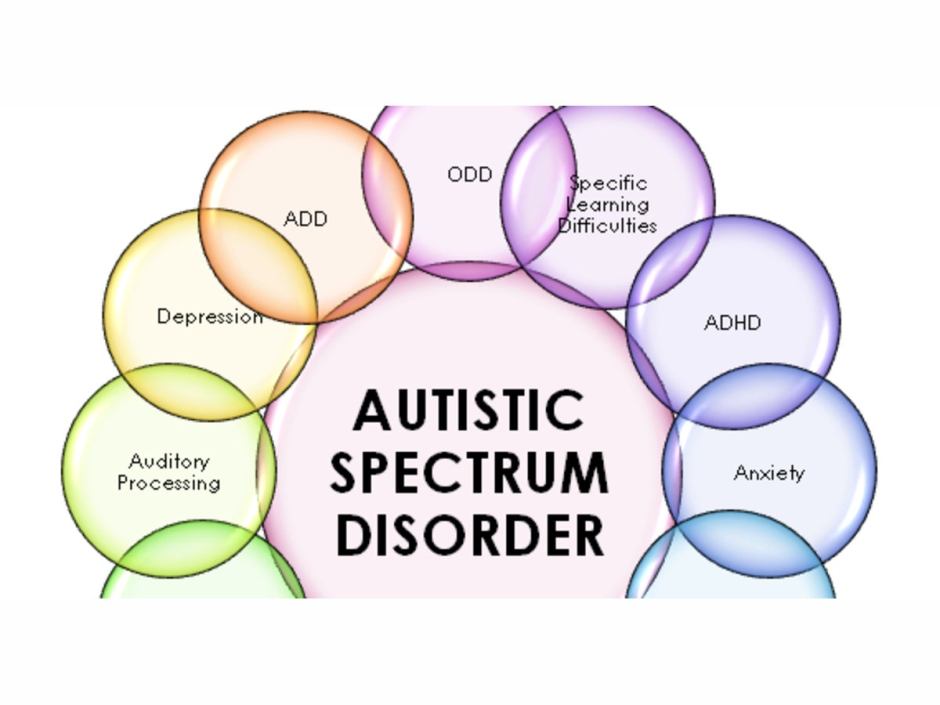
Exploring the relationship between ASD and mental health difficulties, this book offers practical guidance to help parents and professionals recognise and handle co-morbid conditions, and dispels the myth that they are just a part of autism. The authors cover a wide range of common mental health problems experienced by children with ASD, including Obsessive Compulsive Disorder (OCD), anxiety, ADHD, eating disorders, psychosis, stress, tics and depression, and illustrate these issues with case studies. They also provide vital advice in an accessible format and suggest strategies to ease the difficulties which arise from these co-morbid conditions. This book is essential reading for professionals working with children on the autism spectrum and is an accessible and practical resource for parents and carers.