Book: The Anxiety Workbook for Kids

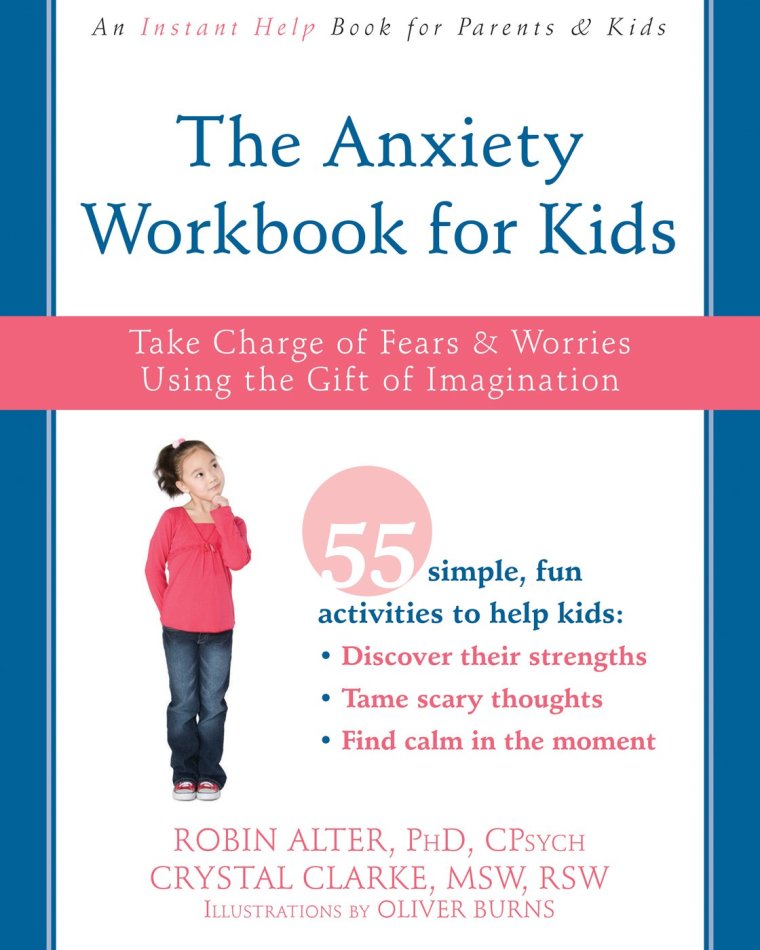
Book Title:

The Anxiety Workbook for Kids – Take Charge of Fears & Worries Using the Gift of Imagination.

Author(s): Robin Alter PhD and Crystal Clarke MSW.

Year: 2016.

Edition: First (1ed).

Publisher: New Harbinger; Workbook Edition.

Type(s): Paperback and Kindle.

Synopsis:

Millions of children suffer from anxiety, which can be extremely limiting, causing kids to miss school, opt out of activities with friends, and refuse to speak or participate in a variety of situations. Furthermore, children who are diagnosed with anxiety or brought into therapy often feel embarrassed about not being “normal.” Focusing on the problem of anxiety can stress kids out and make them feel ashamed. But when the focus is on their strengths and their vivid imaginations, children are empowered to face their anxiety head-on.

The Anxiety Workbook for Kids is a fun and unique workbook grounded in evidence-based CBT and designed to help children understand their anxious thoughts within a positive framework-a perspective that will allow kids to see themselves as the highly imaginative individuals they are, and actually appreciate the role imagination plays in their anxiety. With this workbook, children will learn that, just as they are capable of envisioning vivid scenarios that fuel their anxiety, they are capable of using their imagination to move away from anxious thoughts and become the boss of their own worries.

With engaging CBT-based activities, games, and illustrations-and with a focus on imagination training and developing skills like problem solving, assertiveness, positive thinking, body awareness, relaxation, and mindfulness-this book will help kids stand up to the “worry bully” and harness the power of their imagination for good.

Mental Health & COVID-19: Psychological Impacts that Merit Consideration now Rather than Later

Research Paper Title

Mental health in the COVID-19 pandemic.

Background

During any outbreak of an infectious disease, the population’s psychological reactions play a critical role in shaping both spread of the disease and the occurrence of emotional distress and social disorder during and after the outbreak. Despite this fact, sufficient resources are typically not provided to manage or attenuate pandemics’ effects on mental health and well-being. While this might be understandable in the acute phase of an outbreak, when health systems prioritise testing, reducing transmission and critical patient care, psychological and psychiatric needs should not be overlooked during any phase of pandemic management.

There are many reasons for this. It is known that psychological factors play an important role in adherence to public health measures (such as vaccination) and in how people cope with the threat of infection and consequent losses. These are clearly crucial issues to consider in the management of any infectious disease, including COVID-19. Psychological reactions to pandemics include maladaptive behaviours, emotional distress and defensive responses. People who are prone to psychological problems are especially vulnerable.

All of these features are in clear evidence during the current COVID-19 pandemic. One study of 1,210 respondents from 194 cities in China in January and February 2020 found that:

  • 54% of respondents rated the psychological impact of the COVID-19 outbreak as moderate or severe;
  • 29% reported moderate to severe anxiety symptoms; and
  • 17% reported moderate to severe depressive symptoms.

Notwithstanding possible response bias, these are very high proportions – and it is likely that some people are at even greater risk. During the 2009 H1N1 influenza outbreak (‘swine flu’), a study of mental health patients found that children and patients with neurotic and somatoform disorders were significantly over-represented among those expressing moderate or severe concerns.

Against this background, and as the COVID-19 pandemic continues to spread around the world, the authors hypothesise a number of psychological impacts that merit consideration now rather than later.

In the first instance, it should be recognised that, even in the normal course of events, people with established mental illness have a lower life expectancy and poorer physical health outcomes than the general population. As a result, people with pre-existing mental health and substance use disorders will be at increased risk of infection with COVID-19, increased risk of having problems accessing testing and treatment and increased risk of negative physical and psychological effects stemming from the pandemic.

Second, we anticipate a considerable increase in anxiety and depressive symptoms among people who do not have pre-existing mental health conditions, with some experiencing post-traumatic stress disorder in due course. There is already evidence that this possibility has been under-recognised in China during the current pandemic.

Third, it can be anticipated that health and social care professionals will be at particular risk of psychological symptoms, especially if they work in public health, primary care, emergency services, emergency departments and intensive or critical care. The World Health Organisation has formally recognised this risk to healthcare workers, so more needs to be done to manage anxiety and stress in this group and, in the longer term, help prevent burnout, depression and post-traumatic stress disorder.

There are several steps that can and should be taken now to minimise the psychological and psychiatric effects of the COVID-19 pandemic.

First, while it might be ostensibly attractive to re-deploy mental health professionals to work in other areas of healthcare, this should be avoided. Such a move would almost certainly worsen outcomes overall and place people with mental illness at disproportionate risk of deterioration in physical and mental health. If anything, this group needs enhanced care at this time.

Second, the authors recommend the provision of targeted psychological interventions for communities affected by COVID-19, particular supports for people at high risk of psychological morbidity, enhanced awareness and diagnosis of mental disorders (especially in primary care and emergency departments) and improved access to psychological interventions (especially those delivered online and through smartphone technologies). These measures can help diminish or prevent future psychiatric morbidity.

Finally, there is a need for particular focus on frontline workers including, but not limited to, healthcare staff. In the USA, the Centres for Disease Control and Prevention offer valuable advice for healthcare workers in order to reduce secondary traumatic stress reactions, including increased awareness of symptoms, taking breaks from work, engaging in self-care, taking breaks from media coverage and asking for help. This kind of advice needs to be underpinned by awareness of this risk among employers, enhanced peer-support and practical assistance for healthcare workers who find themselves exhausted, stressed and feeling excessive personal responsibility for clinical outcomes during what appears to be the largest pandemic of our times.

Even in this emergency circumstance, or especially in this emergency circumstance, we neglect mental health at our peril and to our long-term detriment.

Reference

Cullen, W., Gulati, G. & Kelly, B.D. (2020) Mental Health in the COVID-19 Pandemic. QJM: An International Journal of Medicine. 113(5), pp.311-312.

Coronavirus: Healthcare Workers & their Mental Health

Research Paper Title

Factors Associated With Mental Health Outcomes Among Health Care Workers Exposed to Coronavirus Disease 2019.

Background

Health care workers exposed to coronavirus disease 2019 (COVID-19) could be psychologically stressed.

Objective: To assess the magnitude of mental health outcomes and associated factors among health care workers treating patients exposed to COVID-19 in China.

Methods

This cross-sectional, survey-based, region-stratified study collected demographic data and mental health measurements from 1257 health care workers in 34 hospitals from January 29, 2020, to February 3, 2020, in China. Health care workers in hospitals equipped with fever clinics or wards for patients with COVID-19 were eligible.

The degree of symptoms of depression, anxiety, insomnia, and distress was assessed by the Chinese versions of the 9-item Patient Health Questionnaire, the 7-item Generalized Anxiety Disorder scale, the 7-item Insomnia Severity Index, and the 22-item Impact of Event Scale-Revised, respectively. Multivariable logistic regression analysis was performed to identify factors associated with mental health outcomes.

Results

A total of 1,257 of 1,830 contacted individuals completed the survey, with a participation rate of 68.7%. A total of 813 (64.7%) were aged 26 to 40 years, and 964 (76.7%) were women. Of all participants, 764 (60.8%) were nurses, and 493 (39.2%) were physicians; 760 (60.5%) worked in hospitals in Wuhan, and 522 (41.5%) were frontline health care workers.

A considerable proportion of participants reported symptoms of depression (634 [50.4%]), anxiety (560 [44.6%]), insomnia (427 [34.0%]), and distress (899 [71.5%]).

Nurses, women, frontline health care workers, and those working in Wuhan, China, reported more severe degrees of all measurements of mental health symptoms than other health care workers (eg, median [IQR] Patient Health Questionnaire scores among physicians vs nurses: 4.0 [1.0-7.0] vs 5.0 [2.0-8.0]; P = .007; median [interquartile range {IQR}] Generalized Anxiety Disorder scale scores among men vs women: 2.0 [0-6.0] vs 4.0 [1.0-7.0]; P < .001; median [IQR] Insomnia Severity Index scores among frontline vs second-line workers: 6.0 [2.0-11.0] vs 4.0 [1.0-8.0]; P < .001; median [IQR] Impact of Event Scale-Revised scores among those in Wuhan vs those in Hubei outside Wuhan and those outside Hubei: 21.0 [8.5-34.5] vs 18.0 [6.0-28.0] in Hubei outside Wuhan and 15.0 [4.0-26.0] outside Hubei; P < .001).

Multivariable logistic regression analysis showed participants from outside Hubei province were associated with lower risk of experiencing symptoms of distress compared with those in Wuhan (odds ratio [OR], 0.62; 95% CI, 0.43-0.88; P = .008).

Frontline health care workers engaged in direct diagnosis, treatment, and care of patients with COVID-19 were associated with a higher risk of symptoms of depression (OR, 1.52; 95% CI, 1.11-2.09; P = .01), anxiety (OR, 1.57; 95% CI, 1.22-2.02; P < .001), insomnia (OR, 2.97; 95% CI, 1.92-4.60; P < .001), and distress (OR, 1.60; 95% CI, 1.25-2.04; P < .001).

Conclusions

In this survey of heath care workers in hospitals equipped with fever clinics or wards for patients with COVID-19 in Wuhan and other regions in China, participants reported experiencing psychological burden, especially nurses, women, those in Wuhan, and frontline health care workers directly engaged in the diagnosis, treatment, and care for patients with COVID-19.

Reference

Jianbo, Lai., Simeng, Ma., Ying, Wang., Zhongxiang, Cai., Jianbo, Hu., Ning, Wei., Jiang, Wu., Hui, Du., Tingting, Chen., Ruiting, Li., Huawei, Tan., Lijun, Kang., Lihua, Yao., Manli, Huang., Huafen, Wang., Gaohua, Wang., Zhongchun, Liu. & Shaohua, Hu. (2020) Factors Associated With Mental Health Outcomes Among Health Care Workers Exposed to Coronavirus Disease 2019. JAMA Network Open. 3(3):e203976. doi: 10.1001/jamanetworkopen.2020.3976.

Can a Novel Algorithmic Approach Operationalise the Management of Depression & Anxiety for Primary Care?

Research Paper Title

Effects of Brief Depression and Anxiety Management Training on a US Army Division’s Primary Care Providers.

Background

There is a nation-wide gap between the prevalence of mental illness and the availability of psychiatrists. This places reliance on primary care providers (PCPs) to help meet some of these mental health needs.

Similarly, the US Army expects its PCPs to be able to manage common mental illnesses such as anxiety and depression. Therefore, PCPs must be able to close their psychiatric skills gaps via lifelong learning.

Methods

Following needs assessment of PCPs in a US Army division, the curriculum was developed. Objectives targeted pharmacological management of depression and anxiety. Behavioural intervention skills were also taught to treat insomnia.

Didactics and case-based small groups were used. A novel psychotropic decisional tool was developed and provided to learners to assist and influence their future psychiatric practice. Pre-training, immediate post-training, and 6-month assessments were done via survey to evaluate confidence and perceived changes in practice.

The curriculum was executed as a quality improvement project using the Plan, Do, Study, Act framework.

Results

Among 35 learners, immediate confidence in selecting optimal psychotropic and perceived knowledge, skill to change the dose or type of medication, and confidence in prescribing behavioural sleep improved significantly with large effect sizes.

At 6-month follow-up, learners reported that they were more likely to adjust medications for anxiety or depression and were more likely to start a new medication for anxiety or depression because of the training with moderate effect sizes. Use and satisfaction with the psychotropic decisional tool are also reported.

Conclusions

The psychotropic decisional tool illustrates a novel algorithmic approach for operationalising the management of depression and anxiety.

Similar approaches can improve the skills of a variety of PCPs in the management of psychiatric disorders.

Further studies in the military operational setting are needed to assess the effects of similar educational interventions on access to behavioural health care, suicidal behaviours, and unit medical readiness.

Reference

Amin, R. & Thomas, M.A. (2020) Effects of Brief Depression and Anxiety Management Training on a US Army Division’s Primary Care Providers. Military Medicine. doi: 10.1093/milmed/usz443. Online ahead of print.

Book: Understanding Motivation and Emotion

Book Title:

Understanding Motivation and Emotion.

Author(s): Johnmarshall Reeve.

Year: 2018.

Edition: Seventh (7th).

Publisher: John Wiley and Sons.

Type(s): Paperback and Kindle.

Synopsis:

Understanding Motivation and Emotion helps readers understand motivation; where it comes from, how and why it changes over time, and how motivation can be increased. The book also shows how to apply the principles of motivation in applied settings, such as in schools, in the workplace, on the athletic field, in counselling, and in one’s own personal life.

Reeve’s engaging writing captures the excitement of recent advances in the field to show the reader what contemporary motivation psychologists are excited about. He also uses effective examples and explains how motivation study can be applied to readers’ daily lives.

By combining a strong theoretical foundation with current research and practical applications, Reeve provides readers with a valuable tool for understanding why people do what they do and why people feel what they feel.

Book: The Age of Anxiety

Book Title:

Time Special Edition: The Age of Anxiety.

Author(s): The Editors of TIME.

Year: 2020.

Edition: First (1st).

Publisher: Time.

Type(s): Magazine and Kindle.

Synopsis:

Anxiety disorders are one of the most common mental illness in the US, affecting 40 million adults.

But what exactly is anxiety?

In this special edition from TIME, anxiety is examined in all of its complexity.

Is it a physiological ailment, or a psychological impairment or both? Is it a simple fight-or-flight response to everyday stress and how best to manage it in our lives?

This special edition includes:

  • What anxiety does to your brain and body;
  • The upside of anxiety;
  • How the stress can fuel you;
  • How social media and our digital lives can make us anxious; and
  • The unique pressures upon children and teens and how to address them.

Also included are natural remedies for anxiety, tips on mindful meditation and more.

Gaming Disorders & their Association with Mental Disorders for African Countries

Research Paper Title

Insomnia, Sleepiness, Anxiety and Depression Among Different Types of Gamers in African Countries.

Background

Gaming has increasingly become a part of life in Africa. Currently, no data on gaming disorders or their association with mental disorders exist for African countries.

This study for the first time investigated:

  1. The prevalence of insomnia, excessive daytime sleepiness, anxiety and depression among African gamers;
  2. The association between these conditions and gamer types (i.e. non-problematic, engaged, problematic and addicted); and
  3. The predictive power of socioeconomic markers (education, age, income, marital status, employment status) on these conditions.

Methods

10,566 people from 2 low- (Rwanda, Gabon), 6 lower-middle (Cameroon, Nigeria, Morocco, Tunisia, Senegal, Ivory Coast) and 1 upper-middle income countries (South Africa) completed online questionnaires containing validated measures on insomnia, sleepiness, anxiety, depression and gaming addiction.

Results

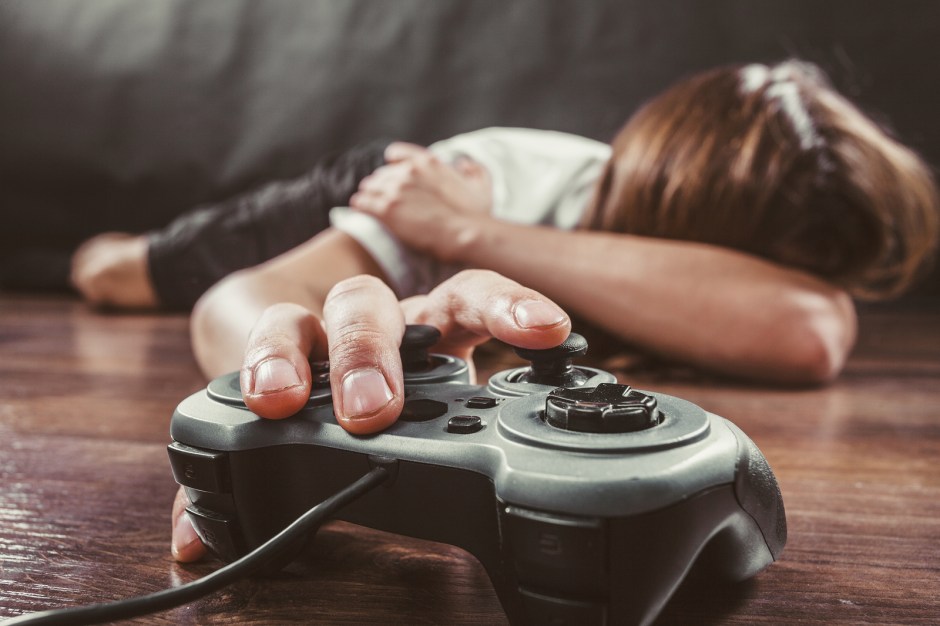
Results showed the sample of gamers (24 ± 2.8 yrs; 88.64% Male), 30% were addicted, 30% were problematic, 8% were engaged and 32% were non-problematic.

Gaming significantly contributed to 86.9% of the variance in insomnia, 82.7% of the variance in daytime sleepiness and 82.3% of the variance in anxiety [p < 0.001].

Conclusions

This study establishes the prevalence of gaming, mood and sleep disorders, in a large African sample.

The results corroborate previous studies, reporting problematic and addicted gamers show poorer health outcomes compared with non-problematic gamers.

Reference

Sosso, F.A.E, Kuss, D.J., Vandelanotte, C., Jasso-Medrano, J.L., Husain, M.E., Curcio, G., Papadopoulos, D., Aseem, A., Bhati, P., Lopez-Rosales, F., Becerra, J.R., D’Aurizio, G., Mansouri, H., Khoury, T., Campbell, M. & Toth, A.J. (2020) Insomnia, Sleepiness, Anxiety and Depression Among Different Types of Gamers in African Countries. Scientific Reports. 10(1):1937. doi: 10.1038/s41598-020-58462-0.

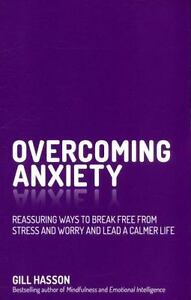
Book: Overcoming Anxiety

Book Title:

Overcoming Anxiety: Reassuring ways to break free from stress and worry and lead a calmer life.

Author(s): Gill Hasson and Tania Rodrigues.

Year: 2016.

Edition: First (1st).

Publisher: Audible Studios.

Type(s): Paperback, Audiobook, and Kindle.

Synopsis:

Understand, overcome, and break free from worry and anxiety.

Best-selling personal development author Gill Hasson is back, and this time she is here to help with something that affects all people at some point in their lives: anxiety.

Worries and anxieties are familiar to us all. Worrying can be helpful when it prompts you to take action and solve a problem, but unrelenting doubts, fears, and negative possibilities can dominate your mind, affecting your ability to manage your everyday life and well-being, your sleep and appetite, your social life, and your ability to concentrate.

But it does not need to be like this; there are ways that you can manage this spiral of unhelpful thoughts and difficult feelings. Overcoming Anxiety explains how to manage anxiety and stop it from taking over; it teaches you the skills you need to lead a more peaceful, stress-free life.

Overcoming Anxiety:

  • Provides practical strategies and techniques to manage your anxiety.
  • Discusses how to break free from negative cycles and move forward in a positive way.
  • Contains real-life examples from anxiety sufferers.
  • Explores what it takes to handle immediate anxiety events and longer term, low-level background anxiety and worry.

Is Early Improvement within the First 2 Weeks of Receiving Antidepressant Treatment a Predictor of Outcome in Patients with MDD and a High Level of Anxiety?

Research Paper Title

Antidepressant treatment strategy with an early onset of action improves the clinical outcome in patients with major depressive disorder and high anxiety: a multicenter and 6-week follow-up study.

Background

Major depressive disorder (MDD) is a prevalent, often chronic, and highly disabling multidimensional psychiatric illness. Moreover, co-occurring anxiety symptoms are extremely common among patients with MDD; up to 90% of patients present with anxiety symptoms. Notably, high levels of anxiety symptoms may predict worse clinical outcomes because of poor response to pharmacotherapy for MDD. So use of augmentation or combination strategies during early course of treatment could be necessary, but ensuring the accurate and timely change is difficult because of the lack of consensus to assess the early improvement of initial treatment. To date, replicated evidence indicates that the lack of early improvement (eg, <20% reduction in a depression scale score) in 2 weeks can be an accurate predictor to identify eventual non-responders. This study aimed to evaluate the early onset of antidepressant action and clinical outcomes in patients with MDD and high anxiety, and to explore the potential influencing factors of early onset improvement.

Methods

This study was a post-hoc analysis of a multi-centre, randomised, parallel-controlled, open-label study. The study protocol was approved by the independent ethics committee in each research centre or the ethics committee of the Peking University Sixth Hospital. All the participants provided written informed consent before the study. A total of 245 patients (aged 18–65 years) were diagnosed with MDD based on the Diagnostic and Statistical Manual of Mental Disorders, 4th Edition, Text Revision criteria. They were required to have a current major depressive episode with a total score ≥17 on the Hamilton Depression Rating Scale 17-item (HAMD-17), and also have a high level of anxiety symptoms with a total score ≥14 on the Hamilton Anxiety Rating Scale (HAMA) at the baseline visit.

All eligible patients were assigned to receive at least 6 weeks of follow-up and antidepressant treatment, including selective serotonin reuptake inhibitors (SSRIs) alone or coupled with a flexible dose of tandospirone. The involved SSRIs were fluoxetine, paroxetine, fluvoxamine, sertraline, citalopram, and escitalopram. Notably, not all the patients were naive to any antidepressants at the first visit, but they were not treated with adequate dose of antidepressants for more than 2 weeks in the current episode. Treatment with several sedative-hypnotic drugs for short-term use was permitted as needed for sleep disorders, including zopiclone, lorazepam, alprazolam, clonazepam, midazolam, zaleplon, and zolpidem.

The efficacy measurements were evaluated at different visit points, including week 2, week 4, and week 6. The evaluation tools included HAMD-17 total scores, HAMA total scores, and Clinical Global Impressions Severity Subscale (CGI-S) score. Moreover, short form-12 (SF-12) physical component score (PCS) and mental component score (MCS) were used to assess the quality of life of these patients. Remission assessment was defined as showing an HAMD-17 total score ≤7 points.

At the end of week 2,240 patients remained and were divided into two groups based on the reduction rate of HAMD-17 total score compared with the baseline: early-improvement group (≥20% decrease in HAMD-17 total score, n = 134) and early-unimproved group (<20% decrease in HAMD-17 total score, n = 106). Finally, 230 patients completed the 6-week follow-up, including 128 patients with early-improvement and 102 early-unimproved patients. The comparison of the remission rate between the two groups was conducted in week 6. In addition, the potential influencing factors of early improvement in week 2 were also analysed.

The data analysis was based on the full analysis set. The data collected at each visit point were analysed using the mixed-effects repeated-measures model. The influencing factors of early improvement were analysed by logistic regression. All the statistical analyses were performed using the Statistical Package for the Social Sciences for Windows, version 24.0 (SPSS, Inc., Chicago, IL, USA). P < 0.05 was considered statistically significant.

Results

The baseline demographic data were similar between the two groups (P > 0.05), except for the number of patients taking sedative-hypnotic drugs. The patients in the early-improvement group showed more combination of sedative-hypnotic drugs compared with the patients in the early-unimproved group (12.7% [17/134] vs. 1.9% [2/106], χ2 = 11.979, P = 0.002).

At baseline, the total scores of HAMD-17 (24.76 vs. 23.11, P = 0.007) and CGI-S (4.89 vs. 4.54, P = 0.002) in the early-improvement group were significantly higher, and SF-12 (PCS) (38.77 vs. 41.65, P = 0.022) and SF-12 (MCS) (26.01 vs. 28.05, P = 0.035) scores were significantly lower than those in the early-unimproved group. The statistical superiority was observed for the early-improvement group in the HAMD-17 total score, HAMA total score, and CGI-S total score during weeks 2 to 6, SF-12 (PCS) score in week 6 and SF-12 (MCS) score between weeks 2 and 6.

Notably, the patients in the early-improvement group showed greater improvements in several important rating scales compared with the patients in the early-unimproved group at the endpoint visit. The least-squares (LS) mean in the HAMD-17 total score was statistically lower for the early-improvement group than the early-unimproved group (6.48 vs. 12.17, P < 0.001). The LS means in both HAMA total score (7.19 vs. 11.8, P < 0.001) and CGI-S total score (1.91 vs. 2.65, P < 0.001) were also significantly lower in the early-improvement group than in the early-unimproved patients. The greater improvements were observed in both SF-12 (PCS) score (48.26 vs. 45.36, P = 0.014) and SF-12 (MCS) score (44.21 vs. 36.36, P < 0.001) for the early-improvement group than for the early-unimproved group. In addition, the early-improvement group showed a significant difference in the remission rate in week 6 compared with the early-unimproved group (62.8% [80/128] vs. 29.4% [30/102], χ2 = 25.424, P < 0.001).

The logistic regression model was used to analyse the influencing factors for early improvement. The dependent variable was a dichotomous variable, which was an early improvement vs. early un-improvement. The independent variables included in the model were treatment (SSRIs + tandospirone vs. SSRIs), combination with sedative-hypnotic drugs, age, body weight, sex, age of onset of psychiatric symptoms, course of recent episode, and baseline total scores of HAMD-17, HAMA, CGI-S, SF-12 (MCS), and SF-12 (PCS) scales. Of these variables, the combination with sedative-hypnotic drugs was statistically significant (odds ratio: 7.556, 95% confidence interval: 1.607–35.530, P = 0.010), indicating that the combination with sedative-hypnotic therapy was more helpful for early improvement.

Conclusions

The present study successfully replicated the findings of previous major studies, which demonstrated a significant relationship between early improvement within the first weeks of antidepressant treatment and later remission rate in patients with MDD. Specifically, a similar association was found in patients with MDD and high level of anxiety symptoms. The results showed that patients who achieved the early improvement of the depressive symptoms in week 2 after antidepressant treatment also obtained the sustained relief of symptoms and improved quality of life during weeks 2 to 6. Further, these patients with early improvement displayed more significant clinical remission of depressive symptoms in week 6.

According to the logistic regression analysis, the results revealed that the combination with sedative-hypnotic drugs was a significant predictor of early improvement in week 2. Benzodiazepines are primarily used as a sedative-hypnotics in patients with MDD to alleviate anxiety symptom and insomnia, and they might contribute to the response to antidepressants in the first two weeks because they produce a faster onset of effect on anxiety symptoms than antidepressants alone. Thus, it may be justifiable to combine benzodiazepines as a short-term treatment in patients with MDD and high-level anxiety.

In summary, the early improvement within the first 2 weeks of receiving antidepressant treatment is a powerful predictor of outcome in patients with MDD and a high level of anxiety. Notably, the short-term combination with sedative-hypnotic drugs within the first few weeks may augment the early-onset improvement of antidepressant therapy.

Reference

Liao, Xue-Mei., Su, Yun-Ai1., Wang, Ying.; Yu, Xin. & Si, Tian-Mei. (2020) Antidepressant treatment strategy with an early onset of action improves the clinical outcome in patients with major depressive disorder and high anxiety: a multicenter and 6-week follow-up study. Chinese Medical Journal. 6, pp.726-728. doi: 10.1097/CM9.0000000000000673.

What is the Role of Combat Exposure & Malevolent Environments in Mental Health?

Research Paper Title

Do different types of war stressors have independent relations with mental health? Findings from the Korean Vietnam Veterans Study.

Background

South Korea had the second largest contingent of soldiers in the Vietnam War, but little is known about their adaptation, especially in later life.

Previous work in a different sample found very high rates of post-traumatic stress disorder (PTSD; 41%) among Korean Vietnam veterans (KVVs; Kang, Kim, & Lee, 2014), compared to 19-31% for American Vietnam veterans.

The researchers explored possible reasons for this high rate of PTSD, as well as anxiety and depressive symptoms, utilising both vulnerability factors (e.g., war stressors) and protective factors (optimism, unit cohesion, and homecoming experiences).

Method

The sample included 367 male KVVs surveyed by mail (M age = 72, SD = 2.66).

Using hierarchical regressions controlling for demographics, the researchers examined the relative contributions of different types of war stressors and then the protective factors.

Results

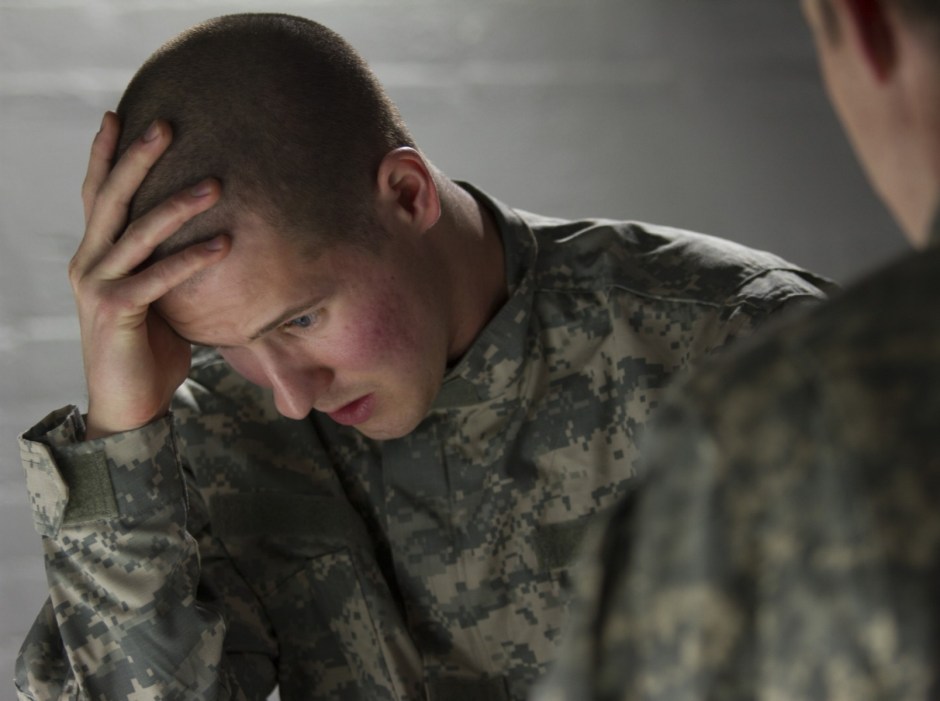
Combat exposure was significantly associated with the three types of negative psychological symptoms, but their associations became non-significant when “subjective” war stressors (malevolent environments, perceived threat, and moral injury) were added.

In the final models, malevolent environments were the strongest predictor for all three outcomes.

In addition, moral injury was independently associated with PTSD symptoms, while perceived threat was marginally associated with depressive and anxiety symptoms.

Among psychosocial factors, only optimism was negatively associated with the mental health outcomes.

Conclusions

KVVs had very high rates of combat exposure, but malevolent environments played a more important role in their mental health in later life.

These findings suggest the importance of considering adverse environmental factors in understanding PTSD in future studies.

Reference

Lee, H., Aldwin, C.M. & Kang, S. (2020) Do different types of war stressors have independent relations with mental health? Findings from the Korean Vietnam Veterans Study. Psychological Trauma: Theory, Research, Practice, and Policy. doi: 10.1037/tra0000557. [Epub ahead of print].