Mental Health Care, Policy, and COVID-19: The Renewed Role for Psychiatric and Addiction Nursing

Research Paper Title

Mental Health Care, Policy, and COVID-19: The Renewed Role for Psychiatric and Addiction Nursing.

Background

Kovner (2020) has importantly highlighted the role that health care workers play in the 21st century to fight pandemics, such as the recent COVID-19 outbreak, in Canada and around the world. The heroic actions, determination, selflessness, and compassion of nurses and many health care providers worldwide have become the highlighted story of COVID-19 pandemic (Kovner, 2020). This is particularly significant, as 2020 has been called the Year of the Nurse and the Midwife by the World Health Organization and the International Council of Nurses to celebrate the birth of renowned nurse Florence Nightingale on her 200th anniversary. While this year has already signified the critical position of nurses in primary care, policy, and clinical practice, the role of psychiatric nurses and their contributions to primary care have often been overlooked by society, government policy makers, and many academics.

This is particularly true, as most provinces/states do not have dedicated bachelors’ degrees in psychiatric nursing, except for British Columbia (BC), Alberta, Saskatchewan, and Manitoba in Canada. Additionally, BC remains the only province/State in North America that has a fellowship program in Addiction nursing (Jozaghi & Dadakhah-Chimeh, 2018). Momentously, it was also the first province/state in North America to enact a provincial ministry dedicated to mental health and addiction (BC Gov News, 2017). This is remarkably significant in the current pandemic as many North American are asked to work from home, have been laid off, ordered to self-isolate, or practice social distancing. The cumulative effects of financial strain and self-isolation have already been reflected in a higher frequency of police calls for mental health and domestic assault cases in many provinces, territories, and states (Hong, 2020; Seebruch, 2020). The latest research also highlights a projected increase in suicide cases in North America linked to the COVID-19 pandemic (McIntyre & Lee, 2020). Self-isolation measures and the ongoing opioid crisis have also caused sharp increases in mortalities linked to synthetic opioids to their highest levels (Johnston, 2020). Finally, some researchers have warned about the potential misuse of alcohol during the current pandemic (Clay & Parker, 2020).

Therefore, the rise in mental health and domestic abuse calls, potential suicides, overdose deaths, and alcohol abuse serves as a reminder that COVID-19 is not our only health crisis. We must tackle and plan for the potential tsunami of mental health and addiction cases. While the Federal government in Canada has promised investment to improve long-term care, Kovner (2020) rightly pointed out that COVID-19 pandemic is about politics and policy and we similarly urge the governments and municipalities to invest to improve public health. More importantly, dedicated mental health care and training in psychiatric and addiction nursing is long overdue. We also recommend that cities, states, and federal housing agencies to increase funding for dedicated mental health and harm reduction programs during the current pandemic for people who have mental health or substance use disorders.

Reference

Dadakhah-Chimeh, Z. & Jozaghi, E. (2020) Mental Health Care, Policy, and COVID-19: The Renewed Role for Psychiatric and Addiction Nursing. Policy, Politics& Nursing Practice. doi: 10.1177/1527154420957305. Online ahead of print.


Social Support & Mental Health Needs: Carers of Those with Intellectual Disabilities

Research Paper Title

Effect of the covid-19 pandemic on the mental health of carers of people with intellectual disabilities.

Background

The measures implemented to manage the COVID-19 pandemic have been shown to impair mental health. This problem is likely to be exacerbated for carers.

Methods

Informal carers (mainly parents) of children and adults with intellectual disabilities, and a comparison group of parents of children without disabilities, completed an online questionnaire. Almost all the data were collected while strict lockdown conditions were in place.

Results

Relative to carers of children without intellectual disability, carers of both children and adults with intellectual disability had significantly greater levels of a wish fulfilment coping style, defeat/entrapment, anxiety, and depression. Differences were 2-3 times greater than reported in earlier pre-pandemic studies. Positive correlations were found between objective stress scores and all mental health outcomes.

Conclusions

Despite their greater mental health needs, carers of those with intellectual disability received less social support from a variety of sources. The researchers consider the policy implications of these findings.

Reference

Willner, P., Rose, J., Kroese, B.S., Murphy, G., Langdon, P., Clifford, C., Hutchings, H., Watkins, A., Hiles, S. & Cooper, V. (2020) Effect of the covid-19 pandemic on the mental health of carers of people with intellectual disabilities. Journal of Applied Research in Intellectual Disabilities. doi: 10.1111/jar.12811. Online ahead of print.

The Challenges & Opportunities for Counselling & Psychotherapy in the Aftermath of COIV-19.

Research Paper Title

Counselling and psychotherapy post-COVID-19.

Background

The researchers consider how the prolonged, complex and uncertain aftermath of the COVID-19 crisis will present challenges and opportunities for counselling and psychotherapy.

Increased mental strain on populations, individuals and professionals is likely to be compounded by further constraints in therapeutic resources.

Nevertheless, emerging needs and priorities will offer ground for systems thinking in linking the application of a range of therapeutic frameworks, theories to address global challenges, integration of counselling and psychotherapy into new sectors, service models for the most vulnerable, use of digital approaches, support mechanisms for professionals and interdisciplinary research.

Reference

Vostanis, P & Bell, C.A. (2020) Counselling and psychotherapy post-COVID-19. Counselling and Psychotherapy Research. doi: 10.1002/capr.12325. Online ahead of print.

COVID-19 and the Role of Primary Care in Suicide Prevention

Research Paper Title

Role of Primary Care in Suicide Prevention During the COVID-19 Pandemic.

Background

Primary care providers have an important role in suicide prevention, knowing that among people who die by suicide, 83% have visited a primary care provider in the prior year, and 50% have visited that provider within 30 days of their death, rather than a psychiatrist.

The psychosocial impact of the coronavirus disease 2019 pandemic poses increased risk for suicide and other mental health disorders for months and years ahead.

This article focuses on screening tools, identification of the potentially suicidal patient in the primary care setting, and a specific focus on suicide prevention during widespread, devastating events, such as a pandemic.

Reference

Nelson, P.A. & Adams, S.M. (2020) Role of Primary Care in Suicide Prevention During the COVID-19 Pandemic. The Journal for Nurse Practitioners. doi: 10.1016/j.nurpra.2020.07.015. Online ahead of print.

Does COVID-19 Fear, Mental Health, and Substance Misuse Conditions among University Social Work Students Ignore Nationality?

Research Paper Title

COVID-19 Fear, Mental Health, and Substance Misuse Conditions Among University Social Work Students in Israel and Russia.

Background

In December 2019, cases of pneumonia of unknown etiology but with acute respiratory distress syndrome (ARDS) and other serious complications were reported in Wuhan, Hubei Province, China. One month later, a novel coronavirus was identified by the Chinese Centre for Disease Control and Prevention (CDC) from the throat swab sample of a patient and was subsequently named “COVID-19” by the World Health Organisation (WHO) (Nanshan et al. 2020). At the end of June 2020, approximately 500,000 deaths worldwide have been linked to COVID-19 (Johns Hopkins University of Medicine 2020).

Following many cases reported by Chinese authorities, the WHO declared the new coronavirus pneumonia epidemic a public health emergency of international concern. Among the early virus characteristics reported were strong human-to-human transmission and fast transmission speed, mainly spread through respiratory droplets and contact (Nanshan et al. 2020). In response, Chinese authorities moved to a strategy of regional blockade aimed to stop the spread of the epidemic (Chen et al. 2020) as well as quarantine. “Quarantine” is one of the oldest and most effective tools of controlling communicable disease outbreaks. It means the restriction of movement among people presumed to have been exposed to a contagious disease but are not ill, either because they did not become infected or because they are still in the incubation period. The second tool that is widely used to prevent the spread of the pandemic is “social distancing.” It is designed to reduce interactions between people in a community where individuals may be infectious but have not yet been identified, and hence not yet isolated (Burdorf et al. 2020).

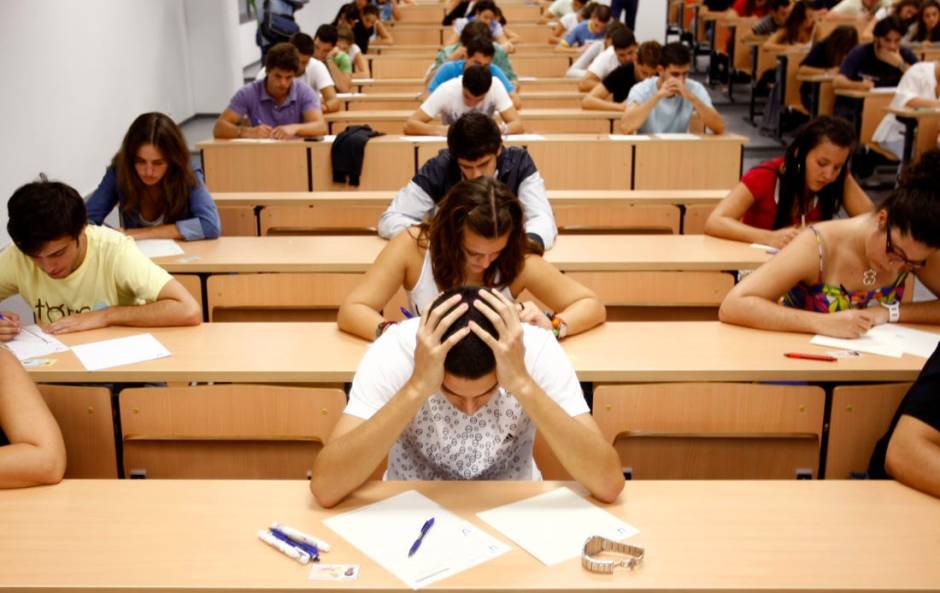
Once countries dealing with COVID-19 implemented quarantine and social distancing, the need for social workers and other health care professionals greatly increased due to mental health problems experienced by the general public. Studies have found that widespread outbreaks of infectious diseases, such as COVID-19, are associated with psychological distress and mental illness (Bao et al. 2020). Such conditions include stress, anxiety, depression, insomnia, anger, fear, stigma (Lin 2020; Pakpour and Griffiths 2020; Torales et al. 2020), and substance misuse (Baillie et al. 2010) on individual, family, community, and national levels (Harper et al. 2020; Kang et al. 2020). Older adults, especially with chronic health conditions, have been identified as extremely vulnerable to COVID-19. However, those dealing with the infection, such as medical and allied health personnel including those affiliated with social work, have received considerable attention for their “front line” efforts combating this disaster.

Israel and Russia pursue a similar policy to combat the COVID-19: strict quarantine or self-isolation, the abolition of all events with a large number of people, the closure of schools and universities, the cessation of aviation and railway travel and closed borders, the mandatory use of masks, etc. At the end of June 2020, there were 22,800 confirmed cases and 314 deaths in Israel and in Russia, 626,779 cases and 8958 deaths (JHUM 2020). Based on the dearth of information about student mental health during the COVID-19 pandemic (Grubic et al. 2020), The researchers hypothesized fear, mental health, and substance misuse among university students are similar regardless of nationality. For this purpose, social work students from Israel and Russia were studied.

Reference

Yehudai, M., Bendar, S., Gritsenko, V., Konstantinov, V., Reznik, A. & Isralowitz, R. (2020) COVID-19 Fear, Mental Health, and Substance Misuse Conditions Among University Social Work Students in Israel and Russia. International Journal of Mental Health Addiction. 1–8.
doi: 10.1007/s11469-020-00360-7 [Epub ahead of print].

What are the Challenges of Mental Healthcare during COVID-19?

Research Paper Title

Current and Future Challenges in the Delivery of Mental Healthcare during COVID-19.

Background

The USA is in the midst of the COVID-19 pandemic.

The researchers assess the impact of COVID-19 on psychiatric symptoms in healthcare workers, those with psychiatric comorbidities, and the general population.

They highlight the challenges ahead and discuss the increased relevance of telepsychiatry.

Methods

The researchers analysed all available literature available as of 25 March 2020, on PubMed, Ovid Medline, and PsychInfo.

They utilised the MeSH term “covid AND (psychiatry OR mental health)” and included all articles.

Duplicates were removed resulting in 32 articles, of which 19 are cited. Four additional references are included to examine suicide data. During the review process, an additional 7 articles were identified which are also included.

Results

Frontline healthcare workers are currently experiencing increased psychiatric symptoms and this is more severe in females and nurses. Non-frontline healthcare workers, as well as the general population, are experiencing vicarious traumatisation.

People with psychiatric comorbidities, and the general population, face increased psychiatric symptom burden. Migrant workers, the elderly, children, and the homeless may be disproportionately impacted. Suicide rates may be impacted.

Conclusions

The COVID-19 pandemic has resulted in a severe disruption to the delivery of mental healthcare.

Psychiatric facilities are facing unprecedented disruptions in care provision as they struggle to manage an infected population with comorbid psychiatric symptoms.

Telepsychiatry is a flawed but reasonable solution to increase the availability of mental healthcare during COVID-19.

Reference

Gautam, M., Thakrar, A., Akinyemi, E. & Mahr, G. (2020) Current and Future Challenges in the Delivery of Mental Healthcare during COVID-19. SN Comprehensive Clinical Medicine. 1-6. doi: 10.1007/s42399-020-00348-3. Online ahead of print.

Beyond Paranoia & Panic: Mental Health Strategies to Combat the Psychological Impact of COVID-19

Research Paper Title

Mental Health Strategies to Combat the Psychological Impact of COVID-19 Beyond Paranoia and Panic.

Background

On 30 January 2020, the World Health Organisation (WHO) declared the outbreak of coronavirus disease 2019 (COVID-19) an international public health emergency after the number of cases soared across 34 regions in Mainland China and surpassed that of severe acute respiratory syndrome (SARS) in 2003.

The virus was believed to have originated from a wholesale seafood market in the city of Wuhan in the province of Hubei towards the end of December 2019.

Shortly after, the number of cases increased exponentially in Wuhan and nearby cities and provinces before spreading throughout the world.

Located approximately 3,432 km from the epicentre of Wuhan, Singapore is a densely populated city-state of 5.7 million who saw 1,592,612 international visitors in 2019; of these, 380,933 were visitors from Mainland China.

After a tourist from Wuhan was identified as the first case of COVID-19 infection on 23 January 2020 in Singapore, the country responded decisively by initiating a series of public health measures to contain the outbreak that included travel advisories, restriction of entry into the country by individuals who had travelled to Mainland China in the preceding 2 weeks, mandatory quarantine for contact cases and rigorous contact tracing of individuals linked to confirmed COVID-19 cases.

You can access the full article here.

Reference

Ho, C.S., Chee, C.Y. & Ho, R.C. (2020) Mental Health Strategies to Combat the Psychological Impact of COVID-19 Beyond Paranoia and Panic. Annals of the Academy of Medicine, Singapore. 49(3), pp.155-160.

Mental Health & COVID-19: Psychological Impacts that Merit Consideration now Rather than Later

Research Paper Title

Mental health in the COVID-19 pandemic.

Background

During any outbreak of an infectious disease, the population’s psychological reactions play a critical role in shaping both spread of the disease and the occurrence of emotional distress and social disorder during and after the outbreak. Despite this fact, sufficient resources are typically not provided to manage or attenuate pandemics’ effects on mental health and well-being. While this might be understandable in the acute phase of an outbreak, when health systems prioritise testing, reducing transmission and critical patient care, psychological and psychiatric needs should not be overlooked during any phase of pandemic management.

There are many reasons for this. It is known that psychological factors play an important role in adherence to public health measures (such as vaccination) and in how people cope with the threat of infection and consequent losses. These are clearly crucial issues to consider in the management of any infectious disease, including COVID-19. Psychological reactions to pandemics include maladaptive behaviours, emotional distress and defensive responses. People who are prone to psychological problems are especially vulnerable.

All of these features are in clear evidence during the current COVID-19 pandemic. One study of 1,210 respondents from 194 cities in China in January and February 2020 found that:

  • 54% of respondents rated the psychological impact of the COVID-19 outbreak as moderate or severe;
  • 29% reported moderate to severe anxiety symptoms; and
  • 17% reported moderate to severe depressive symptoms.

Notwithstanding possible response bias, these are very high proportions – and it is likely that some people are at even greater risk. During the 2009 H1N1 influenza outbreak (‘swine flu’), a study of mental health patients found that children and patients with neurotic and somatoform disorders were significantly over-represented among those expressing moderate or severe concerns.

Against this background, and as the COVID-19 pandemic continues to spread around the world, the authors hypothesise a number of psychological impacts that merit consideration now rather than later.

In the first instance, it should be recognised that, even in the normal course of events, people with established mental illness have a lower life expectancy and poorer physical health outcomes than the general population. As a result, people with pre-existing mental health and substance use disorders will be at increased risk of infection with COVID-19, increased risk of having problems accessing testing and treatment and increased risk of negative physical and psychological effects stemming from the pandemic.

Second, we anticipate a considerable increase in anxiety and depressive symptoms among people who do not have pre-existing mental health conditions, with some experiencing post-traumatic stress disorder in due course. There is already evidence that this possibility has been under-recognised in China during the current pandemic.

Third, it can be anticipated that health and social care professionals will be at particular risk of psychological symptoms, especially if they work in public health, primary care, emergency services, emergency departments and intensive or critical care. The World Health Organisation has formally recognised this risk to healthcare workers, so more needs to be done to manage anxiety and stress in this group and, in the longer term, help prevent burnout, depression and post-traumatic stress disorder.

There are several steps that can and should be taken now to minimise the psychological and psychiatric effects of the COVID-19 pandemic.

First, while it might be ostensibly attractive to re-deploy mental health professionals to work in other areas of healthcare, this should be avoided. Such a move would almost certainly worsen outcomes overall and place people with mental illness at disproportionate risk of deterioration in physical and mental health. If anything, this group needs enhanced care at this time.

Second, the authors recommend the provision of targeted psychological interventions for communities affected by COVID-19, particular supports for people at high risk of psychological morbidity, enhanced awareness and diagnosis of mental disorders (especially in primary care and emergency departments) and improved access to psychological interventions (especially those delivered online and through smartphone technologies). These measures can help diminish or prevent future psychiatric morbidity.

Finally, there is a need for particular focus on frontline workers including, but not limited to, healthcare staff. In the USA, the Centres for Disease Control and Prevention offer valuable advice for healthcare workers in order to reduce secondary traumatic stress reactions, including increased awareness of symptoms, taking breaks from work, engaging in self-care, taking breaks from media coverage and asking for help. This kind of advice needs to be underpinned by awareness of this risk among employers, enhanced peer-support and practical assistance for healthcare workers who find themselves exhausted, stressed and feeling excessive personal responsibility for clinical outcomes during what appears to be the largest pandemic of our times.

Even in this emergency circumstance, or especially in this emergency circumstance, we neglect mental health at our peril and to our long-term detriment.

Reference

Cullen, W., Gulati, G. & Kelly, B.D. (2020) Mental Health in the COVID-19 Pandemic. QJM: An International Journal of Medicine. 113(5), pp.311-312.

Coronavirus: Healthcare Workers & their Mental Health

Research Paper Title

Factors Associated With Mental Health Outcomes Among Health Care Workers Exposed to Coronavirus Disease 2019.

Background

Health care workers exposed to coronavirus disease 2019 (COVID-19) could be psychologically stressed.

Objective: To assess the magnitude of mental health outcomes and associated factors among health care workers treating patients exposed to COVID-19 in China.

Methods

This cross-sectional, survey-based, region-stratified study collected demographic data and mental health measurements from 1257 health care workers in 34 hospitals from January 29, 2020, to February 3, 2020, in China. Health care workers in hospitals equipped with fever clinics or wards for patients with COVID-19 were eligible.

The degree of symptoms of depression, anxiety, insomnia, and distress was assessed by the Chinese versions of the 9-item Patient Health Questionnaire, the 7-item Generalized Anxiety Disorder scale, the 7-item Insomnia Severity Index, and the 22-item Impact of Event Scale-Revised, respectively. Multivariable logistic regression analysis was performed to identify factors associated with mental health outcomes.

Results

A total of 1,257 of 1,830 contacted individuals completed the survey, with a participation rate of 68.7%. A total of 813 (64.7%) were aged 26 to 40 years, and 964 (76.7%) were women. Of all participants, 764 (60.8%) were nurses, and 493 (39.2%) were physicians; 760 (60.5%) worked in hospitals in Wuhan, and 522 (41.5%) were frontline health care workers.

A considerable proportion of participants reported symptoms of depression (634 [50.4%]), anxiety (560 [44.6%]), insomnia (427 [34.0%]), and distress (899 [71.5%]).

Nurses, women, frontline health care workers, and those working in Wuhan, China, reported more severe degrees of all measurements of mental health symptoms than other health care workers (eg, median [IQR] Patient Health Questionnaire scores among physicians vs nurses: 4.0 [1.0-7.0] vs 5.0 [2.0-8.0]; P = .007; median [interquartile range {IQR}] Generalized Anxiety Disorder scale scores among men vs women: 2.0 [0-6.0] vs 4.0 [1.0-7.0]; P < .001; median [IQR] Insomnia Severity Index scores among frontline vs second-line workers: 6.0 [2.0-11.0] vs 4.0 [1.0-8.0]; P < .001; median [IQR] Impact of Event Scale-Revised scores among those in Wuhan vs those in Hubei outside Wuhan and those outside Hubei: 21.0 [8.5-34.5] vs 18.0 [6.0-28.0] in Hubei outside Wuhan and 15.0 [4.0-26.0] outside Hubei; P < .001).

Multivariable logistic regression analysis showed participants from outside Hubei province were associated with lower risk of experiencing symptoms of distress compared with those in Wuhan (odds ratio [OR], 0.62; 95% CI, 0.43-0.88; P = .008).

Frontline health care workers engaged in direct diagnosis, treatment, and care of patients with COVID-19 were associated with a higher risk of symptoms of depression (OR, 1.52; 95% CI, 1.11-2.09; P = .01), anxiety (OR, 1.57; 95% CI, 1.22-2.02; P < .001), insomnia (OR, 2.97; 95% CI, 1.92-4.60; P < .001), and distress (OR, 1.60; 95% CI, 1.25-2.04; P < .001).

Conclusions

In this survey of heath care workers in hospitals equipped with fever clinics or wards for patients with COVID-19 in Wuhan and other regions in China, participants reported experiencing psychological burden, especially nurses, women, those in Wuhan, and frontline health care workers directly engaged in the diagnosis, treatment, and care for patients with COVID-19.

Reference

Jianbo, Lai., Simeng, Ma., Ying, Wang., Zhongxiang, Cai., Jianbo, Hu., Ning, Wei., Jiang, Wu., Hui, Du., Tingting, Chen., Ruiting, Li., Huawei, Tan., Lijun, Kang., Lihua, Yao., Manli, Huang., Huafen, Wang., Gaohua, Wang., Zhongchun, Liu. & Shaohua, Hu. (2020) Factors Associated With Mental Health Outcomes Among Health Care Workers Exposed to Coronavirus Disease 2019. JAMA Network Open. 3(3):e203976. doi: 10.1001/jamanetworkopen.2020.3976.