Does the Peer Support Role Enhance Veteran Engagement?

Research Paper Title

Military veteran engagement with mental health and well-being services: a qualitative study of the role of the peer support worker.

Background

Many UK military veterans experiencing mental health and well-being difficulties do not engage with support services to get the help they need. Some mental health clinics employ Peer Support Workers (PSWs) to help veteran patients engage, however it is not known how the role influences UK veteran engagement.

Therefore the aim of this research was to gain insight into the role of peer support in UK veteran engagement with mental health and well-being services.

Method

A qualitative study based on 18 semi-structured interviews with veterans, PSWs and mental health clinicians at a specialist veteran mental health and well-being clinic in Scotland.

Results

Four themes of the PSW role as positive first impression, understanding professional friend, helpful and supportive connector, and an open door were identified across all participants. The PSWs’ military connection, social and well-being support and role in providing veterans with an easily accessible route to dis-engage and re-engage with the service over multiple engagement attempts were particularly crucial.

Conclusions

The Peer Support role enhanced veteran engagement in the majority of instances. Study findings mirrored existing peer support literature, provided new evidence in relation to engaging UK veterans, and made recommendations for future veteran research and service provision.

Reference

Weir, B., Cunningham, M., Abraham, L. & Allanson-Oddy, C. (2017) Military veteran engagement with mental health and well-being services: a qualitative study of the role of the peer support worker. Journal of Mental Health. 28(6), pp.647-653.

Epigenetic Biotypes of Post-Traumatic Stress Disorder

Research Paper Title

Epigenetic biotypes of post-traumatic stress disorder in war-zone exposed veteran and active duty males.

Background

Post-traumatic stress disorder (PTSD) is a heterogeneous condition evidenced by the absence of objective physiological measurements applicable to all who meet the criteria for the disorder as well as divergent responses to treatments.

Methods

This study capitalised on biological diversity observed within the PTSD group observed following epigenome-wide analysis of a well-characterised Discovery cohort (N = 166) consisting of 83 male combat exposed veterans with PTSD, and 83 combat veterans without PTSD in order to identify patterns that might distinguish subtypes.

Results

Computational analysis of DNA methylation (DNAm) profiles identified two PTSD biotypes within the PTSD+ group, G1 and G2, associated with 34 clinical features that are associated with PTSD and PTSD comorbidities.

The G2 biotype was associated with an increased PTSD risk and had higher polygenic risk scores and a greater methylation compared to the G1 biotype and healthy controls.

The findings were validated at a 3-year follow-up (N = 59) of the same individuals as well as in two independent, veteran cohorts (N = 54 and N = 38), and an active duty cohort (N = 133). In some cases, for example Dopamine-PKA-CREB and GABA-PKC-CREB signaling pathways, the biotypes were oppositely dysregulated, suggesting that the biotypes were not simply a function of a dimensional relationship with symptom severity, but may represent distinct biological risk profiles underpinning PTSD.

Conclusions

The identification of two novel distinct epigenetic biotypes for PTSD may have future utility in understanding biological and clinical heterogeneity in PTSD and potential applications in risk assessment for active duty military personnel under non-clinician-administered settings, and improvement of PTSD diagnostic markers.

Reference

Yang, R., Gautam, A., Getnet, D., Daigle, B.J., Miller, S., Misganaw, B., Dean, K.R., Kumar, R., Muhie, S., Wang, K., Lee, I., Abu-Amara, D., Flory, J.D., PTSD Systems Biology Consortium, Hood, L., Wolkowitz, O.M., Mellon, S.H., Doyle 3rd, F.J., Yehuda, R., Marmar, C.R., Ressler, K.J., Hammamieh, R. & Jett, M. (2020) Epigenetic biotypes of post-traumatic stress disorder in war-zone exposed veteran and active duty males. Molecular Psychiatry. doi: 10.1038/s41380-020-00966-2. Online ahead of print.

What is the Impact of Military Service Exposures & Psychological Resilience on the Mental Health Trajectories of Older Male Veterans?

Research Paper Title

The Impact of Military Service Exposures and Psychological Resilience on the Mental Health Trajectories of Older Male Veterans.

Background

The researchers examine the impact of exposure to the dead, dying, and wounded (DDW) during military service on the later-life depressive symptom trajectories of male United States veterans, using psychological resilience as an internal resource that potentially moderates negative consequences.

Methods

The Health and Retirement Study (2006-2014) and linked Veteran Mail Survey were used to estimate latent growth curve models of depressive symptom trajectories, beginning at respondents’ first report of resilience.

Results

Veterans with higher levels of resilience do not have increased depressive symptoms in later life, despite previous exposure to DDW. Those with lower levels of resilience and previous exposure to DDW experience poorer mental health in later life.

Conclusions

Psychological resilience is important for later-life mental health, particularly for veterans who endured potentially traumatic experiences. The researches discuss the importance acknowledging the role individual resources play in shaping adaptation to adverse life events and implications for mental health service needs.

Reference

Urena, S., Taylor, M.G. & Carr, D.C. (2020) The Impact of Military Service Exposures and Psychological Resilience on the Mental Health Trajectories of Older Male Veterans. Journal of Aging and Health. doi: 10.1177/0898264320975231. Online ahead of print.

Is Psychological Resilience Important for Later-Life Mental Health?

Research Paper Title

The Impact of Military Service Exposures and Psychological Resilience on the Mental Health Trajectories of Older Male Veterans.

Background

The researchers examine the impact of exposure to the dead, dying, and wounded (DDW) during military service on the later-life depressive symptom trajectories of male United States veterans, using psychological resilience as an internal resource that potentially moderates negative consequences.

Methods

The Health and Retirement Study (2006-2014) and linked Veteran Mail Survey were used to estimate latent growth curve models of depressive symptom trajectories, beginning at respondents’ first report of resilience.

Results

Veterans with higher levels of resilience do not have increased depressive symptoms in later life, despite previous exposure to DDW. Those with lower levels of resilience and previous exposure to DDW experience poorer mental health in later life.

Conclusions

Psychological resilience is important for later-life mental health, particularly for veterans who endured potentially traumatic experiences. The researchers discuss the importance acknowledging the role individual resources play in shaping adaptation to adverse life events and implications for mental health service needs.

Reference

Urena, S. Taylor, M.G. & Carr, D.C. (2020) The Impact of Military Service Exposures and Psychological Resilience on the Mental Health Trajectories of Older Male Veterans. Journal of Aging and Health. doi: 10.1177/0898264320975231. Online ahead of print.

3MDR & PTSD: Breaking Through Avoidance & Increasing Engagement

Research Paper Title

Perceived treatment processes and effects of interactive motion-assisted exposure therapy for veterans with treatment-resistant posttraumatic stress disorder: a mixed methods study.

Background

A novel intervention, Multi-modular motion-assisted memory desensitisation and reconsolidation (3MDR), aims to reduce avoidance and improve engagement for patients with posttraumatic stress disorder (PTSD) who did not sufficiently respond to previous treatments. It has been found to effectively reduce PTSD symptoms for veterans with treatment-resistant PTSD. Symptomatic measures alone might not capture all treatment effects, and addition of qualitative outcomes may provide deeper understanding of treatment processes and treatment-induced changes.

The purpose of this was to study the perspectives of veterans with treatment-resistant PTSD on 3MDR treatment processes and effects and explore the relation of their experiences to PTSD symptom improvement.

Methods

A convergent parallel mixed methods design was applied. For the qualitative part, open-ended question interviews were conducted until data saturation was reached (N = 10). Thematic analysis, rooted in grounded theory, was performed. Quantitative data included pre- to posttreatment responder status based on a structured clinical interview for PTSD.

Results

Treatment processes endorsed by the veterans were engaging, regulating distress, feeling supported, facing traumatic memories, allowing emotions, associating, and disengaging from trauma. In terms of effects, veterans reported positive changes following 3MDR, including openness, new learning, self-understanding, closure, and reintegration. High comparability across themes was observed for responders and non-responders, except for the themes closure and reintegration, which were reported more often or more in depth by responders.

Conclusions

Veterans indicated 3MDR treatment processes that complied with its aims of breaking through avoidance and increasing engagement, thereby facilitating traumatic memory retrieval and processing. However, this did not necessarily translate into PTSD symptom improvement for all veterans. Walking towards trauma-related pictures was highlighted as unique component of 3MDR and connected to specific treatment processes and effects. Positive changes following 3MDR were experienced outside the domain of PTSD symptom improvement, implicating that 3MDR may beneficially impact veterans beyond symptom changes alone.

Reference

van Gelderen, M.J., Nijdam, M.J., Dubbink, G.E., Sleijpen, M. & Vermetten, E. (2020) Perceived treatment processes and effects of interactive motion-assisted exposure therapy for veterans with treatment-resistant posttraumatic stress disorder: a mixed methods study.

What are the Correlates of Suicidal Ideation & Behaviours Among Former Military Personnel Not Enrolled in the Veterans Health Administration?

Research Paper Title

Correlates of Suicidal Ideation and Behaviours Among Former Military Personnel Not Enrolled in the Veterans Health Administration.

Background

The current study sought to explore suicidal concomitants, both demographic and psychological, among former military personal.

Methods

The sample included 645 veterans who are at increased risk for suicide but have not yet pursued Veterans Health Administration (VHA) services.

Results

Descriptive statistics revealed that these veterans are primarily young Caucasian males who served in the US Army.

In terms of psychological characteristics, the current sample reported clinically significant levels of depression, post-traumatic stress, and insomnia.

Furthermore, respondents acknowledged use of various substances and high levels of perceived burdensomeness and thwarted belongingness.

Conclusions

The demographic and psychological makeup of the researchers sample was somewhat similar to that of VHA-connected veterans except that their sample was slightly more educated and reported less physical pain.

Reference

Raines, A.M., Allan, N.P., Franklin, C.L., Huet, A. Constans, J.I. & Stecker, T. (2020) Correlates of Suicidal Ideation and Behaviors Among Former Military Personnel Not Enrolled in the Veterans Health Administration. Archives of Suicide Research. 24(4), pp.517-533. doi: 10.1080/13811118.2019.1660286. Epub 2019 Dec 2.

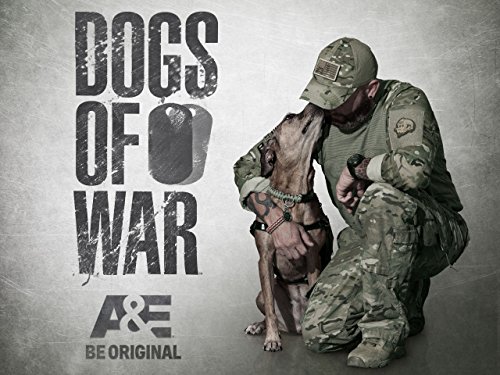
Dogs of War Reality TV Series Overview

Introduction

Veterans struggling with PTSD are paired with service dogs as they undergo rehabilitation.

Outline

Man’s best friend is living up to its moniker in this docuseries. It presents stories of shelter dogs trained to help veterans suffering from post-traumatic stress disorder re-acclimate to civilian life.

Each hourlong episode chronicles the rigorous process involved with pairing a vet with a service dog, an emotional journey whereby a suffering person and an abandoned dog come together to help each other.

Facilitating the unions is Paws and Stripes, the brainchild of Lindsey Stanek. Her husband, Jim – a retired US Army staff sergeant who served three tours in Iraq – suffered from severe PTSD before visits with a service dog helped him relax.

Inspired by his experience, and motivated by her love of dogs and country, Lindsey created the non-profit organisation that allows veterans to participate at no cost.

Dogs of War Series

The links take you to our sister website ‘MilitaryGogglebox.com’.

Production & Filming Details

  • Director(s):
    • Peter LoGreco … (2 episodes, 2014).
  • Producer(s):
    • Peter LoGreco … executive producer (5 episodes, 2014).
    • Kurt Schemper … supervising producer (5 episodes, 2014).
    • Ashley York … producer (5 episodes, 2014).
    • Erik Christensen … senior producer / Senior Producer / producer (4 episodes, 2014).
    • Joe Makdisi … associate story producer (4 episodes, 2014).
    • Ben Bloodwell … field producer (2 episodes, 2014).
    • Sandra C. Alvarez … producer (1 episode, 2014).
    • Joel Nassan … field producer (1 episode, 2014).
    • Christopher Burke … executive producer (unknown episodes).
    • Jared Cotton … executive producer (unknown episodes).
    • Steve Stockman … executive producer (unknown episodes).
  • Writer(s):
  • Music:
    • Christian Lundberg … (5 episodes, 2014).
  • Cinematography:
    • Ben Bloodwell … (4 episodes, 2014).
  • Editor(s):
    • Erik Christensen … (5 episodes, 2014).
    • Doyle Esch … (3 episodes, 2014).
  • Production: Custom Productions and Redtail Media.
  • Distributor(s): A+E Networks.
  • Release Date: 11 November 2014 to 07 December 2014.
  • Running Time: 60 minutes.
  • Rating: PG.
  • Country: US.
  • Language: English.

Video Link

Can We Use Telehealth to Reach Underserved Veterans?

Research Paper Title

The Impact of Co-occurring Anxiety and Alcohol Use Disorders on Video Telehealth Utilisation Among Rural Veterans.

Background

Co-occurring anxiety and alcohol use disorders lead to poorer treatment outcomes for both disorders.

Compounding risk for poor outcomes related to these disorders, individuals living in rural areas face barriers receiving evidence-based mental health treatment.

Video to home telehealth (VTH) has been implemented broadly within the Veterans Health Administration to improve access to care for rural veterans. However, VTH may not be utilised equally across disorders and comorbidities, including co-occurring anxiety and alcohol use disorders, potentially contributing to gaps in care that are not available in person.

Methods

A cohort of veterans who received at least one VTH mental health visit between fiscal years 2016-2019 was compiled from VA administrative data.

Multilevel linear growth curve models were used to examine growth in VTH use over time among veterans with anxiety only, alcohol use disorder only, and co-occurring disorders.

Results

Fixed effects were significant for both time and diagnosis group and a significant interaction between time and group.

For each subsequent fiscal year, the percentage of total MH visits that were VTH increased for all groups but less so for those with co-occurring anxiety and alcohol use diagnoses.

Conclusions

Despite VTH being an important tool to reach underserved rural veterans, rural veterans with AUD and co-occurring anxiety and AUD are at risk for not receiving care using this modality.

Findings suggest that veterans with co-occurring anxiety and AUD are especially at risk for being underserved, given that a major goal of VTH is to increase access to mental health services.

Reference

Ecker, A.H., Amspoker, A.B., Hogan, J.B. & Lindsay, J.A. (2020) The Impact of Co-occurring Anxiety and Alcohol Use Disorders on Video Telehealth Utilization Among Rural Veterans. Journal of Technology in Behavioral Science. 1-6. doi: 10.1007/s41347-020-00150-x. Online ahead of print.

Linking New Interests & Activities with Anxiety & Depression in Retirement for Navy Veterans

Research Paper Title

The impact of socio-demographic features on anxiety and depression amongst navy veterans after retirement: a cross-sectional study.

Background

Retirement from work may trigger various changes in everyday life that affect mental health.

The current cross-sectional study, conducted with 231 veterans, examines the relationship between socio-demographic features and both anxiety and depression in navy veterans after retirement.

Methods

Spielberg’s State-Trait Anxiety Inventory (STAI) was used for anxiety assessment, and the Beck Depression Inventory (BDI) was used for depression assessment.

The analysis was performed with the Statistical Package for Social Sciences (SPSS), version 20.0.

Results

It was found that the mean score of state anxiety was 41 and trait anxiety, 38.

Severe depression was found in 6.5% of the veterans, moderate in 8.3% and mild in 21.7%.

The presence of a serious health problems was an independent predictor of both anxiety and depression’s more serious symptoms.

Conclusions

Inversely, the stability in terms of retirement choice was negatively related to depression, while the development of new interests and activities after retirement was negatively related to both anxiety and depression.

Further, life satisfaction after retirement was a predictor of lower current anxiety levels among veterans.

Reference

Georgantas, D., Tsounis, A., Vidakis, I., Malliarou, M. & Sarafis, P. (2020) The impact of socio-demographic features on anxiety and depression amongst navy veterans after retirement: a cross-sectional study. BMC Rsearch Notes. 13(1), pp.122. doi: 10.1186/s13104-020-04966-x.

Factors Affecting the Usefulness of the Acquired Capability for Suicide Scale among US Military & Veterans

Research Paper Title

Use of the acquired capability for suicide scale (ACSS) among United States military and Veteran samples: A systematic review.

Background

Military personnel and Veterans are at increased risk for suicide.

Theoretical and conceptual arguments have suggested that elevated levels of acquired capability (AC) could be an explanatory factor accounting for this increased risk.

However, empirical research utilising the Acquired Capability for Suicide Scale (ACSS) in military populations has yielded mixed findings.

Methods

To better ascertain what factors are associated with AC, and whether methodological limitations may be contributing to mixed findings, a systematic review was conducted.

Results

A total of 31 articles utilised the ACSS to examine factors associated with AC, including combat history, in US military personnel and Veterans.

Nearly all studies (96.8%) were rated high risk of bias.

Use of the ACSS varied, with seven different iterations utilised.

Nearly all studies examined correlations between the ACSS and sample characteristics, mental health and clinical factors, Interpersonal Theory of Suicide constructs, and/or suicide-specific variables.

Results of higher-level analyses, dominated by cross-sectional designs, often contradicted correlational findings, with inconsistent findings across studies.

Conclusions

Included studies were non-representative of all US military and Veteran populations and may only generalise to these populations.

Due to the high risk of bias, inconsistent use of the ACSS, lack of sample heterogeneity, and variability in factors examined, interpretation of current ACSS empirical data is cautioned.

Suggestions for future research, contextualised by these limitations, are discussed.

Reference

Kramer, E.B., Gaeddert, L.A., Jackson, C.L., Harnke, B. & Nazem, S. (2020) Use of the acquired capability for suicide scale (ACSS) among United States military and Veteran samples: A systematic review. Journal of Affective Disorders. 267, pp.229-242. doi: 10.1016/j.jad.2020.01.153. Epub 2020 Jan 29.