Reviewing Sleep & Mental Disorders in Childhood & Adolescence

Research Paper Title

Review: Sleep and mental disorders in childhood and adolescence.

Background

Sleep problems and disorders are common in childhood and adolescence.

This review aims to throw light on the relationship between sleep problems and mental disorders in childhood and adolescence.

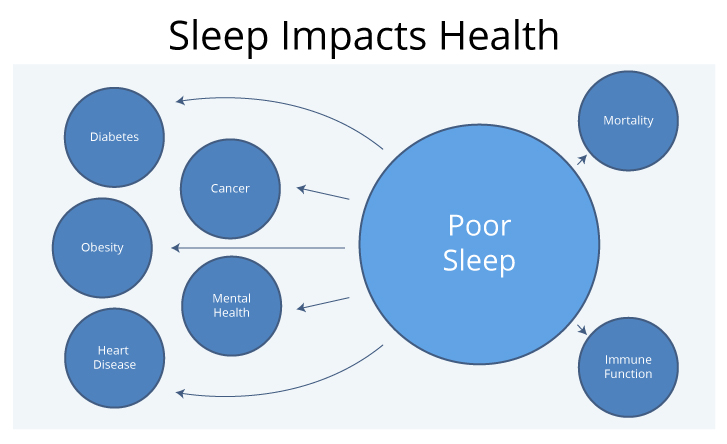
Sleep problems and disorders appear to be risk factors for mental disorders as comorbidities, as symptoms, and as effects of mental disorders.

Frequently, there is an interaction between sleep behaviour and psychopathology so that sleep problems contribute to the intensity and maintenance of mental disorders.

This bidirectional association is observed in early childhood as well as in school-aged children and in adolescents.

Many studies show that this association has a long-term nature beyond child development.

Both environmental and genetic factors seem to play a role in the development and maintenance of the relationship between sleep problems and mental disorders.

Various research articles show that treatment of mental disorders and treatment of sleep disorders influence each other in a positive way.

Therefore, it is strongly advised to consider sleep problems in diagnosis and treatment but also in prevention of mental disorders.

Reference

Schnatschmidt, M. & Schlarb, A. (2020) Review: Sleep and mental disorders in childhood and adolescence. Zeitschrift fur Kinder- und Jugendpsychiatrie und Psychotherapie. 46(5), pp.368-381. doi: 10.1024/1422-4917/a000605. Epub 2018 Jul 27.
Is there a Link between Maternal Depression & Child Mental Health?

Research Paper Title

Prevalence of mental health problems in preschoolers and the impact of maternal depression.

Background

A large number of children of depressed mothers have one or more mental disorders.

This study aimed to evaluate the impact of maternal depression on the mental health of 4-5-year-old children of adolescent mothers, according to the hypotheses generated from the model of accumulation.

Methods

Between October 2009 and March 2011, all pregnant adolescents who received prenatal care from the public health system in Pelotas (southern Brazil) were invited to participate in the study and have been prospectively followed.

Of these individuals, 413 participants were evaluated in the postpartum period and when the child was 2-3 years old and 4-5 years old (current stage).

The Strengths and Difficulties Questionnaire was used to assess mental health problems in children, and the Mini International Neuropsychiatric Interview (MINI)-Plus version was used to assess maternal depression.

The researchers applied a structured modelling approach to examine the relations between three different hypothesized life course models (accumulation, critical period, and mobility) and maternal depression.

After selecting the most appropriate model, they used a logistic regression analysis to assess the effect of depression on mental health problems in 4-5-year-old children of adolescent mothers. They also used the Chi square test to estimate the prevalence of mental health problems in 4-5-year-old children.

Results

The longer the time of exposure to maternal depression, the greater the probability that the child would present behavioural problems.

Conclusions

Investments in strategies to prevent mental disorders beginning in the gestational period are important.

Reference

Pires, A.J., de Matos, M.B., Scholl, C.C., Trettim, J.P., Coelho, F.T., da Cunha Coelho, F.M., Pinheiro, K.A.T., Pinheiro, R.T. & Queveedo, L. (2020) Prevalence of mental health problems in preschoolers and the impact of maternal depression. European Child & Adolescent Psychiatry. 29(5), pp.605-616. doi: 10.1007/s00787-019-01381-x. Epub 2019 Aug 7.

Can Swimming Improve Mental Health in Children with ADHD?

Research Paper Title

Swimming training improves mental health parameters, cognition and motor coordination in children with Attention Deficit Hyperactivity Disorder.

Background

The aim of this study was to verify the effects of swimming-learning programme of mental health parameters, cognition and motor coordination in students with Attention Deficit Hyperactivity Disorder (ADHD).

Methods

Thirty-three children of both sexes between 11 and 14 years were randomised into trained group (n = 18) and untrained group (n = 15).

The training was performed for 8 weeks.

Then, before and after 48 hours of training period of both groups were submitted to find the mental health, cognition, motor coordination test, and physical fitness.

Results

The results demonstrate that the aquatic exercise programme significantly improved the depression parameters (p = 0.048), stress (p = 0.039), cognitive flexibility (p = 0.042) and selective attention (p = 0.047).

In relation to motor coordination and physical fitness, the results showed significant improvements in the coordination of lower limbs laterality (p = 0.05), flexibility (p = 0.049), and abdominal resistance (p = 0.037).

Conclusions

Taken together, the results suggest that swimming-learning programme significantly improved the mental health, cognition, and motor coordination in children with ADHD.

Reference

Da Silva, L.A., Doyenart, R., Salvan, P.H., Rodrigues, W., Lopes, J.F., Gomes, K., Thirupathi, A., De Pinho, R.A. & Silveira, P.C. (2020) Swimming training improves mental health parameters, cognition and motor coordination in children with Attention Deficit Hyperactivity Disorder. International Journal of Environmental Health Research. 30(5), pp.584-592. doi: 10.1080/09603123.2019.1612041. Epub 2019 May 13.

Clinically Rated Semi-Structured Interviews: An Alternative Gold Standard?

Research Paper Title

Validating mental health assessment in Kenya using an innovative gold standard.

Background

With the growing burden of mental health disorders worldwide, alongside efforts to expand availability of evidence-based interventions, strategies are needed to ensure accurate identification of individuals suffering from mental disorders.

Efforts to locally validate mental health assessments are of particular value, yet gold-standard clinical validation is costly, time-intensive, and reliant on available professionals.

This study aimed to validate assessment items for mental distress in Kenya, using an innovative gold standard and a combination of culturally adapted and locally developed items.

Methods

The mixed-method study drew on surveys and semi-structured interviews, conducted by lay interviewers, with 48 caregivers.

Interviews were used to designate mental health “cases” or “non-cases” based on emotional health problems, identified through a collaborative clinical rating process with local input.

Results

Individual mental health survey items were evaluated for their ability to discriminate between cases and non-cases.

Discriminant survey items included 23 items adapted from existing mental health assessment tools, as well as 6 new items developed for the specific cultural context.

When items were combined into a scale, results showed good psychometric properties.

Conclusions

The use of clinically rated semi-structured interviews provides a promising alternative gold standard that can help address the challenges of conducting diagnostic clinical validation in low-resource settings.

Reference

Watson, L>K., Kaiser, B.N., Giusto, A.M., Ayuku, D. & Puffer, E.S. (2020) Validating mental health assessment in Kenya using an innovative gold standard. International Journal of Psychology. 55(3), pp.425-434. doi: 10.1002/ijop.12604. Epub 2019 Jun 17.

Developing the Capacity for a New Generation of Implementation Studies in Mental Health

Research Paper Title

Capacity-building and training opportunities for implementation science in mental health.

Background

This article traces efforts over the past decade by the National Institute of Mental Health, of the US National Institutes of Health, and other US organisations to build capacity for mental health researchers to advance activities in implementation science.

The authors briefly chronicle the antecedents to the field’s growth, and describe funding opportunities, workshop and conferences, training programmes, and other initiatives that have collectively engaged hundreds of mental health researchers in the development and execution of implementation studies across the breadth of contexts where mental health care and prevention programs are delivered to those in need.

The authors summarise a number of key initiatives and present potential next steps to further build the capacity for a new generation of implementation studies in mental health.

Reference

Chambers, D.A., Pintello, D. & Juliano-Bult, D. (2020) Capacity-building and training opportunities for implementation science in mental health. Psychiatry Research. doi: 10.1016/j.psychres.2019.112511. Epub 2019 Aug 9.

Reviewing the Evidence of Gut Microbiota & Mental Health in Adults

Research Paper Title

The gut microbiota and mental health in adults.

Background

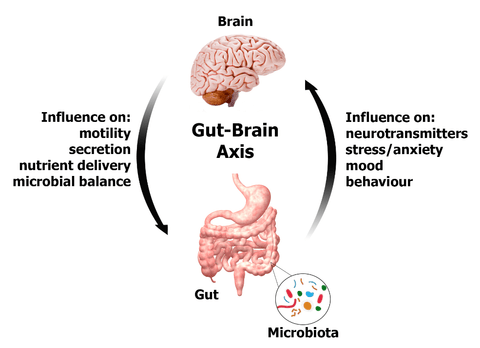
A growing body of evidence point toward the bidirectional gut microbiota-brain axis playing a role in mental health.

Most of this research is conducted on animals.

In this review the researchers summarise and comment upon recent studies evaluating the gut microbiome in mental health in humans.

Further support for the relevance of the bidirectional gut microbiota-brain communication in mood disorders has been presented, such as the effect of probiotics on brain connectivity and mental health outcomes and pregnancy related stress on gut microbiota in the newborn child.

However, the heterogeneity between studies precludes conclusions regarding differences in microbiota composition in mental disease and health and many of the studies are limited by a cross-sectional design, small sample sizes and multiple comparisons.

Thus, well-designed longitudinal studies with larger sample size, accounting for confounders are needed.

Reference

Jarbrink-Sehgal, E. & Andreasson, A. (2020) The gut microbiota and mental health in adults. Current Opinion in Neurobiology. 62, pp.102-114. doi: 10.1016/j.conb.2020.01.016. Epub 2020 Mar 9.

Can Participation in HIIT Improve Cognitive Function & Mental Health in Children & Adolescents?

Research Paper Title

Review of High-Intensity Interval Training for Cognitive and Mental Health in Youth.

Background

High-intensity interval training (HIIT) has emerged as a time-efficient strategy to improve children’s and adolescents’ health-related fitness in comparison to traditional training methods. However, little is known regarding the effects on cognitive function and mental health.

Therefore, the aim of this systematic review was to evaluate the effect of HIIT on cognitive function (basic information processing, executive function) and mental health (well-being, ill-being) outcomes for children and adolescents.

Methods

A systematic search was conducted, and studies were eligible if they:

  1. Included a HIIT protocol;
  2. Examined cognitive function or mental health outcomes; and
  3. Examined children or adolescents (5-18 years) old.

Separate meta-analyses were conducted for acute and chronic studies, with potential moderators (i.e. study duration, risk of bias, participant age, cognitive demand, and study population) also explored.

Results

A total of 22 studies were included in the review. In acute studies, small to moderate effects were found for executive function (standardised mean difference [SMD], 0.50, 95% confidence interval [CI], 0.03-0.98; P = 0.038) and affect (SMD, 0.33; 95% CI, 0.05-0.62; P = 0.020), respectively. For chronic studies, small significant effects were found for executive function (SMD, 0.31; 95% CI, 0.15-0.76, P < 0.001), well-being (SMD, 0.22; 95% CI, 0.02-0.41; P = 0.029), and ill-being (SMD, -0.35; 95% CI, -0.68 to -0.03; P = 0.035).

Conclusions

The review provides preliminary review evidence suggesting that participation in HIIT can improve cognitive function and mental health in children and adolescents.

Because of the small number of studies and large heterogeneity, more high-quality research is needed to confirm these findings.

Reference

Leahy, A.A., Mavilidi, M.F., Smith, J.J., Hillman, C.H., Eather, N., Barker, D. & Lubans, D.R. (2020) Review of High-Intensity Interval Training for Cognitive and Mental Health in Youth.

Is there a Relationship between Diet & Mental Health in Children & Adolescents?

Research Paper Title

Relationship between diet and mental health in children and adolescents: a systematic review.

Background

The researchers systematically reviewed 12 epidemiological studies to determine whether an association exists between diet quality and patterns and mental health in children and adolescents; 9 explored the relationship using diet as the exposure, and 3 used mental health as the exposure.

They found evidence of a significant, cross-sectional relationship between unhealthy dietary patterns and poorer mental health in children and adolescents.

They observed a consistent trend for the relationship between good-quality diet and better mental health and some evidence for the reverse.

When including only the 7 studies deemed to be of high methodological quality, all but 1 of these trends remained.

Findings highlight the potential importance of the relationship between dietary patterns or quality and mental health early in the life span.

Reference

O’Neil, A., Quirk, S.E., Housden, S.E.Q., Brennan, S.L., Williams, L.J., Pasco, J.A., Berk. M. & Jacka, F.N. (2020) Relationship between diet and mental health in children and adolescents: a systematic review. American Journal of Public Health. 104(10), pp.e31-42. doi: 10.2105/AJPH.2014.302110.

What does mental health have to do with well-being?

Research Paper Title

What does mental health have to do with well-being?

Background

Positive mental health involves not the absence of mental disorder but rather the presence of certain mental goods.

Institutions, practitioners, and theorists often identify positive mental health with well-being.

There are strong reasons, however, to keep the concepts of well-being and positive mental health separate.

Someone with high positive mental health can have low well-being, someone with high well-being can have low positive mental health, and well-being and positive mental health sometimes conflict.

But, while positive mental health and well-being are not identical, there is an informative conceptual connection between them.

Positive mental health usually contributes instrumentally to the living of a good human life, where a good human life includes (but is not limited to) well-being.

Reference

Keller, S. (2020) What does mental health have to do with well-being? Bioethics. 34(3), pp.228-234. doi: 10.1111/bioe.12702. Epub 2019 Nov 29.

A New Definition of Mental Health!

Research Paper Title

A proposed new definition of mental health.

Background

The authors propose a new approach to the definition of mental health, different than the definition proposed by the World Health Organisation, which is established around issues of person’s well-being and productivity.

It is supposed to reflect the complexity of human life experience.

Introduction

The definition of mental health proposed by the World Health Organization (WHO) is organised around a hedonic and eudaimonic perspective, in which a key role is assigned to person’s well-being and productivity. While regarding well-being as a desirable goal for many people, its inclusion in the definition of mental health raises concerns. According to Keyes, well-being includes emotional, psychological and social well-being, and involves positive feelings (e.g., happiness, satisfaction), positive attitudes towards own responsibilities and towards others, and positive functioning
(e.g., social integration, actualisation and coherence).

However, people in good mental health experience a wide range of emotions, such as sadness, anger or unhappiness; most adolescents are often unsatisfied, unhappy about present social organisation and may lack social coherence. Does this mean that they are not in good mental health? A person responsible for her/his family might feel desperate after being fired from his/her job, especially in a situation characterised by scarce occupational opportunities; should we question her/his mental health? Actually, raising the bar of mental health may create unrealistic expectations, encourage people
to mask most of their emotions while pretending constant happiness, and even favour their isolation when they feel sad, angry or worried.

Also the concept of positive functioning (“can work productively and fruitfully”), in line with the eudaimonic tradition, raises concerns, as it implies that a person at an age or in a physical or even political condition preventing her/him from working productively is not by definition in good mental health.

The definition of mental health is clearly influenced by the culture that defines it. However, as also advocated by Vaillant, an effort can be made to identify elements that have a universal importance for mental health, as for example, vitamins and the four basic food groups are universally given a key role in eating habits, in spite of cultural differences.

You can read the rest of the article here.

Reference

Galderisi, S., Heinz, A., Kastrup, M., Beezhold, J. & Sartorius, N. (2020) A proposed new definition of mental health. Psychiatria Polska. 51(3), pp.407-411. doi: 10.12740/PP/74145. Epub 2017 Jun 18.