Posts

What is Body-Centred Countertransference?

Introduction

Body-centred countertransference involves a psychotherapist‘s experiencing the physical state of the patient in a clinical context.

Also known as somatic countertransference, it can incorporate the therapist’s gut feelings, as well as changes to breathing, to heart rate and to tension in muscles.

Refer to Countertransference.

Various Approaches

Dance therapy has understandably given much weight to the concept of somatic countertransference. Jungian James Hillman also emphasised the importance of the therapist using the body as a sounding-board in the clinical context.

Post-Reichian therapies like bioenergetic analysis have also stressed the role of the body-centred countertransference.

There is some evidence that narcissistic patients and those suffering from borderline personality disorder create more intense embodied countertransferences in their therapists, their personalities favouring such non-verbal communication by impact over more verbalised, less somatic interactions.

Orbach

Susie Orbach has written emotively of what she described as “wildcat sensations in my own body…a wildcat countertransference” in the context of body countertransference. She details her role responsiveness to one patient who evoked in her what she called “an unfamiliar body experience…this purring, reliable and solid body” to counterbalance the fragmented body image of the patient herself.

The Irish Experience

In Female Trauma Therapists

Irish psychologists at NUI Galway and University College Dublin have recently begun to measure body-centred countertransference in female trauma therapists using their recently developed ‘Egan and Carr Body-Centred Countertransference Scale’ (2005), a sixteen symptom measure.

Their research was influenced by developments in the psychotherapy world which was beginning to see a therapist’s role in a therapeutic dyad as reflexive; that a therapist uses their bodies and ‘self’ as a tuning fork to understand their client’s internal experience and to use this attunement as another way of being empathic with a client’s internal world. Pearlman and Saakvitne’s seminal book on vicarious traumatisation and the effect of trauma work on therapists has also been an important directional model for all researchers studying the physical effects of trauma work on a therapist.

High levels of body-centred countertransference have since been found in both Irish female trauma therapists and clinical psychologists.[16] This phenomenon is also known as ‘somatic countertransference’ or ’embodied countertransference’ and it links to how mirror neurons might lead to ‘unconscious automatic somatic countertransference’ as a result of postural mirroring by the therapist. Hamilton et al (2020) revisited BCT in a larger sample of 175 therapists (122 females) and that the a similar pattern of body-centred countertransference was reported as in the previous two studies. The most common being:

  • Muscle Tension: 81%;
  • Tearfulness: 78%;
  • Sleepiness: 72%;
  • Yawning: 69%;
  • Throat constriction: 46%;
  • Headache: 43%;
  • Stomach disturbance: 43%;
  • Unexpectedly shifting in body: 29%;
  • Sexual arousal: 29%;
  • Raised voice: 28%;
  • Aches in joints: 26%;
  • Nausea: 24%;
  • Dizziness: 20%; and
  • Genital pain: 7.5%.

The authors reported how previous researchers did not find BCT because surveys have previously failed to ask specifically about it, and have focused on emotional and cognitive and relational CT. The authors finally called for larger longitudinal studies and also larger sample sizes to allow a comparison of gender and orientation effects as well as whether higher levels affect levels of burnout and therapeutic engagement and treatment outcomes 26. Hamilton, L., Hannigan, B., Egan, J., Trimble, T., Donaghey, C., & Osborn, K. (2020). An exploration of body-centred countertransference in Irish Therapists. Clinical Psychology Today, 4(2), 26-38.

Loughran (2002) found that 38 therapists out of 40 who had responded to a questionnaire (which was distributed to a sample of 124 therapists) on a therapist’s use of body as a medium for transference and countertransference communication reported that they had experienced bodily sensations (nausea or churning stomach, sleepiness, shakiness, heart palpitations, sexual excitement, etc.) while in session with patients.

Frequency of Symptom Occurrence

A list of the frequency of occurrence of body-centred countertransference symptoms reported by trauma therapists (Sample A: 35 Female Irish Trauma therapists[20]) and Irish clinical psychologists (Sample B: 87 Irish Clinical Psychologists[21]) in the previous six months ‘when in-session with a client’ is given below in order of frequency:

  • Sleepiness (A; 92%, B; 76%).
  • Muscle Tension (A; 83%, B; 79%).
  • Yawning (A; 65%, B; 77%).
  • Unexpected shift in body (A; 77%, B; 57%).
  • Tearfulness (A; 71%, B; 61%).
  • Headache (A; 54%, B; 53%).
  • Stomach Disturbance (A; 41%, B; 46%).
  • Throat Constriction (A; 34%, B; 36%).
  • Raised Voice (A; 29%, B; 33%).
  • Dizziness (A; 26%, B; 19%).
  • Loss of voice (A; 32%, B; 18%).
  • Aches in joints (A; 37%, B; 18%).
  • Nausea (A; 23%, B; 18%).
  • Numbness (A; 29%, B; 15%).
  • Sexual Arousal (A; 26%, B; 11%).
  • Genital pain (A; 6%, B; 2%).

Somatisation

A small but significant relationship was found between female trauma therapists’ level of body-centred countertransference and number of sick leave days taken, suggesting a possible relationship between uncensored body-centred countertransference and somatization. This relationship was not however found in clinical psychologists who were working mainly with a non-trauma population. Therapists have noted the connection between a tendency for some clients to express emotional discomfort by focusing on bodily symptoms rather than being able to put their emotional distress into words. It is thought that such processes are more common in people who have experienced childhood abuse and trauma.

Recent research which measured female genital arousal in response to rape cues found that women when listening to rape, consent or violence developed genital arousal more frequently than men. It also might explain the relatively frequent reported experience of sexual arousal amongst Irish female trauma therapists. Further validation of body-centred countertransference in psychologists and therapists is on-going in both NUI Galway and Trinity College Dublin.

Cautions

Therapists have been warned against assuming too automatically that their body-feelings always involve somatic resonance to the client, as opposed to being produced from their own feelings/experiences – the same problem appearing with countertransference generally.

On This Day … 07 July

People (Births)

  • 1924 – Natalia Bekhtereva, Russian neuroscientist and psychologist (d. 2008).

People (Deaths)

  • 2006 – John Money, New Zealand-American psychologist and author (b. 1921).

Natalia Bekhtereva

Natalia Petrovna Bekhtereva (07 July 1924 to 22 June 2008) was a Soviet and Russian neuroscientist and psychologist who developed neurophysiological approaches to psychology, such as measuring the impulse activity of human neurons. She was a participant in the documentary films The Call of the Abyss (Russian: Зов бездны) and Storm of Consciousness (Russian: Штурм сознания), which aroused wide public interest. Candidate of Biological Sciences, Doctor of Medicine, Full Professor.

She was brought up with her brother in an orphanage. She graduated from the First Pavlov State Medical University of St. Petersburg (1941-1947) and graduate school of the Pavlov Institute of Physiology. In the summer of 1941, more than 700 students entered the University; by the end of the training, only 4 graduates survived. The rest perished from war and hunger. She survived the Siege of Leningrad.

She worked as a junior research fellow at the Institute of Experimental Medicine, USSR Academy of Medical Sciences (1950-1954). After working her way up from a senior research fellow to the head of the laboratory and Deputy Director, she worked at the Research Neurosurgical Institute named after Professor Andrey L. Polenov of the USSR Ministry of Health (1954-1962). In 1959 she became a Doctor of Medicine. Since 1962 – at the Institute of Institute of Experimental Medicine, USSR Academy of Medical Sciences (the head of the Department of human neurophysiology; the Deputy Director for Research; from 1970 to 1990 – the Director).

In 1975, she became an academician of the USSR Academy of Medical Sciences (subsequently Russian Academy of Medical Sciences). In 1981, she became an academician of the Academy of Sciences of the Soviet Union. Starting in 1990, she was the scientific director of the Centre “Brain” of the Academy of Sciences of the Soviet Union. In 1992 she became the head of the scientific group of the neurophysiology of thinking, creativity and consciousness of the Institute for Human Brain of the RAS.

She was Vice President of the International Union of Physiological Sciences (1974-1980) and Vice President of the International Organization for Psychophysiology (1982-1994).

She worked as editor-in-chief of the academic journals Human Physiology (1975-1987) and International Journal of Psychophysiology (1984-1994).

Deputy of the Supreme Soviet of the Soviet Union of the 8th convocation (1970-1974) and People’s Deputy of the Soviet Union (1989-1991).

John Money

John William Money (08 July 1921 to 7 July 2006) was a New Zealand psychologist, sexologist and author known for his research into sexual identity and biology of gender and his conduct towards vulnerable patients. He was one of the first researchers to publish theories on the influence of societal constructs of gender on individual formation of gender identity. Money introduced the terms gender identity, gender role and sexual orientation and popularised the term paraphilia. He spent a considerable amount of his career in America.

Recent academic studies have criticized Money’s work in many respects, particularly in regard to his involvement with the involuntary sex-reassignment of the child David Reimer, his forcing this child and his brother to simulate sex acts which Money photographed and the adult suicides of both brothers.

Money’s writing has been translated into many languages and includes around 2,000 articles, books, chapters and reviews. He received around 65 honours, awards and degrees in his lifetime. He was also a patron of many famous New Zealand artists, such as Rita Angus and Theo Schoon.

What is Countertransference?

Introduction

Countertransference is defined as redirection of a psychotherapist‘s feelings toward a client – or, more generally, as a therapist’s emotional entanglement with a client.

Refer to Transference and Body-Centred Countertransference.

Early Formulations

The phenomenon of countertransference (German: Gegenübertragung) was first defined publicly by Sigmund Freud in 1910 (The Future Prospects of Psycho-Analytic Therapy) as being “a result of the patient’s influence on [the physician’s] unconscious feelings”; although Freud had been aware of it privately for some time, writing to Carl Jung for example in 1909 of the need “to dominate ‘counter-transference’, which is after all a permanent problem for us”. Freud stated that since an analyst is a human himself he can easily let his emotions into the client. Because Freud saw the countertransference as a purely personal problem for the analyst, he rarely referred to it publicly, and did so almost invariably in terms of a “warning against any countertransference lying in wait” for the analyst, who “must recognize this countertransference in himself and master it”. However, analysis of Freud’s letters shows that he was intrigued by countertransference and did not see it as purely a problem.

The potential danger of the analyst’s countertransference – “In such cases, the patient represents for the analyst an object of the past on to whom past feelings and wishes are projected” – became widely accepted in psychodynamic circles, both within and without the psychoanalytic mainstream. Thus, for example, Jung warned against “cases of counter-transference when the analyst really cannot let go of the patient…both fall into the same dark hole of unconsciousness”. Similarly Eric Berne stressed that “Countertransference means that not only does the analyst play a role in the patient’s script, but she plays a part in his…the result is the ‘chaotic situation’ which analysts speak of”. Lacan acknowledged of the analyst’s “countertransference…if he is re-animated the game will proceed without anyone knowing who is leading”.

In this sense, the term includes unconscious reactions to a patient that are determined by the psychoanalyst’s own life history and unconscious content; it was later expanded to include unconscious hostile and/or erotic feelings toward a patient that interfere with objectivity and limit the therapist’s effectiveness. For example, a therapist might have a strong desire for a client to get good grades in university because the client reminds her of her children at that stage in life, and the anxieties that the therapist experienced during that time. Even in its most benign form, such an attitude could lead at best to “a ‘countertransference cure’…achieved through compliance and a ‘false self’ suppression of the patient’s more difficult feelings”.

Another example would be a therapist who did not receive enough attention from her father perceiving her client as being too distant and resenting him for it. In essence, this describes the transference of the treater to the patient, which is referred to as the “narrow perspective”.

Middle Years

As the 20th century progressed, however, other, more positive views of countertransference began to emerge, approaching a definition of countertransference as the entire body of feelings that the therapist has toward the patient. Jung explored the importance of the therapist’s reaction to the patient through the image of the wounded physician: “it is his own hurt that gives the measure of his power to heal”. Heinrich Racker emphasised the threat that “the repression of countertransference…is prolonged in the mythology of the analytic situation”. Paula Heimann highlighted how the “analyst’s countertransference is not only part and parcel of the analytic relationship, but it is the patient’s creation, it is part of the patient’s personality”. As a result, “counter-transference was thus reversed from being an interference to becoming a potential source of vital confirmation”. The change of fortune “was highly controversial. Melanie Klein disapproved on the grounds that poorly analysed psycho-analysts could excuse their own emotional difficulties” thereby; but among her younger followers “the trend within the Kleinian group was to take seriously the new view of counter-transference” – Hanna Segal warning in typically pragmatic fashion however that “Countertransference can be the best of servants but is the most awful of masters”.

Late Twentieth-Century Paradigm

By the last third of the century, a growing consensus appeared on the importance of “a distinction between ‘personal countertransference’ (which has to do with the therapist) and ‘diagnostic response’ – that indicates something about the patient…diagnostic countertransference”. A new belief had come into being that “countertransference can be of such enormous clinical usefulness….You have to distinguish between what your reactions to the patient are telling you about his psychology and what they are merely expressing about your own”. A distinction between “neurotic countertransference” (or “illusory countertransference”) and “countertransference proper” had come (despite a wide range of terminological variation) to transcend individual schools. The main exception is that for “most psychoanalysts who follow Lacan’s teaching…counter-transference is not simply one form of resistance, it is the ultimate resistance of the analyst”.

The contemporary understanding of countertransference is thus generally to regard countertransference as a “jointly created” phenomenon between the treater and the patient. The patient pressures the treater through transference into playing a role congruent with the patient’s internal world. However, the specific dimensions of that role are coloured by treater’s own personality. Countertransference can be a therapeutic tool when examined by the treater to sort out who is doing what, and the meaning behind those interpersonal roles (The differentiation of the object’s interpersonal world between self and other). Nothing in the new understanding alters of course the need for continuing awareness of the dangers in the narrow perspective – of “serious risks of unresolved countertransference difficulties being acted out within what is meant to be a therapeutic relationship”; but “from that point on, transference and counter-transference were looked upon as an inseparable couple…’total situation'”.

Twenty-First-Century Developments

Further developments in the current century might be said to be the increased recognition that “Most countertransference reactions are a blend of the two aspects”, personal and diagnostic, which require careful disentanglement in their interaction; and the possibility that nowadays psychodynamic counsellors use countertransference much more than transference – “another interesting shift in perspective over the years”. One explanation of the latter point might be that because “in object relations therapy…the relationship is so central, ‘countertransference’ reactions are considered key in helping the therapist to understand the transference”, something appearing in “the post-Kleinian perspective…[as] Indivisible transferencecountertransference”.

Body-Centred Countertransference

Psychologists at NUI Galway and University College Dublin have recently begun to measure body-centred countertransference in female trauma therapists using their recently developed “Egan and Carr Body Centred Countertransference Scale”, a sixteen symptom measure. High levels of body-centred countertransference have since been found in both Irish female trauma therapists and clinical psychologists. This phenomenon is also known as “somatic countertransference” or “embodied countertransference” and links to mirror neurons and automatic somatic empathy for others due to the actions of these neurons have been hypothesised.

What is Cross-Cultural Psychiatry?

Introduction

Cross-cultural psychiatry (also known as Ethnopsychiatry or transcultural psychiatry or cultural psychiatry) is a branch of psychiatry concerned with the cultural context of mental disorders and the challenges of addressing ethnic diversity in psychiatric services. It emerged as a coherent field from several strands of work, including surveys of the prevalence and form of disorders in different cultures or countries; the study of migrant populations and ethnic diversity within countries; and analysis of psychiatry itself as a cultural product.

The early literature was associated with colonialism and with observations by asylum psychiatrists or anthropologists who tended to assume the universal applicability of Western psychiatric diagnostic categories. A seminal paper by Arthur Kleinman in 1977 followed by a renewed dialogue between anthropology and psychiatry, is seen as having heralded a “new cross-cultural psychiatry”. However, Kleinman later pointed out that culture often became incorporated in only superficial ways, and that for example 90% of DSM-IV categories are culture-bound to North America and Western Europe, and yet the “culture-bound syndrome” label is only applied to “exotic” conditions outside Euro-American society. Reflecting advances in medical anthropology, DSM-5 replaced the term “culture-bound syndrome” with a set of terms covering cultural concepts of distress: cultural syndromes (which may not be bound to a specific culture but circulate across cultures); cultural idioms of distress (local modes of expressing suffering that may not be syndromes); causal explanations (that attribute symptoms or suffering to specific causal factors rooted in local ontologies); and folk diagnostic categories (which may be part of ethnomedical systems and healing practices).

Definition

Cultural psychiatry looks at whether psychiatric classifications of disorders are appropriate to different cultures or ethnic groups. It often argues that psychiatric illnesses represent social constructs as well as genuine medical conditions, and as such have social uses peculiar to the social groups in which they are created and legitimized. It studies psychiatric classifications in different cultures, whether informal (e.g. category terms used in different languages) or formal (for example the World Health Organisation’s ICD, the American Psychiatric Association’s DSM, or the Chinese Society of Psychiatry’s CCMD). The field has increasingly had to address the process of globalisation. It is said every city has a different culture and that the urban environment, and how people adapt or struggle to adapt to it, can play a crucial role in the onset or worsening of mental illness.

However, some scholars developing an anthropology of mental illness consider that attention to culture is not enough if it is decontextualised from historical events, and history in more general sense. An historical and politically informed perspective can counteract some of the risks related to promoting universalised ‘global mental health’ programmes as well as the increasing hegemony of diagnostic categories such as PTSD (Didier Fassin and Richard Rechtman analyse this issue in their book ‘The Empire of Trauma’). Roberto Beneduce, who devoted many years to research and clinical practice in West Africa (Mali, among the Dogon) and in Italy with migrants, strongly emphasizes this shift. Inspired by the thought of Frantz Fanon, Beneduce points to forms of historical consciousness and selfhood as well as history-related suffering as central dimensions of a ‘critical ethnopsychiatry’ or ‘critical transcultural psychiatry’.

Brief History

As a named field within the larger discipline of psychiatry, cultural psychiatry has a relatively short history. In 1955, a program in transcultural psychiatry was established at McGill University in Montreal by Eric Wittkower from psychiatry and Jacob Fried from the department of anthropology. In 1957, at the International Psychiatric Congress in Zurich, Wittkower organised a meeting that was attended by psychiatrists from 20 countries, including many who became major contributors to the field of cultural psychiatry: Tsung-Yi Lin (Taiwan), Thomas Lambo (Nigeria), Morris Carstairs (Britain), Carlos Alberto Seguin (Peru) and Pow-Meng Yap (Hong Kong). The American Psychiatric Association established a Committee on Transcultural Psychiatry in 1964, followed by the Canadian Psychiatric Association in 1967. H.B.M. Murphy of McGill founded the World Psychiatric Association Section on Transcultural Psychiatry in 1970. By the mid-1970s there were active transcultural psychiatry societies in England, France, Italy and Cuba. There are several scientific journals devoted to cross-cultural issues: Transcultural Psychiatry (est. 1956, originally as Transcultural Psychiatric Research Review, and now the official journal of the WPA Section on Transcultural Psychiatry), Psychopathologie Africaine (1965), Culture Medicine & Psychiatry (1977), Curare (1978), and World Cultural Psychiatry Research Review (2006). The Foundation for Psychocultural Research at UCLA has published an important volume on psychocultural aspects of trauma and most recently the landmark volumes entitled Formative Experiences: the Interaction of Caregiving, Culture, and Developmental Psychobiology edited by Carol Worthman, Paul Plotsky, Daniel Schechter and Constance Cummings. and Re-Visioning Psychiatry: Cultural Phenomenology, Critical Neuroscience, and Global Mental Health edited by Laurence J. Kirmayer, Robert Lemelson and Constance Cummings.

It is argued that a cultural perspective can help psychiatrists become aware of the hidden assumptions and limitations of current psychiatric theory and practice and can identify new approaches appropriate for treating the increasingly diverse populations seen in psychiatric services around the world. The recent revision of the nosology of the American Psychiatric Association, DSM-5, includes a Cultural Formulation Interview that aims to help clinicians contextualise diagnostic assessment. A related approach to cultural assessment involves cultural consultation which works with interpreters and cultural brokers to develop a cultural formulation and treatment plan that can assist clinicians.

Organisations

The main professional organisations devoted to the field are the WPA Section on Transcultural Psychiatry, the Society for the Study of Psychiatry and Culture, and the World Association for Cultural Psychiatry. Many other mental health organisations have interest groups or sections devoted to issues of culture and mental health.

There are active research and training programs in cultural psychiatry at several academic centres around the world, notably the Division of Social and Transcultural Psychiatry at McGill University, Harvard University, the University of Toronto, and University College London. Other organisations are devoted to cross-cultural adaptation of research and clinical methods. In 1993 the Transcultural Psychosocial Organisation (TPO) was founded. The TPO has developed a system of intervention aimed at countries with little or no mental health care. They train local people to become mental health workers, often using people who previously have provided mental health guidance of some kind. The TPO provides training material that is adapted to local culture, language and distinct traumatic events that might have occurred in the region where the organisation is operating. Avoiding Western approaches to mental health, the TPO sets up what becomes a local non-governmental organisation (NGO) that is self-sustainable, as well as economically and politically independent of any state. The TPO projects have been successful in both Uganda and Cambodia.

What is Cyclothymia?

Introduction

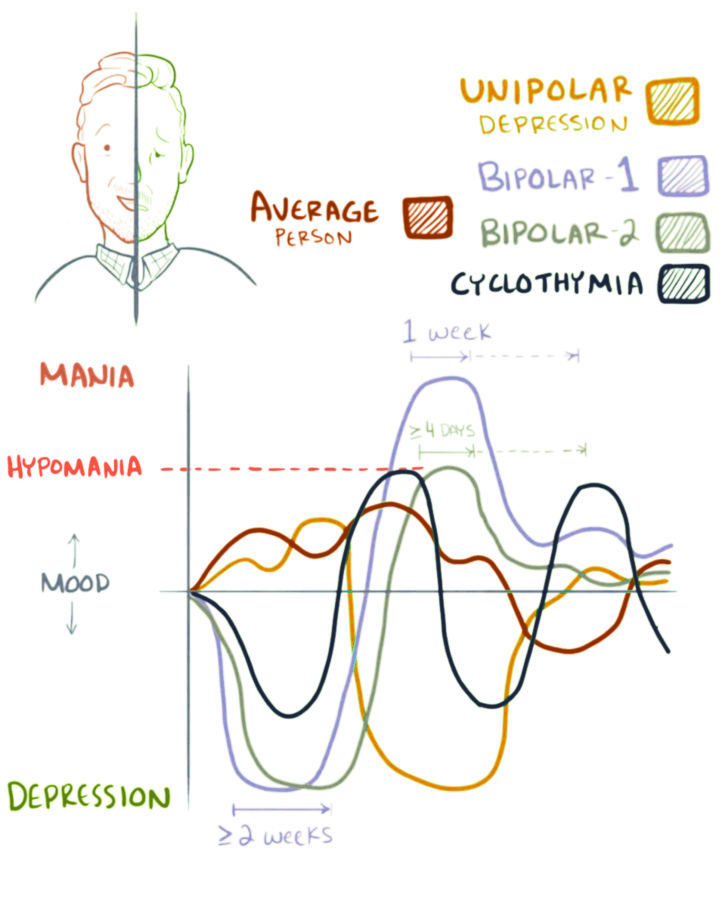
Cyclothymia, also known as cyclothymic disorder, is a mental and behavioural disorder that involves numerous periods of symptoms of depression and periods of symptoms of elevated mood.

These symptoms, however, are not sufficient to be a major depressive episode or a hypomanic episode. Symptoms must last for more than one year in children and two years in adults.

The cause of cyclothymia is unknown. Risk factors include a family history of bipolar disorder. Cyclothymia differs from bipolar in that major depression, mania, or hypomania have never occurred.

Treatment is generally with counselling and mood stabilisers such as lithium. It is estimated that 0.4-1% of people have cyclothymia at some point in their life. Onset is typically in late childhood to early adulthood. Males and females are affected equally often.

Brief History

In 1883, Karl Ludwig Kahlbaum identified a disorder characterised by recurring mood cycles. The disorder contained both melancholic and manic episodes that occurred in a milder form than in bipolar disorder. This condition was coined “cyclothymia” by Kahlbaum and his student Ewald Hecker. Kahlbaum developed his theory of cyclothymia through his work with people presenting with these symptoms at the Kahlbaum Sanitarium in Goerlitz, Silesia (Germany). He was recognised as a leading hypnotherapist and psychotherapist of his day. He was a progressive in the field of mental health, believing that mental illness should not carry a stigma and that people dealing with mental health issues should be treated humanely. Kalhbaum was the first to recognise that people with cyclothymia often do not seek help for the disorder due to its mild symptoms.

Cyclothymia has been conceptualised in a variety of ways, including as a subtype of bipolar disorder, a temperament, a personality trait, and a personality disorder. There is also an argument that cyclothymia should be considered a neurodevelopmental disorder. The two defining features of the disorder, according to DSM-5, are the presence of depressive and hypomanic symptoms, not meeting the threshold for a depressive or hypomanic episode. Cyclothymia is also classified as a subtype of bipolar disorder in DSM-5, but some researchers disagree with this classification and argue that it should be primarily defined as an exaggeration of mood and emotional instability. In the past, cyclothymia has been conceptualised to include other characteristics in addition to the flux between depression and hypomania, such as mood reactivity, impulsivity, and anxiety.

Symptoms

People with cyclothymia experience both depressive phases and hypomanic phases (which are less severe than a full hypomanic episode). The depressive and manic symptoms in cyclothymia last for variable amounts of time due to the unstable and reactive nature of the disorder. The depressive phases are similar to major depressive disorder and are characterised by dulled thoughts and sensations and the lack of motivation for intellectual or social activities. Most people with cyclothymia are generally fatigued and tend to sleep frequently and for long periods of time. However, other people experience insomnia.

Other symptoms of cyclothymic depression include indifference toward people or activities that used to be extremely important. Cyclothymic depression also leads to difficulty making decisions. In addition, people with this condition tend to be critical and complain easily. Suicidal thoughts are common, even in mild forms of cyclothymia. In the depressive state, people with cyclothymia also experience physical complaints including frequent headaches, tightness in the head and chest, an empty sensation in the head, weakness, weight loss, and hair loss.

The distinguishing factor between typical depression and cyclothymic depression is that in cyclothymic depression, there are instances of hypomania. People with cyclothymia can switch from the depressive state to the hypomanic state without warning to them or others. The duration and frequency of phases is unpredictable.

In the hypomanic state, people’s thoughts become faster and they become more sociable and talkative. They may engage in spending sprees, spontaneous actions, have heightened self-esteem, and greater vanity. In contrast to a regular manic state that would be associated with bipolar I, symptoms in the hypomanic phase generally occur in a less severe form.

Comorbidities

Cyclothymia commonly occurs in conjunction with other disorders. Between 20-50 percent of people with depression, anxiety, and related disorders also have cyclothymia. When people with cyclothymia seek mental health resources it tends to be for symptoms of their comorbid condition rather than for their symptoms of cyclothymia. In children and adolescents, the most common comorbidities with cyclothymia are anxiety disorders, impulse control issues, eating disorders, and ADHD. In adults, cyclothymia also tends to be comorbid with impulse control issues. Sensation-seeking behaviours occur in hypomanic states. These often include gambling and compulsive sexuality in men, or compulsive buying and binge eating in women.

In addition to sensation-related disorders, cyclothymia has also been associated with atypical depression. In one study, a connection was found between interpersonal sensitivity, mood reactivity (i.e. responding to actual or potential positive events with brighter mood), and cyclothymic mood swings, all of which are symptoms of atypical depression. Cyclothymia also tends to occur in conjunction with separation anxiety, where a person has anxiety as a result of separation from a caregiver, friend, or loved one. Other issues that tend to co-occur with cyclothymia include social anxiety, fear of rejection and a tendency toward hostility to those connected with past pain and rejection. People with cyclothymia tend to seek intense interpersonal relationships when in a hypomanic state and isolation when in a depressed state. This generally leads to short, tumultuous relationships.

Causes

The cause is unknown. Risk factors include a family history of bipolar disorder.

First-degree relatives of people with cyclothymia have major depressive disorder, bipolar I disorder, and bipolar II disorder more often than the general population. Substance-related disorders also may be at a higher risk within the family. First-degree relatives of a bipolar I individuals may have a higher risk of cyclothymic disorder than the general population.

Diagnosis

Cyclothymia is classified in DSM-5 as a subtype of bipolar disorder. The criteria are:

  • Periods of elevated mood and depressive symptoms for at least half the time during the last two years for adults and one year for children and teenagers.
  • Periods of stable moods last only two months at most.
  • Symptoms create significant problems in one or more areas of life.
  • Symptoms do not meet the criteria for bipolar disorder, major depression, or another mental disorder.
  • Symptoms are not caused by substance use or a medical condition.

The DSM-5 criteria for cyclothymia are restrictive according to some researchers. This affects the diagnosis of cyclothymia because fewer people get diagnosed than potentially could. This means that a person who has some symptoms of the disorder might not be able to get treatment because they do not meet all of the necessary criteria described in DSM-5. Furthermore, it also leads to more attention being placed on depression and other bipolar-spectrum disorders because if a person does not meet all the criteria for cyclothymia they are often given a depression or bipolar spectrum diagnosis. Improper diagnosis may lead some people with cyclothymia to be treated for a comorbid disorder rather than having their cyclothymic tendencies addressed.

Cyclothymia is often not recognised by the affected individual or medical professionals due to its ostensibly mild symptoms. In addition, it is difficult to identify and classify. Due to disagreement and misconceptions among health and mental health professionals, cyclothymia is often diagnosed as “bipolar not otherwise specified”. Cyclothymia is also often confused with borderline personality disorder due to their similar symptoms, especially in older adolescents and young adults.

Most people with the disorder present in a depressive state, not realising that their hypomanic states are abnormal. Mild manic episodes tend to be interpreted as part of the person’s personality or simply a heightened mood. In addition, the disorder often manifests during childhood or adolescence, making it even more difficult for the person to distinguish between symptoms of the disorder and their personality. For example, people may think that they just suffer from mood swings and not realise that these are a result of a psychiatric condition.

Management

Cognitive behavioural therapy (CBT) is considered potentially effective for people diagnosed with cyclothymia.

Medication can be used in addition to behavioural approaches. However, mood stabilisers should be used before antidepressants, and if antidepressants are used they should be used with caution. Antidepressants are a concern due to the possibility of inducing hypomanic switches or rapid cycling.

Epidemiology

Cyclothymia, known today as cyclothymic disorder, tends to be underdiagnosed due to its low intensity. The exact rates for cyclothymia have not been widely studied. Some studies estimate that between 5 and 8% are affected at some point in their life whereas other studies suggest a rate ranging from 0.4 to 2.5%.

Males appear to be affected equally often, though women are more likely to receive treatment. Cyclothymia is diagnosed in around fifty percent of people with depression who are evaluated in psychiatric outpatient settings.

Etymology

Cyclothymia is derived from the Greek word κυκλοθυμία (from κῦκλος kyklos, “circle” and θυμός thymos, “mood, emotion”). Therefore, it means “to cycle or circle between moods or emotions”.

Research

Whether subtypes of bipolar disorder, such as cyclothymia, truly represent separate disorders or are part of a unique bipolar spectrum is debated in research. Cyclothymia is typically not described in research studies or diagnosed in clinical settings, making it less recognisable and less understood by professionals. This absence of cyclothymia in research and clinical settings suggests that cyclothymia is either being diagnosed as another mood disorder or as a non-affective psychiatric disorder or not coming to scientific or clinical attention due to a lack of diagnostic clarity or because the nature of cyclothymia is still highly contested. Additionally, the current diagnostic criterion for cyclothymia emphasizes that symptoms are persistent, which suggests that they are enduring traits rather than a psychological state, thus, it has been argued that it should be diagnosed as a personality disorder. Since the symptoms tend to overlap with personality disorders, the validity and distinction between these two diagnostic categories has been debated.

Lastly, the tendency of cyclothymia to be comorbid with other mental disorders makes diagnosis difficult. These issues prevent consensus on the definition of cyclothymia and its relationship with other mental disorders among researchers and clinicians. This lack of consensus on an operational definition and symptom presentation is especially pronounced with children and adolescents because the diagnostic criteria have not been adequately adapted to take into account their developmental level.

Society and Culture

Actor Stephen Fry has spoken about his experience with cyclothymia, which was depicted in the documentary Stephen Fry: The Secret Life of the Manic Depressive.

Singer Charlene Soraia had cyclothymia and wrote a song about her experiences with the disorder.

What is Tricyclic Antidepressant Overdose?

Introduction

Tricyclic antidepressant overdose is poisoning caused by excessive medication of the tricyclic antidepressant (TCA) type.

Symptoms may include elevated body temperature, blurred vision, dilated pupils, sleepiness, confusion, seizures, rapid heart rate, and cardiac arrest. If symptoms have not occurred within six hours of exposure they are unlikely to occur.

TCA overdose may occur by accident or purposefully in an attempt to cause death. The toxic dose depends on the specific TCA. Most are non-toxic at less than 5 mg/kg except for desipramine, nortriptyline, and trimipramine, which are generally non-toxic at less than 2.5 mg/kg. In small children one or two pills can be fatal. An electrocardiogram (ECG) should be included in the assessment when there is concern of an overdose.

In overdose activated charcoal is often recommended. People should not be forced to vomit. In those who have a wide QRS complex (> 100 ms) sodium bicarbonate is recommended. If seizures occur benzodiazepines should be given. In those with low blood pressure intravenous fluids and norepinephrine may be used. The use of intravenous lipid emulsion may also be tried.

In the early 2000s TCAs were one of the most common cause of poisoning. In the United States in 2004 there was more than 12,000 cases. In the United Kingdom they resulted in about 270 deaths a year. An overdose from TCAs was first reported in 1959.

Signs and Symptoms

The peripheral autonomic nervous system, central nervous system and the heart are the main systems that are affected following overdose. Initial or mild symptoms typically develop within 2 hours and include tachycardia, drowsiness, a dry mouth, nausea and vomiting, urinary retention, confusion, agitation, and headache. More severe complications include hypotension, cardiac rhythm disturbances, hallucinations, and seizures. Electrocardiogram (ECG) abnormalities are frequent and a wide variety of cardiac dysrhythmias can occur, the most common being sinus tachycardia and intraventricular conduction delay resulting in prolongation of the QRS complex and the PR/QT intervals. Seizures, cardiac dysrhythmias, and apnoea are the most important life-threatening complications.

Cause

Tricyclics have a narrow therapeutic index, i.e. the therapeutic dose is close to the toxic dose. Factors that increase the risk of toxicity include advancing age, cardiac status, and concomitant use of other drugs. However, serum drug levels are not useful for evaluating risk of arrhythmia or seizure in tricyclic overdose.

Pathophysiology

Most of the toxic effects of TCAs are caused by four major pharmacological effects. TCAs have anticholinergic effects, cause excessive blockade of norepinephrine reuptake at the preganglionic synapse, direct alpha adrenergic blockade, and importantly they block sodium membrane channels with slowing of membrane depolarization, thus having quinidine-like effects on the myocardium.

Diagnosis

A specific blood test to verify toxicity is not typically available. An electrocardiogram (ECG) should be included in the assessment when there is concern of an overdose.

Treatment

People with symptoms are usually monitored in an intensive care unit for a minimum of 12 hours, with close attention paid to maintenance of the airways, along with monitoring of blood pressure, arterial pH, and continuous ECG monitoring. Supportive therapy is given if necessary, including respiratory assistance and maintenance of body temperature. Once a person has had a normal ECG for more than 24 hours they are generally medically clear.

Decontamination

Initial treatment of an acute overdose includes gastric decontamination. This is achieved by giving activated charcoal, which adsorbs the drug in the gastrointestinal tract either by mouth or via a nasogastric tube. Activated charcoal is most useful if given within 1 to 2 hours of ingestion. Other decontamination methods such as stomach pumps, ipecac induced emesis, or whole bowel irrigation are generally not recommended in TCA poisoning. Stomach pumps may be considered within an hour of ingestion but evidence to support the practice is poor.

Medication

Administration of intravenous sodium bicarbonate as an antidote has been shown to be an effective treatment for resolving the metabolic acidosis and cardiovascular complications of TCA poisoning. If sodium bicarbonate therapy fails to improve cardiac symptoms, conventional antidysrhythmic drugs or magnesium can be used to reverse any cardiac abnormalities. However, no benefit has been shown from Class 1 antiarrhythmic drugs; it appears they worsen the sodium channel blockade, slow conduction velocity, and depress contractility and should be avoided in TCA poisoning. Low blood pressure is initially treated with fluids along with bicarbonate to reverse metabolic acidosis (if present), if the blood pressure remains low despite fluids then further measures such as the administration of epinephrine, norepinephrine, or dopamine can be used to increase blood pressure.

Another potentially severe symptom is seizures: Seizures often resolve without treatment but administration of a benzodiazepine or other anticonvulsive may be required for persistent muscular overactivity. There is no role for physostigmine in the treatment of tricyclic toxicity as it may increase cardiac toxicity and cause seizures. In cases of severe TCA overdose that are refractory to conventional therapy, intravenous lipid emulsion therapy has been reported to improve signs and symptoms in moribund patients suffering from toxicities involving several types of lipophilic substances, therefore lipids may have a role in treating severe cases of refractory TCA overdose.

Dialysis

Tricyclic antidepressants are highly protein bound and have a large volume of distribution; therefore removal of these compounds from the blood with haemodialysis, hemoperfusion or other techniques are unlikely to be of any significant benefit.

Epidemiology

Studies in the 1990s in Australia and the United Kingdom showed that between 8 and 12% of drug overdoses were following TCA ingestion. TCAs may be involved in up to 33% of all fatal poisonings, second only to analgesics. Another study reported 95% of deaths from antidepressants in England and Wales between 1993 and 1997 were associated with tricyclic antidepressants, particularly dothiepin and amitriptyline. It was determined there were 5.3 deaths per 100,000 prescriptions. Sodium channel blockers such as Dilantin should not be used in the treatment of TCA overdose as the Na+ blockade will increase the QTI.

What is Desipramine

Introduction

Desipramine, sold under the brand name Norpramin among others, is a tricyclic antidepressant (TCA) used in the treatment of depression.

It acts as a relatively selective norepinephrine reuptake inhibitor (SNRI), though it does also have other activities such as weak serotonin reuptake inhibitory, α1-blocking, antihistamine, and anticholinergic effects. The drug is not considered a first-line treatment for depression since the introduction of selective serotonin reuptake inhibitor (SSRI) antidepressants, which have fewer side effects and are safer in overdose.

Refer to Demexiptiline and Depramine (not to be confused with).

Brief History

Desipramine was developed by Geigy. It first appeared in the literature in 1959 and was patented in 1962. The drug was first introduced for the treatment of depression in 1963 or 1964.

Medical Uses

Desipramine is primarily used for the treatment of depression. It may also be useful to treat symptoms of attention-deficit hyperactivity disorder (ADHD). Evidence of benefit is only in the short term, and with concerns of side effects its overall usefulness is not clear. Desipramine at very low doses is also used to help reduce the pain associated with functional dyspepsia. It has also been tried, albeit with little evidence of effectiveness, in the treatment of cocaine dependence. Evidence for usefulness in neuropathic pain is also poor.

Side Effects

Desipramine tends to be less sedating than other TCAs and tends to produce fewer anticholinergic effects such as dry mouth, constipation, urinary retention, blurred vision, and cognitive or memory impairments.

Overdose

Refer to Tricyclic Antidepressant Overdose.

Desipramine is particularly toxic in cases of overdose, compared to other antidepressants. Any overdose or suspected overdose of desipramine is considered to be a medical emergency and can result in death without prompt medical intervention.

Pharmacology

Pharmacodynamics

Desipramine is a very potent and relatively selective norepinephrine reuptake inhibitor (NRI), which is thought to enhance noradrenergic neurotransmission Based on one study, it has the highest affinity for the norepinephrine transporter (NET) of any other TCA, and is said to be the most noradrenergic and the most selective for the NET of the TCAs. The observed effectiveness of desipramine in the treatment of ADHD was the basis for the development of the selective NRI atomoxetine and its use in ADHD.

Desipramine has the weakest antihistamine and anticholinergic effects of the TCAs. It tends to be slightly activating/stimulating rather than sedating, unlike most others TCAs. Whereas other TCAs are useful for treating insomnia, desipramine can cause insomnia as a side effect due to its activating properties. The drug is also not associated with weight gain, in contrast to many other TCAs. Secondary amine TCAs like desipramine and nortriptyline have a lower risk of orthostatic hypotension than other TCAs, although desipramine can still cause moderate orthostatic hypotension.

Pharmacokinetics

Desipramine is the major metabolite of imipramine and lofepramine.

Chemistry

Desipramine is a tricyclic compound, specifically a dibenzazepine, and possesses three rings fused together with a side chain attached in its chemical structure. Other dibenzazepine TCAs include imipramine (N-methyldesipramine), clomipramine, trimipramine, and lofepramine (N-(4-chlorobenzoylmethyl)desipramine). Desipramine is a secondary amine TCA, with its N-methylated parent imipramine being a tertiary amine. Other secondary amine TCAs include nortriptyline and protriptyline. The chemical name of desipramine is 3-(10,11-dihydro-5H-dibenzo[b,f]azepin-5-yl)-N-methylpropan-1-amine and its free base form has a chemical formula of C18H22N2 with a molecular weight of 266.381 g/mol. The drug is used commercially mostly as the hydrochloride salt; the dibudinate salt is or has been used for intramuscular injection in Argentina (brand name Nebril) and the free base form is not used. The CAS Registry Number of the free base is 50-47-5, of the hydrochloride is 58-28-6, and of the dibudinate is 62265-06-9.

Society and Culture

Generic Names

Desipramine is the generic name of the drug and its INN and BAN, while desipramine hydrochloride is its USAN, USP, BAN, and JAN. Its generic name in French and its DCF are désipramine, in Spanish and Italian and its DCIT are desipramina, in German is desipramin, and in Latin is desipraminum.

Brand Names

Desipramine is or has been marketed throughout the world under a variety of brand names, including Irene, Nebril, Norpramin, Pertofran, Pertofrane, Pertrofran, and Petylyl among others.

What is Diazepam?

Introduction

Diazepam, first marketed as Valium, is a medicine of the benzodiazepine family that acts as an anxiolytic.

It is commonly used to treat a range of conditions, including anxiety, seizures, alcohol withdrawal syndrome, benzodiazepine withdrawal syndrome, muscle spasms, insomnia, and restless legs syndrome. It may also be used to cause memory loss during certain medical procedures. It can be taken by mouth, inserted into the rectum, injected into muscle, injected into a vein or used as a nasal spray. When given into a vein, effects begin in one to five minutes and last up to an hour. By mouth, effects begin after 15 to 60 minutes.

Common side effects include sleepiness and trouble with coordination. Serious side effects are rare. They include suicide, decreased breathing, and an increased risk of seizures if used too frequently in those with epilepsy. Occasionally, excitement or agitation may occur. Long term use can result in tolerance, dependence, and withdrawal symptoms on dose reduction. Abrupt stopping after long-term use can be potentially dangerous. After stopping, cognitive problems may persist for six months or longer. It is not recommended during pregnancy or breastfeeding. Its mechanism of action is by increasing the effect of the neurotransmitter gamma-aminobutyric acid (GABA).

Diazepam was patented in 1959 by Hoffmann-La Roche. It has been one of the most frequently prescribed medications in the world since its launch in 1963. In the United States it was the highest selling medication between 1968 and 1982, selling more than 2 billion tablets in 1978 alone. In 2018, it was the 115th most commonly prescribed medication in the United States, with more than 6 million prescriptions. In 1985 the patent ended, and there are more than 500 brands available on the market. It is on the World Health Organisation’s List of Essential Medicines.

Brief History

Diazepam was the second benzodiazepine invented by Leo Sternbach of Hoffmann-La Roche at the company’s Nutley, New Jersey, facility following chlordiazepoxide (Librium), which was approved for use in 1960. Released in 1963 as an improved version of Librium, diazepam became incredibly popular, helping Roche to become a pharmaceutical industry giant. It is 2.5 times more potent than its predecessor, which it quickly surpassed in terms of sales. After this initial success, other pharmaceutical companies began to introduce other benzodiazepine derivatives.

The benzodiazepines gained popularity among medical professionals as an improvement over barbiturates, which have a comparatively narrow therapeutic index, and are far more sedative at therapeutic doses. The benzodiazepines are also far less dangerous; death rarely results from diazepam overdose, except in cases where it is consumed with large amounts of other depressants (such as alcohol or opioids). Benzodiazepine drugs such as diazepam initially had widespread public support, but with time the view changed to one of growing criticism and calls for restrictions on their prescription.

Marketed by Roche using an advertising campaign conceived by the William Douglas McAdams Agency under the leadership of Arthur Sackler, diazepam was the top-selling pharmaceutical in the United States from 1969 to 1982, with peak annual sales in 1978 of 2.3 billion tablets. Diazepam, along with oxazepam, nitrazepam and temazepam, represents 82% of the benzodiazepine market in Australia. While psychiatrists continue to prescribe diazepam for the short-term relief of anxiety, neurology has taken the lead in prescribing diazepam for the palliative treatment of certain types of epilepsy and spastic activity, for example, forms of paresis. It is also the first line of defence for a rare disorder called stiff-person syndrome.

Medical Uses

Diazepam is mainly used to treat anxiety, insomnia, panic attacks and symptoms of acute alcohol withdrawal. It is also used as a premedication for inducing sedation, anxiolysis, or amnesia before certain medical procedures (e.g. endoscopy). In 2020, it was approved for use in the United States as a nasal spray to interrupt seizure activity in people with epilepsy. Diazepam is the most commonly used benzodiazepine for “tapering” benzodiazepine dependence due to the drug’s comparatively long half-life, allowing for more efficient dose reduction. Benzodiazepines have a relatively low toxicity in overdose.

Diazepam has a number of uses including:

  • Treatment of anxiety, panic attacks, and states of agitation.
  • Treatment of neurovegetative symptoms associated with vertigo.
  • Treatment of the symptoms of alcohol, opiate, and benzodiazepine withdrawal.
  • Short-term treatment of insomnia.
  • Treatment of muscle spasms.
  • Treatment of tetanus, together with other measures of intensive treatment.
  • Adjunctive treatment of spastic muscular paresis (paraplegia/tetraplegia) caused by cerebral or spinal cord conditions such as stroke, multiple sclerosis, or spinal cord injury (long-term treatment is coupled with other rehabilitative measures).
  • Palliative treatment of stiff person syndrome.
  • Pre- or postoperative sedation, anxiolysis or amnesia (e.g. before endoscopic or surgical procedures).
  • Treatment of complications with a hallucinogen crisis and stimulant overdoses and psychosis, such as LSD, cocaine, or methamphetamine.

Used in treatment of organophosphate poisoning and reduces the risk of seizure induced brain and cardiac damage.

  • Preventive treatment of oxygen toxicity during hyperbaric oxygen therapy.

Dosages should be determined on an individual basis, depending on the condition being treated, severity of symptoms, patient body weight, and any other conditions the person may have.

Seizures

Intravenous diazepam or lorazepam are first-line treatments for status epilepticus. However, intravenous lorazepam has advantages over intravenous diazepam, including a higher rate of terminating seizures and a more prolonged anticonvulsant effect. Diazepam gel was better than placebo gel in reducing the risk of non-cessation of seizures. Diazepam is rarely used for the long-term treatment of epilepsy because tolerance to its anticonvulsant effects usually develops within six to 12 months of treatment, effectively rendering it useless for that purpose.

The anticonvulsant effects of diazepam can help in the treatment of seizures due to a drug overdose or chemical toxicity as a result of exposure to sarin, VX, or soman (or other organophosphate poisons), lindane, chloroquine, physostigmine, or pyrethroids.

Diazepam is sometimes used intermittently for the prevention of febrile seizures that may occur in children under five years of age. Recurrence rates are reduced, but side effects are common. Long-term use of diazepam for the management of epilepsy is not recommended; however, a subgroup of individuals with treatment-resistant epilepsy benefit from long-term benzodiazepines, and for such individuals, clorazepate has been recommended due to its slower onset of tolerance to the anticonvulsant effects.

Alcohol Withdrawal

Because of its relatively long duration of action, and evidence of safety and efficacy, diazepam is preferred over other benzodiazepines for treatment of persons experiencing moderate to severe alcohol withdrawal. An exception to this is when a medication is required intramuscular in which case either lorazepam or midazolam is recommended.

Other

Diazepam is used for the emergency treatment of eclampsia, when IV magnesium sulfate and blood-pressure control measures have failed. Benzodiazepines do not have any pain-relieving properties themselves, and are generally recommended to avoid in individuals with pain. However, benzodiazepines such as diazepam can be used for their muscle-relaxant properties to alleviate pain caused by muscle spasms and various dystonias, including blepharospasm. Tolerance often develops to the muscle relaxant effects of benzodiazepines such as diazepam. Baclofen or tizanidine is sometimes used as an alternative to diazepam.

Availability

Diazepam is marketed in over 500 brands throughout the world. It is supplied in oral, injectable, inhalation, and rectal forms.

The United States military employs a specialised diazepam preparation known as Convulsive Antidote, Nerve Agent (CANA), which contains diazepam. One CANA kit is typically issued to service members, along with three Mark I NAAK kits, when operating in circumstances where chemical weapons in the form of nerve agents are considered a potential hazard. Both of these kits deliver drugs using autoinjectors. They are intended for use in “buddy aid” or “self aid” administration of the drugs in the field prior to decontamination and delivery of the patient to definitive medical care.

Contraindications

Use of diazepam should be avoided, when possible, in individuals with:

  • Ataxia.
  • Severe hypoventilation.
  • Acute narrow-angle glaucoma.
  • Severe hepatic deficiencies (hepatitis and liver cirrhosis decrease elimination by a factor of two).
  • Severe renal deficiencies (for example, patients on dialysis).
  • Liver disorders.
  • Severe sleep apnoea.
  • Severe depression, particularly when accompanied by suicidal tendencies.
  • Psychosis.
  • Pregnancy or breast feeding.
  • Caution required in elderly or debilitated patients.
  • Coma or shock.
  • Abrupt discontinuation of therapy.
  • Acute intoxication with alcohol, narcotics, or other psychoactive substances (with the exception of hallucinogens or some stimulants, where it is occasionally used as a treatment for overdose).
  • History of alcohol or drug dependence.
  • Myasthenia gravis, an autoimmune disorder causing marked fatiguability.
  • Hypersensitivity or allergy to any drug in the benzodiazepine class.

Caution

  • Benzodiazepine abuse and misuse should be guarded against when prescribed to those with alcohol or drug dependencies or who have psychiatric disorders.
  • Paediatric patients.
    • Less than 18 years of age, this treatment is usually not indicated, except for treatment of epilepsy, and pre- or postoperative treatment. The smallest possible effective dose should be used for this group of patients.
    • Under 6 months of age, safety and effectiveness have not been established; diazepam should not be given to those in this age group.
  • Elderly and very ill patients can possibly suffer apnoea or cardiac arrest. Concomitant use of other central nervous system depressants increases this risk. The smallest possible effective dose should be used for this group of people. The elderly metabolise benzodiazepines much more slowly than younger adults, and are also more sensitive to the effects of benzodiazepines, even at similar blood plasma levels. Doses of diazepam are recommended to be about half of those given to younger people, and treatment limited to a maximum of two weeks. Long-acting benzodiazepines such as diazepam are not recommended for the elderly. Diazepam can also be dangerous in geriatric patients owing to a significant increased risk of falls.
  • Intravenous or intramuscular injections in hypotensive people or those in shock should be administered carefully and vital signs should be monitored.
  • Benzodiazepines such as diazepam are lipophilic and rapidly penetrate membranes, so rapidly cross over into the placenta with significant uptake of the drug. Use of benzodiazepines including diazepam in late pregnancy, especially high doses, can result in floppy infant syndrome. Diazepam when taken late in pregnancy, during the third trimester, causes a definite risk of a severe benzodiazepine withdrawal syndrome in the neonate with symptoms including hypotonia, and reluctance to suck, to apnoeic spells, cyanosis, and impaired metabolic responses to cold stress. Floppy infant syndrome and sedation in the newborn may also occur. Symptoms of floppy infant syndrome and the neonatal benzodiazepine withdrawal syndrome have been reported to persist from hours to months after birth.

Adverse Effects

Adverse effects of benzodiazepines such as diazepam include anterograde amnesia, confusion (especially pronounced in higher doses) and sedation. The elderly are more prone to adverse effects of diazepam, such as confusion, amnesia, ataxia, and hangover effects, as well as falls. Long-term use of benzodiazepines such as diazepam is associated with drug tolerance, benzodiazepine dependence, and benzodiazepine withdrawal syndrome. Like other benzodiazepines, diazepam can impair short-term memory and learning of new information. While benzodiazepine drugs such as diazepam can cause anterograde amnesia, they do not cause retrograde amnesia; information learned before using benzodiazepines is not impaired. Tolerance to the cognitively impairing effects of benzodiazepines does not tend to develop with long-term use, and the elderly are more sensitive to them. Additionally, after cessation of benzodiazepines, cognitive deficits may persist for at least six months; it is unclear whether these impairments take longer than six months to abate or if they are permanent. Benzodiazepines may also cause or worsen depression. Infusions or repeated intravenous injections of diazepam when managing seizures, for example, may lead to drug toxicity, including respiratory depression, sedation and hypotension. Drug tolerance may also develop to infusions of diazepam if it is given for longer than 24 hours. Sedatives and sleeping pills, including diazepam, have been associated with an increased risk of death.

In September 2020, the US Food and Drug Administration (FDA) required the boxed warning be updated for all benzodiazepine medicines to describe the risks of abuse, misuse, addiction, physical dependence, and withdrawal reactions consistently across all the medicines in the class.

Diazepam has a range of side effects common to most benzodiazepines, including:

  • Suppression of REM sleep and Slow wave sleep.
  • Impaired motor function.
    • Impaired coordination.
    • Impaired balance.
    • Dizziness.
  • Reflex tachycardia.

Less commonly, paradoxical side effects can occur, including nervousness, irritability, excitement, worsening of seizures, insomnia, muscle cramps, changes in libido, and in some cases, rage and violence. These adverse reactions are more likely to occur in children, the elderly, and individuals with a history of a substance use disorder, such as an alcohol use disorder, or a history of aggressive behaviour. In some people, diazepam may increase the propensity toward self-harming behaviours and, in extreme cases, may provoke suicidal tendencies or acts. Very rarely dystonia can occur.

Diazepam may impair the ability to drive vehicles or operate machinery. The impairment is worsened by consumption of alcohol, because both act as central nervous system depressants.

During the course of therapy, tolerance to the sedative effects usually develops, but not to the anxiolytic and myorelaxant effects.

Patients with severe attacks of apnoea during sleep may suffer respiratory depression (hypoventilation), leading to respiratory arrest and death.

Diazepam in doses of 5 mg or more causes significant deterioration in alertness performance combined with increased feelings of sleepiness.

Tolerance and Dependence

Diazepam, as with other benzodiazepine drugs, can cause tolerance, physical dependence, substance use disorder, and benzodiazepine withdrawal syndrome. Withdrawal from diazepam or other benzodiazepines often leads to withdrawal symptoms similar to those seen during barbiturate or alcohol withdrawal. The higher the dose and the longer the drug is taken, the greater the risk of experiencing unpleasant withdrawal symptoms.

Withdrawal symptoms can occur from standard dosages and also after short-term use, and can range from insomnia and anxiety to more serious symptoms, including seizures and psychosis. Withdrawal symptoms can sometimes resemble pre-existing conditions and be misdiagnosed. Diazepam may produce less intense withdrawal symptoms due to its long elimination half-life.

Benzodiazepine treatment should be discontinued as soon as possible by a slow and gradual dose reduction regimen. Tolerance develops to the therapeutic effects of benzodiazepines; for example tolerance occurs to the anticonvulsant effects and as a result benzodiazepines are not generally recommended for the long-term management of epilepsy. Dose increases may overcome the effects of tolerance, but tolerance may then develop to the higher dose and adverse effects may increase. The mechanism of tolerance to benzodiazepines includes uncoupling of receptor sites, alterations in gene expression, down-regulation of receptor sites, and desensitisation of receptor sites to the effect of GABA. About one-third of individuals who take benzodiazepines for longer than four weeks become dependent and experience withdrawal syndrome on cessation.

Differences in rates of withdrawal (50-100%) vary depending on the patient sample. For example, a random sample of long-term benzodiazepine users typically finds around 50% experience few or no withdrawal symptoms, with the other 50% experiencing notable withdrawal symptoms. Certain select patient groups show a higher rate of notable withdrawal symptoms, up to 100%.

Rebound anxiety, more severe than baseline anxiety, is also a common withdrawal symptom when discontinuing diazepam or other benzodiazepines. Diazepam is therefore only recommended for short-term therapy at the lowest possible dose owing to risks of severe withdrawal problems from low doses even after gradual reduction. The risk of pharmacological dependence on diazepam is significant, and patients experience symptoms of benzodiazepine withdrawal syndrome if it is taken for six weeks or longer. In humans, tolerance to the anticonvulsant effects of diazepam occurs frequently.

Dependence

Improper or excessive use of diazepam can lead to dependence. At a particularly high risk for diazepam misuse, substance use disorder or dependence are:

  • People with a history of a substance use disorder or substance dependence. Diazepam increases craving for alcohol in problem alcohol consumers. Diazepam also increases the volume of alcohol consumed by problem drinkers.
  • People with severe personality disorders, such as borderline personality disorder.

Patients from the aforementioned groups should be monitored very closely during therapy for signs of abuse and development of dependence. Therapy should be discontinued if any of these signs are noted, although if dependence has developed, therapy must still be discontinued gradually to avoid severe withdrawal symptoms. Long-term therapy in such instances is not recommended.

People suspected of being dependent on benzodiazepine drugs should be very gradually tapered off the drug. Withdrawals can be life-threatening, particularly when excessive doses have been taken for extended periods of time. Equal prudence should be used whether dependence has occurred in therapeutic or recreational contexts.

Diazepam is a good choice for tapering for those using high doses of other benzodiazepines since it has a long half-life thus withdrawal symptoms are tolerable. The process is very slow (usually from 14 to 28 weeks) but is considered safe when done appropriately.

Overdose

An individual who has consumed too much diazepam typically displays one or more of these symptoms in a period of approximately four hours immediately following a suspected overdose:

  • Drowsiness.
  • Mental confusion.
  • Hypotension.
  • Impaired motor functions.
    • Impaired reflexes.
    • Impaired coordination.
    • Impaired balance.
    • Dizziness.
  • Coma.

Although not usually fatal when taken alone, a diazepam overdose is considered a medical emergency and generally requires the immediate attention of medical personnel. The antidote for an overdose of diazepam (or any other benzodiazepine) is flumazenil (Anexate). This drug is only used in cases with severe respiratory depression or cardiovascular complications. Because flumazenil is a short-acting drug, and the effects of diazepam can last for days, several doses of flumazenil may be necessary. Artificial respiration and stabilization of cardiovascular functions may also be necessary. Though not routinely indicated, activated charcoal can be used for decontamination of the stomach following a diazepam overdose. Emesis is contraindicated. Dialysis is minimally effective. Hypotension may be treated with levarterenol or metaraminol.

The oral LD50 (lethal dose in 50% of the population) of diazepam is 720 mg/kg in mice and 1240 mg/kg in rats. D.J. Greenblatt and colleagues reported in 1978 on two patients who had taken 500 and 2000 mg of diazepam, respectively, went into moderately deep comas, and were discharged within 48 hours without having experienced any important complications, in spite of having high concentrations of diazepam and its metabolites desmethyldiazepam, oxazepam, and temazepam, according to samples taken in the hospital and as follow-up.

Overdoses of diazepam with alcohol, opiates or other depressants may be fatal.

Interactions

If diazepam is administered concomitantly with other drugs, attention should be paid to the possible pharmacological interactions. Particular care should be taken with drugs that potentiate the effects of diazepam, such as barbiturates, phenothiazines, opioids, and antidepressants.

Diazepam does not increase or decrease hepatic enzyme activity, and does not alter the metabolism of other compounds. No evidence would suggest diazepam alters its own metabolism with chronic administration.

Agents with an effect on hepatic cytochrome P450 pathways or conjugation can alter the rate of diazepam metabolism. These interactions would be expected to be most significant with long-term diazepam therapy, and their clinical significance is variable.

  • Diazepam increases the central depressive effects of alcohol, other hypnotics/sedatives (e.g. barbiturates), other muscle relaxants, certain antidepressants, sedative antihistamines, opioids, and antipsychotics, as well as anticonvulsants such as phenobarbital, phenytoin, and carbamazepine. The euphoriant effects of opioids may be increased, leading to increased risk of psychological dependence.
  • Cimetidine, omeprazole, oxcarbazepine, ticlopidine, topiramate, ketoconazole, itraconazole, disulfiram, fluvoxamine, isoniazid, erythromycin, probenecid, propranolol, imipramine, ciprofloxacin, fluoxetine, and valproic acid prolong the action of diazepam by inhibiting its elimination.
  • Alcohol in combination with diazepam may cause a synergistic enhancement of the hypotensive properties of benzodiazepines and alcohol.
  • Oral contraceptives significantly decrease the elimination of desmethyldiazepam, a major metabolite of diazepam.
  • Rifampin, phenytoin, carbamazepine, and phenobarbital increase the metabolism of diazepam, thus decreasing drug levels and effects. Dexamethasone and St John’s wort also increase the metabolism of diazepam.
  • Diazepam increases the serum levels of phenobarbital.
  • Nefazodone can cause increased blood levels of benzodiazepines.
  • Cisapride may enhance the absorption, and therefore the sedative activity, of diazepam.
  • Small doses of theophylline may inhibit the action of diazepam.
  • Diazepam may block the action of levodopa (used in the treatment of Parkinson’s disease).
  • Diazepam may alter digoxin serum concentrations.
  • Other drugs that may have interactions with diazepam include antipsychotics (e.g. chlorpromazine), MAO inhibitors, and ranitidine.
  • Because it acts on the GABA receptor, the herb valerian may produce an adverse effect.
  • Foods that acidify the urine can lead to faster absorption and elimination of diazepam, reducing drug levels and activity.
  • Foods that alkalinise the urine can lead to slower absorption and elimination of diazepam, increasing drug levels and activity.
  • Reports conflict as to whether food in general has any effects on the absorption and activity of orally administered diazepam.

Pharmacology

Diazepam is a long-acting “classical” benzodiazepine. Other classical benzodiazepines include chlordiazepoxide, clonazepam, lorazepam, oxazepam, nitrazepam, temazepam, flurazepam, bromazepam, and clorazepate. Diazepam has anticonvulsant properties. Benzodiazepines act via micromolar benzodiazepine binding sites as calcium channel blockers and significantly inhibit depolarisation-sensitive calcium uptake in rat nerve cell preparations.

Diazepam inhibits acetylcholine release in mouse hippocampal synaptosomes. This has been found by measuring sodium-dependent high-affinity choline uptake in mouse brain cells in vitro, after pretreatment of the mice with diazepam in vivo. This may play a role in explaining diazepam’s anticonvulsant properties.

Diazepam binds with high affinity to glial cells in animal cell cultures. Diazepam at high doses has been found to decrease histamine turnover in mouse brain via diazepam’s action at the benzodiazepine-GABA receptor complex. Diazepam also decreases prolactin release in rats.

Mechanism of Action

Benzodiazepines are positive allosteric modulators of the GABA type A receptors (GABAA). The GABAA receptors are ligand-gated chloride-selective ion channels that are activated by GABA, the major inhibitory neurotransmitter in the brain. Binding of benzodiazepines to this receptor complex promotes the binding of GABA, which in turn increases the total conduction of chloride ions across the neuronal cell membrane. This increased chloride ion influx hyperpolarises the neuron’s membrane potential. As a result, the difference between resting potential and threshold potential is increased and firing is less likely. As a result, the arousal of the cortical and limbic systems in the central nervous system is reduced.

The GABAA receptor is a heteromer composed of five subunits, the most common ones being two αs, two βs, and one γ (α2β2γ). For each subunit, many subtypes exist (α1–6, β1–3, and γ1–3). GABAA receptors containing the α1 subunit mediate the sedative, the anterograde amnesic, and partly the anticonvulsive effects of diazepam. GABAA receptors containing α2 mediate the anxiolytic actions and to a large degree the myorelaxant effects. GABAA receptors containing α3 and α5 also contribute to benzodiazepines myorelaxant actions, whereas GABAA receptors comprising the α5 subunit were shown to modulate the temporal and spatial memory effects of benzodiazepines. Diazepam is not the only drug to target these GABAA receptors. Drugs such as flumazenil also bind to GABAA to induce their effects.

Diazepam appears to act on areas of the limbic system, thalamus, and hypothalamus, inducing anxiolytic effects. Benzodiazepine drugs including diazepam increase the inhibitory processes in the cerebral cortex.

The anticonvulsant properties of diazepam and other benzodiazepines may be in part or entirely due to binding to voltage-dependent sodium channels rather than benzodiazepine receptors. Sustained repetitive firing seems limited by benzodiazepines’ effect of slowing recovery of sodium channels from inactivation.

The muscle relaxant properties of diazepam are produced via inhibition of polysynaptic pathways in the spinal cord.

Pharmacokinetics

Diazepam can be administered orally, intravenously (must be diluted, as it is painful and damaging to veins), intramuscularly (IM), or as a suppository.

The onset of action is one to five minutes for IV administration and 15-30 minutes for IM administration. The duration of diazepam’s peak pharmacological effects is 15 minutes to one hour for both routes of administration. The half-life of diazepam in general is 30-56 hours. Peak plasma levels occur between 30 and 90 minutes after oral administration and between 30 and 60 minutes after intramuscular administration; after rectal administration, peak plasma levels occur after 10 to 45 minutes. Diazepam is highly protein-bound, with 96 to 99% of the absorbed drug being protein-bound. The distribution half-life of diazepam is two to 13 minutes.

Diazepam is highly lipid-soluble, and is widely distributed throughout the body after administration. It easily crosses both the blood-brain barrier and the placenta, and is excreted into breast milk. After absorption, diazepam is redistributed into muscle and adipose tissue. Continual daily doses of diazepam quickly build to a high concentration in the body (mainly in adipose tissue), far in excess of the actual dose for any given day.

Diazepam is stored preferentially in some organs, including the heart. Absorption by any administered route and the risk of accumulation is significantly increased in the neonate, and withdrawal of diazepam during pregnancy and breast feeding is clinically justified.

Diazepam undergoes oxidative metabolism by demethylation (CYP 2C9, 2C19, 2B6, 3A4, and 3A5), hydroxylation (CYP 3A4 and 2C19) and glucuronidation in the liver as part of the cytochrome P450 enzyme system. It has several pharmacologically active metabolites. The main active metabolite of diazepam is desmethyldiazepam (also known as nordazepam or nordiazepam). Its other active metabolites include the minor active metabolites temazepam and oxazepam. These metabolites are conjugated with glucuronide, and are excreted primarily in the urine. Because of these active metabolites, the serum values of diazepam alone are not useful in predicting the effects of the drug. Diazepam has a biphasic half-life of about one to three days, and two to seven days for the active metabolite desmethyldiazepam. Most of the drug is metabolised; very little diazepam is excreted unchanged. The elimination half-life of diazepam and also the active metabolite desmethyldiazepam increases significantly in the elderly, which may result in prolonged action, as well as accumulation of the drug during repeated administration.

Physical and Chemical Properties

Diazepam is a 1,4-benzodiazepine. Diazepam occurs as solid white or yellow crystals with a melting point of 131.5 to 134.5 °C. It is odorless, and has a slightly bitter taste. The British Pharmacopoeia lists it as being very slightly soluble in water, soluble in alcohol, and freely soluble in chloroform. The United States Pharmacopoeia lists diazepam as soluble 1 in 16 ethyl alcohol, 1 in 2 of chloroform, 1 in 39 ether, and practically insoluble in water. The pH of diazepam is neutral (i.e., pH = 7). Due to additives such as benzoic acid/benzoate in the injectable form. Diazepam has a shelf life of five years for oral tablets and three years for IV/IM solutions. Diazepam should be stored at room temperature (15-30 °C). The solution for parenteral injection should be protected from light and kept from freezing. The oral forms should be stored in air-tight containers and protected from light.

Diazepam can absorb into plastics, so liquid preparations should not be kept in plastic bottles or syringes, etc. As such, it can leach into the plastic bags and tubing used for intravenous infusions. Absorption appears to depend on several factors, such as temperature, concentration, flow rates, and tube length. Diazepam should not be administered if a precipitate has formed and does not dissolve.

Detection in Body Fluids

Diazepam may be quantified in blood or plasma to confirm a diagnosis of poisoning in hospitalized patients, provide evidence in an impaired driving arrest, or to assist in a medicolegal death investigation. Blood or plasma diazepam concentrations are usually in a range of 0.1-1.0 mg/l in persons receiving the drug therapeutically. Most commercial immunoassays for the benzodiazepine class of drugs cross-react with diazepam, but confirmation and quantitation are usually performed using chromatographic techniques.

Society and Culture

Recreational Use

Diazepam is a medication with a high risk of misuse and can cause drug dependence. Urgent action by national governments has been recommended to improve prescribing patterns of benzodiazepines such as diazepam. A single dose of diazepam modulates the dopamine system in similar ways to how morphine and alcohol modulate the dopaminergic pathways. Between 50 and 64% of rats will self-administer diazepam. Diazepam has been shown to be able to substitute for the behavioural effects of barbiturates in a primate study. Diazepam has been found as an adulterant in heroin.

Diazepam drug misuse can occur either through recreational misuse where the drug is taken to achieve a high or when the drug is continued long term against medical advice.

Sometimes, it is used by stimulant users to “come down” and sleep and to help control the urge to binge. These users often escalate dosage from 2 to 25 times the therapeutic dose of 5 to 10 mg.

A large-scale study in the US, conducted by SAMHSA, using data from 2011, determined benzodiazepines were present in 28.7% of emergency department visits involving nonmedical use of pharmaceuticals. In this regard, benzodiazepines are second only to opiates, the study found in 39.2% of visits. About 29.3% of drug-related suicide attempts involve benzodiazepines, making them the most frequently represented class in drug-related suicide attempts. Males misuse benzodiazepines as commonly as females.

Benzodiazepines, including diazepam, nitrazepam, and flunitrazepam, account for the largest volume of forged drug prescriptions in Sweden, a total of 52% of drug forgeries being for benzodiazepines.

Diazepam was detected in 26% of cases of people suspected of driving under the influence of drugs in Sweden, and its active metabolite nordazepam was detected in 28% of cases. Other benzodiazepines and zolpidem and zopiclone also were found in high numbers. Many drivers had blood levels far exceeding the therapeutic dose range, suggesting a high degree of potential for misuse for benzodiazepines, zolpidem, and zopiclone. In Northern Ireland, in cases where drugs were detected in samples from impaired drivers who were not impaired by alcohol, benzodiazepines were found in 87% of cases. Diazepam was the most commonly detected benzodiazepine.

Legal Status

Diazepam is regulated in most countries as a prescription drug.

  • International: Diazepam is a Schedule IV controlled drug under the Convention on Psychotropic Substances.
  • UK: Classified as a controlled drug, listed under Schedule IV, Part I (CD Benz POM) of the Misuse of Drugs Regulations 2001, allowing possession with a valid prescription. The Misuse of Drugs Act 1971 makes it illegal to possess the drug without a prescription, and for such purposes it is classified as a Class C drug.
  • Germany: Classified as a prescription drug, or in high dosage as a restricted drug (Betäubungsmittelgesetz, Anlage III).
  • Australia: Diazepam is Schedule 4 substance under the Poisons Standard (June 2018). A schedule 4 drug is outlined in the Poisons Act 1964 as, “Substances, the use or supply of which should be by or on the order of persons permitted by State or Territory legislation to prescribe and should be available from a pharmacist on prescription.”
  • United States: Diazepam is controlled as a Schedule IV substance under the Controlled Substances Act of 1970.

Judicial Executions

The states of California and Florida offer diazepam to condemned inmates as a pre-execution sedative as part of their lethal injection program, although the state of California has not executed a prisoner since 2006. In August 2018, Nebraska used diazepam as part of the drug combination used to execute Carey Dean Moore, the first death row inmate executed in Nebraska in over 21 years.

Veterinary Uses

Diazepam is used as a short-term sedative and anxiolytic for cats and dogs, sometimes used as an appetite stimulant. It can also be used to stop seizures in dogs and cats.