Posts

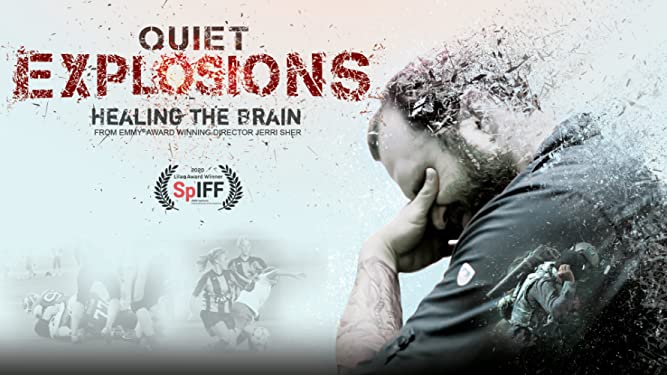
Quiet Explosions: Healing the Brain (2019)

Introduction

Professional athletes, military veterans and first responders share their stories of recovery from traumatic brain injury, post-traumatic stress disorder and depression.

Outline

Learn how athletes, veterans and civilians with Traumatic Brain Injury and PTSD are becoming healthy and healing their brains. A humanistic doc about the journey of ten different individuals from near suicide to recovery, and a real life.

Read more @ https://quietexplosions.com/.

Trivia

  • Traumatic brain injury (TBI) impacts 2 million people per year. Professional athletes, military veterans and first-responders share their recovery stories after suffering severe PTSD and depression.
  • Joe Rogan and Super Bowl MVP Mark Rypien, NFL running back Anthony Davis and Ben Driebergen, Marine veteran and winner of CBS’s 35th “Survivor” season, are featured in this enlightening documentary.

Production & Filming Details

  • Director(s): Jerri Sher.
  • Producer(s):
    • Michael Levy … consulting producer.
    • Jerri Sher … producer.
  • Writer(s): Jerri Sher.
  • Music: Omri Lahav.
  • Cinematography: Casey Lynch.
  • Editor(s): Elisa Bonora.
  • Production:
  • Distributor(s): Cinema Libre Studio (2020) (USA) (all media).
  • Release Date: 07 June 2019 (US)
  • Running Time: 89 minutes.
  • Rating: 16+.
  • Country: US.
  • Language: English.

Video Link

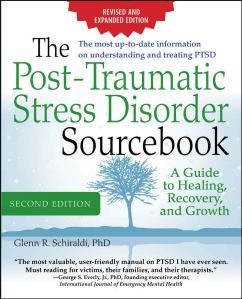
Book: The Post-Traumatic Stress Disorder Sourcebook

Book Title:

The Post-Traumatic Stress Disorder Sourcebook, Revised and Expanded Second Edition: A Guide to Healing, Recovery, and Growth.

Author(s): Glenn R. Schiraldi (PhD).

Year: 2016.

Edition: Second (2nd).

Publisher: McGraw-Hill Education.

Type(s): Paperback and Kindle.

Synopsis:

The Post-Traumatic Stress Disorder Sourcebook, Revised and Expanded Second Edition introduces survivors, loved ones, and helpers to the remarkable range of treatment alternatives and self-management techniques available today to break through the pain and realise recovery and growth.

This updated edition incorporates all-new diagnostics from the DSM-5 and covers the latest treatment techniques and research findings surrounding the optimisation of brain health and function, sleep disturbance, new USDA dietary guidelines and the importance of antioxidants, early childhood trauma, treating PTSD and alcoholism, the relationship between PTSD and brain injury, suicide and PTSD, somatic complaints associated with PTSD, and more.

Book: Pocket Therapy for Emotional Balance

Book Title:

Pocket Therapy for Emotional Balance: Quick DBT Skills to Manage Intense Emotions (New Harbinger Pocket Therapy).

Author(s): Matthew McKay (PhD), Jeffrey C. Wood (PSyd), and Jeffrey Brantley (MD).

Year: 2020.

Edition: First (1st).

Publisher: New Harbinger.

Type(s): Paperback and Kindle.

Synopsis:

In Pocket Therapy for Emotional Balance, three clinical psychologists and authors of The Dialectical Behaviour Therapy Skills Workbook offer quick, evidence-based tips and tools for managing intense emotions in the moment. Using this handy, take-anywhere guide, readers will find freedom from overwhelming thoughts and feelings, find a sense of calm, and live a more balanced life.

Bite-sized, evidence based tips and tools for managing intense emotions in the moment-from the authors of The Dialectical Behaviour Therapy Skills Workbook! Sometimes emotions can feel like a big, powerful tidal wave that will sweep you away. And the more you try to suppress or put a lid on these emotions, the more overwhelming they get. So, how can you feel better when difficult emotions threaten to wash over you?

In this take-anywhere pocket guide, clinical psychologists and authors Matt McKay, Jeffrey Wood, and Jeffrey Brantley offer quick and simple strategies based in dialectical behaviour therapy (DBT) to help you take charge of your emotions and start living the life you want. Using this handy little book, you’ll find freedom from overwhelming thoughts and feelings, discover a sense of lasting calm, improve your relationships, and feel more at peace with the world and yourself. If you are looking for small, easy ways to manage your emotions on the go, put this compact guide in your coat pocket, your purse, on your nightstand, or anywhere for quick and soothing relief.

Book: Pocket Therapy for Anxiety

Book Title:

Pocket Therapy for Anxiety: Quick CBT Skills to Find Calm (New Harbinger Pocket Therapy).

Author(s): Edmund J. Bourne.

Year: 2020.

Edition: First (1st).

Publisher: New Harbinger.

Type(s): Paperback and Kindle.

Synopsis:

Quick, simple, and effective anxiety relief that fits right in your pocket-so you can manage your symptoms anytime, anywhere.

If you suffer from anxiety, you may try to avoid the situations that cause you to feel uneasy. But avoidance is not the answer-and letting your fears and worries constantly hold you back will ultimately keep you from living the life you truly want. So, how can you learn to cope with your anxiety in the moment? This little book can help you face your fears and take charge of your anxiety-wherever or whenever it shows up.

From the author of The Anxiety and Phobia Workbook and Coping with Anxiety, Pocket Therapy for Anxiety offers immediate, user-friendly, and evidence-based strategies to help you manage anxiety, panic, and fear. The exercises in this book can be done in the moment, whenever you feel anxious, and will help you move past your fears and start living the life you were meant to live.

You will learn to:

  • Relax your body and mind.
  • Stop expecting the worst.
  • Get regular exercise and eat right to stay calm.
  • Turn off worry and cope on the spot.
  • And much, much more…

Do not let anxiety keep you one step behind. This little book will show you how to face your fears, overcome panic when it happens, and take charge of your anxiety for good!

Book: Play in Child Development and Psychotherapy

Book Title:

Play in Child Development and Psychotherapy: Toward Empirically Supported Practice (Personality & Clinical Psychology).

Author(s): Sandra Walker Russ.

Year: 2003.

Edition: First (1st).

Publisher: Routledge.

Type(s): Hardcover, Paperback, and Kindle.

Synopsis:

Child psychotherapy is in a state of transition. On the one hand, pretend play is a major tool of therapists who work with children. On the other, a mounting chorus of critics claims that play therapy lacks demonstrated treatment efficacy. These complaints are not invalid. Clinical research has only begun.

Extensive studies by developmental researchers have, however, strongly supported the importance of play for children. Much knowledge is being accumulated about the ways in which play is involved in the development of cognitive, affective, and personality processes that are crucial for adaptive functioning. However, there has been a yawning gap between research findings and useful suggestions for practitioners.

Play in Child Development and Psychotherapy represents the first effort to bridge the gap and place play therapy on a firmer empirical foundation. Sandra Russ applies sophisticated contemporary understanding of the role of play in child development to the work of mental health professionals who are trying to design intervention and prevention programs that can be empirically evaluated. Never losing sight of the complex problems that face child therapists, she integrates clinical and developmental research and theory into a comprehensive, up-to-date review of current approaches to conceptualizing play and to doing both therapeutic play work with children and the assessment that necessarily precedes and accompanies it.

Book: Pharmacotherapy: A Pathophysiologic Approach

Book Title:

Pharmacotherapy: A Pathophysiologic Approach.

Author(s): Joseph Dipiro, Robert Talbert, Gary Yee, Gary Matzke, Barbara Wells, and L. Michael Posey.

Year: 2011.

Edition: Eighth (8th).

Publisher: McGraw-Hill Education.

Type(s): Hardcover and Paperback.

Synopsis:

The eighth edition will feature the addition of SI units throughout and an increased number of global examples and clinical questions.

Features:

  • Unparalleled guidance in the development of pharmaceutical care plans.
  • Full-colour presentation.
  • Key Concepts in each chapter.
  • Critical Presentation boxes summarise common disease signs and symptoms.
  • Clinical Controversies boxes examine complicated issues you face when providing drug therapy.
  • New material added to the online learning centre.
  • Expanded evidence-based recommendations.
  • Expanded coverage of timely issues such as palliative care and pain medicine.
  • Therapeutic recommendations in each disease-specific chapter.

What is Seasonal Affective Disorder?

Introduction

Seasonal affective disorder (SAD) is a mood disorder subset in which people who have normal mental health throughout most of the year exhibit depressive symptoms at the same time each year, most commonly in winter. Common symptoms include sleeping too much and having little to no energy, and overeating. The condition in the summer can include heightened anxiety.

In the Diagnostic and Statistical Manual of Mental Disorders DSM-IV and DSM-5, its status was changed. It is no longer classified as a unique mood disorder but is now a specifier, called “with seasonal pattern”, for recurrent major depressive disorder that occurs at a specific time of the year and fully remits otherwise. Although experts were initially sceptical, this condition is now recognised as a common disorder.

In the United States, the percentage of the population affected by SAD ranges from 1.4% of the population in Florida, to 9.9% in Alaska. SAD was formally described and named in 1984 by Norman E. Rosenthal and colleagues at the National Institute of Mental Health.

Brief History

SAD was first systematically reported and named in the early 1980s by Norman E. Rosenthal, M.D., and his associates at the National Institute of Mental Health (NIMH). Rosenthal was initially motivated by his desire to discover the cause of his own experience of depression during the dark days of the northern US winter. He theorised that the reduction in available natural light during winter was the cause. Rosenthal and his colleagues then documented the phenomenon of SAD in a placebo-controlled study utilising light therapy. A paper based on this research was published in 1984. Although Rosenthal’s ideas were initially greeted with scepticism, SAD has become well recognised, and his 1993 book, Winter Blues has become the standard introduction to the subject.

Research on SAD in the United States began in 1979 when Herb Kern, a research engineer, had also noticed that he felt depressed during the winter months. Kern suspected that scarcer light in winter was the cause and discussed the idea with scientists at the NIMH who were working on bodily rhythms. They were intrigued, and responded by devising a lightbox to treat Kern’s depression. Kern felt much better within a few days of treatments, as did other patients treated in the same way.

Signs and Symptoms

SAD is a type of major depressive disorder (MDD), and sufferers may exhibit any of the associated symptoms, such as feelings of hopelessness and worthlessness, thoughts of suicide, loss of interest in activities, withdrawal from social interaction, sleep and appetite problems, difficulty with concentrating and making decisions, decreased libido, a lack of energy, or agitation. Symptoms of winter SAD often include oversleeping or difficulty waking up in the morning, nausea, and a tendency to overeat, often with a craving for carbohydrates, which leads to weight gain. SAD is typically associated with winter depression, but springtime lethargy or other seasonal mood patterns are not uncommon. Although each individual case is different, in contrast to winter SAD, people who experience spring and summer depression may be more likely to show symptoms such as insomnia, decreased appetite and weight loss, and agitation or anxiety.

Bipolar Disorder

With seasonal pattern is a specifier for bipolar and related disorders, including bipolar I disorder and bipolar II disorder. Most people with SAD experience major depressive disorder, but as many as 20% may have a bipolar disorder. It is important to discriminate between diagnoses because there are important treatment differences. In these cases, people who have the With seasonal pattern specifier may experience a depressive episode either due to MDD or as part of bipolar disorder during the winter and remit in the summer. Around 25% of patients with bipolar disorder may present with a depressive seasonal pattern, which is associated with bipolar II disorder, rapid cycling, eating disorders, and more depressive episodes. Differences in biological sex display distinct clinical characteristics associated to seasonal pattern: males present with more Bipolar II disorder and a higher number of depressive episodes, and females with rapid cycling and eating disorders.

Cause

In many species, activity is diminished during the winter months in response to the reduction in available food, the reduction of sunlight (especially for diurnal animals) and the difficulties of surviving in cold weather. Hibernation is an extreme example, but even species that do not hibernate often exhibit changes in behaviour during the winter. Presumably, food was scarce during most of human prehistory, and a tendency toward low mood during the winter months would have been adaptive by reducing the need for calorie intake. The preponderance of women with SAD suggests that the response may also somehow regulate reproduction.

Various proximate causes have been proposed. One possibility is that SAD is related to a lack of serotonin, and serotonin polymorphisms could play a role in SAD, although this has been disputed.[20] Mice incapable of turning serotonin into N-acetylserotonin (by serotonin N-acetyltransferase) appear to express “depression-like” behaviour, and antidepressants such as fluoxetine increase the amount of the enzyme serotonin N-acetyltransferase, resulting in an antidepressant-like effect. Another theory is that the cause may be related to melatonin which is produced in dim light and darkness by the pineal gland, since there are direct connections, via the retinohypothalamic tract and the suprachiasmatic nucleus, between the retina and the pineal gland.[citation needed] Melatonin secretion is controlled by the endogenous circadian clock, but can also be suppressed by bright light.

One study looked at whether some people could be predisposed to SAD based on personality traits. Correlations between certain personality traits, higher levels of neuroticism, agreeableness, openness, and an avoidance-oriented coping style, appeared to be common in those with SAD.

Pathophysiology

Seasonal mood variations are believed to be related to light. An argument for this view is the effectiveness of bright-light therapy. SAD is measurably present at latitudes in the Arctic region, such as northern Finland (64°00′N), where the rate of SAD is 9.5%. Cloud cover may contribute to the negative effects of SAD. There is evidence that many patients with SAD have a delay in their circadian rhythm, and that bright light treatment corrects these delays which may be responsible for the improvement in patients.

The symptoms of it mimic those of dysthymia or even major depressive disorder. There is also potential risk of suicide in some patients experiencing SAD. One study reports 6-35% of sufferers required hospitalization during one period of illness. At times, patients may not feel depressed, but rather lack energy to perform everyday activities.

Subsyndromal Seasonal Affective Disorder is a milder form of SAD experienced by an estimated 14.3% (vs. 6.1% SAD) of the US population. The blue feeling experienced by both SAD and SSAD sufferers can usually be dampened or extinguished by exercise and increased outdoor activity, particularly on sunny days, resulting in increased solar exposure. Connections between human mood, as well as energy levels, and the seasons are well documented, even in healthy individuals.

Diagnosis

According to the American Psychiatric Association DSM-IV criteria, Seasonal Affective Disorder is not regarded as a separate disorder. It is called a “course specifier” and may be applied as an added description to the pattern of major depressive episodes in patients with major depressive disorder or patients with bipolar disorder.

The “Seasonal Pattern Specifier” must meet four criteria: depressive episodes at a particular time of the year; remissions or mania/hypomania at a characteristic time of year; these patterns must have lasted two years with no non-seasonal major depressive episodes during that same period; and these seasonal depressive episodes outnumber other depressive episodes throughout the patient’s lifetime. The Mayo Clinic describes three types of SAD, each with its own set of symptoms.

Management

Treatments for classic (winter-based) seasonal affective disorder include light therapy, medication, ionized-air administration, cognitive-behavioural therapy (CBT) and carefully timed supplementation of the hormone melatonin.

Light Therapy

Photoperiod-related alterations of the duration of melatonin secretion may affect the seasonal mood cycles of SAD. This suggests that light therapy may be an effective treatment for SAD. Light therapy uses a lightbox which emits far more lumens than a customary incandescent lamp. Bright white “full spectrum” light at 10,000 lux, blue light at a wavelength of 480 nm at 2,500 lux or green (actually cyan or blue-green) light at a wavelength of 500 nm at 350 lux are used, with the first-mentioned historically preferred.

Bright light therapy is effective with the patient sitting a prescribed distance, commonly 30-60 cm, in front of the box with her/his eyes open but not staring at the light source for 30-60 minutes. A study published in May 2010 suggests that the blue light often used for SAD treatment should perhaps be replaced by green or white illumination. Discovering the best schedule is essential. One study has shown that up to 69% of patients find lightbox treatment inconvenient and as many as 19% stop use because of this.

Dawn simulation has also proven to be effective; in some studies, there is an 83% better response when compared to other bright light therapy. When compared in a study to negative air ionization, bright light was shown to be 57% effective vs. dawn simulation 50%. Patients using light therapy can experience improvement during the first week, but increased results are evident when continued throughout several weeks. Most studies have found it effective without use year round but rather as a seasonal treatment lasting for several weeks until frequent light exposure is naturally obtained.

Light therapy can also consist of exposure to sunlight, either by spending more time outside or using a computer-controlled heliostat to reflect sunlight into the windows of a home or office. Although light therapy is the leading treatment for seasonal affective disorder, prolonged direct sunlight or artificial lights that don’t block the ultraviolet range should be avoided due to the threat of skin cancer.

The evidence base for light therapy as a preventive treatment for seasonal affective disorder is limited. The decision to use light therapy to treat people with a history of winter depression before depressive symptoms begin should be based on a persons preference of treatment.

Medication

SSRI (selective serotonin reuptake inhibitor) antidepressants have proven effective in treating SAD. Effective antidepressants are fluoxetine, sertraline, or paroxetine. Both fluoxetine and light therapy are 67% effective in treating SAD according to direct head-to-head trials conducted during the 2006 Can-SAD study. Subjects using the light therapy protocol showed earlier clinical improvement, generally within one week of beginning the clinical treatment. Bupropion extended-release has been shown to prevent SAD for one in four people, but has not been compared directly to other preventive options in trials.

Modafinil may be an effective and well-tolerated treatment in patients with seasonal affective disorder/winter depression.

Another explanation is that vitamin D levels are too low when people do not get enough Ultraviolet-B on their skin. An alternative to using bright lights is to take vitamin D supplements. However, studies did not show a link between vitamin D levels and depressive symptoms in elderly Chinese nor among elderly British women.

Other Treatments

Depending upon the patient, one treatment (e.g. lightbox) may be used in conjunction with another (e.g. medication).

Negative air ionisation, which involves releasing charged particles into the sleep environment, has been found effective with a 47.9% improvement if the negative ions are in sufficient density (quantity).

Physical exercise has shown to be an effective form of depression therapy, particularly when in addition to another form of treatment for SAD. One particular study noted marked effectiveness for treatment of depressive symptoms when combining regular exercise with bright light therapy. Patients exposed to exercise which had been added to their treatments in 20 minutes intervals on the aerobic bike during the day along with the same amount of time underneath the UV light were seen to make quick recovery.

Of all the psychological therapies aimed at the prevention of SAD, cognitive-behaviour therapy, typically involving thought records, activity schedules and a positive data log, has been the subject of the most empirical work, however, evidence for CBT or any of the psychological therapies aimed at preventing SAD remains inconclusive.

Epidemiology

Nordic Countries

Winter depression is a common slump in the mood of some inhabitants of most of the Nordic countries. It was first described by the 6th century Goth scholar Jordanes in his Getica wherein he described the inhabitants of Scandza (Scandinavia). Iceland, however, seems to be an exception. A study of more than 2000 people there found the prevalence of seasonal affective disorder and seasonal changes in anxiety and depression to be unexpectedly low in both sexes. The study’s authors suggested that propensity for SAD may differ due to some genetic factor within the Icelandic population. A study of Canadians of wholly Icelandic descent also showed low levels of SAD. It has more recently been suggested that this may be attributed to the large amount of fish traditionally eaten by Icelandic people, in 2007 about 90 kilograms per person per year as opposed to about 24 kg in the US and Canada, rather than to genetic predisposition; a similar anomaly is noted in Japan, where annual fish consumption in recent years averages about 60 kg per capita. Fish are high in vitamin D. Fish also contain docosahexaenoic acid (DHA), which help with a variety of neurological dysfunctions.

Other Countries

In the US, a diagnosis of SAD was first proposed by Norman E. Rosenthal, M.D. in 1984. Rosenthal wondered why he became sluggish during the winter after moving from sunny South Africa to (cloudy in winter) New York. He started experimenting increasing exposure to artificial light, and found this made a difference. In Alaska it has been established that there is a SAD rate of 8.9%, and an even greater rate of 24.9% for subsyndromal SAD.

Around 20% of Irish people are affected by SAD, according to a survey conducted in 2007. The survey also shows women are more likely to be affected by SAD than men. An estimated 3% of the population in the Netherlands suffer from winter SAD.

Is there Satisfaction with Telehealth PTSD Treatment?

Research Paper Title

Factors contributing to veterans’ satisfaction with PTSD treatment delivered in person compared to telehealth.

Background

Telehealth is an increasingly popular treatment delivery modality for mental healthcare, including evidence-based treatment for complex and intense psychopathologies such as post-traumatic stress disorder (PTSD). Despite the growing telehealth literature, there is a need for more confirmatory research on satisfaction with PTSD telehealth treatment, particularly among veterans, for whom the most rapid and permanent expansion of telehealth services has been implemented through the Department of Veterans Affairs.

Methods

The current paper integrates data from two concurrent PTSD treatment outcome studies that compared prolonged exposure therapy delivered both in person and via telehealth for veterans (N = 140). Using two different measures of satisfaction (the Charleston Psychiatric Outpatient Satisfaction Scale-Veteran Affairs Version (CPOSS) and the Service Delivery Perception Questionnaire (SDPQ)), the researchers hypothesized that PTSD improvement would predict satisfaction, but that delivery modality (in person vs telehealth) would not.

Results

Results only partially supported the hypotheses, in that PTSD symptom improvement was associated with greater satisfaction, and in-person treatment modality was associated with satisfaction as measured by the CPOSS (but not the SDPQ). Subgroup differences by sex were found, such that male veterans, typically with combat-related trauma, were more satisfied with their PTSD treatment compared to female veterans, who were most frequently seen in this study for military sexual trauma.

Conclusions

Altogether, results illustrate a need for additional satisfaction studies with diverse samples and large sample sizes. Future research may benefit from examining satisfaction throughout treatment, identifying predictors of greater PTSD improvement, and further examining demographic subgroups.

Reference

White, C.N., Kauffman, B.Y. & Acierno, R. (2021) Factors contributing to veterans’ satisfaction with PTSD treatment delivered in person compared to telehealth. Journal of Telemedicine and Telecare. doi: 10.1177/1357633X20987704. Online ahead of print.

On This Day … 11 February

People (Births)

  • 1925 – Virginia E. Johnson, American psychologist and academic (d. 2013).

People (Deaths)

  • 1958 – Ernest Jones, Welsh neurologist and psychoanalyst (b. 1879).

Virginia E. Johnson

Virginia E. Johnson, born Mary Virginia Eshelman (11 February 1925 to 24 July 2013), was an American sexologist, best known as a member of the Masters and Johnson sexuality research team. Along with her partner, William H. Masters, she pioneered research into the nature of human sexual response and the diagnosis and treatment of sexual dysfunctions and disorders from 1957 until the 1990s.

Early Life

Virginia Johnson was born in Springfield, Missouri, the daughter of Edna (née Evans) and Hershel “Harry” Eshelman, a farmer. Her paternal grandparents were members of the LDS Church, and her father had Hessian ancestry. When she was five, her family moved to Palo Alto, California, where her father worked as a groundskeeper for a hospital. The family later returned to Missouri and farming. Virginia enrolled at her hometown’s Drury College at age 16, but dropped out and spent four years working in the Missouri state insurance office. She eventually returned to school, studying at the University of Missouri and the Kansas City Conservatory of Music, and during World War II began a music career as a band singer. She sang country music for radio station KWTO in Springfield, where she adopted the stage name Virginia Gibson.

Johnson moved to St. Louis, Missouri, where she became a business writer for the St. Louis Daily Record. Eschewing a singing career, Johnson enrolled at Washington University in St. Louis, intending to earn a degree in sociology but never attaining one.

Sexological Works

Johnson met William H. Masters in 1957 when he hired her as a research assistant at the Department of Obstetrics and Gynecology at Washington University in St. Louis. Masters trained her in medical terminology, therapy, and research during the years she worked as his assistant. Together they developed polygraph-like instruments that were designed to measure sexual arousal in humans. Using these tools, Masters and Johnson observed and measured about 700 men and women who agreed to engage in sexual activity with other participants or masturbate in Masters’ laboratory. By observing these subjects, Johnson helped Masters identify the four stages of sexual response. This came to be known as the human sexual response cycle. The cycle consists of the excitement phase, plateau phase, orgasmic phase, and resolution phase. In 1964, Masters and Johnson established their own independent non-profit research institution in St. Louis called the Reproductive Biology Research Foundation. The centre was renamed the Masters and Johnson Institute in 1978.

In April 2009, Thomas Maier reported in Scientific American that Johnson had serious reservations about the Masters and Johnson Institute’s programme to convert homosexuals into heterosexuals, a programme which ran from 1968 to 1977.

Personal Life

By her early 20s, Johnson had married a Missouri politician; the marriage lasted two days. She then married a much older attorney, whom she also divorced. In 1950, Johnson married bandleader George Johnson, with whom she had a boy and a girl, before divorcing in 1956. In 1971, Johnson married William Masters after he divorced his first wife. They were divorced in 1993, though they continued to collaborate professionally. Johnson died in July 2013 “of complications from several illnesses”.

Masters, who married again after his divorce from Johnson, died in 2001.

In Popular Culture

The American cable network Showtime debuted Masters of Sex, a dramatic television series based on the 2009 biography of the same name, on September 29, 2013. The series stars Lizzy Caplan as Johnson.

Ernest Jones

Alfred Ernest Jones FRCP MRCS (01 January 1879 to 11 February 1958) was a Welsh neurologist and psychoanalyst. A lifelong friend and colleague of Sigmund Freud from their first meeting in 1908, he became his official biographer. Jones was the first English-speaking practitioner of psychoanalysis and became its leading exponent in the English-speaking world. As President of both the International Psychoanalytical Association and the British Psycho-Analytical Society in the 1920s and 1930s, Jones exercised a formative influence in the establishment of their organisations, institutions and publications.

Early Career

After obtaining his medical degrees, Jones specialised in neurology and took a number of posts in London hospitals. It was through his association with the surgeon Wilfred Trotter that Jones first heard of Freud’s work. Having worked together as surgeons at University College Hospital, he and Trotter became close friends, with Trotter taking the role of mentor and confidant to his younger colleague. They had in common a wide-ranging interest in philosophy and literature, as well as a growing interest in Continental psychiatric literature and the new forms of clinical therapy it surveyed. By 1905 they were sharing accommodation above Harley Street consulting rooms with Jones’s sister, Elizabeth, installed as housekeeper. Trotter and Elizabeth Jones later married. Appalled by the treatment of the mentally ill in institutions, Jones began experimenting with hypnotic techniques in his clinical work.

Jones first encountered Freud’s writings directly in 1905, in a German psychiatric journal in which Freud published the famous Dora case-history. It was thus he formed “the deep impression of there being a man in Vienna who actually listened with attention to every word his patients said to him…a revolutionary difference from the attitude of previous physicians…”

Jones’s early attempts to combine his interest in Freud’s ideas with his clinical work with children resulted in adverse effects on his career. In 1906 he was arrested and charged with two counts of indecent assault on two adolescent girls whom he had interviewed in his capacity as an inspector of schools for “mentally defective” children. At the court hearing Jones maintained his innocence, claiming the girls were fantasising about any inappropriate actions by him. The magistrate concluded that no jury would believe the testimony of such children and Jones was acquitted. In 1908, employed as a pathologist at a London hospital, Jones accepted a colleague’s challenge to demonstrate the repressed sexual memory underlying the hysterical paralysis of a young girl’s arm. Jones duly obliged but, before conducting the interview, he omitted to inform the girl’s consultant or arrange for a chaperone. Subsequently, he faced complaints from the girl’s parents over the nature of the interview and he was forced to resign his hospital post.

Psychoanalytical Career

Whilst attending a congress of neurologists in Amsterdam in 1907, Jones met Carl Jung, from whom he received a first-hand account of the work of Freud and his circle in Vienna. Confirmed in his judgement of the importance of Freud’s work, Jones joined Jung in Zurich to plan the inaugural Psychoanalytical Congress. This was held in 1908 in Salzburg, where Jones met Freud for the first time. Jones travelled to Vienna for further discussions with Freud and introductions to the members of the Vienna Psychoanalytic Society. Thus began a personal and professional relationship which, to the acknowledged benefit of both, would survive the many dissensions and rivalries which marked the first decades of the psychoanalytic movement, and would last until Freud’s death in 1939.

With his career prospects in Britain in serious difficulty, Jones sought refuge in Canada in 1908. He took up teaching duties in the Department of Psychiatry of the University of Toronto (from 1911, as Associate Professor of Psychiatry). In addition to building a private psychoanalytic practice, he worked as pathologist to the Toronto Asylum and Director of its psychiatric outpatient clinic. Following further meetings with Freud in 1909 at Clark University in Worcester, Massachusetts, where Freud gave a series of lectures on psychoanalysis, and in the Netherlands the following year, Jones set about forging strong working relationships with the nascent American psychoanalytic movement. He gave some 20 papers or addresses to American professional societies at venues ranging from Boston, to Washington and Chicago. In 1910 he co-founded the American Psychopathological Association and the following year the American Psychoanalytic Association, serving as its first Secretary until 1913.

Jones undertook an intensive programme of writing and research, which produced the first of what were to be many significant contributions to psychoanalytic literature, notably monographs on Hamlet and On the Nightmare. A number of these were published in German in the main psychoanalytic periodicals published in Vienna; these secured his status in Freud’s inner circle during the period of the latter’s increasing estrangement from Jung. In this context in 1912 Jones initiated, with Freud’s agreement, the formation of a Committee of loyalists charged with safeguarding the theoretical and institutional legacy of the psychoanalytic movement. This development also served the more immediate purpose of isolating Jung and, with Jones in strategic control, eventually manoeuvring him out of the Presidency of the International Psychoanalytical Association, a post he had held since its inception. When Jung’s resignation came in 1914, it was only the outbreak of the Great War that prevented Jones from taking his place.

Returning to London in 1913, Jones set up in practice as a psychoanalyst, founded the London Psychoanalytic Society, and continued to write and lecture on psychoanalytic theory. A collection of his papers was published as Papers on Psychoanalysis, the first account of psychoanalytic theory and practice by a practising analyst in the English language.

By 1919, the year he founded the British Psychoanalytical Society, Jones could report proudly to Freud that psychoanalysis in Britain “stands in the forefront of medical, literary and psychological interest” (letter 27 January 1919 (Paskauskas 1993)). As President of the Society – a post he would hold until 1944 – Jones secured funding for and supervised the establishment in London of a Clinic offering subsidised fees, and an Institute of Psychoanalysis, which provided administrative, publishing and training facilities for the growing network of professional psychoanalysts.

Jones went on to serve two periods as President of the International Psychoanalytic Association from 1920 to 1924 and 1932 to 1949, where he had significant influence. In 1920 he founded the International Journal of Psychoanalysis, serving as its editor until 1939. The following year he established the International Psychoanalytic Library, which published some 50 books under his editorship. Jones soon obtained from Freud rights to the English translation of his work. In 1924 the first two volumes of Freud’s Collected Papers was published in translations edited by Jones and supervised by Joan Riviere, his former analysand and, at one stage, ardent suitor. After a period in analysis with Freud, Riviere worked with Jones as the translation editor of the International Journal of Psychoanalysis. She then was part of a working group Jones set up to plan and deliver James Strachey’s translations for the standard edition of Freud’s work. Largely through Jones’ energetic advocacy, the British Medical Association officially recognised psychoanalysis in 1929. The BBC subsequently removed him from a list of speakers declared to be dangerous to public morality. In the 1930s Jones and his colleagues made a series of radio broadcasts on psychoanalysis.

After Adolf Hitler took power in Germany, Jones helped many displaced and endangered Jewish analysts to resettle in England and other countries. Following the Anschluss of March 1938, Jones flew into Vienna at considerable personal risk to play a crucial role in negotiating and organising the emigration of Freud and his circle to London.

The Jones-Freud Controversy

Jones’s early published work on psychoanalysis had been devoted to expositions of the fundamentals of Freudian theory, an elaboration of its theory of symbolism, and its application to the analysis of religion, mythology, folklore and literary and artistic works. Under the influence of Melanie Klein, Jones’ work took a new direction.

Klein had made an impact in Berlin in the new field of child analysis and had impressed Jones in 1925 when he attended her series of lectures to the British Society in London. At Jones’s invitation she moved to London the following year; she soon acquired a number of devoted and influential followers. Her work had a dramatic effect on the British Society, polarising its members into rival factions as it became clear that her approach to child analysis was seriously at odds with that of Anna Freud, as set out in her 1927 book An Introduction to the Technique of Child Analysis. The disagreement centred around the clinical approach to the pre-Oedipal child; Klein argued for play as an equivalent to free association in adult analyses. Anna Freud opposed any such equivalence, proposing an educative intervention with the child until an appropriate level of ego development was reached at the Oedipal stage. Klein held this to be a collusive inhibition of analytical work with the child.

Influenced by Klein, and initiating what became known as the Jones-Freud controversy, Jones set out to explore a range of interlinked topics in the theory of early psychic development. These included the structure and genesis of the superego and the nature of the feminine castration complex. He coined the term phallocentrism in a critique of Freud’s account of sexual difference. He argued together with Klein and her Berlin colleague, Karen Horney, for a primary femininity, saying that penis envy arose as a defensive formation rather than arising from the fact, or “injury”, of biological asymmetry. In a corresponding reformulation of the castration complex, Jones introduced the concept of “aphanisis” to refer to the fear of “the permanent extinction of the capacity (including opportunity) for sexual enjoyment”.

These departures from orthodoxy were noted in Vienna and were topics that were featured in the regular Freud-Jones correspondence, the tone of which became increasingly fractious. Faced with accusations from Freud of orchestrating a campaign against him and his daughter, Jones sought to allay Freud’s concerns without abandoning his new critical standpoint. Eventually, following a series of exchange lectures between the Vienna and London societies, which Jones arranged with Anna Freud, Freud and Jones resumed their usual cordial exchanges.

With the arrival in Britain of refugee German and Viennese analysts in the 1930s, including Anna Freud in 1938, the hostility between the orthodox Freudians and Kleinians in the British Society grew more intense. Jones chaired a number of “extraordinary business meetings” with the aim of defusing the conflict, and these continued into the war years. The meetings, which became known as the controversial discussions, were established on a more regular basis from 1942. By that time, Jones had removed himself from direct participation, owing to ill health and the difficulties of war-time travel from his home in Elsted, West Sussex. He resigned from the presidency of the British Society in 1944, the year in which, under the presidency of Sylvia Payne, there finally emerged a compromise agreement which established parallel training courses providing options to satisfy the concerns of the rival groups that had formed: followers of Anna Freud, followers of Melanie Klein and a non-aligned group of Middle or Independent Group analysts. It was agreed further that all the key policy making committees of the BPS should have representatives from the three groups.

Later Life

After the end of the war, Jones gradually relinquished his many official posts whilst continuing his psychoanalytic practice, writings and lecturing. The major undertaking of his final years was his monumental account of Freud’s life and work, published to widespread acclaim in three volumes between 1953 and 1957. In this he was ably assisted by his German-speaking wife, who translated much of Freud’s early correspondence and other archive documentation made available by Anna Freud. His uncompleted autobiography, Free Associations, was published posthumously in 1959.

Jones was made a Fellow of the Royal College of Physicians (FRCP) in 1942, Honorary President of the International Psychoanalytical Association in 1949, and was awarded an Honorary Doctor of Science degree at Swansea University (Wales) in 1954.

Jones died in London on 11 February 1958, and was cremated at Golders Green Crematorium. His ashes were buried in the grave of the oldest of his four children in the churchyard of St Cadoc’s Cheriton on the Gower Peninsula.

What is Orthorexia Nervosa?

Orthorexia nervosa (also known as orthorexia) is a proposed eating disorder characterised by an excessive preoccupation with eating healthy food.

The term was introduced in 1997 by American physician Steven Bratman, M.D. He suggested that some people’s dietary restrictions intended to promote health may paradoxically lead to unhealthy consequences, such as social isolation, anxiety, loss of ability to eat in a natural, intuitive manner, reduced interest in the full range of other healthy human activities, and, in rare cases, severe malnutrition or even death.

In 2009, Ursula Philpot, chair of the British Dietetic Association and senior lecturer at Leeds Metropolitan University, described people with orthorexia nervosa as being “solely concerned with the quality of the food they put in their bodies, refining and restricting their diets according to their personal understanding of which foods are truly ‘pure’.” This differs from other eating disorders, such as anorexia nervosa and bulimia nervosa, where those affected focus on the quantity of food eaten.

Orthorexia nervosa also differs from anorexia nervosa in that it does not disproportionally affect one gender. Studies have found that orthorexia nervosa is equally found in both men and women with no significant gender differences at all. Furthermore, research has found significant positive correlations between ON and both narcissism and perfectionism, but no significant correlation between ON and self esteem. This shows that high-ON individuals likely take pride over their healthy eating habits over others and that is the driving force behind their orthorexia as opposed to body image like anorexia.

Orthorexia nervosa is not recognised as an eating disorder by the American Psychiatric Association, and so is not mentioned as an official diagnosis in the widely used Diagnostic and Statistical Manual of Mental Disorders (DSM).

Brief History

In a 1997 article in the magazine Yoga Journal, the American physician Steven Bratman coined the term “orthorexia nervosa” from the Greek ορθο- (ortho, “right” or “correct”), and όρεξις (orexis, “appetite”), literally meaning ‘correct appetite’, but in practice meaning ‘correct diet’. The term is modelled on anorexia, literally meaning “without appetite”, as used in the definition of the condition anorexia nervosa. (In both terms, “nervosa” indicates an unhealthy psychological state.) Bratman described orthorexia as an unhealthy fixation with what the individual considers to be healthy eating. Beliefs about what constitutes healthy eating commonly originate in one or another dietary theory such as raw foods veganism or macrobiotics, but are then taken to extremes, leading to disordered eating patterns and psychological and/or physical impairment. Bratman based this proposed condition on his personal experiences in the 1970s, as well as behaviours he observed among his patients in the 1990s. In 2000, Bratman, with David Knight, authored the book Health Food Junkies, which further expanded on the subject.

Following the publication of the book, in 2004 a team of Italian researchers from La Sapienza University of Rome, published the first empirical study attempting to develop a tool to measure the prevalence of orthorexia, known as the ORTO-15.

In 2015, responding to news articles in which the term orthorexia is applied to people who merely follow a non-mainstream theory of healthy eating, Bratman specified the following: “A theory may be conventional or unconventional, extreme or lax, sensible or totally wacky, but, regardless of the details, followers of the theory do not necessarily have orthorexia. They are simply adherents of a dietary theory. The term ‘orthorexia’ only applies when an eating disorder develops around that theory.” Bratman elsewhere clarifies that with a few exceptions, most common theories of healthy eating are followed safely by the majority of their adherents; however, “for some people, going down the path of a restrictive diet in search of health may escalate into dietary perfectionism.” Karin Kratina, PhD, writing for the National Eating Disorders Association, summarises this process as follows: “Eventually food choices become so restrictive, in both variety and calories, that health suffers – an ironic twist for a person so completely dedicated to healthy eating.”

Although orthorexia is not recognised as a mental disorder by the American Psychiatric Association, and it is not listed in the DSM-5, as of January 2016, four case reports and more than 40 other articles on the subject have been published in a variety of peer-reviewed journals internationally. According to a study published in 2011, two-thirds of a sample of 111 Dutch-speaking eating disorder specialists felt they had observed the syndrome in their clinical practice.

According to the Macmillan English Dictionary, the word is entering the English lexicon. The concept of orthorexia as a newly developing eating disorder has attracted significant media attention in the 21st century.

Signs and Symptoms

Symptoms of orthorexia nervosa include “obsessive focus on food choice, planning, purchase, preparation, and consumption; food regarded primarily as source of health rather than pleasure; distress or disgust when in proximity to prohibited foods; exaggerated faith that inclusion or elimination of particular kinds of food can prevent or cure disease or affect daily well-being; periodic shifts in dietary beliefs while other processes persist unchanged; moral judgment of others based on dietary choices; body image distortion around sense of physical “impurity” rather than weight; persistent belief that dietary practices are health-promoting despite evidence of malnutrition.”

Cause(s)

There has been no investigation into whether there may be a biological cause specific to orthorexia nervosa. It may be a food-centred manifestation of obsessive-compulsive disorder (OCD), which has a lot to do with control.

Diagnosis

In 2016, formal criteria for orthorexia were proposed in the peer-reviewed journal Eating Behaviours by Thom Dunn and Steven Bratman. These criteria are as follows:

  • Criterion A:
    • Obsessive focus on “healthy” eating, as defined by a dietary theory or set of beliefs whose specific details may vary; marked by exaggerated emotional distress in relationship to food choices perceived as unhealthy; weight loss may ensue, but this is conceptualised as an aspect of ideal health rather than as the primary goal.
    • As evidenced by the following:
      1. Compulsive behaviour and/or mental preoccupation regarding affirmative and restrictive dietary practices believed by the individual to promote optimum health. (Footnotes to this criteria add: Dietary practices may include use of concentrated “food supplements.” Exercise performance and/or fit body image may be regarded as an aspect or indicator of health.)
      2. Violation of self-imposed dietary rules causes exaggerated fear of disease, sense of personal impurity and/or negative physical sensations, accompanied by anxiety and shame.
      3. Dietary restrictions escalate over time, and may come to include elimination of entire food groups and involve progressively more frequent and/or severe “cleanses” (partial fasts) regarded as purifying or detoxifying. This escalation commonly leads to weight loss, but the desire to lose weight is absent, hidden or subordinated to ideation about healthy food.
  • Criterion B:
    • The compulsive behaviour and mental preoccupation becomes clinically impairing by any of the following:
      1. Malnutrition, severe weight loss or other medical complications from restricted diet.
      2. Intrapersonal distress or impairment of social, academic or vocational functioning secondary to beliefs or behaviours about healthy diet.
      3. Positive body image, self-worth, identity and/or satisfaction excessively dependent on compliance with self-defined “healthy” eating behaviour.

A diagnostic questionnaire has been developed for orthorexia sufferers, similar to questionnaires for other eating disorders, named the ORTO-15. However, Dunn and Bratman critique this survey tool as lacking appropriate internal and external validation.

Epidemiology

Results across scientific findings have yet to find a definitive conclusion to support whether nutrition students and professionals are at higher risk than other population subgroups, due to differing results in the research literature. There are only a few notable scientific works that, in an attempt to explore the breadth and depth of the still vaguely-understood illness, have tried to identify which groups in society are most vulnerable to its onset. This includes a 2008 German study, which based its research on the widespread suspicion that the most nutritionally-informed, such as university nutrition students, are a potential high-risk group for eating disorders, due to a substantial accumulation of knowledge on food and its relationship to health; the idea being that the more one knows about health, the more likely an unhealthy fixation about being healthy can develop. This study also inferred that orthorexic tendencies may even fuel a desire to study the science, indicating that many within this field might suffer from the disorder before commencing the course. However the results found that the students in the study, upon initial embarkation of their degree, did not have higher orthorexic values than other non-nutrition university students, and thus the report concluded that further research is needed to clarify the relationship between food-education and the onset of ON.

Similarly, in a Portuguese study on nutrition tertiary students, the participants’ orthorexic scores (according to the ORTO-15 diagnostic questionnaire) actually decreased as they progressed through their course, as well as the overall risk of developing an eating disorder being low at 4.2%. The participants also answered questionnaires to provide insight into their eating behaviours and attitudes, and despite this study finding that nutrition and health-science students tend to have more restrictive eating behaviours, these studies however found no evidence to support that these students have “more disturbed or disordered eating patterns than other students” These two aforementioned studies conclude that the more understanding of food one has is not necessarily a risk factor for ON, explaining that the data gathered suggests dietetics professionals are not at significant risk of it.

However, these epidemiologic studies have been critiqued as using a fundamentally flawed survey tool that inflates prevalence rates. Scholars have questioned both the reliability and validity of the ORTO-15.

Most scientific findings tend to agree, however, young adults and adolescents are extremely susceptible to developing eating disorders. One study found that there was no relationship between BOT score and college major, which may indicate the prevalence of mental health issues and eating disorders on college campuses and that health and science majors are no longer the only ones affected More studies have also been conducted on the link between increased Instagram use and Orthorexia nervosa. The social media based healthy community has recently grown in popularity especially on platforms such as Instagram. The hashtag #food is one of the top 25 most popular hashtags on Instagram. A study that investigated this relationship found that increased use of Instagram correlated between symptoms of ON with no other social media platform having the same effect. With young adults and adolescents making up the majority of social media users, exposure to this type of content can lead to developing unhealthy behaviour.