Posts

Book: Parenting Children with Mental Health Challenges

Book Title:

Parenting Children with Mental Health Challenges: A Guide to Life with Emotionally Complex Kids.

Author(s): Deborah Vlock.

Year: 2018.

Edition: First (1st).

Publisher: Rowman & Littlefield Publishers, Illustrated Edition.

Type(s): Hardcover, Paperback, and Kindle.

Synopsis:

Parenting Children with Mental Health Challenges: A Guide to Life with Emotionally Complex Kids offers overwhelmed readers guidance, solidarity, and hope. The author, a “mental-health mom” who’s survived indignity, exhaustion, and the heartbreak of loving a child with multiple mental-health disorders, writes with frankness and occasional humour about the hardest parenting job on earth.

Drawing on her own experiences and those of other parents, plus tips from mental health professionals, Vlock suggests ways of parenting smarter, partnering better, and living more fully and less fearfully in the shadow of childhood psychiatric illness.

Addressing the many hurdles children and families must face, including life on the home front, school, friendships and relationships, and more, the book shows readers that they are not alone-and they are stronger than they think. With its combination of easily digestible, to-the-point suggestions, clear action items, and first-person parent/kid stories, its aim is to make mental-health parents feel stronger and better, while actively seeking positive outcomes for their kids and families.

With rates of mental health diagnoses among youth on the rise, this invaluable resource will help parents through the trying times with support, understanding, and guidance.

Book: Orthorexia – When Healthy Eating Goes Bad

Book Title:

Orthorexia – When Healthy Eating Goes Bad.

Author(s): Renee McGregor.

Year: 2017.

Edition: First (1st).

Publisher: Nourish Books.

Type(s): Paperback and Kindle.

Synopsis:

Can healthy eating become a dangerous obsession?

Orthorexia is an eating disorder that is hard to see. It is not about purging or cutting calories. But by excluding foods in pursuit of a “clean” or ideal diet, it can quickly turn into a compulsion with serious consequences for mental and physical health.

For the first time, dietician, nutritionist and eating disorder campaigner Renee McGregor reveals the true messages behind these dangerous diets. Packed with first-hand experiences and analysis, it provides the tools to guide sufferers back to a balanced, truly healthy way of eating.

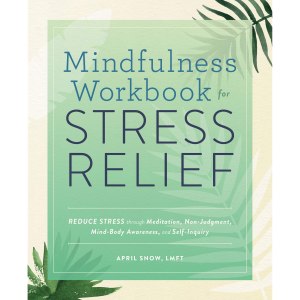
Book: Mindfulness Workbook for Stress Relief

Book Title:

Mindfulness Workbook for Stress Relief: Reduce Stress through Meditation, Non-Judgement, Mind-Body Awareness, and Self-Inquiry.

Author(s): April Snow (LMFT).

Year: 2020.

Edition: First (1st).

Publisher: Rockridge Press.

Type(s): Kindle.

Synopsis:

Mindfulness is a powerful and proven method for reducing stress and its negative health effects. The Mindfulness Workbook for Stress Relief shows you how to relieve tension and find calm using soothing, restorative techniques like meditation, non-judgement, self-inquiry, and mind-body awareness.

Featuring helpful exercises and simple meditations, this hands-on stress management workbook delivers a wide variety of effective mindfulness tools that you can add to your self-care toolbox like breath awareness, body scans, mindful walking, and more.

The Mindfulness Workbook for Stress Relief includes:

  • Practical & actionable: This book has a beginner-friendly focus that covers a spectrum of everyday situations and science-based solutions.
  • Evidence-based approach: Explore engaging mindfulness-based exercises that are proven to help relieve stress, anxiety, chronic pain, and sleep issues.
  • Situational success: Learn how to address stress triggers in many areas of daily life like relationships, at work, and beyond.

Take a deep breath and begin your practice today with this evidence-based mindfulness workbook.

Book: Assessment Procedures for Counsellors and Helping Professionals

Book Title:

Assessment Procedures for Counsellors and Helping Professionals.

Author(s): Carl Sheperis, Robert Drummond, and Karyn Jones.

Year: 2019.

Edition: Ninth (9th).

Publisher: Pearson.

Type(s): Paperback.

Synopsis:

A classic textbook for aspiring counsellors, now updated and expanded to improve its usefulness and relevance for practicing counsellors.

Since its first publication in 1988, Assessment Procedures for Counsellors and Helping Professionals has become a classic among assessment textbooks designed specifically for aspiring counsellors. Now in its 9th Edition, the text includes extensive changes to content and updating throughout, while maintaining its popular, easy-to-read format and continuing emphasis on assessment information that is most useful and relevant for school counsellors, marriage and family therapists, mental health counsellors, and other helping professionals. Throughout the text, readers get invaluable information and examples about widely used assessment instruments in order to become familiar with these well-known tests.

NOTE:

Before purchasing, check with your instructor to ensure you select the correct ISBN. Several versions of the MyLab(TM) and Mastering(TM) platforms exist for each title, and registrations are not transferable. To register for and use MyLab or Mastering, you may also need a Course ID, which your instructor will provide.

Used books, rentals, and purchases made outside of Pearson

If purchasing or renting from companies other than Pearson, the access codes for the MyLab or Mastering platform may not be included, may be incorrect, or may be previously redeemed. Check with the seller before completing your purchase.

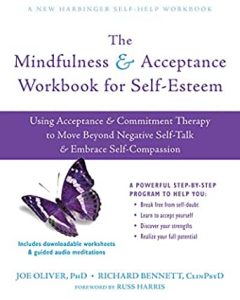
Book: The Mindfulness and Acceptance Workbook for Self-Esteem

Book Title:

The Mindfulness and Acceptance Workbook for Self-Esteem.

Author(s): Joe Oliver.

Year: 2020.

Edition: First (1st).

Publisher: New Harbinger, Workbook Edition.

Type(s): Paperback and Kindle.

Synopsis:

We all have stories we have created about ourselves-some of them positive and some of them negative. If you suffer from low self-esteem, your story may include these types of narratives: “I’m a failure,” “I’ll never be able to do that,” or “If only I were smarter or more attractive, I could be happy.” Ironically, at the end of the day, these narratives are your biggest roadblocks to achieving happiness and living the life you deserve. So, how can you break free from these stories-once and for all?

Grounded in evidence-based acceptance and commitment therapy (ACT), this workbook offers a step-by-step programme to help you break free from self-doubt, learn to accept yourself and your faults, identify and cultivate your strengths, and reach your full potential. You will also discover ways to take action and move toward the life you truly want, even when these actions trigger self-doubt. Finally, you’ll learn to see yourself in all your complexity, with kindness and compassion.

What are Tricyclic Antidepressants?

Introduction

Tricyclic antidepressants (TCAs) are a class of medications that are used primarily as antidepressants. TCAs were discovered in the early 1950s and were marketed later in the decade. They are named after their chemical structure, which contains three rings of atoms. Tetracyclic antidepressants (TeCAs), which contain four rings of atoms, are a closely related group of antidepressant compounds.

Although TCAs are sometimes prescribed for depressive disorders, they have been largely replaced in clinical use in most parts of the world by newer antidepressants such as

  • Selective serotonin reuptake inhibitors (SSRIs);
  • Serotonin-norepinephrine reuptake inhibitors (SNRIs); and
  • Norepinephrine reuptake inhibitors (NRIs).

Adverse effects have been found to be of a similar level between TCAs and SSRIs.

Brief History

The TCAs were developed amid the “explosive birth” of psychopharmacology in the early 1950s. The story begins with the synthesis of chlorpromazine in December 1950 by Rhône-Poulenc’s chief chemist, Paul Charpentier, from synthetic antihistamines developed by Rhône-Poulenc in the 1940s. Its psychiatric effects were first noticed at a hospital in Paris in 1952. The first widely used psychiatric drug, by 1955 it was already generating significant revenue as an antipsychotic. Research chemists quickly began to explore other derivatives of chlorpromazine.

The first TCA reported for the treatment of depression was imipramine, a dibenzazepine analogue of chlorpromazine code-named G22355. It was not originally targeted for the treatment of depression. The drug’s tendency to induce manic effects was “later described as ‘in some patients, quite disastrous'”. The paradoxical observation of a sedative inducing mania led to testing with depressed patients. The first trial of imipramine took place in 1955 and the first report of antidepressant effects was published by Swiss psychiatrist Roland Kuhn in 1957. Some testing of Geigy’s imipramine, then known as Tofranil, took place at the Münsterlingen Hospital near Konstanz. Geigy later became Ciba-Geigy and eventually Novartis.

Dibenzazepine derivatives are described in US patent 3,074,931 issued 1963-01-22 by assignment to Smith Kline & French Laboratories. The compounds described share a tricyclic backbone different from the backbone of the TCA amitriptyline.

Merck introduced the second member of the TCA family, amitriptyline (Elavil), in 1961. This compound has a different three-ring structure than imipramine.

Medical Uses

The TCAs are used primarily in the clinical treatment of mood disorders such as major depressive disorder (MDD), dysthymia, and treatment-resistant variants. They are also used in the treatment of a number of other medical disorders, including anxiety disorders such as:

Clinical Depression

For many years the TCAs were the first choice for pharmacological treatment of clinical depression. Although they are still considered to be highly effective, they have been increasingly replaced by antidepressants with an improved safety and side effect profile, such as the SSRIs and other newer antidepressants such as the novel reversible MAOI (monoamine oxidase inhibitors) moclobemide. However, tricyclic antidepressants are possibly more effective in treating melancholic depression than other antidepressant drug classes. Newer antidepressants are thought to have fewer and less severe side effects and are also thought to be less likely to result in injury or death if used in a suicide attempt, as the doses required for clinical treatment and potentially lethal overdose are far wider in comparison.

Nonetheless, the TCAs are commonly prescribed for treatment-resistant depression that has failed to respond to therapy with newer antidepressants, they also tend to have fewer emotional blunting and sexual side effects than SSRI antidepressants. They are not considered addictive and are somewhat preferable to the MAOIs. The side effects of the TCAs usually come to prominence before the therapeutic benefits against depression and/or anxiety do, and for this reason, they may potentially be somewhat dangerous, as volition can be increased, possibly giving the patient a greater desire to attempt or commit suicide.

ADHD

The TCAs were used in the past in the clinical treatment of ADHD, though they are not typically used anymore, having been replaced by more effective agents with fewer side effects such as atomoxetine (Strattera, Tomoxetin) and stimulants like methylphenidate (Ritalin, Focalin, Concerta), and amphetamine (Adderall, Attentin, Dexedrine, Vyvanse). ADHD is thought to be caused by an insufficiency of dopamine and norepinephrine activity in the prefrontal cortex of the brain. Most of the TCAs inhibit the reuptake of norepinephrine, though not dopamine, and as a result, they show some efficacy in remedying the disorder. Notably, the TCAs are more effective in treating the behavioural aspects of ADHD than the cognitive deficits, as they help limit hyperactivity and impulsivity, but have little to no benefits on attention.

Chronic Pain

The TCAs show efficacy in the clinical treatment of a number of different types of chronic pain, notably neuralgia or neuropathic pain and fibromyalgia. The precise mechanism of action in explanation of their analgesic efficacy is unclear, but it is thought that they indirectly modulate the opioid system in the brain downstream via serotonergic and noradrenergic neuromodulation, among other properties. They are also effective in migraine prophylaxis, though not in the instant relief of an acute migraine attack. They may also be effective to prevent chronic tension headaches.

Side Effects

Many side effects may be related to the antimuscarinic properties of the TCAs. Such side effects are relatively common and may include dry mouth, dry nose, blurry vision, lowered gastrointestinal motility or constipation, urinary retention, cognitive and/or memory impairment, and increased body temperature.

Other side effects may include drowsiness, anxiety, emotional blunting (apathy/anhedonia), confusion, restlessness, dizziness, akathisia, hypersensitivity, changes in appetite and weight, sweating, muscle twitches, weakness, nausea and vomiting, hypotension, tachycardia, and rarely, irregular heart rhythms. Twitching, hallucinations, delirium and coma are also some of the toxic effects caused by overdose. Rhabdomyolysis or muscle breakdown has been rarely reported with this class of drugs as well.

Tolerance to these adverse effects of these drugs often develops if treatment is continued. Side effects may also be less troublesome if treatment is initiated with low doses and then gradually increased, although this may also delay the beneficial effects.

TCAs can behave like class 1A antiarrhythmics, as such, they can theoretically terminate ventricular fibrillation, decrease cardiac contractility and increase collateral blood circulation to ischemic heart muscle. Naturally, in overdose, they can be cardiotoxic, prolonging heart rhythms and increasing myocardial irritability.

New research has also revealed compelling evidence of a link between long-term use of anticholinergic medications like TCAs and dementia. Although many studies have investigated this link, this was the first study to use a long-term approach (over seven years) to find that dementias associated with anticholinergics may not be reversible even years after drug use stops. Anticholinergic drugs block the action of acetylcholine, which transmits messages in the nervous system. In the brain, acetylcholine is involved in learning and memory.

Discontinuation

Antidepressants in general may produce withdrawal. However, since the term “withdrawal” has been linked to addiction to recreational drugs like opioids, the medical profession and pharmaceutical public relations prefer that a different term be used, hence “discontinuation syndrome.” Discontinuation symptoms can be managed by a gradual reduction in dosage over a period of weeks or months to minimise symptoms. In tricyclics, discontinuation syndrome symptoms include anxiety, insomnia, headache, nausea, malaise, or motor disturbance.

Overdose

Refer to Tricyclic Antidepressant Overdose.

TCA overdose is a significant cause of fatal drug poisoning. The severe morbidity and mortality associated with these drugs is well documented due to their cardiovascular and neurological toxicity. Additionally, it is a serious problem in the paediatric population due to their inherent toxicity and the availability of these in the home when prescribed for bed-wetting and depression. In the event of a known or suspected overdose, medical assistance should be sought immediately.

A number of treatments are effective in a TCA overdose.

An overdose on TCA is especially fatal as it is rapidly absorbed from the GI tract in the alkaline conditions of the small intestines. As a result, toxicity often becomes apparent in the first hour after an overdose. However, symptoms may take several hours to appear if a mixed overdose has caused delayed gastric emptying.

Many of the initial signs are those associated to the anticholinergic effects of TCAs such as dry mouth, blurred vision, urinary retention, constipation, dizziness, and emesis (or vomiting). Due to the location of norepinephrine receptors all over the body, many physical signs are also associated with a TCA overdose:

  • Anticholinergic effects: Altered mental status (e.g., agitation, confusion, lethargy, etc.), resting sinus tachycardia, dry mouth, mydriasis (pupil dilation), and fever.
  • Cardiac effects: Hypertension (early and transient, should not be treated), tachycardia, orthostasis and hypotension, arrhythmias (including ventricular tachycardia and ventricular fibrillation, most serious consequence) / ECG changes (prolonged QRS, QT, and PR intervals).
  • CNS effects: Syncope, seizure, coma, myoclonus, hyperreflexia.
  • Pulmonary effects: Hypoventilation resulting from CNS depression.
  • Gastrointestinal effects: Decreased or absent bowel sounds.

Treatment of TCA overdose depends on severity of symptoms:

Initially, gastric decontamination of the patient is achieved by administering, either orally or via a nasogastric tube, activated charcoal pre-mixed with water, which adsorbs the drug in the gastrointestinal tract (most useful if given within 2 hours of drug ingestion). Other decontamination methods such as stomach pumps, gastric lavage, whole bowel irrigation, or (ipecac induced) emesis, are not recommended in TCA poisoning.

If there is metabolic acidosis, intravenous infusion of sodium bicarbonate is recommended by Toxbase.org, the UK and Ireland poisons advice database (TCAs are protein bound and become less bound in more acidic conditions, so by reversing the acidosis, protein binding increases and bioavailability thus decreases – the sodium load may also help to reverse the Na+ channel blocking effects of the TCA).

Interactions

The TCAs are highly metabolised by the cytochrome P450 (CYP) hepatic enzymes. Drugs that inhibit cytochrome P450 (for example cimetidine, methylphenidate, fluoxetine, antipsychotics, and calcium channel blockers) may produce decreases in the TCAs’ metabolism, leading to increases in their blood concentrations and accompanying toxicity. The major factor that distinguishes SSRI’s amongst one another is the inhibition of select CYP enzymes. Drugs that prolong the QT interval including antiarrhythmics such as quinidine, the antihistamines astemizole and terfenadine, and some antipsychotics may increase the chance of ventricular dysrhythmias. TCAs may enhance the response to alcohol and the effects of barbiturates and other CNS depressants. Side effects may also be enhanced by other drugs that have antimuscarinic properties.

Pharmacology

The majority of the TCAs act primarily as SNRIs by blocking the serotonin transporter (SERT) and the norepinephrine transporter (NET), which results in an elevation of the synaptic concentrations of these neurotransmitters, and therefore an enhancement of neurotransmission. Notably, with the sole exception of amineptine, the TCAs have negligible affinity for the dopamine transporter (DAT), and therefore have no efficacy as dopamine reuptake inhibitors (DRIs). Both serotonin and norepinephrine have been highly implicated in depression and anxiety, and it has been shown that facilitation of their activity has beneficial effects on these mental disorders.

In addition to their reuptake inhibition, many TCAs also have high affinity as antagonists at the 5-HT2 (5-HT2A and 5-HT2C), 5-HT6, 5-HT7, α1-adrenergic, and NMDA receptors, and as agonists at the sigma receptors (σ1 and σ2), some of which may contribute to their therapeutic efficacy, as well as their side effects. The TCAs also have varying but typically high affinity for antagonising the H1 and H2 histamine receptors, as well as the muscarinic acetylcholine receptors. As a result, they also act as potent antihistamines and anticholinergics. These properties are often beneficial in antidepressants, especially with comorbid anxiety, as it provides a sedative effect.

Most, if not all, of the TCAs also potently inhibit sodium channels and L-type calcium channels, and therefore act as sodium channel blockers and calcium channel blockers, respectively. The former property is responsible for the high mortality rate upon overdose seen with the TCAs via cardiotoxicity. It may also be involved in their efficacy as analgesics, however.

In summary, tricyclic antidepressants can act through NMDA antagonism, opioidergic effects, sodium, potassium and calcium channel blocking, through interfering with the reuptake of serotonin and acting as antagonists to SHAM (serotonin, histamine, alpha, muscarinic) receptors. Thus their dangerous side effect profile limits their use in daily practice.

Chemistry

There are two major groups of TCAs in terms of chemical structure, which most, but not all, TCAs fall into. The groupings are based on the tricyclic ring system. They are the dibenzazepines (imipramine, desipramine, clomipramine, trimipramine, lofepramine) and the dibenzocycloheptadienes (amitriptyline, nortriptyline, protriptyline, butriptyline). Minor TCA groups based on ring system include the dibenzoxepins (doxepin), the dibenzothiepines (dosulepin), and the dibenzoxazepines (amoxapine). In addition to classification based on the ring system, TCAs can also be usefully grouped based on the number of substitutions of the side chain amine. These groups include the tertiary amines (imipramine, clomipramine, trimipramine, amitriptyline, butriptyline, doxepin, dosulepin) and the secondary amines (desipramine, nortriptyline, protriptyline). Lofepramine is technically a tertiary amine, but acts largely as a prodrug of desipramine, a secondary amine, and hence is more similar in profile to the secondary amines than to the tertiary amines. Amoxapine does not have the TCA side chain and hence is neither a tertiary nor secondary amine, although it is often grouped with the secondary amines due to sharing more in common with them.

Society and Culture

Recreational Use

A very small number of cases involving non-medical use of antidepressants have been reported over the past 30 years. According to the US government classification of psychiatric medications, TCAs are “non-abusable” and generally have low abuse potential. Nonetheless due to their atypical MOA, amineptine and tianeptine (dopamine reuptake inhibition and μ-opioid receptor agonism, respectively) are the two TCAs with the highest addiction and abuse potential. Despite tianeptine’s recreational value, many people use it as a nootropic and follow other countries’ usage guidelines, such as France, as a way to treat their depression if other antidepressants do not work. Their prescription guidelines are 12.5 mg three times a day, and not to exceed 50 mg in one day. Tianeptine has no recreational value when taken at that dosage and kept under 50 mg a day. Many people report that tianeptine has treated their depression when SSRI’s or SNRI’s have not. Several cases of the misuse of amitriptyline alone or together with methadone or in other drug dependent patients and of dosulepin with alcohol or in methadone patients have been reported.

List of TCAs

Those that preferentially inhibit the reuptake of serotonin (by at least 10-fold over norepinephrine) include:

  • Butriptyline† (Evadyne) (relatively weak serotonin reuptake inhibitor).
  • Clomipramine (Anafranil).
  • Imipramine (Tofranil, Janimine, Praminil).
  • Trimipramine (Surmontil) (relatively weak serotonin reuptake inhibitor).

Those that preferentially inhibit the reuptake of norepinephrine (by at least 10-fold over serotonin) include:

  • Desipramine (Norpramin, Pertofrane).
  • Dibenzepin‡ (Noveril, Victoril).
  • Lofepramine§ (Lomont, Gamanil).
  • Maprotiline (Ludiomil) – can be classed with the TCAs though more frequently classed with the TeCAs.
  • Nortriptyline (Pamelor, Aventyl, Norpress).
  • Protriptyline (Vivactil).

Whereas either fairly balanced reuptake inhibitors of serotonin and norepinephrine or unspecified inhibitors include:

  • Amitriptyline (Elavil, Endep).
  • Amitriptylinoxide (Amioxid, Ambivalon, Equilibrin).
  • Amoxapine (Asendin) – can be classed with the TeCAs but more frequently classed with the TCAs.
  • Demexiptiline† (Deparon, Tinoran).
  • Dimetacrine† (Istonil, Istonyl, Miroistonil).
  • Dosulepin§ (Prothiaden).
  • Doxepin (Adapin, Sinequan).
  • Fluacizine† (Phtorazisin).
  • Imipraminoxide† (Imiprex, Elepsin).
  • Melitracen§ (Deanxit, Dixeran, Melixeran, Trausabun).
  • Metapramine† (Timaxel).
  • Nitroxazepine‡ (Sintamil).
  • Noxiptiline‡ (Agedal, Elronon, Nogedal).
  • Pipofezine‡ (Azafen/Azaphen).
  • Propizepine† (Depressin, Vagran).
  • Quinupramine† (Kevopril, Kinupril, Adeprim, Quinuprine).

And the following are TCAs that act via main mechanisms other than serotonin or norepinephrine reuptake inhibition:

  • Amineptine‡ (Survector, Maneon, Directim) – norepinephrine–dopamine reuptake inhibitor.
  • Iprindole† (Prondol, Galatur, Tetran) – 5-HT2 receptor antagonist.
  • Opipramol‡ (Insidon, Pramolan, Ensidon, Oprimol) – σ receptor agonist.
  • Tianeptine § (Stablon, Coaxil, Tatinol) – atypical μ-opioid receptor agonist.

Legend:

  • † indicates products which have been withdrawn from the market worldwide.
  • ‡ indicates products which are not available in any country in which English is an official language.
  • § indicates products which are not available in the United States, but are available in other English-speaking countries such as Australia, Canada, United Kingdom, etc.
  • Bolded names indicates products which are available in at least three countries in which English is an official language.

Are There Sex Differences in Comorbidity Between Substance Use & Mental Health in Adolescents?

Research Paper Title

Sex Differences in Comorbidity Between Substance Use and Mental Health in Adolescents: Two Sides of the Same Coin.

Background

This study aims to evaluate sex differences in alcohol and cannabis use and mental health disorders (MHD) in adolescents, and to evaluate the predictive role of mental health disorders for alcohol and cannabis use disorders (AUD and CUD respectively).

Method

A sample of 863 adolescents from the general population (53.7% girls, Mage = 16.62, SD = 0.85) completed a computerised battery including questions on substance use frequency, the Brief Symptom Inventory, the Cannabis Problems Questionnaire for Adolescents – Short version, the Rutgers Alcohol Problem Index and the DSM-IV-TR criteria for AUD and CUD. Bivariate analyses and binary logistic regressions were performed.

Results

Girls presented significantly more mental health problems and a higher prevalence of comorbidity between SUD and MHD. Obsessive-compulsive symptoms and phobic anxiety indicated a higher risk of AUD, whereas depression and interaction between hostility and obsessive-compulsive disorder indicated a higher risk of CUD.

Conclusions

Comorbidity between SUD and MHD is high among adolescents, and significantly higher among girls.

Reference

Fernandez-Artamendi, S. Martinez-Loredo, V. & Lopez-Nunez, C. (2021) Sex Differences in Comorbidity Between Substance Use and Mental Health in Adolescents: Two Sides of the Same Coin. Psicotherma. 33(1), pp.36-43. doi: 10.7334/psicothema2020.297.

Book: On Being Normal and Other Disorders

Book Title:

On Being Normal and Other Disorders – A Manual for Clinical Psychodiagnostics.

Author(s): Paul Verhaeghe.

Year: 2019.

Edition: First (1st).

Publisher: Routledge.

Type(s): Hardcover, Paperback, and Kindle.

Synopsis:

Winner of the 2005 Goethe Award in Psychoanalytic Scholarship.

The central argument of On Being Normal and Other Disorders is that psychic identity is acquired through one’s primary intersubjective relationships. Thus, the diagnosis of potential pathologies must also be founded on this relation. Given that the efficacy of all forms of treatment depends upon the therapeutic relation, a diagnostic of this sort has wide-ranging applications.

Paul Verhaeghe’s critical evaluation of the contemporary DSM-diagnostic shows that the lack of reference to an updated governing metapsychology impinges on the therapeutic value of the DSM categories. In response to this problem, the author sketches out the foundations of such a metapsychology by combining a Freudo-Lacanian approach with contemporary empirical research. Close attention is paid to the processes of identity acquisition to show how the self and the Other are not two separate entities. Rather, subject formation is seen as a process in which both the subject’s and the Other’s identity, as well as the relationship between them, comes into being.

By engaging this new theoretical approach in a constant dialogue with the findings of contemporary research, this book provides a compass for the practical applications of such a differential diagnostic. Post-modern categories of anxiety disorders, personality disorders, and post-traumatic stress disorders are approached both through the well-known neurotic, psychotic, and perverse structures, as well as through the less familiar distinction between an actual pathology and a psychopathology. These two outlooks, which involve the role of language and the subject’s relation to the Other, are spelled out to show their implications for treatment at every turn.

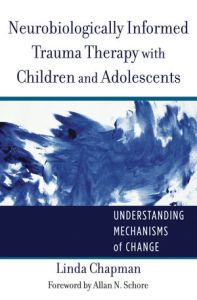
Book: Neurobiologically Informed Trauma Therapy with Children & Adolescent

Book Title:

Neurobiologically Informed Trauma Therapy with Children and Adolescents: Understanding Mechanisms of Change (Norton Series on Interpersonal Neurobiology).

Author(s): Linda Chapman.

Year: 2014.

Edition: First (1st).

Publisher: W.W. Norton & Company.

Type(s): Paperback and Kindle.

Synopsis:

The model of treatment developed here is grounded in the physical, psychological, and cognitive reactions children have to traumatic experiences and the consequences of those experiences. The approach to treatment utilises the integrative capacity of the brain to create a self, foster insight, and produce change. Treatment strategies are based on cutting-edge understanding of neurobiology, the development of the brain, and the storage and retrieval of traumatic memory. Case vignettes illustrate specific examples of the reactions of children, families, and teens to acute and repeated exposure to traumatic events.

Also presented is the most recent knowledge of the role of the right hemisphere (RH) in development and therapy. Right brain communication, and how to recognise the non-verbal symbolic and unconscious, affective processes will be explained, along with examples of how the therapist can utilise art making, media, tools, and self to engage in a two-person biology. 30 illustrations; 8 pages of colour.

Book: My Therapist Says – Advice You Should Probably (Not) Follow

Book Title:

My Therapist Says – Advice You Should Probably (Not) Follow.

Author(s): From the Founders of My Therapist Says.

Year: 2020.

Edition: First (1st).

Publisher: Rock Point.

Type(s): Hardcover and Kindle.

Synopsis:

From the team behind the super-popular Instagram @MyTherapistSays comes this humorous guide that chronicles the exhausting task of navigating the daily, anxiety-ridden struggle that we fondly call life.

Including hilarious memes MTS is known and loved for, along with checklists, prompts, questions from readers, and more, My Therapist Says is the guide you need to achieve your goals, one wrong turn at a time.

Have you ever wanted something, pursued it (albeit not quite as gracefully as you would’ve hoped), failed, and then genuinely asked yourself the question, “Am I delusional?” Well, that’s how I began penning this magnum opus. Like the Buddhist’s have their Tripitaka, you have…moi. And my therapist, though it’s unlikely she’ll admit this in public.

On the receiving end of a ghosting session? Needing a way to leave a work function without looking like a buzzkill? Having a hard time developing amnesia about your last relationship? Fear not, as I cover everything from circumstantial etiquette to blissful delusion when necessary.

So, grab a pen, a box of tissues, a glass of wine, and your bestie, because sht is about to get real. And remember, be yourself, be kind, and all that jazz, unless you’re a Susan. If that’s the case, try to be literally anyone else. Ugh, my therapist hates that I wrote that.

*Susan: Noun and verb. Unpleasant, annoying, and delusional, the Susan is somebody who is literally awful in every way, is liked by no one, but has no clue, no matter how many open clues you give her. If you roll your eyes at this, you’re probably a Susan. Uses: Susaning, Susanism.

For even more on navigating the mystical tornado of life, get the companion colouring book: My Therapist Says…to Colour: Ignore Reality and Colour Over 50 Designs Because You Can’t Even.