Posts

On This Day … 13 February

People (Deaths)

  • 1964 – Werner Heyde, German psychiatrist and academic (b. 1902).

Werner Heyde

Werner Heyde (aka Fritz Sawade) (25 April 1902 to 13 February 1964) was a German psychiatrist. He was one of the main organisers of Nazi Germany’s T-4 Euthanasia Programme.

Early Life

Heyde was born in Forst (Lausitz), on 22 May 1902, and completed his Abitur in 1920. From 1922-1925, he studied medicine in Berlin, Freiburg, Marburg, Rostock and Würzburg and after short placements at the General Hospital in Cottbus and the sanatorium Berlin-Wittenau became assistant doctor at the Universitätsnervenklinik (university psychiatric hospital) in Würzburg. He obtained his licence to practice medicine in 1926, having completed all courses throughout his studies with top marks.

Career until 1945

In 1933, Heyde made the acquaintance of Theodor Eicke, and became a member of the NSDAP. One year later, he was appointed director of the polyclinic in Würzburg. In 1935, he entered the SS as medical officer with the rank of SS-Hauptsturmführer, and became commander of the medical unit in the SS-Totenkopfverbände. There he was responsible for establishing a system of psychiatric and eugenic examinations and research in concentration camps, and for the organisation of the T-4 Euthanasia Program. Additionally, he also worked as a psychiatric consultant for the Gestapo. He also was leader of the Rassenpolitisches Amt in Würzburg, Seelbergstraße 8, 97080 Würzburg. Later he was accompanied by his Rassenpolitisches Amt assistant, Mr. Johannes Riedmiller aka Kurt Riethmüller aka Hans Riedmüller/Hans Riedmiller.

In 1938, he was appointed chief of staff of the medical department in the SS-Hauptamt (headquarters); in 1939, he became professor for psychiatry and neurology at the University of Würzburg, and from 1940 on he also was director of the psychiatric hospital.

He was replaced as head of the T4 programme by Paul Nitsche in 1941, but continued his involvement as member of the “department Brack” (after the end of World War II, it was never found out what his role there was).

He worked at Buchenwald, Dachau concentration camp and Sachsenhausen concentration camps.

In 1944, he was awarded the SS-Totenkopfring, and before the end of the war and reached the rank of SS-Standartenführer (Colonel).

Life after 1945

After World War II, Heyde was interned and imprisoned, but escaped in 1947. He went underground using the alias Fritz Sawade and continued practicing as a sports physician and psychiatrist in Flensburg. Many friends and associates knew about his real identity, but remained silent even as he was an expert witness in court cases.

His true identity was revealed in the course of a private quarrel, and on 11 November 1959 Heyde surrendered to police in Frankfurt after 13 years as a fugitive. On 13 February 1964, five days before his trial was to start, Heyde hanged himself at the prison in Butzbach.

Literature

  • Klee, Ernst, Das Personenlexikon zum Dritten Reich. S. Fischer Verlag 2003. ISBN 3-10-039309-0.
  • Godau-Schüttke, Klaus-Detlev, Die Heyde/Sawade-Affäre. Nomos Verlagsgesellschaft 1998. ISBN 3-7890-5717-7.

Films

  • 1963 (GDR): The Heyde-Sawade Affair (Category: biography/drama) (Produced in the DEFA-studios for movies, Potsdam, Babelsberg/Eastern Germany. Produced by Bernhard Gelbe; script by Wolfgang Luderer, Walter Jupé and Friedrich Karl Kaul and directed by Wolfgang Luderer. Available via the Foundation German TV and Broadcast Arkhive Babelsberg. Arkhive-No. IDNR 03581. Length: 101 minutes, First run: 03 June 1963 in the television programme No.1 of the German Democratic Republic).

Paintings

In 1965, German artist Gerhard Richter painted Herr Heyde, based on a photo of Heyde’s 1959 arrest.

Book: Psychology in Black and White

Book Title:

Psychology in Black and White – The Project of a Theory-Driven Science.

Author(s): Sergio Salvatore (Author) and Jaan Valsiner (Series Editor).

Year: 2015.

Edition: First (1st).

Publisher: Information Age Publishing, Illustrated Edition.

Type(s): Hardcover, Paperback, and Kindle.

Synopsis:

This book is long awaited within the contemporarily creative field of cultural psychologies. It is a theoretical synthesis that is at the level of innovations that Sigmund Freud, James Mark Baldwin, William Stern, Kurt Lewin, Jean Piaget, Lev Vygotsky and Jan Smedslund have brought into psychology over the past century. Here we can observe a creative solution to integrating cultural psychology with the rich traditions of psychodynamic perspectives, without repeating the conceptual impasses in which many psychoanalytic perspectives have become caught.

CONTENTS

  • Series Editor’s Preface.
  • New Synthesis: A dynamic theory of Sense-Making Introduction.
  • Psychology as the science of the explanandum.
  • PART I – MICRO-PHYSICS OF SENSEMAKING:
    • Chapter 1. The meaning of our discontent.
    • Chapter 2. The Semio-Dynamic Model of Sensemaking (SDMS).
    • Chapter 3. Micro-dynamic of sensemaking.
    • Chapter 4. The semiotic Big Bang.
  • PART II. THEORETICAL EXPLORATIONS:
    • Chapter 5. The contextuality of mind.
    • Chapter 6. Beyond subject and object.
    • Chapter 7. Affect and desire as semiotic processes.
    • Chapter 8. Exercises of semiotic reframing.
  • PART III. A NEW METHODOLOGICAL APPROACH:
    • Chapter 9. Field dependency and abduction.
    • Chapter 10. The modelling of sensemaking.
    • Chapter 11. Models and strategies of empirical investigation.
    • Chapter 12. Studies of sensemaking.
  • Epilogue.
  • References.

Book: Psychology – The Science of Mind and Behaviour

Book Title:

Psychology – The Science of Mind and Behaviour.

Author(s): Richard Gross.

Year: 2020.

Edition: Eighth (8th).

Publisher: Hodder Education.

Type(s): Paperback and Kindle.

Synopsis:

Build a solid foundation for students to develop the skills and knowledge they need to progress with the updated edition of Richard Gross’s best-selling introduction to Psychology.

This 8th edition of Psychology: The Science of Mind and Behaviour is the essential guide to studying Psychology, helping over half a million students during its 30 years of publication.

  • Easily access psychological theories and research with user-friendly content and useful features including summaries, critical discussion and research updates.
  • Develop evaluative skills, with new evaluation boxes, encouraging students to put classic and contemporary studies into context.
  • Consolidate understanding by identifying common misconceptions.
  • Stay up to date with revised content and the latest psychological research.
  • Understand the research process with updated contributions from leading Psychologists including Elizabeth Loftus, Alex Haslam and David Canter.

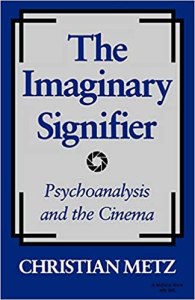
Book: Psychoanalysis and the Cinema- The Imaginary Signifier

Book Title:

Psychoanalysis and the Cinema- The Imaginary Signifier.

Author(s): Christian Metz.

Year: 1984.

Edition: First (1st).

Publisher: Palgrave Macmillan.

Type(s): Hardcover and Paperback.

Synopsis:

In the first half of the book Metz explores a number of aspects of the psychological anchoring of cinema as a social institution.

In the second half, he shifts his approach…to look at the operations of meaning in the film text, at the figures of image and sound concatenation. Thus he is led to consideration of metaphor and metonymy in film, this involving a detailed account of these two figures as they appear in psychoanalysis and linguistics.

Book: Psychiatric Diagnosis and Classification

Book Title:

Psychiatric Diagnosis and Classification.

Author(s): Mario Maj, Wolfgang Gaebel, Juan Jose Lopez-Ibor, and Norman Sartorius (Editors).

Year: 2002.

Edition: First (1st).

Publisher: Wiley-Blackwell.

Type(s): Hardcover and Kindle.

Synopsis:

This book provides an overview of the strengths and limitations of the currently available systems for the diagnosis and classification of mental disorders, in particular the DSM-IV and the ICD-10, and of the prospects for future developments. Among the covered issues are: The impact of biological research The diagnosis of mental disorders in primary care The usefulness and limitations of the concept of comorbidity in psychiatry The role of understanding and empathy in the diagnostic process The ethical, legal and social aspects of psychiatric classification Psychiatric Diagnosis & Classification provides a comprehensive picture of the current state of available diagnostic and classificatory systems in psychiatry and the improvements that are needed.

Book: Principles and Practice of Grief Counselling

Book Title:

Principles and Practice of Grief Counselling.

Author(s): Darcy L. Harris and Howard R. Winokuer.

Year: 2019.

Edition: Third (3rd).

Publisher: Springer Publishing Company.

Type(s): Paperback and Kindle.

Synopsis:

This core introductory text, with a focus on clinical application, combines the knowledge and skills of counselling psychology with current theory and research in grief and bereavement. The third edition is updated to address issues related to the developmental aspects of grief, including grief in children and young people, grief as a lifespan concept, and grief in an increasingly aging demographic. It describes new therapeutic approaches and examines the neurological basis of grief as well as trauma from disruption and loss.

Also emphasized is the role of diversity, along with cultural considerations in grief counselling. Instructor’s resources include a Test Bank, Instructor’s Manual, and PowerPoint slides. User-friendly, while grounded in the latest research and theoretical constructs, the text offers such pedagogical aids as learning objectives, practice examples, glossary terms, and questions for reflection in each chapter. Above all, the book addresses grief counselling and support in a way that is informed and practical. The content explores concepts relevant to complicated grief, while differentiating the normal human experience of grief from mental disorders. Purchase includes digital access for use on mobile devices and computers.

What is Adjustment Disorder?

Introduction

Adjustment disorder (AjD) is a maladaptive response to a psychosocial stressor that occurs when an individual has significant difficulty adjusting to or coping with a stressful psychosocial event. The maladaptive response usually involves otherwise normal emotional and behavioural reactions that manifest more intensely than usual (taking into account contextual and cultural factors), causing marked distress, preoccupation with the stressor and its consequences, and functional impairment.

Diagnosis of AjD is quite common; there is an estimated incidence of 5-21% among psychiatric consultation services for adults. Adult women are diagnosed twice as often as are adult men. Among children and adolescents, girls and boys are equally likely to receive this diagnosis. AjD was introduced into the Diagnostic and Statistical Manual of Mental Disorders in 1980. Prior to that, it was called “transient situational disturbance.”

Signs and Symptoms

Some emotional signs of AjD are:

  • Sadness;
  • Hopelessness;
  • Lack of enjoyment;
  • Crying spells;
  • Nervousness;
  • Anxiety;
  • Desperation;
  • Feeling overwhelmed and thoughts of suicide; and
  • Performing poorly in school/work etc.

Common characteristics of AjD include:

  • Mild depressive symptoms;
  • Anxiety symptoms; and
  • Traumatic stress symptoms, or
  • A combination of the three.

According to the DSM-5, there are six types of AjD, which are characterised by the following predominant symptoms: depressed mood, anxiety, mixed depression and anxiety, disturbance of conduct, mixed disturbance of emotions and conduct, and unspecified. However, the criteria for these symptoms are not specified in greater detail. AjD may be acute or chronic, depending on whether it lasts more or less than six months. According to the DSM-5, if the AjD lasts less than six months, then it may be considered acute. If it lasts more than six months, it may be considered chronic. Moreover, the symptoms cannot last longer than six months after the stressor(s), or its consequences, have terminated. However, the stress-related disturbance does not only exist as an exacerbation of a pre-existing mental disorder.

Unlike major depression, the disorder is caused by an outside stressor and generally resolves once the individual is able to adapt to the situation. The condition is different from anxiety disorder, which lacks the presence of a stressor, or post-traumatic stress disorder and acute stress disorder, which usually are associated with a more intense stressor.

Suicidal behaviour is prominent among people with AjD of all ages, and up to one-fifth of adolescent suicide victims may have an adjustment disorder. Bronish and Hecht (1989) found that 70% of a series of patients with AjD attempted suicide immediately before their index admission and they remitted faster than a comparison group with major depression. Asnis et al. (1993) found that AjD patients report persistent ideation or suicide attempts less frequently than those diagnosed with major depression. According to a study on 82 AjD patients at a clinic, Bolu et al. (2012) found that 22 (26.8%) of these patients were admitted due to suicide attempt, consistent with previous findings. In addition, it was found that 15 of these 22 patients chose suicide methods that involved high chances of being saved. Pelkonen et al. (2005) states statistically that the stressors are of one-half related to parental issues and one-third in peer issues.

One hypothesis about AjD is that it may represent a sub-threshold clinical syndrome.

Risk Factors

Those exposed to repeated trauma are at greater risk, even if that trauma is in the distant past. Age can be a factor due to young children having fewer coping resources; children are also less likely to assess the consequences of a potential stressor.

A stressor is generally an event of a serious, unusual nature that an individual or group of individuals experience. The stressors that cause adjustment disorders may be grossly traumatic or relatively minor, like loss of a girlfriend/boyfriend, a poor report card, or moving to a new neighbourhood. It is thought that the more chronic or recurrent the stressor, the more likely it is to produce a disorder. The objective nature of the stressor is of secondary importance. Stressors’ most crucial link to their pathogenic potential is their perception by the patient as stressful. The presence of a causal stressor is essential before a diagnosis of adjustment disorder can be made.

There are certain stressors that are more common in different age groups:

  • Adulthood:
    • Marital conflict.
    • Financial conflict.
    • Health issues with oneself, partner or dependent children.
    • Personal tragedy such as death or personal loss.
    • Loss of job or unstable employment conditions e.g. corporate takeover or redundancy.
  • Adolescence and childhood:
    • Family conflict or parental separation.
    • School problems or changing schools.
    • Sexuality issues.
    • Death, illness or trauma in the family.

In a study conducted from 1990 to 1994 on 89 psychiatric outpatient adolescents, 25% had attempted suicide in which 37.5% had misused alcohol, 87.5% displayed aggressive behaviour, 12.5% had learning difficulties, and 87.5% had anxiety symptoms.

Diagnosis

DSM-5 Classification

The basis of the diagnosis is the presence of a precipitating stressor and a clinical evaluation of the possibility of symptom resolution on removal of the stressor due to the limitations in the criteria for diagnosing AjD. In addition, the diagnosis of AjD is less clear when patients are exposed to stressors long-term, because this type of exposure is associated with AjD and major depressive disorder (MDD) and generalised anxiety disorder (GAD).

Some signs and criteria used to establish a diagnosis are important. First, the symptoms must clearly follow a stressor. The symptoms should be more severe than would be expected. There should not appear to be other underlying disorders. The symptoms that are present are not part of a normal grieving for the death of family member or other loved one.

Adjustment disorders have the ability to be self-limiting. Within five years of when they are originally diagnosed, approximately 20-50% of the sufferers go on to be diagnosed with psychiatric disorders that are more serious.

ICD-11 Classification

International Statistical Classification of Diseases and Related Health Problems (ICD), assigns codes to classify diseases, symptoms, complaints, social behaviours, injuries, and such medical-related findings.

ICD-11 classifies Adjustment disorder (6B43) under “Disorders specifically associated with stress”.

Treatment

There has been little systematic research regarding the best way to manage individuals with an adjustment disorder. Because natural recovery is the norm, it has been argued that there is no need to intervene unless levels of risk or distress are high. However, for some individuals treatment may be beneficial. AjD sufferers with depressive or anxiety symptoms may benefit from treatments usually used for depressive or anxiety disorders. One study found that AjD sufferers received similar interventions to those with other psychiatric diagnoses, including psychological therapy and medication.

In addition to professional help, parents and caregivers can help their children with their difficulty adjusting by:

  • Offering encouragement to talk about their emotions;
  • Offering support and understanding;
  • Reassuring the child that their reactions are normal;
  • Involving the child’s teachers to check on their progress in school;
  • Letting the child make simple decisions at home, such as what to eat for dinner or what show to watch on TV; and/or
  • Having the child engage in a hobby or activity they enjoy.

Criticism

Like many of the items in the DSM, adjustment disorder receives criticism from a minority of the professional community as well as those in semi-related professions outside the health-care field. First, there has been criticism of its classification. It has been criticised for its lack of specificity of symptoms, behavioural parameters, and close links with environmental factors. Relatively little research has been done on this condition.

An editorial in the British Journal of Psychiatry described adjustment disorder as being so “vague and all-encompassing… as to be useless,” but it has been retained in the DSM-5 because of the belief that it serves a useful clinical purpose for clinicians seeking a temporary, mild, non-stigmatising label, particularly for patients who need a diagnosis for insurance coverage of therapy.

In the US military there has been concern about its diagnosis in active duty military personnel.

References

Asnis, G.M., Friedman, T.A., Sanderson, W.C., Kaplan, M.L., van Praag, H.M. & Harkavy-Friedman, J.M. (1993) Suicidal Behavior in Adult Psychiatric Outpatients, I: Description and Prevalence. American Journal of Psychiatry. 150(1), pp.108-112. doi:10.1176/ajp.150.1.108.

Bolu, A., Doruk, A., Ak, M., Özdemir, B. & Özgen, F. (2012) Suicidal Behavior in Adjustment Disorder Patients. Dusunen Adam. 25(1), pp.58-62.

Bronish, T. & Hecht, H. (1989) Validity of Adjustment Disorder, Comparison with Major Depression. Journal of Affective Disorders. 17, pp.229-236.

Pelkonen, M., Marttunen, M., Henriksson, M. & Lönnqvist, J. (2005) Suicidality in Adjustment Disorder: Clinical Characteristics of Adolescent Outpatients. European Child & Adolescent Psychiatry. 14(3), pp.174-180. doi:10.1007/s00787-005-0457-8.

Linking Putative Blood Somatic Mutations, Alzheimer’s & PTSD

Research Paper Title

Putative Blood Somatic Mutations in Post-Traumatic Stress Disorder-Symptomatic Soldiers: High Impact of Cytoskeletal and Inflammatory Proteins.

Background

The recently discovered autism/intellectual disability somatic mutations in postmortem brains, presenting higher frequency in Alzheimer’s disease subjects, compared with the controls. They further revealed high impact cytoskeletal gene mutations, coupled with potential cytoskeleton-targeted repair mechanisms.

The current study was aimed at further discerning if somatic mutations in brain diseases are presented only in the most affected tissue (the brain), or if blood samples phenocopy the brain, toward potential diagnostics.

Methods

Variant calling analyses on an RNA-seq database including peripheral blood samples from 85 soldiers (58 controls and 27 with symptoms of post-traumatic stress disorder, PTSD) was performed.

Results

High (e.g. protein truncating) as well as moderate impact (e.g., single amino acid change) germline and putative somatic mutations in thousands of genes were found. Further crossing the mutated genes with autism, intellectual disability, cytoskeleton, inflammation, and DNA repair databases, identified the highest number of cytoskeletal-mutated genes (187 high and 442 moderate impact). Most of the mutated genes were shared and only when crossed with the inflammation database, more putative high impact mutated genes specific to the PTSD-symptom cohorts versus the controls (14 versus 13) were revealed, highlighting tumour necrosis factor specifically in the PTSD-symptom cohorts.

Conclusions

With microtubules and neuro-immune interactions playing essential roles in brain neuroprotection and Alzheimer-related neurodegeneration, the current mutation discoveries contribute to mechanistic understanding of PTSD and brain protection, as well as provide future diagnostics toward personalised military deployment strategies and drug design.

Reference

Sragovich, S., Gershovits, M., Lam, J.C.K., Li, V.O.K. & Gozes, I. (2021) Putative Blood Somatic Mutations in Post-Traumatic Stress Disorder-Symptomatic Soldiers: High Impact of Cytoskeletal and Inflammatory Proteins. Journal of Alzheimer’s Disease. doi: 10.3233/JAD-201158. Online ahead of print.

On This Day … 12 February

People (Births)

  • 1861 – Lou Andreas-Salomé, Russian-German psychoanalyst and author (d. 1937).
  • 1918 – Norman Farberow, American psychologist and academic (d. 2015).

Lou Andreas Salome

Lou Andreas-Salomé (born either Louise von Salomé or Luíza Gustavovna Salomé or Lioulia von Salomé, Russian: Луиза Густавовна Саломе; 12 February 1861 to 5 February 1937) was a Russian-born psychoanalyst and a well-travelled author, narrator, and essayist from a Russian-German family. Her diverse intellectual interests led to friendships with a broad array of distinguished thinkers, including Friedrich Nietzsche, Sigmund Freud, Paul Rée, and Rainer Maria Rilke.

Norman Farberow

Norman Louis Farberow (12 February 1918 to 10 September 2015) was an American psychologist, and one of the founding fathers of modern suicidology. He was among the three founders in 1958 of the Los Angeles Suicide Prevention Centre, which became a base of research into the causes and prevention of suicide.

Career

Farberow served as a World War II Air Force Captain. The war years were a time in the United States of relatively low suicide rates, a wartime phenomenon commonly observed when a nation’s armed forces and citizens unite under feelings of common purpose and mutual goals.

After completing his tour of duty in World War II, Farberow enrolled in the University of California, Los Angeles. UCLA’s doctoral programme in psychology afforded Farberow an opportunity to study suicide against centuries of shifting attitudes. With few relevant references to draw upon for his 1949 dissertation, Farberow saw the potential for reawakening “interest in a long-neglected, taboo-encrusted social and personal phenomenon.” Farberow earned his doctoral degree from UCLA in 1950 while working with veterans in the Veterans Administration Mental Hygiene Clinic. He helped found the suicide prevention centre along with Robert E. Litman.

In the decade after the war, suicide rates rose quickly as the sense of unity and shared purpose began to disappear. Wrenching social and personal readjustments were often needed, and these needs were further complicated by the emotional distress and mental health problems of returning veterans. Many expressed their deepening inner turmoil in unhealthy ways, through suicidal impulses and acts. Suicide’s continuing taboo, embedded in cultural and religious condemnations of shame, guilt, self-blame and cowardice, magnified an underlying sense of worthlessness and hopelessness.

Farberow saw the effects of these dynamics and how they compounded the misery of those who were suffering. His vision for solutions grew to include fundamental and humanitarian changes to the way in which communities treated the suicidal. Soon his time as a psychotherapist became eclipsed by his continuing research on suicide with Dr. Edwin Shneidman, a colleague equally passionate about changing the understanding and prevention of self-inflicted death.

During the 1950s, the men worked together at the Veterans Administration (VA) in Los Angeles and sought answers for another jump in suicide rates – the sudden doubling of suicides among the VA’s neuropsychiatric hospital patients. At the same time, a survey they had conducted of L.A.-area hospitals, clinics, and emergency rooms revealed that no provisions existed for the follow-up care of suicide attempters. Farberow and Shneidman shared their findings with the National Institute of Mental Health and the VA and proposed the creation of two agencies: a community-based Referral Centre for treating the psychological problems of the suicidal, and a Central Research Unit for assessing and investigating suicide among veterans within the VA.

Fear of Rain (2021)

Introduction

Fear of Rain (also titled I Saw a Man with Yellow Eyes) is an upcoming American psychological thriller film written and directed by Castille Landon and starring Katherine Heigl, Madison Iseman, Israel Broussard, Eugenie Bondurant, and Harry Connick Jr.

Outline

A girl living with schizophrenia struggles with terrifying hallucinations as she begins to suspect her neighbour has kidnapped a child. The only person who believes her is Caleb – a boy she is not even sure exists.

Cast

  • Madison Iseman as Rain Burroughs.
  • Katherine Heigl as Michelle Burroughs.
  • Israel Broussard as Caleb.
  • Eugenie Bondurant as Dani McConnell.
  • Harry Connick Jr. as John Burroughs.

Production

Principal photography began in April 2019 in Tampa, Florida, and St. Petersburg, Florida. In November 2019, it was announced that the film was in post-production.

Production & Filming Details

  • Director(s): Castille London.
  • Producer(s):
    • Lori Abrams … co-producer / executive producer.
    • Kevin Adler … executive producer.
    • Nicolas Chartier … executive producer.
    • Lisa D’Ambrosio … executive producer.
    • Jonathan Deckter … executive producer.
    • Tommy Kelly … executive producer.
    • Dominic Medina … assistant producer.
    • Don Miggs … executive producer.
    • Robert Molloy … producer.
    • Dori A. Rath … producer (p.g.a.).
    • Joseph Restaino … producer (p.g.a.).
    • Joe Riley … producer.
    • Jessica Steinbrenner … executive producer.
    • Tony Stopperan … executive producer.
  • Writer(s): Castille London.
  • Music: Jamie Muhoberac.
  • Cinematography: Joshua Reis.
  • Editor(s): Morgan Halsey.
  • Production:
    • Sweet Tomato Films.
    • Zero Gravity Management.
    • Buzzfeed.
    • Hungry Bull Productions.
    • Mirror Image Films.
    • Pinstripe Productions.
  • Distributor(s):
    • GEM Entertainment (2020) (Non-US) (all media) (multi-territory).
    • The Searchers (2021) (Netherlands) (theatrical).
    • Front Row Filmed Entertainment (2020) (United Arab Emirates) (all media) (Middle East, North Africa and Iran).
    • Lionsgate (2021) (USA) (all media).
    • Storm Pictures Korea (2021) (South Korea) (all media).
    • The Searchers (2021) (Belgium) (all media).
  • Release Date: 12 February 2021.
  • Running Time: 104 minutes.
  • Rating: PG-13.
  • Country: US.
  • Language: English.

Video Link