Posts

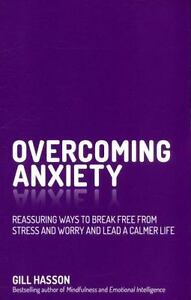
Book: Overcoming Anxiety

Book Title:

Overcoming Anxiety: Reassuring ways to break free from stress and worry and lead a calmer life.

Author(s): Gill Hasson and Tania Rodrigues.

Year: 2016.

Edition: First (1st).

Publisher: Audible Studios.

Type(s): Paperback, Audiobook, and Kindle.

Synopsis:

Understand, overcome, and break free from worry and anxiety.

Best-selling personal development author Gill Hasson is back, and this time she is here to help with something that affects all people at some point in their lives: anxiety.

Worries and anxieties are familiar to us all. Worrying can be helpful when it prompts you to take action and solve a problem, but unrelenting doubts, fears, and negative possibilities can dominate your mind, affecting your ability to manage your everyday life and well-being, your sleep and appetite, your social life, and your ability to concentrate.

But it does not need to be like this; there are ways that you can manage this spiral of unhelpful thoughts and difficult feelings. Overcoming Anxiety explains how to manage anxiety and stop it from taking over; it teaches you the skills you need to lead a more peaceful, stress-free life.

Overcoming Anxiety:

  • Provides practical strategies and techniques to manage your anxiety.
  • Discusses how to break free from negative cycles and move forward in a positive way.
  • Contains real-life examples from anxiety sufferers.
  • Explores what it takes to handle immediate anxiety events and longer term, low-level background anxiety and worry.

Book: The Mind Workout

Book Title:

The Mind Workout: Twenty Steps to Improve your Mental Health & Take Charge of Your Life.

Author(s): Mark Freeman.

Year: 2017.

Edition: First (1st).

Publisher: Piatkus.

Type(s): Paperback, Audiobook, and Kindle.

Synopsis:

It’s well known that if you want to keep your body fit, you must do some regular exercise. But when it comes to our mental health, few of us take the time to maintain and improve it. For some reason, we expect to be in great mental shape without doing any work. And when we realise we are struggling, we look for a quick and easy fix instead of developing the skills that will help us in the future.

Enter The Mind Workout – a home exercise programme for improving your mental health and fitness.

Developed as a result of Mark Freeman’s own recovery from mental illness, The Mind Workout combines mindfulness, Cognitive Behavioural Therapy (CBT) and Acceptance and Commitment Therapy (ACT). It outlines twenty easy-to-follow steps you can take to free yourself from the ways of thinking and behaving that cause mental health challenges in your life – from cutting out the compulsions that cause uncertainty, anxiety and distress to relieving stress and distraction.

The Mind Workout is the key to making the switch from a frenetic, anxiety-driven life to one that is based on your core values. It will leave you feeling mentally stronger, fitter and better equipped to navigate the complexities of everyday life.

Book: Mental Health Atlas 2017

Book Title:

Mental Health Atlas 2017.

Author(s): World Health Organisation (WHO).

Year: 2017.

Edition: Denoted by year.

Publisher: WHO.

Type(s): Paperback and digital.

Synopsis:

The Mental Health Atlas series is considered the most comprehensive resource on global information on mental health and an important tool for developing and planning mental health services within countries and regions.

The Mental Health Atlas 2017 acquires new importance as it includes information and data on the progress towards the achievement of objectives and targets of the Comprehensive Mental Health Action Plan 2013–2020.

You can a download a free copy of the Mental Health Atlas 2017 here.

Book: Mastering the World of Psychology

Book Title:

Mastering the World of Psychology.

Author(s): Samuel E. Wood, Ellen Green Wood, and Denise Boyd.

Year: 2019.

Edition: Sixth (6th).

Publisher: Pearson.

Type(s): Hardcover, Paperback, and Kindle.

Synopsis:

Mastering the World of Psychology, 5ed, provides students with more support than ever before, thanks to the Survey, Question, Read, Recite, and Review Learning Method, or SQ3R, which is integrated throughout the text. SQ3R shows students the relationship between psychological theory and learning. It is the strongest and most comprehensive programme for measuring progress and attaining successful outcomes in Introductory Psychology.

MyPsychLab is an integral part of the Wood/Wood/Boyd program. Engaging activities and assessments provide a teaching and learning system that measures students’ success. With MyPsychLab, students can watch videos on psychological research and applications, participate in virtual classic experiments, and develop critical thinking skills through writing.

Book: The Manipulative Man: Identify His Behaviour, Counter the Abuse, Regain Control

Book Title:

The Manipulative Man: Identify His Behaviour, Counter the Abuse, Regain Control.

Author(s): Dorothy McCoy.

Year: 2006.

Edition: First (1st).

Publisher: Adams Media.

Type(s): Paperback and Kindle.

Synopsis:

Conventional wisdom says that women are the manipulative ones – but tell that to the thousands of desperate women suffering at the hands of a manipulative man. Men can be just as sneaky, passive-aggressive, needy, underhanded, whiny, guilt-inducing, and emotionally demanding as women are accused of being – and more so!

As any woman in love with a manipulative man can tell you, it is not easy to get past his charm and your guilt to a place where you can see your relationship for what it is – out of balance, extraordinarily stressful, emotionally exhausting, and potentially dangerous. The Manipulative Man is a groundbreaking prescription for dealing with the manipulative men in your life by using:

  • Tests to help you determine if you are involved with a mama’s boy, narcissist, sociopath, or even a psychopath.
  • Techniques for defining and setting boundaries with your man;.
  • Tools to help you improve their relationship.
  • And more!

In The Manipulative Man, acclaimed psychotherapist Dr. Dorothy McCoy shows you how to identify the type of manipulative man you are involved with, deal with the issues his behaviour provokes, and, ultimately, salvage the relationship – or move on.

Evidence-Based Practices for the (Web-based) Treatment of PTSD

Research Paper Title

Understanding How Clinicians Use a New Web-based Tool for Disseminating Evidence-Based Practices for the Treatment of PTSD: The PTSD Clinicians Exchange.

Background

Web-based interventions hold great promise for the dissemination of best practices to clinicians, and investment in these resources has grown exponentially. Yet, little research exists to understand their impact on intended objectives.

Methods

The Post-Traumatic Stress Disorder (PTSD) Clinicians Exchange is a website to support clinicians treating veterans and active duty military personnel with PTSD, evaluated in a randomised controlled trial (N = 605). This manuscript explores how a subset of clinicians, those who utilised the intervention (N = 148), engaged with it by examining detailed individual-level web analytics and qualitative feedback. Stanford University and New England Research Institutes Institutional Review Boards approved this study.

Results

Only 32.7% of clinicians randomised to the intervention ever accessed the website. The number of pages viewed was positively associated with changes from baseline to 12 months in familiarity (P = 0.03) and perceived benefit of practices (P = 0.02). Thus, engagement with the website did predict an improvement in practice familiarity and benefit outcomes despite low rates of use.

Conclusions

This study demonstrates the importance of methodologically rigorous evaluations of participant engagement with web-based interventions.

These approaches provide insight into who accesses these tools, when, how, and with what results, which can be translated into their strategic design, evaluation, and dissemination.

Reference

Coleman, J.L., Marceau, L., Zincavage, R., Magnavita, A.M., Ambrosoli, J., Shi, L., Simon, E., Ortigo, K., Clarke-Walper, K., Penix, E., Wilk, J., Ruzek, J.I. & Rosen, R.C. (2020) Understanding How Clinicians Use a New Web-based Tool for Disseminating Evidence-Based Practices for the Treatment of PTSD: The PTSD Clinicians Exchange. Military Medicine. 185(Suppl 1), pp.286-295. doi: 10.1093/milmed/usz313.

Are Soldiers-in-training Likely to Seek Help when Experiencing a Problem?

Research Paper Title

Identifying Risk and Resilience Factors Associated With the Likelihood of Seeking Mental Health Care Among U.S. Army Soldiers-in-Training

Background

The Department of Defence aims to maintain mission readiness of its service members. Therefore, it is important to understand factors associated with treatment seeking in order to identify areas of prevention and intervention early in a soldier’s career that can promote positive functioning and increase their likelihood of seeking mental health care when necessary.

Methods

Using a theory of planned behaviour lens, this study identified potential barriers (risk) and facilitators (resilience) to treatment seeking among 24,717 soldiers-in-training who participated in the New Soldiers Study component of the “Army Study to Assess Risk and Resilience in Servicemembers” (Army STARRS). Hierarchal linear regression modelling and independent samples t-tests were used to examine associations between demographics and study variables, intersections of risk and resilience, and to explore differences in the likelihood of seeking help based on mental health diagnoses.

Results

A four-stage hierarchical linear regression was conducted, using likelihood of help-seeking as the dependent variable, to identify the most salient factors related to help-seeking. “Step one” of the analysis revealed soldiers-in-training who identified as female, Hispanic or Other ethnicity, and married, divorced, or separated reported a greater likelihood of seeking help. “Step two” of the analysis indicated soldiers-in-training with a history of sexual trauma, experience of impaired parenting, and clinical levels of mental health symptomatology (anxiety, depression, PTSD) reported a greater likelihood of seeking help.

Inversely, soldiers-in-training with a history of emotional trauma and parental absence/separation reported a lower likelihood of seeking help. “Step three” of the analysis demonstrated soldiers-in-training with a prior history of seeking help and larger social networks had a greater likelihood of seeking help. “Step four” of the analysis revealed several interactive effects between risk and resilience factors.

Specifically, soldiers-in-training who reported greater depressive symptomatology in combination with prior history of treatment seeking reported a greater likelihood of help seeking, whereas soldiers-in-training who reported prior sexual trauma and PTSD in combination with large social networks reported a lower likelihood of seeking help. Finally, a greater percentage of soldiers-in-training with clinical levels of anxiety, depression, and PTSD indicated they would likely seek help in comparison to soldiers-in-training without clinical symptoms.

Conclusions

Findings suggest few soldiers-in-training are likely to seek help when experiencing a problem. General efforts to encourage help-seeking when needed are warranted with particular focus on subsets of soldiers-in-training (e.g., men, those with a history of some adverse childhood experiences).

Strengths of this study include the examination of a large sample of soldiers-in-training to identify possible leverage points for early intervention or prevention prior to entering stressful military operating environments.

Limitations of this study include the examination of only one military branch and exclusion of soldiers not “in-training.”

Future studies could consider replicating the current study using a sample of military personnel longitudinally to track behavioral trends as well as looking at military populations outside of basic combat training.

Reference

Duncan, J.M., Reed-Fitzke, K., Ferraro, A.J., Wojciak, A.S., Smith, K.M. & Sanchez, K. (2020) Identifying Risk and Resilience Factors Associated With the Likelihood of Seeking Mental Health Care Among U.S. Army Soldiers-in-Training. Military Medicine. doi: 10.1093/milmed/usz483. Online ahead of print.

Is Early Improvement within the First 2 Weeks of Receiving Antidepressant Treatment a Predictor of Outcome in Patients with MDD and a High Level of Anxiety?

Research Paper Title

Antidepressant treatment strategy with an early onset of action improves the clinical outcome in patients with major depressive disorder and high anxiety: a multicenter and 6-week follow-up study.

Background

Major depressive disorder (MDD) is a prevalent, often chronic, and highly disabling multidimensional psychiatric illness. Moreover, co-occurring anxiety symptoms are extremely common among patients with MDD; up to 90% of patients present with anxiety symptoms. Notably, high levels of anxiety symptoms may predict worse clinical outcomes because of poor response to pharmacotherapy for MDD. So use of augmentation or combination strategies during early course of treatment could be necessary, but ensuring the accurate and timely change is difficult because of the lack of consensus to assess the early improvement of initial treatment. To date, replicated evidence indicates that the lack of early improvement (eg, <20% reduction in a depression scale score) in 2 weeks can be an accurate predictor to identify eventual non-responders. This study aimed to evaluate the early onset of antidepressant action and clinical outcomes in patients with MDD and high anxiety, and to explore the potential influencing factors of early onset improvement.

Methods

This study was a post-hoc analysis of a multi-centre, randomised, parallel-controlled, open-label study. The study protocol was approved by the independent ethics committee in each research centre or the ethics committee of the Peking University Sixth Hospital. All the participants provided written informed consent before the study. A total of 245 patients (aged 18–65 years) were diagnosed with MDD based on the Diagnostic and Statistical Manual of Mental Disorders, 4th Edition, Text Revision criteria. They were required to have a current major depressive episode with a total score ≥17 on the Hamilton Depression Rating Scale 17-item (HAMD-17), and also have a high level of anxiety symptoms with a total score ≥14 on the Hamilton Anxiety Rating Scale (HAMA) at the baseline visit.

All eligible patients were assigned to receive at least 6 weeks of follow-up and antidepressant treatment, including selective serotonin reuptake inhibitors (SSRIs) alone or coupled with a flexible dose of tandospirone. The involved SSRIs were fluoxetine, paroxetine, fluvoxamine, sertraline, citalopram, and escitalopram. Notably, not all the patients were naive to any antidepressants at the first visit, but they were not treated with adequate dose of antidepressants for more than 2 weeks in the current episode. Treatment with several sedative-hypnotic drugs for short-term use was permitted as needed for sleep disorders, including zopiclone, lorazepam, alprazolam, clonazepam, midazolam, zaleplon, and zolpidem.

The efficacy measurements were evaluated at different visit points, including week 2, week 4, and week 6. The evaluation tools included HAMD-17 total scores, HAMA total scores, and Clinical Global Impressions Severity Subscale (CGI-S) score. Moreover, short form-12 (SF-12) physical component score (PCS) and mental component score (MCS) were used to assess the quality of life of these patients. Remission assessment was defined as showing an HAMD-17 total score ≤7 points.

At the end of week 2,240 patients remained and were divided into two groups based on the reduction rate of HAMD-17 total score compared with the baseline: early-improvement group (≥20% decrease in HAMD-17 total score, n = 134) and early-unimproved group (<20% decrease in HAMD-17 total score, n = 106). Finally, 230 patients completed the 6-week follow-up, including 128 patients with early-improvement and 102 early-unimproved patients. The comparison of the remission rate between the two groups was conducted in week 6. In addition, the potential influencing factors of early improvement in week 2 were also analysed.

The data analysis was based on the full analysis set. The data collected at each visit point were analysed using the mixed-effects repeated-measures model. The influencing factors of early improvement were analysed by logistic regression. All the statistical analyses were performed using the Statistical Package for the Social Sciences for Windows, version 24.0 (SPSS, Inc., Chicago, IL, USA). P < 0.05 was considered statistically significant.

Results

The baseline demographic data were similar between the two groups (P > 0.05), except for the number of patients taking sedative-hypnotic drugs. The patients in the early-improvement group showed more combination of sedative-hypnotic drugs compared with the patients in the early-unimproved group (12.7% [17/134] vs. 1.9% [2/106], χ2 = 11.979, P = 0.002).

At baseline, the total scores of HAMD-17 (24.76 vs. 23.11, P = 0.007) and CGI-S (4.89 vs. 4.54, P = 0.002) in the early-improvement group were significantly higher, and SF-12 (PCS) (38.77 vs. 41.65, P = 0.022) and SF-12 (MCS) (26.01 vs. 28.05, P = 0.035) scores were significantly lower than those in the early-unimproved group. The statistical superiority was observed for the early-improvement group in the HAMD-17 total score, HAMA total score, and CGI-S total score during weeks 2 to 6, SF-12 (PCS) score in week 6 and SF-12 (MCS) score between weeks 2 and 6.

Notably, the patients in the early-improvement group showed greater improvements in several important rating scales compared with the patients in the early-unimproved group at the endpoint visit. The least-squares (LS) mean in the HAMD-17 total score was statistically lower for the early-improvement group than the early-unimproved group (6.48 vs. 12.17, P < 0.001). The LS means in both HAMA total score (7.19 vs. 11.8, P < 0.001) and CGI-S total score (1.91 vs. 2.65, P < 0.001) were also significantly lower in the early-improvement group than in the early-unimproved patients. The greater improvements were observed in both SF-12 (PCS) score (48.26 vs. 45.36, P = 0.014) and SF-12 (MCS) score (44.21 vs. 36.36, P < 0.001) for the early-improvement group than for the early-unimproved group. In addition, the early-improvement group showed a significant difference in the remission rate in week 6 compared with the early-unimproved group (62.8% [80/128] vs. 29.4% [30/102], χ2 = 25.424, P < 0.001).

The logistic regression model was used to analyse the influencing factors for early improvement. The dependent variable was a dichotomous variable, which was an early improvement vs. early un-improvement. The independent variables included in the model were treatment (SSRIs + tandospirone vs. SSRIs), combination with sedative-hypnotic drugs, age, body weight, sex, age of onset of psychiatric symptoms, course of recent episode, and baseline total scores of HAMD-17, HAMA, CGI-S, SF-12 (MCS), and SF-12 (PCS) scales. Of these variables, the combination with sedative-hypnotic drugs was statistically significant (odds ratio: 7.556, 95% confidence interval: 1.607–35.530, P = 0.010), indicating that the combination with sedative-hypnotic therapy was more helpful for early improvement.

Conclusions

The present study successfully replicated the findings of previous major studies, which demonstrated a significant relationship between early improvement within the first weeks of antidepressant treatment and later remission rate in patients with MDD. Specifically, a similar association was found in patients with MDD and high level of anxiety symptoms. The results showed that patients who achieved the early improvement of the depressive symptoms in week 2 after antidepressant treatment also obtained the sustained relief of symptoms and improved quality of life during weeks 2 to 6. Further, these patients with early improvement displayed more significant clinical remission of depressive symptoms in week 6.

According to the logistic regression analysis, the results revealed that the combination with sedative-hypnotic drugs was a significant predictor of early improvement in week 2. Benzodiazepines are primarily used as a sedative-hypnotics in patients with MDD to alleviate anxiety symptom and insomnia, and they might contribute to the response to antidepressants in the first two weeks because they produce a faster onset of effect on anxiety symptoms than antidepressants alone. Thus, it may be justifiable to combine benzodiazepines as a short-term treatment in patients with MDD and high-level anxiety.

In summary, the early improvement within the first 2 weeks of receiving antidepressant treatment is a powerful predictor of outcome in patients with MDD and a high level of anxiety. Notably, the short-term combination with sedative-hypnotic drugs within the first few weeks may augment the early-onset improvement of antidepressant therapy.

Reference

Liao, Xue-Mei., Su, Yun-Ai1., Wang, Ying.; Yu, Xin. & Si, Tian-Mei. (2020) Antidepressant treatment strategy with an early onset of action improves the clinical outcome in patients with major depressive disorder and high anxiety: a multicenter and 6-week follow-up study. Chinese Medical Journal. 6, pp.726-728. doi: 10.1097/CM9.0000000000000673.

Book: Managing Your Mind – The Mental Fitness Guide

Book Title:

Managing Your Mind – The Mental Fitness Guide.

Author(s): Gillian Butler and Tony Hope.

Year: 2007.

Edition: Second (2nd).

Publisher: OUP USA.

Type(s): Hardcover, Paperback, and Kindle.

Synopsis:

Originally published in 1995, the first edition of Managing Your Mind established a unique place in the self-help book market.

A blend of tried-and-true psychological counselling and no-nonsense management advice grounded in the principles of CBT and other psychological treatments, the book straddled two types of self-help literature, arguing that in one’s personal and professional life, the way to success is the same.

By adopting the practical strategies that mental health experts Butler and Hope have developed over years of clinical research and practice, one can develop the “mental fitness” necessary to resolve one’s personal and interpersonal challenges at home and work and to live a productive, satisfying life.

The first edition addressed how to:

  • Develop key skills to mental fitness (e.g., managing one’s time better, facing and solving problems better, keeping things in perspective, learning to relax, etc.);
  • Improve one’s relationships;
  • Beat anxiety and depression; and
  • Establish a good mind-body balance.

For this new edition, Butler and Hope have updated all preexisting material and have added five new chapters:

  1. On sexuality and intimate relationships;
  2. Anger in relationships;
  3. Recent traumatic events and their aftermath;
  4. Loss and bereavement; and
  5. Dealing with the past.

Book: Introduction to Psychology

Book Title:

Introduction to Psychology.

Author(s): James W. Kalat.

Year: 2017.

Edition: Eleventh (11th).

Publisher: Cengage Learning.

Type(s): Paperback and Kindle.

Synopsis:

James Kalat’s best-selling Introduction to Psychology does far more than cover major theories and studies; it teaches you how to become better at evaluating information.

Hands-on “Try It Yourself” activities and summaries of real research encourage you to ask yourself, “How was this conclusion reached?” and “Does the evidence really support it?”

Students praise this streamlined, visually appealing text, which invites you to interact with psychological ideas and expands your preconceived ideas about the field of psychology.

As a result, you will become a savvier consumer of information, not only during your college experience but also as you venture into your post-college life.

With his friendly writing style and many learning tools, Kalat puts you at ease and enables you to participate actively in what you are studying.