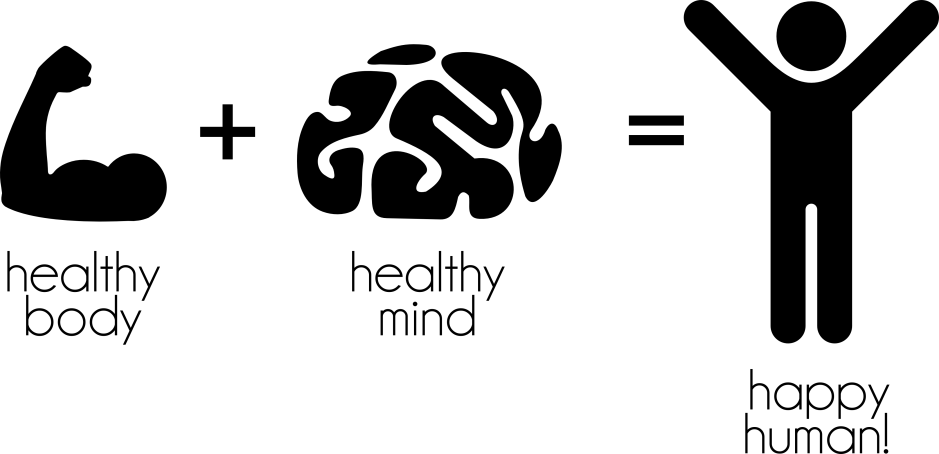
We often think of mental health and physical health as two separate things, but in reality, they are deeply interconnected. When we experience stress, anxiety, or depression, it does not just affect our mood – it can have a real, tangible impact on our physical well-being. Understanding the relationship between the mind and body is important, as it can help us maintain overall health and well-being.
The Mind-Body Connection
The connection between mental and physical health is not just a theory – it is backed by science. Any healthcare professional, from your local GP to registered nurses who have completed online post masters NP programmes, can tell you just how important of a role mental health plays in your overall health.
Our brain, which governs our thoughts, emotions, and behaviours, is also responsible for regulating many of the body’s functions. When we experience stress or mental health issues, the brain releases hormones like cortisol, which can trigger physical responses in the body. These include an increased heart rate, muscle tension, and a weakened immune system. Over time, chronic stress can lead to more serious physical health problems, such as heart disease, digestive issues, or even chronic pain.
On the flip side, physical health can significantly impact mental health. Inadequate sleep, for example, can affect cognitive function, mood, and memory, making it harder to manage stress and maintain a positive outlook.
Research has shown that people who engage in regular physical activity are less likely to experience anxiety and depression, demonstrating how physical health can contribute to better mental well-being.
It is Not Just in Your Head
Mental health issues can manifest in various ways physically. For example, stress can cause headaches, muscle tension, and fatigue. Chronic stress can also lead to high blood pressure, which increases the risk of heart disease and stroke.
People struggling with anxiety or depression may also experience gastrointestinal problems, such as nausea or irritable bowel syndrome (IBS), due to the gut-brain connection. The brain and gut are connected through the vagus nerve. Changes in one can affect the other, which is why mental health problems often involve digestive issues.
Mental health problems like depression can lead to a lack of motivation to take care of oneself. People may skip workouts, eat poorly, or neglect sleep – all of which contribute to further physical health deterioration. In severe cases, mental health issues can lead to unhealthy coping behaviours like smoking, excessive drinking, or dysregulated eating, which have long-term consequences for both mental and physical health.
Yes, It Works Both Ways
In the same way, physical health plays a significant role in mental well-being. Regular exercise has been shown to release endorphins, the body’s natural mood boosters. These chemicals help reduce feelings of anxiety and depression, making physical activity one of the most effective treatments for mental health problems. Exercise also improves sleep quality, which in turn supports cognitive function and emotional regulation.
Eating a balanced diet also plays a crucial role in maintaining mental health. Foods rich in vitamins, minerals, and antioxidants, such as leafy greens, fruits, and whole grains, can improve brain function and reduce inflammation.
On the other hand, a poor diet high in processed foods and sugar can lead to mood swings, fatigue, and difficulty concentrating, exacerbating mental health issues.
Sleep impacts our health more than most people realise. When we sleep, our bodies repair and rejuvenate, and our brains consolidate memories and process emotions. Chronic sleep deprivation can lead to a host of problems, increasing the risk of many other chronic, and sometimes fatal, illnesses.
Maintaining Overall Health
To maintain both mental and physical health, focus on consistent exercise. Eating a balanced diet while limiting sugar and processed foods can also be helpful as well as prioritising quality and consistent sleep each night. Even simply establishing a calming bedtime routine or avoiding things like screens and caffeine before bed can make a huge difference.
Never underestimate the power of mindfulness and stress management through practising techniques like meditation or deep breathing. It is also just as crucial to make time for social connections, as spending time with loved ones can improve your mood and reduce stress. If needed, seek professional help from a therapist or counsellor to develop coping strategies and receive support.
Summary
Maintaining both mental and physical health is a lifelong journey, but the payoff is well worth it. By understanding the strong connection between the two, we can take proactive steps to improve our well-being. Taking care of your mind and body is one of the best investments you can make for your overall health. After all, every mind matters, and so does everybody.
The Shift-and-persist model has emerged in order to account for unintuitive, positive health outcomes in some individuals of low socioeconomic status.
A large body of research has previously linked low socioeconomic status to poor physical and mental health outcomes, including early mortality. Low socioeconomic status is hypothesized to get “under the skin” by producing chronic activation of the sympathetic nervous system and hypothalamic–pituitary–adrenal axis, which increases allostatic load, leading to the pathogenesis of chronic disease. However, some individuals of low socioeconomic status do not appear to experience the expected, negative health effects associated with growing up in poverty. To account for this, the Shift-and-Persist Model proposes that, as children, some individuals of low socioeconomic status learn adaptive strategies for regulating their emotions (“shifting”) and focusing on their goals (“persisting”) in the face of chronic adversity. According to this model, the use of shift-and-persist strategies diminishes the typical negative effects of adversity on health by leading to more adaptive biological, cognitive, and behavioural responses to daily stressors.
Shift Strategies
Broadly, “shift” strategies encompass a variety of cognitive and emotion self-regulation approaches that individuals use to deal with stress, including cognitive restructuring, reframing, reappraisal, and acceptance strategies, which change the meaning of a stressor or reduce its emotional impact. These shift strategies particularly focus on changing one’s response to a stressor, instead of attempting to change the situation or stressor itself. As shift strategies depend more on internal processes (self-control and regulation), than external resources, it is hypothesized that shift strategies may be particularly adaptive responses to the chronic, uncontrollable stressors that are associated with low socioeconomic status.
Persist Strategies
According to Chen and Miller, “persist” strategies are any strategies that help individuals to maintain optimism about the future, create meaning from their experiences of challenge and hardship, and persist “with strength in the face of adversity.”
Measurement
To evaluate the combination of shift-and-persist strategy use, distinct “shift” and “persist” constructs were initially measured separately by using multiple, self-report measures of reappraisal, emotional reactivity, and future orientation in early research on this model.
In 2015, Chen and colleagues published the Shift-and-Persist Scale, which is a combined self-report measure that assesses both shift and persist strategies. The Shift-and-Persist Scale has been validated for use with adults and teenagers. The questionnaire asks respondents to rate how well 14 statements about various approaches to dealing with life stressors apply to them on a 1-4 scale. Out of the 14 items on the measure, 4 assess a respondent’s use of shift strategies, 4 load onto persist strategies, and 6 items are non-relevant distractors that are ignored during scoring. When scoring the Shift-and-Persist Scale, one item (#4) is reverse-scored. This scale is publicly available online.
A simplified 5-item Shift-and-Persist scale has also been published for use with younger children and adolescents (ages 9–15). Total scores on this version of the Shift-and-Persist Scale range from 0-20, such that higher scores are indicative of greater use of shift-and-persist strategies. This scale is also publicly available online and has been previously used in research with children from kindergarten through 8th grade.
Proposed Mechanisms
Reduction of the Harmful Biological Effects of Stress
The shift-and-persist model mainly hypothesizes that these strategies have protective effects for the health of low socioeconomic status individuals because they affect biological and physiological stress response tendencies that are relevant for disease. There is some evidence that shift responses (e.g. reappraisal) to acute stressors are associated with attenuated physiological responses to stress, including reduced cardiovascular reactivity. Specifically, reappraisal has been linked to a “healthier” pattern of hypothalamic–pituitary–adrenal axis response characterised by a rapid return to homeostasis (i.e., faster cortisol recovery) in the wake of a stressor. Persist tendencies, such as optimism, have also been associated with adaptive immune responses and faster cortisol recovery. By constraining the magnitude and duration of biological stress responses, including cardiovascular, hypothalamic–pituitary–adrenal axis, and inflammatory responses to stress, shift-and-persist responses are hypothesized to prevent the wear and tear on these systems that increases allostatic load and risk for chronic diseases of aging.
Cross-sectional studies provide some evidence that greater emotion regulation abilities are associated with reduced health risk on a variety of indicators of allostatic load. Similarly, self-reported trait levels of optimism and purpose in life have been linked to better concurrent health and health trajectories over time. However, most of the health benefits associated with shift-and-persist consistent strategies are only seen in low socioeconomic status samples.
Enhancement of Adaptive Biological Stress-Recovery Systems
Another alternative, but not mutually exclusive hypothesis, is that shift-and-persist strategies affect health by increasing or up-regulating biological responses that enhance stress recovery and resilience. In particular, the parasympathetic nervous system’s functioning may be enhanced by shift-and-persist response tendencies. Emotion regulation abilities that are consistent with shift-coping have been linked to greater parasympathetic nervous system functioning at rest, as indexed by higher levels of high-frequency heart rate variability. Further, the parasympathetic nervous system is highly integrated with, and may contribute to the down-regulation of hypothalamic–pituitary–adrenal axis and immune system stress responses that influence allostatic load over time. Although parasympathetic nervous system activity is correlated with aspects of shift-and-persist coping, it is not yet established that the use of these strategies actually increases parasympathetic nervous system activity.
The oxytocin system has also been identified as another potential mechanism by which shift-and-persist strategies could influence health outcomes. Oxytocin is a hormone that has been linked to a wide range of positive social and emotional functions and can be used to effectively attenuate hypothalamic–pituitary–adrenal axis and sympathetic nervous system responses to stress. However, there is little research examining the interplay between shift-and-persist strategy use and the oxytocin system.
Impact on Health Behaviours
It has also been proposed that shift-and-persist strategies may buffer health outcomes in individuals of low socioeconomic status by affecting health behaviours. Previous research has demonstrated that, regardless of socioeconomic status, individuals with emotion regulation difficulties are also likely to engage in poorer health behaviours, including over-eating, sedentary lifestyle, risky sexual health behaviours, and drug use. Individuals of low socioeconomic status who learn to regulate their emotions more effectively, by using “shift” strategies in childhood, may be more likely than their peers with emotion regulation difficulties to establish and sustain positive health behaviours throughout development. Similarly, persist strategies that help individuals to maintain a positive focus on the future may also affect wellbeing through health behaviours. Prior studies have linked being “future-oriented” to lower levels of drug use and sexual risk behaviours. Therefore, it is possible that individuals who regularly use shift-and-persist strategies will be more likely to practice positive health behaviours, which promote healthy development and aging.
However, it is important to note that the relationships between emotion regulation abilities and health behaviour are bidirectional. Health behaviours, such as physical activity and sleep hygiene, can also have powerful effects on our capacity to successfully regulate emotions.
Research Support for Associations with Health
Since 2012, integrative research groups concerned with clinical health psychology, social psychology, psychoneuroimmunology, and public health have begun to evaluate the relationships postulated by the shift-and-persist model. The majority of empirical studies on this topic test whether shift-and-persist strategies are associated with differential health outcomes in low vs. high socioeconomic status samples.
Thus far, high levels of shift-and-persist strategy use have been linked to:
Lower total allostatic load in adults who grew up in low, but not high, socioeconomic status households.
Lower body mass index in children from low, but not high, socioeconomic status families.
Reduced low-grade inflammation in adolescents (and parents) from low socioeconomic status families.
A “healthier” profile of hypothalamic–pituitary–adrenal axis functioning, as indexed by diurnal cortisol in children from low socioeconomic status families.
Lower levels of asthma-related impairment and inflammation in children from low, but not high, socioeconomic status families.
Better asthma profiles in children and teens from families reporting low, but not high, perceived social status.
Lower levels of depressive symptoms in Latinx youth from low, but not high, income families.
Although it has been proposed that a variety of psychological interventions for at-risk youth of low socioeconomic status may reduce health disparities, in part, by increasing shift-and-persist tendencies in families, the majority of studies on shift-and-persist have been cross-sectional. Therefore, it remains unknown if shift-and-persist strategies play a causal role in reducing the negative impact of low socioeconomic status on health. More longitudinal and treatment studies are needed to evaluate directional and causal hypotheses based upon the shift-and-persist model.
This page is based on the copyrighted Wikipedia article < https://en.wikipedia.org/wiki/Shift-and-persist_model >; it is used under the Creative Commons Attribution-ShareAlike 3.0 Unported License (CC-BY-SA). You may redistribute it, verbatim or modified, providing that you comply with the terms of the CC-BY-SA.
Salutogenesis is the study of the origins of health and focuses on factors that support human health and well-being, rather than on factors that cause disease (pathogenesis).
More specifically, the “salutogenic model” was originally concerned with the relationship between health, stress, and coping through a study of Holocaust survivors. Despite going through the dramatic tragedy of the holocaust, some survivors were able to thrive later in life. The discovery that there must be powerful health causing factors led to the development of salutogenesis. The term was coined by Aaron Antonovsky, a professor of medical sociology. The salutogenic question posed by Aaron Antonovsky is, “How can this person be helped to move toward greater health?”
Antonovsky’s theories reject the “traditional medical-model dichotomy separating health and illness”. He described the relationship as a continuous variable, what he called the “health-ease versus dis-ease continuum”. Salutogenesis now encompasses more than the origins of health and has evolved to be about multidimensional causes of higher levels of health. Models associated with salutogenesis generally include wholistic approaches related to at least the physical, social, emotional, spiritual, intellectual, vocational, and environmental dimensions.
The word “salutogenesis” comes from the Latin salus (meaning health) and the Greek genesis (meaning origin). Antonovsky developed the term from his studies of “how people manage stress and stay well” (unlike pathogenesis which studies the causes of diseases). He observed that stress is ubiquitous, but not all individuals have negative health outcomes in response to stress. Instead, some people achieve health despite their exposure to potentially disabling stress factors.
Development
In his 1979 book, Health, Stress and Coping, Antonovsky described a variety of influences that led him to the question of how people survive, adapt, and overcome in the face of even the most punishing life-stress experiences. In his 1987 book, Unravelling the Mysteries of Health, he focused more specifically on a study of women and aging; he found that 29% of women who had survived Nazi concentration camps had positive emotional health, compared to 51% of a control group. His insight was that 29% of the survivors were not emotionally impaired by the stress. Antonovsky wrote: “this for me was the dramatic experience that consciously set me on the road to formulating what I came to call the ‘salutogenic model’.”
In salutogenic theory, people continually battle with the effects of hardship. These ubiquitous forces are called generalised resource deficits (GRDs). On the other hand, there are generalised resistance resources (GRRs), which are all of the resources that help a person cope and are effective in avoiding or combating a range of psychosocial stressors. Examples are resources such as money, ego-strength, and social support.
GRDs will cause the coping mechanisms to fail whenever the sense of coherence is not robust to weather the current situation. This causes illness and possibly even death. However, if the sense of coherence is high, a stressor will not necessarily be harmful. But it is the balance between GRDs and GRRs that determines whether a factor will be pathogenic, neutral, or salutary.
Antonovsky’s formulation was that the GRRs enabled individuals to make sense of and manage events. He argued that over time, in response to positive experiences provided by successful use of different resources, an individual would develop an attitude that was “in itself the essential tool for coping”.
Sense of Coherence
The “sense of coherence” is a theoretical formulation that provides a central explanation for the role of stress in human functioning. “Beyond the specific stress factors that one might encounter in life, and beyond your perception and response to those events, what determines whether stress will cause you harm is whether or not the stress violates your sense of coherence.” Antonovsky defined Sense of Coherence as:
“a global orientation that expresses the extent to which one has a pervasive, enduring though dynamic feeling of confidence that (1) the stimuli deriving from one’s internal and external environments in the course of living are structured, predictable and explicable; (2) the resources are available to one to meet the demands posed by these stimuli; and (3) these demands are challenges, worthy of investment and engagement.”
In his formulation, the sense of coherence has three components:
Comprehensibility: a belief that things happen in an orderly and predictable fashion and a sense that you can understand events in your life and reasonably predict what will happen in the future.
Manageability: a belief that you have the skills or ability, the support, the help, or the resources necessary to take care of things, and that things are manageable and within your control.
Meaningfulness: a belief that things in life are interesting and a source of satisfaction, that things are really worthwhile and that there is good reason or purpose to care about what happens.
According to Antonovsky, the third element is the most important. If a person believes there is no reason to persist and survive and confront challenges, if they have no sense of meaning, then they will have no motivation to comprehend and manage events. His essential argument is that “salutogenesis” depends on experiencing a strong “sense of coherence”. His research demonstrated that the sense of coherence predicts positive health outcomes.
Fields of Application
Health and Medicine
Antonovsky viewed his work as primarily addressed to the fields of health psychology, behavioural medicine, and the sociology of health. It has been adopted as a term to describe contemporary approaches to nursing, psychiatry, integrative medicine, and healthcare architecture. The salutogenic framework has also been adapted as a method for decision making on the fly; the method has been applied for emergency care and for healthcare architecture. Incorporating concepts from salutogenesis can support a transition from curative to preventive medicine.
Workplace
The sense of coherence with its three components meaningfulness, manageability and understandability has also been applied to the workplace.
Meaningfulness is considered to be related to the feeling of participation and motivation and to a perceived meaning of the work. The meaningfulness component has also been linked with job control and task significance. Job control implies that employees have more authority to make decisions concerning their work and the working process. Task significance involves “the experience of congruence between personal values and work activities, which is accompanied by strong feelings of identification with the attitudes, values or goals of the working tasks and feelings of motivation and involvement”.
The manageability component is considered to be linked to job control as well as to access to resources. It has also been considered to be linked with social skills and trust. Social relations relate also to the meaningfulness component.
The comprehensibility component may be influenced by consistent feedback at work, for example concerning the performance appraisal.
Salutogenics perspectives are also considered in the design of offices.
This page is based on the copyrighted Wikipedia article < https://en.wikipedia.org/wiki/Salutogenesis >; it is used under the Creative Commons Attribution-ShareAlike 3.0 Unported License (CC-BY-SA). You may redistribute it, verbatim or modified, providing that you comply with the terms of the CC-BY-SA.
Physical Health and Schizophrenia (Oxford Psychiatry Library Series).
Author(s): David J. Castle, Peter F. Buckley, and Fiona P. Gaughran.
Year: 2017.
Edition: First (1st), Illustrated Edition.
Publisher: Oxford University Press.
Type(s): Paperback and Kindle.
Synopsis:
In comparison to the general population, people with schizophrenia and related disorders have poorer physical health and increased mortality. Whilst it is recognized that serious mental illnesses such as schizophrenia carry a reduced life expectancy, it is often assumed that suicide is the main cause of this disparity. In actuality, suicide accounts for no more than a third of the early mortality associated with schizophrenia: the vast majority is due to cardiovascular factors
Physical Health and Schizophreniaoffers a user-friendly guide to the physical health problems associated with schizophrenia and a clear overview of strategies and interventions to tackle these issues. Spanning eight chapters this resource covers the essential topics in a practical and easy-to-read format to suit the needs of busy clinicians. It also includes an appendix designed specifically for patients and carers, with practical tips on how to be actively involved in monitoring and managing physical health problems.
Part of the Oxford Psychiatry Library series, Physical Health and Schizophrenia offers readers a fully up-to-date and valuable insight into this complex issue. With helpful key points at the start of each chapter and a clear layout, this is an essential resource for busy clinicians and researchers in any mental health field as well as those working in primary care.
Risk factors of hospitalization for any medical condition among patients with prior emergency department visits for mental health conditions.
Background
This longitudinal study identified risk factors for frequency of hospitalisation among patients with any medical condition who had previously visited one of six Quebec (Canada) emergency departments (ED) at least once for mental health (MH) conditions as the primary diagnosis.
Methods
Records of n = 11,367 patients were investigated using administrative databanks (2012-13/2014-15). Hospitalisation rates in the 12 months after a first ED visit in 2014-15 were categorised as no hospitalisations (0 times), moderate hospitalisations (1-2 times), and frequent hospitalisations (3+ times). Based on the Andersen Behavioural Model, data on risk factors were gathered for the 2 years prior to the first visit in 2014-2015, and were identified as predisposing, enabling or needs factors. They were tested using a hierarchical multinomial logistic regression according to the three groups of hospitalisation rate.
Results
Enabling factors accounted for the largest percentage of total variance explained in the study model, followed by needs and predisposing factors. Co-occurring mental disorders (MD)/substance-related disorders (SRD), alcohol-related disorders, depressive disorders, frequency of consultations with outpatient psychiatrists, prior ED visits for any medical condition and number of physicians consulted in specialized care, were risk factors for both moderate and frequent hospitalisations. Schizophrenia spectrum and other psychotic disorders, bipolar disorders, and age (except 12-17 years) were risk factors for moderate hospitalisations, while higher numbers (4+) of overall interventions in local community health service centres were a risk factor for frequent hospitalisations only. Patients with personality disorders, drug-related disorders, suicidal behaviours, and those who visited a psychiatric ED integrated with a general ED in a separate site, or who visited a general ED without psychiatric services were also less likely to be hospitalised. Less urgent and non-urgent illness acuity prevented moderate hospitalisations only.
Conclusions
Patients with severe and complex health conditions, and higher numbers of both prior outpatient psychiatrist consultations and ED visits for medical conditions had more moderate and frequent hospitalisations as compared with non-hospitalised patients. Patients at risk for frequent hospitalisations were more vulnerable overall and had important biopsychosocial problems. Improved primary care and integrated outpatient services may prevent post-ED hospitalisation.
Reference
Penzenstadler, L., Gentil, L., Grenier, G., Khazaal, Y. & Fleury, M-J. (2020) Risk factors of hospitalization for any medical condition among patients with prior emergency department visits for mental health conditions. BMC Psychiatry. 20(1), pp.431. doi: 10.1186/s12888-020-02835-2.
Our minds have physical effects. This happens, for instance, when we move our bodies when we act. How is this possible?
Thomas Kroedel defends an account of mental causation in terms of difference-making: if our minds had been different, the physical world would have been different; therefore, the mind causes events in the physical world.
His account not only explains how the mind has physical effects at all, but solves the exclusion problem – the problem of how those effects can have both mental and physical causes. It is also unprecedented in scope, because it is available to dualists about the mind as well as physicalists, drawing on traditional views of causation as well as on the latest developments in the field of causal modelling.
It will be of interest to a range of readers in philosophy of mind and philosophy of science. This book is also available as Open Access.
The Everyday Ayurveda Guide to Self-Care – Rhythms, Routines, and Home Remedies for Natural Healing.
Author(s): Kate O’Donnell.
Year: 2020.
Edition: First (1st).
Publisher: Shambhala Publications Inc.
Type(s): Paperback and Kindle.
Synopsis:
Embrace the ancient principles of Ayurveda to become a more integrated, whole, and healthy version of yourself. This detailed guide walks you through the steps of foundational Ayurvedic practices that can be easily integrated into your existing self-care routine – from self-massage, oil pulling, and tongue scraping to breathing practices, meditation exercises, and eating with intention – to uplift your physical health and state of mind.
In The Everyday Ayurveda Guide to Self-Care, you will:
Get acquainted with the tradition of Ayurveda and better understand your doshas (metabolic tendencies) and basic Ayurvedic anatomy.
Discover the art of self-care by exploring daily routines and seasonal practices to prevent imbalances in the body and mind.
Find out what foods, spices, and herbs carry medicinal qualities that support cleansing, rejuvenation, and management of common ailments.
Can high-intensity interval training improve physical and mental health outcomes? A meta-review of 33 systematic reviews across the lifespan.
Background
High-intensity-interval-training (HIIT) has been suggested to have beneficial effects in multiple populations across individual systematic reviews, although there is a lack of clarity in the totality of the evidence whether HIIT is effective and safe across different populations and outcomes.
The aim of this meta-review was to establish the benefits, safety and adherence of HIIT interventions across all populations from systematic reviews and meta-analyses.
Methods
Major databases were searched for systematic reviews (with/without meta-analyses) of randomised & non-randomised trials that compared HIIT to a control.
Thirty-three systematic reviews (including 25 meta-analyses) were retrieved encompassing healthy subjects and people with physical health complications.
Results
Evidence suggested HIIT improved cardiorespiratory fitness, anthropometric measures, blood glucose and glycaemic control, arterial compliance and vascular function, cardiac function, heart rate, some inflammatory markers, exercise capacity and muscle mass, versus non-active controls.
Compared to active controls, HIIT improved cardiorespiratory fitness, some inflammatory markers and muscle structure.
Improvements in anxiety and depression were seen compared to pre-training.
Additionally, no acute injuries were reported, and mean adherence rates surpassed 80% in most systematic reviews.
Conclusions
Thus, HIIT is associated with multiple benefits.
Further large-scale high-quality studies are needed to reaffirm and expand these findings.
Reference
Martland, R., Mondelli, V., Gaughran, F. & Stubbs, B. (2020) Can high-intensity interval training improve physical and mental health outcomes? A meta-review of 33 systematic reviews across the lifespan. Journal of Sports Sciences. 38(4), pp.430-469. doi: 10.1080/02640414.2019.1706829. Epub 2019 Dec 31.
Association of Mental Health Disorders With Health Care Spending in the Medicare Population.
Background
The degree to which the presence of mental health disorders is associated with additional medical spending on non-mental health conditions is largely unknown.
Therefore, the purpose of this study was to determine the proportion and degree of total spending directly associated with mental health conditions vs spending on other non-mental health conditions.
Methods
This retrospective cohort study of 4 358 975 fee-for-service Medicare beneficiaries in the US in 2015 compared spending and health care utilisation among Medicare patients with serious mental illness (SMI; defined as bipolar disease, schizophrenia or related psychotic disorders, and major depressive disorder), patients with other common mental health disorders (defined as anxiety disorders, personality disorders, and post-traumatic stress disorder), and patients with no known mental health disorders. Data analysis was conducted from February to October 2019.
Exposure: Diagnosis of an SMI or other common mental health disorder.
Main outcomes and measures: Risk-adjusted, standardised spending and health care utilisation. Multi-variable linear regression models were used to adjust for patient characteristics, including demographic characteristics and other medical co-morbidities, using hospital referral region fixed effects.
Results
Of 4,358,975 Medicare beneficiaries, 987,379 (22.7%) had an SMI, 326,991 (7.5%) had another common mental health disorder, and 3,044,587 (69.8%) had no known mental illness.
Compared with patients with no known mental illness, patients with an SMI were younger (mean [SD] age, 72.3 [11.6] years vs 67.4 [15.7] years; P < .001) and more likely to have dual eligibility (633 274 [20.8%] vs 434 447 [44.0%]; P < .001).
Patients with an SMI incurred more mean (SE) spending on mental health services than those with other common mental health disorders or no known mental illness ($2024 [3.9] vs $343 [6.2] vs $189 [2.1], respectively; P < .001).
Patients with an SMI also had substantially higher mean (SE) spending on medical services for physical conditions than those with other common mental health disorders or no known mental illness ($17 651 [23.6] vs $15 253 [38.2] vs $12 883 [12.8], respectively; P < .001), reflecting $4768 (95% CI, $4713-$4823; 37% increase) more in costs for patients with an SMI and $2370 (95% CI, $2290-$2449; 18.4% increase) more in costs for patients with other common mental health disorders.
Among Medicare beneficiaries, $2,686,016,110 of $64,326,262,104 total Medicare spending (4.2%) went to mental health services and an additional $5,482,791,747 (8.5%) went to additional medical spending associated with mental illness, representing a total of 12.7% of spending associated with mental health disorders.
Conclusions
In this study, having a mental health disorder was associated with spending substantially more on other medical conditions.
These findings quantify the extent of additional spending in the Medicare fee-for-service population associated with a diagnosis of a mental health disorder.
Reference
Figueroa, J.F., Phelan, J., Orav, E.J., Patel, V. & Jha, A.K. (2020) Association of Mental Health Disorders With Health Care Spending in the Medicare Population. JAMA Network Open. 3(3):e201210. doi: 10.1001/jamanetworkopen.2020.1210.
Mental Health and Stress in Humanitarian Expatriates.
Background
Humanitarian work is stressful and can have an impact on the mental health of humanitarian expatriates.
In order to reduce stress and its consequences, humanitarian organisations are implementing various measures to keep their staff healthy.
Humanitarian workers, on the other hand, must take care of themselves and apply self-protection mechanisms. Most humanitarian workers are doing well.
The treating doctor plays a key role in detecting people and behaviour at risk. they encourage the expatriate to use their resources and provide the adequate support and medical follow-up if necessary.
Collaboration with the staff health units of humanitarian organisations allows for optimal care of humanitarian workers’ medical conditions.
Reference
Perone, S.A., BAvarel, M., Suzic, D. & Chappuis, F. (2020) [Mental Health and Stress in Humanitarian Expatriates] [Article in French]. Revue Medicale Suisse. 16(693), pp.993-997.









 Mental Health Matters
You must be logged in to post a comment.