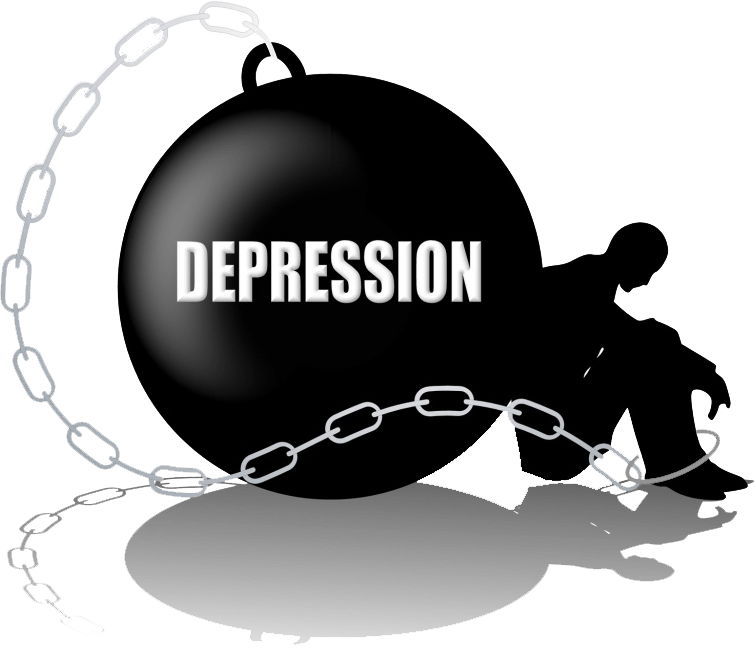
What are the Differential Diagnoses of Depression?

Introduction

Depression, one of the most commonly diagnosed psychiatric disorders, is being diagnosed in increasing numbers in various segments of the population worldwide. For example, depression in the United States (US) alone affects 17.6 million Americans each year or 1 in 6 people. Depressed patients are at increased risk of type 2 diabetes, cardiovascular disease and suicide. Within the next twenty years depression is expected to become the second leading cause of disability worldwide and the leading cause in high-income nations, including the US. In approximately 75% of completed suicides, the individuals had seen a physician within the prior year before their death, 45-66% within the prior month. About a third of those who completed suicide had contact with mental health services in the prior year, a fifth within the preceding month.

There are many psychiatric and medical conditions that may mimic some or all of the symptoms of depression or may occur comorbid to it. A disorder either psychiatric or medical that shares symptoms and characteristics of another disorder, and may be the true cause of the presenting symptoms is known as a differential diagnosis.

Many psychiatric disorders such as depression are diagnosed by allied health professionals with little or no medical training, and are made on the basis of presenting symptoms without proper consideration of the underlying cause, adequate screening of differential diagnoses is often not conducted. According to one study, non-medical mental health care providers may be at increased risk of not recognising masked medical illnesses in their patients.

Misdiagnosis or missed diagnoses may lead to lack of treatment or ineffective and potentially harmful treatment which may worsen the underlying causative disorder. A conservative estimate is that 10% of all psychological symptoms may be due to medical reasons, with the results of one study suggesting that about half of individuals with a serious mental illness have general medical conditions that are largely undiagnosed and untreated and may cause or exacerbate psychiatric symptoms.

In a case of misdiagnosed depression recounted in Newsweek, a writer received treatment for depression for years; during the last 10 years of her depression the symptoms worsened, resulting in multiple suicide attempts and psychiatric hospitalisations. When an MRI finally was performed, it showed the presence of a tumour. However, she was told by a neurologist that it was benign. After a worsening of symptoms, and upon the second opinion of another neurologist, the tumour was removed. After the surgery, she no longer suffered from depressive symptoms.

Autoimmune Disorders

  • Celiac disease:
    • This is an autoimmune disorder in which the body is unable to digest gluten which is found in various food grains, most notably wheat, and also rye and barley.
    • Current research has shown its neuropsychiatric symptoms may manifest without the gastrointestinal symptoms.
    • However, more recent studies have emphasized that a wider spectrum of neurologic syndromes may be the presenting extraintestinal manifestation of gluten sensitivity with or without intestinal pathology.
  • Lupus:
    • Systemic lupus erythematosus (SLE), is a chronic autoimmune connective tissue disease that can affect any part of the body.
    • Lupus can cause or worsen depression.

Bacterial-Viral-Parasitic Infection

  • Lyme disease:
    • This is a bacterial infection caused by Borrelia burgdorferi, a spirochete bacterium transmitted by the Deer tick (Ixodes scapularis).
    • Lyme disease is one of a group of diseases which have earned the name the “great imitator” for their propensity to mimic the symptoms of a wide variety of medical and neuropsychiatric disorders.
    • Lyme disease is an underdiagnosed illness, partially as a result of the complexity and unreliability of serologic testing.
    • Because of the rapid rise of Lyme borreliosis nationwide and the need for antibiotic treatment to prevent severe neurologic damage, mental health professionals need to be aware of its possible psychiatric presentations.
  • Syphilis:
    • The prevalence of which is on the rise, is another of the “great imitators”, which if left untreated can progress to neurosyphilis and affect the brain, can present with solely neuropsychiatric symptoms.
    • This case emphasises that neurosyphilis still has to be considered in the differential diagnosis within the context of psychiatric conditions and diseases.
    • Owing to current epidemiological data and difficulties in diagnosing syphilis, routine screening tests in the psychiatric field are necessary.
  • Neurocysticercosis (NCC):
    • This is an infection of the brain or spinal cord caused by the larval stage of the pork tapeworm, Taenia solium.
    • NCC is the most common helminthic (parasitic worm) infestation of the central nervous system worldwide. Humans develop cysticercosis when they ingest eggs of the pork tapeworm via contact with contaminated fecal matter or eating infected vegetables or undercooked pork.
    • While cysticercosis is endemic in Latin America, it is an emerging disease with increased prevalence in the United States.
    • The rate of depression in those with neurocysticercosis is higher than in the general population.
  • Toxoplasmosis:
    • This is an infection caused by Toxoplasma gondii an intracellular protozoan parasite. Humans can be infected in 3 different ways:
      • Ingestion of tissue cysts;
      • Ingestion of oocysts; or
      • In utero infection with tachyzoites.
    • One of the prime methods for transmission to humans is contact with the faeces of the host species, the domesticated cat.
    • Toxoplasma gondii infects approximately 30% of the world’s human population, but causes overt clinical symptoms in only a small segment of those infected.
    • Exposure to Toxoplasma gondii (seropositivity) without developing Toxoplasmosis has been proven to alter various characteristics of human behaviour as well as being a causative factor in some cases of depression, in addition, studies have linked seropositivity with an increased rate of suicide
  • West Nile virus (WNV):
    • This can cause encephalitis has been reported to be a causal factor in developing depression in 31% of those infected in a study conducted in Houston, Texas and reported to the Centre for Disease Control (CDC).
    • The primary vectors for disease transmission to humans are various species of mosquito.
    • WNV which is endemic to Southern Europe, Africa the Middle East and Asia was first identified in the United States in 1999.
    • Between 1999 and 2006, 20,000 cases of confirmed symptomatic WNV were reported in the US, with estimates of up to 1 million being infected.
    • WNV is now the most common cause of epidemic viral encephalitis in the United States, and it will likely remain an important cause of neurological disease for the foreseeable future.

Blood Disorders

  • Anaemia:
    • This is a decrease in normal number of red blood cells (RBCs) or less than the normal quantity of haemoglobin in the blood.
    • Depressive symptoms are associated with anaemia in a general population of older persons living in the community.

Chronic Fatigue Syndrome

Between 1 and 4 million Americans are believed to have chronic fatigue syndrome (CFS), yet only 50% have consulted a physician for symptoms of CFS. In addition individuals with CFS symptoms often have an undiagnosed medical or psychiatric disorder such as diabetes, thyroid disease or substance abuse. CFS, at one time considered to be psychosomatic in nature, is now considered to be a valid medical condition in which early diagnosis and treatment can aid in alleviating or completely resolving symptoms. While frequently misdiagnosed as depression, differences have been noted in rate of cerebral blood flow.

CFS is underdiagnosed in more than 80% of the people who have it; at the same time, it is often misdiagnosed as depression.

Dietary Disorders

  • Fructose malabsorption and lactose intolerance; deficient fructose transport by the duodenum, or by the deficiency of the enzyme, lactase in the mucosal lining, respectively.
  • As a result of this malabsorption the saccharides reach the colon and are digested by bacteria which convert them to short chain fatty acids, CO2, and H2.
  • Approximately 50% of those afflicted exhibit the physical signs of irritable bowel syndrome.
  • Fructose malabsorption may play a role in the development of depressed mood. Fructose malabsorption should be considered in patients with symptoms of major depression.
  • Fructose and sorbitol reduced diet in subjects with fructose malabsorption does not only reduce gastrointestinal symptoms but also improves mood and early signs of depression.

Endocrine System Disorders

Dysregulation of the endocrine system may present with various neuropsychiatric symptoms; irregularities in the hypothalamic-pituitary- adrenal (HPA) axis and the hypothalamic-pituitary-thyroid (HPT) axis have been shown in patients with primary depression.

HPT and HPA axes abnormalities observed in patients with depression:

  • HPT axes irregularities:
    • Alterations in thyroid-stimulating hormone (TSH) response to thyrotropin-releasing hormone (TRH).
    • An abnormally high rate of antithyroid antibodies.
    • Elevated cerebrospinal fluid (CSF) TRH concentrations.
  • HPA axes irregularities:
    • Adrenocorticoid hypersecretion.
    • Enlarged pituitary and adrenal gland size (organomegaly).
    • Elevated corticotropin-releasing factor (CSF) concentrations.

Adrenal Gland

  • Addison’s disease:
    • Also known as chronic adrenal insufficiency, hypocortisolism, and hypocorticism) is a rare endocrine disorder wherein the adrenal glands, located above the kidneys, produce insufficient steroid hormones (glucocorticoids and often mineralocorticoids).
    • Addison’s disease presenting with psychiatric features in the early stage has the tendency to be overlooked and misdiagnosed.
  • Cushing’s Syndrome:
    • Also known as hypercortisolism, is an endocrine disorder characterised by an excess of cortisol.
    • In the absence of prescribed steroid medications, it is caused by a tumour on the pituitary or adrenal glands, or more rarely, an ectopic hormone-secreting tumour.
    • Depression is a common feature in diagnosed patients and it often improves with treatment.

Thyroid and Parathyroid Glands

  • Graves’ disease:
    • An autoimmune disease where the thyroid is overactive, resulting in hyperthyroidism and thyrotoxicosis.
  • Hashimoto’s thyroiditis:
    • Also known chronic lymphocytic thyroiditis is an autoimmune disease in which the thyroid gland is gradually destroyed by a variety of cell and antibody mediated immune processes.
    • Hashimoto’s thyroiditis is associated with thyroid peroxidase and thyroglobulin autoantibodies
  • Hashitoxicosis.
  • Hypothyroidism.
  • Hyperthyroidism.
  • Hypoparathyroidism:
    • Can affect calcium homeostasis, supplementation of which has completely resolved cases of depression in which hypoparathyroidism is the sole causative factor.

Pituitary Tumours

Tumours of the pituitary gland are fairly common in the general population with estimates ranging as high as 25%. Most tumours are considered to be benign and are often an incidental finding discovered during autopsy or as of neuroimaging in which case they are dubbed “incidentalomas”. Even in benign cases, pituitary tumours can affect cognitive, behavioural and emotional changes. Pituitary microadenomas are smaller than 10 mm in diameter and are generally considered benign, yet the presence of a microadenoma has been positively identified as a risk factor for suicide.

Patients with pituitary disease are diagnosed and treated for depression and show little response to the treatment for depression.

Pancreas

  • Hypoglycemia:
    • An overproduction of insulin causes reduced blood levels of glucose.
    • In one study of patients recovering from acute lung injury in intensive care, those patients who developed hypoglycaemia while hospitalised showed an increased rate of depression.

Neurological

Central Nervous System Tumours

In addition to pituitary tumours, tumours in various locations in the central nervous system (CNS) may cause depressive symptoms and be misdiagnosed as depression.

Post Concussion Syndrome

Post-concussion syndrome (PCS), is a set of symptoms that a person may experience for weeks, months, or occasionally years after a concussion with a prevalence rate of 38-80% in mild traumatic brain injuries, it may also occur in moderate and severe cases of traumatic brain injury. A diagnosis may be made when symptoms resulting from concussion, depending on criteria, last for more than three to six months after the injury, in which case it is termed persistent post-concussive syndrome (PPCS). In a study of the prevalence of post concussion syndrome symptoms in patients with depression utilising the British Columbia Post-concussion Symptom Inventory: “Approximately 9 out of 10 patients with depression met liberal self-report criteria for a post-concussion syndrome and more than 5 out of 10 met conservative criteria for the diagnosis.” These self reported rates were significantly higher than those obtained in a scheduled clinical interview. Normal controls have exhibited symptoms of PCS as well as those seeking psychological services. There is considerable debate over the diagnosis of PCS in part because of the medico-legal and thus monetary ramifications of receiving the diagnosis.

Pseudobulbar Affect

Pseudobulbar affect (PBA) is an affective disinhibition syndrome that is largely unrecognised in clinical settings and thus often untreated due to ignorance of the clinical manifestations of the disorder; it may be misdiagnosed as depression. It often occurs secondary to various neurodegenerative diseases such as amyotrophic lateral sclerosis, and also can result from head trauma. PBA is characterised by involuntary and inappropriate outbursts of laughter and/or crying. PBA has a high prevalence rate with estimates of 1.5-2 million cases in the United States alone.

Multiple Sclerosis

Multiple sclerosis is a chronic demyelinating disease in which the myelin sheaths of cells in the brain and spinal cord are irreparably damaged. Symptoms of depression are very common in patients at all stages of the disease and may be exacerbated by medical treatments, notably interferon beta-1a.

Neurotoxicity

Various compounds have been shown to have neurotoxic effects many of which have been implicated as having a causal relationship in the development of depression.

Cigarette Smoking

There has been research which suggests a correlation between cigarette smoking and depression. The results of one recent study suggest that smoking cigarettes may have a direct causal effect on the development of depression. There have been various studies done showing a positive link between smoking, suicidal ideation and suicide attempts.

In a study conducted among nurses, those smoking between 1-24 cigarettes per day had twice the suicide risk; 25 cigarettes or more, 4 times the suicide risk, than those who had never smoked. In a study of 300,000 male US Army soldiers, a definitive link between suicide and smoking was observed with those smoking over a pack a day having twice the suicide rate of non-smokers.

Medication

Various medications have been suspected of having a causal relation in the development of depression; this has been classified as “organic mood syndrome”. Some classes of medication such as those used to treat hypertension, have been recognised for decades as having a definitive relationship with the development of depression.

Monitoring of those taking medications which have shown a relationship with depression is often indicated, as well as the necessity of factoring in the use of such medications in the diagnostic process.

  • Topical Tretinoin (Retin-A):
    • Derived from Vitamin A and used for various medical conditions such as in topical solutions used to treat acne vulgaris.
    • Although applied externally to the skin, it may enter the bloodstream and cross the blood brain barrier where it may have neurotoxic effects.
  • Interferons:
    • Proteins produced by the human body, three types have been identified alpha, beta and gamma.
    • Synthetic versions are utilised in various medications used to treat different medical conditions such as the use of interferon-alpha in cancer treatment and hepatitis C treatment.
    • All three classes of interferons may cause depression and suicidal ideation.

Chronic Exposure to Organophosphates

The neuropsychiatric effects of chronic organophosphate exposure include mood disorders, suicidal thinking and behaviour, cognitive impairment and chronic fatigue.

Neuropsychiatric

Bipolar Disorder

Bipolar disorder is frequently misdiagnosed as major depression, and is thus treated with antidepressants alone which is not only not efficacious it is often contraindicated as it may exacerbate hypomania, mania, or cycling between moods. There is ongoing debate about whether this should be classified as a separate disorder because individuals diagnosed with major depression often experience some hypomanic symptoms, indicating a continuum between the two.

Nutritional Deficiencies

Nutrition plays a key role in every facet of maintaining proper physical and psychological wellbeing. Insufficient or inadequate nutrition can have a profound effect on mental health. The emerging field of nutritional neuroscience explores the various connections between diet, neurological functioning and mental health.

  • Vitamin B6:
    • Pyridoxal phosphate (PLP), the active form of B6, is a cofactor in the dopamine serotonin pathway, a deficiency in vitamin B6 may cause depressive symptoms.
  • Folate (vitamin B9) – Vitamin B12 cobalamin:
    • Low blood plasma and particularly red cell folate and diminished levels of vitamin B12 have been found in patients with depressive disorders.
    • Research suggests that oral doses of both folic acid (800 μg/(mcg) daily) and vitamin B12 (1 mg daily) should be tried to improve treatment outcome in depression.
  • Long chain fatty acids:
    • Higher levels of omega-6 and lower levels of omega-3 fatty acids has been associated with depression and behavioural change.
  • Vitamin D deficiency is associated with depression

Sleep Disorders

  • Insomnia:
    • While the inability to fall asleep is often a symptom of depression, it can also in some instances serve as the trigger for developing a depressive disorder.
    • It can be transient, acute or chronic.
    • It can be a primary disorder or a co-morbid one.
  • Restless legs syndrome (RLS):
    • Also known as Wittmaack-Ekbom’s syndrome, is characterised by an irresistible urge to move one’s body to stop uncomfortable or odd sensations.
    • It most commonly affects the legs, but can also affect the arms or torso, and even phantom limbs.
    • Restless Leg syndrome has been associated with Major depressive disorder.
    • Adjusted odds ratio for diagnosis of major depressive disorder suggest a strong association between restless legs syndrome and major depressive disorder and/or panic disorder.
  • Sleep apnea:
    • This is a sleep disorder characterised by pauses in breathing during sleep.
    • Each episode, called an apnoea, lasts long enough for one or more breaths to be missed; such episodes occur repeatedly throughout the sleep cycle.
    • Undiagnosed sleep apnoea may cause or contribute to the severity of depression.
  • Circadian rhythm sleep disorders:
    • Few clinicians are aware, and often goes untreated or are treated inappropriately, as when misdiagnosed as either primary insomnia or as a psychiatric condition.

What is Depression (Mood)?

Introduction

Depression is a state of low mood and aversion to activity. It can affect a person’s thoughts, behaviour, motivation, feelings, and sense of well-being.

The core symptom of depression is said to be anhedonia, which refers to loss of interest or a loss of feeling of pleasure in certain activities that usually bring joy to people. Depressed mood is a symptom of some mood disorders such as major depressive disorder or dysthymia; it is a normal temporary reaction to life events, such as the loss of a loved one; and it is also a symptom of some physical diseases and a side effect of some drugs and medical treatments.

It may feature sadness, difficulty in thinking and concentration and a significant increase or decrease in appetite and time spent sleeping. People experiencing depression may have feelings of dejection, hopelessness and, sometimes, suicidal thoughts. It can either be short term or long term.

Epidemiology

Depression is the leading cause of disability worldwide, the United Nations (UN) health agency reported, estimating that it affects more than 300 million people worldwide – the majority of them women, young people and the elderly. An estimated 4.4% of the global population suffers from depression, according to a report released by the UN World Health Organisation (WHO), which shows an 18 percent increase in the number of people living with depression between 2005 and 2015.

Global Health

Depression is a major mental-health cause of disease burden. Its consequences further lead to significant burden in public health, including a higher risk of dementia, premature mortality arising from physical disorders, and maternal depression impacts on child growth and development. Approximately 76% to 85% of depressed people in low- and middle-income countries do not receive treatment;[48] barriers to treatment include: inaccurate assessment, lack of trained health-care providers, social stigma and lack of resources.

The WHO has constructed guidelines – known as The Mental Health Gap Action Programme (mhGAP) – aiming to increase services for people with mental, neurological and substance-use disorders. Depression is listed as one of conditions prioritised by the programme. Trials conducted show possibilities for the implementation of the programme in low-resource primary-care settings dependent on primary-care practitioners and lay health-workers. Examples of mhGAP-endorsed therapies targeting depression include Group Interpersonal Therapy as group treatment for depression and “Thinking Health”, which utilises cognitive behavioural therapy to tackle perinatal depression. Furthermore, effective screening in primary care is crucial for the access of treatments. The mhGAP programme adopted its approach of improving detection rates of depression by training general practitioners. However, there is still weak evidence supporting this training.

History of the Concept

The Greco-Roman world used the tradition of the four humours to attempt to systematise sadness as “melancholia”.

The well-established idea of melancholy fell out of scientific favour in the 19th century.

Emil Kraepelin tried to give a scientific account of depression (German: das manisch-depressive Irresein) in 1896.

Factors

Life Events

Adversity in childhood, such as bereavement, neglect, mental abuse, physical abuse, sexual abuse, or unequal parental treatment of siblings can contribute to depression in adulthood. Childhood physical or sexual abuse in particular significantly correlates with the likelihood of experiencing depression over the victim’s lifetime.

Life events and changes that may influence depressed moods include (but are not limited to): childbirth, menopause, financial difficulties, unemployment, stress (such as from work, education, family, living conditions etc.), a medical diagnosis (cancer, HIV, etc.), bullying, loss of a loved one, natural disasters, social isolation, rape, relationship troubles, jealousy, separation, or catastrophic injury. Adolescents may be especially prone to experiencing a depressed mood following social rejection, peer pressure, or bullying.

Personality

Changes in personality or in one’s social environment can affect levels of depression. High scores on the personality domain neuroticism make the development of depressive symptoms as well as all kinds of depression diagnoses more likely, and depression is associated with low extraversion. Other personality indicators could be: temporary but rapid mood changes, short term hopelessness, loss of interest in activities that used to be of a part of one’s life, sleep disruption, withdrawal from previous social life, appetite changes, and difficulty concentrating.

Medical Treatment

Depression may also be the result of healthcare, such as with medication induced depression. Therapies associated with depression include interferon therapy, beta-blockers, isotretinoin, contraceptives, cardiac agents, anticonvulsants, antimigraine drugs, antipsychotics, and hormonal agents such as gonadotropin-releasing hormone agonist.

Substance-Induced

Several drugs of abuse can cause or exacerbate depression, whether in intoxication, withdrawal, and from chronic use. These include alcohol, sedatives (including prescription benzodiazepines), opioids (including prescription pain killers and illicit drugs such as heroin), stimulants (such as cocaine and amphetamines), hallucinogens, and inhalants.

Non-Psychiatric Illnesses

Refer to Differential Diagnoses of Depression.

Depressed mood can be the result of a number of infectious diseases, nutritional deficiencies, neurological conditions, and physiological problems, including hypoandrogenism (in men), Addison’s disease, Cushing’s syndrome, hypothyroidism, hyperparathyroidism, Lyme disease, multiple sclerosis, Parkinson’s disease, chronic pain, stroke, diabetes, and cancer.

Psychiatric Syndromes

Refer to Depressive Mood Disorders.

A number of psychiatric syndromes feature depressed mood as a main symptom. The mood disorders are a group of disorders considered to be primary disturbances of mood. These include major depressive disorder (MDD; commonly called major depression or clinical depression) where a person has at least two weeks of depressed mood or a loss of interest or pleasure in nearly all activities; and dysthymia, a state of chronic depressed mood, the symptoms of which do not meet the severity of a major depressive episode.

Another mood disorder, bipolar disorder, features one or more episodes of abnormally elevated mood, cognition, and energy levels, but may also involve one or more episodes of depression. When the course of depressive episodes follows a seasonal pattern, the disorder (major depressive disorder, bipolar disorder, etc.) may be described as a seasonal affective disorder.

Outside the mood disorders: borderline personality disorder often features an extremely intense depressive mood; adjustment disorder with depressed mood is a mood disturbance appearing as a psychological response to an identifiable event or stressor, in which the resulting emotional or behavioural symptoms are significant but do not meet the criteria for a major depressive episode; and posttraumatic stress disorder, a mental disorder that sometimes follows trauma, is commonly accompanied by depressed mood.

Historical Legacy

Refer to Dispossession, Oppression and Depression.

Researchers have begun to conceptualise ways in which the historical legacies of racism and colonialism may create depressive conditions.

Measures of Depression

Measures of depression as an emotional disorder include (but are not limited to) the Beck Depression Inventory-11 and the 9-item depression scale in the Patient Health Questionnaire.

Both of these measures are psychological tests that ask personal questions of the participant, and have mostly been used to measure the severity of depression. The Beck Depression Inventory (BDI) is a self-report scale that helps a therapist identify the patterns of depression symptoms and monitor recovery. The responses on this scale can be discussed in therapy to devise interventions for the most distressing symptoms of depression. Several studies, however, have used these measures to also determine healthy individuals who are not suffering from depression as a mental disorder, but as an occasional mood disorder. This is substantiated by the fact that depression as an emotional disorder displays similar symptoms to minimal depression and low levels of mental disorders such as major depressive disorder; therefore, researchers were able to use the same measure interchangeably. In terms of the scale, participants scoring between 0-13 and 0-4 respectively were considered healthy individuals.

Another measure of depressed mood would be the IWP Multi-affect Indicator. It is a psychological test that indicates various emotions, such as enthusiasm and depression, and asks for the degree of the emotions that the participants have felt in the past week. There are studies that have used lesser items from the IWP Multi-affect Indicator which was then scaled down to daily levels to measure the daily levels of depression as an emotional disorder.

Connections

Alcoholism

Alcohol can be a depressant which slows down some regions of the brain, like the prefrontal and temporal cortex, negatively affecting rationality and memory. It also lowers the level of serotonin in the brain, which could potentially lead to higher chances of depressive mood.

The connection between the amount of alcohol intake, level of depressed mood, and how it affects the risks of experiencing consequences from alcoholism, were studied in a research done on college students. The study used 4 latent, distinct profiles of different alcohol intake and level of depression; Mild or Moderate Depression, and Heavy or Severe Drinkers. Other indicators consisting of social factors and individual behaviours were also taken into consideration in the research. Results showed that the level of depression as an emotion negatively affected the amount of risky behaviour and consequence from drinking, while having an inverse relationship with protective behavioural strategies, which are behavioural actions taken by oneself for protection from the relative harm of alcohol intake. Having an elevated level of depressed mood does therefore lead to greater consequences from drinking.

Bullying

Social abuse, such as bullying, are defined as actions of singling out and causing harm on vulnerable individuals. In order to capture a day-to-day observation of the relationship between the damaging effects of social abuse, the victim’s mental health and depressive mood, a study was conducted on whether individuals would have a higher level of depressed mood when exposed to daily acts of negative behaviour. The result concluded that being exposed daily to abusive behaviours such as bullying has a positive relationship to depressed mood on the same day.

The study has also gone beyond to compare the level of depressive mood between the victims and non-victims of the daily bullying. Although victims were predicted to have a higher level of depressive mood, the results have shown otherwise that exposure to negative acts has led to similar levels of depressive mood, regardless of the victim status. The results therefore have concluded that bystanders and non-victims feel as equally depressed as the victim when being exposed to acts such as social abuse.

Creative Thinking

Divergent thinking is defined as a thought process that generates creativity in ideas by exploring many possible solutions. Having a depressed mood will significantly reduce the possibility of divergent thinking, as it reduces the fluency, variety and the extent of originality of the possible ideas generated.

However, some depressive mood disorders might have a positive effect for creativity. Upon identifying several studies and analysing data involving individuals with high levels of creativity, Christa Taylor was able to conclude that there is a clear positive relationship between creativity and depressive mood. A possible reason is that having a low mood could lead to new ways of perceiving and learning from the world, but it is unable to account for certain depressive disorders. The direct relationship between creativity and depression remains unclear, but the research conducted on this correlation has shed light that individuals who are struggling with a depressive disorder may be having even higher levels of creativity than a control group, and would be a close topic to monitor depending on the future trends of how creativity will be perceived and demanded.

Stress Management Techniques

There are empirical evidences of a connection between the type of stress management techniques and the level of daily depressive mood.

Problem-focused coping leads to lower level of depression. Focusing on the problem allows for the subjects to view the situation in an objective way, evaluating the severity of the threat in an unbiased way, thus it lowers the probability of having depressive responses. On the other hand, emotion-focused coping promotes a depressed mood in stressful situations. The person has been contaminated with too much irrelevant information and loses focus on the options for resolving the problem. They fail to consider the potential consequences and choose the option that minimises stress and maximises well-being.

Management

Depressed mood may not require professional treatment, and may be a normal temporary reaction to life events, a symptom of some medical condition, or a side effect of some drugs or medical treatments. A prolonged depressed mood, especially in combination with other symptoms, may lead to a diagnosis of a psychiatric or medical condition which may benefit from treatment. The UK National Institute for Health and Care Excellence (NICE) 2009 guidelines indicated that antidepressants should not be routinely used for the initial treatment of mild depression, because the risk-benefit ratio is poor. Physical activity can have a protective effect against the emergence of depression.

Physical activity can also decrease depressive symptoms due to the release of neurotrophic proteins in the brain that can help to rebuild the hippocampus that may be reduced due to depression. Also yoga could be considered an ancillary treatment option for patients with depressive disorders and individuals with elevated levels of depression.

Reminiscence of old and fond memories is another alternative form of treatment, especially for the elderly who have lived longer and have more experiences in life. It is a method that causes a person to recollect memories of their own life, leading to a process of self-recognition and identifying familiar stimuli. By maintaining one’s personal past and identity, it is a technique that stimulates people to view their lives in a more objective and balanced way, causing them to pay attention to positive information in their life stories, which would successfully reduce depressive mood levels.

Self-help books are a growing form of treatment for peoples physiological distress. There may be a possible connection between consumers of unguided self-help books and higher levels of stress and depressive symptoms. Researchers took many factors into consideration to find a difference in consumers and non-consumers of self-help books. The study recruited 32 people between the ages of 18 and 65; 18 consumers and 14 non-consumers, in both groups 75% of them were female. Then they broke the consumers into 11 who preferred problem-focused and 7 preferred growth-oriented. Those groups were tested for many things including cortisol levels, depressive symptomatology, and stress reactivity levels. There were no large differences between consumers of self-help books and non-consumers when it comes to diurnal cortisol level, there was a large difference in depressive symptomatology with consumers having a higher mean score. The growth-oriented group has higher stress reactivity levels than the problem-focused group. However, the problem-focused group shows higher depressive symptomatology.

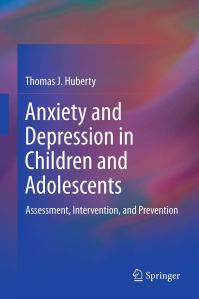
Book: Anxiety and Depression in Children and Adolescents

Book Title:

Anxiety and Depression in Children and Adolescents: Assessment, Intervention, and Prevention.

Author(s): Thomas J. Huberty..

Year: 2012.

Edition: First (1st).

Publisher: Springer.

Type(s): Hardcover and eBook.

Synopsis:

Although generally considered adult disorders, anxiety and depression are widespread among children and adolescents, affecting academic performance, social development, and long-term outcomes. They are also difficult to treat and, especially when they occur in tandem, tend to fly under the diagnostic radar.

Anxiety and Depression in Children and Adolescents offers a developmental psychology perspective for understanding and treating these complex disorders as they manifest in young people. Adding the school environment to well-known developmental contexts such as biology, genetics, social structures, and family, this significant volume provides a rich foundation for study and practice by analyzing the progression of pathology and the critical role of emotion regulation in anxiety disorders, depressive disorders, and in combination. Accurate diagnostic techniques, appropriate intervention methods, and empirically sound prevention strategies are given accessible, clinically relevant coverage. Illustrative case examples and an appendix of forms and checklists help make the book especially useful.

Featured in the text:

  • Developmental psychopathology of anxiety, anxiety disorders, depression, and mood disorders.
  • Differential diagnosis of the anxiety and depressive disorders.
  • Assessment measures for specific conditions.
  • Age-appropriate interventions for anxiety and depression, including CBT and pharmacotherapy.
  • Multitier school-based intervention and community programmes.
  • Building resilience through prevention.

Anxiety and Depression in Children and Adolescents is an essential reference for practitioners, researchers, and graduate students in school and clinical child psychology, mental health and school counselling, family therapy, psychiatry, social work, and education.

Book: Mental Health Emergencies

Book Title:

Mental Health Emergencies: A Guide to Recognising and Handling Mental Health Crises.

Author(s): Nick Benas and Michele Hart (LCSW).

Year: 2017.

Edition: First (1st).

Publisher: Hatherleigh Press.

Type(s): Paperback and Kindle.

Synopsis:

One in three people will deal with some kind of mental health concern during their lifetime and odds of knowing a loved one dealing with problems in mental health is even greater.

Mental Health First Aid is a comprehensive guide that provides an overview of the most common mental health problems as well as provide expert guidance on more serious problems such as self-injury, eating disorders, substance abuse, psychosis and attempted suicides.

Book: Way from Chaos to a Better Life

Book Title:

Way from Chaos to a Better Life: Developing Mental health and Recovering from a Mental Illness: By a Survivor’s Inside-Out Persepctive.

Author(s): Henri Kulm.

Year: 2020.

Edition: First (1st).

Publisher: Independently Published.

Type(s): Paperback and Kindle.

Synopsis:

My name is Henri. I was born in 1990 in the capital of Estonia, Tallinn and I have lived there my entire life. I have been diagnosed with schizoaffective disorder, mixed type. This means that I must cope with psychotic episodes and mood disturbances (symptoms of schizophrenia and bipolar disorder). I have been struck by the illness more seriously twice: the first blow was, when I was 22 years old, and the second one was, when I was 25 years old. I have gotten my education by finishing a bachelors and master's degree in energetics and now, I work full-timely in that area. I have gotten my training from Tallinn Mental Health Centre and Loov Ruum Koolitused OÜ to be a licensed experience counsellor and I have been involved in the following activities during my work at Tallinn Mental Health Centre: Individual and group counselling, sharing experience story, conducting trainings, representing organization in media. In the training process, I decided to write deeply about my experience recovering from a major mental illness and I want share that with you. Experience counsellor is a person, who has been diagnosed with a mental illness, but has recovered well. He/she can tell his/her experience with the illness from inside and share things, what a psychiatrist or a psychologist might not know. Because the speciality of the sufferers illness is different in every case, the experience counsellor does not give concrete advice, but encourages and supports basing on his/her experience. Despite the risk of possible negative attitudes from society, I wish to publish this book, because after my first psychotic episode and first treatment in the psychiatric hospital, I fell into the zero point of life. It took a lot of time and work to get out of that zero point and now, I can say that I am satisfied with my life. I have been able to live a full life, start and finish a master’s degree, work full timely in my area and be a licensed experience counsellor. I wish to help people with mental illnesses to recover from a mental illness, to re-establish life quality and develop mental health. I wish to show that recovery from a major mental illness is possible. This book might also be useful to people, who are mentally well, but wish to gain more insight of what a mental illness is all about. This book might also be useful to professionals of mental health.

Book: Mental Health Journal: Anxiety and Depression Journal

Book Title:

Mental Health Journal: Anxiety and Depression Journal. Mental Health Journal & Mood Tracker – Thoughts and Feelings Tracker – PTSD and Depression … Goals, Promote Positive Thinking & Gratitude.

Author(s): R. Roslinda.

Year: 2020.

Edition: First (1st).

Publisher: Independently Published.

Type(s): Paperback.

Synopsis:

This Mental Health Journal & Mood Tracker is designed to help you keep track of your mental and emotional wellbeing. Ideal for anyone struggling with anxiety and mood disorders: depression, ADHD, Bipolar etc. The journal features a 12 monthly daily mood tracker, pages for you to write down your feelings and thoughts. Keep notes on things you are grateful for and your achievements. There are also spaces for you to jot down stuff like, things you did well at today, things that made you smile, things that you had fun doing and enjoyed, things you did that made you feel proud. You can also make notes on goals you want to accomplish.

Features:

  • Mood Tracker For 12 Months: Angry, Ashamed, Confused, Excited….
  • Anxiety Levels Chart-Mood Chart-Section with writing prompts: How do I feel?, Today I am grateful for…, Something I did well today, I felt proud when…
  • and many more!

Major Depressive Disorder: Childhood Trauma

Research Paper Title

Major depressive disorder with childhood trauma: Clinical characteristics, biological mechanism, and therapeutic implications.

Background

Major depressive disorder (MDD) is a main type of mood disorder, characterised by significant and lasting depressed mood.

Until now, the pathogenesis of MDD is not clear, but it is certain that biological, psychological, and social factors are involved.

Childhood trauma is considered to be an important factor in the development of this disease.

Previous studies have found that nearly half of the patients with MDD have experienced childhood trauma, and different types of childhood trauma, gender, and age show different effects on this disease.

In addition, the clinical characteristics of MDD patients with childhood trauma are also different, which often have more severe depressive symptoms, higher risk of suicide, and more severe cognitive impairment.

The response to antidepressants is also worse.

In terms of biological mechanisms and marker characteristics, the serotonin transporter gene and the FKBP prolyl isomerase 5 have been shown to play an important role in MDD and childhood trauma.

Moreover, some brain imaging and biomarkers showed specific features, such as changes in gray matter in the dorsal lateral prefrontal cortex, and abnormal changes in hypothalamic-pituitary-adrenal axis function.

Reference

Guo, W., Liu, J. & Li, L. (2020) Major depressive disorder with childhood trauma:Clinical characteristics, biological mechanism, and therapeutic implications. Zhong nan da xue xue bao. Journal of Central South University. 45(4), pp.462-468. doi: 10.11817/j.issn.1672-7347.2020.190699.

Book: Learned Hopefulness – The Power of Positivity to Overcome Depression

Book Title:

Learned Hopefulness – The Power of Positivity to Overcome Depression.

Author(s): Dan Tomasulo, PhD.

Year: 2020.

Edition: First (1st).

Publisher: New Harbinger Publications.

Type(s): Paperback and Kindle.

Synopsis:

Cultivate hope with strengths-based practices grounded in positive psychology.

If you suffer from depression, sub-clinical depression, or low mood, you may have days where you feel like you have lost hope – hope that you will ever feel better, that the world will be a better place, or that you will someday find the happiness that always seems to elude you. You are not alone. Many people struggle with feelings of sadness and hopelessness – especially in our difficult, modern world. The good news is that you can change.

Learned Hopefulness offers powerful exercises grounded in evidence-based positive psychology to help you identify your strengths; ditch the self-limiting beliefs that diminish your capacity for positivity; and increase feelings of motivation, resiliency, and wellness. You will also learn to untangle yourself from rumination over past negative events, while shifting your perspective to the present moment and anticipating your future through a more positive lens.

With this unique, compassionate, and life-affirming guide, you will find the tools you need to break free from hopelessness and start living a life of happiness and vitality.

Is There a Mental Health Crisis among Canadian Postsecondary Students?

Research Paper Title

Mental Health among Canadian Postsecondary Students: A Mental Health Crisis?

Background

Recent reports express concerns about a mental health crisis among postsecondary students. These assertions, however, often arise from surveys conducted in postsecondary settings that lack the broader context of a referent group. The objectives of this study were:

  • To assess the mental health status of postsecondary students 18 to 25 years old from 2011 to 2017; and
  • To compare the mental health status of postsecondary students to nonstudents.

Methods

Prevalence was estimated for a set of mental health outcomes using seven annual iterations of the Canadian Community Health Survey (2011 to 2017). Logistic regression was used to derive odds ratio estimates comparing mental health status among postsecondary students and nonstudents, adjusting for age and sex. Random effects metaregression and meta-analyses techniques were used to evaluate trends in prevalence and odds ratio estimates over time.

Results

Over the study period, the prevalence of perceived low mental health, diagnosed mood and anxiety disorders, and past-year mental health consultations increased among female students, whereas binge drinking decreased among male students. With the exception of perceived stress, the odds of experiencing each mental health outcome were lower among postsecondary students compared to nonstudents.

Conclusions

These findings do not support the idea that postsecondary students have worse mental health than nonstudents of similar age. The perception of a crisis may arise from greater help-seeking behaviour, diminishing stigma, or increasing mental health literacy. Regardless, the observance of these trends provide an opportunity to address a previously latent issue.

Reference

Wiens, K., Bhattarai, A., Dores, A., Pedram, P., Williams, J.V.A., Bulloch, A.G.M. & Patten, S.B. (2020) Mental Health among Canadian Postsecondary Students: A Mental Health Crisis? Canadian Journal of Psychiatry. 65(1), pp.30-35. doi: 10.1177/0706743719874178. Epub 2019 Sep 4.

Misophonia: Quirk of Human Behaviour or Mental Health Condition?

Introduction

By analogy with misogyny and misanthropy, misophonia ought to mean hatred of noise.

In fact, it is a recent coinage used to label the phenomenon of strong aversive reactions to sounds originating in other people’s oral or nasal cavities, such as chewing, sniffing, slurping, and lip smacking.

A report of a large series of cases seen in the Netherlands suggests that misophonia is well on its way to becoming a new psychiatric disorder (see below) (Jager et al., 2020).

Some commentators have expressed concern at the creeping medicalisation of quirks of human behaviour (BMJ, 2020).

What is Misophonia?

  • It is also known as Selective Sound Sensitivity Syndrome.
  • Misophonia is a disorder in which certain sounds trigger emotional or physiological responses that some might perceive as unreasonable given the circumstance.
  • Those who have misophonia might describe it as when a sound “drives you crazy.”
  • Their reactions can range from anger and annoyance to panic and the need to flee.

Research Paper Title

Misophonia: Phenomenology, comorbidity and demographics in a large sample.

Objective

Analyse a large sample with detailed clinical data of misophonia subjects in order to determine the psychiatric, somatic and psychological nature of the condition.

Methods

This observational study of 779 subjects with suspected misophonia was conducted from January 2013 to May 2017 at the outpatient-clinic of the Amsterdam University Medical Centres, location AMC, the Netherlands. The researchers examined DSM-IV diagnoses, results of somatic examination (general screening and hearing tests), and 17 psychological questionnaires (e.g. SCL-90-R, WHOQoL).

Results

The diagnosis of misophonia was confirmed in 575 of 779 referred subjects (74%). In the sample of misophonia subjects (mean age, 34.17 [SD = 12.22] years; 399 women [69%]), 148 (26%) subjects had comorbid traits of obsessive-compulsive personality disorder, 58 (10%) mood disorders, 31 (5%) attention-deficit (hyperactivity) disorder, and 14 (3%) autism spectrum conditions. 2% reported tinnitus and 1% hyperacusis. In a random subgroup of 109 subjects the researchers performed audiometry, and found unilateral hearing loss in 3 of them (3%). Clinical neurological examination and additional blood test showed no abnormalities. Psychological tests revealed perfectionism (97% CPQ>25) and neuroticism (stanine 7 NEO-PI-R). Quality of life was heavily impaired and associated with misophonia severity (rs (184) = -.34 p = < .001, p = < .001).

Limitations

This was a single site study, leading to possible selection–and confirmation bias, since AMC-criteria were used.

Conclusions

This study with 575 subjects is the largest misophonia sample ever described.

Based on these results the researchers propose a set of revised criteria useful to diagnose misophonia as a psychiatric disorder.

References

BMJ 2020;369:m1843.

Jager, I., de Koning, P., Bost, T., Denys, D. & Vulink, N. (2020) Misophonia: Phenomenology, comorbidity and demographics in a large sample. PloS One. https://doi.org/10.1371/journal.pone.0231390.