Book: Mindfulness Meditation in Psychotherapy

Book Title:

Mindfulness Meditation In Psychotherapy – An Integrated Model For Clinicians.

Author(s): Steven A. Alper, MSW LCSW.

Year: 2016.

Edition: First (1st), Illustrated Edition.

Publisher: Context Press.

Type(s): Hardcover, Paperback, and Kindle.

Synopsis:

Embodying mindfulness allows both therapists and clients to make the most of treatment sessions. More than just a guide to techniques and benefits, this book provides a comprehensive understanding of mindfulness meditation, and shows how to effectively incorporate mindfulness into every aspect of the therapeutic process.

Mindfulness is not simply a therapeutic tool that can be used at a specific time. If you are a psychotherapist interested in implementing mindfulness practices into your therapy sessions, you must first embody a mindful presence yourself. In Mindfulness Meditation in Psychotherapy, psychotherapist Steven Alper presents the mindfulness pyramid model, an easy-to-use reference approach for integrating mindfulness into the very fabric of your therapy sessions – in every action you take.

A therapist’s mindfulness practice and the mindful activity during sessions forms the foundation of clients’ mindfulness practice. This practical guide will help demystify mindfulness meditation; elaborate on the psychotherapeutic benefits of practices such as body scan, breath awareness, sitting meditation, and lovingkindness; and offer helpful strategies for teaching formal and informal mindfulness skills to clients. This book conceptualises and explores the applicability of mindfulness and delves into the many ways in which mindfulness can manifest in psychotherapy.

This is a must-have resource for any therapist interested in honing their own mindfulness practice and incorporating mindfulness in treatment sessions.

Book: Clinical Psychology

Book Title:

The Science and Practice of Clinical Psychology.

Author(s): Timothy J. Trull and Mitch J. Prinstein.

Year: 2012.

Edition: Eighth (8th).

Publisher: Cengage Learning.

Type(s): Hardcover and Paperback.

Synopsis:

In language your students will understand and enjoy reading, Trull/Prinstein’s THE SCIENCE AND PRACTICE OF CLINICAL PSYCHOLOGY, 8E, International Edition offers a concrete and well-rounded introduction to clinical psychology. A highly respected clinician and researcher, Dr. Trull examines the rigorous research training that clinicians receive, along with the empirically supported assessment methods and interventions that clinical psychologists must understand to be successful in the field. This new edition of Trull’s bestselling text covers cutting-edge trends, as well as offers enhanced coverage of culture, gender and diversity, and contemporary issues of health care. Written to inspire students thinking of pursuing careers in the field of clinical psychology, this text is a complete introduction.

Book: The Chemistry of Joy Workbook

Book Title:

The Chemistry of Joy Workbook: Overcoming Depression Using the Best of Brain Science, Nutrition, and the Psychology of Mindfulness (A New Harbinger Self-Help Workbook).

Author(s): Henry Emmons MD, Susan Bourgerie MA LP, Carolyn Denton MA LN, and Sandra Kacher MSW LICSW.

Year: 2012.

Edition: First (1st).

Publisher: New Harbinger Publications, Illustrated Edition.

Type(s): Paperback and Kindle.

Synopsis:

Joy comes of its own accord when we are in our naturally healthy state. Every one of us has the capacity for joy, but many forces in our lives keep us from enjoying this contented and healthy state of being.

When our resilience is depleted, we find it difficult to adapt to change, face challenges, and deal with the ups and downs life brings. If your natural resilience has been consumed by stress or depression, you can reclaim it with the resilience-building programme in The Chemistry of Joy Workbook. Through the questionnaires, exercises, and practices in this guide, you will explore the nine pathways to restoring mood, regaining balance, and rediscovering your capacity for joy.

This book will help you reclaim your joy by teaching you to balance your body with proper nutrition and principles from ayurvedic medicine, how to settle your mind with mindfulness practices, and how to skillfully managing those “emotional tsunamis”. In addition, you will learn to find the right medications and supplements, tap into the wisdom, generosity, and openness that lie within, and build your self-acceptance and connection with others.

If you are ready to reclaim your life from stress, depression, or anxiety and find deep, proufound happiness, this book will be your guide.

Book: 9 Secrets Of Successful Meditation – The Ultimate Key To Mindfulness Inner Calm And Joy

Book Title:

9 Secrets Of Successful Meditation – The Ultimate Key To Mindfulness Inner Calm And Joy.

Author(s): Samprasad Vinod.

Year: 2015.

Edition: First (1ed).

Publisher: Watkins Publishing.

Type(s): Paperback and Kindle.

Synopsis:

Only those who enjoy meditation will do it regularly and experience its many life-enhancing benefits, from an increased sense of inner calm to a feeling of deep joy in everyday life.

In this book, experienced yoga and meditation teacher Dr Samprasad Vinod uses his “9 secrets” approach to guide both newcomers and existing meditation practitioners alike in how to really embrace and get the most from a steady practice.

Coming from a rich spiritual heritage (Dr Vinod’s father was a respected spiritual master who travelled internationally as a World Peace Ambassador), Dr Vinod has created in this book a work that blends traditional Indian wisdom with his modern scientific knowledge as a Doctor.

This title is an important contribution to the field of meditation that removes many distortions and misconceptions about the realities of the practice. It helps readers to understand problems that they may encounter along the way and offers reassuring solutions for them to try. A wonderful blend of spiritual and practical wisdom.

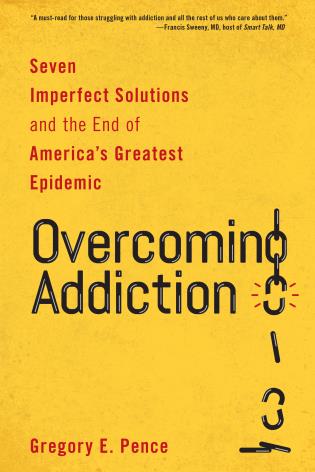
Book: Overcoming Addiction

Book Title:

Overcoming Addiction: Seven Imperfect Solutions and the End of America’s Greatest Epidemic.

Author(s): Gregory E. Pence.

Year: 2020.

Edition: First (1ed).

Publisher: Rowman & Littlefield Publishers.

Type(s): Hardcover and Kindle.

Synopsis:

With an estimated 20 million people addicted to drugs or alcohol, North America is in the grip of an unrivalled epidemic. Overcoming Addiction reveals how seemingly contradictory treatment theories must come together to understand and end dangerous substance abuse.

Addiction treatment has become a billion-dollar industry based on innumerable clinical and psychological perspectives. Zealous clinicians and researchers have gathered around the theories, proclaiming each as the sole truth and excluding alternate views. In this book, leading bioethicist Gregory Pence demystifies seven foundational theories of addiction and addiction treatment. From Alcoholics and Narcotics Anonymous to methadone clinics and brain chemistry studies, each method holds foundation beliefs about human nature, free will, and biology. Understanding the diversity of these theories allows us to build a framework for more effective treatment for all addiction types.

For individuals suffering from addiction, their families, and those who devote their lives to ending addiction’s grasp on our society, this book offers a fresh perspective and a framework for long-term solutions.

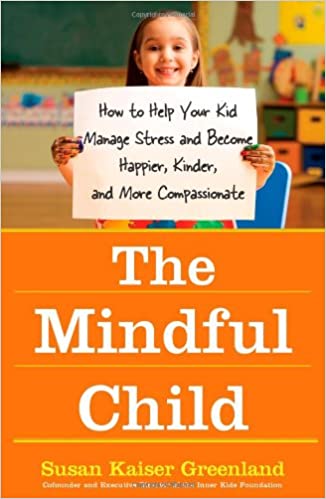
Book: The Mindful Child

Book Title:

Mindful Child, The – How to Help Your Kid Manage Stress and Become Happier, Kinder, and More Compassionate.

Author(s): Susan Kaiser Greenland.

Year: 2010.

Edition: First (1ed).

Publisher: Atria Books.

Type(s):Paperback, audiobook and Kindle.

Synopsis:

The techniques of mindful awareness have helped millions of adults reduce stress in their lives. Now, children -who are under more pressure than ever before – can learn to protect themselves with these well-established methods adapted for their ages. Based on a programme affiliated with UCLA, The Mindful Child is a groundbreaking book, the first to show parents how to teach these transformative practices to their children.

Mindful awareness works by enabling you to pay closer attention to what is happening within you – your thoughts, feelings, and emotions – so you can better understand what is happening to you.

The Mindful Child extends the vast benefits of mindfulness training to children from four to eighteen years old with age-appropriate exercises, songs, games, and fables that Susan Kaiser Greenland has developed over more than a decade of teaching mindful awareness to kids.

These fun and friendly techniques build kids’ inner and outer awareness and attention, which positively affects their academic performance as well as their social and emotional skills, such as making friends, being compassionate and kind to others, and playing sports, while also providing tools to manage stress and to overcome specific challenges like insomnia, overeating, ADHD, hyper-perfectionism, anxiety, and chronic pain.

When children take a few moments before responding to stressful situations, they allow their own healthy inner compasses to click in and guide them to become more thoughtful, resilient, and empathetic.

The step-by-step process of mental training presented in The Mindful Child provides tools from which all children – and all families – will benefit.

Book: Psychotherapy – A Practical Guide

Book Title:

Psychotherapy: A Practical Guide.

Author(s): Jeffery Smith.

Year: 2016.

Edition: First (1st).

Publisher: Springer.

Type(s): Paperback and Kindle.

Synopsis:

This title combines the many schools of thought on psychotherapy into one reader-friendly guide that coaches psychotherapists through the various techniques needed as the field expands.

Unlike any other book on the market, this text considers all of the simultaneous advances in the field, including the neurobiology of emotions, the importance of the therapeutic relationship, mindfulness meditation, and the role of the body in healing.

Written with genuine respect for all traditions from CBT to psychodynamics, the book unifies views of psychopathology and cure based on the notion of the mind-brain as an organ of affect regulation.

The book accounts for the tasks that characterise psychotherapist activity in all therapies, how they are performed, and how they result in therapeutic change.

The book also reviews the various pathologies seen in general practice and guides the reader to the specific therapist-patient interactions needed for their resolution.

With its big-picture focus on clinical practice, Psychotherapy: A Practical Guide is a concise resource for students, psychotherapists, psychologists, residents, and all who seek to integrate what is new in psychotherapy.

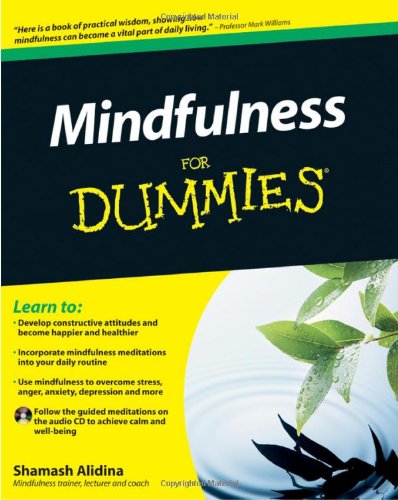
Book: Mindfulness for Dummies

Book Title:

Mindfulness for Dummies.

Author(s): Shamash Alidina.

Year: 2010.

Edition: First.

Publisher: John Wiley & Sons.

Type(s): Paperback, Kindle, and Audiobook.

Synopsis:

A cutting-edge meditation therapy that uses self-control techniques, mindfulness has taken off across the globe as a way of overcoming negative thoughts and emotions and achieving a calmer, more focused state of mind.

Written by a professional mindfulness trainer, this practical guide covers the key self-control techniques designed to help you achieve a more focused and contented state of mind, while maximising the health benefits of mindfulness-from reducing stress, anxiety, and high blood pressure to overcoming depression and low self-esteem and battling chronic pain and insomnia.

Includes self-control techniques (such as body posture, sitting practice and breathing exercises) and routines.

Includes an audio CD featuring narrated meditations and exercises.

Introducing you to a new and powerful form of meditation therapy, Mindfulness For Dummies outlines how to use it in your everyday life to achieve a new level of self-awareness and self-understanding and reap the long-term rewards of better health.

Meditation & Mindfulness

“Explain your work in one easy paragraph.

I am a Buddhist monk who teaches meditation and mindfulness. I’m interested in the application of Buddhist philosophy to the problems of modern life. Meditation is training for the mind, helping us become less controlled by stressful thoughts and emotions. Mindfulness brings the benefits of meditation into daily life. I am also interested in the interface between Buddhism and science, and I frequently collaborate with neuroscientists and medics.

How did you become a monk?

I had an extreme burnout 26 years ago due to high levels of stress, and I went to a Buddhist monastery to find answers. I loved it so much, I decided to remain a monk.

Did you have to overcome any particular challenges to get where you are today?

I used to have bouts of depression and anxiety, so my journey has involved quite a few rocky patches. I do, however, feel that these struggles have helped me to grow and discover valuable knowledge that I can share with others.” (Thubten, 2019, p.56).

Reference

Thubten, G. (2019) The Back Pages: The Q&A. New Scientist. 05 October 2019.